84.Kochi Castle Part2

You can sense the original state of the castle.

Features

Spot for seeing both Main Tower and Main Gate

As a visitor to Kochi Castle today, you will likely enter the remaining Main Gate first, where you can also see the remaining Main Tower over there. In fact, this is a very rare spot where you can see the two kinds of remaining buildings together in Japan.

The Main Tower and Main Gate of Kochi Castle
The Main Gate

The aerial photo around the castle

From Suginodan Enclosure to Iron Gate Ruins

After entering the gate, you can climb on the stone steps to the Suginodan Enclosure where the statues of Kazutoyo Yamanouchi’s wife, called Chiyo, and a horse stand. These statues show that she spent her dowry to buy a fine horse for Kaszutoyo’s parade which was the chance for his promotion. You can also see the great high stone walls of the Third Enclosure above.

The stone steps to the Suginodan Enclosure
The statues of Chiyo and the horse
The high stone walls of the Third Enclosure

If you go further by climbing the stone steps, you will be at the ruins of the Iron Gate which was an important point for defense. The gate was next to the Third Enclosure and led to the Second Enclosure. That’s why the tricky system which could lead enemies to the false gate to the Main Tower, called Tsumemon, was built.

The ruins of the Iron Gate
The Tsumemon Gate seen from the iron Gate Ruins

Third and Second Enclosures

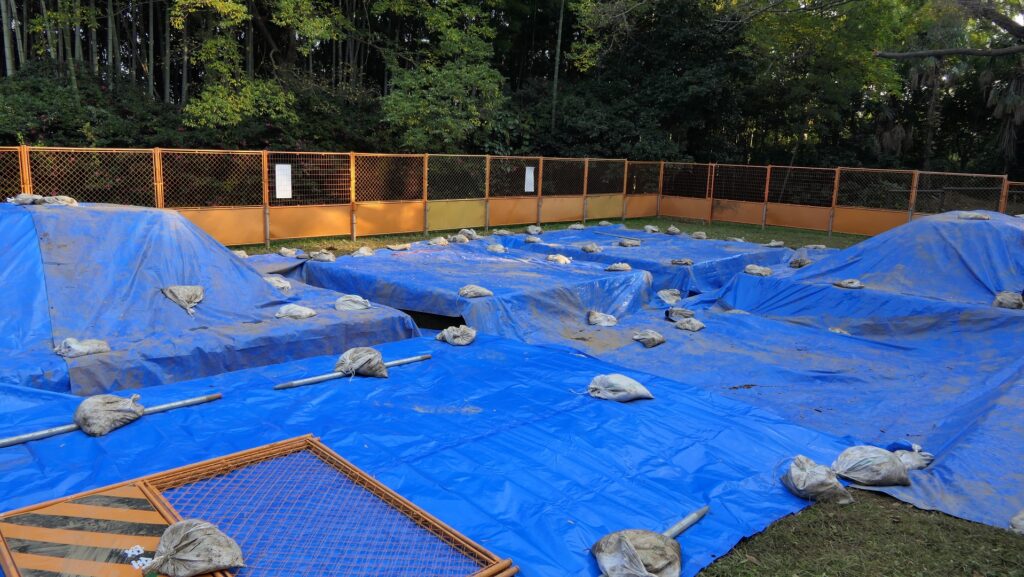
The Third Enclosure is the largest enclosure in the castle where a large building for ceremonies was in the past. In addition, the stone walls of Chosogabe’s period were found there by excavation.

The Third Enclosure
The stone walls of Chosogabe’s period
The Main Tower seen from the Third Enclosure

The Second Enclosure had another Main Hall for the lord where he usually lived, as the hall in the Main Enclosure was too small for daily life. However, the Second Enclosure is just a square now.

From the Iron Gate Ruins to the Second Enclosure
The Second Enclosure

Main Enclosure, almost same condition as original

You can finally reach the Main Enclosure by crossing the remaining Tsumemon Gate from the Second Enclosure. Surprisingly, this enclosure is in almost the same condition as its original, with the 11 remaining buildings. This is also the only spot where the original Main Tower and Main Hall remain at the same place in Japan.

Going to the Tsumemon Gate from the Second Enclosure
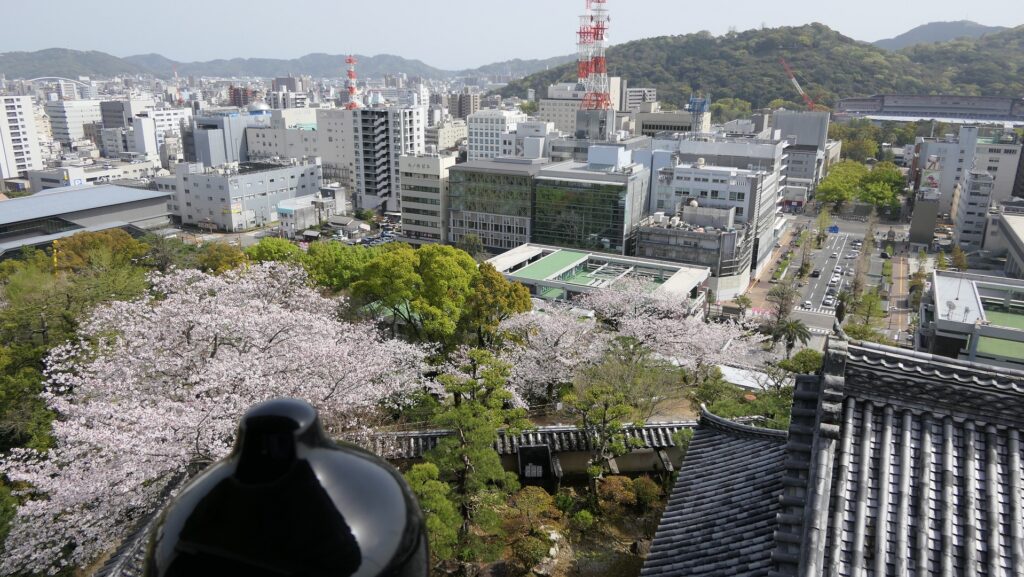
The buildings of the Main Enclosure seen from the Main Tower

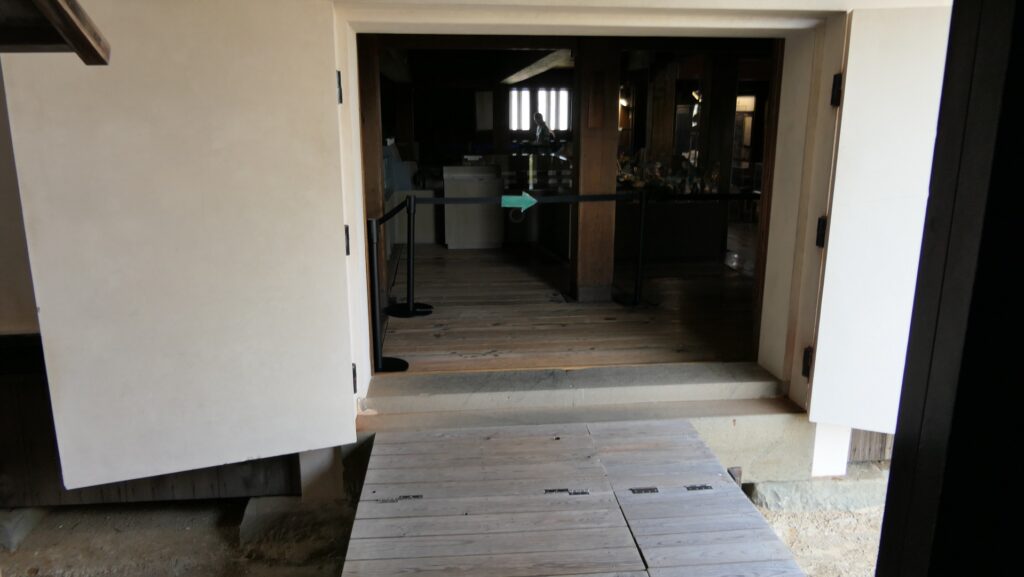
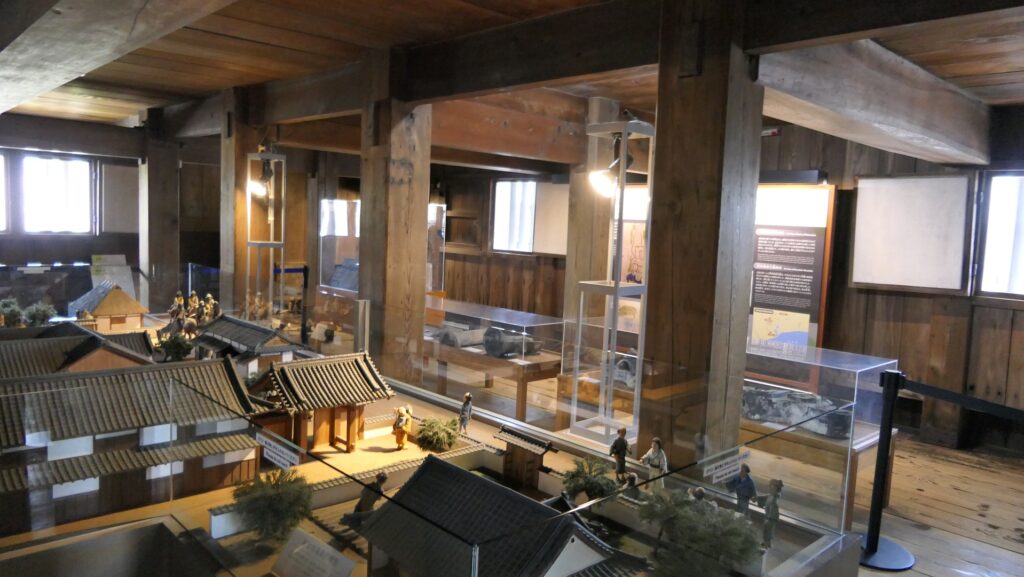
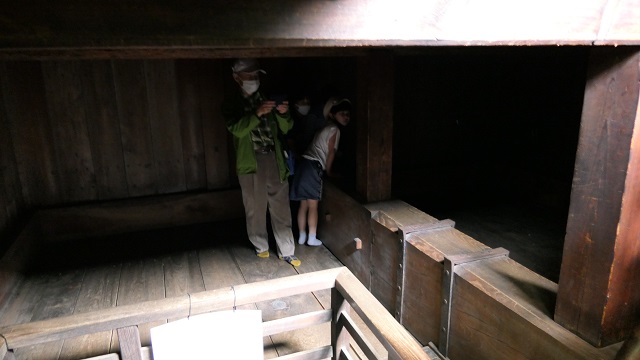
You will need to enter the Main Hall first to reach the Main Tower as they are directly connected to each other. The hall is not large because the space of the enclosure is limited, but important ceremonies for the domain were held there.

The entrance of the Main Hall
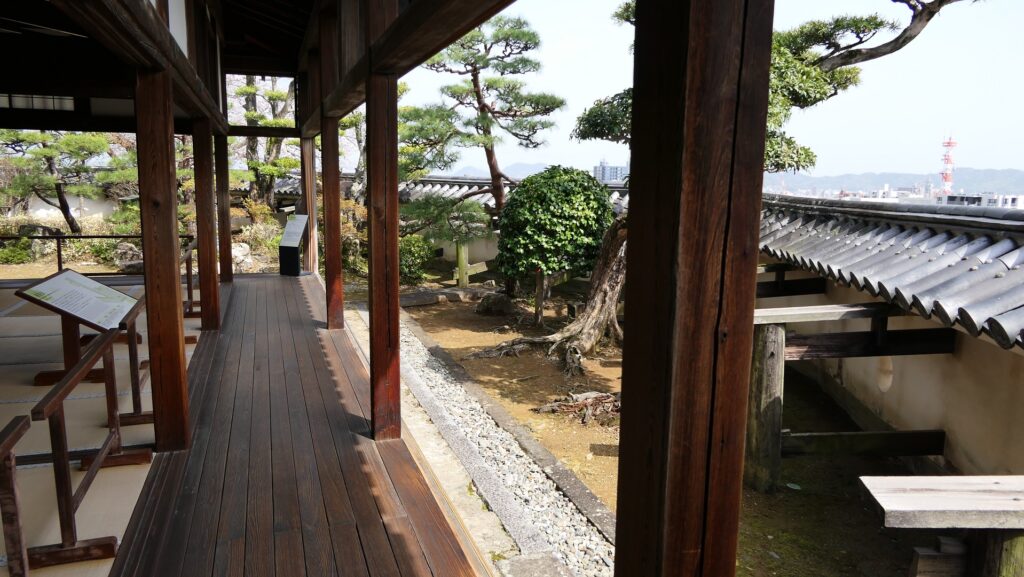
The interior of the Main Hall

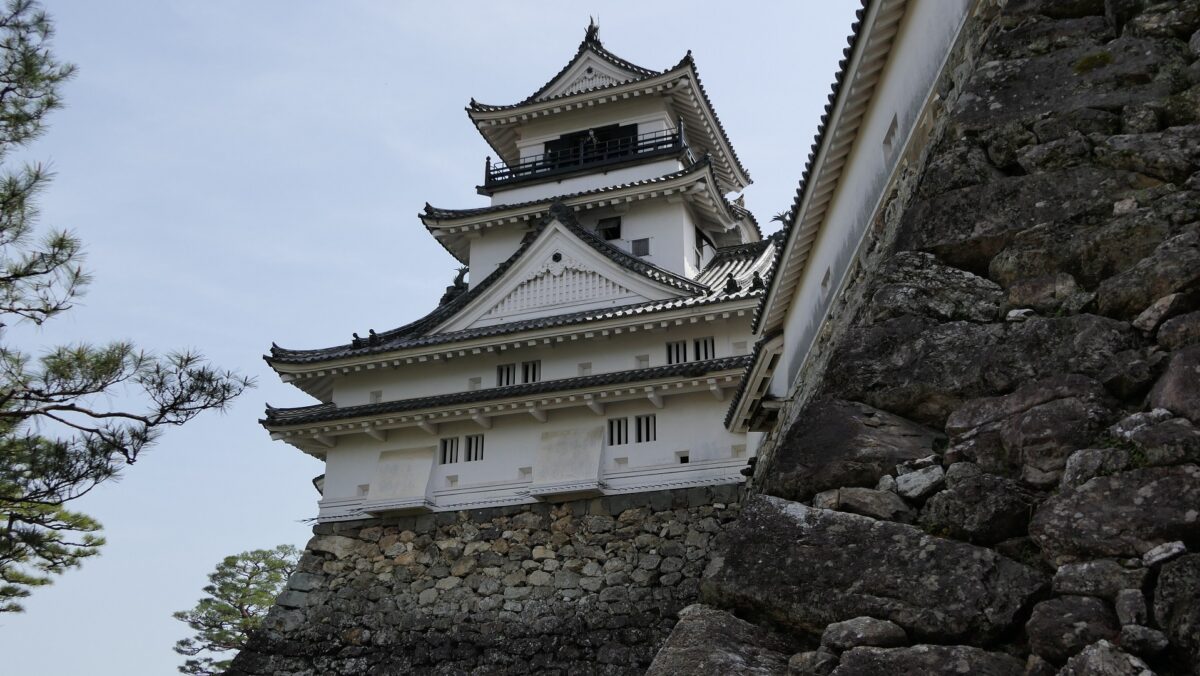
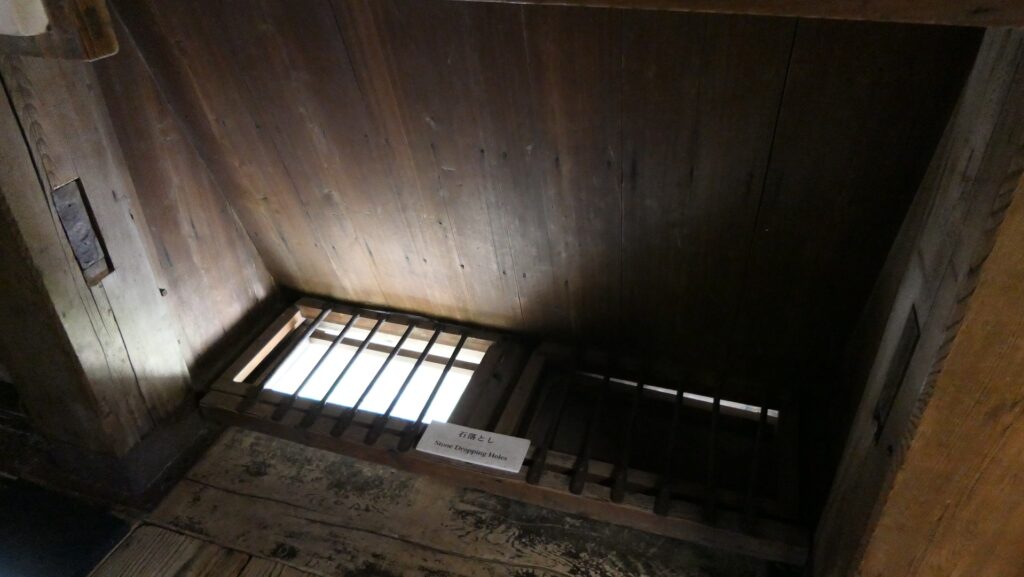
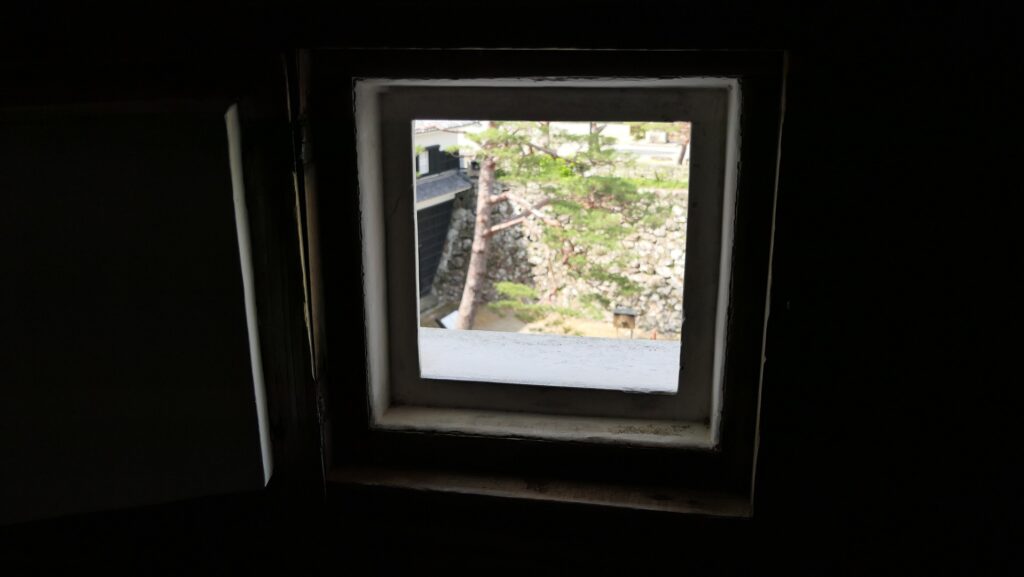
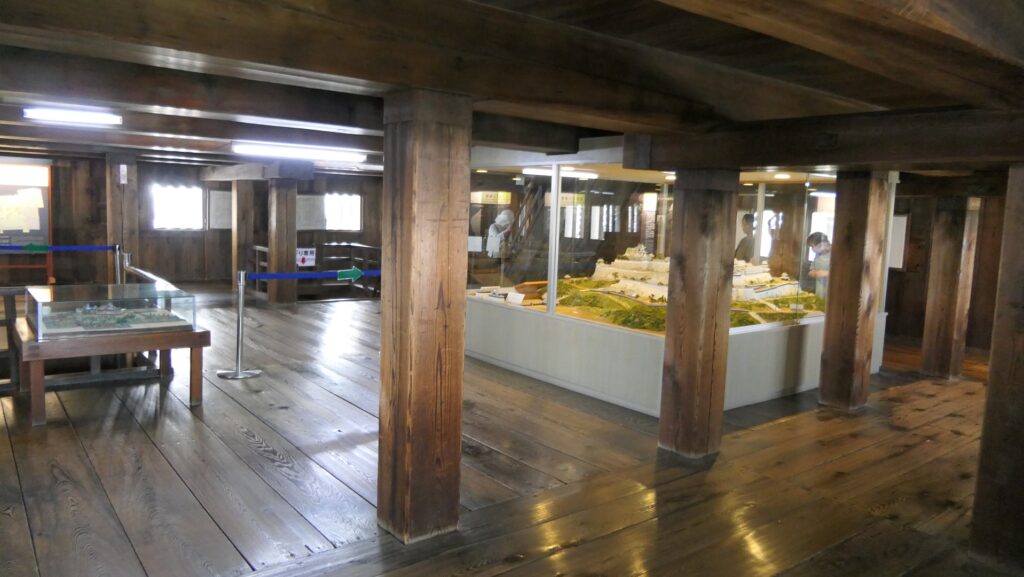
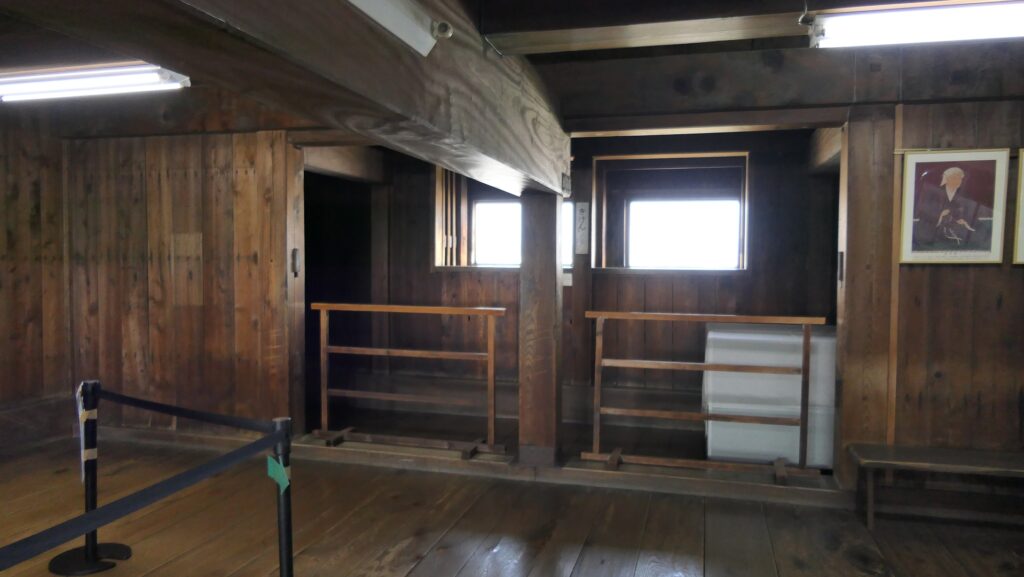
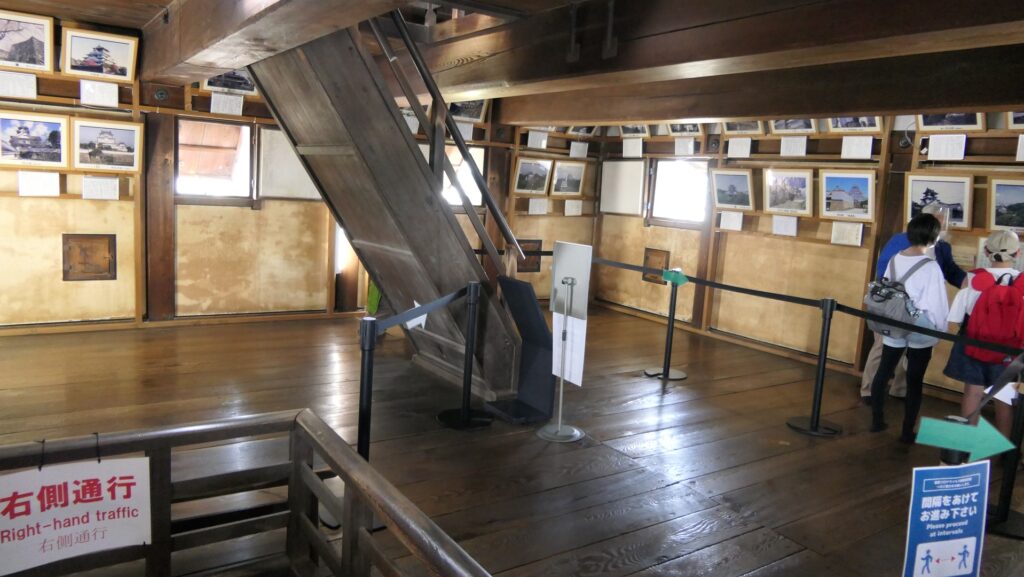
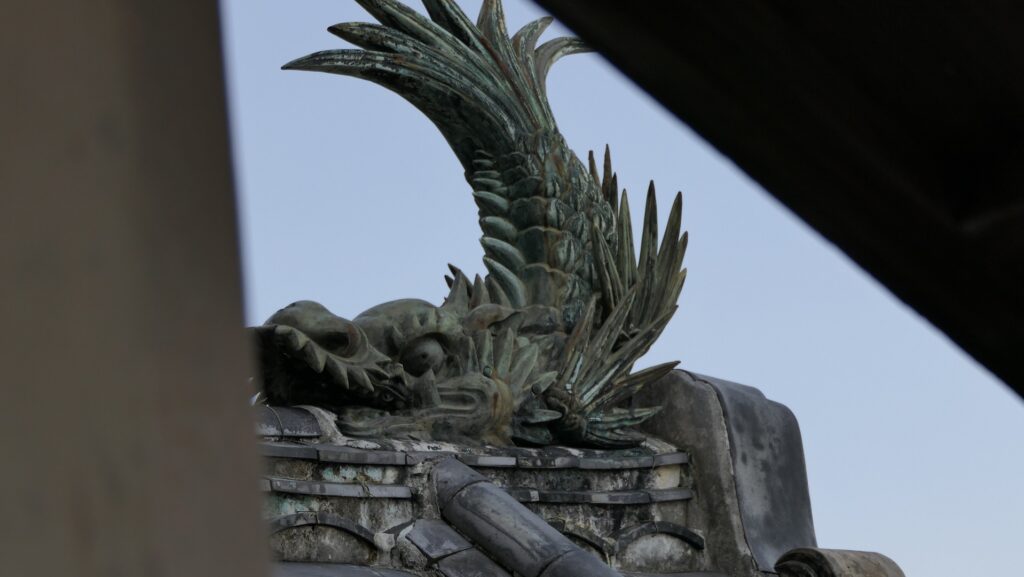
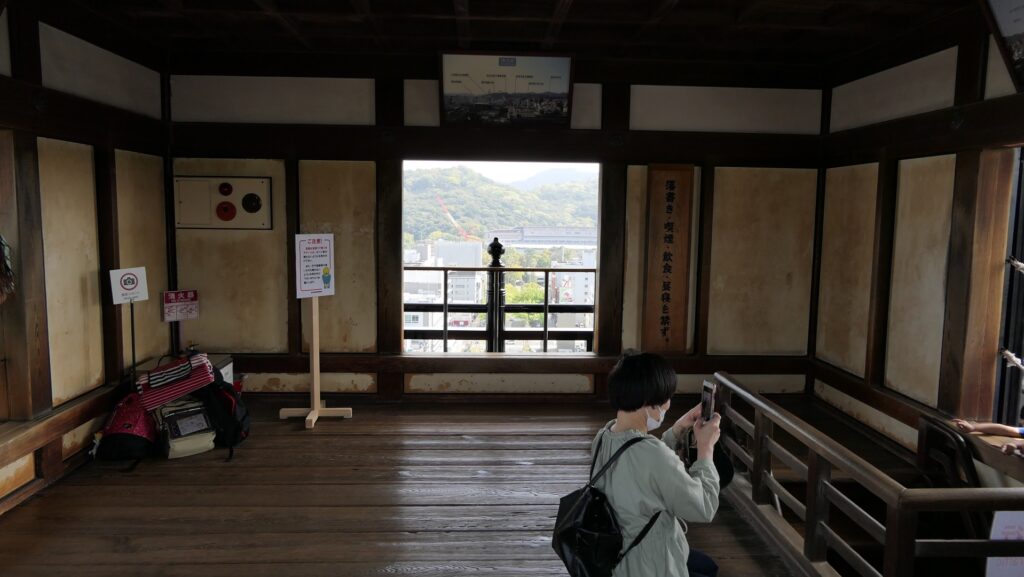
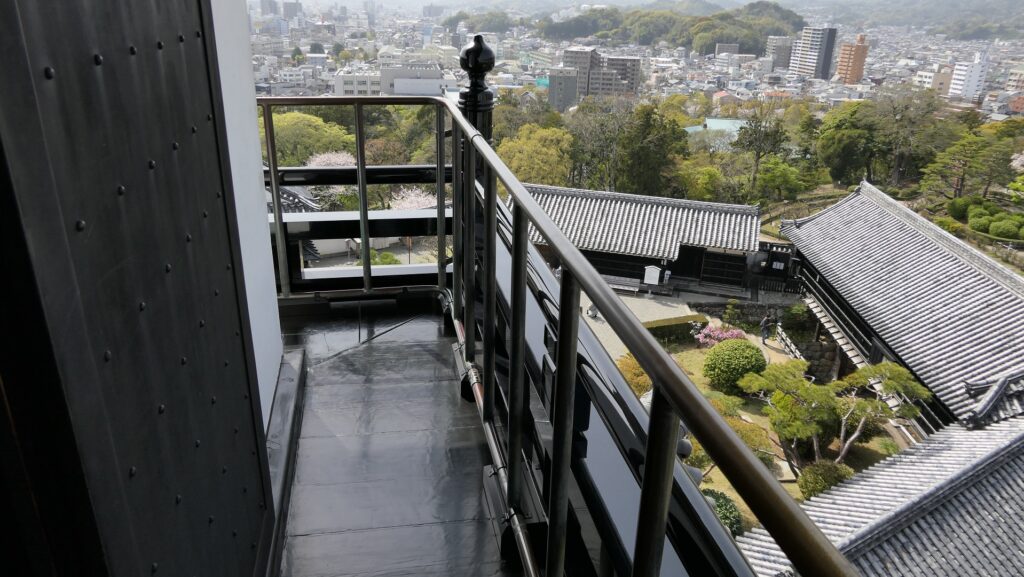
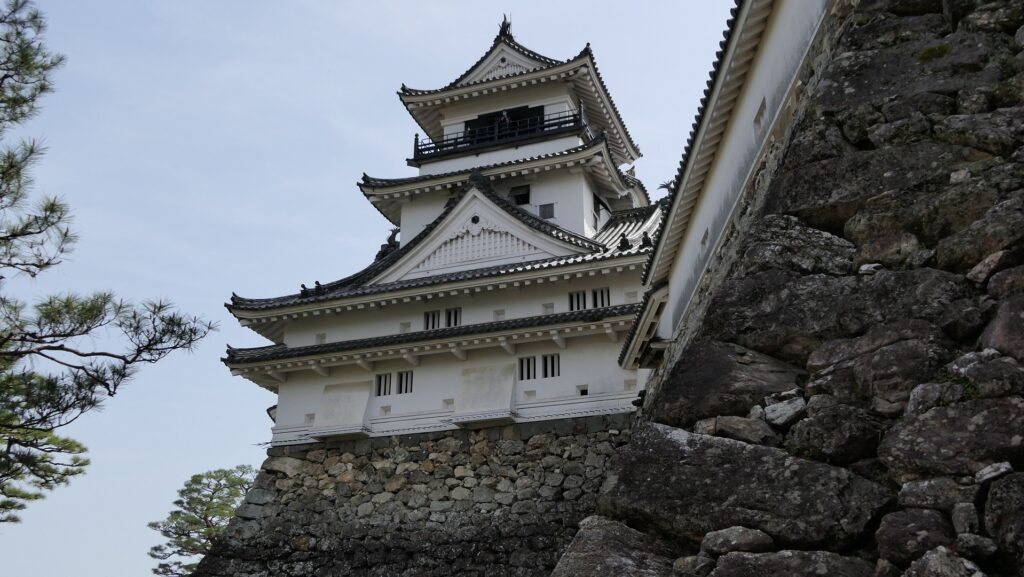
The Main Tower has four layers and six stories, that means two of the stories are attics (3F and 5F). Its style is called the lookout tower type. In the case of Kochi Castle, there is the small two-layer lookout tower on the large two-layer turret with a hip-and-gable roof. The tower also has decorations like Chinese style gables and triangular shaped gables on the roof and a veranda with the lacquered handrail at the top floor. It looks traditional and very beautiful.

The Main Tower of Kochi Castle

To be continued in “Kochi Castle Part3”
Back to “Kochi Castle Part1”

180.Okoh Castle Part3

The Ichiryo-Gusoku group and their reappearance

Features

Walking around Castle Ruins

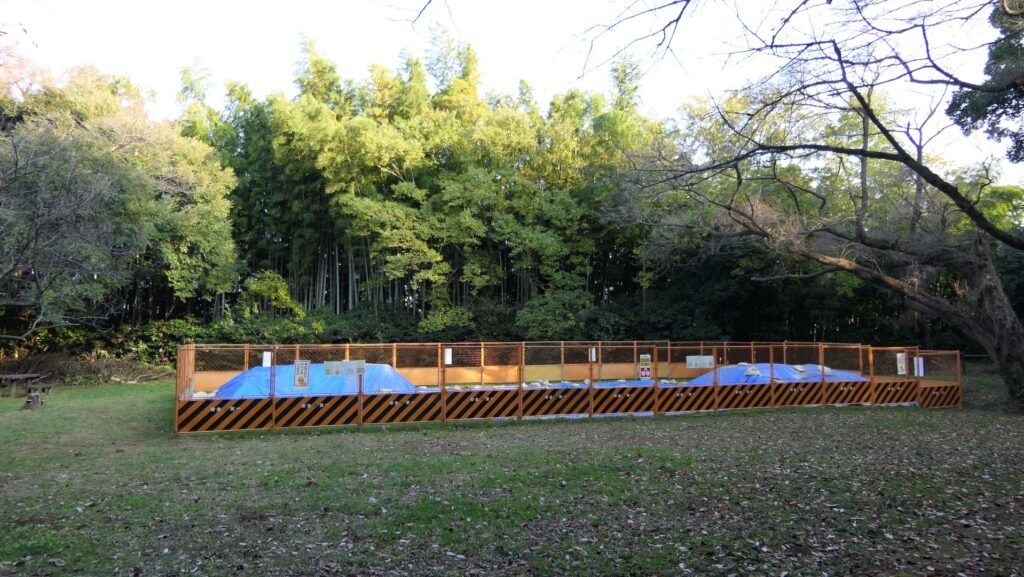
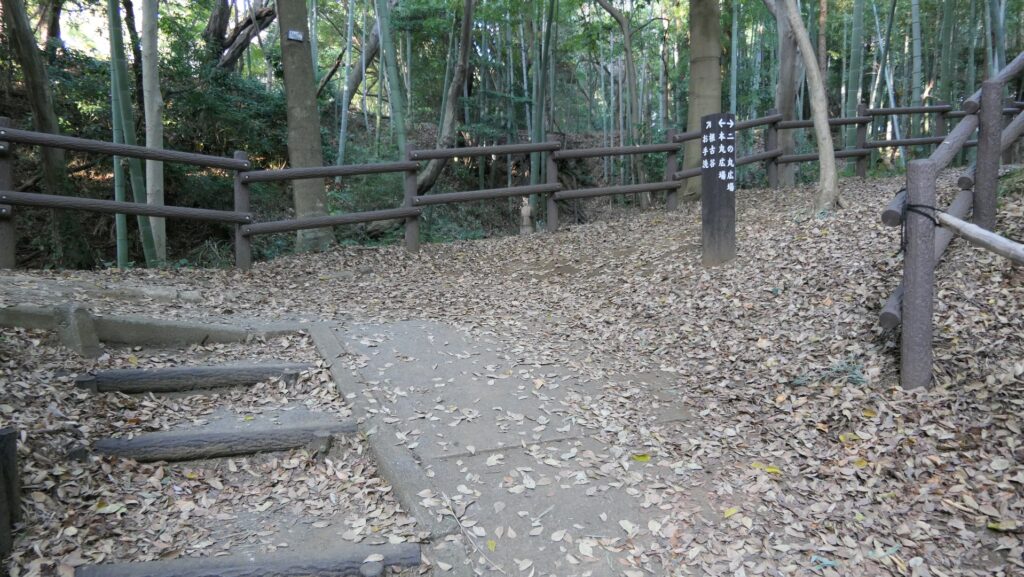
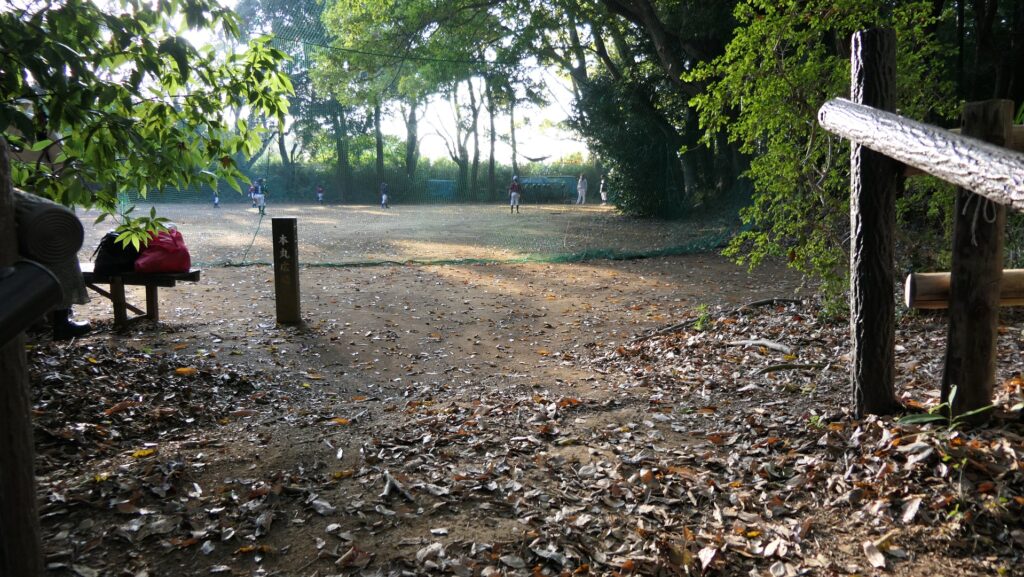
The Enclosure which was supposed to be a Former Stable is a little far from the main portion of the castle. It was used as a lookout as well.

The map around the castle

The Enclosure which was supposed to be a Former Stable

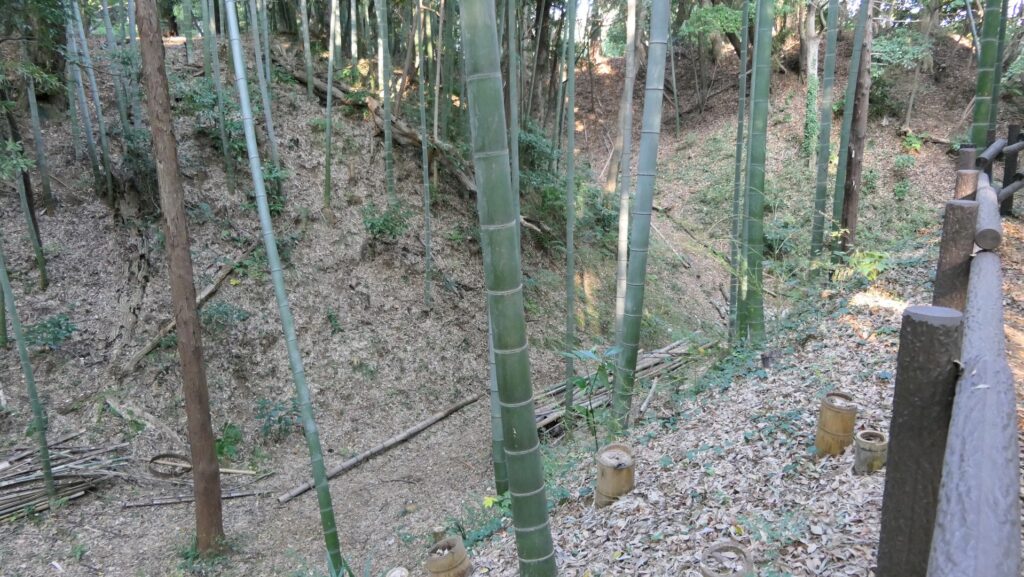
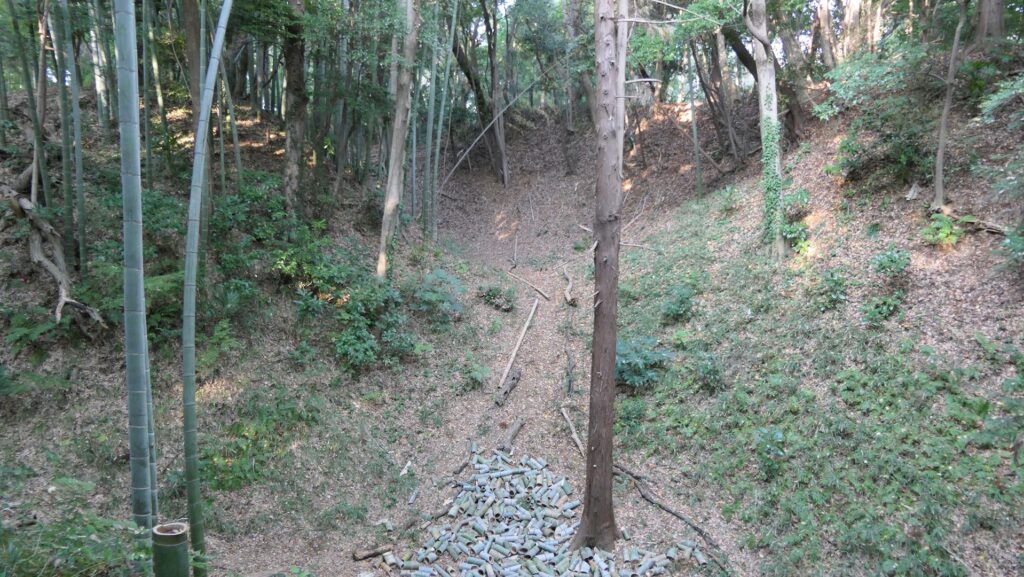
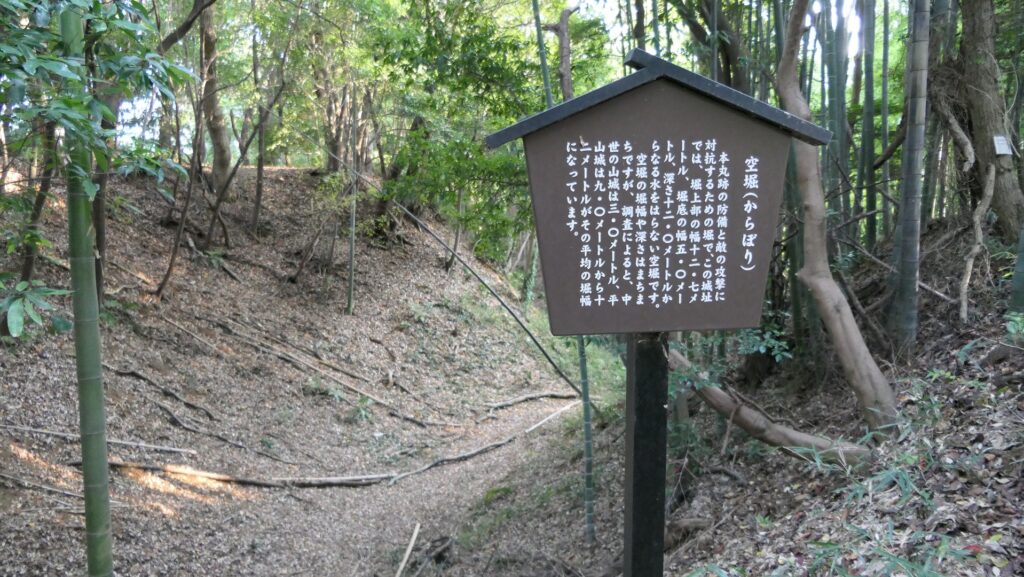
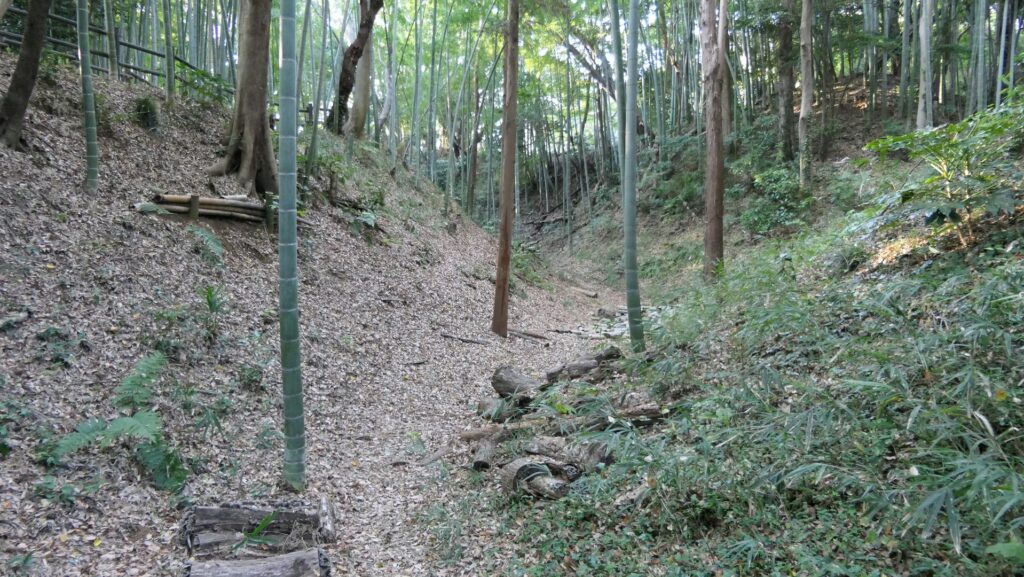
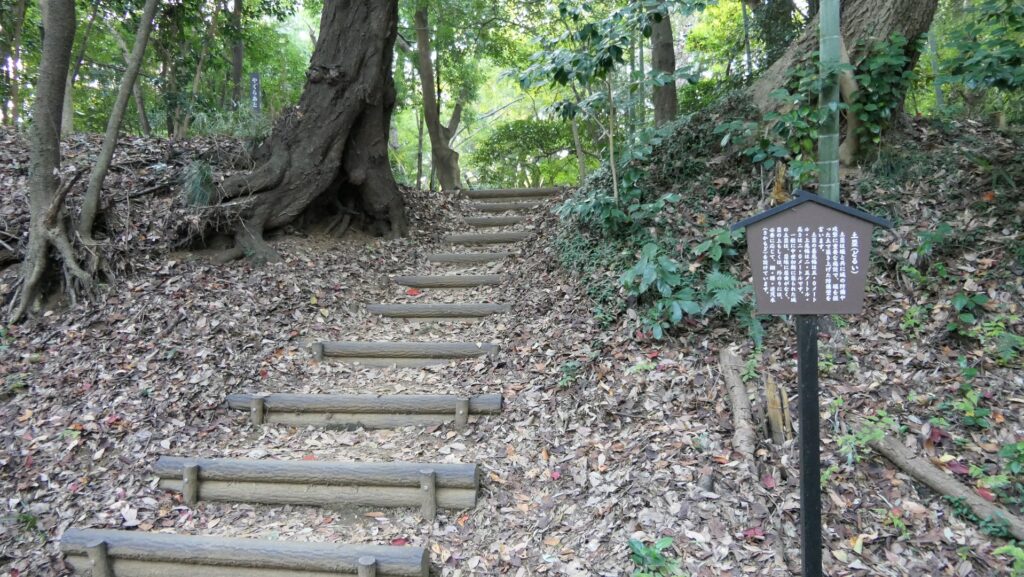
The castle also had many dry moats dug on the mountain in both vertical and horizontal directions to prevent enemies from attacking. You can still see some of them remained.

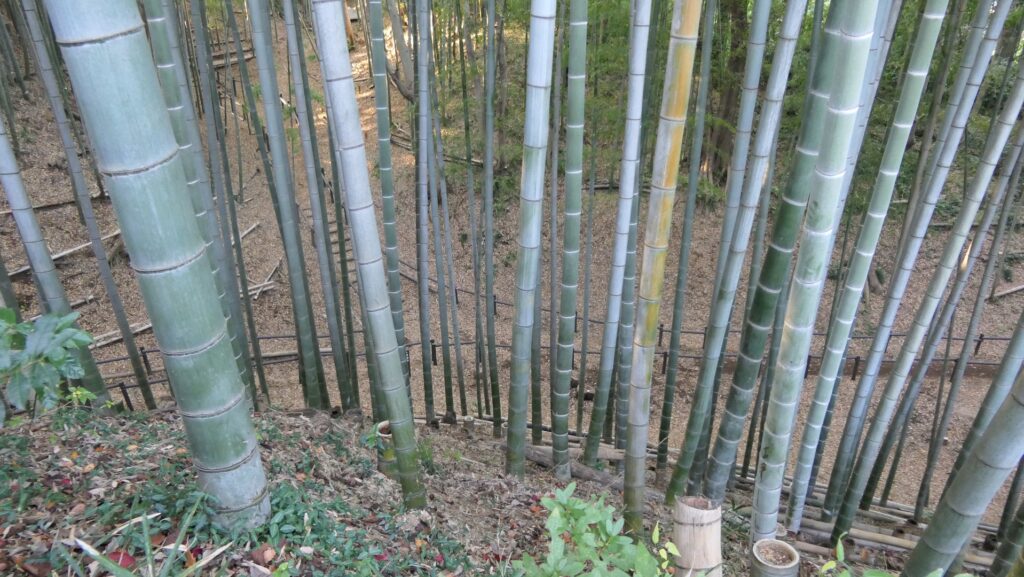
A vertical dry moat
A horizonal dry moat

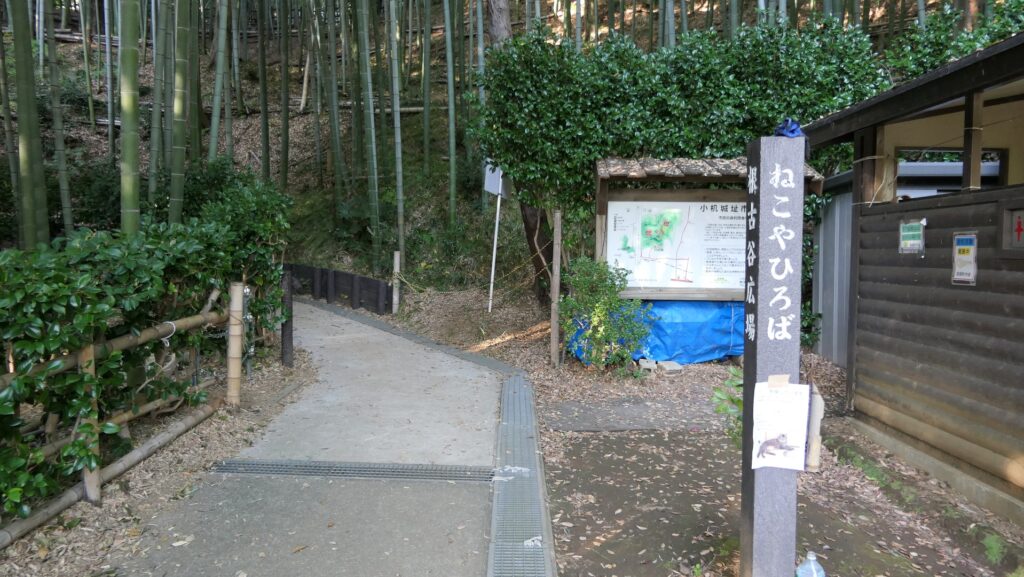
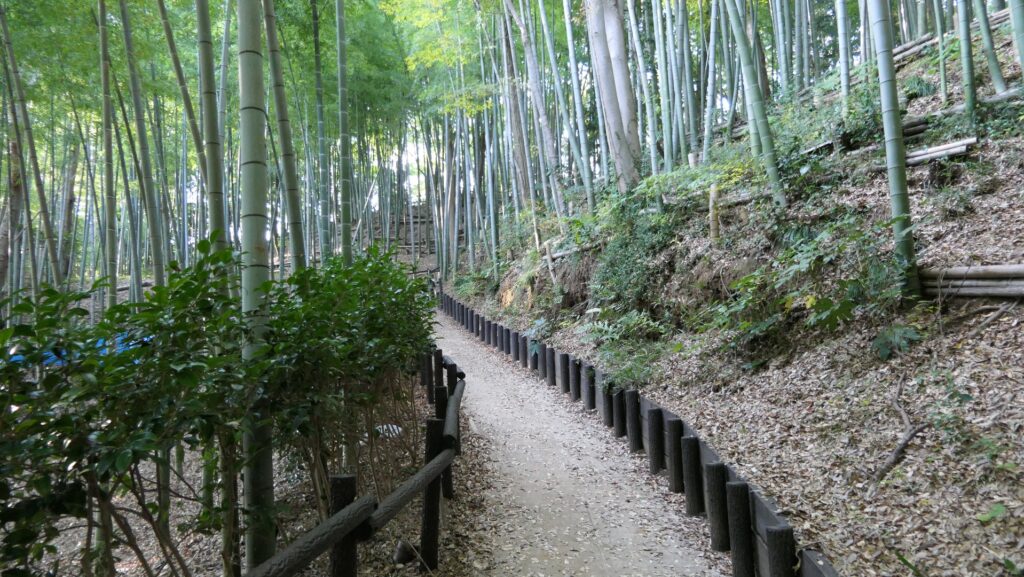
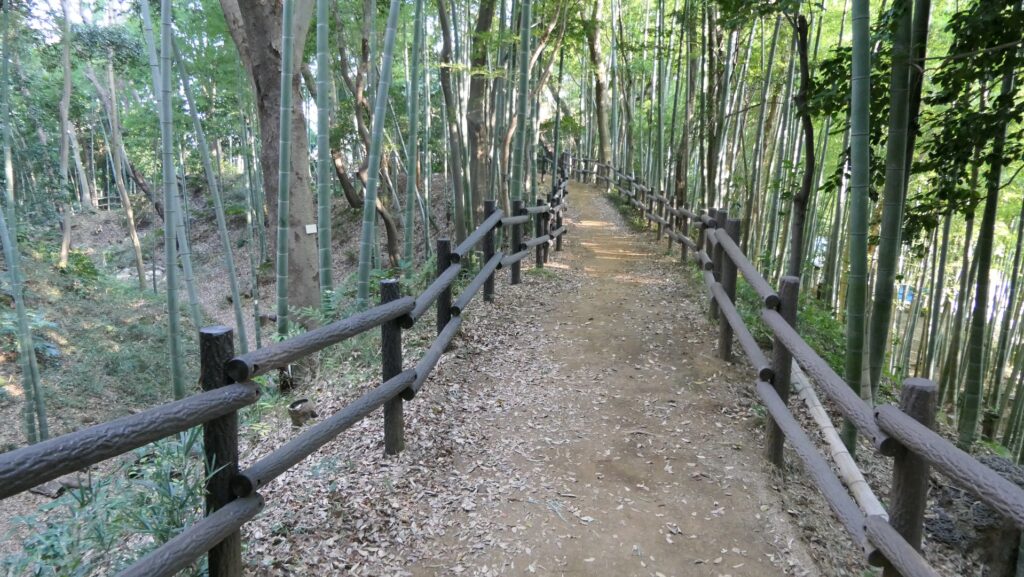
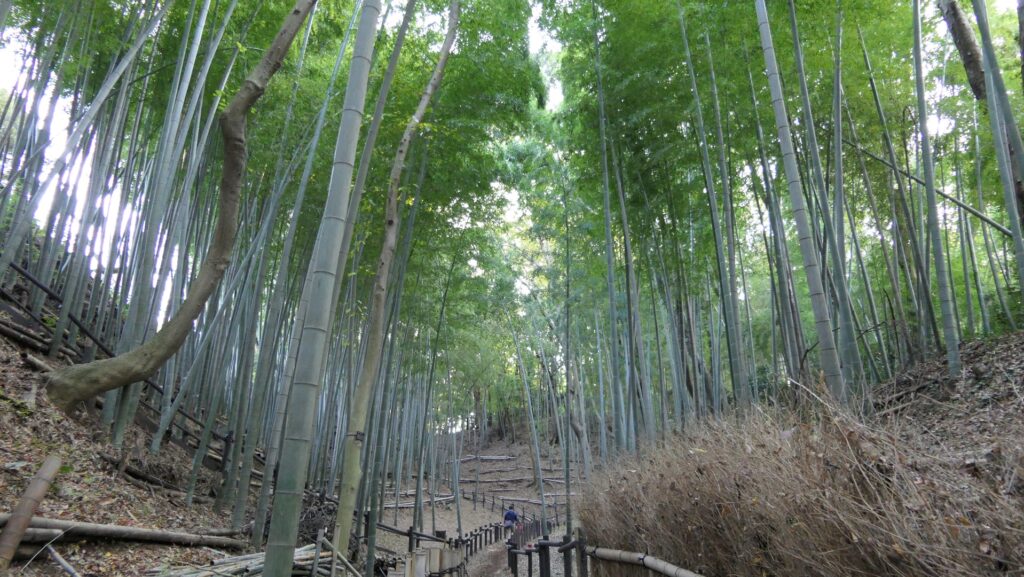
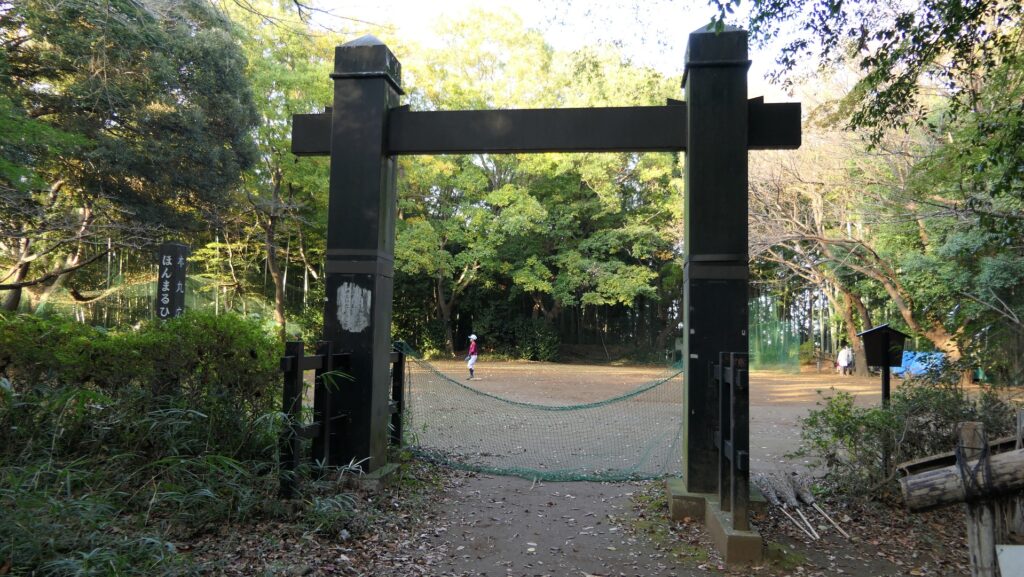
The castle ruins now have many routes like network and many enclosures for stop and rest, so you can enjoy walking and relaxing as well as learning history.

Some of the routes going around the castle ruins
A view from the Enclosure which was supposed to be a Former Stable

Later History

After Okoh Castle was abandoned, the Chosogabe Clan was unfortunately fired by the Tokugawa Shogunate. The Yamanouchi Clan from Kakegawa Caste came to govern Tosa Province and lived in Kochi Castle. The remaining Ichiryo-Gusoku group suffered from the Yamanouchi high-class warriors as the low class ones during the Edo Period. However, due to their rebellious spirit, some heroes in the Meiji Restoration such as Ryoma Sakamoto and Shintato Nakaoka appeared from the low class to change Japan later.

The portrait of Ryoma Sakamoto, published in a book called Kinsei Meishi Shashin vol.2 (licensed under Public Domain via Wikimedia Commons)
The photo of Shintaro Nakaoka, published in a book called Ishin Tosa Kinnoshi (licensed under Public Domain via Wikimedia Commons)

As for the castle ruins, they were first developed as a normal park with cherry trees planted. The excavation was done between 1985 and 1990. Since then, the ruins have been developing as Okoh Mountain Historical Park. They were finally designated as a National Historical Site in 2008. In addition, Kochi Prefectural Museum of History was built beside the park in 1991, where you can learn more about the castle and the Chosogabe Clan.

The monument of the castle ruins

My Impression

I recommend visiting the three Chosogabe’s home base castles at once because they are close to each other. Kochi Castle basically remains as the Yamanouchi Clan’s legacy now, but the castle’s hill still has many tiers like Okoh Castle, probably it came from Chosogabe’s period. Though the ruins of Urado Castle were mostly destroyed by modern facilities, you can still see the great ocean view of Katsurahama Beach and the famous statue of Ryoma Sakamoto nearby.

Kochi Castle
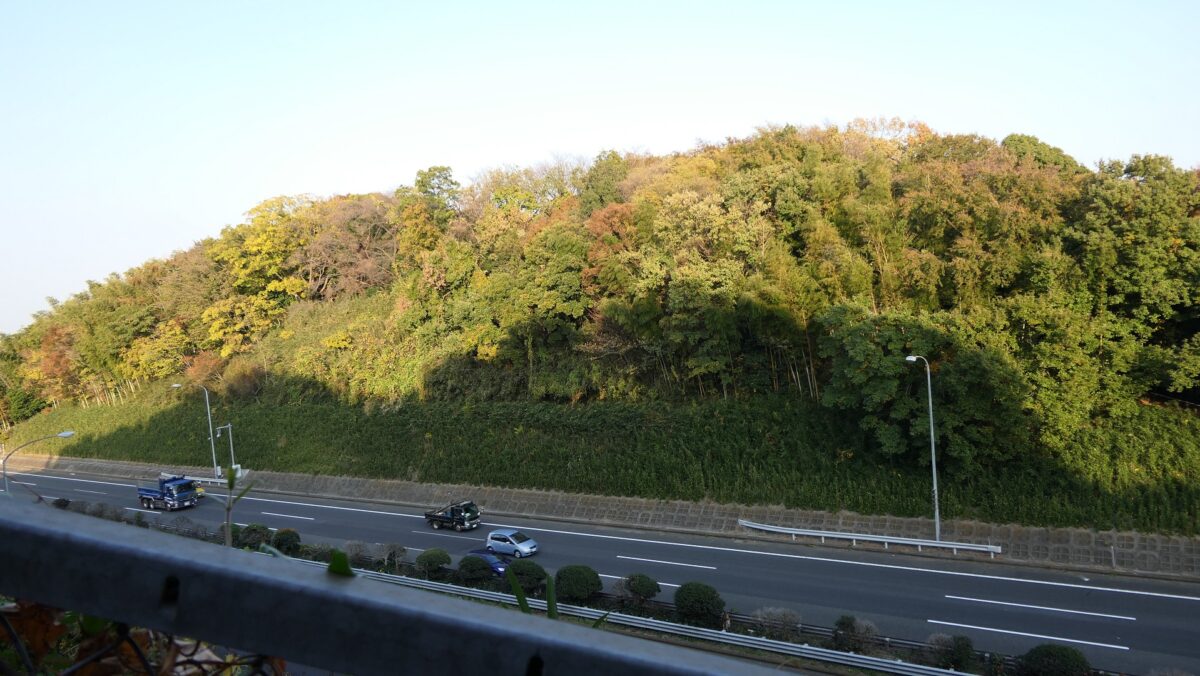
Kochi Castle also has many tiers
The ruins of Urado Castle
Katsurahama Beach
The statue of Ryoma Sakamoto (taken by 末っ子魂 from photoAC)

How to get There

I recommend using a car when you visit the ruins.
It is about 10 minutes away from Nankoku IC on the Kochi Expressway.
The park offers a parking lot.
If you go there from Tokyo or Osaka, I recommend going there by plane. When you get there, it’s better to rent a car as there are few buses in the area.

The parking lot beside the park

Links and References

National Historical Site: Oko Castle Ruins, Kochi Prefectural Museum of History

That’s all. Thank you.
Back to “Okoh Castle Part1”
Back to “Okoh Castle Part2”
180.岡豊城 その3

一領具足の再来

特徴、見どころ

城跡を歩き回る

城の主要部分とは少し離れた場所に、伝厩跡曲輪があります。ここも物見台として使われていました。

城周辺の地図

伝厩跡曲輪

この城にはまた、敵の攻撃を防ぐために、多くの空堀が山の垂直方向と水平方向の両方に掘られました。今もそのうちのいくつかが残されています。

竪堀
横堀

この城跡には現在、多くの通路がネットワークのように巡らされていて、多くの曲輪ではくつろいだり休憩することができます。歴史を学ぶだけでなく、散歩を楽しんだり、リラックスすることができる場所です。

城跡を巡る通路
伝厩跡曲輪からの景色

その後

岡豊城が廃城となった後、長宗我部氏は、徳川幕府により不幸にも改易となってしまいました。山内氏が掛川城より、土佐国を治めるためにやってきて、高知城を居城としました。残された一領具足の人たちは江戸時代の間、山内の上級武士(上士)から下級武士(郷士)として虐げられました。しかし、彼らは反骨精神を持ち続け、明治維新のときにはこの中から坂本龍馬や中岡慎太郎といったヒーローが現れ、後の日本を変えていくことになります。

坂本龍馬肖像画、「近世名士写真 其二」より (licensed under Public Domain via Wikimedia Commons)
中岡慎太郎写真、「維新土佐勤王史」より (licensed under Public Domain via Wikimedia Commons)

城跡に関しては、最初は桜の木が植えられ、通常の公園として整備されました。1985年から1990年の間には発掘が行われました。それ以来、城跡は岡豊山歴史公園として整備されています。2008年にはついに国の史跡に指定されました。更には、1991年には高知県歴史民俗資料館が公園の傍で開館しました。そこでは、城や長宗我部氏のことをより学ぶことができます。

城跡にある記念碑

私の感想

長宗我部氏の本拠地となった3つの城を一度に見て回ることをお勧めします。それぞれが近い位置にあるからです。高知城は、基本的には山内氏の遺産として残っていますが、この城の丘陵部分には岡豊城のようにいくつもの段があり、これは長宗我部氏の時代に由来するのではないでしょうか。浦戸城跡は、現代の施設建設により大半が破壊されてしまっていますが、桂浜では雄大な太平洋を、その近くでは有名な坂本龍馬像を見ることができます。

高知城
高知城にも多くの段があります
浦戸城跡
桂浜
坂本龍馬像   (taken by 末っ子魂 from photoAC)

ここに行くには

この城跡へは、車で行かれることをお勧めします。
高知自動車道の南国ICから約10分かかります。
公園に駐車場があります。
東京や大阪からは、飛行機来られることをお勧めします。空港からはレンタカーを借りるのがよいでしょう。この周辺地域はバスの便数が少ないですので。

公園の駐車場

リンク、参考情報

国史跡 岡豊城跡、高知県立歴史民俗資料館
・「戦国の山城を極める 厳選22城/加藤理文 中井均著」学研プラス
・「長宗我部氏/長宗我部友親著」文春文庫
・「よみがえる日本の城13」学研
・「日本の城改訂版第26、42号」デアゴスティーニジャパン

これで終わります。ありがとうございました。
「岡豊城その1」に戻ります。
「岡豊城その2」に戻ります。

error: Content is protected !!