19.Kawagoe Castle Part2

Today, the ruins of Kawagoe Castle are not noticeable among the city area. Only part of the Main Hall remains in the Main Enclosure and some related historical items are preserved or restored around. Let us first seek for some of the traces of the castle in the city area before visiting the Main Hall in the center.
Features

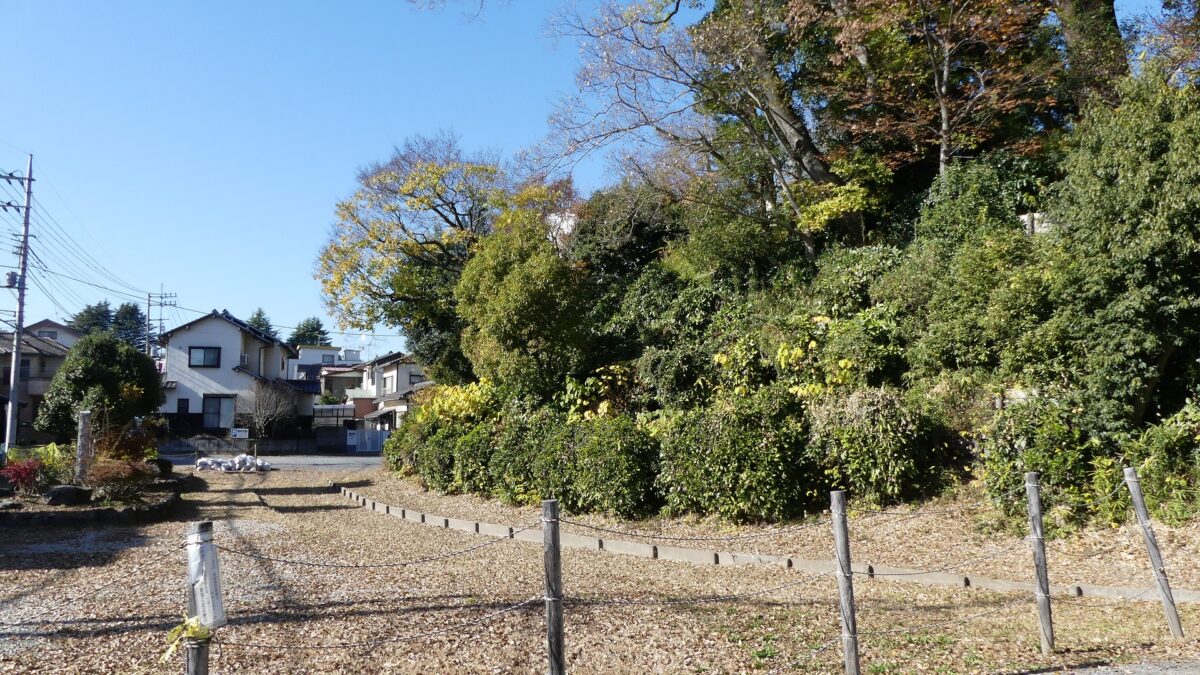
Today, the ruins of Kawagoe Castle are not noticeable among the city area. Only part of the Main Hall remains in the Main Enclosure and some related historical items are preserved or restored around. For example, if you walk or drive from the east of the castle, which was a waterlogged area, to the castle ruins, you may just notice the road is slightly going up. That was a border for dividing the inside and outside of the castle, but all of them have become a city area. Therefore, let us first seek for some of the traces of the castle in the city area before visiting the Main Hall in the center.

Around the eastern edge of the castle in the past

Older Traces of Castle

We will start from the second enclosure, which is the north of the main enclosure and where Kawagoe City Museum is located. This was the eastern edge of the castle in its early stage. You can now walk down to the Shingashi River on the east, which was developed during the Edo Period. Some of the residential areas around originate from new enclosures at that time and some of the roads were moats.

The aerial photo around the castle
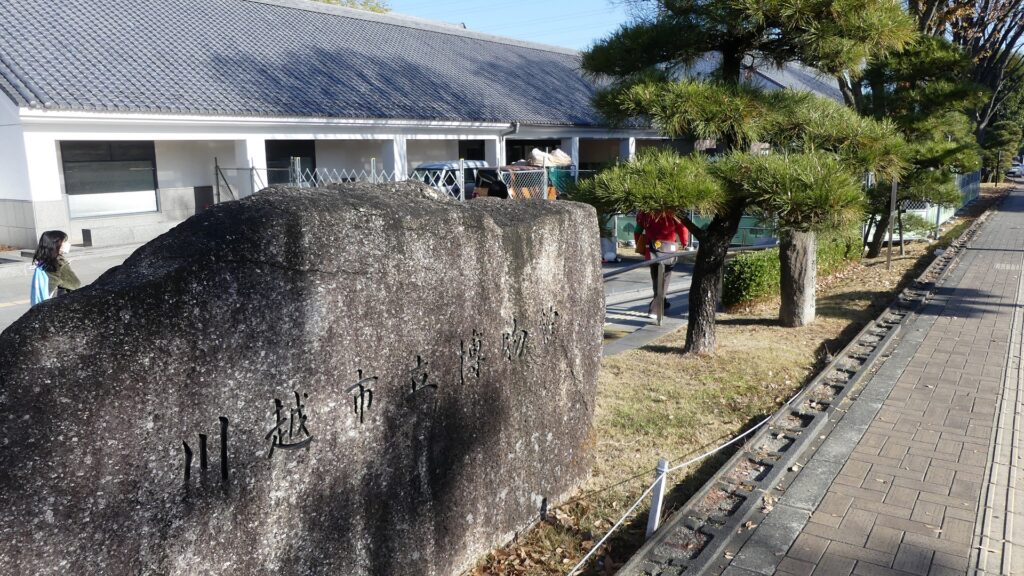
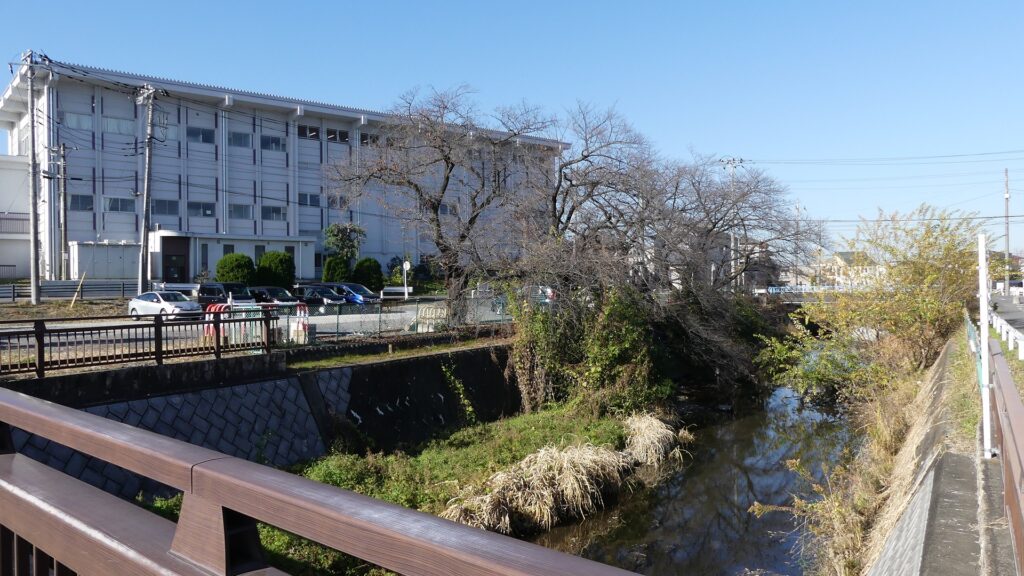
Kawagoe City Museum
The Shingashi River
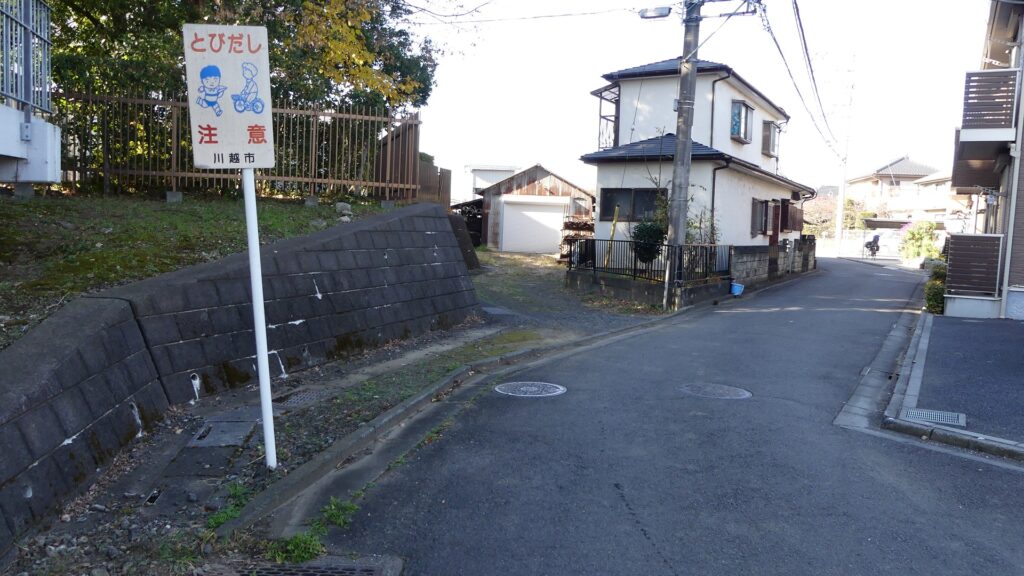
Around here was a moat in the past

If you walk along the river, it will follow the edge of the Musashino Plateau. You will eventually find Taya Weir which was originally the estuary of the Taya River. That means the upstream beyond is older than the downstream.
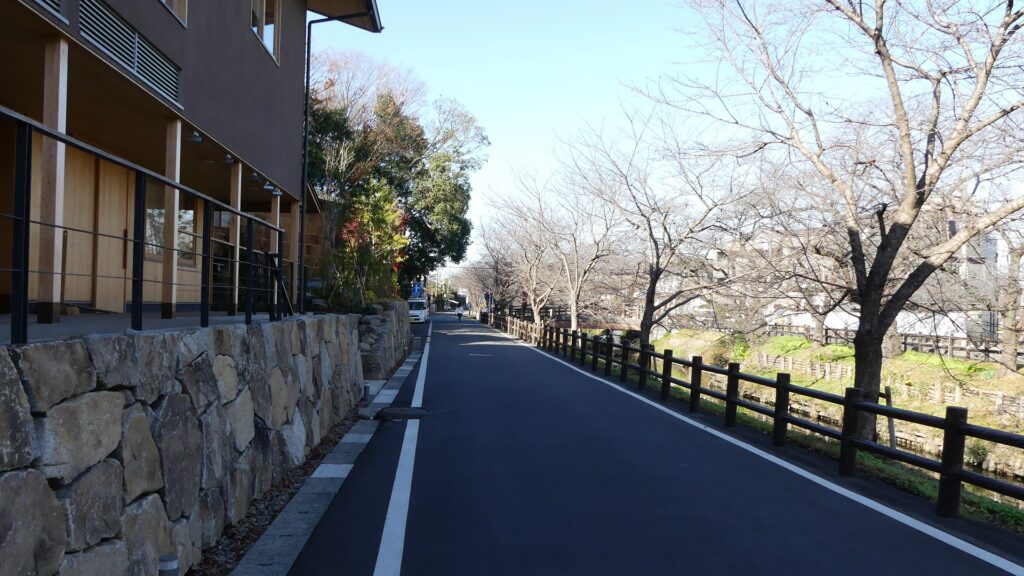
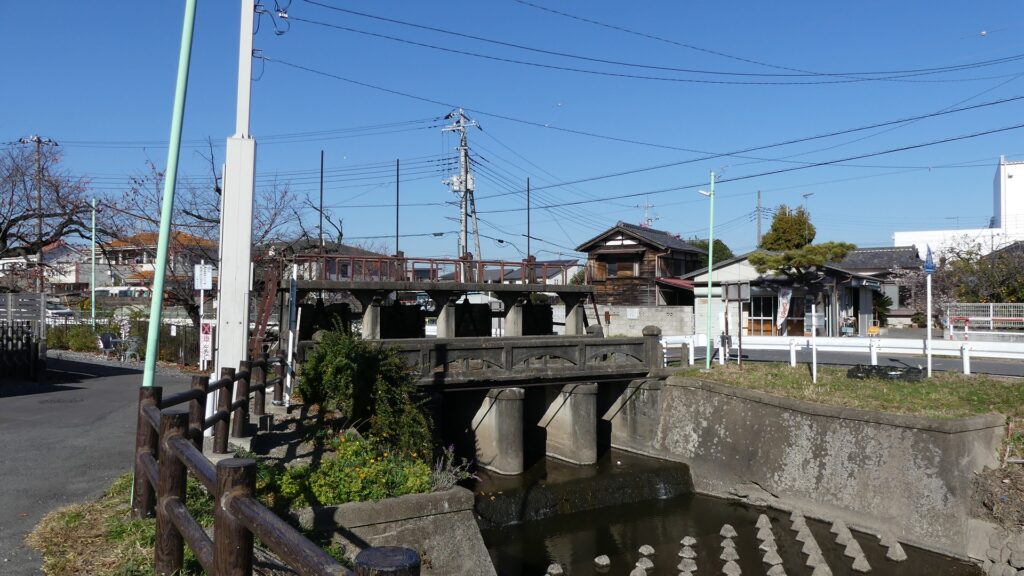
Going along the river
The Taya Weir

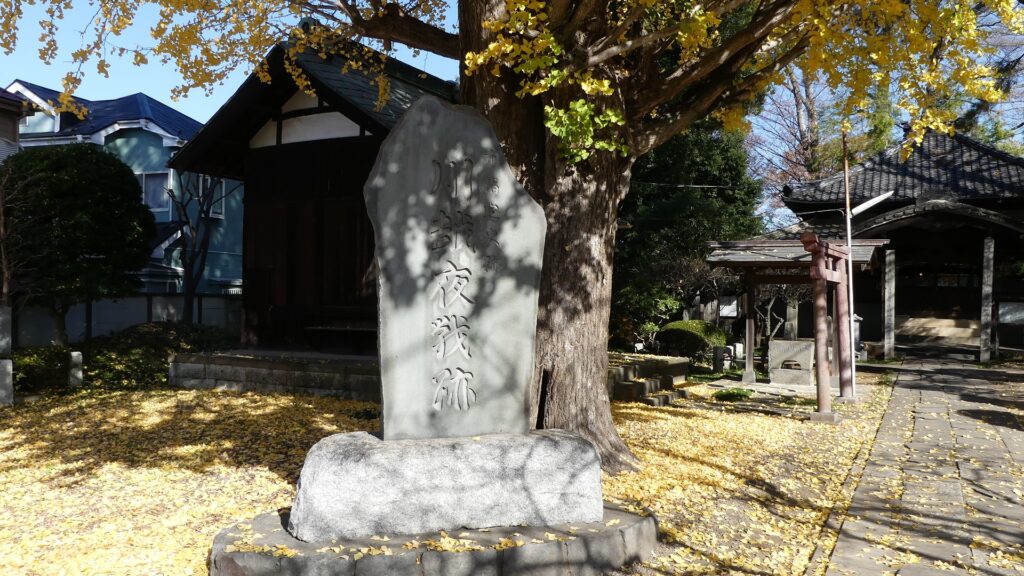
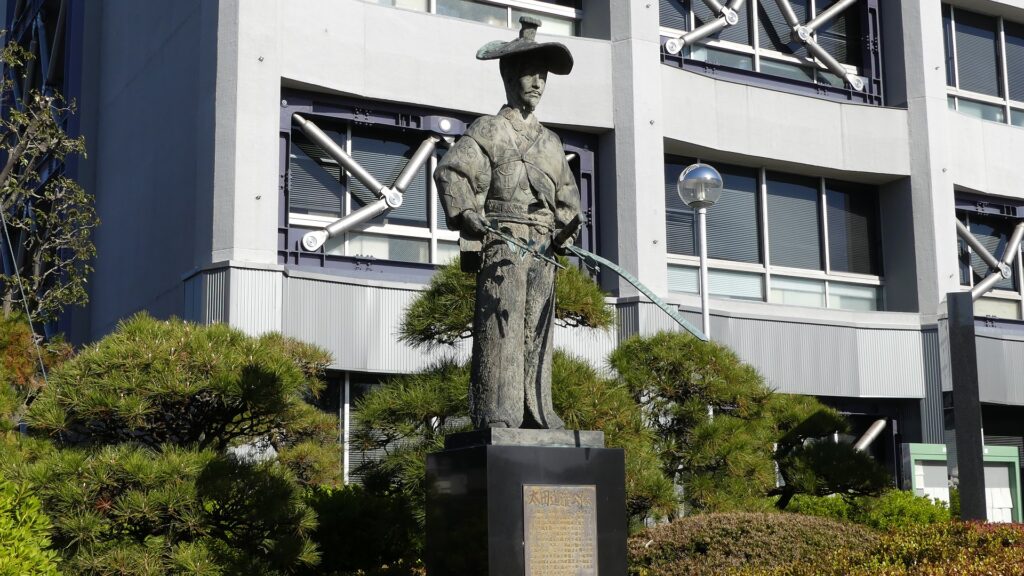
If you go further, you will see Dokan Bridge which named after the castle’s builder, Dokan Ota’s residence was nearby. You will next see Tomyoji Bridge where the Uesugi Clan’s troops assaulted during the Siege of Kawagoe Castle in 1546. The Tomyoji Temple is near the bridge, where severe battles occurred in the battle.
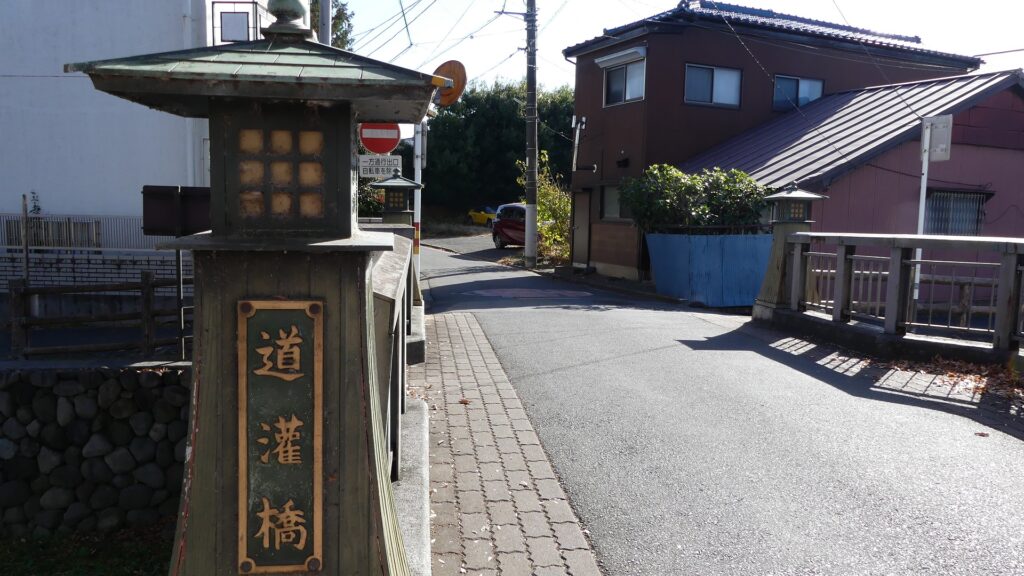
The Dokan Bridge
The stathe of Dokan Ota in front of Kawagoe City Hall
The Tomyoji Bridge
The monument of the Night Battle of Kawagoe in the Tomyoji Temple

From Western Main Gate Ruins to Main Enclosure

Let us nest go to the south around the City Hall of Kawagoe where the western main gate of the castle was built. The route through the gate was protected by a Umadashi system which was a round-shaped small enclosure in front of it. However, it was removed and has become an intersection crowded with many tourists. The current road goes straight to the center of the castle on the east, unlike the former curved road.

The map around the castle
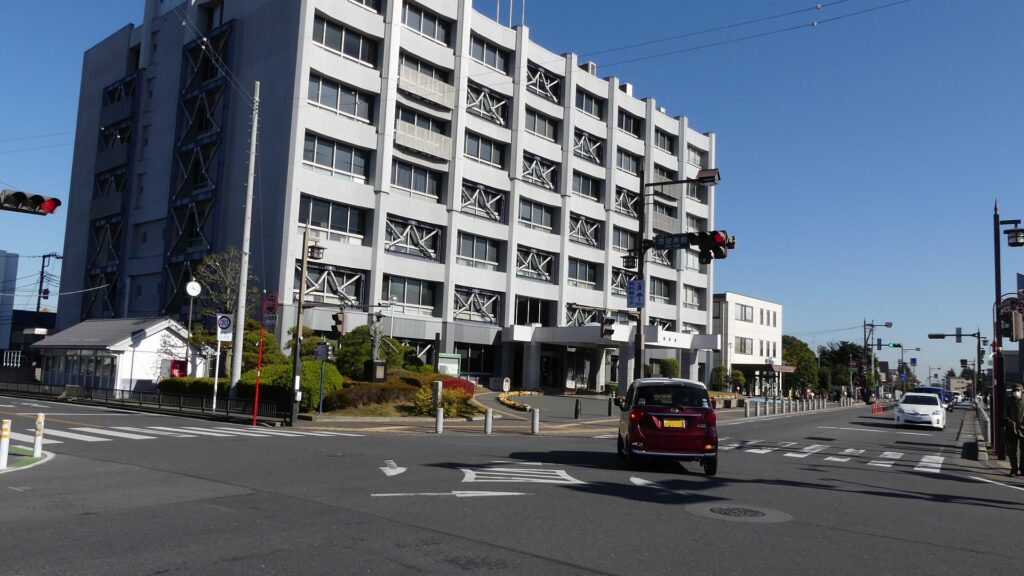
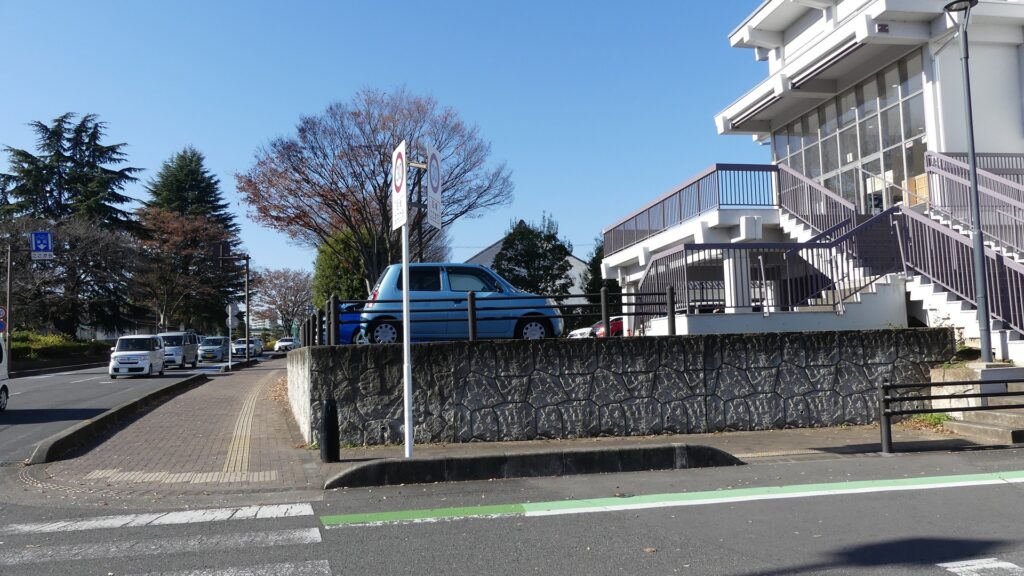
The intersection in front of Kawagoe City Hall
The ruins of the western main gate
The western main gate (marked by the red circle) in the miniature model exhibited by Kawagoe City Museum

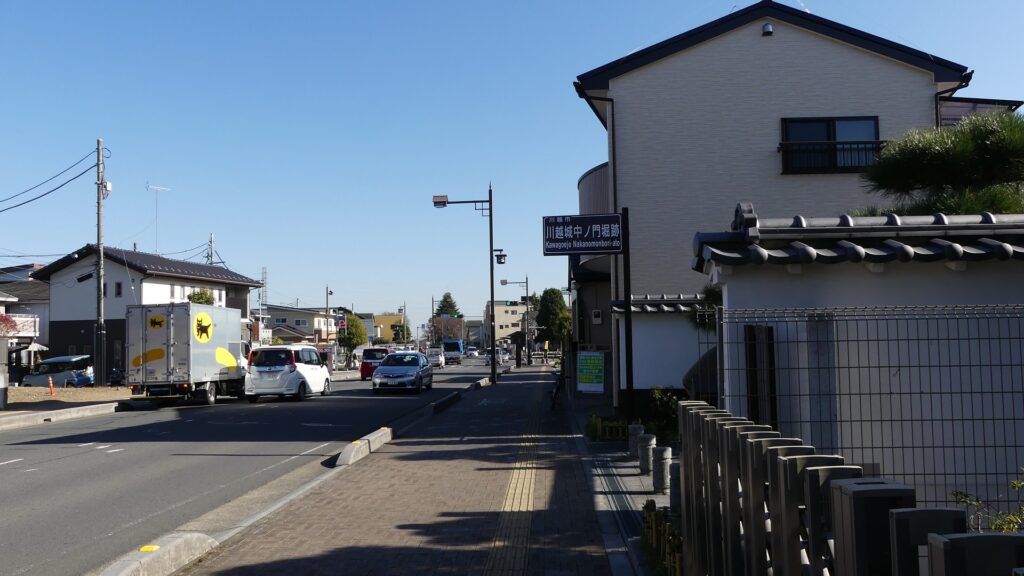
The road curved on the right and hit the moat of Naka-no-mon Gate. Visitors had to turn left to enter the gate. The moat has partially been restored to be open to the public.
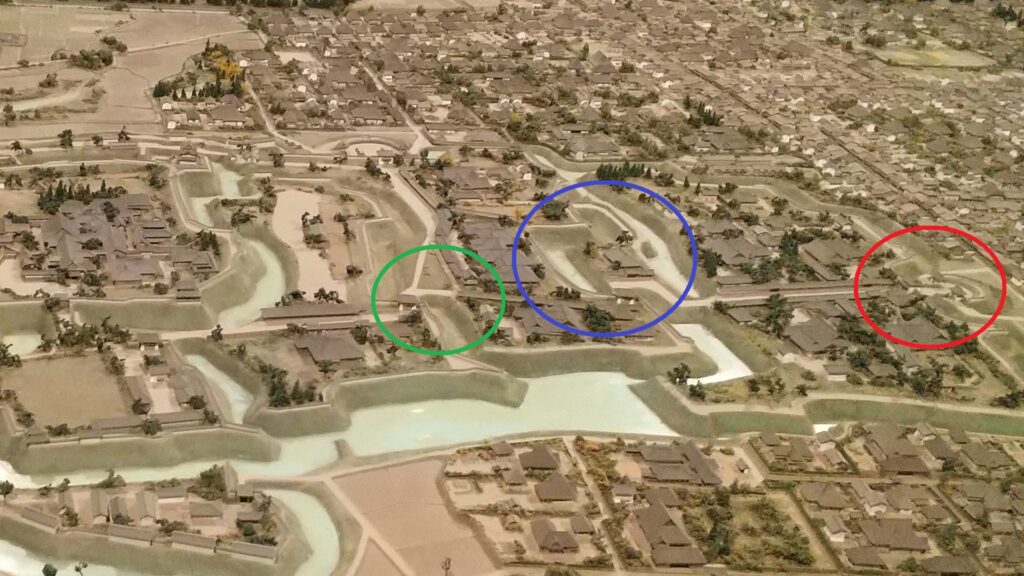
The miniature model seen from the north, the western main gate is marked by the red circle. the moat of the Naka-no-mon gate is marked by the blue circle, and another curved point is marked by the green circle
The moat of the Naka-no-mon Gate is on the right
The moat has partially been restored

If you go further after passing the moat, you will find a planted round space on the right. This is the trace of another moat overhanging from the left, which meant visitors were not able to go straight again. The former road finally reached the main enclosure after passing the second enclosure.
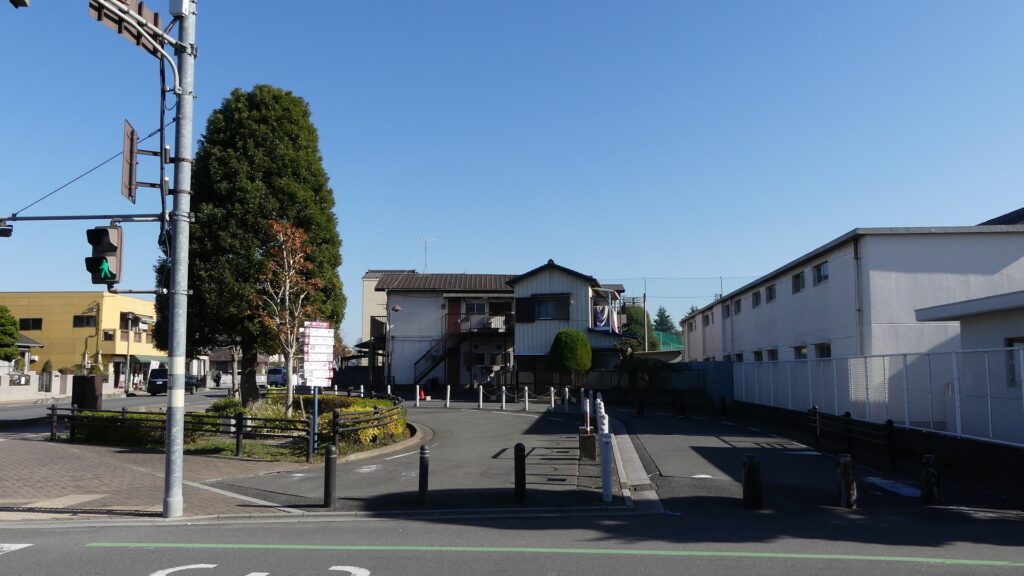
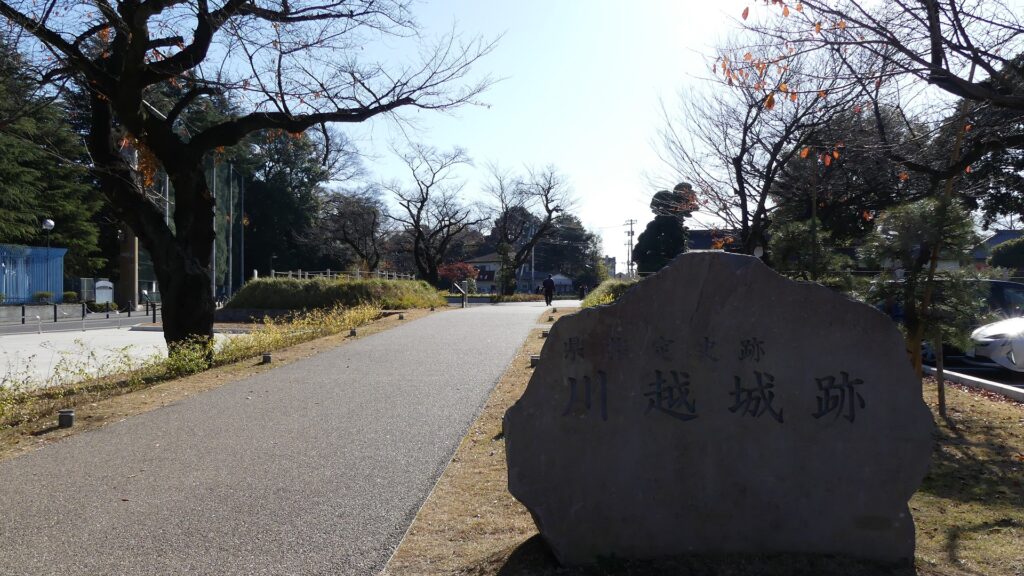
The trace of another moat
Arriving at the main enclosure

From Southern Main Gate Ruins to Main Enclosure

Let us check out another original route to the center from the southern main gate. The gate was similar to the western one and also completely removed, so there are no traces at all at the site beside Kawagoe Daiichi Elementary School.

The map around the castle
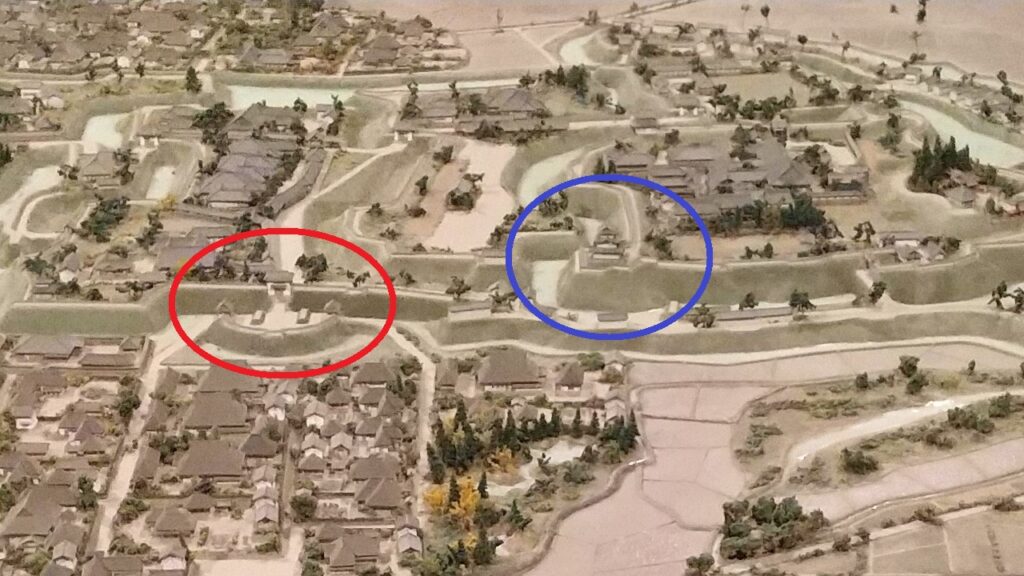
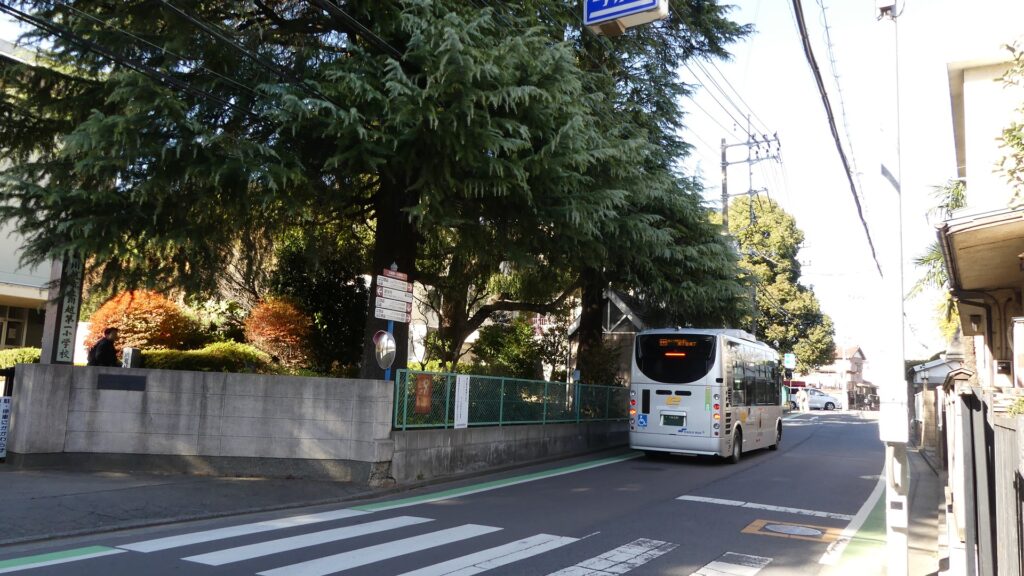
The miniature model seen from the south, the southern main gate is marked by the red circle and the Fujimi Turret is marked by the blue circle
Around the ruins of the southern main gate

If you walk on the road along the school to the north and turn right at the first intersection, you will go on the original path to the center. The path is paved and surrounded by modern residential areas now, but was surrounded by earthen walls or water moats in the past. You will next see a hill on the left, which is the ruins of Fujimi Yagura (meaning Seeing Mt. Fuji Turret). The turret had three stories, which was the substitute for a Main Tower. It was used as a lookout and defense for the castle.

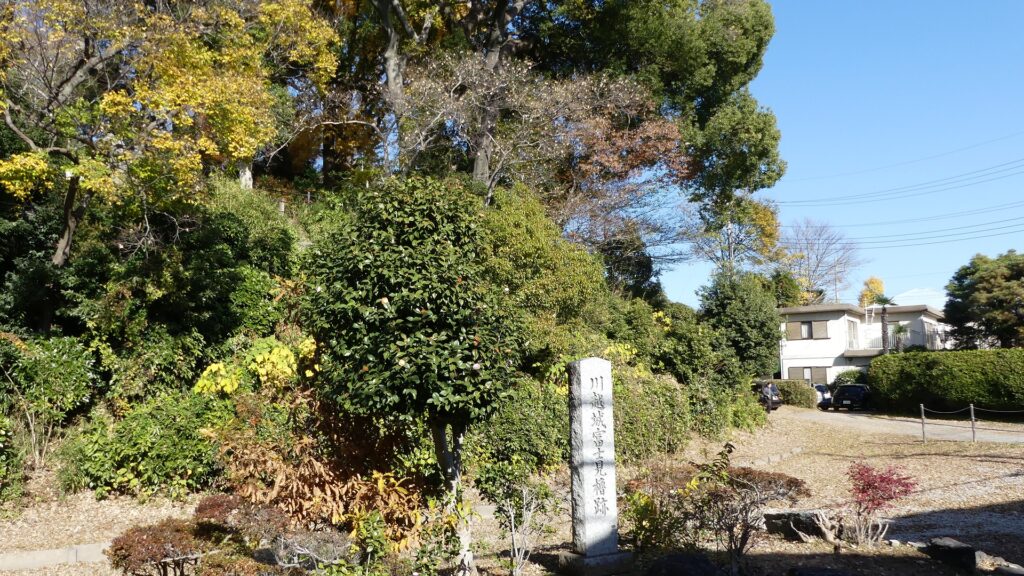
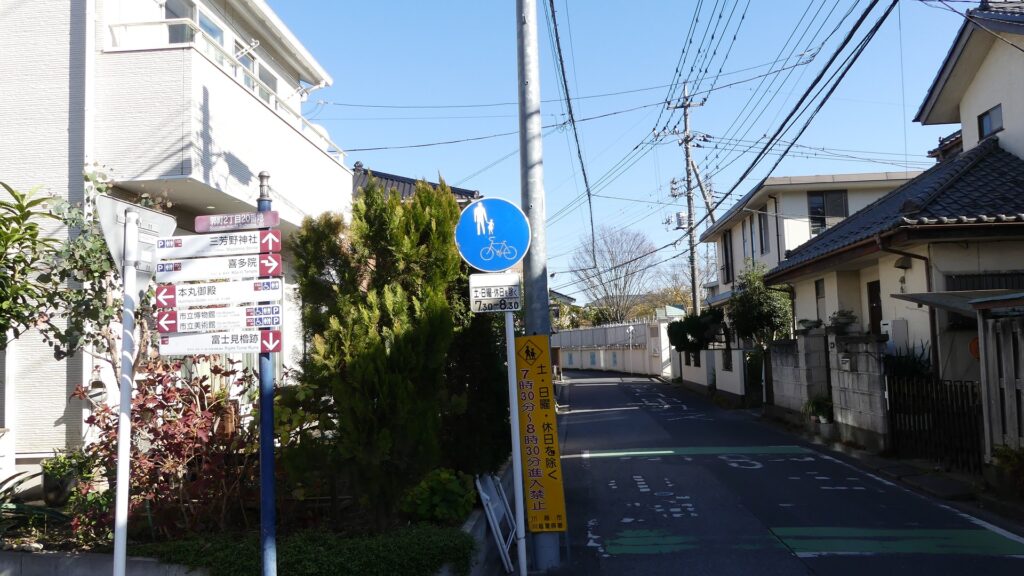
The original path to the center
The ruins of the Fujimi Turret

You can climb to the top of the hill over the dried moat ruins in front. The turret was accessible from the center in the past, since it is currently used as a High School establishment, access is already restricted. You need to go back to the path, turn left to reach the main enclosure.
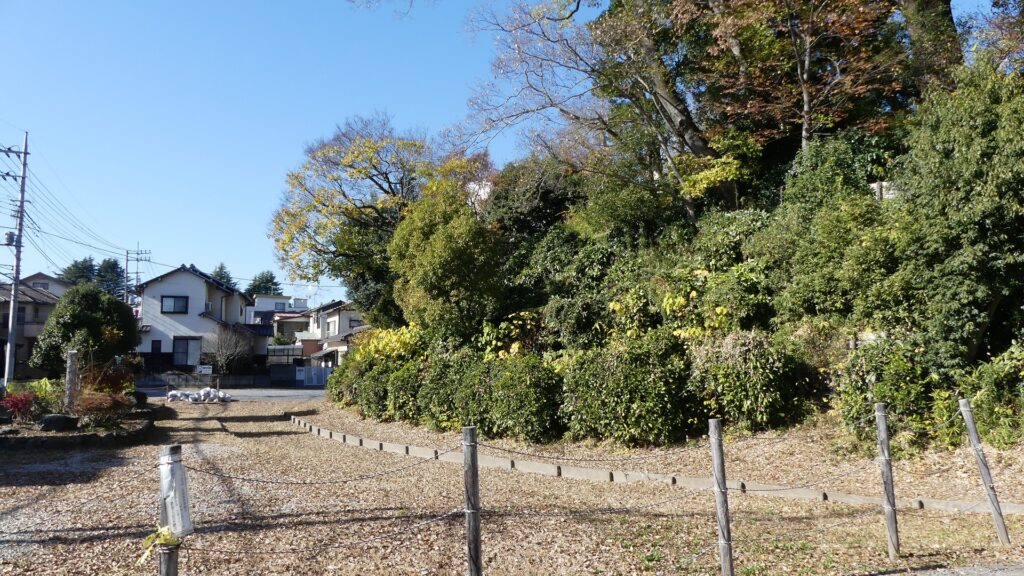
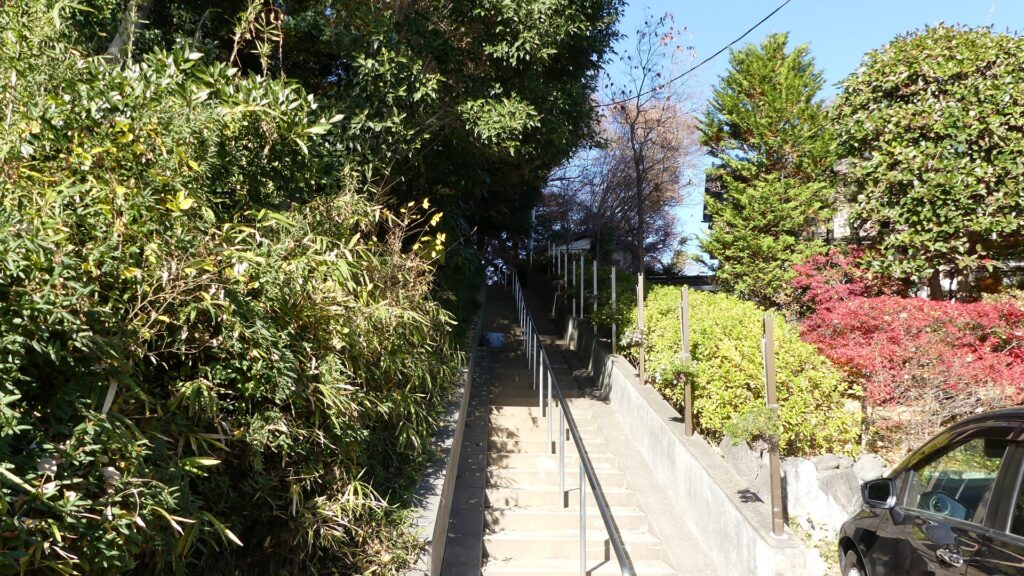
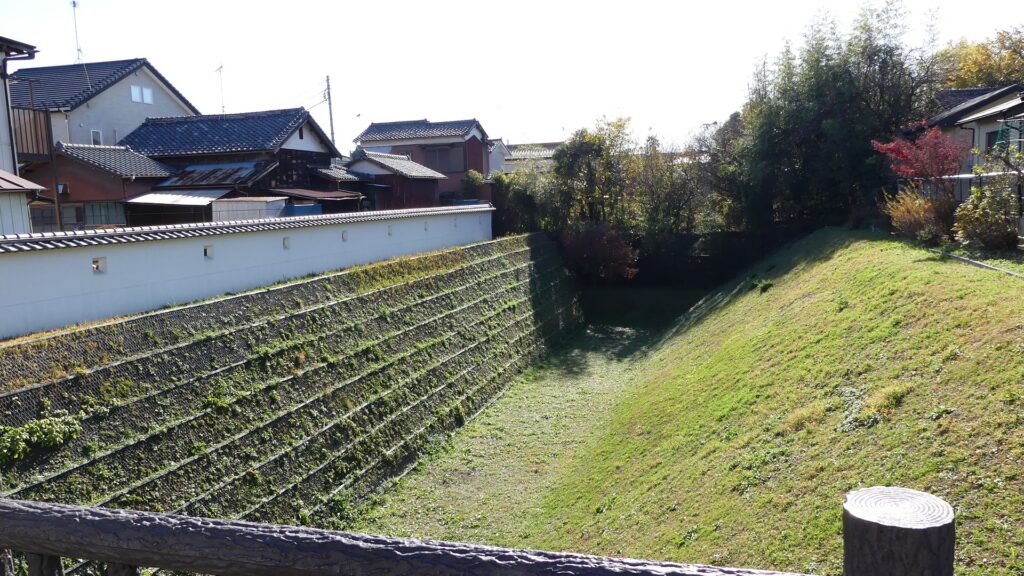
Going over the moat ruins
Climbing the stairways
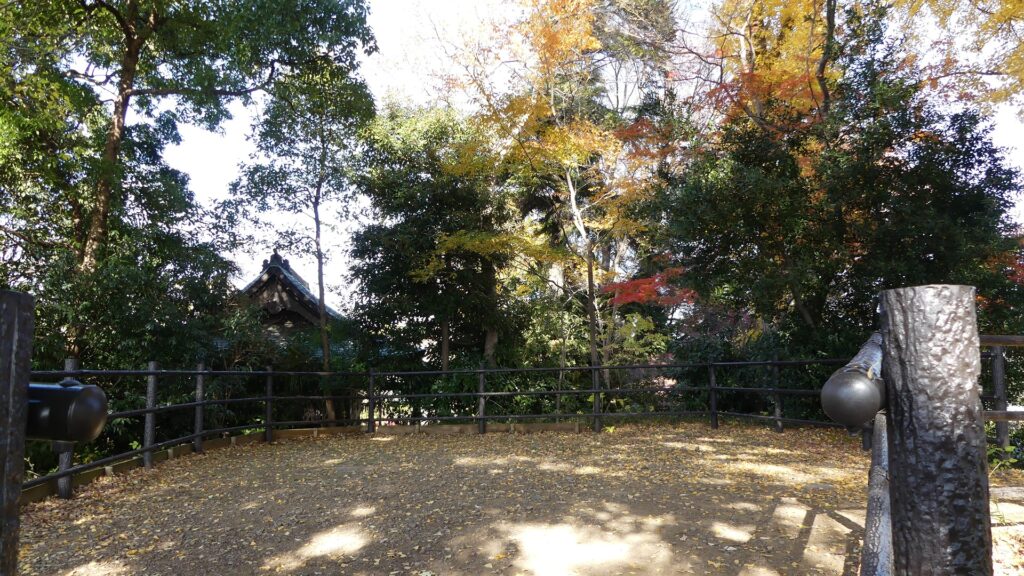
The top of the hill where the turret was built
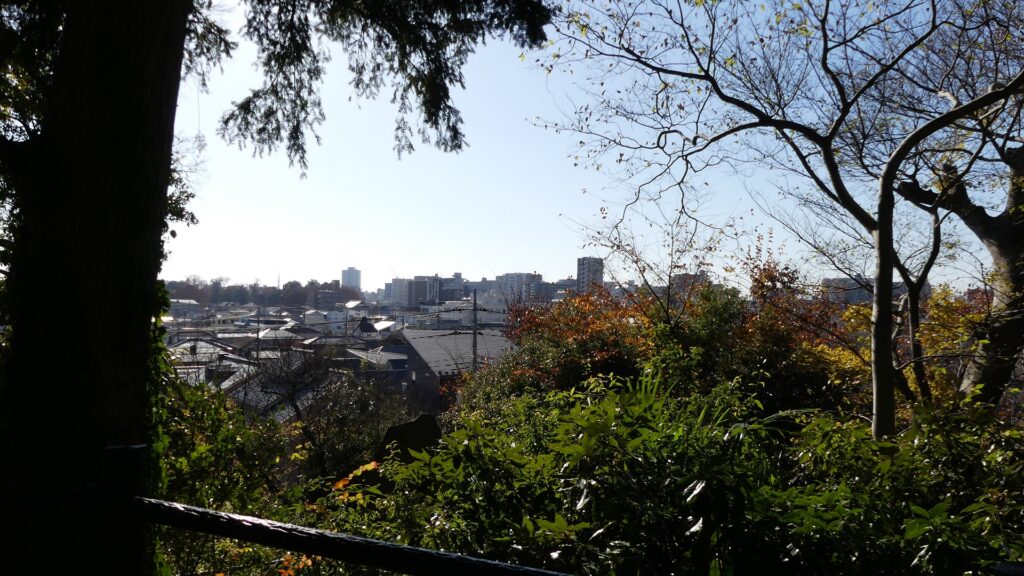
A view from the top
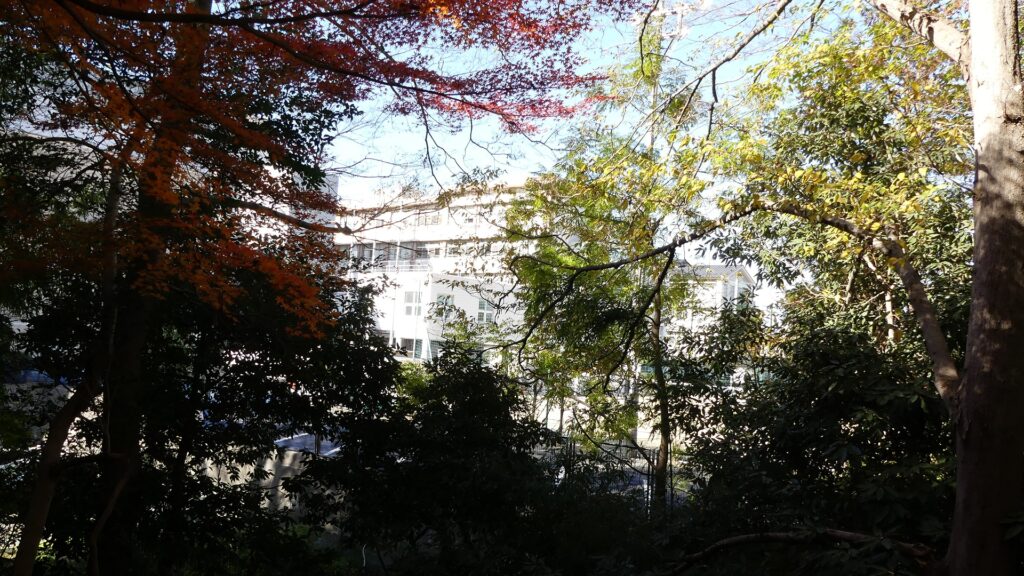
The area behind the turret is used as the school
You need to go back to the path to reach the main enclosure

To be continued in “Kawagoe Castle Part3”
Back to “Kawagoe Castle Part1”
19.川越城 その2

現在、川越城跡は市街地に埋もれてしまっているような感じです。本丸御殿が部分的に残っているのと、関連する遺跡、遺物がいくつか周辺にあるか、復元されているくらいです。この記事では、中心部の御殿に行く前に、市街地に残る城の痕跡をいくつか探してみようと思います。

特徴、見どころ

現在、川越城跡は市街地に埋もれてしまっているような感じです。本丸御殿が部分的に残っているのと、関連する遺跡、遺物が周辺にいくつかあるか、復元されているくらいです。例えば、かつては沼沢地であった城の東側から城跡に向かって車に乗ったり歩いたりしても、道路がわずかに登っていると気付く程度でしょう。その辺りが城の内と外を隔てる境界でしたが、今では完全に市街地になっています。したがってこの記事では、中心部の御殿に行く前に、市街地に残る城の痕跡をいくつか探してみようと思います。

かつての城東側の境界の辺り

城の古い痕跡

出発点は、本丸の北側にあり今は川越市立博物館になっている二の丸です。この場所は、城の初期段階では城の東端に当たりました。ここから東方を流れる新河岸川に向かって下ってみましょう。新河岸川は江戸時代になって開削されました。周辺の住宅地は当時新しい曲輪として築かれた場所でした。また、その間を走る道路は堀でした。

城周辺の航空写真

川越市立博物館
新河岸川
この辺りはかつて堀でした

次に新河岸川に沿って歩いてみましょう。このルートは、武蔵野台地の際(きわ)をなぞっています。そのうちに川に設置された田谷堰(たやせき)に至りますが、ここは元は田谷川の河口でした。つまり、ここから上流は、下流部分より古いということになります。

新河岸川に沿って進みます
田谷堰

更に進んでいくと、道灌橋(どうかんばし)が見えてきます。この名前は、城を築いた太田道灌の屋敷がこの近くにあったことに由来します。次に東明寺橋(とうみょうじばし)がありますが、この辺りは1546年の川越城の戦いで、上杉軍が押し寄せてきた場所(東明寺口)と思われます。東明寺はこの近くにあって、ここで激戦(川越夜戦)があったと伝わります。

道灌橋
市役所前にある太田道灌像
東明寺橋
東明寺にある川越夜戦の碑

西大手門跡から本丸へ

そこから南の方に移動して、かつては西大手門があった川越市役所周辺に行ってみましょう。門を通る通路は、馬出しと呼ばれる門の前に突き出した丸い小曲輪によって防御されていました。しかし、今では完全に取り除かれ、多くの観光客で賑わう交差点になっています。現在の道路は東方の城の中心部に向かってまっすぐ伸びていますが、以前の道は違っていました。

城周辺の地図

川越市役所前の交差点
西大手門跡
かつての西大手門(赤丸内)、川越市立博物館展示の模型より

その道は右にカーブして中の門の堀に突き当たっていたのです。そこから進むには、左に曲がって門の中に入っていきました。この堀は部分的に復元され、一般公開されています。

北の方角から見た城の模型、赤丸内が西大手門、青丸内が中の門堀、緑丸内がもう一つのカーブポイント
中の門堀は現在の道の右側にあります
部分的に復元された中の門堀

堀を通り過ぎて進んでいくと、右側に植栽された丸い形の広場が見えてきます。これは、左側から突き出した別の堀の痕跡です。つまり、かつてはここもまっすぐ通れなかったことになります。以前の道はその後、一旦二の丸を通ってから本丸に到着するようになっていました。

もう一つの堀の痕跡
本丸に到着です

南大手門跡から本丸へ

今度は、南大手門から城の中心部に至るオリジナルの道を辿ってみましょう。この門も東大手門と似たような外観でしたが、こちらも完全に撤去されました。現在は川越第一小学校になっているその場所には何の痕跡もありません。

城周辺の地図

南の方角から見た城の模型、赤丸内が南大手門、青丸内が富士見櫓
南大手門跡周辺

学校沿いの道を北に向かって歩き、最初の交差点で右に曲がります。この道はオリジナルのルートに沿っています。現在の道は舗装され、周りは住宅地となっていますが、かつては土塁や水堀に囲まれていました。そうするうちに、左側に丘が見えますが、これは富士見櫓跡です。この櫓は三階建てで、天守の代用とされていました。見張り台及び城の防衛拠点として使われていました。

城のオリジナルルート
富士見櫓跡

手前の干上がっている堀跡を超えて櫓跡の上まで登っていくことができます。かつては城の中心部から行き来していましたが、今は高校の敷地があるためにできなくなっています。よって中心部の本丸に行くには、道に戻ってから左に折れていきます。

手前の堀跡を渡っていきます
階段を登っていきます
櫓があった頂上部分
周辺の景色
背後は学校用地になっています
本丸に行くには元の道に戻ります

「川越城その3」に続きます。
「川越城その1」に戻ります。

今回の内容を趣向を変えて、Youtube にも投稿しました。よろしかったらご覧ください。

181.Kokura Castle Part3

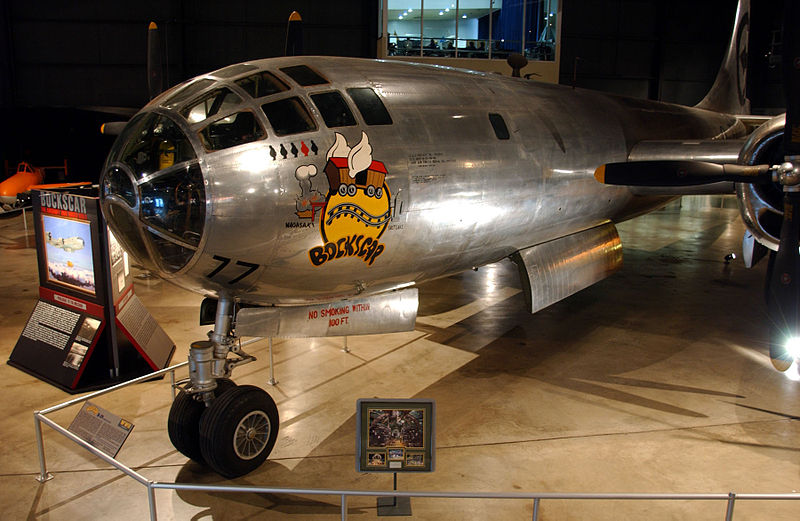
In the morning of the 9th August of 1945, a US B-29 bomber, called Bockscar, was carrying the second atomic bomb to Japan. In fact, its first target was the arms factory of Kokura (in the third enclosure of Kokura Castle).

Features

Other Enclosures of Castle

The park still has other enclosures. Kita-no-maru (meaning the northern enclosure) was used as the lord’s family residence or retreat and is used as Kokura-Gion-Yasaka Shrine. It is connected to the main enclosure via Tamon-guchi-mon Gate where you can see the oldest stone walls in the castle around. The walls had been built by Katsunari Mori before Tadaoki Hosokawa came. There are also well-maintained stone walls and water moats around the Kita-no-maru Enclosure, so this is a good walking spot.

The aerial photo around the castle

The Kita-no-maru enclosure (the current Kokura-Gion-Yasaka Shrine)
The Tamonguchi-mon Gate, quoted from Kokura Castle Website
The stone walls and water moats surrounding the Kita-no-maru Enclosure

Matsu-no-maru (meaning the pine enclosure) is in the south of the main enclosure. It was used as Tadaoki’s father’s residence or warehouses when the castle was active; it is currently an event square. It was once used as the headquarters of the 12th Brigade like the main enclosure.

The Matsu-no-maru Enclosure

Third Enclosure including Monument for Atomic Bomb Victims

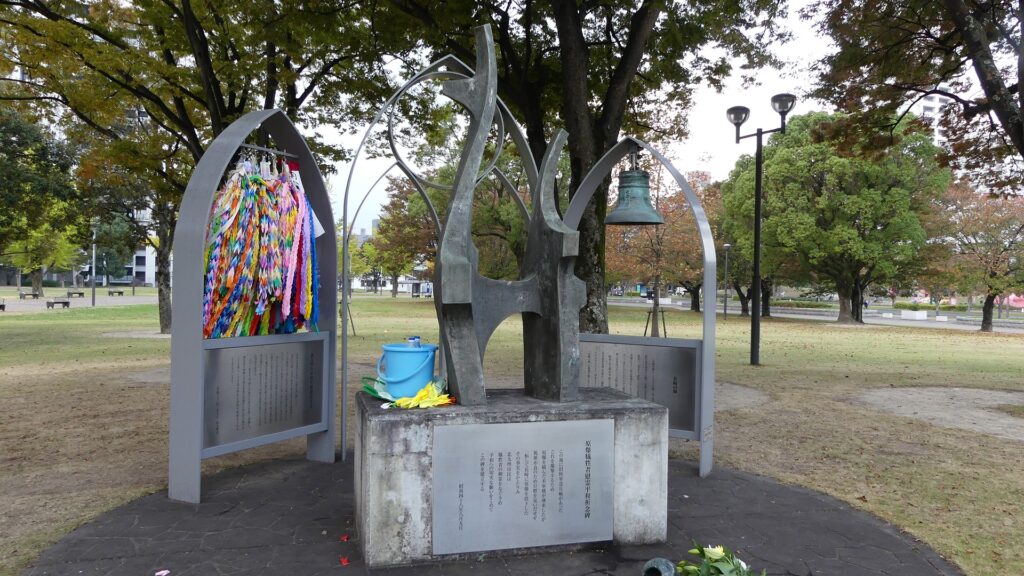
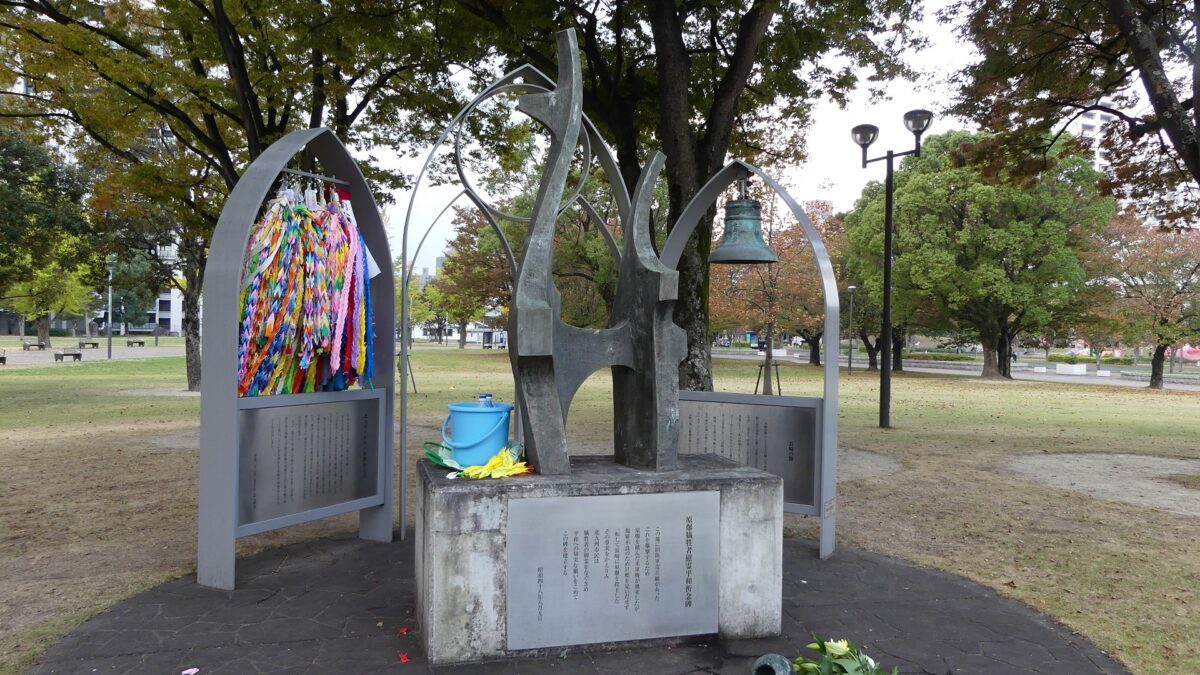
If you go further to the south, there is a modern park area which was the third enclosure used as the senior vassals’ residences. During World War II, there was a large arms factory, but now there is a monument for atomic bomb victims. The reason for it will be written in the next section.

The third enclosure

Later History

After the Meiji Restoration, the main portion of Kokura Castle was turned into military facilities and the other area became the city area of Kokura. It changed from a Samurai city to a military city. In the morning of the 9th August of 1945, a US B-29 bomber, called Bockscar, was carrying the second atomic bomb to Japan. In fact, its first target was the arms factory of Kokura. However, it could not focus on the target because of thick cloud and finally dropped the bomb into Nagasaki. As a result, people in Kokura were lucky, but they should not be pleased about it. That’s why the former factory site has the monument. After the the war, the occupation army used the castle site until 1957. The current Main Tower was rebuilt in 1959.

Bockscar, exhibited by National Museum of the United States Air Force  (licensed under Public Domain via Wikimedia Commons)
The monument for the atomic bomb victims in the third enclosure

My Impression

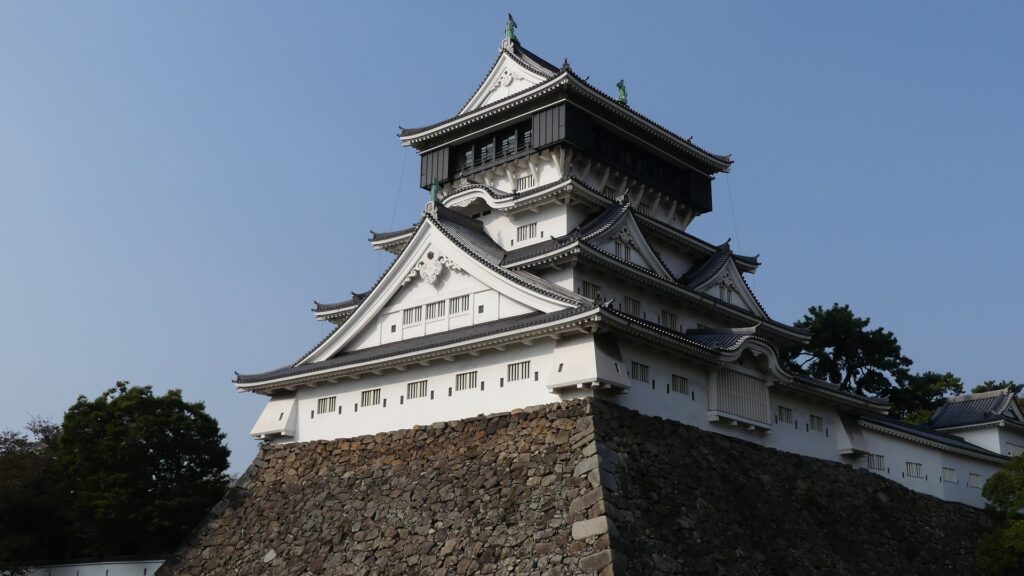
I think that if the current Main Tower of Kokura Castle had kept the original design of the Western style, it would be more popular than now. This is because the design is very unique which would attract more current visitors. However, the people who wanted to rebuild the tower chose another direction. That was probably because they wanted a tower which was competitive with other castles. I don’t think the tower ever needs to be replaced with a new one with an original design because it would cost a lot and the current tower is also a historical item.

The current Main Tower of Kokura Castle

How to get There

If you want to visit there by car, it is about a 5-minute drive away from Katsuyama Exit on the Kitakyushu Expressway.
There is a parking lot in the park.
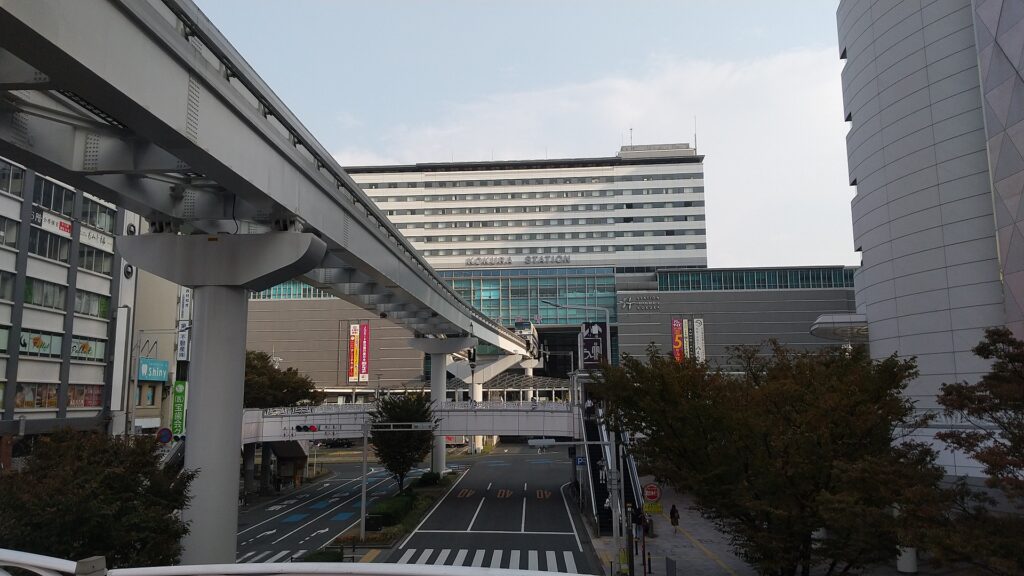
By public transportation, it takes about 15 minutes on foot from JR Kokura Station.
From Tokyo or Osaka to the station: take the Sanyo Shinkansen super express.

Kokura Station

Links and References

Kokura Castle Official Website

That’s all. Thank you.
Back to “Kokura Castle Part1”
Back to “Kokura Castle Part2”

error: Content is protected !!