71. 福山城 その1

福山城は、現在の広島県福山市にあった城です。現在でも再建された天守を、福山駅の新幹線プラットフォームから間近に見ることができます。この城は比較的新しい城で、大坂の陣後徳川の天下が定まってから建設されました。しかし城が築かれた地域には、長い前史がありました。しかも築城した水野勝成は放浪武者だった時代があり、この地域に浅からぬ縁があったと考えられるのです。これらが結びついた結果が福山城やその城下町だったのです。

立地と歴史

Introduction

福山城は、現在の広島県福山市にあった城です。現在でも再建された天守を、福山駅の新幹線プラットフォームから間近に見ることができます。この城は比較的新しい城で、大坂の陣後徳川の天下が定まってから建設されました。しかし城が築かれた地域には、長い前史がありました。しかも築城した水野勝成は放浪武者だった時代があり、この地域に浅からぬ縁があったと考えられるのです。これらが結びついた結果が福山城やその城下町だったのです。また、江戸時代後半には阿部氏が城主となり、激動の幕末に直面しました。その歴史の流れをご紹介します。

福山駅新幹線ホームから見える福山城

放浪武者、水野勝成

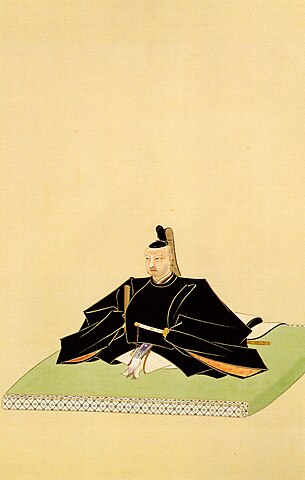
水野勝成は、信長・秀吉・家康に仕えた三河国刈谷城主・水野忠重の嫡男として生まれました(生年:1564年~没年:1651年)。伯母が徳川家康の母・於大の方(忠重の姉)なので、家康とは従兄弟同士ということになります。1581年(天正9年)の高天神城の戦いが初陣だったのですが、1584年(天正12年)の小牧・長久手の戦い(家康方)では兜も被らず突撃するほどの猪武者だったようです。このことを父親から叱責され、同じ年に金銭のトラブルから父親の側近を成敗し、出奔してしまいます。父親・忠重の方も息子を勘当(武家奉公構、他家への奉公を禁ずる)したのです。

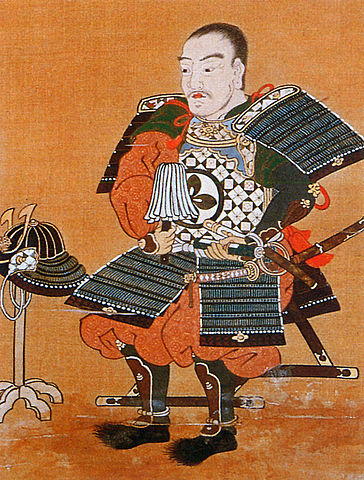
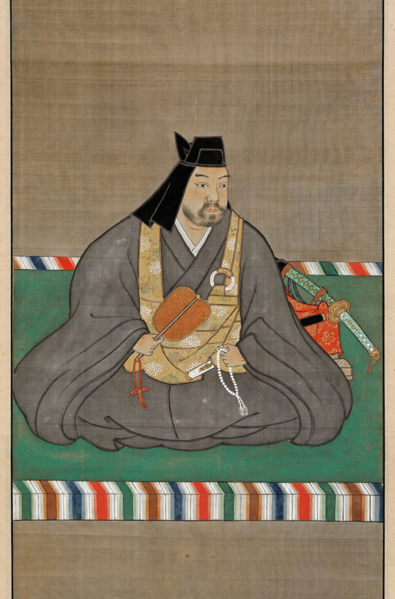
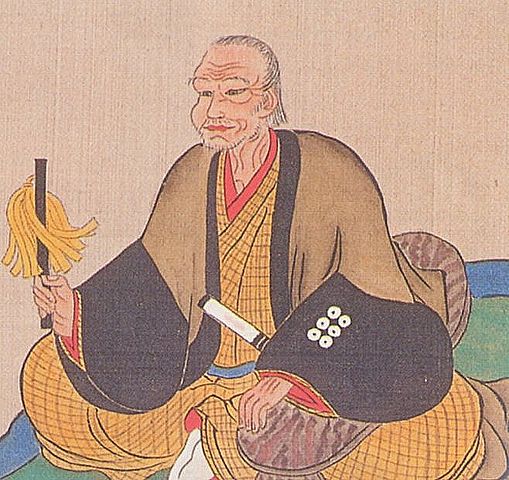
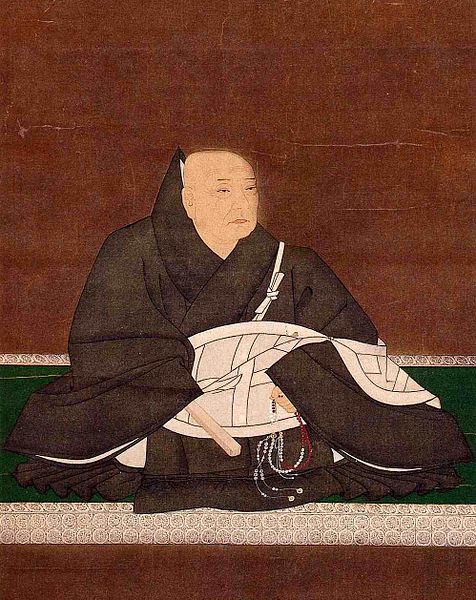
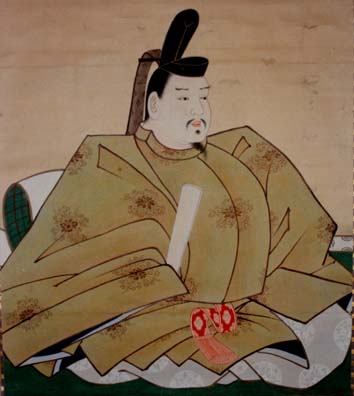
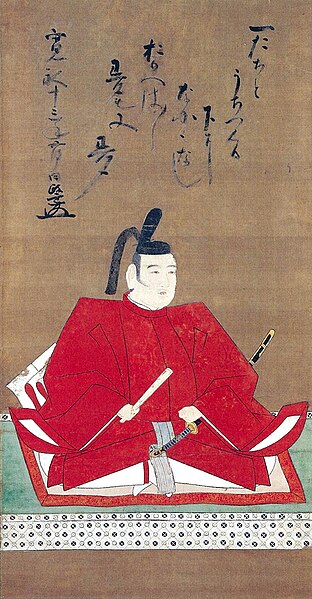
水野勝成肖像画、賢忠寺蔵  (licensed under Public Domain, via Wikimedia Commons)
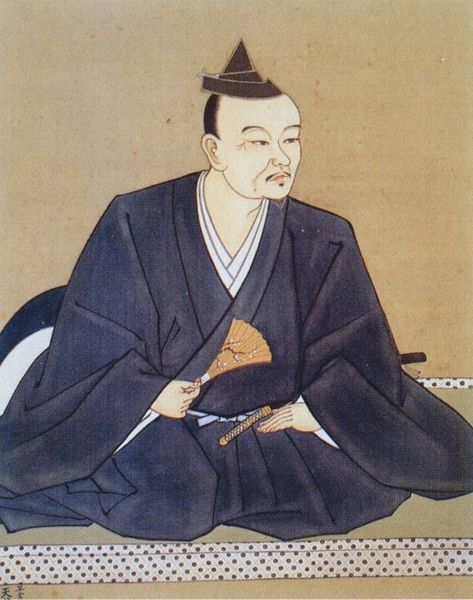
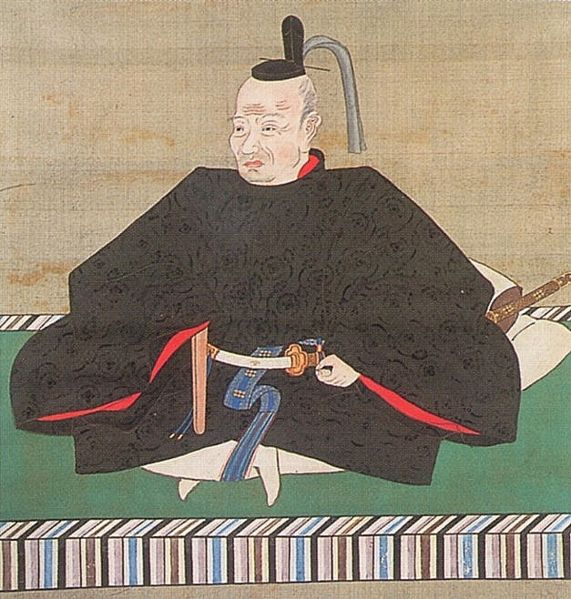
水野忠重肖像画、東京大学史料編纂所データベース (licensed under Public Domain, via Wikimedia Commons)

勝成は、まず四国攻めをしていた豊臣秀吉に仕えました(家康配下ではないので武家奉公構は通用せず、下記補足1)。

(補足1)摂津国豊嶋郡に於て、神田七百二十八石を扶持せしむ。全く領知すべき者也
       天正十三年九月一日 (秀吉)御判 
     水野藤十郎とのへ
(「水野家見聞覚書」、「放浪武者 水野勝成」より)

しかし何事かあって秀吉の下を飛び出し、名を「六左衛門」と変え、虚無僧の姿で放浪生活に入ったとされています。秀吉からは追手も差し向けられたと言われています。やがて秀吉の九州征伐が開始される(1587年、天正15年)と九州に向かい、肥後の国主となった佐々成政の家臣になります。しかし成政は、肥後国人一揆の責任を取らされ、翌年には切腹させられてしまいます。勝成は後継の小西行長、加藤清正に仕えますが、双方とも短期間で辞め、今度は「城戸乗之助」という名前で豊前国の黒田長政に仕官しました(下記補足2)。1589年、天正17年秋、勝成は主君の長政とともに船で大坂の秀吉の下に向かっていました。ところが勝成は、途中の備後国鞆ノ津でまたも出奔したのです。秀吉とその配下たちとは余程反りが合わないか、秀吉からの追及を恐れたのでしょうか。そして、鞆ノ津は後に彼の福山藩の領地の一部となる場所だったのです。

(補足2)豊前国に一揆が起こったとき、秀吉公より黒田如水と同筑前守(長政)に命じて城井の城を攻めさせた。日向守(勝成)も寄手に加わって出陣した。(「水野勝種記録」、「放浪武者 水野勝成」より)

佐々成政肖像画、富山市郷土博物館蔵 (licensed under Public Domain via Wikimedia Commons)
加藤清正像、本妙寺蔵、江戸時代 (licensed under Public Domain via Wikimedia Commons)
黒田長政肖像画、福岡市博物館蔵 (licensed under Public Domain via Wikimedia Commons)

その後、勝成に関する確かな記録は途切れ、8年後の1597年(慶長2年)には、備中国三村親成の食客となり、妻子ももうけていました(勝成34歳、下記補足3)。この間、福山城となる地の土地柄や民情も把握していたのではないでしょうか。また、実家とは全く無関係になったわけではなく、家臣を通じて何らかの連絡も取っていたようです。

(補足3)備中の国に三村紀伊守と申す方へ六左衛門殿御懸かり御座候時分、下女一人御召し使いなされ候。その腹に美作守御出生なされ候云々。(「水野記」、「放浪武者 水野勝成」より)

やがて秀吉が亡くなると、1599年(慶長4年)、勝成は伏見の徳川家康の下に出向き、父親の忠重とも15年振りの対面をします。翌年、忠重が不慮の事件で亡くなると、刈谷城主(3万石)を引き継ぎました。直後に関ケ原の戦いが起こりますが、勝成は家康から命ぜられたのは、一城(曽根城)の守備でした。最前線で戦いたい勝成は不満で、独断で大垣城を攻めたのです。これを聞いた家康は罰することもしませんでしたが、加増もしませんでした。それから15年後の大坂夏の陣のとき、勝成は52歳になっていました。かつて黒田家で同僚だった後藤又兵衛軍を破る戦功をあげましたが、最後の場面で家康の本営守備を命じられていたのを無視し、大坂城に突撃するという有様でした。戦後、勝成は大和郡山6万石に加増されましたが、その武功のややには家康の評価は低かったと言われています。勝成の戦う姿勢は、彼の官職名(日向守)から「鬼日向」と呼ばれました。

刈谷城模型、刈谷市歴史博物館にて展示
大垣城
大坂夏の陣図屏風、大阪城天守閣蔵 (licensed under Public Domain via Wikimedia Commons)

家康が亡くなった後、1619年(元和5年)、将軍・徳川秀忠は、安芸・備後の太守・福島正則を改易としました。幕府に無断で城を修繕したというのが理由ですが、結局幕府が正則を危険視していたからでしょう。その遺領のうち、備後10万石が勝成に与えられることになったのです。西国の外様大名の監視が期待されての抜擢ですが、勝成のこれまでの経歴から、その土地を見知っていたことも要因だったと思われます。

福山城以前の福山

水野勝成が放浪武者時代に上陸した鞆ノ津は、瀬戸内海の潮流の分水嶺付近にあり、古代から瀬戸内海を航行する船が潮待ちをする港として栄えていました。戦国時代においても、織田信長によって京都を追われた足利義昭がここにやって来て、信長打倒のための策を巡らせました(「鞆幕府」)。福島正則が領主だった頃には鞆城が築かれました。勝成が福山藩主となって最初に上陸したのもここでした。それ以来、藩の奉行所が置かれ、江戸時代にも朝鮮通信使の寄港地になり、景勝地としても称賛されました。幕末には、坂本龍馬の「いろは丸号事件」の舞台にもなります。

鞆ノ津、現在は鞆の浦と呼ばれる
鞆城跡
朝鮮通信使が宿泊した福禅寺からの眺め

一方、福山城のあった辺りは、古代には瀬戸内海が城の北側まで湾のように入り込んでいました。城の北側には今でも「深津」「奈良津」「吉津」「津之郷」といった地名が残っていて、往時は港だったと考えられます。その後、付近を流れる芦田川が運ぶ土砂により、遠浅の海が干潟のようになっていたと思われます。芦田川はその干潟部分を幾筋にも分かれて流れていました。

中世になると、芦田川の河口付近の三角州に「草戸千軒」という港町ができ、栄えていました(当時は「草津」とも呼ばれていました)。近くの常福寺(現・明王院)の門前町でもあったのです。最近の研究では、戦国大名の山名氏の家臣・渡邉氏が領主として関わっていたと考えられています。鞆ノ津が他地域とのつながりを持つ港だとすれば、草戸千軒は地域内の港という位置づけでした。この町は16世紀初めに衰退したため、江戸時代には既に伝説的存在になっていました(下記補足4)。福島正則の時代には「草戸村」として農地になっていたようです(備陽史探訪:110号)。福山城の築城前には、近くの神島(かしま)という所に町が移っていました。水野勝成も放浪時代に訪れていたかもしれません。

復原された草戸千軒の町並み、広島県立歴史博物館にて展示
現・明王院

(補足4)
「往昔、蘆田郡、安那郡邊迄海にてありし節、木庄村、青木か端の邊より五本松の前迄の中嶋に、草戸千軒と云町有りけるか、水野の家臣上田玄蕃、江戸の町人に新涯を築せける。水野外記と云ものいひけるは、此川筋に新涯を築きては、本庄村の土手の障と成へしと、かたく留けれども、止事を不得して新涯を築、江戸新涯と云。其後寛文十三年癸丑洪水の節、下知而、青木かはなの向なる土手を切けれは、忽、水押入、千軒の町家ともに押流しぬ。此時より山下に民家を建並、中嶋には家一軒もなし。」
(「備陽六郡志」)

そして地域を代表する城としては「神辺城(かんなべじょう)」がありました。後の福山城の北、数kmのところにある黄葉山(こうようざん)にあった山城で、室町時代に山名氏によって築かれたと言われています。福島正則が領主だった時には、石垣の上に天守・櫓がそびえる近世城郭として整備され、重臣(福島正澄)を配置しました。勝成も当初はこの城にいましたが、領内を巡視した結果、干潟の海に突き出た半島状の常興寺山に新城を築くことにしました。これが福山城になります。風水による四神相応の地とも言われますが、やはり勝成の知見・経験に基づく、城下が発展できる場所だったからでしょう。この時期に新城の建設が認められるのは異例で、大規模な近世城郭としては最後のものとされます。それだけ、幕府の期待が大きかったということでしょう。

神辺城跡
福山城模型、旧福山城博物館にて展示

福山城と城下町の建設

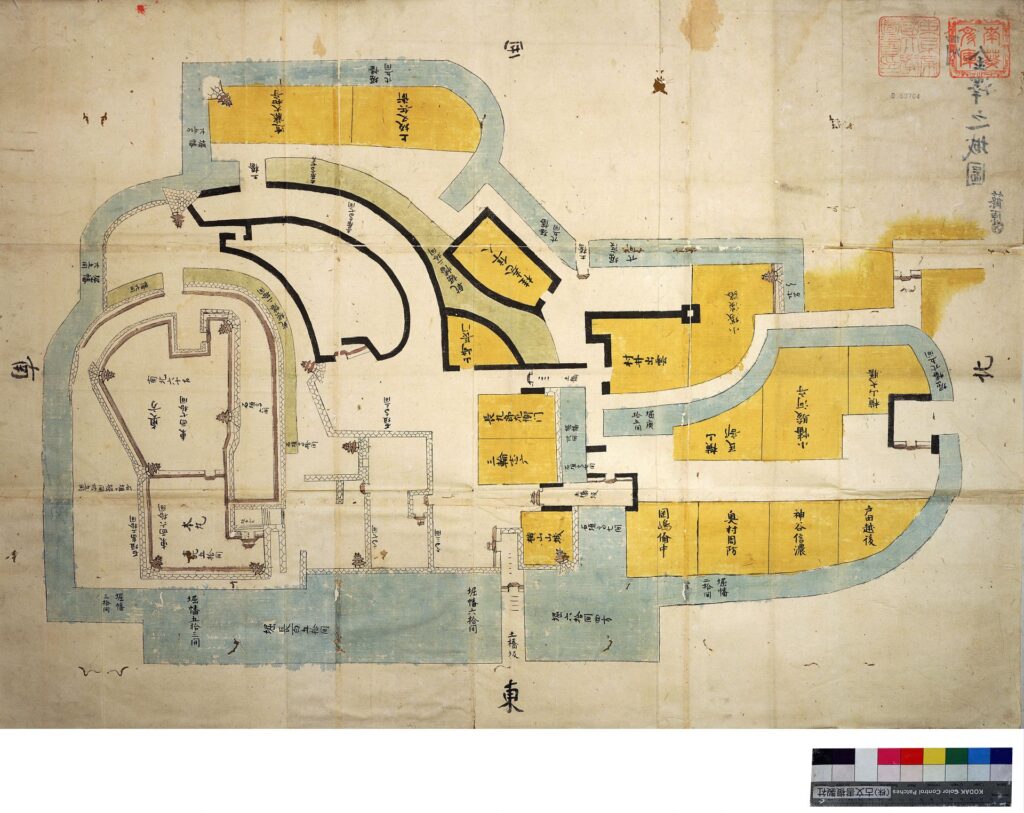
城の建設は、1619年(元和5年)から3年間続きました。中心部には本丸が築かれ、その周りを二の丸・三の丸が囲みました(輪郭式)。本丸・二の丸は山部分にあり、ひな段状の高石垣に覆われていて、三の丸は平地にありました。内堀が二の丸と三の丸の間、外堀が三の丸の外側に掘られました。幕府からは資金援助の他、監督をする奉行が2名派遣され、廃城となった伏見城の建物も提供されました。以前の本拠だった神辺城の建物・石材も活用されました。

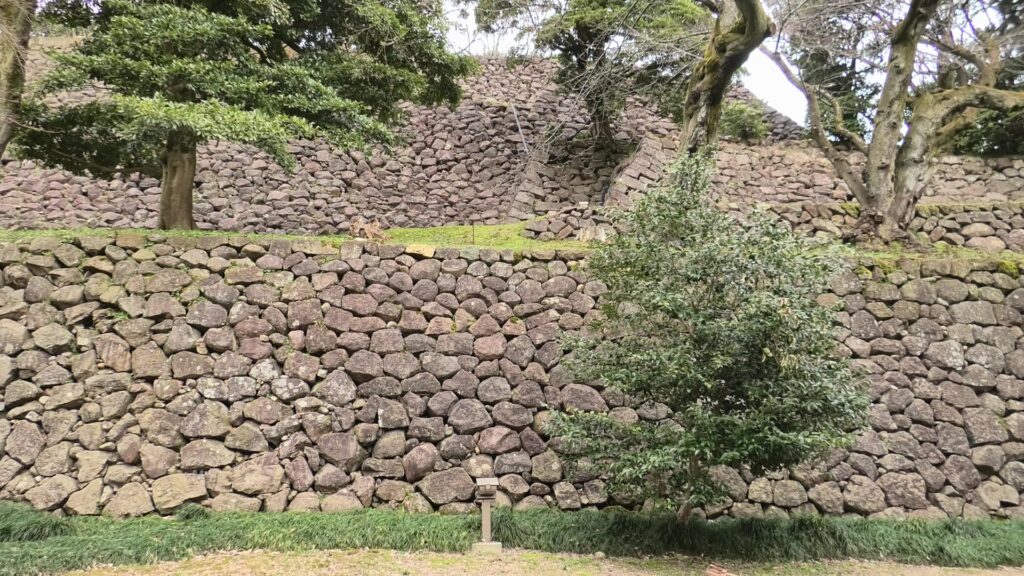
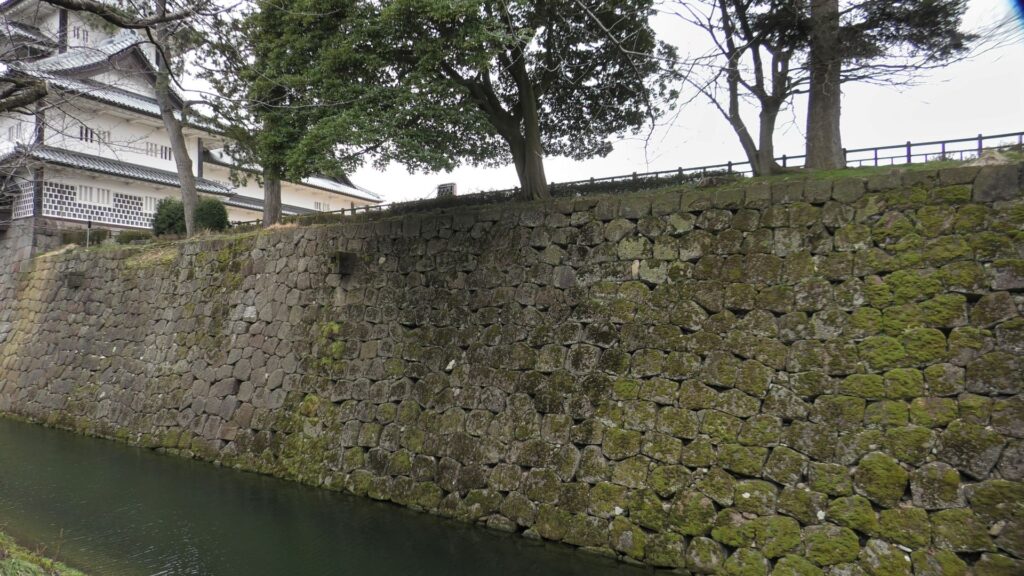
本丸・二の丸の高石垣

本丸には、五重五階(+地下一階)の層塔型天守が築かれました。他の城に比べ、一階から五階に至る床面積の減り方が少なく、層塔型天守の完成形とも言われています。またこの天守の大きな特徴として、天守背面(北側)を黒い鉄板で覆ったことが挙げられます。風雨を防ぐためだったとも、比較的防御が手薄だった北側からの攻撃に備えるためだったとも言われています。他の3面は漆喰塗の白亜の壁だったので、黒と白のコントラストが目立っていました。本丸には他に、伏見城から移された伏見櫓、伏見御殿、懸け造りが特徴的な御湯殿などがありました。二の丸には、神辺城から移された言われる神辺一番櫓から四番櫓などがありました。城全体では三重櫓が7基、二重櫓が16基もありました。城を含む地は「福山」と名付けられました。その由来は、長寿と多幸を祝う言葉である「寿山福海」から取ったとするなど諸説あります。

福山城の外観復元天守
復元された背面鉄板
伏見櫓(現存)
伏見御殿跡
御湯殿(復元)
神辺一番櫓跡

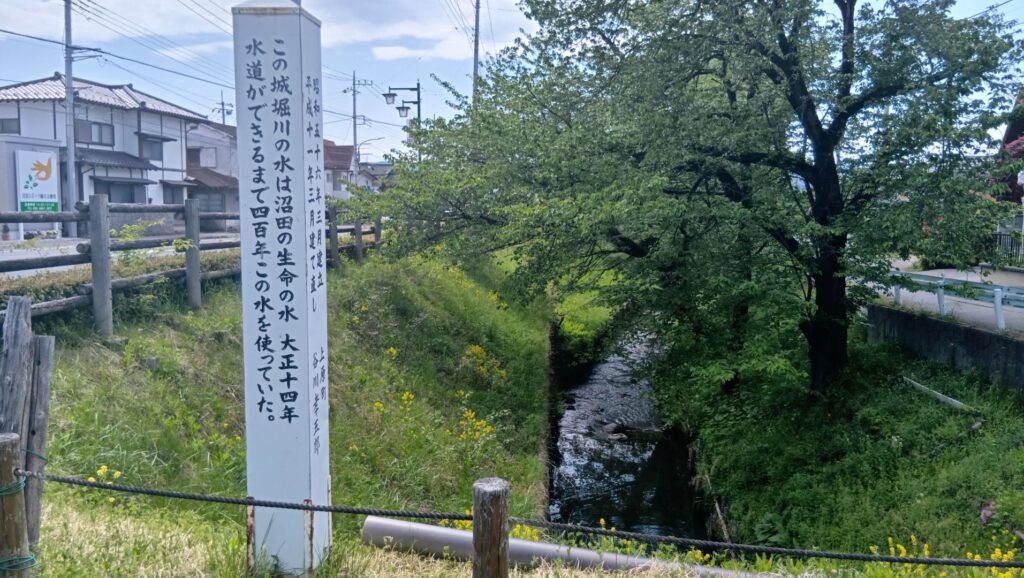
福山城主(藩主)の水野勝成は、城以上に城下町・地域の開発に力を注ぎました。城の背後(北)の山を開削し、芦田川から水を引き、吉津川として通しました。その途中にの「蓮池」に水を貯め、上水道として城下に配水しました。小田原用水・神田用水などに次ぐ日本でかなり早い事例の一つでした。城の背後の防御という意味合いもありました。また、野上堤防を築き、芦田川を一本化し、城下町の敷地を造成しました。商人たちに無償で土地を与え、地子(税金)も免除したので、自ずから人が集まりました(下記補足5)。元の川の流路は舟入として活用し、水路にかかった天下橋・新橋(木綿橋)の辺りが繁華街となりました。更に藩の収入を増やすため、城下町の外側を干拓し、農地としました。入植する農民には一定期間税を免除し、海岸部でも栽培できる綿花を奨励しました。綿は、福山の特産物になります。勝成は、いかに街を活性化させるか、放浪時代の経験も生かしながら、政治を進めていったのでしょう。

(補足5)当町場荒地の遠干潟に御座候ところ、町並銘々器量次第、敷地を開き住居仕候は、地子諸役等永々御除地に仰付かるべき候由、之により御領分は申すに及ばず、近国所々より相集まり、銘々沼、芦原を埋め、町並家作り出来申候(「福山領分御伝記」

蓮池
かつての舟入
天下橋跡
水野時代の干拓地(沖野上町)

また勝成は、藩士たちに対して誓紙を取ったり、目付を置くようなことはしませんでした。それでも家中は安定していたのです。勝成に対する信頼の高さが伺えます。隣の岡山藩主の池田光政は、勝成を「良将中の良将」と称えたそうです(補足6)。1638年(寛永15年)に島原の乱が勃発したとき、勝成は75歳でしたが、幕府に請われ、現地に出陣しました。「鬼日向」も健在だったのです。翌年には隠居しますが、かえって領内開発に専念し、隠居料さえもつぎ込みます。開発は、水野家4代約80年継続しますが、既に現在の福山市街地の多くができあがってしまった程でした。藩の石高も10万石→13万3千石に増加しました。勝成は88歳まで生き抜きました。

(補足6)私は随分国中を治めんと思っているが、なかなか思うようにならない。然るに隣国故日向守殿の仕置を聞くに、目付横目一人もなく、侍から誓詞を取るということもない。法度書・制法条目などついに一件も出されなかったが、国中よく治まり、家中の者よくなつき、他家よりいくら招いても見向きもしない。然らば徳を以て国中を治められたものと思われる。その頃良将が多かったが日向守のような仕置のことは聞かない。凡そ近代の良将というのはこの日向守殿ならん(「宗休様御出語」、訳は「放浪武者 水野勝成」より)

阿部氏による継承と幕末の争乱

ところが、水野氏5代目の勝岑(かつみね)が1698年(元禄11年)にわずか2歳で亡くなり、水野氏は改易となってしまいます。その後、幕府直轄領・奥平松平氏1代を挟んで、1710年(宝永7年)からは阿部氏が幕末まで城と藩を統治しました。しかし阿部氏の福山藩の内情はきびしいものでした。石高は水野氏時代の初期と同じ10万石でしたが、幕府領時代の検地により15万石と算定され、5万石分を削られていたのです。また、阿部氏10代のうち4人が幕府老中を務めたため出費がかさみました。更にこの時期には日照りと洪水による凶作が度々起こり、農民一揆が絶えませんでした。裕福な商人・豪農などが出資して設立した「義倉」からの貸付・施し・献金などもあって、なんとか藩の運営が成り立っている状態でした、

10人の阿部氏藩主の中では、なんといっても幕末に活躍した阿部正弘が有名でしょう。彼は1843年(天保14年)わずか25歳で老中に抜擢されますが(それまでの最年少、22歳で寺社奉行になったときも最年少だった)、福山にお国入りしたのは藩主になった直後、1837年(天保8)の一回切り(2ヶ月間)だけでした。ペリー来航前後の厳しい政局に幕閣の最高責任者(老中首座)として対峙していたのです。彼自身はいわゆる鎖国政策を維持したかったようですが、「衆議」を重んじ、徳川斉昭・堀田正睦など考え方が異なる大名をも取り込み、開国という結論を導きました。また、広く諮問を行い、優秀な人材の発掘も行いました。幕府の最後の最高幹部となった勝海舟もそのとき登用された一人です。しかし激務が祟ったのか、老中在職中に39歳で亡くなりました(1857年、安政4年)。

阿部正弘肖像画、福山誠之館蔵 (licensed under Public Domain via Wikimedia Commons)

正弘から2代後の阿部正方(まさかた)は、1861年(文久3年)に14歳という若さで藩主になりました。やがて幕府と長州藩が対立するようになると、1864年(元治元年)長州征討(第一次)が発令され、福山藩は幕府軍の先鋒を命じられました。彼と福山藩兵は、西の広島に向かいますが、そこで和睦となります。1865年(慶応元年)の第二次長州征討では、正方は再び出陣しますが、途中で病(脚気)を患い待機となります。藩兵は他藩と連合して長州軍と戦いますが(石州口の戦い)敗れ、撤退することになりました。正方は帰国後、御湯殿で湯治を行うなど治療に努めますが、慶応3年11月、20歳で亡くなってしまうのです。そのわずか2ヶ月後、福山城にとって大事件が起こりました。

阿部正方肖像画、福山市蔵 (licensed under Public Domain via Wikimedia Commons)

翌年(1968年、慶応4年)1月、戊辰戦争が勃発すると、各地で朝廷方の攻勢が始まります。中国地方では、尾道で待機していた、杉孫七郎が指揮する長州軍が福山城を攻撃しようとしていました。藩主が亡くなったばかりの福山藩は和平交渉を行おうとしますが、相手にされませんでした。長州軍は、西国大名を監視していた福山城を落とすという実績が欲しかったのです。1月9日、長州軍の攻撃が開始されました。長州軍は、城の弱点とされる北側にある円照寺の山の上から大砲を放ち、一発は天守西側に命中しました。幸い火薬は装填されておらず爆発・火災は発生しませんでした。そして長州兵が城の裏門(赤門)に突撃しますが、福山藩兵も抵抗、長州が兵を引いたところで和平交渉となりました(福山藩が朝廷方に恭順)。これが城で行われた唯一の戦いでした。

「福山城その2」に続きます。

今回の内容を趣向を変えて、Youtube にも投稿しました。よろしかったらご覧ください。
27.Ueda Castle Part1

Ueda Castle, which was located in the current Ueda City in Nagano Prefecture, is very famous because of the Sanada Clan. When the clan owned the castle, they repelled the invasions from the Tokugawa troops twice. However, the castle was destroyed by the Tokugawa Shogunate after the battles. After that, other clans rebuilt and maintained the castle, but they are not popular for the general people. Therefore, this article will describe not only about the Sanada Clan, but also the other clans (Sengoku and Fujii Matsudaira) regarding the castle.

Location and History

Introduction

Ueda Castle, which was located in the current Ueda City in Nagano Prefecture, is very famous because of the Sanada Clan. When the clan owned the castle, they repelled the invasions from the Tokugawa troops twice. However, the castle was destroyed by the Tokugawa Shogunate after the battles. After that, other clans rebuilt and maintained the castle, but they are not popular for the general people. Therefore, this article will describe not only about the Sanada Clan, but also the other clans (Sengoku and Fujii Matsudaira) regarding the castle.

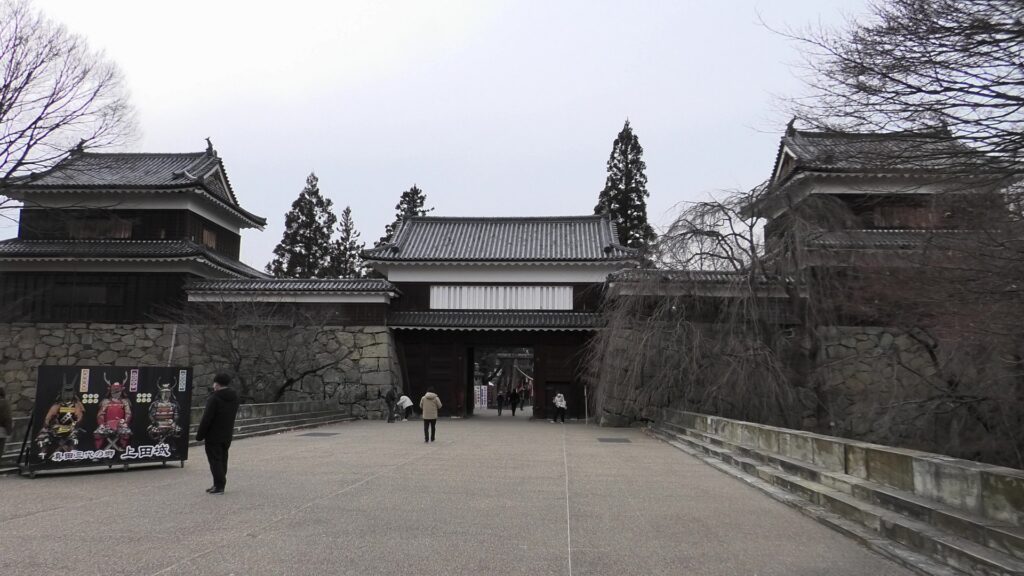
The current Ueda Castle, the entrance of the main enclosure

From building Ueda Castle to the First Battle of Ueda

Masayuki Sanada, who first built the castle, was born in 1547 as the third son of Yukitaka Sanada. Yukitaka was a lord in Shinano Province (the current Nagano Prefecture) and became a senior vassal of Shingen Takeda, one of the greatest warlords at that time. In his later life, Yukitaka invaded the western area of the Kozuke Province (the current Gunma Prefecture). Masayuki eventually followed the invasion after he became the successor of his father. In 1579, he captured Numata Castle, one of the most important points of the province. Masayuki was still one of the Takeda’s retainers, but he behaved as if he was an independent lord.

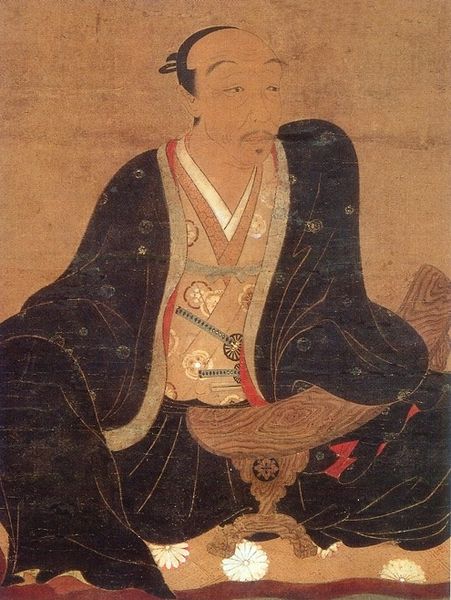
The portrait of Masayuki Sanada, privately owned (licensed under Public Domain, via Wikimedia Commons)

In 1582, the Takeda Clan, which was Masayuki’s master, was defeated by Nobunaga Oda, who was soon killed in the Honnoji Incident as well. That meant the large territories, which the Takeda Clan owned, became unoccupied area for other great warlords around. The Tokugawa, Hojo, and Uesugi Clans immediately started to invade the area. However, the area included Masayuki’s territories. He first allied with the Uesugi Clan but later on switched to the Hojo Clan, then finally the Tokugawa Clan in order to maintain his territories.

The portrait of Kagekatsu Uesugi who was the lord of the clan at that time, owned by Uesugi Shrine (licensed under Public Domain via Wikimedia Commons)
The portrait of Ujimasa Hojo who was the lord of the clan at that time, owned by Odawara Castle (licensed under Public Domain via Wikimedia Commons)
The Portrait of Ieyasu Tokugawa, who was the lord of the clan at that time, attributed to Tanyu Kano, owned by Osaka Castle Museum (licensed under Public Domain via Wikimedia Commons)

He lived in Toishi Castle which was built on a mountain at the Ueda area. Ueda Castle would be built on a plain land near the mountain castle when Masayuki was at the Tokugawa’s side. This was because this spot was very important for the intersection of roads and Chikuma River. It was also the border of the Tokugawa and the Uesugi Clans. Therefore, the castle would be the strong frontline of the Tokugawa Clan against the Uesugi Clan. Historians speculate that the construction of the castle was completely supported by the Tokugawa Clan. Kagekatsu Uesugi, who was the lord of the clan, ordered his retainers to halt the construction. The Tokugawa Clan also had to protect it.

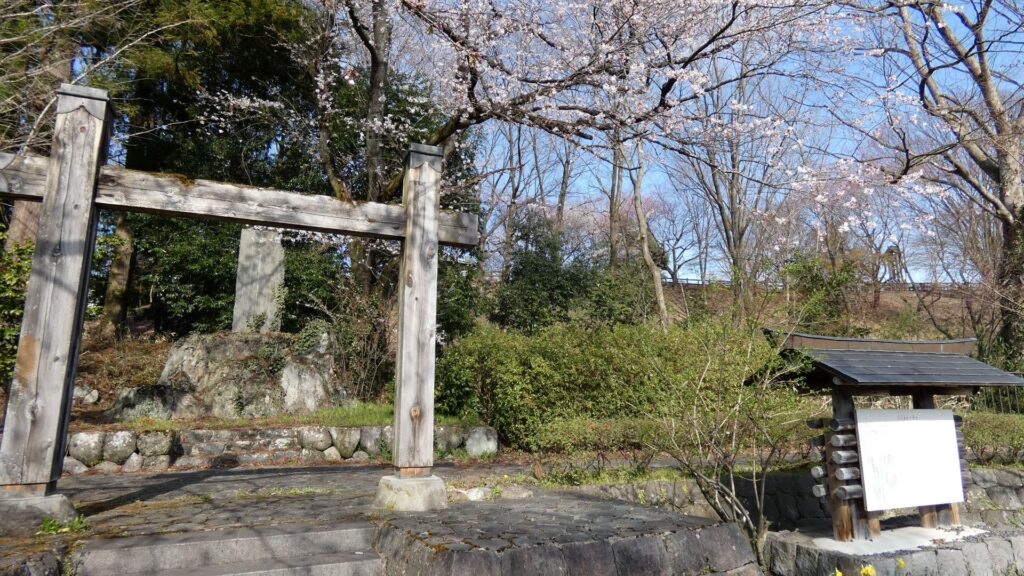
The ruins of Toishi Castle; Be careful when climbing the stairs because it’s very steep

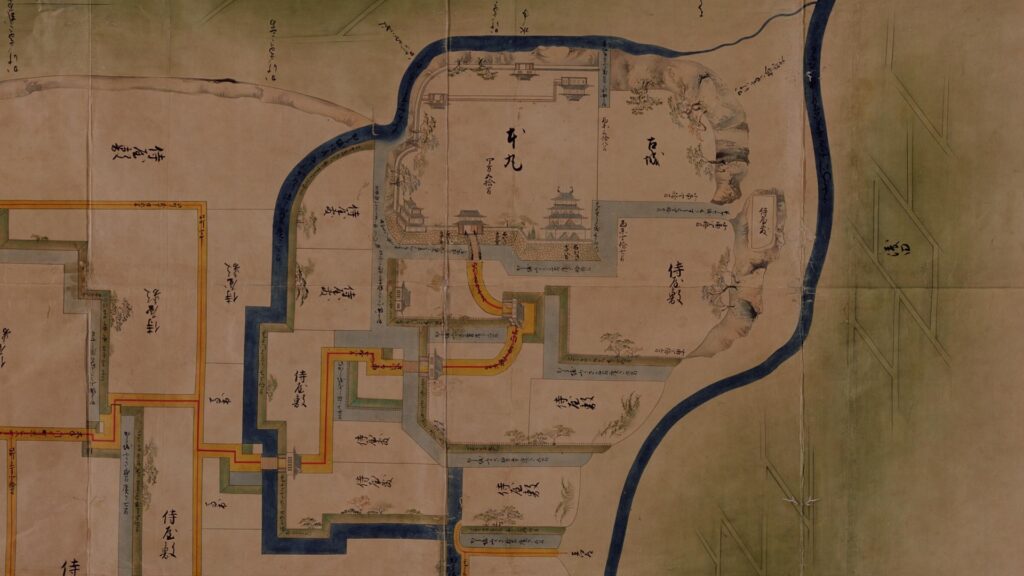
Even though the castle was built on a plain, it was protected by natural hazards. For example, it had natural steep cliffs to the south, which were created by a branch of the Chikuma River, called “Amagafuchi”. The builders also used other rivers to protect the castle. The flow of Yadesawa River was changed to build the natural outer moat to the north and the west, which faced the Uesugi’s territories. The original flow was used to make inner moats surrounding the castle. The center of the castle on a hill was turned into several enclosures, such as the main and second enclosures. The east of the castle was still waterlogged; however, it was partially used as residential areas. The construction was done between 1583 and 1585. You can see the drawing of the castle during that time, inside the Ueda City Museum.

The current southern side of the castle; The bottom of the castle wall used to be a river, but it is now dry and  used as a walkway that leads to the park
The current Yadesawa River
The ruins of one of the inner moats, called Hyakken-bori
The drawing of the castle during its first stage, exhibited by the Ueda City Museum

Just after the castle was completed, Masayuki switched sides from the Tokugawa to the Uesugi Clan again. This was because Ieyasu Tokugawa, who was the lord of the clan, promised to give the Hojo Clan Kozuke Province in order to make peace. That meant Masayuki would have to give up his Numata Castle in the province. He couldn’t stand giving up the castle. However, this decision caused him to fight against the two great warlords (the Tokugawa and Hojo Clans) at the same time. The Hojo Clan had been wanting to capture Numata Castle for a long time. Ieyasu was also very angry about Msayuki’s decision. Ieyasu expected Masayuki to give up Numata Castle after he had given him Ueda Castle, but this was not the case. Therefore, Ieyasu ordered his retainers to destroy the Sanada Clan, which triggered the first battle of Ueda.

The ruins of Numata Castle

The number of the Tokugawa troops was about 7,000 while that of the Sanada Clan was only 2,000. In addition, Ueda Castle was more vulnerable to the east which faced the Tokugawa’s territories, compared to the other directions. There were only protective fences facing the eastern direction. Masayuki’s plan was to divide his few soldiers between Ueda Castle and other branch castles. He also ordered them to ignore the important defensive lines to the east, Kangawa River and Someya Castle. That meant the Tokugawa troops could easily attack Ueda Castle, and they actually did it. However, many of the Tokugawa soldiers were inexperienced and overconfident. Once the Tokugawa side reached the second enclosure of the castle, the Sanada troops suddenly counterattacked. The Tokugawa Troops were very confused and withdrew but they were blocked by the fences behind them. Miraculously they managed to get to get back to Kangawa river, but the other remaining Sanada troops attacked them. Many of them were killed, which resulted in the Tokugawa’s lost.

The second enclosure of Ueda Castle, which is the current entrance of the castle park
The Kangawa River

This battle would eventually lead to the independence of the Sanada Clan with their honor. This stunt can only be done by Masayuki.

The Castle is improved under the Toyotomi Government until the 2nd Battle of Ueda

Masayuki’s choice after the 1st battle was to try to serve under Hideyoshi Toyotomi who was the new ruler of Japan. Hideyoshi called Masayuki “a man like the two sides of the same coin” and tried to defeat him. However, for some reason, Hideyoshi accepted Masayuki saying in his letter “I’ll forgive you just this time”. Masayuki had to work under Ieyasu again due to Hideyoshi’s order. Ieyasu also accepted the Sanada Clan by marrying Nobuyuki, Masayuki’s son with his adopted daughter. That meant the two biggest lords recognized the strength and threat of the Sanada Clan. This is how the clan became an independent lord family under the Toyotomi government. Numata Castle, one of the most important castles of the clan, was once given to the Hojo Clan by Hideyoshi’s order. However, the castle was soon returned to the Sanada Clan due to the Battle of Odawara, where the Hojo Clan was defeated.

The Portrait of Hideyoshi Toyotomi, attributed to Mitsunobu Kano, owned by Kodaiji Temple (licensed under Public Domain via Wikimedia Commons)

Ueda Castle was improved as one of the important castles under the Toyotomi government. Some believe that the castle had the main tower during the improvement. However, it is still uncertain as followed.

Supporting opinions:
The rooftiles with golden leaf and grampus rooftiles at that time were excavated from the moats of the main enclosure. Other important castles nearby, using the same or similar rooftiles, had their main towers, such as Matsumoto, Takashima, and Komoro Castles. An old map of Ueda Castle during the Edo Period says there were the ruins of the main tower. Therefore, Ueda Castle must have had its own main tower.

One of the excavated rooftiles with golden leaf, exhibited by the Ueda City Museum
Matsumoto Castle
Takashima Castle
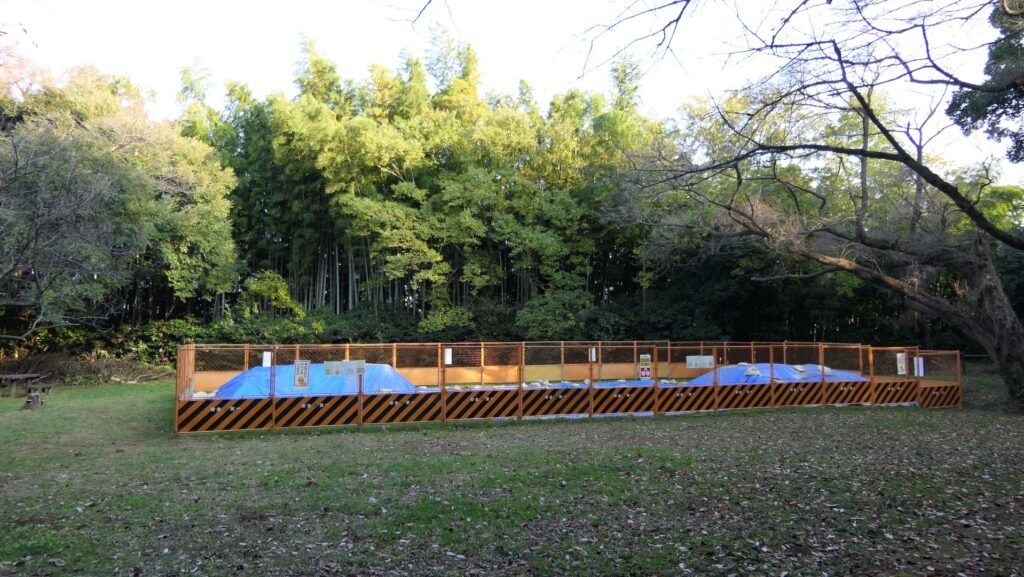
The main tower base of Komoro Castle
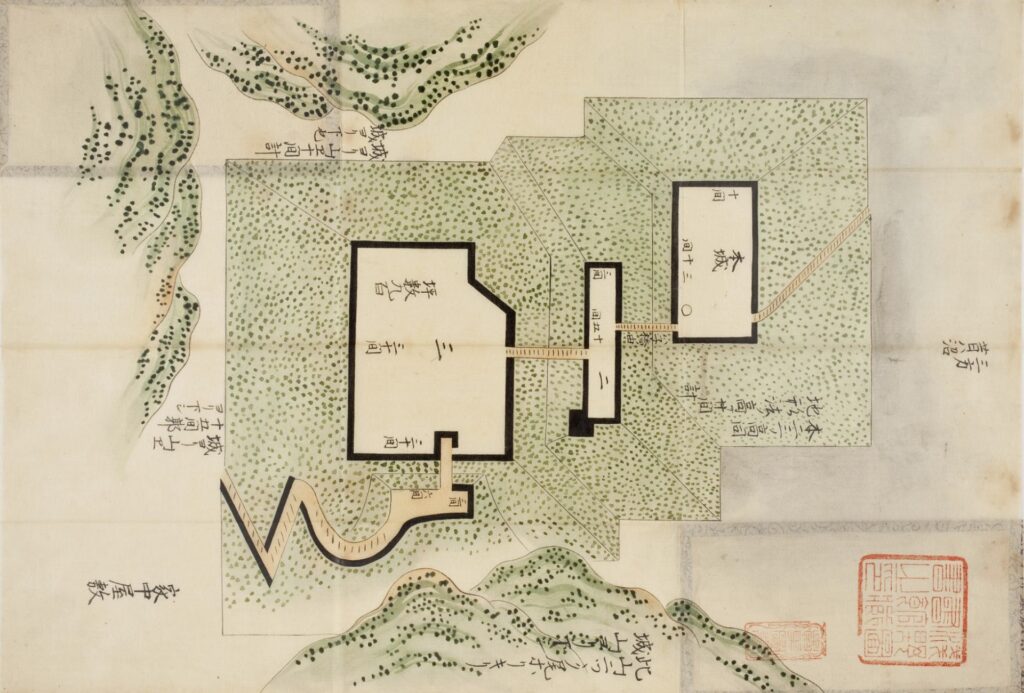
The old map including the ruins of the main tower, supported by Ueda City Multimedia Information Center

Opposing opinions:
In the case of Ueda Castle, rooftiles with golden leaf were also excavated at other enclosures aside from the main enclosure. That means main halls or other turrets might have used them. In addition, no trace of the main tower base was ever found in the main enclosure at all. The main tower of Ueda Castle did not necessarily exist.

So far, we can say the castle at least had luxurious buildings in it with these rooftiles. Historians speculate if the castle had the main tower, it was not so large that it might have only been 3 levels.

The castle was also fortified to make its eastern area more defensive. For example, the third enclosure, including the main gate, was built in the area. The castle town was also built outside the enclosure. Many temples gathered in the town because they would become the positions for soldiers when battles happened.

The ruins of the main gate; This modern-day road used to exhibit a Masugata system (a special design that forced enemies to turn at a right angle in order to attack the castle)
Gessoji Temple, which was built outside the castle

After Hideyoshi died, the decisive battles happened in 1600. The Sanada Clan first tried to join Ieyasu Tokugawa’s troops which would be called the Eastern Allies. They were going to the east to destroy the Uesugi Clan which was against Ieyasu. However, once the clan received the letter of impeachment to Ieyasu from the magistrates of the Western Allies, it made their decision tougher. One order was for Nobuyuki to stay with the Eastern allies,while Masayuki and Nobushige, who was Nobuyuki’s little brother, would join the Western Allies. It is thought that this decision came from Masayuki’s experiences so that some of the clan would survive no matter which allies won.

“Inubushi Mitsudan-zu”, the picture showing the secret meeting before their parting, supported by the Ueda City Museum; On the right is Masayuki, on the left are his sons Nobuyuki and Nobushige

Ieyasu went back to the west to destroy the Western Allies through Tokaido Road along the seaside. He also sent about 38,000 soldiers, led by Hidetada Tokugawa, Ieyasu’s successor, through Nakasendo Road along the mountain areas. He then ordered Hidetada to capture Ueda Castle, which Masayuki and Nobushige were holding, on the way to the west. The second battle of Ueda would occur. The number of the soldiers in the castle was only about 3,000, so the plan of Masayuki this time was to delay the Eastern Army as followed.

The Portrait of Hidetada Tokugawa, owned by Saifukuji Temple (licensed under Public Domain via Wikimedia Commons)

The timeline of the 2nd battle of Ueda

September 2nd (according to the lunar calendar): Hidetada arrived at Komoro Castle, about 20 km away from Ueda Castle to the west.
September 3rd: Masayuki made an offer to surrender to Hidetada through Nobuyuki.
September 4th: Hidetada went to battle because Masayuki did not do what he had said.
Nobuyuki’s troops went to Toishi Castle which Nobushige held to capture it.
September 5th: Nobushige went back to Ueda Castle without fighting.

Their first battle was on September 6th, but its details are uncertain. This is because some records say it was a skirmish while others say Masayuki’s troops won like he used to do in the first battle of Ueda. At the very least, what I can say for sure is that Hidetada didn’t do a full-scale attack as followed.

September 8th: Hidetada received a letter from Ieyasu, telling Hidetada to immediately leave to go to the west.
September 11th: Hidetada left Komoro Castle for the battlefield to fight against the Western Allies.

As a result, Hidetada spent about 10 precious days without capturing Ueda Castle and was not able to join the battle of Sekigahara on September 15th. Masayuki’s plan was successful again. However, the Eastern Allies won on that day. Masayuki and Nobushige were eventually placed under house arrest at Kudoyama in Kii Province (the current Wakayama Prefecture). Masayuki died there after 11 years, and but Nobushige managed to escape to became famous during the sieges of Osaka Castle between 1614 and 1615.

The portrait of Nobushige Sanada, owned by Ueda City Museum (licensed under Public Domain via Wikimedia Commons)

Ueda Castle finally belonged to Nobuyuki, but the center of the castle was destroyed by the Tokugawa Shogunate. Its moats were buried, and its enclosures were turned into farms. Nobuyuki stayed in his residence at the third enclosure. You can see the drawing of the castle during that time, inside the Ueda City Museum. He was eventually promoted and moved to Matsushiro Castle in 1622.

The portrait of Nobuyuki Sanada, privately owned (licensed under Public Domain via Wikimedia Commons)
Matsushiro Castle
The old map showing the buried moats, and the farm which was the former enclosures, exhibited by the Ueda City Museum

Tadamasa Sengoku reconstructs Ueda Castle

Ueda Castle was mostly abandoned before Tadamasa Sengoku came to the castle as the new lord of the Ueda Domain in 1622. He had been the lord of Komoro Castle, so he joined the second battle of Ueda as well. It was said that when he became the lord of Ueda Castle, Hidetada Tokugawa, who was the shogun at that time, told him as followed. “You may reconstruct Ueda Castle however you like as I will pay for the expenses.” Hidetada was the person who suffered from the castle during the second battle of Ueda earlier on. However, it is still a mystery why he was allowed to reconstruct the castle as well as why he was given money for the castle. The reconstruction started in 1626 after it was formally permitted by the Tokugawa Shogunate.

The portrait of Tadamasa Sengoku, owned by the Ueda City Museum (licensed under Public Domain, via Wikimedia Commons)

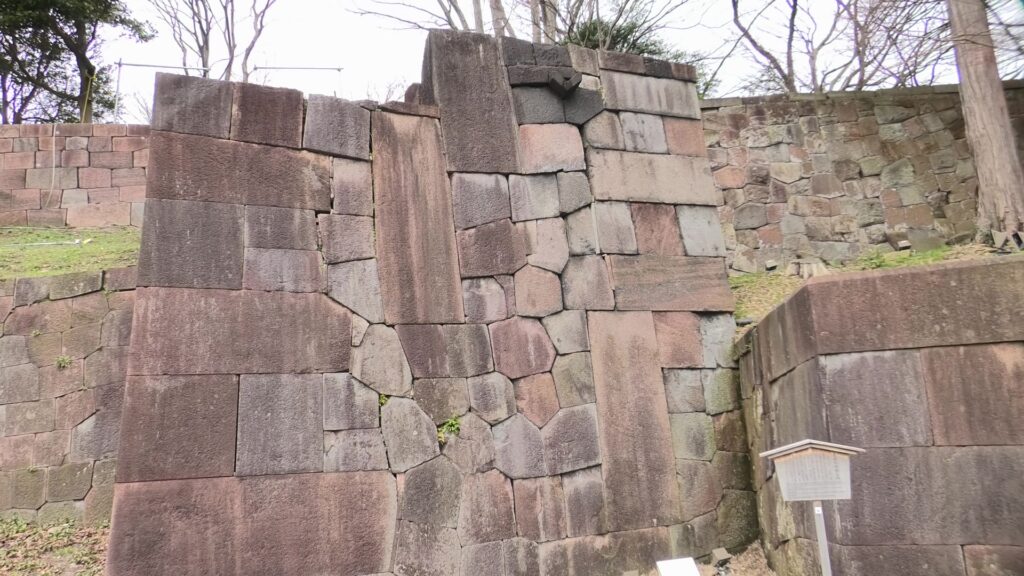
Tadamasa gave his detailed instructions to the construction builders. According to the instructions, it seemed like he tried to restore the castle during the Sanada’s period. For example, they say that if the moats of the old castle had distortions, he ordered the build to dig to widen the moats than they were in order to make them straight. That meant the layout of the castle would be similar to the old castle. However, the remaining stone walls you see now at the castle were all built by the Sengoku Clan. Part of them, which look very old, might have been built by the Sanada Clan. If so, the Sengoku Clan might also have rebuilt the stone walls by using the old stones.

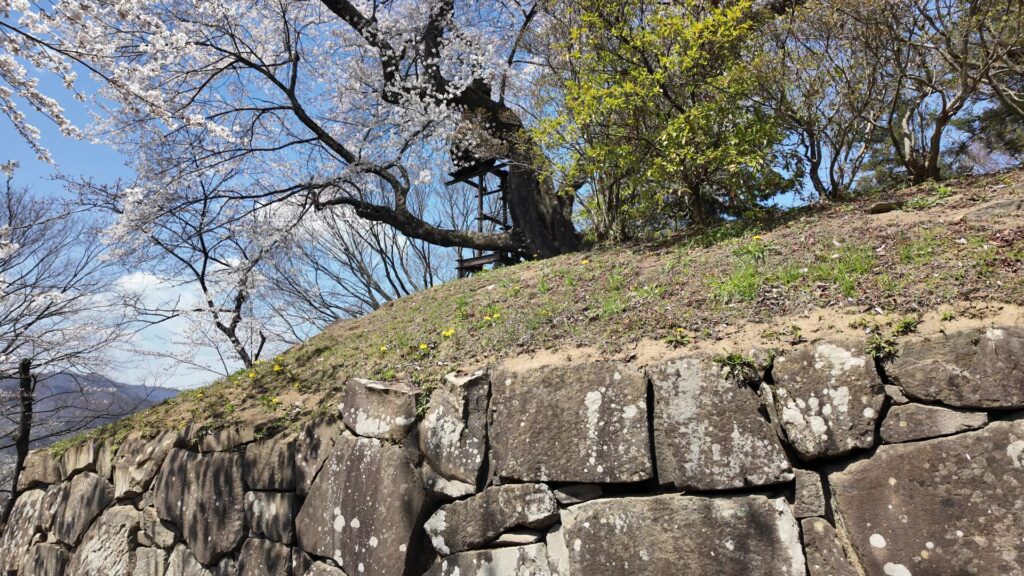
One of the stone walls which the Sengoku Clan originally built
One of the old stone walls which the Sanada Clan might have originally built

Although the main tower was not built in the main enclosure, the enclosure had seven turrets and two gates along its perimeter. However, it had no buildings in the center, like the main hall. That meant the purpose of the castle was only for reconstruction. Tadamasa planned to construct other buildings in the second enclosure, but it was canceled because of his death in 1628. The structure of the castle, built by Tadamasa, was maintained by the following lords of the Ueda Domain until the end of the Edo Period. You can see the illustration of the castle after the reconstruction, exhibited by National Archives of Japan. So, what did Tadamasa think about Ueda Castle? He might have admired the castle because of the activities of the Sanada Clan.

Part of the illustration of Ueda Castle in Shinano Province, exhibited by National Archives of Japan

The Government under the Fujii Matsudaira Clan

In 1706, Tadachika Matsudaira became the lord of the Ueda Domain in place of the Sengoku Clan. His clan was sometimes referred to as the Fujii Matsudaira Clan in order to classify many Matsudaira Clans. It is one of the 18 Matsudaira which had been the relatives of the shoguns before Ieyasu Tokugawa was born. (In fact, Ieyasu himself was one of them.) The reason for the replacement would be that Tadachika was a close vassal of the 5th shogun, Tsunayoshi Tokugawa. He may have been given a closer territory than that he had had in the Izushi Domain (in the current Hyogo Province) by the shogun. The clan also maintained Ueda Castle and the government which the other clans had made.

The armor Tadachika had, exhibited by the Ueda City Museum

However, the most serious problems for the castle were caused by natural disasters, such as floods, earthquakes, and fires. In 1732 during Tadachika’s son, Tadazane’s period, a heavy flood from Chikuma River destroyed the cliffs of the southern side of the castle. Tadazane had to rebuild stone walls on the cliffs to protect them from the river for the next 4 years. We can still see the stone walls on the cliffs now. The clan also had to repair and maintain other stone walls of the castle many times due to harsh weathers and deteriorations.

The stone walls on the cliffs

Let me introduce Tadakata Matsudaira, the 6th lord of the Fujii-Matsudaira Clan during the end of the Edo Period. He was less popular than other politicians at that time like Masahiro Abe, Masayoshi Hotta and Naosuke Ii. However, he was one of the politicians who devoted themselves to opening the country to other western countries. When he became the lord of the Ueda Domain, the domain often suffered from famines because of the cold weathers. Therefore, he encouraged people to boost the sericultural industry (the process of breeding silkworms in order to produce silk fabrics) which was more stable. These experiences may have led his policy towards opening the country to the western countries. When the U.S. fleet led by Matthew Perry arrived at Japan in 1853, he was a member of the shogun’s council of elders. He insisted that Japan should open the country as well as allow trading with other countries. Masahiro Abe, who was the head of the members, decided to finally open the country. Ater that, Masayoshi Hotta and he negotiated with the U.S. consul, Townsend Harris about the trade treaty. Tadataka insisted again that Japan would immediately conclude the treaty despite not having the proper permission by the emperor, against Masayoshi and Naosuke Ii’s advice who thought they would need the permission. Tadataka strongly believed that the trade with foreign countries must have resulted in the national interests. After he quit the post of the members, he began selling the silk fabrics from his domain by exporting them to the countries.

The armor Tadakata had, exhibited by the Ueda City Museum

Later History

After the Meiji Restoration, Ueda Castle was eventually abandoned, and its lands and buildings were sold. As a result, the lands became farms. A rich merchant, named Heihachiro Maruyama appeared under such a situation. He earned his money by selling wooden materials and silk, maybe thanks to the policies of Tadakata Matsudaira. He bought the land of the main enclosure and donated it for the shrine which would worship the Fujii- Matsudaira Clan, the former lord family of the castle. The shrine became the current Sanada Shrine in the enclosure, which now worships the Sanada, Sengoku, and Matsudaira Clans. Then, in the second enclosure, there was once a prison and an isolation hospital before Ueda City bought the land back. The city turned the main and second enclosures into Ueda Castle Ruins Park. The park was also designated as a National Historic Site in 1934. As for the castle’s buildings, there was once the only remaining building as the western turret at the site. Other turret buildings, called the northern and southern turrets, were used in the pleasure district of Ueda. When these buildings were going to be sold again, the citizens in Ueda were worried about it. Therefore, they decided to bay the buildings and restored them back to the original positions in 1949. The gate between the turret buildings was restored as well in 1994. The city is now considering restoring the other 4 turret buildings in order to complete the 7 turrets which Tadamasa Sengoku had built for the castle.

The Sanada Shrine; Even though this shrine is called Sanada Shrine, the Sengoku and Matsudaira are worshipped in the same shrine
The remaining western turret
The remaining southern and northern turrets and restored gate
The miniature model of the main enclosure with the 7 turrets

To be continued in “Ueda Castle Part2”

27.上田城 その1

上田城を築いた真田昌幸は、真田幸隆の三男として生まれました。昌幸は、当初信玄に近臣として仕え、信玄・幸隆が亡くなり、長篠の戦いで兄たちが討たれると、真田家を継ぎました。

立地と歴史

上田城築城と第一次上田合戦

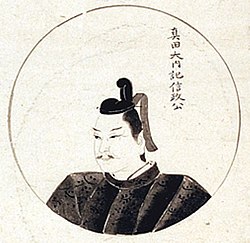
上田城を築いた真田昌幸(生年:1547年〜没年:1611年)は、真田幸隆(幸綱)の三男として生まれました。父親の幸隆は、信濃国真田郷の小豪族でしたが、武田信玄に仕え、重臣の一人となりました。特に調略を得意とし、後半生は武田氏の西上野での領土拡大に貢献しました(岩櫃城など)。昌幸は、当初信玄に近臣(武藤喜兵衛と名乗っていた)として仕え、信玄・幸隆が亡くなり、長篠の戦いで兄たち(信綱・昌輝)が討たれると、真田家を継ぎました。昌幸は、西上野の攻略を進め、1579年(天正7年)には沼田城を落としました。この城が、後の真田氏による領土経営のキースポットになります。彼は武田氏の一部将でしたが、一定程度の領土経営権を与えられていたと言われています。

真田昌幸像、個人蔵 (licensed under Public Domain, via Wikimedia Commons)

やがて主君の武田氏が滅亡し、武田氏を滅ぼした織田信長が本能寺の変で討たれると、旧武田領(甲斐・信濃・西上野)は空白地帯となり、周辺有力大名(徳川・北条・上杉)による争奪戦が起こります(1982年(天正10年)の天正壬午の乱)。上田周辺から沼田までの一帯を勢力圏としていた昌幸は、有利な条件(領土維持)を求め、上杉→北条→徳川と、次々に傘下となる大名を変えていきます。

上杉景勝肖像画、上杉神社蔵、江戸時代 (licensed under Public Domain via Wikimedia Commons)
北条氏政肖像画、小田原城蔵 (licensed under Public Domain via Wikimedia Commons)
徳川家康肖像画、加納探幽筆、大阪城天守閣蔵 (licensed under Public Domain via Wikimedia Commons)

当時、昌幸は山城の砥石城(またはその周辺の館)を本拠にしていたと考えられますが、徳川傘下にいたときに築いたのが上田城でした。上田の地は、徳川・上杉勢力圏の境目にあたり、街道(上州街道・北国街道)と千曲川が交わる地点で、徳川方として確保が必要な場所でした。つまりこの城は、徳川方が上杉方に対抗するために築かれたのです。従って、築城にあたっては、徳川方の全面支援があったと考えられています。平地での築城なので、上杉方からの妨害も受けやすく、築城時の安全確保の必要もありました(下記補足1)。

(補足1)海津よりの注進の如くんば、真田、海士淵(あまがふち)取り立つるの由に候条、追い払ふべきの由、何れへも申し遣はし候(天正十一年四月十三日島津左京亮宛上杉景勝書状「上杉年譜」)

戸石城跡

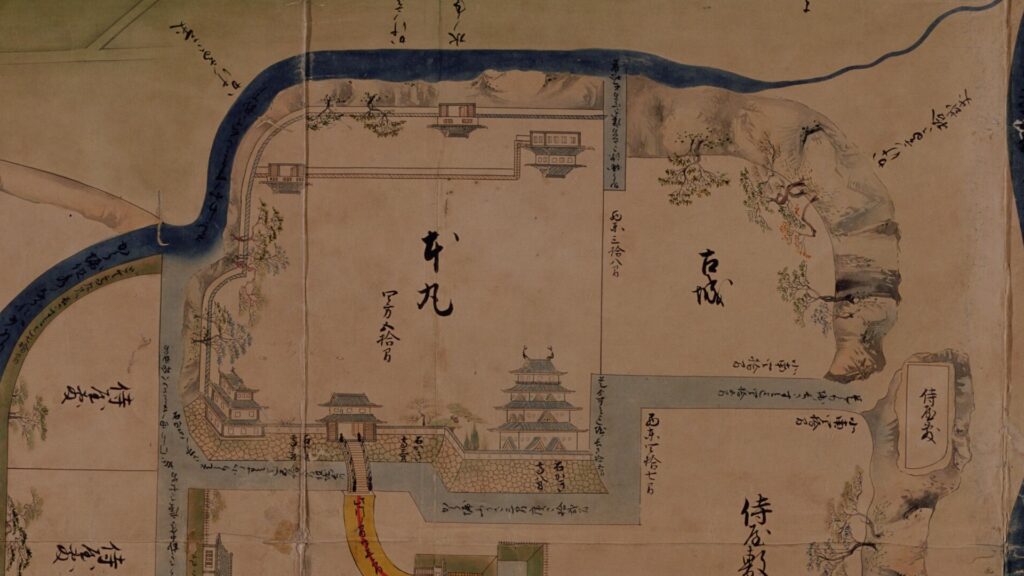
平地の城であっても、自然の要害を生かして築かれました。城の南側は、千曲川の支流が流れ「尼ヶ淵」と呼ばれていて、切り立った崖になっていました。北や西から攻めてくる上杉方に対して、後ろ堅固の城であったと言えます。その北側と西側は、川(矢出沢川・蛭沢川)の流路を変え、元の流路を堀に活用し、新流路を惣堀として、備えとしました。城の中心部分は、かつて他の豪族(小泉氏)の城館として使われていた微高地を利用し、西から小泉曲輪・本丸・二の丸を並べました(梯郭式)。更に東側は沼沢地でしたが、その合間に昌幸や一族の屋敷地(中屋敷、常田屋敷、玄三屋敷)が作られました。築城は、1583年(天正11年)に始まり、2年後に完成したとされています。その頃の城の姿を表すとされる絵図(「天正年間上田古図」)が残されています。

城の南側の崖部分(かつての尼ヶ淵)
惣堀として使われた現在の矢出沢川
堀の一つ、百間堀跡
「天正年間上田古図」、上田市立博物館にて展示

ところが、昌幸は城が完成した時期に、徳川方から上杉方に鞍替えをします。これは、徳川家康が北条氏との和睦の条件として、上野国を北条の領国として認めたことによります。これは真田が沼田を失うことを意味していました。替地も明確でなかったようです(諸説あり)。昌幸はこれを拒否しました(下記補足2)。並みの地方領主だったら飲んだのでしょうが、昌幸は自分が切り取った領土にこだわったのです。上杉の支援があるとはいえ、北条(沼田への攻撃)・徳川双方を敵に回す決断でした。(ただし、上杉のバックにいた豊臣秀吉の存在を考慮したという指摘もあります)家康は激怒し、真田討伐を命じました(下記補足3)。これが第一次上田合戦です(天正13年7月〜11月)。

(補足2)
三河物語
ぬまた(沼田)を小田原(北条)へ渡せと仰せになったところ、さなだ(真田昌幸)は、ぬまたの城は上様よりいただいたものではなく、我らの手柄で取り立取った城なので筋違いの話です(訳:代替案のための弁証法的空間)

(補足3)敵幸ひの所へ引き出し候はば、この度根切り緊要に候(八月二十日徳川家康書状、「宮下家文書」)

沼田城跡

鳥居元忠、大久保忠世らに率いられた約7千の徳川勢に対し、真田勢はわずか約2000人でした。しかも、上田城は対上杉用に築かれた城なので、東側(甲斐)から攻めてくる敵(徳川勢)は想定外でした。そのとき昌幸がとった戦術は、少ない兵を更に分散させて配置することでした。昌幸本人は上田城に、長男の信之(当時は「信幸」)は砥石城に、残りを他の城や伏兵として布陣したのです。そして、敵の正面(東側)に対する防御(神川・染谷城)を事実上放棄し、わざと攻めやすくさせたのです。徳川勢は、数は多いが寄せ集めで、真田勢を見下していたとも言われています。城の東側の神川を越え、中間の沼沢地や障害物(千鳥掛け柵)を通り、一気に二の丸まで攻め寄せました。勢いで敵の統制が緩む隙をついて、真田勢は反撃に移り、砥石城の部隊も加わりました。徳川勢は退却しますが、真田勢の追撃を受け、神川付近で多くの兵士を失いました(1300人、下記補足4)。その後、徳川勢は攻め口を変えますが、戦線が膠着し、ついには撤退しました。この戦いは、真田の独立大名として道を開くとともに、その名を天下に知らしめました。昌幸だからこそできた離れ業と言えるでしょう。

(補足4)
沼田城重臣宛信幸返書
芳札披見、仍従遠州出張候間、去二日於国分寺遂一戦
千三百余討捕備存分に候、然者南衆(北条方)其表可相働候、
於然堅固之備憑入候 恐々謹言
閏八月十二日    真田源三郎  信幸 判
 下豊(下沼田豊前守)、恩伊(恩田伊賀守)、木甚、恩越、發参
去る二日国分寺において一戦を遂げ、千三百余り討ち取り、備へ存分に任せ候
芳しい書状を拝見した 遠州より徳川勢が攻めて来たが、去る2日国分寺に於いて一戦し、1300人余り討ち取り備えは十分である。そこで、北条方がそちらに攻めて来るに違いないので、堅固の備えを頼み入る(「恩田家文書」、訳:おぎはらの洋ラン日記)

上田城二の丸
神川

豊臣大名の城に、そして第二次上田合戦

その後、昌幸が選んだ道は、豊臣秀吉への服従でした。秀吉は昌幸を「表裏比興の者(表と裏を使い分けるくせもの)」と呼び、一時討伐を決意しましたが許しました(下記補足5)。昌幸は、家康の与力大名となりますが、家康もまた、信幸を重臣の本多忠勝の娘(小松姫、形式上は家康の養女)の婿としたのです。こうして真田は豊臣政権下の大名となったのです。秀吉の天下統一の過程で、一時沼田城は北条のものとなりますが、小田原合戦の結果、真田の下に戻ってきました。

(補足5)
真田の事、先度この方において仰せ出し候如く、表裏比興の者に候間、成敗を加へらるべき旨仰せ出され候間、定めて家康人数相動くべく候条、その方より一切に見続等これあるまじきの由に候。(八月三日上杉景勝宛増田長盛・石田三成書状「上杉家記」)

天正十四年(一五八六)十一月二十一日付 真田昌幸宛羽柴秀吉書状(真田宝物館蔵)其の方事、家康存分これ有りと雖(いえど)も、此方(こなた)に於いて直(じき)に仰せ聞けられ候。殿下も曲事に思し召し候と雖も、此の度の儀は相免ぜられ候条、其の意を成し、早々罷り上るべく候。猶、様子仰せ含めらるべく候。委細尾藤左衛門尉申すべく候也。
   十一月二十一日(朱印)(羽柴秀吉)
     真田安房守とのへ
家康がお前を恨んでいる件については、自分から直接言い聞かせてやった、自分もけしからぬことだとは思うが、今度だけは許してやるので上洛するように(訳:秀吉と真田)

豊臣秀吉肖像画、加納光信筆、高台寺蔵 (licensed under Public Domain via Wikimedia Commons)

上田城は豊臣大名の城として、改修が進められました。第一次上田合戦のときには「殿守(天守)も無き小城」であったとされていますが、この改修で天守が建てられたのではないかとも言われています。現在の本丸堀などから、金箔瓦や鯱瓦が発掘されています。近隣で同様のものが使われた松本城高島城小諸城には天守がありました。また、江戸時代に作られた城の絵図(「上田城構之図」)には「御天守跡」という記載があります。一方で、金箔瓦は本丸以外(二の丸や小泉曲輪)でも発見されているので、天守以外で使われていたともいえます。また、天守があった可能性がある本丸北西隅には、天守台石垣の痕跡がないことから、否定する向きもあります。天守があったとしても、三層程度だったであろうという意見もあります。いずれにせよ、初期とは全く違う豪華な櫓や門を備えた城になっていたとは言えるでしょう。

発掘された金箔瓦の一つ、上田市立博物館にて展示
松本城
高島城
小諸城跡の天守台石垣
「御天守跡」の記載がある古地図「上田城構之図」部分、協力:上田市マルチメディア情報センター

また、弱点だった東側については、三の丸や大手門が整備され、城下町に寺町を作り、防御を固めたと考えられています。

三の丸の大手門跡
集められた寺の一つ、月窓寺

そして秀吉が亡くなると、運命の天下分け目の戦い(1600年(慶長5年))を迎えます。真田勢は当初、家康の上杉征伐に加わるべく行動していましたが、西軍奉行からの家康弾劾の書状(下記補足6)を受け取り、昌幸・次男の信繁(幸村)は西軍に、信幸は東軍に味方(下記補足7)することにしたのです(犬伏の別れ)。これは、個々の立場に基づくものとも言えますが、昌幸がこれまで見てきた大名家の存亡から、真田家を残すための決断であったと思われます。

(補足6)
慶長五年(一六〇〇)七月十七日付 真田昌幸宛長束正家等連署状
 急度(きっと)申し入れ候。今度景勝発向の儀、内府公上巻の誓紙并びに大閤様御置目に背かれ、秀頼様見捨てられ出馬候間、各(おのおの)申し談じ、楯鉾(たてほこ)に及び候。内府公(家康)御違ひの条々別紙に相見え候。此の旨尤もと思し召し、大閤様御恩賞を相忘られず候はば、秀頼様へ御忠節有るべく候。恐々謹言。
   七月十七日 長大(長束大蔵大輔)正家(花押)
         増右(増田右衛門尉)長盛(花押)
         徳善(前田徳善院) 玄以(黒印)
     真田安房守殿 御宿所

(補足7)
慶長五年(一六〇〇)七月二十四日 真田信幸宛徳川家康書状(真田宝物館蔵)
今度安房守(あわのかみ)(昌幸)罷り帰られ候処、日比(ひごろ)の儀を相違(たが)へず、立たれ候事寄特千万に候。猶本多佐渡守(正信)申すべく候間、具(つぶさ)にする能はず候。恐々謹言。
   七月二十四日 家康(花押)
     真田伊豆守殿

「犬伏密談図」、協力:上田市立博物館

石田三成らの西軍決起を知った家康以下東軍は、上杉征伐から引き返し、西に向かいました。その内、家康の跡継ぎ・秀忠率いる3万8千の徳川本体は、中山道を進みました(下記補足8)。その途上で、昌幸のこもる上田城を攻略することにしました。周辺で唯一西軍に組している有力大名だったからです。3千名程度といわれる上田勢は、今度は時間稼ぎの戦術に出ました。

(補足8)いよいよ真田安房守敵対申す由、中納言(秀忠)追々進発せしめ候。その方落ち度無き様、取り合ひの儀頼み入り候。もし大敵に及び候はば、この方へ注進これあるべく候。出馬、即時に踏みつぶし申すべく候(八月十三日仙石久秀宛徳川家康書状、「改撰仙石家譜」)

(慶長5年)
9月2日:秀忠、小諸城に到着(「但馬出石仙石家譜」)
9月3日:昌幸、信幸を通して秀忠に助命を嘆願(「佐竹家文書」)
9月4日:昌幸が降参しないので、秀忠が染屋台に本陣を進め、信幸の軍が、信繁が籠る砥石城に攻撃に向かう
9月5日:信繁が上田城に撤収、昌幸は降伏勧告に応じず
9月6日:徳川軍が稲の刈り取りをしようとしたところ、阻止する城兵と戦闘となり、大手門まで追うが、命令により撤収
     (「寛永諸家家系図伝」など徳川方史料)
9月8日:秀忠に、家康からの上洛命令が届く(下記補足9)
9月11日:秀忠、小諸城から出発(下記補足10)

(補足9)
わざわざ使者を以って申し入れ候、よって内府より急ぎ上洛せしむべき由申し越され候間、先ず先ず明日小諸まで罷り越し候。
その表万事油断なきの様、いよいよ仰せ付けられるべきの儀、肝要に存じ候。
なほ口上に申し含め候の条、詳にする能わず候。
恐々謹言。
         江戸中納言 秀忠御判
九月八日 羽柴右近殿 御陣所
(森家先代実録、信濃史料巻十八、長野県立歴史館アーカイブより)

(補足10)一書令啓上候、然者、黄門様(秀忠)十一日ニ小諸を御出、
九月廿三日 青常陸介 内修理亮 酒右京太夫
石田様
(堀文書、信濃史料巻十八、長野県立歴史館アーカイブより)

9月6日に戦闘がありましたが、小競り合いだったという説や、徳川方がまた大損害を受けたという説もあり、はっきりしません。
明確に言えるのは、
・秀忠軍は約10日間を費やしたが、上田城を攻略できなかった。
・総攻撃を行わず、家康の指示により関ヶ原に向かった。
・結果的に9月15日の関ヶ原の戦いに間に合わなかった。

徳川秀忠肖像画、西福寺蔵 (licensed under Public Domain via Wikimedia Commons)

昌幸は、秀忠軍の足止めに成功したのです。しかし、関ヶ原ではわずか一日の戦いで東軍が西軍に勝利し、まもなく上田城は接収されました。信幸などによる助命嘆願の結果、昌幸・信繁は、一命を取り留め、紀伊国九度山に配流となります。昌幸は、いつか罪を許されることを期待していましたが、11年後に亡くなりました。信繁がその後、大坂の陣で活躍することは余りにも有名です。

真田信繫肖像画、上田市立博物館蔵 (licensed under Public Domain via Wikimedia Commons)

上田は信幸の領地となりましたが、城は破却され、中心部は埋められました。信幸は、三の丸の屋敷で政務を執っていたのです。大坂の陣後の1622年(元和8年)には、松代城へ加増転封になりました。

真田信之肖像画、個人蔵 (licensed under Public Domain, via Wikimedia Commons)
松代譲
「元和年間上田城図」、上田市立博物館にて展示

仙石忠政による上田城復興

廃城同然となっていた上田城を復興したのは、真田信之に代わって藩主となった、仙石忠政(生年:1578年〜没年:1628年)でした。彼はそれまで小諸藩主で、第二次上田合戦のときには父親の仙石久秀とともに参陣していました。久秀は、信長・秀吉に仕えた武将で、家紋は信長より拝領したものと言われています。忠政は久秀の三男でしたが、長男(久忠)は検校(盲目)、次男(久範)は関ヶ原で西軍に加わったため、跡継ぎとなりました。忠政は1622年(元和8年)に藩主となり、1626年(寛永3年)から幕府の許可を得て、上田城の復興に取りかかります。このときの将軍は家光でしたが、秀忠も大御所として健在でした。忠政を移したときに将軍だった秀忠は、修理料として銀子を与えたと言われています(補足11)。自らを含め二度も徳川軍を退けた上田城を、どのように見ていたのでしょうか。

(補足11)上田城は先年破却せしままなれば、修理の料として銀子二百貫目を賜うべし、心のままに修理すべき旨、懇の命(「改撰仙石家譜」)

仙石忠政肖像画、上田市立博物館蔵 (licensed under Public Domain, via Wikimedia Commons)

忠政は、家臣に復興工事に関する細かい指示書を出していて、復興への熱意を感じさせます。それによると、真田時代の城の姿の復元を目指していたことが伺えます(下記補足12)。埋められた堀を、掘り返していることから、少なくともレイアウトは真田時代を踏襲したと考えられます。現在、門や櫓のところに残る石垣は、そのときに築かれましたが、一部の古い形式の石垣は、真田時代のものか、その時代の石を転用した可能性があります。

(補足12)なわばりの時、古城の堀にゆがみがあるときには堀の両側を掘って直にせよ(「寛永三年仙石忠政築城覚書」、訳は「信濃上田城」による)

忠政が築造した二の丸北虎口石垣
真田時代に遡る可能性がある本丸西虎口土橋下南石垣

そして本丸には、天守はないものの、七つの櫓と、二つの櫓門を建設しました(内部の御殿はなし)。二の丸などにも建物を建てる計画でしたが、工事開始から2年後に忠政が亡くなり中断されました。以後、基本的な城の構造は、忠政が復興したものが引き継がれました。復興後の姿が、信州上田城絵図(正保城絵図)として残されています。現在の残る城跡の基にもなっています。中断したとはいえ、わずか2年で城を復興した忠政にとって、上田城はどういう存在だったのでしょうか。

「信濃国上田城絵図」部分、出展:国立公文書館

仙石氏は3代84年間、上田を統治しました。

藤井松平氏による統治

1706年(宝永3年)但馬出石藩主の松平忠周(ただちか)が、仙石氏と交代で上田藩主になりました。この家系は藤井松平氏と呼ばれていて、家康以前からの松平一族でした(いわゆる「十八松平」の一つ)。忠周は当時、将軍徳川綱吉に側用人として仕えていました。幕府中枢にいたため、より江戸に近い領地に転封になったと見られています。彼は、徳川吉宗政権でも老中を務めました。藤井松平氏は基本的に、仙石氏が復興した上田城や藩の仕組みを維持しました。

松平忠周所用具足、上田市立博物館にて展示

しかし、この時代の上田城の敵は天災(洪水、地震、大火)でした。特に、忠周の子の忠愛(ただざね)の代には、1732年(享保17年)の千曲川洪水により、城の南の崖が大きく崩壊しました。その後4年をかけて、石垣の修築・造成が行われました。主にこの時に築かれた崖を覆う石垣は、現在目にすることができます。以降、経年劣化や大雨により破損した石垣の修理が幕末まで6回行われました(幕府への届出記録による)。

尼ヶ淵に面する石垣

藤井松平家の藩主の中から、幕末に活躍した松平忠固(ただかた)を紹介したいと思います(生年:1812年~没年:1859年)。幕末の政治家の中では有名な方ではありませんが、日本の開国に尽くした人物の一人です。藩主になったとき(1830年)上田で凶作が続き、対策として養蚕を奨励したのが後の開国政策につながったのかもしれません。ペリーが来航した時老中になっていた忠固は、当初より開国だけでなく、通商開始も主張し、徳川斉昭と渡り合いました。また、アメリカの総領事ハリスと通商条約の交渉を行ったときに、忠固は、堀田正睦に次ぐ次席の老中でした(正睦が首相兼外務大臣とすれば、忠固は財務大臣)。条約調印のときも、勅許が必要とする正睦や井伊直弼に対し、必要なしと主張していました。彼には開国・通商が日本の国益になると確信していたのです(補足13)。条約が調印されると、直弼により、正睦とともに罷免されてしまいますが(1858年)、翌年に亡くなるまで上田の物産(生糸など)輸出の準備のために働いていました。

(補足13)交易は世界の通道なり、決して忌むべきの事にあらず、寧ろ之を盛んにするを要す、即ち皇国の前途亦宜しく交易に依りて大に隆盛を図るべきなり。(忠固の言葉とされるもの、「日本を開国させた男、松平忠固」より)

松平忠固所用具足、上田市立博物館にて展示

その後

明治維新後、上田城は廃城となり、城の建物と土地は競売にかけられました。その結果、城地の多くは桑園や麦畑になったそうです。そこに現れたのが地元の豪商・丸山平八郎でした。彼は材木・生糸などで富を築いていて、本丸部分を買い上げ、最後の城主だった松平氏を祀る松平神社の用地として寄付しました。その後この神社には、真田氏や仙石氏も合祀され、現在の真田神社になっています。また二の丸部分には、刑務所や伝染病院があった時期がありましたが、上田市が買い上げ、城跡全体が公園として活用され、国史跡にも指定されました(1934年、昭和9年)。建物については、城に唯一残っていたが西櫓でした。他の櫓のうち、北櫓・南櫓は遊郭で使われていましたが、転売されそうになり、それを憂えた地元の人たちが買い戻し、原位置に移築復元しました(1949年、昭和24年)。両櫓をつなぐ本丸東虎口櫓門は1994年(平成6「年)に復元されました。現在上田市では、本丸にあった7つの櫓全てを元通りに再建することを目指して活動しています。

真田神社
現存する西櫓
現存する南櫓・北櫓と、その間の復元された本丸東虎口櫓門
7つの櫓が揃った上田城本丸の模型、上田市立博物館にて展示

「上田城その2」に続きます。

今回の内容を趣向を変えて、Youtube にも投稿しました。よろしかったらご覧ください。
error: Content is protected !!