93.Hitoyoshi Castle Part3

A big event for the Hitoyoshi area happened in 1877, when a hero of the restoration, Takamori Saigo started a rebellion against the government known as the Seinan War.

Features

Climbing to Moutain part

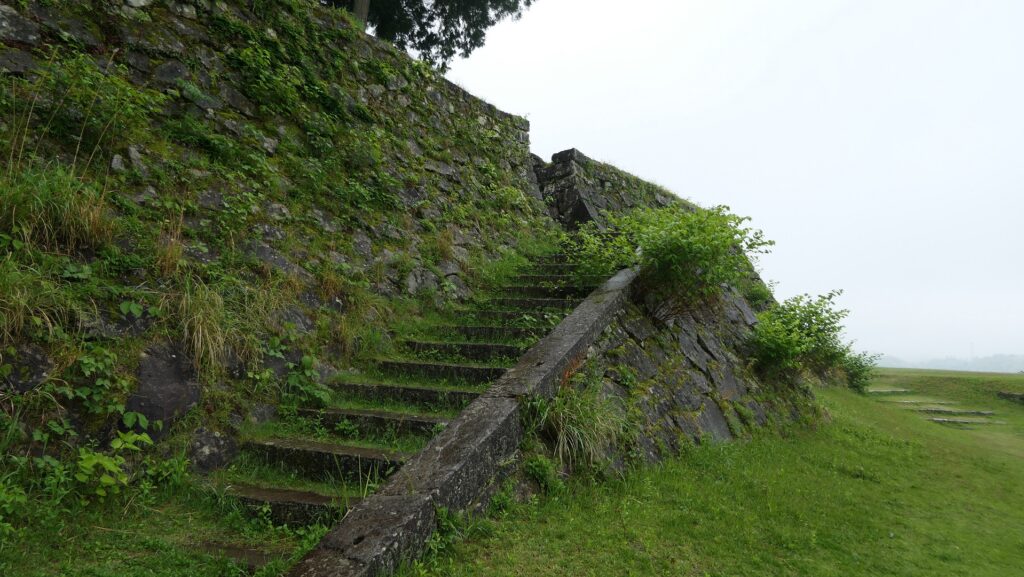
Next comes the hill area of the castle, which probably has existed since the first stage of it, but was modernized with stone walls in the later stage. There are no buildings but the foundations remain. You will climb the ruins of Oshita-mon or the Lower Gate which was the only entrance to the Third, Second, and Main Enclosures. You will need to climb wide stone steps and then turn right and walk around below the edge of the hill, where the defenders on the hill must have attacked enemies in the past.

The map around the castle

The ruins of Oshita-mon Gate
Climbing the stone steps
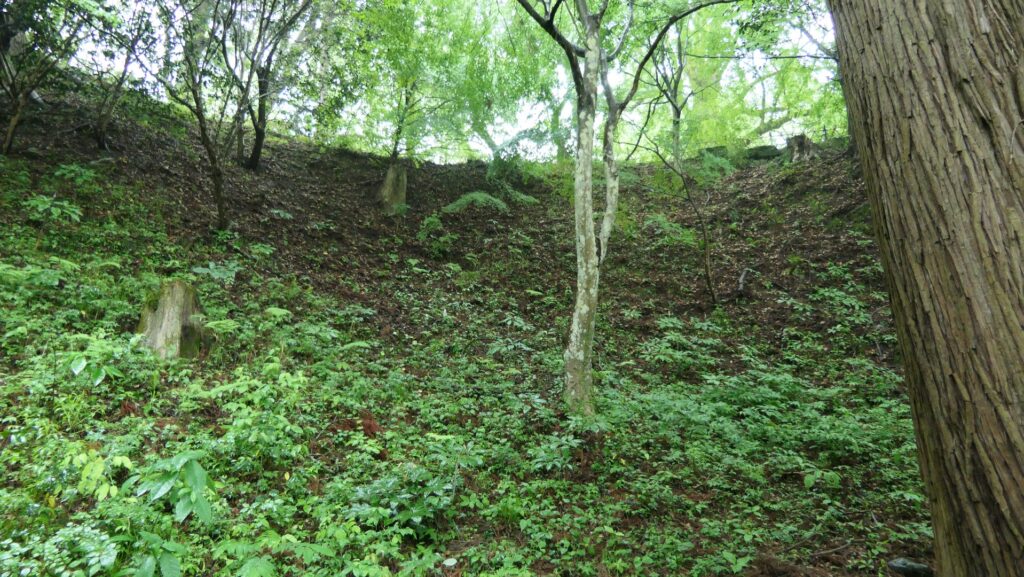
Enemies must have been attacked from above
The path goes around below the hill

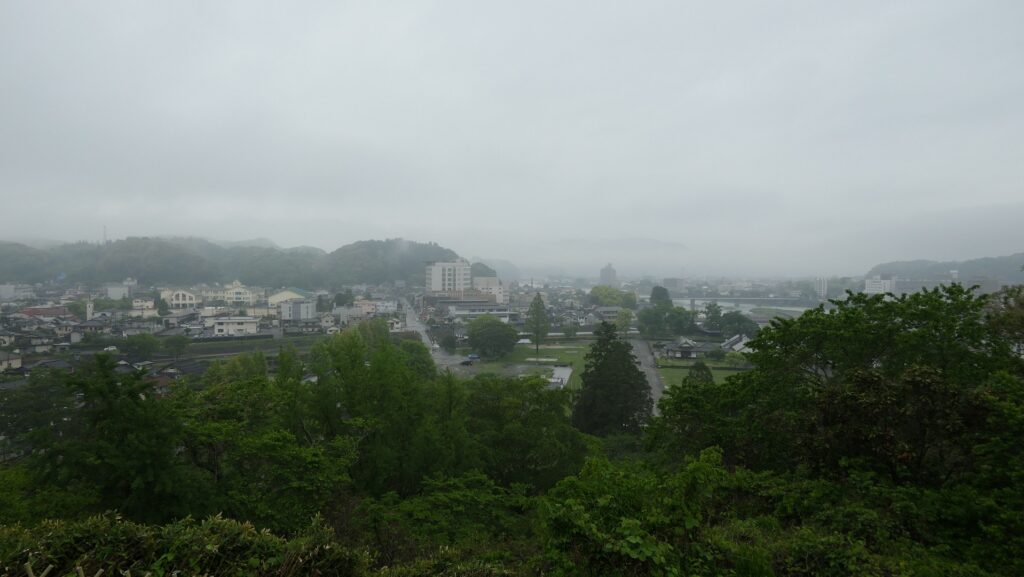
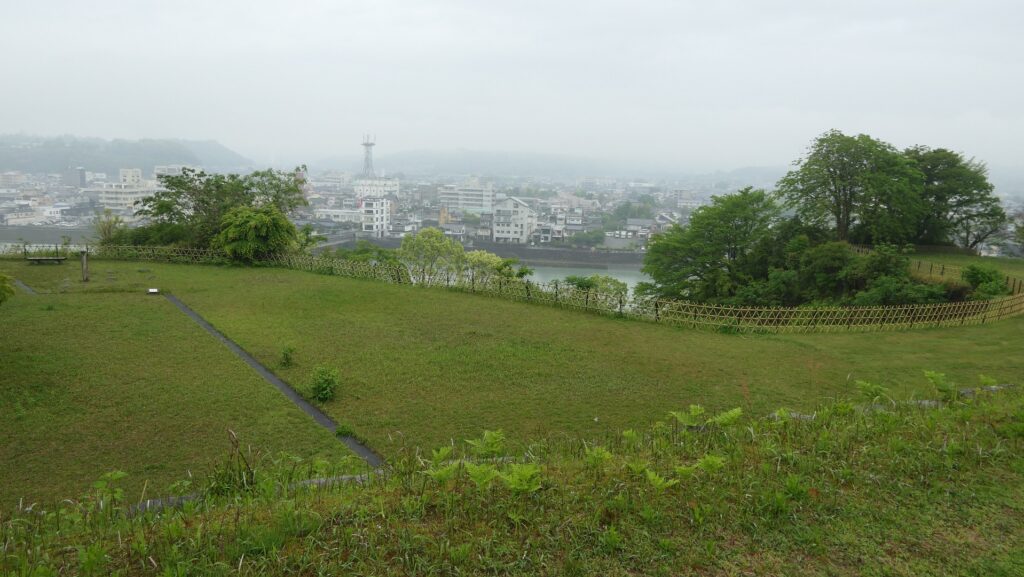
You will first be in the Third Enclosure which widely covers the edge of the hill. The enclosure has mostly been made of soil and a square since the castle was active. It may be a good viewing spot of the Hitoyoshi city area.

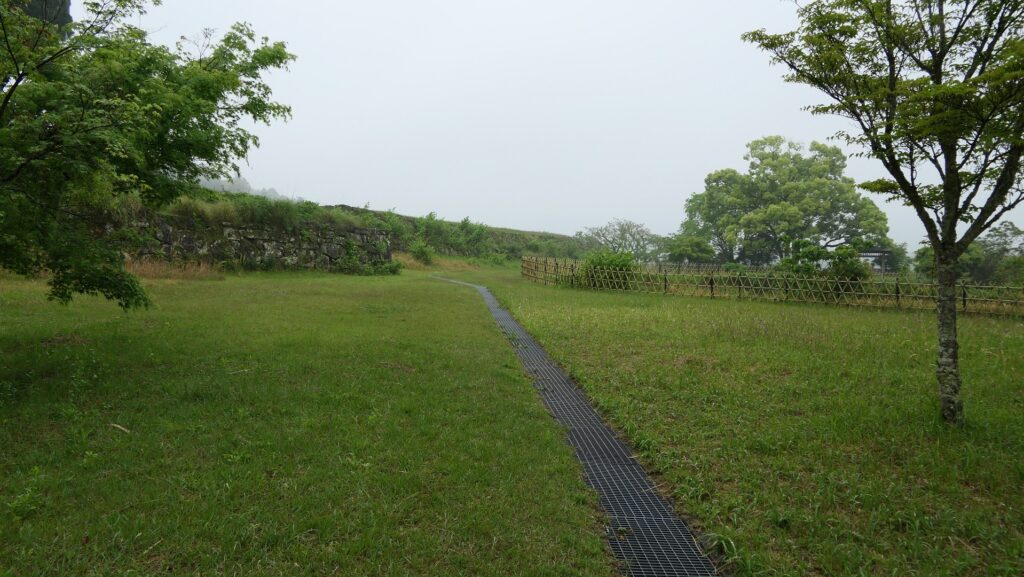
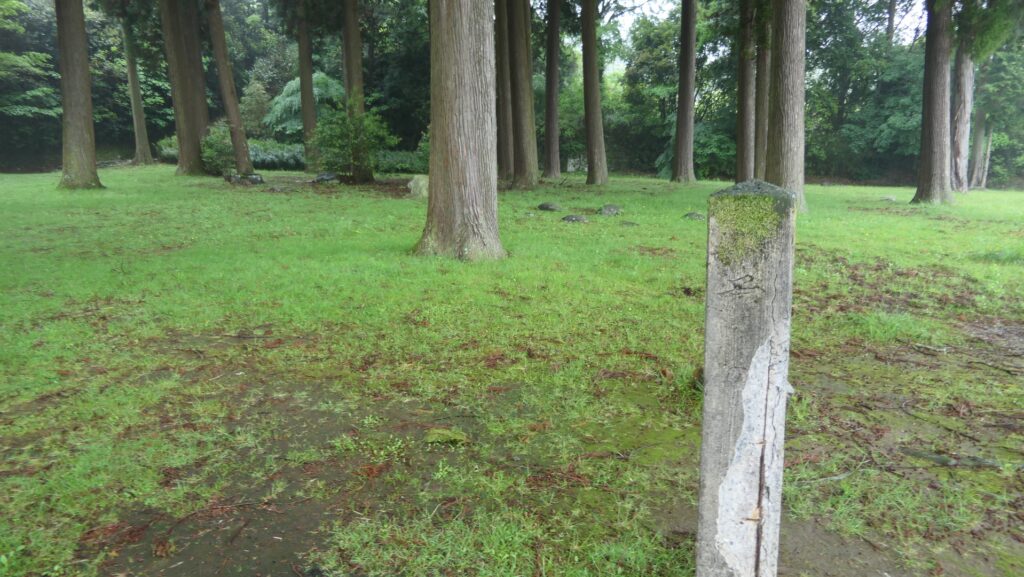
The Third Enclosure
A view of the city area from the Third Enclosure

Going to Second and Main Enclosures

The Second Enclosure is higher than the Third Enclosure and surrounded by stone walls with two ruins of defensive gates, Nakano-gomon and Uzumi-gomon. This is because there was another Main Hall for the lord which had been considered as the center of the castle before the Mitachi hall was built below the hill.

The Second Enclosure seen from the Third Enclosure
The ruins of Nakano-gomon Gate
The ruins of Uzume-gomon Gate
The inside of the Second Enclosure

The Main Enclosure is the highest enclosure of the castle, but it is small and had no Main Tower. Instead, this enclosure seemed to be used as a religious spot of the Sagara Clan. Its stone steps and foundations have become curved which make us feel its long history.

The stone steps to the Main Enclosure
The inside of the Main Enclosure
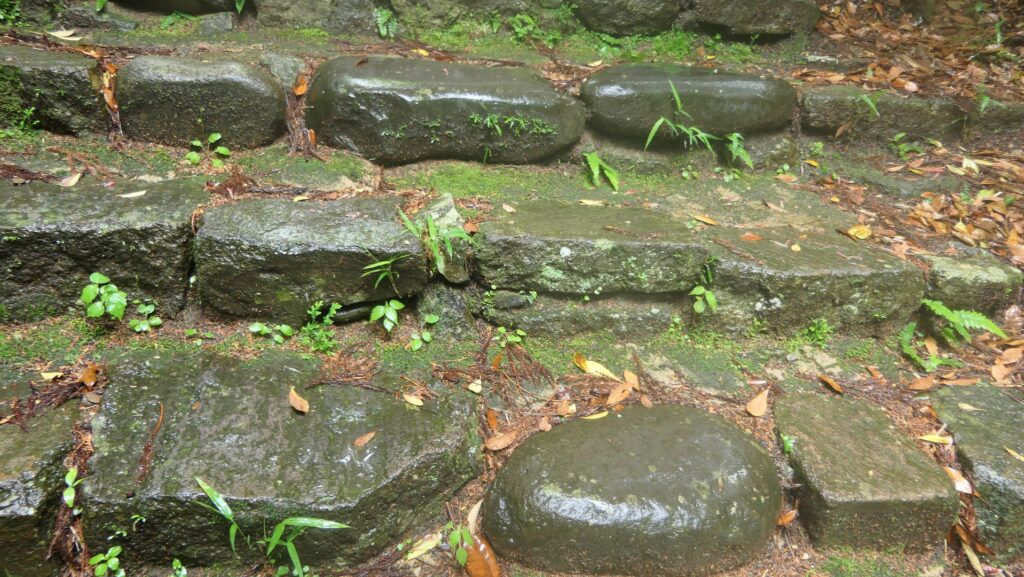
The stone steps and foundations have become curved

Later History

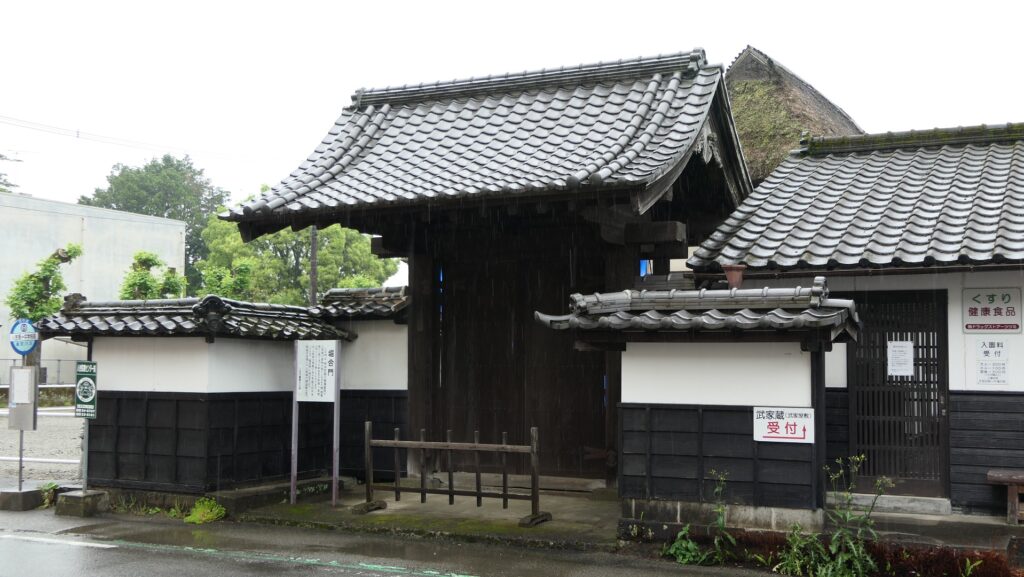
After the Meiji Restoration, Hitoyoshi Castle was abandoned and all the castle buildings were sold or demolished. Only one gate of the Main Hall, called Horiai-mon, was move to the residence of a senior vassal, the Shingu Clan and remains. A big event for the Hitoyoshi area happened in 1877, when a hero of the restoration, Takamori Saigo started a rebellion against the government known as the Seinan War. His troops started an attack on Kumamoto Castle from the south in Kagoshima, while many warriors of Hitoyoshi also joined the Saigo’s side as the Hitoyoshi Party. However, they failed to capture Kumamoto Castle and withdrew to the Hitoyoshi area. The party suggested for Saigo to go there because the area has natural defenses, surrounded by mountains.

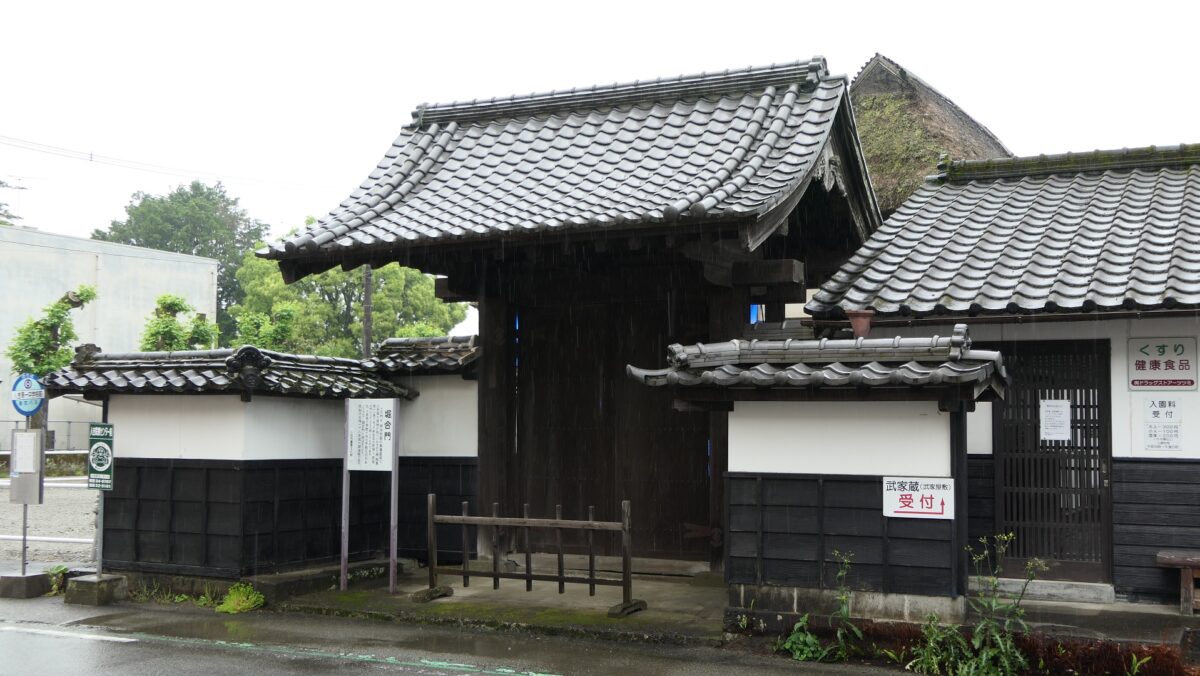
The Horiai-mon Gate
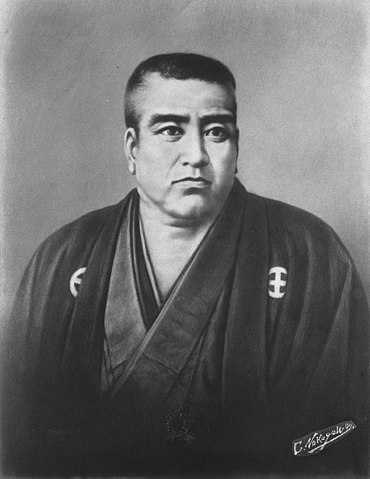
The portrait of Takamori Saigo by Edoardo Chiossone (licensed under Public Domain via Wikimedia Commons)
Kumamoto Castle

Saigo’s headquarters was at the Eikokuji Temple in the area and his staff stayed in the Shingu Clan’s residence. They thought they would be able to hold the area for a long period of time, but the response of the government army was prompt. A gun battle occurred between the army in the north and the Saigo troops in the south, binding the Kumagawa River. The Saigo troops shot from around the Third Enclosure of Hitoyoshi Castle on the hill, however, the shot did not reach the enemy because their guns were outdated. As a result, Saigo withdrew again to other places and was eventually defeated at Kagoshima Castle, his home base. The Hitoyoshi Party surrendered before then.

The map aound the castle

The Third Enclosure of hitoyoshi Castle, where the Saigo troops set their butteries
The ruins of Kagoshima Castle

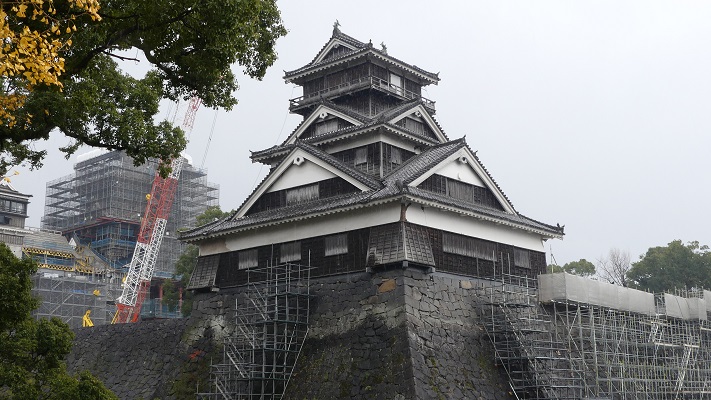
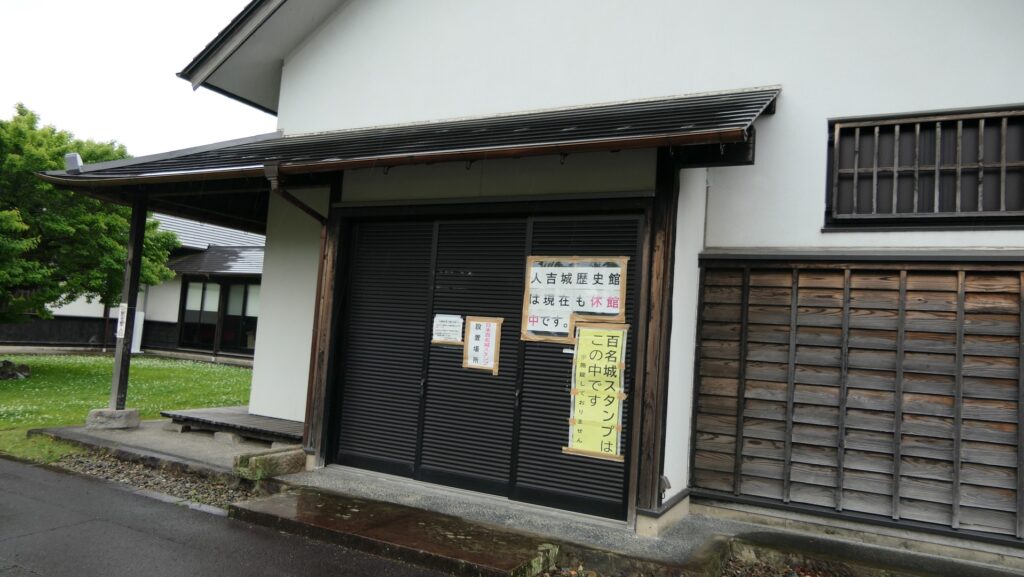
As castle ruins, they have been developed as Hitoyoshi Castle Park and were designated as a National Historic Site in 1961. Some castle buildings at the riverside, such as Sumi-Yagura or the Corner Turret and Otemon-waki-Tamon Yagura or the row-style turret beside the Main Gate, were recently restored. The Hitoyoshi Castle History Museum opened in 2005 but is currently closed as mentioned in the previous section.

The restored castle buildings
The closed Hitoyoshi Castle History Museum

My Impression

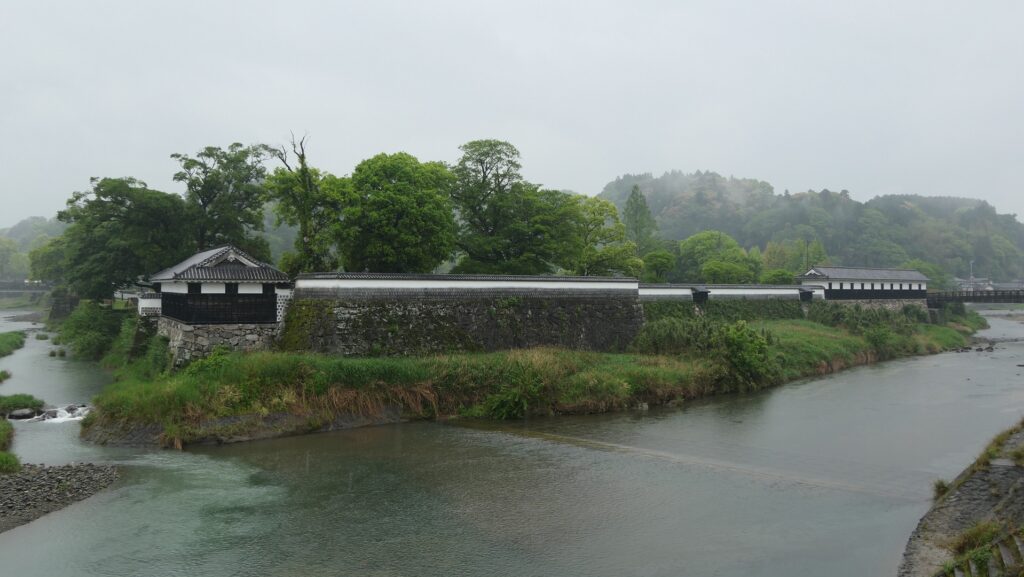
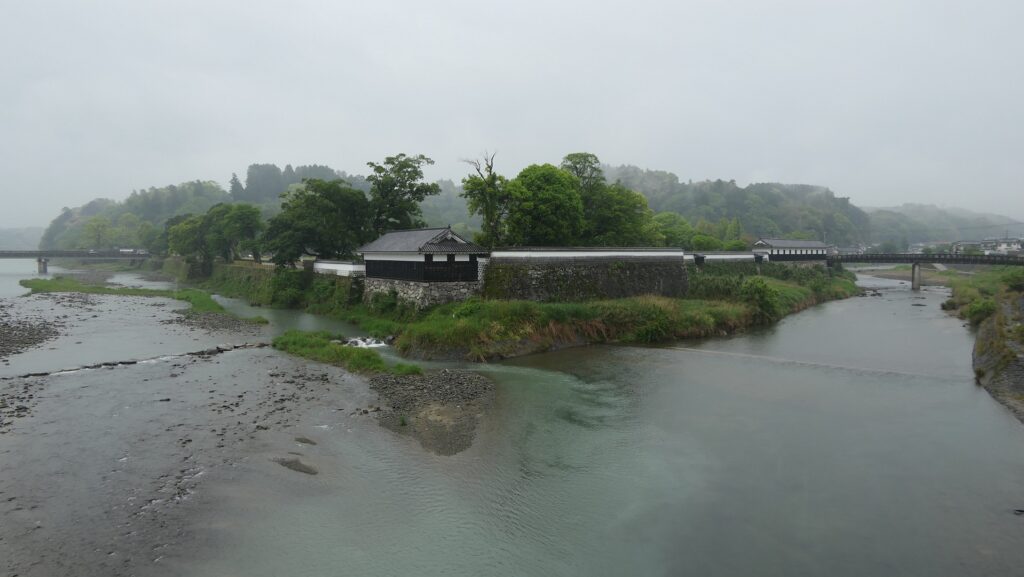
I was very impressed by the great view of Hitoyoshi Castle Ruins with a large stream of the Kumagawa River. I understood nature could provide not only good things like the terrain for the castle but also bad things like disasters. I really hope that the castle ruins will be completely repaired soon and would like to visit their again so that I will be looking forward to seeing the mysterious basement in the museum and walking over the castle ruins to see larger area of the first stage of the castle.

The panorama view of Hitoyoshi Castle Ruins from a bridge over the Kumagawa River

How to get There

If you want to visit the castle ruins by car, it is about a 10-minute drive away from Hitoyoshi IC on the Kyushu Expressway. There is a parking lot for visitors in the castle ruins.
If you want to use public transportation, it takes about 20 minutes on foot to get there form JR Hitoyoshi Station.
From Tokyo or Osaka to Hitoyoshi Station: Get an express bus from Kagoshima Airport or Sin-Yatsushiro Station of the Kyushu Shinkansen super express, get off at the Hitoyoshi IC bus stop, and transfer to the Sanko bus bound for the station.
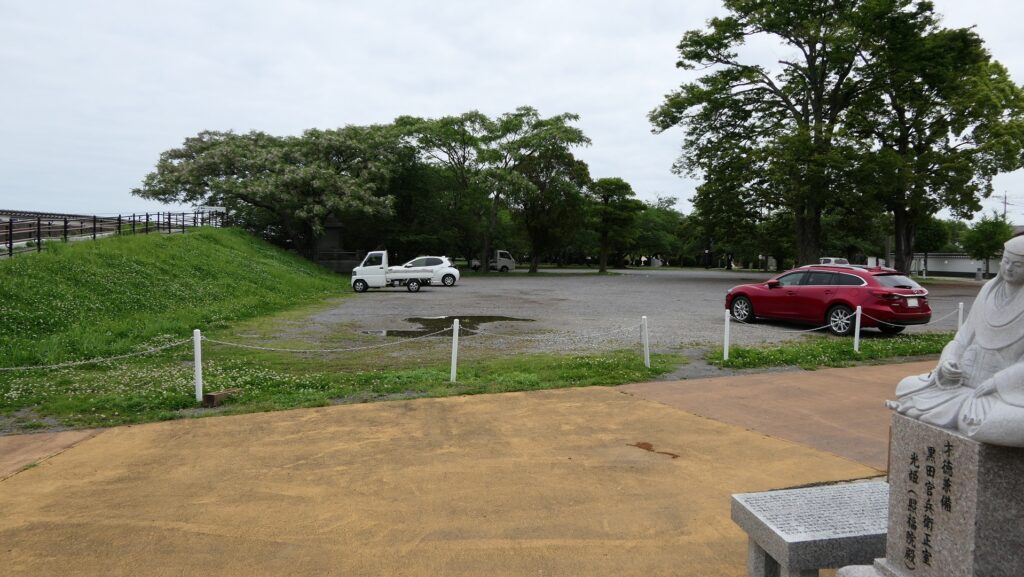
The parking lot at the riverside

Links and References

Hitoyoshi Tourist Information, Hitoyoshi City

That’s all. Thank you.
Back to “Hitoyoshi Castle Part1”
Back to “Hitoyoshi Castle Part2”

93.人吉城 その3

1877年に人吉地域にとって大きな出来事がありました。維新三傑の一人である西郷隆盛が、西南戦争として知られる反乱を政府に対して起こしたのです。

特徴、見どころ

丘上部分に登る

次に向かうのは城のうち、丘上にある部分です。恐らくは城の初期段階から存在したと思われますが、最終段階に至って石垣により近代化されました。現在建物はありませんが、その基礎や石垣が残っています。まず、丘上の本丸、二の丸、三の丸への唯一の入口であった御下門(おしたもん)跡を登ります。幅広い石段を登り、右に曲がって丘の端部分の直下を回り込んでいきます。城があった当時であれば、城の守備兵は侵入してくる敵に対して丘上から攻撃できたはずです。

城周辺の地図

御下門跡
石段を登って行きます
丘上からは狙われやすくなっています
丘下を回り込んでいきます

まずは丘の周辺部を広く占めている三の丸に入ります。この曲輪はほとんどが土造りであり、城が現役であったときから広場になっていました。ここは、市街地を望むビュースポットになっています。

三の丸
三の丸から見える市街地

二の丸、そして本丸へ

二の丸は、三の丸よりも高い位置にあり、石垣と2つの守りの固そうな門の跡(中の御門、埋御門)に囲まれています。ここにはもう一つの御殿があって、丘下に御館が築かれるまでは城の中心部とされていました。

三の丸から見た二の丸
中の御門跡
埋御門跡
二の丸内部

本丸は、城の中ではもっとも高い位置にありますが、大きくなく、かつて天守もありませんでした。その代わりに、この曲輪は相良氏にとっての宗教的な場所として使われていたようです。ここの石段や基礎の石は丸みを帯びていて、長い歴史を感じさせます。

本丸へ至る石段
本丸内部
丸みを帯びている石段の石

その後

明治維新後、人吉城は廃城となり、全ての城の建物は売られるか、撤去されました。堀合門(ほりあいもん)という御殿の一つの門だけが、重臣の新宮氏の屋敷に移築され残っています。1877年に人吉地域にとって大きな出来事がありました。維新三傑の一人である西郷隆盛が、西南戦争として知られる反乱を政府に対して起こしたのです。西郷率いる軍勢は、南方の鹿児島から熊本城への攻撃を始めましたが、人吉の多くの武士たちも人吉党として西郷軍に加わりました。ところが西郷軍は熊本城攻略に失敗し、人吉地域の方に撤退することになりました。人吉党の面々が西郷に対して、人吉は山に囲まれた天然の要害であるからと勧めたのです。

堀合門
西郷隆盛像、エドアルド・キヨッソーネ作 (licensed under Public Domain via Wikimedia Commons)
熊本城

西郷の本営は人吉の永国寺に置かれ、参謀たちは新宮氏の屋敷に宿営しました。彼らは相当な長い期間、人吉に留まれると考えていましたが、政府軍の反応はとても速いものでした。球磨川を挟んで北側の政府軍と、南側の西郷軍との間で銃砲戦が起こりました。西郷軍は丘上の人吉城の三の丸周辺から砲撃を行ったのですが、敵には届きませんでした。彼らの装備が旧式だったからです。その結果、西郷は再び撤退の憂き目となり、各地を転戦し、ついには本拠地の鹿児島城で最後のときを迎えました。人吉党はその前に降伏していました。

城周辺の地図

西郷軍の砲台があった人吉城三の丸
鹿児島城跡

城跡としては、人吉城公園として整備され、1961年には国の史跡に指定されました。川沿いの城の建物のうちいくつかは近年になって復元されました。隅櫓、大手門脇多門櫓などです。人吉城歴史観は2005年にオープンしましたが、前述のとおり、現在は臨時閉館となっています(2023年9月時点)。

復元された建物群
休館中の人吉城歴史観

私の感想

球磨川の大河なる流れとともに、人吉城跡の雄大な眺めに大変感銘を受けました。同時に、自然は城にぴったりの地形を提供するなどいい事も、災害のような悪い事も両方与えるものだということも理解できました。私は城跡が一日も早く完全復旧するように心から願っていますし、そうなったらもう一回行ってみたいと思います。歴史館の不可思議な地下室も見てみたいですし、初期に人吉城であった地区も含めて、もっと広大な範囲を歩いてみたいです。

球磨川にかかる橋から見た城跡の全景

ここに行くには

車で行く場合:九州自動車道の人吉ICから約10分かかります。城跡内にビジター向け駐車場があります。
公共交通機関を使う場合は、JR人吉駅から歩いて約20分かかります。
東京または大阪から人吉駅まで:鹿児島空港か九州新幹線の新八代駅から高速バスに乗って、人吉ICバス停で降り、駅行きの産交バスに乗り換えてください。

川沿いにあるビジター向け駐車場

リンク、参考情報

人吉城の見学について、人吉市
・「中世相良氏の展開と地域社会/稲葉継陽・小川弘和編著」戒光祥出版
・「よみがえる日本の城12」学研
・「戦況図解 西南戦争/原口泉監修」サンエイ新書

これで終わります。ありがとうございました。
「人吉城その1」に戻ります。
「人吉城その2」に戻ります。

161.Kishiwada Castle Part2

I recommend using a detour route to the castle through the former Kishu Road and castle town. This is because you can understand how the castle and town were developed by seeing them.

How to get There

Today, you can access the current Kishiwada Castle from Kishiwada or Takojizo Stations on the Nankai Line by foot. Takojizo Station is the nearest, but if you walk from Kishiwada Station towards the western direction, you have to turn right at the Kishiwadaeki-minami Intersection, and then turn left at the Shiromibashi Intersection, there you can see the stone walls of the Eastern Main Gate Ruins at the Kishiwada City Library on the way. The gate was the front one in the early stage of the castle and it looks interesting combined with the library’s entrance. Both routes are flat and easy to access.

The map around the castle, the blue broken line shows the route from Kishiwada Station to the castle through the Easten Main Gate, the red broken line shows the route through the Kishu Road

Takojizo Station (licensed by Nankou Oronain (as36… via Wikimedia Commons)
Kishiwada Station
The Kishiwadaeki-minami Intersection
The Shiromibashi Intersection
The remaining stone walls of the Eastern Main Gate

However, I recommend using a detour route to the castle through the former Kishu Road and castle town. This is because you can understand how the castle and town were developed by seeing them. You can also choose one of the other nearer routes above when you return to the station. If you first choose the route though the Kishu Road to go to the castle, go on the shopping street in front of Kishiwada Station until you meet the road. The road still has a laid-back atmosphere with some traditional buildings and you will see it has been intentionally zigzagged to prevent enemies from invading the town easily. As you get closer to the castle, you will find the road goes on a lower land than where the castle is located. Maybe the road was the coastline or below the sea in the past while the current coastline is far from there. If you climb the moderate slope to the castle across the modern road, the great high stone walls of the Second Enclosure will come into view.

The shopping street in front of Kishiwada Station
The Kishu Road
The road has been intentionally zigzagged
You can see the castle above the road
The former castle town
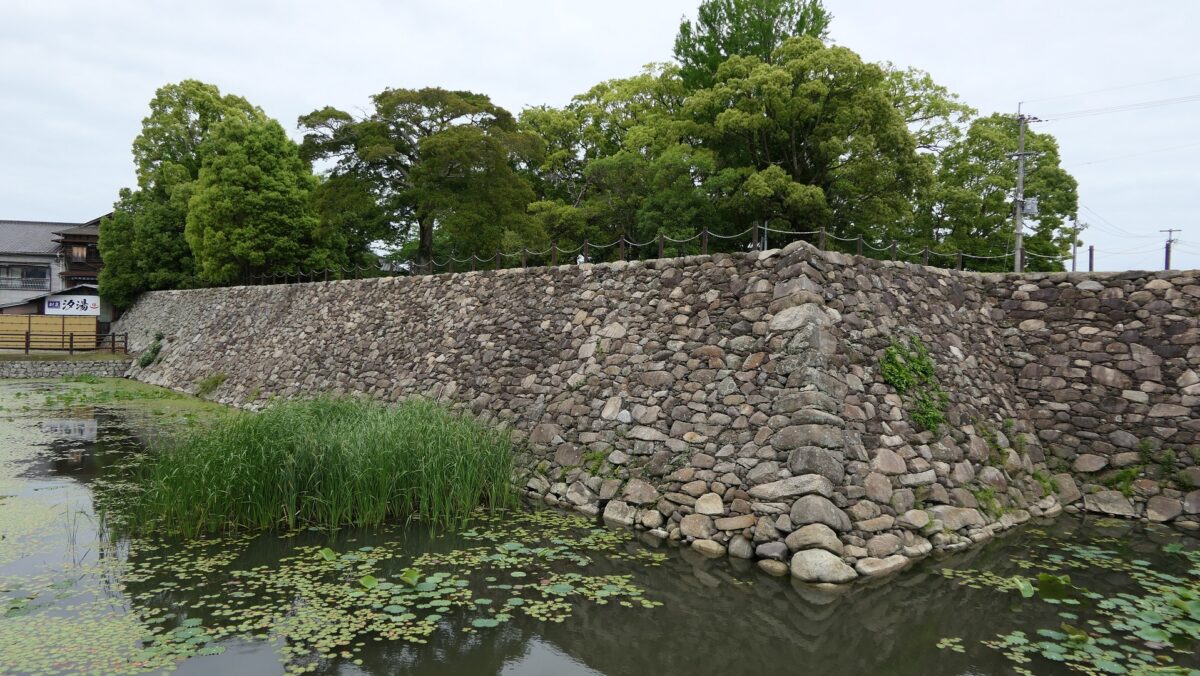
The stone walls and water moat of the Second Enclosure

In addition, if you want to visit there by car, it is about 30 minutes from Kishiwada-izumi IC or Kaizuka IC on the Hanwa Expressway. There are several Kishiwada municipal parking lots around the castle.
From Tokyo to both stations: Take the Tokaido Shinkansen super express, transfer to the Midosuji Line on Osaka Metro Subway at Shin-Osaka Station and transfer to the Nankai Line at Nanba Station.
Features

Gate Ruins connecting Center of Castle

Today, only the Main and Second Enclosures remain with the original stone walls and water moats, and reconstructed buildings in the Main Enclosure. In the past, the Northern and Western Main Gates were open to the castle town side. Currently, the Northern one has become the entrance of the Kishiwada City Hall and the Western one has become a parking lot next to the Danjiri Hall, where you can access the ruins from as well. You can see some remaining stone walls and foundations of the gates on the way. The Second Enclosure is accessible from both sides by going across earthen bridge over the moats.

The aerial photo around the castle

The Northern Main Gate is in the red circle and the Western Main Gate is in the blue circle, in the miniature model of Kishiwada Castle
The ruins of Nothern Main Gate
The remaining stone walls of the gate
The ruins of the Western Main Gate
The stone walls seem to belong to another enclosure in front of the Second Enclosure

Second Enclosure may be former Main Enclosure

The Second Enclosure had the Main Hall and Fushimi Turret which was moved from Fushimi Castle, but now has modern facilities such as an information center. The enclosure looks to the edge of the hill which was actually on the sea in the past. It was also said this enclosure was the former Main Enclosure, backed by the sea, when the castle was still small. Therefore, you may want to see a view of the city area (the former sea) around, however, you can not see it because of the tall hedge fences in that direction.
The part of the Second Enclosure in the miniature model of Kishiwada Castle, the Fushimi Turret in the red circle
The stone walls of the Second Enclosure, the Fushimi Turret was on the front corner
The inside of the current Second Enclosure
This is not a good view point because of the fences

To be continued in “Kishiwada Castle Part3”
Back to “Kishiwada Castle Part1”

error: Content is protected !!