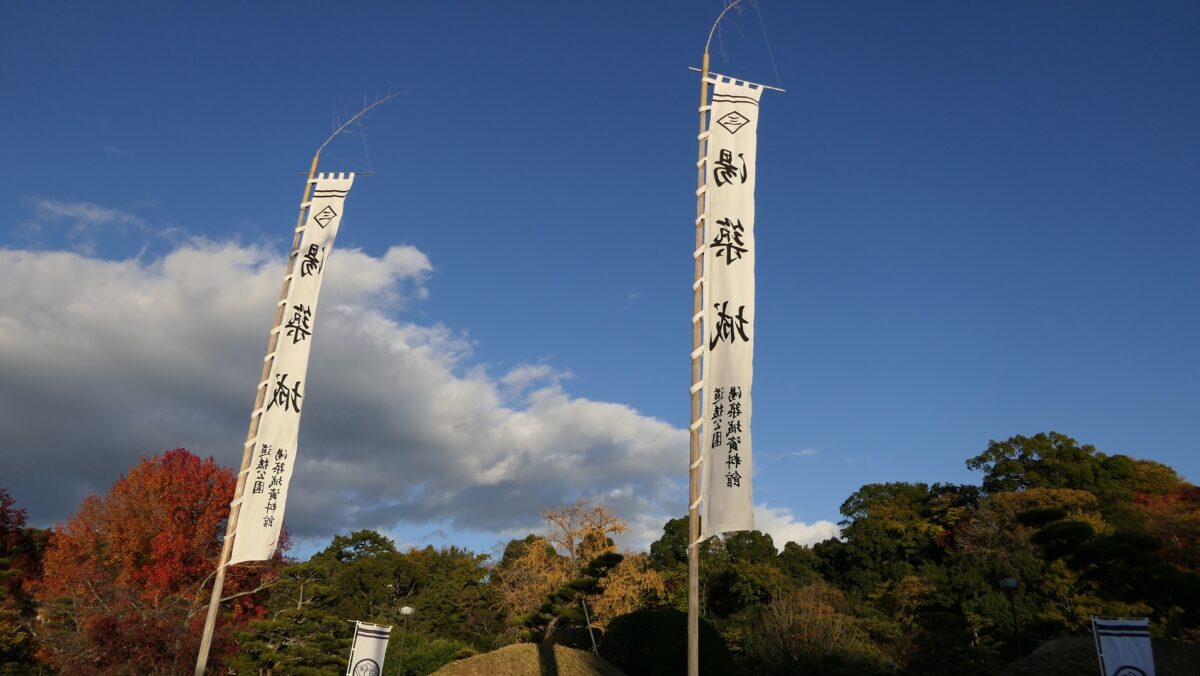
80.湯築城 その2

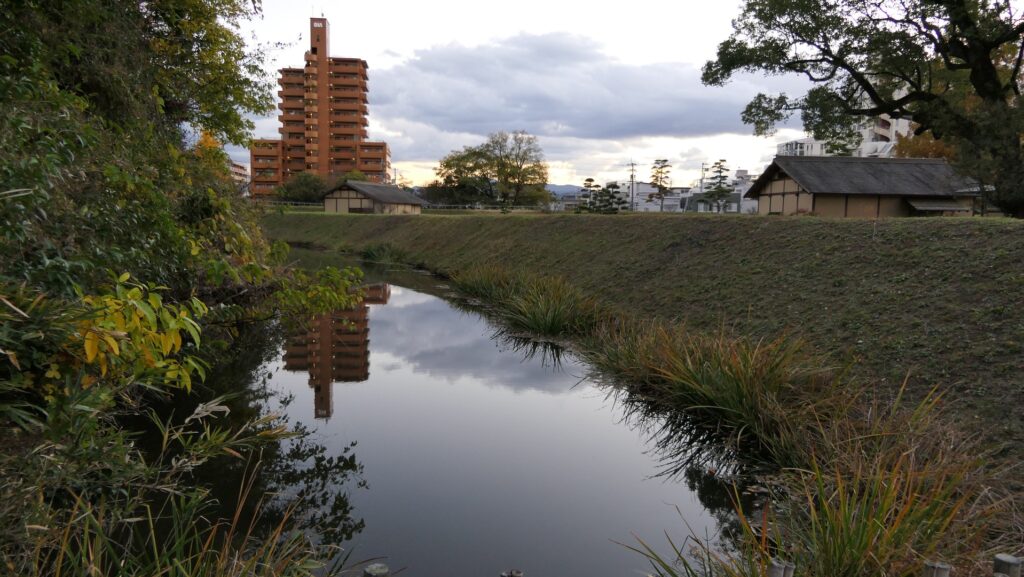
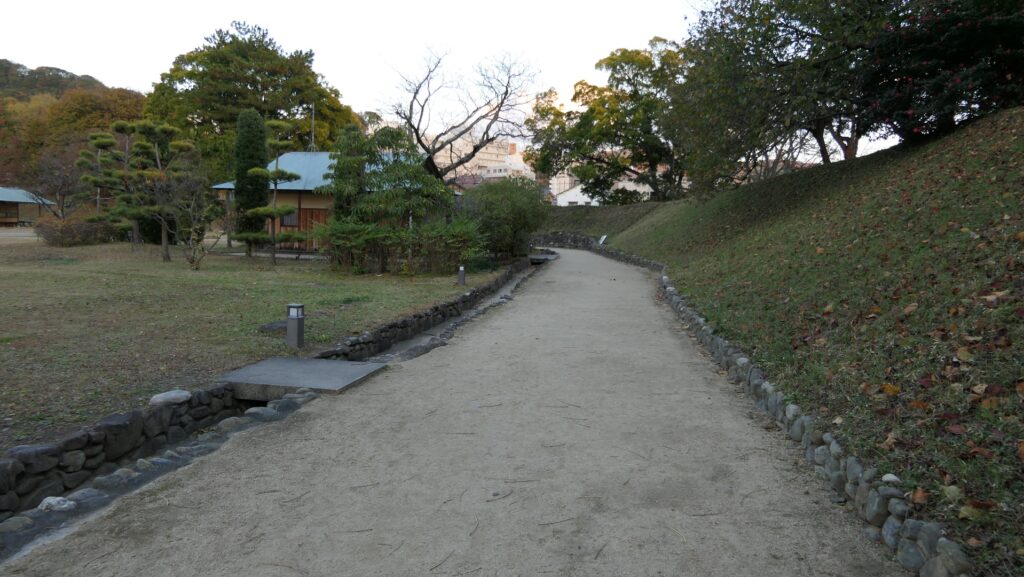
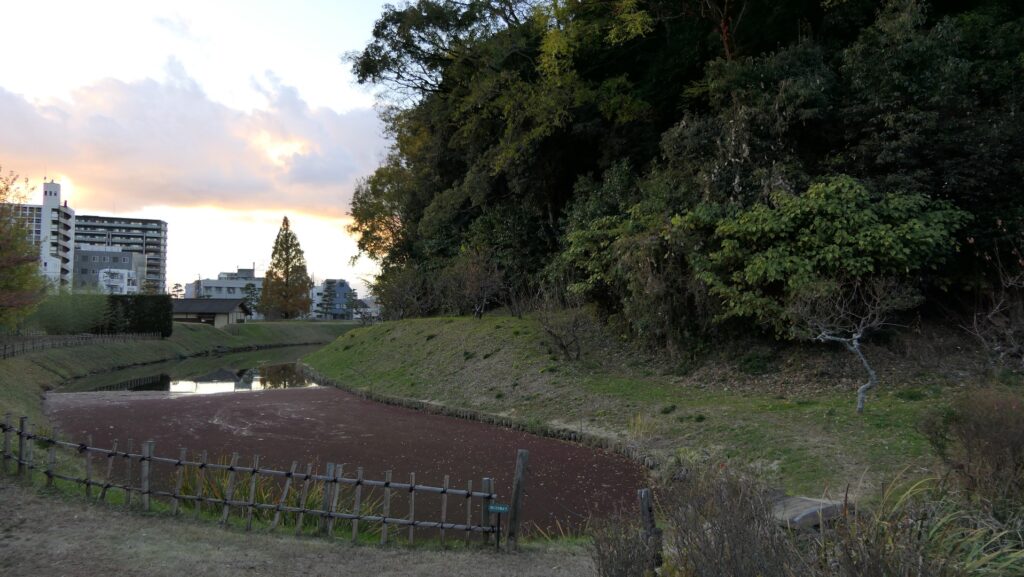
湯築城の内堀と外堀の間がきれいに復元されています。

特徴、見どころ

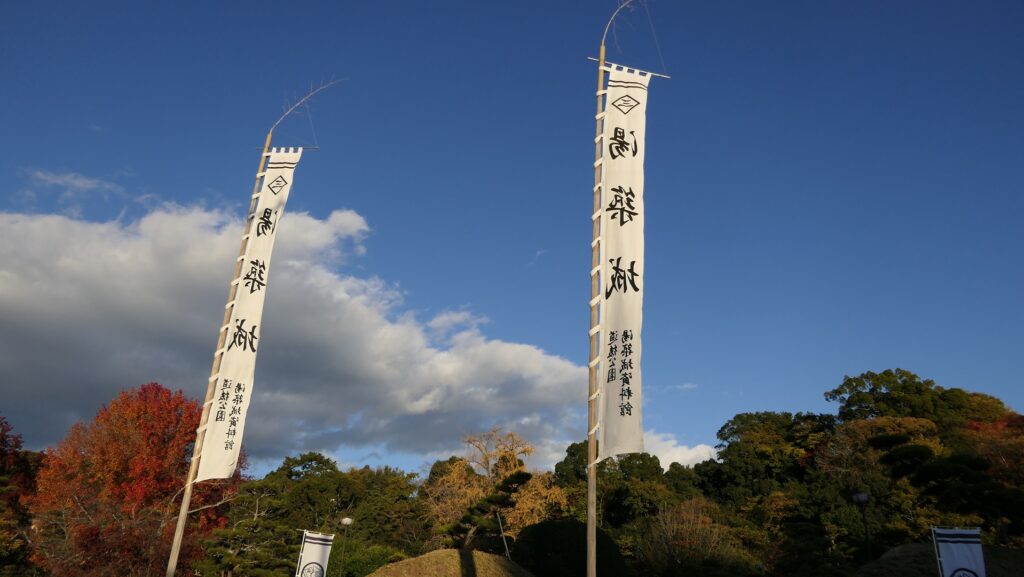
城跡の入口

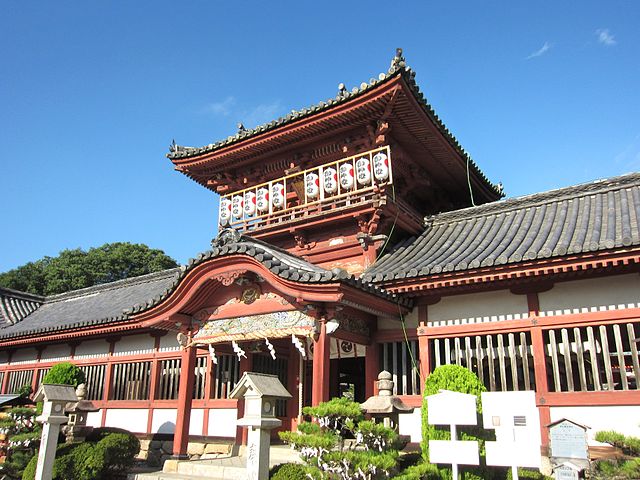
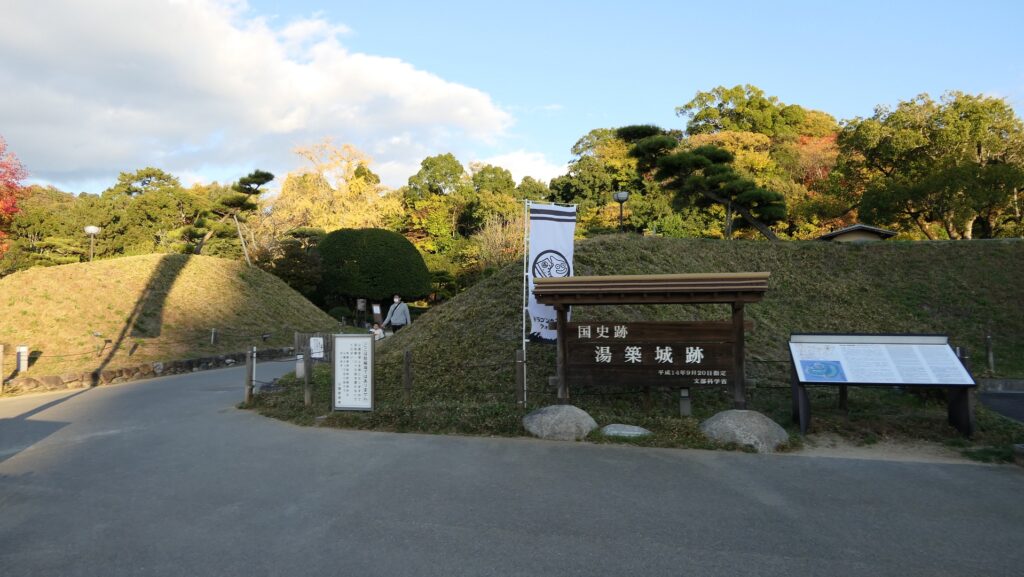
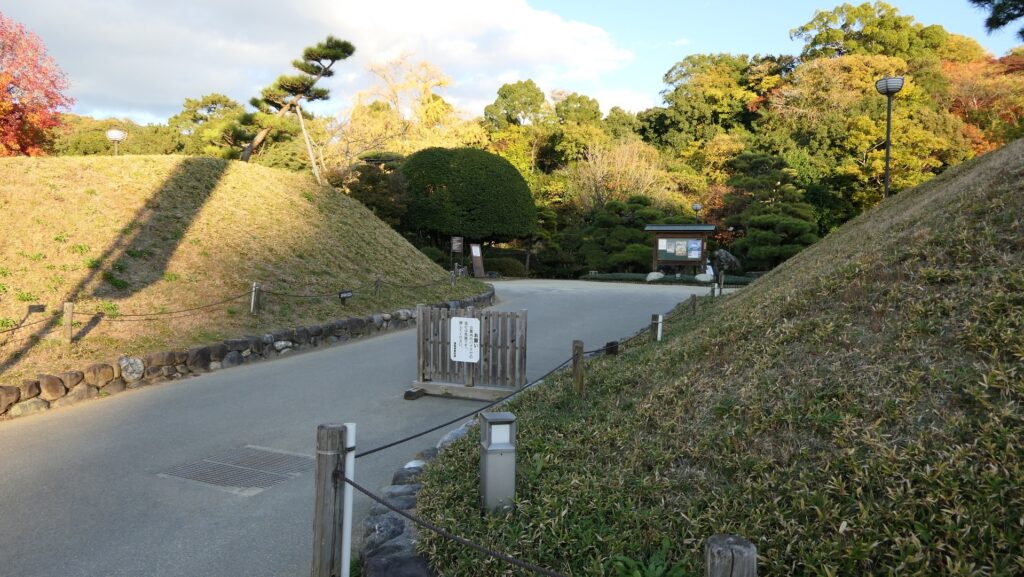
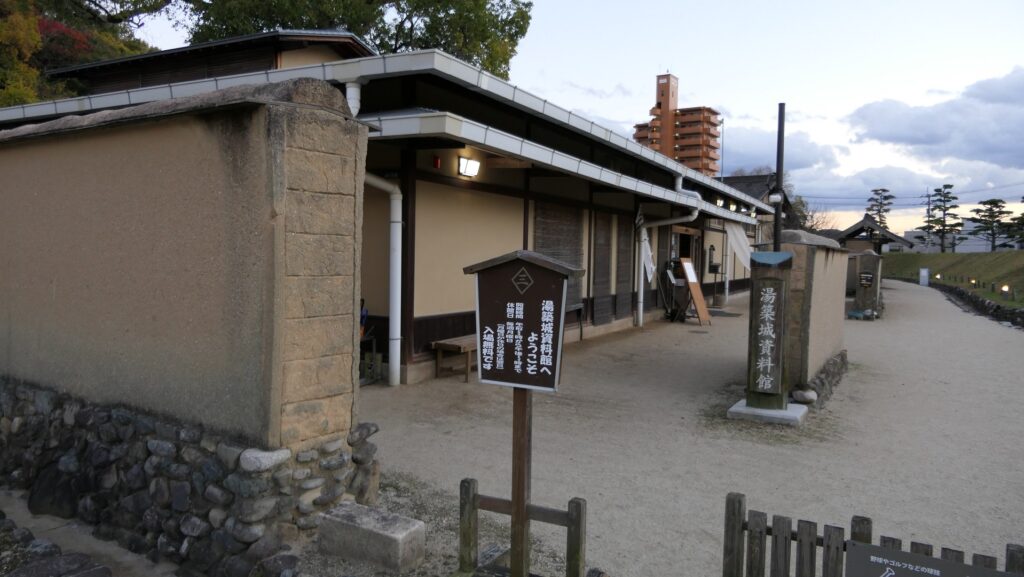
現在、湯築城跡は道後公園として整備されています。その公園のうち、西側と南側の部分が復元地区となっています。もともとは搦手門として使われていた西側の入口が、今では正面口のようになっています。外堀にかかる土橋を渡り、土塁の内側に入っていくと、中世城郭の中にいるように感じるかもしれません。その入口の近くには湯築城資料館があり、そこでは河野氏の歴史やこの周辺地が当初からどのように開発されてきたのか学ぶことができます。

城周辺の航空写真

湯築城跡(道後公園)入口
外堀に沿っている土塁
湯築城資料館

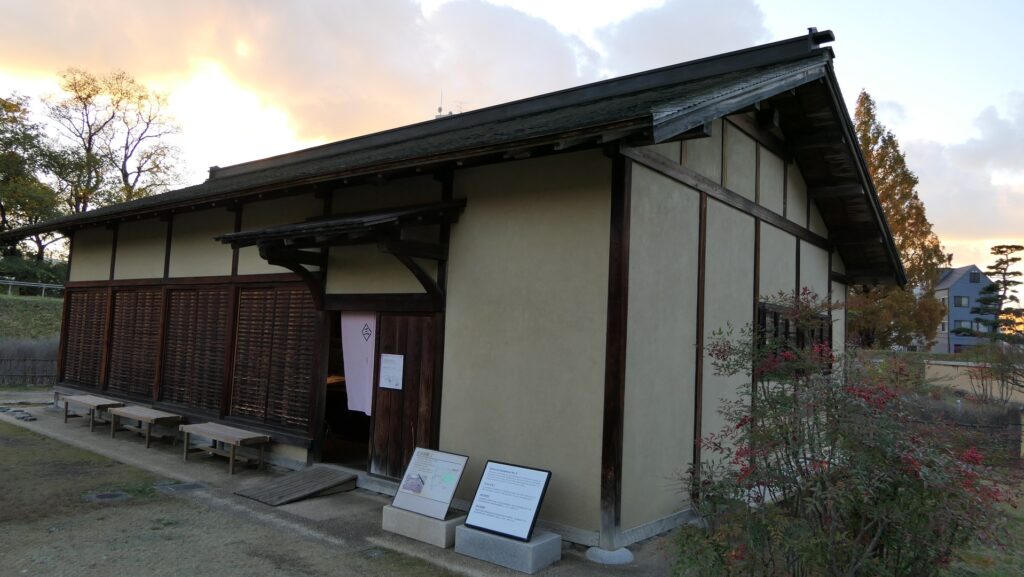
復元された武家屋敷

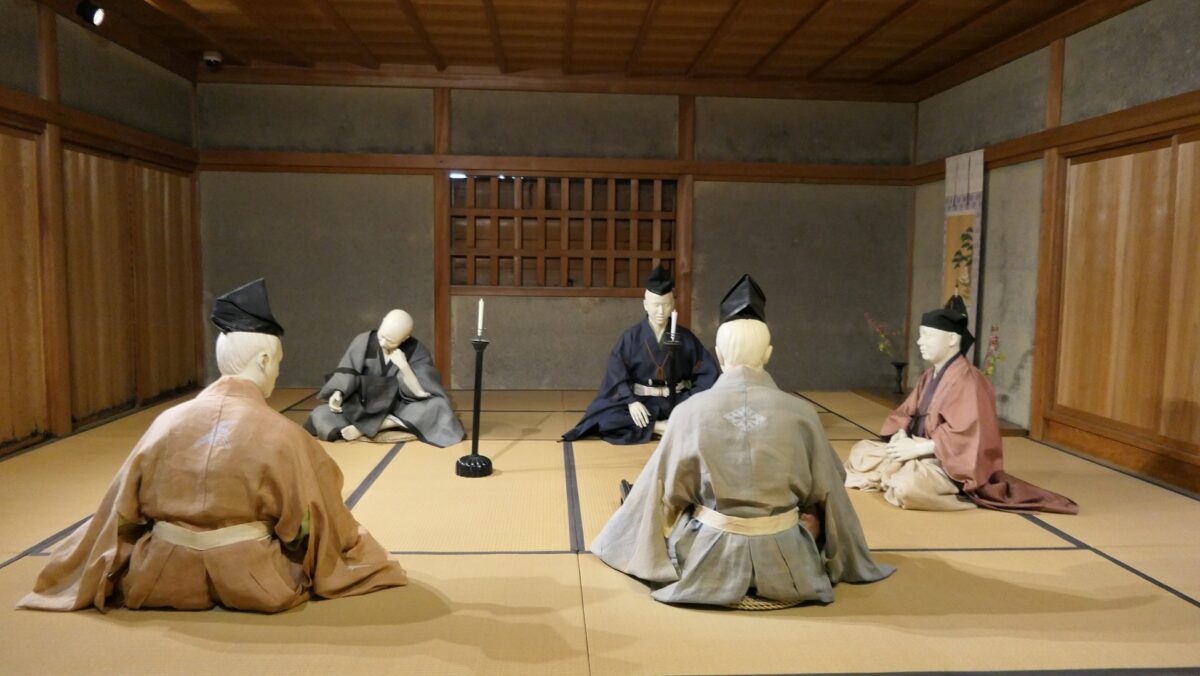
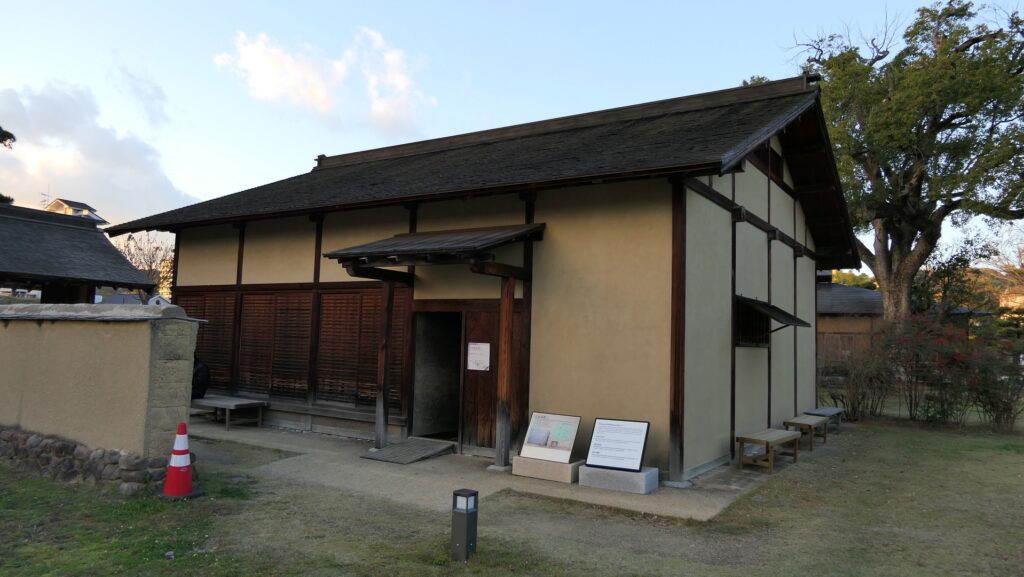
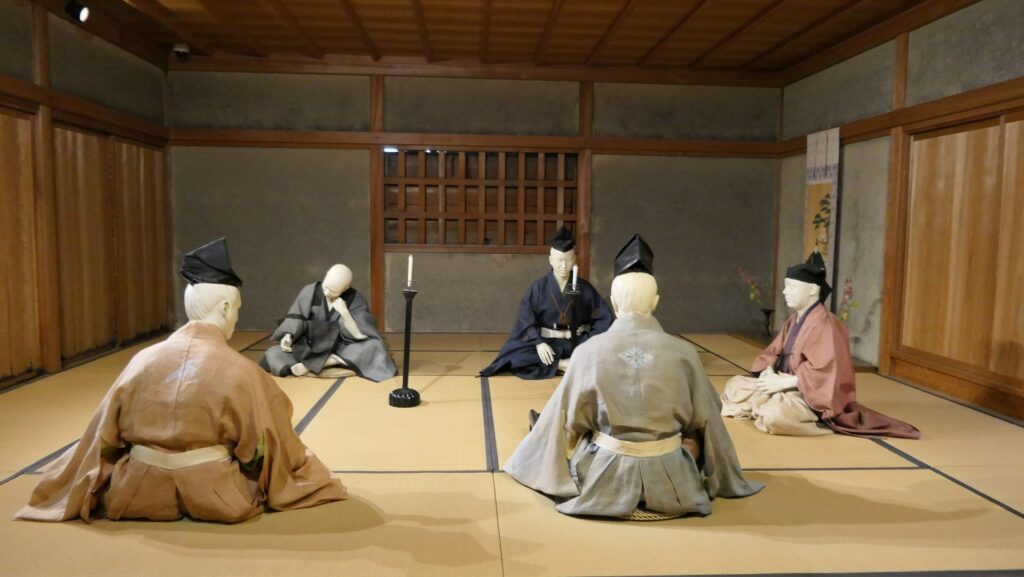
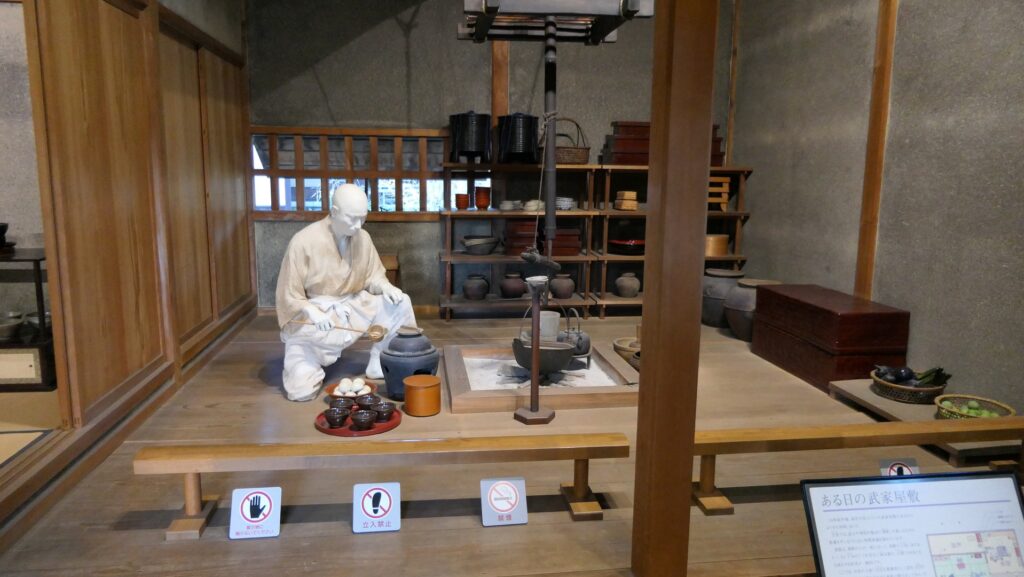
資料館に隣接する西側部分には、中級クラスの武家屋敷が、その前にある門と土塀とともに復元されています。屋敷の中に入ってみると、その内装までが復元されています。発掘によって、その屋敷のレイアウトが判明したからです。会所と呼ばれる部屋には、5体のマネキンがあり、城に住んでいた人たちが集まって句会を楽しんでいる様子が再現されています。一方、台所ではもう1体のマネキンが食事とお茶の準備をしています。

復元された武家屋敷
復元された会所の様子
復元された台所の様子

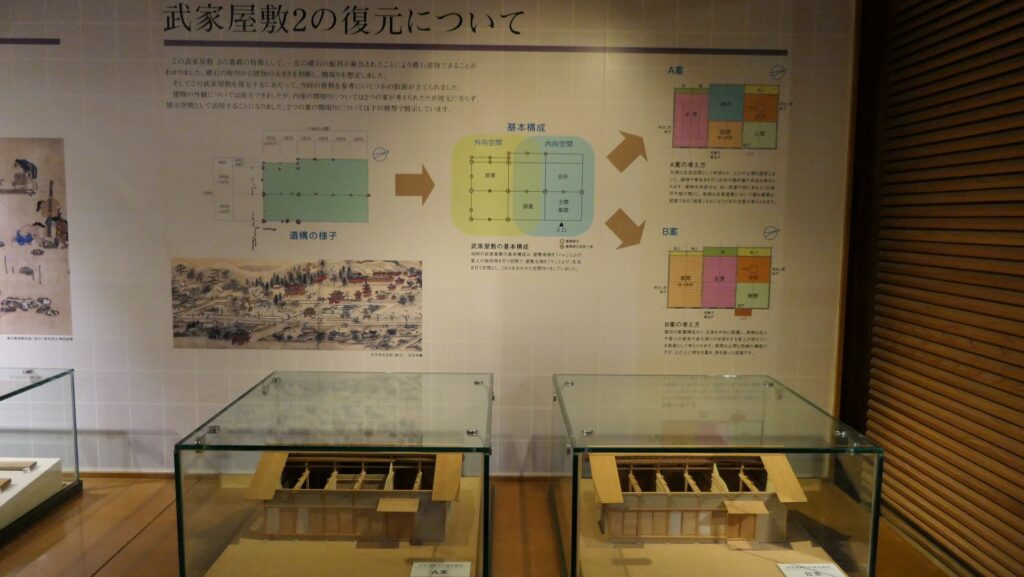
復元された武家屋敷はもう1棟あるのですが、内部は展示室になっています。その理由は、発掘調査は行われたのですが、その屋敷の元のレイアウトが確定できなかったためです(2案作られたのですが、1つに絞れなかったそうです)。

展示室となっている復元武家屋敷
展示の様子

上級武士の居住地区

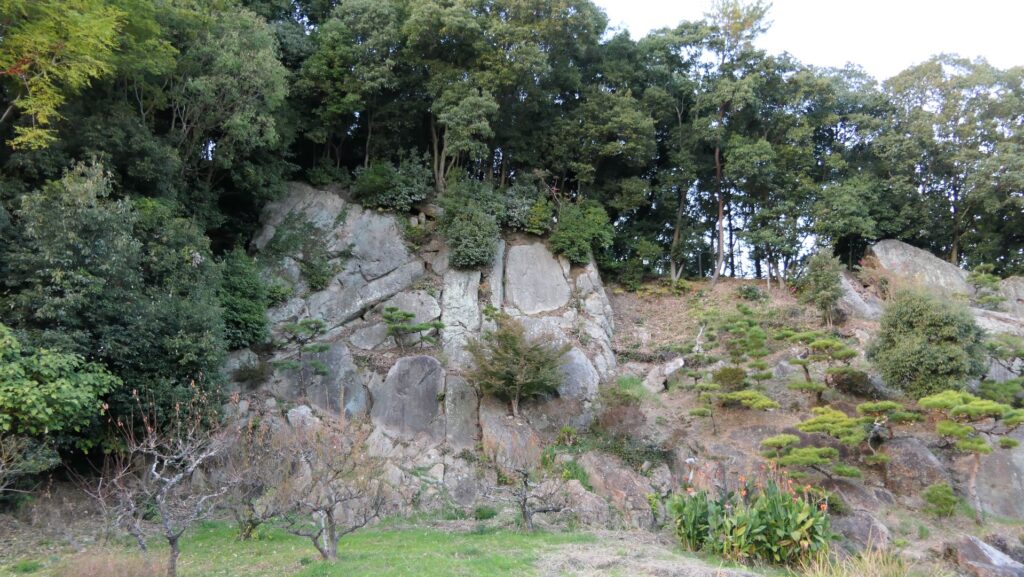
南側部分は、元は日本庭園と、上級武士の居住地区として使われていました。現在は、芝生によってその居住地区の範囲が示されています。丘の自然の岩場が今でも庭園があった場所に面していて、かつてはその庭園の借景であったのかもしれません。近くには、内堀が土塁とともに残っているので、こちらもご覧になってはいかがでしょう。

元上級武士の居住地区だった区域
丘にある自然の岩場
現存する内堀

ユニークな土塁の展示室

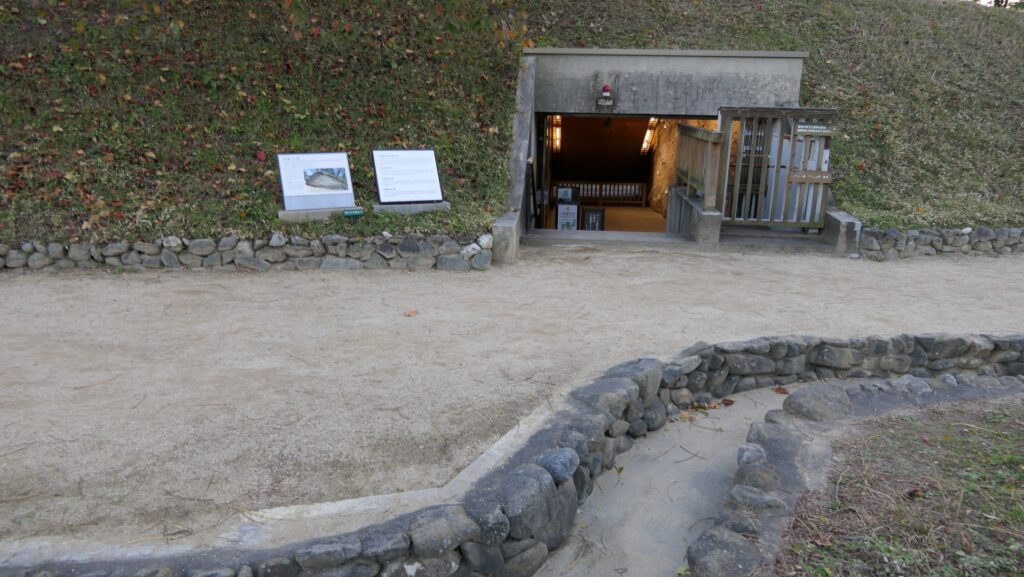
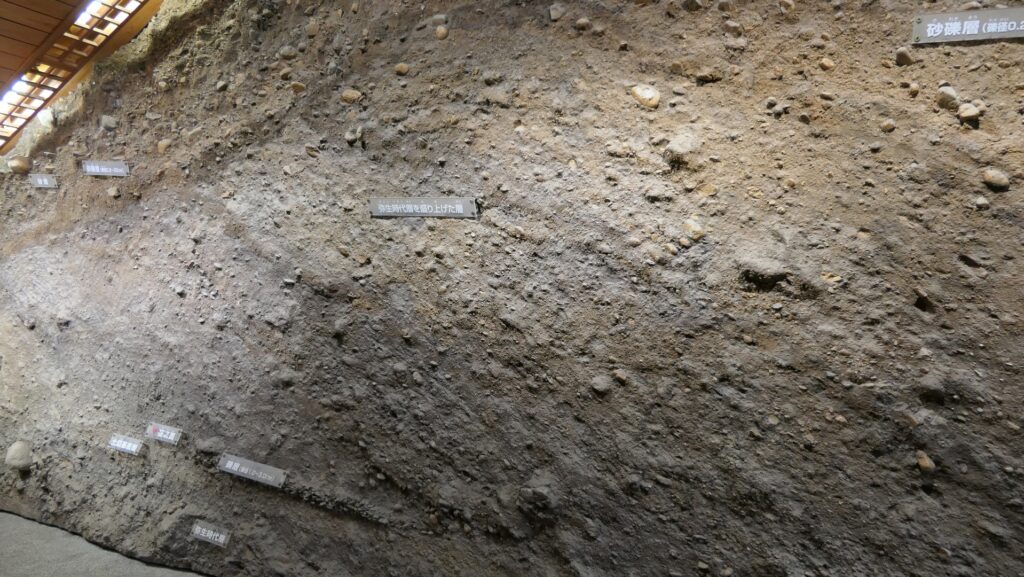
土塁は外堀にも沿っても築かれていますが、その内部に土塁についての展示室が作られています。そこにはオリジナルの土塁から切り出した土層模型があり、土塁がどのように積まれたのかわかるようになっていて、その説明板とともに展示されています。この模型は、発掘が行われたときに実際に土塁から切り出されたもので、他の場所に土塁を復元する際の参考とされました。とても興味深い展示であり、これらの土塁の建設がいかに大がかりなものであったか理解できます。

外堀に沿った土塁に設けられた展示室
展示室内の土層模型

「湯築城その3」に続きます。
「湯築城その1」に戻ります。

183.Kurume Castle Part2

The stone walls of the castle are still intact.

Features

Great Stone Walls of Main Enclosure

Today, only the Main Enclosure remains as the ruins of Kurume Castle. The ruins have no castle buildings, but its stone walls are still mostly intact. The scale of the enclosure is not so large, about 150m from north to south and about 100m from east to west. It is surprising to imagine there were seven three-story turrets all connected by two-story row-style turrets in such a limited space. There is the Sasayama Shrine which worships the Arima Clan in the enclosure.

The map around the castle

The ruins of Kurume Castle now have only the Main Enclosure
Sasayama Shrine

Newer Stone Walls of Southern side

The front side of the enclosure is facing the south, which is also the entrance of the shrine. The only remaining water moat is located on that side. You can see the great high stone walls with a height of 15m. The stone walls of this side are constituted of piled, aligned square cut stones, in a method called Nuno-zumi. This method is newer than the one used in the rest of the castle, so it is thought that they were built by the Arima Clan.

The entrance of the southern side
The high stone walls of the southern side

The three three-story turrets; Tatsumi(Southeast), Taiko(Drum) and Hitsujisaru(Southwest) Turrets used to stand on the stone walls. In particular, the Tatsumi Turret was the largest, which meant it was the symbol and the substitute of the Main Tower of the castle.

The ruins of Tatsumi Turret
The stone walls under the Tatsumi Turret Ruins

Inside of Main Enclosure

You can enter the enclosure through the ruins of the Kabuki-gomon Gate, on the paved route turning left. The route used to pass by a defensive square space called Masugata, but it is not visible clearly since the route was paved.

The ruins of the Kabuki-gomon Gate
Entering the Main Enclosure

In the enclosure, there is the Arima Memorial Museum which exhibits the legacy of the Arima Clan, which the Sasayama Shrine isn’t a part of. The museum is on the ruins of the Hitsujisatu and Nishishita(West) Turrets. On or beside the ruins of the other turrets, there are several monuments about the local history. For example, there is the monument for remembering the sufferers of the incident in 1871 on the ruins of the Taiko Turret, where you can see its great stone walls close nearby.

The ruins of the Taiko Turret
the monument for remembering the sufferers of the incident on the Taiko Turret Ruins, on the right of the picture (licensed by そらみみ via Wikimedia Commons)
A view of the high stone walls from the Taiko Turret Ruins

There is also the monument for the 56th Infantry Regiment of the Japanese Army beside the ruins of the Ushitora(Northeast) Turret, where you can see the Chikugo River.

The monument for the 56th Infantry Regiment of the Japanese Army
the ruins of the Ushitora Turret
A view of the Chikugo River

The Older Stone Walls of Eastern side

You can also enjoy a great view of the stone walls at the eastern side of the enclosure. The surface of the stone walls is made of piled roughly processed stones with small stones filling the gaps. This method is called Uchikomi-hagi. On the other hand, their corners are made of piled processed rectangular stones alternately, following the method called Sangi-zumi. These methods are older than the one used at the southern side, so these stone walls might have been built by the Mori or Tanaka Clans.

The stone walls of the eastern side
The stone walls at a corner, made of piled processed rectangular stones alternately

There is another entrance with stone steps on this side, beside the ruins of the Tsukimi(Moon watching) Turret. It might had also been the front gate as this side had originally been the front side of the enclosure. You can see the Kurume University playground from the turret ruins, which was once a water moat of the castle.

The ruins of the Tsukimi Turret
The entrance of the eastern side beside the Tsukimi Turret Ruins
The Kurume University playground

To be continued in “Kurume Castle Part3”
Back to “Kurume Castle Part1”

183.久留米城 その2

城の石垣がいまだに健在です。

特徴、見どころ

本丸に残る素晴らしい石垣

現在、久留米城跡として本丸のみが残っています。城跡には城の建物はありませんが、その石垣がいまだにほとんど元のまま残っています。この曲輪はそれ程大きくはなく、南北約150m、東西約100mの大きさです。このような限られたスペースに、7基もの三階櫓が全て二階建ての多聞櫓によってつながっていたことを想像するだけでも驚きです。今、この曲輪には有馬氏を祀る篠山神社があります。

城周辺の地図

本丸だけ残る久留米城跡
篠山神社

南側の新しい石垣

この曲輪の正面は南を向いていて、神社の入口にもなっています。唯一残っている水堀がこの方角にあります。15mの高さがある素晴らしい高石垣を見ることができます。この南側の石垣は、四角に成形された石を整然と積んで築かれており、布積みと呼ばれる方式です。この方式は、この城の他の石垣より新しいもので、有馬氏によって築かれたと考えられます。

南側の入口
南側の高石垣

この石垣の上には、3基の三階櫓(巽(たつみ)櫓、太鼓櫓、坤(ひつじさる)櫓)が立っていました。特に、巽櫓は最も大きく、城のシンボルとして天守の代わりとなっていました。

巽櫓跡
巽櫓跡下の石垣

本丸の内部

舗装され左側に曲がる通路上にある冠木御門(かぶきごもん)跡を通ってこの曲輪に入っていきます。この通路の途中には、桝形と呼ばれる四角い防御のための空間があったのですが、この通路が舗装されたときに一部改変されてしまい、今でははっきりとは見ることはできません。

冠木御門跡
本丸に入っていきます

本丸には、篠山神社とは別に有馬記念館があり、有馬氏の事績を展示しています。この記念館は、坤櫓と西下櫓の跡地にあります。他の櫓跡の上または傍らには地元の歴史に関する記念碑があります。例えば、太鼓櫓跡には1871年藩難事件の犠牲者の追悼碑(西海忠士之碑}があり、その周辺からは素晴らしい高石垣を間近に見ることができます。

太鼓櫓跡
太鼓櫓跡にある西海忠士之碑(右側  (licensed by そらみみ via Wikimedia Commons)
太鼓櫓跡から見た高石垣

また、艮(うしとら)櫓跡の傍らには旧日本陸軍の「菊歩兵第五十六連隊記念碑」があり、その周辺からは筑後川を眺めることができます。

菊歩兵第五十六連隊記念碑
艮櫓跡
筑後川の眺め

東側の古い石垣

本丸の東側でも、素晴らしい石垣を見ることができます。こちらの石垣は、粗く加工された石を積み、その隙間を小さい石を埋める方式で築かれました。この方式は打ち込みハギと呼ばれます。一方この石垣の角部分は、長方形に加工された石を互い違いに積む算木積みという方式で築かれています。これらの方式は、本丸の南側よりも古いものであり、これらの石垣は毛利氏か田中氏によって築かれたとも考えられます。

東側の石垣
角部分の算木積みの石垣

こちら側には月見櫓跡の傍らに、もう一つの入口が石段とともにあります。これもまた、こちら側がもともと本丸の正面だったときの正面口だったのかもしれません。櫓跡からは、かつては城の水堀であった、久留米大学のグラウンドが見えます。

月見櫓跡
月見櫓脇の東側入口
久留米大学のグラウンド

「久留米城その3」に続きます。
「久留米城その1」に戻ります。

error: Content is protected !!