188.Hara Castle Part2

You can see the extensive castle ruins.

Features

Large hills and valleys in Castle Ruins

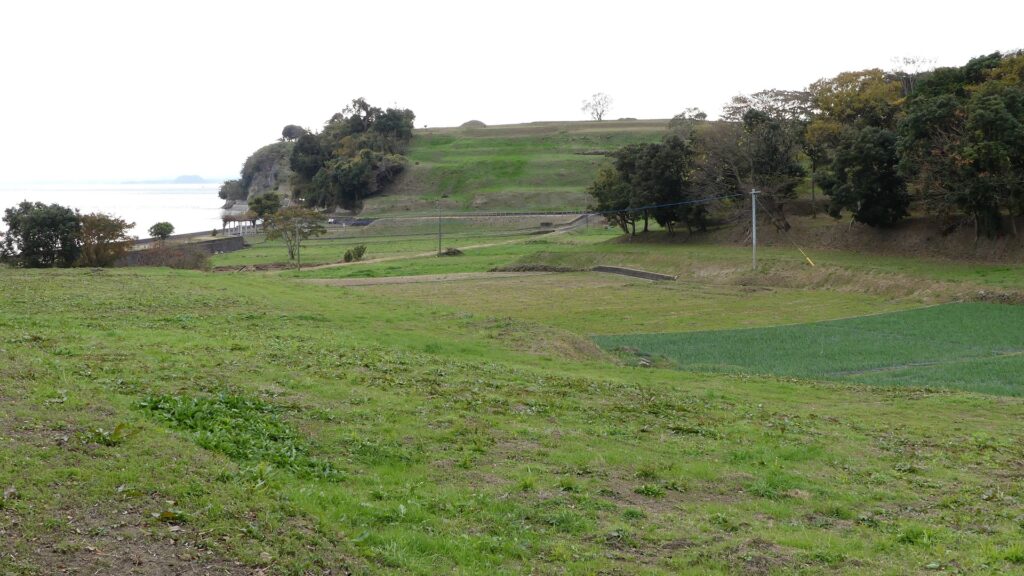
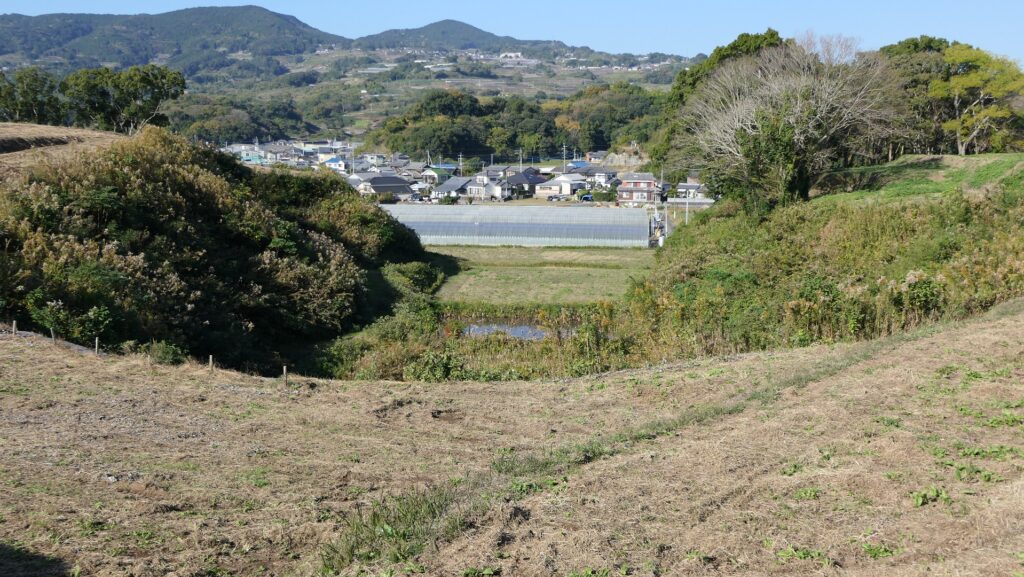
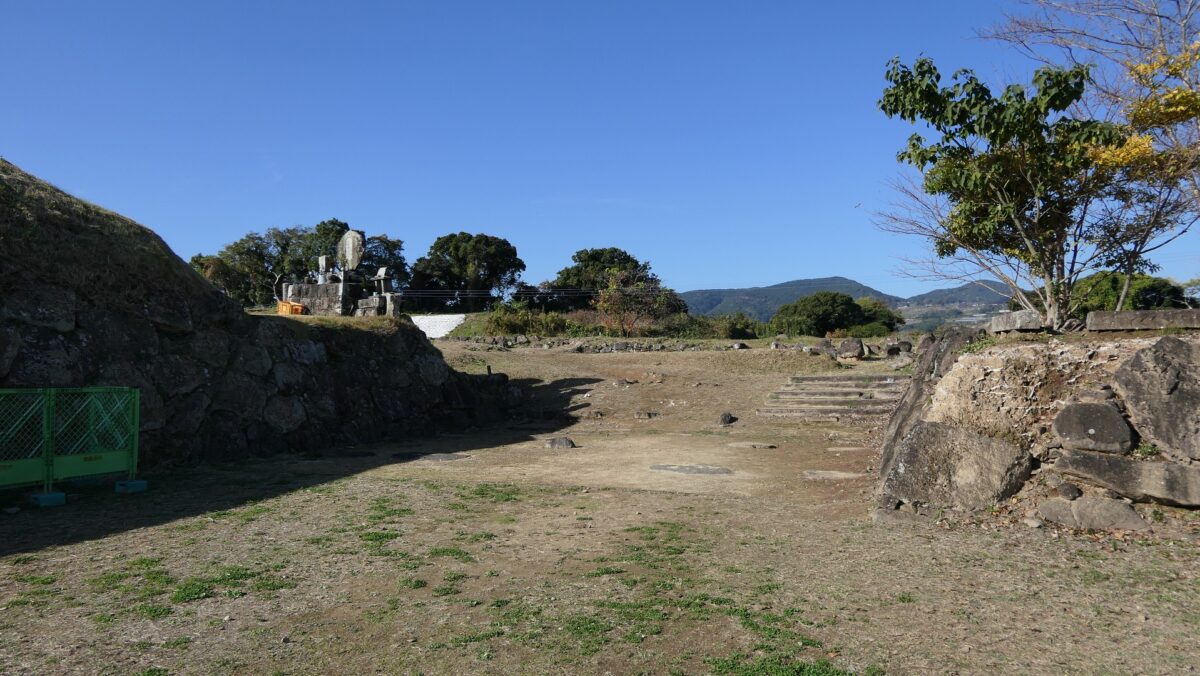
Today, the ruins of Hara Castle are still large with a perimeter of about 4km. The Main Enclosure has mainly been public owned and developed for visitors. The many other areas of the ruins, including the Second and Third Enclosures, are private owned and used as fields. If you walk around and look over the ruins, you can find the large hills and valleys and picture the castle remains. Generally, enclosures of many castles in Japan usually worked closely with each other. However, looking at the enclosures of Hara Castle, they seemed to work independently like a modern fortress. This may be the reason why that the uprising army fought had as equals with the shogunate.
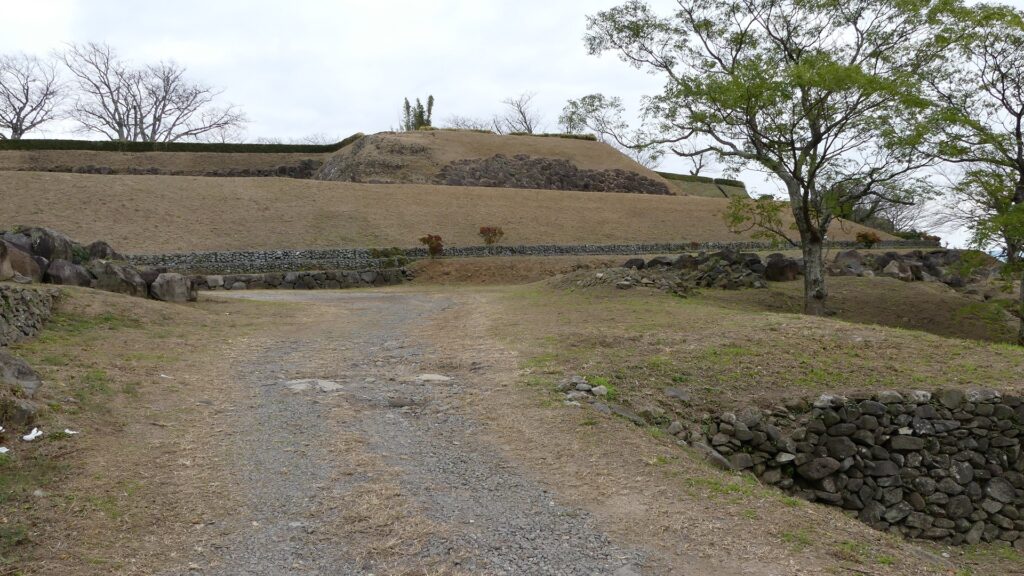
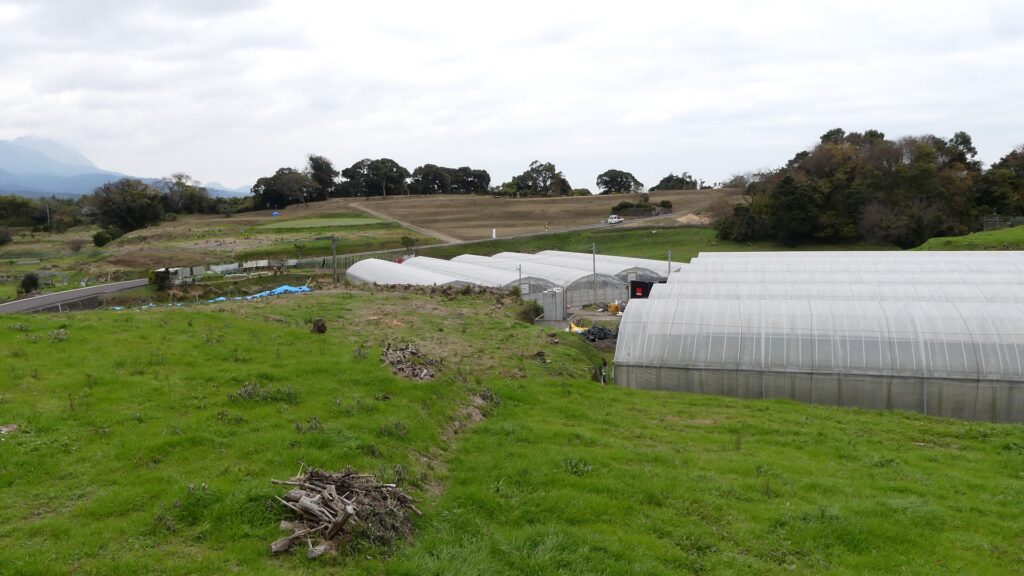
The Main Enclosure has been developed as a historic site
The Second and Third Enclosures have become fields
The extensive castle ruins
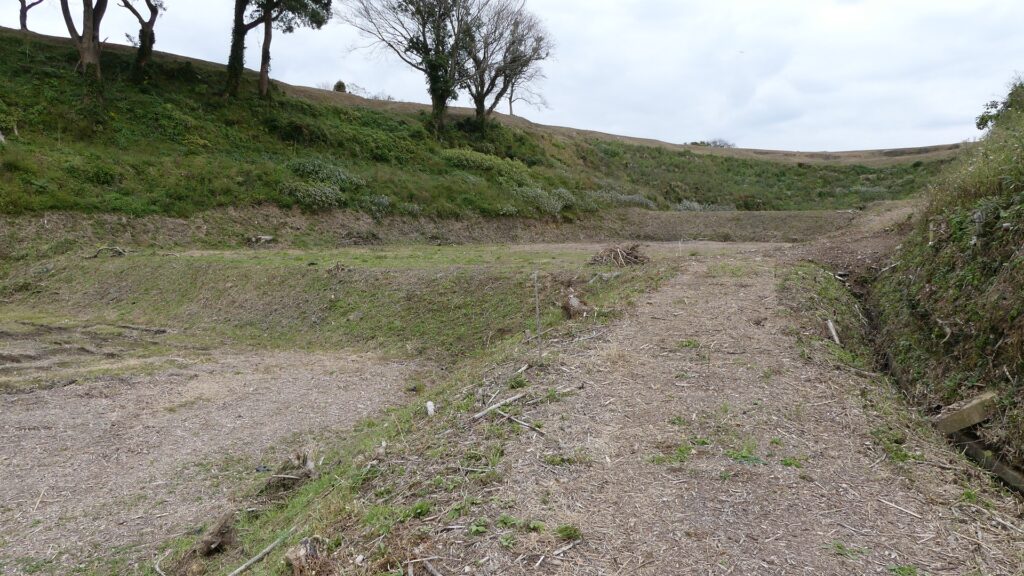
Looking up the ruins from the bottom of a valley

Walking around Second and Third Enclosures

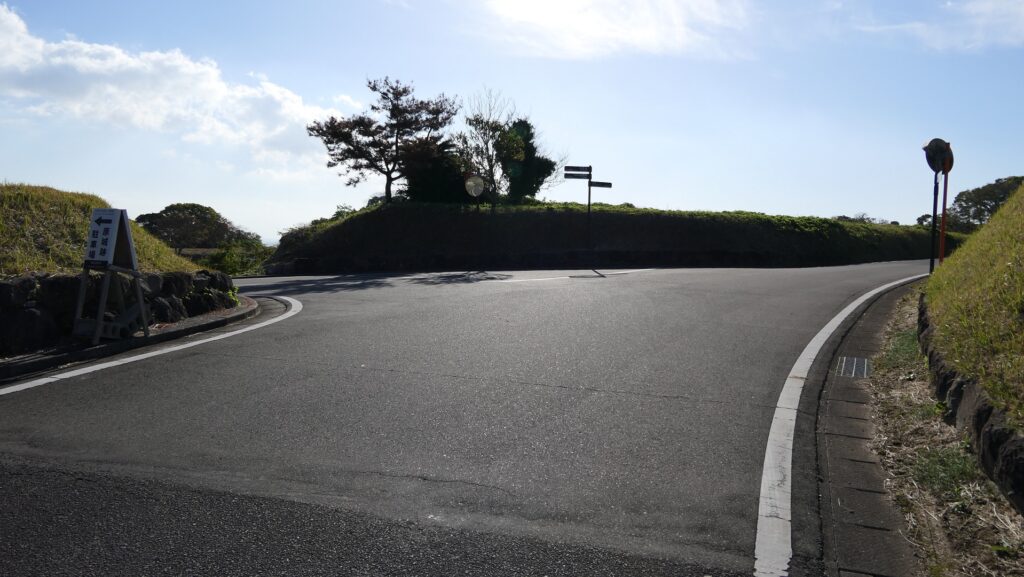
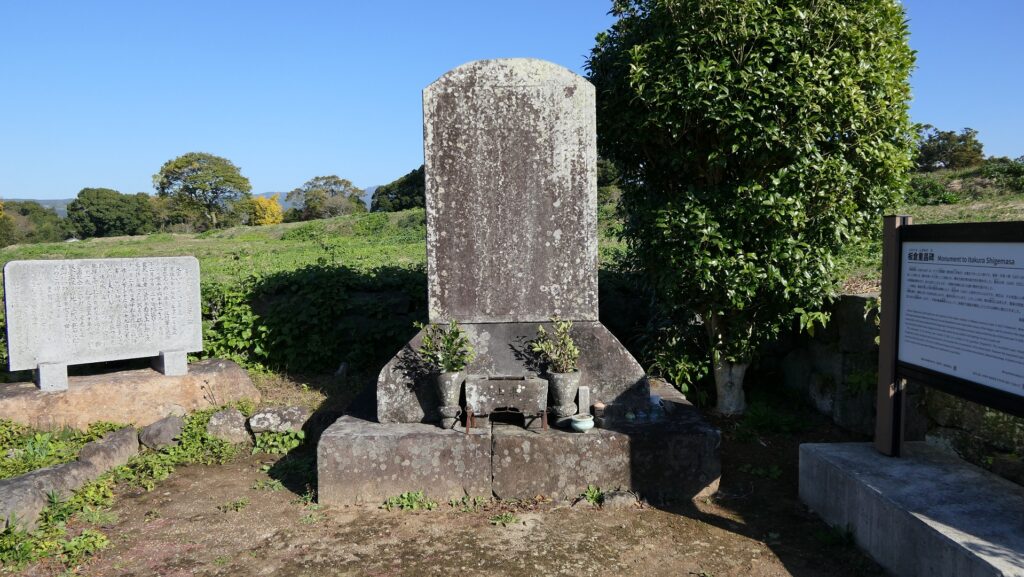
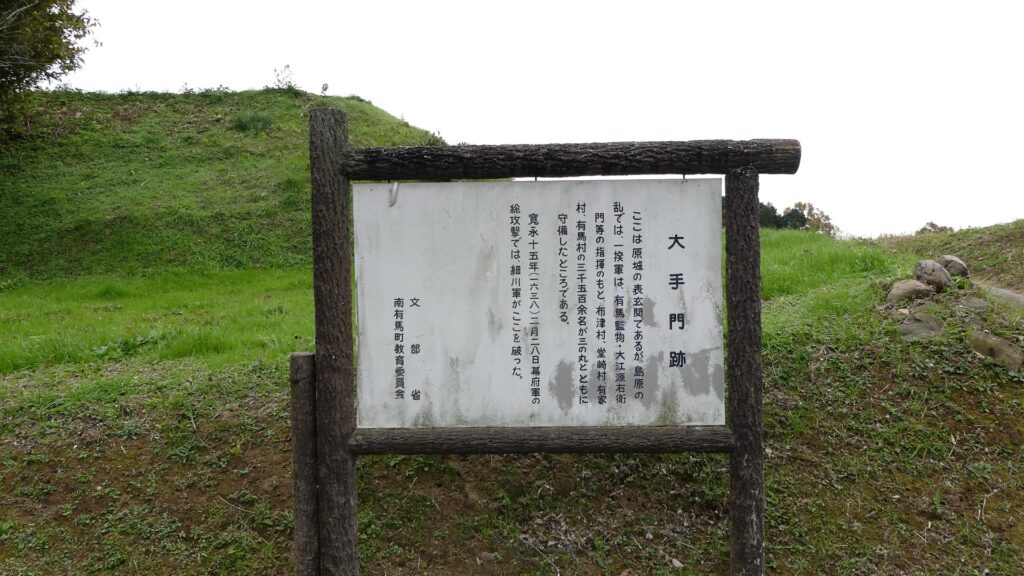
If you drive to the ruins, you will park at the parking lot between the Second and Third Enclosures beside the sea. You will have to walk for about 800m from the parking lot to the Main Enclosure. During the walk, you can see how large the castle was. If you turn right at the first intersection after passing the ruins of the Main Gate, you will reach the monument of Shigemasa Itakura at the Third Enclosure. He was shot and killed here in the first phase of the Shimabara Rebellion.

The map around the castle
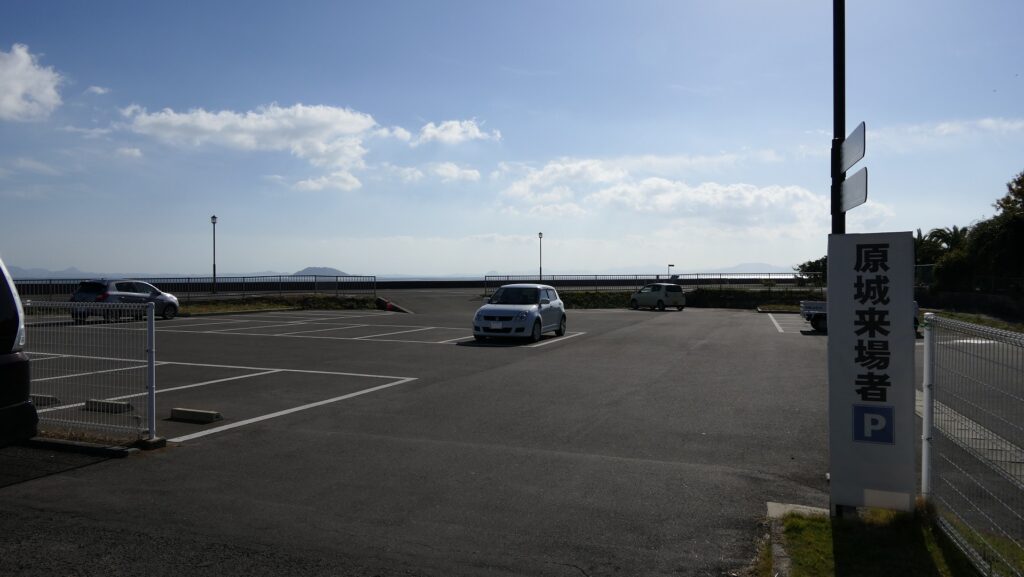
The parking lot for visitors
The ruins of the Main Gate
The first intersection from the parking lot to the Main Enclosure
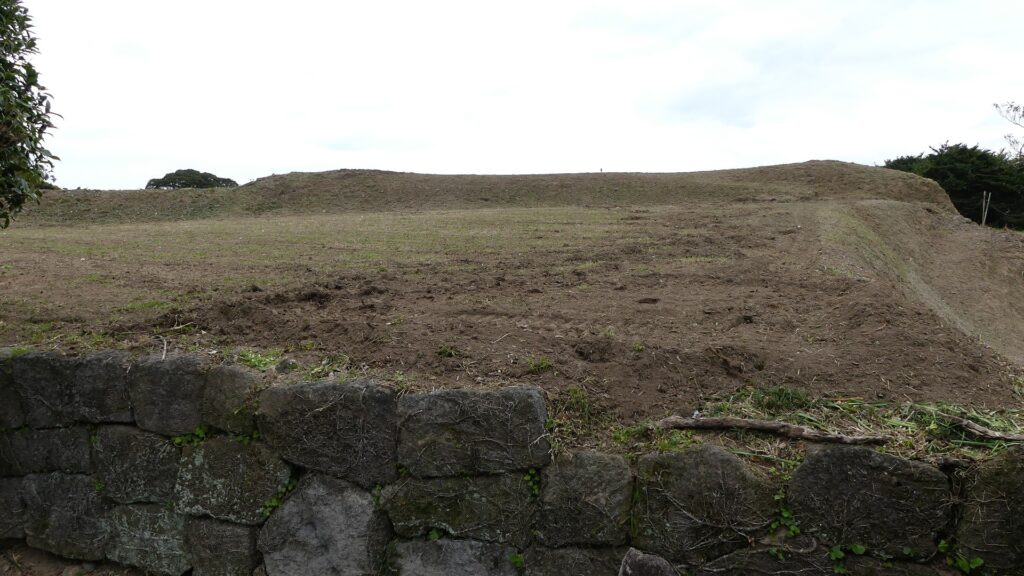
The Third Enclosure
The monument of Shigemasa Itakura

Going back to the route leading to the Main Enclosure, you will see the spacious Second Enclosure on the left and its Barbican on the right. Locals say the bones of as many as 20,000 uprising people are still buried under the fields.
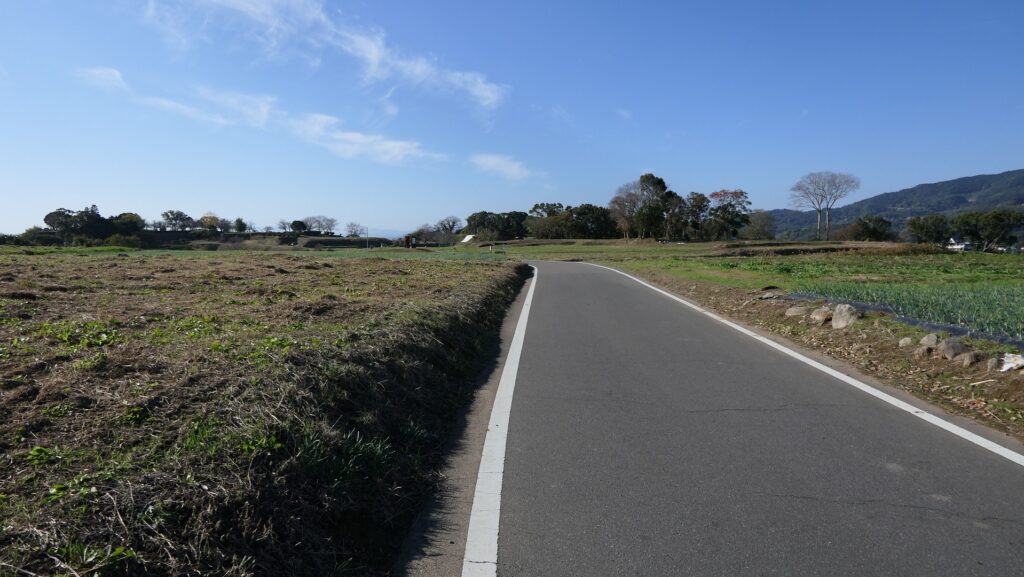
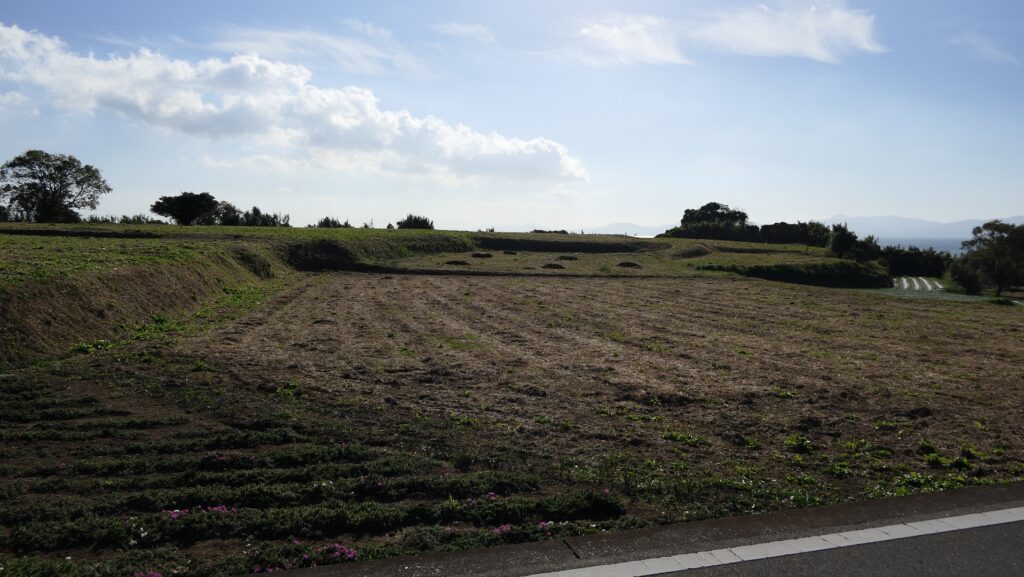
The route around the Second Enclosure
The Second Enclosure
The Second Enclosure Barbican is the right side of the valley

One of the Greatest Main Enclosure Entrances

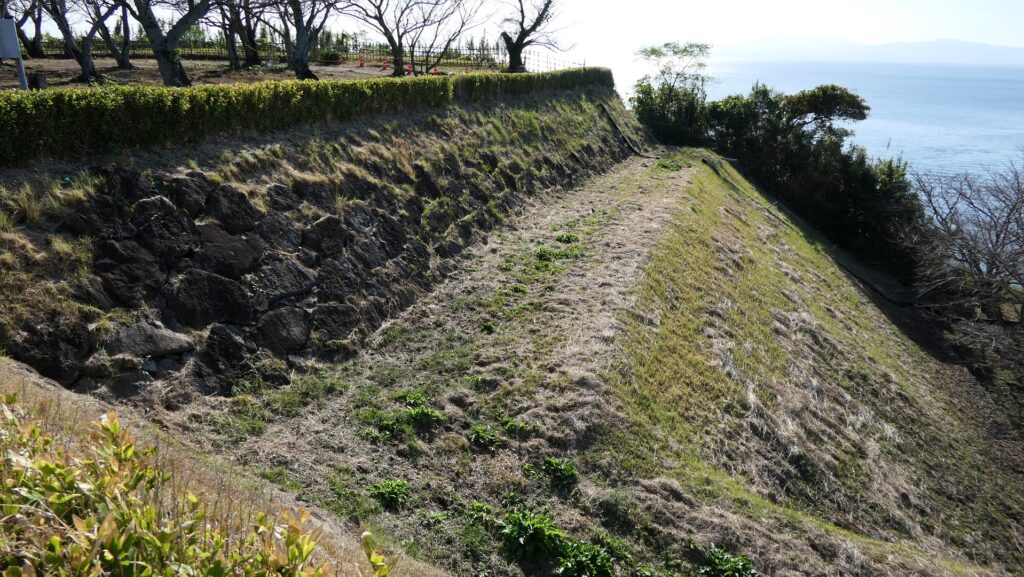
As you approach the Main Enclosure, you will see its great stone walls still surrounding it. However, they were to be excavated after being almost buried by the shogunate. Even historians did not expect the castle had to have such great stone walls. Of course, the stone walls were much higher before the destruction.

The map around the Main Enclosure, the red line shows the estimated route in the entrance
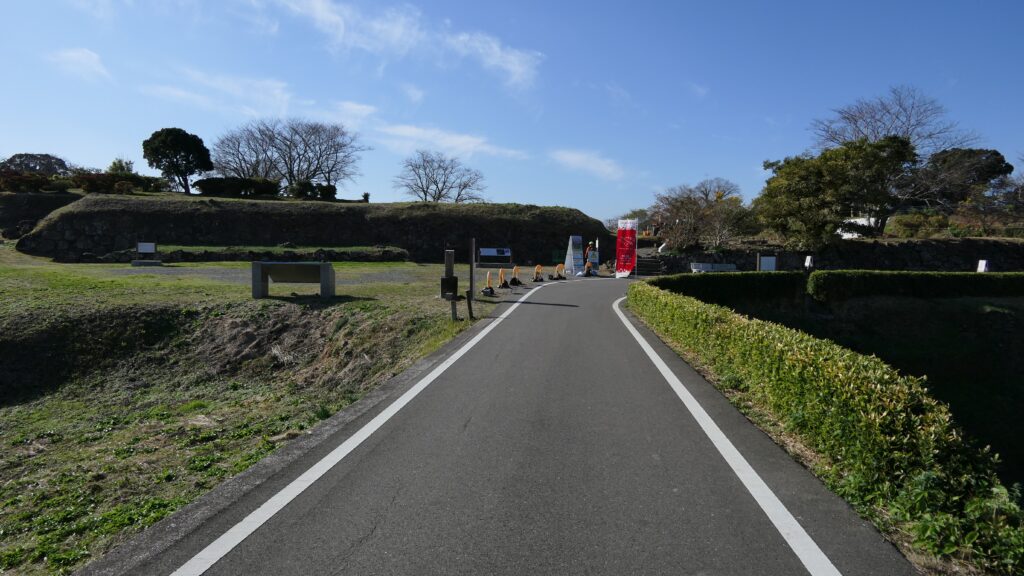
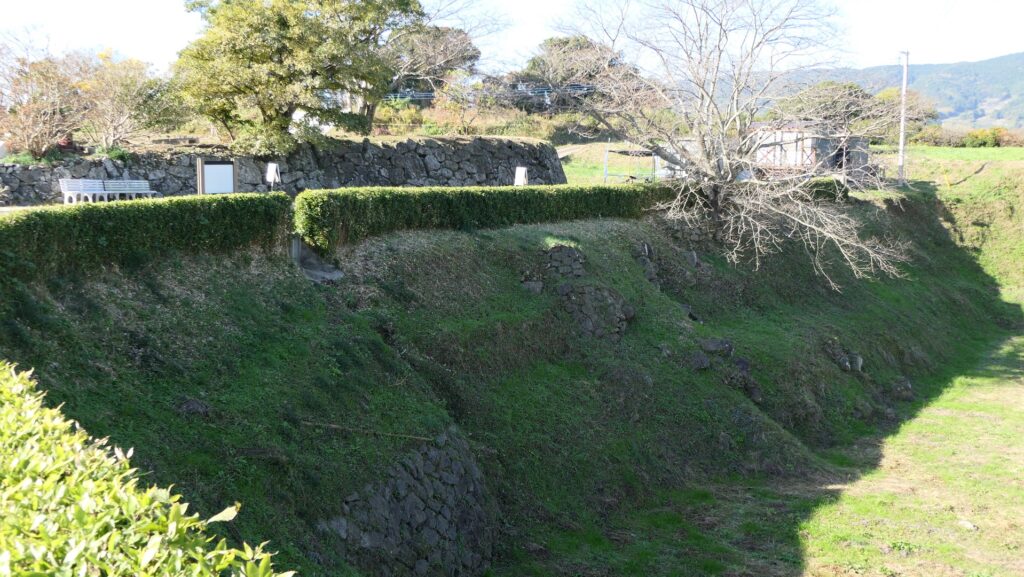
Approaching the Main Enclosure
The stone walls of the Main Enclosure, which were discovered by the excavation

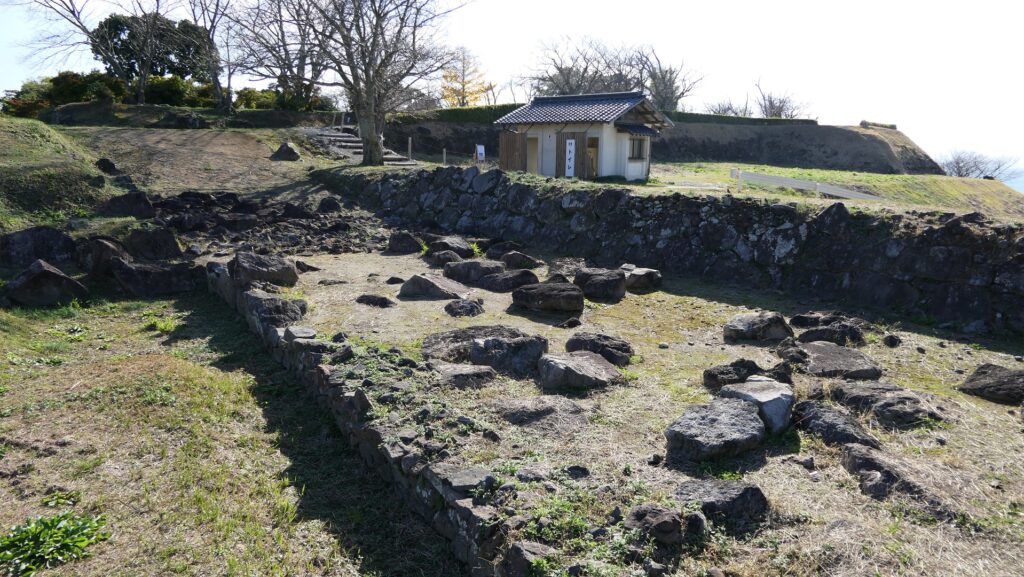
Its entrance, called Koguchi, was also excavated and has been developed for visitors. In fact, this is where the bones of the killed uprising people, which were buried with the stone walls, were found. It had large connected square spaces, called Masugata, forming a maze protecting the entrance. Historians speculate that visitors in the past had to turn 5 to 10 times in the entrance to enter the enclosure. The excavation discovered that the Koguchi entrance of Hara Castle was one of the largest examples of those ever found in Japan.
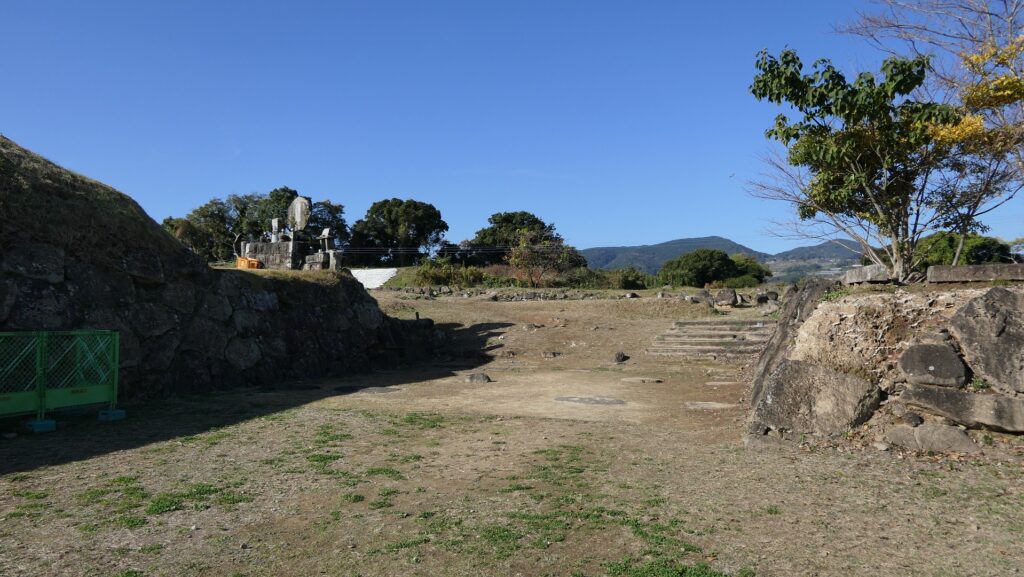
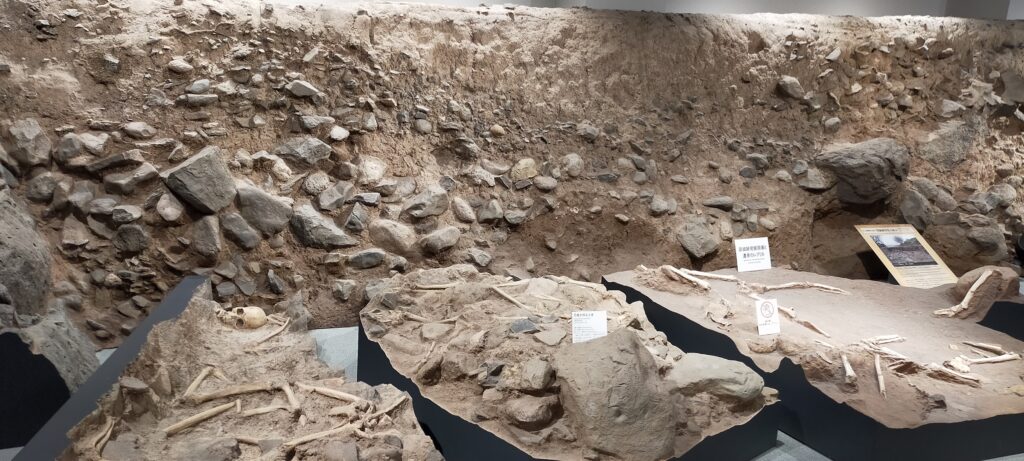
The excavated Koguchi entrance
The replica of the excavation site, exhibited by Arima Christian Heritage Museum
The ruins of the Uzumi-mon Gate inside the entrance

Inside of Main Enclosure has become Square

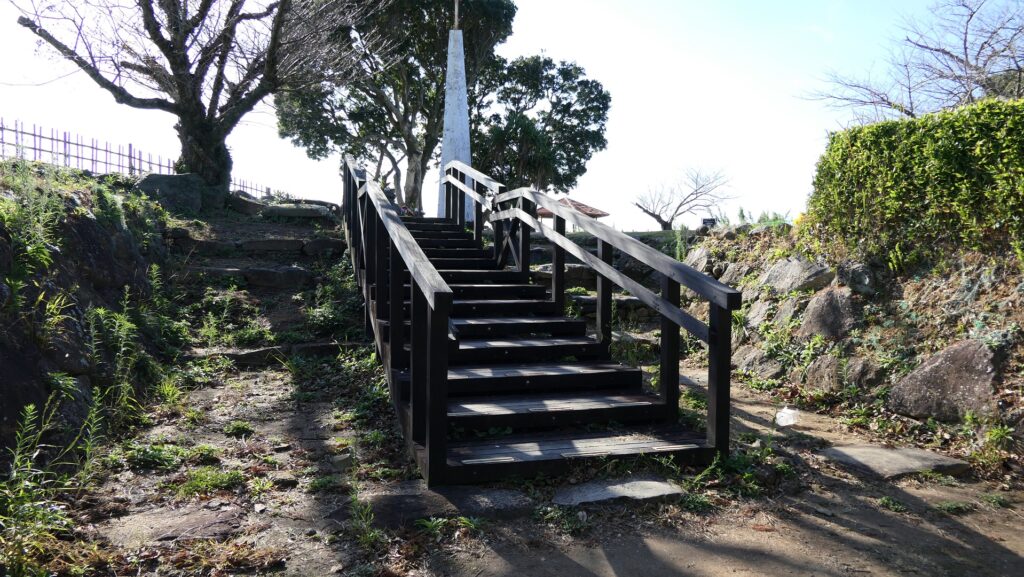
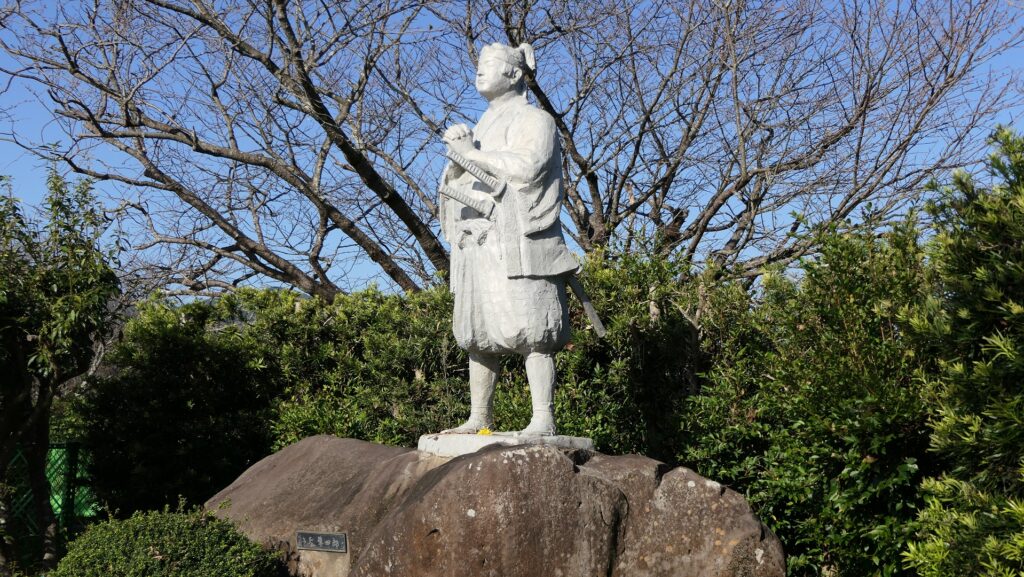
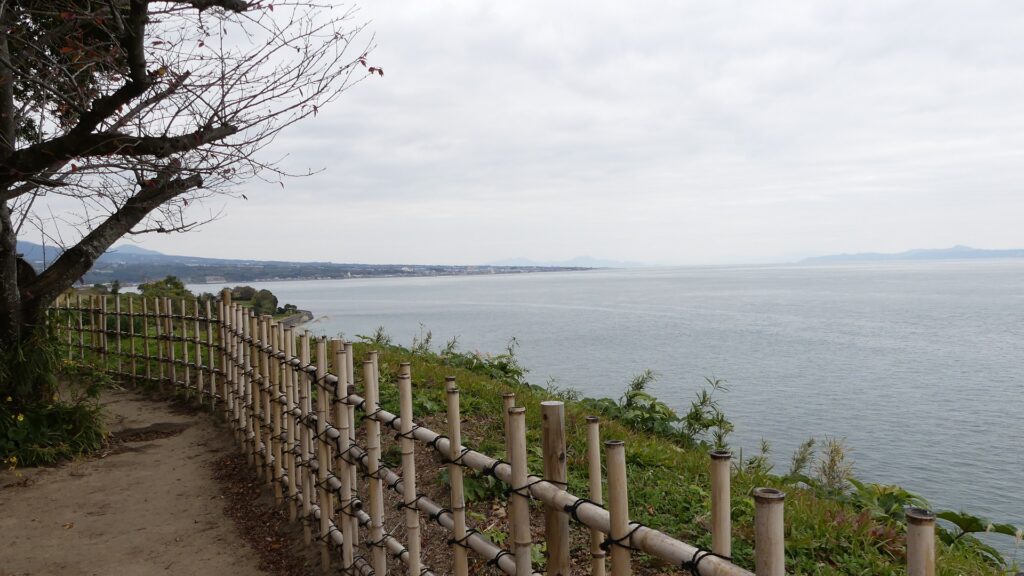
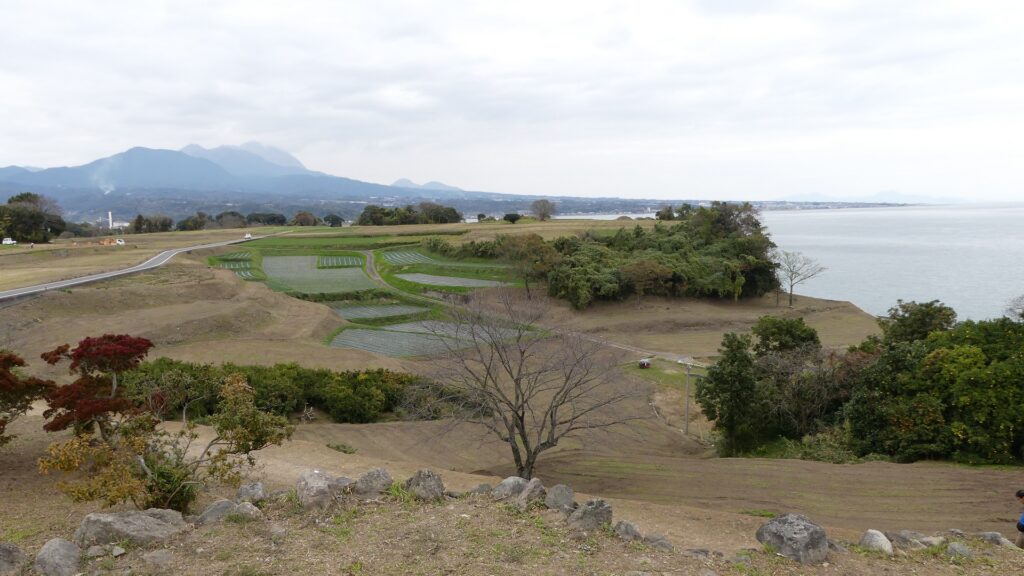
The inside of the Main Enclosure is basically a square now. There are the ruins of the Main Enclosure Gate, the Turret base, and the Ikejiri-guchi Gate along the perimeter. There are also the monument of the Shimabara Rebellion, the statue of Shiro Amakusa, and so on. This enclosure stands on the steep cliff by the sea, so you can enjoy a great view of Ariake Sea, and Mt. Unzen in the distance.
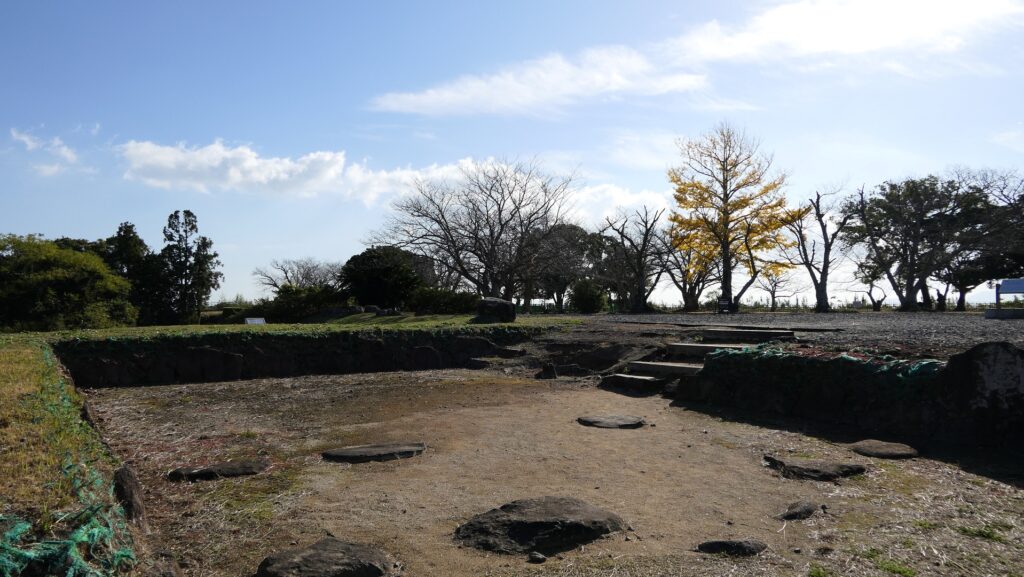
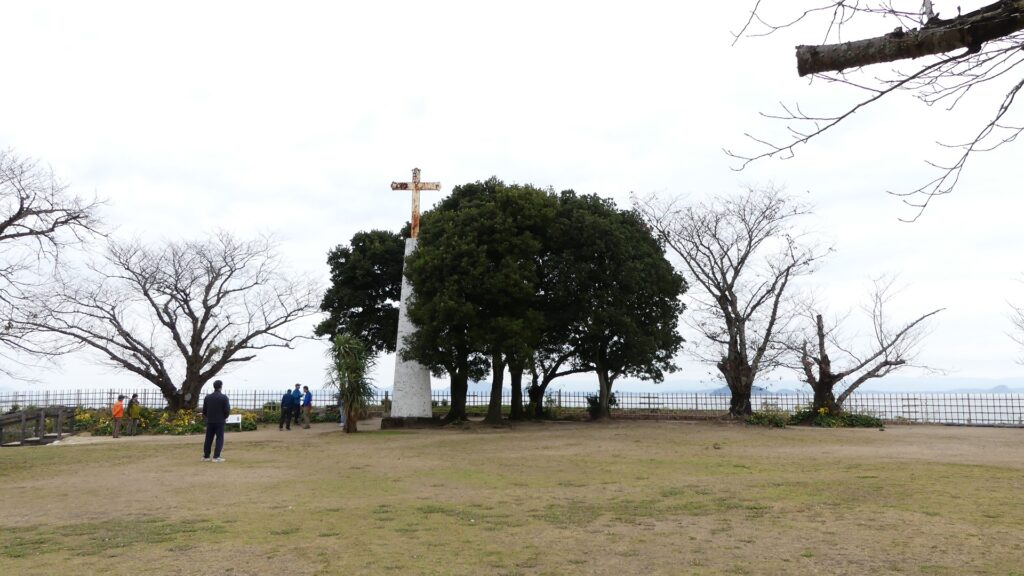
The ruins of the Main Enclosure Gate
The inside of the Main Enclosure
The Turret base
The ruins of the Ikejiri-guchi Gate
The statue of Shiro Amakusa
A view of Ariake Sea from the Main Enclosure
A view of the ruins and Mt. Unzen from the Main Enclosure

To be continued in “Hara Part3”
Back to “Hara Castle Part1”

188.原城 その2

広大な城跡を見ることができます。

特徴、見どころ

丘陵と谷が広がっている城跡

今日、原城跡はかなりの大きさを維持しており、その外周は約4kmに及びます。本丸はその多くが公有地となっていて、観光客向けに整備されています。二の丸と三の丸を含む城跡の多くは私有地となっており、畑地として使われています。その城跡の地を歩き、見渡してみると、そこには広大な丘や谷があり、城の姿を想像することができます。通常、日本の多くの城の曲輪は緊密に連携しながら機能していました。ところが、原城の曲輪を見てみると、まるで近代的な要塞のように独立して運用されていたのではないかと感じます。このことが、反乱軍が幕府と互角に渡り合うことができた理由かもしれません。

本丸は史跡として整備されています
二の丸と三の丸は畑地となっています
広大な城跡
谷部分から城跡を見上げています

二の丸と三の丸を歩く

もし車で城跡を訪れる場合は、二の丸と三の丸の中間の海際にある駐車場に車を停めることができます。その駐車場から本丸までは、約800m歩く必要があります。歩きながら、この城の大きさを実感することができます。大手門跡を通り過ぎた後の最初の交差点で右に曲がってみると、三の丸にある板倉重昌の記念碑に至ります。彼は島原の乱の初期段階において、ここで撃たれて亡くなりました。

城周辺の地図

観光客向けの駐車場
大手門跡
駐車場から本丸に至る道路上の交差点
三の丸
板倉重昌の記念碑

本丸に向かう道に戻ってみると、左側には広大な二の丸が見え、右側には二の丸出丸が見えます。地元の人たちによると、2万人もの反乱軍の遺骨がいまだに畑地の下に埋まっているといいます。

二の丸付近の道路
二の丸
谷の右側が二の丸出丸

日本有数の本丸虎口

本丸に近づくにつれて、今も本丸を囲む立派な石垣が見えてきます。しかし、この石垣は幕府によってほとんど埋められた後、発掘により姿を現したものなのです。歴史家でさえこのような石垣が城にあったと思っていませんでした。もちろん、この石垣は破壊される前はずっと高かったはずです。

本丸周辺の地図、点線はかつての虎口内の推定進路

本丸に近づきます
発掘され姿を現した本丸石垣

虎口と呼ばれる本丸の入口も発掘され、観光客向けに整備されました。実はここは、殺された反乱軍の人たちの骨が石垣と一緒に埋められていた場所なのです。この入口は、桝形と呼ばれる四角い空間が連結され、この場所を防御するために迷路のようになっていました。歴史家によると、城があった当時は、本丸の中に入るまでに5回から10回も曲がらなければならなかったのではないかとのことです。発掘により、原城の虎口は日本でこれまで見つかったものの中で最大級と判明しました。

発掘された本丸虎口
発掘現場のレプリカ、有馬キリシタン遺産記念館にて展示
虎口の途中にあった埋(うずみ)門跡

広場になっている本丸内部

本丸の中は現在広場になっています。本丸の外周に沿って、本丸門跡、櫓台、池尻門跡があります。また、島原の乱の記念碑や天草四郎の銅像などもあります。本丸は、海沿いの急崖の上にあるため、有明海や、遥かに雲仙岳の素晴らしい眺めを楽しむことができます。

本丸門跡
本丸内部
櫓台
池尻門跡
天草四郎像
本丸からの景色(有明海)
本丸からの景色(城跡と雲仙岳)

「原城その3」に続きます。
「原城その1」に戻ります。

90.Hirado Castle Part3

Hirado City is trying a unique promotion.

Features

Rare loopholes through Stones

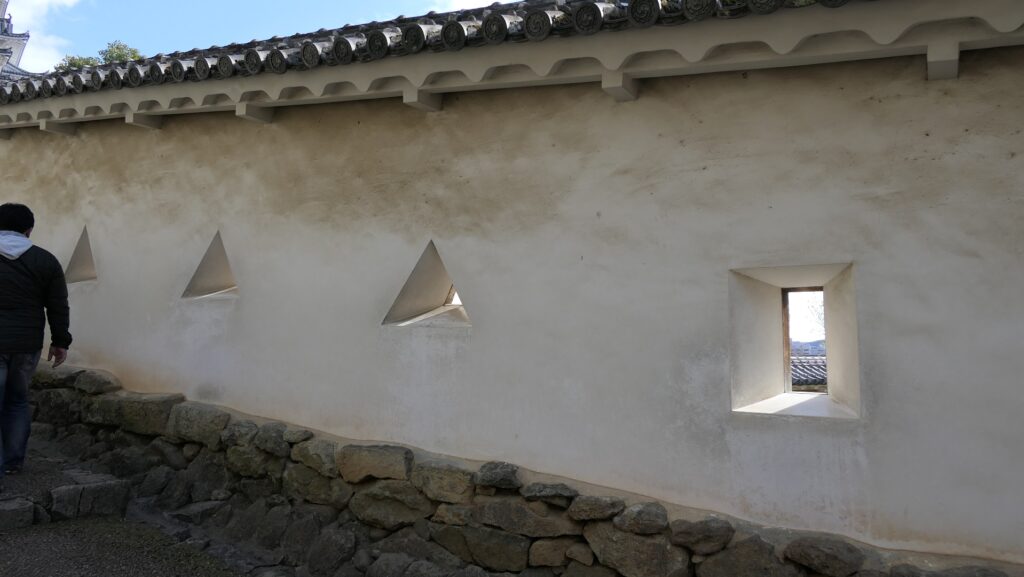
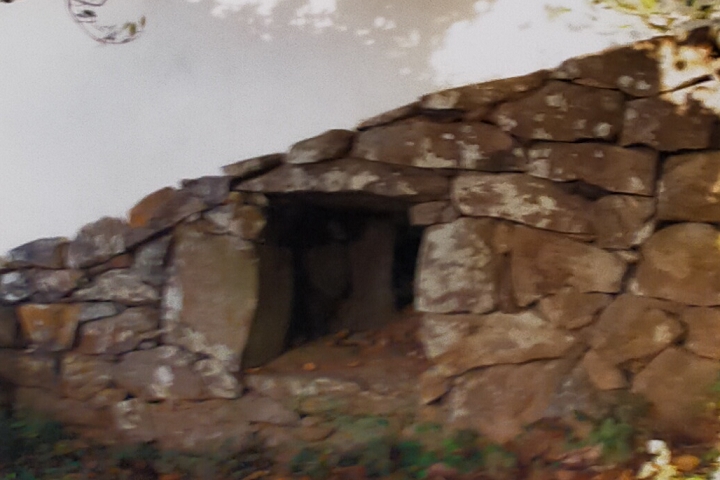
If you are interested in the Yamaga military style, you can find the loopholes through stones near the Raccoon Dog Turret. Loopholes for guns were usually built through only mud or plaster walls in other castles. However, in Hirado Castle, they were built through the stone walls as well, which is a very rare feature in Japanese castles. It is thought that they were built using the Yamaga style.

An example of normal loopholes for guns from Himeji Castle
a loophole through Stones of Hirado Castle, exhibited by Hirado Castle

Later History

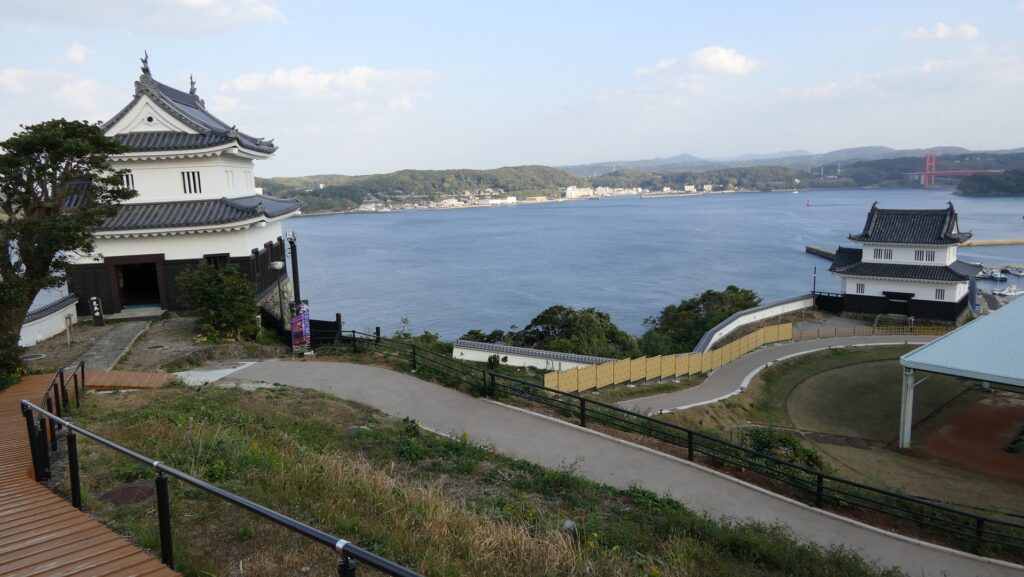
After the Meiji Restoration, Hirado Castle was abandoned, and most of the castle buildings were demolished. The ruins became Kameoka Park. In 1962, the Imitation Main Tower and four turrets were rebuilt and opened to the public as the new Hirado Castle. Hirado City recently started a new and unique promotion with private companies offering visitors one of the turrets, called Kaiju-Yagura,
to be remodeled and operate as a hotel.

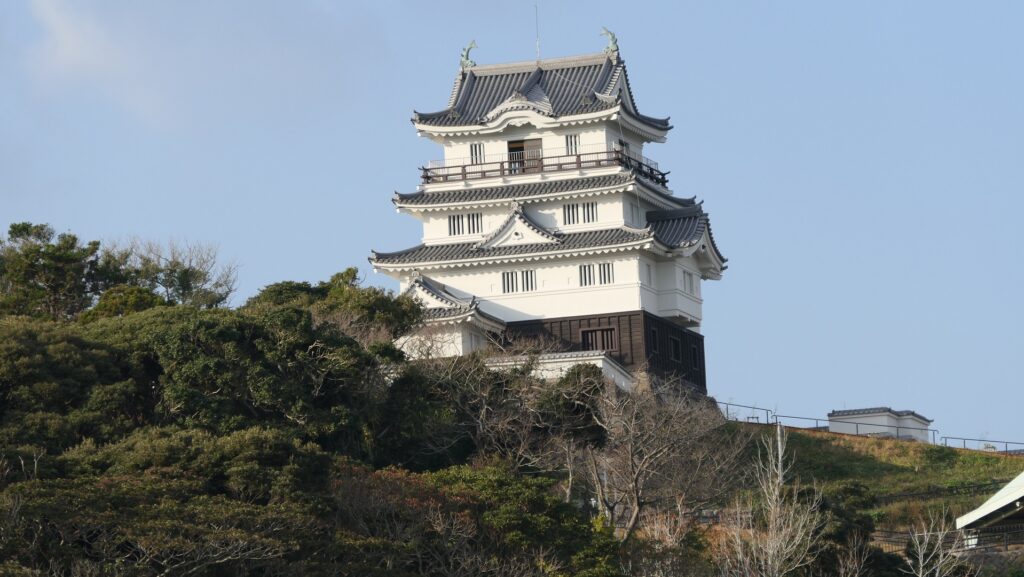
The Imitation Tower
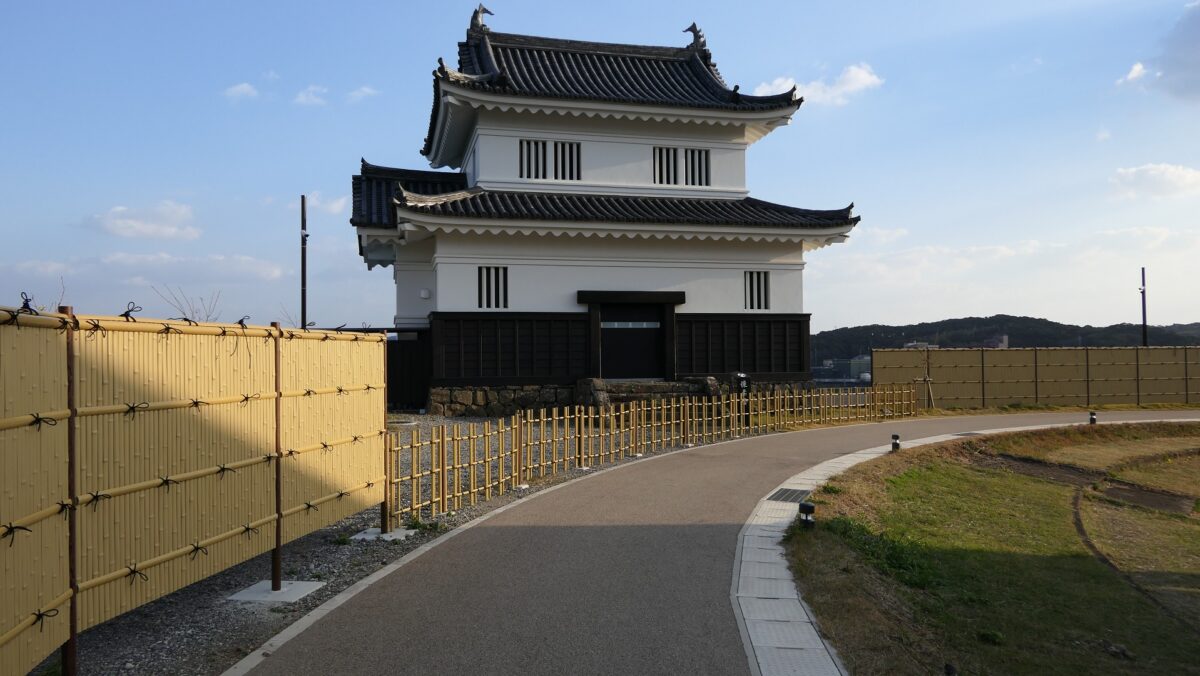
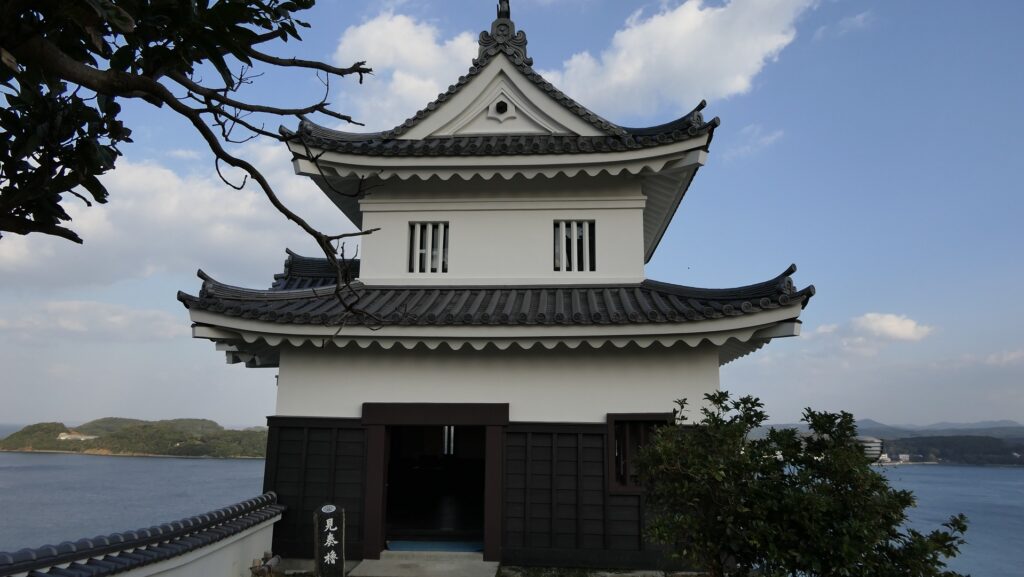
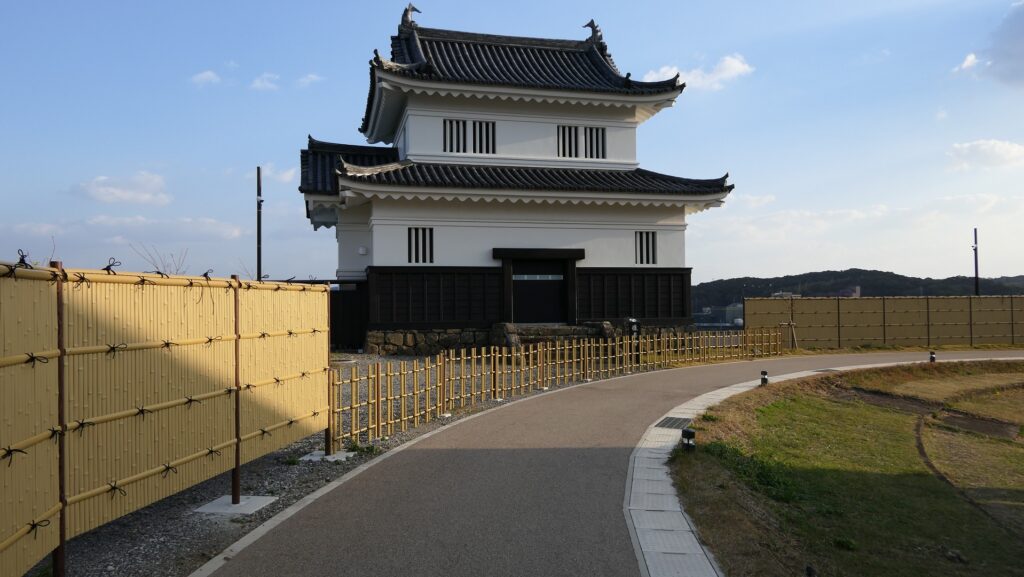
The Kenso Turret, one of the rebuilt turrets in the castle
The Kaiju Turret which is also used as a hotel

My Impression

The present Hirado Castle is not what I had expected before my visit because I thought the castle still kept its old style from the 16th Century. I was convinced of that after learning the history of the castle prior to my visit. I think the castle has a unique atmosphere which probably originates from the Yamaga military style. If you want to learn more about its history, I recommend visiting the restored Dutch Trading House or Matsura Historical Museum near Hirado Port.

The unique shape of the Main Enclosure of Hirado Castle
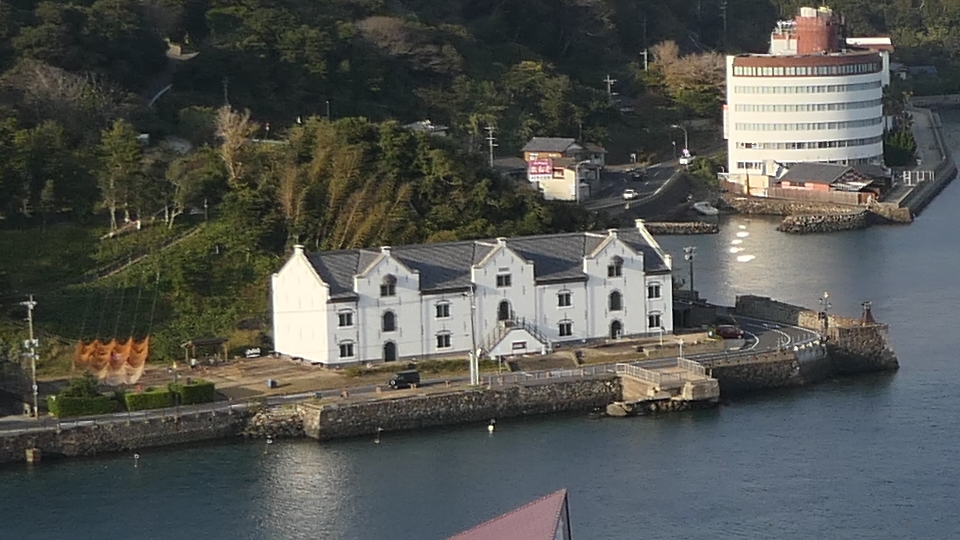
The restored Dutch Trading House seen from the Main Tower

How to get There

I recommend the use of a car when you visit the castle. It is about 30 minutes away from Matsuura IC or Saza IC on the Nishi-Kyushu Expressway. You can park at the parking lots at Kameoka Park.
If you go there from Tokyo or Osaka, I recommend going to either Fukuoka or Nagasaki Airports by plane. After that, it’s better to rent a car as it takes a lot more time to visit the castle by using public transportation to get there.

The parking lot seen form the Main Tower

Links and References

Hirado Castle Website
Matsura Historical Museum

That’s all. Thank you.
Back to “Hirado Castle Part1”
Back to “Hirado Castle Part2”

error: Content is protected !!