111.Mukai-Haguroyama Castle Patr2

The ruins of Mukai-Haguroyama Castle have been developed as part of the expansive Hakuho-zan Park including three mountains. The ruins are on one of which, Iwasaki-yama Mountain, which is 50 hectares in size.

Features

Part of expansive Natural Park

Today, the ruins of Mukai-Haguroyama Castle have been developed as part of the Hakuho-zan Park. The park is an expansive natural park which is 112 hectares in size, including three mountains, Kannon-yama, Haguro-yama, and Iwasaki-yama. The castle ruins are on the Iwasaki-yama Mountain, which is 50 hectares in size. The ruins are also huge and mixed with the park’s other facilities like adventure playgrounds, promenades, and arbors.

The map around the Hakuho-zan Park

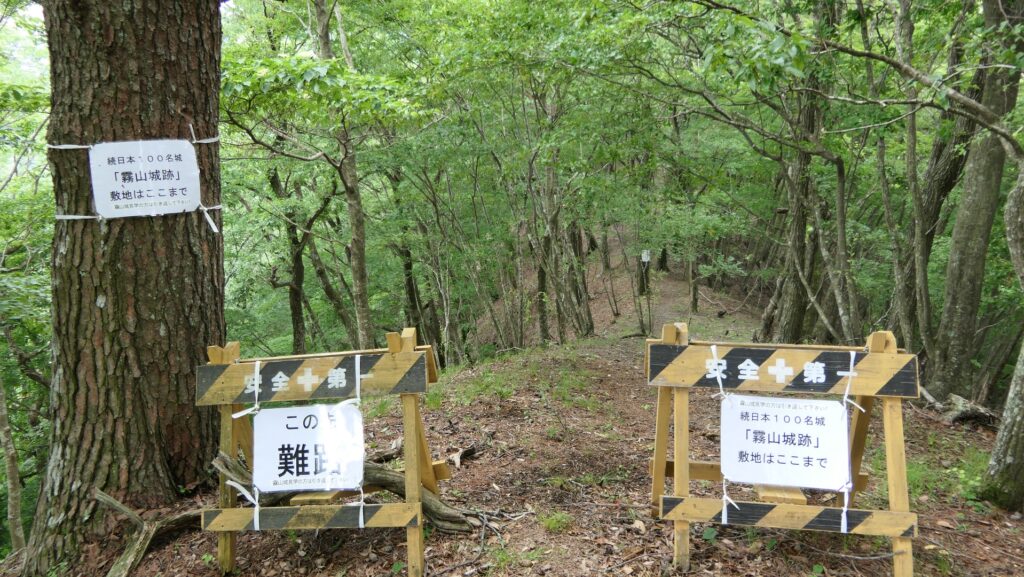
Therefore, it may be difficult for visitors to go around all of the ruins without proper instructions. It is recommended to visit the guidance facility called Mukai-Haguro Gallery in advance to get the information of the ruins. Please make sure that the facility is open only on weekends and holidays from mid-April to mid-December. In addition, please check if the ruins are open or not, for example, in cases of bears being found. Anyway, let me introduce the summary of the ruins.

The Mukai-Haguro Gallery

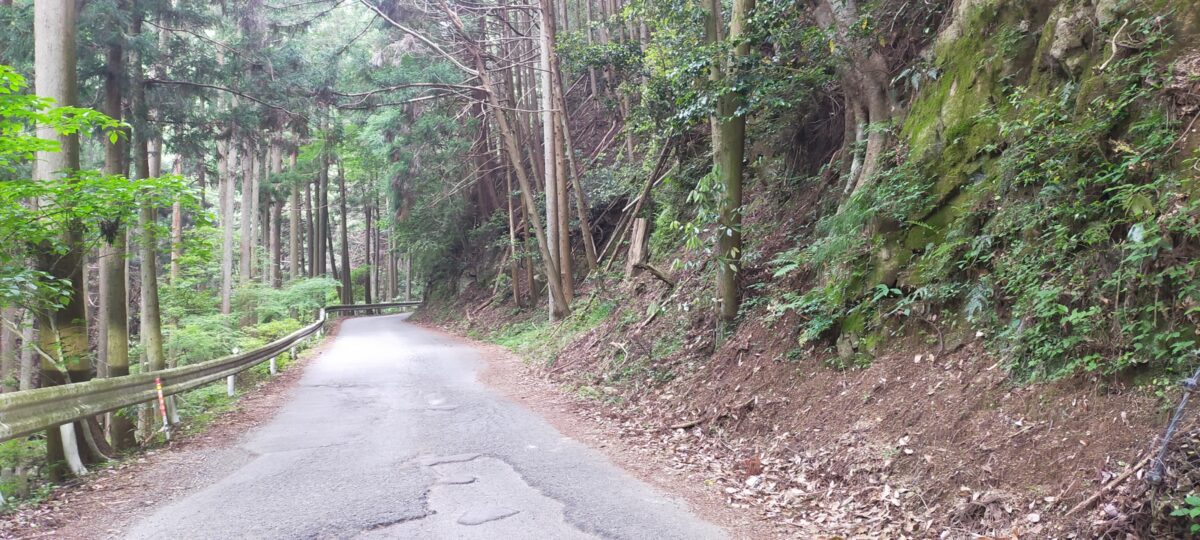
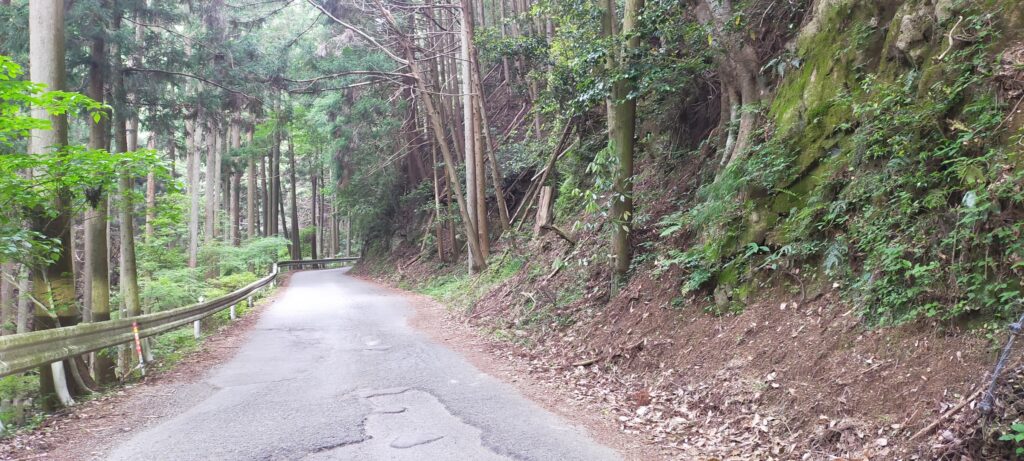
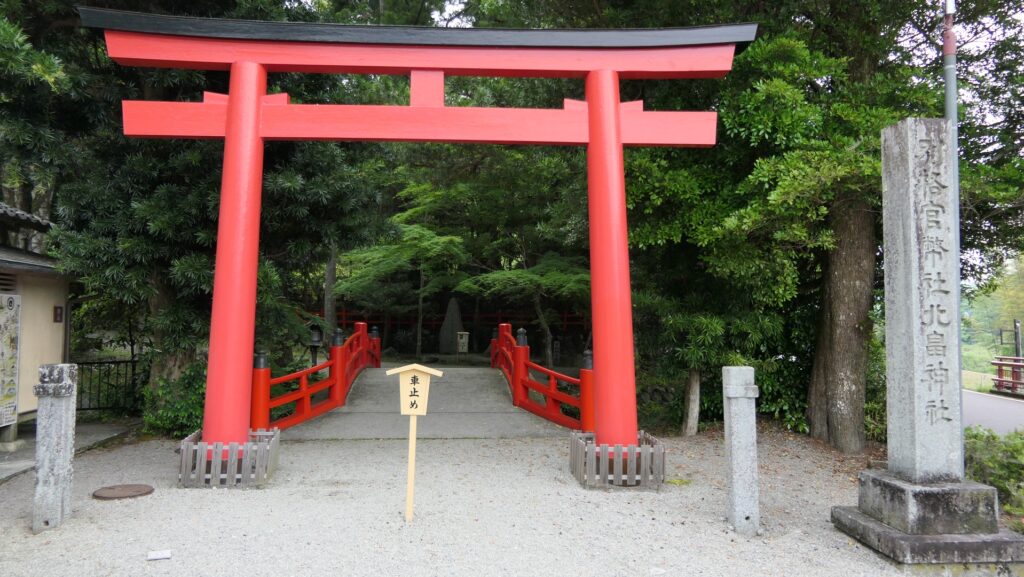
If you enter the park from the north beside the Mukai-Haguro Gallery, you can go on the paved forest road over Kannon-yama and Haguro-yama Mountains to the castle ruins on Iwasaki-yama Mountain in the back even by car. However, please be careful when passing each other because the road is very narrow.

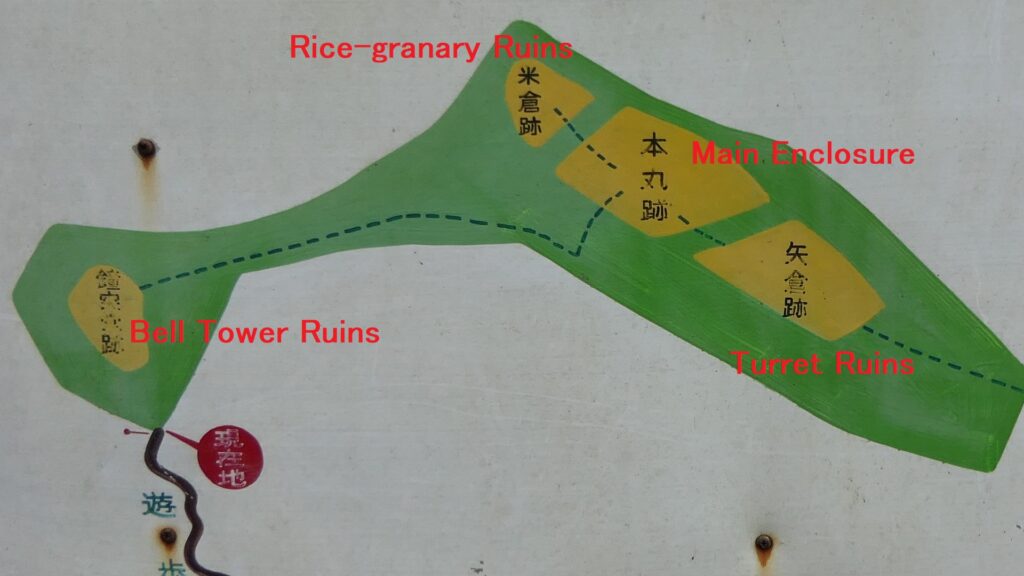
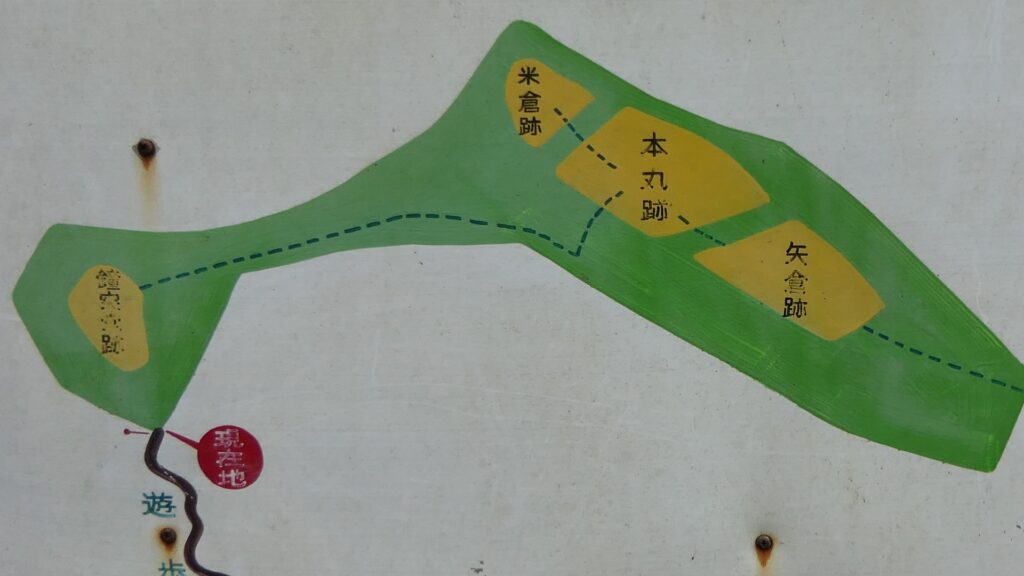
The map around the castle

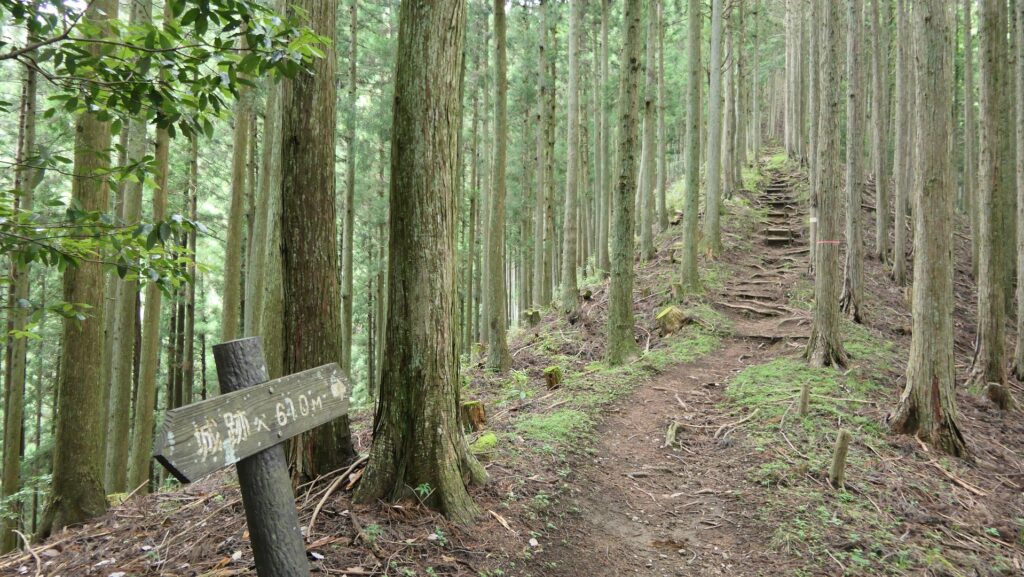
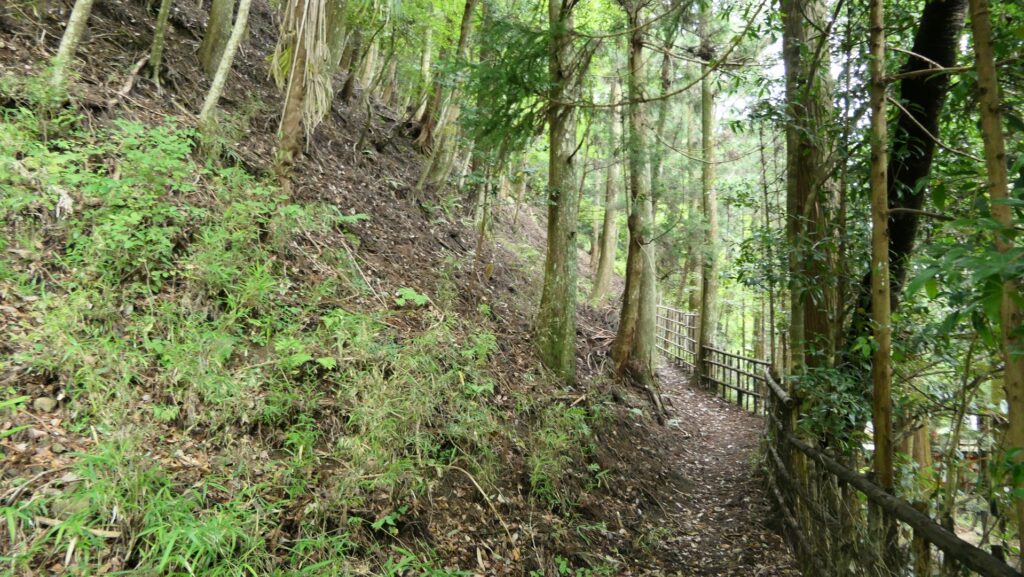
The forest roag though the park
The diorama of the castle ruins, exhibited by the Mukai-Haguro Gallery, the red line shows the forest road

Large Third Enclosure

If you manage to find the administration building of the park on the right, it is around the Third Enclosure of the castle. The enclosure is spacious which was said to be used as a riding ground for horses. Its thick earthen walls and deep dry moats are still there. There are also the Northern Enclosure and the ruins of Moriuji Ashina’s residence across the road.

Around the administration building
The Third Enclosure
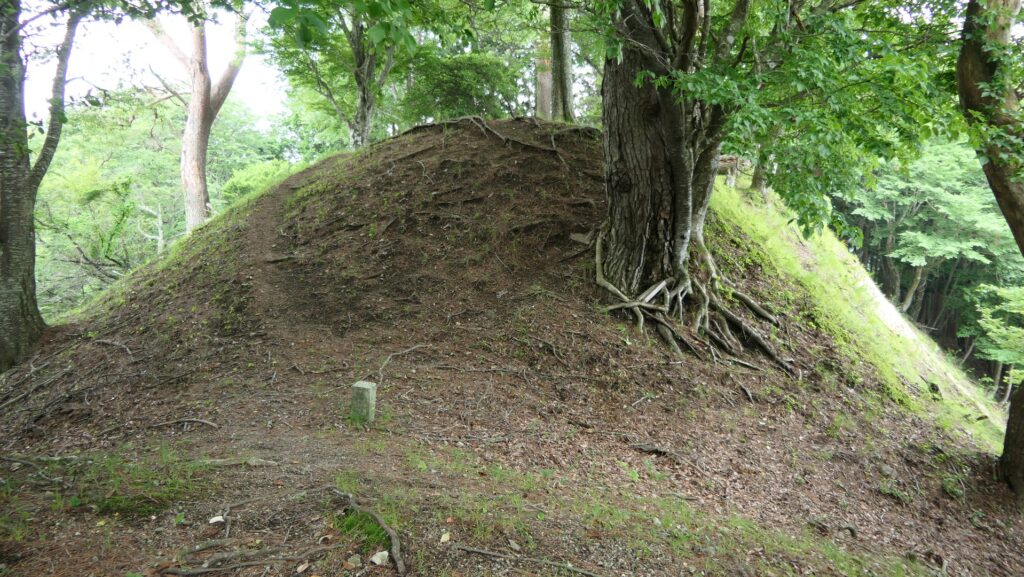
The earthen walls of the Third Enclosure
The dry moats of the Third Enclosure

Next, you can go up the road and you will find Ochayaba (meaning the Tea House) Enclosure on the left, which is a viewing spot. It is said that Moriuji held tea ceremonies there.

The Tea House Enclosure
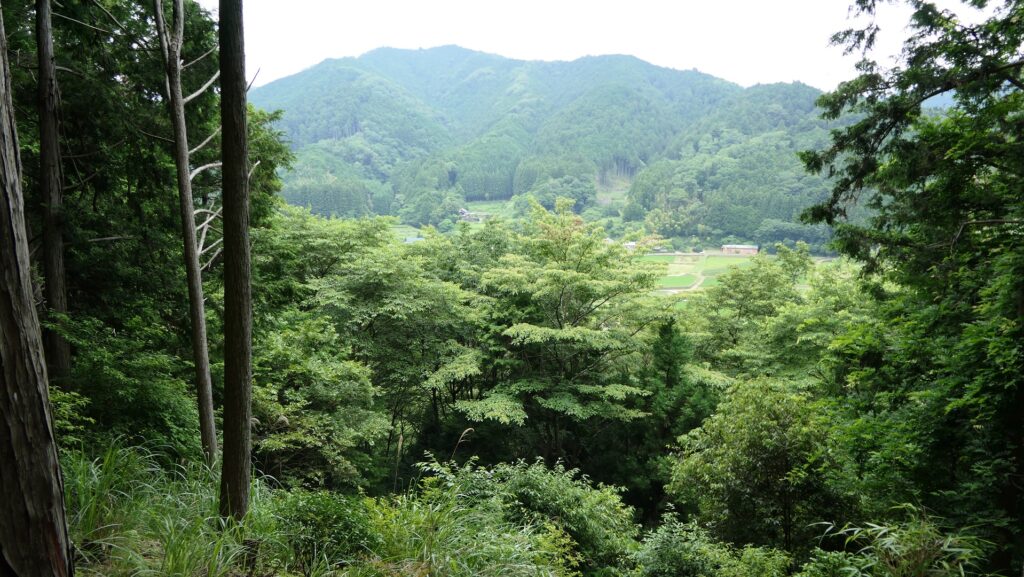
A view from the enclosure

Second Enclosure as Center of Castle

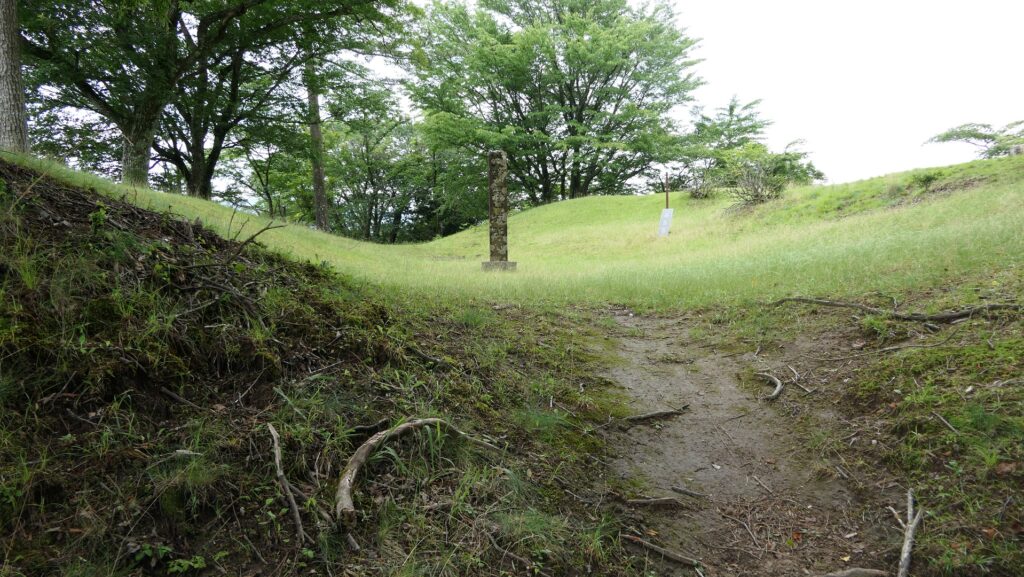
If you go further and turn right along the road, while seeing Benten Enclosure on the left, you will be between the Second Enclosure on the right and the Main Enclosure on the left. In fact, the road at the spot is the bottom of the former ditch dividing them.

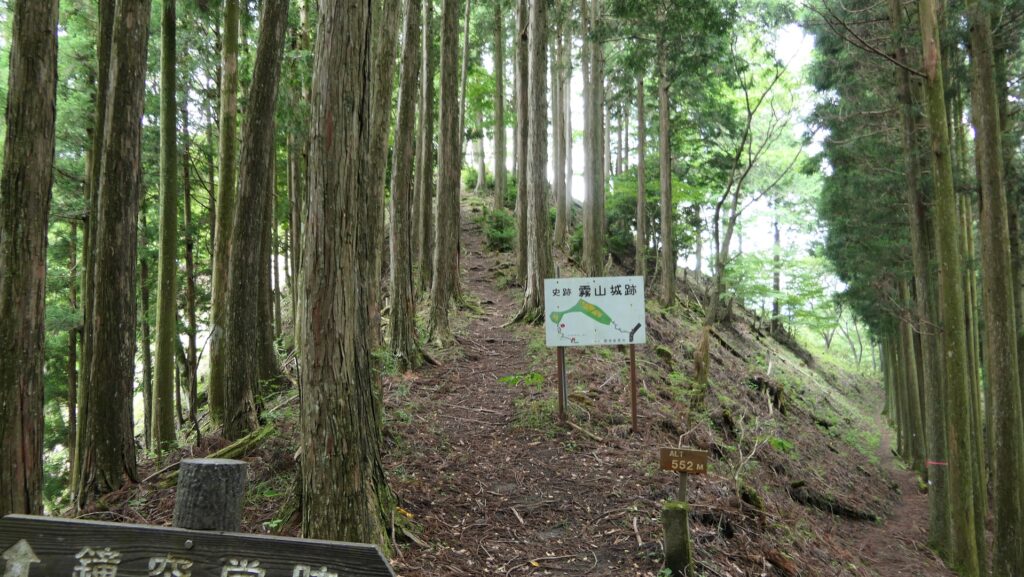
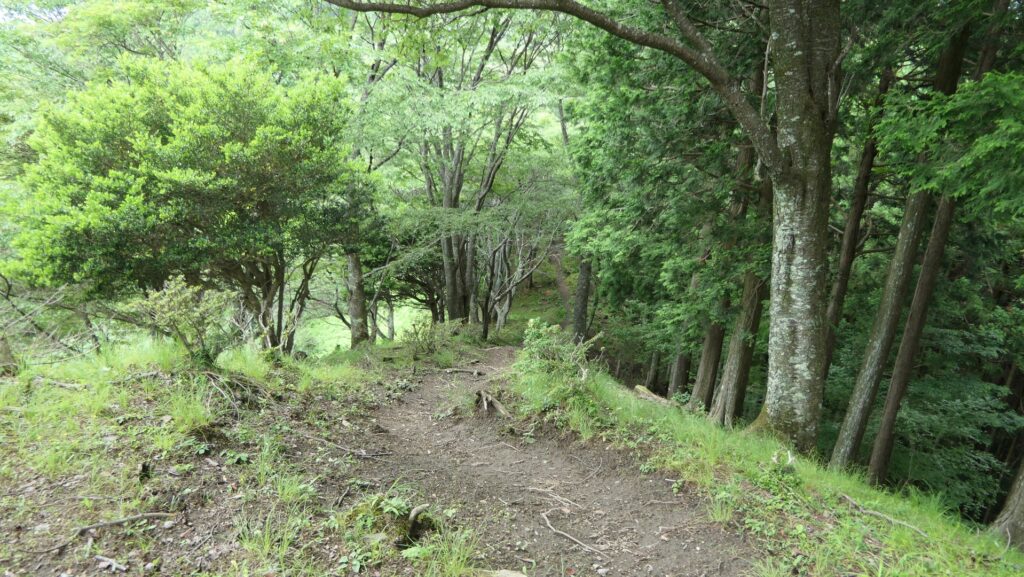
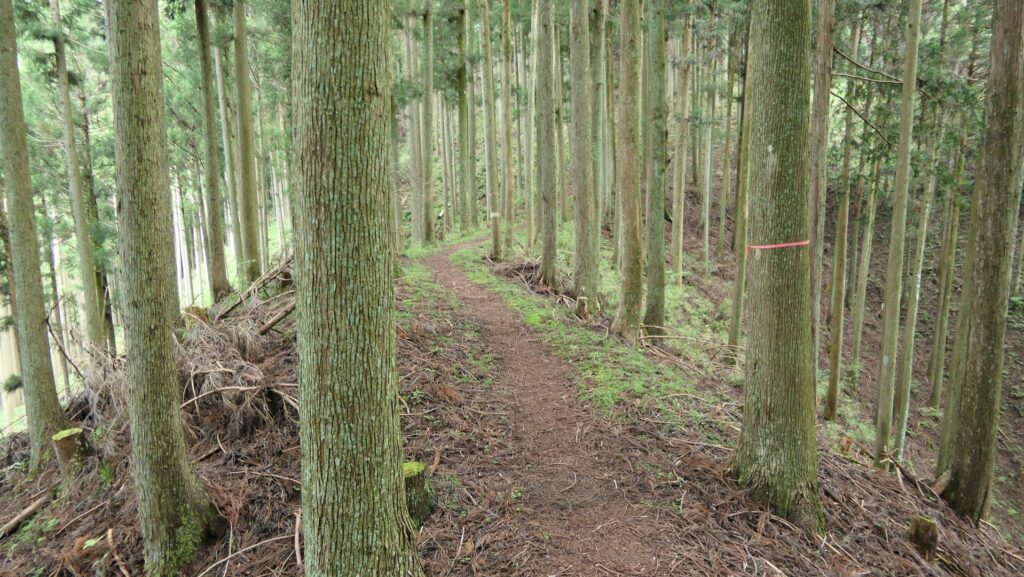
Going on the forest road
The Benten Enclosure
The former ditch between the Main and Second Enclosures
The left ridge is the Main Enclosure and the right one is the Second Enclosure, according to the diorama

The Second Enclosure is on the top of a ridge which was thought to have been the center of the castle as it was larger and has a better view than the Main Enclosure. In addition, the Waterwell Enclosure is just below it. You can climb to the top and understand these points while seeing a great view of the Aizu Basin and Wakamatsu (the former Kurokawa) Castle

Climbing to the top of the Second Enclosure
The top of the Second Enclosure
A view from the enclosure
You can see Wakamatsu Castle in the view

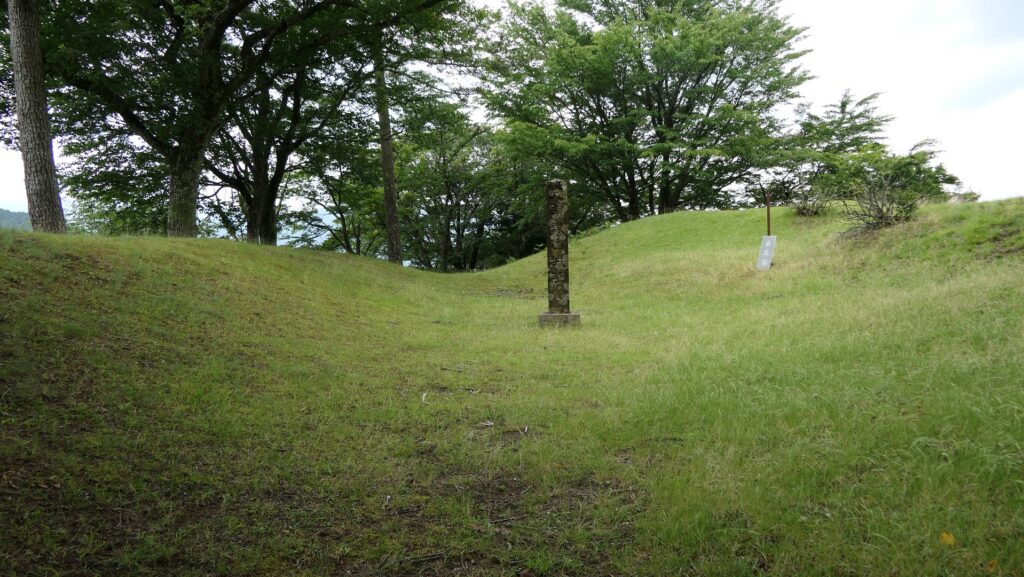
If you climb down and walk around the enclosure, you will see the essence of the castle. It is mostly soil-made structures all around. For example, the enclosure is surrounded by earthen walls and dry moats which are partially supported by stone mounds. The entrance of the enclosure consists of alternating earthen walls which also use large stones. However, these stones mostly collapsed. The original path through the castle is also made looking like another dry moat.

The earthen walls and dry moats surrounding the Second Enclosure
The dry moats are partially supported by the stone mounds
The ruins of the entrance to the enclosure
There are some large stones lying around, which were probably used for the entrance
The ruins of the original path

To be continued in “Mukai-Haguroyama Castle Part3”
Back to “Mukai-Haguroyama Castle Part1”

111.向羽黒山城 その2

向羽黒山城跡は広大な白鳳山公園の一部として整備されています。この公園には3つの山が含まれていて、城跡はその内の一つ、岩崎山にあり面積は50ヘクタールもあります。

特徴、見どころ

広大な自然公園の一部

現在、向羽黒山城跡は白鳳山公園の一部として整備されています。この公園は112ヘクタールもある広大な自然公園で、3つの山が含まれています。観音山、羽黒山、そして岩崎山です。城跡は岩崎山にあって、50ヘクタールあります。城跡も広大であり、フィールドアスレチック、遊歩道、休憩所など公園の設備が混在しています。そのため、ビジターは適切な案内なしには城跡の全てを見て回るというのは難しいかもしれません。

白鳳山公園の航空写真

事前に城跡の情報を得るために、「向羽黒ギャラリー」という名称のガイダンス施設に行ってみることをお勧めします。ただし、この施設は4月中旬から12月中旬までの週末及び休日しか開いていませんので注意してください。また、城跡自体に入れるかどうかも確認した方がよいでしょう。熊が出たときなどは閉鎖になります。いずれにせよ、これから城跡の概要をご説明しましょう。

向羽黒ギャラリー

向羽黒ギャラリーの脇の、北側の入口から公園に入っていくと、舗装された林道を通って、観音山と羽黒山を越えて、奥の方にある岩崎山上の城跡の方に行くことになります。車でも大丈夫ですが、ただし林道はとても狭いので、すれ違いに気をつけてください。

城周辺の地図

公園内を通る林道
向羽黒ギャラリーにある城跡のジオラマ、赤いラインが林道を示しています

広々とした三の丸

右側の方に公園の管理棟が見えてきたら、その周辺は城の三の丸となります。この曲輪は広々としていて、馬場として使われたと言われています。分厚い土塁と深い空堀が残っています。道の反対側には、北の丸と葦名盛氏の屋敷跡があります。

管理棟周辺
三の丸
三の丸の土塁
三の丸に残る空堀

次に道を登って行くと、左側にお茶屋場があって、ビュースポットになっています。ここは盛氏が茶会を開いた場所だと言われています。

お茶屋場
お茶屋場からの景色

城の中心部であった二の丸

更に進んで左側に弁天曲輪を見ながら、道に沿って右に曲がっていくと、右側に二の丸があり、左側に本丸がある場所に至ります。実はこの道路がある場所は、以前は両曲輪を分けていた堀切だったのです。

林道を進んでいきます
弁天曲輪
元はここが堀切でした
上記ジオラマで左側の峰が本丸、右側の峰が二の丸

二の丸は、山の峰の一つの頂上にあり、城の中心部たっだと考えられています。本丸よりも大きく、見晴らしもよいからです。また、直下には井戸曲輪もありました。二の丸の上に登ってみればそのことを納得できるでしょうし、そこでは会津盆地と若松城(以前の黒川城)を含む素晴らしい景色を楽しむことができます。

二の丸の上に登って行きます
二の丸の上
二の丸からの景色
若松城も見えます

二の丸の上から下って、曲輪の周りを歩いてみると、この城の真髄を見学できます。ほとんどが土造りではありますが、周り中が城の構造物だらけです。例えば、曲輪は土塁と空堀に囲まれていますが、部分的に石積みによって支えられています。曲輪の入口は、食い違いの土塁によってできていますが、大石も使われています。但し、ほとんどの石は崩れてしまっています。城を貫く通路も土造りなので、空堀のようにも見えます。

曲輪を囲む土塁と空堀
部分的に石積みによって支えられています
虎口(曲輪への入口)跡
周りに虎口に使われた大石が転がっています
城道跡

「向羽黒山城その3」に続きます。
「向羽黒山城その1」に戻ります。

56.Takeda Castle Part3

I can’t believe the stone walls of Takeda Castle have been left intact for over 400 years since the it was abandoned. Although they have been often repaired and maintained. I still can’t understand why they have been intact for so long.

Features

From Center of Castle to Southern Ridge

The western ridge from the center, called Hanayashiki or the Flower Residence Enclosure, does not usually not allow visitors to enter because of its preservation and the safety of visitors. The enclosure is built on the steeper ridge than the others, which is said to be built to protect the back route of the castle.

The map around the castle

The Flower Residence Enclosure
You can not enter the enclosure

Therefore, you will go on the route to the southern ridge which has the narrow Southern Second Enclosure and the large Minami-Senjo or the Southern 1,000 mat Enclosure, similar to the northern ridge. If you look back to the center of the castle, you can see many great stone walls covering the top of the mountain. The view of the area around the mountain is magnificent.

Going to the southern ridge
The Southern Second Enclosure
A view of the center from the Southern Second Enclosure
Going out to the Minami-senjo Enclosure
The Minami-senjo Enclosure
A view from the Minami-senjo Enclosure

The return path goes from the edge of the ridge, which might have been the other entrance of the castle. You will finally return to the paved path which you have passed.

The exit from the Minami-senjo Enclosure
A view of the same place above from the outside
The return path
You have returned to the paved path which you had passed.

Later History

Takeda Castle was abandoned and all the castle buildings were demolished in the early Edo Period. However, the stone walls of the castle were left as there were, for some reasons. In other cases of abolished castles, their stone walls were also destroyed. The remaining stone walls of Takeda Castle may have been a miracle. The castle ruins were designated as a National Historic Site in 1943. Since then the ruins were sometimes used as the locations of historical movies that feature the intact stone walls of the castle. In 2007, a photographer, posted his photo of the Takeda Castle in the Sky, which won an award. This made the castle famous and the number of the visitors skyrocketed.

Intentionally broken stone walls of Iwakuni Castle on the mountain
The stone walls of Hizen-Nagoya Castle being destroyed like a V letter
The ruins of Suzume-mon Gate of Uda-Matsuyama Castle, after its stone walls were completely destroyed

My Impression

Three things surprised me about the great stone walls of Takeda Castle three times. First, I was simply impressed to see the stone walls on the high mountain. I was wondering how and why the builders built them on such a steep place. I learned that the value of Takeda Castle for the rulers and what the builder, Masahiro Saimura did in the castle are parts of the answer. Secondly, I heard that local people make great efforts on maintaining the stone walls to preserve them and make sure visitors visit them safely. I also think the original layout of the castle even now helps visitors walk smoothly in the castle ruins. Finally, I can’t believe the stone walls have been left intact for over 400 years since the castle was abandoned. As far as I know, there is no other example of stone walls which are the same or similar to Takeda Castle. Although the stone walls have been often repaired and maintained. I still can’t understand why they have been intact for so long.

Unlike the Three castles which were abandoned in the seme period, the stone walls of Takeda Castle remain intact

How to get There

If you want to get there by car, it is about 10 minutes from Wadayama IC on the Kitakinki-Toyooka Expressway. There is a parking lot at the tourist facility halfway up the mountain.
By public transportation, you can take the Tenku-bus from JR Takeda Station and get off at the final bus stop, Takeda-jo. The stop is over 1km away from the entrance of the castle ruins. Or it takes about 40 minutes on foot from the station to the entrance.
From Tokyo or Osaka to Takeda Station: take the Sanyo Shinkansen super express and transfer to the Bantan Line at Himeji Station.

That’s all. Thank you.
Back to “Takeda Castle Part1”
Back to “Takeda Castle Part2”

error: Content is protected !!