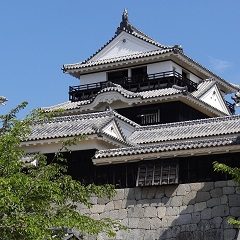
60.Ako Castle Part1

Ako Castle was located on the western edge of Harima Province, facing the Seto Inland Sea, which is now known as Ako City in Hyogo Prefecture. The castle is known as a stage for the Ako Incident, one of the most popular historical events in Japan. It’s also famous for salt industry since salt fields were developed during the Middle Ages. There is little rain in the area.

Location and History

Naganao Asano renovates Castle

Ako Castle was located on the western edge of Harima Province, facing the Seto Inland Sea, which is now known as Ako City in Hyogo Prefecture. The castle is known as a stage for the Ako Incident, one of the most popular historical events in Japan. It’s also famous for salt industry since salt fields were developed during the Middle Ages. There is little rain in the area.

The range of Harima Province and the location of the castle

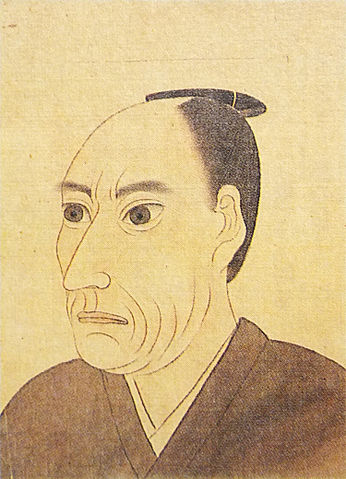
It is said that Nagamasa Ikeda, a little brother of Terumasa Ikeda who was the lord of Himeji Castle, first built the castle in 1600 as their branch castle. A branch family of the clan eventually became an independent lord living in the castle as the Ako Domain in 1615. However, the second lord was fired by the Tokugawa Shogunate in 1645 due to his murder from madness. The details of the first stage of the castle are unknown as Naganao Asano, following the castle and domain in the same year, renovated the castle as we know today. He was the lord of a branch family of the Asano Clan which lived in Hiroshima Castle, and was transferred from Kasama Castle. It was very rare to be allowed to renovate castles by the shogunate after 1615 when it defeated the Toyotomi Clan at Osaka Castle and its government became stable.

The portrait of Naganao Asano, owned by Kagakuji Temple (licensed under Public Domain via Wikimedia Commons)
The ruins of Kasama Castle

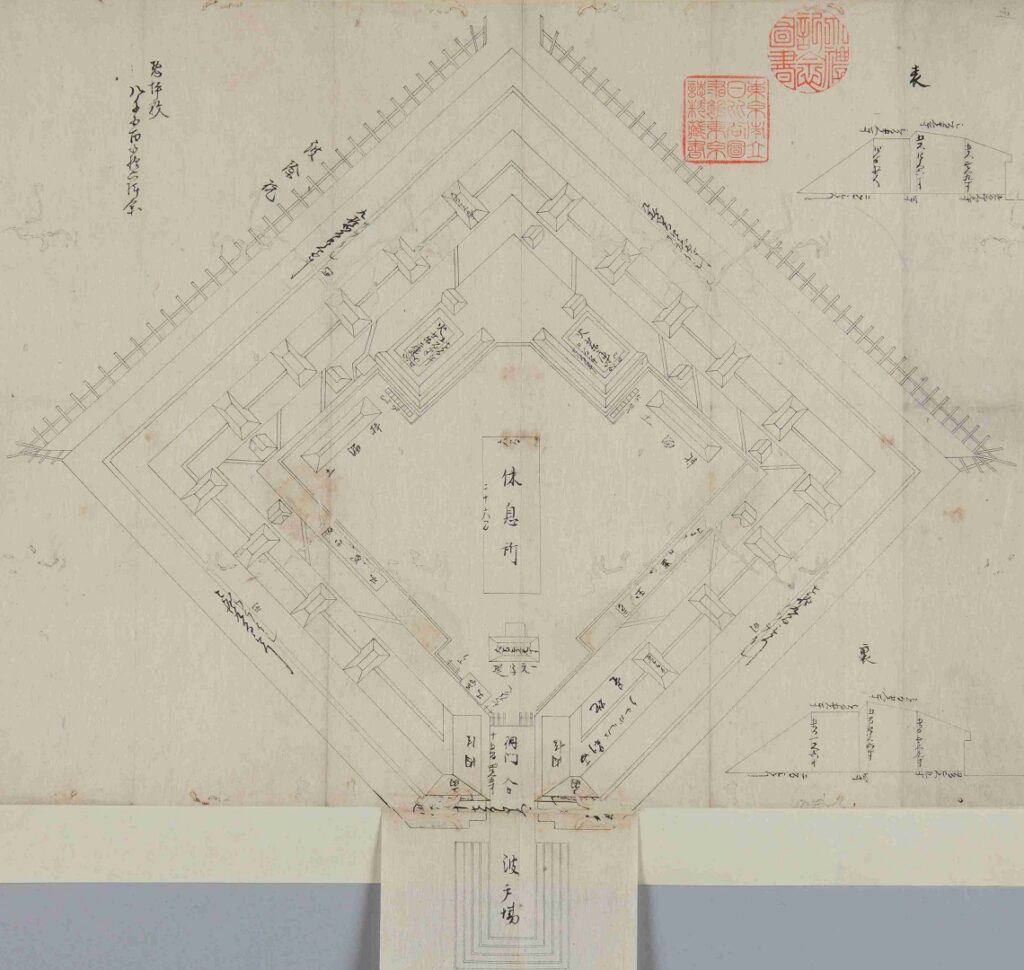
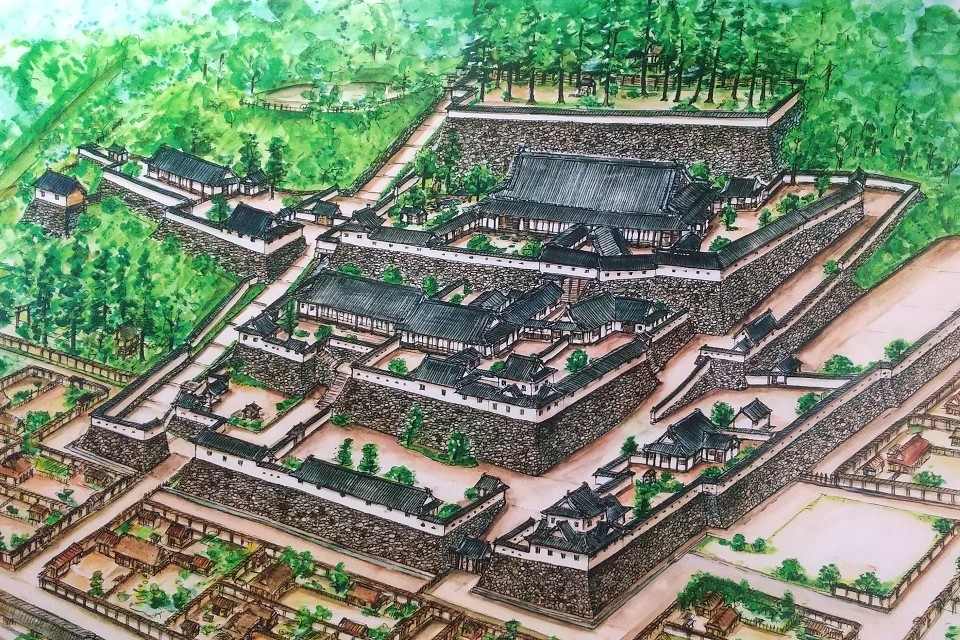
The renovation was done between 1648 and 1661. The layout of the castle was designed by scholars of military science, Masazumi Kondo and Soko Yamaga. They designed the stone walls of the castle to be bent sophisticatedly to shoot guns at any direction. The Main Enclosure and the Second Enclosure surrounding it were the main portion of the castle, backed by the sea in the south. The Third Enclosure, including the Main Gate, was added to the main portion in the north. These enclosures were divided by water moats on a flat ground, so the castle can be classified a Plain or Sea Castle. The Main Enclosure had the Main Hall for the lord and the stone wall base for the Main Tower, however, the tower was not built on the base.

The sitting statur of Soko Yamaga at Ako Castle Ruins
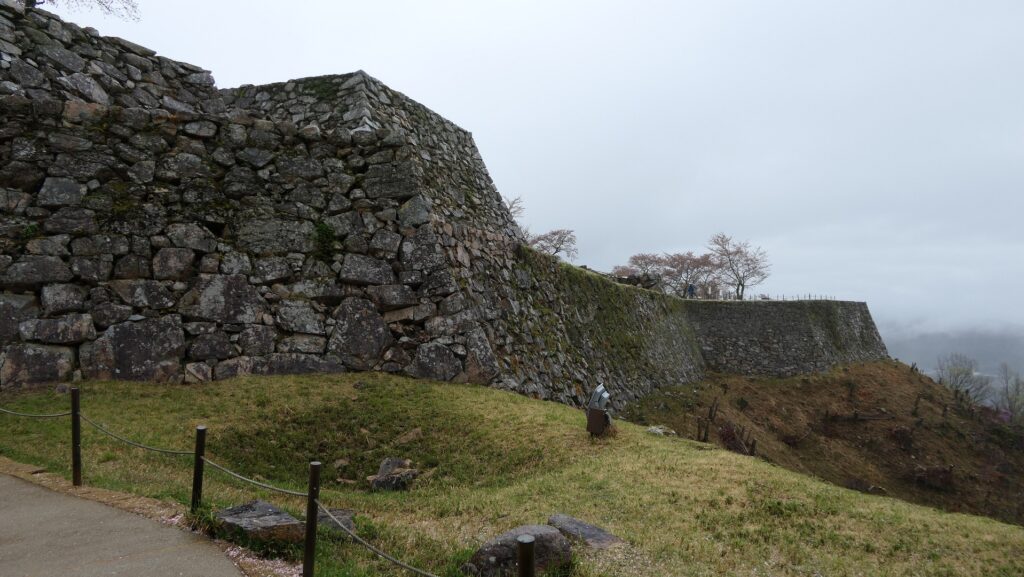
The stone walls of the Main Enclosure of Ako Castle
The layout of Ako Castle, from the signboard at the site, adding the red English letters
The stone wall base for the Main Tower of Ako Castle

Naganori Asano causes Ako Incident and is fired

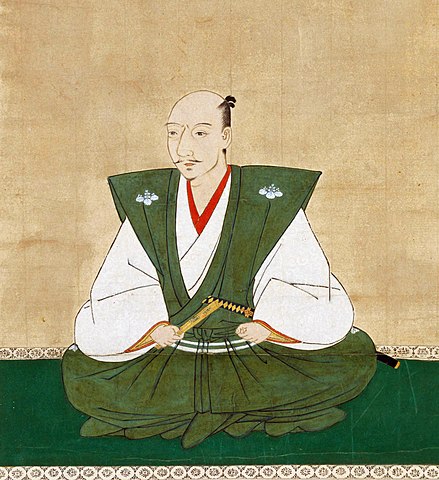
The Ako Incident happened in 1701 when Naganao’s grandson, Naganori Asano (also known as his official position, Takumi-no-kami) was the lord. He was in charge of entertaining the Imperial envoy to the shogun, Tsunayoshi Tokugawa in the Main Hall of Edo Castle, instructed by Yoshihisa Kira (Kozuke-no-suke). On the 14th of March when one of the most important ceremonies would be held, Asano suddenly cut Kira by using a sword at the back, trying to kill him, but failed. Asano was then arrested and ordered by the shogun to kill himself by performing Harakiri on the same day because using swords in the hall was strictly prohibited. Asano was also fired with about 300 retainers and many more of their families. On the other hand, Kira was innocent, as he was just hurt by Asano, by not using swords.

The portrait of Naganori Asano, owned by Kagakuji Temple (licensed under Public Domain via Wikimedia Commons)
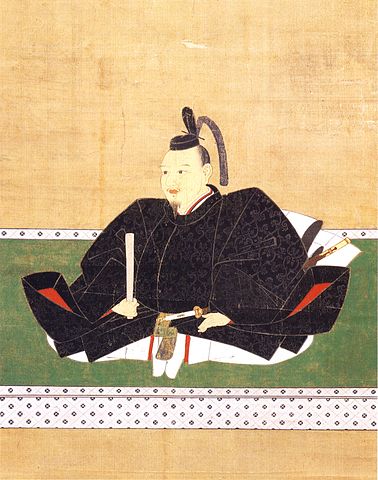
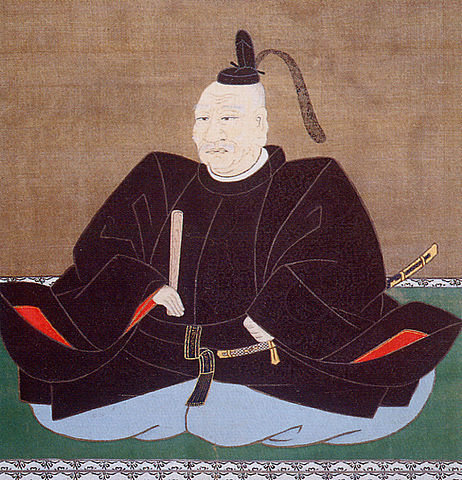
The portrait of Tsunayoshi Tokugawa, attributed to Mitsuoki Tosa, owned by Tokugawa Art Museum (licensed under Public Domain via Wikimedia Commons)

The reason for Asano’s attempted murder was uncertain. Some records suggested that he said he had a grudge against Kira, but he didn’t tell what it was before his death. According to some recent studies, it was thought as the following. It was the second opportunity of entertaining the Imperial envoy for Asano, so he would think he doesn’t need to pay so much for the instruction from Kira, though Asano was rich because of the income from the salt industry. While Kira would need more money for his duty but unfortunately he didn’t have enough of it because he was poor dispite having a higher position. These resulted in Kira might not having instructed Asano and might have criticized him in public. If they are true, who would generally cause such a serious incident? Some, including those at that time, have thought that Asano was going mad.

The ruins of the Main Enclosure of Edo Castle where the incident happened
The miniature model of the Main Enclosure Main Hall of Edo Castle, exhibited by the Edo-Tolyo Museum

47 Ronin assaults Kira’s Residence

The retainers of the Ako Domain were very confused to hear about the incident and the following order of opening Ako Castle by the shogunate. They discussed protesting against the shogunate’s decision or simply handing the castle over following the order. Some warriors who served Asano closely never accepted the decision and thought their master must have had a reason. Yoshio Oishi (Kura-no-suke), who was the head of the senior vassals, finally decided to open the castle on the 12th of April. He thought the shogunate might allow Naganori’s brother, Daigaku to follow the domain if they would behave.

The portrait of Yoshio Oishi, owned by Ako Oishi Shrine (licensed under Public Domain via Wikimedia Commons)

Unfortunately, this didn’t happen. The shogunate decided to banish Daigaku to the head family of the Asano Clan at Hirosima Castle. Oishi eventually became the leader of the 47 Ronin under the influence of the hardliners, which attacked Kira’s residence and killed him on the 14th of Dec in 1702 (according to lunar calendar). Oishi left his verbal notice at the site, which says they would do this to complete their master’s work. They were all arrested but it became complicated and cabinet officials of the shogunate discussed how they would treat the Ronin. Some said the Ronin should be executed strictly because they broke the law by assaulting Kira’s residence and killing the innocent man. Some argued that they were real loyal retainers to show a mirror of knighthood. The shogun, Tsunayoshi’s decision was to compromise both opinions to make the Ronin kill themselves by Harakiri. This was the same judgement as their master’s, but very honorable for their positions and actions.

Hiroshima Castle
A Ukiyoe-painting of the assaulting Kira’s Residence, attributed to Kuniyoshi Utagawa  (licensed under Public Domain via Wikimedia Commons)

Domain and Castle is followed by Other Clans

Ako Castle and the Ako Domain was followed by the Nagai Clan and the Mori Clan. The Mori Clan governed the area for a long time from 1706 until 1871 when the feudal domain system was abolished. The salt industry of Ako prospered more and the salt fields increased looking like they surrounded the castle. On the other hand, the domain by the Mori Clan faced financial difficulties because they had much less territory than the Asano Clan. For example, the former residence of Oishi in the Third Enclosure was burned down in 1729, but not rebuilt. This was probably because the domain had fewer retainers and budget than before so that they wouldn’t use the residence again.

The ruins of Ako Castle

To be continued in “Ako Castle Part2”

60.赤穂城 その1

赤穂城は瀬戸内海に面した播磨国の西端、現在の兵庫県赤穂市にあった城でした。この城は、日本の最も有名な歴史イベントの一つ、赤穂事件の舞台の一つとなった場所です。また、赤穂は雨が少ない地域であり、塩田が開発されて以来、製塩業が盛んであることでも知られています。

立地と歴史

浅野長直が城を大改修

赤穂城は瀬戸内海に面した播磨国の西端、現在の兵庫県赤穂市にあった城でした。この城は、日本の最も有名な歴史イベントの一つ、赤穂事件の舞台の一つとなった場所です。また、赤穂は雨が少ない地域であり、塩田が開発されて以来、製塩業が盛んであることでも知られています。

播磨国の範囲と城の位置

1600年に赤穂城を最初に築いたのは、姫路城主であった池田輝政の弟、長政であり、彼らの支城という扱いでした。その後、1615年に池田氏の分家が独立し、赤穂藩が成立し赤穂城を居城としました。ところが、2代目の藩主が錯乱し殺人を犯した罪で、1645年に徳川幕府によって改易となってしまいました。初期の赤穂城の詳細はわかっていません。同年に城と藩を継いだ浅野長直(あさのながなお)が城の大改修を行い、今見られるような姿になったからです。彼は、広島城にいた浅野氏の分家の当主で、笠間城から転封となったのです。1615年に幕府が大坂城の豊臣氏を滅ぼし政権が安定してからは、城の大改修が認められるのは大変稀なことでした。

浅野長直肖像画、花岳寺蔵 (licensed under Public Domain via Wikimedia Commons)
笠間城跡

その大改修は1648年から1661年までかかりました。城の縄張りは、軍学者の近藤正純と山鹿素行によって行われました。城の石垣のラインは巧みに曲げられて、どの方角にも射撃ができるようになっていました。本丸とそれを囲む二の丸が城の主要部で、背後の南方には海を控えていました。大手門があった三の丸が、主要部の北方に加えられました。これらの曲輪群は平地上にあり、水堀によって区切られていました。よって、この城は平城または海城に分類されています。本丸には、領主のための御殿と天守台石垣がありました。しかし、実際には天守台の上には天守は築かれませんでした。

赤穂城跡にある山鹿素行坐像
赤穂城本丸の石垣
赤穂城の縄張り図、現地説明板より
赤穂城の天守台石垣

浅野長矩が赤穂事件を起こし改易

赤穂事件は1701年に、長直の孫、浅野長矩(あさのながのり、官職名の内匠頭(たくみのかみ)としても知られています)が藩主だったときに起こりました。彼は、江戸城の御殿で将軍である徳川綱吉が勅使を接待する際の饗応役となっていて、吉良義央(きらよしひさ、上野介(こうずけのすけ))の指導を受けていました。3月14日、最も重要な儀式が行われようとしていた日に浅野は突然吉良の背後から切りかかり、殺そうとしましたが失敗しました。浅野は捕えられ、その日のうちに将軍に切腹を命じられました。御殿内での刃傷沙汰は厳しく禁止されていたからです。浅野家は約3百名の藩士ともっと多くの家族とともに改易となりました。一方、吉良はお構いなしとされました。浅野により傷つけられただけで、刀を抜かなかったからです。

浅野長矩像画、花岳寺蔵 (licensed under Public Domain via Wikimedia Commons)
徳川綱吉肖像画、土佐光起筆、徳川美術館蔵 (licensed under Public Domain via Wikimedia Commons)

浅野が吉良に切りつけた理由はわかっていません。いくつかの記録によると、浅野は吉良に遺恨があったと話したということです。しかし、その死の前にそれが何なのかは話しませんでした。最近の研究によると、以下のように推測されます。そのとき、浅野は2度目の勅使饗応役を務めていました。浅野は地元の塩産業により豊かでしたが、吉良からの指導に対してそれ程の報酬は払わなくてよいと考えていた節があります。吉良は職務を果たすために多くの金銭が必要でしたが、手元不如意となっていました。彼は高家として身分は高かったのですが、領地の石高はそれ程でもなかったからです。これらのことが重なって、吉良が浅野に対して十分な指導を行わなかったり、公衆の面前で浅野を批判したことが考えられます。これが本当だとしても、このような深刻な事件を起こす動機となるのでしょうか。当時を含め、浅野は乱心したためにこの事件を起こしたのだと考えた人もいました。

刃傷事件があった江戸城本丸御殿跡
事件の現場、松の廊下の模型、江戸東京博物館にて展示  (licensed by Gryffindor via Wikimedia Commons)

お家再興の望みがなくなり討入を実行

赤穂藩の藩士たちは、事件の報せと幕府による赤穂城明け渡しの命令に接し、大変困惑しました。そして幕府の命令に従い開城するか、それとも反抗するか議論に明け暮れました。浅野に親しく仕えていた近臣たちにとっては幕府の決定は受け入れがたく、主君はそれなりの理由があって事を起こしたのだと信じていました。しかし、筆頭家老の大石良雄(おおいしよしお、内蔵助(くらのすけ))の決断により、4月12日に城は明け渡されます。彼は、藩が素直に命令に従えば、幕府が長矩の弟、大学に藩を継がせるのではないかと考えたのです。

大石良雄肖像画、赤穂大石神社蔵 (licensed under Public Domain via Wikimedia Commons)

残念ながら、大石の希望はかないませんでした。幕府は大学を、広島城の浅野本家預かりとしたのです。大石は結局、強硬派の勢いに押される形で四十七士のリーダーとなり、旧暦1702年の12月14日に吉良の屋敷に討ち入り、吉良の首級を挙げたのでした。大石は現場に口上書を残していて、そこには「亡主の意趣を継」ぐと書かれています。四十七士は全員捕らわれの身となりましたが、その処分を巡っては幕府の首脳部の間で相当な議論となりました。ある者は彼ら浪人は法を犯して吉良の屋敷に押し入り、「無実」の吉良を殺したのだから厳罰に処すべしと主張しました。一方、彼らは真の忠臣であり、武士の鑑であると反論する者もいました。将軍綱吉の裁定は両者を折半するもので、四十七士に切腹を命じました。これは彼らの主君と同じでしたが、地位とその行為にしては寛大なものでした。

広島城
「忠臣蔵十一段目夜討之図」歌川国芳作 (licensed under Public Domain via Wikimedia Commons)

藩と城は森氏などが継承

赤穂城と赤穂藩はその後、永井氏と森氏に引き継がれました。とりわけ森氏は、1706年から1871年の廃藩置県までの長い間、その地を支配しました。赤穂の製塩業は繁栄を続け、塩田はまるで城を囲むような形で広がりました。一方で、森氏による赤穂藩は財政難に苦しみます。領地が浅野氏当時よりずっと少なかったからです。例えば、三の丸にあった旧大石家の屋敷が1729年に火災に遭ったのですが、再建されませんでした。それは恐らく、藩士の数が以前よりずっと少なかったためにその屋敷を再び使う必要がなかったためと思われます。

赤穂城跡

「赤穂城その2」に続きます。

18.Hachigata Castle Part1

Hachigata Castle was located in modern day Yorii Town in the northern part of Saitama Prefecture. The castle was prominent both when the Sengoku Period of the Kanto Region started and ended.

Location and History

Hachigata Castle was located in modern day Yorii Town in the northern part of Saitama Prefecture. The castle was prominent both when the Sengoku Period of the Kanto Region started and ended.

Beginning of Sengoku Period in Kanto Region

The location of the castle

The region ran into the unquiet Sengoku Period in 1455 when the Kyotoku War began. The Ashikaga Clan, the shogunate head for the Kanto Region and the Uesugi Clan, the shogunate deputy for the region opposed and confronted each other at the Tone River, the largest river in the region. The Uesugi Clan constructed Ikkako Encampment at the western riverside and used it for over 20 years. The clan actually consisted of two branch clans, the Yamanouchi and the Ogigayatsu Clans. Each branch clan also had a main retainer to control many warriors and matters from the Nagao Clan for the Yamanouchi and the Ota Clan for the Ogigayatsu. One of the main retainers, Kagenobu Nagao died in 1473 before his position was assigned by his boss, Akisada Yamanouchi to his little brother, Tadakage.

Around the ruins of Ikakko Encampment
The yellow area was influenced by the Uesugi Clan and the purple area was influenced by the Ashikaga Clan at that time, from the signboard at the site

Kageharu Nagao builds Castle

This was a reasonable decision, because Tadakage was considered as a senior and experienced person. However, Kagenobu’s son, Kageharu thought otherwise, as the position was inherited by his grandfather and father. Kageharu left the encampment, built Hachigata Castle in 1475, and started a rebellion in 1476. The castle was built on a high cliff at the meeting point of Arakawa River, another large river in the region, and Fukasawagawa River, a peninsula affording natural defense. Though the details of the first stage of the castle are unknown, it would have been easy for Kageharu to attack the Ikkako Encampment which had no guard on its southern side (which faced the castle). Many other retainers, who worried about their own positions in the new power hierarchy, supported Kageharu. The encampment finally collapsed in 1477.

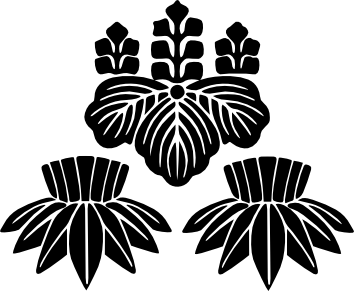
The family crest of the Nagao Clan, called Kuyou-Tomoe (meaning the nine comma-shaped figures)

The relief map around the castle

The Arakawa River and the cliffs behind, where the castle was built
The Fukasawagawa River

What Kageharu really wanted was unclear, but he tried to get many territories with his supporters and the Ashikaga Clan with whom Kageharu took sides. Kageharu was an excellent general. However, the other main retainer for the Ogigayatsu, Dokan Ota was superior to him. Dokan, who is known for building Edo Castle, which would become the center of the government during the Edo Period , and is now the Imperial Palace, was also a great strategist and politician. Dokan captured the Kageharu supporters’ castles, such as Kozukue Castle, one by one. He also made brokered a fragile peace with the Ashikaga Clan, which drove Kageharu back to his home base, Hachigata Castle. Dokan finally attacked and captured the castle in 1478, so Kageharu was forced to flee. Dokan became the greatest lord in the Kanto Region, however, he was killed in 1485 by his master, Sadamasa Ogigayatsu who feared his power. The region became unstable again and Kageharu continued to fight against his masters, the Yamanouchi, throughout his life as a soldier of fortune. He finally settled down under Sozui Ise, the founder of the Hojo Clan, until his death in 1514.

The portrait of Dokan Ota, owned by Daijiji Temple (licensed under Public Domain via Wikimedia Commons)
The ruins of Edo Castle (the current Imperial Palace)
The ruins of Kozukue Castle
The replica of the portrait of Soun Hojo, owned by Odawara Castle (licensed under Public Domain via Wikimedia Commons)

Castle becomes Hojo’s Branch

Hachigata Castle was occupied by the Yamanouchi for a while, but eventually abandoned. The power of the Uesugi Clans (Yamanouchi and Ogigayatsu) decreased while the Hojo Clan invaded the Kanto Region during the 16th Century. The Hojo Clan was based in Odawara Castle in Sagami Province (now Kanagawa Pref.) and they set several important branch castles where the Hojo’s relatives were sent to govern the region’s stability. Hachigata Castle was chosen as one of the castles as its location was at the northern edge of their territory. Ujikuni Hojo became the lord of the castle in 1568 and struggled to keep. For example, when the Hojo Clan allied with Kenshin Uesugi who was the successor of the Yamanouchi and one of the strongest warlords, Ujikuni was charged with negotiating with him. However, once the alliance was broken, Kenshin attacked Hachigata Castle, set fire to its castle town, and withdrew.

The family crest of the Hojo Clan, called Hojo-Uroko (meaning the squames of the Hojo)
Odawara Castle
The portrait of Kenshin Uesugi, owned by the Uesugi Shrine (licensed under Public Domain via Wikimedia Commons)

Ujikuni Hojo, Last Lord of Castle

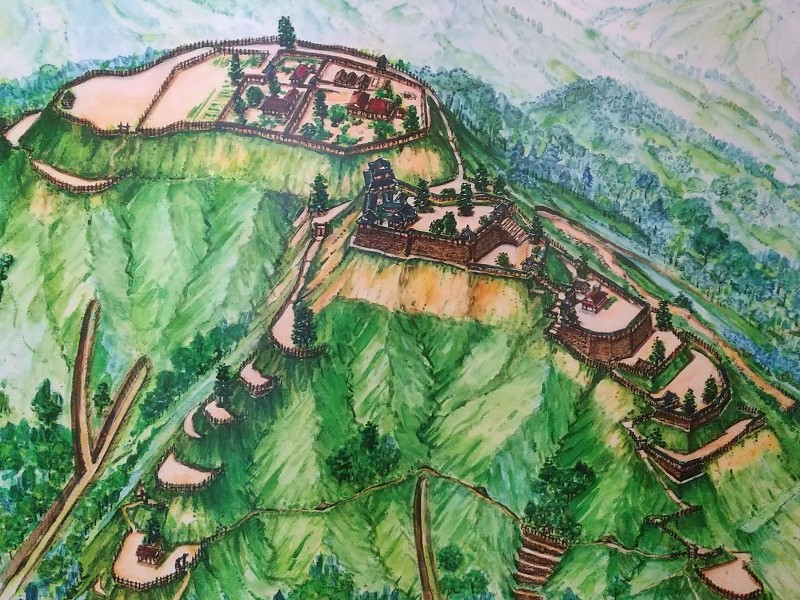
To survive under these severe conditions, Ujikuni greatly improved the castle. The castle’s defenses were naturally strong, having been built on a tall cliff, sandwiched by the two rivers to the north, the east, and the west. It also had many enclosures made of soil, mainly including the Main, Second and Third Enclosures in a line from north to south. Therefore, enemies would have to attack the Third Enclosure first from the south. To prevent attack, these enclosures were divided by deep dry moats and surrounded by high, thick earthen walls. Part of the walls were supported by stone mounds looking like stone walls. The entrances of the enclosures were protected by a set of gates and the Umadashi system. The Umadashi system refers to a connected smaller enclosure in front of the gate, connected by a narrow path to the larger enclosures. The position could be used to both protect the enclosure and attack from it.

The diorama of the castle at the site, viewed from the north
The restored stone mounds
The restored Umadashi system

The history of the castle suddenly ended in 1590 when the ruler, Hideyoshi Toyotomi invaded the Kanto Region as the Hojo’s territory to complete his unification of Japan. He went there with over 200,000 soldiers and about 35,000 of which, attacked Hachigata Castle in May, led by Toshiie Maeda. Ujikuni, along with about 3,000 defenders, was besieged for a month. The attackers didn’t assaulted the castle, directly, instead, it is said that they fired large guns from Kuruma-yama Mountain, about 1 km away from the Main Gate of the castle to the south. Ujiie finally surrendered and opened the castle in June, perhaps because there was no hope for reinforcements, or due to the damage from the guns. The castle passed to the Tokugawa Clan, who now ran the region instead of the Hojo Clan, however, it was eventually abandoned at the end of the Sengoku Period.

The Portrait of Hideyoshi Toyotomi, attributed to Mitsunobu Kano, owned by Kodaiji Temple (licensed under Public Domain via Wikimedia Commons)
The Kuruma-yama Mountain seen from the Outer Enclosure
The ruins of Hachigata Castle

To be continued in “Hachigata Castle Part2”

error: Content is protected !!