101.志苔館 その3

函館空港から歩いて行ける史跡

その後

志苔館があった場所は明治時代には学校や日本陸軍により所有されていました。やがてそこが私有地になったとき、地元の教員たちは館跡が将来どうなってしまうのか大いに憂いました。そこで所有者に、館跡の土地を公有地として寄付してはどうかと勧めたのです。その試みは成功し、大正時代には敷地内に現在も残る記念碑が建てられました。また、1934年には国の史跡にも指定されています。

志苔館跡の標柱

私の感想

2回も占領されたという事実から考えると、志苔館はアイヌの反乱軍と戦うには不十分だったのかもしれません。しかし、志海苔という土地で和人とアイヌの人たちが平和に共存している分には十分な館だったのです。私は志苔館跡がとても好きです。ここに来るといつでもくつろぐことができますし、函館空港のすぐ近くで簡単にアクセスすることができるからです。空港からの行き方は次に記します。

志苔館跡(手前)と函館山の景色(奥)

ここに行くには

函館空港から徒歩(または車)でどうやって志苔館まで行くのかご説明します。

函館空港周辺の地図、赤破線は志苔館へのルート

まず、空港ターミナル出口を出てから右に曲がってタクシー乗り場沿いに歩いていきます。

函館空港の出口に向かいます
タクシー乗り場に沿って歩きます

そうすると、モータープールの端にある函館空港の看板が立っている所に至ります。それから空港の前を走っている道路を右の方に曲がります。最初の交差点ではまた右に曲がります。

函館空港看板のところを右へ
最初の交差点を右へ

空港の滑走路を右に見ながら道路に沿って進んでいくと、滑走路の地下をくぐるトンネルが見えてきます。トンネルには歩行者用の通路がありますが、車の場合は一車線しかありませんので注意して通行してください。

空港の滑走路が見えます
滑走路下のトンネル入口
取んなる内の通路

トンネルを出てから次の交差点で左に曲がってください。そうすると館跡が右の方に見えてきます。そして次の交差点を右に曲がると、間もなく館跡に到着です。

トンネルを出たら左折します
館跡に近づいていきます
館跡が右手に見えます
この交差点を右折します
間もなく到着です

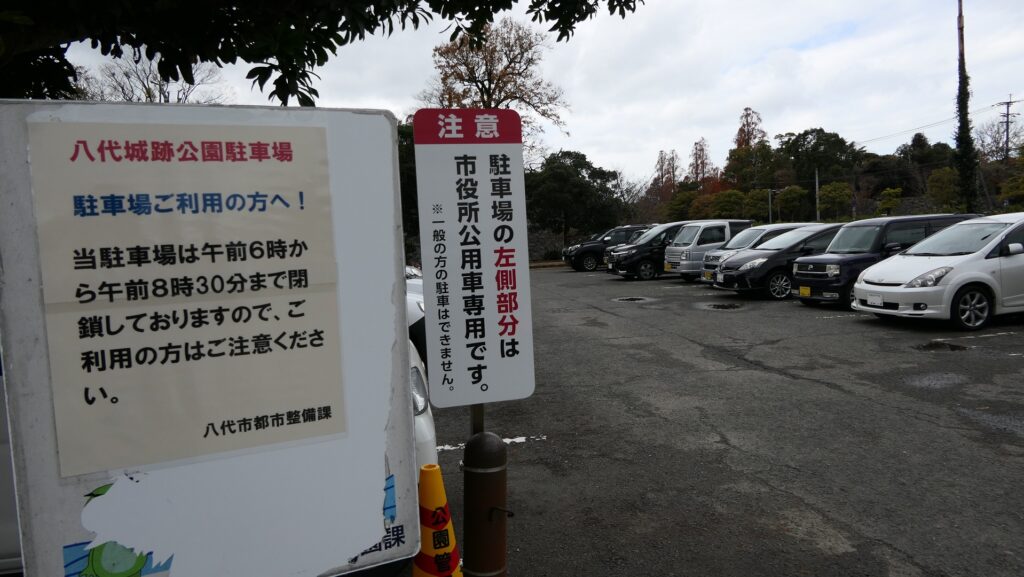
歩いて約20分の道のりです。車の場合は、館跡には駐車場がありませんので、最後の交差点で左に曲がり、すぐ近くの公園に駐車してください。

近くの公園の駐車場

バスを使っても館跡に行けます。函館駅から91系統のバスに乗り、志海苔バス停で降りてください。そこから数分で現地に着きます。

リンク、参考情報

史跡志苔館跡、函館市
・「日本の城改訂版第4号」デアゴスティーニジャパン
・「逆説の日本史17 江戸成熟編 アイヌ民族と幕府崩壊の謎/井沢元彦著」小学館
「函館市史」デジタル版

これで終わります。ありがとうございました。
「志苔館その1」に戻ります。
「志苔館その2」に戻ります。

101.Shinori-Tate Part2

A relaxing place for visitors

Features

Hakodate City partially restores Hall

Today, the ruins of Shinori Tate have been developed by Hakodate City. They are a relaxing place on the hill above the Shinori Fishing Port in the south. They still have the square space in its center, but with no buildings, which is surrounded by the earthen walls and dry moats outside. They are also covered with lawn, which look beautiful.

The ruins of Shinori Tate are above the town

There is the memorial monument of the battle between the “Japanese” and the Ainu people and a rest station in front of the ruins entrance. The entrance at the western side of the ruins, have double of the dry moats. If you want to enter the ruins, you can go across the bridge over the first moat and the earthen bridge over the second moat. They were restored by the city in the present time to show the late stage of the hall.

The aerial photo around the castle

The memorial monument in front of the ruins entrance
The rest station
The ruin entrance where you can see the double moats over there
The bridge over the first moat
the earthen bridge over the second moat

Center of Ruins

The center of the ruins is a square surrounded by the earthen walls, which just looks like one of the Japanese style castles’ enclosures which developed after Shinori Tate was built. According to the excavation team, there were three generation houses. The second or third ones were probably rebuilt after the hall was first captured by the Ainu people. How the first-generation houses were built is marked on the ground. The place of the former well is surrounded by four-sided plates. Many Chinese ceramic ware and Japanese potteries were found during the excavation. There are also two monuments of the hall, which were built by local people who first tried to preserve the ruins in the Taisho Era, about 100 years ago.

The center is surrounded by the earthen walls
The fat exhibition of the houses
The ruins of the well
The two monuments of the hall

Enjoying Great View

I recommend you stand or sit on the southern side of the earthen walls. You can enjoy a great view of the Tsugaru Channel on the front and a distant view of Hakodate Mountain on the right. If the weather is fine, you can also see the mainland over the channel. It must be a good experience for you to relax and refresh. If you have time, you should consider walking the path outside the earthen walls on the bottom of the dry moats. For example, the eastern side of the moats uses a stream, so you can see the hall was built using natural terrain as well.

The view of the Tsugaru Channel and the Shinori Fishing Port
The distant view of Hakodate Mountain
The bottom of the southern dry moat
The eastern dry moat using the stream
The northeastern corner of the earthen walls

To be continued in “Shinori-Tate Part3”
Back to “Shinori-Tate Part1”

101.志苔館 その2

リラックスできる場所

特徴、見どころ

函館市が館跡を一部復元

現在、志苔館跡は函館市によって整備されています。南側の志海苔港の裏手の高台にあって、とてもリラックスできる場所です。その中心部には今でも四角いスペースが残存しています。建物はありませんが、外側を土塁と空堀によって囲まれています。全体的に芝生に覆われていて見栄えがします。

高台にある志苔館跡(右側)

館跡入口の手前には、和人とアイヌ民族との戦いの事を記した慰霊碑と休憩所があります。入口は西側にあるのですが、そこは空堀が二重になっています。館跡に入るには、一番目の堀にかかった橋を渡り、更に二番目の堀は土橋で渡ります。これらは現代になって復元されましたが、城の最終段階の状態を表しています。

城周辺の航空写真

入口手前にある慰霊碑
休憩所
城跡入口、向こう側に二重空堀があります
一重目の空堀にかかる橋
二重目の空堀を渡る土橋

館跡の中心部

館跡の中心部は、土塁に四角く囲まれていますが、志苔館より後の時代に築かれた日本式城郭の曲輪一つ分といった感じに見えます。発掘によれば、そこには3世代の建物がありました。2代目または3代目の建物は、恐らく城が最初にアイヌによって占領された後に再建されたものと考えられます。初代の建物群がどのように建てられたのか地面上に平面展示されています。過去に井戸であった場所は、4面の枠によって囲まれています。発掘では、多くの中国製の陶磁器や日本製の陶器が発見されています。それに加えて館に関する2基の記念碑があり、これらは約100年前の大正時代に地元の人たちが館跡の保存を期して建てたものです。

土塁に囲まれた中心部
平面展示されている建物跡
井戸跡
記念碑

素晴らしい景色を楽しむ

ここを訪れた上には是非、南側の土塁の上に立つか座ってみてください。正面には津軽海峡の雄大な景色が、右側には函館山の遠景を望むことができます。天気が良ければ、海峡を越えて本州まで見渡すこともできます。くつろぎ、リフレッシュできること請け合いです。もしお時間があれば、土塁の外側の空堀の底にある通路を歩いてみてください。例えば、東側の堀は小川が利用されています。この館は自然の地形を利用して築かれたことがわかります。

津軽海峡と志海苔漁港の景色
函館山の遠景
南側の空堀の底
小川を利用した東側の空堀
土塁の北東角部分

「志苔館その3」に続きます。
「志苔館その1」に戻ります。

error: Content is protected !!