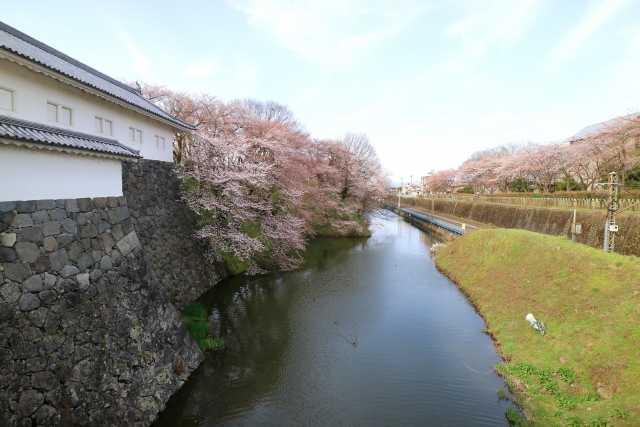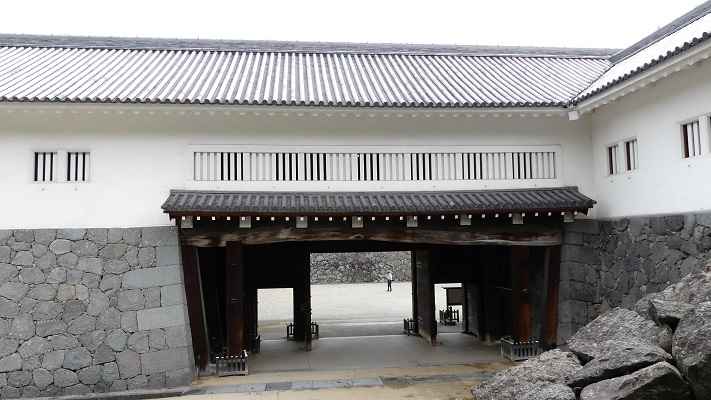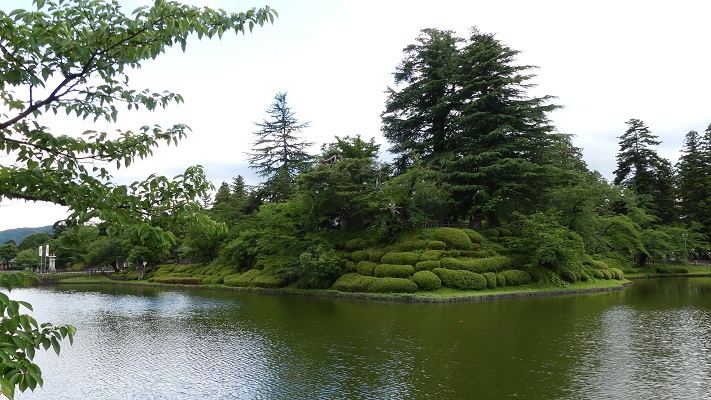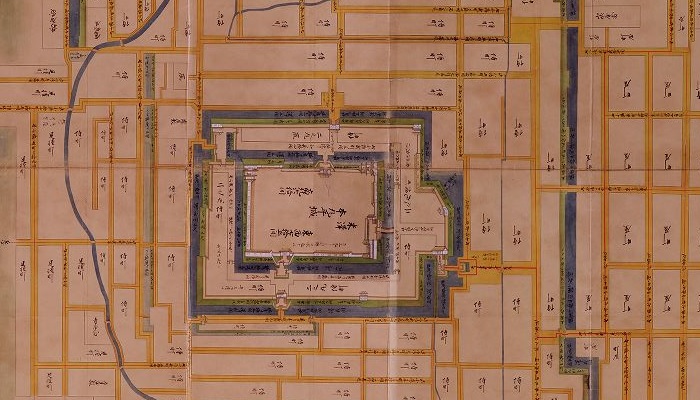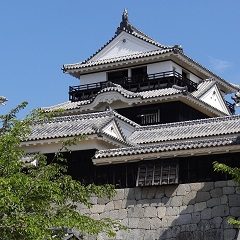
104.九戸城~Kunohe Castle

九戸城は戦国時代終焉の地であり、悲しい歴史を秘めています。
Kunohe Castle was where the Warring States Period ended, and it has a sad history.

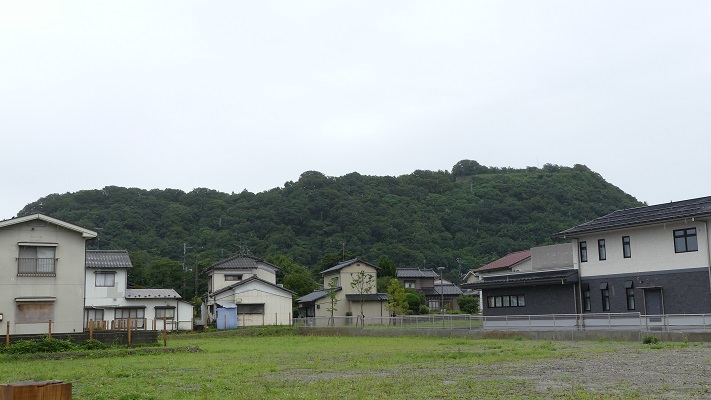
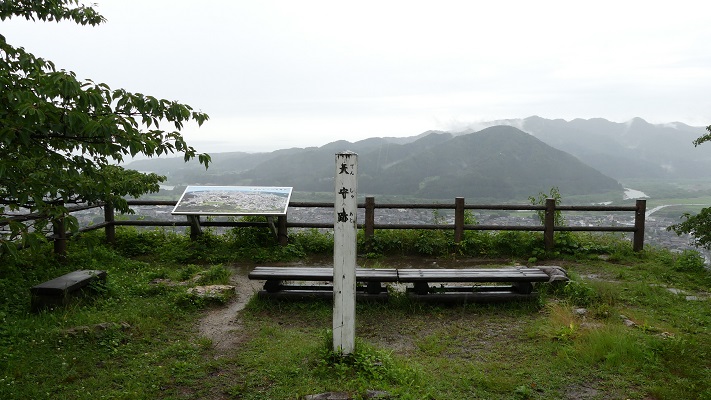
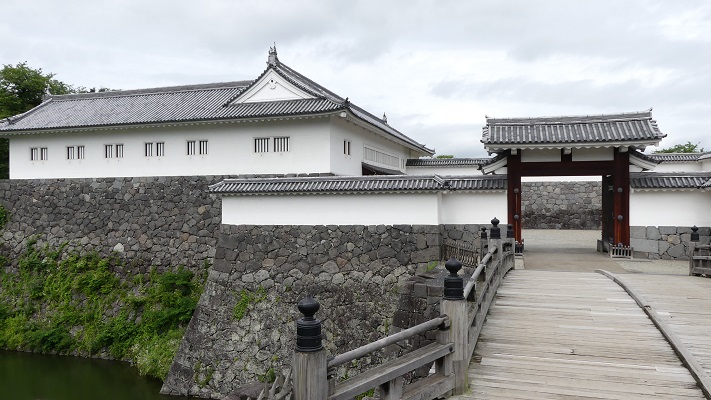
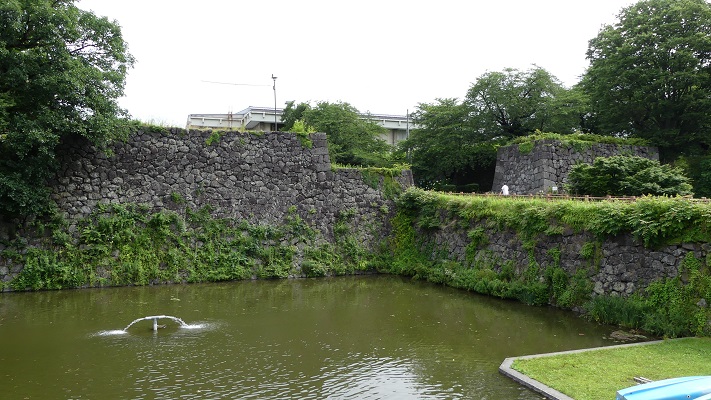
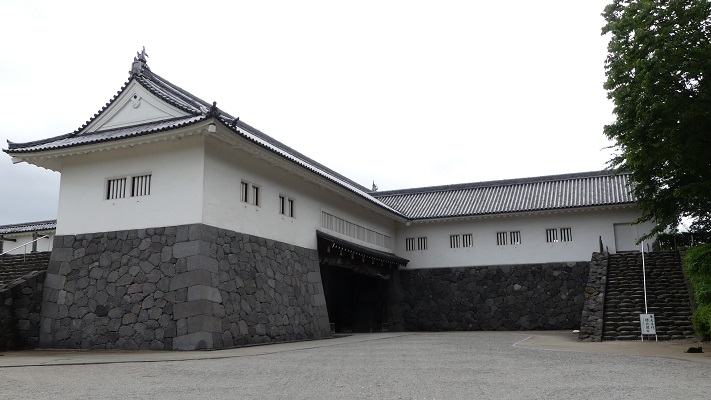
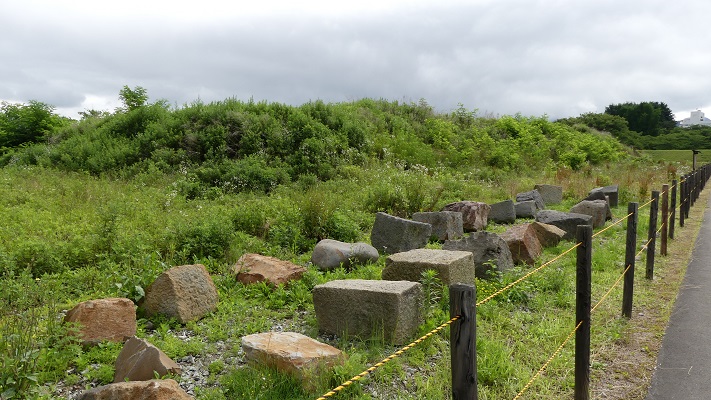
九戸城本丸跡~The ruins of Kunohe Castle’s Honmaru

立地と歴史~Location and History

九戸城は、現在二戸市となっている二戸地区にありました。この城は、九戸地区から来た九戸氏によって築かれました。九戸城という名前は土地の名前からではなく、この氏族の名前から来ているのです。
Kunohe Castle was in the Ninohe area now called Ninohe City. This castle was built by the Kunohe clan which came from the Kunohe area. The name Kunohe Castle comes from the clan’s name, not from the name of the land.

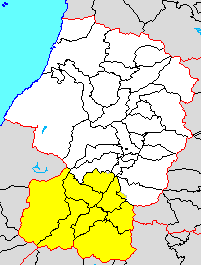
二戸市周辺の地図~The map around Ninohe City

九戸氏は、もともと戦国時代の東北地方の有力戦国大名であった南部氏の一族でした。南部晴政が亡くなった後、南部氏の後継をめぐって内紛が起こりました。南部の重臣たちは、晴政の従弟である南部信直を後継に推しましたが、もう一人の候補者を推薦した九戸政実と対立しました。信直は合議により後継に選ばれましたが、それ以来、信直と政実は対立を深めました。そしてついに1591年に政実は、信直に対し反乱を起こしました。
Originally, Kunohe clan were relatives of the Nanbu clan, the great warlord in Tohoku district in the Warring States Period. There was internal trouble about the inheritance of the Nanbu clan after Harumasa Nanbu died. The Nanbu’s senior vassals recommended Harumasa’s cousin, Nobunao Nanbu as the successor against another candidate supported by Masazane Konohe. Nobunao was chosen in their meeting, but since then, he and Masazane confronted each other. As a result, Masazane rebelled against Nobunao in 1591.

南部晴政肖像画、もりおか歴史文化館蔵~The portrait of Harumasa Nanbu, owned by Morioka History and Culture Museum(licensed under Public Domain via Wikimedia Commons)
南部信直肖像画、もりおか歴史文化館蔵~The portrait of Nobunao Nanbu, owned by Morioka History and Culture Museum(licensed under Public Domain via Wikimedia Commons
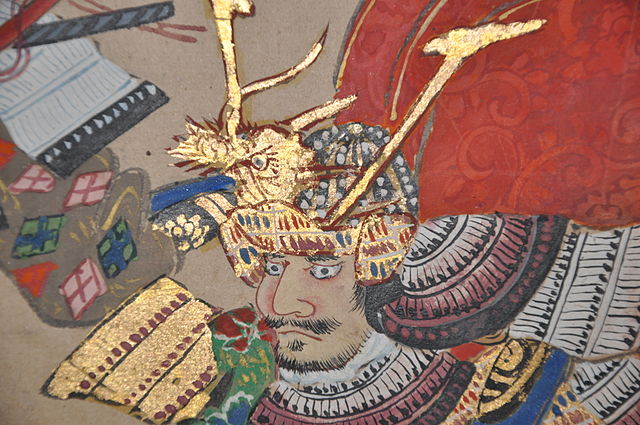
九戸政実の掛け軸~The scroll of Masazane Kunohe(二戸市商工会 Web Site から引用)

ちょうどそれは豊臣秀吉が天下統一を進め、1590年の「奥州仕置」といわれる、秀吉による東北地方の領地所有権再設定が行われた直後でした。この反乱はこの奥州仕置によって引き起こされたのかもしれません。なぜなら、政実は強制的に信直の配下にさせられてしまったからです。信直は秀吉に助けを求め、秀吉は蒲生氏郷と浅野長吉に約6万の兵を預け、九戸城に派遣しました。そこにいた政実方の守兵はわずか約5千人でした。1591年の9月のことです。
That happened during the unification of the whole country by Hideyoshi Toyotomi, just after the reassessment of his territorial ownership in Tohoku district called “Oshu-Shioki” in 1590. The rebellion might have been caused by Oshu-Shioki because Masazane was forcibly put under Nobumasa. Nobumasa asked Hideyoshi for help, then Hideyoshi sent about 60 thousand troop led by Ujisato Gamo and Nagayoshi Asano to Konohe Castle where Masaane was with about only 5 thousand defenders in September, 1591.

蒲生氏郷肖像画、会津若松市立会津図書館蔵~The portrait of Ujisato Gamo, owned by Aidu Wakamatsu Library(licensed under Public Domain via Wikimeidia Commons)
浅野長吉肖像画、東京大学史料編纂所蔵~The portrait of Nagayoshi Asano, owned by Historiographical Institute the University of Tokyo(licensed under Public Domain via Wikimeidia Commons)

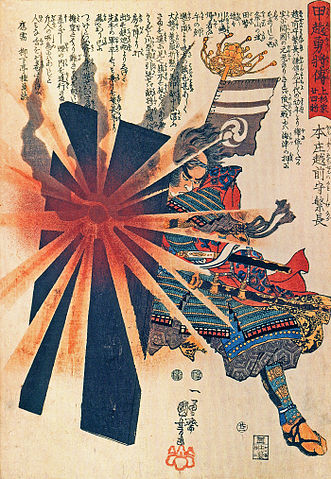
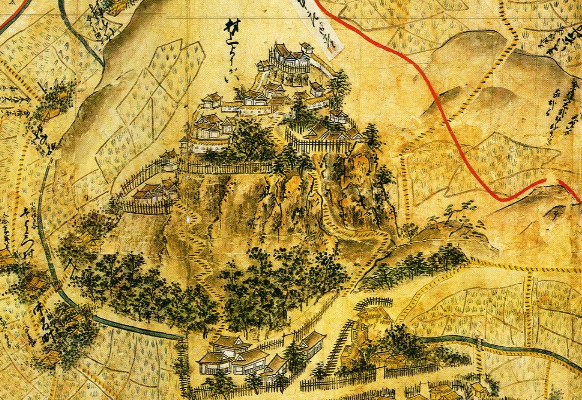
九戸城は河岸段丘上の天然の要害であり、川や谷に周りを囲まれていました。「九戸党」と呼ばれた守兵も強力で、最初の攻撃を撃退しました。攻撃側は強引な攻撃による兵の損耗を憂え、政実に降伏するよう勧告しました。彼は数日のうちに、女性子どもを含む城内人員の生命の保証を条件に受け入れました。しかしながらその約束は破られ、攻撃側が城を確保した後、多くの人たちが虐殺されました。政実もまた斬首されたのです。発掘により、二ノ丸から処刑された男女の骨が見つかっています。この九戸政実の乱は戦国時代最後の戦いであると言われています。
Kunohe Castle formed a natural fortress which was on river terraces surrounded by rivers and valleys. The defenders called “the Kunohe Party” were also so strong that they repelled the first attack. Attackers were worried about casualties from aggressive attacks, so they suggested Masazane to surrender. He accepted it in a few days in exchange for the safety of the people in the castle including women and children. However, the promise was broken and many people were executed after the attackers got the castle. Masazane was also beheaded. The excavation shows bones of executed men and women buried in the second enclosure “Ninomaru”. It is said that the Kunohe Rebellion is the last battle of the Warring States Period.

城周辺の地図~The normal map around the castle

城周辺の起伏地図~The relief map around the castle

城周辺の航空写真~The aerial photo around the castle

特徴~Features

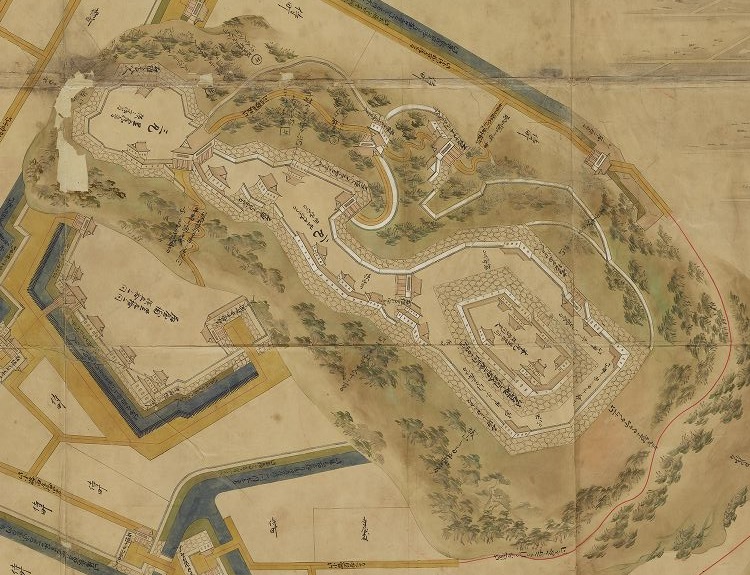
現在、城の本丸と二ノ丸が主に史跡として整備されています。
Now, the ruins of the main enclosure “Honmaru” and Ninomaru mainly remain developing for a historic site.

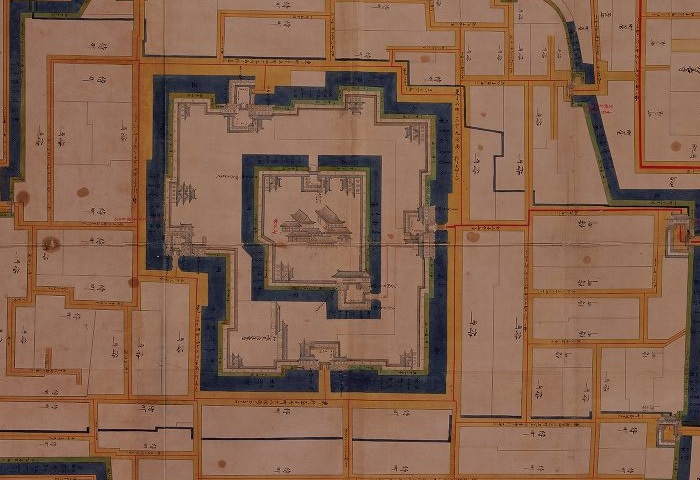
二ノ丸と空堀で隔てられた本丸~Ninomaru and Honmaru devided by a dry moat
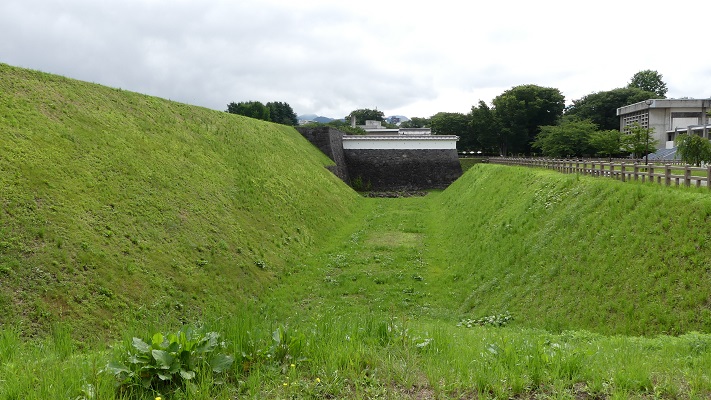
本丸の空堀~The dry moat surrounding Honmaru
本丸の南虎口~The south entrance of Honmaru

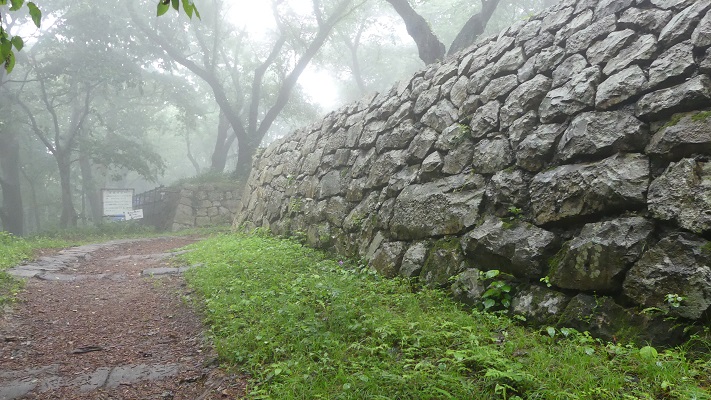
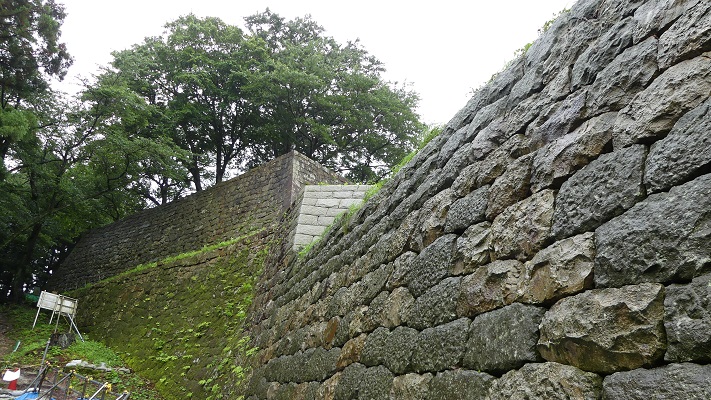
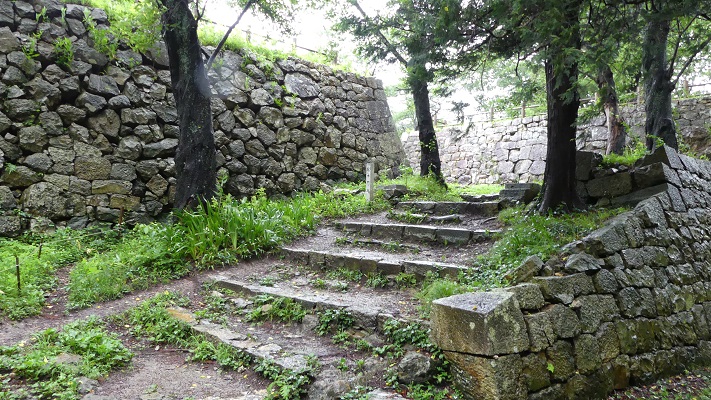
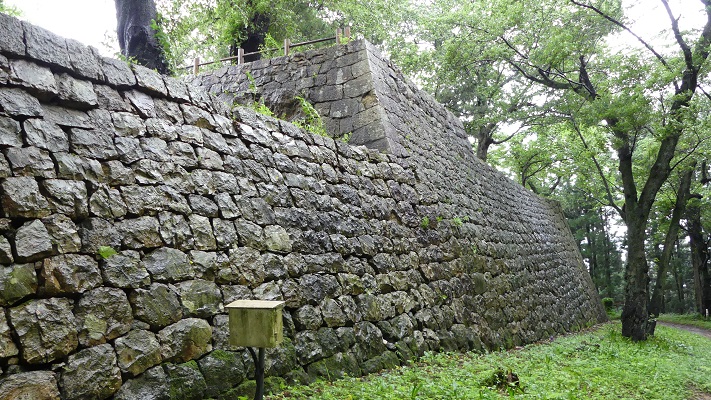
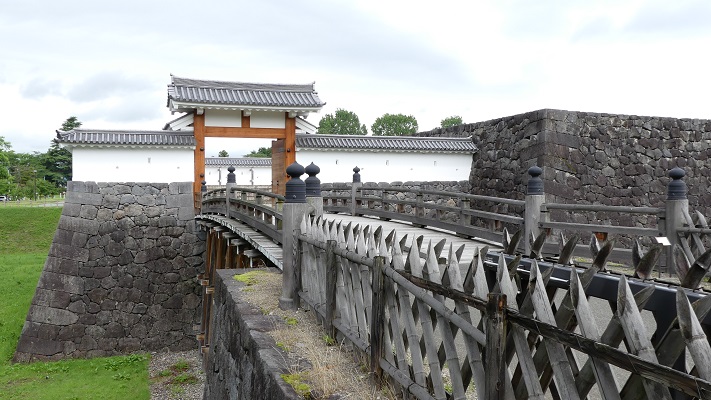
東北地方では一番古い石垣がありますが、実は蒲生氏郷により築かれたものです。The oldest stone walls in Tohoku region were actually rebuilt by Gamo.

本丸追手門にある石垣~The stone walls at the main entrance of Honmaru
二ノ丸から本丸に渡る橋~The bridge between Ninomaru and Honmaru

「若狭館」「外館」といった他の曲輪は、九戸にもともとあった形を残しているようです。
Other enclosure ruins such as “Wakasa-Date” and “To-Date” are more likely in the original way of Kunohe.

外館跡を見上げる~Looking up the ruins of Todate
若狭館跡~The ruins of Wakasadate

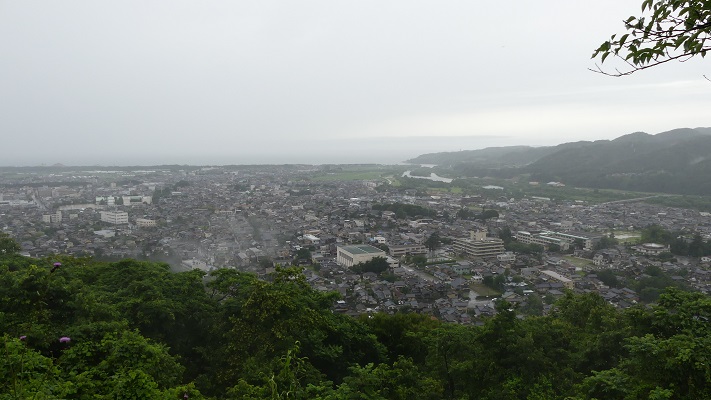
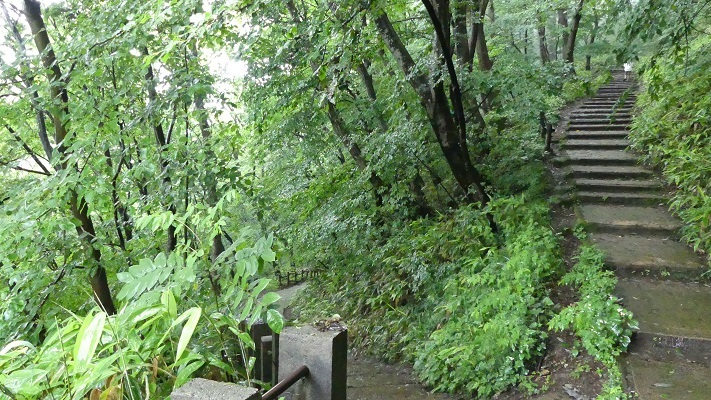
今でも歩き回れば、この城が自然の地形により守られていたかがわかります。一例として、以前三の丸だった所にあるガイドハウスから本丸を見上げてみましょう。
Even now you can understand how the castle was protected by natural landscape when walking around. For example, you can look up at Honmaru from the guide house on the former Sannomaru enclosure.

本丸を囲む空堀の底~The bottom of the dry moat srrounding Honmaru
三の丸から本丸を見上げる~Lookin up Honmaru from Sannomaru

その後~Later Life

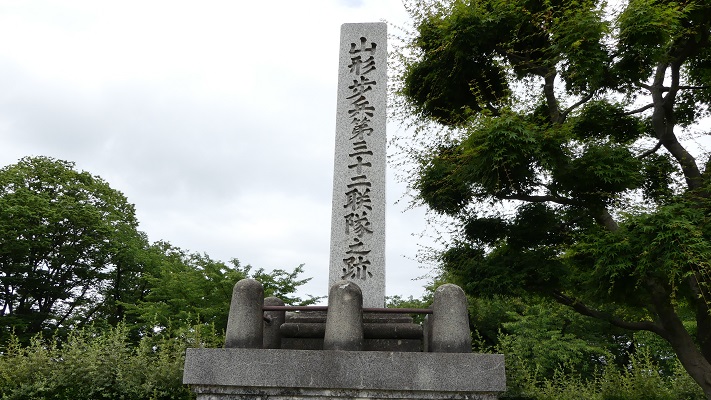
九戸政実の乱の後、城は蒲生氏郷によって再建され、南部信直に引き渡されました。そして九戸城から福岡城に名前が変えられました。しかし二戸の人々は「九戸城」と呼び続けました。南部がすぐに盛岡城に移転したことと、九戸への懐旧の念もあったからでしょう。城は1636年に廃城となり、畠となりました。近代になって、1893年に農業試験場がここに開設されました。最終的に1935年に国の史跡に指定されました。
After the Kunohe Rebellion, the castle was reconstructed by Gamo, and owned by Nanbu, and it was renamed from Kunohe to Fukuoka. But people in Ninohe area have been calling it “Kunohe” because of Nanbu moving to Morioka Castle soon after as well as their nostalgia for Kunohe. The castle was abandoned in 1636, turned into a farm. In the Modern Ages, an agricultural experiment station was opened in 1893, it was lastly designated as a national historic site in 1935.

農業試験場の記念碑~The monument of the agricultural experiment station

私の感想~My Impression

九戸城のいきさつは今だ謎めいています。なぜ政実は、守るには有利な冬を前にしてすぐ降伏してしまったのでしょう(旧暦の9月は現在の10月に相当します)。なぜ秀吉は中央から彼方にある場所に、このように少数の反乱者のためにこんなにも多くの兵士(後衛を含めると15万人)を送り出したのでしょうか。そして九戸党は豊臣方の暴挙に対して成す術がなかったのでしょうか。
The story of Kunohe Castle is still mysterious. Why did Masazane surrender in a moment before the winter that would be an advantage for defenders (September in the lunar calendar is similar to October now)? Why did Toyotomi send so many soldiers (150 thousand including the rear) for such a small number of the rebels to the place far away from the center? And, did the Kunohe Party do noting against Toyotomi’s violence?

二の丸脇の大空堀跡~The ruins of the large dry moat beside Ninomaru

作家たちは、その作品において推測し、仮説を立てています。例えば高橋克彦は、政実は自分を犠牲にして南部の諸族を救ったのだと言います(信直は別として、一族の津軽為信は大名として生き延びました)。安部龍太郎は、秀吉は1592年の朝鮮侵攻のために、寒さに強い東北地方の人々を徴発しようとしたとしています。政実はそれを知り、九戸城を犠牲にし戦いを終わらせ、その実行を防いだとしました。そして両方の作家とも抜け道を使って多くの人が逃れ出たはずだと推測しています。歴史の謎について考えるのはとても興味深く、また真実に至る道なのかもしれません。
Some writers speculate and offer their assumptions in their novels. For instance, Katsuhiko Takahashi says Masazane sacrificed himself to save the Nanbu relatives (Beside Nobunao, another relative Tamenobu Tsugaru, once supported Masazane, survived as a lord.). Ryutaro Abe wrote Toyotomi might have aimed to draft Tohoku people being strong in the cold for his invasion of Korea in 1592. Masazane had known it, then he has ended the war to prevent it from happening at the sacrifice of Kunohe Castle. Both writers also speculate many of people should have escaped from the castle by a secret path. Thinking about mysteries of history is very interesting, and it may be a key to finding the fact.

現地にある城の地形モデル~The terrain model of the castle at the site

ここに行くには~How to get There

車で行く場合:八戸自動車道一戸ICから約15分かかります。ガイドハウスに駐車場があります。
二戸駅からバスで行く場合:JRバス(県立二戸病院または軽米病院行き)または岩手県北バス(伊保内営業所行き)に乗り、呑香稲荷神社前バス停で降りてください。城跡はバス停から歩いて5分です。
東京から二戸駅まで:東北新幹線に乗ってください。
If you want to go there by car: It takes about 15 minutes from the Ichinohe IC on Hachinohe Expressway. The guide house offers a parking lot.
If you want to go there by bus from Ninohe station: Take the JR bus bound for Kenritsu-Ninohe-Byoin or Karumai-Byoin, or the Iwate-Kenpoku bus bound for Ibonai-Eigyosho , and take off at the Tonko-Inari-Jinja bus stop. The ruins are a 5 minute walk away from the bus stop.
From Tokyo to Ninohe st.: Take the Tohoku Shinkansen super express.

リンク、参考情報~Links and References

岩手県二戸市 九戸城跡~Ninohe City Official Website
二戸市商工会(Only Japanese)
九戸政実プロジェクト「戦国ダンシ九戸政実」(Only Japanese)
・「歴史群像158号~戦国北奥戦記」(Japanese Magazine)
・「天を衝く(1)~(3)」高橋克彦著、講談社文庫(Japanese Book)
・「冬を待つ城」安部龍太郎著、新潮文庫(Japanese Book)
・「南部九戸落城」渡辺喜恵子著、毎日新聞社(Japanese Book)

92.熊本城(Kumamoto Castle)

次の地震に備えるためにはどうすればよいのでしょうか?
What should be the plan to be prepared for the next earthquake?

熊本城の天守(The Tenshu keep of Kumamoto Castle)taken by さてらいと from photoAC

何が起こったか~What happened?

2016年に熊本地震が起きてから3年以上経過しました。この地震により熊本県には甚大な被害が発生し、熊本城も同様でした。城にとって最も深刻だったのが、50か所に渡り石垣が崩壊したことでした。石垣の崩壊により、多くの建物が倒壊したり、破損または深刻な状態に陥りました。現存する日本の城壁の中では一番長く、重要文化財に指定されている長塀は、全長242mのうち80mが崩壊しました。
Over 3 years have passed since the 2016 Kumamoto Earthquakes. They caused great damage to the area in Kumamoto Prefecture including Kumamoto Castle. For the castle, the most serious factor could be the collapse of stone walls in 50 points. With the collapse, many buildings were either torn down, were broken or are in critical condition. The Long Wall, the longest among the remaining castle walls in Japan, designated as an important cultural property, collapsed over 80m out of 242m in total.

地震前の長塀(The Long Wall before the earthquakes)licensed by DryPot via Wikimedia Commons
修理中の長塀、2019年6月時点(The Long Wall under repair in June, 2019)

もう一つの重要文化財である東十八間櫓は、石垣とともに完全に倒壊しました。
Another important cultural property, Higashi-Juhakken Turret also torn down completely with stone walls.

地震前の東十八間櫓(Higashi-Juhakken Turret before the earthquakes)lisencesd by Reggaeman via Wikimedia Commons
東十八間櫓は跡形もありません、2017年12月時点(Higashi-Juhakken Turret disappeared without trace, taken in December,2017)

最近復元された建物もまた被害を受けました。特に飯田丸五階櫓は、わずかに片隅の石垣によって支えられている「奇跡の一本石垣」として注目されました。
Recently restored building also suffered, in particular, Iidamaru-five-layer-turret was focused on for being supported by only one corner stone to survive, known as “the miracle lone stone walls”.

飯田丸五階櫓と一本石垣、2016年7月時点、現在は再建のため一旦撤去されている(Iidamaru-five-layer-turret and the miracle lone stone walls in July,2016. They were once demolished to reconstruct in the future.)産経フォトより引用

乾櫓も同じような状況でした。
Inui-turret has had a similar situation.

乾櫓、2017年12月時点(Inui Turret in December, 2017)
乾櫓石垣の状態、2017年12月時点(The state of Inui Turret’s stone walls)

1960年に現代の工法で外観復元された天守も被害を免れませんでした。ほとんどの屋根瓦が地震で剝げ落ちてしまったのです。
The Tenshu keep, which was apparently restored in the modern way in 1960, was not without suffering. Almost all of its roof tiles were peeled off by the earthquakes.

修理中の天守、2017年12月時点(The Tenshu keep under repair in December, 2017)

城の現存建物の中で最大の宇土櫓は、比較的少ない被害で済みました。この櫓の頑丈さが改めて認識されるとともに、地震の被害者をも勇気づけているとのことです。
Udo-turret, the largest remaining building in the castle had relatively small damage. People say that it has shown its strength and has encouraged victims of the earthquakes.

宇土櫓、2017年12月時点(Udo Turret in December, 2017)

熊本市長は、天守を修理するのに3年、城全体を元通りにするのに20年かかると言っていました。その通りに天守の復元はなされており、2019年10月から部分的に公開されています。
The mayor of Kumamoto City stated that it would take 3 years to fix the Tenshu, and 20 years would be needed to restore the castle completely. As he said, the restoration of Tenshu has been done, it has partly open since October 2019.

2019年9月時点の天守(The Tenshu keep in September, 2019)産経フォトより引用

立地と歴史~Location and History

熊本城は、現在の熊本市の丘陵地帯の端に位置する茶臼山の上にあります。この城は加藤清正が1588年に肥後(現在の熊本県)の国主として着任してきてから有名になりました。清正は、薩摩国(現在の鹿児島県)の島津氏の幕府への反逆を防ぐため、この城を強大に作り込みました。加藤氏が改易となった後、その後を継いだ細川氏も江戸時代を通じて大変な労力を投じて城を維持、拡張してきました。
Kumamoto Castle has been located on a mountain called Chausu-yama on the edge of the hilly area which is now Kumamoto City. The castle became famous since Kiyomasa Kato was placed as the lord of Higo Province (what is now called Kumamoto Pref.) in 1588. Kiyomasa built the castle so large and strong that it could avoid The Shimadu’s invasion from Satsuma Province (Kagoshima Pref.) against the Shogunate. The Hosokawa clan following kato’s position after they quit, continued to keep and develop the castle making great efforts all through the Edo Period.


城周辺の起伏地図(The relief map around the castle)

加藤清正像、本妙寺蔵、江戸時代(The portrait of Kiyomasa Kato in Edo Period, owned by Honmyoji Temple)licensed under Public Domain via Wikimedia Commons

明治維新後、この城は日本陸軍の九州地方の根拠地となり、「鎮西鎮台」と呼ばれました。1877年に予期もしていなかった戦いが政府軍と西郷隆盛率いる薩摩反乱軍との間で起こりました。この戦いは「西南戦争」と呼ばれ、日本最後の内戦であるとともに、政府による徴兵と西郷指揮下の元武士との戦いであるとも見なされました。
After the Meiji Restoration, the castle was turned to into a Japanese Army base in Kyushu region called “Chinzei Chindai”. An unexpected battle happened between the Government Army and the Satusma Rebel Army led by Takamori Saigo in 1877. It was called “the Seinan War”, which was the last civil war in Japan, and also regarded as a battle between drafted soldiers under the Government and former warriors under Saigo.

西郷隆盛像、エドアルド・キヨッソーネ作(The portrait of Takamori Saigo by Edoardo Chiossonelicensed under Public Domain via Wikimedia Commons

熊本城が実際の戦いに使われたのはこれが最初だったのです。西郷は城を包囲したのですが、この間天守を含む多くの建物が失火により焼けてしまいました。しかし城の中の兵隊たちは、政府からの援軍が到着するまで耐え忍び、ついに西郷は撤退しました。武士の世が終わってからの近代戦においてさえ、この城が強力であることが証明されたのです。城跡は最終的には1931年に国の史跡に指定されました。
That was the first time that Kumamoto Castle was used for actual fighting. Saigo surrounded the castle while many of the buildings including the Tenshu keep were burned accidentally. But the soldiers in the castle survived until the reinforcements from the Government arrived before Saigo withdrew. Even the modern war prove the strength of the castle after warriors’ governance ended. The ruins was finally designated as a National Historic Site in 1931.

谷干城少将に率いられた鎮西鎮台の指揮官たち、朝日百科より(The commanders of Chinzei Chindai led by General Tateki Tani, from Asahi encyclopedia)licensed under Public Domain via Wikipedia Commons

これからどうなる?~What will happen?

なぜ復元にそんなに時間がかかるかというと、熊本城が文化財だからです。例えば、崩壊した石垣の場合では、一つ一つの石は元の場所に戻されなければなりません。それぞれの石の3次元データを登録し、以前の写真と照合し、位置を確定するのです。更には、石垣を復元するのは元の伝統的工法でなければなりません。それができる企業や職人は限られています。またそれには莫大な予算も必要です。
The reason why the restoration takes so long time is mainly the castle being a cultural property. For example. In case of collapsing stone walls, each stone must be returned to the original position. Its 3-dimensional shapes are registered and checked with old pictures to match the position. In addition, restoring stone walls is required to build in the original traditional way. There are also few companies and craftsmen who can do it. it will also require huge funds.

復元を待つ石たち、2017年12月時点(Stones waitng for being restored in December, 2017)

私の意見~My Opinion

私は最近現場を見て回りましたが、復元にそんなにも時間がかかることは理解できました。しかし、もしまた地震が起こったらどうするのでしょうか?清正は、あの有名な「武者返し」と呼ばれる石垣のカーブを地震による崩壊を防ぐために作ったのだと言う科学者がいます。
I looked around the site recently and also realized that the restoration would take such a long time. But what should be the plan if another earthquake happens? Some scientists say that Kiyomasa might have created the famous curve of the stone walls called “Musha-Gaeshi” to prevent it from collapse by an earthquake.

熊本城の「武者返し」の石垣と天守(The stone walls called “Musha-Gaeshi” with Tenshu)taken by ichico from photoAC

江戸時代初期のこの城の城主だった細川忠利は、余分な建物を撤去し、次来る地震に備えて「地震屋」と呼ばれる避難所を建てました。
Tadatoshi Hosokawa, a lord of the castle in the early Edo Period, removed extra buildings and built a refuge shelter called “jishinya” to be prepared for the next earthquake.

細川忠利肖像画、矢野吉重筆、永青文庫蔵(The portrait of Tadatoshi Hosokawa, attributed to Yoshishige Yano, owned by Eisei Bunko Musemu)licensed under Public Domain via Wikimedia Commons

たとえ今は文化財であっても、元々のやり方が常にベストとは限りません。熊本市は、大きな地震が発生したときにも安全であるよう、長期的に城の新しい復元手法を開発するとのことです。それが早く実現するよう願ってやみません。
Even if the castle is now a cultural property, the original way is not always the best. Kumamoto City says that they will develop new methods for restoring the castle in the long term to be safe when a large earthquake happens. I really hope it will work in practice soon.

宇土櫓と修理中の天守、2017年12月時点(Udo Turret, and Tenshu under repair in December, 2017)

ここに行くには~How to get There

熊本駅から:
熊本市電を使うときは、熊本駅前電停から熊本城・市役所前電停まで乗ります。約17分かかります。
バスを使うときは、熊本駅前バス停から桜町バスターミナルまで乗ります。約10分かかります。
From Kumamoto Station:
When using Kumamoto City Tram, take the tram from Kumamoto-Eki-Mae tram stop to Kumamotojo-Shiyakusho-Mae tram stop. It takes about 17 minutes.
When using Bus, take it from Kumamoto-Eki-Mae bus stop to Sakuramachi bus terminal. It takes about 10 minutes.

リンク、参考情報~Links and Rererences

熊本城公式サイト(Kumamoto Castle Official Website)
・「復興熊本城Vol.2 天守復興編Ⅰ 平成30年度上半期まで」熊本日日新聞社(Japanese Book)
・「熊本城の被災修復と細川忠利」後藤典子著、熊日新書(Japanese Book)
・「歴史群像2016年8月号/壮烈!熊本城攻防戦」学研プラス(Japanese Magazine)
・「BS1スペシャルよみがえれ熊本城 サムライの英知を未来へ」NHK、2017年(Japanese TV Program)

100.首里城(Shuri Castle)

二度と火事に会わないためには、どうすればよいのでしょうか?
What should be the plan to prevent the next fire?

火災前の首里城正殿(The Main Palace of Shuri Castle before the fire)taken by 白飯愛好家 from photoAC

何が起こったか~What happend?

2019年10月31日の夜明け前、沖縄の首里城に悲劇が起こりました。火災事故により、正殿、北殿、南殿を含む少なくとも7棟の城の建物が焼失したのです。わずか2、3時間の間のことでした。これらの宮殿の復元は、30年以上の工事期間と総額約260億円(約2.4億米ドル)の費用をかけ、この2月に完成したばかりでした。せめてもの救いはけが人がいなかったことです。更には約1500点の収蔵品のうち、401点は建物と共に燃えてしまいました。
Before dawn on October 31, 2019, a tragedy happened to Shri Castle in Okinawa. At least 7 buildings of the castle including the Main, the South and the North Palaces, were burned down by an electrical fire. They were lost in only 2 to 3 hours. The restoration of the Palace had been completed last February after over 30 years of construction with a total cost of about 26 billion yen or 240 million dollars. It was a consolation that no one was injured. In addition, out of about 1,500 collected items, 401 of them were burned with the buildings.

首里城火災の映像(A picture of the fire of Shiri Castle)NHK news web より引用

火災現場は現在事故検証中であり、一般の立ち入りは禁止されています。火災の原因はいまだ解明されていませんが、わかっていることは火災は正殿の1階から発生したこと、建物にある配電盤にショートした痕跡があることです。専門家は電気トラブルが火災を引き起こしたのではないかと言っています。更には城の赤い色のための特別な伝統的塗料についても指摘しています。その塗料には「桐油」と呼ばれる油分の多い成分が含まれており、それが火災を加速させたのではということです。
The site of the fire is under investigation and visitors are prohibited from entering. The real cause of the fire is still uncertain. The fact is that the fire came out of the first floor of the Main Palace, and there is evidence of short-circuit in a power distribution panel at the building. Specialists suggest that an electric problem might have caused the fire. They also point out the possibility of special traditional paint for the castle’s red color being a factor. It contains more oil called “china wood oil” than usual which might also boost the fire.

歓会門、2019年11月時点ではここから先には行けない(The Kankai Gate, Visitors can’t go inside in November 2019)

他からの指摘として、首里城は火災への備えが十分でなかったこともあります。スプリンクラーの設置が推奨されていましたが、実行されていませんでした。消防士が現場で放水銃を使いましたが、首里城は閉じられた空間のためうまく機能しませんでした。
Others argue that the castle didn’t have enough equipment for fires. Setting sprinklers were recommended, but it wasn’t done. Firemen used water guns, but they didn’t work well because of the castle’s closed area.

屋根と柱だけが残っている北殿(The North Palace whose only roof and pillers survive)

いずれにしろ、この出来事は沖縄社会に負の影響を及ぼしています。今のところ沖縄行きツアーのキャンセルは少ないものの、城の周りの店舗の売上は急減しています。沖縄の人々は経済的な面だけでなく、メンタル面での将来の影響をも危惧しています。
Anyway, the event is having a negative impact on Okinawan society. Though few tours to Okinawa have been canceled so far, shops around the castle have suffered a significant drop in sales. People in Okinawa are worried about their future of industry as well as mentality.

守礼門は無事で、現在も見学可能(The Shurei Gate is intact, and visitors still can see it)
王家の陵墓で世界遺産の「玉陵」も見学可能(You can also see “Tama-udun” which is the imperial mausoleums and a cultural site on the World Heritage List)

立地と歴史~Location and History

首里城がいつ最初に築かれたかは定かではありません。15世紀に最初の琉球(沖縄の前の名前)王となった尚巴志が宮殿をここに置いてから重要な存在となりました。首里は周辺からは小高い位置にあり、更に国際港となった那覇が近くにありました。王朝の首都としてふさわしい位置にあったのです。
It is uncertain when Shuri Castle was first built. It became important when Sho Hashi, the first king of Ryukyu (the former name of Okinawa), placed his imperial palace in the castle in the 15th century. Shri is a hilly area around and near Naha port that also became international. Its location deserves the capital of the dynasty.

首里城と那覇港の位置関係(The location of Shuri Castle and Naha Port)

ところが、築城以来この城は事故や戦争による火災に何度も見舞われます。そしてその度に再建されました。しかし、1945年の第二次世界大戦時の米軍からの攻撃による4回目の火災の後はしばらく放置されていました。米軍の軍政下であった1950年からは、城跡は琉球大学として使われていました。沖縄の日本復帰後、1984年までには大学は他の土地に移っていきます。そして、日本政府は1986年から首里城の直近の再建を開始したのです。1992年から首里城公園として一般に公開されています。
However, since it was founded, the castle has suffered fires several times from accidents and wars. It has also been restored each time. But the castle was abandoned for a while after the fourth fire caused by the attack from the US Army in World War II, 1945. The ruins of the castle have been used by the Ryukyu University since 1950 under the governance of the US Army. After Okinawa’s reversion to Japan, the university was moved to another location until 1984. Then, the Japanese government launched the last reconstruction of Shri Castle in 1986. The Shurijo Castle Park has been open to the public since 1992.

戦前の正殿(The Main Palace before the war)licensed under Public Domain via Wikipedia Commons
1960年代の城跡にあった琉球大学(Ryukyu University on the ruins in the 1960’s)licensed under Public Domain via Wikipedia Commons
首里城での祭り(A festival at Shuri Castle)taken by 栄典 from photoAC

これからどうなる?~What will happen?

火災の後直ちに安倍晋三首相は、政府は責任をもって首里城を復元すること、地元の人たちの声を聞きながら財政面でも支援するとの声明を発表しました。政府は既に復元の原案を作成しており、新しい建物は原則として以前と同じもので、スプリンクラーや地下倉庫などの安全装備が加わっている内容です。また、建物が完成するまでは城の仮想映像を映し出すとのことです。一方で世界中から多くの寄付が集まっており、その総額は10億円を超えています。
Immediately after the fire, Prime Minister Shinzo Abe stated that the government has a responsibility to restore the castle, and will support the locals with consulting as well as funding. It already shows the basic plan of the restoration which indicates that the new castle will basically be the same as the old one, with the addition of security equipment such as sprinklers and underground warehouses. The plan also says a virtual image of the castle will be projected until the completion of the buildings. On the other hand, a large donation has been gathered with a total of over 1 billion yen from all around the world.

火災前の首里城遠景(A distant view of Shuri Castle before the fire)taken by あばさー from photoAC
火災後の首里城遠景(A distant view of Shuri Castle after the fire)

私の意見~My Opinion

私は、以下の理由で城の再建を急ぐべきでないと思います。城の主要な建物は伝統的な木造建築により建てられています。それには多量の木材が必要であり、沖縄では小さく狭い島域のため、自己調達はできません。前回の再建では台湾から調達できました。しかしながら今回仮に台湾の了解を得られたとしても、環境問題となりかねません。更には、伝統的建造物は基本的に電気設備を前提に作られていません。材料の一部は現在の技術を使い、耐久性があり、入手が容易で、かつ外観はオリジナルに近いものに変えられるべきでしょう。再びの火災を防ぐためには、これらの問題を解決するための時間が必要です。
I think we should not hurry to rebuild the castle for the following reasons. Primary buildings of the castle were built in traditional wooden style. It requires a lot of wood lumbers that Okinawa can’t produce by themselves because the island is small and narrow. In the last reconstruction, Taiwan offered these materials. However, this time, even if Taiwan agrees to offer it again, it can cause environmental problems. In addition, traditional buildings are essentially not compatible with electric equipment. Some of them should be changed to new materials which are durable, accessible, and similar to the original appearance with current technology. We need enough time to solve those issues to prevent the next fire.

ライトアップされた火災前の首里城(The illuminated Shuri Castle before the fire)taken by せいじん from photoAC

ここに行くには~How to get There

那覇空港から:
車を使うときは、現地まで40分から1時間かかります。公園に地下駐車場もあります。
電車を使うときは、那覇空港駅から首里駅までゆいレールに乗ります。30分近くかかります。その後、首里駅から首里城まで歩いて15分くらいです。首里駅前バス停から首里城前バス停までバス(1、4、346番)で行くこともできます。
From the Naha Airpot:
When using car, it takes 40 minutes to 1 hour to get there. The park offers an underground parking lot.
When using train, take the Yui Rail train from Naha Airport station to Shuri station. It takes nearly 30 minutes. Then, the castle is about 15 minute walk from Shuri station, or take a bus (No.1, 14, or 346) from the Shuri-Eki-Mae bus stop to the Shuri-Jo-Mae bus stop.

リンク、参考情報~Links and References

首里城公園(Shurijo Castle Park)
NHK NEWS WEB(Only Japanese)
・「尚氏と首里城/上里隆史」吉川弘文館(Japanese Book)

error: Content is protected !!