154.Tamaru Castle Part2

Castle ruins coming from several periods

Features

Going through Main and Second Gates

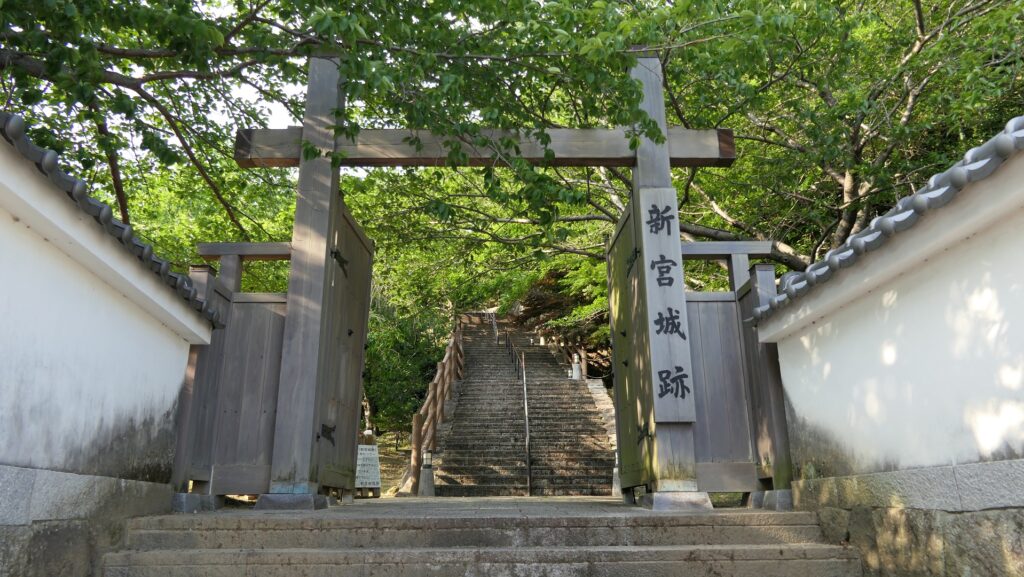
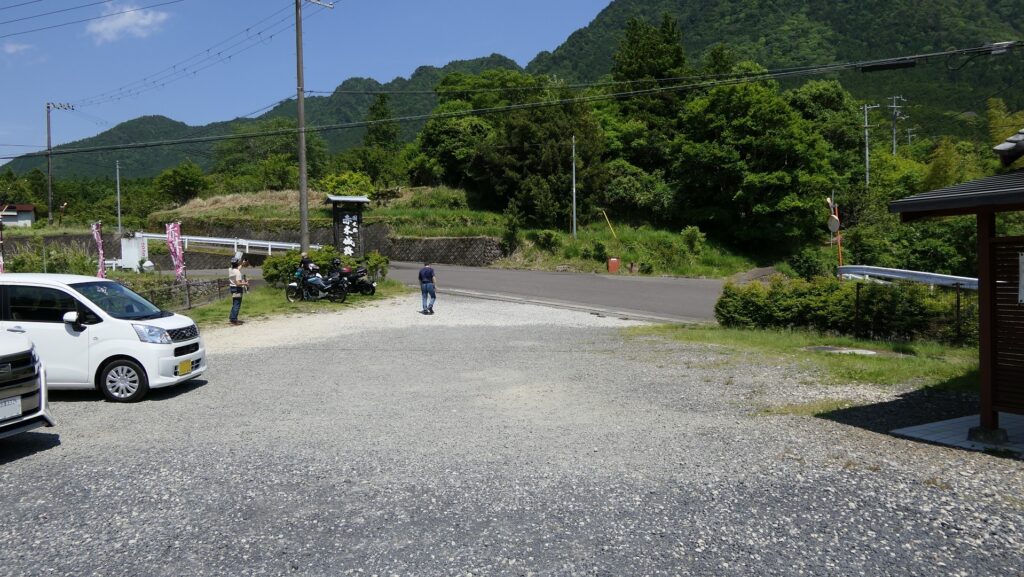
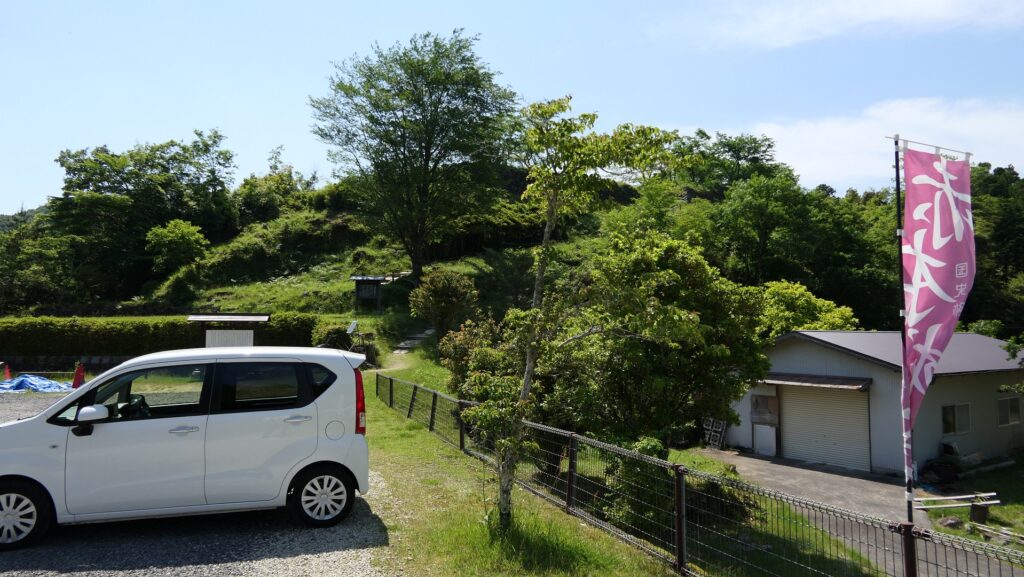
Today, the ruins of Tamaru Castle have been maintained by Tamaki Town and still located in the center of the town. The ruins of the Main Gate behind the remaining Outer Moat are also the entrance of the ruins and the town hall. The route on the entrance is paved and straight, not like the originally bent road, probably because of convenience for cars. If you drive to the ruins, you can use the parking lot of the hall.

The map around the castle

The Outer Moat in front of the Main Gate Ruins
The Main Gate Ruins

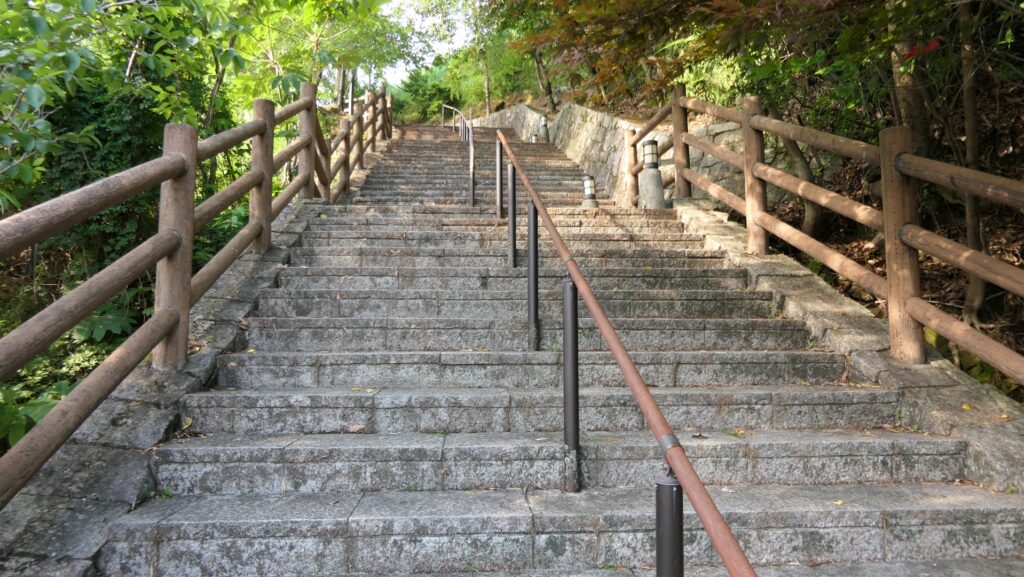
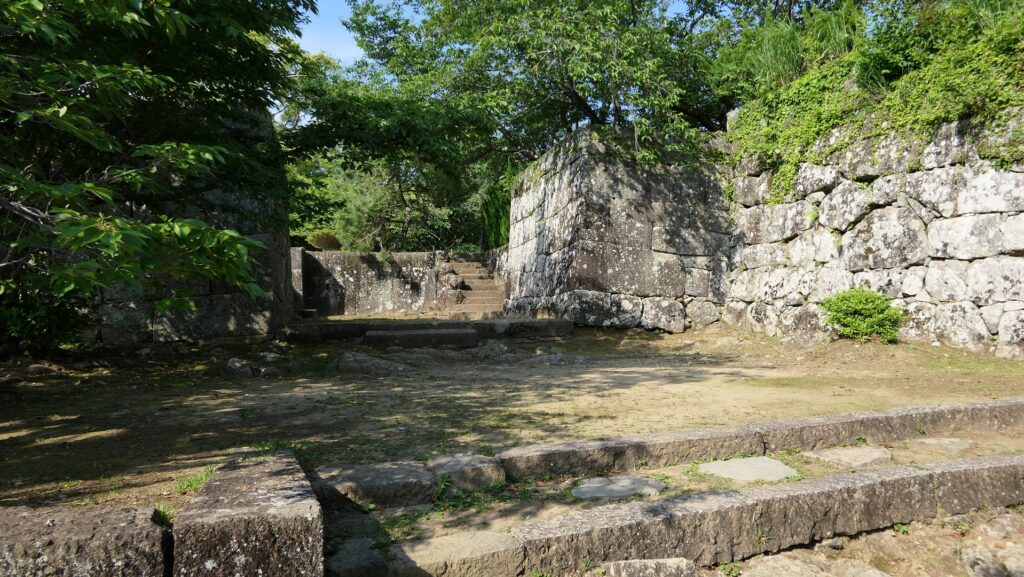
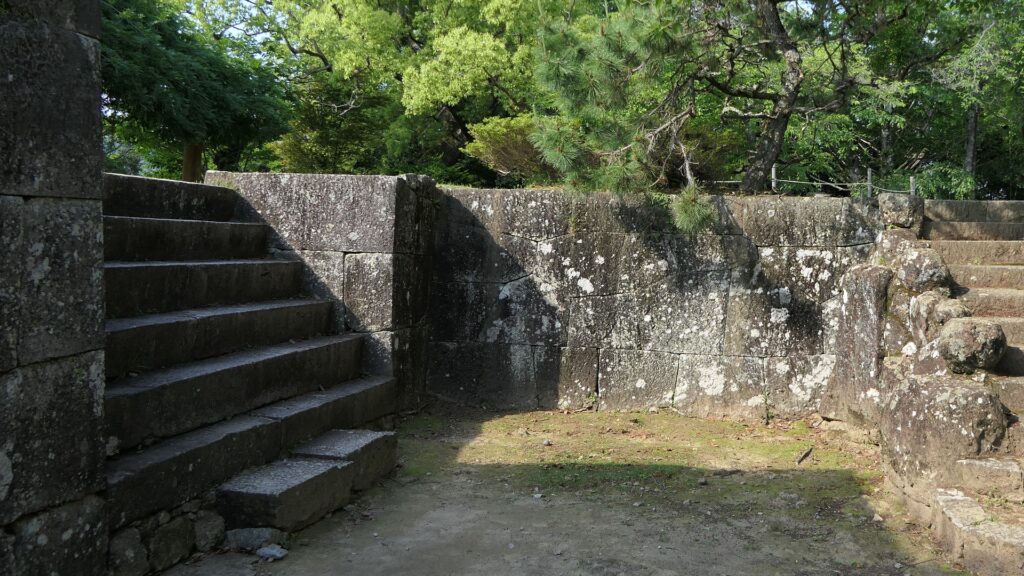
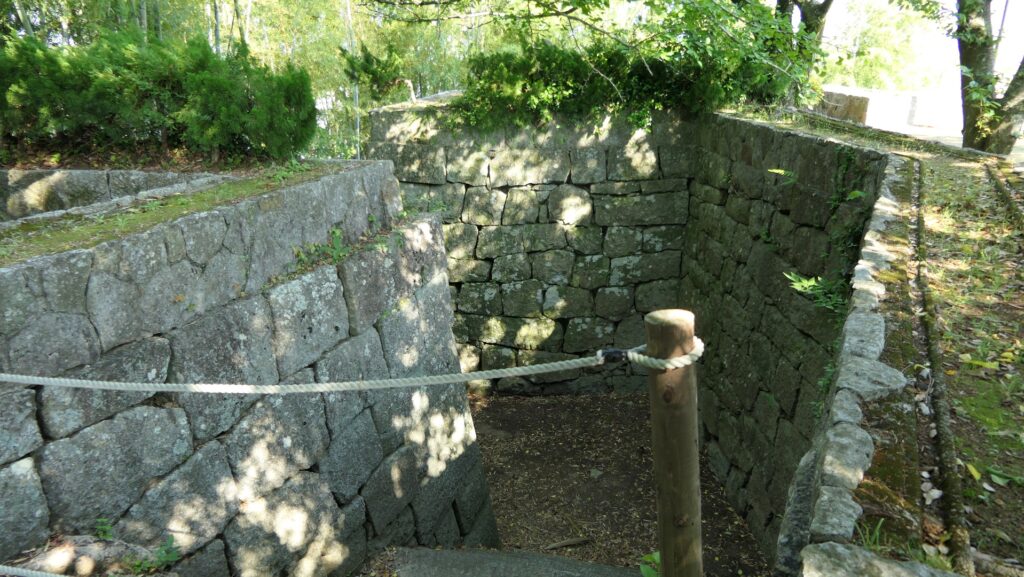
The paved road goes up to the hill passing through the Second Gate Ruins surrounded by stone walls and the partially remaining Inner Moat. The route is still bent similar to the original one. Next comes the Third Enclosure in the past, however, the present route goes around it which is used as a school. You can see one of the few remaining buildings of the castle, the Fujimi-mon Gate, which had been sold, but moved to the present position, not like in the original one, on the way.

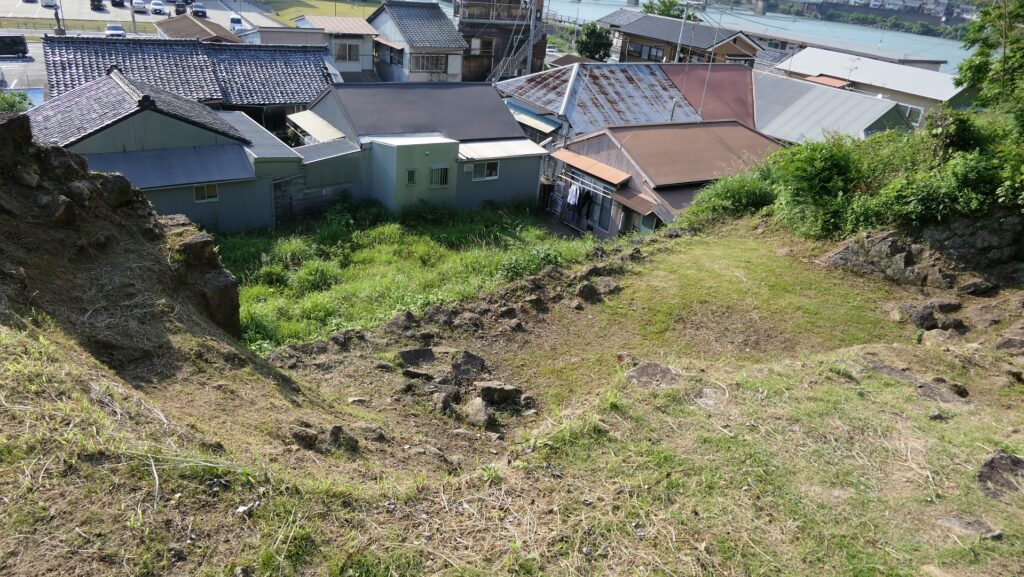
The partially remaining Inner Moat
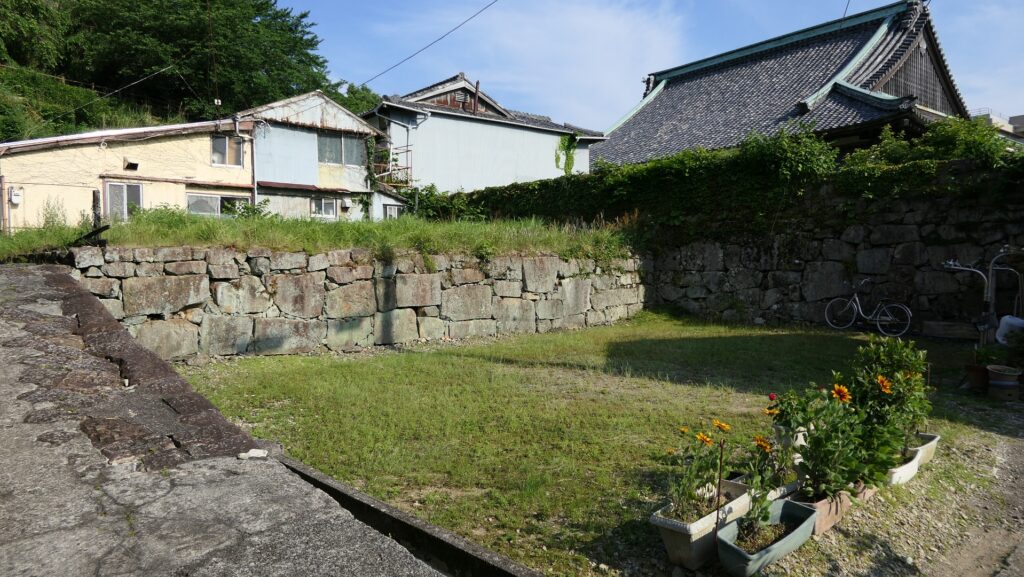
The Second Gate Ruins
The Third Enclosure Ruins which is used as a school
the Fujimi-mon Gate which was moved to the present position

You can enjoy both Earthen and Stone Walls at Northern Enclosure

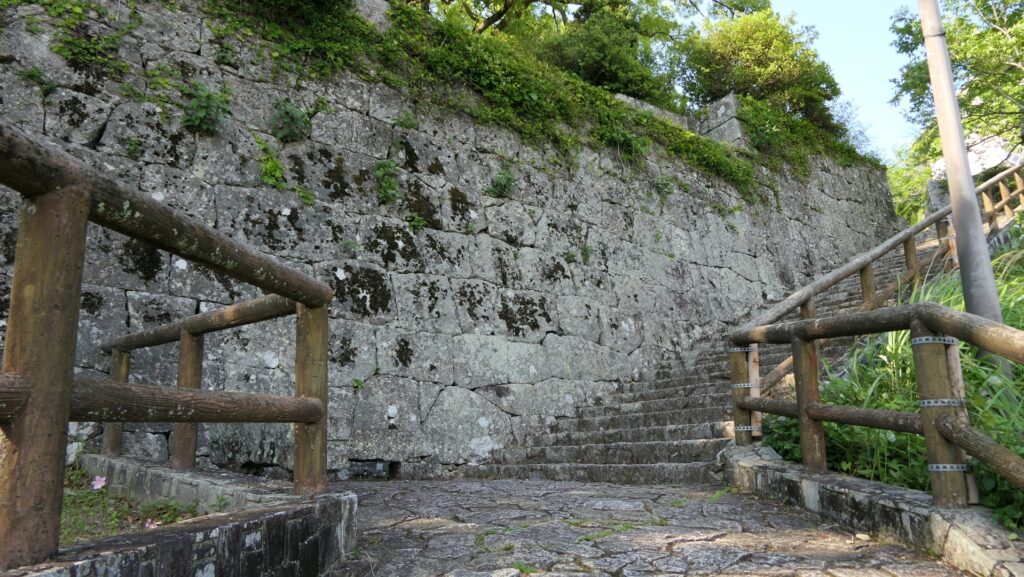
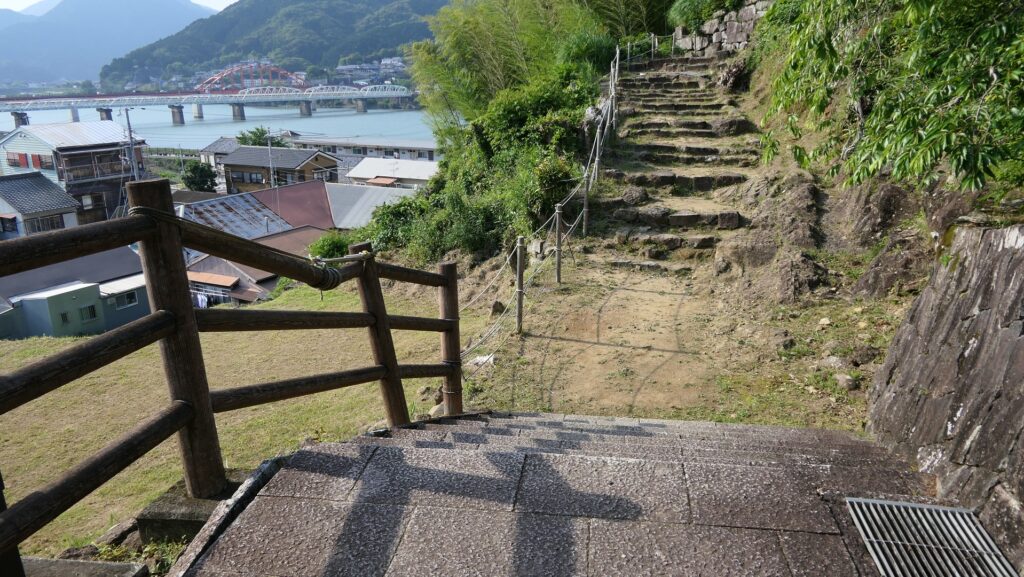
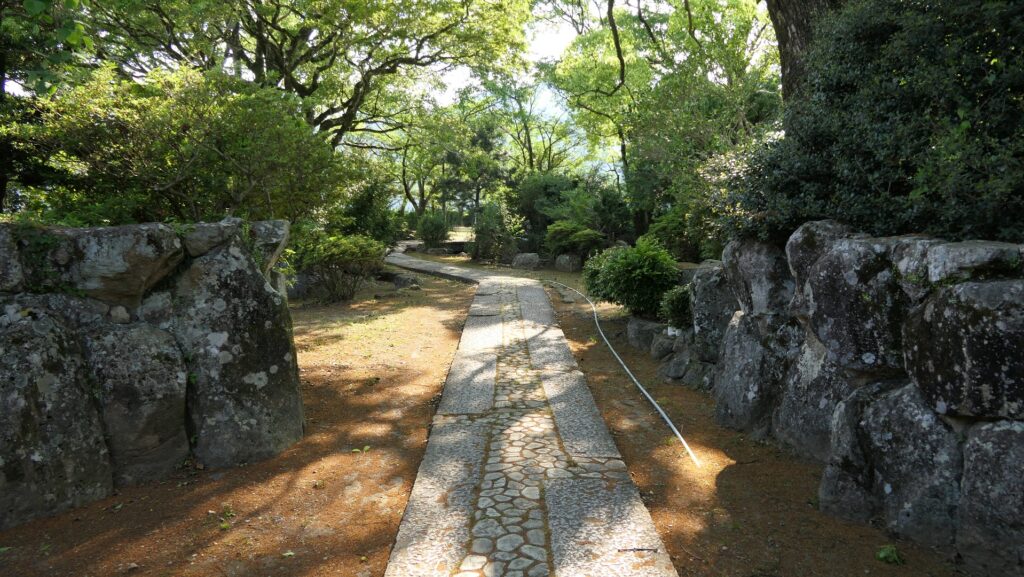
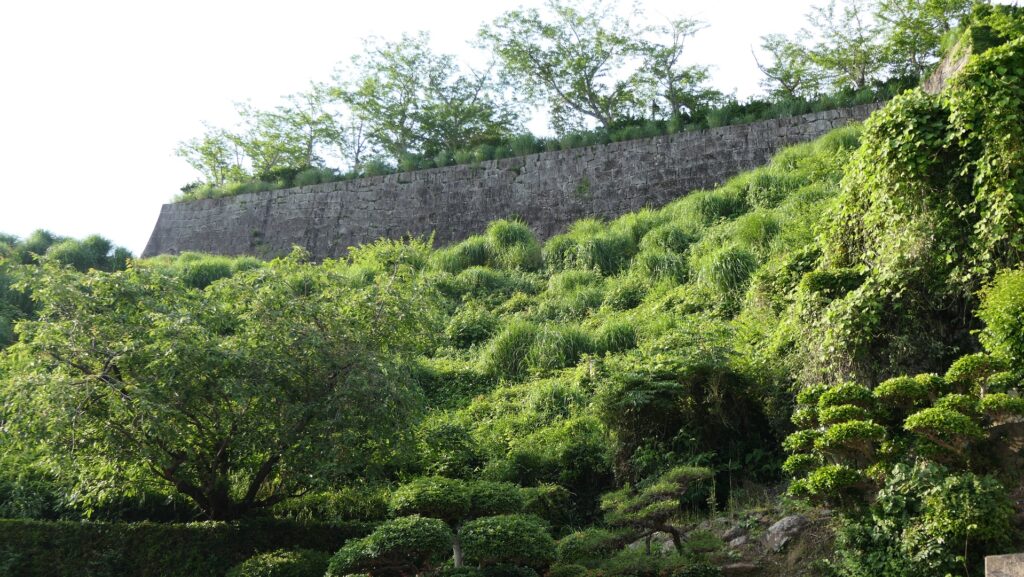
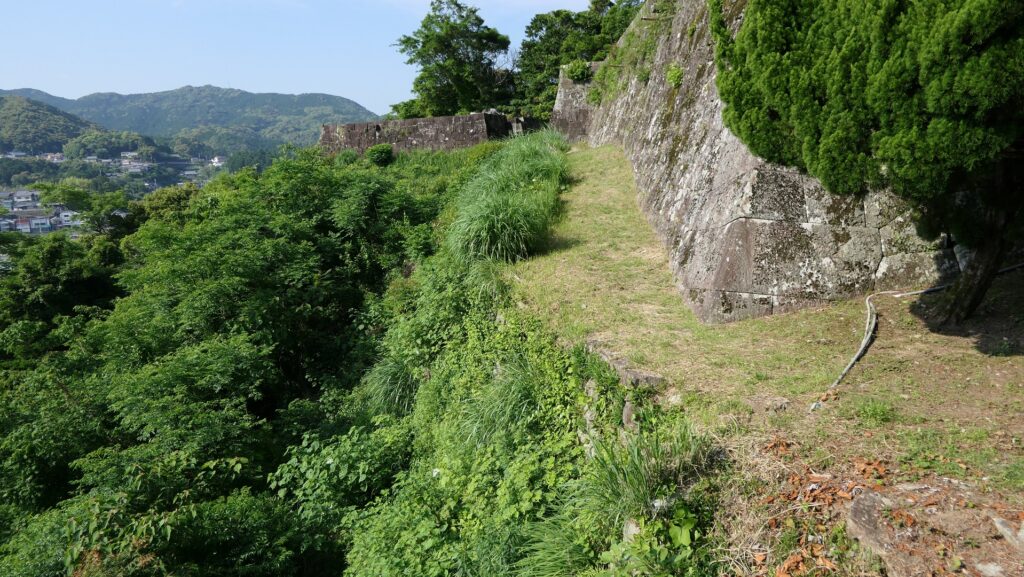
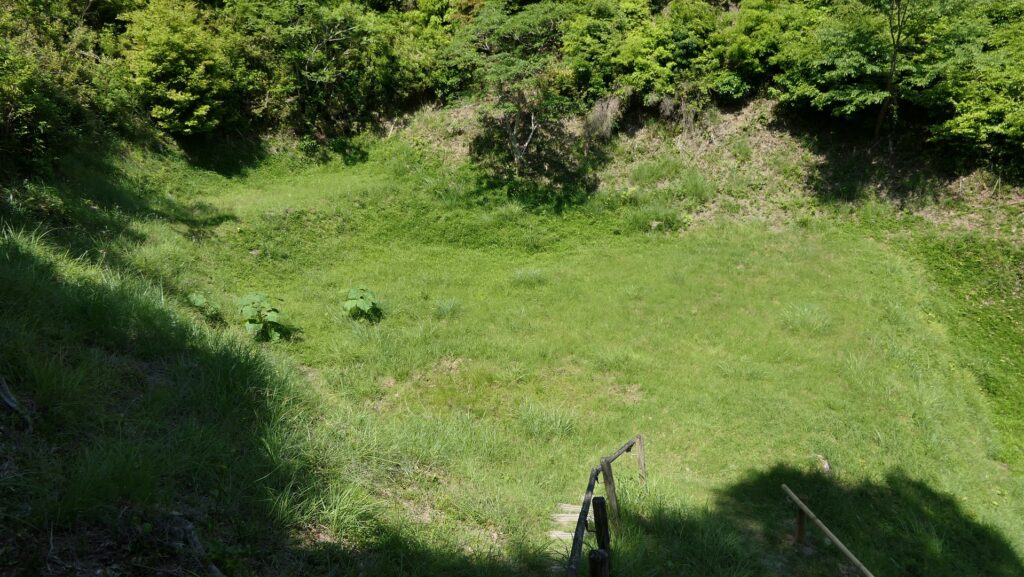
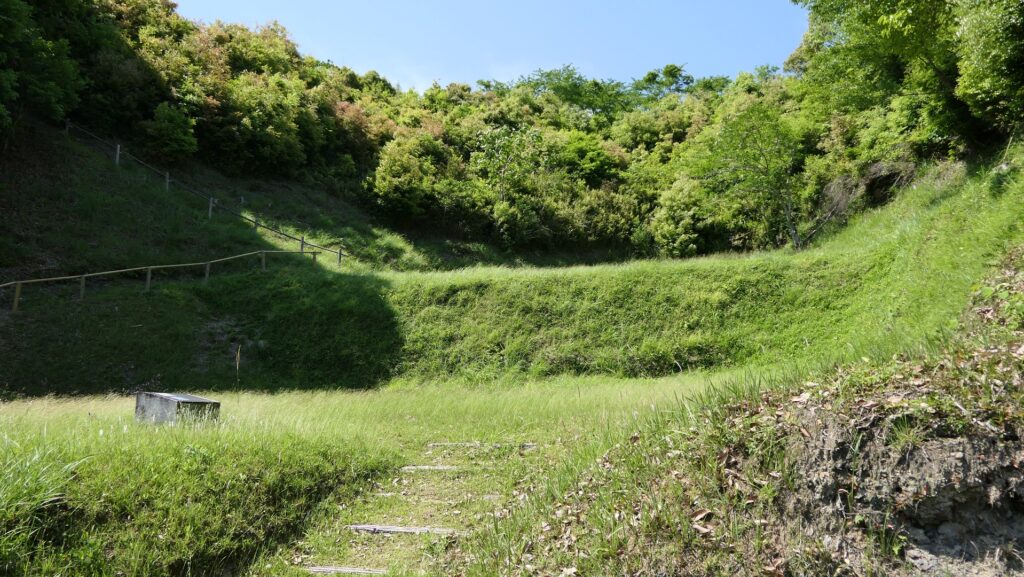
You can go directly to the Main Enclosure along the way but you should consider going the separate promenade around the Northern Enclosure. This is because you will be able to feel the long history of the castle when you see it. It is surrounded by old stone walls, and earthen walls outside. Earthen walls were commonly used in the Middle Ages before stone walls were used, so the earthen walls might have been built in the early stage of the castle.

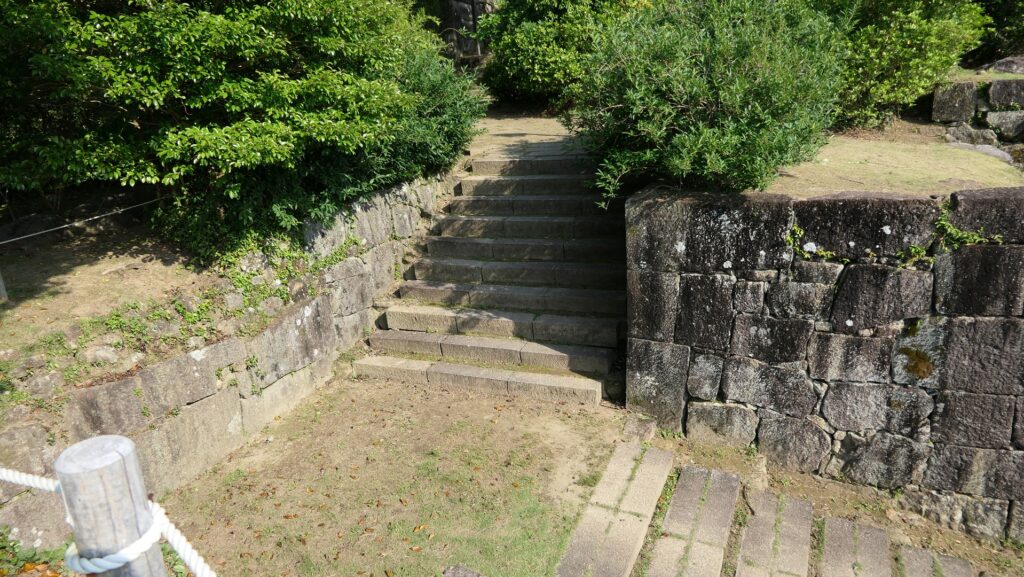
The entrance of the promenade around the Northern Enclosure
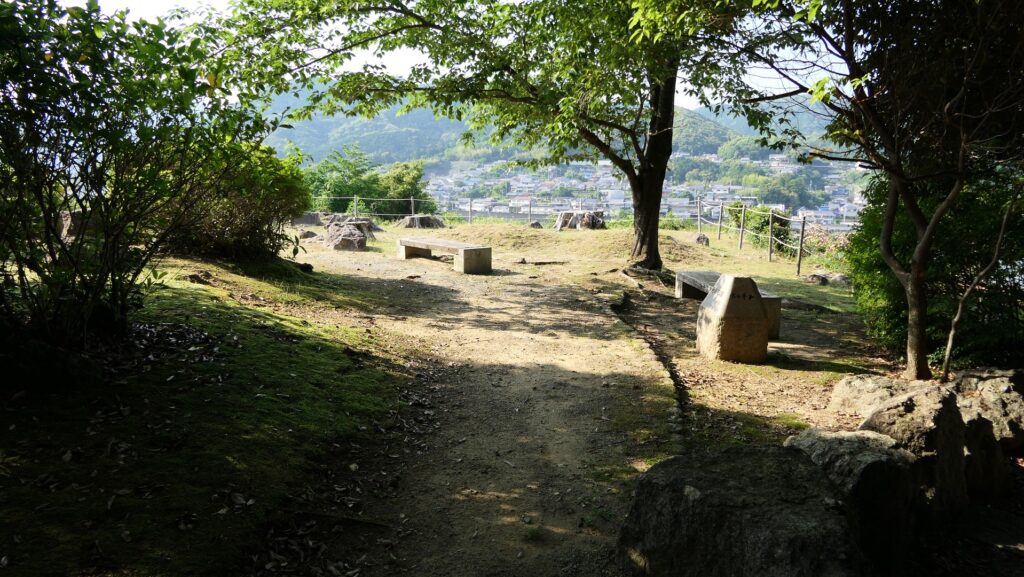
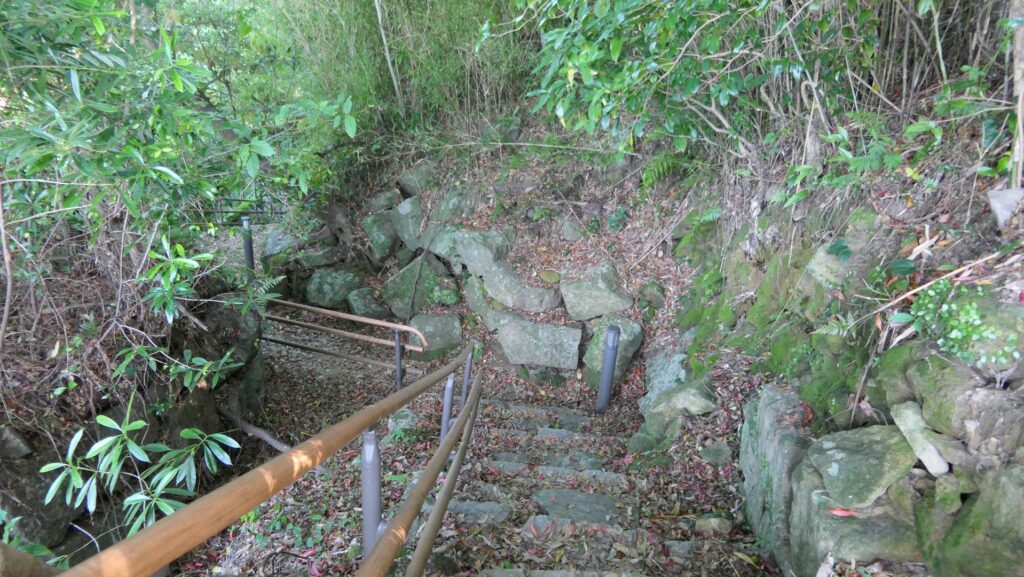
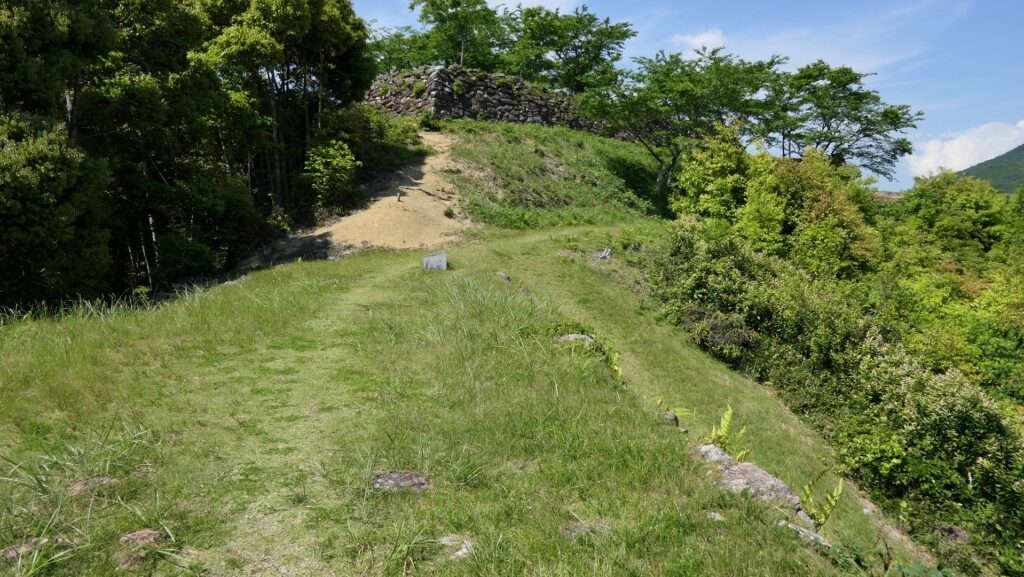
Going on the promenade
The earthen walls of the Northern Enclosure outside

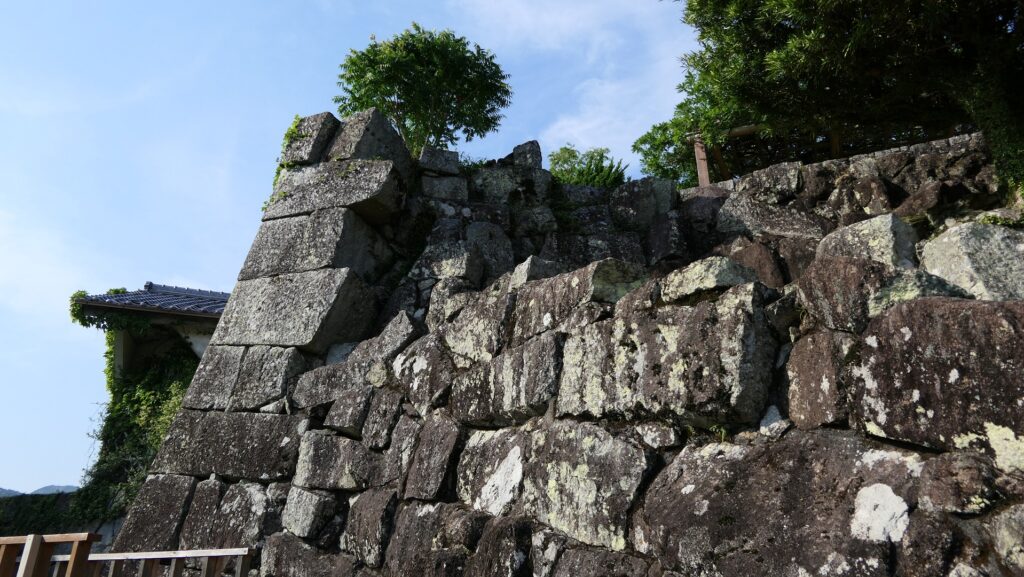
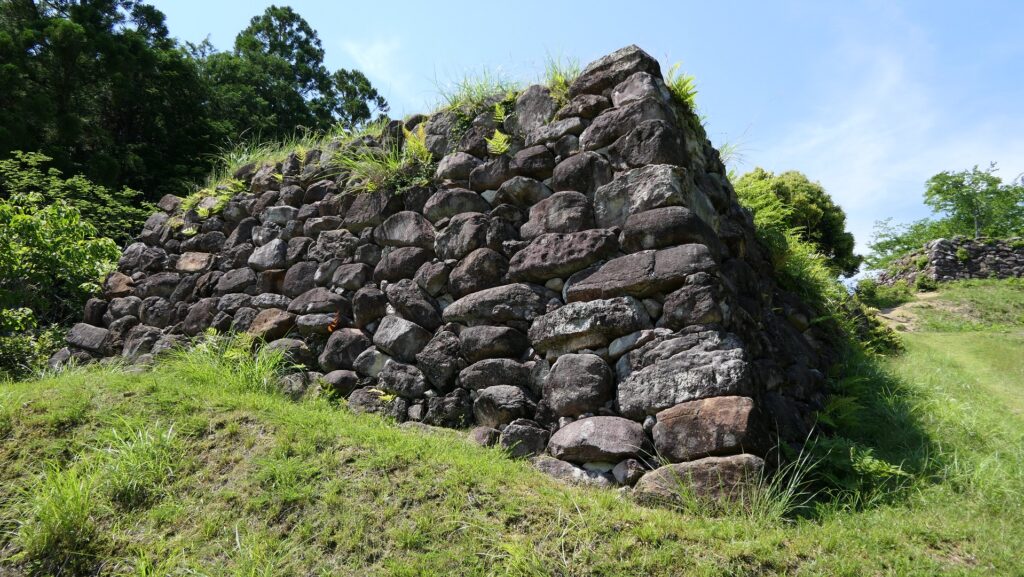
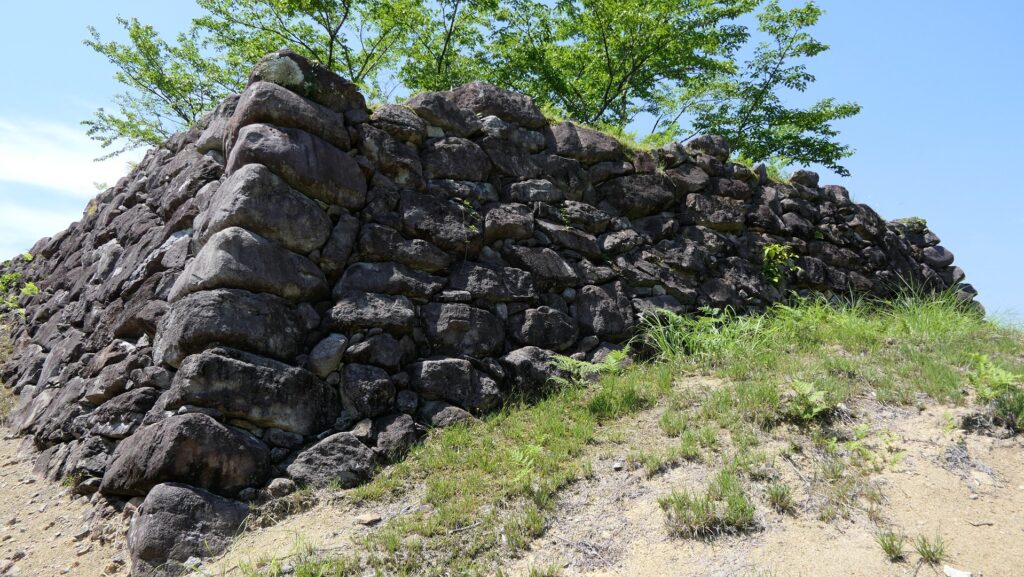
The stone walls also look like those of Azuchi Castle, one of the earliest examples of stone walls for castles, which Nobukatsu’s father, Nobunaga built. You might think the stone walls were built by Nobukatsu, but historians point out most of the castle’s stone walls were built by the Inaba Clan.

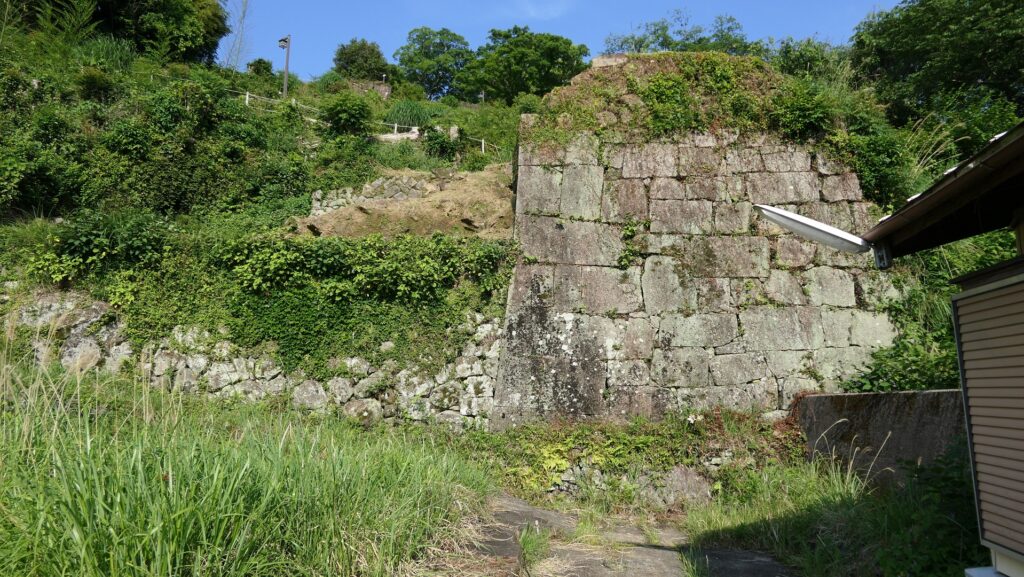
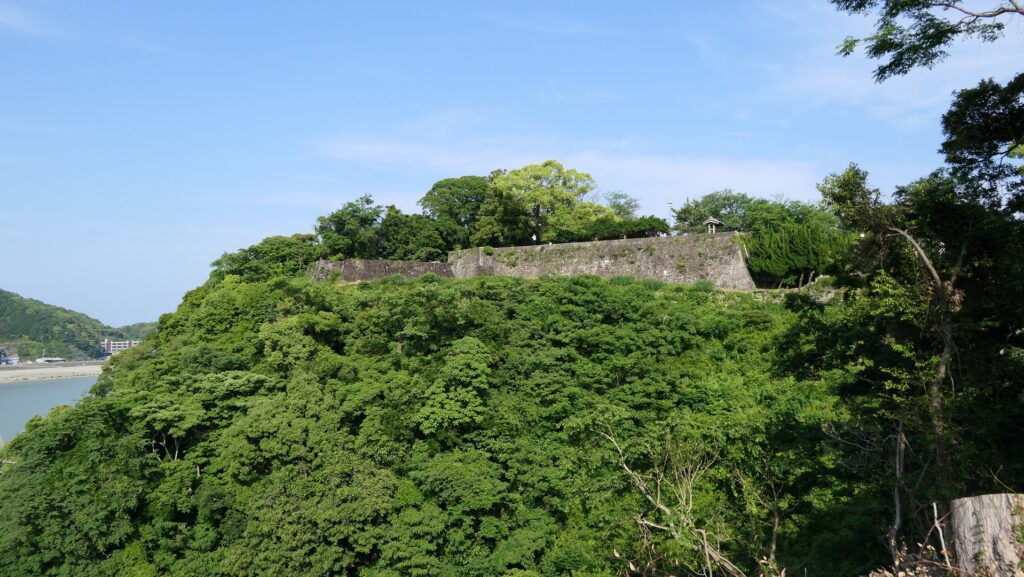
The stone walls of the Northern Enclosure
The combination of stone and earthen walls of the Northen Enclosure
The ruins of Azuchi Castle

Main Enclosure has several Attractions

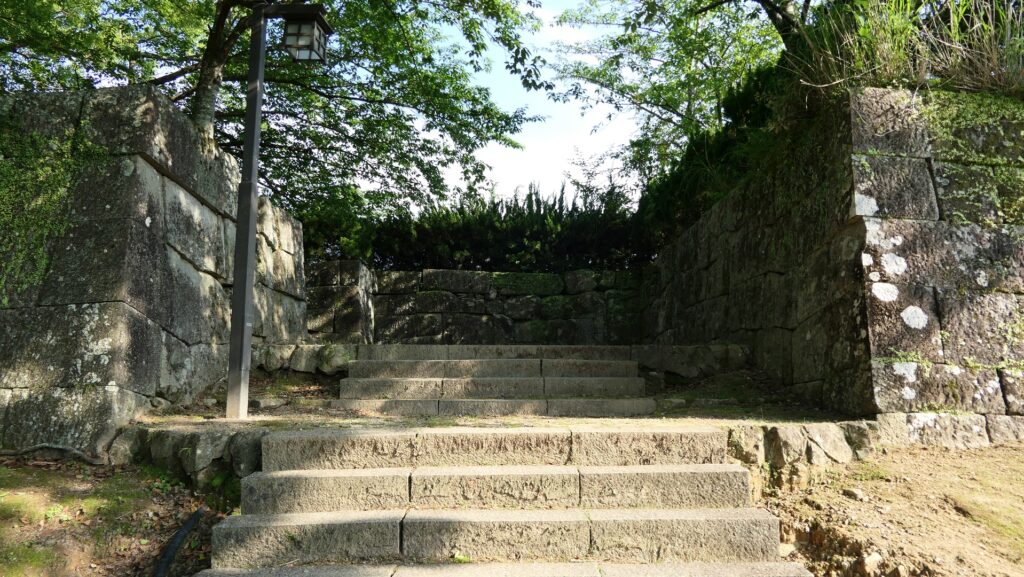
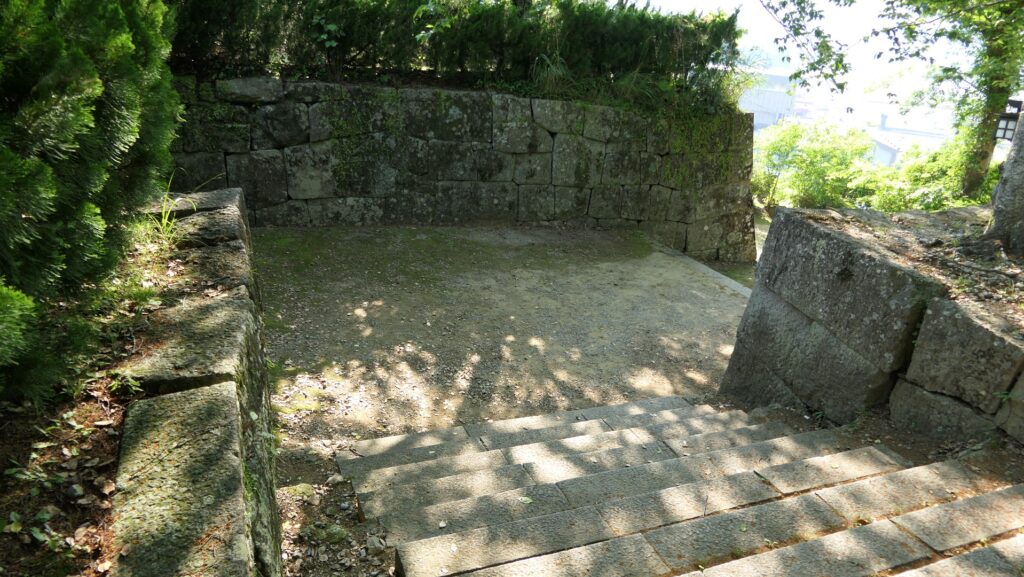
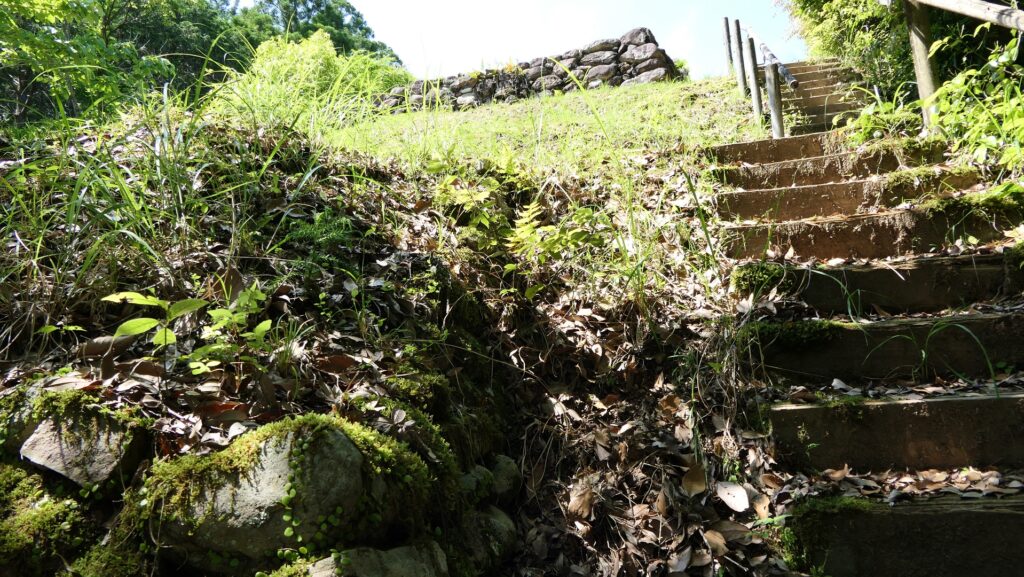
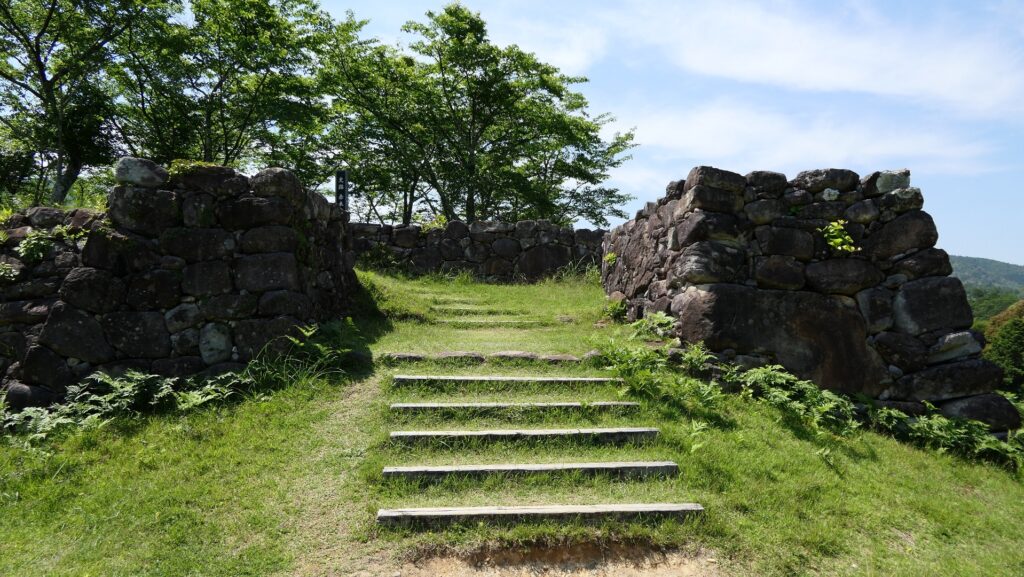
Going back to the main route, the paved road reaches the Main Enclosure, so you can easily enter it. Its alternating entrance surrounded by stone walls, called Koguchi, which was restored in the present time based on the achievements of the excavation.

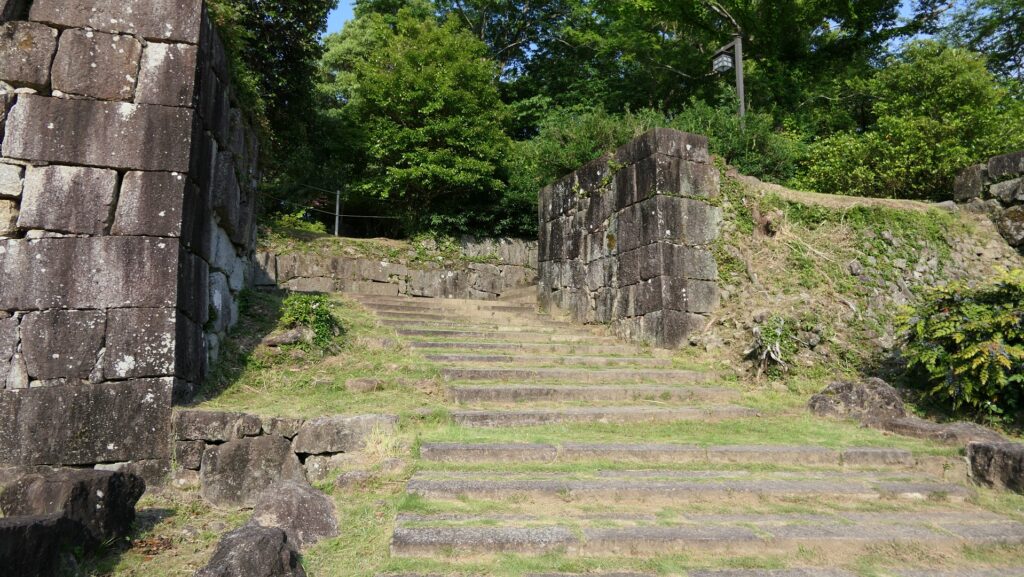
The route to the Main Enclosure
The entrance of the Main Enclosure
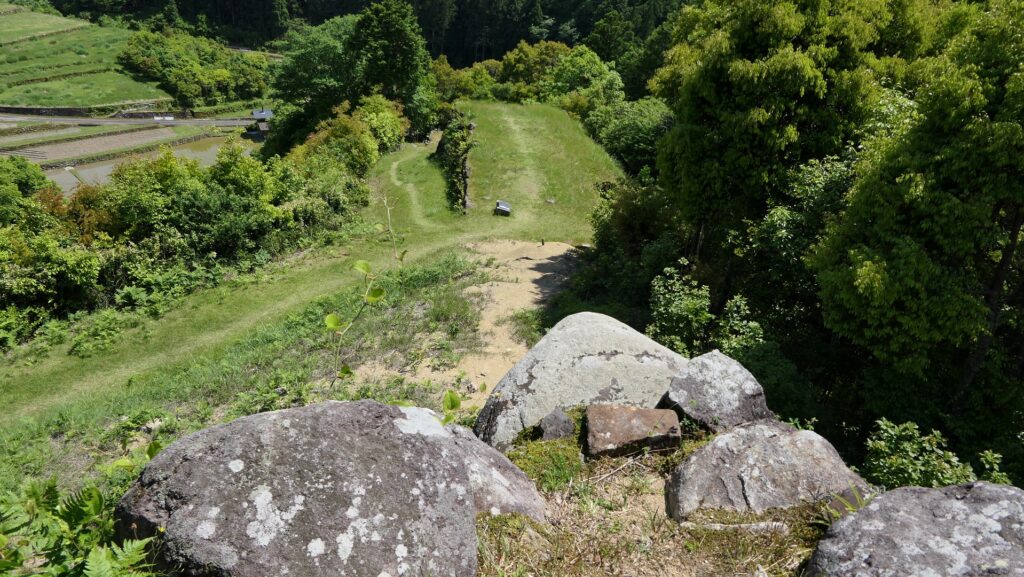
A view of the entrance from above the stone walls

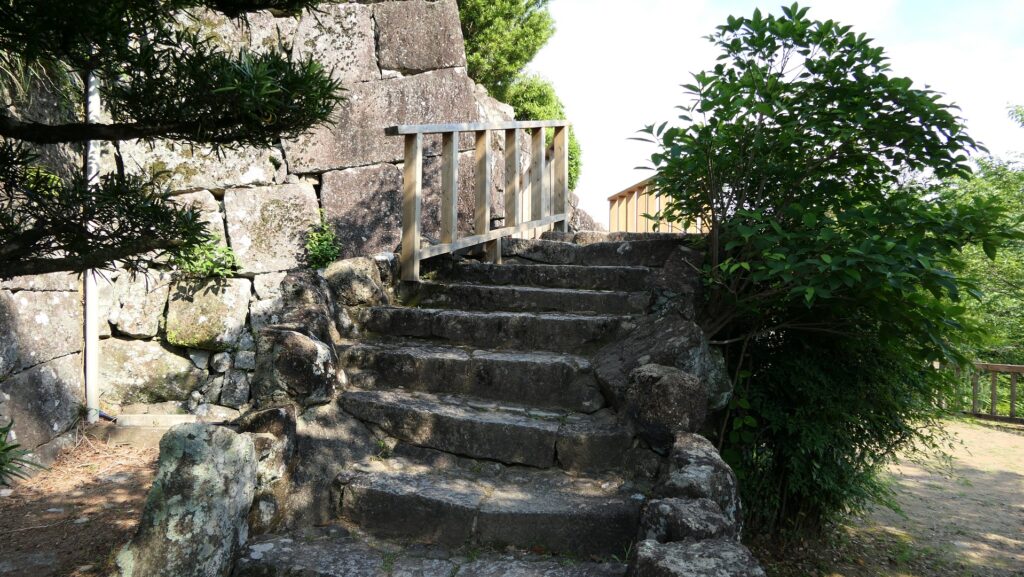
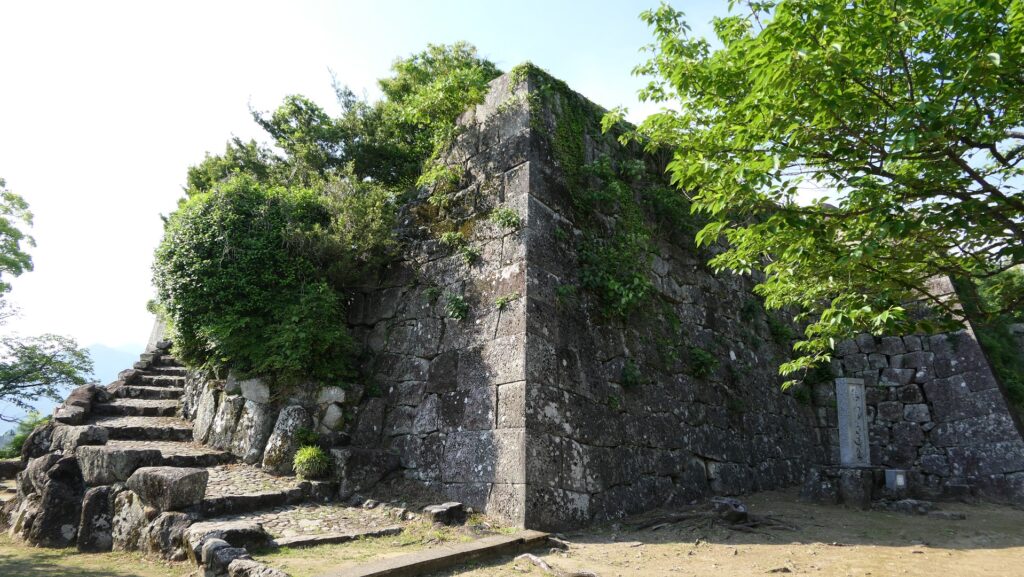
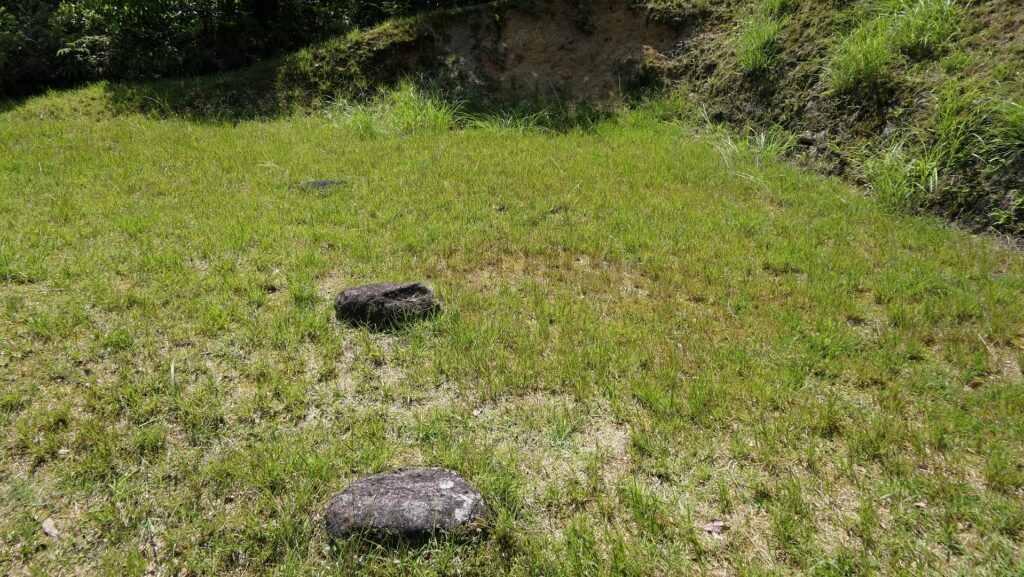
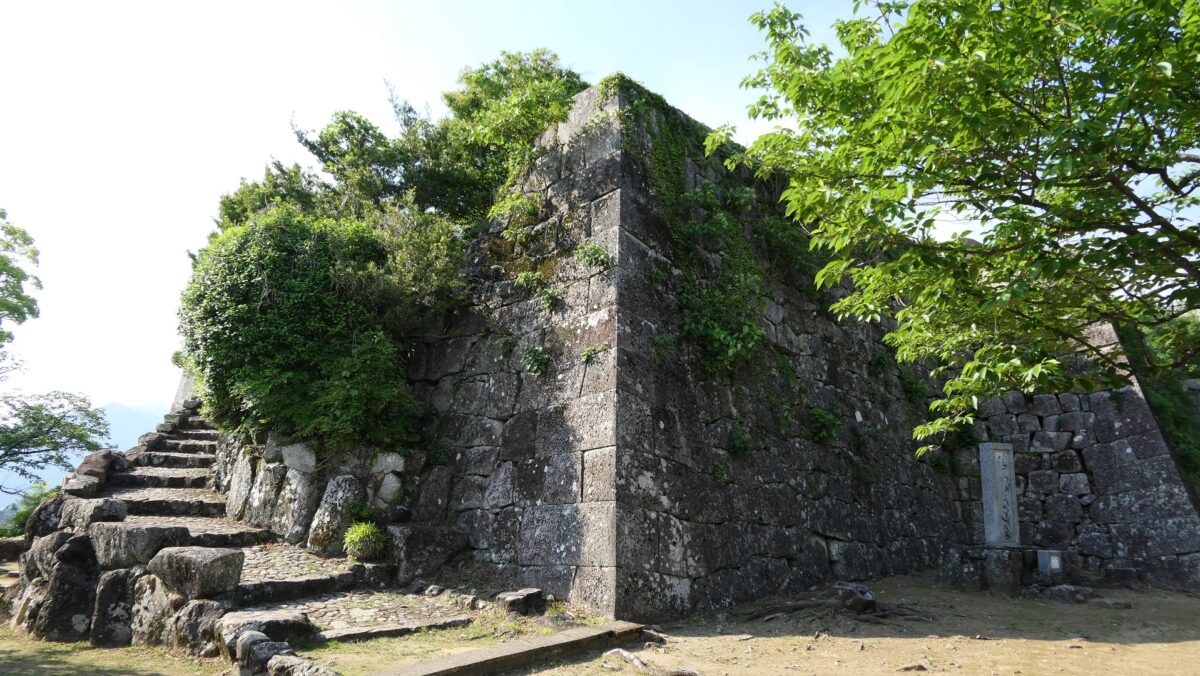
One of the highlights of it is the stone wall base for the Main Tower. Part of it such as the stone steps were added later than the original. However, the basic type, called Anagura-siki or the Cellar Type, is a very early method for Main Tower bases. Historians say the base might have been built by Nobukatsu.

The inside of the Main Enclosure
The stone wall base for the Main Tower
The inside of the base (the Cellar Type)

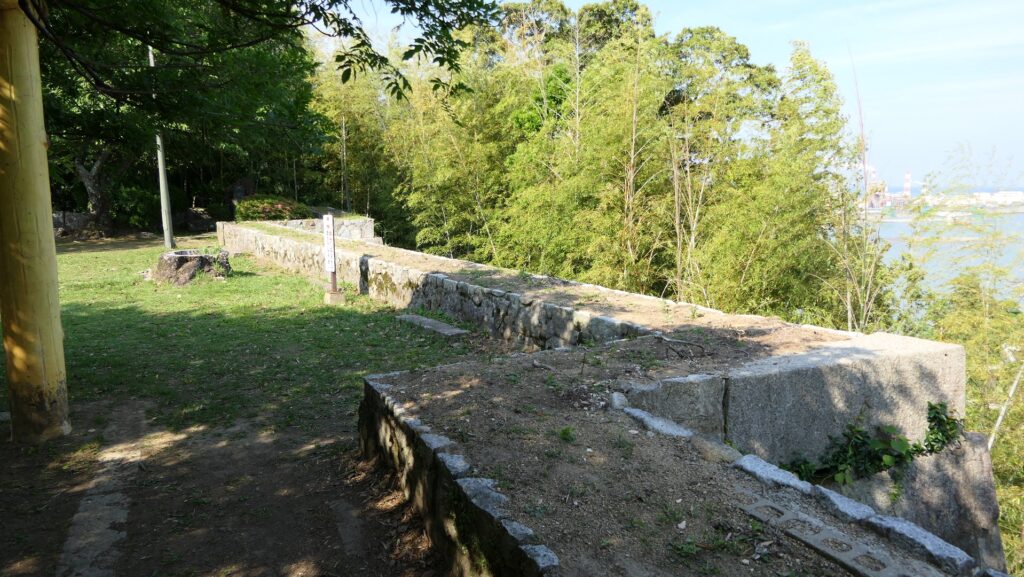
The second one has a good view of the town from it. The area around the town looks rich and peaceful, probably the same as in the past. That proves the good location of the castle.

A view from the Main Enclosure

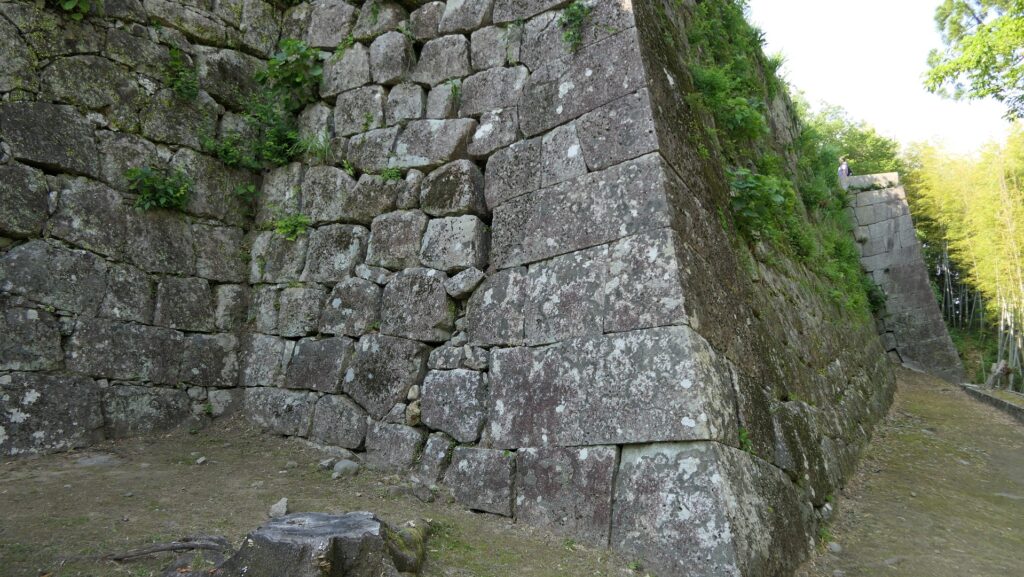
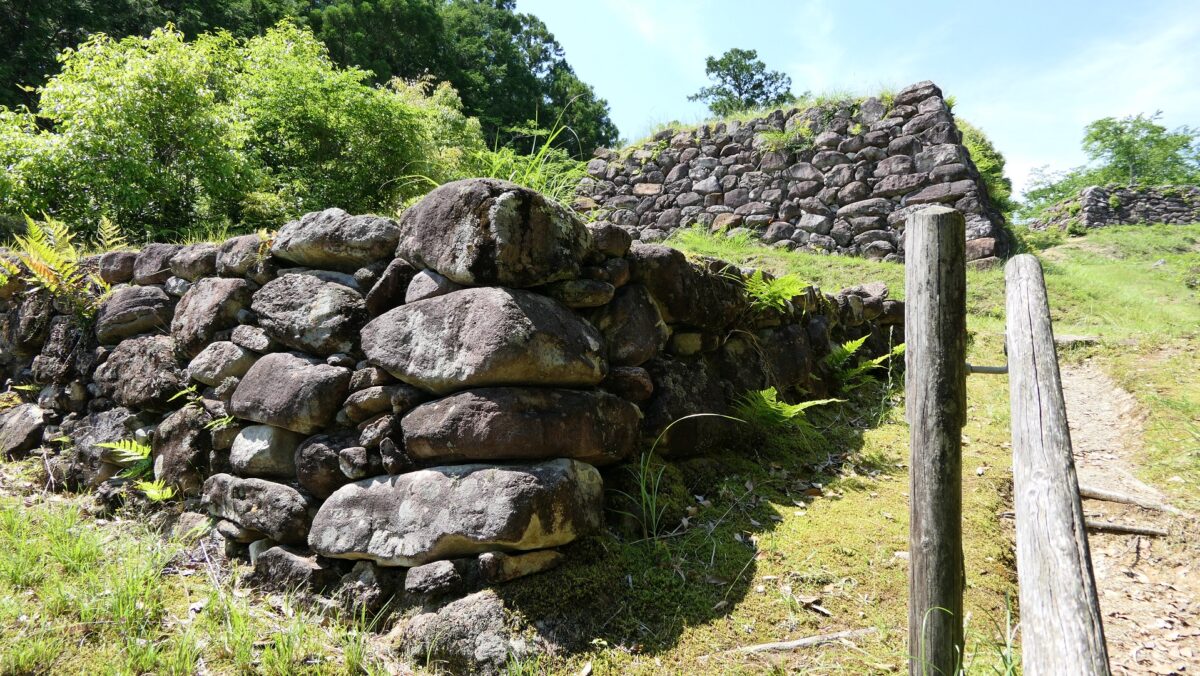
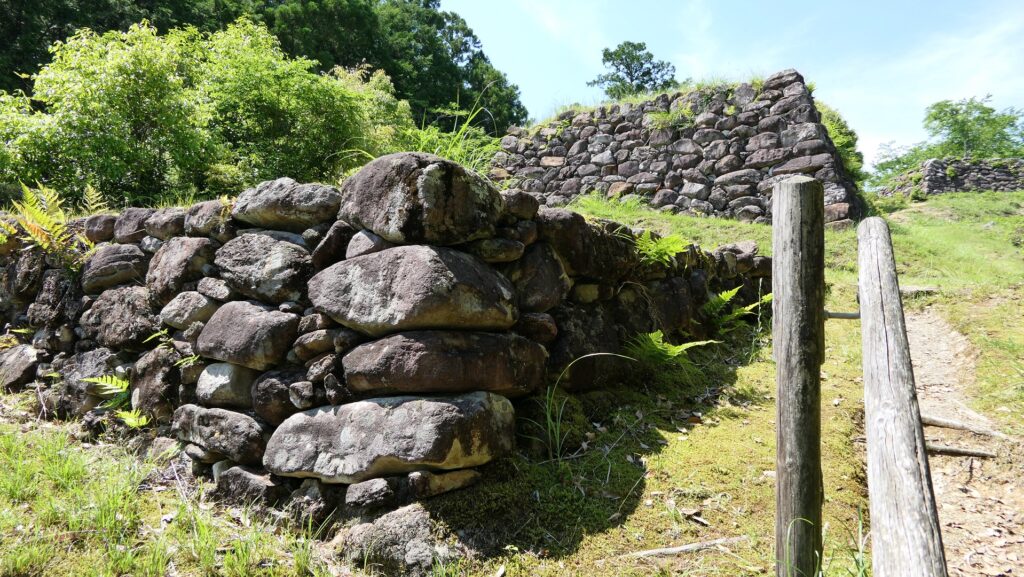
The rest is the stone walls surrounding the enclosure, you can look around. They look newer and more processed than those of the Northern Enclosures, so the Kuno Clan might repaired them.

The stone walls of the Main Enclosure
Part of the stone walls were made with two tiers

To be continued in “Tamaru Castle Part3”
Back to “Tamaru Castle Part1”

154.田丸城 その2

いくつかの時代から成る城跡

特徴、見どころ

大手門、二の門を通る

現在、田丸城跡は玉城町により維持されていて、今でも町の中心部に位置しています。現存する外堀の奥にある大手門跡は、城跡の入口であり、また町役場の入口にもなっています。この入口を通る道路は、もともと折れ曲がっていましたが、現在では恐らくは交通の便のために舗装されてまっすぐになっています。もし、車で城跡に来られたのでしたら、町役場の駐車場を使うことができます。

城周辺の地図

大手門跡前の外堀
大手門跡

舗装された道路は丘の方に登っていって、石垣と一部残っている内堀に囲まれた二の門跡を過ぎていきます。この部分は昔のように今でも曲げられています。この後はかつては三の丸に至ったのですが、そこは学校地になっているので、現在の道は回り込んでいます。道沿いには城では数少ない現存建物の一つ、富士見門があります。この門は一旦売却されて別の場所にあったのですが、元通りの場所ではないのですが、城跡内の現在地点に戻されました。

一部残っている内堀
二の門跡
学校になっている三の丸跡
移築された富士見門

土塁と石垣両方を楽しめる北の丸

このまま本丸に行くこともできるのですが、その前に枝分かれする遊歩道の方に行って、北の丸の周りを歩いてみることをお勧めします。それは、この曲輪を見たときにこの城の長い歴史を実感できるからです。この曲輪は古い石垣に囲まれているのですが、更にその外側を土塁が囲んでいます。土塁は、石垣が使われるようになるまでは、中世の城では普通に使われていました。そのため、ここの土塁は初期の段階より存在していたかもしれないのです。

北の丸の遊歩道へ
遊歩道を進みます
北の丸外側の土塁

ここの石垣も、城の石垣としては最も古いものの一つである安土城のものに似て見えます。安土城は信雄の父、信長が築いたものなので、この石垣は信雄が築いたものではと思ってしまいますが、歴史家によれば、この城のほとんどの石垣は稲葉氏が築いたとのことです。

北の丸の石垣
北の丸の石垣と土塁のコンビネーション
安土城跡

見どころが多い本丸

本道に戻ると、舗装道が本丸にまで至っているので、簡単に中に入ることができます。虎口と呼ばれる、石垣に囲まれ食い違いになっている入口は、発掘の成果により現代になって復元されたものです。

本丸に向かう道
本丸虎口
石垣上から見た本丸虎口

本丸の第一の見どころは、天守台石垣でしょう。石段などの一部の部分は、後から追加されたものです。しかし、穴倉式という基本的な天守台の形式は、天守台を作る方式の中では初期のものに当たります。歴史家によれば、この天守台は信雄により築かれたかもしれないとのことです。

本丸内部
天守台石垣
天守台の内部(穴倉)

次の見どころは、本丸からの町の景色です。この町周辺は、豊かで平和な地域に見えます。きっと過去もそうだったのでしょう。この城の立地がとても良いことがわかります。

本丸からの眺め

他にも、本丸を囲む石垣も見て回ってほしいです。北の丸の石垣よりは新しく且つ精密に見えますが、江戸時代に久野氏が修繕した結果のようです。

本丸の石垣
段積みになっている部分

「田丸城その3」に続きます。
「田丸城その1」に戻ります。

48.Matsusaka Castle Part3

The Main Tower Base even uses a stone sarcophagus.

Features

Main Enclosure, Center of Castle

The lower tier had many turrets as the pivot for defense. Though there are no buildings now, you can look down on the routes below the stone walls of the tier clearly.

The map around the castle

The ruins of Kane-no-yagura Turret at the lower tier of the Main Enclosure
A view of Matsusaka City Museum of History and Folklore from the ruins of Kane-no-maru Turret
The ruins of Tsukimi Turret at the lower tier of the Main Enclosure
A view of the Second Enclosure from the ruins of Tsukimi Turret

The upper tier had turrets, residences, and the Main Tower. The stone wall base for the tower remains in its original condition from when Ujisato Gamo first built the castle. It looks very old and you can see part of it is made using a stone sarcophagus. This shows the stones for the castle construction were collected rapidly. You can also see a nice city view with mountains behind, as this is the highest point of the castle.

The entrance of the upper tier of the Main Enclosure
The inside of the upper tier of the Main Enclosure
The stone wall base for the Main Tower
The stone sarcophagus used for the stone walls (in the front)
A view from the upper tier of the Main Enclosure

Later History

After the Meiji Restoration, Matsusaka Castle was abandoned and the castle buildings were demolished or burned. The main portion of the castle was turned into Matsusaka Park in 1881, while the other has become a city area. Matsusaka City, the former castle town, renovated the stone walls of the castle for as long as 16 years between 1988 and 2003. The city has also been researching the ruins as well. They were finally designated as a National Historic Site in 2011.

The stone wall base for the Main Tower

My Impression

Before my visit to Matsusaka Castle Ruins, I didn’t know much about Ujisato Gamo and the castle. In fact, I was still wondering why the local city has castle ruins with such great stone walls while visiting. However, after learning about who he was and the history of the castle, I understood the reason. I hope that Matsusaka City will maintain the castle ruins and the memory of Ujisato forever because the city would not be there without hin.

The stone walls of the upper tier of the Main Enclosure

How to get There

If you want to visit the ruins by car, it is about a 15-minute drive away from Matsusaka IC on the Ise Expressway. There is a parking lot for visitors beside the park.
If you want to use public transportation, It takes about 15 minutes on foot from Matsusaka Station to get there.
To get to Matsusaka Station from Tokyo: Take the Tokaido Shinkansen super express, transfer to the JR Mie rapid train or the Kintetsu-Nagoya Line on Kintetsu Railway at Nagoya Station.

That’s all. Thank you.
Back to “Matsusaka Castle Part1”
Back to “Matsusaka Castle Part2”

error: Content is protected !!