170.Hamada Castle Part2

Introductions for both casual visitors and serious history fans

Later History

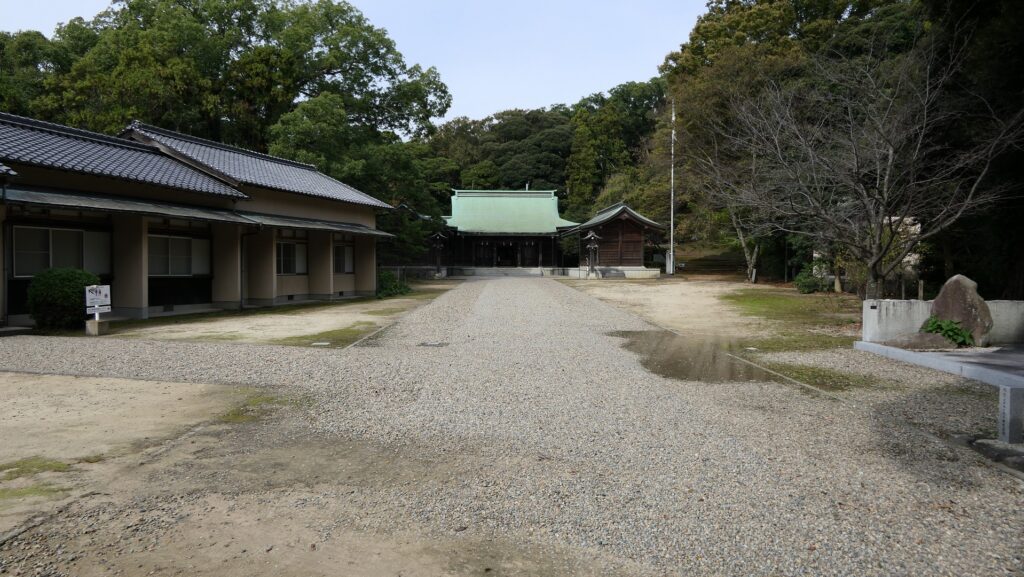
After the Meiji Restoration, Hamada Castle Ruins had a little complicated history. The Japanese Army at first owned the ruins but they remained idle, while the remaining Main Tower collapsed due to the Hamada Earthquake in 1872. No buildings survived. After the ruins were sold to the former lord, Matsudaira Clan in 1890, Shimane Prefecture turned them into the Hamada Park in 1903. The route to the Main Enclosure on the top was developed, on the other hand, some stone walls were destroyed for the construction. In 1938, Hamada-Gokoku Shrine was established at the mid slope of the hill. Its approach from the foot was developed.

Hamada-Gokoku Shrine

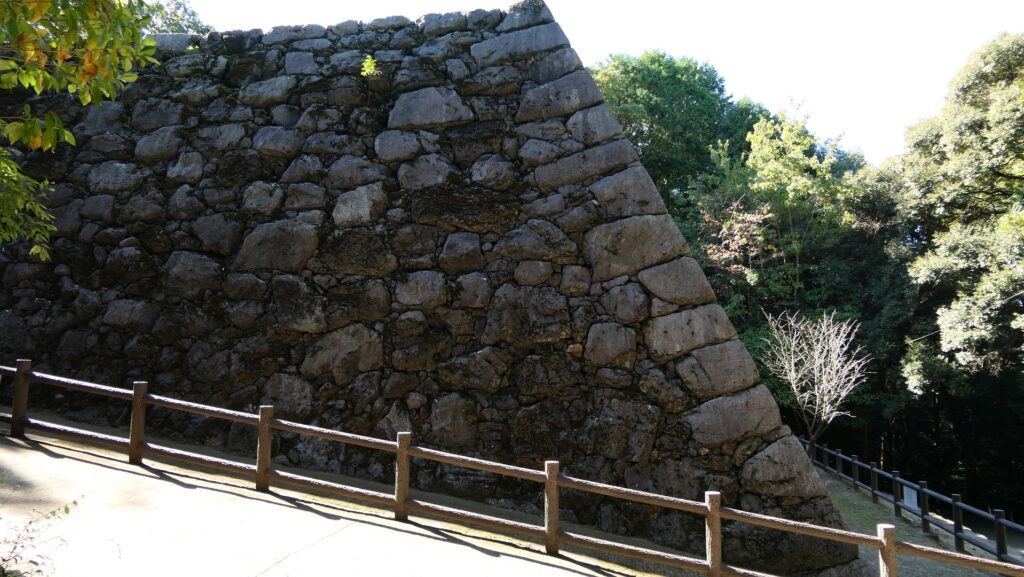
After World War II, Hamada City, which bought the ruins, planned to improve the park as well as a working area for people. Another route from the foot was developed and some stone walls were repaired by the work. The stone walls had been left after the fire at the end of the Edo Period. However, it was pointed out that their original condition was not considered in the repair. As a result, the ruins were designated as a Prefectural Historic Site of Shimane Prefecture in 1962.

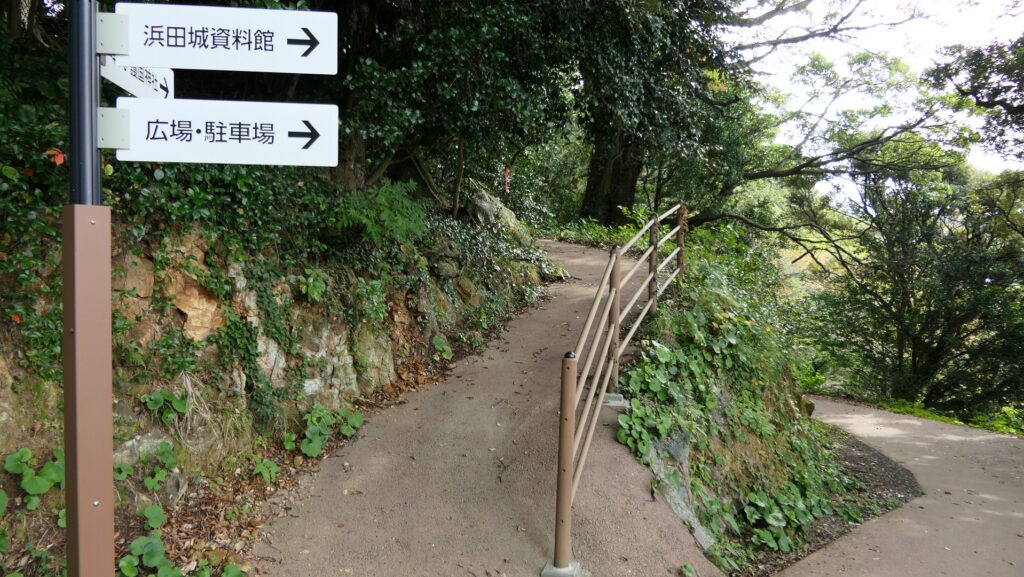
The route to the ruins, which was developed after World War II

Features for General Visitors

Going to Castle Ruins through Hamada-Gokoku Shrine

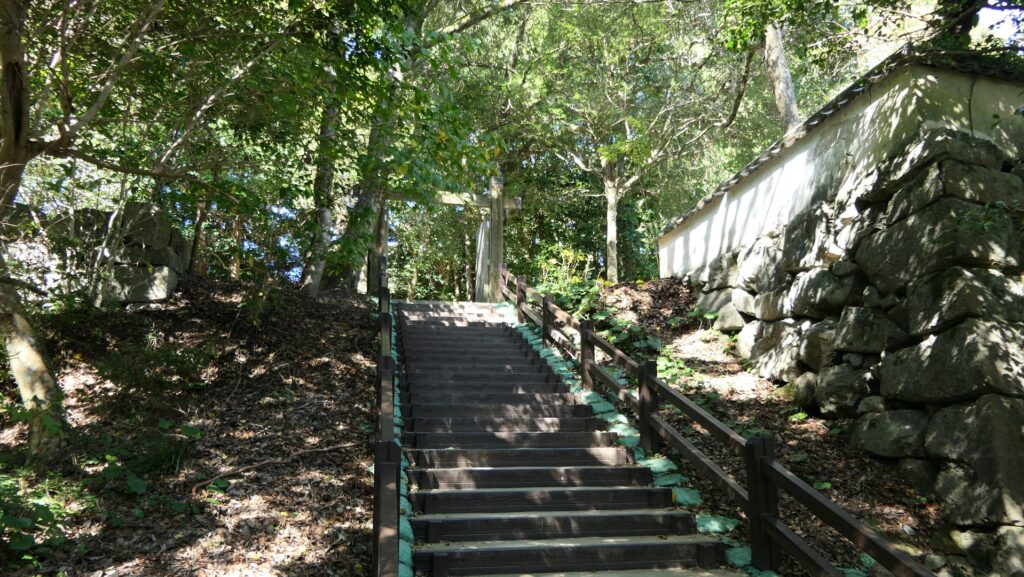
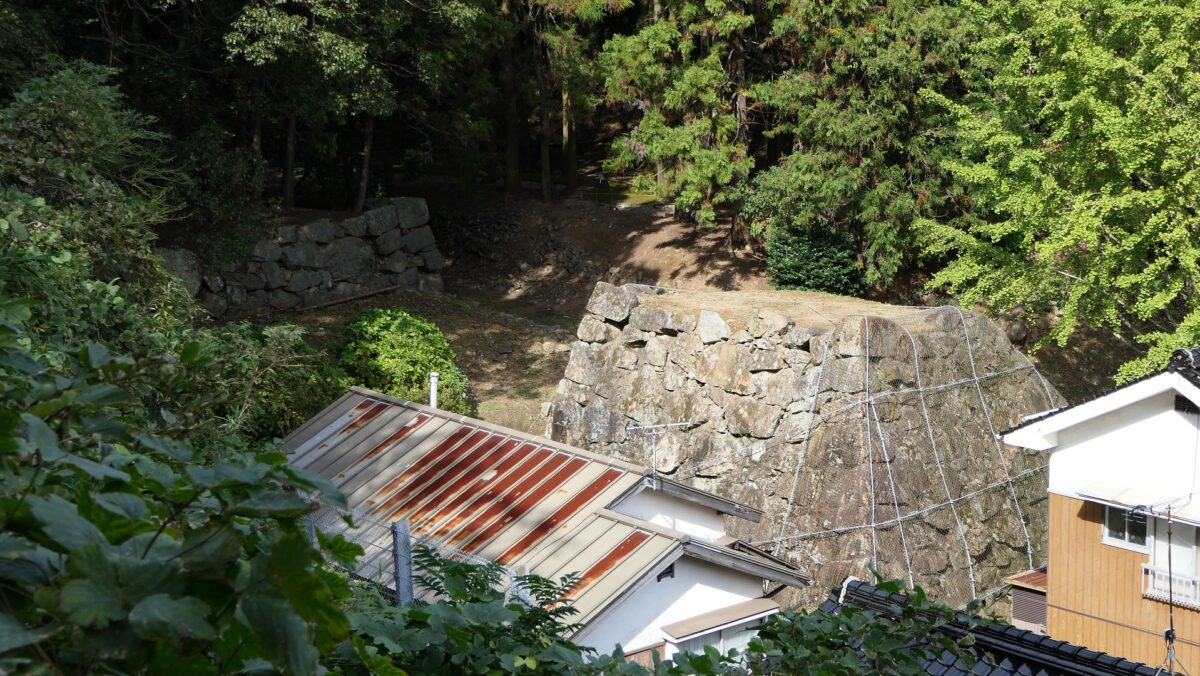
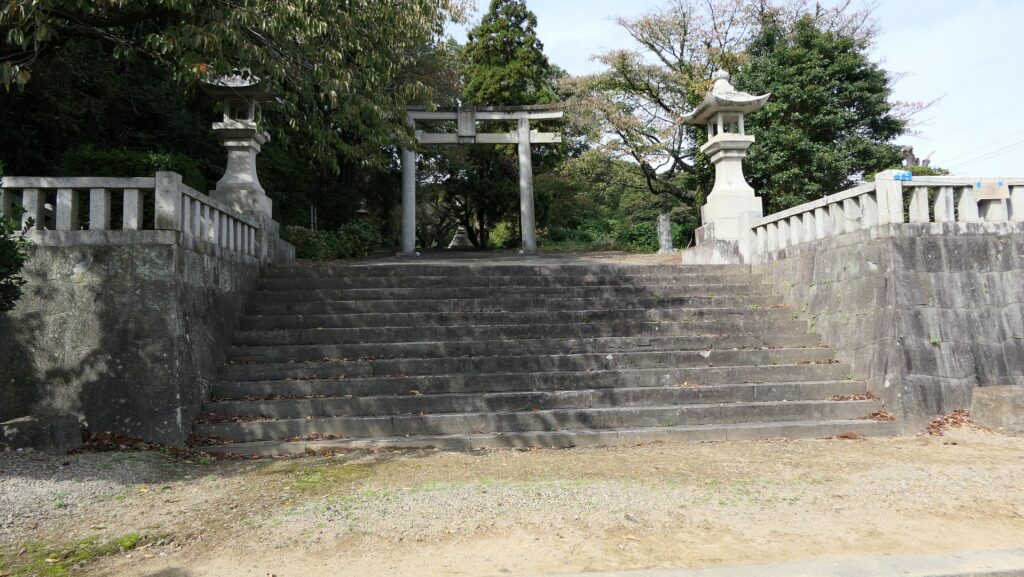
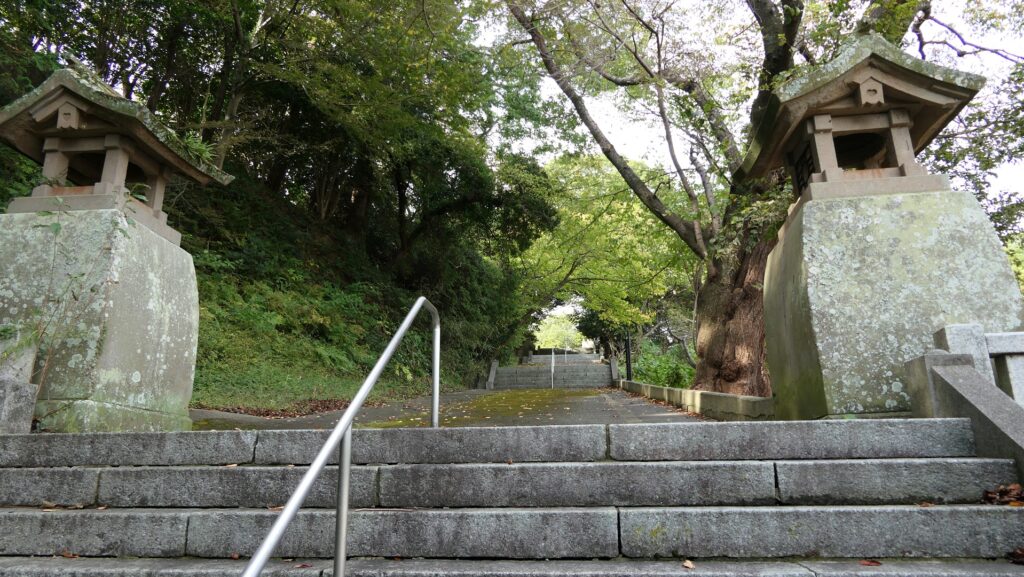
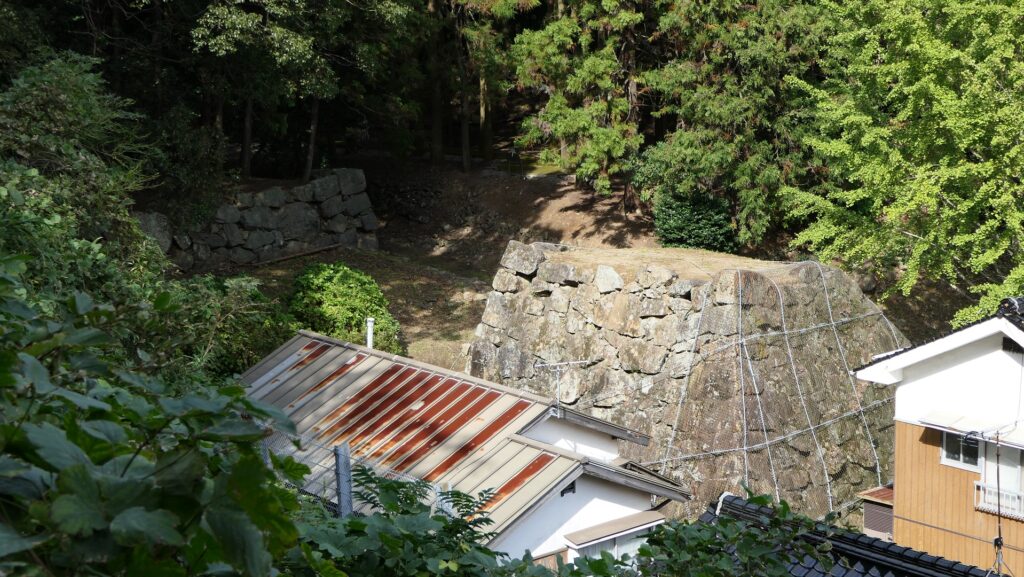
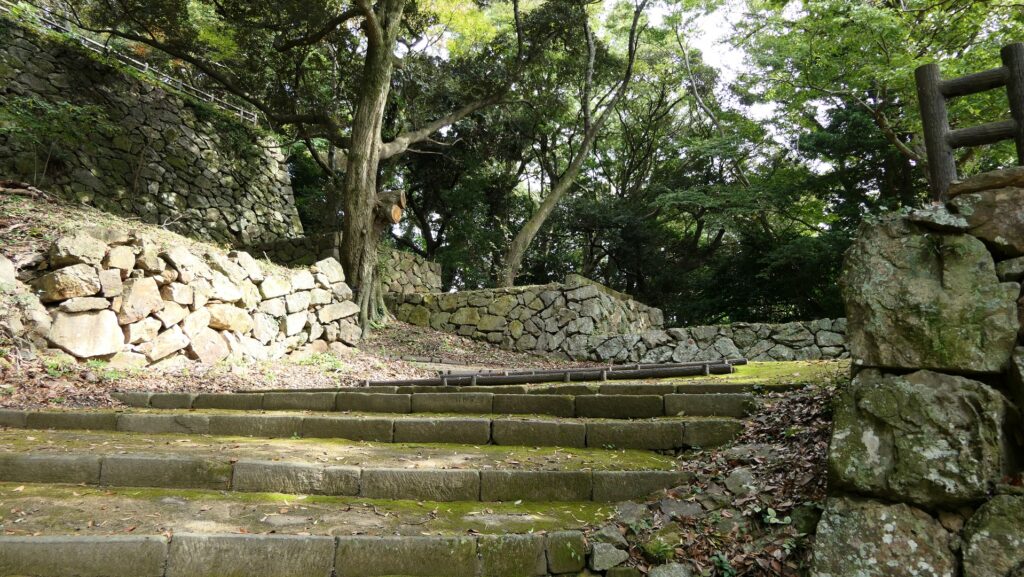
Today, there are two routes to the ruins of Hamada Castle, houever they are not the original. If you choose the approach to Hamada-Gokoku Shrine as the route, it goes straight to the shrine at the mid slope with stone steps. You can look down Nakanomon Gate Ruins to the right of the way. In fact, the gate was on the original route.

The map around the casltle

The entrance of the approach to Hamada-Gokoku Shrine
The approach to Hamada-Gokoku Shrine
The ruins of Nakanomon Gate seen from the approach

Gate moved from Tsuwano Castle

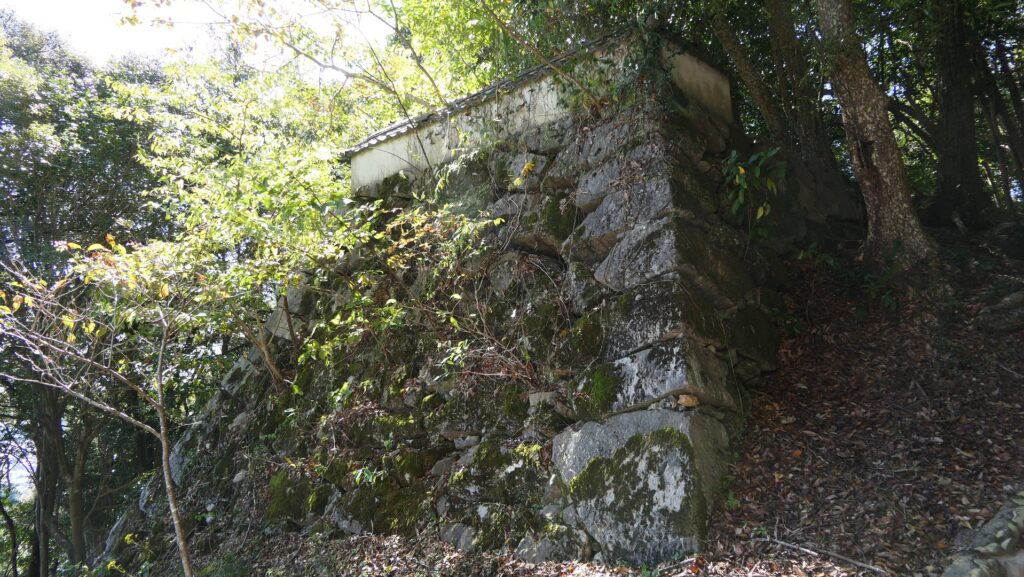
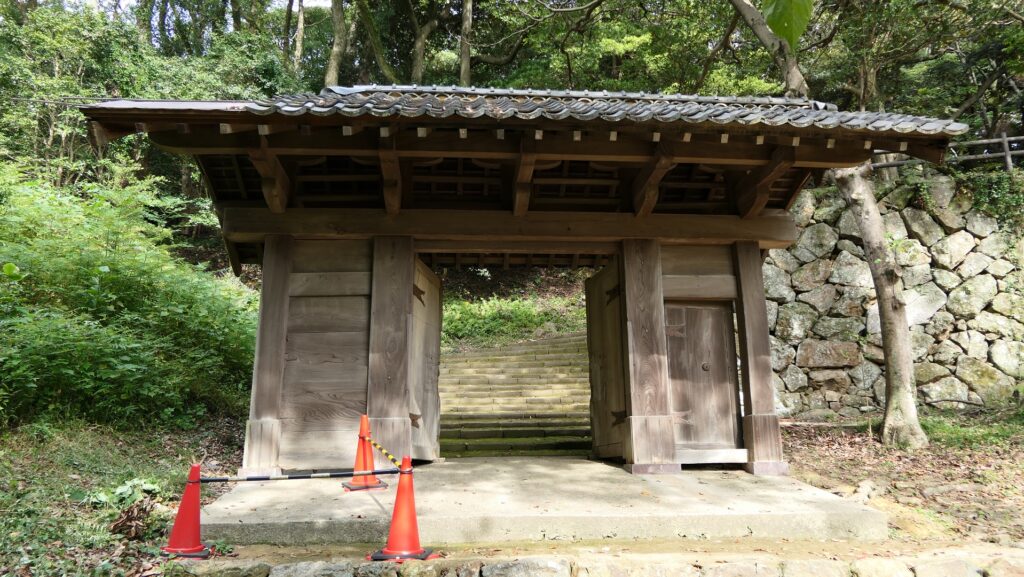
In the back of the shrine, you will see an old building which looks like a castle gate. However, it is also not original to this castle. When this city was part of the Hamada Prefectural Capital (Hamada Prefecture was later unified with Shimane Prefecture), they moved one of the gates of Tsuwano Castle for its office. The gate was finally moved to the current position in 1967 made as a park attraction.

Going to the back of the shrine
The former Tsuwano Castle Gate
The photo of the gate when it was used for the office

Going to Main Enclosure through Route developed in Meiji Era

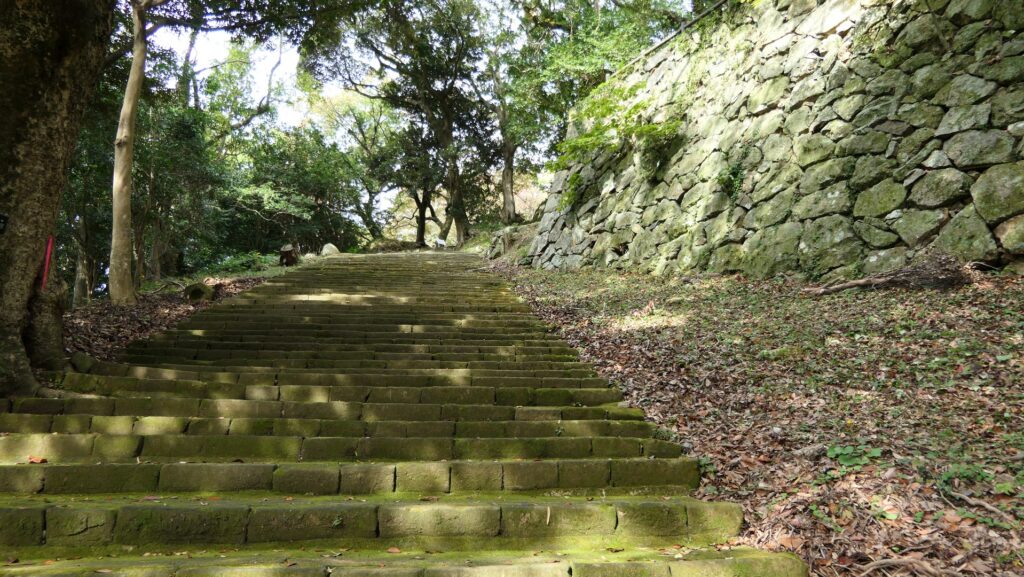
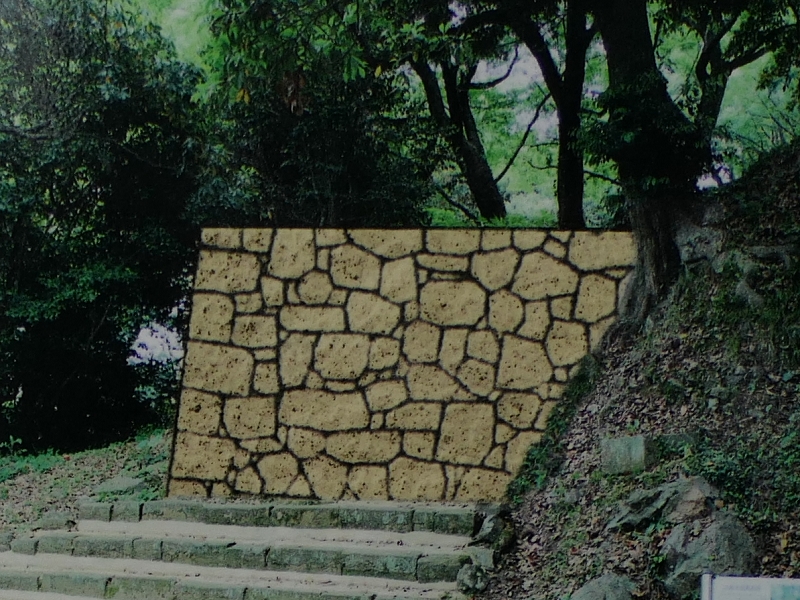
You will enter the center of the ruins from the gate, the route becomes likely the original one surrounded by stone walls, but once you turn left, you will see another straight route to the Main Enclosure on the top. Such a layout was hard to believe for a castle because it would have been easier for enemies to attack it. In fact, this route was also developed for the park during the Meiji Era by breaking the stone walls of the Barbican Enclosure beside the Main Enclosure. That’s why visitors have easy access at the top.

Going the center of the ruins
The route becomes straight again
The image of the original stone walls of the Barbican Enclosure, from the signboard at the site
Part of “the illustration of Hamada Castle Stone Walls”, from the signboard at the site, adding the red arrow as the current route and the red circles as the broken stone walls

Main Enclosure becomes Park Square

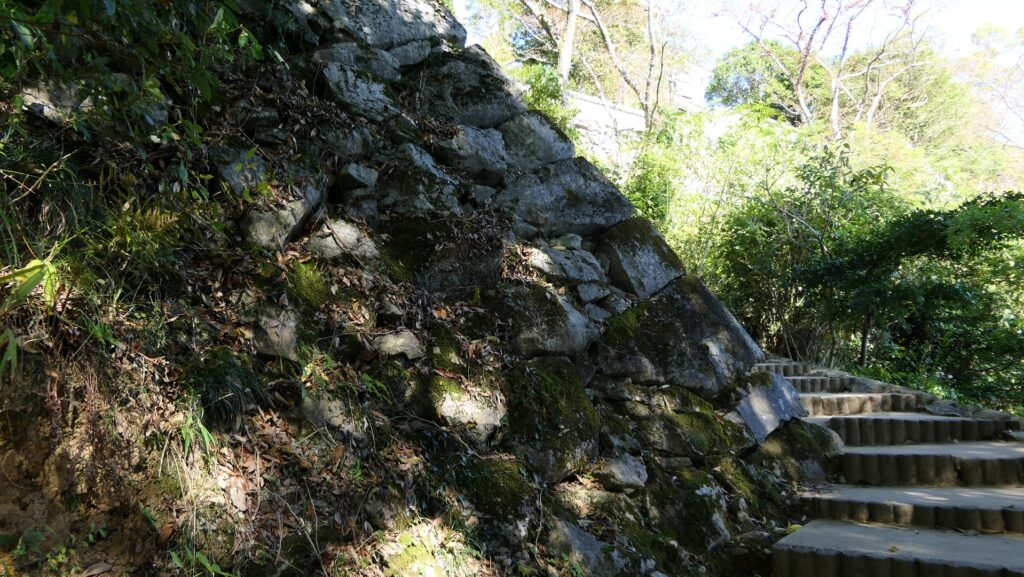
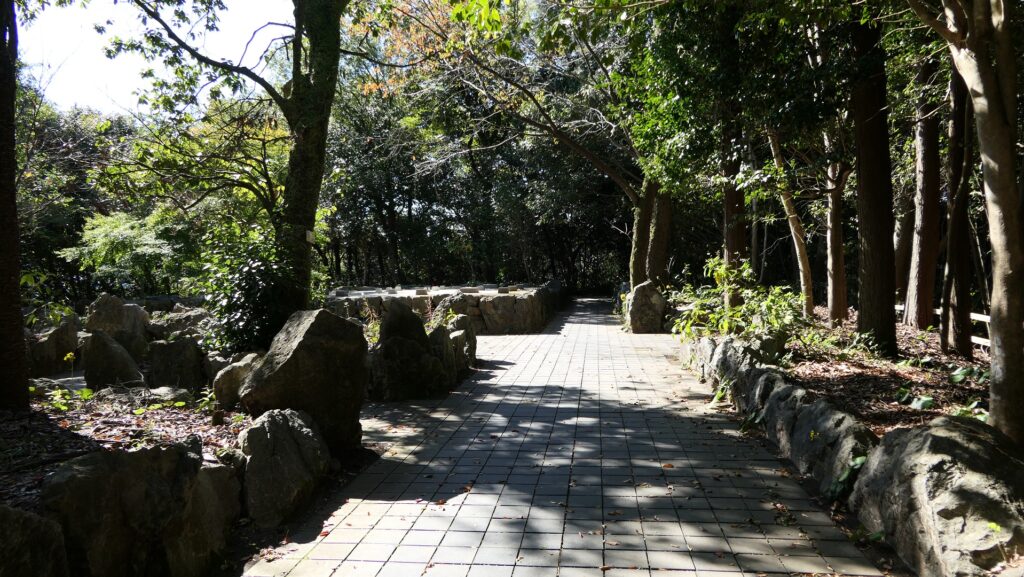
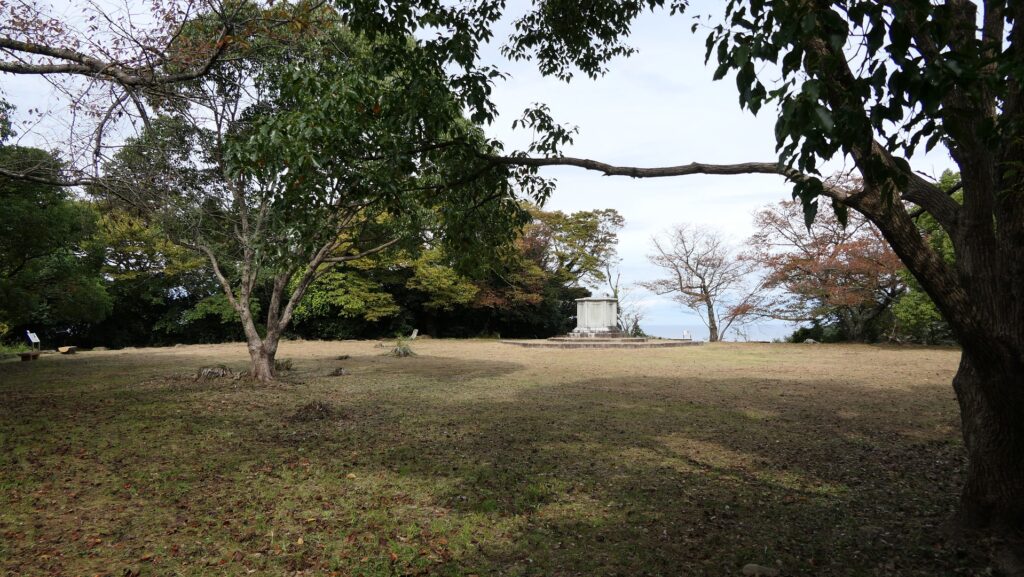
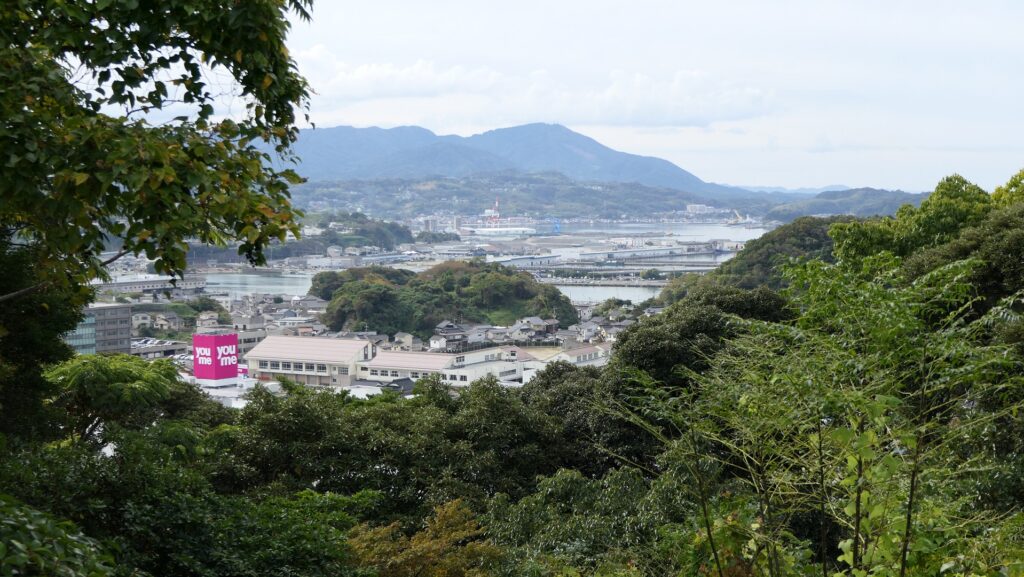
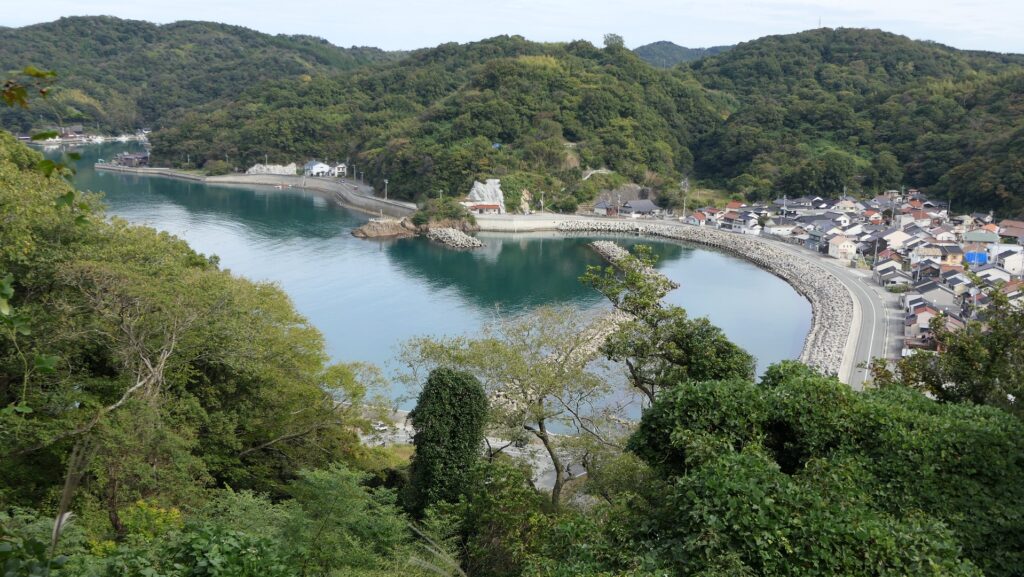
The inside of the Main Enclosure is a square now where you can see views such as the Hamada city area and Tonoura Cove. You can also see some remaining stone walls around and the rest seemed to have collapsed due to the earthquake back in 1872.

The inside of the Main Enclosure
The Hamada city area seen from the Main Enclosure
Tonoura Cove seen from the Main Enclosure
The partially remaining stone walls of the Main Enclosure

To be continued in “Hamada Castle Part3”
Back to “Hamada Castle Part1”

170.浜田城 その2

気軽に訪れたい人と歴史ファンの人、それぞれに向けたガイド

その後

明治維新後、浜田城跡はいささか複雑な歴史をたどりました。始め日本陸軍が城跡を所有したのですが、使われませんでした。そうするうちに1872年に発生した浜田地震により残っていた天守は崩壊してしまいました。結果城跡から建物はなくなりました。城跡はやがて以前の城主であった松平氏に1890年に売却され、島根県は1903年に城跡を浜田公園としました。頂上にある本丸に至る通路が開かれましたが、一方でその工事のために石垣が破壊されました。1938年には丘の中腹に浜田護国神社が設立されました。丘の麓からの参道も作られました。

浜田護国神社

第二次世界大戦後、城跡を購入した浜田市は公園を整備するとともに、それを雇用対策に充てようとしました。麓からもう一つの通路が開削され、石垣の修理も行われました。江戸時代末期の火災後、そのまま放置されていた石垣があったからです。ところがその当時は石垣のオリジナリティを考慮しないまま修繕を行ってしまったようです(例えば、石垣の積み直しの際、元の石を使っても元とは違う積み方をしている等)。1962年には城跡は島根県の史跡に指定されています。

戦後になって作られた通路

特徴、見どころ(一般ビジター向け)

浜田護国神社の参道を通って城跡へ

現在、浜田城跡に向かう通路は基本2つありますが、いずれもオリジナルのものではありません。例えば浜田護国神社の参道を通って城跡に向かった場合、石段を登ってまっすぐ中腹にある神社に歩いて行きます。参道の途中からは、右側の下方に中ノ門跡が見えますが、実はこの門がオリジナルの通路上にありました。

城周辺の地図

護国神社参道入口
神社へ向かう参道
参道から見える中ノ門跡

津和野城から移設された門

神社の奥の方には、城門のような古い建物がありますが、これも浜田城に元からあったものではありません。浜田市が浜田県(後に島根県に統合)の県都だった頃、(浜田県内にあった)津和野城の門の一つを県庁舎用として移築したのです。この門は1967年に最終的に公園の施設として再度現在地に移されました。

神社の奥の方に向かいます
元は津和野城にあった門
庁舎として使われていた頃の写真、現地説明板より

明治時代に作られた道を通って本丸へ

この門をくぐった辺りから城跡の中心部になりますが、通路は石垣に囲まれたオリジナルの部分に差し掛かったようです。ところが、左の方に曲がると、またも頂上の方にまっすぐ伸びる通路となります。このような道の付け方は、敵に容易に攻められることになってしまうため、城の場合には通常採用されません。実際このまっすぐの道も、明治時代に公園の整備のために、本丸のとなりの出丸の石垣を壊して作られました。そのおかげでビジターは簡単に頂上まで行けるようになった訳です。

城跡の中心部に入っていきます
また道がまっすぐになります
元あった出丸の石垣イメージ、現地説明板より
「浜田城石垣絵図」部分、現地説明板より、上記ルートを赤矢印で石垣が破壊された箇所を赤丸で加筆

公園の広場となっている本丸

本丸の内部は現在では広場になっていますが、そこからは浜田市街地や外ノ浦(とのうら)湾の景色が見えます。本丸の周りには、いくらか石垣も残っていますが、それ以外は1872年の地震で崩れてしまったようです。

本丸内部
本丸から見た浜田市街地
本丸から見た外ノ浦湾
一部残っている本丸石垣

「浜田城その3」に続きます。
「浜田城その1」に戻ります。

75.Hagi Castle Part3

The destination of the Mori Clan’s castle construction

Features

From Third Enclosure to former Castle Town

Going back to the parking lot, walking around the Third Enclosure is also good. This area is designated as Horiuchi Preservation District for Groups of Historical Buildings. The blocks of the senior vassals’ houses remain as they were. Though the insides of them are used as public facilities, Hagi ware shops, summer orange fields, and so on, there are several remaining stone walls, mud walls, and house gates surrounding the blocks. This is where you can feel as if you were on the real castle area.

The map around the castle

The Third Enclosure (Horiuchi Preservation District for Groups of Historical Buildings)
The front gate of the Mori Clan’s villa, it was built in the Meiji Era in another place and moved the current position in the Third Enclosure, it is used for the Hagi Seminar House
The remaining mud walls at the Toida Masuda Clan’s residence
Stone walls along the street with the background of Shizukiyama Mountain
There are summer orange fields inside the stone walls

Over the Outer Moat, you can also enjoy the castle town attractions such as Kikuya family residence and Kido’s old residence.

The Outer Moat
Kikuya family residence
Kido’s old residence (licensed by そらみみ via Wikimedia Commons)

Shizuki Mountain as Final Castle

Finally, if you have more time, you should consider climbing Shizuki Mountain as the final castle ruins. It will be an about 20 minute little hard climb, but it worth the trouble. The top has the gate ruins surrounded by stone walls, like ones at the foot.

The entrance of the route to the mountain
There are several steep slopes
Arriving at the gate ruins on the top
This gate also has a defensive square space

The two-tier enclosures on the top are also surrounded by stone walls. Six turrets were on them in the past. You can see nice views of Hagi City and the Japan Sea there.

The lower tier as the Second Enclosure
A view of the Japan Sea from the enclosure
Here comes the upper tier as the Main Enclosure
A view of the Hagi City area from the enclosure

You can also see the reservoir inside for preparing for besieged. There are also many notched huge rocks which look outstanding. These notches are usually understood as a process of making stone walls. However, some people speculate these rocks could have been used by the defenders to counterattack their enemies by cutting and throwing the stones at them.

The reservoir in the Main Enclosure
A notched huge rock
Why were they left there?

Later History

After Hagi Castle was abandoned, all the buildings of its center were demolished. People are still wondering why the Choshu Domain, which was one of the winners of the Meiji Restoration, had to do it. Many speculate that they gave an example to a new era by doing so. However, the fact seemed that local people in Hagi had no money to maintain these buildings as the local government had moved to Yamaguchi. As a result, the castle ruins have been a park since 1877 as we see now. They were designated as a National Historic Site in 1951.

The Main Tower was scraped in 1874, the same year as the castle was abandoned

My Impression

I think that Hagi Castle was the destination of the Mori Clan’s castle construction. It was a plain castle, a mountain castle, and also a sea castle. The clan built the castle using all their experiences they got before to make it the strongest. That’s why I also think they didn’t reluctantly choose its location, but actively decide it. I hope Hagi City would repair the restored mud walls on the top of the mountain as there are some writings on the wall.

Shizuki Mountain was integrated with the castle

How to get There

If you want to visit the castle by car, it is about 50 minutes away from Mine IC on the Chugoku Expressway. There is a parking lot in front of the Second Enclosure.
By public transportation, It takes about 30 minutes on foot from Hagi Bus Center or Higashi-Hagi Station. Or it may be a good idea to use a rental bicycle from either place as many other historical attractions, such as Shoin Shrine and Ito’s old residence, are disseminated around the city.
To get to Hagi Bus Center or Higashi-Hagi Station from Tokyo or Osaka: Take the Sanyo Shinkansen super express and transfer to the Highway bus “Super Hagi-go” at Shin-Yamaguchi Station.

The building of Shokason-juku, which was established by Shoin, has been preserved in Shoin Shrine (licensed by ぽこるん via Wikimedia Commons)
Ito’s old residence (licensed by そらみみ via Wikimedia Commons)

Links and References

HAGI Sightseeing Guide

That’s all. Thank you.
Back to “Hagi Castle Part1”
Back to “Hagi Castle Part2”

error: Content is protected !!