Simulation of Attack from Main Entrance to Main Enclosure
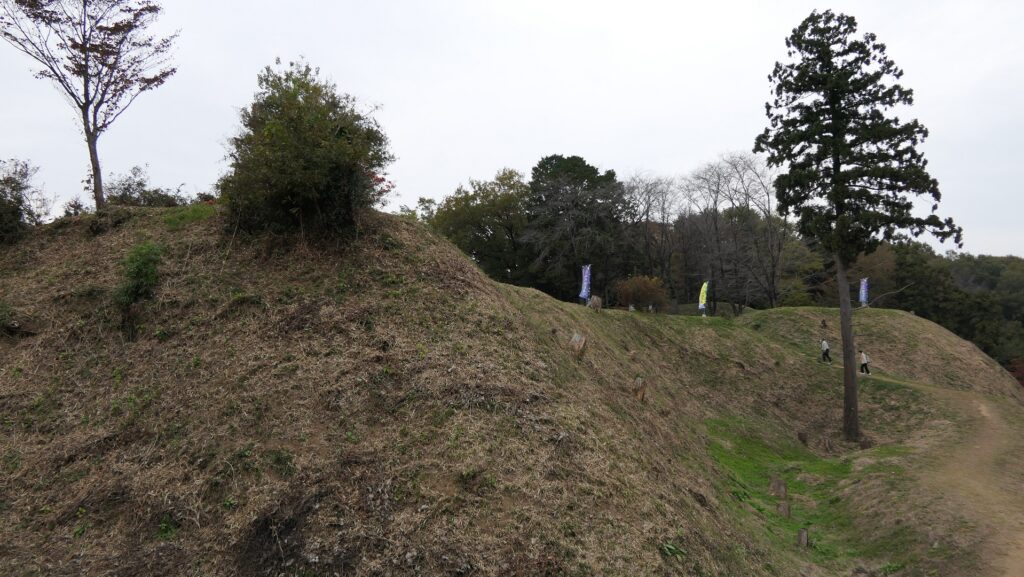
Today, the ruins of Sugiyama Castle are well-developed and maintained for visitors as a historic site. The ruins were once covered with a lot of trees and bushes, but most of them were removed. That means you can see the soil-made layout of the castle clearly. Let us simulate attacking the castle as an enemy.
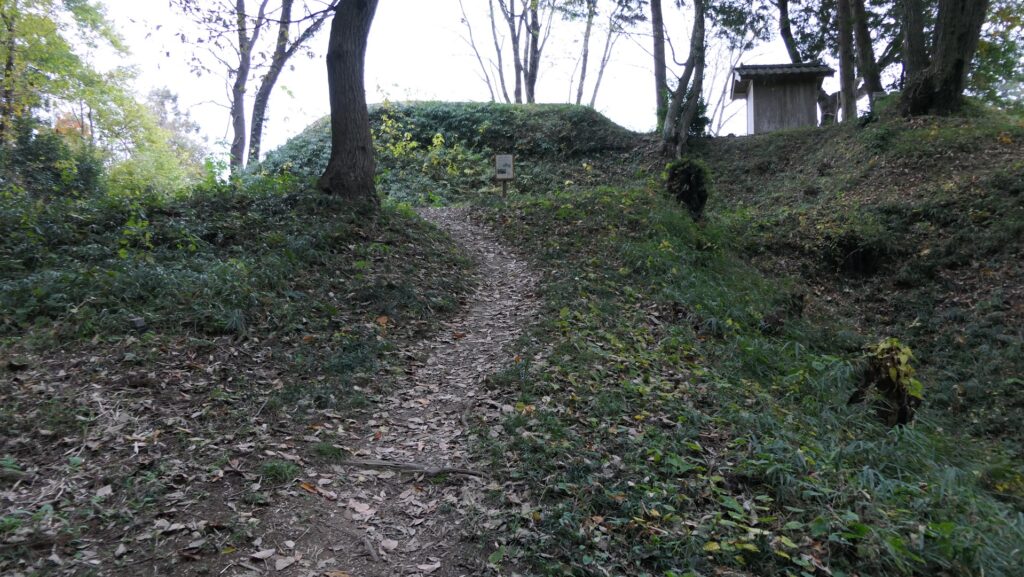
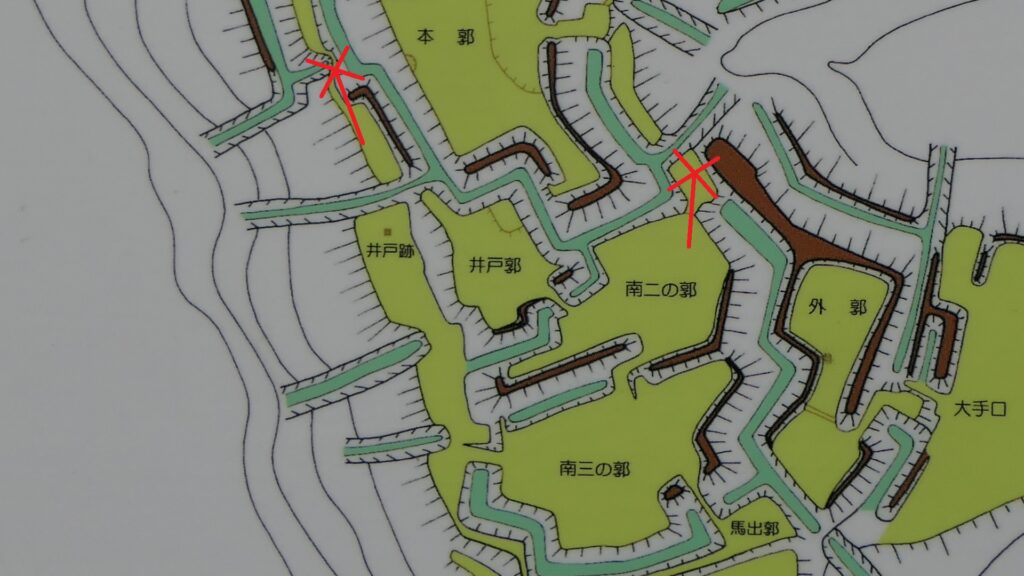
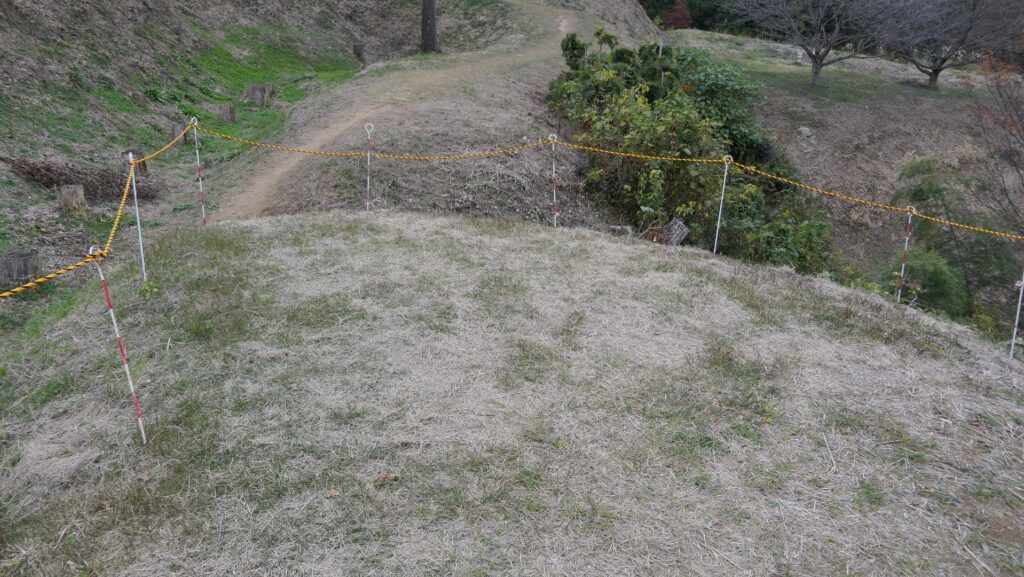
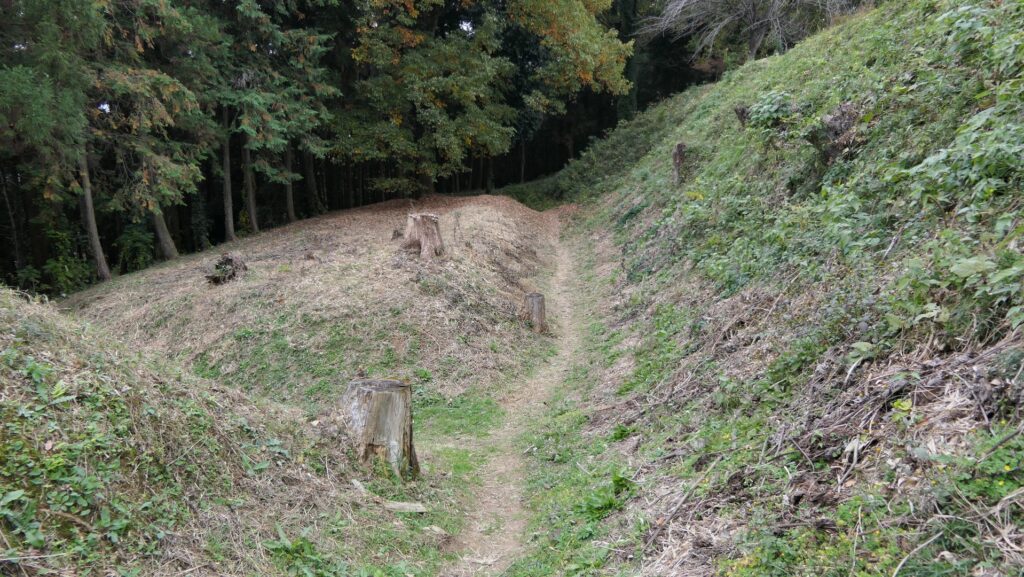
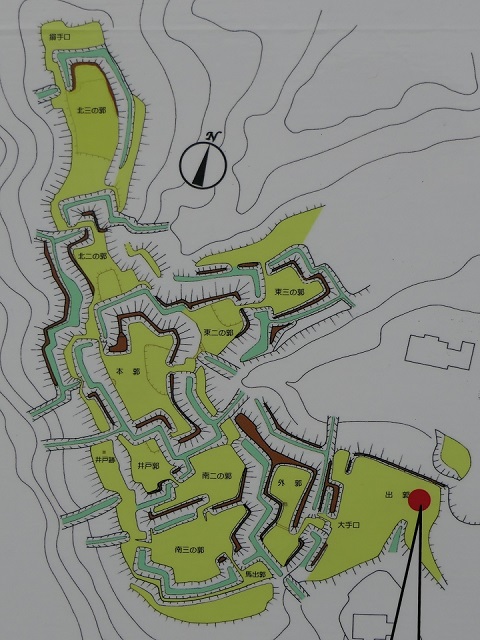
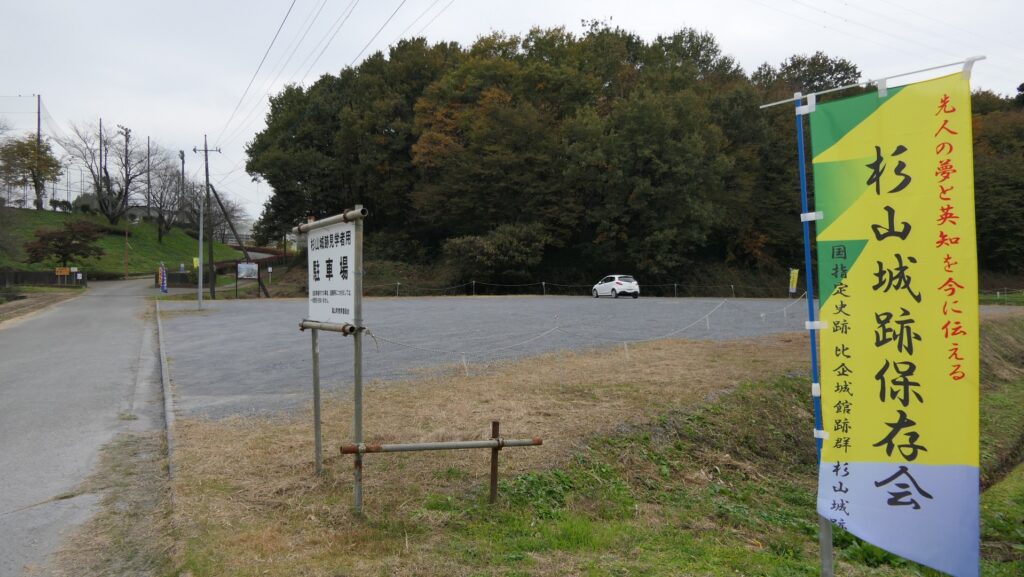
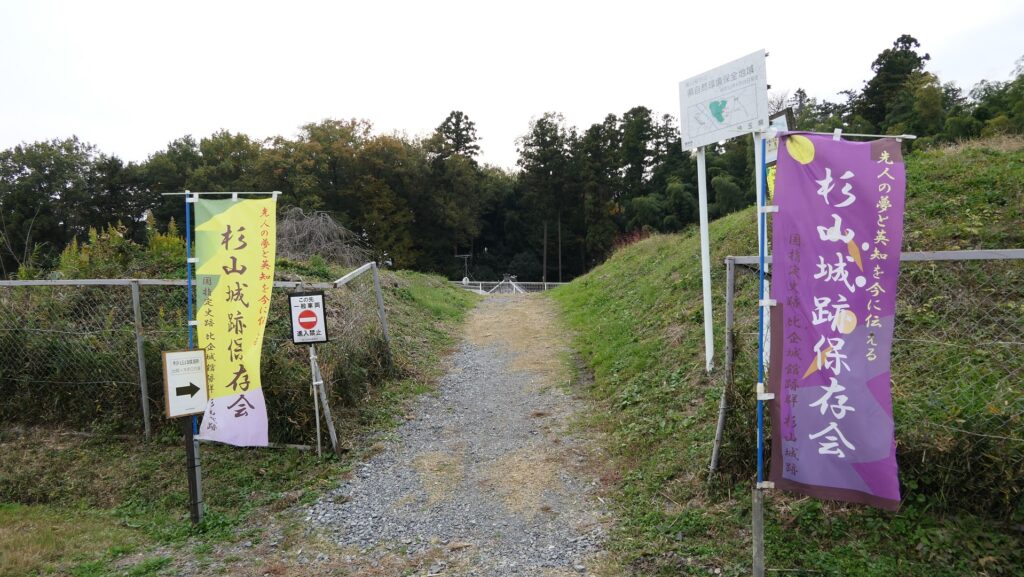
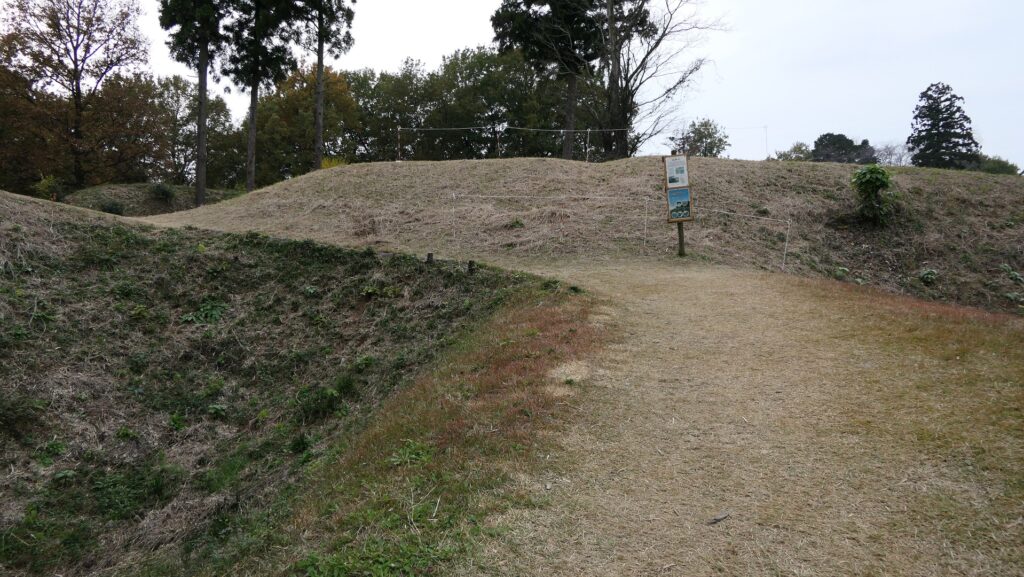
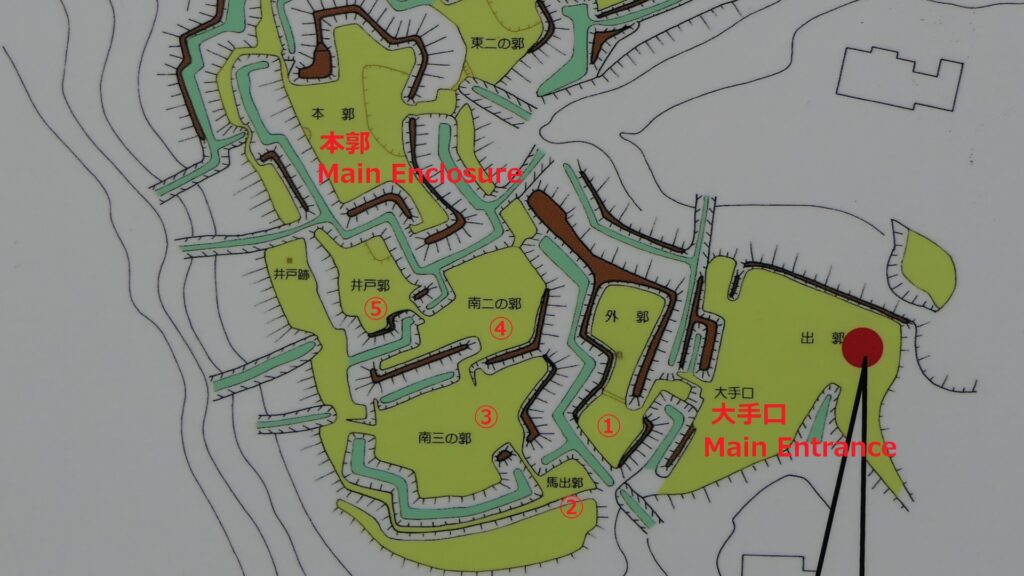
The entrance of the castle ruinsThe location map at the site
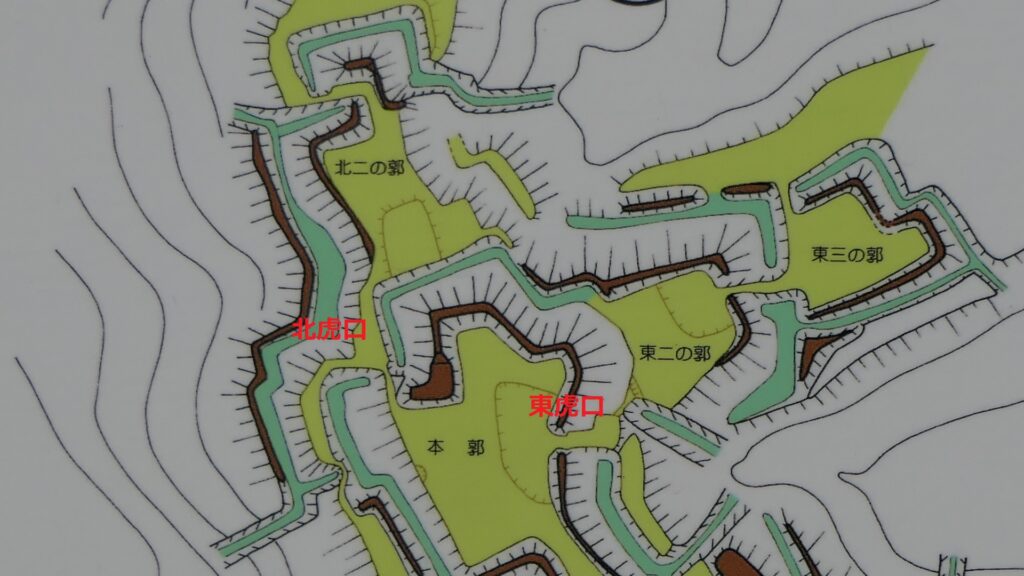
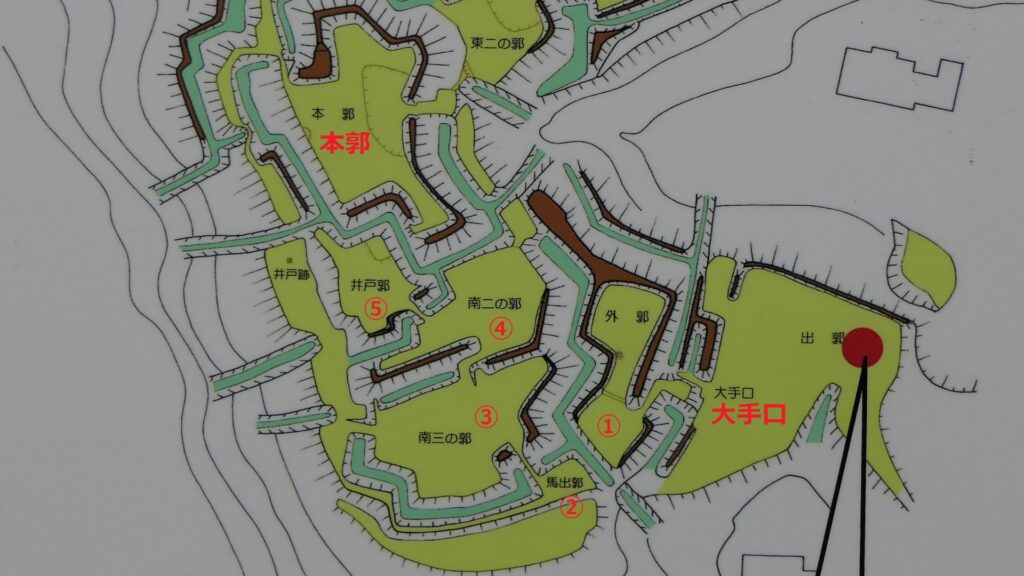
For example, if you approach the castle ruins from the south, you will first stand at the Main Entrance or Oteguchi as the starting point. In fact, you will need to pass through five enclosures to reach the Main Enclosure.
The Main EntranceThe enclosures between the Main Entrance and the Main Enclosure with numbering, from the location map adding the red colored letters
From Outer Entrance to Umadashi and Southern Third Enclosures
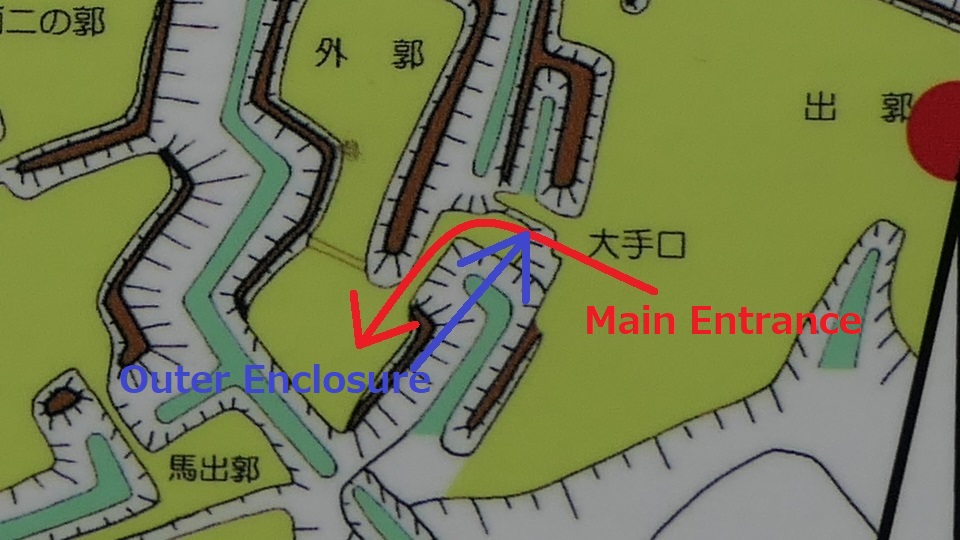
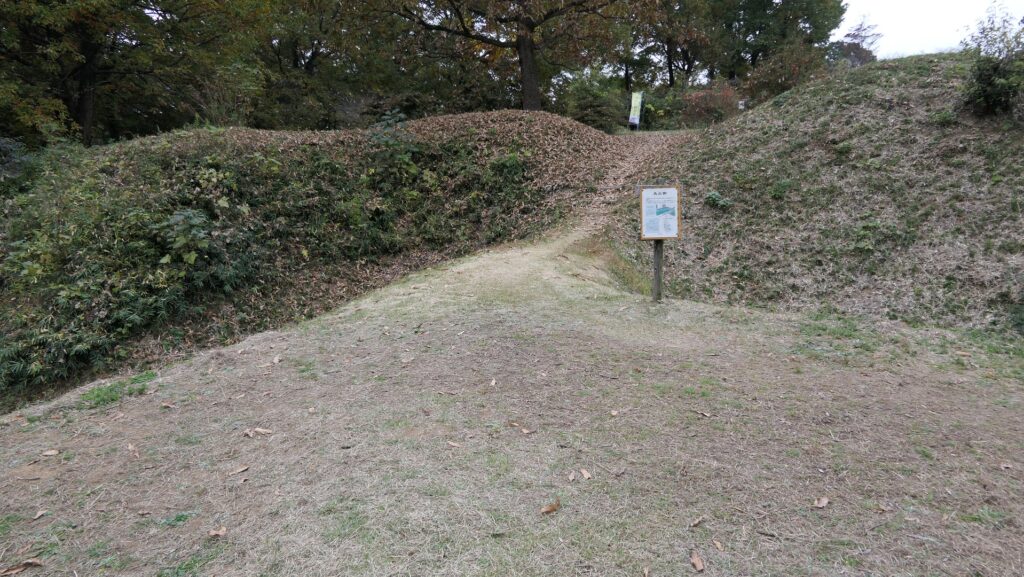
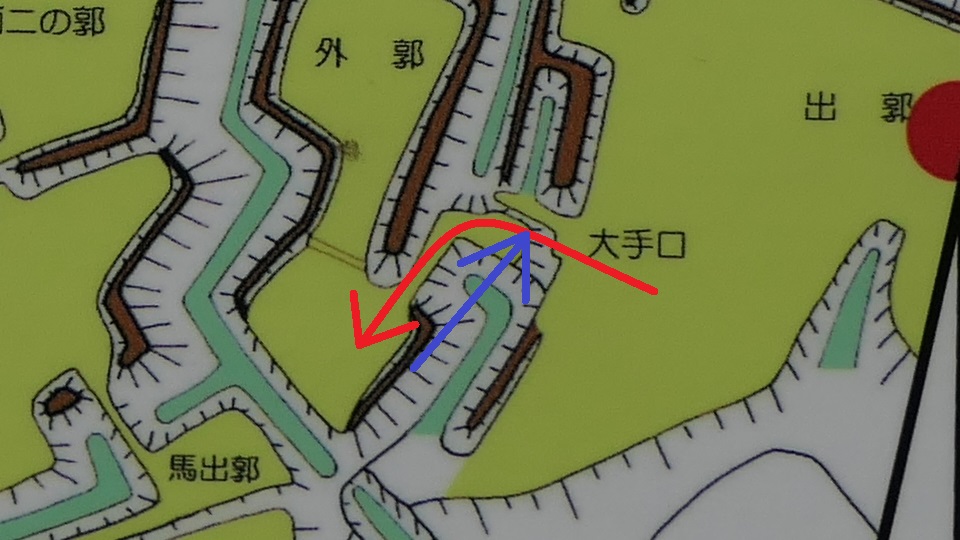
To enter the first enclosure called the Outer Enclosure, you will have to turn left in front of its entrance. Defenders could make a flanking attack on your left side before you turn.
Turn left to enter the Outer EnclosureThe route to entrance seen from the Outer EnclosureThe route to the Outer Enclosure (the red arrow) and the counterattack from the enclosure (the blue arrow)
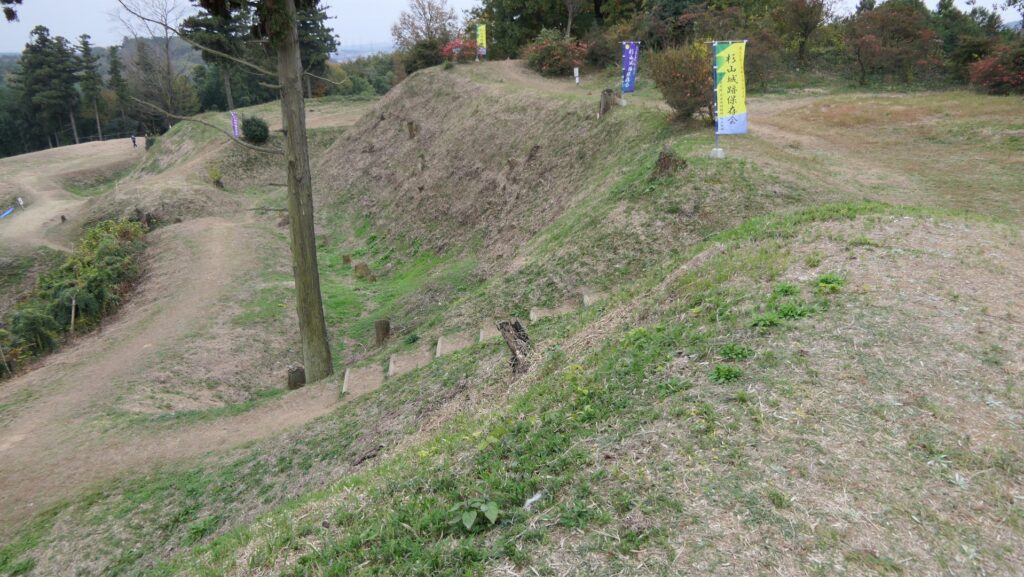
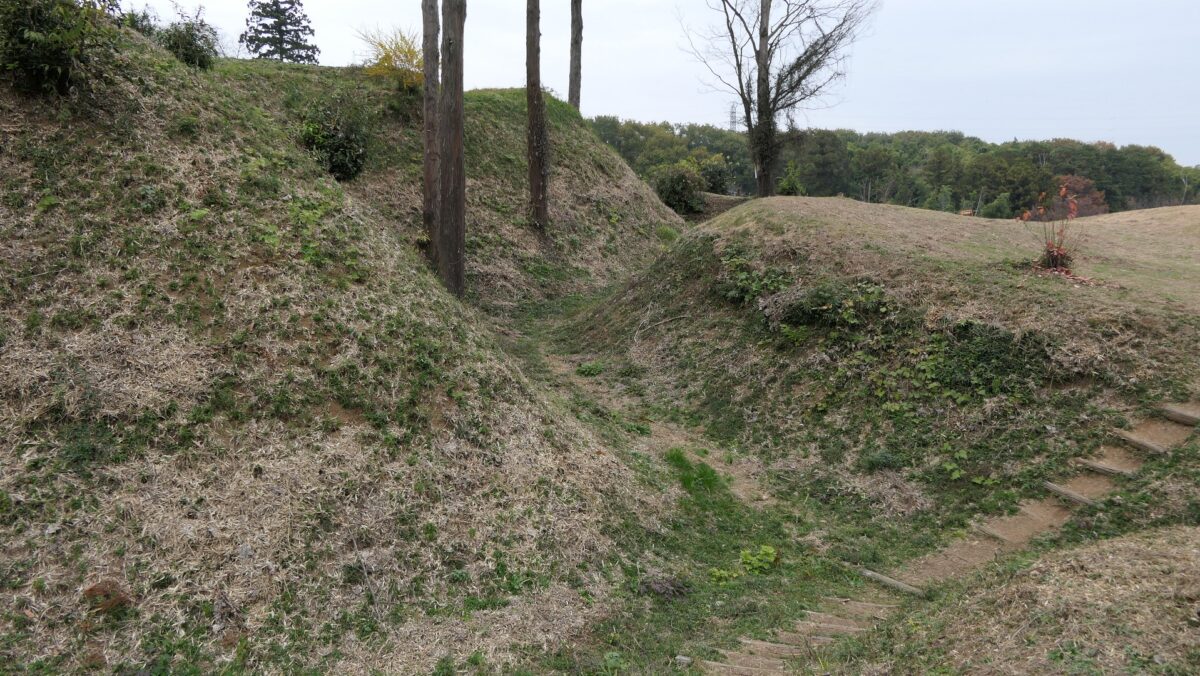
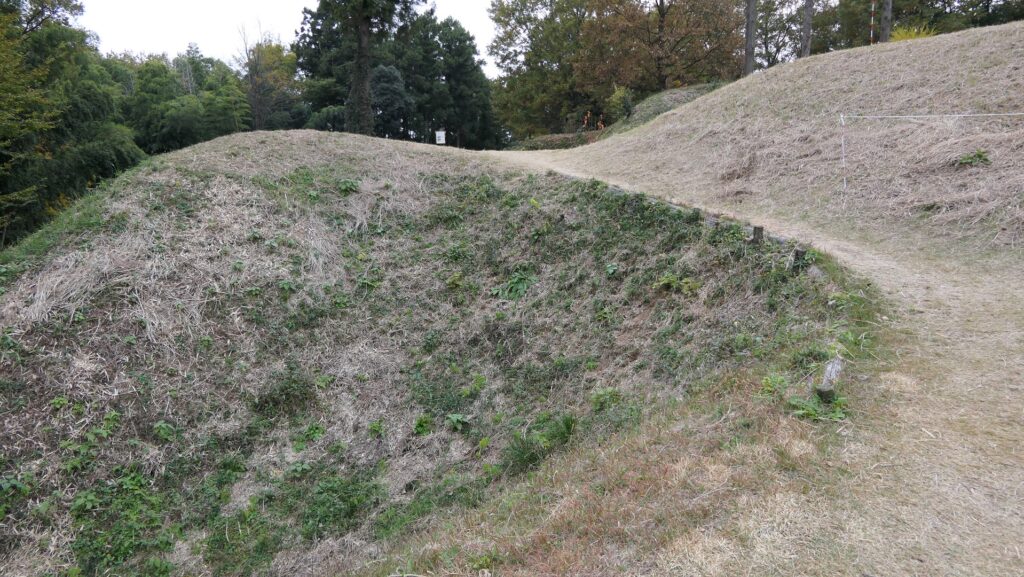
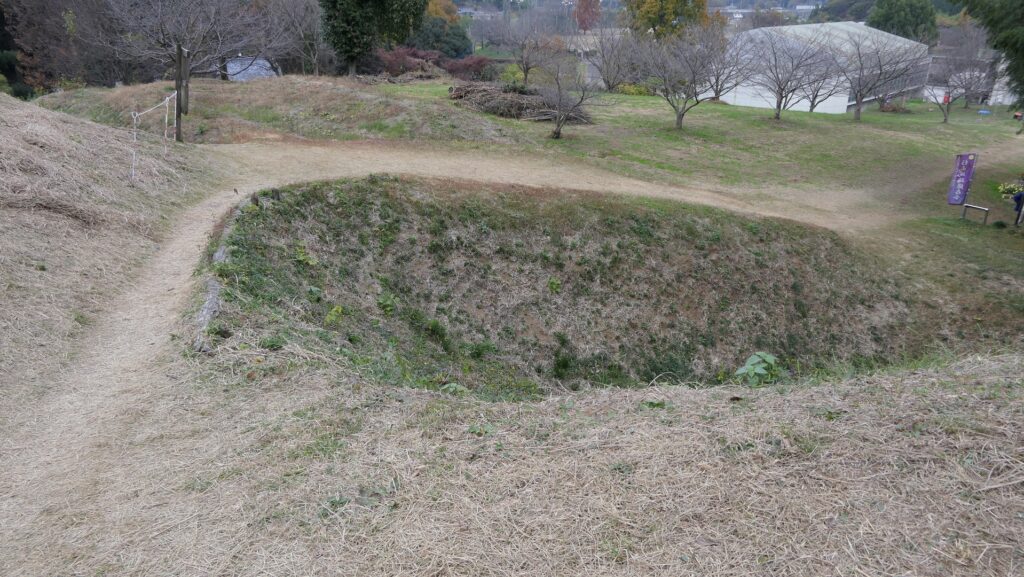
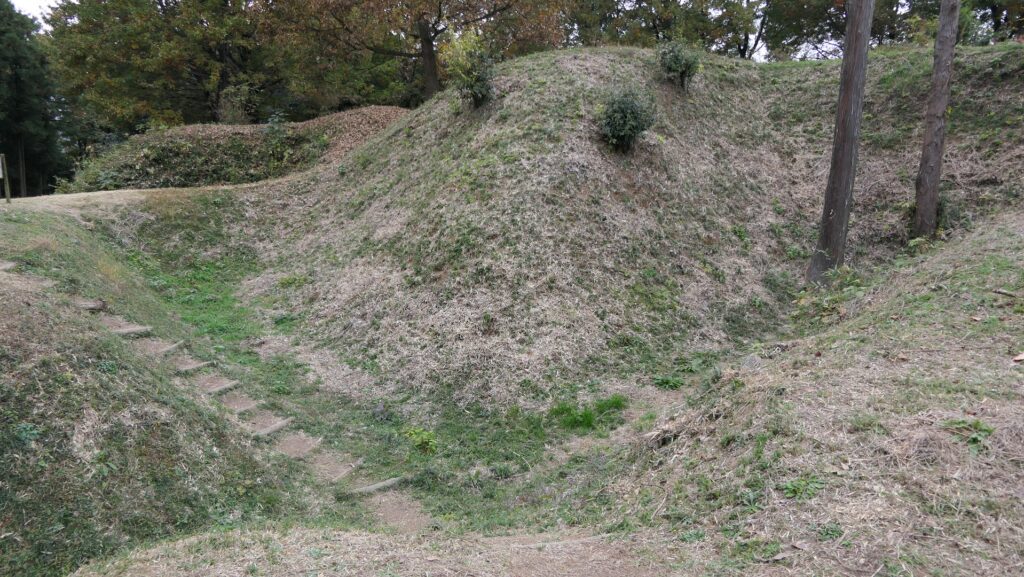
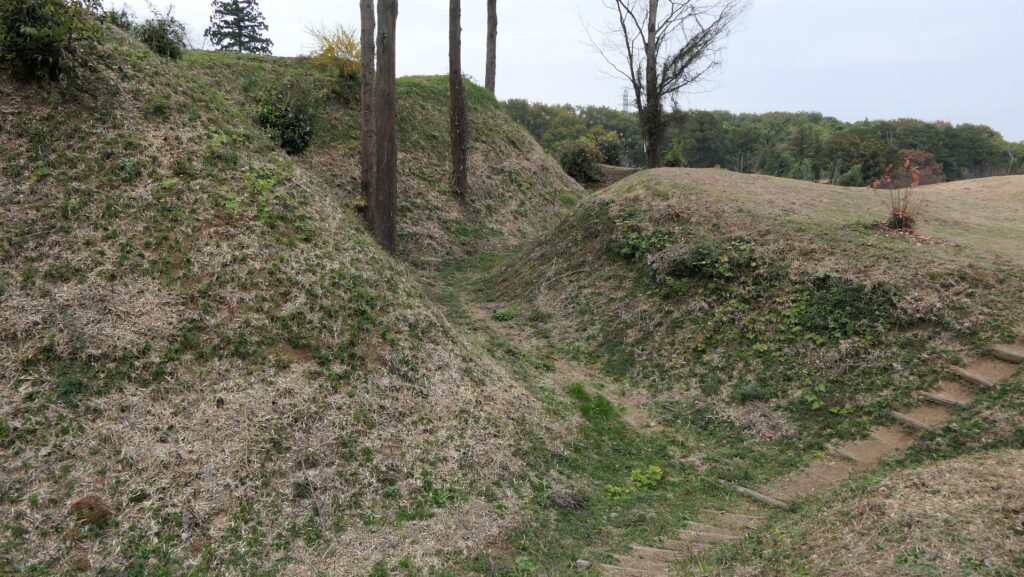
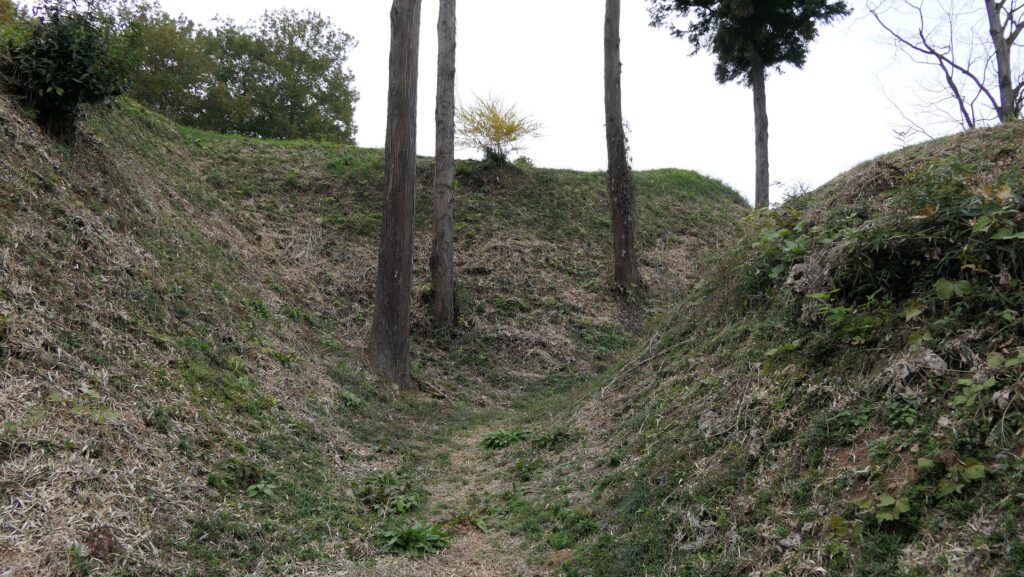
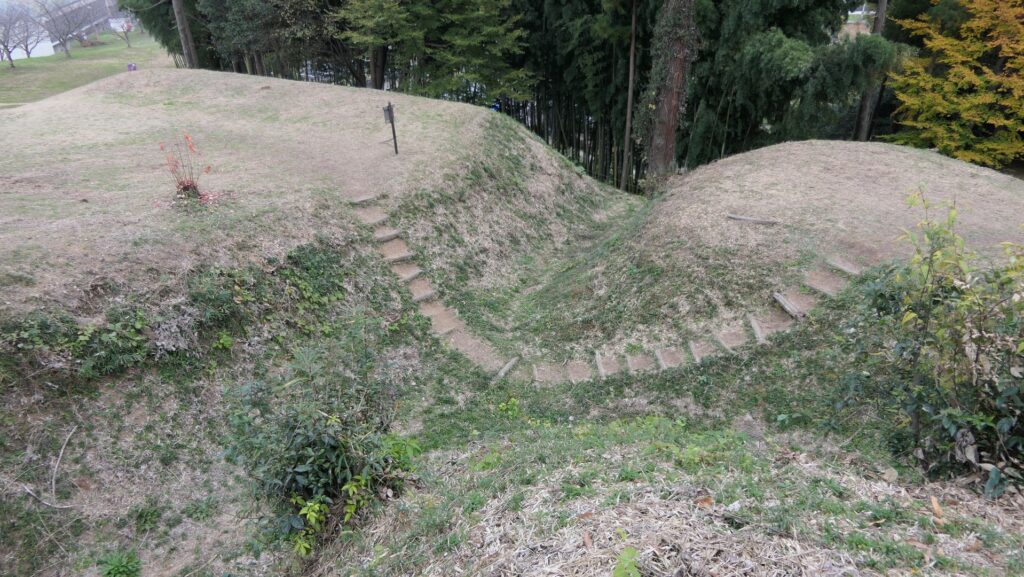
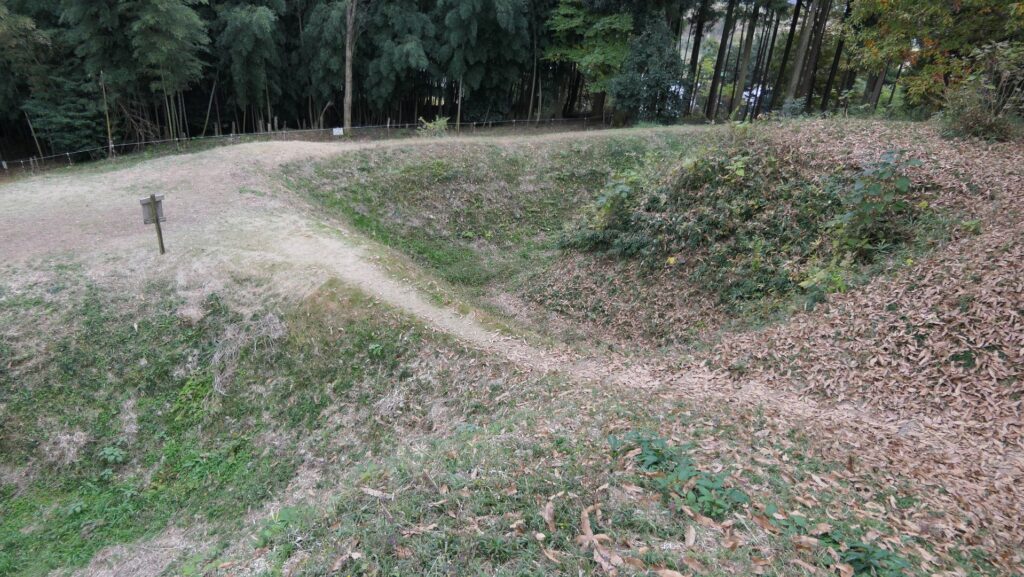
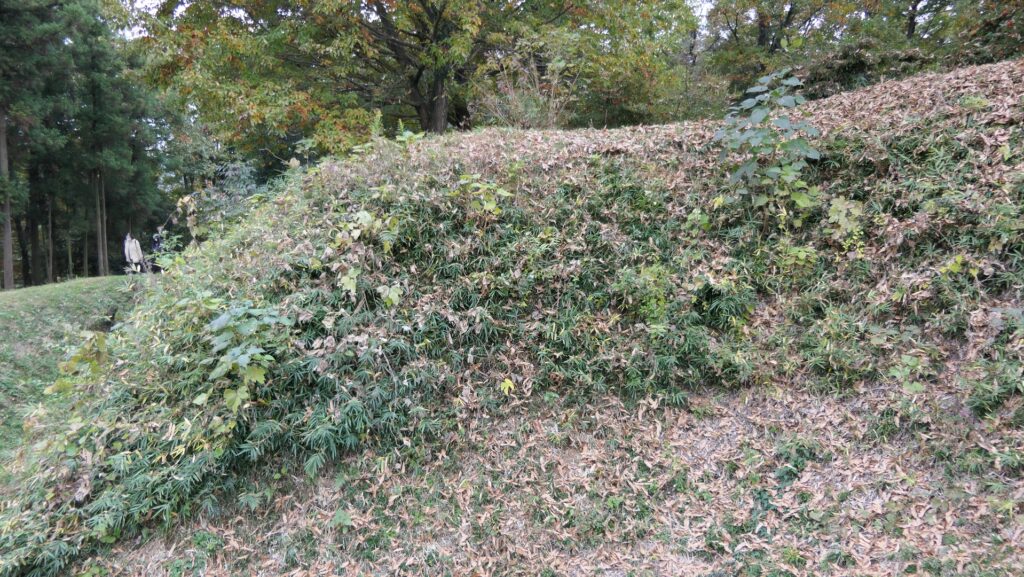
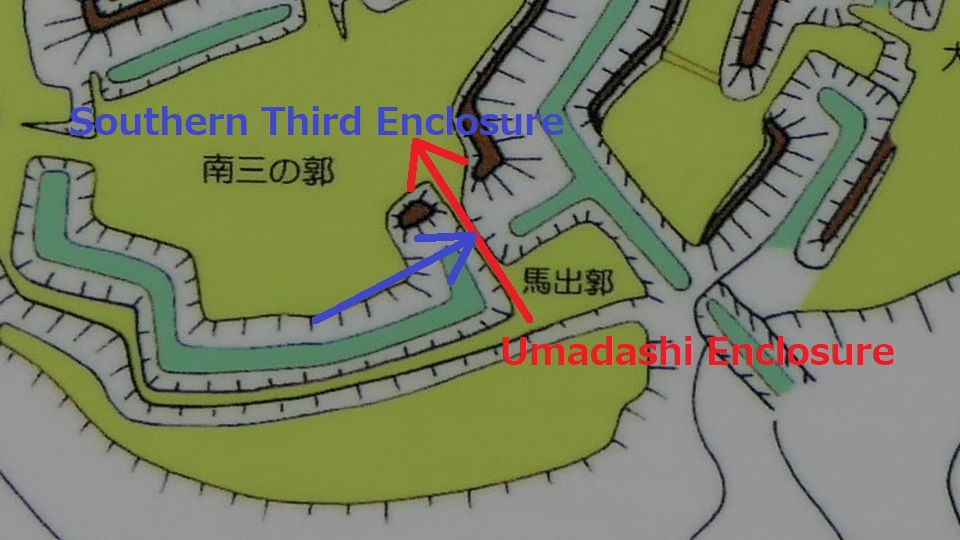
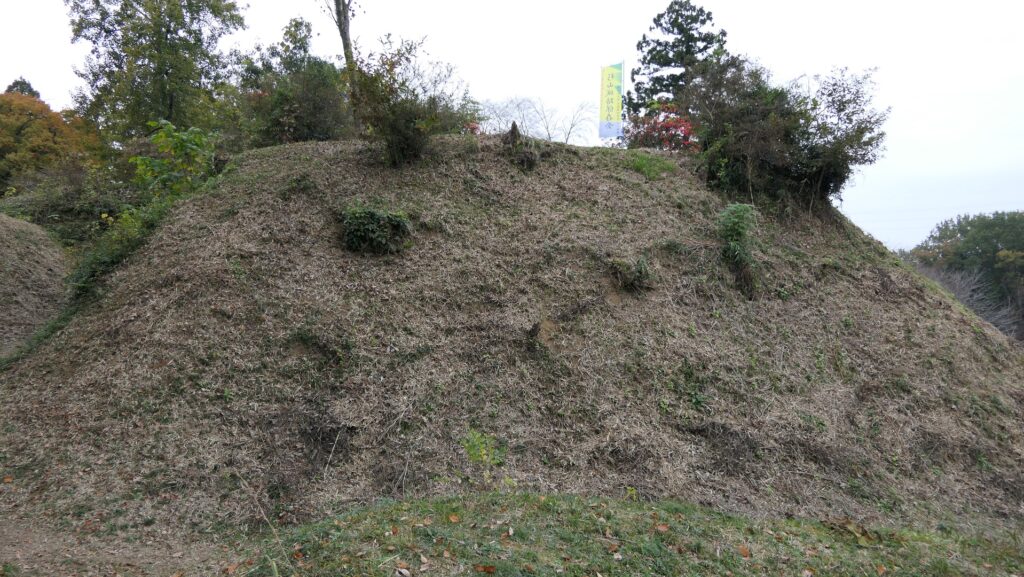
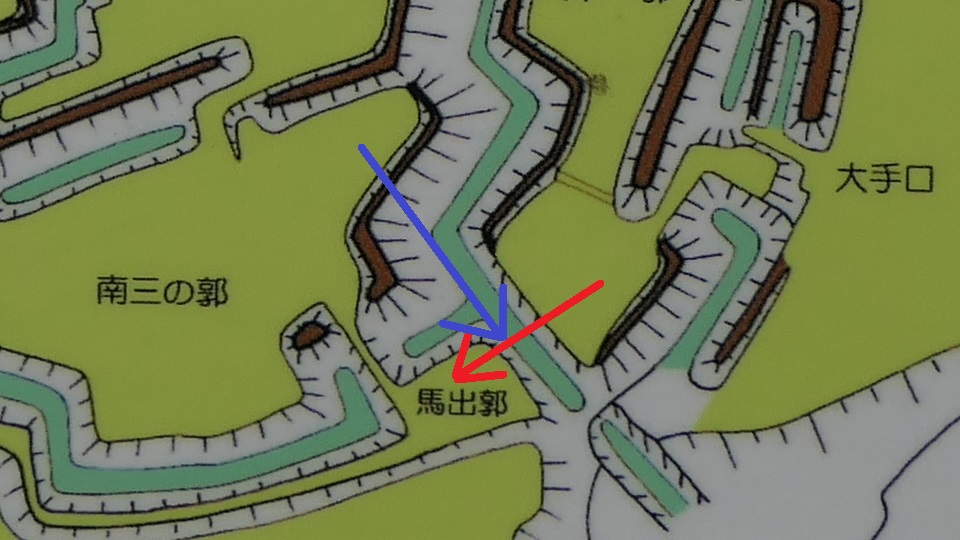
After entering the Outer Enclosure, the second one is the Umadashi Enclosure. You will need to go over the dry moat to get to the Umadashi Enclosure. A wooden bridge might have been built on it, but it would have been fallen if a battle occurred. When you cross the dry moat, you would be attacked on your right side from the L-shaped earthen walls of the Southern Third Enclosure.
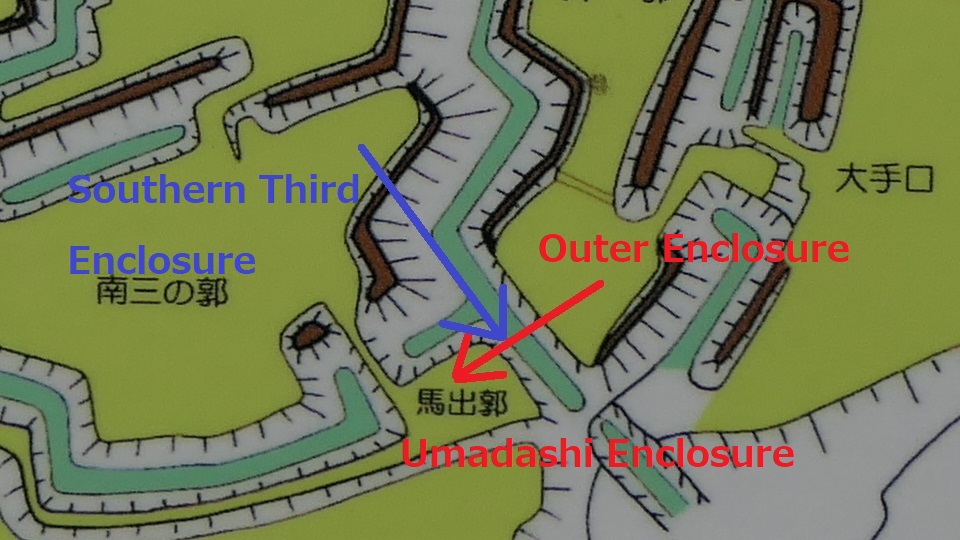
The dry moat in front of the Umadashi EnclosureThe L-shaped earthen walls of the Southern Third EnclosureThe Southern Third Enclosure seen from the dry moatThe dry moat seen from the Southern Third EnclosureThe route to the Umadashi Enclosure (the red arrow) and the counterattack from the Southern Third Enclosure (the blue arrow)
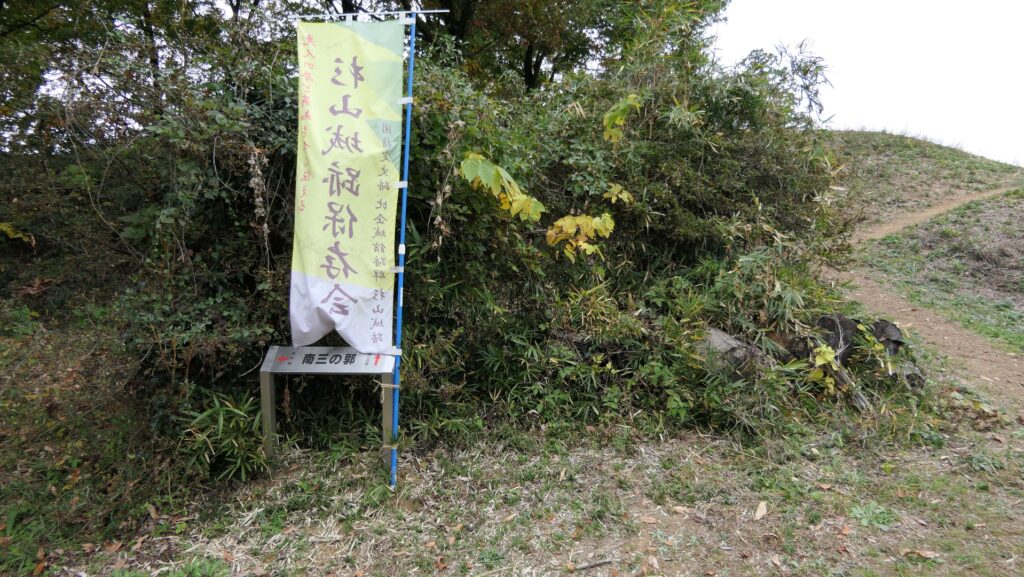
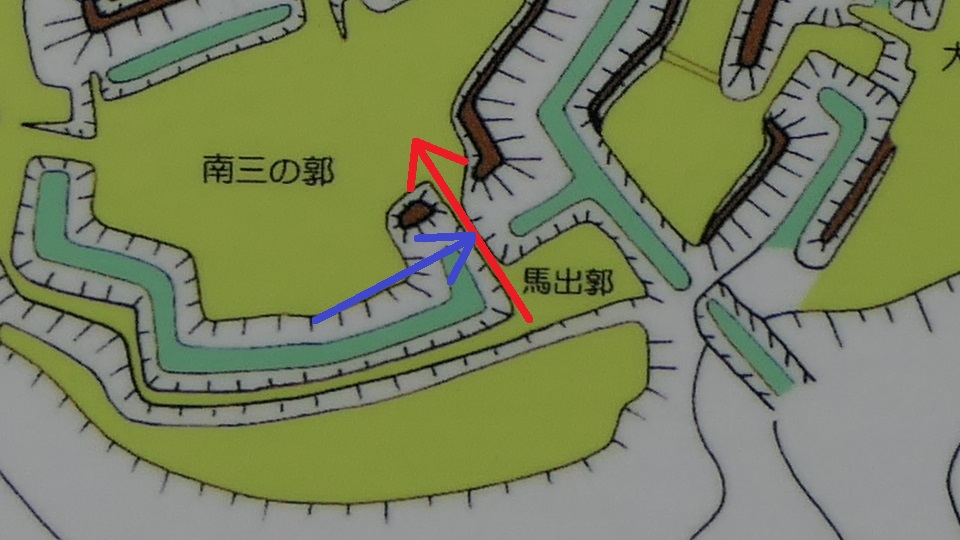
The Umadashi Enclosure is a small sticking out space from the entrance of the Southern Third Enclosure. The other L-shaped earthen walls of the Southern Third Enclosure also make it possible to defeat the enemy in this area of the castle.
The Umadashi EnclosureThe Umadashi Enclosure and the L-shaped earthen walls seen from the Southern Third EnclosureThe L-shaped earthen walls are nearby on the left if you stand at the entrance of the Southern Third EnclosureThe route to the Southern Third Enclosure (the red arrow) and the counterattack from the Enclosure (the blue arrow)
Strong Defense of Main Enclosure
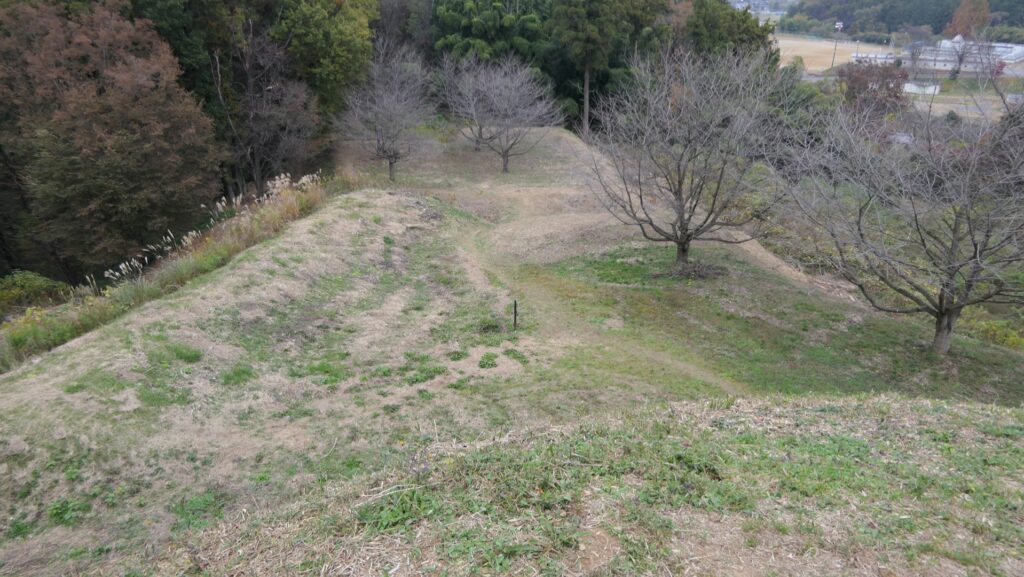
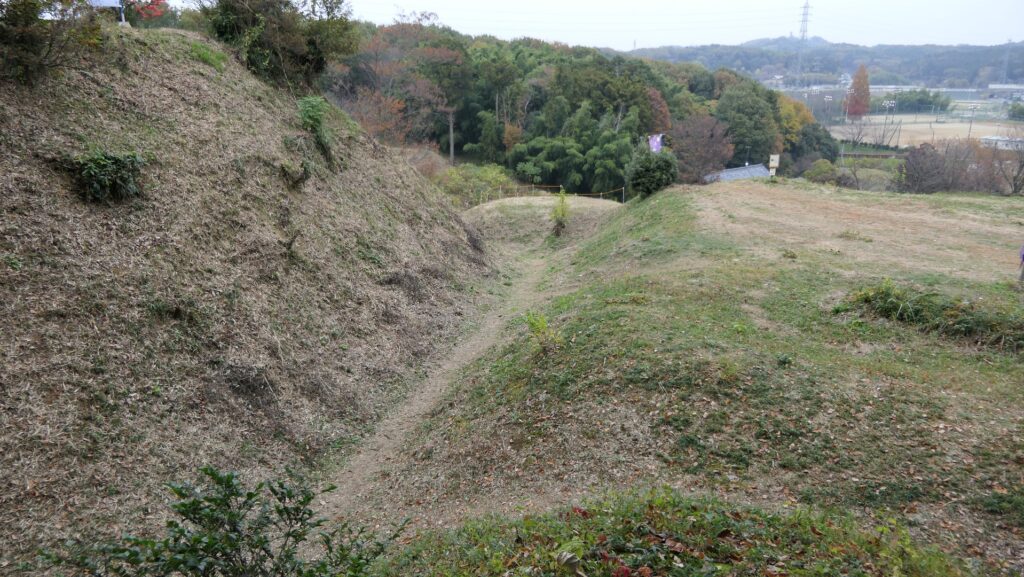
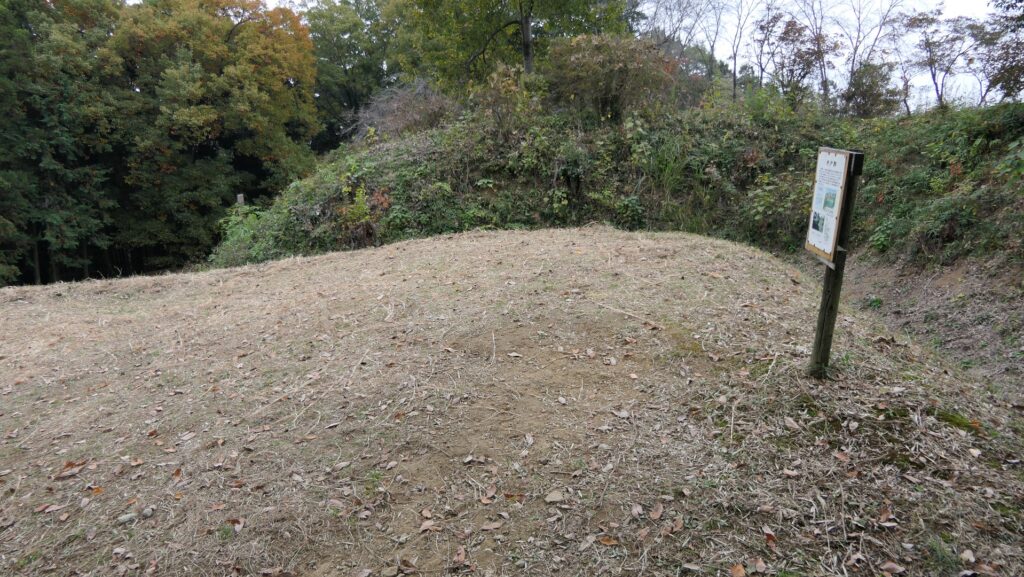
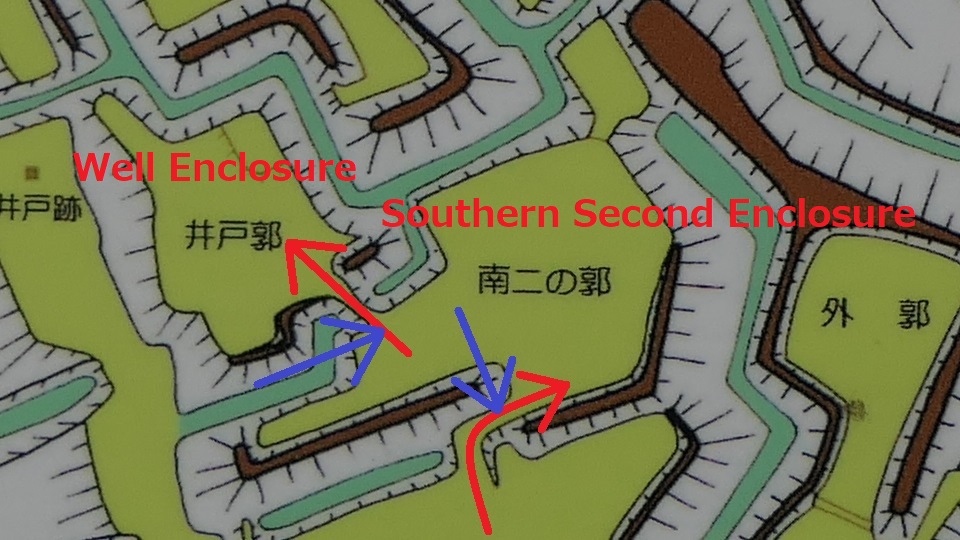
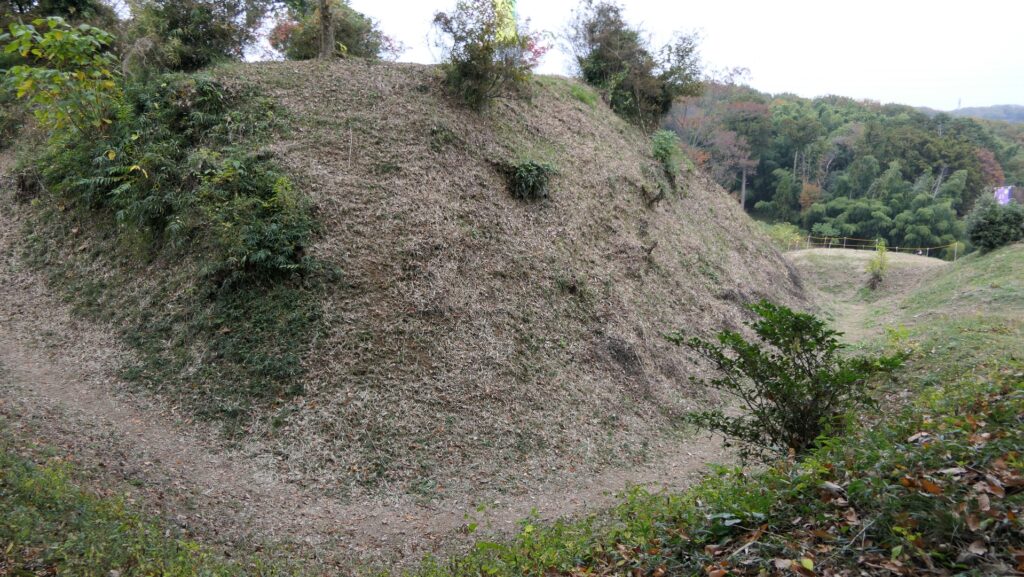
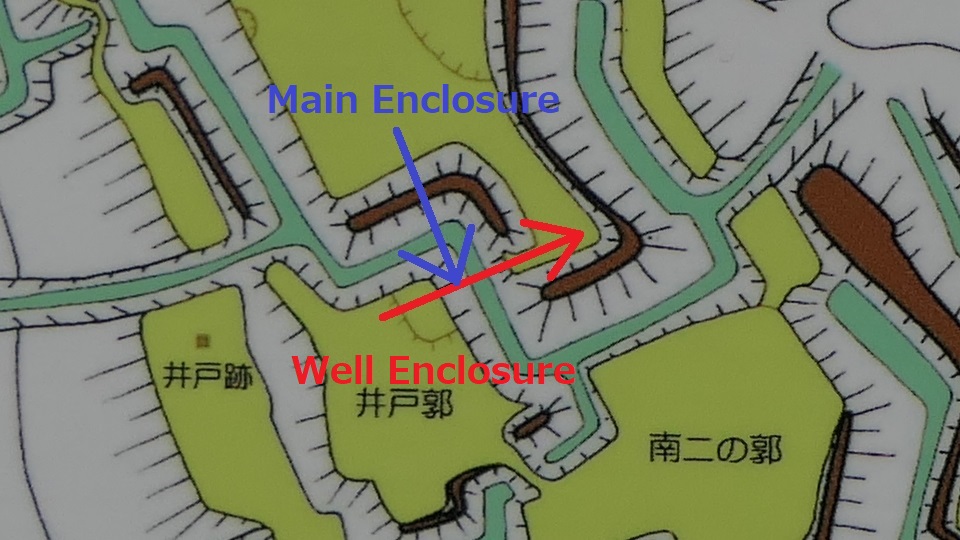
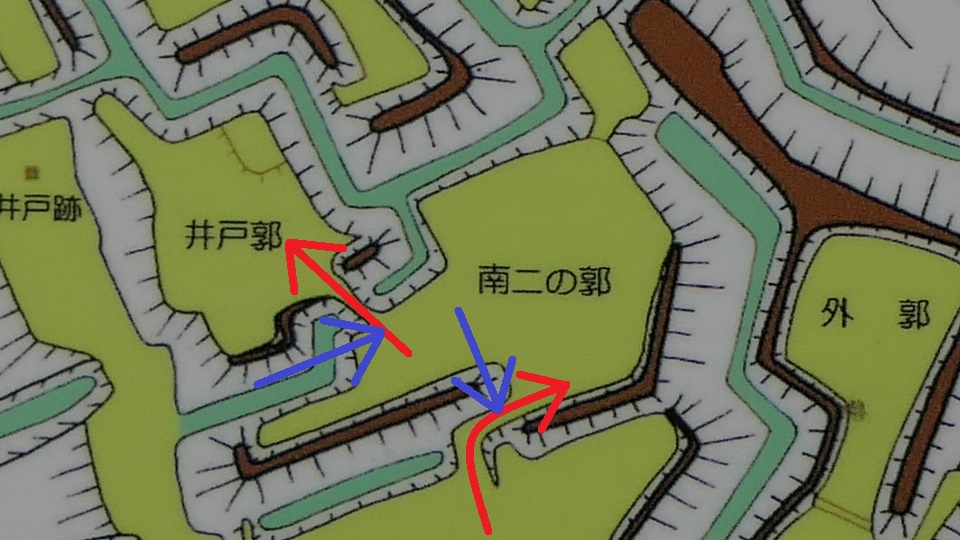
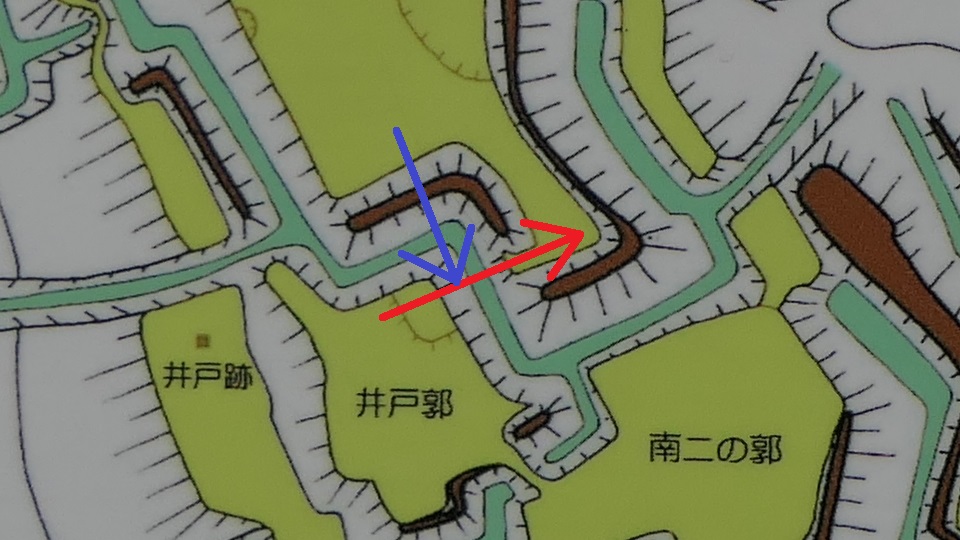
After that, if you somehow reach the Southern Second Enclosure after the Southern Third Enclosure, you will see the high earthen walls of the Main Enclosure. However, there is no direct route to the Main Enclosure, so you will have to move to the Well Enclosure on the left. (Its enclosure is guarded in a similar way to other enclosures.)
The Southern Third EnclosureThe high earthen walls of the Mani Enclosure seen from the Southern Second EnclosureThe dry moat between the Main Enclosure and the Southern Second Enclosure seen from the Well EnclosureThe Well EnclosureThe routes to the Southern Second and Well Enclosures (the red arrow) and the counterattack from the Enclosures (the blue arrow)
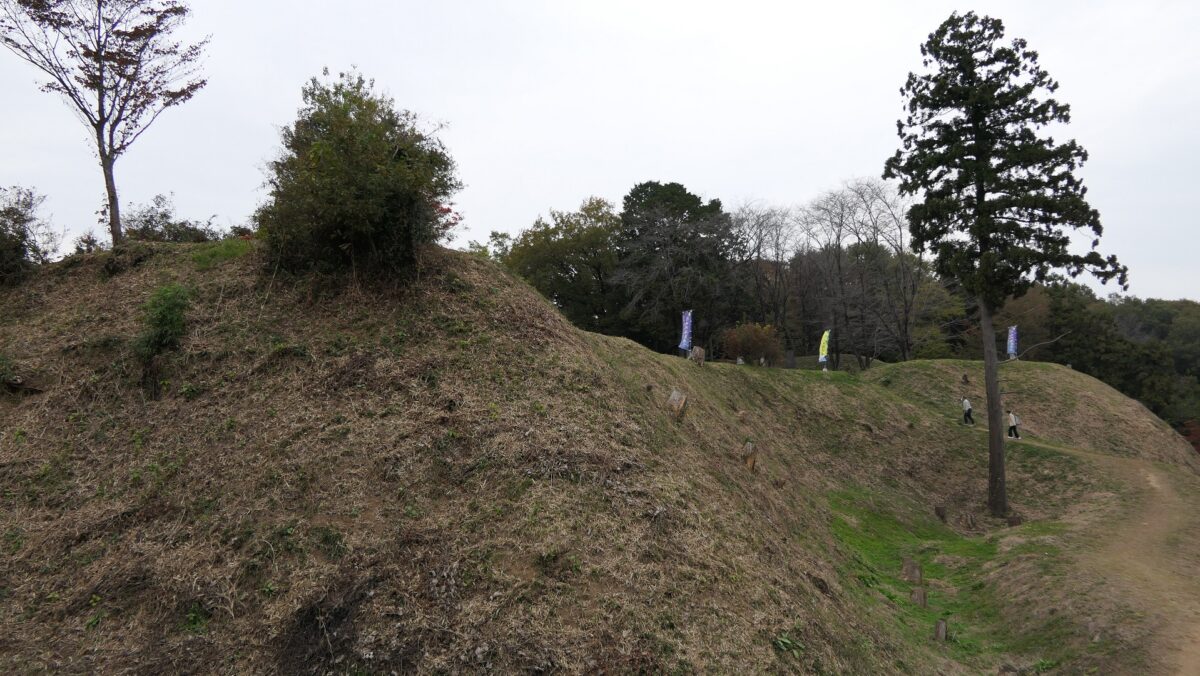
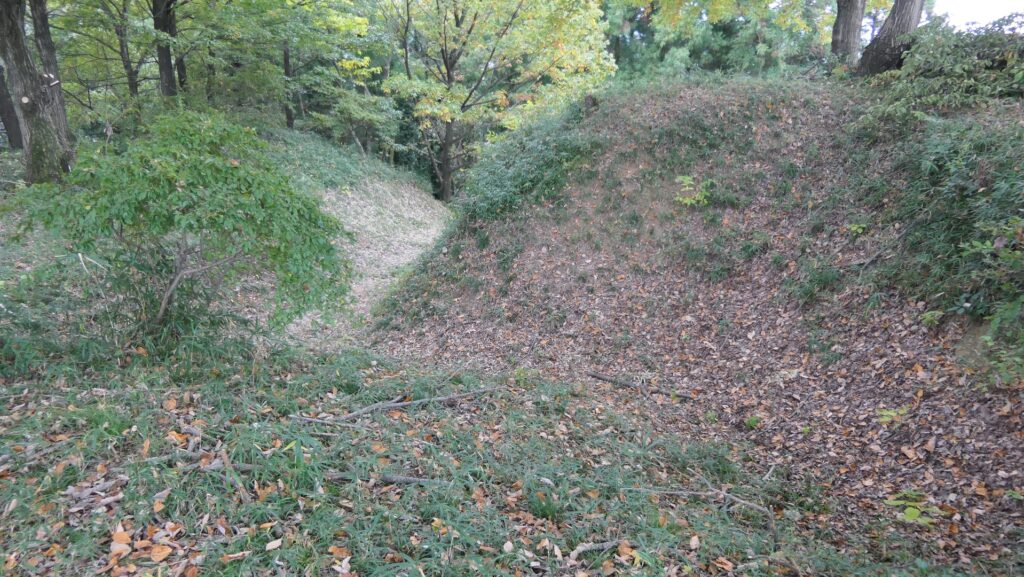
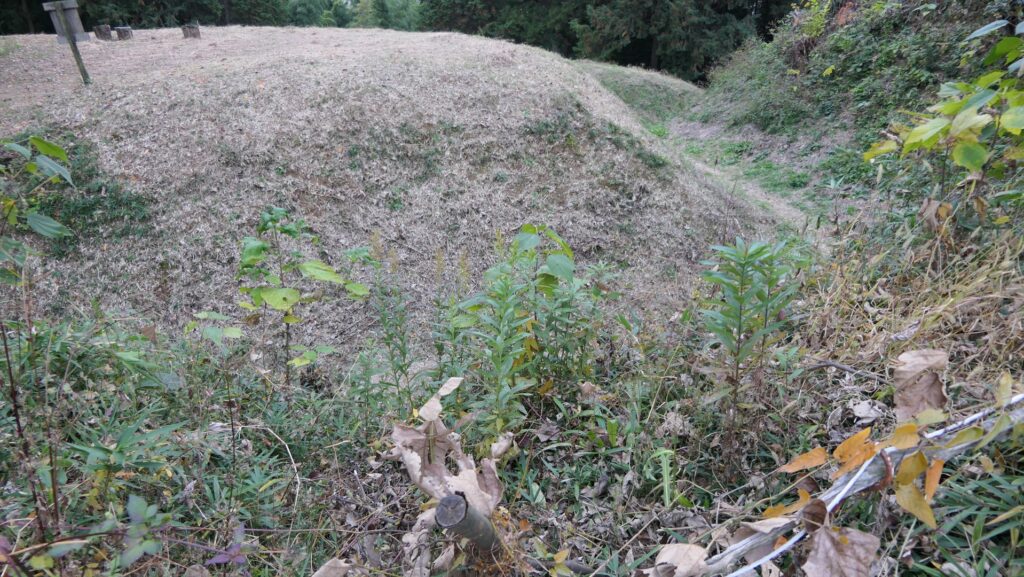
The Well Enclosure leads to the Main Enclosure, which was connected by the wooden bridge over the dry moat. However, you could be counterattacked from the front and from your left side from the Main Enclosure above. The earthen walls of the Main Enclosure are shaped to surround the attacker. Overall, you could suffer damages from the frank attacks as many as the number of the enclosures.
The wooden bridge was built over the dry moathe L-shaped earthen walls of the Main Enclosure to make a flanking attack enemies in the Well EnclosureThe Well Enclosure seen from the Main EnclosureThe route to the Main Enclosure (the red arrow) and the counterattack from the Enclosure (the blue arrow)