14.Mito Castle Part2

You can visit the castle ruins from Mito Station through the road which goes on the big valley between the left and right hills. Surprisingly, it is artificial.

Features

Dry Mort becomes Car Road

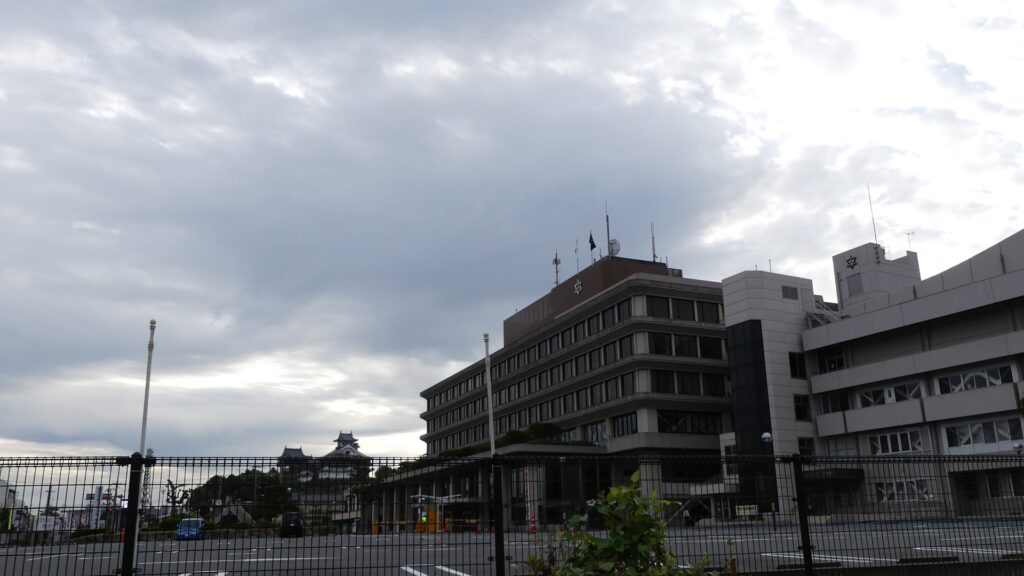
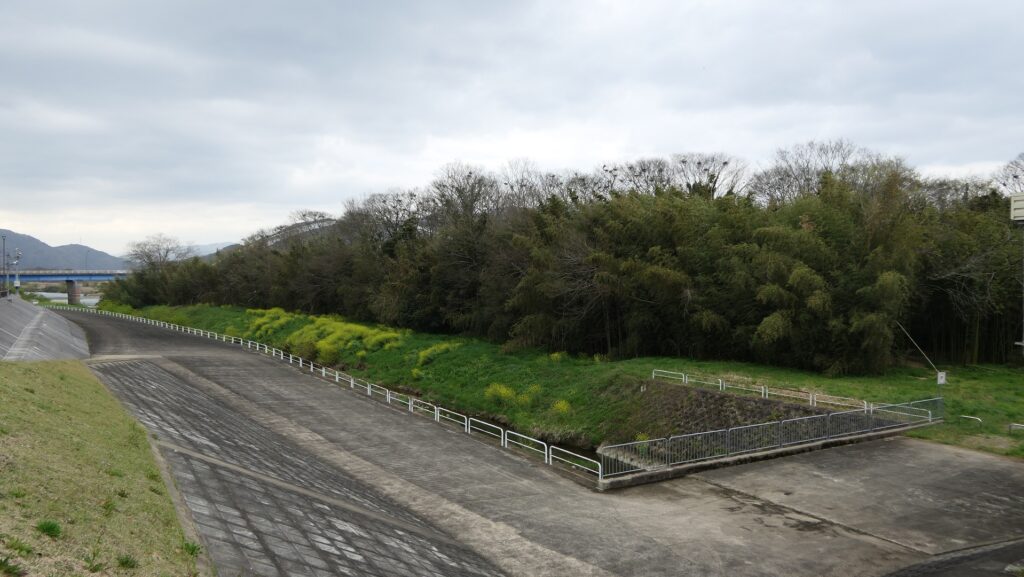
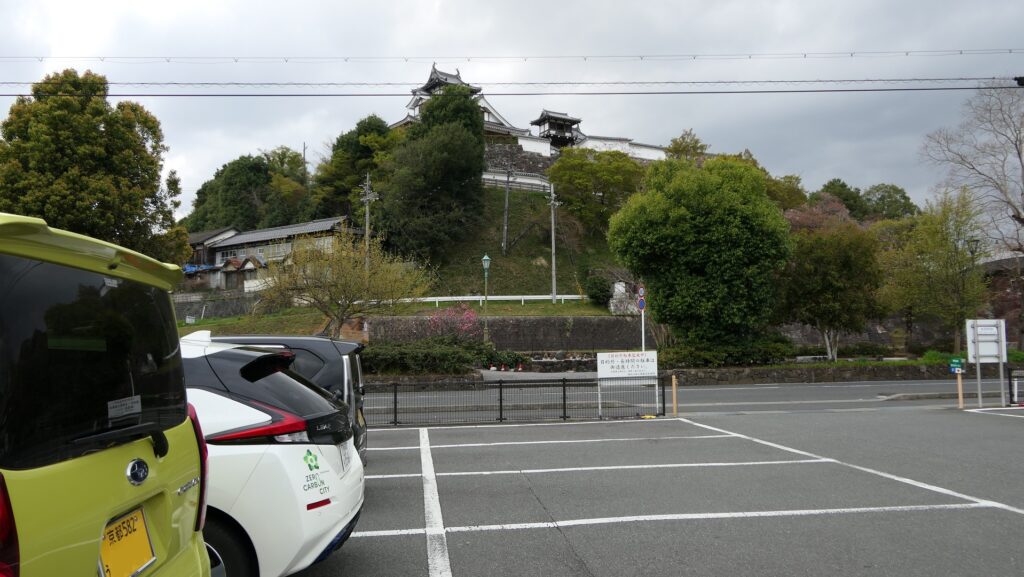
Today, the ruins of Mito Castle are easy to go to because JR Mito Station is nearby. There are roughly two routes from the station to the castle ruins. One is the path that involves climbing the slope to the Third Enclosure on the left hill and the other is the road which goes on the big valley between the left and right hills. Surprisingly, it is artificial. If you choose the latter one, you can see the scale of one of the former dry moats of the castle. You can also see the restored Corner Turret on firm earthen walls of the Second Enclosure on the right. You will eventually reach under the Main Bridge between these enclosures.

The aerial photo of the castle, the broken red line shows the route through the dry moat from Mito Station

The road through the valley which was the dry moat between the Second and Third Enclosures
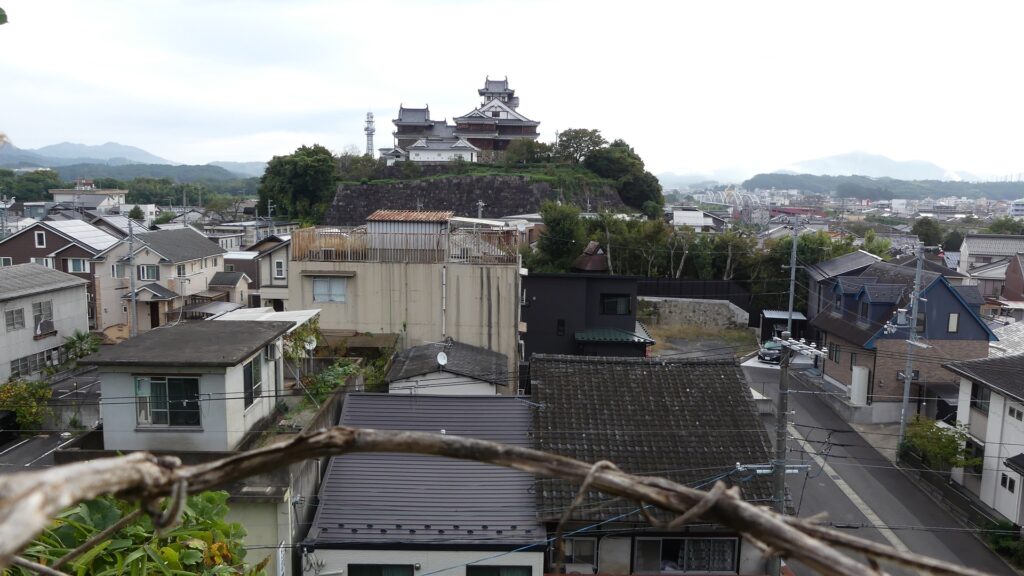
The restored Corner Turret of the Second Enclosure
The spot under the Main Bridge

This is where Battle happened

You can climb the steep stairways from the bottom to the tops of the enclosures on both sides, which are about 12m high. In fact, this area is where the second battle between the Shosei and Tengu Parties happened. The Shosei Party tried to break the Main Gate but failed, so they stayed in the Kodokan domain school. The Tengu attacked and destroyed them. However, that resulted in most of the domain school’s buildings being burned down. Only its front gate and the other few buildings remain as a historical site and museum.

Climbing the steep stairway
The area around the Main Bridge
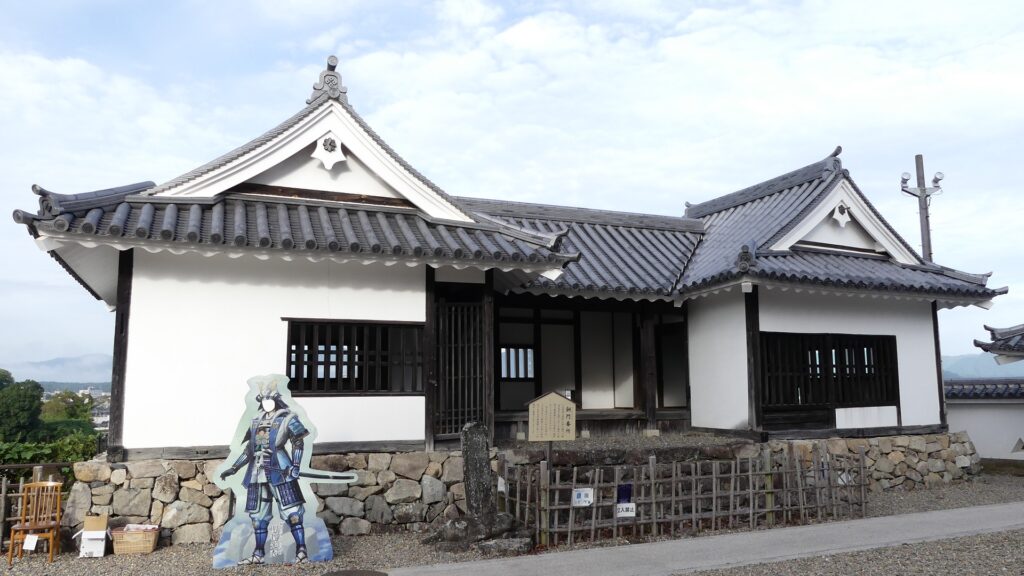
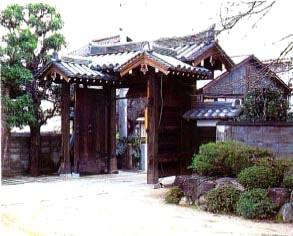
The front gate of the Kodokan domain school

Restored Main Gate

The Main Gate survived in the battle but was also burned down by an arson in the early Meiji Era. The current Main Gate was just restored back in 2020 as the same as it was in the traditional method. It is very large, which is about 10m high and 20m wide, and suitable for the front of the castle. One of its original features was to use tile walls which refer to being piled by roof tiles and clay alternating. This was completely restored in the current gate, which look very beautiful. In addition, some of the excavated original ones can be seen in the window below on the left side of the gate.

The restored Main Gate
The restored tile walls of the Main Gate
The excavated original tile walls can also be seen

Second Enclosure becomes School areas

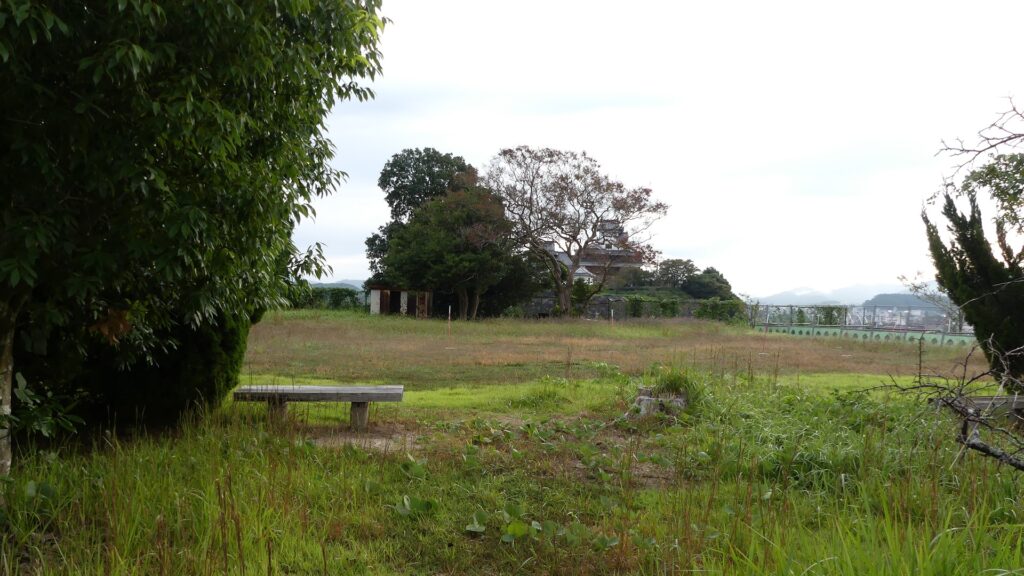
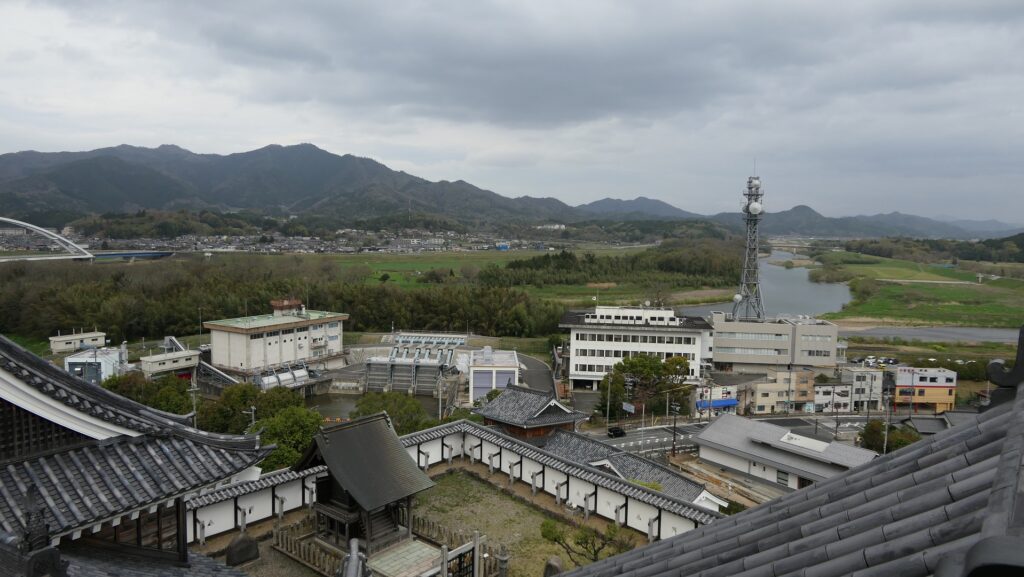
The inside of the Second Enclosure had the Main Hall, the Three-level Turret and the Shokokan institute but has become school areas, which may follow the educational policy of the Mito Domain. The street going through the enclosure is along the white mud walls on both sides, which look as if castle buildings are still there. However, visitors are available to enter only the designated areas. For example, if you want to see a view of Nakagawa River to the north of the hill, you need to go and return to the same path. the view itself is good and you can understand the river was a natural hazard of the castle.

The map around the Second Enclosure, the broken red line shows the route to the observation platform and the broken blue line shows the route to the Corner Turret of the Second Enclosure

The central street of the Second Enclosure
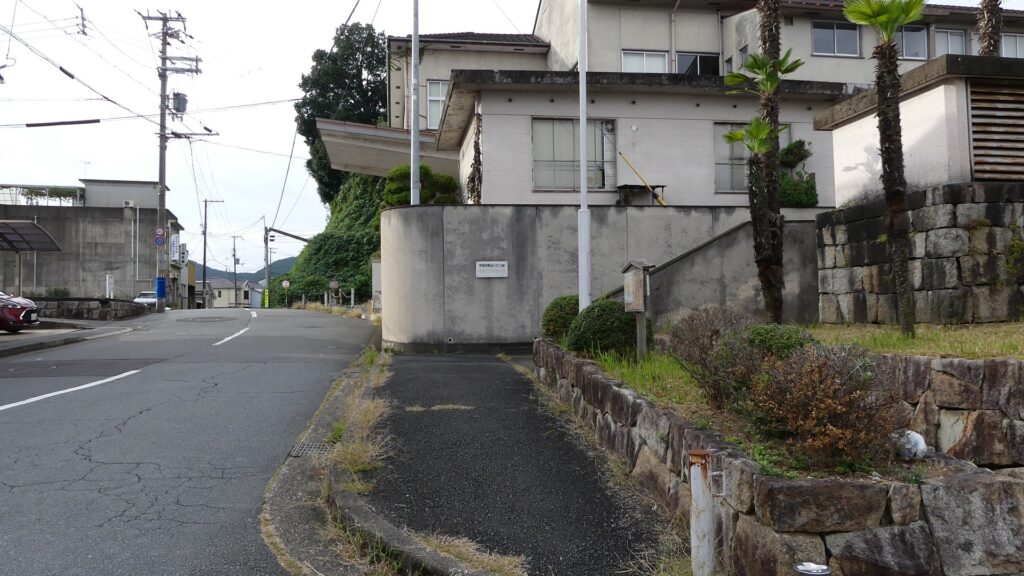
The route to the observation platform in the north
A view of the Nakagawa River in the north

Similarly, you can see the interior of the Corner Turret by going through another but much longer single path.

The route to the Corner Turret
The Corner Turret seen from the inside of the Second Enclosure
The interior of the turret

To be continued in “Mito Castle Part3”
Back to “Miro Castle Part1”

14.水戸城 その2

水戸駅から城跡へは、左右の丘の間の大きな谷間を走る道を通っていくことができます。驚いたことにこの谷間は人工的に城の空堀として掘られたものです。

特徴、見どころ

道路となっている二の丸前の空堀

現在、水戸城跡はJR水戸駅のすぐ近くにあるので、とても行きやすくなっています。駅から城跡へは、大まかに2つの行き方があって、一つは駅から見て左側の丘の上にある三の丸に向かって坂を登って行く道を通るか、もう一つは左右の丘の間の大きな谷間を通る道を通るかになるでしょう。驚いたことにこの谷間は人工的に掘られたものです。もし後者の谷間の道を進んでいくと、以前城の空堀の一つだったこの場所のスケールを実感できるでしょう。また、右側の二の丸のどっしりとした土塁の上には、復元された角櫓(すみやぐら)が見えます。そうするうちに、両側の曲輪を渡る大手橋の下に着きます。

城周辺の航空写真、赤破線は水戸駅から空堀を通るルート

谷間を通る道(二の丸と三の丸の間の空堀)
復元された二の丸隅櫓
大手門下

かつて戦いがあった場所

その谷底の両側から、急な階段を通って曲輪の上に登って行くことができます。その高さは約12mあります。実は、この辺りは諸生党と天狗党との2度目の戦いがあった場所なのです。諸生党は大手門を破ろうとしますが失敗しました。そのため、藩校の弘道館に留まりました。天狗党はこれに攻撃を加え、撃破したのです。しかし、その結果として弘道館のほとんどの建物は焼けてしまいました。現在ではその正門とわずかな建物が残り、史跡及び歴史博物館となっています。

急な階段を登っていきます
大手橋の周辺
弘道館正門

復元された大手門

大手門はこの戦いの後にも残っていましたが、明治初期焼けてしまいました。現在目にする大手門は、2020年にちょうど復元されたばかりです。伝統的工法により、元と同じものを作りました。高さ約13m、幅約17mで、とても大きく、城の正面を飾るに相応しい姿です。この門の特徴の一つとして、瓦塀を使っていることがあり、瓦と漆喰を交互に積み重ねています。現在の門ではそれが完璧に復元され、とても美しいです。更には、発掘により見つかったオリジナルの瓦塀の一部を門の左下の窓から見学することができます。

復元された大手門
復元された大手門瓦塀
発掘された瓦塀も見ることができます

学校地区となっている二の丸

二の丸の内部には、かつては御殿、三階櫓(さんがいろ)、彰考館がありましたが、今では学校地区になっています。水戸藩の教育を重視する方針が引き継がれているのかもしれません。二の丸を貫く通りの両側には、白い壁が連なっていて、まるで城の建物が今でもそこにあるように見えます。しかし、ビジターは指定された場所以外は立ち入ることはできません。例えば、丘の北側を流れる那珂川の景色を見たいときは、同じ通路を行ってまた戻ってこなければなりません。その那珂川の景色自体はすばらしく、この川が城の天然の障壁だったことがわかると思います。

二の丸周辺の地図、赤破線は見晴台に至るルート、青破線は二の丸角櫓に至るルート

二の丸中央の通り
北側の見晴台に行くための通路
北側(那珂川)の眺め

似たように、復元された角櫓まで行って内装も見ることができますが、別のもっと長い通路を行き来する必要があります。

角櫓に行くための通路
内側から見た角櫓
角櫓の内部

「水戸城その3」に続きます。
「水戸城その1」に戻ります。

今回の内容を趣向を変えて、Youtube にも投稿しました。よろしかったらご覧ください。

192.Tsunomure Castle Part3

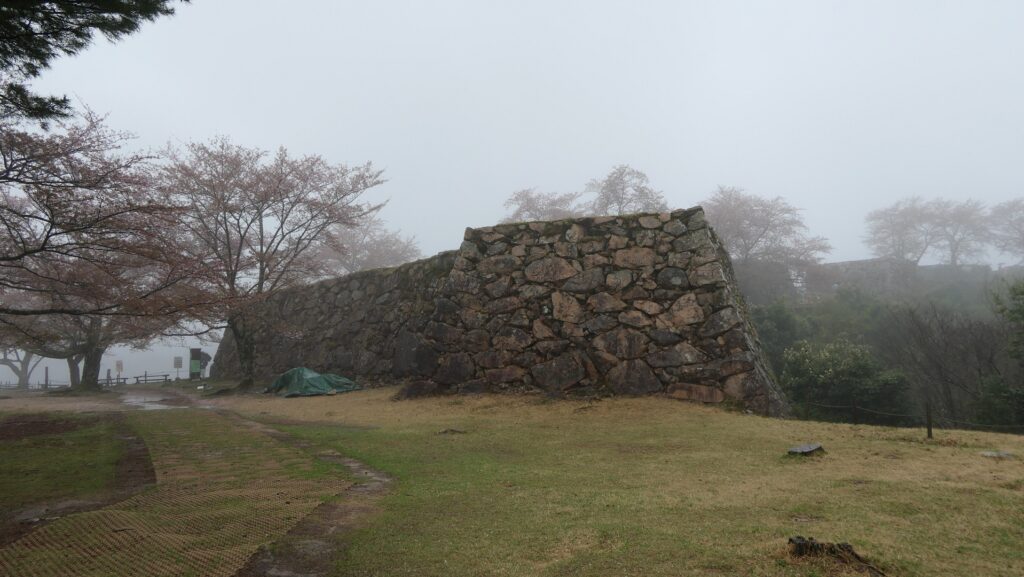
There are many stones lying on the Main Enclosure. This is because officials are repairing the stone walls of the enclosure, which Takamasa Mori built.

Features

Is Main Enclosure being improved?

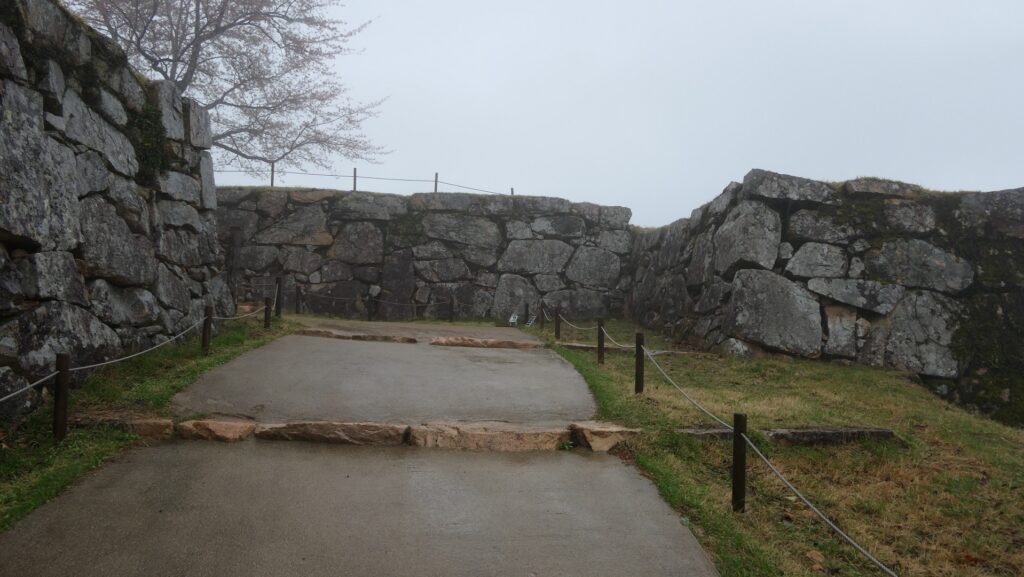
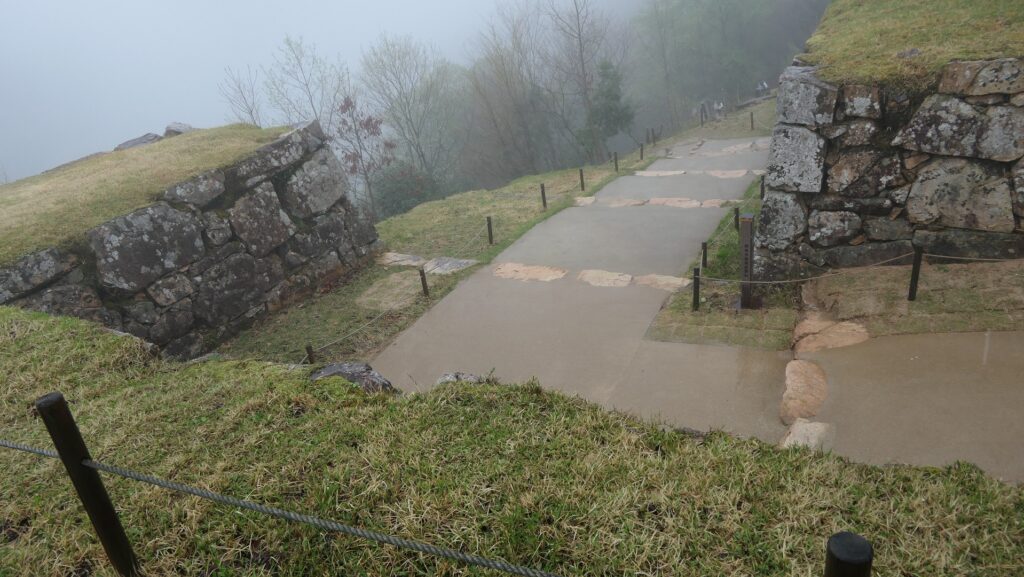
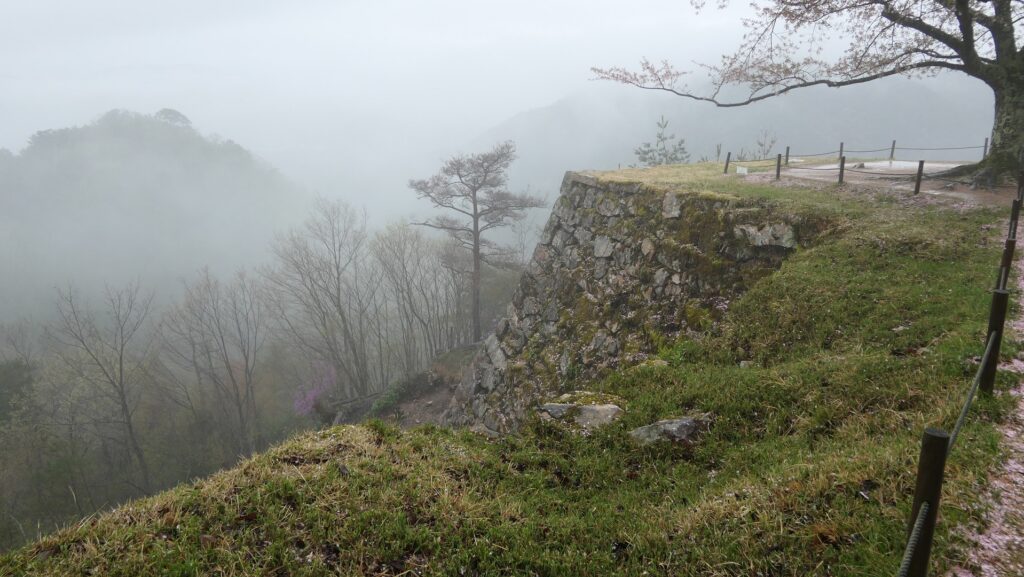
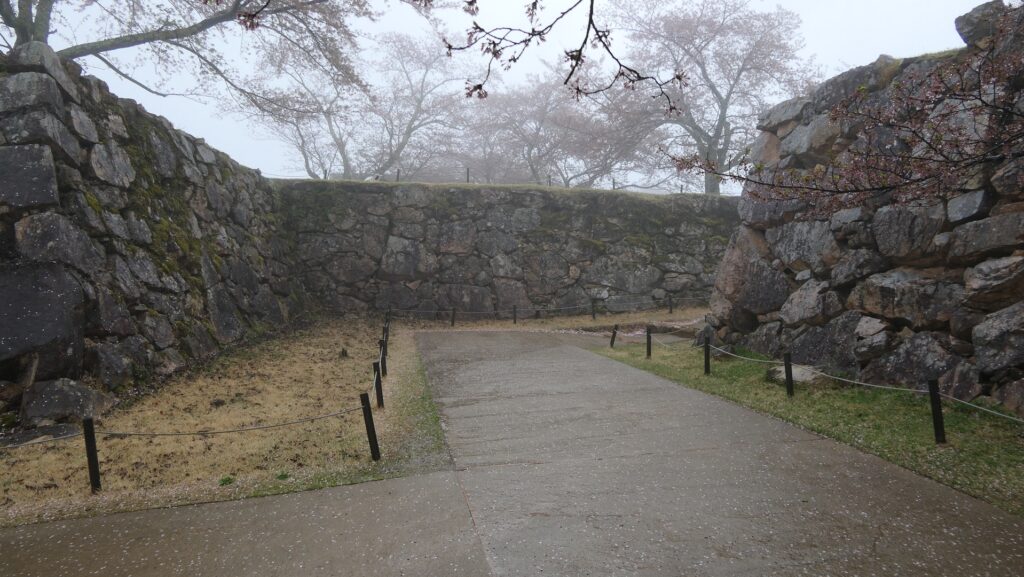
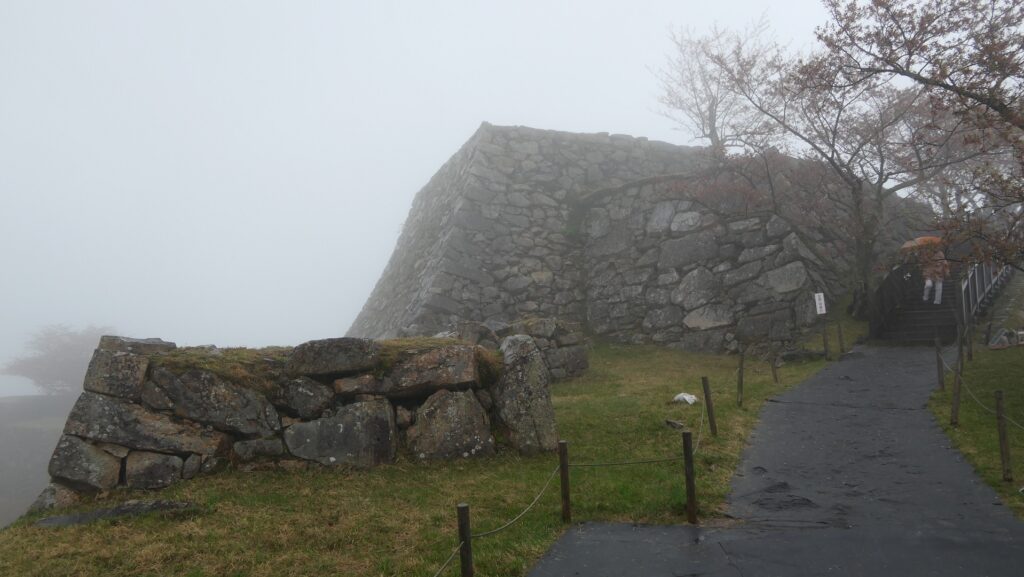
However, the Main Enclosure on the top looks different. Around the Main Enclosure there are no stone walls, but it has the Vertical Cliffs which were artificially cut, made of soil. This method had also been used in the castle before Takamasa Mori came. You will walk around the natural-like path to the enclosure (the straight path for the repair work to it should not be used).

The map around the castle

The Vertical Cliffs around the Main Enclosure
The straight path for the repair work to the Main Enclosure
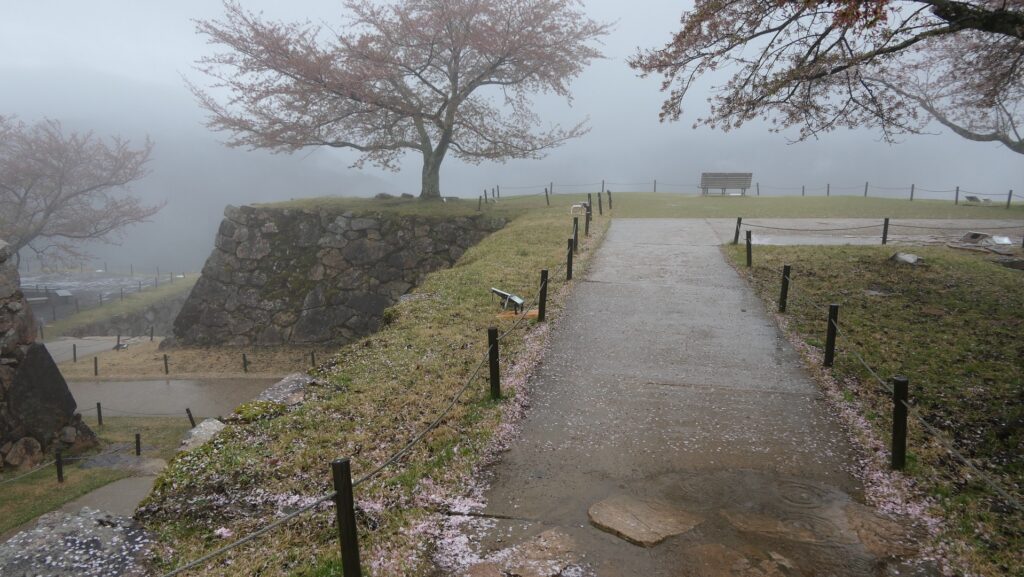
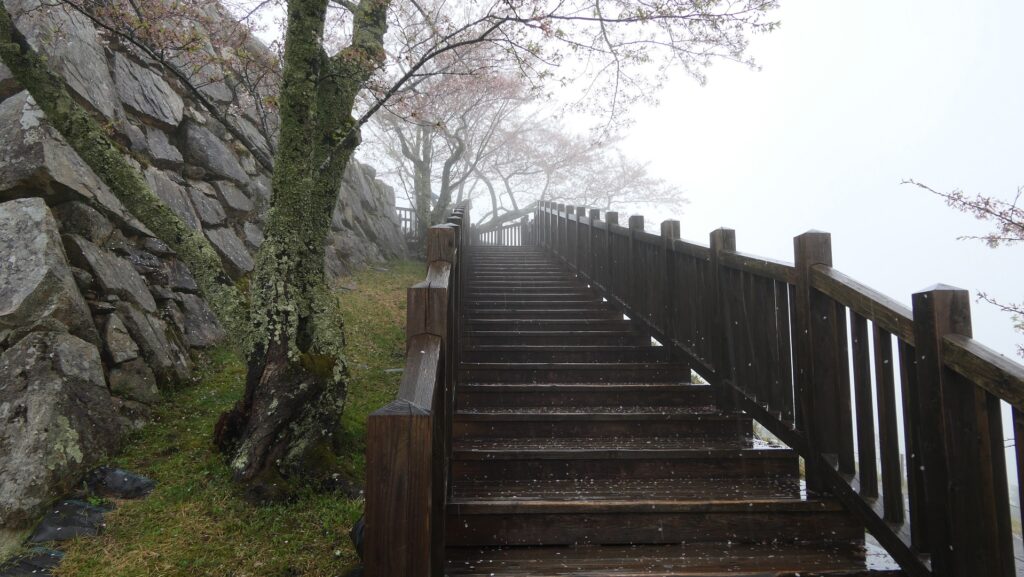
The path to the Main Enclosure going around the mountain

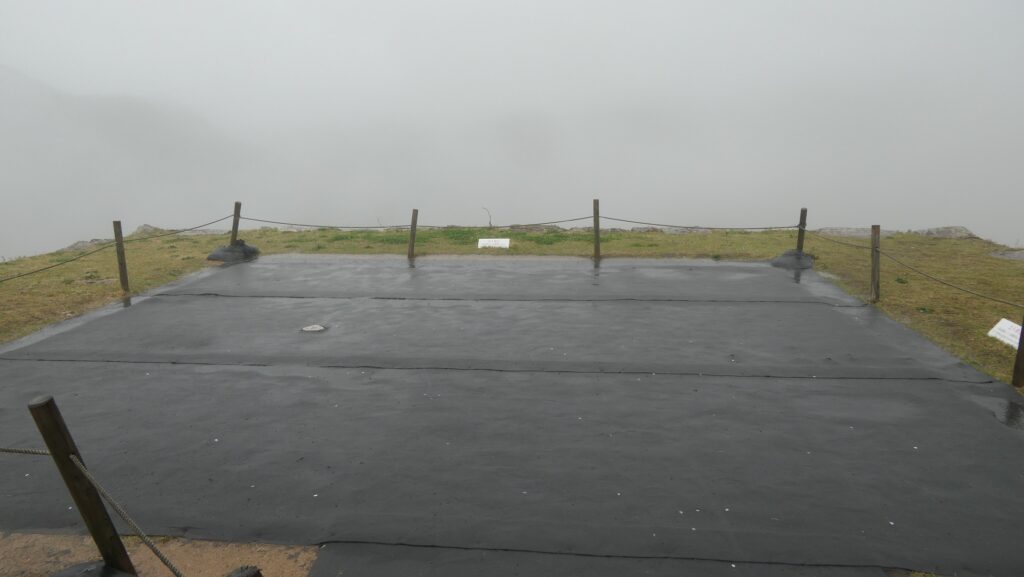
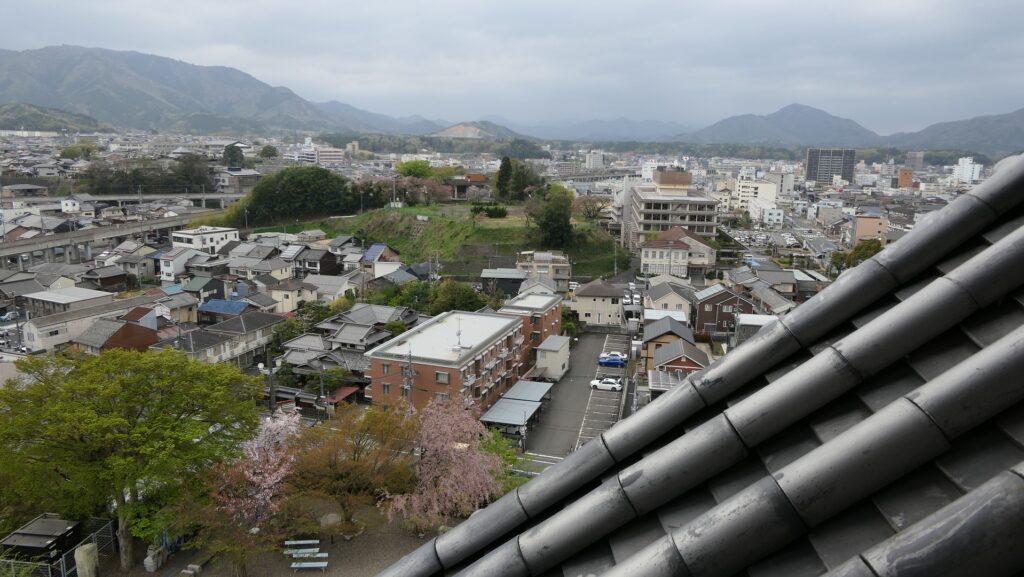
There is the observation platform on the way, where you can enjoy a great view of the Kusu area with lots of mesas or buttes, which look very beautiful.

The observation platform
The wonderful view of Kusu area

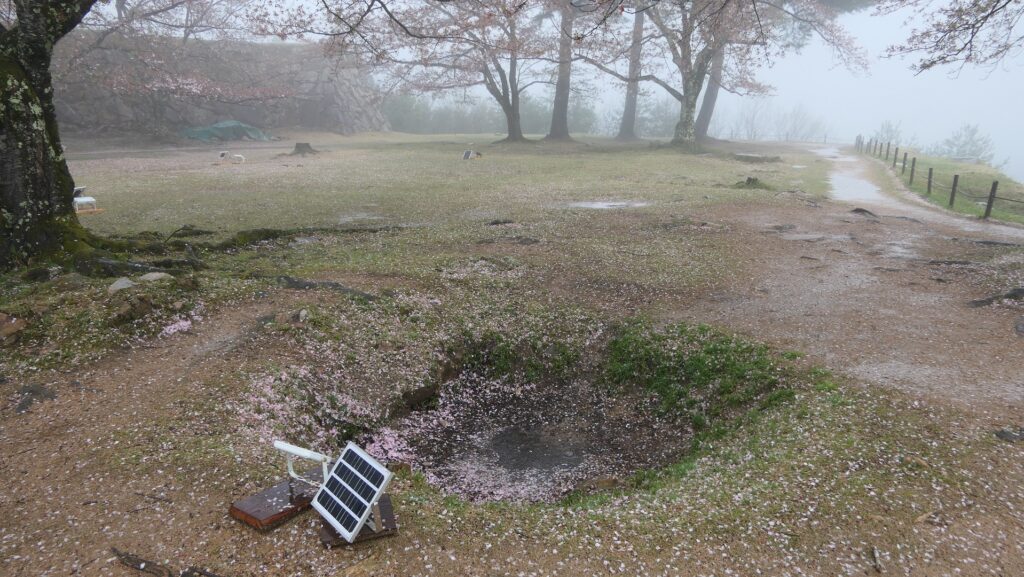
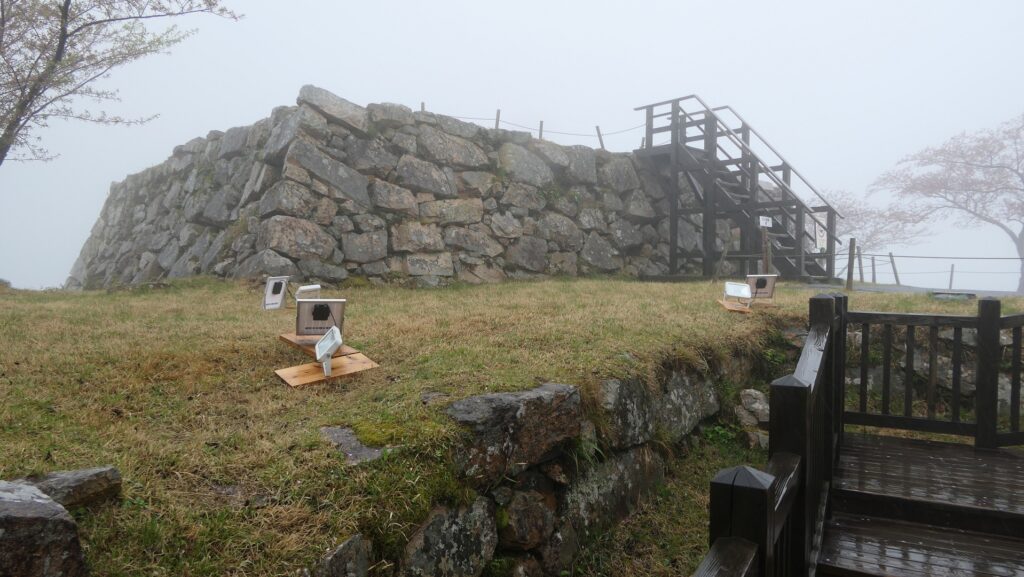
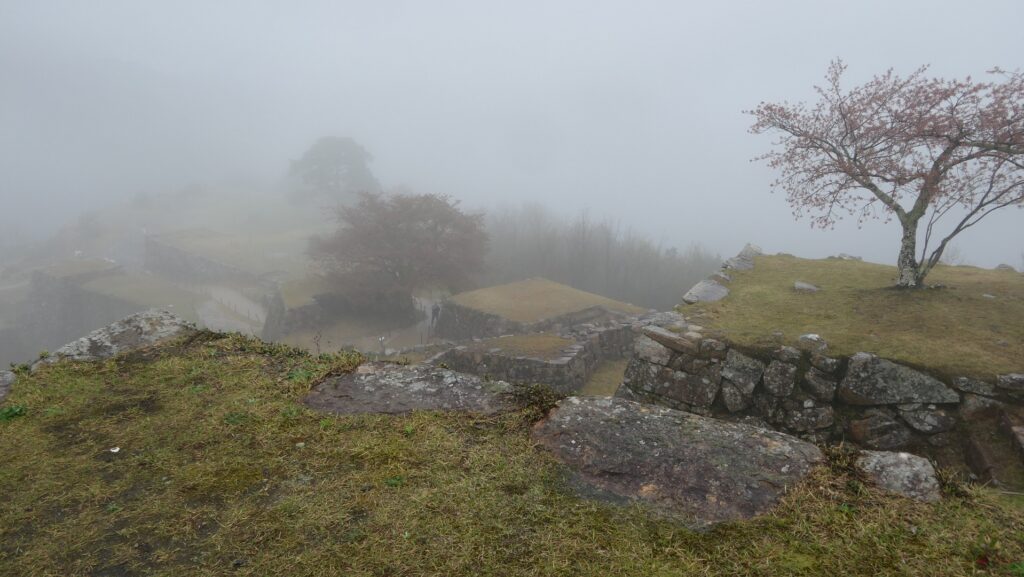
When you arrive at the top of the Main Enclosure, you will see many stones lying on it (as of May of 2023). This is because Takamasa built stone walls only at northern side of the enclosure. The official are repairing them after they collapsed. Maybe Takamasa was also improving the Main Enclosure until he was transferred.

The entrance of the Main Enclosure
The inside of the enclosure
The stones for the stone walls being repaired

Attractions of Mori Domain

You can also visit the attractions of the Mori Domain which the Kurushima Clan established at the foot of the mountain. The lords of the domain lived in an encampment which was turned into a park. The clan also built a pond garden with a circular promenade beside a hill next to the encampment, which remains now.

The pond garden the Kurushima Clan created

There is a 7m tall monolith standing in front of the garden, called Dowa-hi or the Monument of Fairy Tales. This was not originally part of the encampment, but it was originally used as a stone for the harbor at a river nearby when the domain was thriving. The monolith was moved to the current position and reused as the monument in 1949, named after a famous writer of fairy tales, Takehiko Kurushima who was a descendant of the lord’s family.

The monument in front of the garden

The clan also built a tea room on stone walls, called Seihoro, on the hill, which also remains. It is said that the room was built as a substitute for a Main Tower which was not allowed to be built by the lord of the clan.

The Seihoro tea room (licensed by ムカイ via Wikimedia Commons)
Later History

The research of Tsunomure Castle was launched in 1993. It found that the ruins still have an example of the Ano-zumi stone walls in a good condition, which Hideyoshi’s retainers built in many areas during his unification of Japan. It also found that the ruins show the process of castles’ improvement from the Middle Ages to the Edo Period. As a result, the ruins were designated as a National Historic Site in 2005. Kusu Town promoted itself as the hometown of fairy tales and having a castle with the Ano-zumi stone walls.

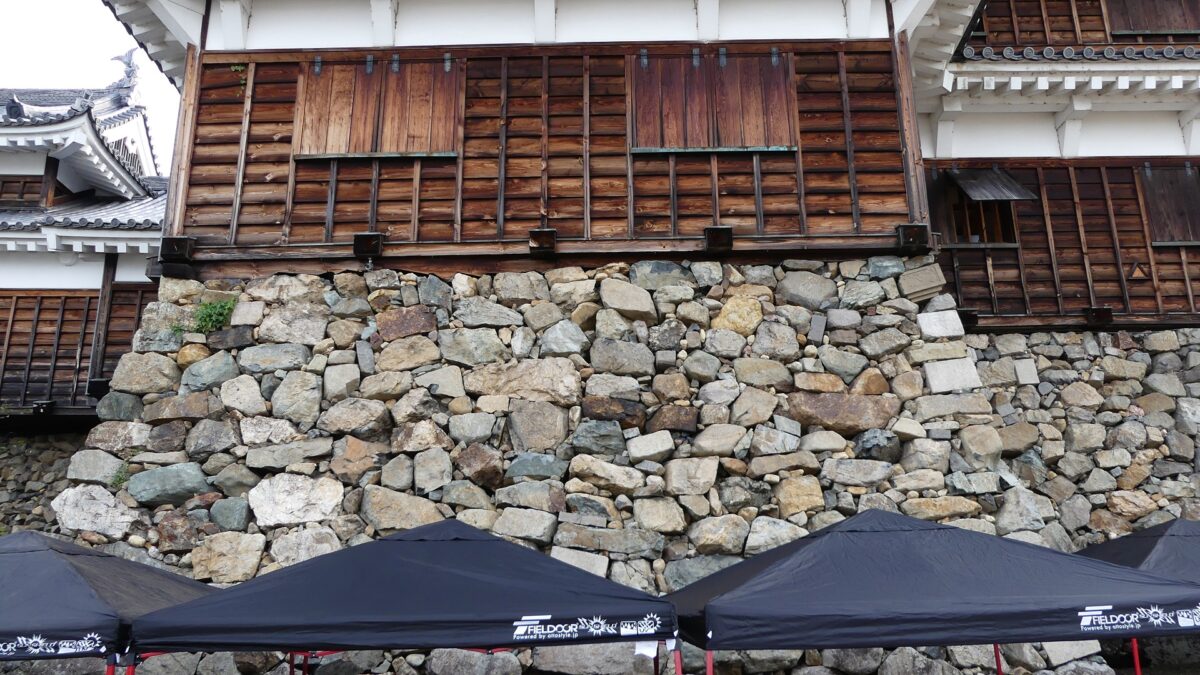
The Ano-zumi stone walls of Tsunomure Castle

My Impression

When I visited the Kusu Area, I felt the area has a very unique atmosphere because it is surrounded by mountains, and the small mountains or hills inside are a little strange, which I would learn are called mesas or buttes. These natural features of the area created folk tales about its history, so the town’s nick name, the hometown of fairy tales may be related to them. Tsunomure Castle also came from the area’s features and people from the outside made it more unique. I recommend visiting the Kusu area and Tsunomure Castle Ruins if you travel around there.

The stone walls of the Third Enclosure of Tsunomure Castle

How to get There

If you want to visit there by car, it is about a few minutes drive away from Kusu IC on the Oita Expressway. There are several parking lots around the ruins (in the Third Enclosure on the mountain or in the park at the foot of the mountain…).
By public transportation, take the Oita-Kotsu bus bound for Kajiwara from JR Bungomori Station and get off at the Kami-Fushihara bus stop at the foot of the mountain. You can climb the trail to the top from there.
From Tokyo or Osaka to the Station: it may be better to rent a car from Oita Airport or Fukuoka Airport after using a plane.

That’s all. Thank you.
Back to “Tsunomure Castle Part1”
Back to “Tsunomure Castle Part2”

error: Content is protected !!