196.Sadowara Castle Part2

Visiting the castle ruins might be lucky to you.

Features

Limited Opening Days and Routes to Top

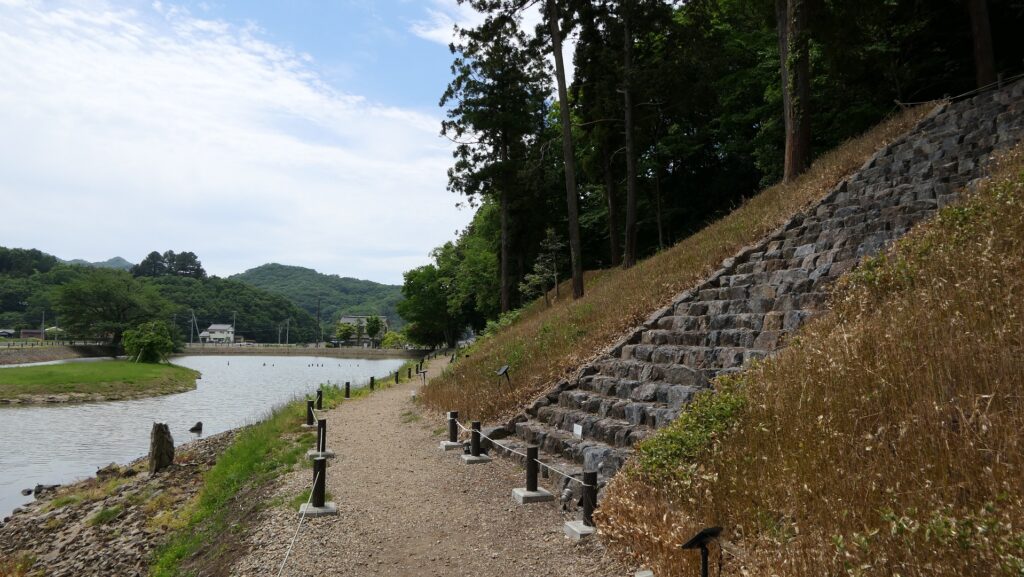
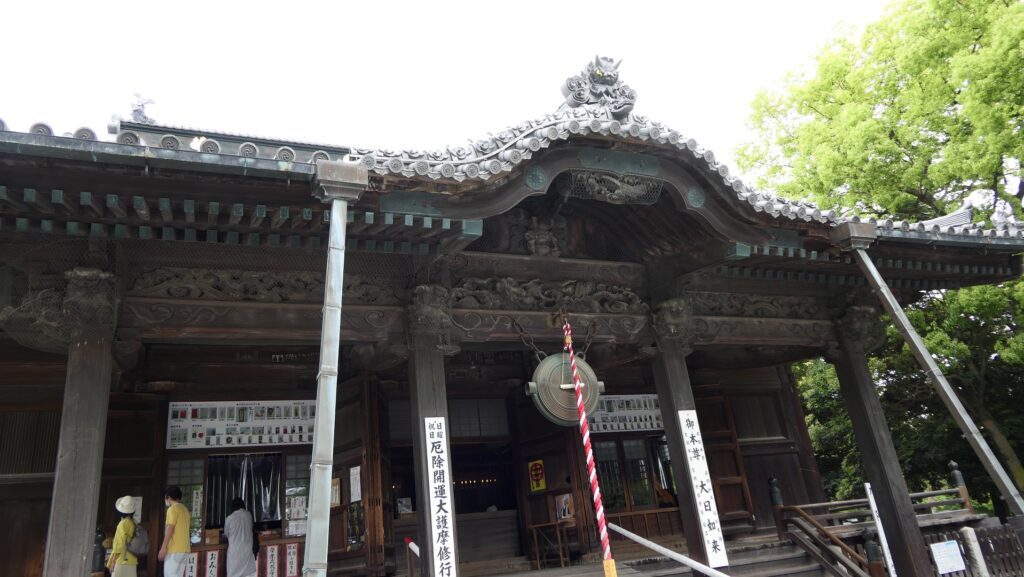
Today, the ruins of Sadowara Castle consist of two parts, the restored Main Hall in the Second Enclosure at the foot and the remaining foundations on the mountain including the Main Enclosure. The Main Hall is used as a museum called Kakushokan or the Crane and Pine Hall, where you can learn about the history of the castle and see restored or excavated items. However, as of May 2023, please make sure it is basically open only on weekends and public holidays probably for its operational purposes.

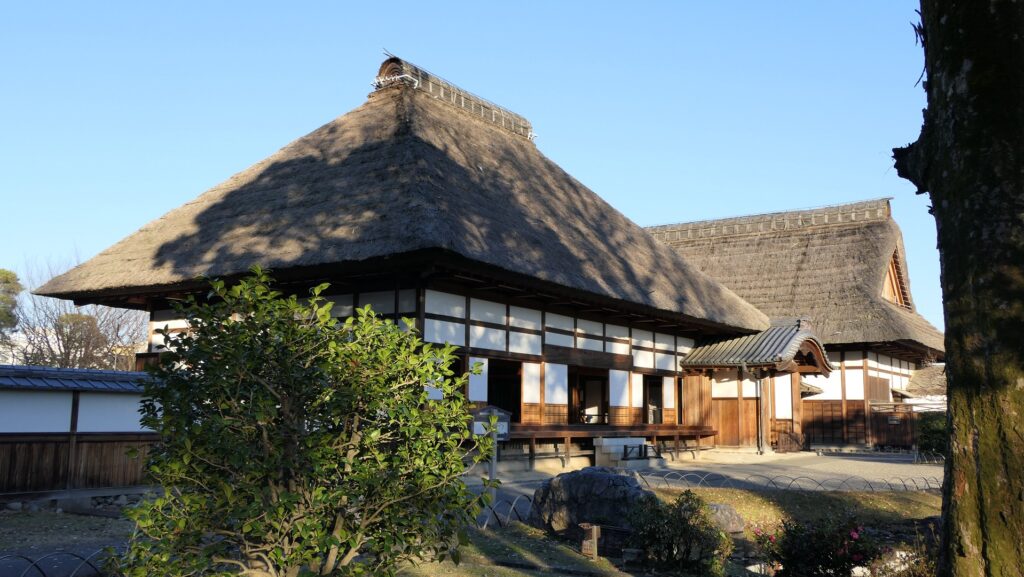
Kakushokan, the restored Main Hall at the foot
The interior of the hall

In addition, the routes to the mountain part is not always open as well because of occasional damages caused by natural disasters. For example, there are two routes to the top, however, only one route is available as of May 2023. This is because the harsh weather from Typhoon No.14 in 2022 caused landslides to the mountain that made all the routes impossible to be used. Officials have been restoring the routes and just opened one of them back in January 2023. Such a situation has often been happening to the mountain, so the officials even now struggle to maintain the mountain part. That may also have been the reason why the Sadowara Domain closed the part when they built the Main Hall at the foot.

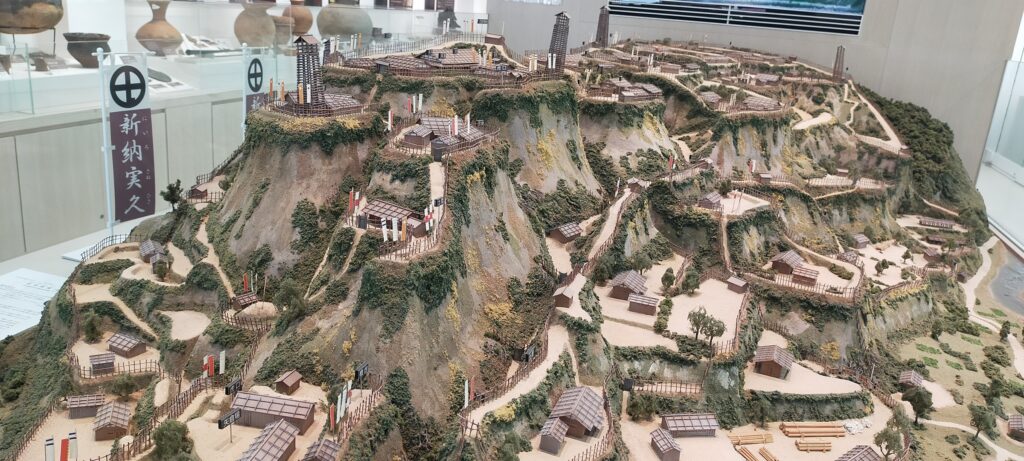
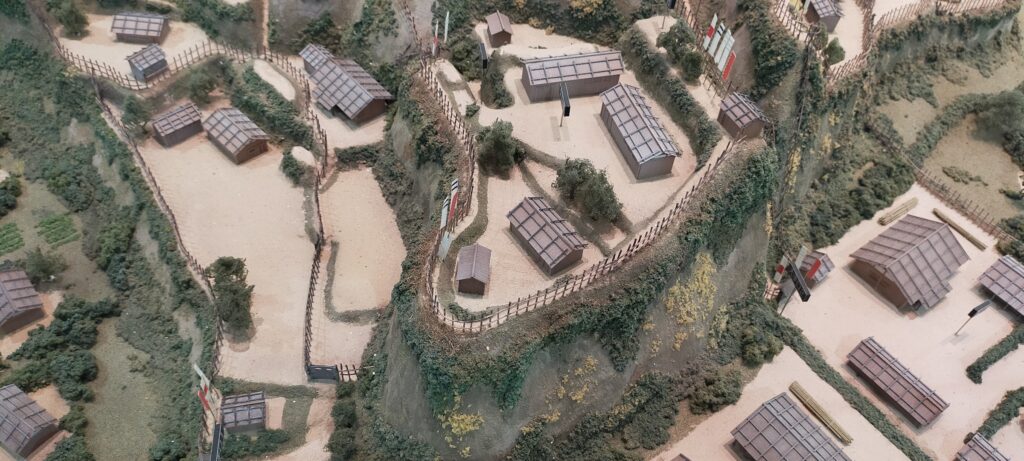
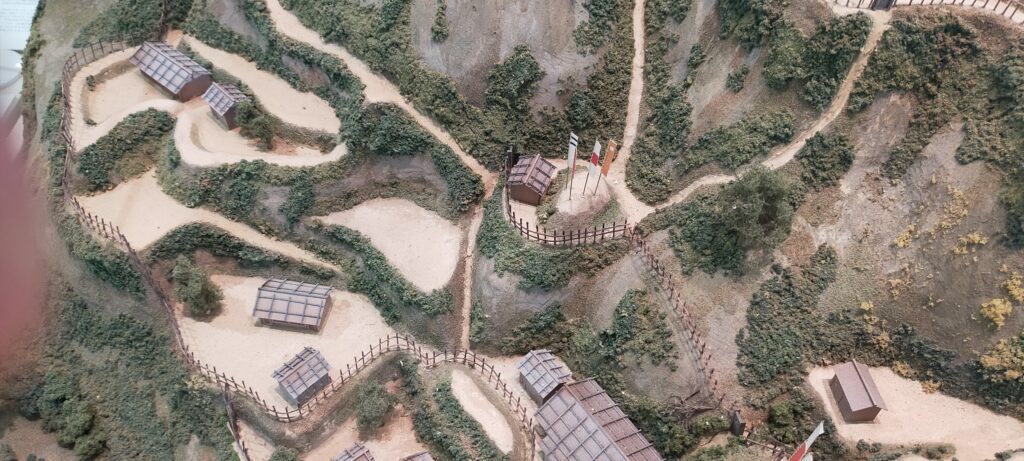
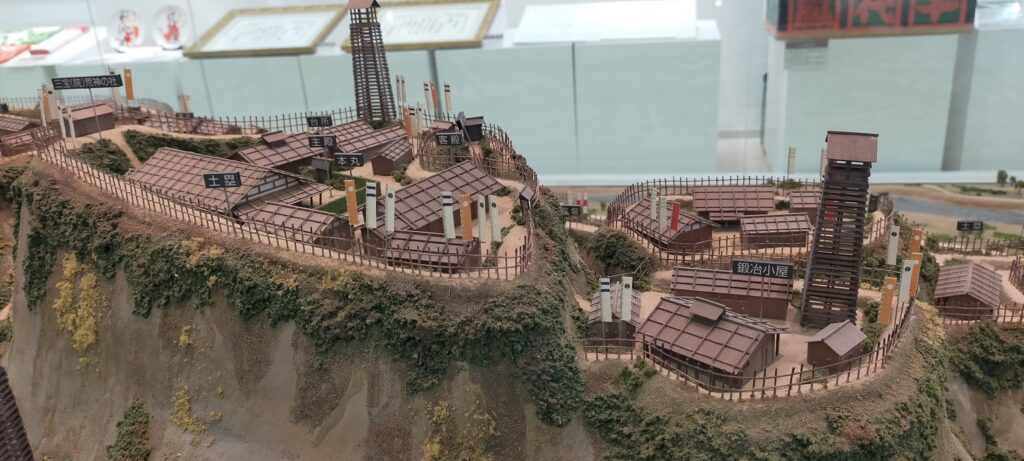
The relief map around the castle

Going on Middle Route to Top

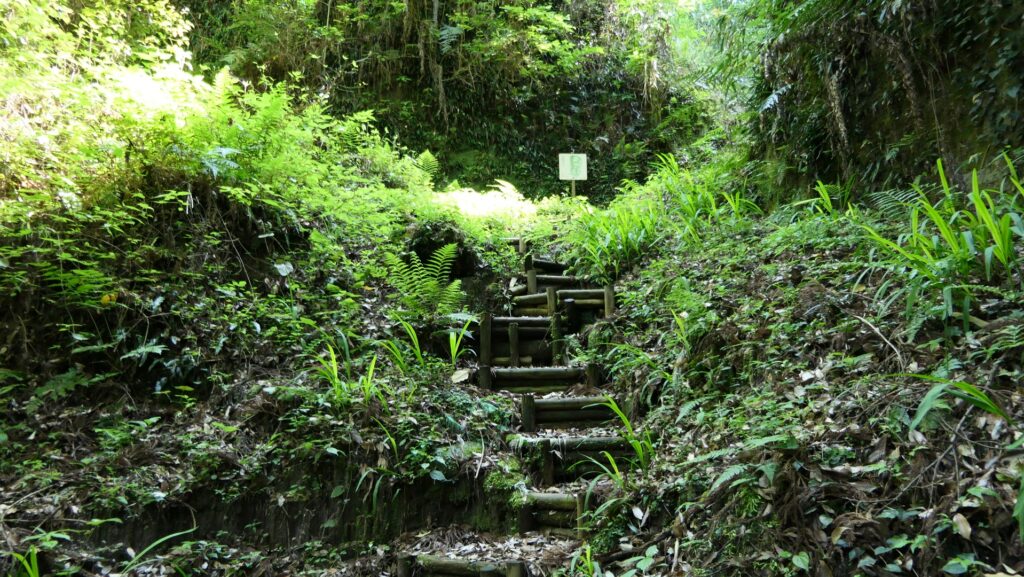
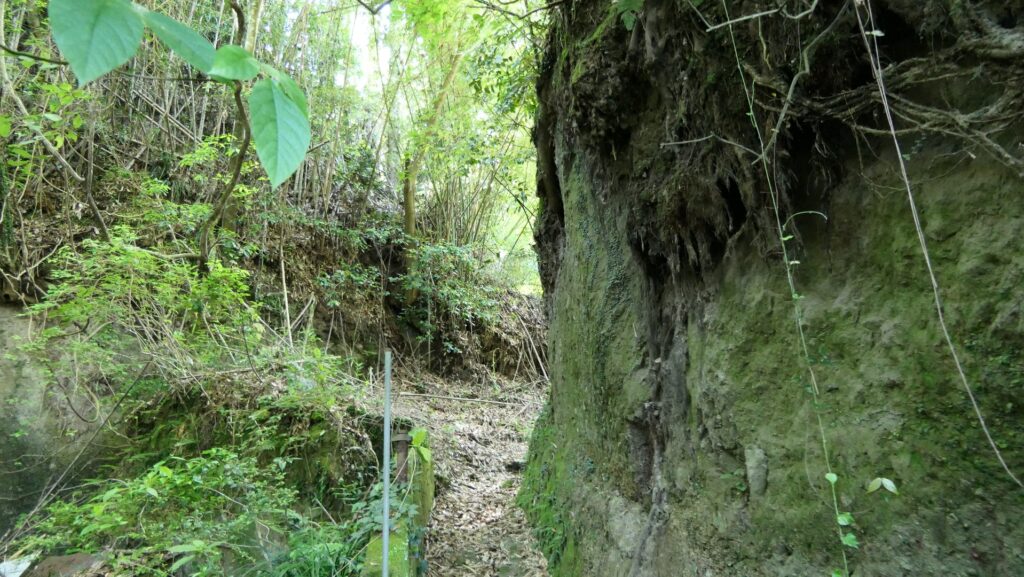
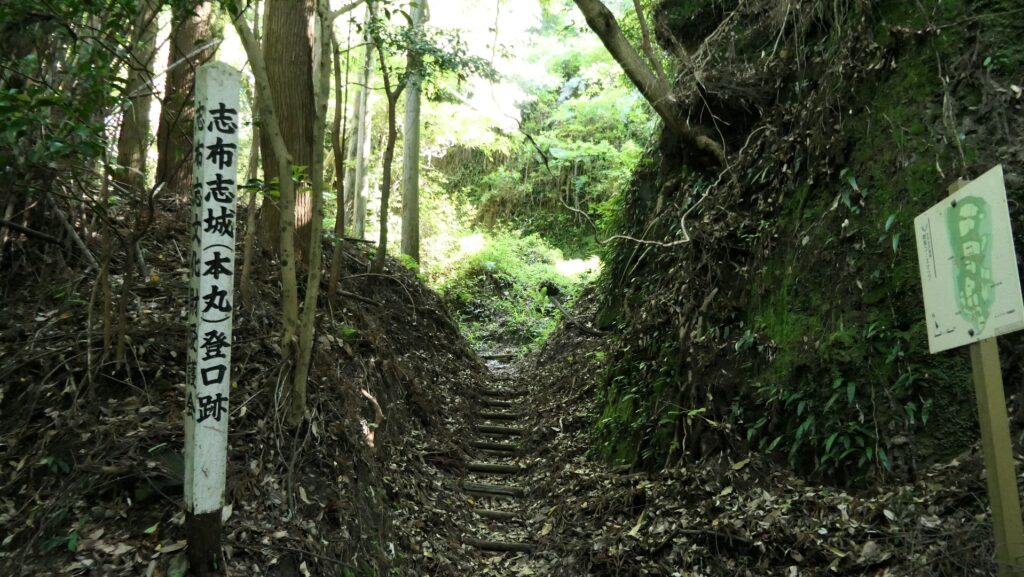
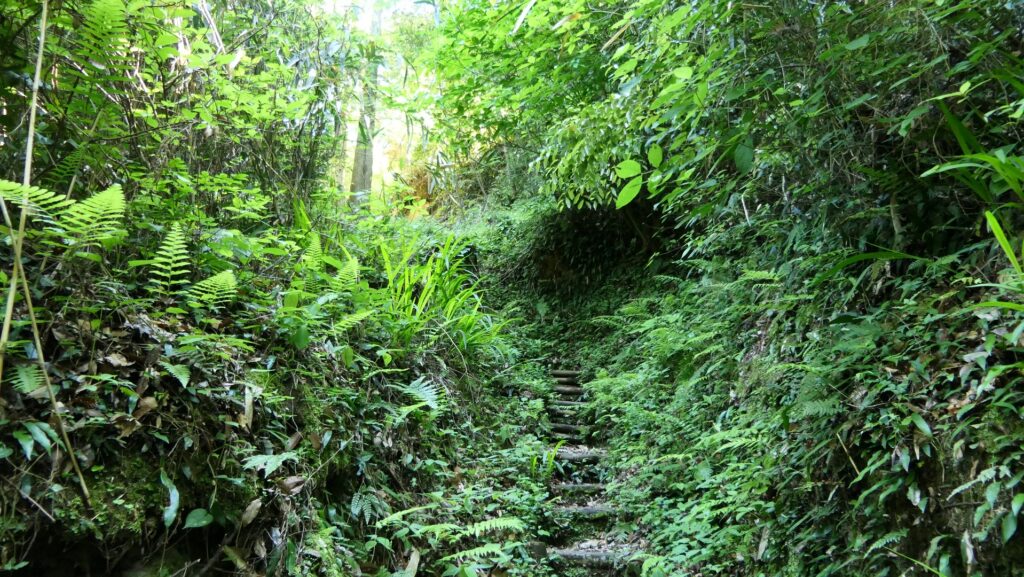
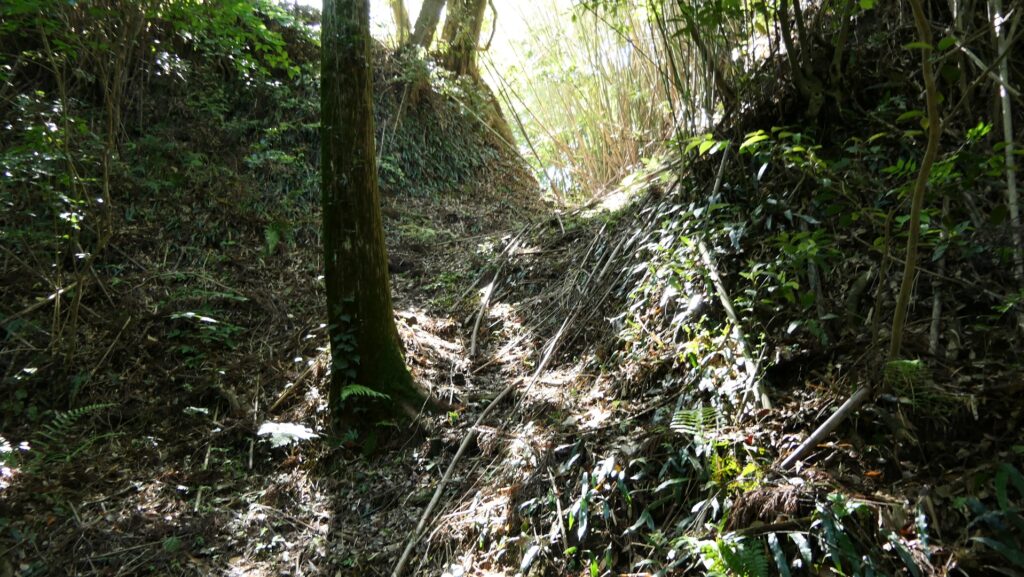
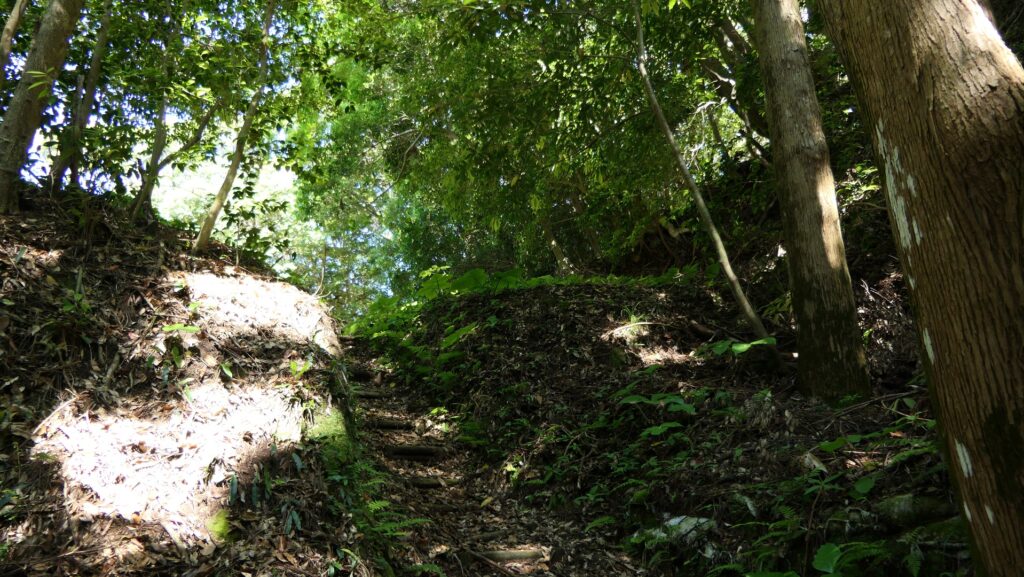
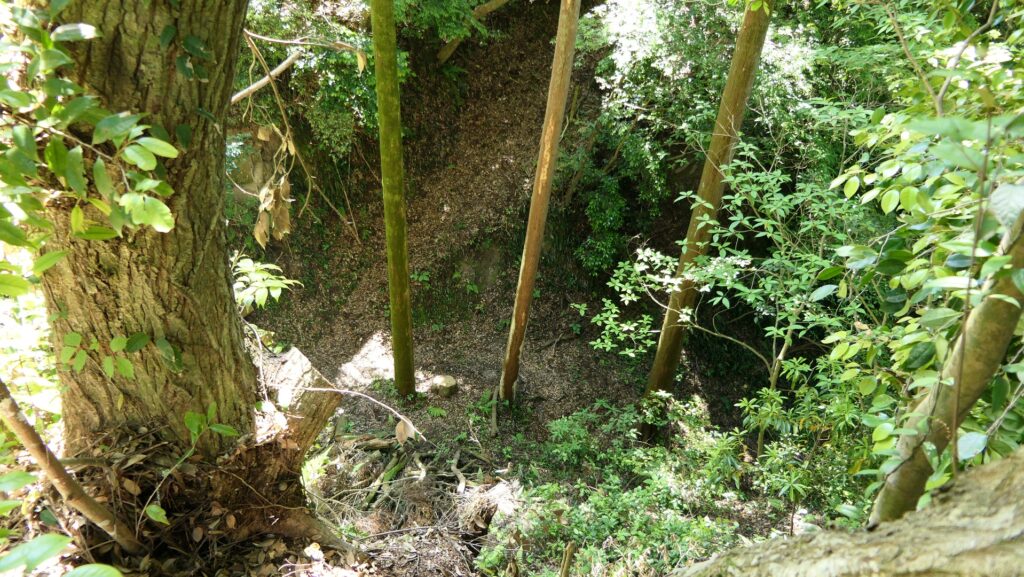
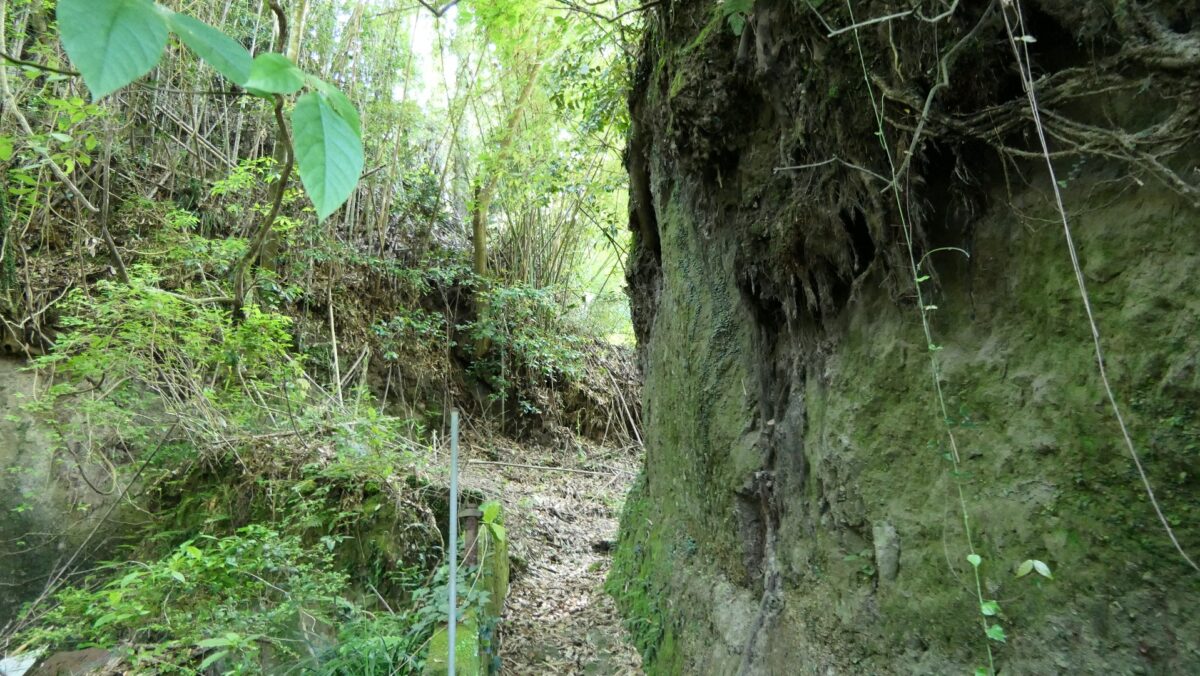
The only open route to the top is called Nakanomichi or the Middle Route, which was considered the back route. The top is only 40m above from the foot, not far from it, however, it is not easy to access, which meant it had a very defensive design in the past. The Middle Route goes on a valley between ridges of the mountain. It is very steep and is unstable on the feet, so if it rains a lot, it could be dangerous. The ridges have enclosures and their sides are cut vertically by processing the soil of the Shirasu plateau. If you were an enemy, you would have been attacked from above of both sides.

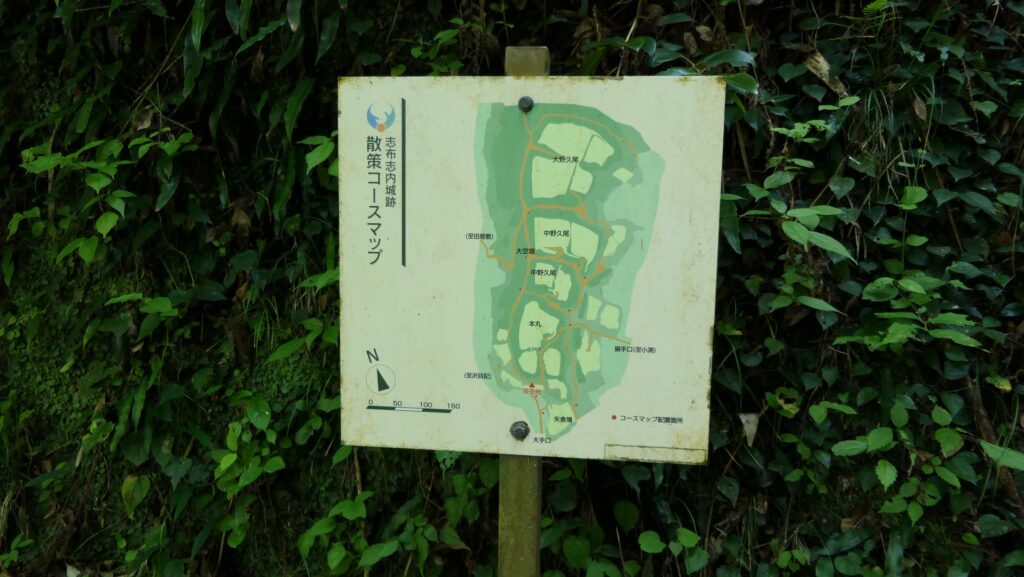
The map around the castle

The entrance of the Middle Route
Climbing the steep route on the valley
The route is sandwiched by enclosures on both sides
The sides of the enclosures are cut vertically

Slightly remaining Main Tower Base in Main Enclosure

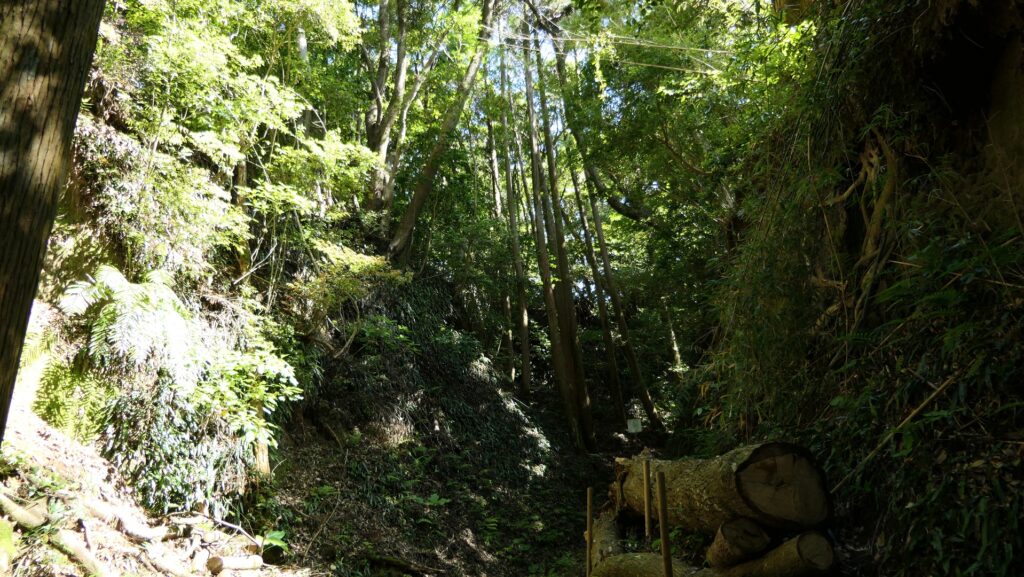
You will eventually reach a fork in the route at he top area, which surrounds the Main Enclosure. The enclosure also has steep cliffs on its side, which was probably cut vertically by the builders. If you take the route on the right, you will arrive at the back entrance of the enclosure.

The fork on the mountain
Looking up at the Main Enclosure
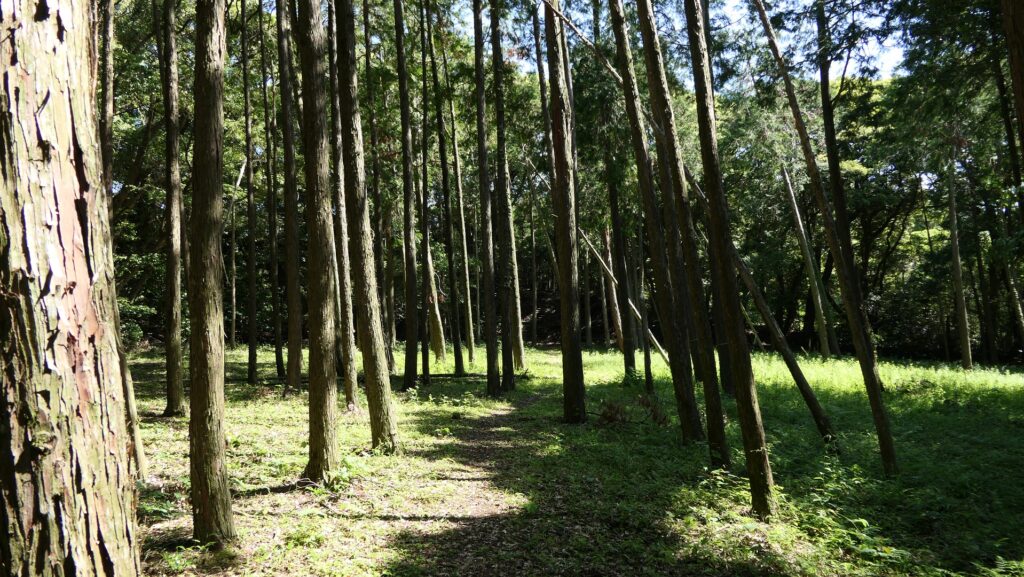
The route around the Main Enclosure
The back entrance of the enclosure

While if you take the left one, you will enter the main entrance of it.

The route on the left from the fork
A small enclosure in front of the main entrance of the Main Enclosure
The main entrance

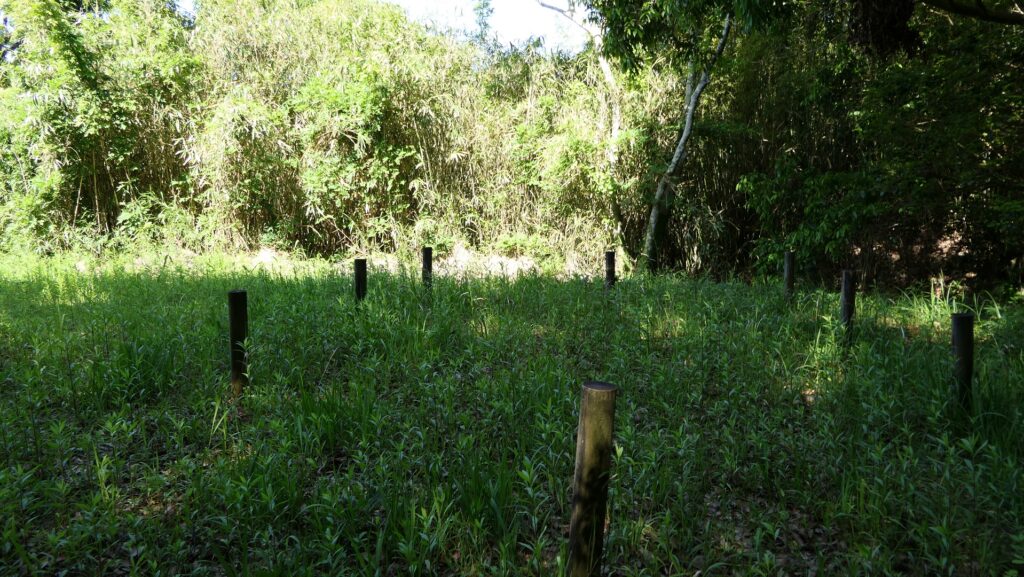
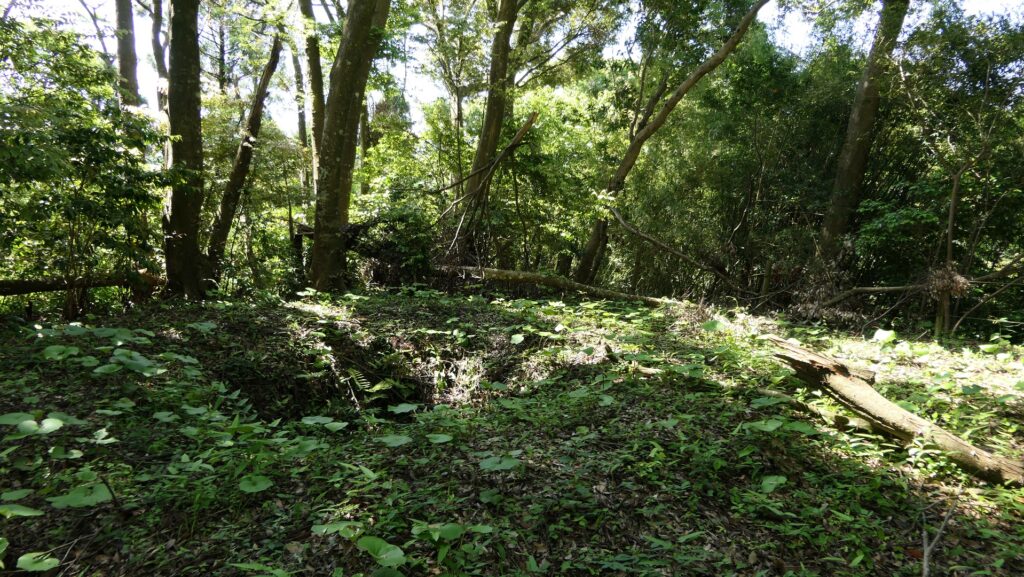
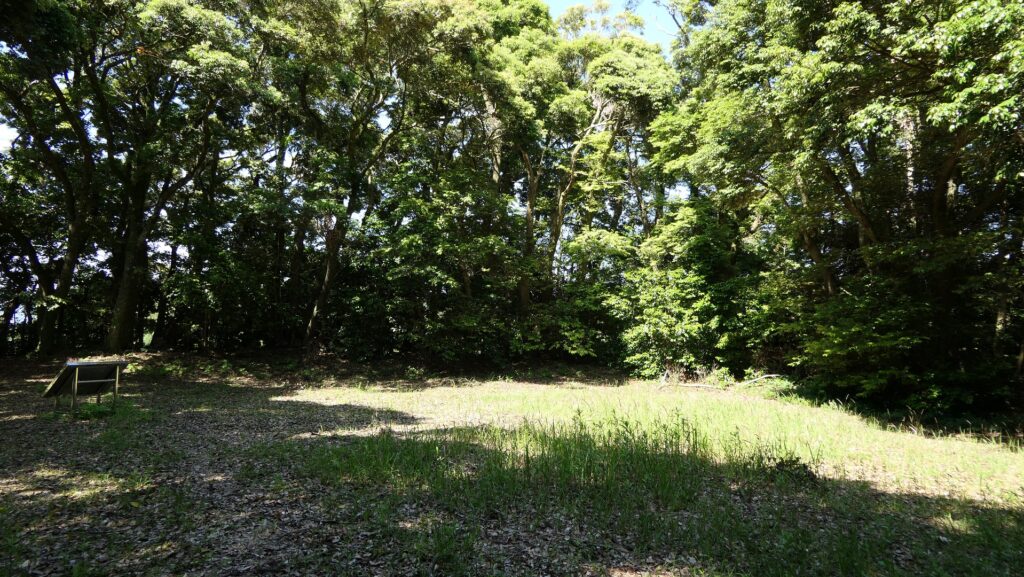
The Main Enclosure now looks like two connected squares and the ruins of the Main Tower base is in the back one. The base ruins have only the foundational stones lining up on the ground. Their upper part was probably destroyed intentionally by the lord of the castle when they closed the mountain part. That makes it difficult to find out who and when the base was first built.

The Main Enclosure (the front square)
The ruins of the Main Tower base (in the back square)
The foundational stones of the base

To be continued in “Sadowara Castle Part3”
Back to “Sadowara Castle Part1”

196.佐土原城 その2

この城跡に行けること自体が幸運かもしれません。

特徴、見どころ

限られている見学日時とルート

現在、佐土原城跡は2つの部分から構成されています。山麓の二の丸に復元された御殿と、本丸を含む山上に残っている城の基礎部分です。復元された御殿は、鶴松館(かくしょうかん)という名で博物館として運営されていて、城の歴史を学んだり、復元されたり発掘された文物を見学することができます。ただし、2023年の5月時点では、運営上の都合で週末と祝日しか開いていません。

復元された山麓の御殿「鶴松館」
鶴松館の内部

更には、山上部分へのルートも自然災害により常に通れるとは限りません。例えば、山頂へは2つのルートがあるのですが、2023年の5月時点では1つのルートしか通れなくなっていました。それは、2022年の台風14号の暴風雨により土砂崩れが発生し、全てのルートが使用不能になってしまったからです。当局はそれ以来ルートの復旧に努め、2023年1月に1つのルートを復旧させたのです。このような状況はしばしばこの山に発生していて、現代の行政にとっても山上部分の城跡を維持するのは大変なことなのです。このような事情で、かつての佐土原藩も山上部分を廃し、山麓に御殿を建設したのではないでしょうか。

城周辺の起伏地図

中の道を通って山上へ

唯一通ることができる山上へのルートは中の道(なかのみち)と呼ばれていて、城の搦手道とされています。山頂は山麓からわずか40mの高さなのですが、たどり着くには多少困難が伴います。過去においては、それが城の防御力につながっていました。中の道は峰の間の谷間を通っていて、とても急で足元は不安定です。そのため、もし大雨が降った場合は危険を伴います。谷を挟む両峰には曲輪があり、その側面はシラス台地の土壌を垂直に削られていています。もし敵がこのルートを攻めてきても、両側の頭上から攻撃を受けたことでしょう。

城周辺の地図

中の道入口
急な谷間を登っていきます
両側を曲輪に挟まれています
曲輪の側面は垂直に削られています

本丸にわずかに残る天守台

山上に至るとルートは分かれ道になっていて、それが本丸を囲んでいます。本丸の側面も急な崖となっていて、恐らく築城されたときに垂直に削られたと思われます。分かれ道を右の方に行った場合は本丸の裏手口に至ります。

山上の分かれ道
本丸を見上げています
本丸を囲む通路
本丸の裏手口

一方、左の方に行った場合には正面の虎口に至ります。

分かれ道を左の方に行ったときの通路
正面口の手前にある小曲輪
本丸の正面虎口

現在の本丸は、2つの広場がつながっているように見えますが、天守台跡は奥の方の中にあります。天守台跡には地面に並んだ基礎部分の石列しか残っておらず、上の部分は恐らくかつての城主が山城を廃したときに破壊されたのではないかと思われます。このため、この天守台をいつ誰が最初に築いたのかが判別し難くなっています。

本丸(手前の広場)
天守台跡(奥の方の広場にあります)
わずかに残る石列

「佐土原城その3」に続きます。
「佐土原城その1」に戻ります。

17.Kanayama Castle Part3

This castle might have become more popular.

Features

Living and Religious places in Castle

The enclosures on the upper tiers were used as another pivot point as well as a place for living. The team found traces of kitchen stoves and a well, which were restored with a hut on the Southern Upper Tier Enclosure at the same time as the stone walls. The Southern Enclosure on the top of the tiers is used as the rest house, which is another viewing spot.

The map of the main portion of the castle

The restored hut on the Southern Upper Tier Enclosure
The restored kitchen stoves in the hut
The Southern Enclosure and the rest house on it
A view from the Southern Enclosure

To reach the Main Enclosure on the top of the mountain, you will pass and see a larger pond being covered with stone mounds as well, called Hi-no-ike or the Sun Pond. This is actually not a reservoir but a well, which had been famous as a holy place since the Ancient Times before the castle was built. That’s why people in the castle used it for religious services.

The Sun Pond
The Sun Pond viewed from above

Main Enclosure is used as Shrine

Around the top of the mountain is the Main, Second, Third Enclosures, but you can not access the two of the latter because they are privately owned. You will eventually go to the Main Enclosure on the top, which is now used as Nitta Shrine. As for the castle ruins, you can walk around the enclosure, called Musha-bashiri or the Defense Passage, and see the partially remaining original stone walls which are also uncertain as to who first built them.

The Second Enclosure is not allowed to enter
Nitta Shrine in the Main Enclosure
A view from the Main Enclosure
The remaining stone walls behind the Main Enclosure
The Defense Passage around the Main Enclosure

Later History

After Kanayama Castle was abandoned, the Tokugawa Shogunate banned people from entering its mountain area to provide Matsutake mushroom to the shoguns during the Edo period. In fact, the Matsutake produced at the mountain was served to the Imperial Families until 1964.

A view of the Eastern hiking course, there are still Japanese red pines that could provide Matsutake mushroom, but they can’t produce it now because of aging

The shogunate also conserved the former area of the Nitta Manor by building religious facilities such as Serada Toshogu Shrine, Kinryuji and Daikoin Temples as they had declared the shoguns were a branch of the Nita Clan, which meant they were descendants of the Minamoto Clan. Even the shogunate needed the authority to govern the whole country. As for castle ruins, Kanayama Castle ruins were designated as a National Historic Site in 1934. Ota City has been excavating and developing them as a historical site since 1995.

Serada Toshogu Shrine
Kinryuji Temple
Daikoin Temple

My Impression

When the Yura Clan was banished from Kanayama Castle, only the lord’s mother, Myoinni was against the idea of Hojo Clan keeping the castle. Even after she gave it up, she joined Maeda’s troops to attack the Hojo Clan in 1590 when she was already 77 years old. That caused the Yura Clan to survive while the Hojo Clan to decline in the end. I guess if she and the Yura Clan could still stay in the strong Kanayama Castle even with only a few defenders, there might have been a dramatic event at the castle when Hideyoshi invaded the Kanto Region like Nagachika Narita fought with Mitsunari Ishida at Oshi Castle.

The ruins of Ushiku Castle  (licensed by Monado via Wikimedia Commons)
The ruins of Oshi Castle

How to get There

I recommend using a car when you visit the castle ruins because there are no buses that go directly to the ruins available. It is about a 10-minute drive away from Ota-Kiryu IC on the Kita-Kanto Expressway. There are several parking lots at the foot, halfway up, and at the top of the mountain.
If you want to use public transportation, it takes around 1 hour from Ota Station. It would be better to take a taxi from the station.
From Tokyo to Ota Station: Take the JR Ueno-Tokyo Line from Tokyo Station and transfer to the Ryomo limited express on the Tobu Isesaki Line at Kitasenju Station.
That’s all. Thank you.
Back to “Kanayama Castle Part1”
Back to “Kanayama Castle Part2”

error: Content is protected !!