128.Yogaiyama Castle Part2

The spot for hikers and history fans

Features

Castle Ruins on Hiking course

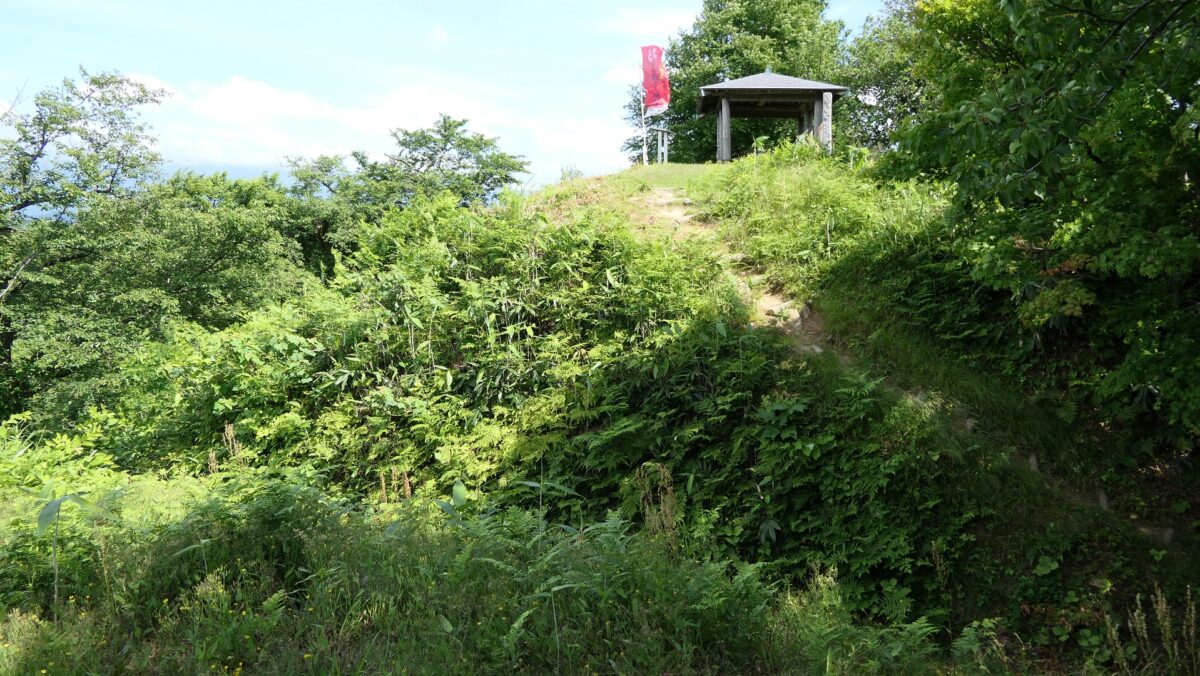
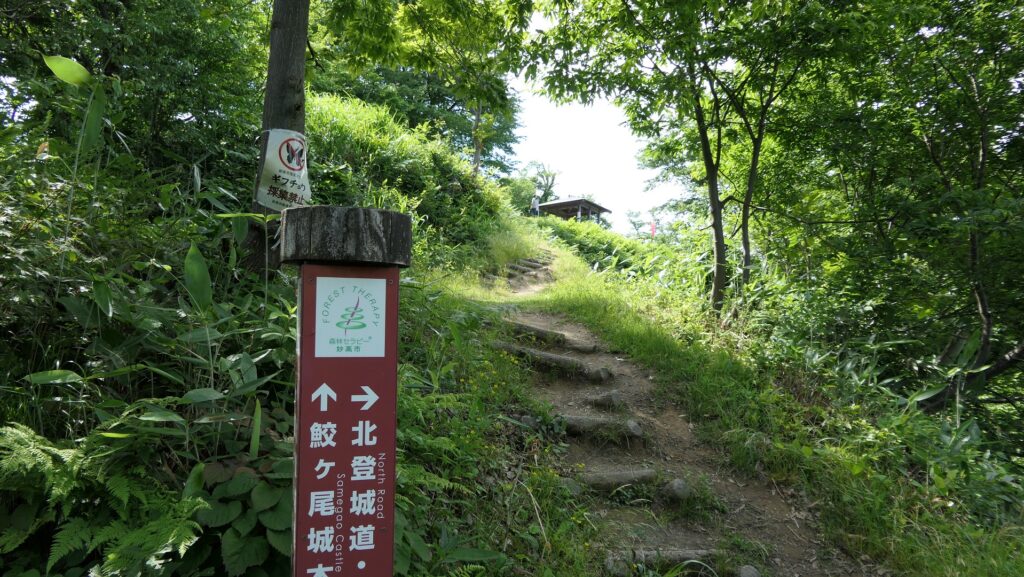
Today, the ruins of Yogaiyama Castle are on a hiking course as well as a historical site in Kofu City. The top of the ruins on the mountain is about 250m above the starting point of the trail at the foot. Therefore, you need to prepare for a long hike or a grueling climb to visit the ruins, which takes over 30 minutes to reach the top. The first half of your tour will be a pure hike by climbing a natural zigzagging trail. You may see some stone walls along the route, but they were probably built after the castle period.

The entrance to the castle ruins
Were these stone walls built after the castle period?
The natural zigzagging trail

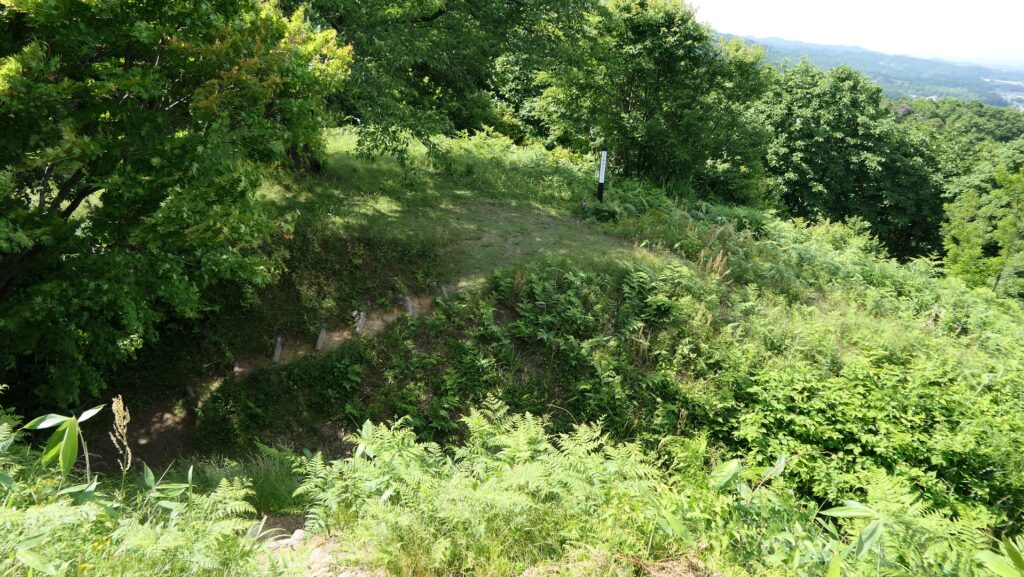
You will eventually find some signposts of Vertical Moat or Earthen Walls, which are around the entrance of the castle ruins. These actual ruins are partially covered with bushes, so you may not notice them without the signposts.

Around the entrance of the castle ruins
These ruins are partially covered with bushes

Original Gate Ruins along Trail

You will also find other ruins such as gates along the trail, however, the trail is not always on the original one. According to previous researches, the castle had 8 gates to reach the Main Enclosure on the top. As long as I checked, there are actually only 4 gate ruins with signposts along the current trail, which still look very defensive. I think they should be the original gates of No.2, No.3, No.6 and No.8.

The map around the castle

Getting close to the No.2 Gate Ruins
Here are the No.6 Gate Ruins

On the other hand, there are also other entrances of enclosures, which look like gate ruins without signposts. They are set straight in front of the enclosures, which mean not defensive, so may not be original and built later for hikers. If so, some original gate ruins (probably No.4, No.5 and No.7) are not on the current route probably because they are inconvenient for hikers.

This entrance seems to be not original

In addition, the No.1 gate ruins seem to be on the route, but without a signpost, which I didn’t notice.

I think this is around the N0.1 Gate Ruins as some stone walls remain

Who built Masugata System of this Castle?

Out of the 4 original gate ruins with signposts, No.2 (with the first signpost of Gate Ruins) and No.3 (with the second one) are so great. They are surrounded by stone walls, forming a square space, called Masugata. The trail also turns right to exit the gate, plus, other enclosures are in the back of the gate and ahead of the route. That meant the defenders would counterattack the front and side of the enemies in the Masugata.
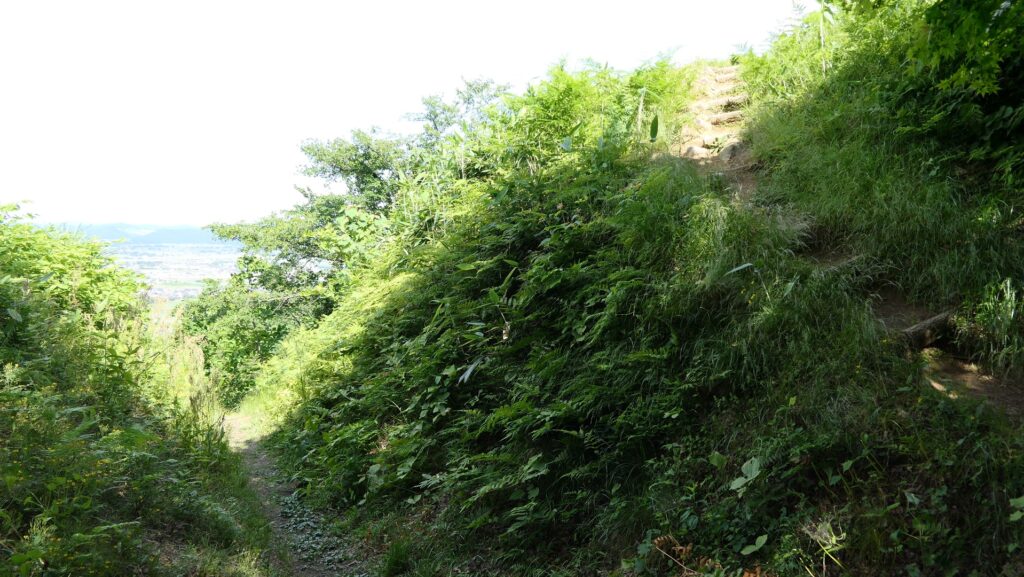
The No.2 Gate Ruins, the trail turns right
The enclosure in the back of the gate
The enclosure ahead of the route.
The No.3 Gate Ruins, similar to the No.2 Gate Ruins
The trail turns right again

This structure is seen in other castles using high stone walls, which would be built much later than Yogaiyama Castle. However, it is not uncertain who built or improved this system. If the Takeda Clan built it, it would be very advanced, if Mitsuyasu Kato improved it, he would have applied it from other castles like Kofu Castle to Yogaiyama Castle.

The restored Yamanote-mon Gate of Kofu Castle which has the Masugata system
The miniature model of the Yamanote-mon Gate, exhibited in the Inari Turret of Kofu Castle

Main Enclosure, Largest one in Castle

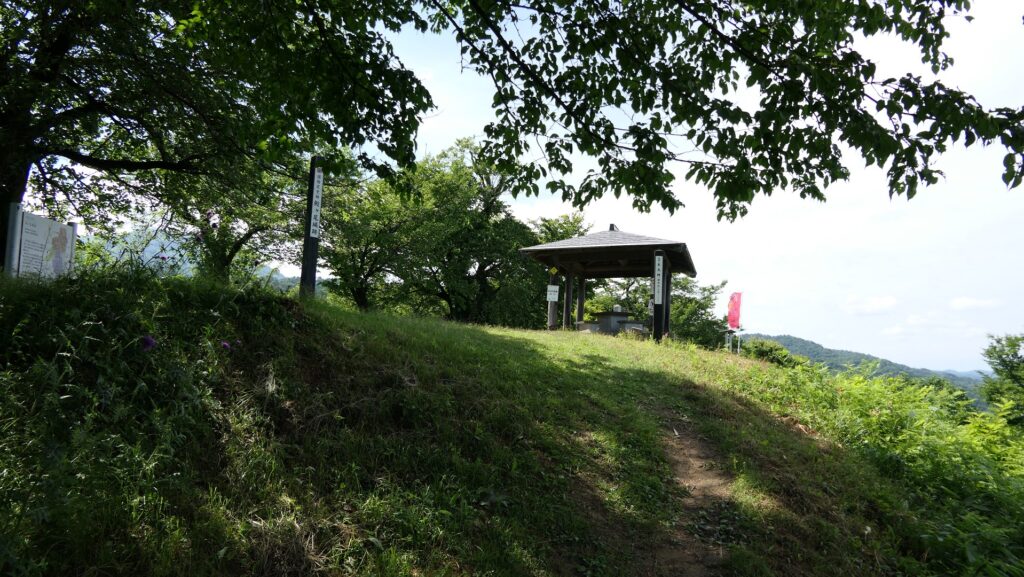
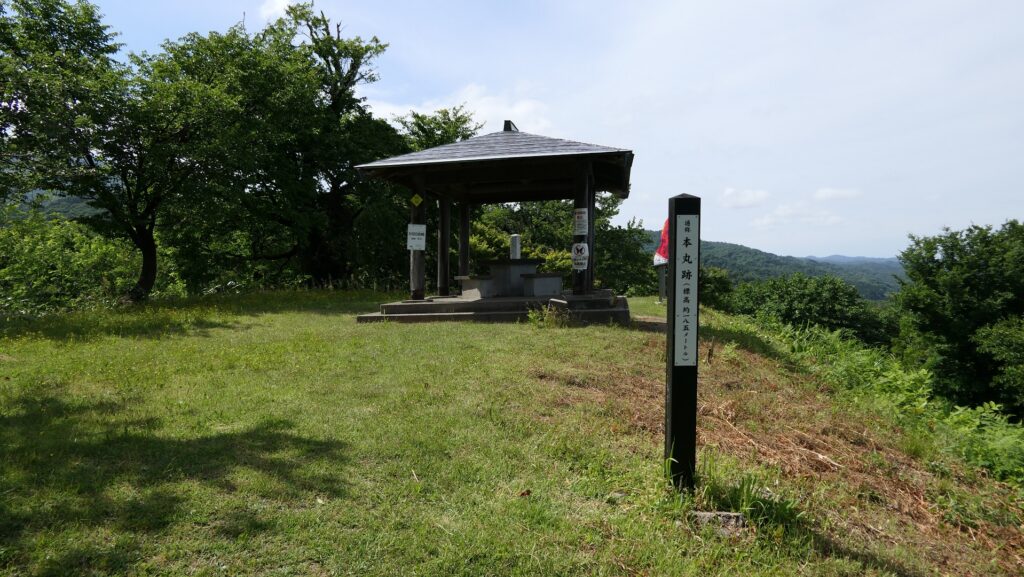
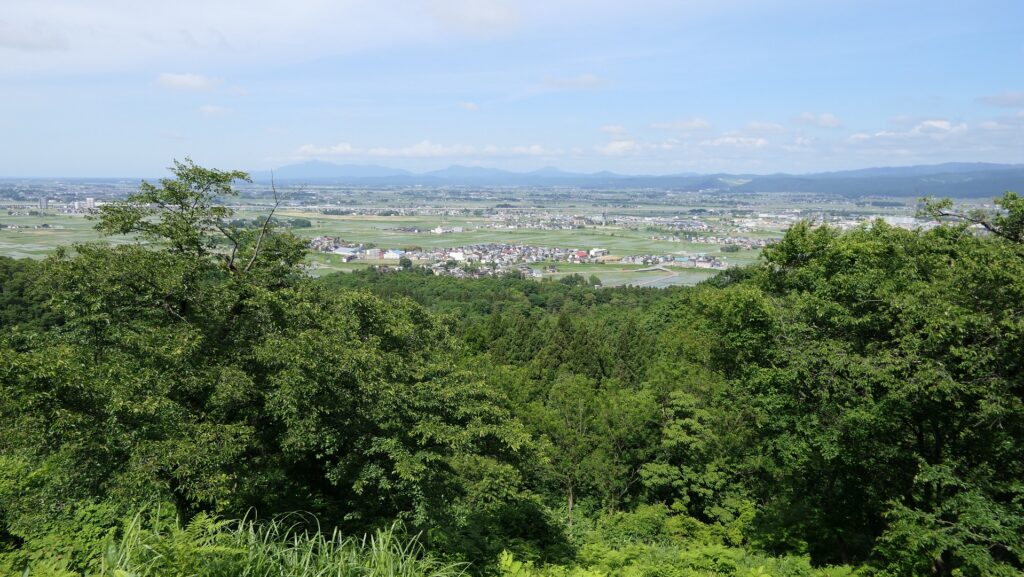
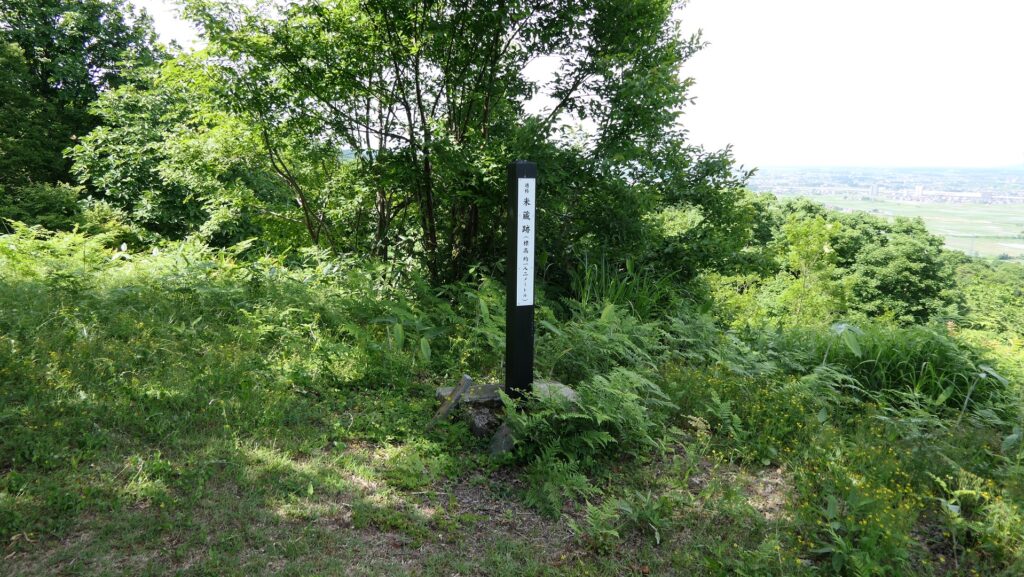
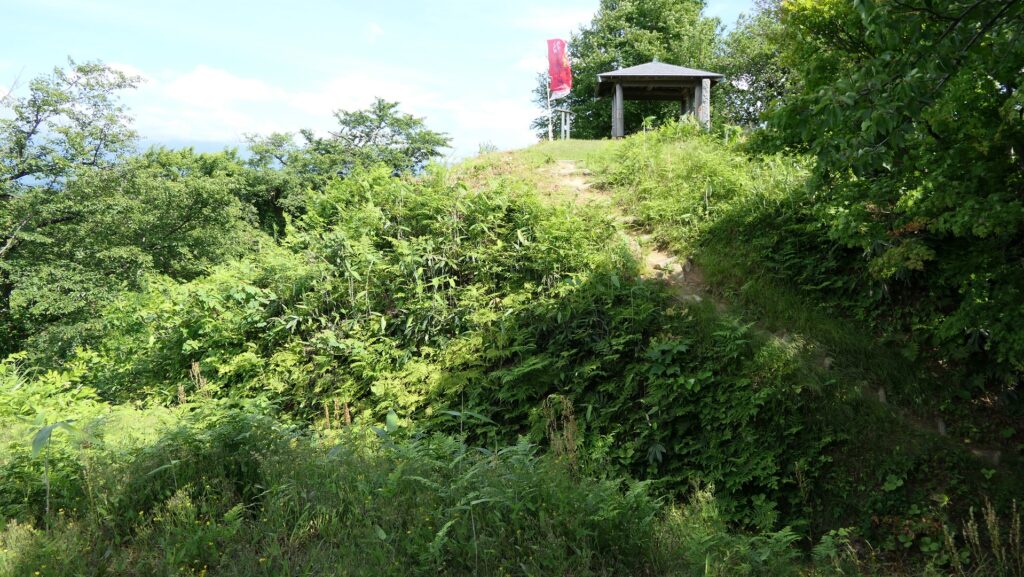
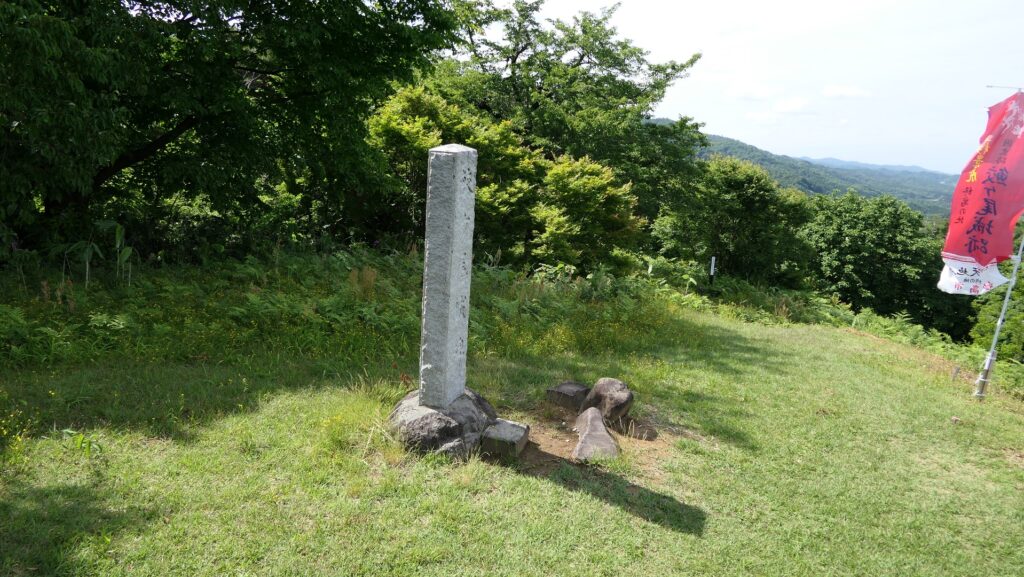
The No.8 Gate Ruins are the entrance of the Main Enclosure. It is the largest enclosure in the castle on the top of the mountain, surrounded by thick earthen walls. There is only the stone monument for the birthplace of Shingen Takeda in it. There should be a good view point of Kofu city area, but unfortunately trees shut out the view.

The No.8 Gate Rums, the entrance of the Main Enclosure
The inside of the Mai Enclosure
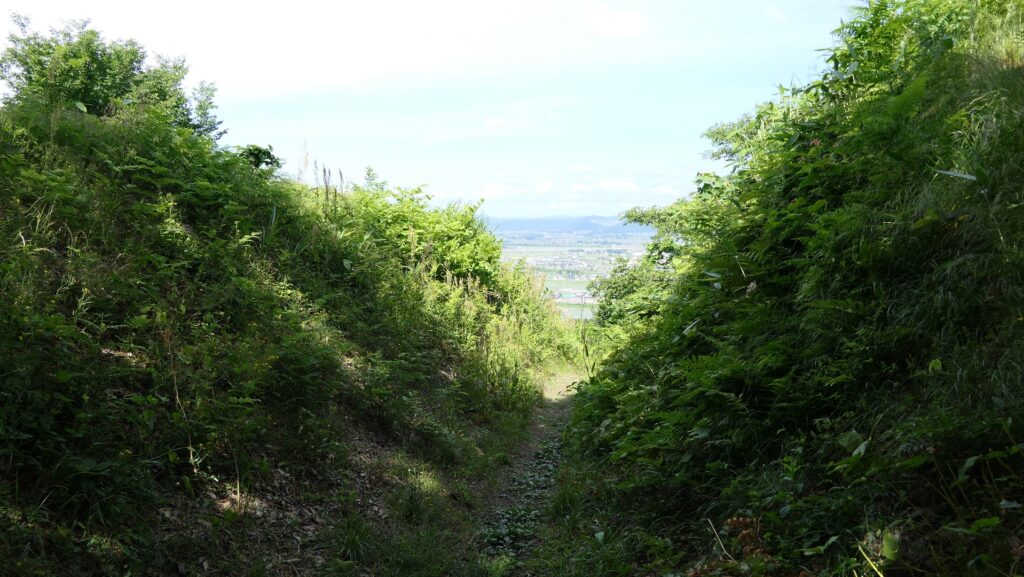
The earthen walls surrounding the enclosure
The stone monument for the birthplace of Shingen Takeda
Unfortunately, this is not a good view point

To be continued in “Yogaiyama Castle Part3”
Back to “Yogaiyama Castle Part1”

128.要害山城 その2

ハイカーと歴史ファンのための場所

特徴、見どころ

ハイキングコースを兼ねた城跡

現在、甲府市にある要害山城跡はハイキングコース上にあり、また史跡にもなっています。山の上にある城跡の最高地点は、山麓にある登城口から約250mの高さのところにあります。したがって、城跡を訪れるには、少々長めで辛いハイキングの準備が必要となります。頂上まで30分以上の登りとなります。登りの前半は純粋なハイキングで、自然の曲がりくねった山道を進みます。その途中でいくらか石垣を目にしますが、恐らく城があった時代より後に築かれたものでしょう。

城跡への入口
石垣は後世のものでしょうか
曲がりくねった山道

そうするうちに、「竪堀跡」「土塁」と書かれた標柱が見えてきます。この辺りが城跡の入口となります。これら実際の遺跡は半ば草木に覆われていて、その標柱がなければ気が付かなかったかもしれません。

城跡の入口周辺
遺跡は半ば草木に埋もれています

コース沿いにあるオリジナルの門跡

更に進んでいくうちにコースに沿って門跡などいくつもの遺跡(または遺跡に見えるもの)があります。しかし、このコースは全部が城があった当時と同じとは限りません。最近の調査によると、この城には頂上にある主郭に至るまで8つの門がありました。私が調べた限りでは、現在のコースに沿って進んだ場合、4つしか「門跡」と書かれた標柱がある場所がありません。確かにその場所は防御力が強いように見えます。その場所は8つの門跡のうち、2、3、6、8番目に当たるようです。

城周辺の地図

2番目の門跡が見えてきます
こちらは6番目の門跡

一方で、他にも曲輪に入って行く入口があり、それらは門跡のように見えますが、そこには標柱はありません。その入口は曲輪の正面にまっすぐ入るように作られていて、防御には不利です。つまり、城があった頃のオリジナルの入口ではなく、ハイカーのために後から作られたのでしょう。もしそれが合っていれば、オリジナルの入口のうちいくつかは(恐らく4、5、7番目の門跡)は現在のコースとは別の場所にあるのだと思います。ハイキングには不便な場所だからでしょう。

この入口はオリジナルではないようです

また、1番目の門跡はコース上にあるが、標柱はないようです。そのため、私はそのときは気が付きませんでした。

1番目の門跡辺りと思われる場所(石垣が残っているため)

桝形を築いたのは誰か?

標柱がある4つのオリジナルの門跡のうち、2番目(標柱がある最初の門跡)と3番目(2番目の標柱がある場所)はなかなか見ごたえがあります。これらの門跡は石垣に囲まれ、桝形と呼ばれる四角い空間を形成しています。ハイキングコースは、門から出るのに右に曲がり、それに加えて別の曲輪が背後や進路の先の方に控えています。桝形に敵が入ってきた場合、守備兵は敵の前面と側面に反撃できるようになっていたのです。

2番目の門跡(標柱は最初)、ルートは右に曲がっていきます
背後には別の曲輪があります
曲がった先にある曲輪
3番目の門跡(標柱は2番目)、2番目の門跡と同じような作りになっています
再び右に曲がっていくルート

このような仕組みは、要害山城からずっと後に築かれた他の城でも高石垣を使って作られています。しかし、この城におけるこの仕組みを誰が築いた、または改修したかはわかっていません。もし武田氏が作ったのであれば、随分先駆けたものだったということになりますが、加藤光泰が改修した結果であれば、甲府城のような他の城から要害山城に応用したということになります。

甲府城跡の復元された山手門の桝形
甲府城模型の山手門部分、甲府城跡稲荷櫓にて展示

最大の曲輪、主郭

8番目の門跡は、主郭の入口に当たります。山の頂上にあり、城では最も大きな曲輪で、分厚い土塁に囲まれています。中には、武田信玄の生誕地であることを示す石碑があるだけです。ここからは、甲府市の市街地がよく見えるはずですが、残念ながら木々に阻まれてよく見えません。

8番目の門跡、主郭の入口
主郭の内部
主郭を囲む土塁
「武田信玄公誕生之地」の石碑
残念ながら眺望はよくありません

「要害山城その3」に続きます。
「要害山城その1」に戻ります。

152.Tsu Castle Part3

You can see part of the castle ruins even in the city area.

Features

Northern side

This side is the most likely to show what the castle looked like because the high stone walls and the Inner Moat remain well. However, the original moat was over twice as wide as the current one.

The aerial photo around the castle

The stone walls of the northern side
The Inner Moat also remains well
This road seemed to be part of the Inner Moat

Two three-story turrets were built on both edges of the walls in the past, in addition, Tamon-yagura Turret, like a long row house, was also built between them. These structures must have looked great and been a threat to enemies.

The old photo of the two turrets on the stone walls in the past, from the signboard at the site
The stone walls which had the long row house on them in the past
The stone wall base for the Northeast Turret, one of the two turrets
The stone wall base for the Northwest Turret, the other of the two turrets

You can also go and walk on the top of the walls from the inside of the Main Enclosure. There is enough space to walk and rest as it was the ground for those buildings. You can look down the walls and moat and see how tall and large they are.

The top of the northern stone walls
The Inner Moat seen from the Northwest Turret Ruins
Overlooking the stone walls and the Inner Moat

Later History

After the Meiji Restoration, Tsu Castle was abandoned. The moats were eventually filled and the castle buildings were demolished accordingly. Tsu City became the capital of Mie Prefecture in the first Meiji Era, so the former castle plain land was a likely place to meet the demand of office buildings. The city finally bought some castle ruins area and opened it as a park in 1958. The city is now checking the condition of the remaining stone walls to prevent them from collapsing as they are aging and being damaged by tree roots. They will consider how to preserve and develop them as a historic site.

The statue of Takatora Todo in the park

My Impression

We usually can not see any trace of the castle in the current city area of Tsu. However, when an excavation was done in the former castle area, some castle items were found. Examples of them can be seen in the spot beside a bank head quarters building, over 100m away from the park entrance. There is an exhibition for stone walls at the edge of the Inner Moat, which were excavated nearby. You can really understand the moat was 80 to 100m wide in the past, seeing it. I think this is another way to enjoy visiting castles.

The excavated stone walls of the Inner Moat which are exhibited beside the bank

How to get There

If you want to visit the castle by car, it is about 10 minutes away from Tsu IC on the Ise Expressway. There is a parking lot in front of the main entrance of the park.
By public transportation, it takes about 10 minutes on foot from Tsu-Shinmachi Station.
To get to Tsu-Shinmachi Station from Tokyo: Take the Tokaido Shinkansen super express, transfer to a limited express on the Kintetsu-Nagoya Line at Nagoya Station and transfer to a local train at Tsu Station.

The parking lot in front of the main entrance of the park

That’s all. Thank you.
Back to “Tsu Castle Part1”
Back to “Tsu Castle Part2”

error: Content is protected !!