19.川越城 その1

川越城は、関東地方の中央部、現在の埼玉県川越市にあった城でした。旧城下町は蔵造りの街並みとしてよく知られ、「小江戸」とも呼ばれて、多くの観光客を引きつけています。城と城下町は、将軍の都・江戸(現在の東京)と深い関わりを持ちながら発展してきました。

立地と歴史

川越城は、関東地方の中央部、現在の埼玉県川越市にあった城でした。川越市は蔵造りの街並みとしてよく知られ、「小江戸」とも呼ばれて、多くの観光客を引きつけています。実は蔵造りのほとんどは、江戸時代ではなく、明治時代の1893年の川越大火の後に再建されたものです。しかし、市街地そのものは川越城の城下町に由来しています。また、城と城下町は、将軍の都・江戸(現在の東京)と深い関わりを持ちながら発展してきました。

川越市の範囲と城の位置

蔵造りの元祖、大沢家の住宅(重要文化財)、川越大火で焼け残り蔵造りの街の先駆けとなりました
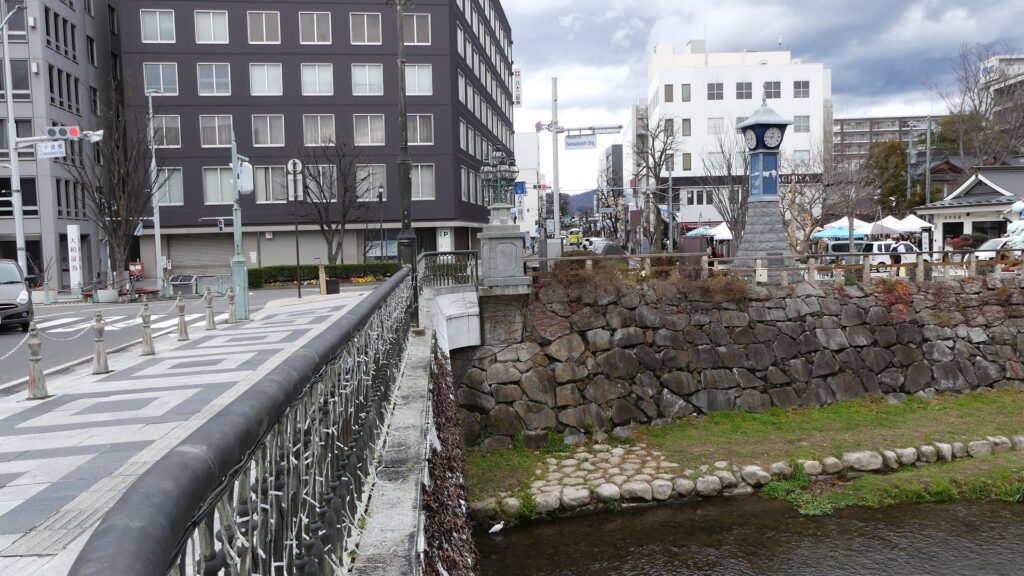
街のシンボル、時の鐘

太田道灌が築城

川越地域は、北と東西の三方を、蛇行した入間川に囲まれています。そのため、川越の名前の由来は、「川」を「越」えて行かなければならない場所である、とされています。最初にこの地域を治めたのは、12世紀から14世紀まで入間川西岸(蛇行した川の外側)に住み着いた河越氏であると言われています。河越氏の館があった場所は、後の川越城のところではありませんでした。川越城を最初に築いたのは、扇谷上杉(おうぎがやつうえすぎ)氏の重臣であった太田道灌で、1457年のことでした。親族の山内上杉(やまのうちうえすぎ)氏とともに、1455年から足利氏と戦っている最中でした。両軍は、関東地方最大の大河・利根川をはさんで対峙していました。上杉側は利根川の西岸に陣取っていたため、川の後方に新しい城をいくつも築く必要があったのです。川越城は、そのための主要な3つの城の一つで、他は江戸城と岩槻城でした。

城周辺の地図

河越氏館跡
太田道灌座像(複製)、川越市立博物館にて展示
「江戸図屏風」左隻部分、17世紀、国立歴史民俗博物館蔵 (licensed under Public Domain via Wikimedia Commons)

川越夜戦の舞台

川越城はやがて扇谷上杉氏の本拠地となりました。16世紀の初め頃、山内上杉氏との間で内部抗争が起こったとき、この城は戦いの最前線となりました。山内上杉氏が、入間川を隔てた、河越氏の元館だったところを陣屋として再利用していたからです。この内部抗争の間、北条氏が関東地方に侵攻し、ついには1537年に川越城を占領します。両上杉氏はようやく危機に気づき、講和を結んで城を取り返そうとしました。1545年10月になって、北条綱成(ほうじょうつななり)が守る川越城を、大軍をもって包囲しました。

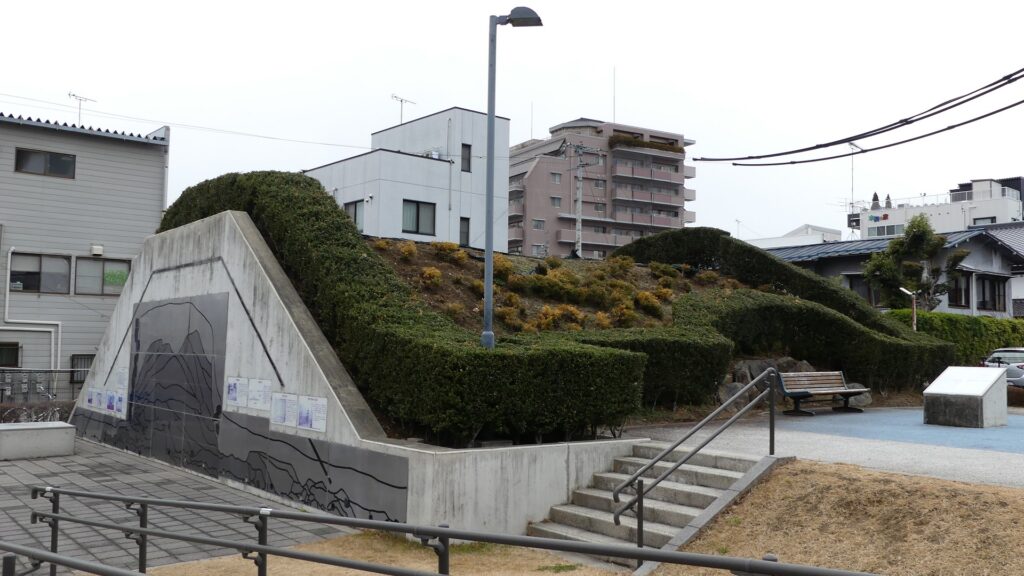
山内上杉氏が河越氏館に堀を築いた跡

その当時は城の規模は小さく、土造りの曲輪がいくつか、武蔵野台地の端に築かれているだけでした。しかし城は、自然の要害として入間川周辺の沼沢地に三方(南北と東)を囲まれていました。残りの一方(西)と城の周辺には、人工の堀切や堀が築かれていたと考えられています。1546年の4月、北条氏の当主、北条氏康(ほうじょううじやす)が城を救援にやってきました。彼は上杉軍に対し、城はもうすぐ降伏するから城兵を助けてやってほしいと懇願し、油断させました。4月20日、氏康は上杉軍に夜襲をかけ、これが川越夜戦と呼ばれた戦いです。城の中心部からわずか800mのところ、東明寺(とうみょうじ)の辺りで激戦が繰り広げられました。この戦いにより、関東地方での北条氏の覇権が確立し、上杉氏は没落しました。

城周辺の起伏地図、新河岸川に囲まれた微高地が武蔵野台地

城跡東方にある伊佐沼、城の周りもこのようであったと思われます
現在の東明寺
北条氏康肖像画、小田原城蔵 (licensed under Public Domain via Wikimedia Commons)

徳川将軍家の逗留地

関東地方は16世紀の終わりには徳川氏の領地となり、1603年には徳川幕府が設立されました。その際、江戸城が将軍の本拠地となったため、川越城は江戸城の北の守りを固める存在となりました。そして、将軍の信頼が厚い酒井氏が城主となったのです。それ以外にも、初代将軍・家康や3代将軍・家光は、狩りに出たときには度々川越城に逗留しました。将軍と川越の関係を表わす興味深いエピソードがあります。同じく将軍に信頼された天海僧正が、1599年に川越の喜多院を再興しました。ところが、1638年の大火により焼失してしまいます。それを聞いた時の将軍・家光は、直ちに喜多院を復興するよう命じたのです。それだけではなく、彼自身が江戸城の建物を提供し、その中には家光誕生の間や、乳母の春日局の化粧の間が含まれていました。この建物は喜多院に現存しています。

「江戸図屏風」に描かれた川越城本丸、中にある建物が将軍が泊った宿泊所とされています、出典:国立歴史民俗博物館
徳川家光肖像画、金山寺蔵 (licensed under Public Domain via Wikimedia Commons)
喜多院(多宝塔)
喜多院に残る旧江戸城御殿の建物

江戸の防衛拠点、衛星都市として繁栄

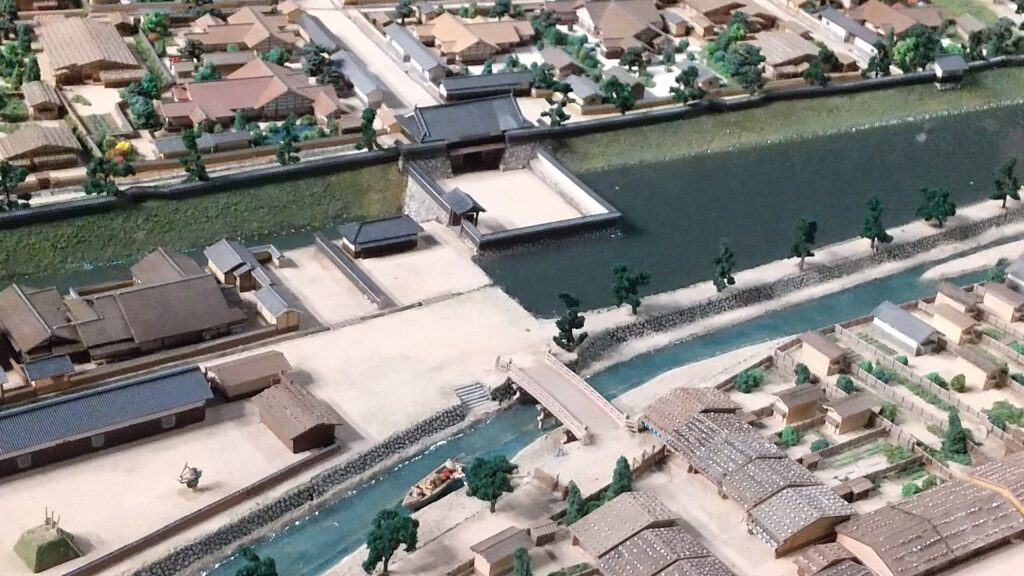
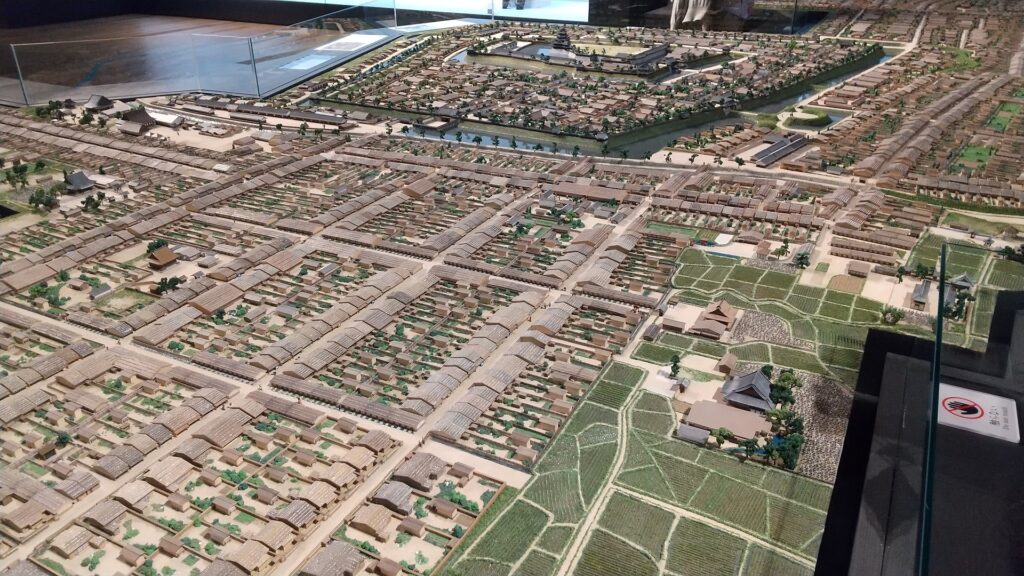
川越城と周辺地域は、川越藩として何人もの譜代大名によって引き継がれました。その中には老中として政権中枢で活躍する人もいました。そのうちの一人が松平信綱で、彼は城の拡充も行いました。新しい曲輪や櫓・門を築くことで城の範囲を倍にしました。しかし城は従来と同じように基本的には土造りで、天守もありませんでした。館の集合体のような姿をしていたようです。敵の侵入を防ぐ手段としては、他の城のような高石垣や櫓を使う代わりに、土塁・土塀・水堀によって複雑な通路を形作りました。また、川越街道や水路の新河岸川とともに、農地が開発され、城下町も整備されました。産業が発展し、素麺、絹織物、そして今でも有名な川越芋などの名産品が、その頃既に世界有数の都市となっていた江戸に提供されました。その結果、城下町は大いに栄えました。

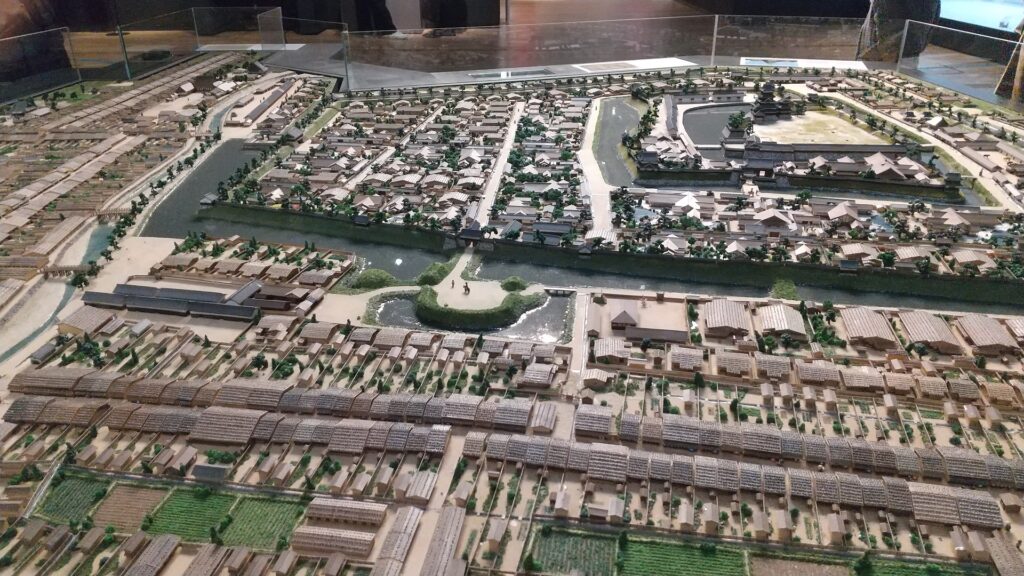
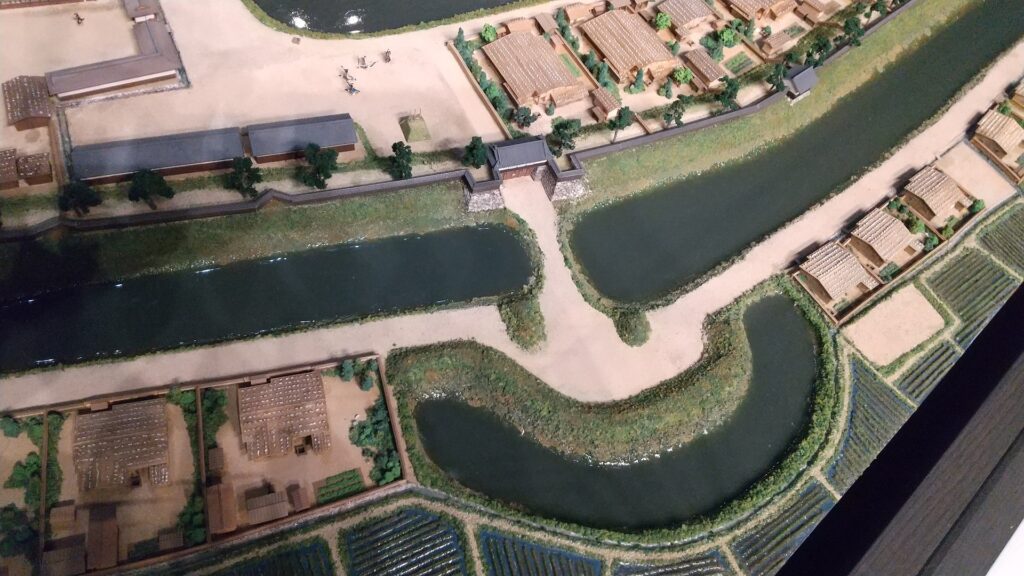
拡張された後の川越城の模型、向こう側に見えるのが喜多院、川越市立博物館にて展示
現代も名産品である川越いも

城の中心は、二の丸にあった御殿でした。本丸には将軍の宿泊所があったからです。しかし将軍が来なくなると、いつしかなくなっていました。1846年に二の丸御殿が燃えてしまうと、川越藩は本丸に御殿を再建することを決めました。その当時は西洋船が日本近海に出没していて、川越藩はその脅威から江戸湾を守るための警備を担当していました。そのため藩財政は大いに逼迫していたのですが、御殿は領民による増税負担や寄付もあって1848年に完成しました。

「江戸図屛風」に描かれた川越城二の丸、出典:国立歴史民俗博物館
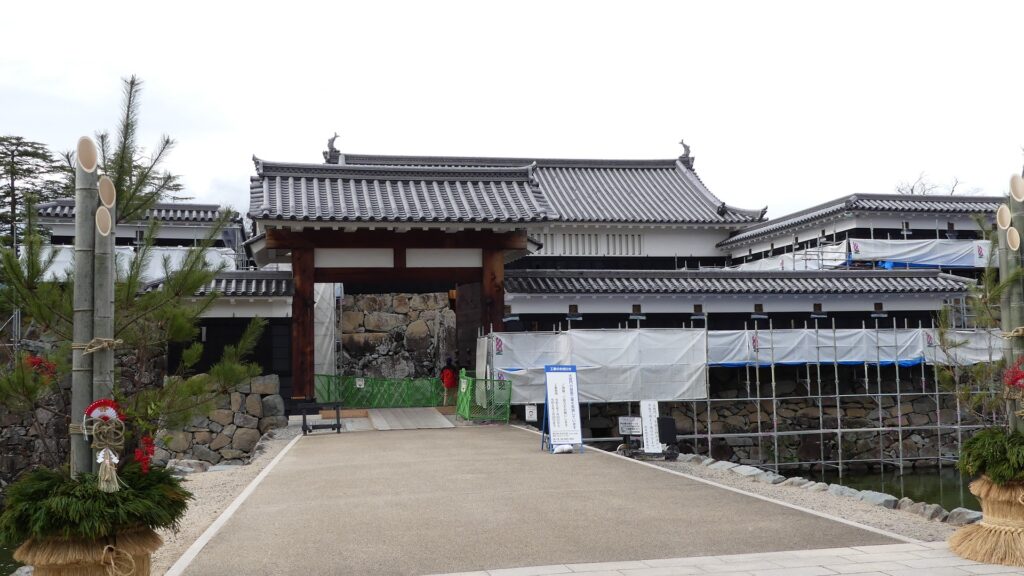
現存する本丸御殿

「川越城その2」に続きます。

今回の内容を趣向を変えて、Youtube にも投稿しました。よろしかったらご覧ください。

181.Kokura Castle Part1

The top floor of the Main Tower hanged out, which was called Western Style. This was because its balcony and handrails were covered by black outer walls to prevent damage from bad weather and strong wind.

Location and History

Castle is built as Bridgehead in Kyushu

Kokura Castle is located in the Kokura area of Kitakyushu City at the northern edge of the Kyushu Region. For example, if you visit the region using a Shinkansen super express, the first station will be Kokura Station near the castle. The area was more well known as the entrance of the region, which had Kokura Port facing the Kanmon Strait, sandwiched by Kyushu Island and the main island of Japan. That’s why warlords, who wanted to invade the region from the mainland, tried to build a bridgehead in this area. Certain records say that Motonari Mori, who was a great warlord of the Chugoku Region, built it in 1569, which would be the former Kokura Castle. After the ruler, Hideyoshi Toyotomi invaded the region in 1587, he gave the castle to his trusted vassal, Katsunobu Mori. However, Katsunobui was eventually fired because he was against Ieyasu Tokugawa, who would become the next ruler, in the decisive battle in 1600.

The range of Buzen Province and the location of the castle

Tadaoki Hosokawa renovates Castle

Instead, Tadaoki Hosokawa (also known as Sansai after his retirement), who had greatly supported Ieyasu in the battle, was assigned as the lord of Buzen Provence including the Kokura area and would be the founder of the Kokura Domain. He first lived in Nakatsu Castle, which the former lord of the castle, the Kuroda Clan had built, but soon started to renovate the castle in Kokura in 1602 as his new home, which would be what we call Kokura Castle.

The portrait of Tadaoki Hosokawa, owned by Eisei Bunko Museum (licensed under Public Domain via Wikimedia Commons)
The current Nakatsu Castle Ruins

The former castle and the port was along the large estuary of Murasaki River, like a bay, when Tadaoki greatly developed the area. The area was broadly separated into the Western and Eastern Enclosures, binding the river. The Western Enclosure was also divided by water moats into smaller sub enclosures, such as the Main Enclosure, for the lord and warriors. The Eastern Enclosure became the castle town for people like merchants, craftsmen and monks. Furthermore, the whole area was surrounded by other natural or artificial rivers as the outermost moat whose perimeter was about 8km. Tadaoki thought if a large enemy force attacked the castle, he would flood the enemy by breaking the banks of the rivers.

the whole Kokura Castle drawn in “the illustration of Kokura Samurai residences”, from the signboard at the site, adding the English comments
Sunatsu River, the western part of the outermost moat

Characteristic Main Tower

The main portion of the castle was surrounded by high stone walls. In particular, the stone wall base for the Main Tower was built at the northeastern corner of the Main Enclosure and was 18.8m high. The Main Tower itself was 22.8m high, so 41.6m in total. The tower had 4 levels and 5 floors inside because they were no roofs between the fourth and fifth floors. Also, the existing roofs were very simple without any decorations except for the top. It is a method called Soto-siki (meaning multi-storied type). This method made the builders efficient and made the tower easier to protect. The defenders would actually look out over the surronding area and counterattack the enemies at any direction from the tower. In addition, the tower had one more feature called Nanban-zukuri (meaning Western Style) or Kara-zukuri (the Chinese Style). It refers to some of the levels or floors hanging out over the other levels of the tower. In the case of Kokura Castle, it was the top floor because its balcony and handrails were covered by black outer walls to prevent damage from bad weather and strong wind. This Kokura style would be later emulated by other castles like Tsuyama and Takamatsu Castles.

The restored image by CG of the main portion of Kokura Castle, exhibited by Kokura Castle Tower
The miniature model of the original Main Tower of Kokura Castle, exhibited by Kokura Castle Tower
The old photo of Tsuyama Castle including its Main Tower, in the early Meiji Period, taken by Kunitada Matsudaira (licensed under Public Domain via Wikimedia Commons)
The old photo of the Main Tower of Takamatsu Castle

Prosperity and Destruction of Ogasawara Clan

The castle and the domain were followed by Tadazame Ogasawara Ogasawara in 1632 after the Hosokawa Clan was transferred to Kumamoto Castle of the Kumamoto Domain. The Ogasawara Clan was a hereditary feudal lord family of the Tokugawa Shogunate, so it was expected to monitor non-hereditary feudal domains in the Kyushu Region. While the government of the Kokura Domain became stable, its castle town commercially prospered, especially around Tokiwa Bridge which connected the Western and Eastern Enclosures over the Murasaki River. The bridge was also the starting point of the Nagasaki Road where many passengers came and went between the main land and the region. the lords in the region and the Korean Envoys also used the road when they went to Edo.

The portrait of Tadazane Ogasawara, owned by Fukuju-ji Temple (licensed under Public Domain via Wikimedia Commons)
The diorama of the town around Tokiwa Bridge, exhibited by Kokura Castle Tower
The current Tokiwa Bridge, it was restored using wooden materials
The figures of the Korean Envoys, exhibited by Kokura Castle Tower

Meanwhile, a bad sign for the castle occurred in 1837. The Main Tower was unfortunately burned down by an accidental fire though it had survived through some lightning strikes. The tower was not rebuilt by the domain after that. Next, a severe event happened to the castle at the end of the Edo Period. The Choshu Domain at the edge of the mainland over the Kanmon Strait rebelled against the shogunate twice. The Second Conquest of Choshu was planned by the shogunate in 1866. The shogunate ordered the Kokura Domain and its allies to attack the Choshu through the Kokura Route, one of the four battlefields.

A Kawaraban newspaper called the scenes of the Battle of Kokura in Kyushu, exhibited by Cultural Heritage Online

The battles on the Kokura Route started in June. Against all odds, the Choshu troops landed on the Kokura area and counterattacked the shogunate side instead. Moreover, all the allies withdrew after they heard about the death of the shogun, Iemochi Tokugawa, by illness on the 20th of July. The Kokura troops, which were left alone, finally fired at the castle by themselves on the 1st of Aug and continued to fight against the Choshu like a guerrilla army. However, the fall of the castle and the Choshu capturing it became a symbol of the shogunate’s big failure in the battles which would accelerate its destruction and the Meiji Restoration by the New Government including the Choshu Domain.

The current Kokura Castle

To be continued in “Kokura Castle Part2”

181.小倉城 その1

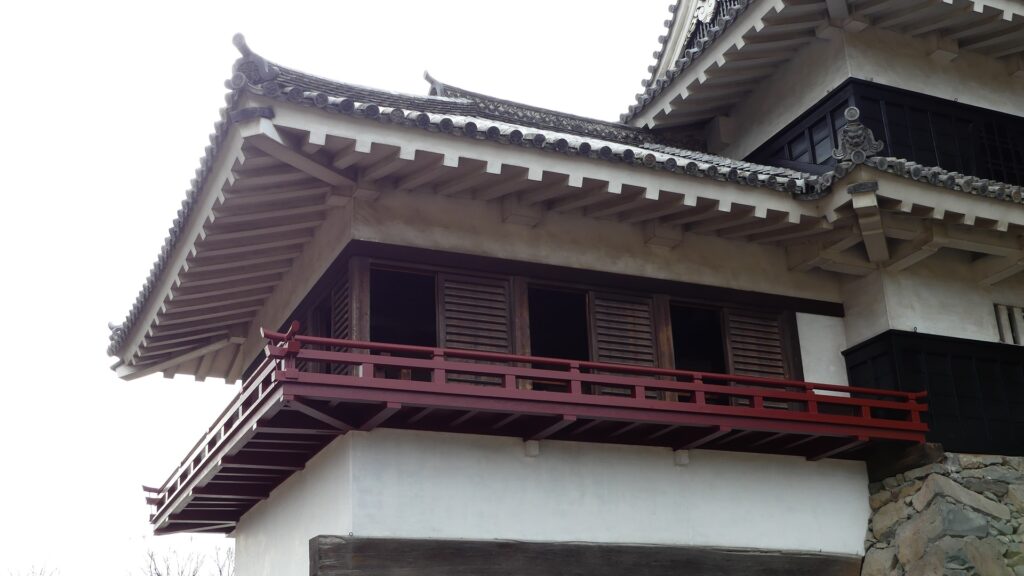
小倉城天守の最上階は張り出していて「南蛮造り」と呼ばれました。そこにあった回廊と高欄が黒い外壁によって囲われていて、悪天候や強風から守られるようにしたのです。

立地と歴史

九州地方への橋頭堡として築城

小倉城は、九州地方の北端にある北九州市の小倉地区にあります。例えば、新幹線で九州に行く場合には城近くの小倉が最初の駅となります。小倉には九州と本州の間にある関門海峡に面した小倉港があって、過去には九州の玄関口としてもっとよく知られていました。そのため、本州から九州に攻め込もうとする戦国大名はここに橋頭堡を築こうとしました。確かな記録によれば、中国地方の有力戦国大名であった毛利元就が1569年に小倉に城を築き、これが後の小倉城になったとのことです。1587年に天下人の豊臣秀吉が九州侵攻を行ったとき、近臣の毛利勝信がこの城を与えられました。しかし勝信は、1600年の天下分け目の戦いで天下を取った徳川家康に反抗したため、改易となってしまいました。

豊前国の範囲と城の位置

細川忠興が大改修

その代わりに、細川忠興(隠居後の名前の三斎としても知られます)が家康を支持し戦功を上げたことで小倉を含む豊前国の領主となりました。後に小倉藩の藩祖にもなります。彼は最初は以前の城主であった黒田氏が築いた中津城を居城としていたのですが、新しい本拠地として1602年に小倉にあった城の大改修を始めました。これによって現在小倉城と呼ばれている城ができたのです。

細川忠興三斎)肖像画、永青文庫蔵 (licensed under Public Domain via Wikimedia Commons)
現在の中津城跡

以前からあった城と港は、湾のようになっていた紫川(むらさきがわ)の大きな河口に沿っていました。忠興はこれらを基に地区開発を行ったのです。城の範囲は大いに拡張され、西曲輪と東曲輪が川を挟むように築かれました。西曲輪は更に水堀によって区切られ、本丸などの小曲輪に分けられ、領主や武士たちの居住地として使われました。東曲輪は城下町となり、商人、職人、僧たちの居住地として使われました。それに加えて、これら全体のエリアを自然の川や人工の運河によって作られた外堀によって囲み、「総構え」の城としました。外周は約8kmに及びました。忠興は、もし城が敵の大軍に攻められた場合には、川の堤を切って敵を水浸しにすることを考えていたそうです。

「小倉藩士屋敷絵図」、城の全体の姿がわかります、現地説明板より
東側の外堀として開削された砂津川

特徴ある天守

城の主要部は高石垣によって囲まれていました。特筆されるのは天守台石垣で、本丸の北西角に築かれ、高さが18.8mありました。天守自体の高さは22.8mだったので、合わせると41.6mとなります。天守は4層でしたが、内部は5階建てでした。4階と5階の間に屋根が設けられなかったからです。また、付けられていた屋根も実にシンプルで、最上階の天辺を除いては、何の装飾も施されませんでした。「層塔式」と呼ばれる工法です。この工法は天守の建造を容易にし、守る側にとっても効率的でした。守備兵は、周りの地域をよく見渡すことができ、どの方角の敵に対しても反撃を加えやすい構造になっていたのです。更にこの天守には「南蛮造り」または「唐造り」と呼ばれたもう一つの特徴がありました。それは、天守のいずれかの層または階が、他の層または階より外側に張り出しているというものでした。小倉城の場合には、張り出していたのは最上階でした。そこにあった回廊と高欄が黒い外壁によって囲われていて、悪天候や強風から守られるようにしたのです。この小倉城のスタイルは、後に津山城高松城にも取り入れられました。

小倉城主奥部の復元CG、小倉城天守内展示より
小倉城天守の復元模型、小倉城天守内展示より
天守を含む津山城の古写真、明治初期、松平国忠撮影 (licensed under Public Domain via Wikimedia Commons)
高松城天守の古写真 (licensed under Public Domain via Wikimedia Commons)

小笠原氏統治時代の繁栄と挫折

1632年に細川氏は熊本藩の熊本城に転封となり、小倉城と小倉藩は小笠原忠真(おがさわらただざね)に引き継がれました。小笠原氏は徳川幕府の譜代大名であったため、九州地方の外様大名の監視役を期待されていたと思われます。小倉藩の政治が安定してくると、城下町も商業で繁栄しました。西曲輪と東曲輪間の紫川にかかる常盤橋周辺は特に賑わっていました。この橋は長崎街道の出発点でもあったため、本州と九州を行き交う旅人もここを通ったのです。参勤交代を行う九州地方の大名たちや、朝鮮通信使一行もこの道を通って江戸に向かいました。

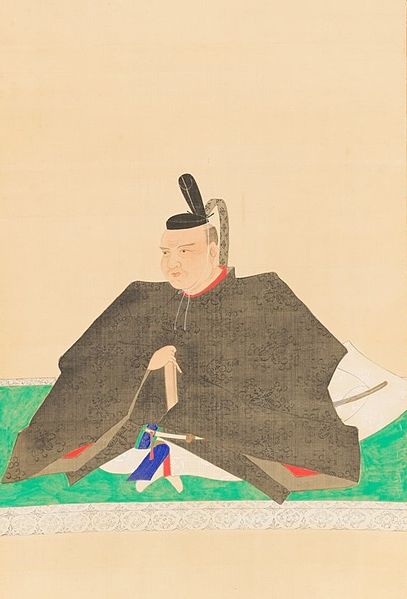
小笠原忠真肖像画、福聚寺蔵 (licensed under Public Domain via Wikimedia Commons)
当時の常盤橋周辺のジオラマ、小倉城天守内展示より
現在の常盤橋、木造復元されています
朝鮮通信使一行のジオラマ、小倉城天守内展示より

一方で、城にとって不吉な出来事が1837年に起こりました。天守はそれまで何度も落雷に遭いながら残っていたのですが、不幸にも失火により焼け落ちてしまったのです。その後、天守は再建されませんでした。次には幕末になって、厳しい事態が訪れました。関門海峡を越えた向こう側、本州の端に位置する長州藩が幕府に何度も反抗していたのです。1866年になって幕府が第二次長州征伐を計画し、小倉藩に対し、他藩と連合して小倉口から長州藩を攻めるよう命じました。小倉口は4つの攻撃ルートのうちの一つでした(そのため長州側では幕府側との戦いを「四境戦争」と呼びました)。

当時の瓦版「九州小倉合戦図」、出典:文化庁文化遺産オンライン

小倉口の戦いは6月に始まりました。ところが大方の予想に反して、長州軍が小倉地区に逆上陸を敢行し、幕府側に反撃に出てきたのです。更に悪いことに、7月20日に将軍の徳川家茂が病死したことを聞いた小倉藩の友軍が全て撤退してしまったのです。小倉藩兵は孤立し、ついには8月1日に自らの城に火をかけ、ゲリラ戦のような形で長州との戦いを継続しました。しかし、小倉城の落城と長州軍による占領は、この戦いでの幕府方の失敗を象徴していました。。このことが幕府の崩壊と、長州藩を含む新政府による明治維新を促進することになりました。

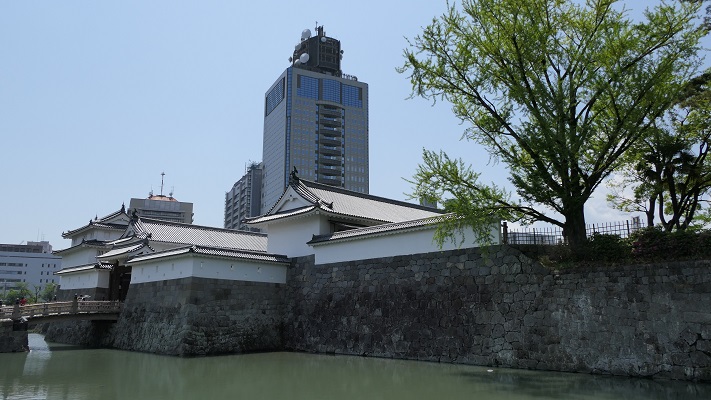
現在の小倉城

「小倉城その2」に続きます。

error: Content is protected !!