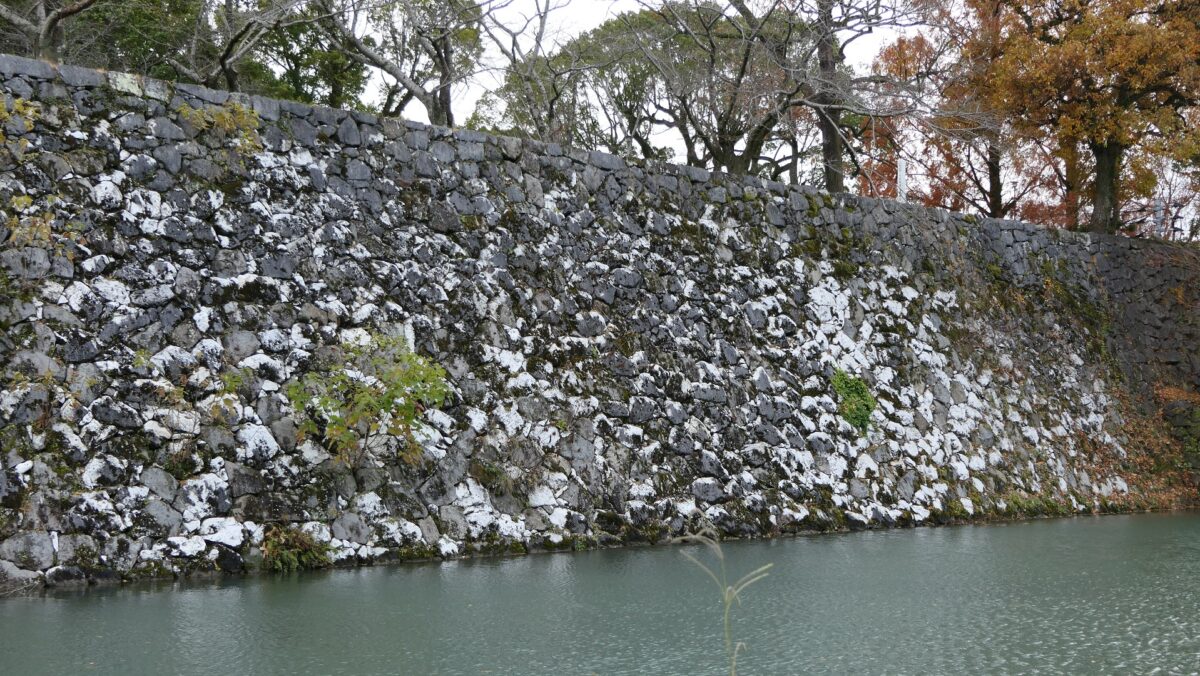
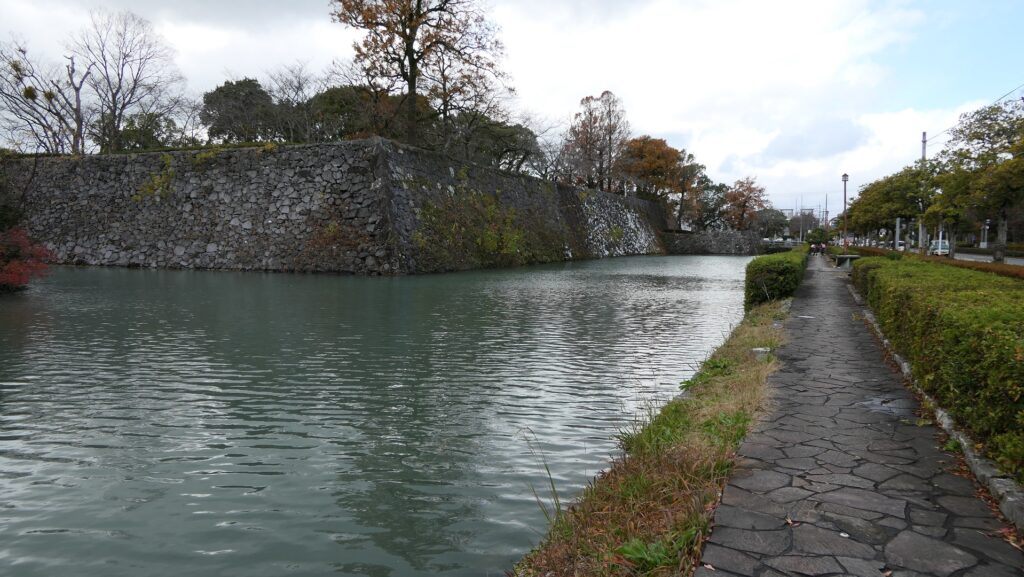
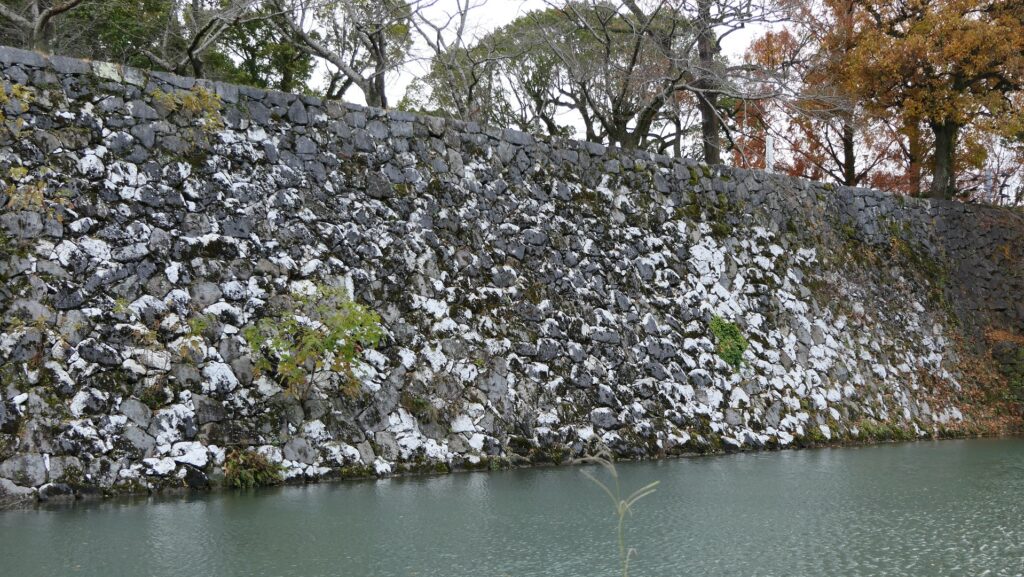
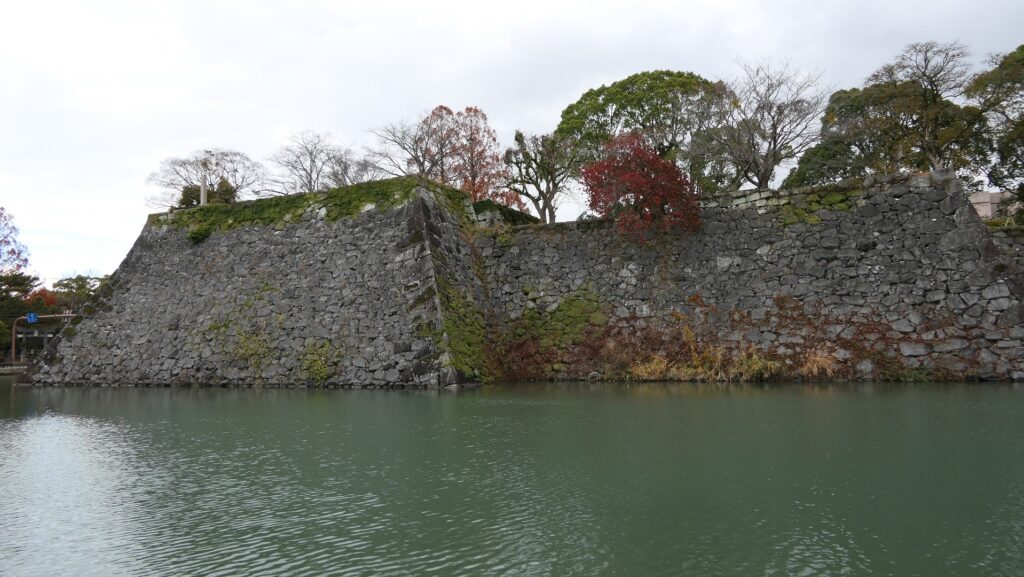
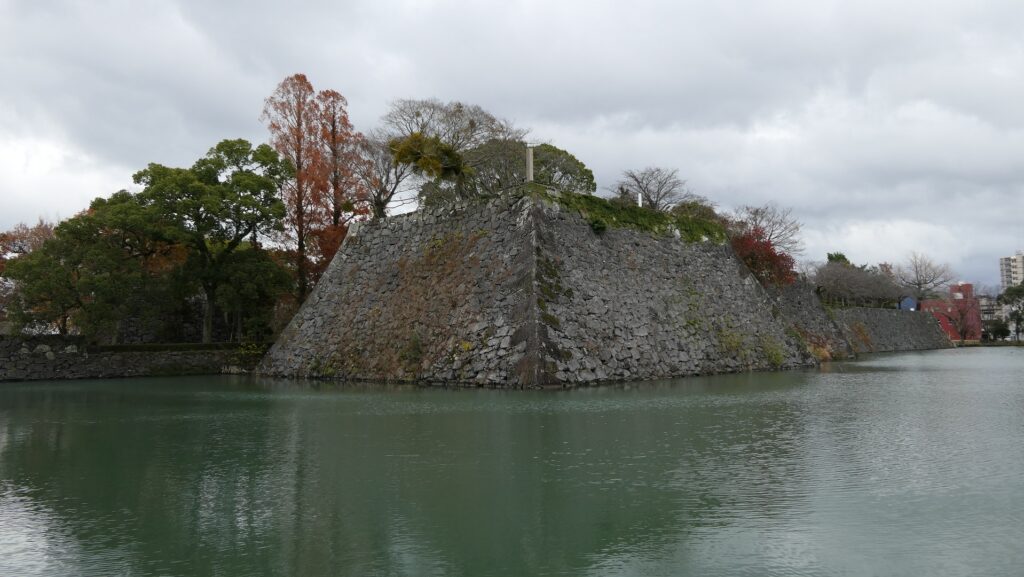
Rare stonewalls made of limestone, The contrast of the white limestone walls compliment the green water
Features
Contrast of White and Green colors
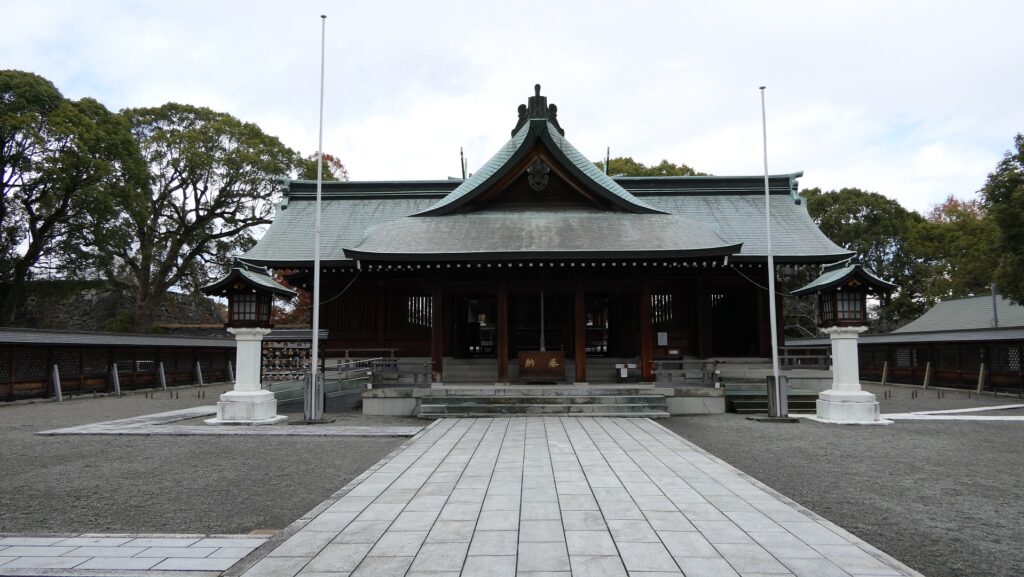
Today, the ruins of Yatsushiro Castle mainly remains as Yatsushiro Shrine including the Main Enclosure. The enclosure doesn’t have castle buildings, but still have its stone walls and the Inner Moat which are in a good condition. The castle was originally built near the sea, but you can’t see it at all around the ruins because of the land reclamation.
The aerial photo around the castle
Yatsushiro Shrine
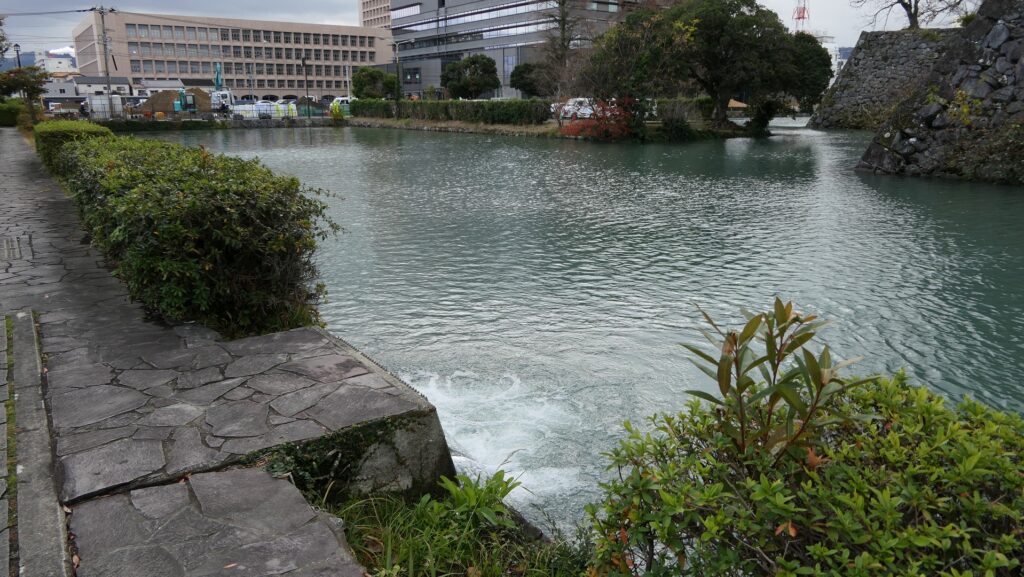
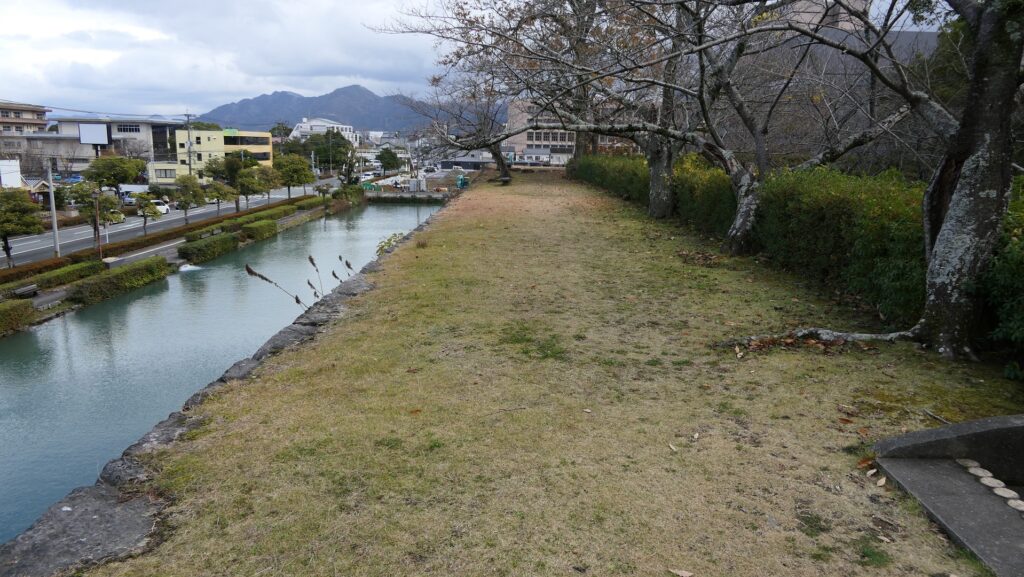
If you get close to the ruins from the city area, you will find they have a different atmosphere from other castles or ruins. The stone walls of Yatsusiro Castle partially looks white because they were built mainly using limestone, which is rare to see in Japanese castles. These stones have discolored with time like normal ones, so they must have looked much more white when they were new. The water in the Inner Moat comes from Kumagawa River, and it looks green because of algae in the river. The contrast of the white and green colors is unique and beautiful.
Getting close to the castle ruinsThe stone walls use white limestonesThe water in the Inner Moat comes from Kumagawa River
Overhanging Masugata square spaces
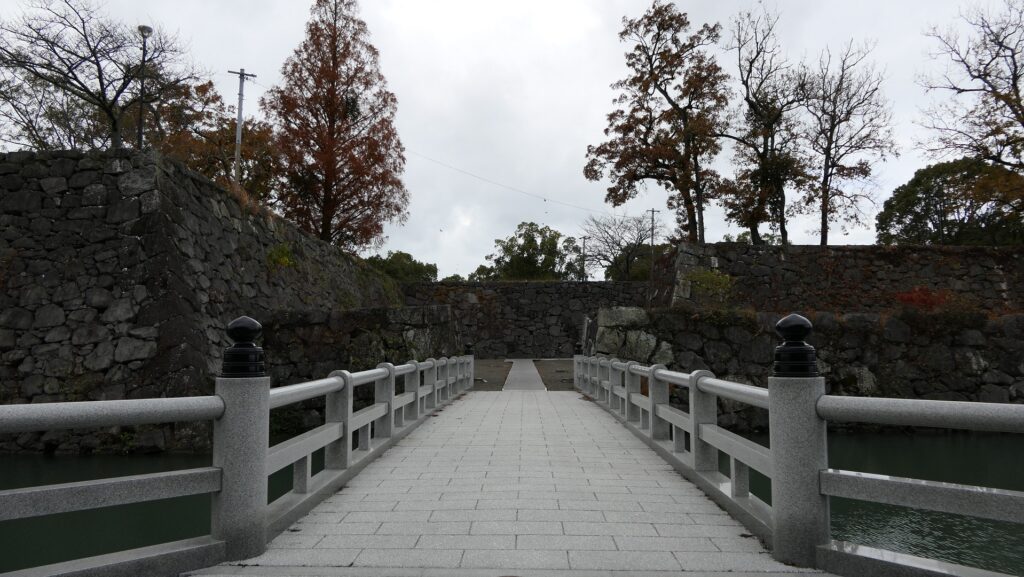
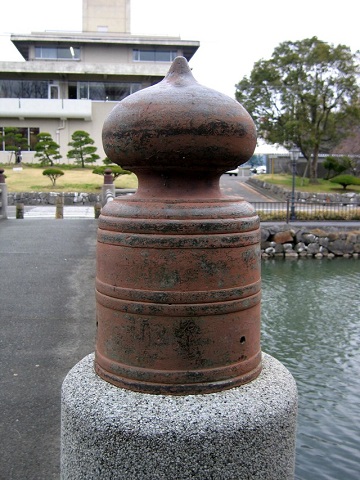
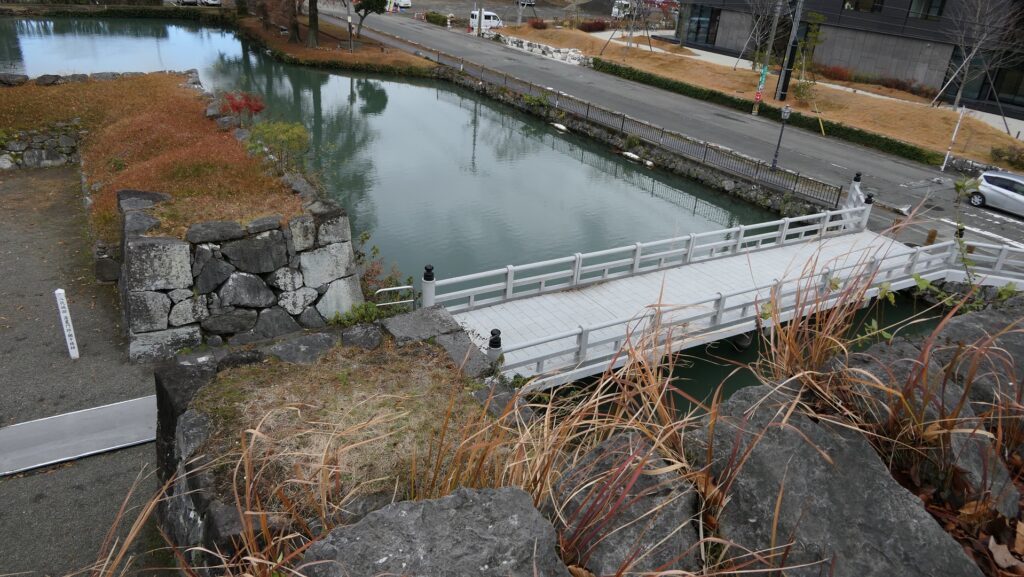
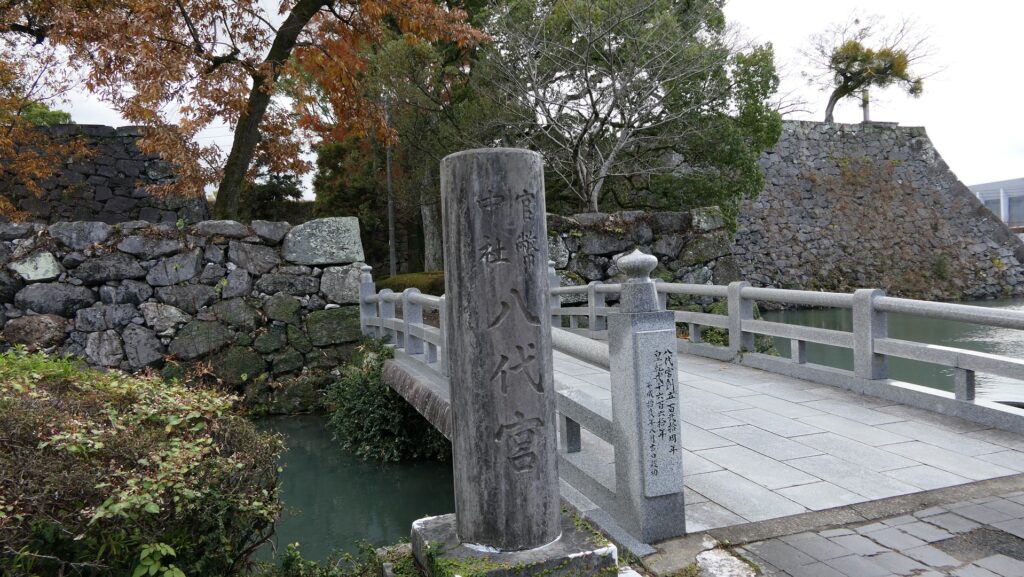
The enclosure has three entrances, two of which are original to the castle, and the other one was added when the shrine was established. The front is at the eastern side while the back is on the northern side. If you want to enter the front entrance, you can walk across Rankan-bashi or the Handrail Bridge whose one of its ornamental caps is intact, which has the year and month of when the castle was completed.
The Handrail Bridge at the front entranceThe ornamental cap which has the year and month of the castle’s completion, quoted from the website of Yatsushiro City
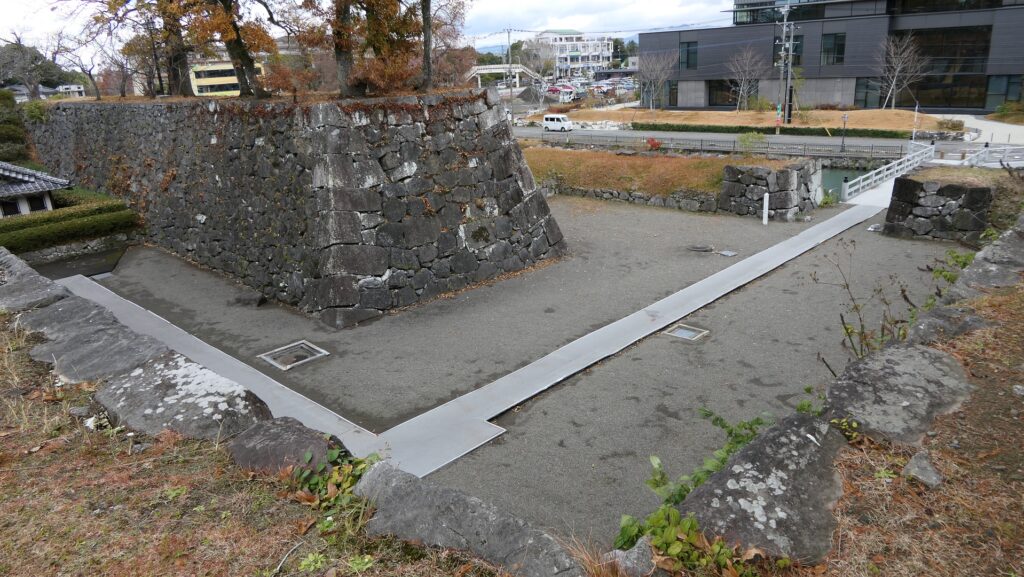
The overhanging Masugata square shape is also intact, surrounded by great stone walls. The stone wall base for Migaki-yagura Turret supports its left side and alternating stone walls stand on the back and right sides. You need to walk in and turn right to enter the inside of the enclosure. This design is very defensive.
The Handrail Bridge seen from the stone wall base for Migaki-yagura Turret, the front of the Masugata system overhangs towards the bridgeThe Masugata system of the front entranceThe alternating stone walls surround the path to the center of the Main Enclosure
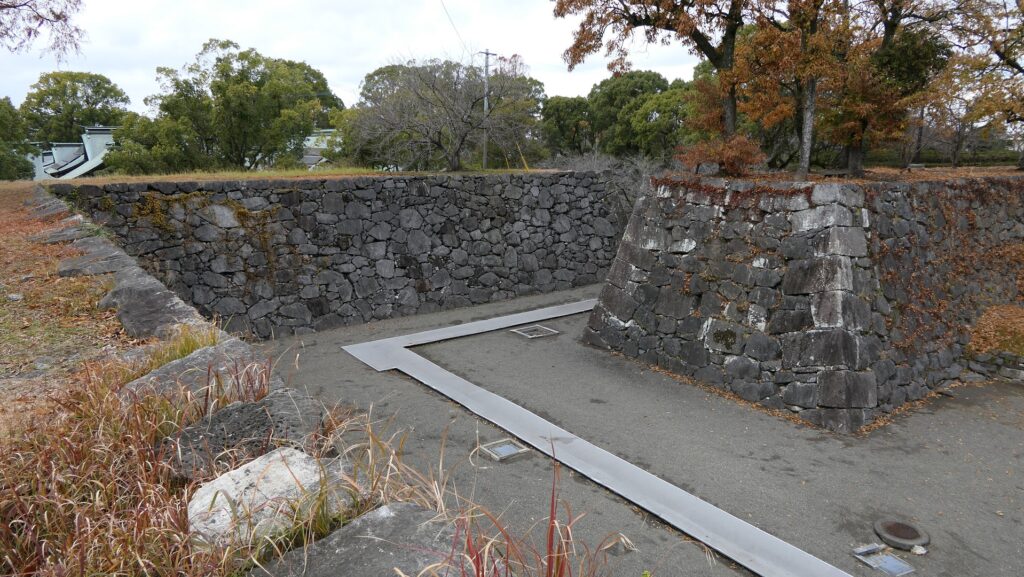
The back entrance on the north also has a similar design.
The back entrance
Outstanding Main Tower base
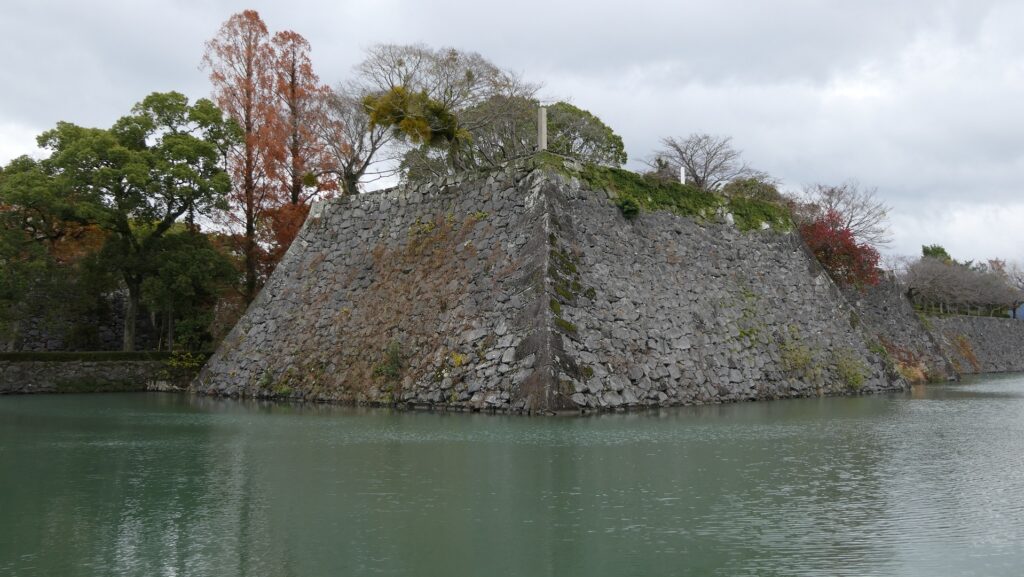
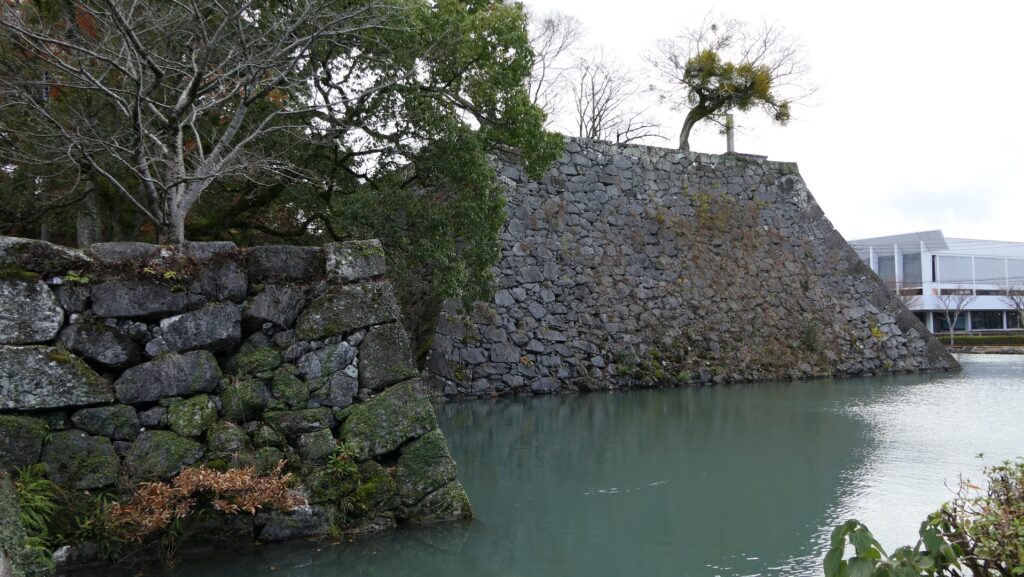
The highlight of the ruins is the stone wall base for the Main Tower at the northwestern corner of the Main Enclosure. The base has two tiers for the Large Main Tower and Small one. These towers were burned down by a lightning fire in 1672. After that, only the Small Main Tower was restored. Today, though only their stone wall bases remain, if you look at them from the outside of the Inner Moat, they look so great! The base for the Large Main Tower also supported the back entrance of the enclosure on the right side to prevent enemies form attacking it easily.
The base for the Large Main Tower on the left and the base for the Small Main Tower on the rightThe stone wall base for the Large Main Tower at the northwestern corner of the Main EnclosureThe Large Main Tower base also supports the back entrance on the left
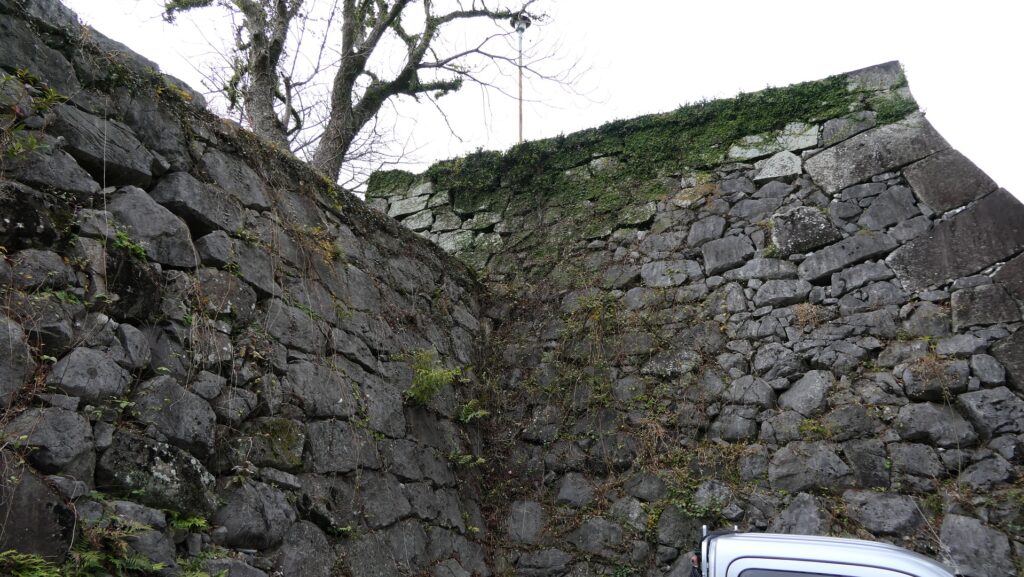
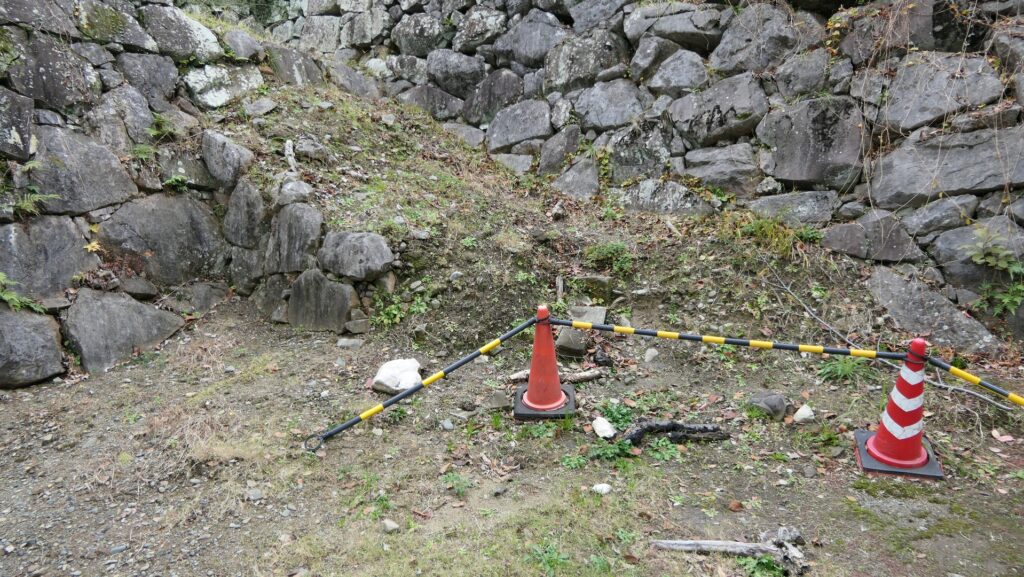
Unfortunately, you can’t climb up these Main Tower bases from the inside of the enclosure because of partially collapsing walls as of December 2022. Alternatively, you can climb up other stone walls to sit and rest, see a view around the castle, and understand how the castle was protected.
Looking up the Large Main Tower base from the inside of the Main EnclosureIt was prohibited to clime the Main Tower base as of December 2022You cam climb the tops of other stone walls
First Yatsushiro Castle is targeted by several Lords
Yatsushiso City in Kumamoto Prefecture is known for an agricultural and industrial area in the western part of Kyushu Region. These industries have been developed on the reclaimed land since the Edo Period. People in Yatsushiro tripled the size of Yatsushiro Plain by draining water from the Yatsushiro Sea. Before the land reclamation, Yatsushiro prospered as a junction for land and water transportation. Yatsushiro Castle was originally located near the sea, which could control the transportation.
The range of Yatsushiro City and the location of the castle
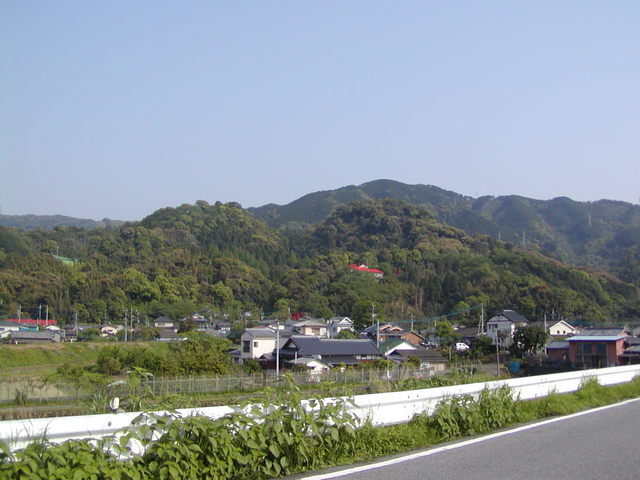
In fact, there were three Yatsushiro Castles in history, which were originally named Furufumoto, Mugishima, and Matsue Castles. They also didn’t exist at the same time, so people called the most representative castle in the area, Yatsushiro Castle. If you look into the histories of the three castles, you will see that many of Yatsushiro City. Furufumoto Castle, as the first Yatsushiro Castle, was a typical mountain castle which was located on a hilly area between the 14th and 16th centuries. A local lord, the Nawa Clan governed the castle, while the Sagara Clan, which lived in Hitoyoshi Castle inland, wanted to invade Yatsusiro which is located in a good area. The Sagara Clan attacked Furufumoto Castle several times, and managed to finally capture it in 1504. However, during the process of the unification of Japan in the late 16th Century, the castle was followed by the Shimazu Clan and Hideyoshi Toyotomi in 1587.
The relief map around the castle
The ruins of Furufumoto Castle, quoted from the website of Yatsushiro City
Second Yatsushiro Castle becomes important place for Water Transportation
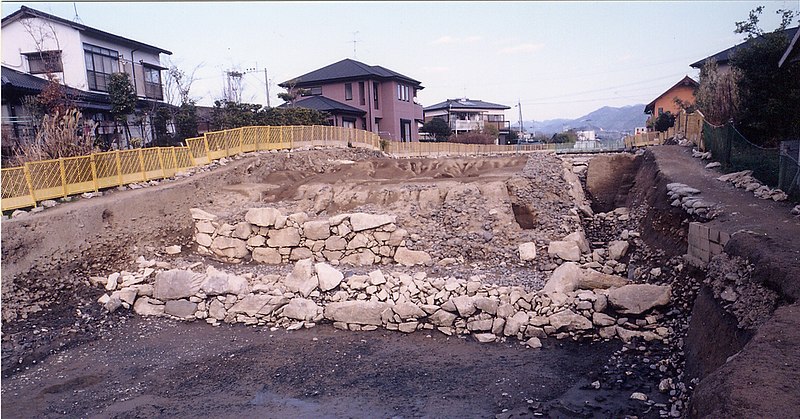
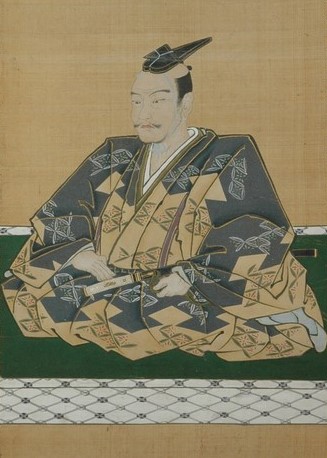
Hideyoshi sent his retainer, Yukinaga Konishi as the lord of southern Higo Proveince (Higo is almost the same as Kumamoto Pref.). He abandoned Furufumoto Castle and built Mugishima Castle instead, as the second Yatsushiro Castle. The castle was built at the estuary of Kumagawa River, facing the Yatsushiro Sea, to be used for water transportation. One of the reasons for its location was the preparation for the invasion of Korea that Hideyoshi had planned. Yukinaga actually became a vanguard of the invasion in 1592. In addition to its location, the castle was all made using stone walls. This castle was said to be the prototype of the last Yatsushiro Castle that we can see now. After the Battle of Sekigahara in 1600 where Yukinaga lost, Higo Province was followed by the Kato Clan. Their home base was Kumamoto Castle, while Mugishima Castle was owned by their senior vassal, Masakata Kato as a branch castle.
The excavation site of Mugishima Castle (licensed by Emeraldgreen at Japanese Wikipedia via Wikimedia Commons)The portrait of Masakata Kato, owned by Joshinji Temple (licensed under Public Domain via Wikimedia Commons)
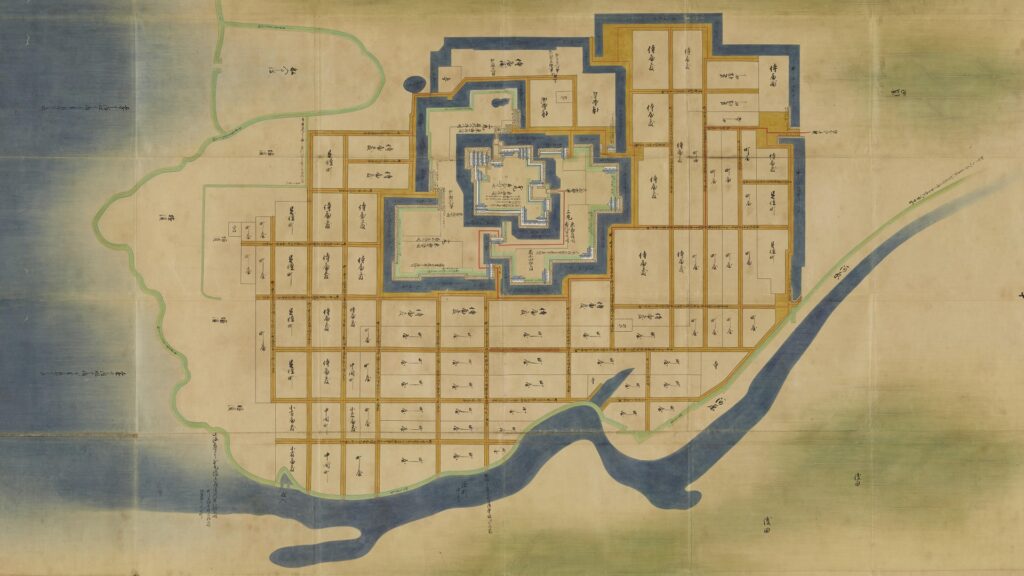
In 1615, the Tokugawa Shogunate issued the Law of One Castle per Province. All the branch castles in Higo Province were destroyed except for Mugishima Castle which was spared for some reasons. The reason for this exemption has been discussed a lot, but not finalized. One theory says that the lord of the clan, Tadahiro Kato was still very young, so the shogunate thought he would be supported by the senior vassal with Mugishima Castle as a guardian. The castle unfortunately collapsed in 1619 due to an earthquake. However, the castle was allowed to be rebuilt to another place as the next exemption. Or, it was said to be officially just move to another location. Anyway, Masakata was practically able to build a new castle nearby, once called Matsue Castle, now called (the third) Yatsushiro Castle.
The portrait of Tadahiro Kato, owned by Honmyoji Temple (licensed under Public Domain via Wikimedia Commons)Part of the illustration of the enclosures of Yatsushiro Castle in Higo Province, exhibited by the National Archives of Japan, This castle was also built near the estuary the sea
Third Yatsushiro Castle is built and survives as Exemption
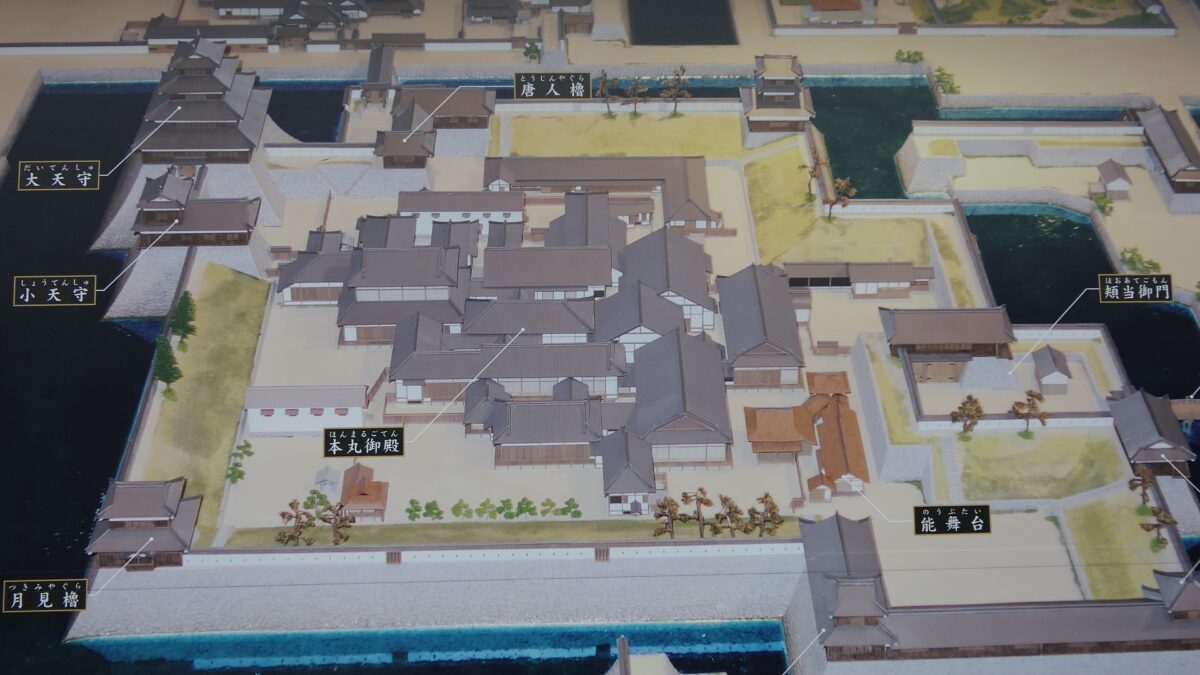
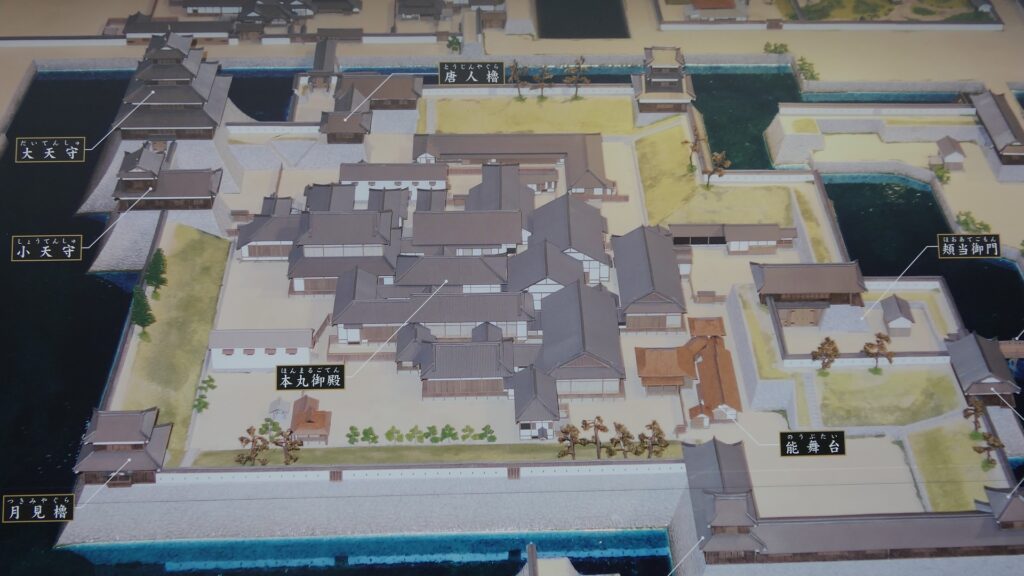
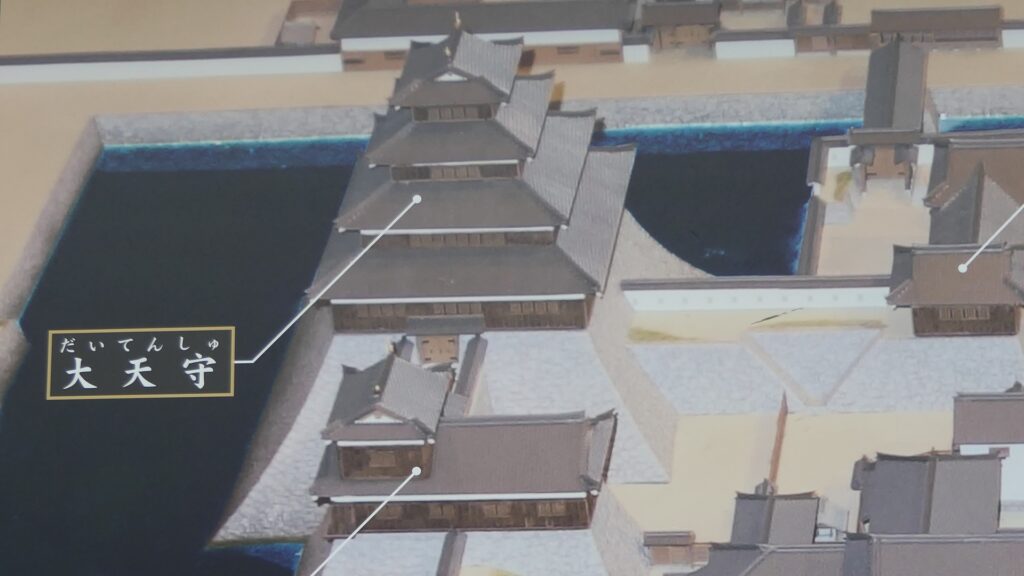
The new castle was built partially using Mugishima Castle’s design and materials. For example, the four-level Main Tower was build at the corner of the Main Enclosure, which is an old style of castles built in Toyotomi’s period. On the other hand, the castle used an advanced defensive system called Masugata. Masgata refers to a square shaped space which is surrounded by stone walls at a castle’s entrance. The Masugata system of the castle was set slightly overhanging from the outer line of the Main Entrance, which could counterattack the enemies’ sides. This could be considered as the final version of the system. The castle was eventually completed in 1622.
The picture of the miniature model of Yatsushiro Castle’s main portion, from the signboard at the siteThe Main Tower was built at the corner, form the signboard at the siteA Masugata system of Yatsushiro Castle, hanging out from its Main Enclosure
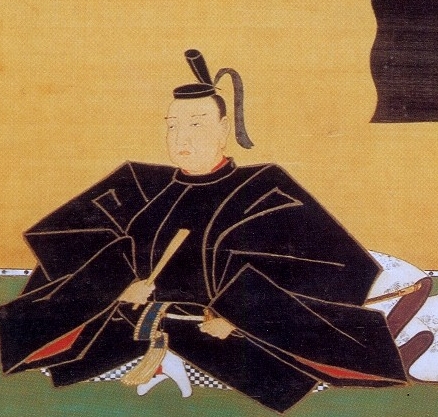
The Kato Clan was unfortunately fired by the shogunate in 1632 before the Hosokawa Clan followed Higo Province. The clan still used Kumamoto Castle as their home base, then Yatsushiro Castle was used as the retreat for the lord’s father, Sansai Hosokawa. He was a survivor of the Sengoku Period and had a self-willed character. That seemed to be another reason that the shogunate couldn’t force to abandon the castle. Sansai even planned to be an independent lord with the castle before his death. As a result, the castle managed to survive all through the Edo Period. The castle was finally owned by the Matsui Clan, a senior vassal of the Kumamoto Domain by the Hosokawa Clan.
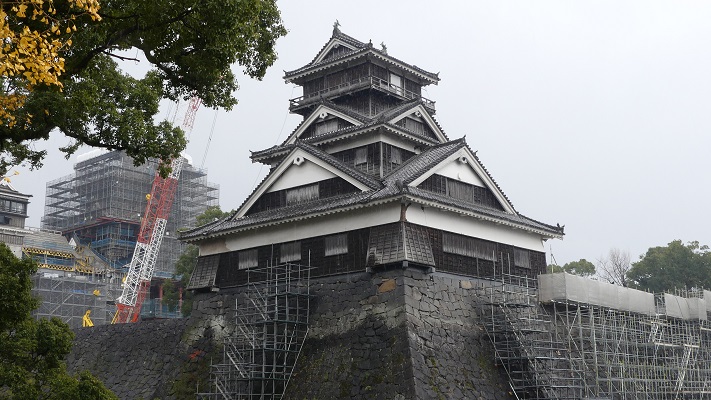
The portrait of Sansai Hosokawa, owned by Eisei Bunko Museum (licensed under Public Domain via Wikimedia Commons)Kumamoto CastleThe ruins of Yatsushiro Castle