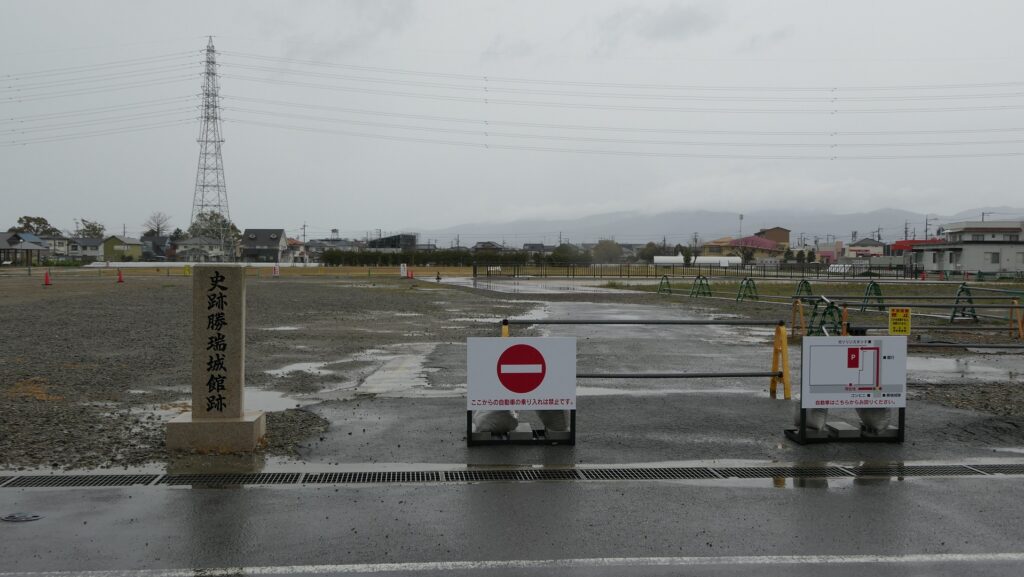
Now, the ruins of Shozui Castle have two parts. One of them is the larger part which was used as the hall for the Hosokawa Clan and the Miyoshi Clan. Therefore, people often call it “Shozui Hall ruins”. This area is basically an open space where a lot of relics are buried under the ground. The excavation is still ongoing with the site office. If some relics are found, they are investigated, studied, and finally buried again or taken to preserve them. After that, some exhibitions are built in the present way at the spot where the relics were found.
The aerial photo around the castle
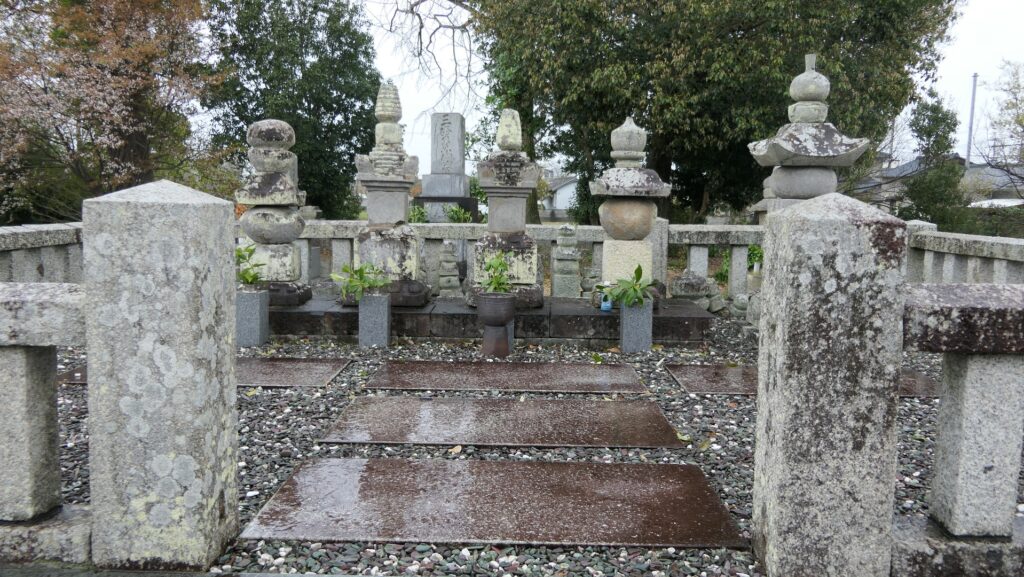
The ruins of “Shozui Hall”
Excavation and Exhibition are on going in Hall Ruins
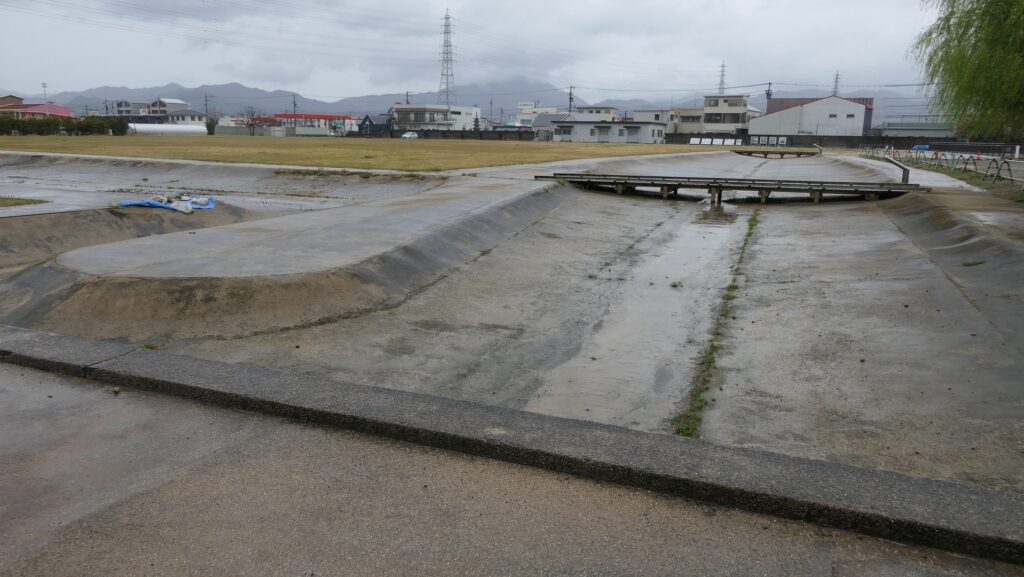
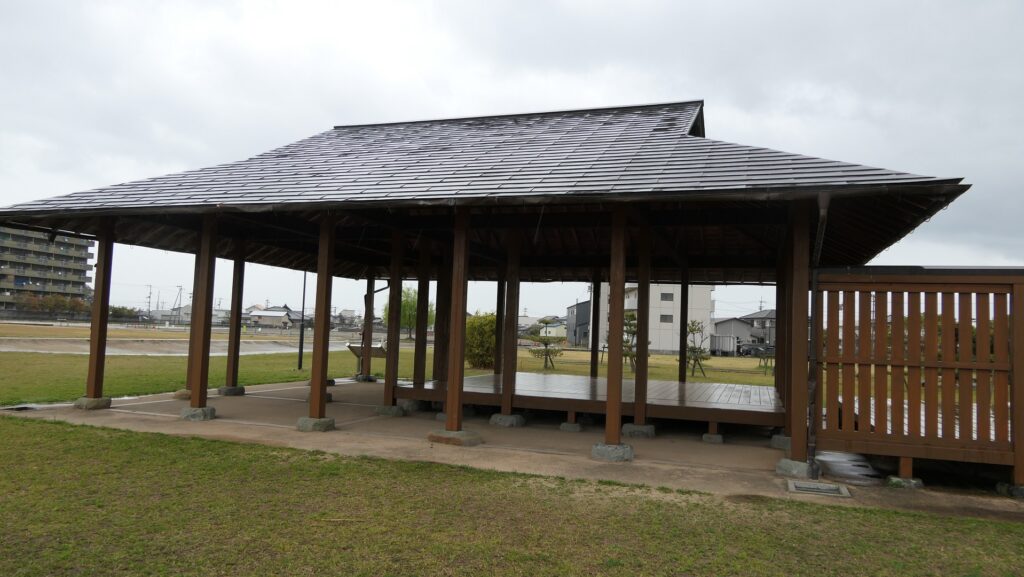
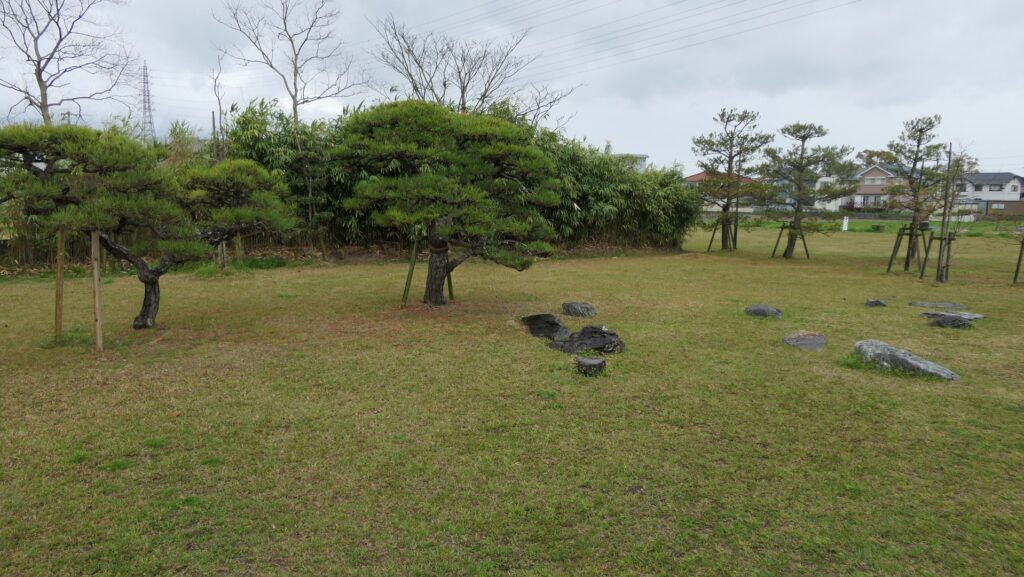
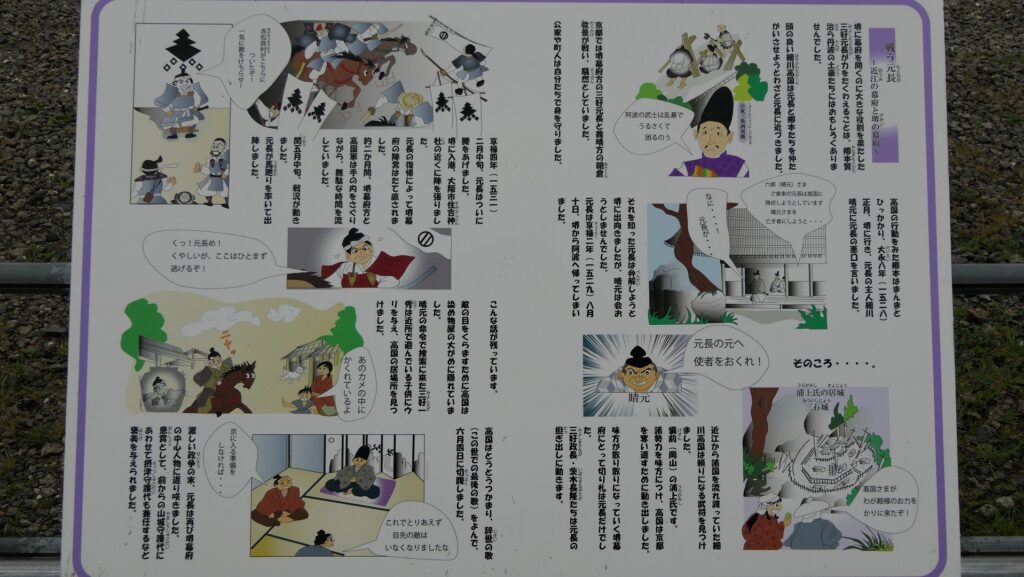
For example, the replica of the water moats with some bridges were built at the same place and in a similar size to the original ones. Visitors can now see how the hall area was divided by these moats in the past. In addition, the rest house which looks like a hall was built where the relics of the original hall were found. Near the rest house, some trees and rocks were restored where the original Japanese rock garden was built. There are also many signboards which explain what were there and what happened to the castle.
The replica of the water moatsThe rest house which looks like a hallThe partly restored gardenAn example of the signboards at the site
Castle Ruins remain as Temple
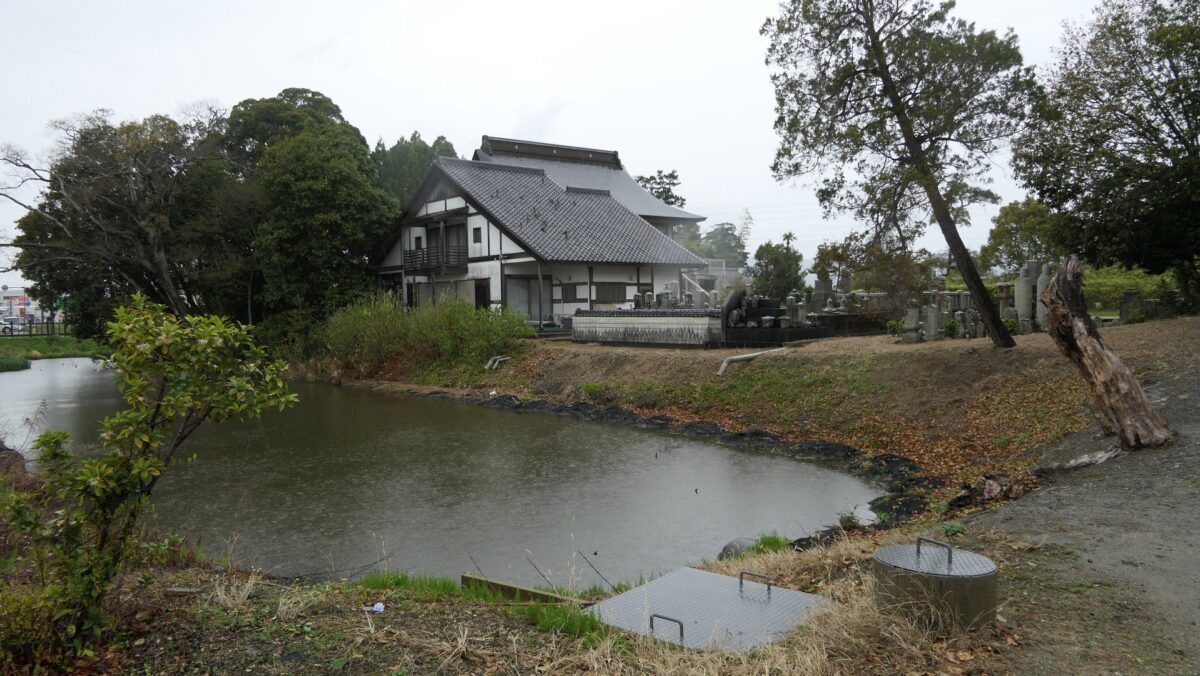
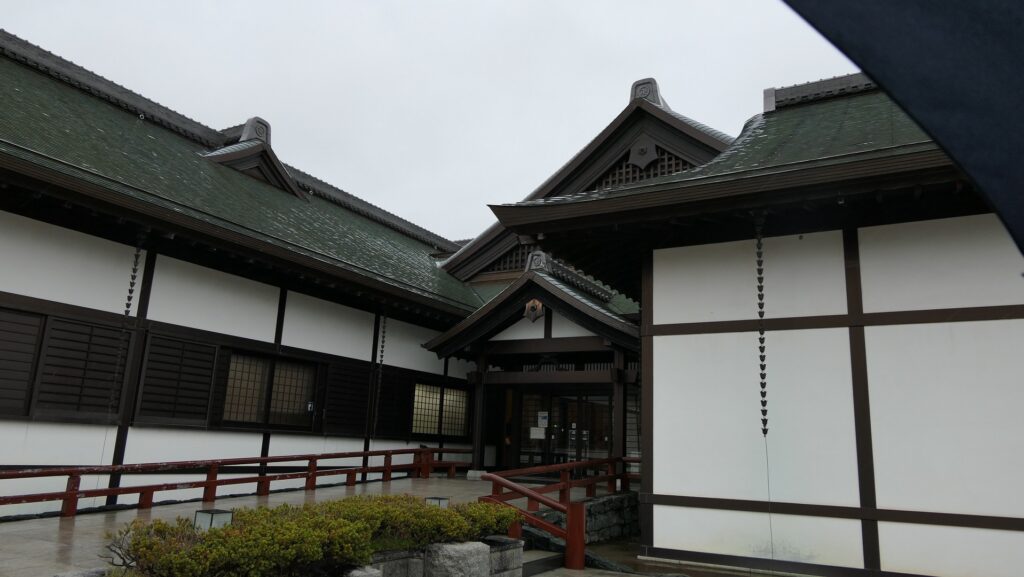
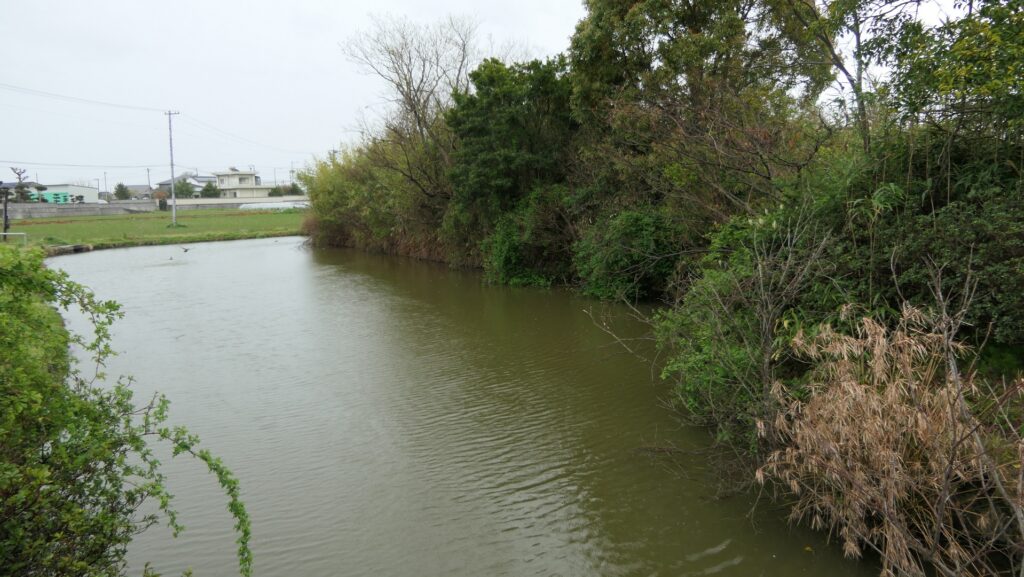
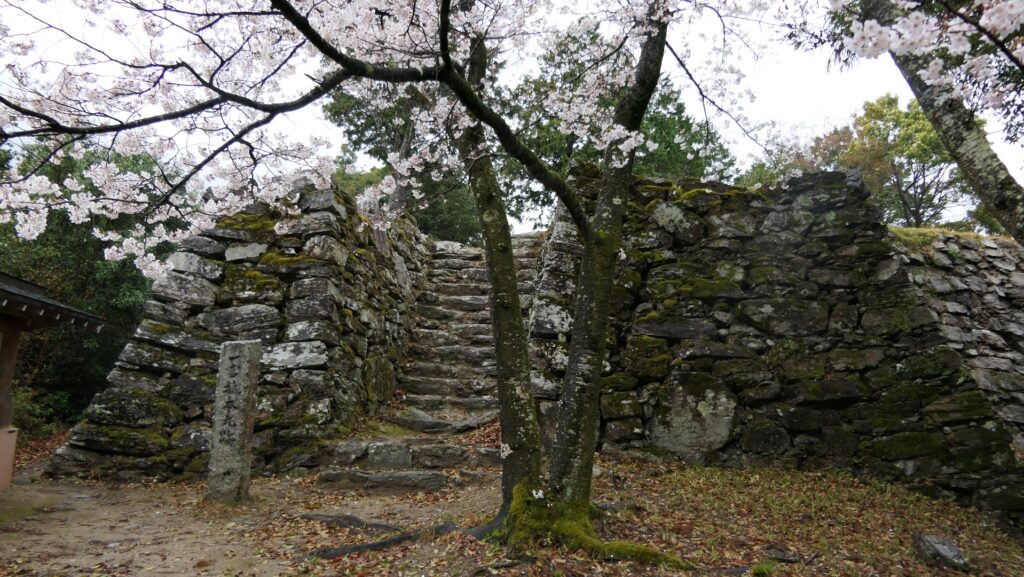
The other part is the one which was added as the final part for a battle in the final stage of the castle. It looks more likely to be castle ruins, so people also often call itself “Shozui Castle ruins”. However, this part is much smaller than the hall part with about 100 m square (vs 200 to 300 m square for the hall). This is probably because the castle part was built and used in a short time. There is Kensho-ji Temple on the ruins, which was established in the Edo Period, collecting the graves of the Miyoshi Clan. The water moats and some earthen walls surrounding the ruins still remain. The original earthen walls were 14m high from the bottom of the moat (2.5m above the water surface) according to the excavation.
Kensho-ji Templethe graves of the Miyoshi ClanThe water moats surrounding the ruinsThe partly remaining earthen walls
Shozui Castle prospered between the mid 14th Century and the late 16th Century as the center of Awa Province on Shikoku Island (what is now Tokushima Prefecture). The castle was first launched as the official residence of the province’s governor by the Hosokawa Clan which was a senior vassal of the Ashikaga Shogunate. Awa Province was a fertile land near Kyoto which was the center of Japan. The castle was also located alongside Yoshino-gawa River, the largest river in Shikoku Island, so it was convenient for water transportation and trade. As a result, the castle became an important base for the clan.
The location of the castle
Castle is developed as Miyoshi Clan’s Home Base
In the mid 16th Century, Nagayoshi Miyoshi, who was a retainer of the Hosokawa Clan, became the ruler instead of Hosokawa. He lived in Imori Castle near Kyoto to govern the center of Japan, while his little brother, Jikkyu Miyoshi lived in Shozui Castle. The Miyoshi Clan originally came from Awa Province. They also needed to work closely between Kyoto and Awa to keep their power like the Hosokawa Clan did. For example, Jikkyu took many soldiers from Awa to battle in Kinki Region, including Kyoto, when his big brother, Nagayoshi was in danger.
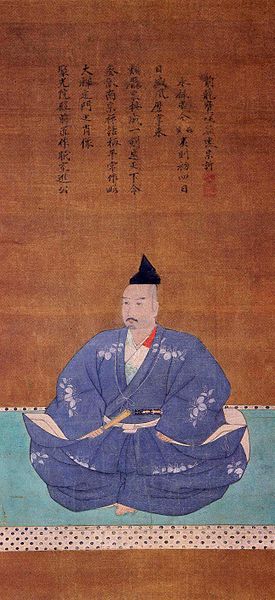
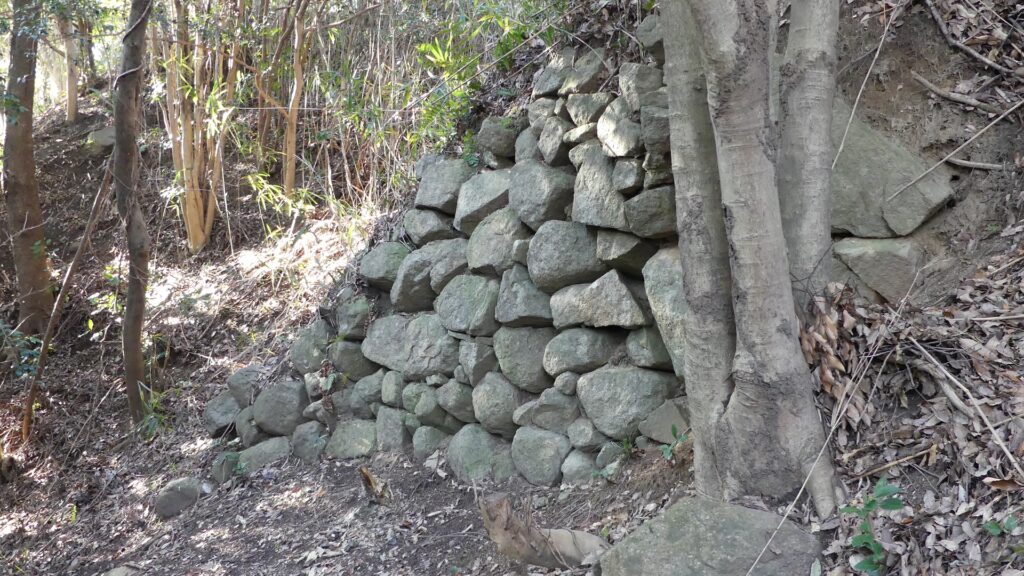
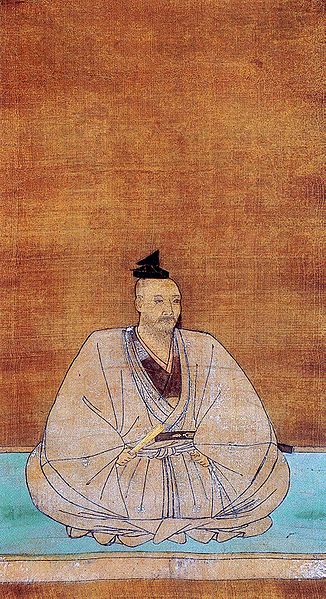
The portrait of Nagayoshi Miyoshi, owned by Juko-in of Daitokuji Temple (licensed under Public Domain via Wikimedia Commons)The ruins of Imori CastleThe portrait of Jikkyu Miyoshi, owned by Myokokuji Temple (licensed under Public Domain via Wikimedia Commons)
Jikkyu also developed Shozui Castle. The castle became larger, having several enclosures separated by the water moats, including the Main Hall and a Japanese rock garden. According to the excavation, valuable Chinese ceramic ware was traded and ceremonies like parties and cockfights were often held there. Though the castle was surrounded by rivers such as Yoshino-gawa River as natural hazards, the castle itself still didn’t have special structures like earthen walls for defense. It could be because the governance of Awa Province was quite stable and there was little need for defense. The water moats were thought to be used for flood control or a reservoir. By this time, the castle was likely called “Shozui Hall” because it probably didn’t have all the features of a castle.
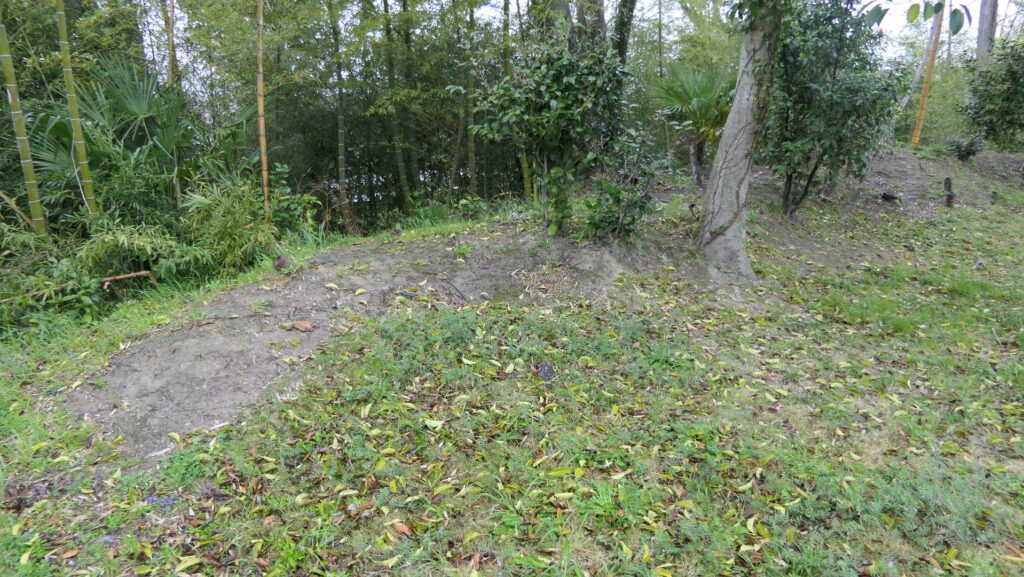
The ruins of “Shozui Hall”
Castle is captured by Chosogabe Clan
However, after Nagayoshi and Jikkyu died in the late 16th Century, the situation changed. Shozui Castle got into some internal troubles and battles as the power of the Miyoshi Clan decreased. In addition, Motochika Chosogabe, a great warlord in Tosa Province (what is now Kochi Prefecture) aimed to capture Awa Province. The Miyoshi Clan then asked the ruler, Nobunaga Oda who owned the center of Japan for help. Hideyoshi Hashiba, who was Nobunaga’s retainer and became a ruler following Nobunaga, sent a letter which says that Shozui should build up its defenses. The Miyoshi Clan extended Shozui Castle by adding the final part for a battle, which was surrounded by high earthen walls and a deep-water moat. With these additions, people can finally call the castle “Shozui Castle” in the end.
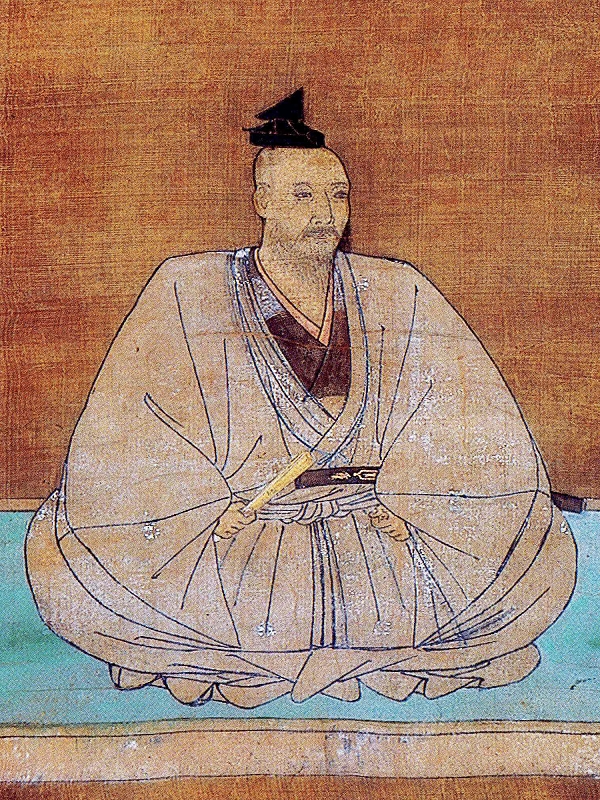
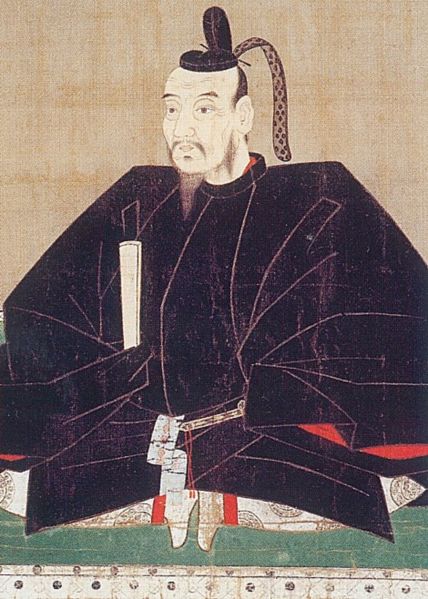
The portrait of Motochika Chosogabe, owned by Hada Shrine (licensed under Public Domain via Wikimedia Commons)The ruins of “Shozui Castle”
After Nobugana was suddenly killed in the Honnoji Incident in 1582, the Miyoshi Clan had to fight with the Chosogabe Clan by themselves. In the same year, the battle of Nakatomi-gawa River happened between the clans in the south of Shozui Castle. The Miyoshi Clan was unfortunately defeated and besieged in Shozui Castle for nearly a month. However, the Chozogabe Clan lastly captured Shozui Castle after the Miyoshi Clan withdrew from the castle. The castle was abandoned right away probably because it was not suitable for surviving battles. After that, mountain castles like Ichinomiya Castle became popular in Awa Province.