112.Kasama Castle Part1

Kasama is a local city, located in the central part of Ibaraki Prefecture and the northeastern part of the Kanto Region. It is known for Kasama Inari Shrine and Kasama Pottery, which attract many visitors. However, they became popular after the emergence of Kasama Castle.

Location and History

Tokitomo Kasama, Mysterious General builds Castle

Kasama is a local city, located in the central part of Ibaraki Prefecture and the northeastern part of the Kanto Region. It is known for Kasama Inari Shrine and Kasama Pottery, which attract many visitors. However, they became popular after the emergence of Kasama Castle.

Kasama Castle[/leaflet-marker]

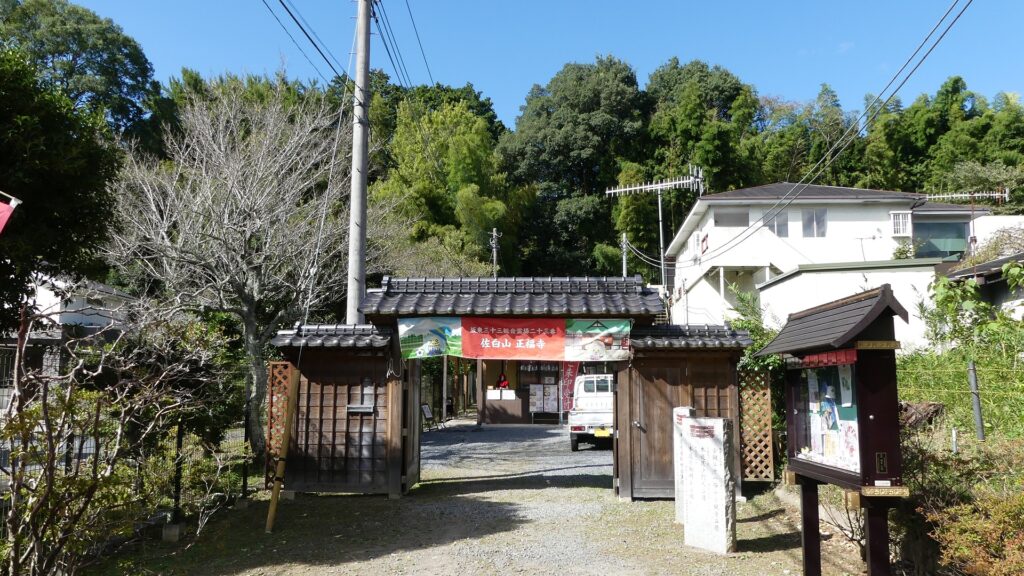
It is uncertain how the castle was first built. The only record available is called Kasamajo-ki (meaning the Record of Kasama Castle), later written during the Edo Period. According to the record, the castle was first built in 1219 during the Kamakura Period by Tokitomo Kasama who was a relative of the Utsunomiya Clan, one of the most powerful clans in the region. There was the Shofukuji Temple on Sashiro-yama Mountain where Kasama Castle would be built. The temple prospered on the mountain with the One Hundred Quarters and had many monk soldiers to protect it. A fight broke out with a rival temple called Tokuzoji Temple and they were outnumbered, so it asked the Utsunomiya Clan for help. Tokitomo was sent by the clan and defeated the Tokuzoji Temple. He even banished the Shotokuji Temple from the mountain and built the Kasama Castle.
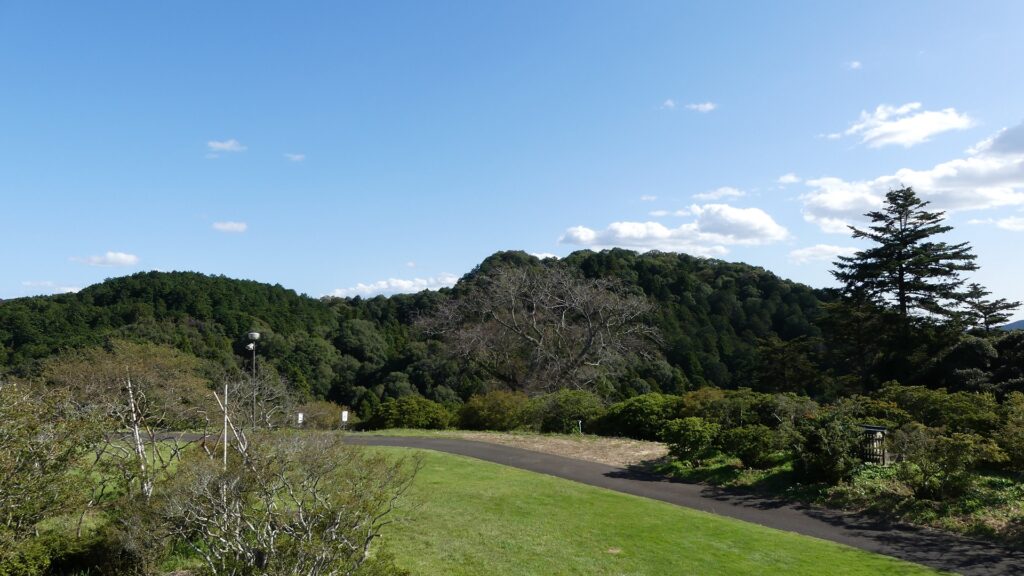
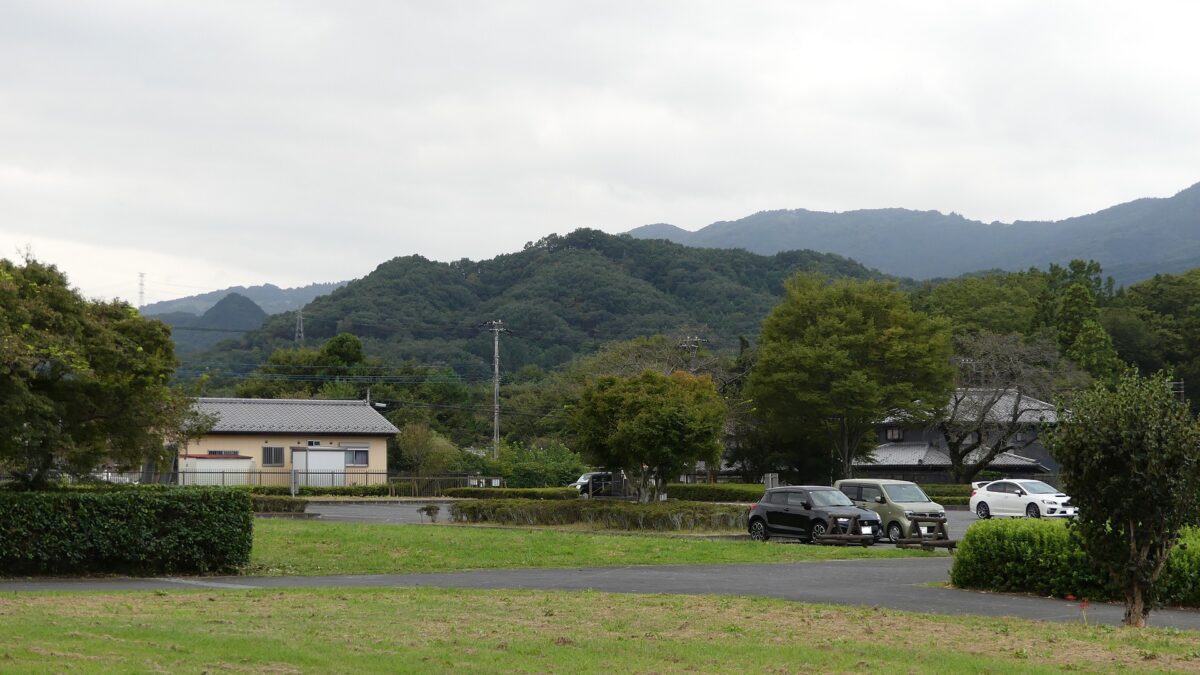
Sashiro-yama Mountain
The current Shofukuji Temple at the foot of the mountain
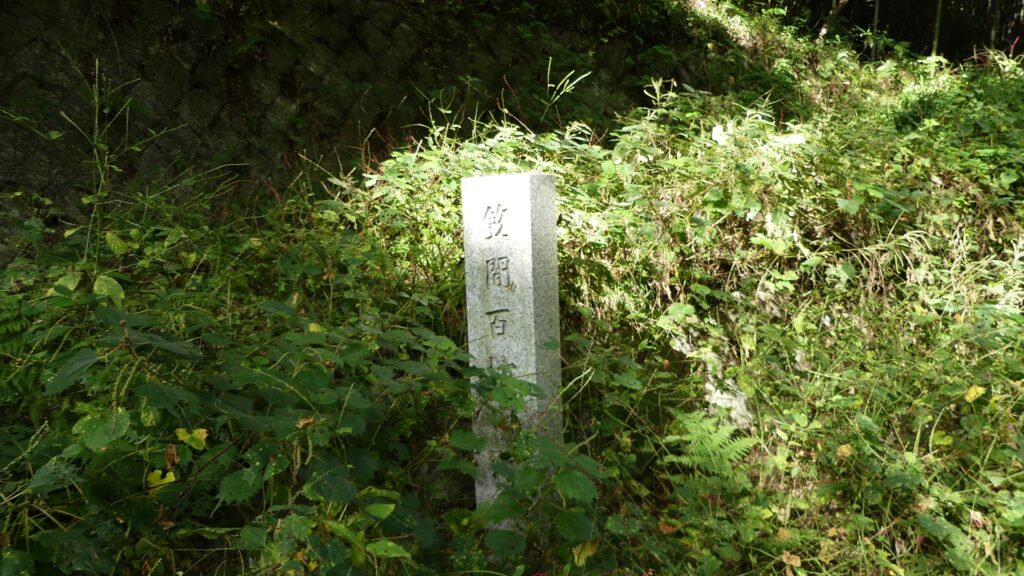
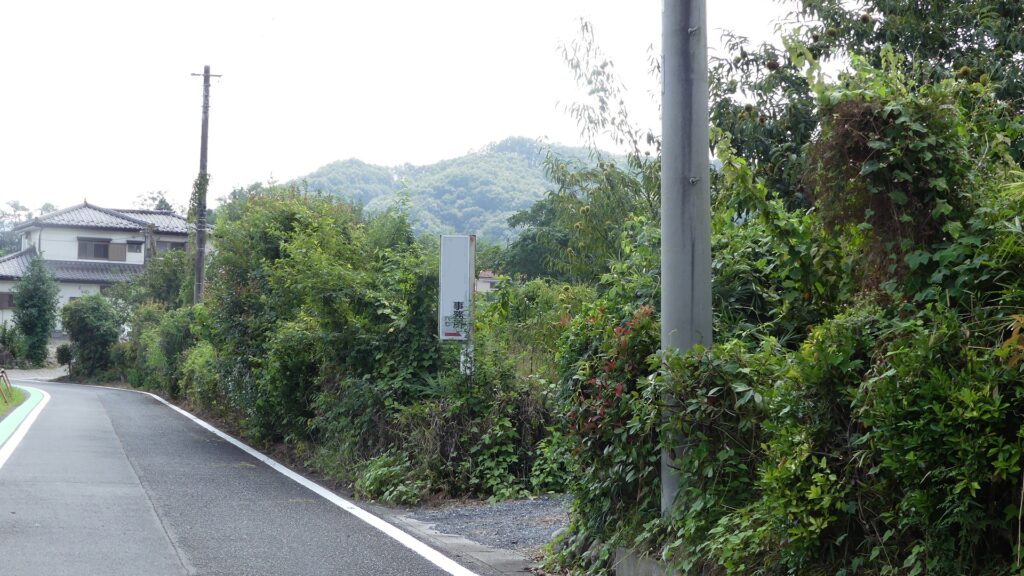
The signpost of the One Hundred Quarters Ruins

However, historians say, using fragments from other records, Tokitomo might have actually not been so radical. He was not only a warrior but also a medium class noble which other warriors rarely became. He was also highly educated and famous as a poet. There are also several remaining Buddha statues and sutras he donated to temples, which proved he was rich and religious. Overall, Tokitomo might have built the castle in a more coordinated manner. As a result, the Kasama Clan governed the castle and the area around for over 300 years until the Sengoku Period. The castle was thought to be a simple mountain castle, made of soil.
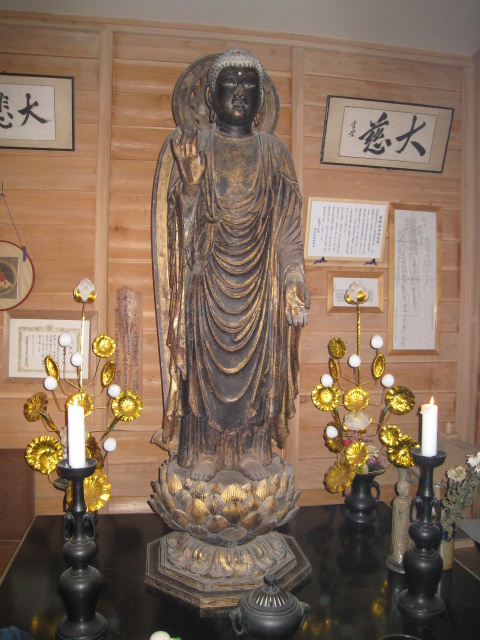
The Buddha statue Tokitomo donated to a local temple called Ishidera, quoted from the Kasama City Website
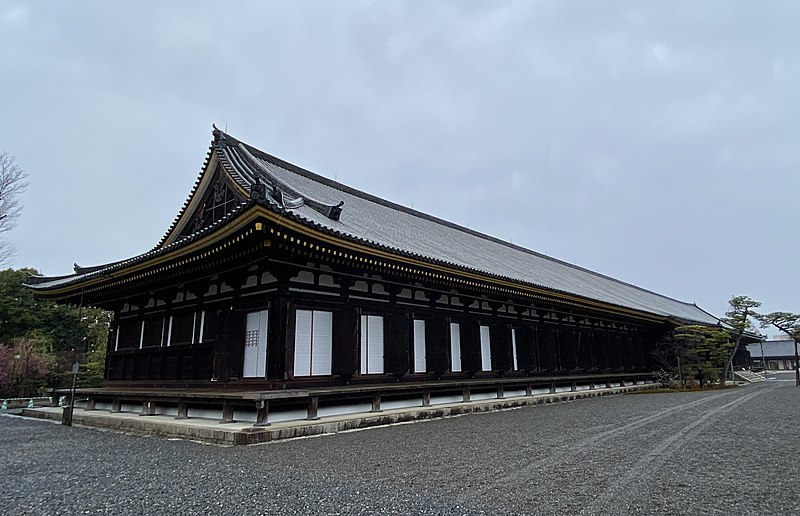
Rengeoin Temple at Kyoto where Tokitomo donated two other Buddha statues  (licensed by Akonnchiroll via Wikimedia Commons)

Satonari Gamo renovates Castle

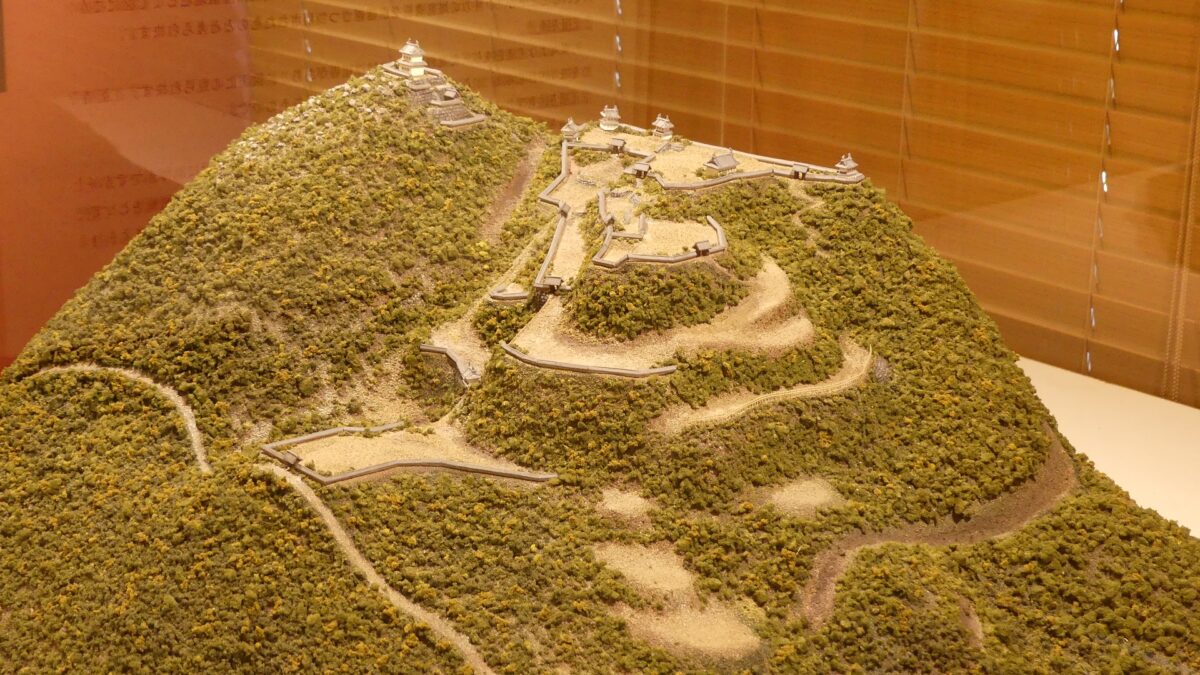
The situation changed in the end of the 16th Century during the unification of Japan by Hideyoshi Toyotomi. The Kasama Clan declined and the Utsunomiya Clan was fired by Hideyoshi. Kasama Castle was followed by Satonari Gamo, a senior vassal of the Gamo Clan in 1598. The Gamo Clan served Hideyoshi for a long time and became one of the greatest lords in Japan. The clan also built or improved many castles like Matsusaka and Wakamatsu by building advanced items, such as high stone walls and Main Towers. The lord of the clan, Hideyuki Gamo lived in Utsunomiya Castle and one of his branch castles was Kasama Castle. Satonari improved Kasama Castle using the techniques and resources that the clan used. The Main Tower was built on the top of mountain with three-tier stone walls, called the Main Tower Enclosure. The Main and Second Enclosures were developed below the top and the route from the Main Gate to the top through these enclosures was built. Other stone walls were constructed along the route and each gate and enclosure was protected by an altered entrance or the Masugata system which refers to a square defensive space in the gate. The lord of the castle lived in the Main Hall in the Main Enclosure which also had several other turrets.
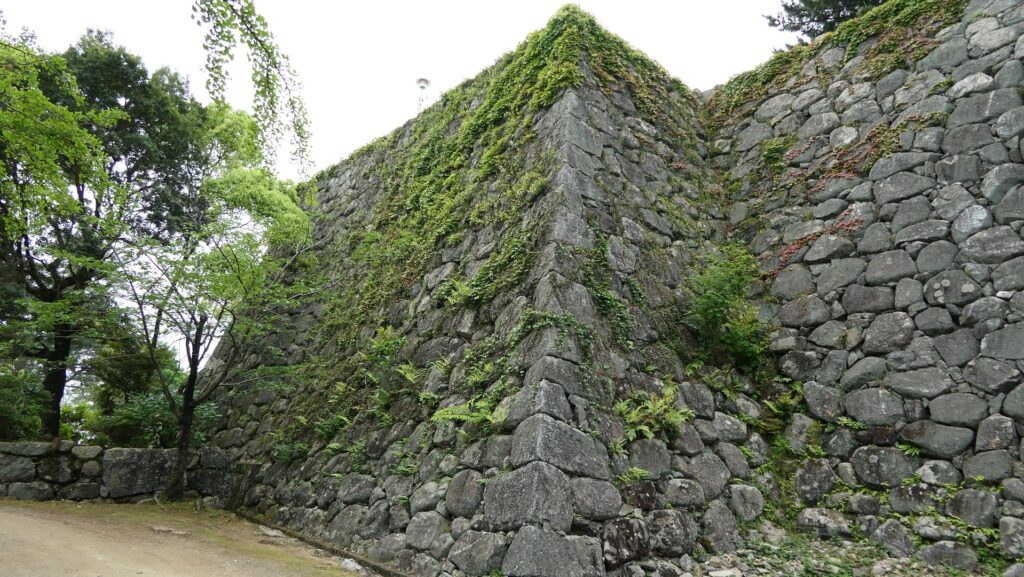
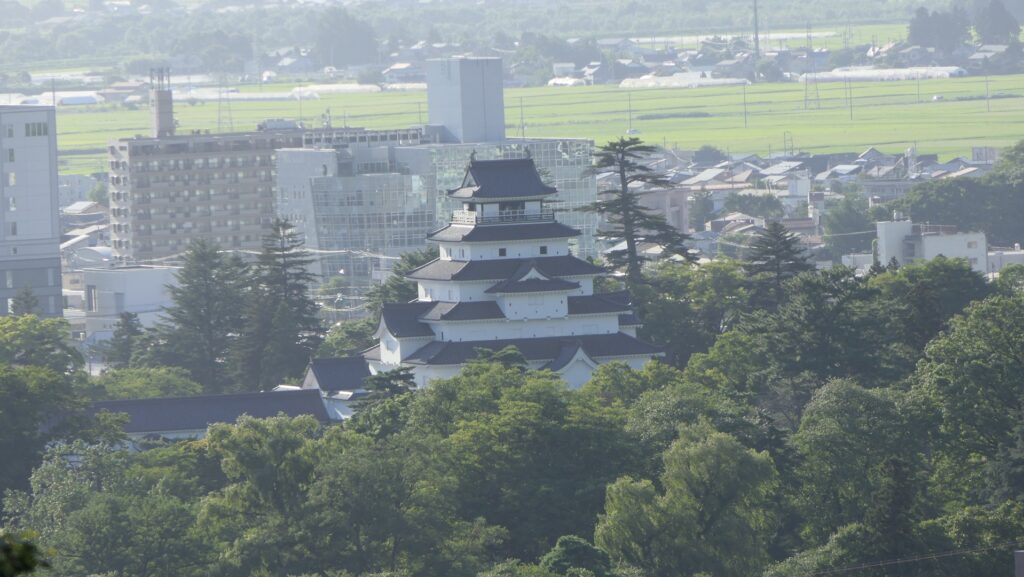
The ruins of Matsusaka Castle
Wakamatsu Castle
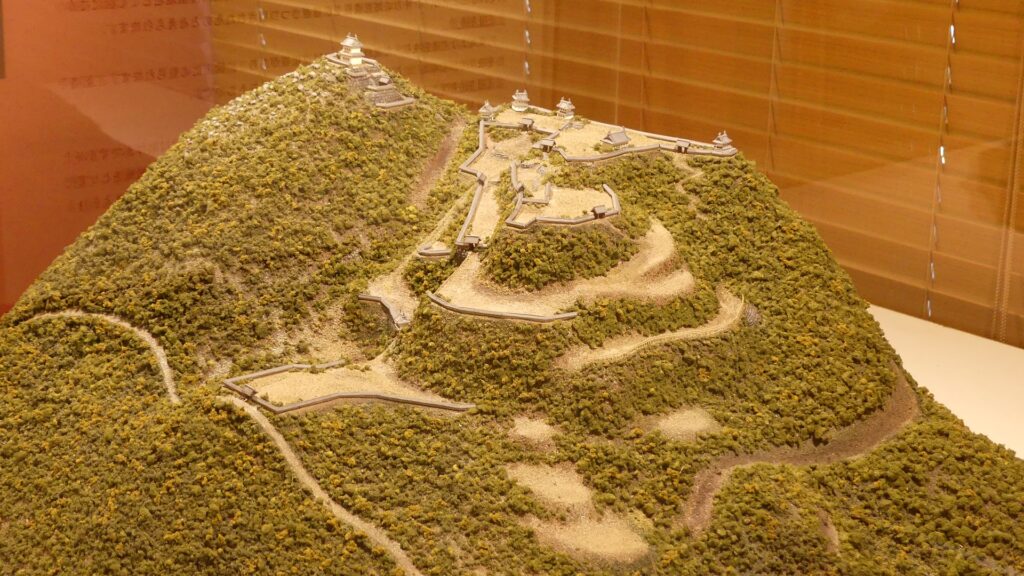
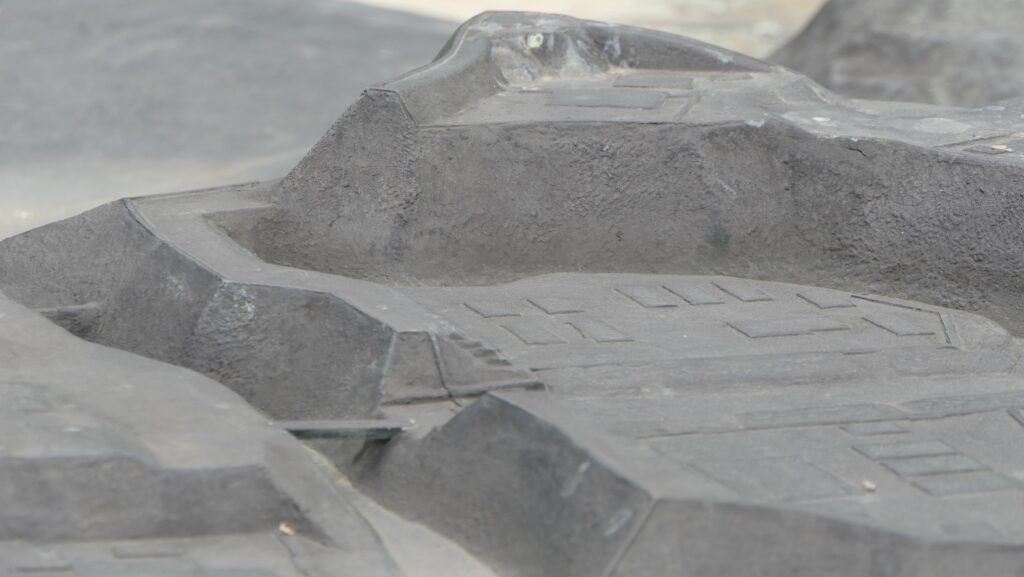
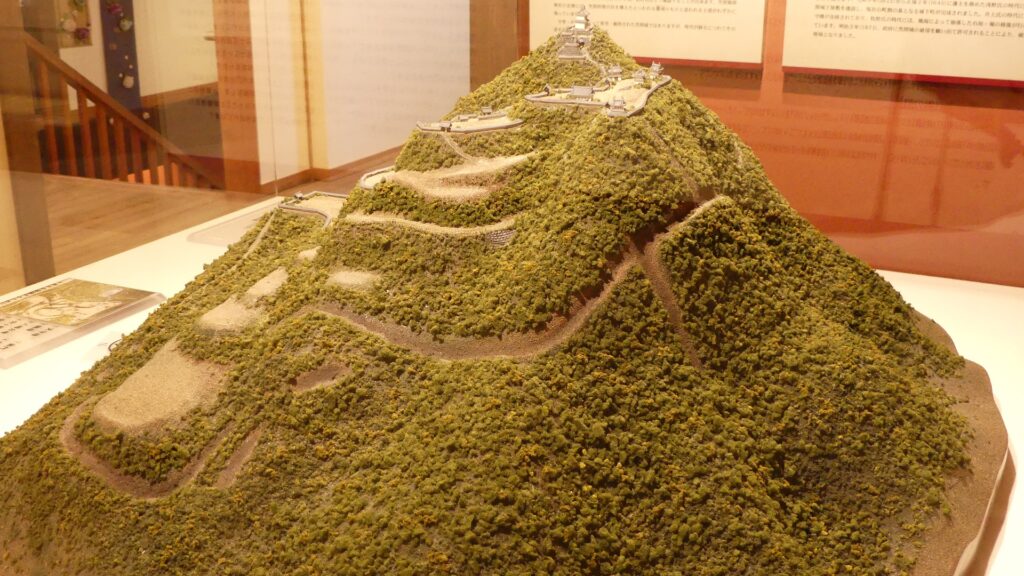
The miniature model of Kasama Castle, exhibited by Kasama History Exchange Center “Izutsuya”

Satonari developed Kasama Castle more in 1600 during a decisive battle when all the lords of Japan joined the Eastern Alliance or the Western Alliance. He joined the Eastern Alliance while the Satake Clan at Mito Castle in the neighboring area to the east of Kasama joined the Western Alliance. That’s why he needed to prepare to avoid the Satake Clan from invading. It is thought that Satonari built forts on three hills around the mountain and deep dry moats surrounding all the castle and the forts. The Eastern Alliance, which would be the Tokugawa Shogunate, finally won after nothing happened to Kasama Castle fortunately.
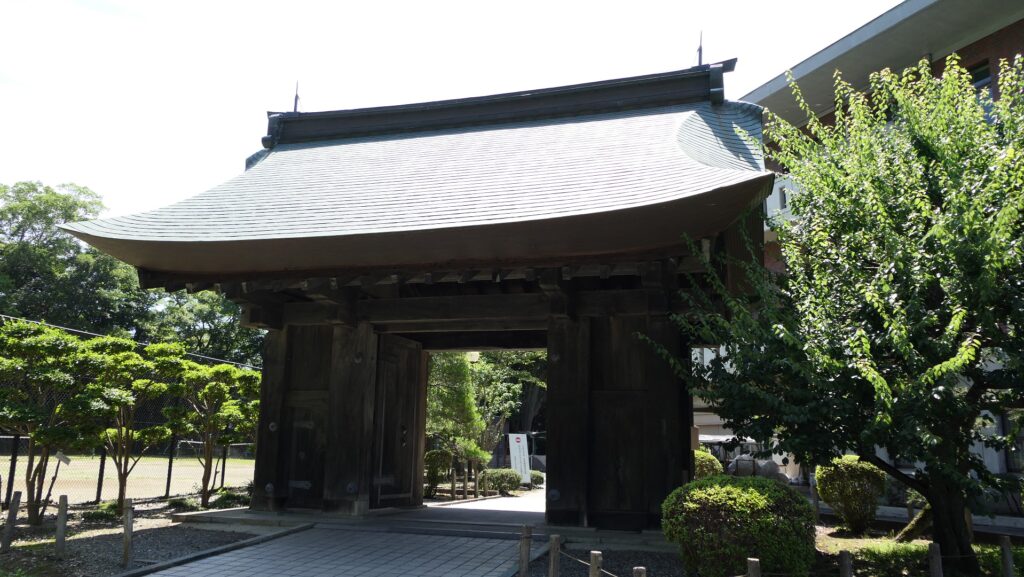
The ruins of Mito Castle
The dry moats surrounding the castle are put on the miniature model above as well
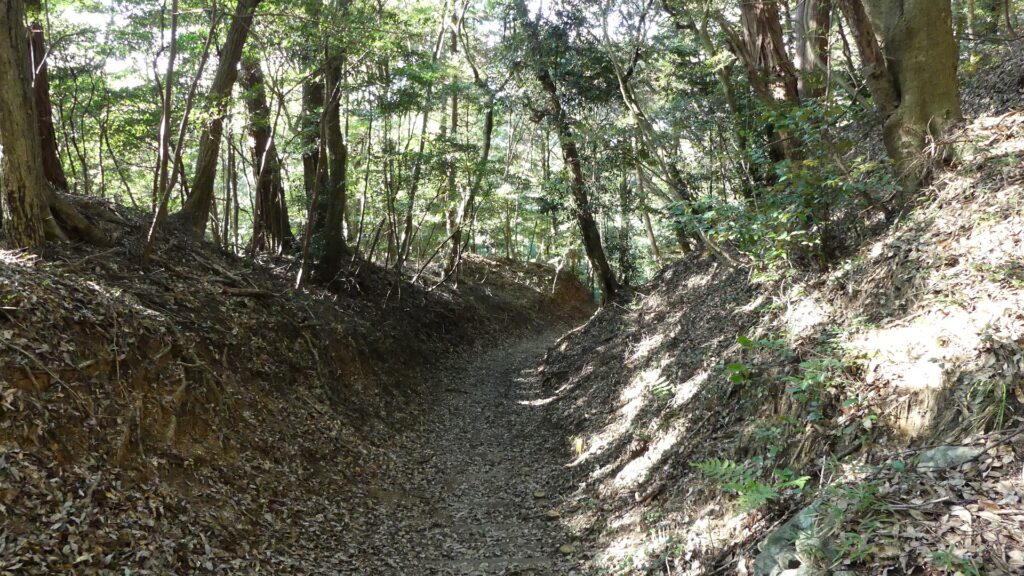
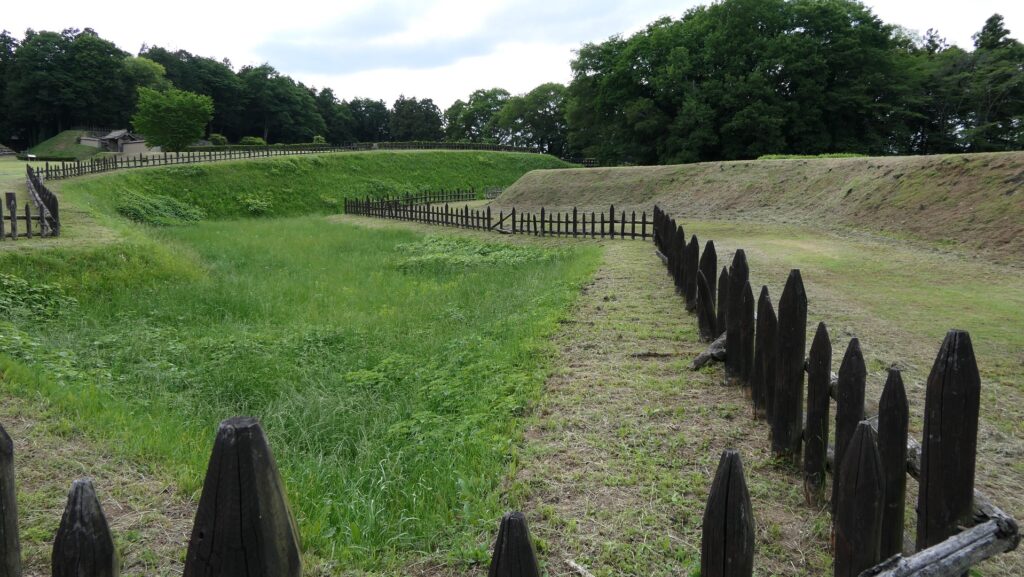
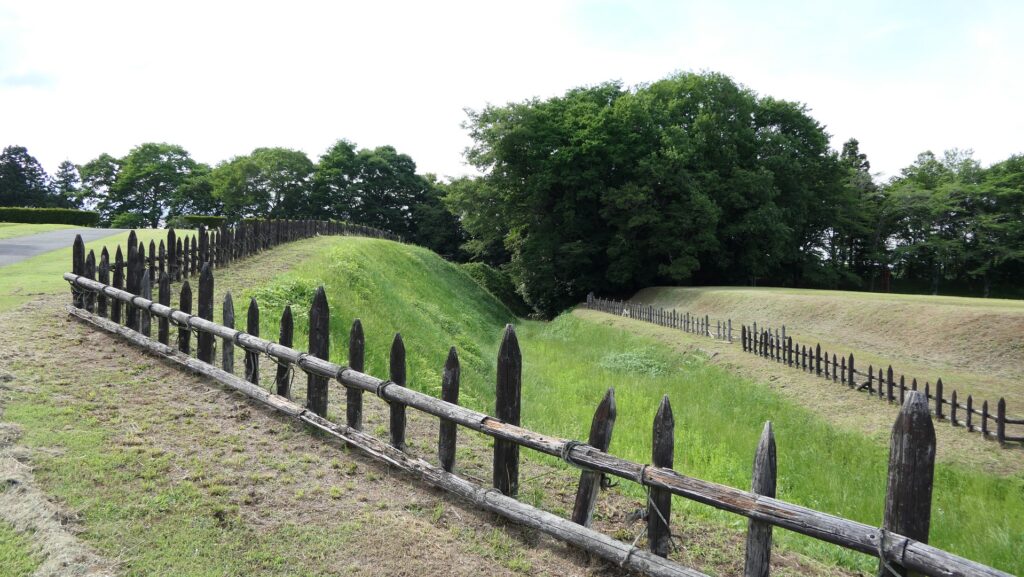
The remaining dry moats at the site

Other Clans like Asano and Makino follow Castle

The shogunate transferred the Gamo Clan to another in 1601. Since then, Kasama Castle and the area around it were considered as the Kasama Domain, but the lord’s clan changed 8 times. A major event for the castle happened when the Asano Clan governed the domain between 1622 and 1645. The second lord, Naganao Asano built suburban residences, in fact a new Main Hall, at the foot of the mountain, for the convenience of the government. An episode about it was that the residences were very large and surrounded by earthen walls and white mud walls, which looked like a new castle that the shogunate banned from being built. Naganao conveted the mud walls to hedge fences to hide and not to make it look like a castle before the shogunate heard about it. He was transferred to Ako Castle in 1645 and renovated it, so he seemed to like castle constructions. His grandchild was Naganori Asano who would cause the Ako Incident which is one of the most popular events of Japanese history.
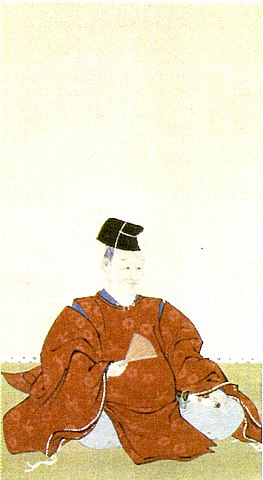
The portrait of Naganao Asano, owned by Kagakuji Temple (licensed under Public Domain via Wikimedia Commons)
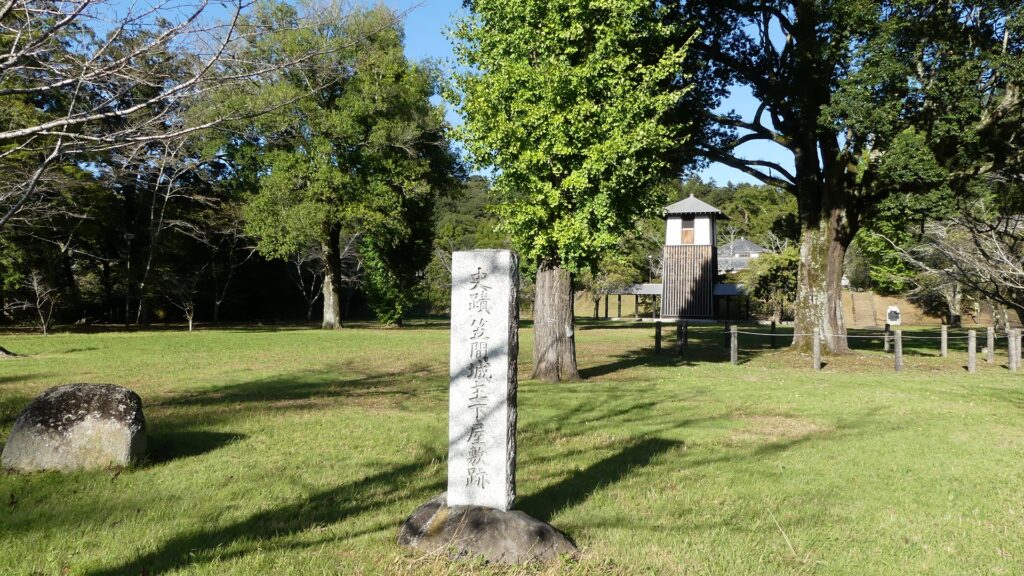
The ruins of the suburban residences
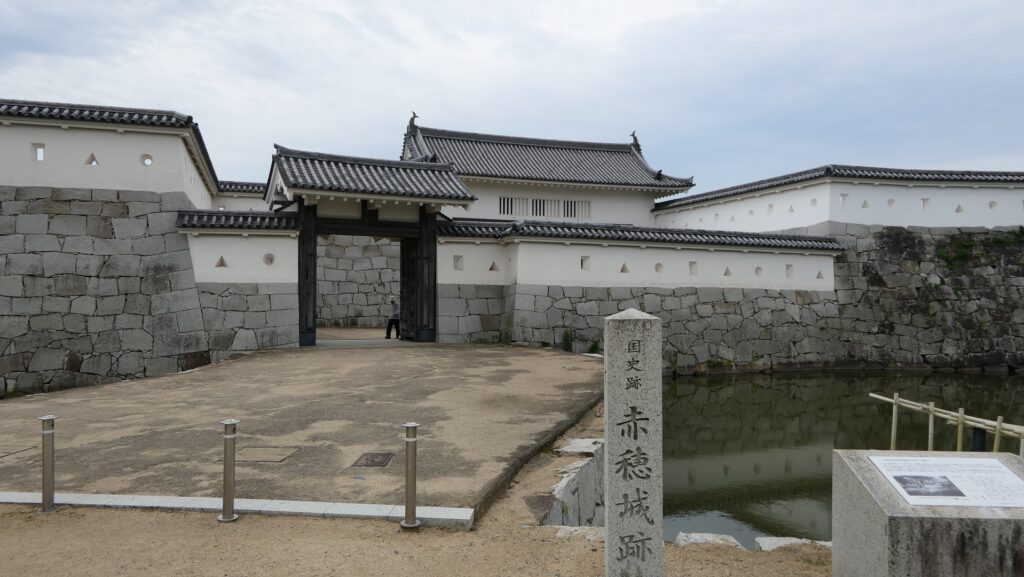
The ruins of Ako Castle

The last clan to rule the Kasama Domain was the Makino Clan between 1747 and 1871, the longest and most stable period among the others. The Kasama Pottery started to be made and developed with the help from the domain during this period. In addition, the Kasama Inari Shrine also became popular during the Edo Period, which was visited by several clans governing the domain.
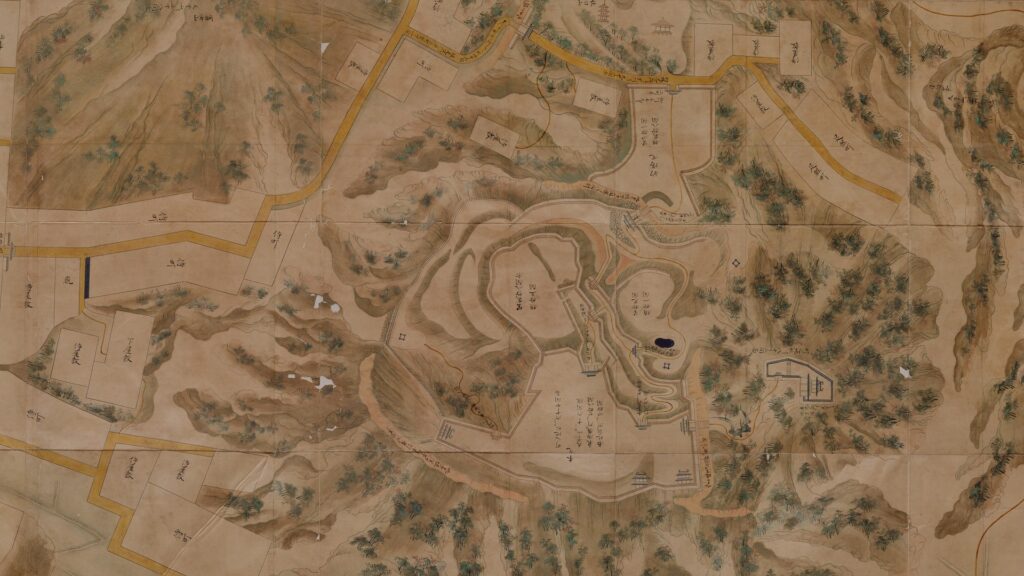
Part of the Illustration of Kasama Castle in Hitachi Province, exhibited by the National Archives of Japan
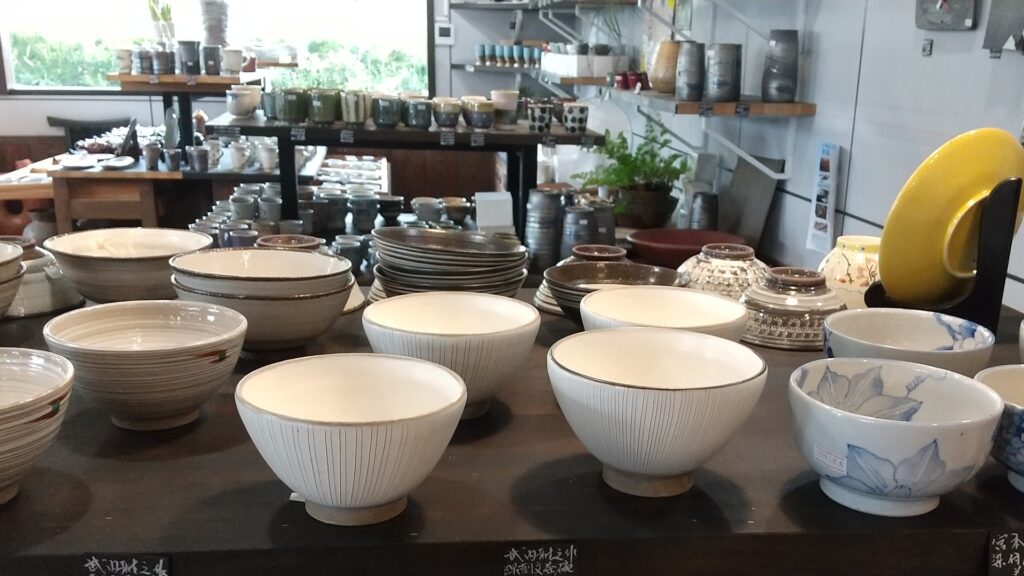
Kasama Potteries in the Kasama Pottery Cooperative Selling Center
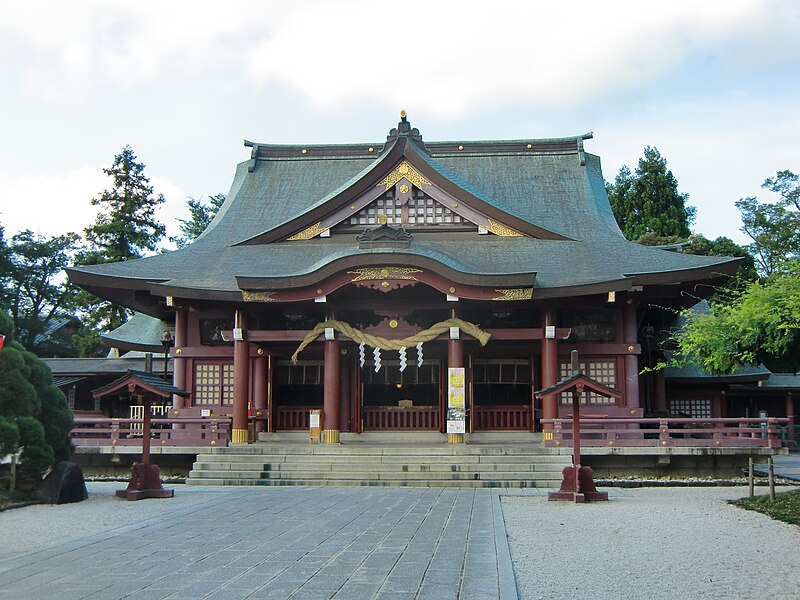
The Worship Hall of Kasama Inari Shrine  (licensed by On-chan via Wikimedia Commons)

To be continued in “Kasama Castle Part2”

112.笠間城 その1

笠間市は、関東地方の北東部、茨城県の中央部に位置する地方都市です。この市は、笠間稲荷神社や笠間焼があることで知られていますが、これらが有名になる以前から笠間城によって栄えていた地域でした。

立地と歴史

謎多き武将、笠間時朝が築城

笠間市は、関東地方の北東部、茨城県の中央部に位置する地方都市です。この市は、笠間稲荷神社や笠間焼があることで知られていますが、これらが有名になる以前から笠間城によって栄えていた地域でした。

笠間市の範囲と城の位置

この城が最初はいつ誰によって築かれたのかは定かではありません。それに関して唯一残っている記録は、後の江戸時代に書かれた「笠間城紀」です。この書物によると、この城は関東地方の有力氏族、宇都宮氏の親族である笠間時朝(かさまときとも)によって鎌倉時代の1219年に築かれました。笠間城が築かれることになる佐白山(さしろやま)には、当初正福寺(しょうふくじ)がありました。この寺はこの山に「笠間百坊」と言われた伽藍を築くほど栄えていて、寺を守るために多くの僧兵も抱えていました。そうするうちに、徳蔵寺(とくぞうじ)という別の有力な寺と争いになり、劣勢に立たされました。そこで、正福寺側は宇都宮氏に助けを求めたのです。時朝がそのとき派遣され、徳蔵寺側を打ち破りました。ところが彼は、山から正福寺までも追い出し、笠間城を築いたというのです。

笠間つつじ公園から見た佐白山
山麓にある現在の正福寺
笠間百坊跡の標柱

しかし歴史家が他の断片的な記録を集めて検証したところ、時朝はそんなに過激な行動には出ていないのではないかということです。彼は単なる武士であっただけでなく、他の武士が滅多になれない中級貴族の位(従五位上)も持っていました。加えてかなりの教養人であり、歌人としても有名でした。そして、いくつもの仏像や経典を作って寺に寄進しています。これは、相当裕福で且つ宗教心がなければできないことです。総じて言うと、時朝は記録に残るよりもっと穏やかなやり方で城を築き、統治したのかもしれないのです。その結果、笠間氏は戦国時代までの300年以上もの間、城と周辺の地域を治めていました。そのときの城は、単純な山城で、土造りであったと考えられています。

時朝が地元の石寺に寄進した弥勒如来立像、笠間市ホームページより引用
時朝が仏像を寄進した京都の蓮華王院(三十三間堂) (licensed by Akonnchiroll via Wikimedia Commons)

蒲生郷成が城を大改修

そうした状況は、16世紀終わり頃の豊臣秀吉による天下統一のときに変わりました。笠間氏の勢力が衰え、宇都宮氏もまた、秀吉によって改易となってしまいます。笠間城は1598年に、蒲生氏の重臣である蒲生郷成(がもうさとなり)に引き継がれました。蒲生氏は、秀吉に長い間仕え、日本でも有数の大名となっていました。蒲生氏はまた、松坂城若松城などの城を築いたり、改修したりしていました。その際には、高石垣や天守など最新のアイテムを使っていました。当時の当主、蒲生秀行(ひでゆき)は宇都宮城を居城とし、笠間城は支城の一つという位置づけでした。郷成は、蒲生氏が使ってきた技術とリソースを用いて笠間城を改修しました。天守曲輪と呼ばれた、三段の石垣を伴う山頂部分には天守が築かれました。本丸と二の丸は山頂下に作られ、大手門からこれらの曲輪を経由し山頂に至る通路も整備されました。石垣はこの通路沿いにも築かれ、それぞれの門や曲輪は食い違いの虎口か、四角い防御空間を持つ桝形によって防御されていました。城主は、本丸にある御殿に住み、本丸にはいくつもの櫓も建てられました。

松坂城跡
若松城
笠間城の模型、かさま歴史交流館井筒屋にて展示

郷成は、日本中の大名が東軍と西軍に分かれて戦った1600年の天下分け目の戦いのときに、笠間城を更に改修しました。彼は東軍に加わったのですが、笠間城の東隣の水戸城にいた佐竹氏は西軍に属していました。そのため、郷成は佐竹氏からの侵攻を防ぐ必要があったのです。この状況下で郷成は、佐白山の周辺の3つの丘陵に堡塁を築き、更には城とそれらの堡塁全体を囲む深い空堀を築いたと考えられています。結果的には、後に徳川幕府となる東軍が勝利したため、笠間城には何事も起こりませんでした。

水戸城跡
上記模型にも全体を囲む空堀が表現されています
現地に残る空堀

浅野氏、牧野氏などが城を継承

幕府は1601年に、蒲生氏を他所に移しますが、それ以来、笠間城とその周辺地域は笠間藩となりました。しかし、その笠間藩主の家は8回も変わりました。城にとって重要な出来事が、1622年から1645年までの浅野氏が統治した期間に起こりました。浅野家の2代目当主、浅野長直(あさのながなお)が統治の利便を図るため山麓部分に下屋敷、その実態は新しい御殿を建設したのです。そのことに関するエピソードとして、この屋敷は広大で土塀が備わる土塁によって囲まれていました。そのことが幕府が禁じていた新城の建設のように見えたのです。幕府がそのことを聞きつけ調査に乗り出す前に、長直は城には見えないよう、土塀を生垣に取り換えさせたとのことです。彼は1645年に赤穂城に転封となりますが、そこでも城の大改修を行いました。城の建設が好きだったようです。その孫が、日本の歴史の中でも最も著名な出来事の一つ、赤穂事件を引き起こした浅野長矩(ながのり)です。

浅野長直肖像画、花岳寺蔵 (licensed under Public Domain via Wikimedia Commons)
長直が築いた下屋敷跡
赤穂城跡

笠間藩を最後に統治したのは牧野氏で、1747年から1871年までの歴代の中では最も長く、最も安定した時代でした。笠間焼の産業は、この期間に藩の保護を受けて始まり、発展しました。更には、笠間稲荷神社も江戸時代に人気を博し、藩主が何度もここを参詣しました。

常陸国笠間之城絵図部分(正保城絵図の一つ)、出典:国立公文書館
笠間焼(笠間焼窯元共販センター内)
笠間稲荷神社拝殿 (licensed by On-chan via Wikimedia Commons)

「笠間城その2」に続きます。

18.Hachigata Castle Part3

I climbed Kuruma-yama Mountain to its top to confirm that the idea of the attackers firing upon the castle in the battle in 1590 would was realistic.

Features

Well-Restored Dry Moats

Zigzagged large dry moats with wooden fences between the Third and Second Enclosures, which allowed the defenders to attack enemies’ sides, have also been restored. Only two routes were available between them – the one via the Main Route and the other via the well restored Umadashi system. Also, if you compare the two enclosures, you will find the Third is higher than the Second. In other castles, the Second (which is closer to the Main Enclosure) is usually higher than the Third. However, in the case of Hachigata Castle, it is the other way around. In addition, the Third Enclosure had strong defense systems with four Umadashi which are originally designed by the Hojo Clan. That’s why author, Jun Ito says the Hojo Clan might have moved the center of the castle from the Main Enclosure to the Third in the final stages of the castle.

The aerial photo around the castle. the red markers indicates the four Umadashi systems

The dry moats between the Third and Second Enclosures
The Umadashi system connecting the Third and Second Enclosures
The Third Enclosure is higher than the Second one
The Second Enclosure

Panorama of Main Enclosure

A paved car road goes between the Second and Main Enclosures, so it may be difficult to imagine what it used to look like. According to information at the Hachigata Castle History Museum, there used to be a large gate to the Main Enclosure and a wooden bridge over the deep dry moat in front of the gate.

The map around the castle

The paved car road between the Second and Main Enclosures
The part of the entrance to the Main Enclosure in the diorama

The enclosure has the other peak of the castle, standing beside a 30m tall cliff. no castle buildings remain, and it is purely made of soil, but the ground is still leveled so you can imagine the Main Hall for the lord as it was in the past. You can enjoy a great view of the Arakawa River and the surrounding area from the peak. You can also understand how the castle was naturally protected.

The Main Enclosure
The ruins of buildings on the enclosure
A view from the enclosure

You will finally reach the Sasa Enclosure, near the tip, which is lower than the Main Enclosure. It is another entrance to the castle ruins, beside Shoki-bashi Bridge.

The Sasa Enclosure
The Shoki-bashi Bridge beside the castle ruins

The tip area is a private area where visitors can’t enter, so you can only see this area from the opposite side of the river. If you cross to the opposite, you should check out another great view of the castle ruins on the cliff from the Tamayodo riverbed beside the bridge.

The tip area seen from the opposite side
The castle ruins seen from the Tamayodo riverbed

Later History

At the beginning of the Showa era (around 1930), the JR Hachiko line was planned to be constructed through the ruins. Locals argued the plan needed to be changed and asked the government to preserve the ruins. They were successful and the ruins was designated as a National Historic Site in 1932. Yorii Town excavated and researched the Second, Third and Sasa Enclosures between 1997 and 2001. Based on these achievements, the town developed the Hachigata Castle Park and restored some structures of the castle. It also opened the Hachigata Castle History Museum in 2004 to display and educate people about the history of the castle and the studies into it.

The Hachigata Castle History Museum

My Impression

I climbed Kuruma-yama Mountain to its top to confirm that the idea of the attackers firing upon the castle in the battle in 1590 would was realistic. It is widely accepted that General, Tadakatsu Honda brought large guns, fired upon the castle, and broke the Main Gate. The mountain is 227m above sea level and about 100m above the castle, which is about 1km away (the Third Enclosure). A view of the castle ruins from above was actually not good because of the trees surrounding. My conclusion is that not all of the wildly accepted lore is correct. I think the firing itself is the fact, because a large gun shell of several cm in diameter was excavated from the Outer Enclosure of the castle. However, I don’t think shooting from the mountain would have been useful. In the winter campaign of the siege of Osaka in 1614, Ieyasu Tokugawa borrowed the large Western guns and fired upon Osaka Castle from his stronghold on a river delta , about 500m away the castle. Considering this case, shooting at the castle using (probably) Japanese guns 24 years previously, from more than 500m away, even from a mountain could not be done. My speculation is that Tadakatsu put his stronghold on the mountain but fired upon the castle from a place much closer to it than the mountain.

The Kurumayama Mountain seen from around the southern entrance of the ruins
The top of the mountain
I could just see part of the Main Enclosure from the top due to the trees surrounding
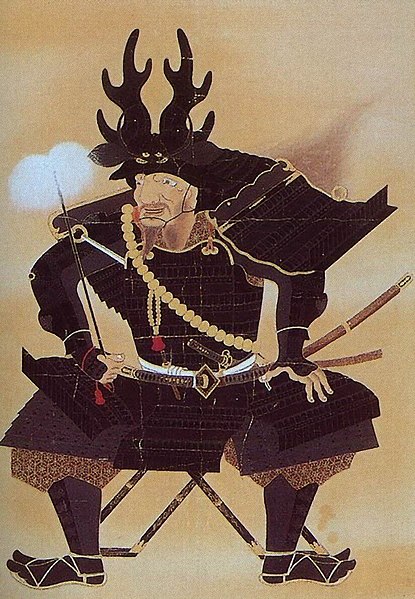
The portrait of Tadakatsu Honda, owned by Ryogenji Temple (licensed under Public Domain via Wikimedia Commons)

The relief map around Hachigata Castle

The relief map around Osaka Castle, using the same reduced scale as above

How to get There

I recommend using a car when you visit the castle ruins because there are only a few buses available. It is about a 20-minute drive away from Hanazono IC on the Kanetsu Expressway. There are several parking lots in the park.
If you want to use public transportation, it takes about 30 minutes on foot to get there form Yorii Station.
From Tokyo to Yorii Station.: Take the Tobu-Tojo line from Ikebukuro Station, or take the Joetsu Shinkansen super express from Tokyo Station to Kumagata Station, and transfer to Chichibu Railway.

That’s all. Thank you.
Back to “Hachigata Castle Part1”
Back to “Hachigata Castle Part2”

error: Content is protected !!