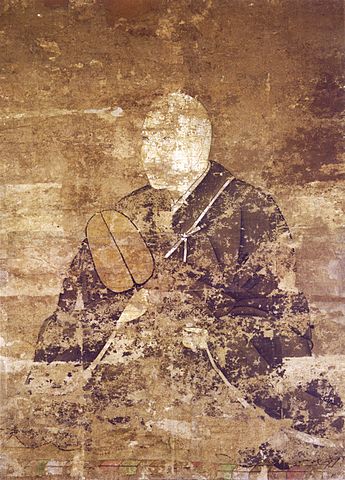
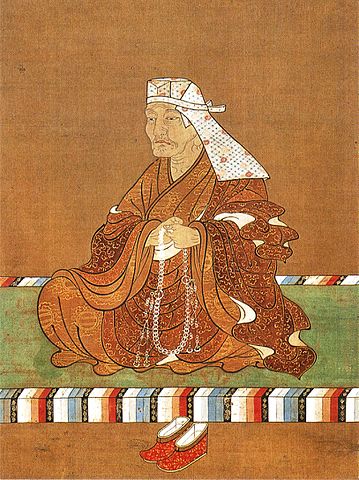
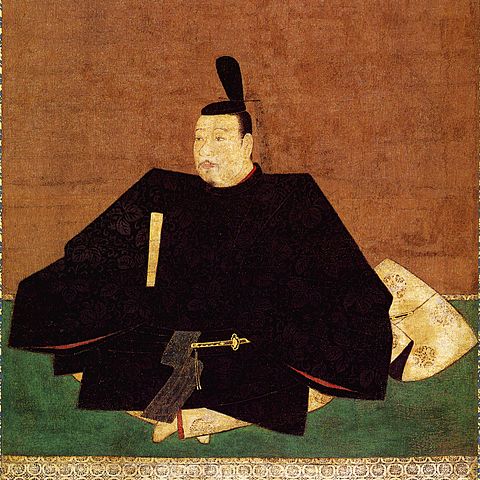
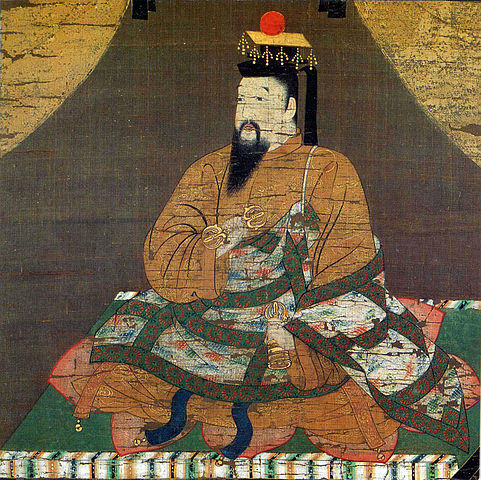
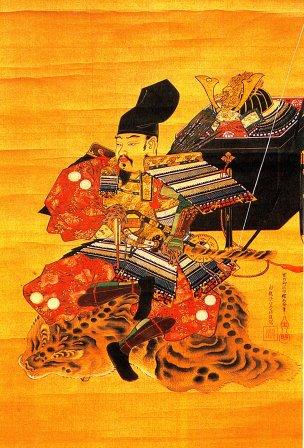
足利尊氏肖像画、浄土寺蔵 (licensed under Public Domain via Wikimedia Commons)後醍醐天皇肖像画、清浄光寺蔵 (licensed under Public Domain via Wikimedia Commons)新田義貞肖像画、藤島神社蔵 (licensed under Public Domain via Wikimedia Commons)
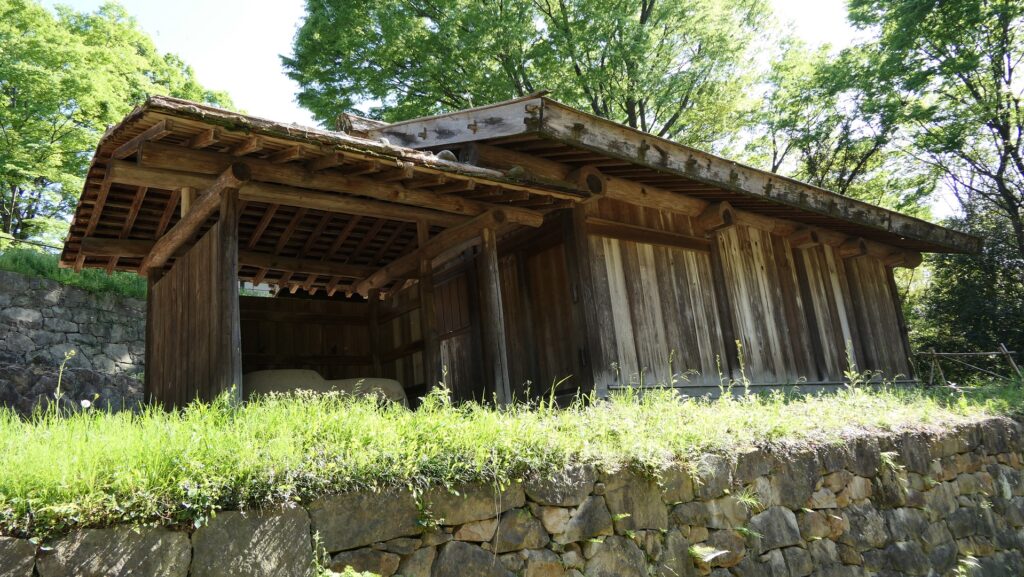
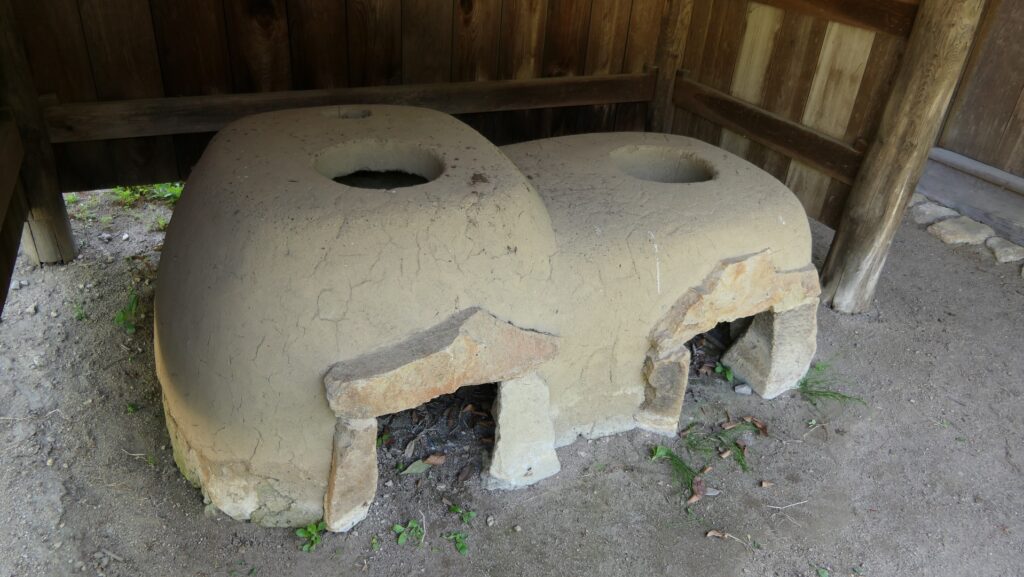
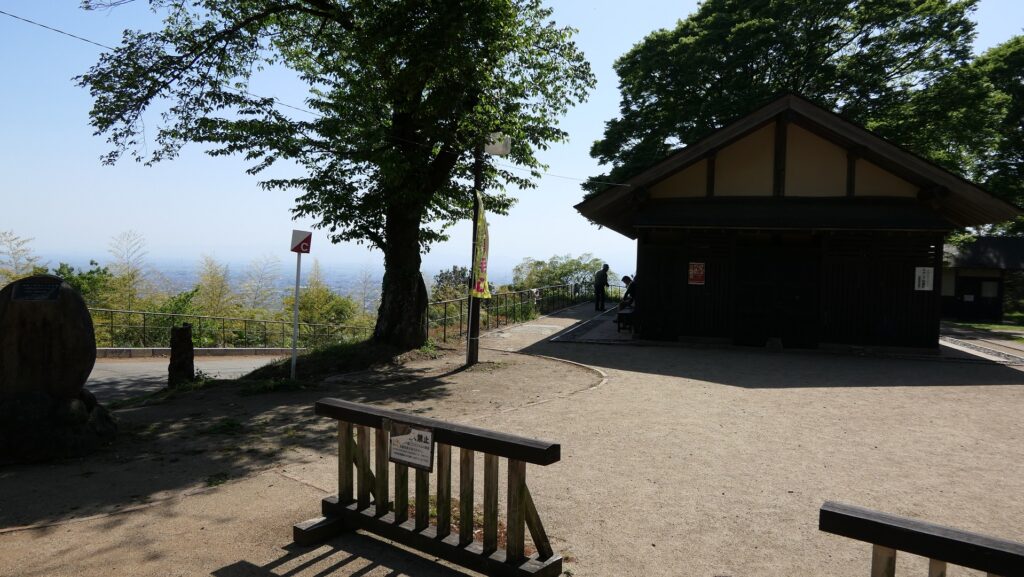
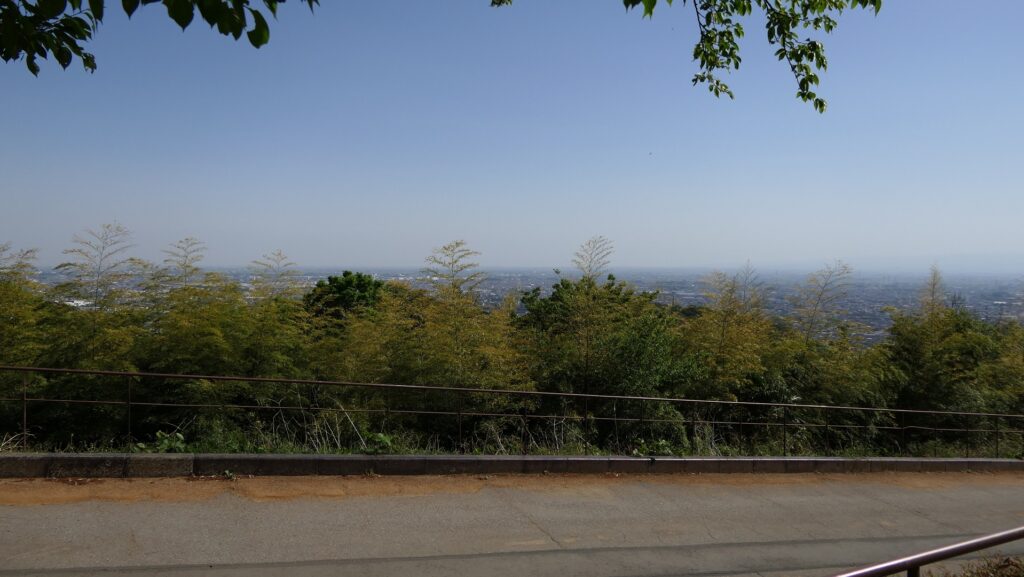
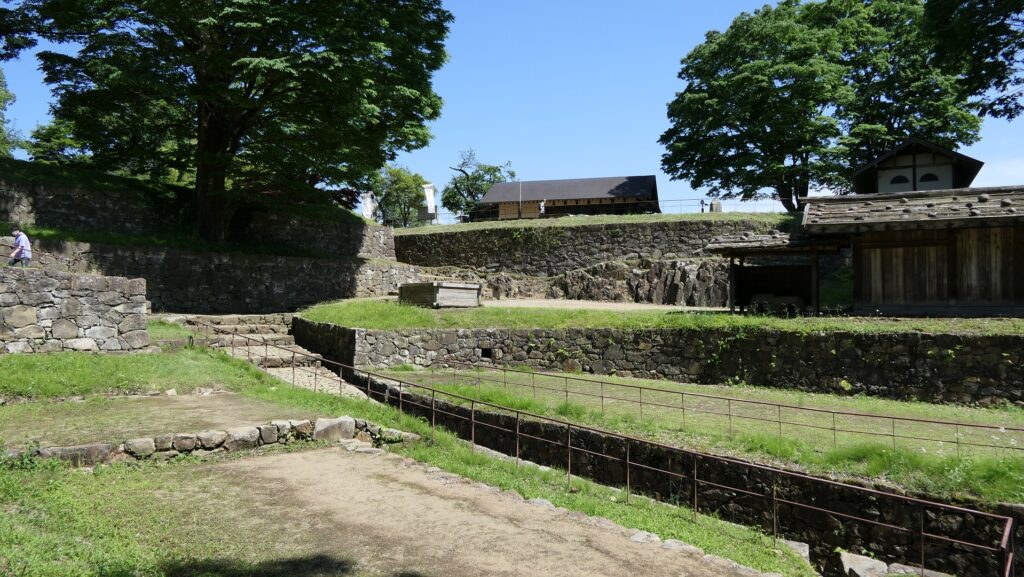
The enclosures on the upper tiers were used as another pivot point as well as a place for living. The team found traces of kitchen stoves and a well, which were restored with a hut on the Southern Upper Tier Enclosure at the same time as the stone walls. The Southern Enclosure on the top of the tiers is used as the rest house, which is another viewing spot.
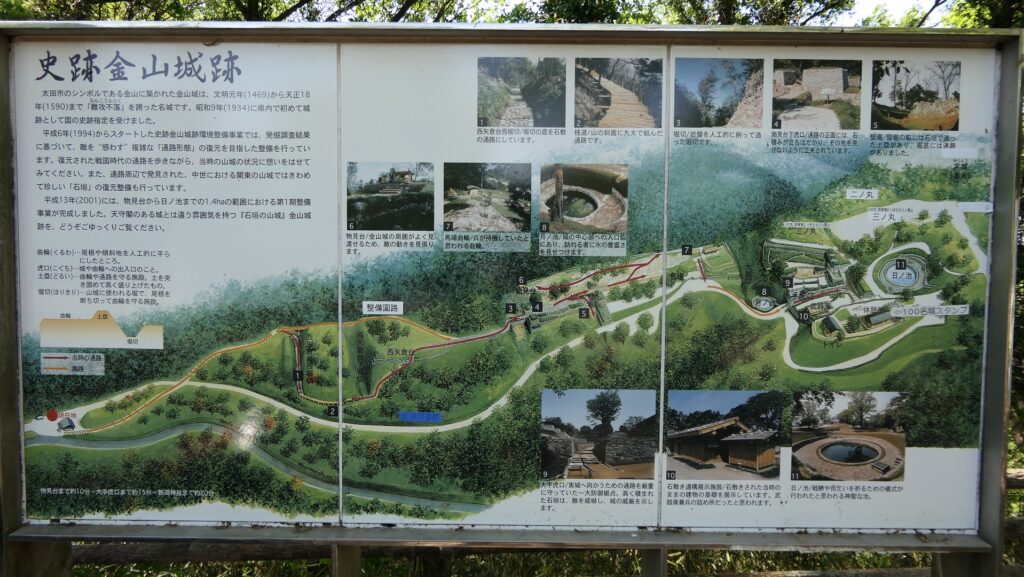
The map of the main portion of the castle
The restored hut on the Southern Upper Tier EnclosureThe restored kitchen stoves in the hutThe Southern Enclosure and the rest house on itA view from the Southern Enclosure
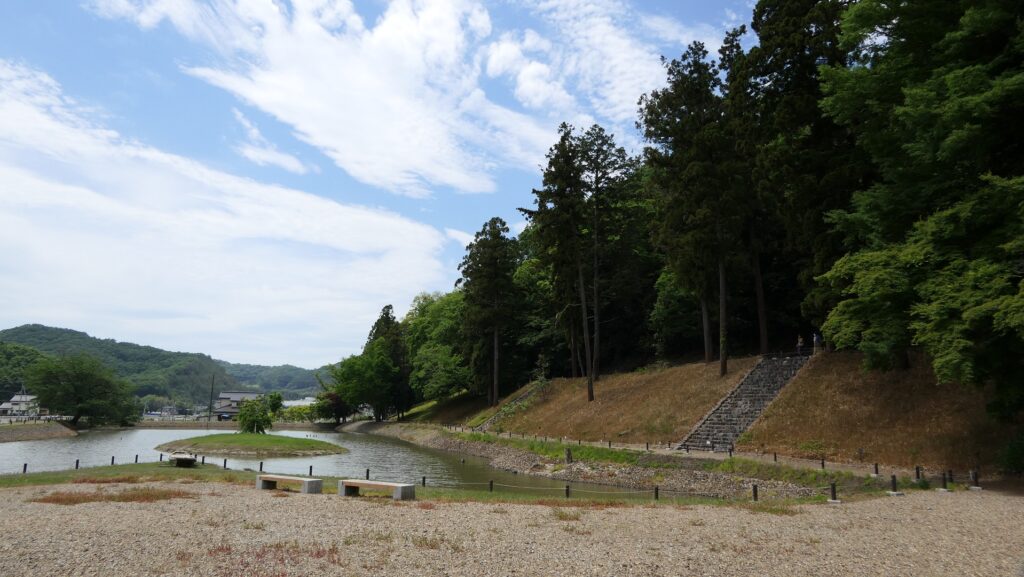
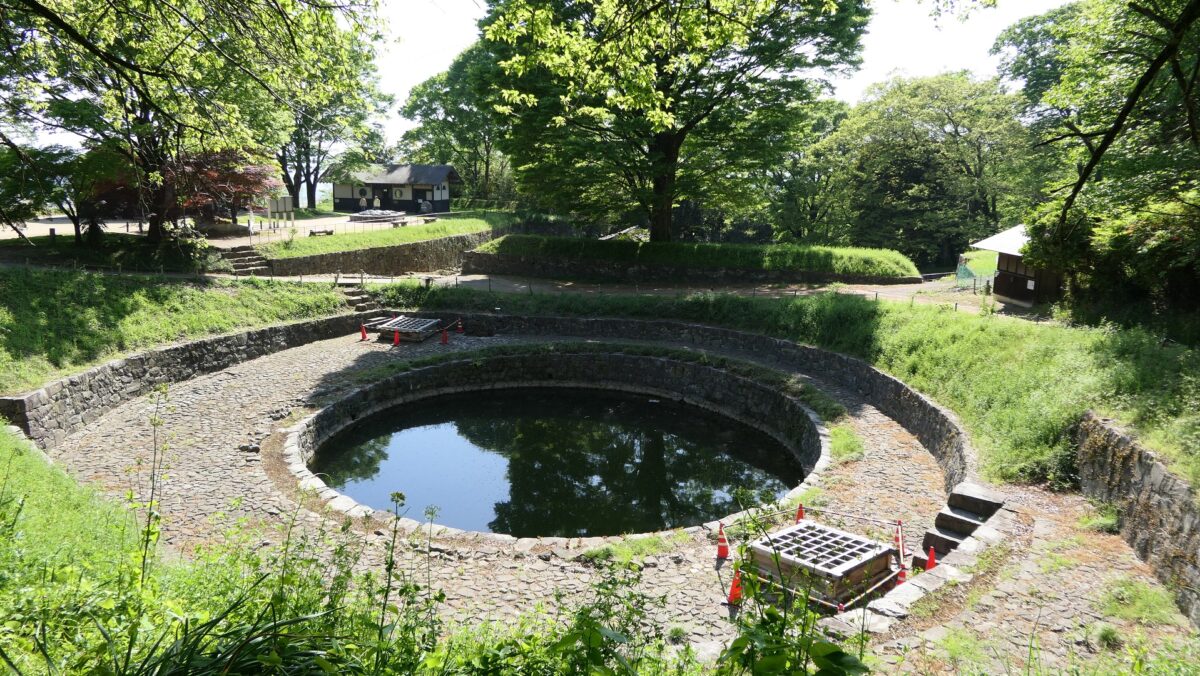
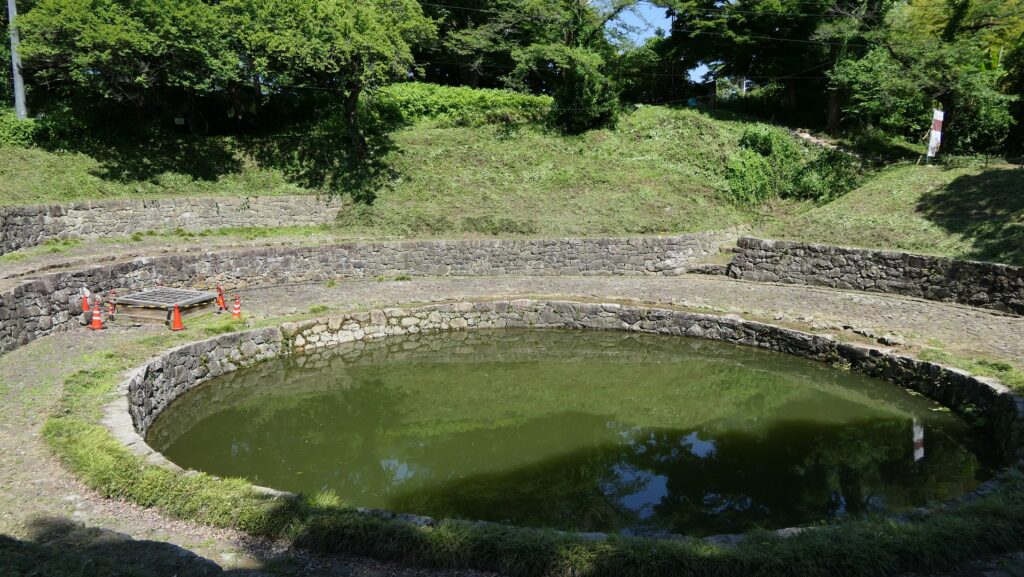
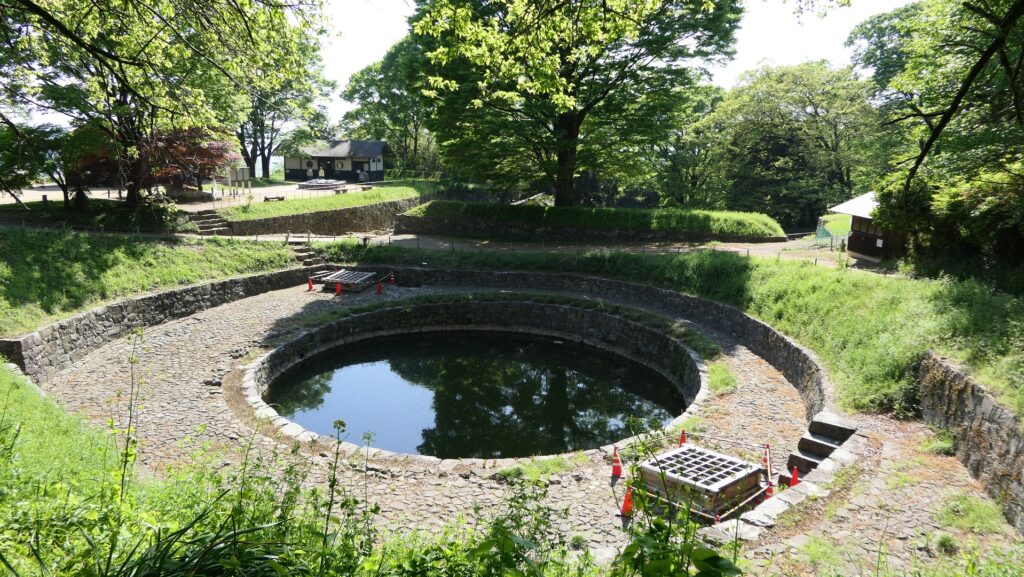
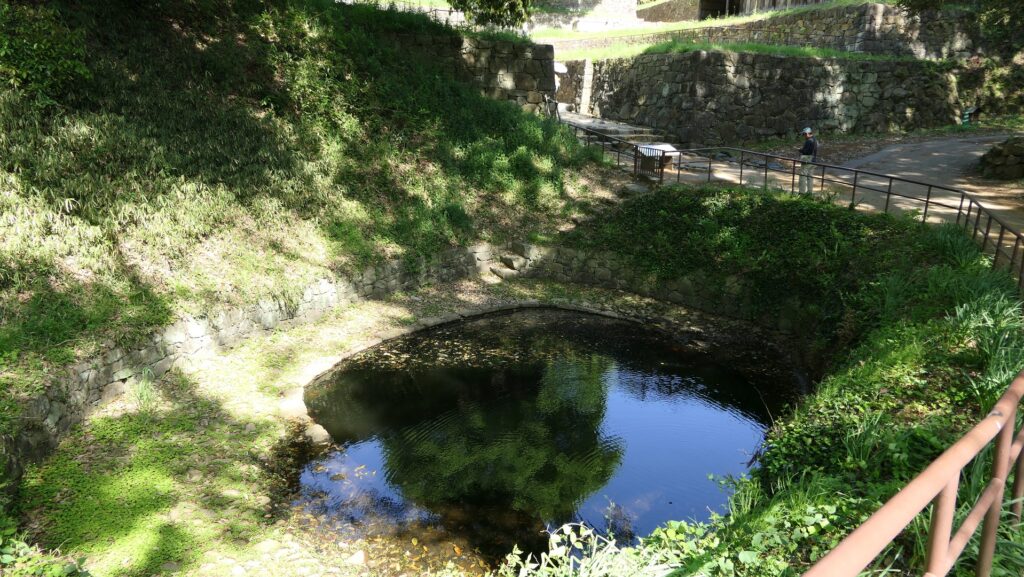
To reach the Main Enclosure on the top of the mountain, you will pass and see a larger pond being covered with stone mounds as well, called Hi-no-ike or the Sun Pond. This is actually not a reservoir but a well, which had been famous as a holy place since the Ancient Times before the castle was built. That’s why people in the castle used it for religious services.
The Sun PondThe Sun Pond viewed from above
Main Enclosure is used as Shrine
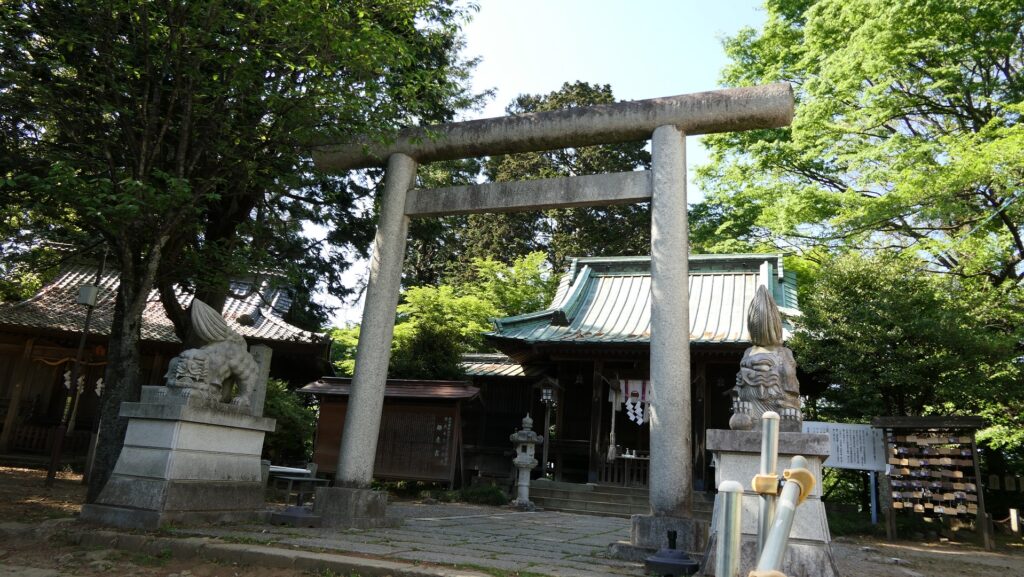
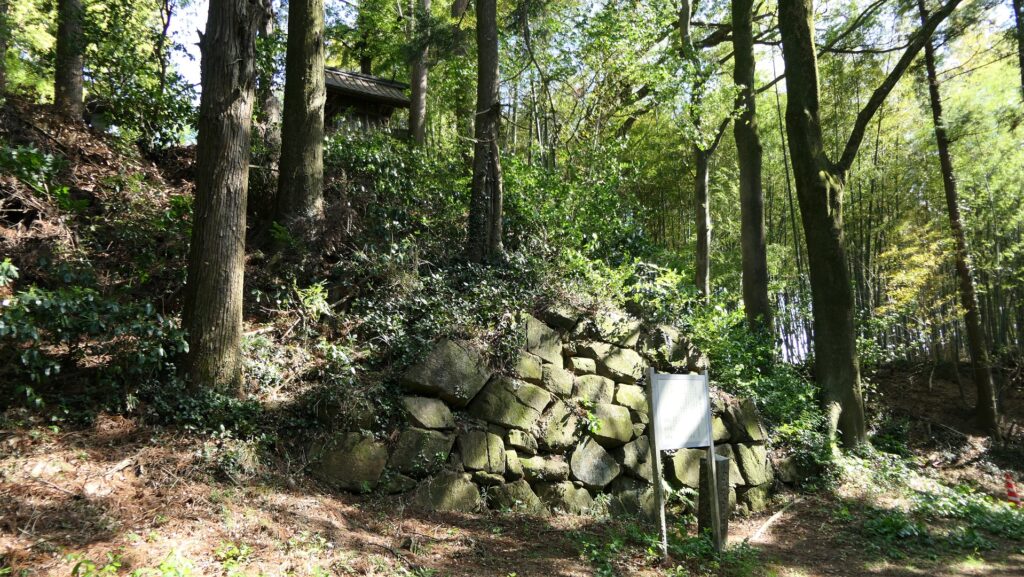
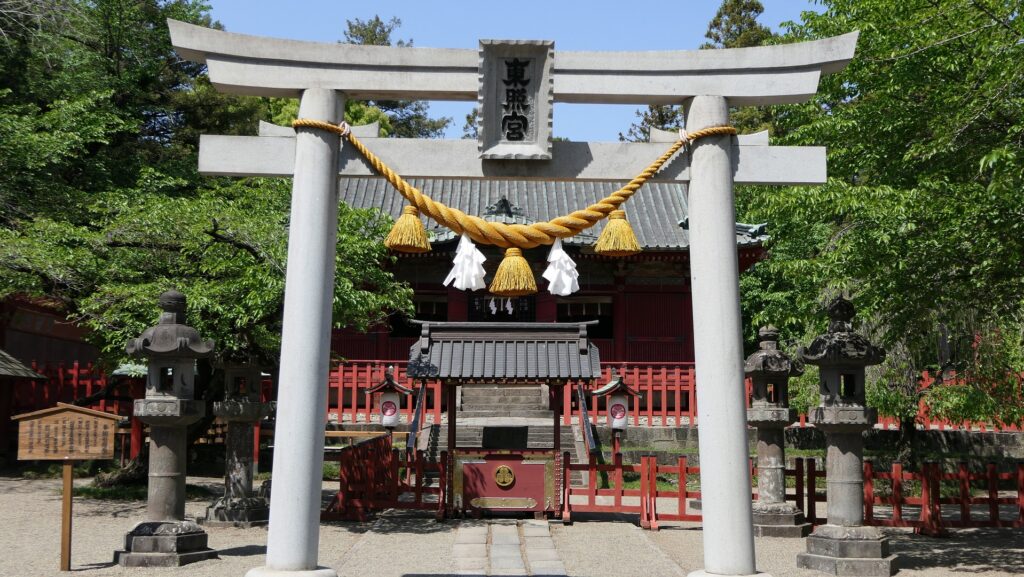
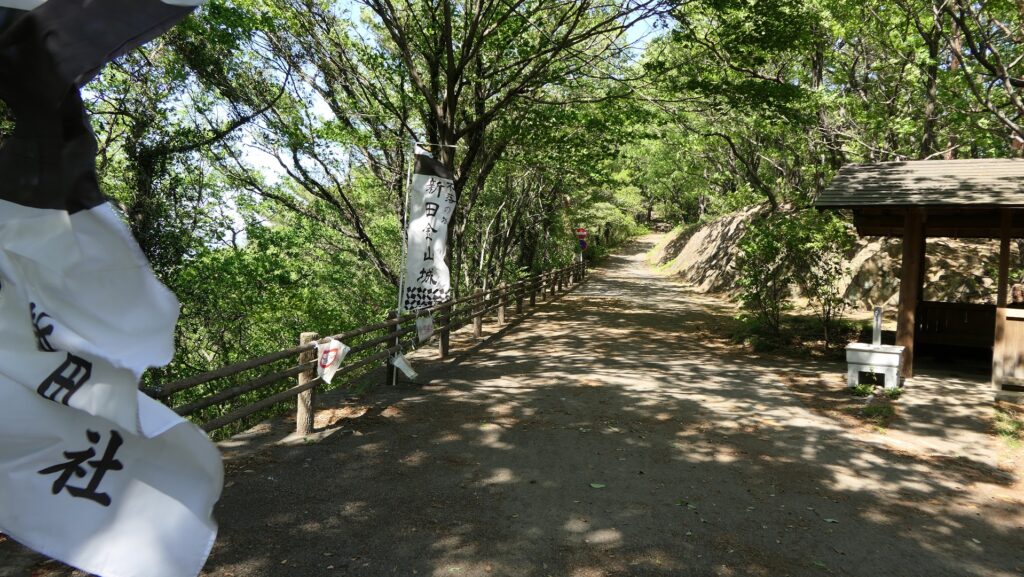
Around the top of the mountain is the Main, Second, Third Enclosures, but you can not access the two of the latter because they are privately owned. You will eventually go to the Main Enclosure on the top, which is now used as Nitta Shrine. As for the castle ruins, you can walk around the enclosure, called Musha-bashiri or the Defense Passage, and see the partially remaining original stone walls which are also uncertain as to who first built them.
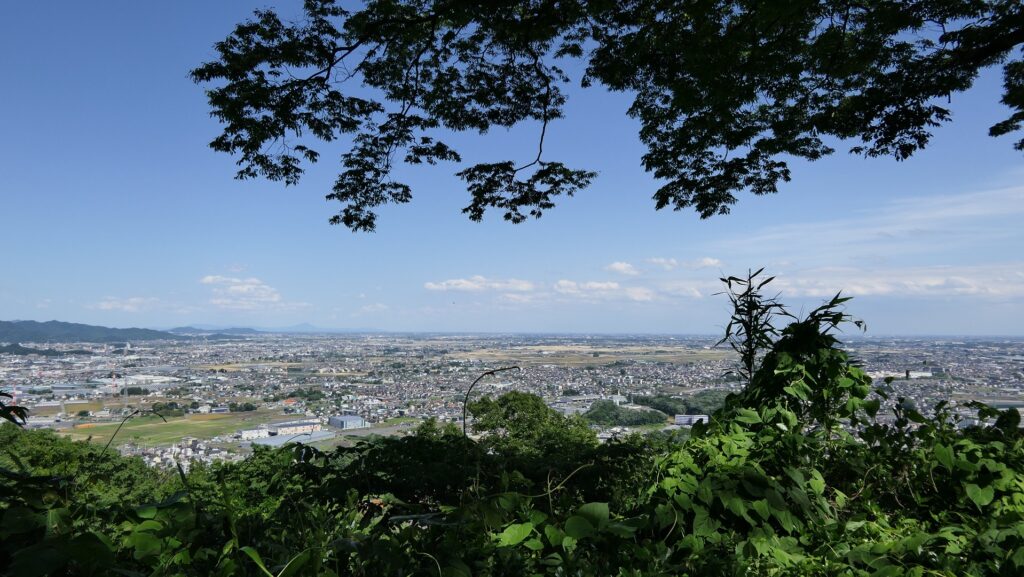
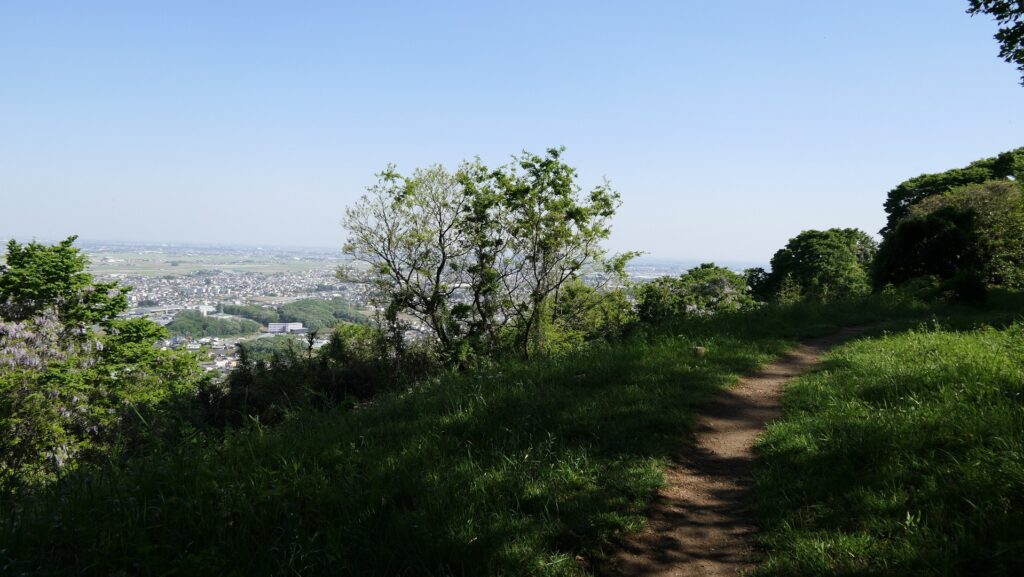
The Second Enclosure is not allowed to enterNitta Shrine in the Main EnclosureA view from the Main EnclosureThe remaining stone walls behind the Main EnclosureThe Defense Passage around the Main Enclosure
Later History
After Kanayama Castle was abandoned, the Tokugawa Shogunate banned people from entering its mountain area to provide Matsutake mushroom to the shoguns during the Edo period. In fact, the Matsutake produced at the mountain was served to the Imperial Families until 1964.
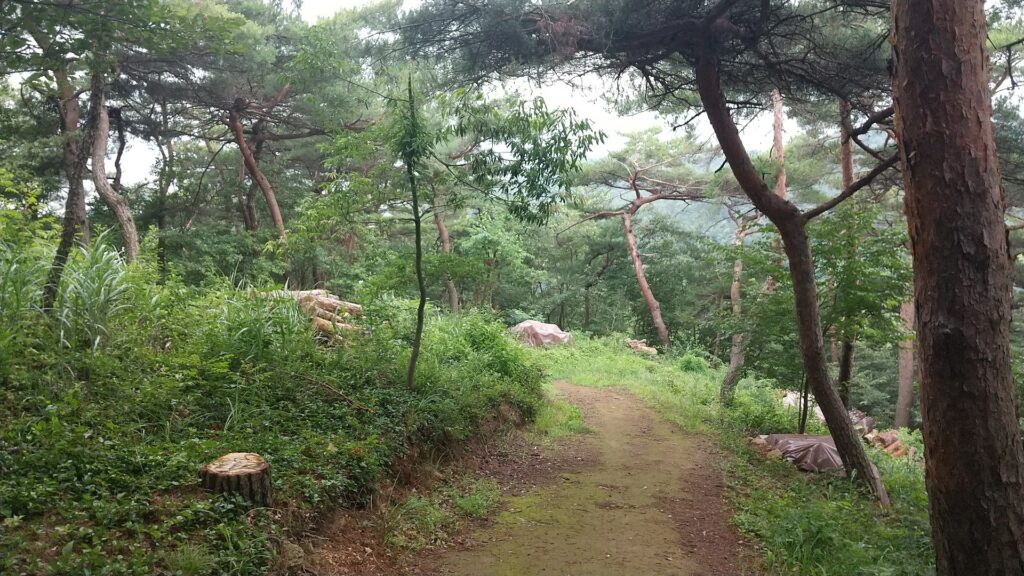
A view of the Eastern hiking course, there are still Japanese red pines that could provide Matsutake mushroom, but they can’t produce it now because of aging
The shogunate also conserved the former area of the Nitta Manor by building religious facilities such as Serada Toshogu Shrine, Kinryuji and Daikoin Temples as they had declared the shoguns were a branch of the Nita Clan, which meant they were descendants of the Minamoto Clan. Even the shogunate needed the authority to govern the whole country. As for castle ruins, Kanayama Castle ruins were designated as a National Historic Site in 1934. Ota City has been excavating and developing them as a historical site since 1995.
When the Yura Clan was banished from Kanayama Castle, only the lord’s mother, Myoinni was against the idea of Hojo Clan keeping the castle. Even after she gave it up, she joined Maeda’s troops to attack the Hojo Clan in 1590 when she was already 77 years old. That caused the Yura Clan to survive while the Hojo Clan to decline in the end. I guess if she and the Yura Clan could still stay in the strong Kanayama Castle even with only a few defenders, there might have been a dramatic event at the castle when Hideyoshi invaded the Kanto Region like Nagachika Narita fought with Mitsunari Ishida at Oshi Castle.
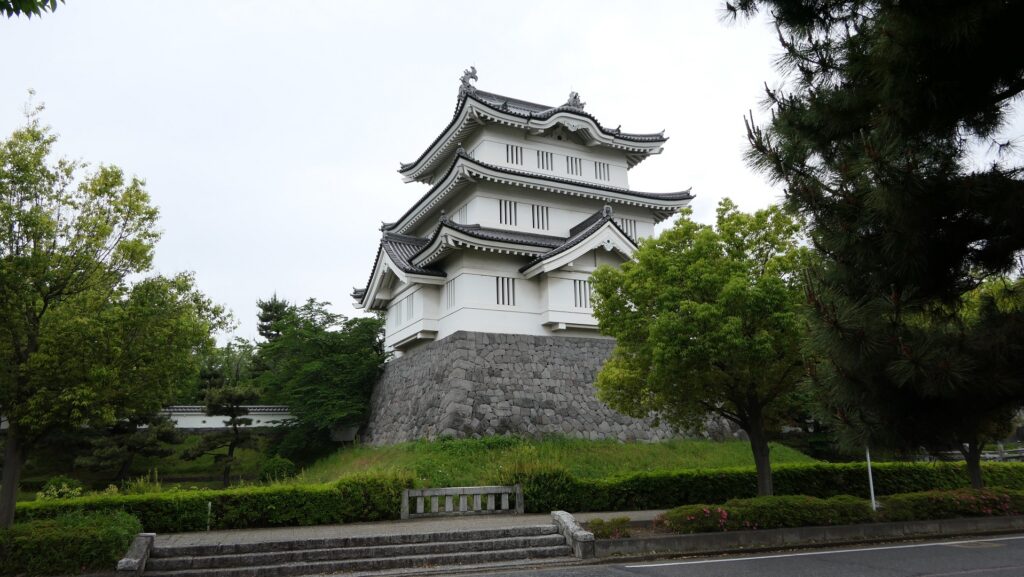
The ruins of Ushiku Castle (licensed by Monado via Wikimedia Commons)The ruins of Oshi Castle
How to get There
I recommend using a car when you visit the castle ruins because there are no buses that go directly to the ruins available. It is about a 10-minute drive away from Ota-Kiryu IC on the Kita-Kanto Expressway. There are several parking lots at the foot, halfway up, and at the top of the mountain. If you want to use public transportation, it takes around 1 hour from Ota Station. It would be better to take a taxi from the station. From Tokyo to Ota Station: Take the JR Ueno-Tokyo Line from Tokyo Station and transfer to the Ryomo limited express on the Tobu Isesaki Line at Kitasenju Station.
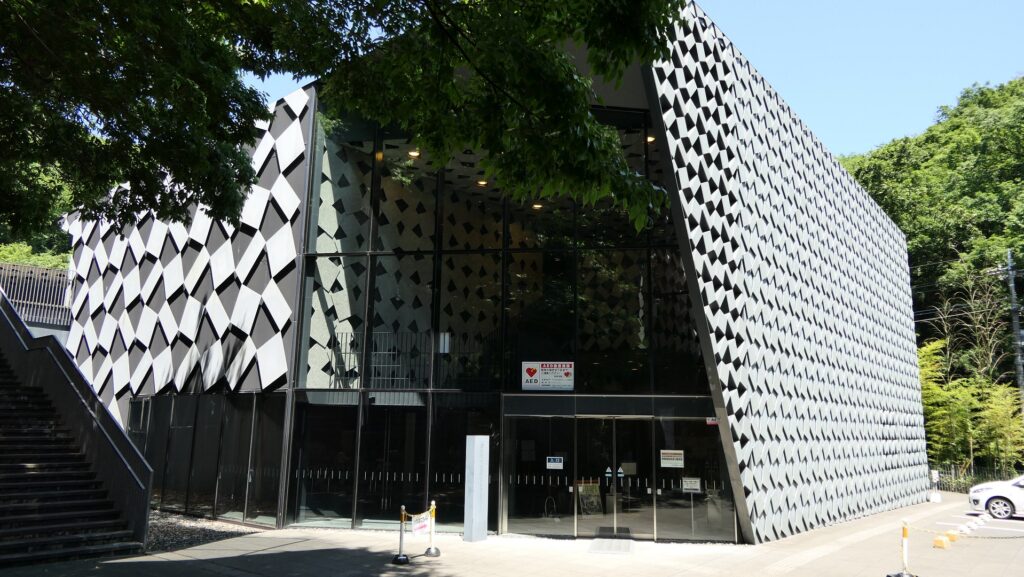
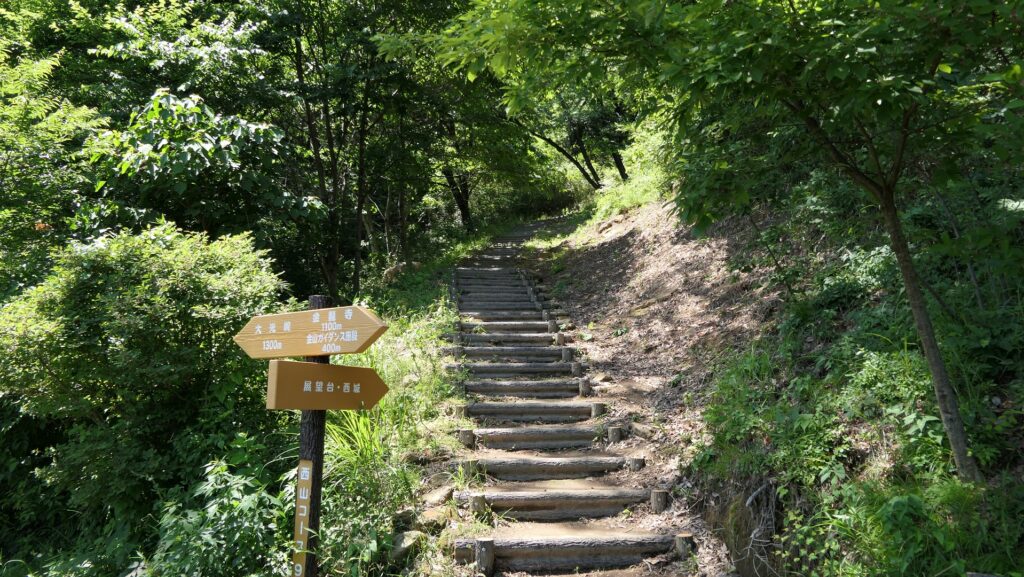
Today, the ruins of Kanayama Castle have been well developed by Ota City. The mountain, where the ruins were located, are covered by several hiking courses including the routes to the ruins, where you can see many people enjoying and relaxing on them. For history fans visiting the ruins, it may be better to climb Nishiyama (the Western Mountain) course from such as Historic Site Kanayama Castle Guidance Facility.
The map around the castle
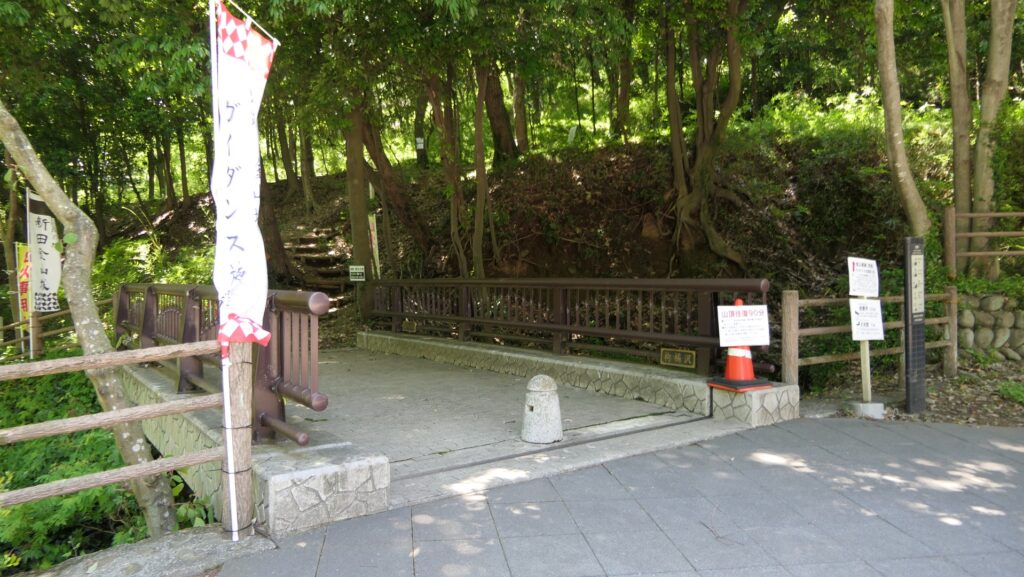
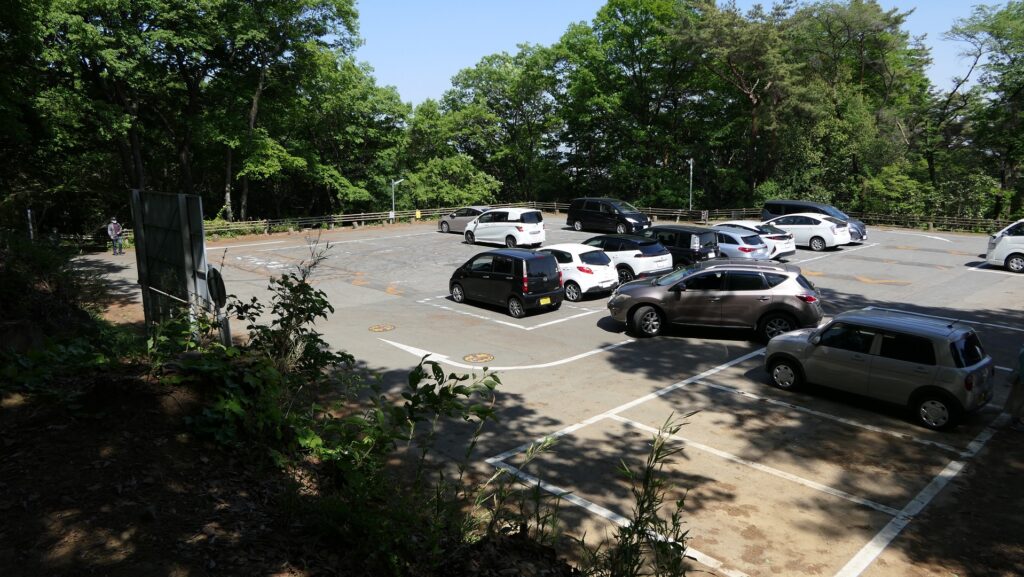
Historic Site Kanayama Castle Guidance FacilityThe entrance to the Western Mountain course from the facilitythe Western Mountain hiking courseArriving at the parking lot on the mountain
Drivers can also go straight to the parking lot on the mountain through the Kanayama Drive Way, about 700m away from the top, around Nishijo or the Western Castle area. The Western Mountain hiking course also meets the area, so a tour to the ruins usually starts there.
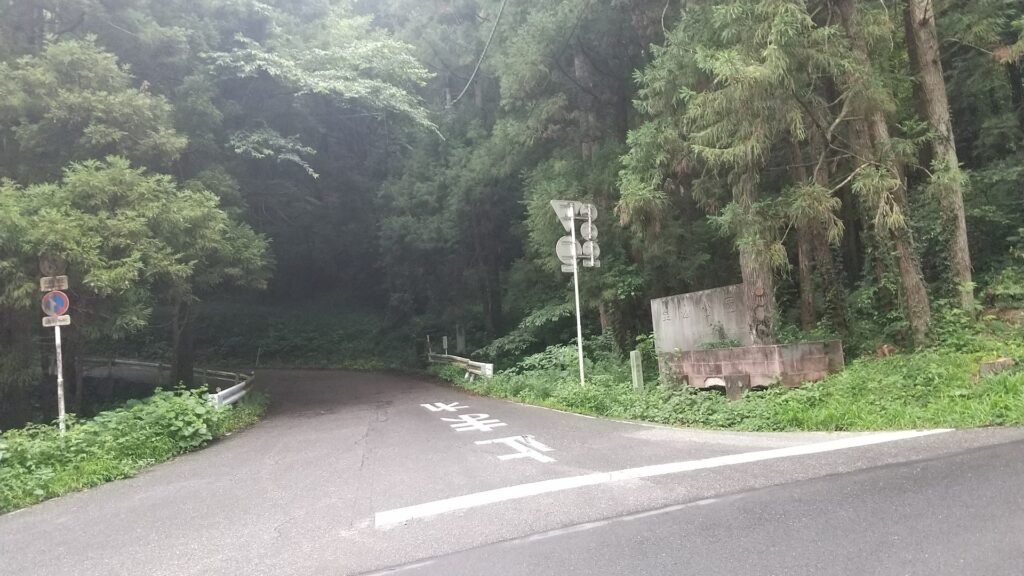
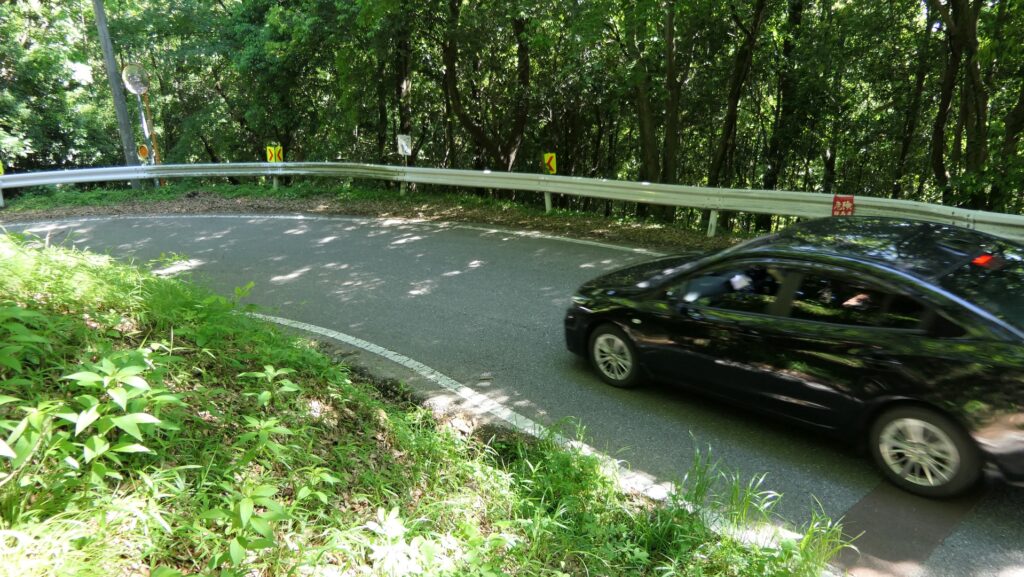
The entrance of the Kanayama Drive WayThe Kanayama Drive WayThe parking lot on the mountainThe entrance ruins of the Western Castle near the parking lot
Defense system to prevent enemies from attacking Castle easily
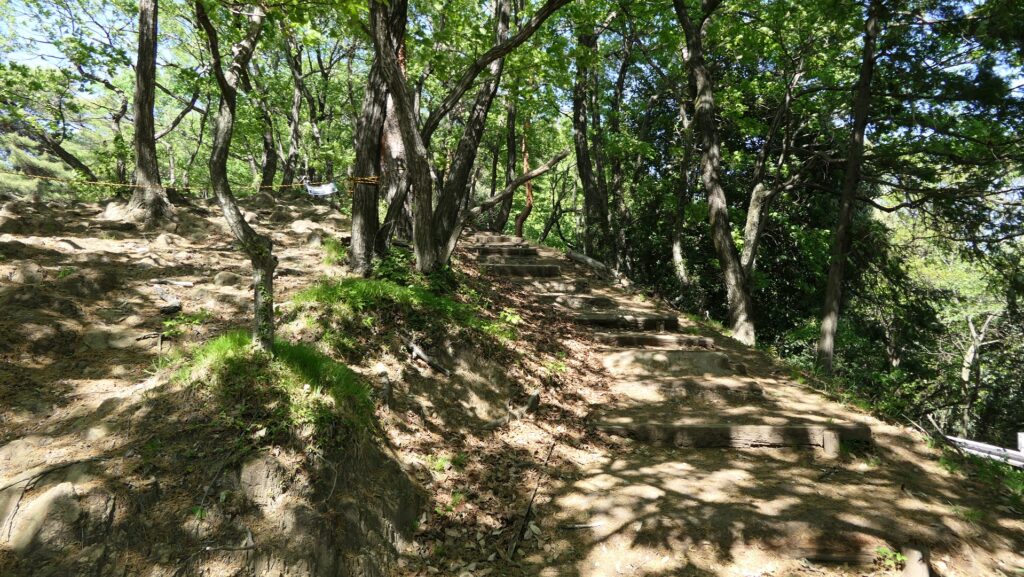
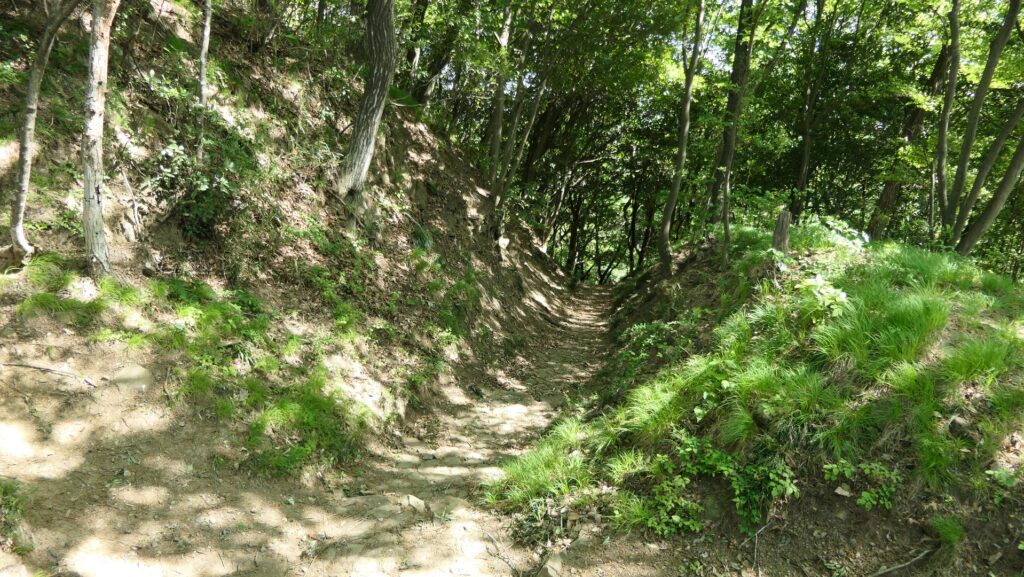
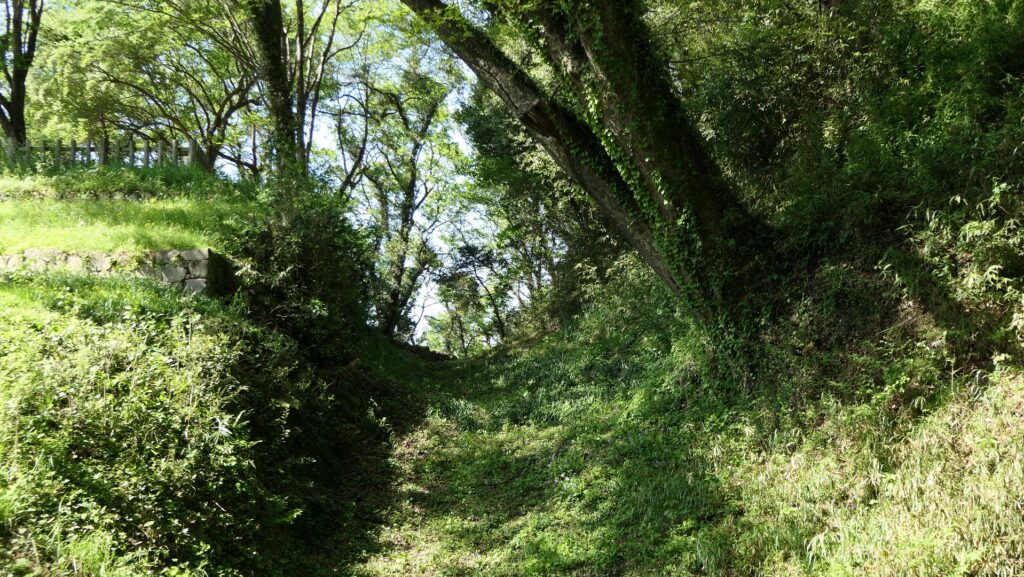
To go to the center of the ruins, you need to go on the original or recently developed route towards the east. You will find several ditches which were built for preventing enemies from attacking the castle easily.
The location map of the castle ruins at the sitea route to the center, developed in the present timeAn original route, but it breaks on the wayOne of the ditches
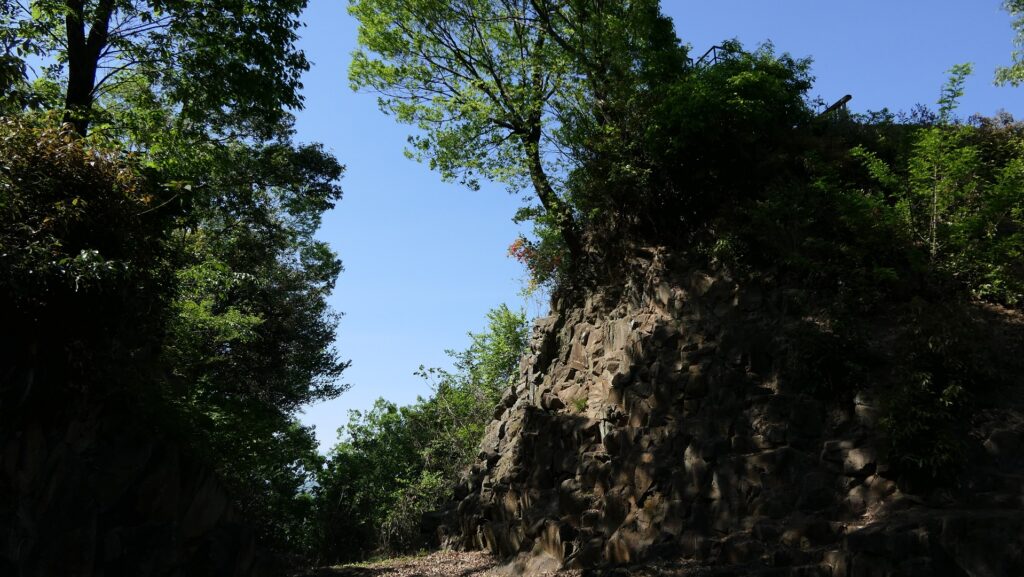
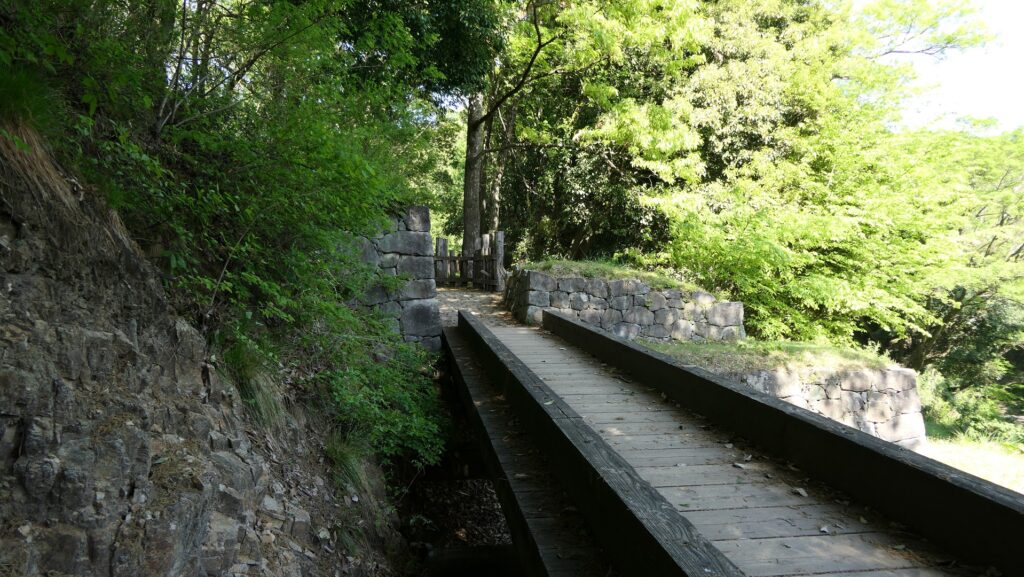
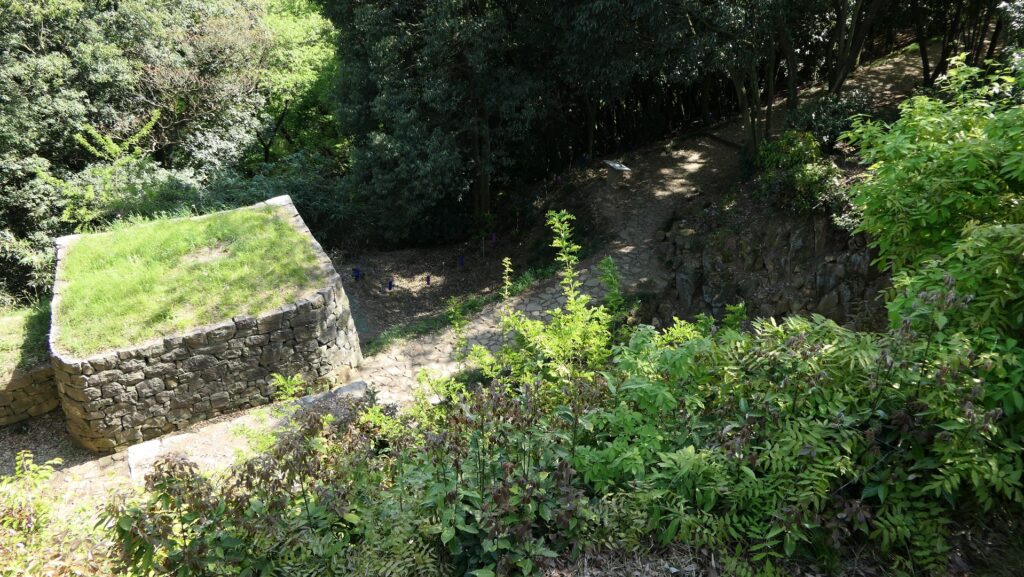
In particular, the one in front of the Lookout Tower was built by digging bedrock deeply, which looks very impressive. In addition, double entrances behind the ditch are surrounded by restored stone walls, and you can enter them after going across the earthen bridge over the ditch.
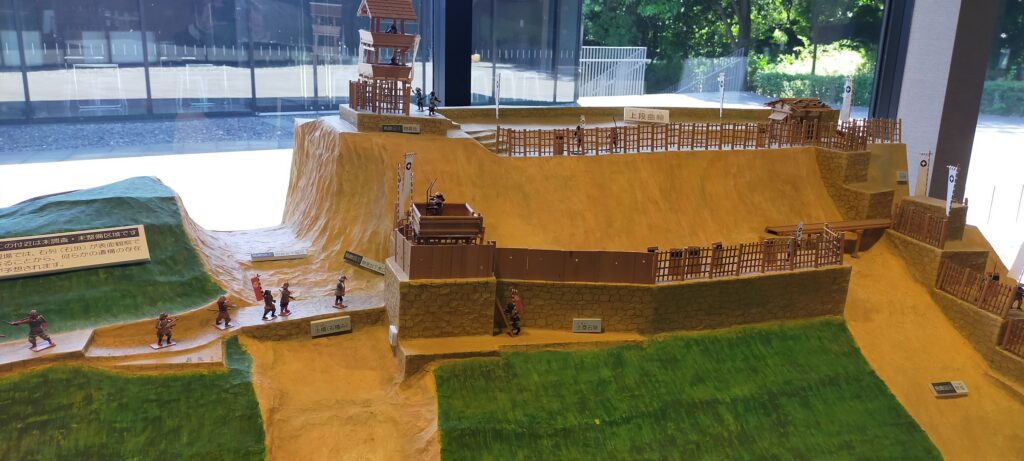
The ditch in front of the Lookout TowerThe first entrance under the towerThe second entranceThe miniature model of around the Lookout Tower, exhibited by Historic Site Kanayama Castle Guidance Facility
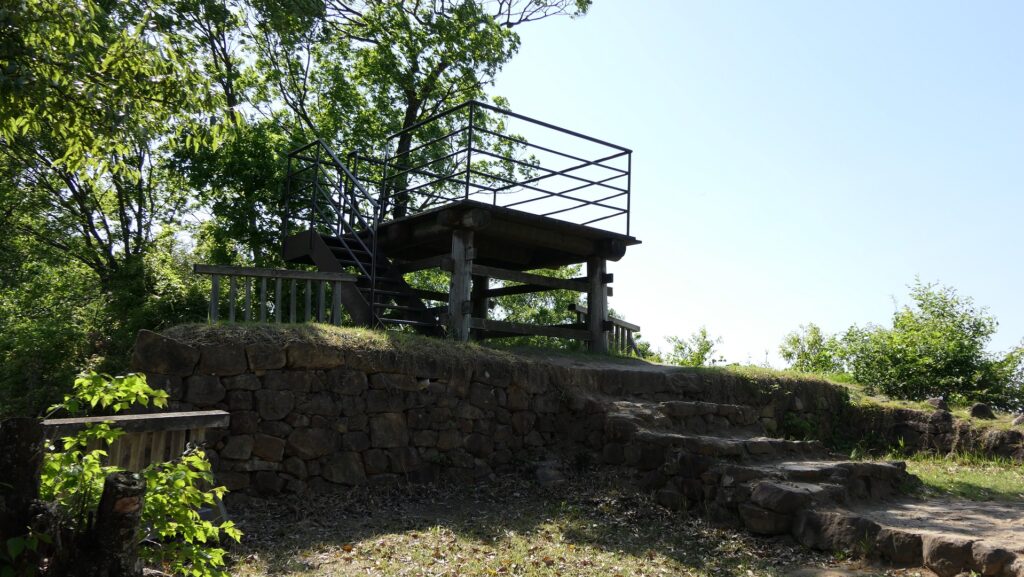
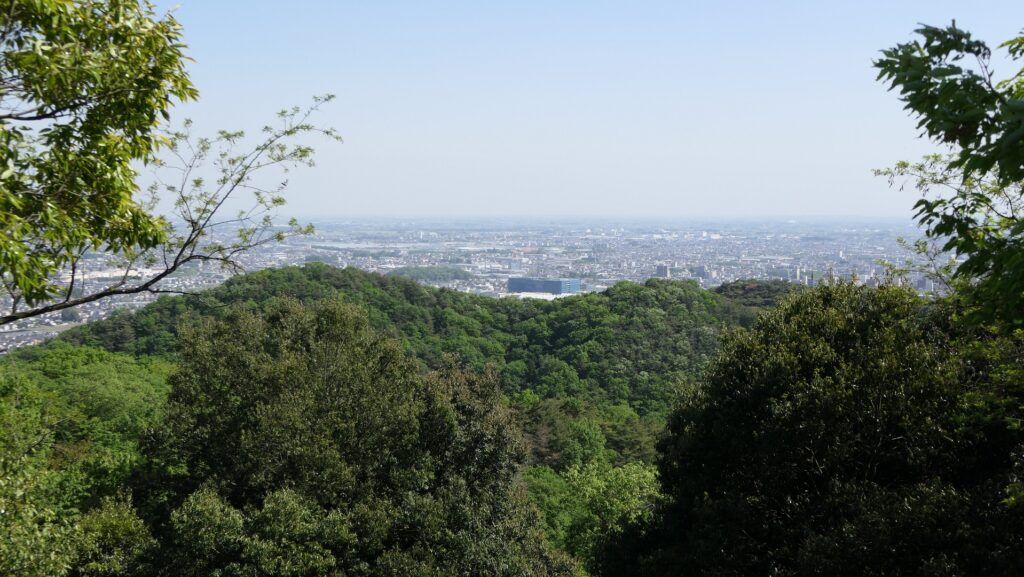
The tower above the entrance was rebuilt as an observation platform, where you can see great views of the city area and mountains around. This area must have been a pivot point of the castle.
The rebuilt tower as an observation platformLooking down the entrance from the towerA view from the tower
Restored Main Entrance with Stone Walls and Paving
Next comes the main portion of the castle, called Mijo, which is divided by the Large Ditch, the largest one in the castle, and a small reservoir being covered with stone mounds, called Tsuki-no-ike or the Moon Pond.
The map of the main portion of the castle
The Large DitchThe Moon Pond
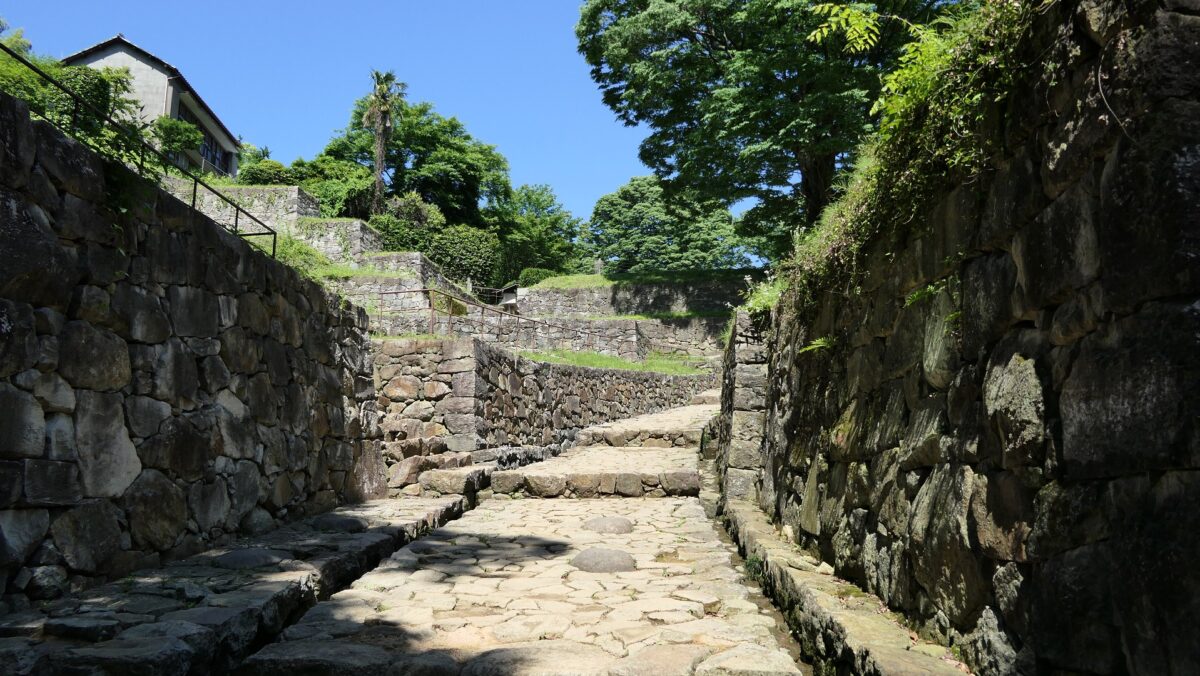
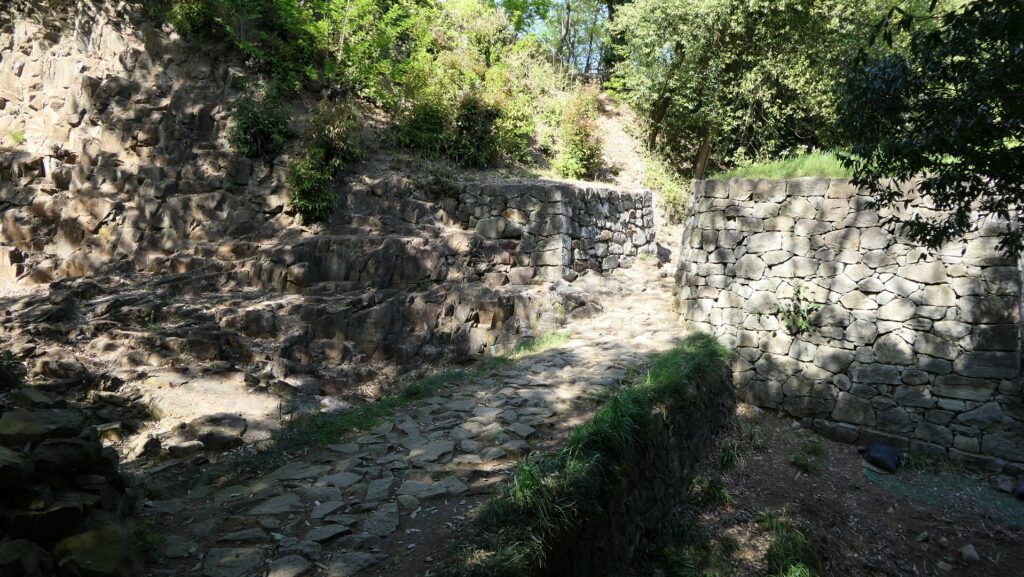
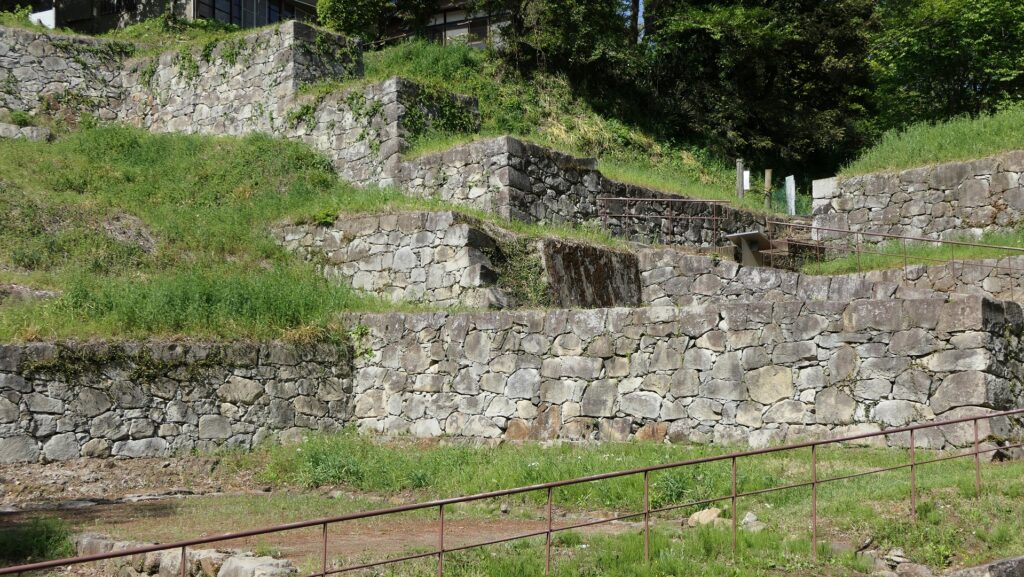
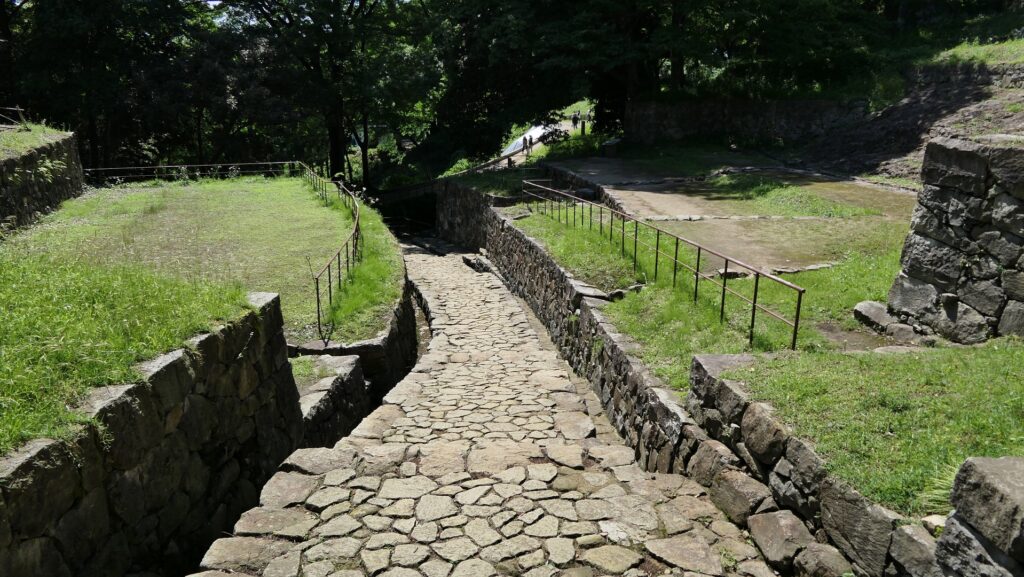
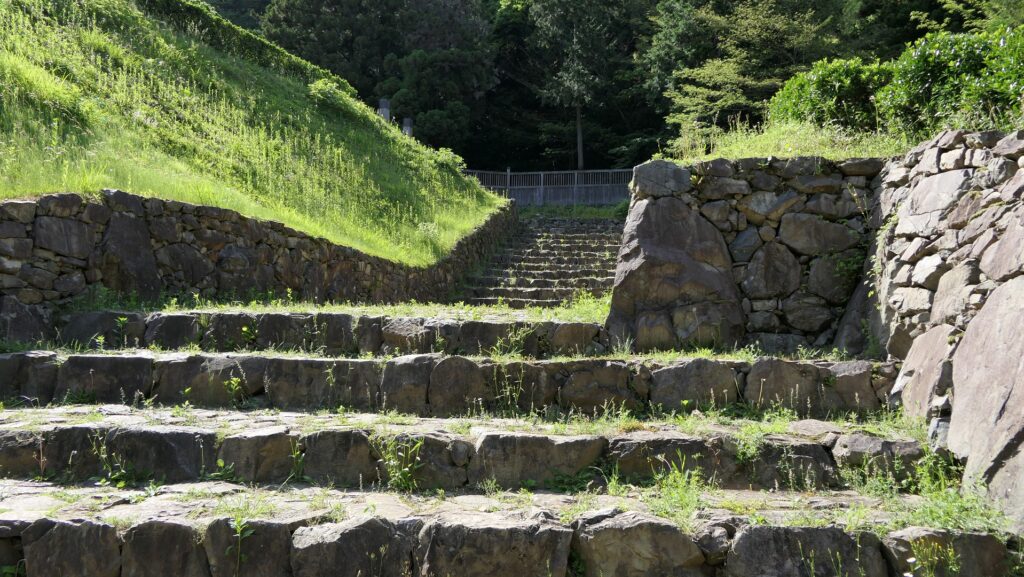
Over the pond, you will see the outstanding Main Entrance in a valley, which are surrounded by great several tiered stone walls on both sides. The entrance also has stone paving with drainage ditches, so it looks like a European castle. These stone walls were recently restored by the officials based on the achievements of the excavations and studies, partially using the original stones.
The restored Main EntranceThe several tiered stone walls on the northern side of the valleySeeing the southern side of the valley from the northern sideSeeing the Main Entrance from the inside
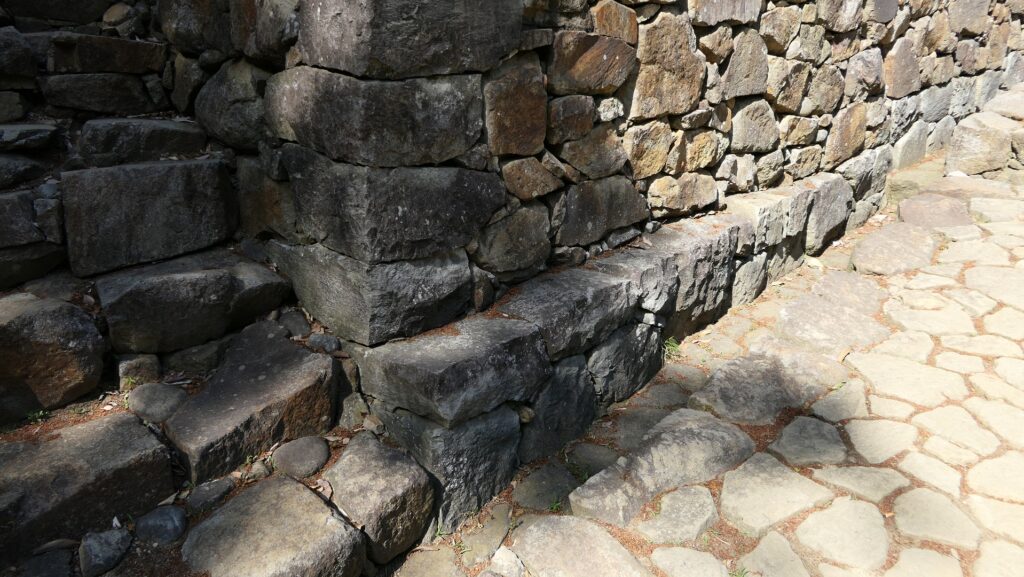
They were thought to be completed by the Hojo Clan, the final owner of the castle. This is because they were piled in a method called Agodome style (in which all the stones in the bottom row are layered heavily to prevent the walls from collapsing) which the clan used in Hachioji Castle, their other branch castle. However, the excavation team also found that the stone walls were improved many times, so other clans might have started to build them.
A part of the stone walls, having the Agodashi styleThe ruins of Hachioji Castle