79.Imabari Castle Part1

The monumental castle-building techniques of Takatoro Todo

Location and History

Takatora Todo builds Castle as his ideal Home Base

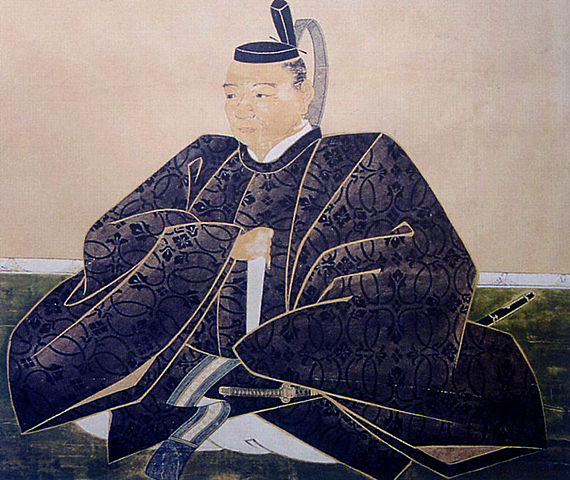
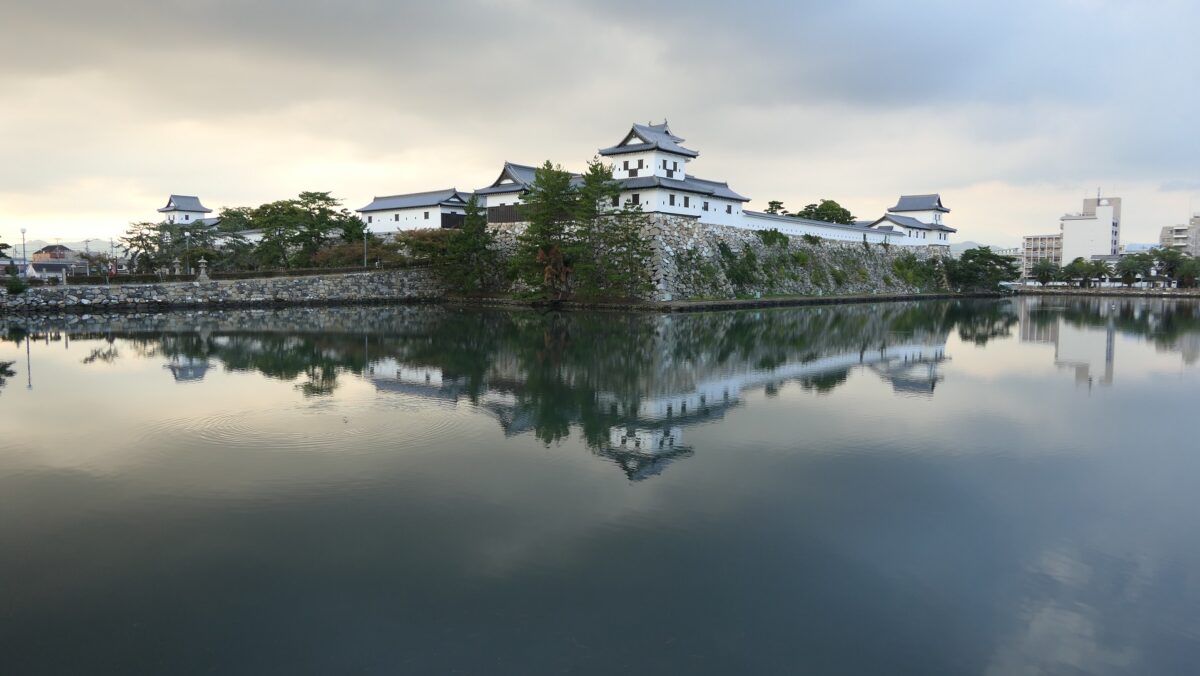
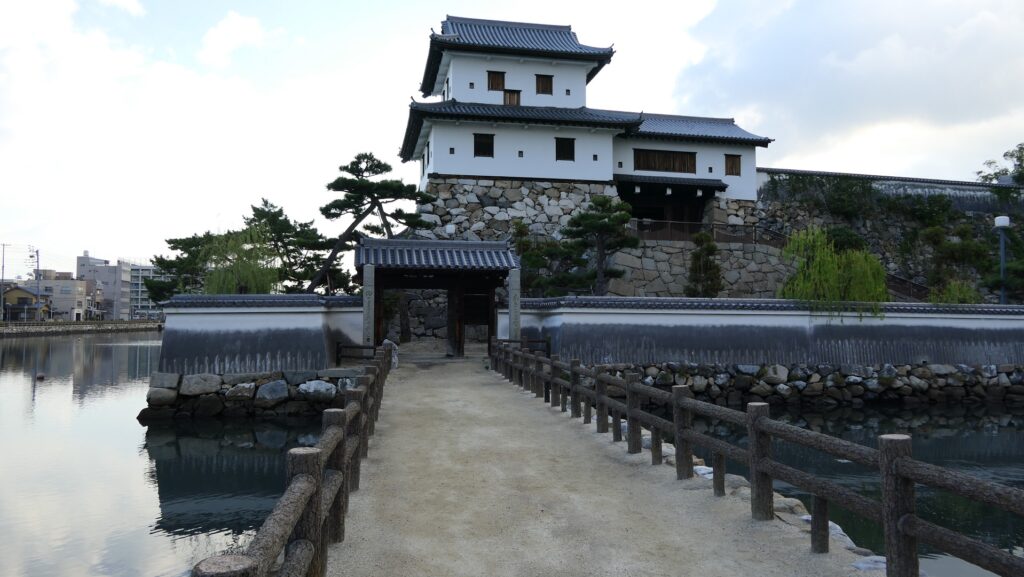
Imabari Castle is located in Imabari City in the northern part of Ehime Prefecture which was called Iyo Province in the past. The castle was built in 1604 by Takatora Todo who was a well-known master of castle construction. So far, he built several castles, for example, Wakayama and Akagi Castles when he was a retainer, Uwajima and Ozu Castles after he became a feudal lord of some parts of Iyo Province. However, Imabari Castle was his first home base which was built form the ground up independently. That means he was able to throw all his ideas and experiences in building the castle. That resulted in the castle becoming the monumental work of his castle construction.

The portrait of Takatora Todo, private owned (licensed under Public Domain via Wikimedia Commons)

The range of Iyo Province and the location of the castle

Uwajima Castle
Ozu Castle

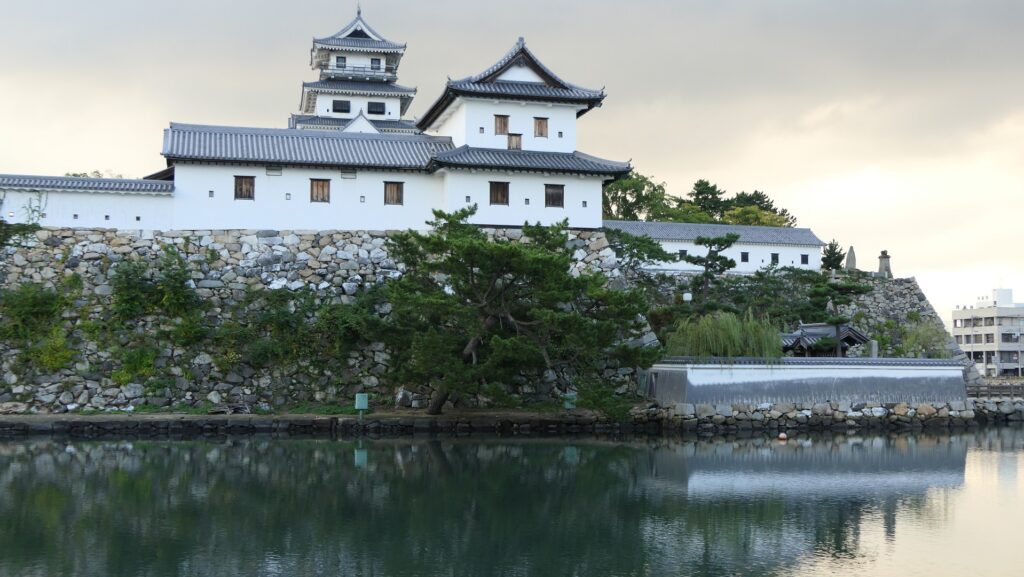
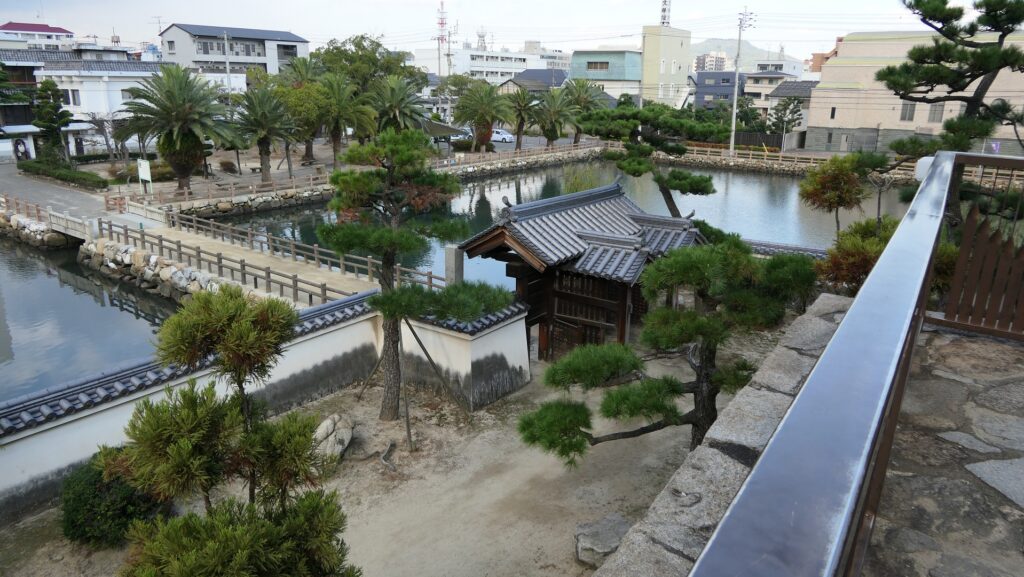
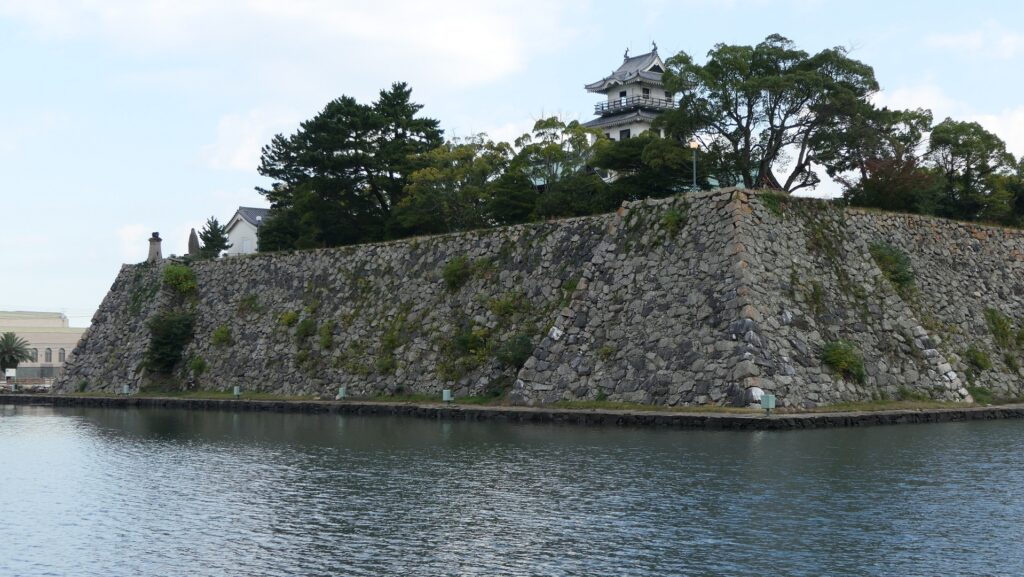
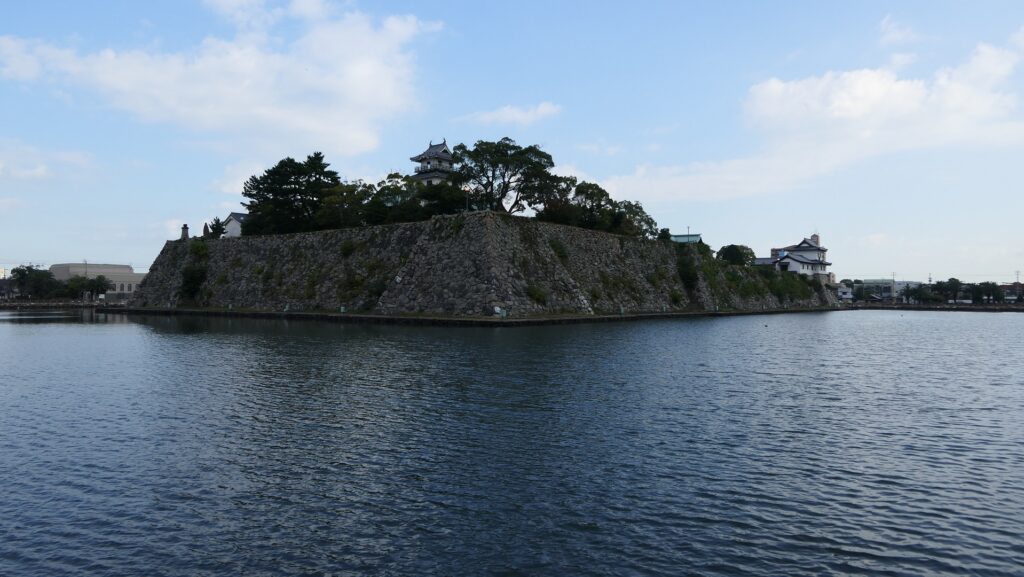
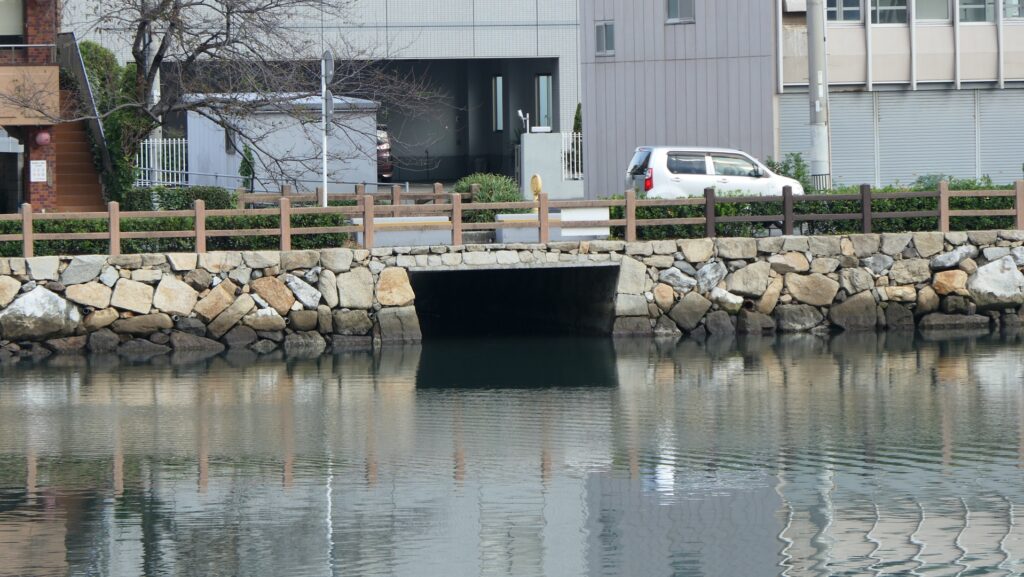
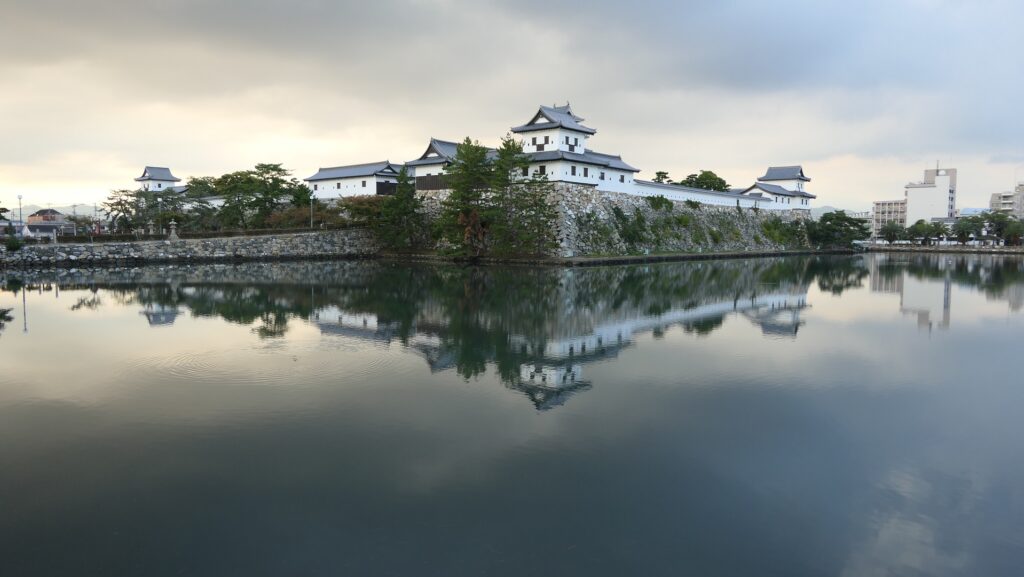
Before the construction, Takatora joined the invasion of Korea in 1597 as the leader of the Japanese Navy. From the experience, he thought his new castle would need a good location for naval support and water transportation. That’s why the castle was built facing the Seto Inland Sea, as a sea and plain castle. Such a location could had been difficult and dangerous because the seaside ground was too soft to build a castle and enemies could attack the plain land easily. To prevent them from happening, berms called Inubasiri were first built for the base of the stone walls. The berms would also be used for standing fences when enemies would attack the castle. The castle was also surrounded by water moats tripled, to which the sea supplied water.

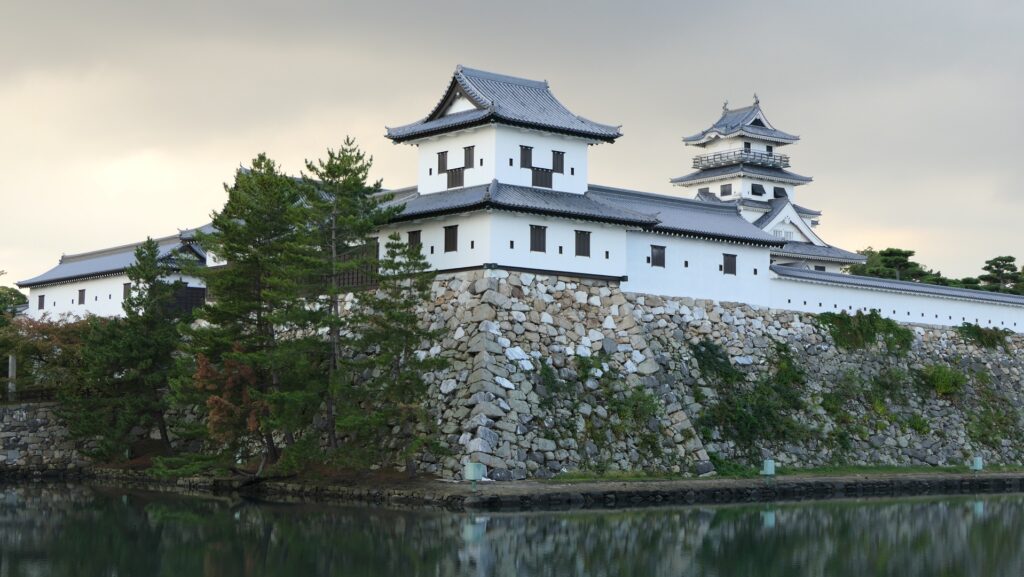
The stone walls of Imabari Castle were built on the berms

Simple but Defensive Layout

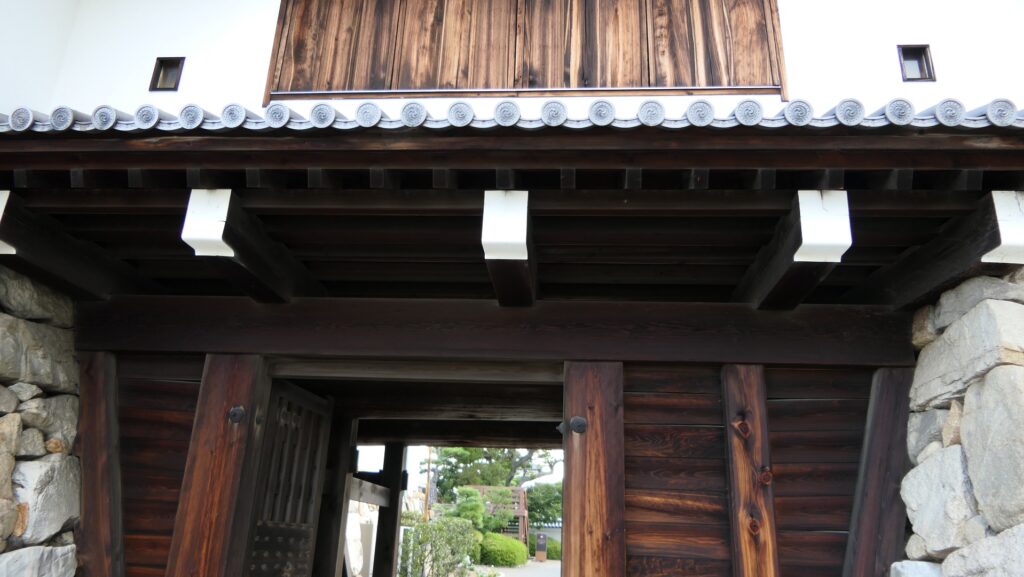
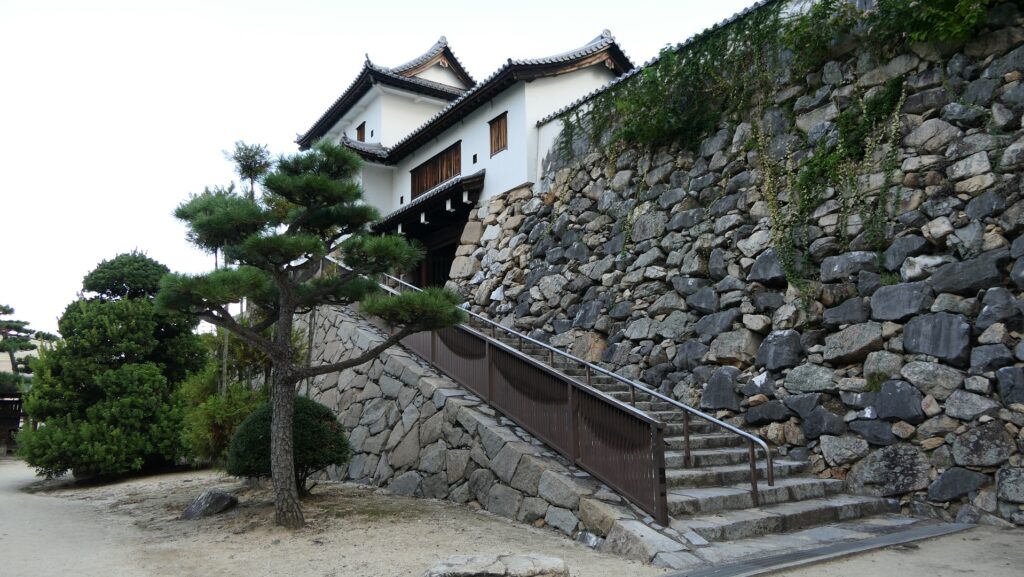
Other than the specific conditions for Imabari area, Takatora introduced new common and easy ways of building castles to Imabari Castle but it was strongly protected from sudden attacks. The main portion of the castle, which combined the Main and Second Enclosures, was simply square shaped, which was easy to construct and accommodate large troops. While it may be weak for defense, the portion was surrounded by the wide Inner Moat, high stone walls, and many turrets on the walls. The gates of the portion were strongly guarded with a square defensive space called Masugata. Moreover, to enter the Main Gate, visitors had to pass other small enclosure called Demaru or the Barbican in front of the Inner Moat, which had another Masugata, and go across the earthen bridge over the moat. Such structures can be seen in other castles which Takatora would later be involved in, such as Nagoya, Nijo, and Sasayama.

The illustration of Imabari Castle in Iyo Province, exhibited by Cultural Heritage Online
Nagoya Castle
Nijo Castle
The miniature model of Sasayama Castle, exhibited by the Large Study Hall of Sasayama Castle

Takatora creates Multi-storied type Main Towers?

Another Takatora’s invention of building castles is a new type of Main Towers, called multi-storied type or “Soto-shiki”. The Main Towers had usually been built in a method, called look-tower type or “Boro shiki”, which had many decorations such as gables or “Hafu” and bell-shaped windows or “Kato-mado”. The new method had simply square floors diminished towards the top with minimal roofing. That made the Main Towers more efficient and also made the tower easier to protect. The Main Tower of Imabari Castle is said to be the first multi-storied type with five levels, which was built in the Main Enclosure.

The Main Tower of Shimabara Castle, a typical multi-storied type one
The Main Tower of Inuyama Castle, a typical look-tower type one

In fact, it is not scientifically proven by excavation whether or not the Main Tower was really built in Imabari Castle. This is because the tower was demolished to be moved to another place when Takatora was transferred to Iga-Ueno Castle in 1608 after his short stay in Imabari Castle. Takatora once thought the tower should be used for his Iga-Ueno Castle, but he finally presented it to the Tokugawa Shogunate for the construction of Kameyama Castle which was ordered by the shogunate. According to the old photo of the castle’s Main Tower, it is certainly a five-level multi-storied type tower. This story was recorded only in Takatora’s biography or his clan’s annuals. There has been no evidence for the tower found in Imabari Castle such as the trace of its stone wall base. Some historians speculate that the Main Tower of Imabari Castle might have been built directly on the ground, not using any stone wall base.

The ruins of Iga-Ueno Castle
The old photo of the Main Tower of Kamayama Castle  (licensed under Public Domain via Wikimedia Commons)

The castle itself was followed by Takatora’s relative, Takayoshi Todo until 1635 and finally the Hisamatsu-Matsudaira Clan. The clan had been originally called just Hisamatsu, then it was allowed to use the family name Matsudaira which meant the shogun’s relatives after its lord accepted Ieyasu Tokugawa’s mother as the later wife. The clan governed the castle and the area, called the Imabari Domain, until the end of the Edo Period.

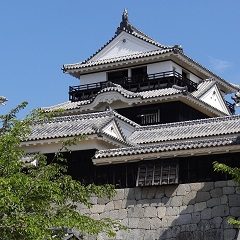
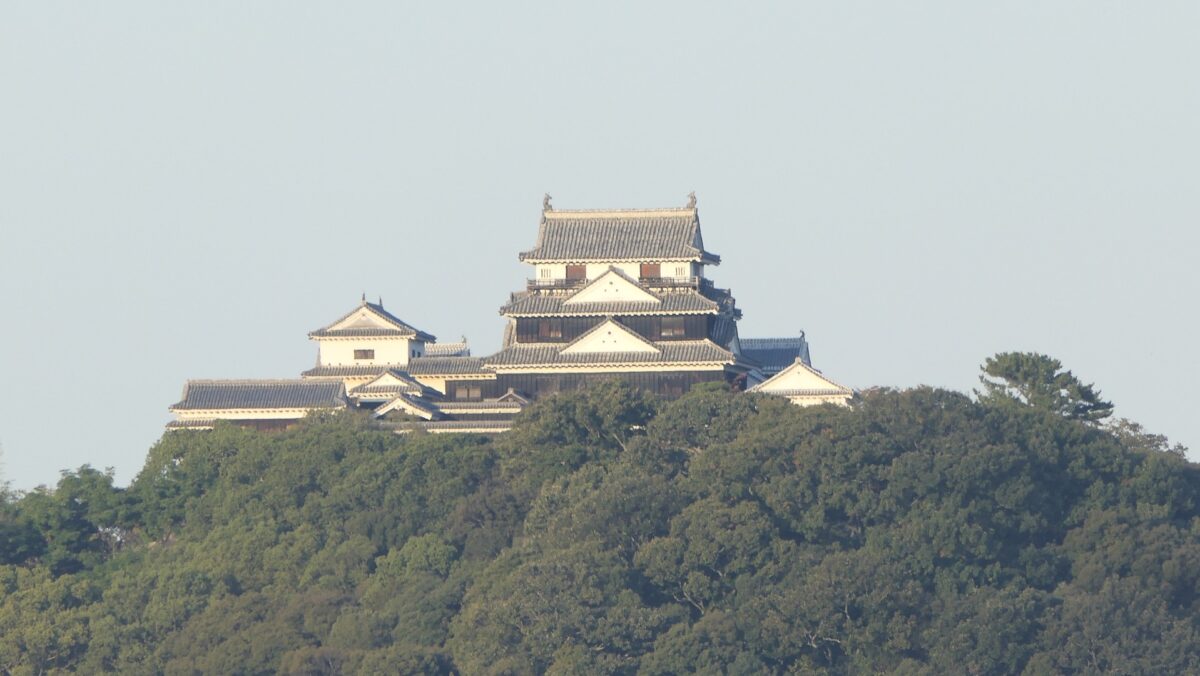
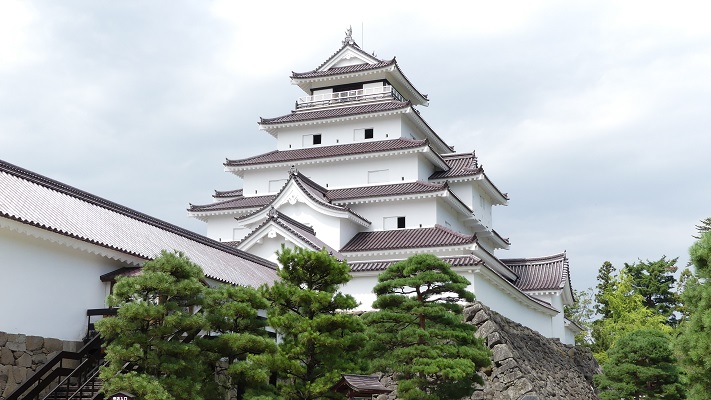
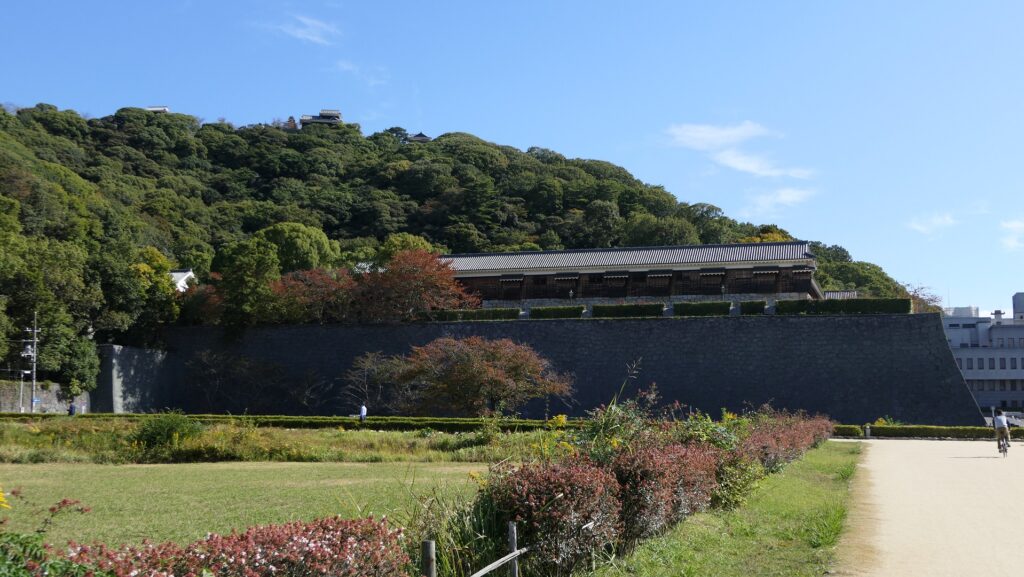
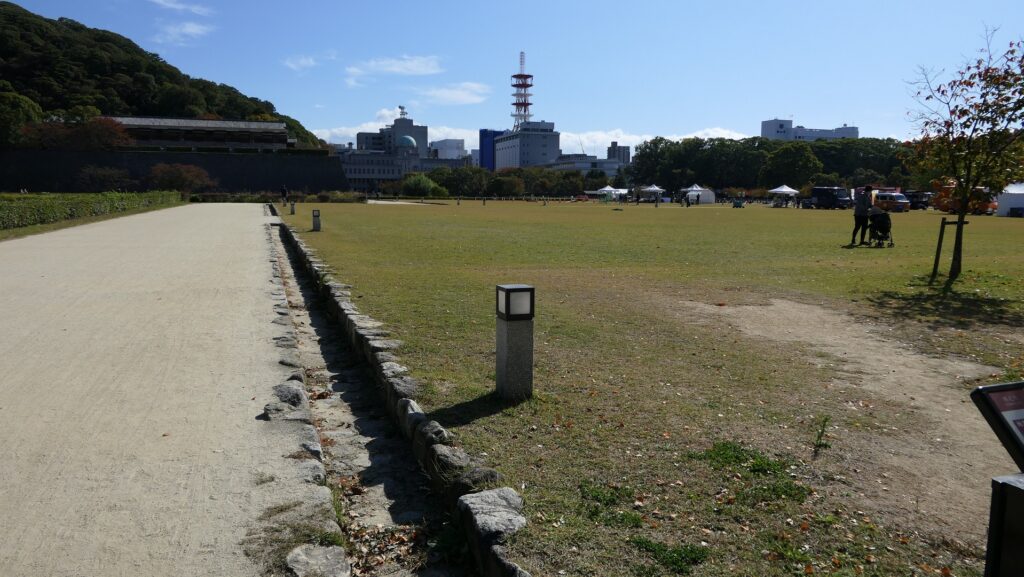
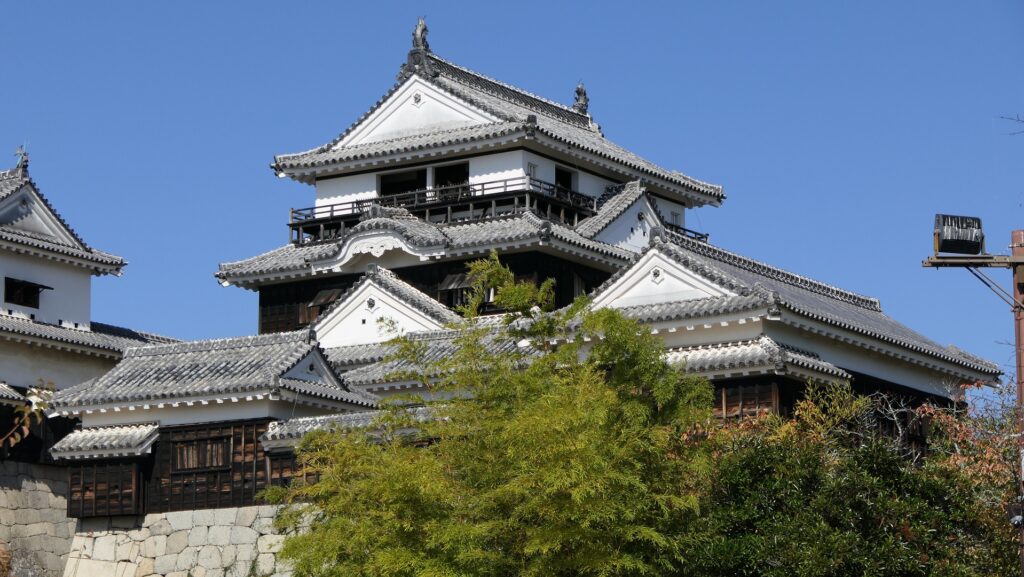
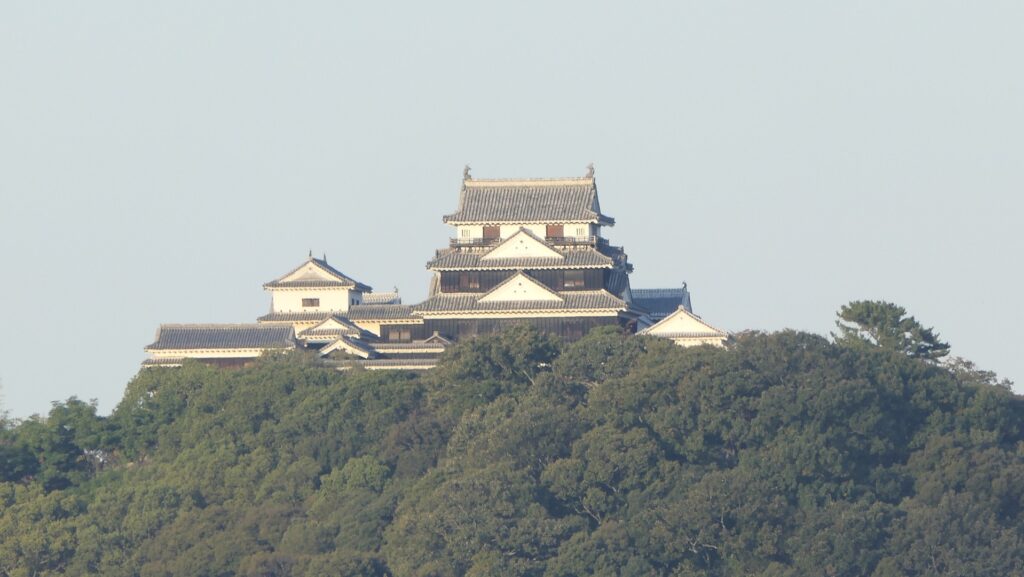
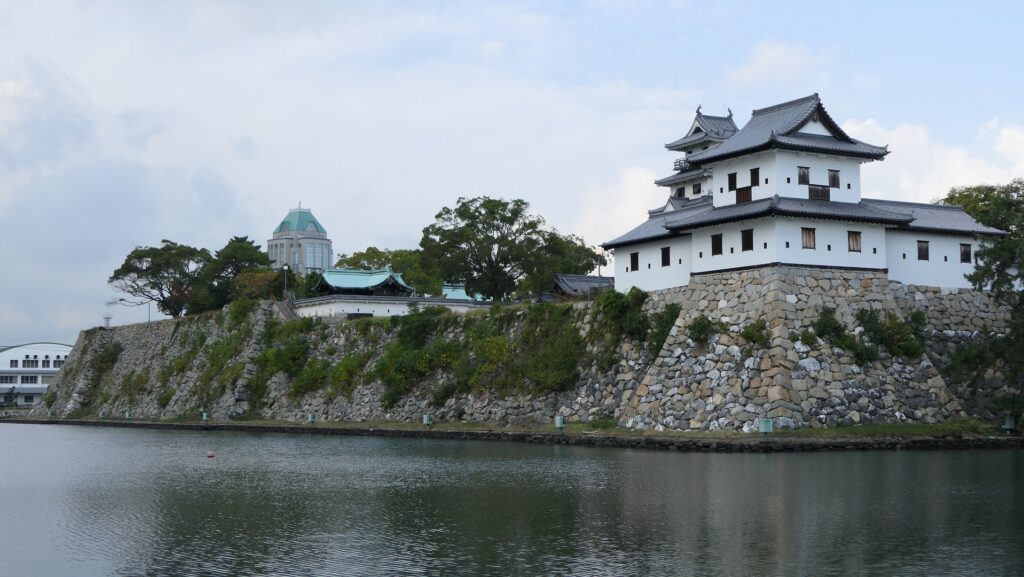
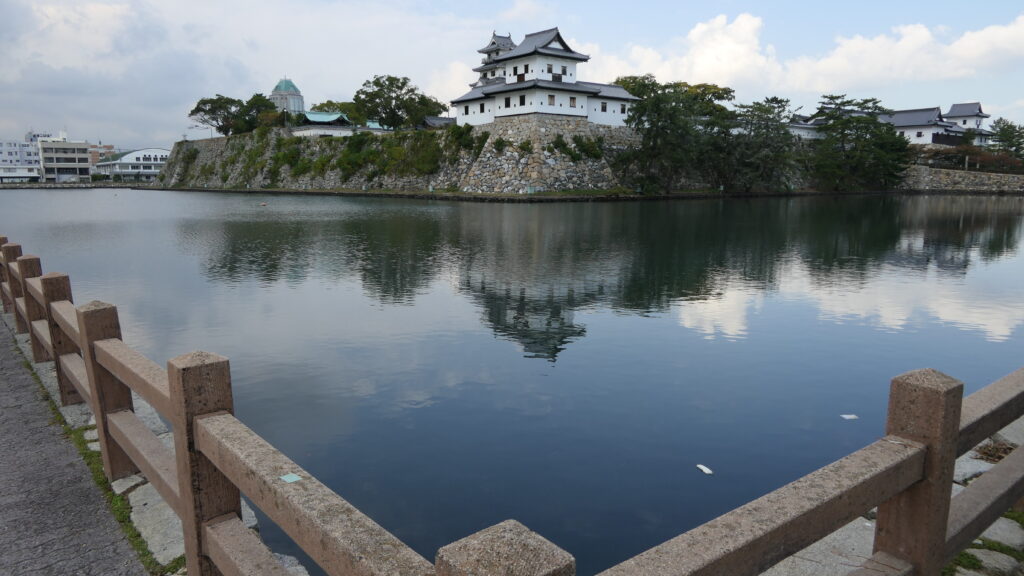
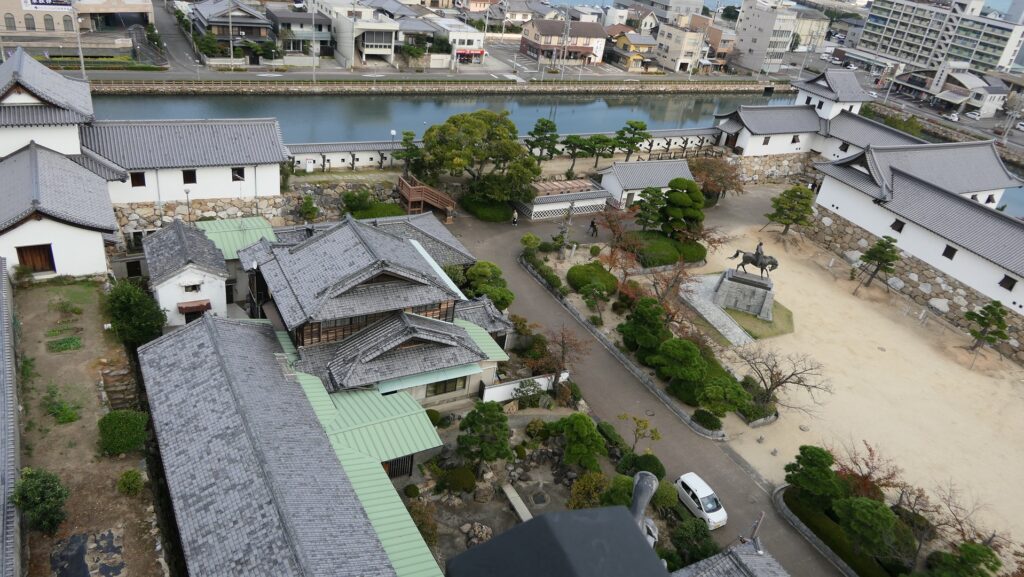
The present Imabari Castle

To be continued in “Imabari Castle Part2”

79.今治城 その1

藤堂高虎の城づくりの金字塔

立地と歴史

藤堂高虎が理想の本拠地として築城

今治城は、かつて伊予国と呼ばれた愛媛県の北部に位置している今治市にあります。この城は1604年に、築城の名人として知られる藤堂高虎によって築かれました。それまでにも彼はいくつもの城を築いていました。例えば他の武将の部下として和歌山城赤木城を、伊予国の一部を領する独立した大名になってからは宇和島城大洲城が挙げられるでしょう。しかし今治城は、彼が独立後一から築き上げることができた最初の本拠地としての城でした。つまり高虎はこの城の建設に、それまでの経験や考えの全てを投入することができたのです。その結果、今治城は高虎の城の中でも記念碑的な作品となりました。

藤堂高虎肖像画、個人蔵 (licensed under Public Domain via Wikimedia Commons)

伊予国の範囲と城の位置

宇和島城
大洲城

この城の建設以前に、高虎は1597年の朝鮮侵攻に水軍の大将として参陣しました。この経験から高虎は、新しい城には水軍の支援と水上交通の利便性が得られる立地が必要と考えました。そのため今治城は、海城且つ平城として瀬戸内海に面していました。しかしそれまでは、そのような立地は困難且つ危険と考えられていました。海岸の地盤は軟弱であり、平地では敵に容易に攻められてしまうからです。これらを防ぐために、まず犬走りと呼ばれる段が石垣の基礎部分として築かれました。犬走りは、敵が攻めてきたときには柵を立てて攻撃を防ぐためにも使われることになっていました。またこの城は水堀によって三重に囲まれ、堀の水は海から供給されました。

犬走りの上に築かれた今治城の石垣

シンプルだが防御力を確保した縄張り

今治地域に特有な条件の他にも、高虎は今治城に新しく共通且つ簡便な建設手法を持ち込みましたが、それであっても突然の敵襲にもきちんと対応できるようになっていました。本丸と二の丸が組み合わされた城の主要部分は、シンプルな四角い形をしていて、建設が容易で且つ多くの将兵を収容できました。一方で防御面で不安がありそうですが、広い内堀、高石垣、その上に築かれた櫓群により囲まれていました。主要部への門は、桝形と呼ばれる四角い防御空間により固く守られていました。その上に大手門に入るには、内堀の手前にある出丸と呼ばれる小曲輪を通らなければならず、その出丸にも桝形がありました。そして土橋を渡って大手門に至ったのです。このような構造は、高虎が後に築城に関与することになる名古屋城二条城、篠山城などにも見ることができます。

伊予国今治城図、出典:文化遺産オンライン
名古屋城
二条城
篠山城の模型、篠山城大書院にて展示

層塔式天守を考案したか

もう一つの高虎の城づくりに関する革命は、層塔式と呼ばれる新しいタイプの天守です。それまでの天守は通常、望楼式と呼ばれる形式で建てられ、破風や華頭窓といった多くの装飾がなされていました。新しい層塔式では、単純な四角い床面が、最上階に向かって逓減していき、屋根は最低限のものでした。この形式により効率的に天守を建設でき、防御にも適していました。今治城の天守は、最初の層塔式天守と言われており、5層で本丸に築かれました。

典型的な層塔式、島原城天守
典型的な望楼式、犬山城天守

実は、その天守が本当に今治城に築かれたかどうかは発掘によって科学的には証明されていないのです。それは高虎が今治城での短い在城期間の後、1608年に伊賀上野城に移った際、その天守が撤去され、別の場所に移設されてしまったからなのです。高虎は一時、その天守を自身の伊賀上野城のために使おうと考えていたのですが、幕府の命により建設された亀山城のために、幕府に献上することにしました。亀山城の天守の古写真を見ると、確かに5層で層塔式の形をしています。この逸話は、高虎の伝記と藤堂氏の年譜にしか記録されていません。今治城の現場では、天守台石垣のような直接的な証拠はみつかっていないのです。歴史家の中には、今治城天守は天守台石垣を使わず、地面の上に直接建てられたのではないかと推測している人もいます。

伊賀上野城跡
亀山城天守の古写真 (licensed under Public Domain via Wikimedia Commons)

今治城そのものは、高虎の親族の藤堂高吉(たかよし)が1635年まで、その後は久松松平(ひさまつまつだいら)氏が引き継ぎました。久松松平氏は、もとは単に久松と称していましたが、将軍の親族の家名である松平を名乗ることを許されました。徳川家康の母親が、後妻として嫁いでいたからです。久松松平氏は江戸時代末期まで、今治藩として城とその周辺地域を支配しました。

現在の今治城

「今治城その2」に続きます。

72.Yoshida-Koriyama Castle Part3

Motonari might have been a great lord as well as a prophet.

Features

Main Portion of Castle

The Third and Second Enclosures had each alternative entrance called Koguchi to avoid enemies from entering easily. You can still see their traces today. The Third Enclosure is the largest one in the castle.

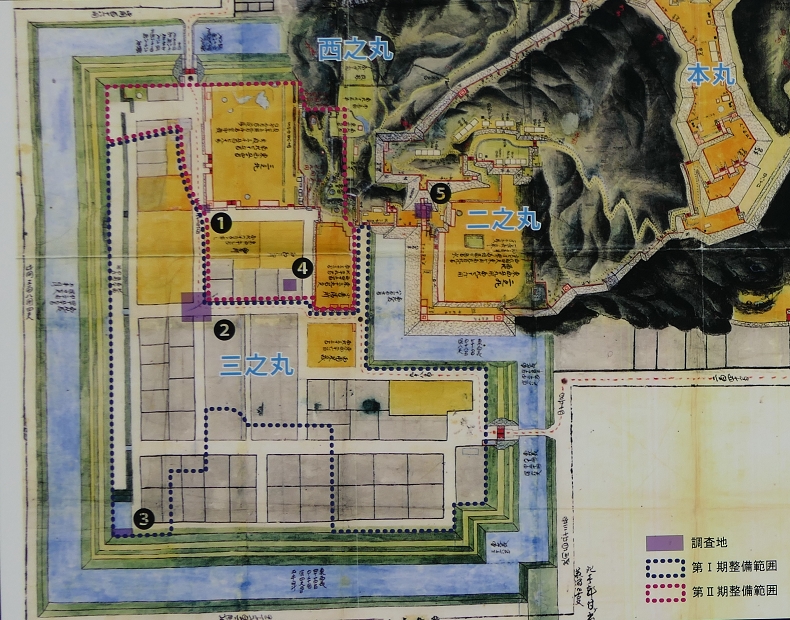
The map around the main portion of the castle

The entrance ruins of the Third Enclosure
The inside of the Third Enclosure
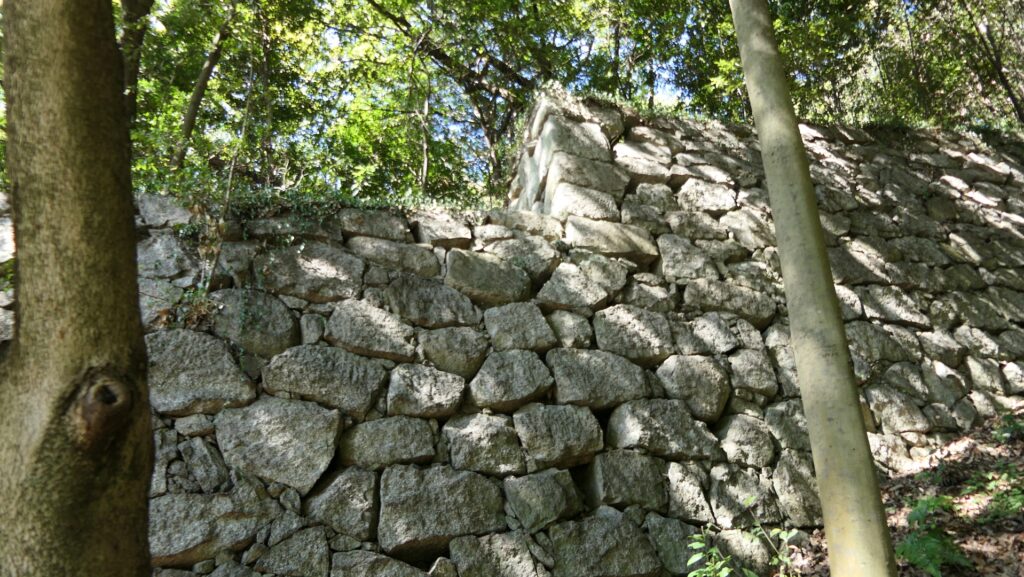
Looking down the stone walls of the Third Enclosure

The Second Enclosure also had stone walls, but it was said that their stones were partially taken to use for Motonari’s grave during the Meiji Era as well.

The Second Enclosure

The Main Enclosure is highest in the castle. It was thought that it had Motonari’s residence and a lookout tower. Unfortunately, the view from there today is not clear because it is covered by trees.

The Main Enclosure

Going to Main Castle though Ozaki-maru Enclosure

The tour route will eventually lead you to Ozaki-maru Enclosure where Motonari’s son, Takamoto lived by climbing down along another ridge. This enclosure is still separated by an artificial ditch from the others. Others were said to have been divided by each other in the same way. A viewing spot is nearby to see the area around the mountain.

The map around the castle

Climbing down towards the edge of another ridge
Ozaki-maru Enclosure
The remaining ditch beside Ozaki-maru Enclosure
The viewing spot which could have been an enclosure
A view from the spot

Finally, you will be at the intersection to the starting point or the Main Castle where Motonari and Takamoto originally lived in. I recommend visiting the Main Castle if you have time. This is the only route to it, so you will have to continue to climb down on the steep ridge to the edge of it. You will also see several ditches to avoid enemies from attacking from the back. You will eventually arrive at the Main Castle which is much lower and smaller than so many other enclosures on the top. Its name originates from the original main portion of the castle. You will realize what the Mori Clan was developing with this castle. To return to the starting point, you will need to climb up the same steep ridge. You will also realize why Takamoto wanted to move near the top from there.

The intersection to the Main Castle
Clibming down on the steep ridge
A ditch dividing the ridge
The Main Castle
Looking down the edge of the ditch from the enclosure

My Impression

Perhaps I shouldn’t say this, but I honestly felt that it was incredible that such a great warlord came from such a local location when visiting the Yoshida town of Aki-Takada City which owns the ruins of Yoshida-Koriyama Castle. That probably proves why Motonari Mori was an outstanding leader. In addition, Motonari also managed to persuade his children not to get more territory than him. However, his grandchild, Terumoto wanted to be the ruler of Japan in the Battle of Sekigahara but failed. That’s why he had to leave Aki Province where he was originally from. Motonari might have also been a great prophet.

The remaining earthen walls of the Warehouses Ruins

How to get There

I recommend using a car when you visit the castle ruins because there are only a few trains and buses available. It is about a 20-minute drive away from Takada IC on the Chugoku Expressway. There is a parking lots at the foot of the mountain.

The parking lot at the foot

That’s all. Thank you.
Back to “Yoshida-Koriyama Castle Part1”
Back to “Yoshida-Koriyama Castle Part2”

error: Content is protected !!