Location and History
Home Base of Generations of Mori Clan
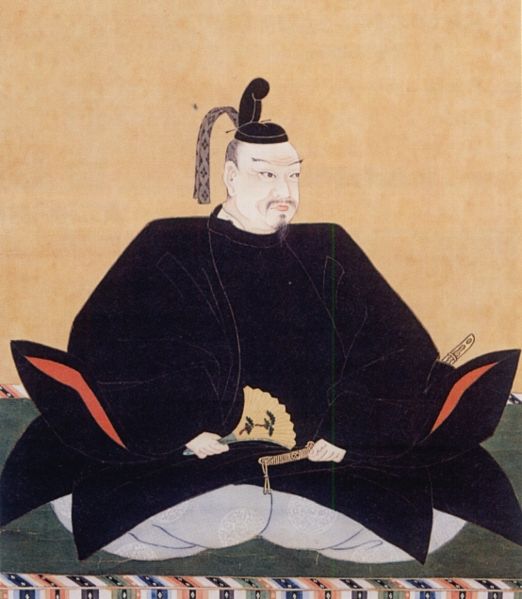
Yoshida-Koriyama Castle was located in Aki Province which is modern day the western part of Hiroshima Prefecture. It was also located in a central mountainous area in the Chugoku Region. It started off as a small mountain castle on one ridge of Koriyama Mountain, which was built by a local lord of the Mori Clan sometime in the Middle Ages. The lord of the clan in the Sengoku Period, Motonari Mori developed the castle covering the whole mountain as he governed almost all the region, he became a great warlord.
The range of Aki Province and the location of the castleThe Mori Clan had been basically a typical local lord which governed Yoshida manor since the 13th Century. As time passed by, their relatives became the clan’s senior vassals such as the Fukuhara and Katsura Clans. Even in the beginning of the 16th Century during the Sengoku Period, the lord of the clan lived in the small Yoshida-Koriyama Castle while the senior vassals lived in their own castles or halls. On the other hand, they had a strong allegiance. This was one of the reasons why they were finally successful in the region.
The relief map around the castle, the home bases of the senior vassals were in different places from the castleMotonari has many Difficulties
When Motonari first entered Yoshida-Koriyama Castle to become the lord of the clan in 1524, the situation was already bad. The previous lords all died young, as a result, the power of the clan continued to decrease. In addition, the Aki Province was divided by about 30 small local lords like Motonari. Meanwhile, strong warlords were growing in power as the Ouchi Clan in Suo Province, west of Aki, and the Aamago Clan in Izumo Province, north of Aki. The local lords in Aki had to support either clan, otherwise, they would have been defeated. The Mori Clan supported the Amago Clan, however, the clan tried to remove Motonari from being the successor and supported another person whom they can easily control. However, Motonari somehow survived with his senior vassals’ support.
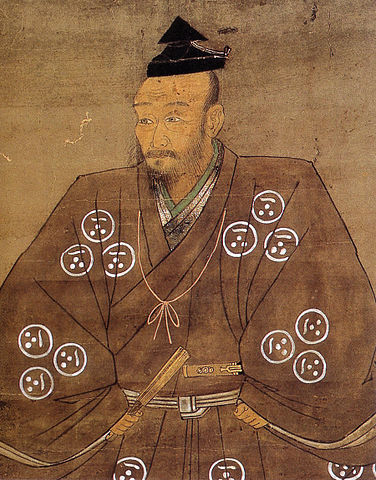
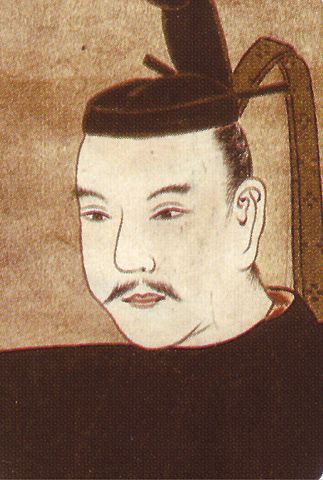
To survive under these difficult situations, Motonari acted like a mediator, not a ruler, in his province. For example, he proposed making a peace treaty with the competitive Shishido Clan in his province by marrying his daughter with the clan’s successor. The clan eventually became another senior vassal of Motonari. He also made alliances with local lords in Aki and Bingo (east of Aki) Provinces with a round-robin contract. A round-robin contract is an equal opportunity for everyone involved with no true leader. He always managed to persuad his three son’s Takamoto, Motoharu and Takakage to be united for the clan’s prosperity (That would create the popular episode, called Three Arrows, sometime later. It refers that Motonari tried to demonstrate the strength of teamwork by using arrows. First, he asked them to break one arrow which was easy. However, when he asked them to break all three arrows at the same time, it was impossible. This was to show his 3 sons that working together was better than working independently.). After that, he sent Motoharu and Takakage as the successors of the Kikkawa and Kobayakawa Clans which also became his relatives. However, he sometimes decided to fight, for instance, when he defeated his senior vassal, the Inoue Clan because they got out of control.
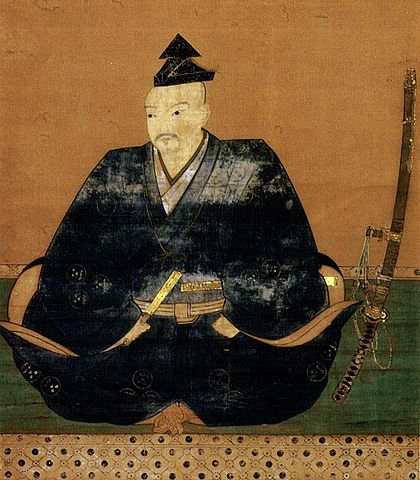
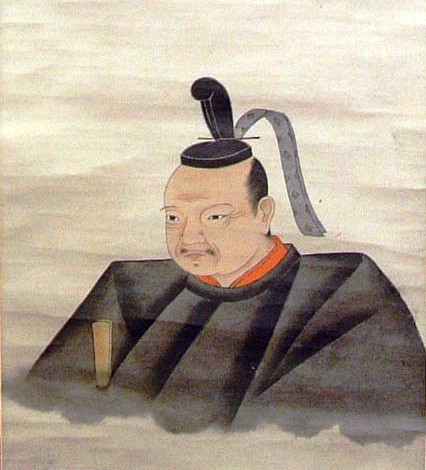
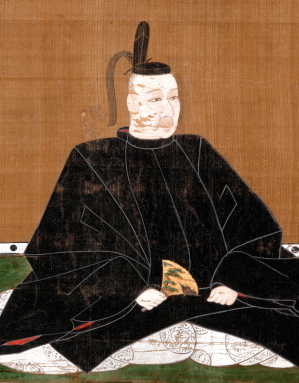
A big crisis came to Yoshida-Koriyama Castle in 1540 after Motonari changed his allegiance from the Amago Clan to the Ouchi Clan. The Amago Clan with about 30 thousand troops surrounded the castle in September. The castle seemed to look small, but Motonari was besieged with about 8 thousand people including warriors and farmers for 4 months, waiting for the reinforcement from the Ouchi Clan. It finally came in December before the Amago troops had to withdraw. This failure of the Amago Clan was said to be the first sign of their destruction which was done in the battle of Gassan-Toda Castle in 1566 by Motonari.
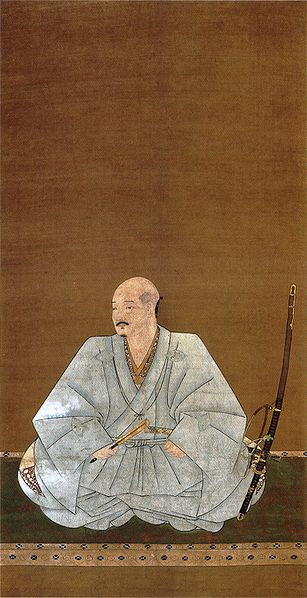
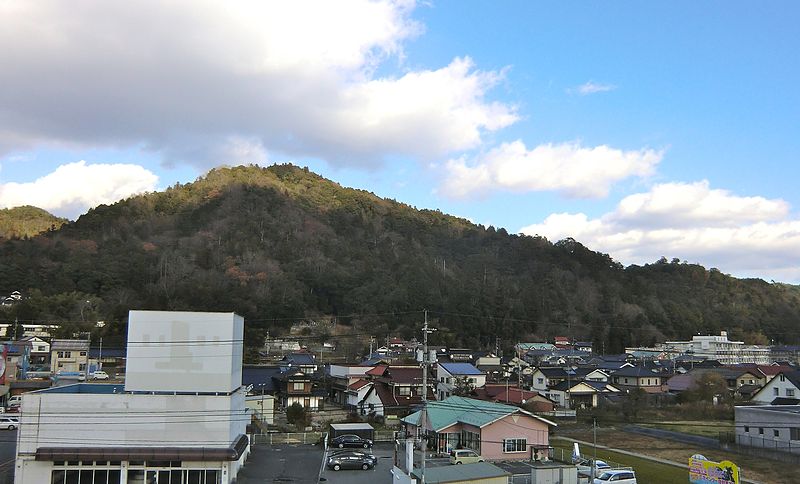
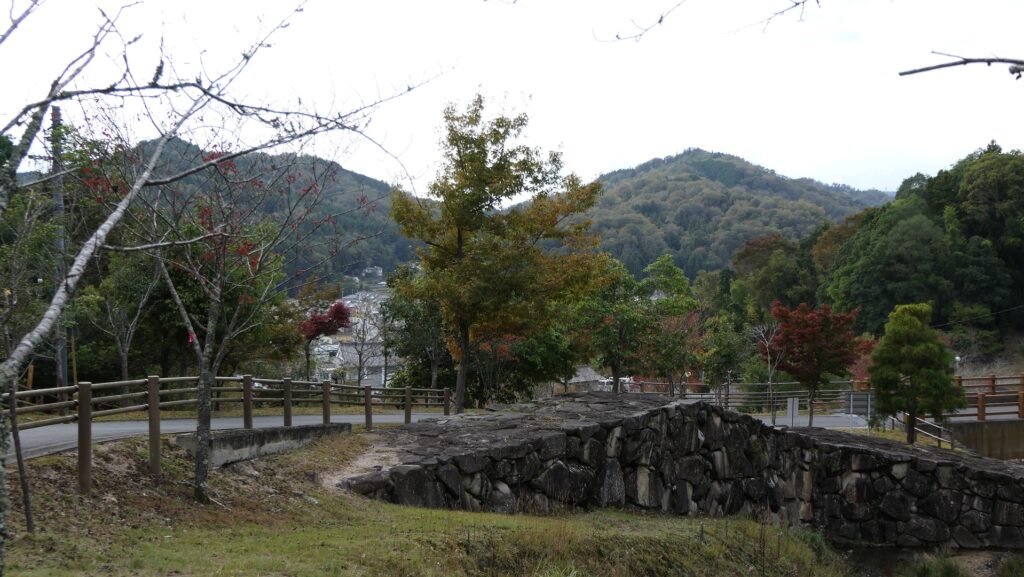
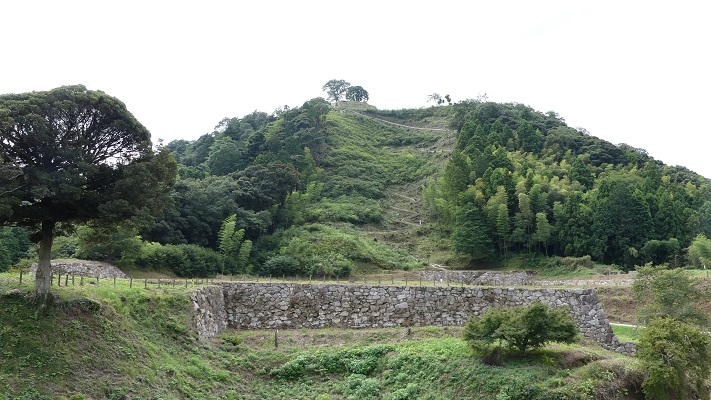
Retainers gather on Whole Mountain
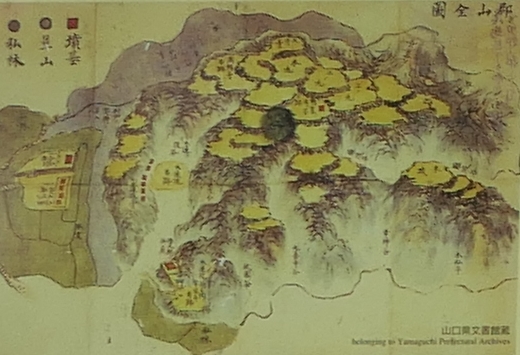
After that, Motonari became a great warlord through many battles, schemes and tricks, such as the Battle of Miyajima against the Sue Clan which followed the Ochi Clan in 1551. During his enterprise, he appointed the his son, Takamoto to be the new leader in 1546, but he still had the power. He moved from the ridge where the castle was first built to the top of the mountain, which would be called the Main Enclosure. Takamoto continued to live in the ridge, which would be called Honjo or the Main Castle, instead of Motonari. However, he eventually moved closer to Motonari by building a new enclosure because it was tough for him to communicate with his father by coming and going. Other retainers also got together on the mountain, as a result, the castle had about 270 enclosures over the mountain as the clan got more power.
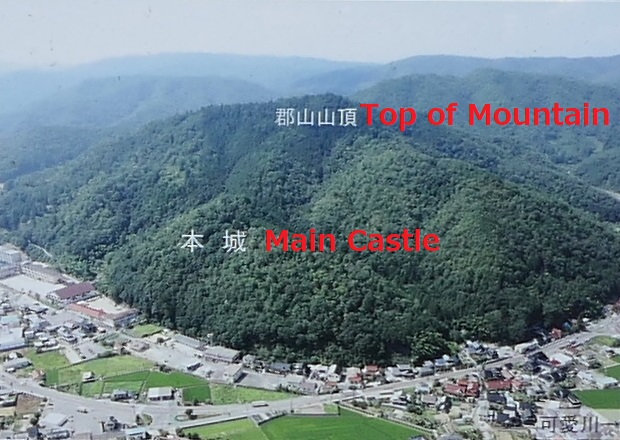
Motonari’s grandchild, Terumoto moves to Hiroshima
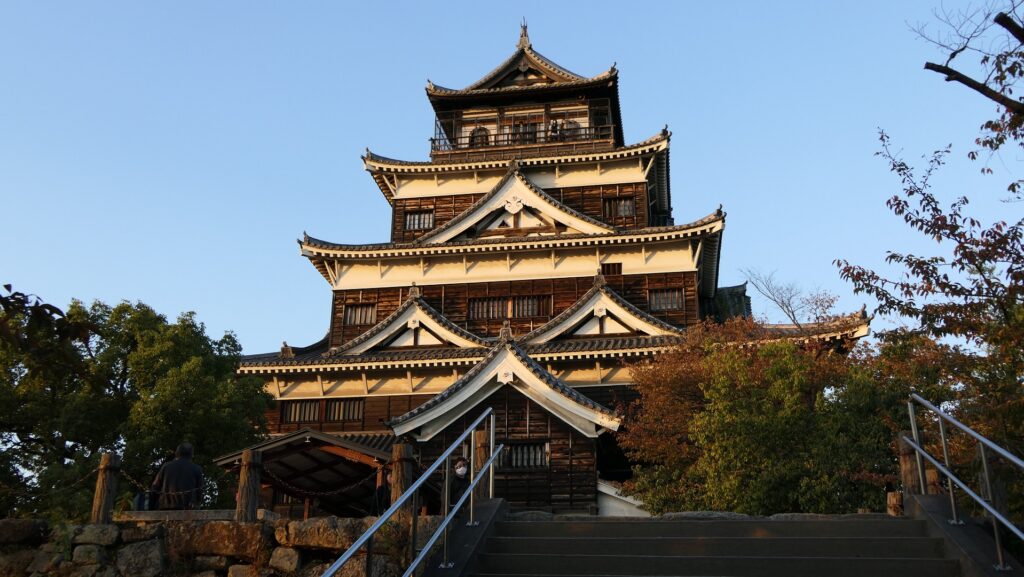
After the deaths of Takamoto in 1563 and Motonari in 1571, Takamoto’s son, Terumoto Mori followed them. He also improved and modernized the castle by building stone walls, however, he built and moved to his new home base, Hiroshima Castle in 1591. Yoshida-Koriyama Castle was eventually abandoned.