37.Ichijodani Castle Part2

You can imagine and see the medieval city.

Features

Unending Ruins of Ichijodani

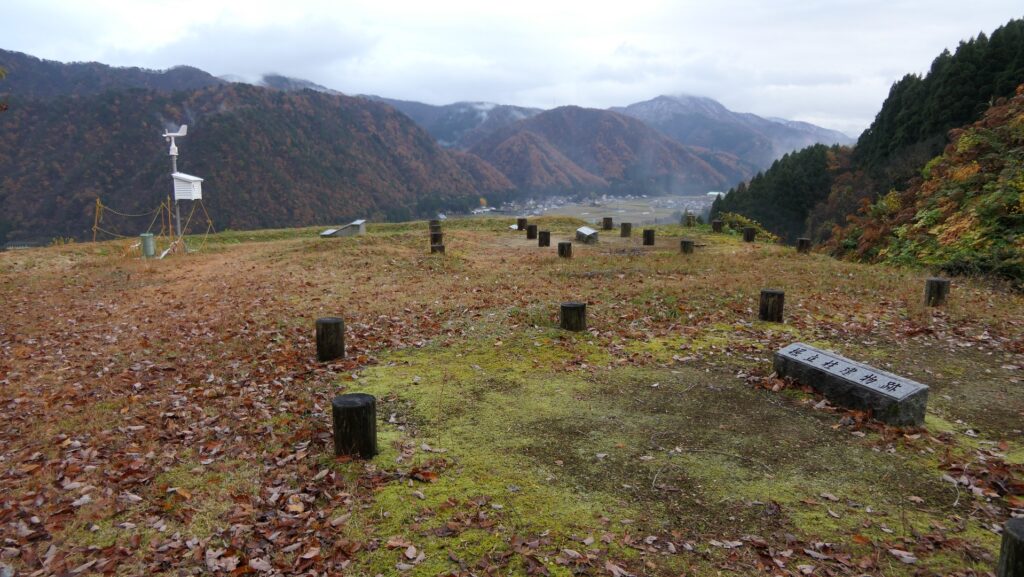
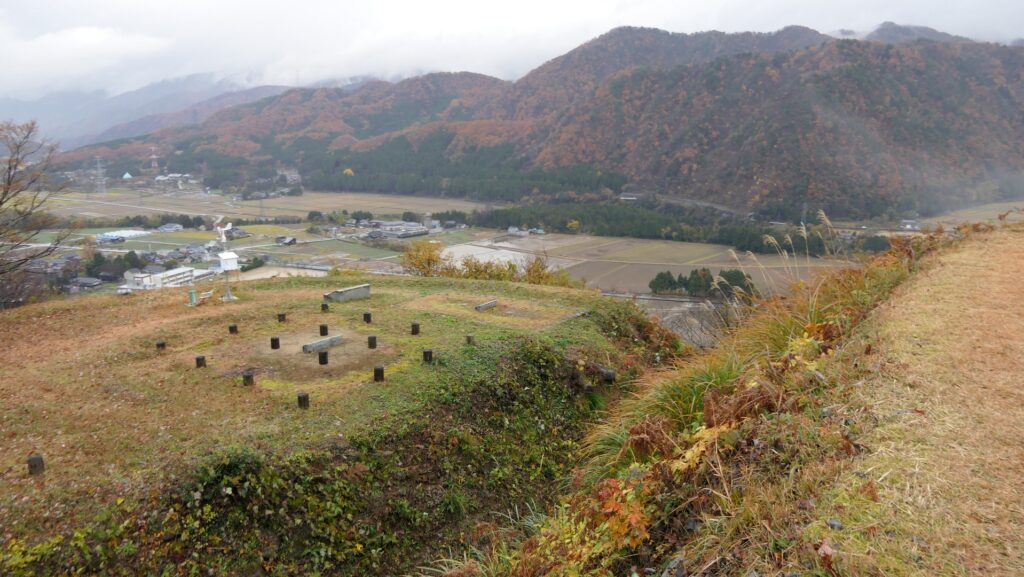
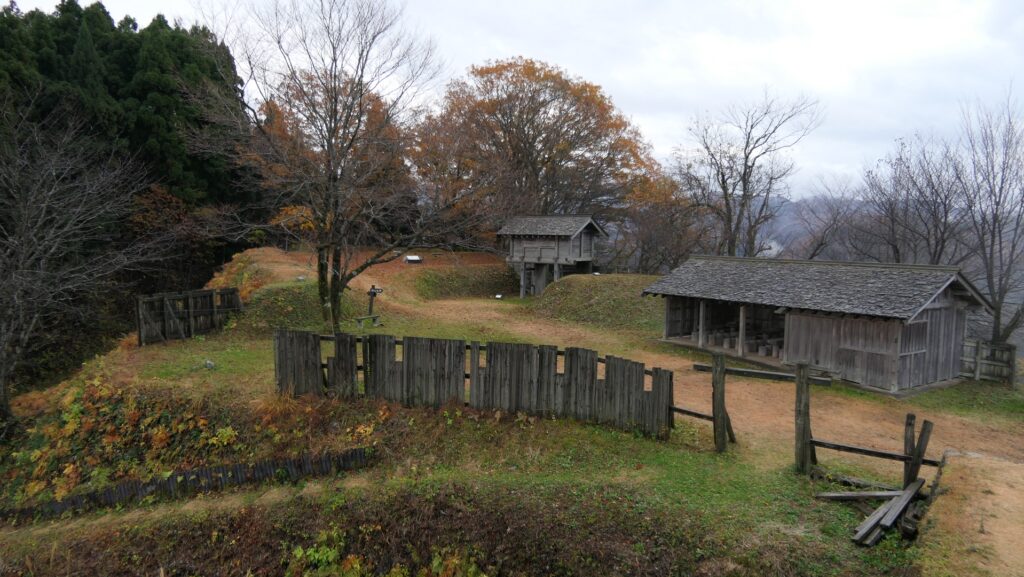
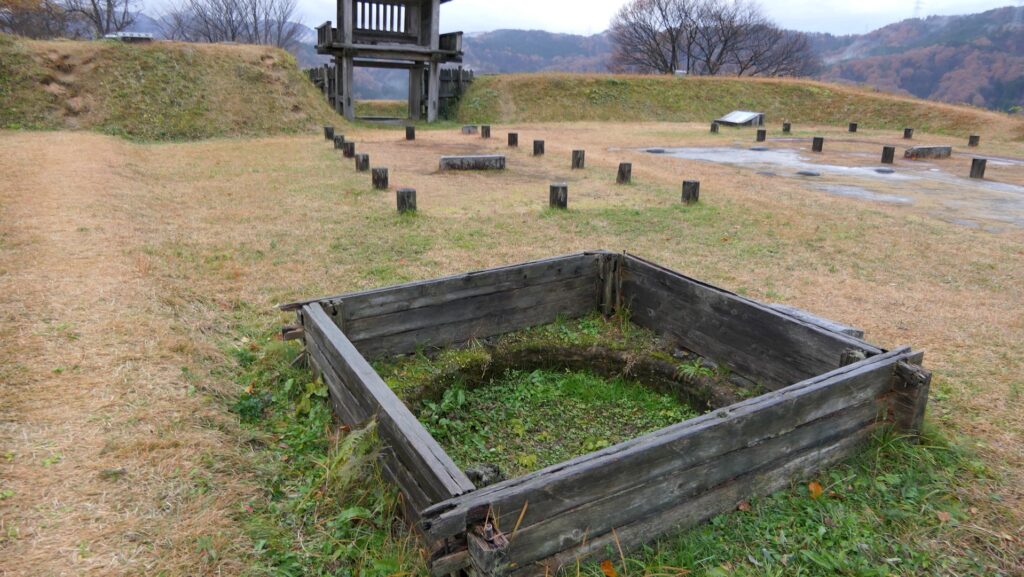
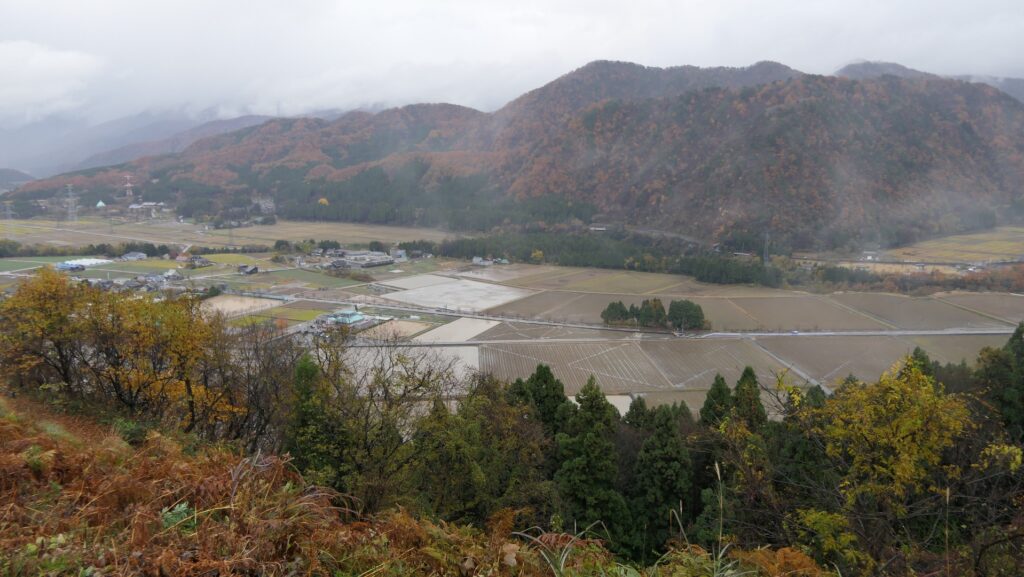
If you visit the ruins of Ichijodani Castle by driving or walking on the route along the valley, you will be surprised to see unending residence ruins on both sides of the route. The area of 278 hectares was designated as a National Special Historic Site named the Ichijodani Aasakura Clan Ruins. Over 2,300 unearthed items from the site were also designated as Important Cultural Properties.

The aerial photo around the castle

The ruins along the valley
The ruins of the castle town

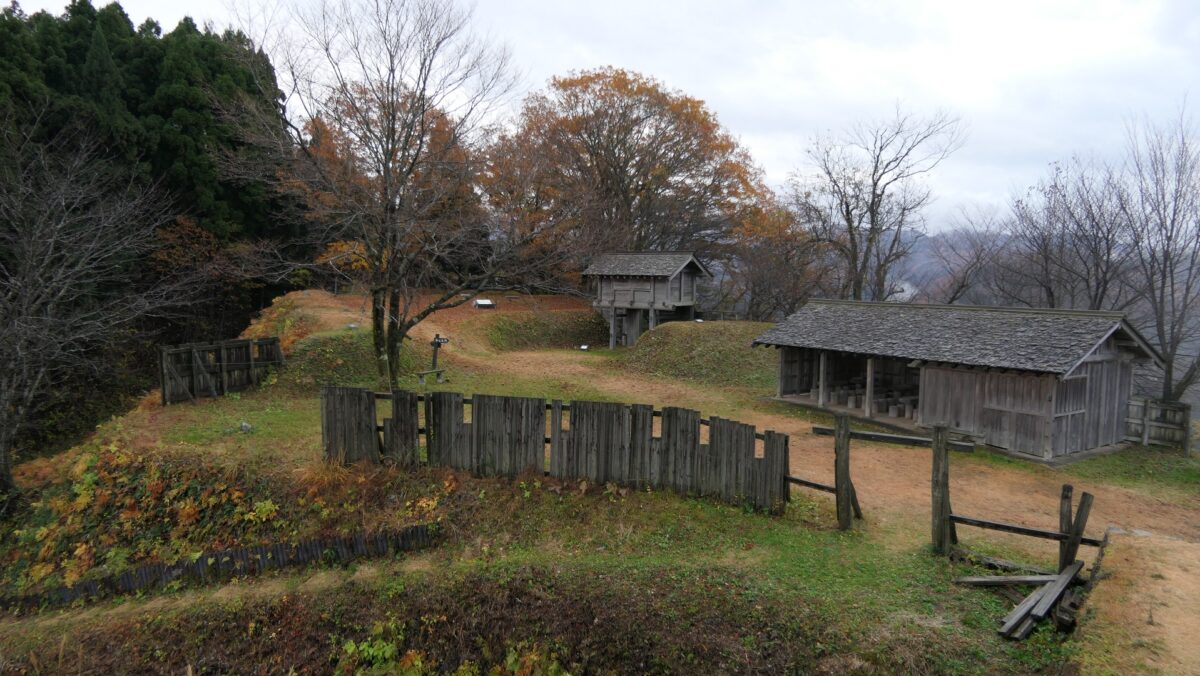
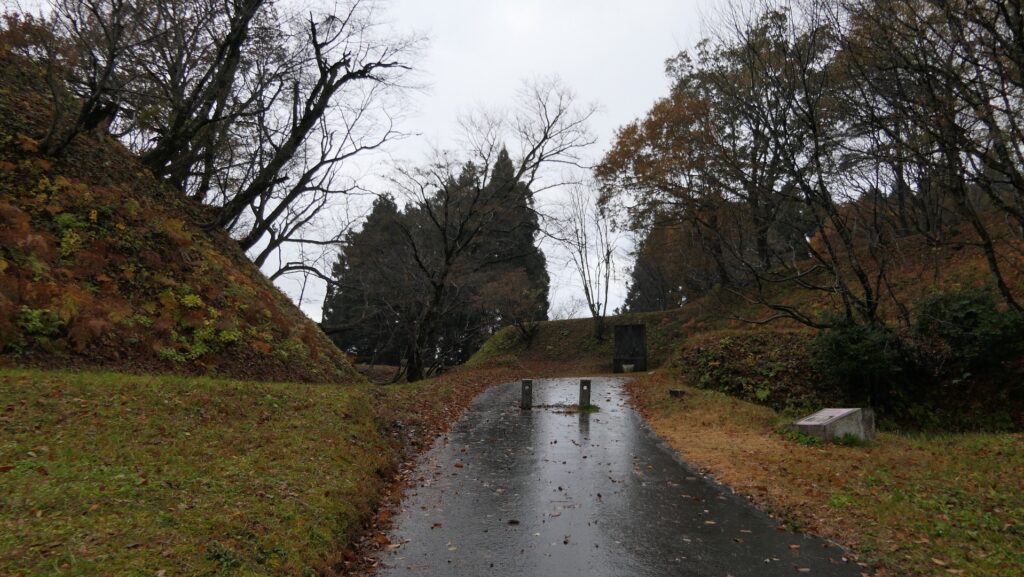
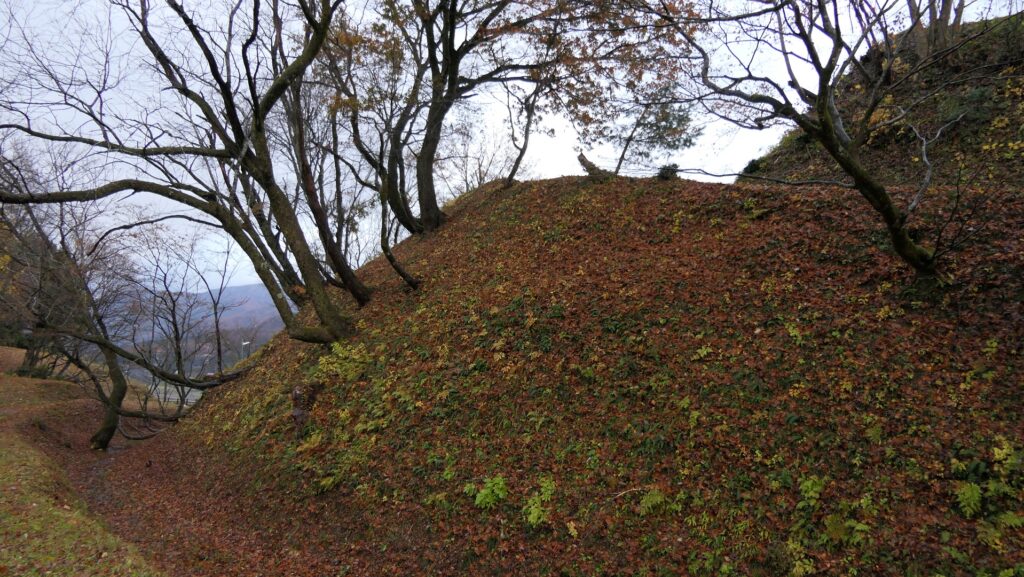
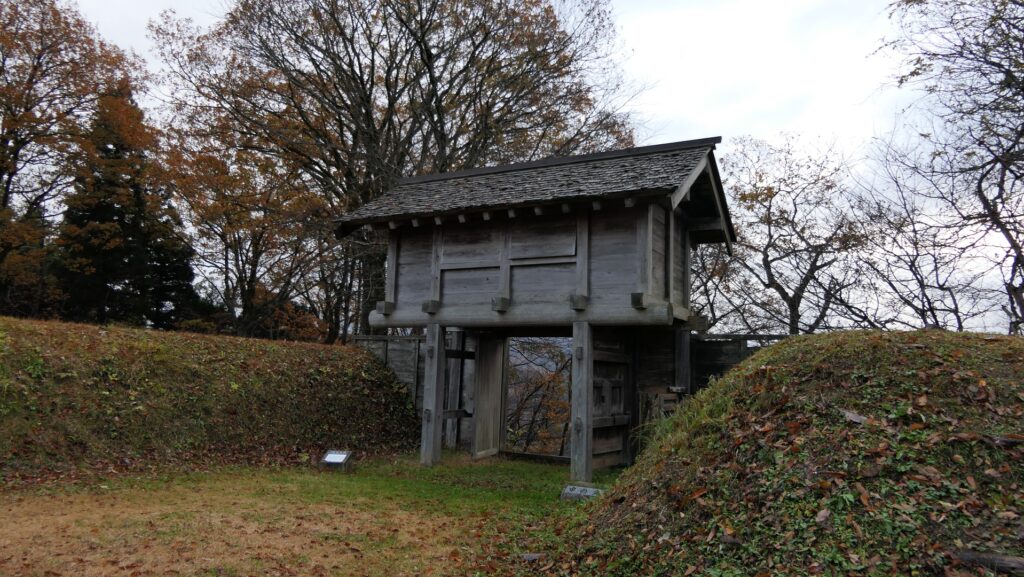
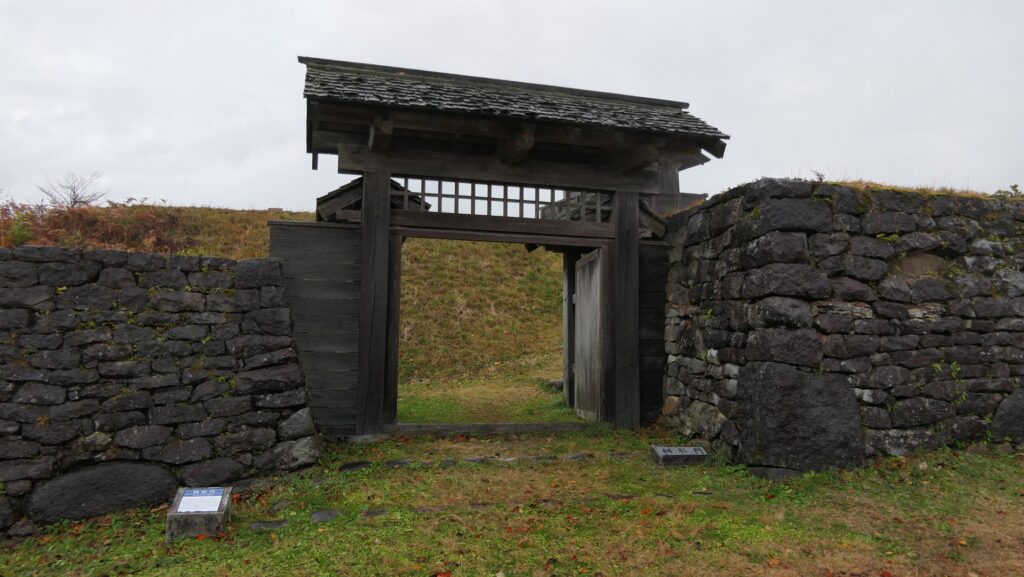
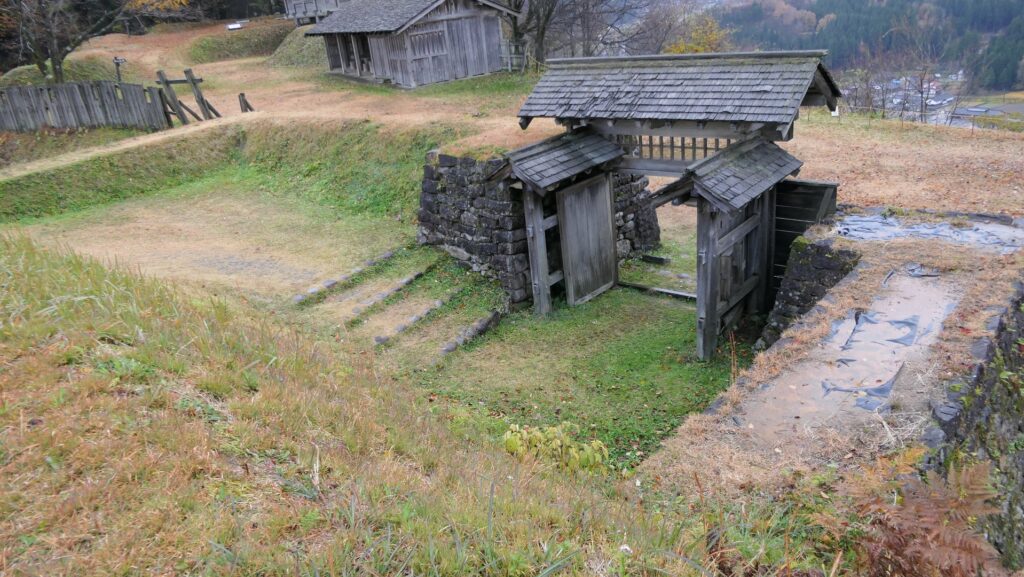
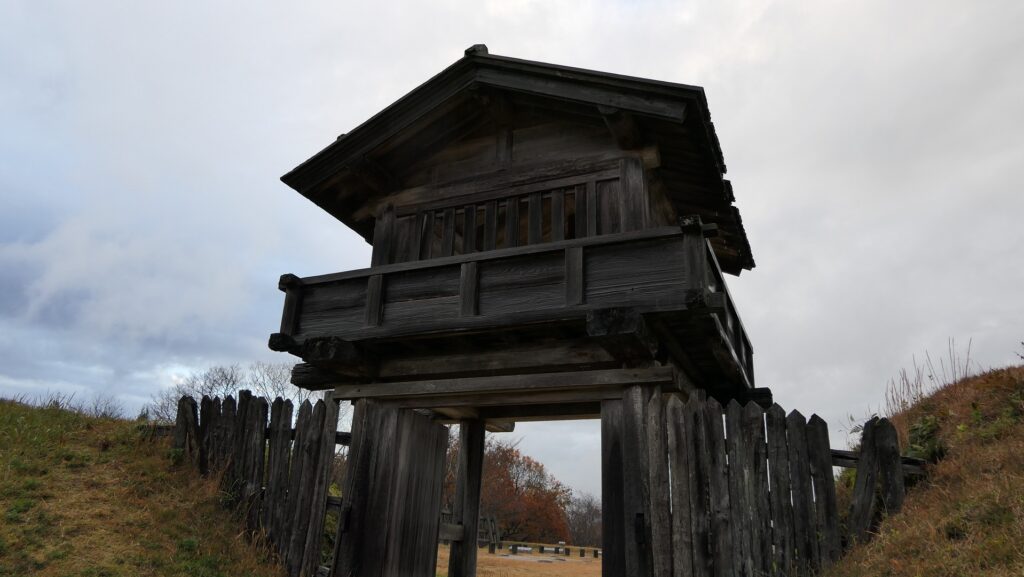
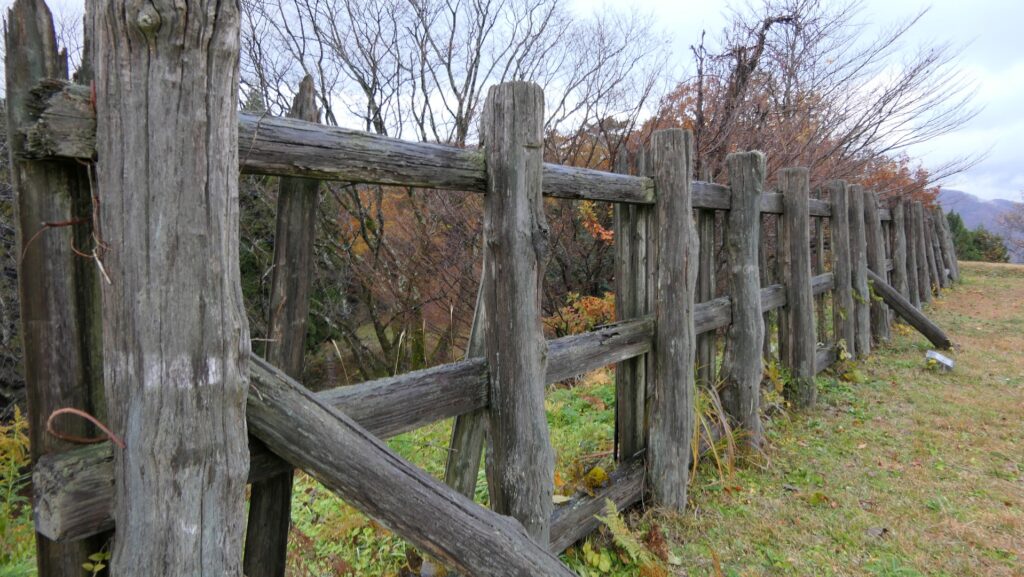
You can also see the ruins of fortress entrances at both edges of the site. The ruins of the Outbound Fortress Entrance still have an alternate entrance using huge stones. The entrances resemble a castle gate. The Inbound Fortress Entrance was restored in 1990 and it is 105m long and 5m tall earthen walls.

The ruins of the Outbound Fortress Entrance
The alternate entrance using huge stones
The restored Inbound Fortress Entrance

Restored Castle Town of Sengoku Period

Thanks to the achievement of excavation, you can visit the about 200m long restored streets and residences at the center of the ruins. If you stand in the streets, you will feel like you were in a real medieval city.

The restored streets and residences

You can also enter these restored residences. For example, in a merchant house, the mannequins of merchants sell something like potteries.

The inside of the restored merchant house

In a warrior’s house, the male mannequins play Japanese chess in the Japanese style drawing room, while the servant mannequins prepare a meal in the kitchen. These items were all restored based on the relics from the site, the remaining pictures, and buildings in other sites.

The restored warrior’s house
The mannequins playing Japanese chess in the Japanese style drawing room
The inside of the kitchen

Asakura Clan Hall Ruins in Center

You should check out the ruins of the Asakura Clan Hall Ruins which is located on the opposite side of the restored streets separated by the Ichijodani River. The hall was largest building in Ichijodani, which was used by the lord of the clan. The ruins are about 120m square, and still have earthen walls and water moat surrounding them. The ruins also have a Chinese style gate building in front of them. The remaining gate is that of the Shounin Temple which was built on the ruins in the Edo Period after the hall was burned. The ruins and the temple gate fit in with each other very much.

The Asakura Clan Hall Ruins surrounded by the earthen walls and water moat
The Chinese style gate building at the ruins entrance

Inside the ruins, the location of each building is shown as a flat exhibition, so you can understand what buildings were built in the past.

The inside of the hall ruins
A view of the hall ruins from the upper back side

Actual Special Places of Scenic Beauty Gardens

There are also several hall ruins for the Asakura Clan’s relatives. Moreover, four of the ruins of the clan’s gardens around the halls have also been designated as Special Places of Scenic Beauty since 1991. It is surprising that the gardens as they were in the 16th Century, still impress people in the present time.

The ruins of Nakanogoten Hall, one of the hall ruins for the Asakura Clan’s relatives

For example, Yudono Garden Ruins above the Asakura Clan Hall Ruins have the combination of wild rocks. It is said that the atmosphere of the garden is similar to that of the Sengoku Period.

The Yudono Garden Ruins

It is said that Suwa Residence Garden, now called the Suwa Residence Garden Ruins, was originally built for Yoshikage Asakura’s wife. It is a beautiful waterfall garden made using huge stones. The largest stone in the garden is said to be the largest one for a waterfall garden in Japan.

The Suwa Residence Ruins
The Suwa Residence Garden Ruins
The garden was made using huge stones

To be continued in “Ichijodani Castle Part3”
Back to “Ichijodani Castle Part1”

37.一乗谷城 その2

中世都市を想像し、また実際に見ることができます。

特徴、見どころ

どこまでも続く遺跡群

車でも、歩いてでも谷に沿って一乗谷城跡を訪れたなら、道の両側にどこまでも続くような住居跡を目にしてきっと驚かれることでしょう。この地域の278ヘクタールもの範囲が、一乗谷朝倉氏遺跡として国の特別史跡に指定されています。また、この遺跡から発掘された2,300を超える遺物が重要文化財に指定されています。

城周辺の航空写真

谷沿いに広がる遺跡群
城下町の遺跡

遺跡の両端では、城戸跡も見学することができます。下城戸跡には、巨石を使った食い違いの入口が今に残っています。この入口は、まさに城門そのものです。上城戸は、1990年に復元されており、全長105m、高さ5mの土塁となっています。

下城戸跡
巨石を使った食い違い入口
復元された上城戸

戦国時代の町並を復原

発掘の成果により、遺跡の中心部では約200mに渡って当時の町並が復原されています。その町並の通りに立ってみると、本物の中世都市にいるような感じがします。

復原町並

復原された住居の中に入ってみることもできます。例えば、商家の中では、商人のマネキンが陶器のようなものを売っています。

復原された商家の中

武士の館では、男性のマネキンが居間で将棋に興じています(「酔象」と呼ばれる今では使われていない駒があり、「朝倉将棋」と呼ばれています)。また、台所では使用人のマネキンが料理の準備をしています。これらの展示物は、現地で発見された遺物、他の地域に現存している絵画資料や建物をもとに復原されています。

復原された武家屋敷
居間で将棋を指すマネキン
台所の中

中心部にある朝倉氏館跡

復原町並から一乗谷川を挟んだ反対側にある朝倉氏館跡にも行ってみましょう。この館は一乗谷では最大の建物で、朝倉氏の当主が住んでいました。館跡は約120m四方で、現在も土塁と水堀により囲まれています。ここには正面に唐門があります。これは、館が炎上した後、江戸時代になって館跡に建てられた松雲院(しょううんいん)の門が残っているものです。館跡とこの寺の門は、お互いを引き立てているように思います。

土塁と水堀に囲まれた朝倉氏館跡
館跡入口の唐門

館跡の内部では、それぞれの建物があった位置が平面展示されていて(主殿、会所、台所、厩舎など)、かつてどのような建物があったのか理解できるようになっています。

館跡の内部
館跡を後ろ上方から

現役の特別名勝である庭園群

ここには、朝倉氏の一族の館跡もあります。その上に、その館周辺には4つの朝倉氏の庭園があり、1991年以来国の特別名勝に指定されています。16世紀そのままの姿で出てきた庭園が、現在の人々をも魅了しているということであり、驚くべきことです。

一族の御殿の一つ、中の御殿跡

例えば、朝倉氏館跡の上の方にある湯殿跡庭園(ゆどのあとていえん)は、荒々しい岩が組み合わされ作られています。この庭園の雰囲気は、戦国時代さながらだ言われています。

湯殿跡庭園

諏訪館跡庭園はもともと、朝倉義景の妻(小少将)のために築造されたと言われています。巨石を使ったとても美しい池泉庭園です。この庭園で最も大きな石は、日本の池泉庭園の中でも最大のものと言われています。

諏訪館跡
諏訪館跡庭園
巨石を使って作られています

「一乗谷城その3」に続きます。
「一乗谷城その1」に戻ります。

138.Echizen-Ohno Castle Part2

Visit both the castle and the castle town.

Features

Four Trails to Top

Today, Echizen-Ohno Castle is part of Kameyama Park on the mountain. There are four trails to the top of the mountain. Only one of the four routes called Hyakken-zaka is the original one which is zigzagged and steep.

The map around the castle

The original route called Hyakken-zaka

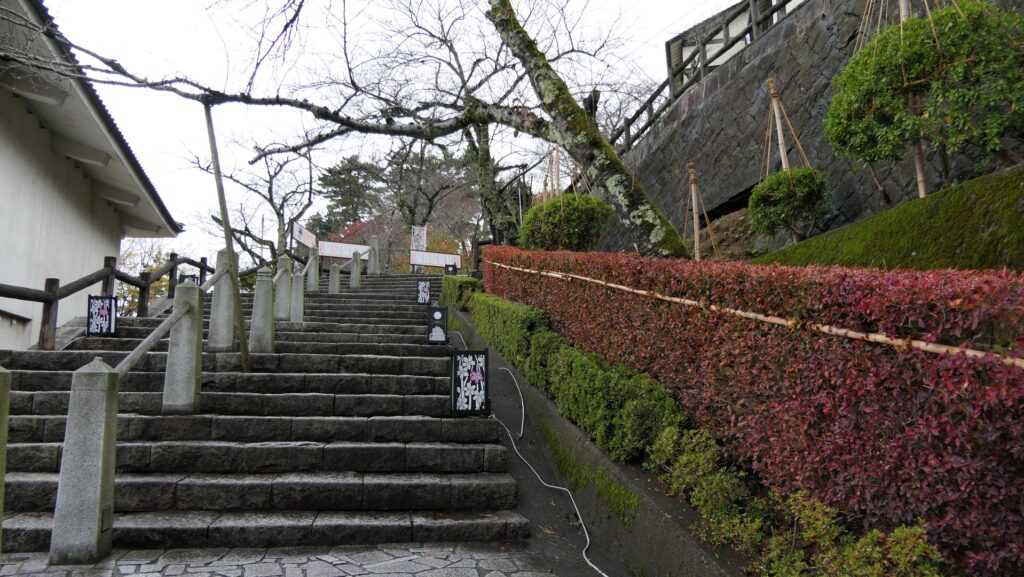
If you want to walk on a gentle slope, you can use other routes such as the Southern Route. The walk takes about 15 to 20 minutes. If you choose the Southern Route and climb up stone steps after the walk, you will arrive at the Main Enclosure on the top.

The Southern Route
The stone steps to the Main Enclosure
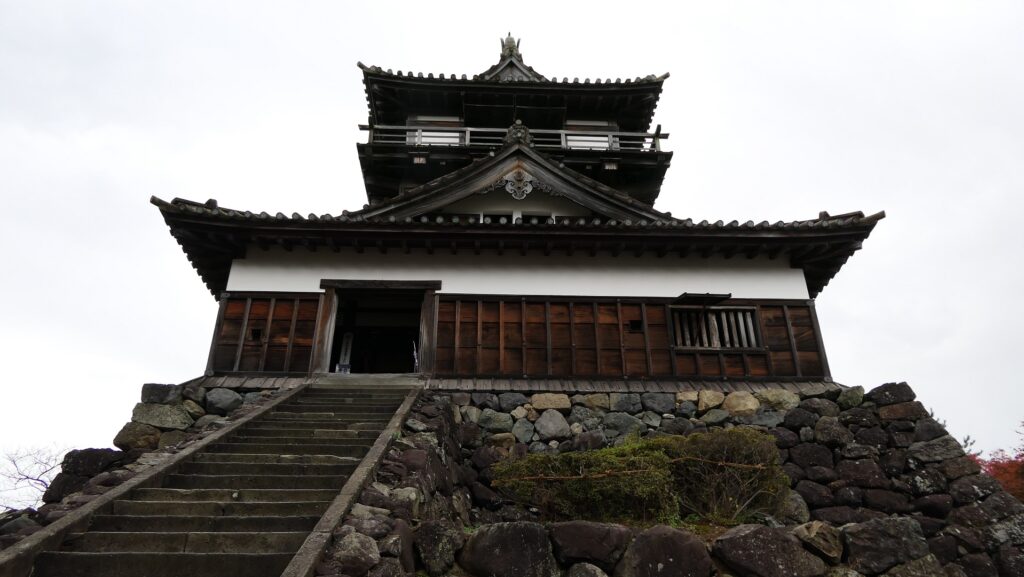
You will reach the Main Enclosure

Old Stone Walls and Rebuilt Main Tower

The enclosure is surrounded entirely by the old stone walls which Nagachika Kanamori originally built. These stone walls were piled up using natural stones in an old way called Nozura-zumi. They look wild but were built wisely. Part of them seemed to have been re-piled when the castle buildings were rebuilt in the present time.

The stone walls surrounding the Main Enclosure
The rebuilt Main Tower on the stone walls

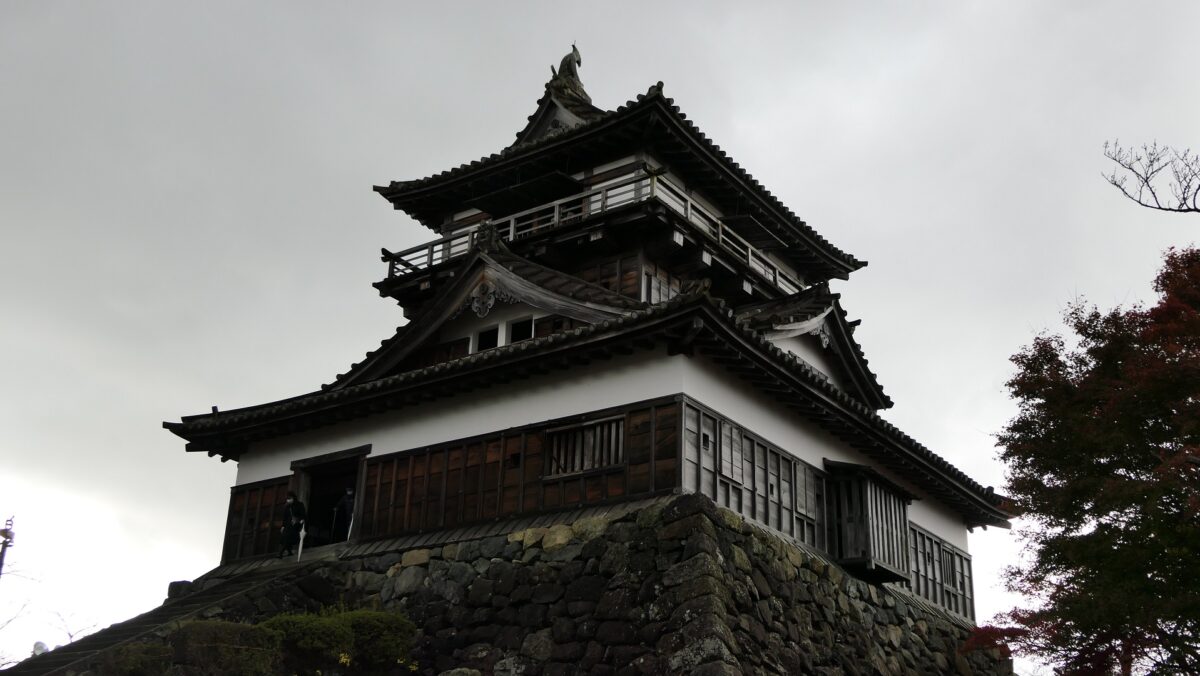
What you see on the stone walls is the rebuilt Tenshu which was constructed in 1968. It doesn’t resemble the original Tenshu of Echizen-Ohno Castle which looked like combined halls. It looks like a typical Main Tower which people in Japan usually imagine as Tenshu. The reason why such a Tenshu was built was probably because people in this area wanted it. The Tenshu building is actually a modern building which is also used as a historical museum and an observation platform. You can learn more about the castle inside.

The rebuilt Main Tower, its shape is different from the original one
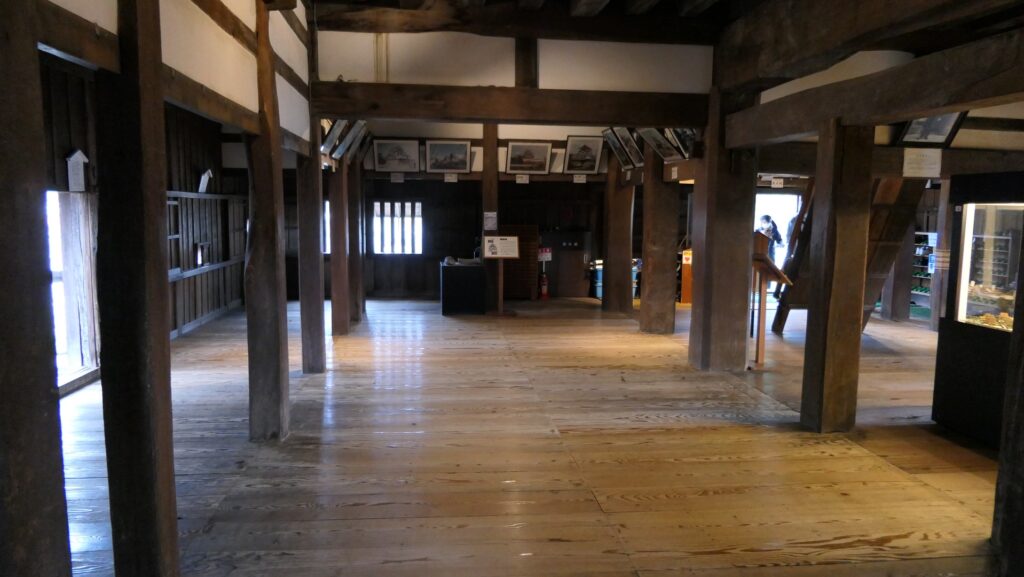
The interior of the Main Tower

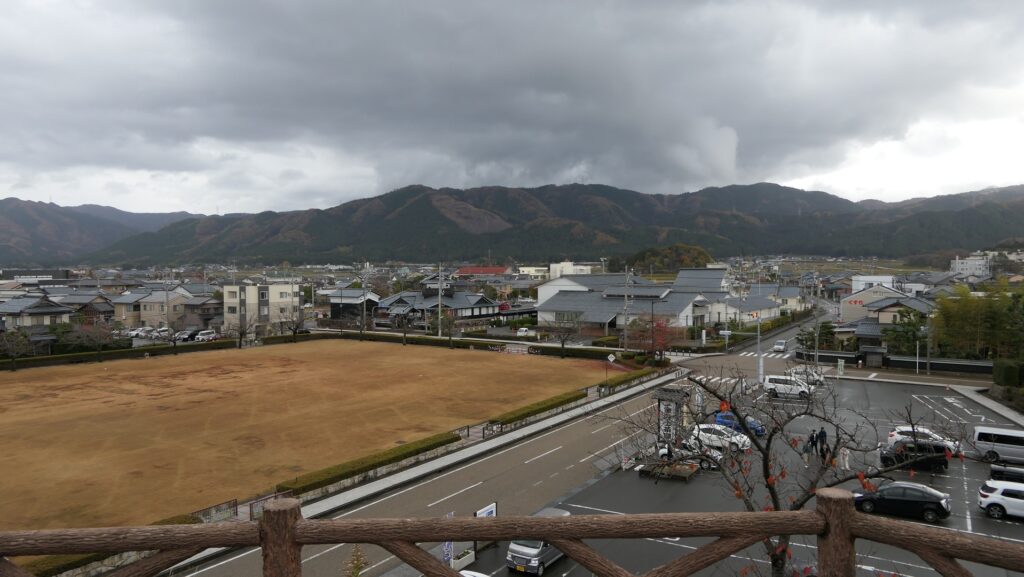
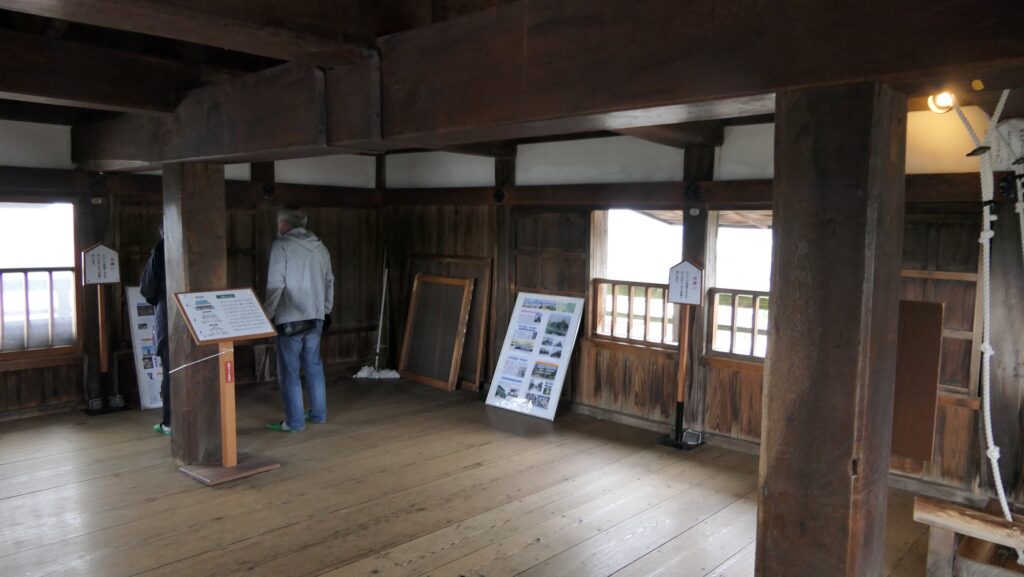
From the top floor, you can enjoy a great view of Ohno city area including the old castle town and Inuyama Mountain where the old castle before Echizen-Ohno Castle was built.

A view of the Inuyama Mountain side from the Main Tower
A view of the Castle Town side from the Main Tower

Attractions at Foot of Mountain

You can also visit other attractions of the castle at the foot of the mountain. There is an educational complex in the Second Enclosure now called Meirin. The facilities include a primary school and a community center. The short part of the water moat remains in front of the facility.

The Second Enclosure seen from the Main Tower
The Second Enclosure with the water moat

There is the restored house of the Uchiyama Clan, a senior vassal family of the Ohno Domain. There is also the remaining warrior’s house of the Tamura Clan around.

The restored house of the Uchiyama Clan
The remaining warrior’s house of the Tamura Clan

Attractive Castle Town

If you have time, I recommend walking around the old castle town. For example, the morning market is held every day excluding midwinter at the Shichiken Street in the merchant area. A famous spring spot called Oshouzu is near the temple area. It was used by the lord of the castle. There are a lot of springs in this town, which have been used for domestic water since the town was developed.

The Shichiken Street
The spring spot called Oshouzu

You can also see zigzagged streets at several points, which were made to prevent enemies from attacking the castle easily.

One of the zigzagged streets

To be continued in “Echizen-Ohno Castle Part3”
Back to “Echizen-Ohno Castle Part1”

error: Content is protected !!