178.Noshima Castle Part2

Noshima has become a deserted island. You can’t go there by yourself because of the state of the island. If you want to go there, you need to book a boat tour from Miyakubo fishing port on the weekends.

Features

Island looking like Unsinkable Warship

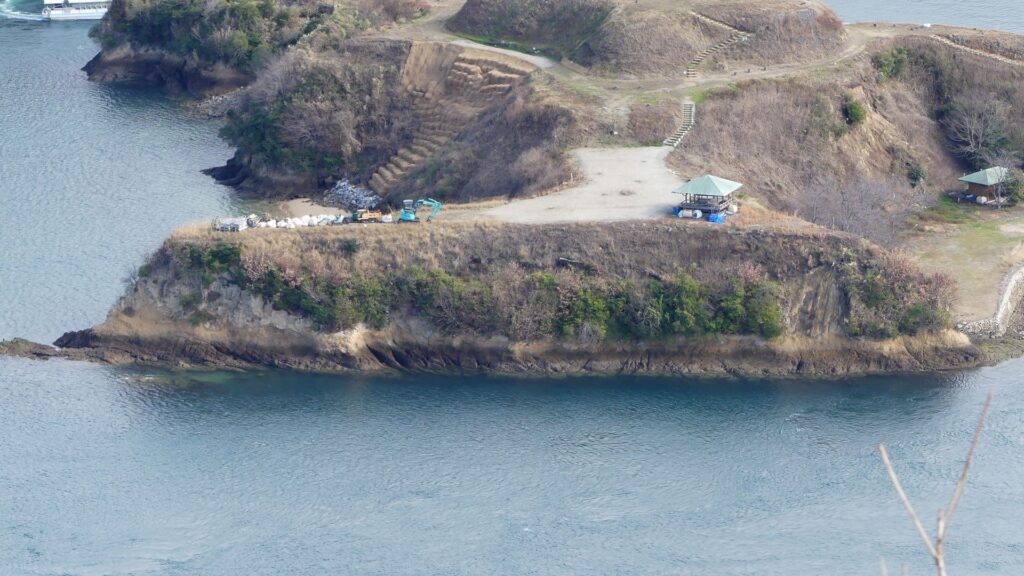
Today, Noshima unfortunately has become a deserted island. If you see Noshima from other places such as the seaside of Oshima Island and Mt. Kareiyama observation park on the island, Noshima looks like an unsinkable warship. This is partially because Noshima Island has been developed by the officials to maintain its original conditions of its castle ruins as they are a National Historic Site. That’s why the ruins don’t have trees and bushes, so that you can see the shapes of its enclosures vividly.

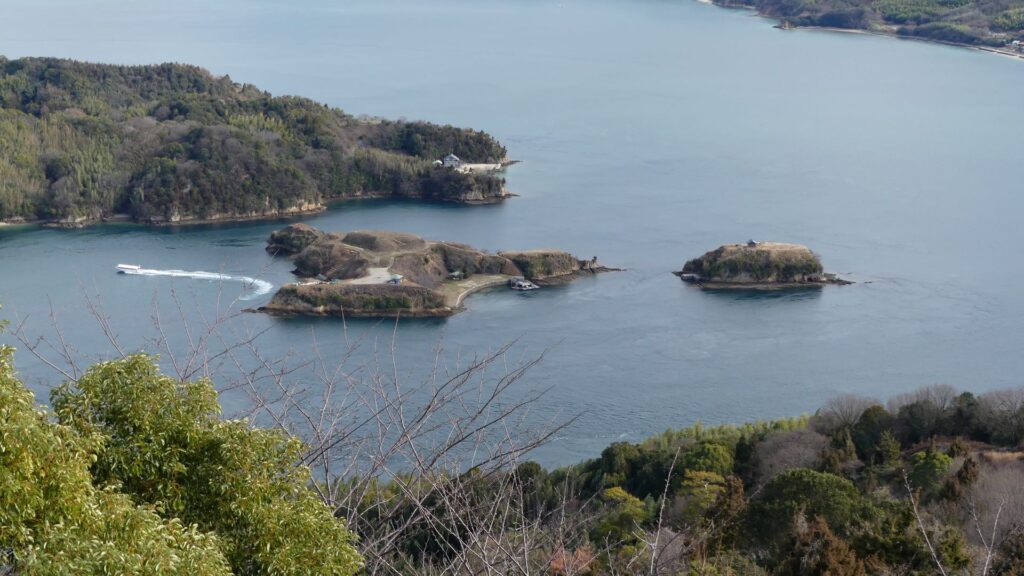
The observation platform of Kareiyama Mountain
Noshima Island, seen from the platform

Going to Castle Ruins by attending Boat Tour

Despite the development, you can’t go there by yourself because of the state of the island. If you want to go there, you need to book a boat tour from Miyakubo fishing port on the weekends. (However, the tour could be canceled due to the lack of participants, if it’s less than 10.) If you board on the boat, the captain will operate it smoothly like a sailor of the Murakami Navies.

The Miyakubo fishing port
Boarding the boat
Going to the castle ruins

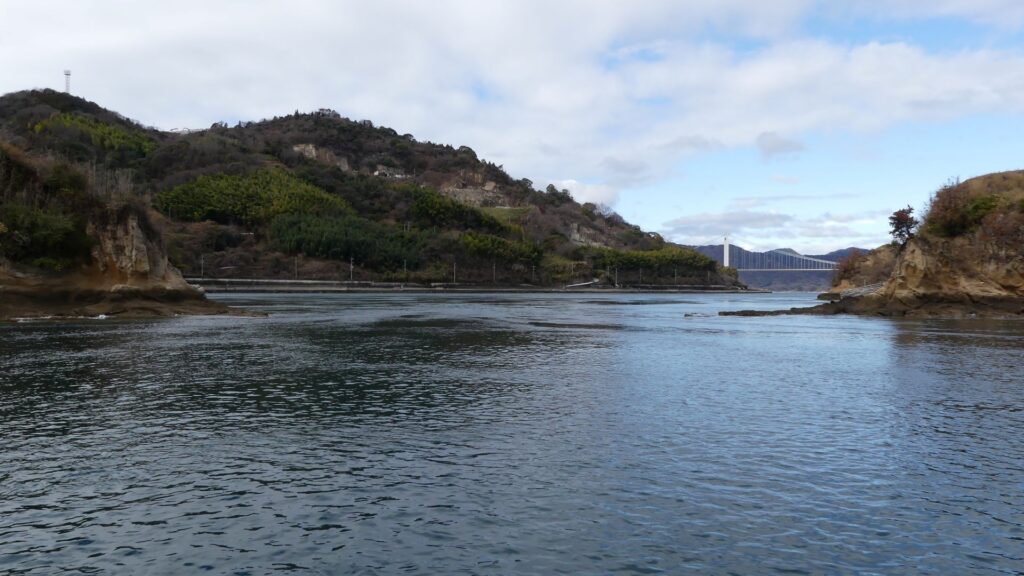
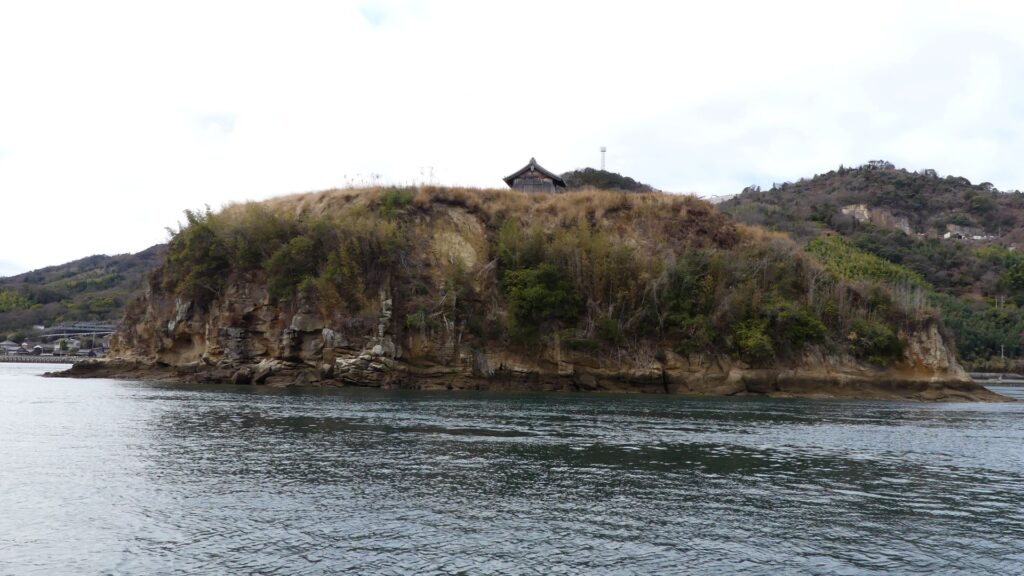
The boat will approach around the island in a few minutes. There is another smaller island called Taizaki-jima, like a satellite island of Noshima. It was said that both islands were once connected by a suspension bridge. Taizaki Island still has a small shrine on it, but visitors usually can’t go there because there is no bridge today. In addition, the sea between them is very dangerous because it is too shallow for any ships to pass during low tide.
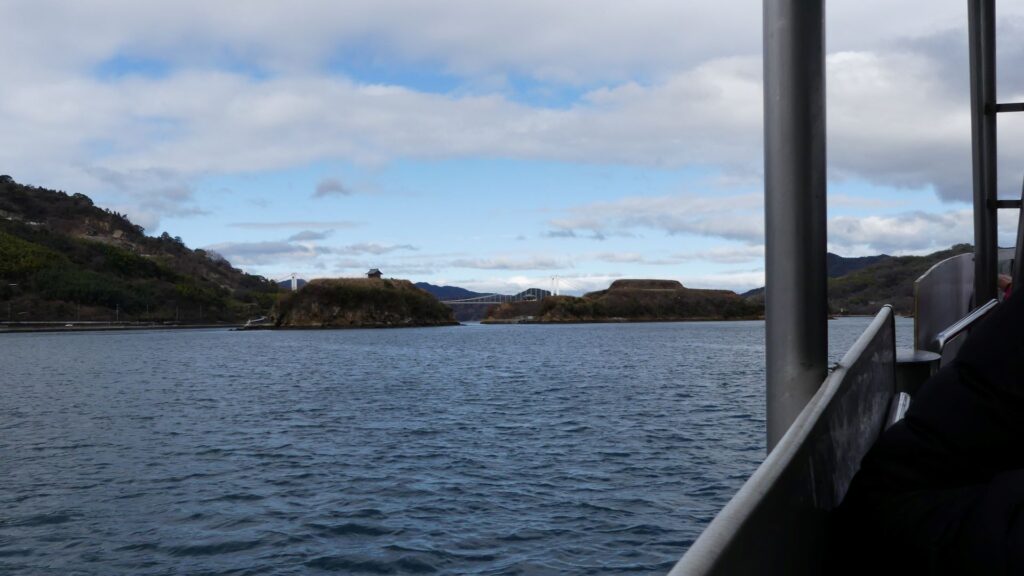
The castle ruins are coming into view
Taizaki Island
The shallows between the two islands

The aerial photo around the castle

Wild Tides around Island

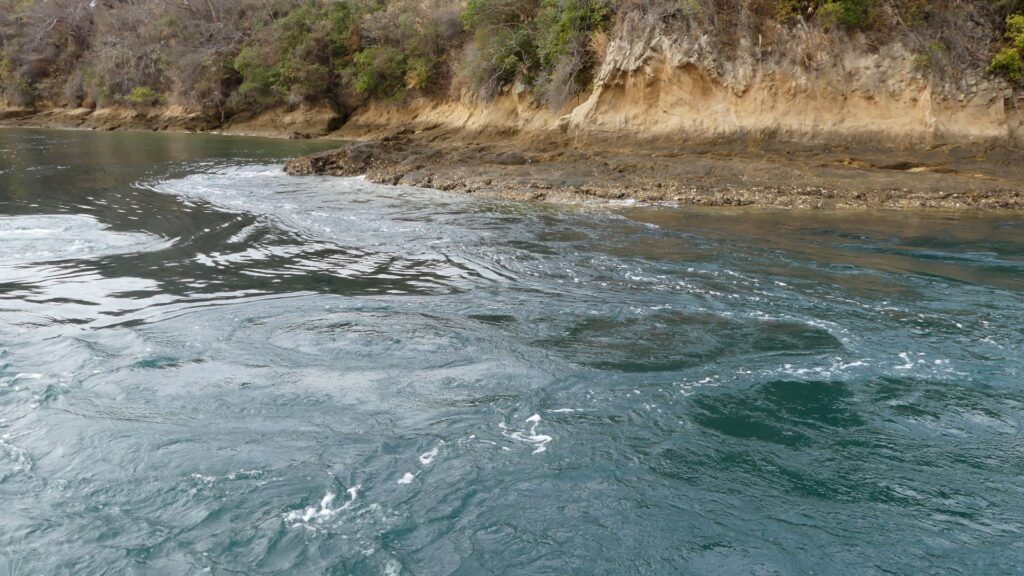
Your boat will not reach Noshima Island so easily because the tides around it are usually wild. For example, the tide around its northeastern cape usually swirls, which causes ships to turn without professional operations.

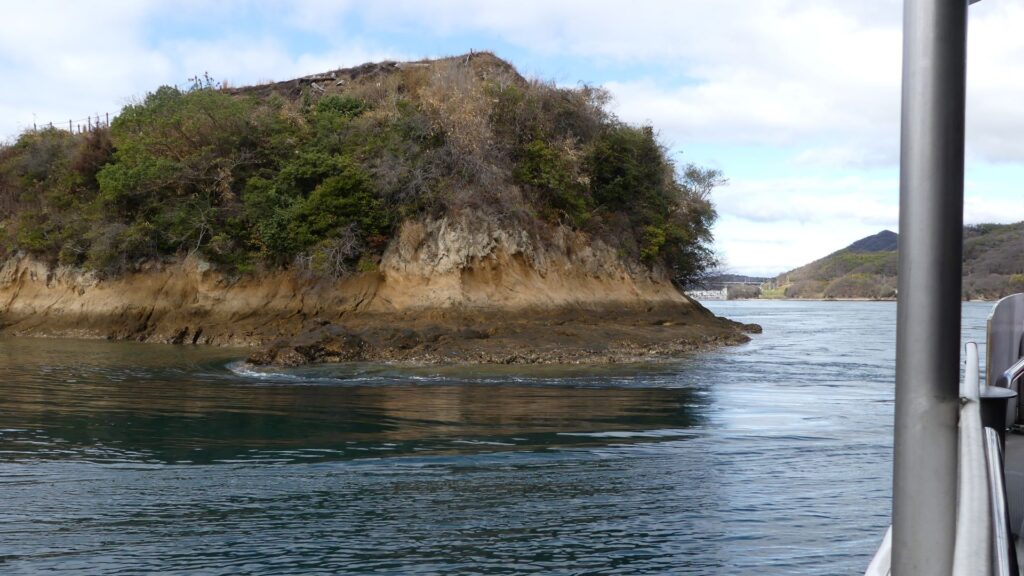
The eastern side of Noshima Island
The northeastern cape of the island
The tide is swirling

Your boat will go around north of the island seeing its northern beach called Funadamari (meaning the boat pool). The beach has terraced design with a passage, so It was thought that the Navy members unloaded cargo there. There are also lots of postholes around the shore, called “Gansho(reef) Pit”, which were said to be used for mooring. However, it is still uncertain how the Navies used them because there are over 400 holes around the island including dangerous spots. You may see only a few of the holes as they were buried again for preservation or are covered from the tide.
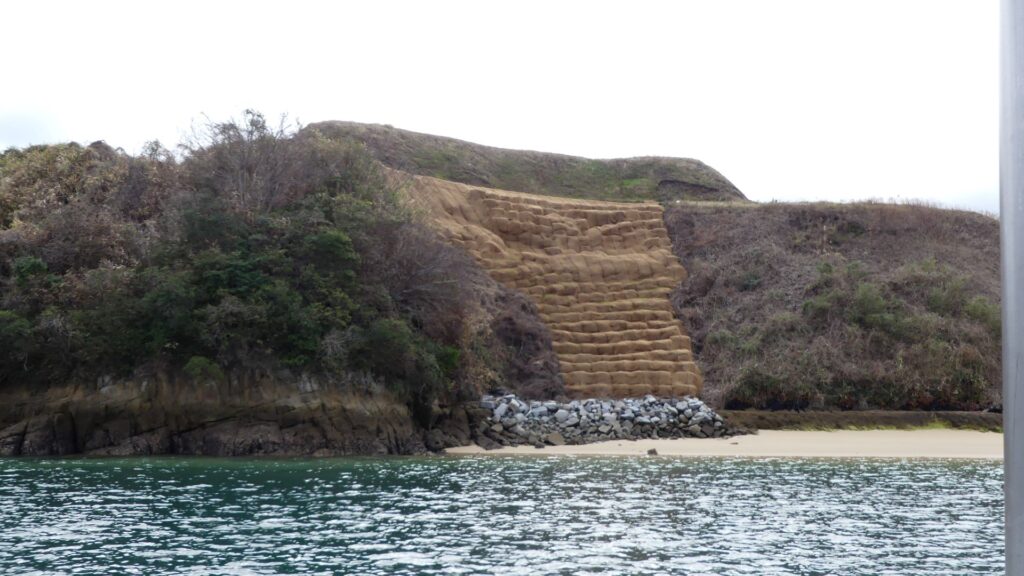
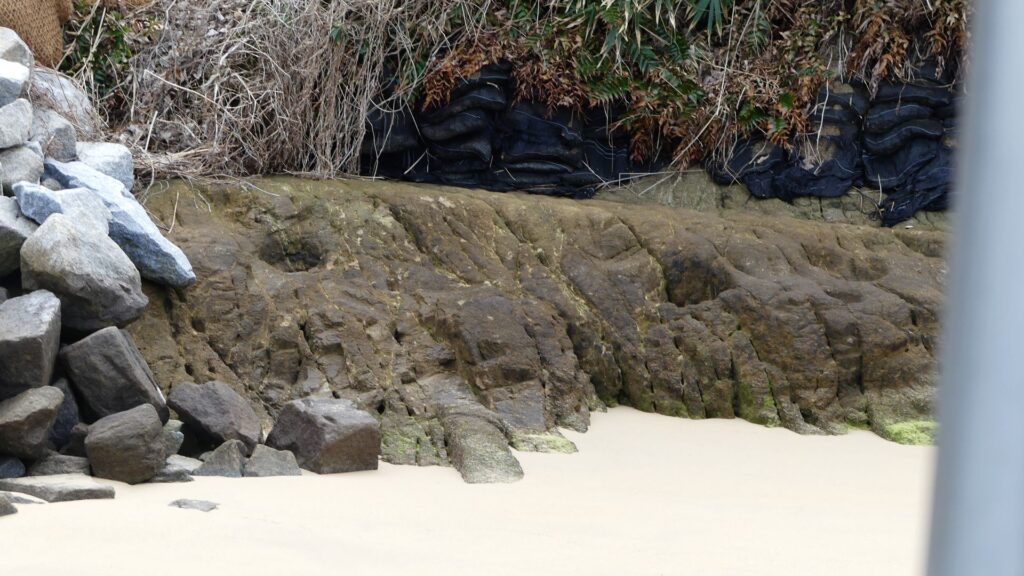
The Funadamari boat pool
You can see some of the postholes

Going to Third Enclosure after landing

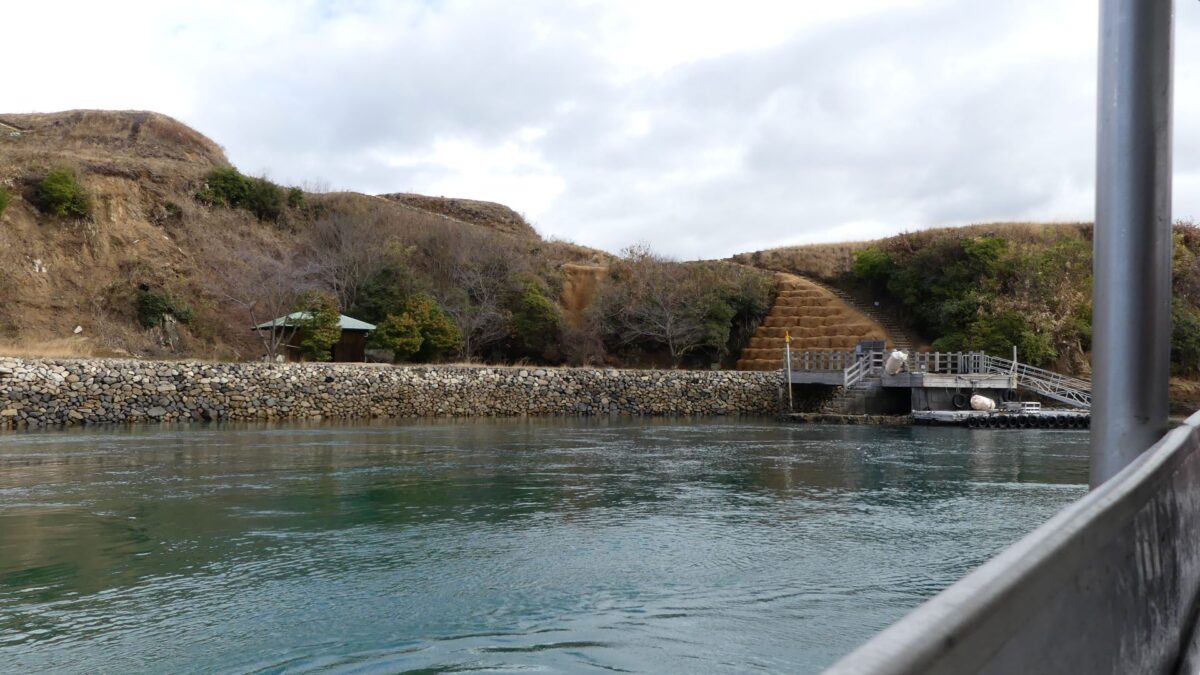
Your boat will eventually come alongside the pier at the southwestern beach, one of the few safe spots of the island. There are shore protections with restored stone mounds and the ruins of a repair shop nearby. That’s why this place was thought to be used as a maintenance yard.
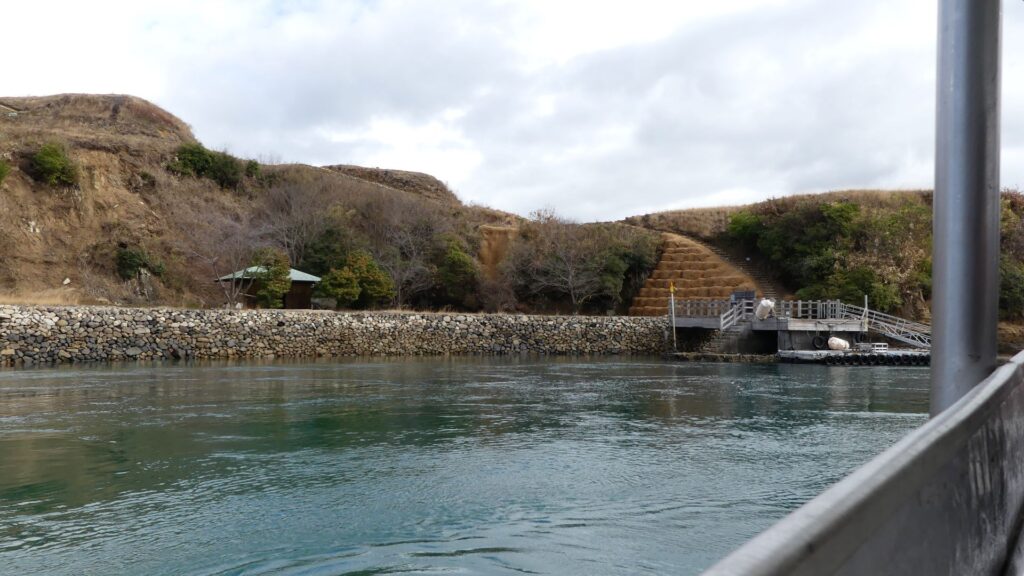
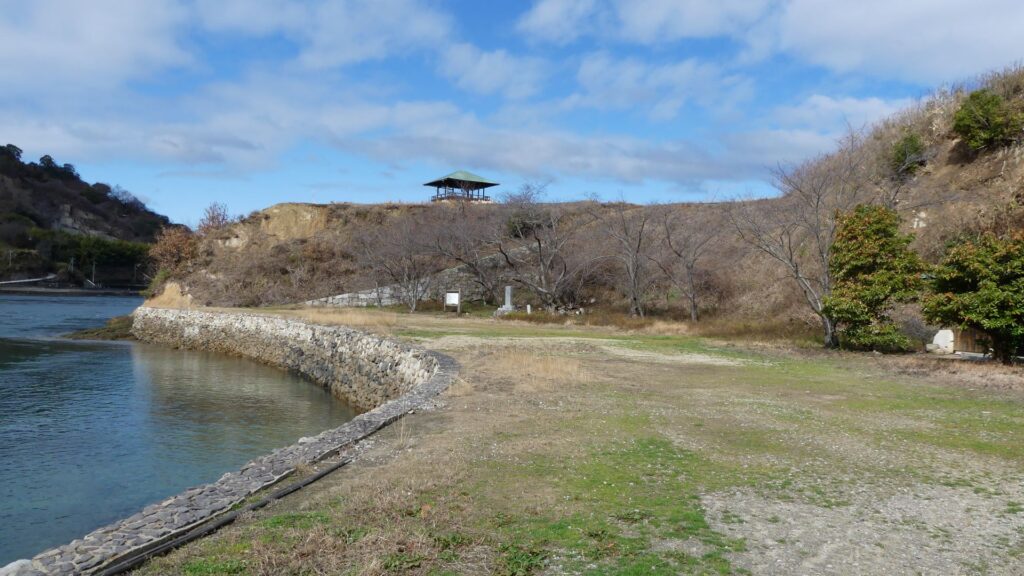
Getting close to the pier
The beach is guarded by the shore protections

The tour guide will introduce you to the attractions of the castle ruins on the island after landing. The tour course is safe and well developed with paths and wooden steps for visitors though there are no castle buildings.
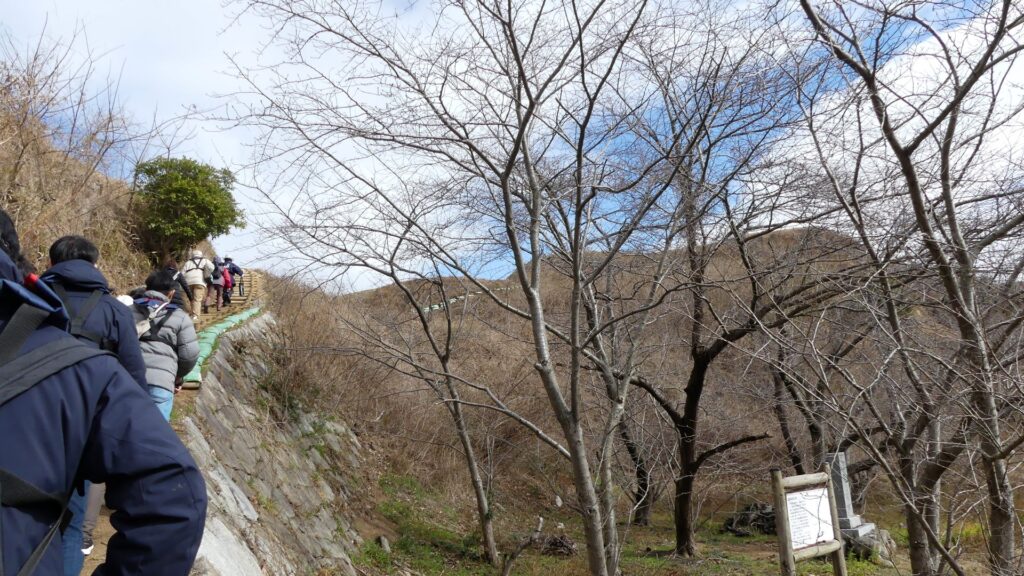
Following the guide

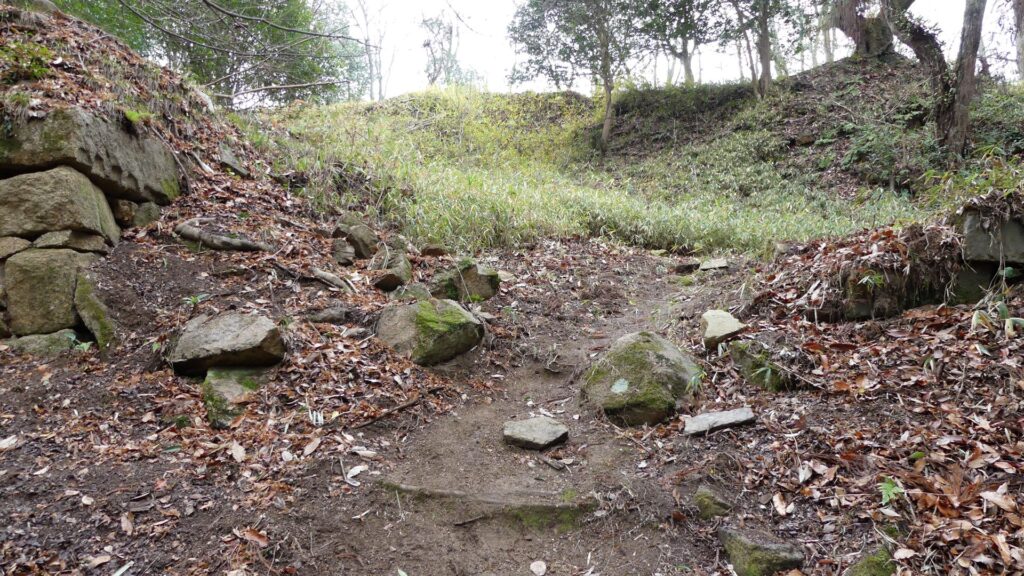
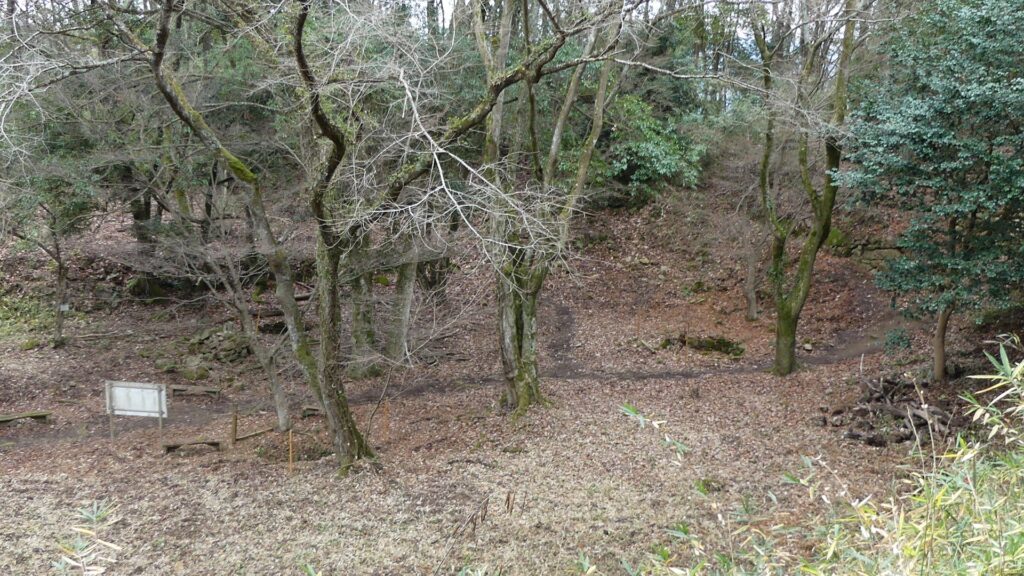
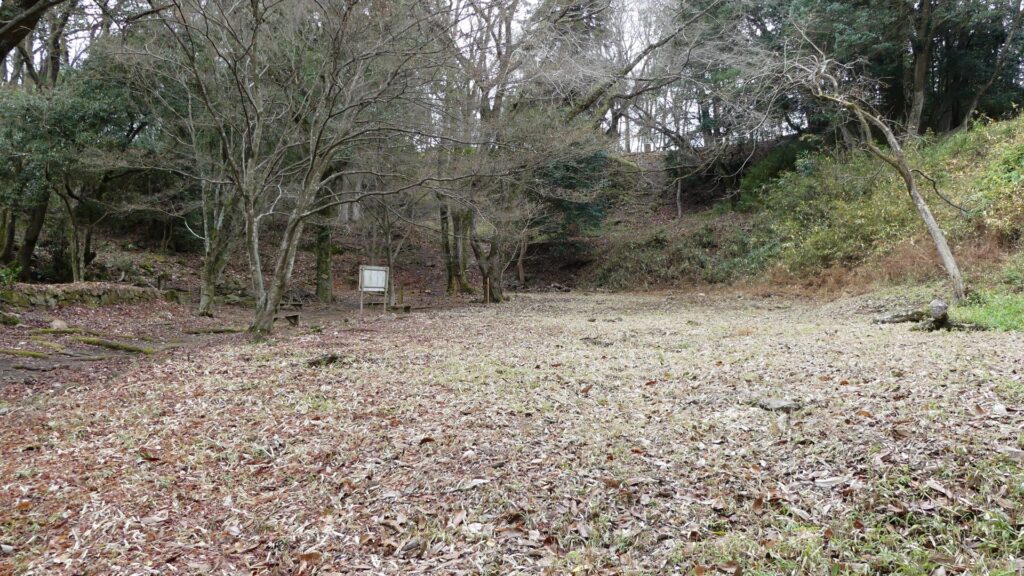
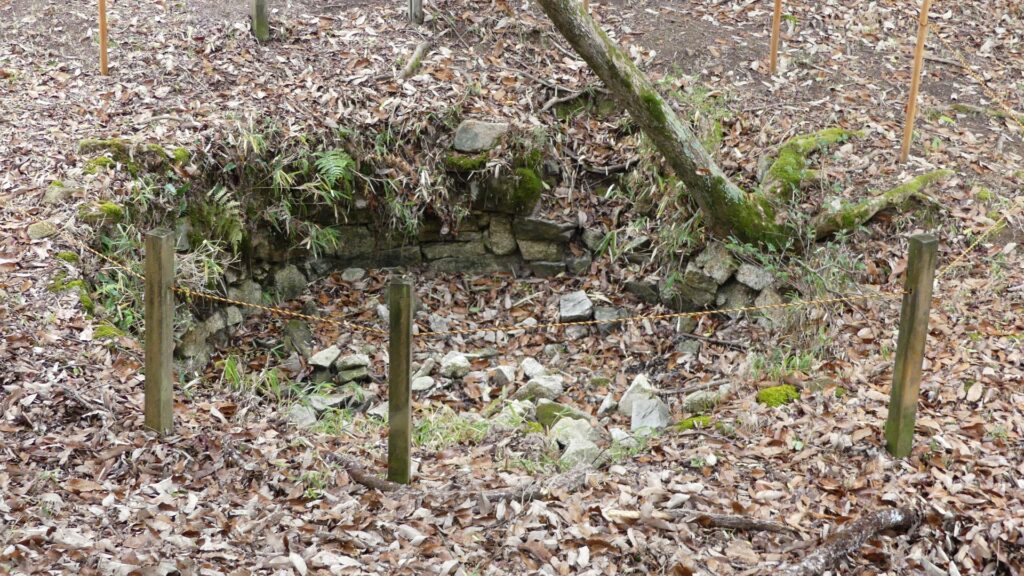
The castle ruins have several enclosures; the main enclosure on the top, surrounded by the second enclosure, the lower third enclosure, and the others on the island’s capes. The tour group will first go to the third enclosure from the beach. Stone foundations were found by the excavation team, which were thought to be used as houses or warehouses. Earthenware jars and valuable chinaware were excavated there, so they might have been stored as a type of fee from travelers’ ships or by the navies’ tradings.
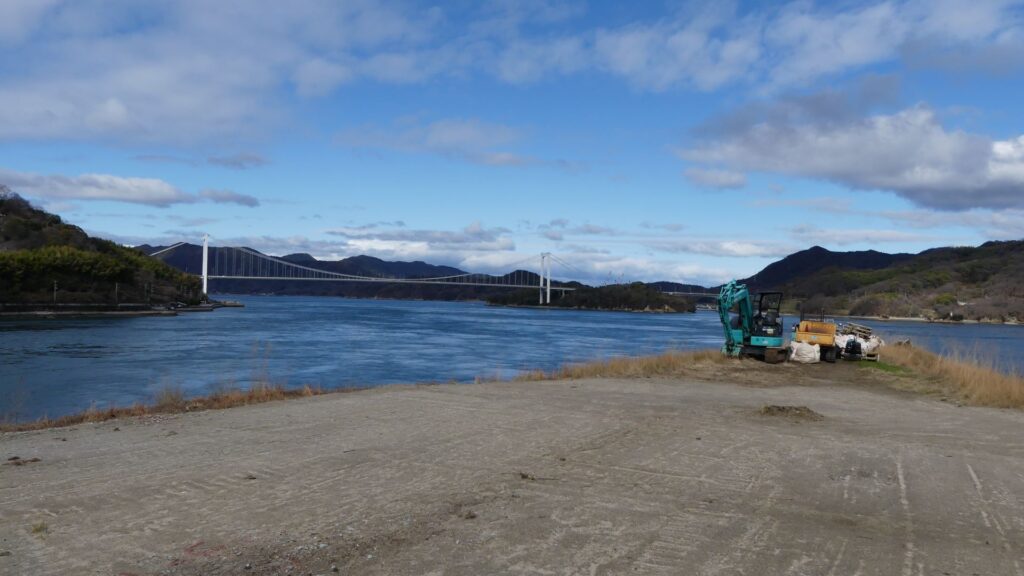
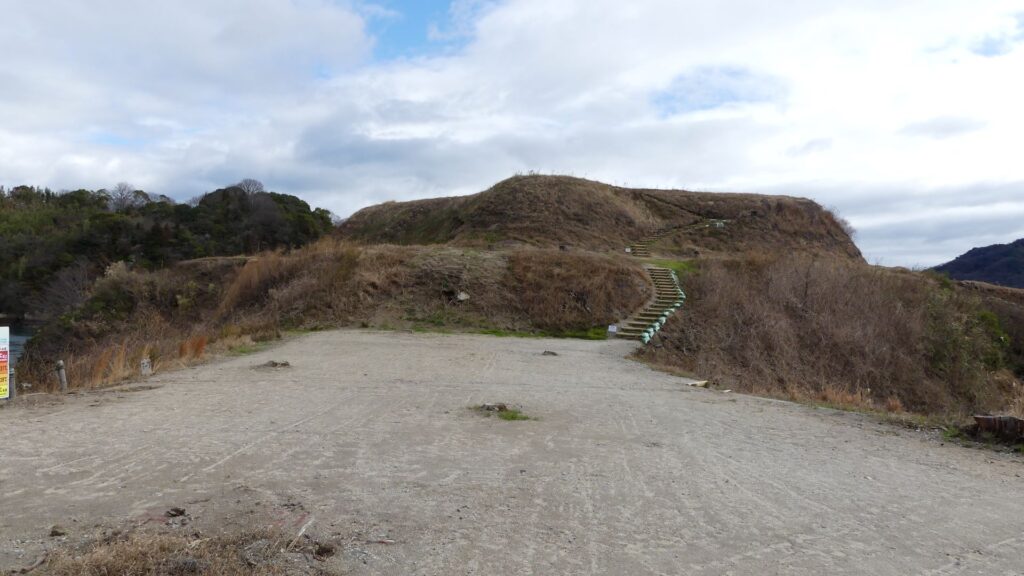
The third enclosure
Looking towards the main enclosure from the main enclosure
The third enclosure, seen from the Kareiyama Mountain

To be continued in “Noshima Castle Part3”
Back to “Noshima Castle Part1”
178.能島城 その2

現在、能島は無人島になってしまっています。この島の状況から、個人で気ままにこの島に渡ることはできません。週末に宮窪漁港から出ているツアー船を予約する必要があります。

特徴、見どころ

不沈艦のように見える島

現在、能島は残念ながら無人島になってしまっています。この能島を、大島の海岸あるいはカレイ山展望公園から眺めてみると、まるで不沈艦のように見えます。その理由の一つとして、能島城跡が国の史跡に指定されていて、遺跡の状態を維持するためによく整備されていることが挙げられるでしょう。その結果、ここには木や藪がほどんど茂っていません。そのため、城の曲輪の形がくっきりと見えるのです。

カレイ山展望公園にある展望台
展望台から見える能島城跡

ツアー船で城跡へ

このように整備されてはいるものの、この島の状況から、個人で気ままにこの島に渡ることはできません(船をチャーターすれば別ですが)。週末に宮窪漁港から出ているツアー船を予約する必要があります(最少催行人員の10人に満たない場合はキャンセルになってしまいます)。ツアー船に乗り込むと、船長はまるで村上水軍の水夫のように船を滑らかに操ります。

宮窪漁港
ツアー船に乗り込みます
能島城跡に向かいます

船は数分で能島周辺に近づきます。能島の傍らには衛星のようなもう一つの小さな島、鯛崎島(たいざきじま)があります。能島とこの鯛崎島は、かつては吊り橋でつながっていたと言われています。鯛崎島には今でも小さな祠があります。しかし現在は橋がないので、そこに行くことはできません。島の間の海はとても浅く、干潮のときにはどんな船でも通ることができずとても危険な場所です。

能島城跡が見えてきました
鯛崎島
2つの島の間の浅瀬

城周辺の航空写真

島の周りの激しい潮流

ツアー船は簡単には島に付きません。島の周りの潮流が常に激しいからです。例えば、島の北西側の岬周辺の潮流は渦を巻いています。プロの操船技術がなければ、船はグルグル回ってしまうでしょう。

能島の東側
北西側の岬
潮流が渦を巻いています

ツアー船は、船溜まりと呼ばれる北側の岸を回り込んでいきます。この岸は、階段状に整地されていて通路もあります。水軍の水夫がここで荷揚げをしていたと考えられています。また、数多くの「岩礁ピット」と呼ばれる穴が岸に開けられていて、船を係留するために使われたと言われています。しかしその用途は今でも確定していません。この島の周りには、危険な箇所も含めて400以上のピットが発見されているからです。船の上からいくつかピットが見えるかもしれませんが、その多くは保存のため再度埋められたり、潮流の下に隠れてしまっているそうです。

船溜まり
岩礁ピットがいくつか見えます

上陸して三の丸へ

ツアー船はようやく島の南西側の岸にある船着き場に到着します。ここは、島では数少ない安全な場所です。この一帯には復元された石積みによる護岸壁があり、近くには鍛冶場の跡があります。そのため、ここはメンテナンスヤードとして使われていたと考えられています。

船着き場に近づきます
岸は護岸壁に守られています

上陸した後は、ガイドの方が島にある城跡の見どころを案内してくれます。案内されるコースは、城の建物は残っていないものの、通路と木製の階段がよく整備され、ビジターは安全に見て回ることができます。

ガイドに従って城跡を周ります

城跡にはいくつもの曲輪があり、頂には本丸、二の丸がその周りを囲み、一段低いところに三の丸があります。島の岬部分にも曲輪が配置されています。まず最初は、上陸した岸から三の丸の方に行きます。発掘調査によってここで礎石群が発見され、住居か倉庫が建っていたと考えられています。陶器製の壺や、高価な中国製陶磁器も出土しています。これらは航行していた船から徴収されたか、水軍自らの交易により、収められていたのかもしれません。

三の丸
三の丸から本丸の方を見ています
カレイ山から見た三の丸

「能島城その3」に続きます。
「能島城その1」に戻ります。

173.Nitakayama Castle Part3

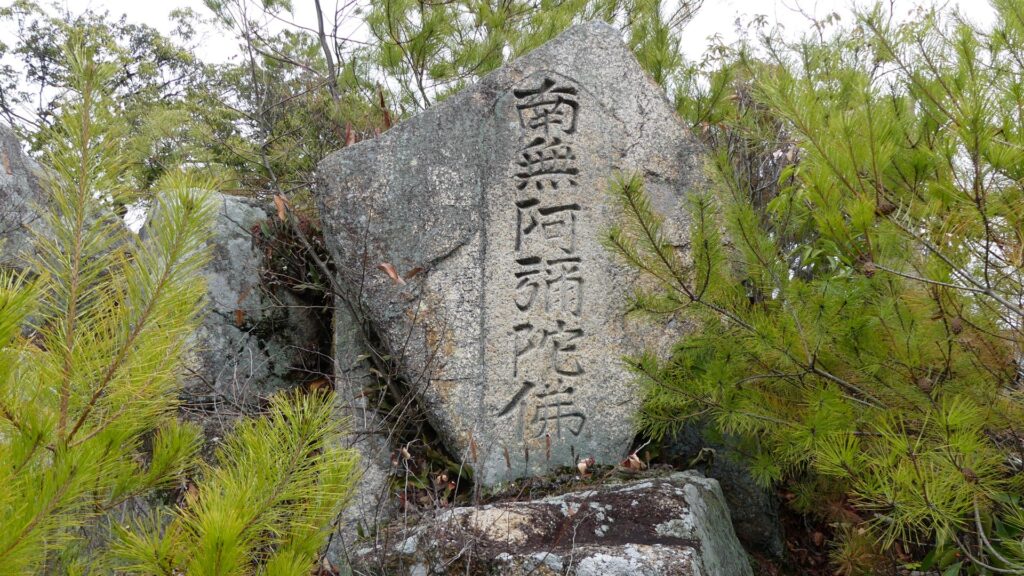
After Nitakayama Castle was abandoned, its ruins were used as a place for the practices of the mountain priests. That’s why there are stone buddha statues and monuments they built on the top of the mountain.

Features

Unique Final Enclosure

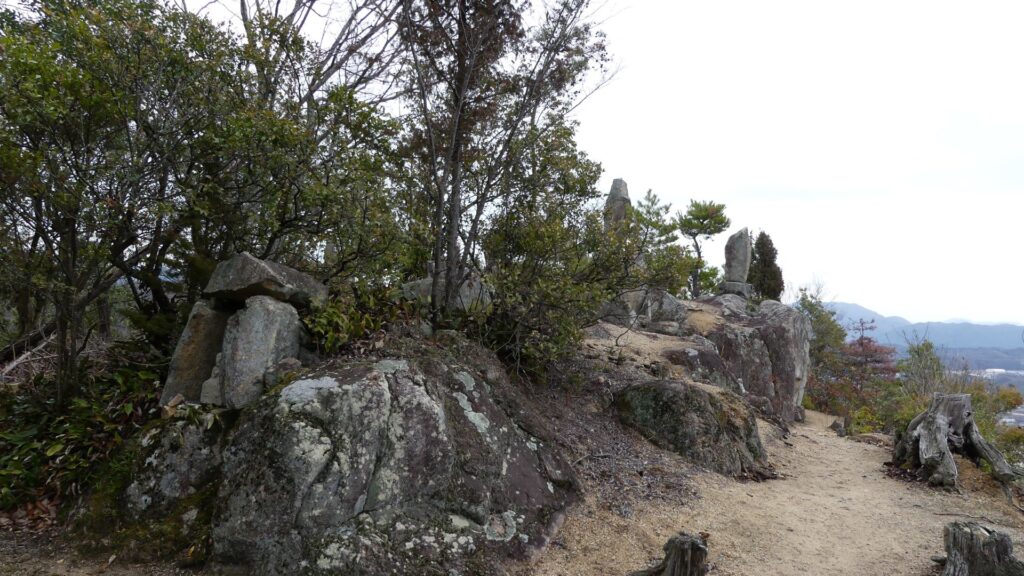
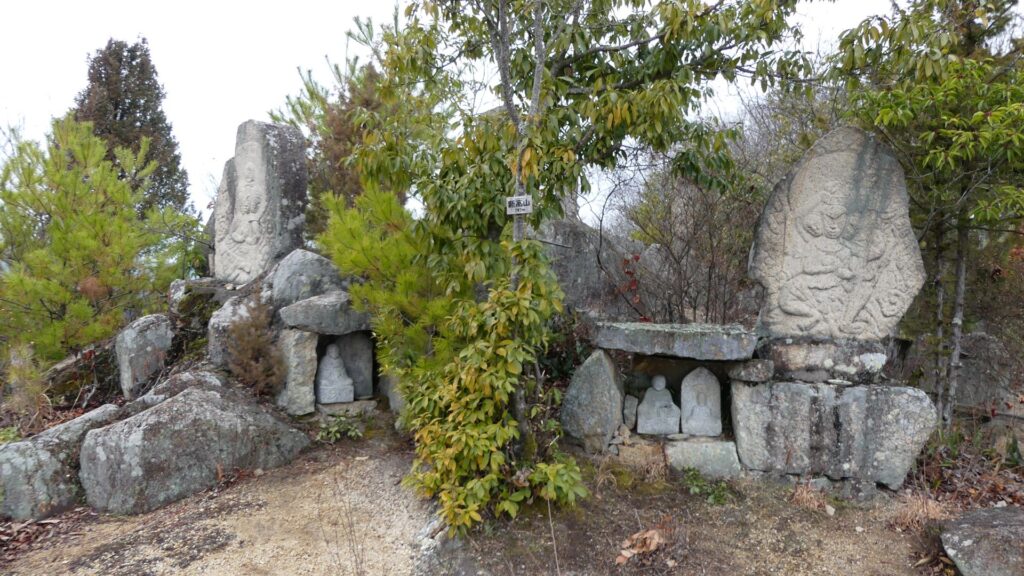
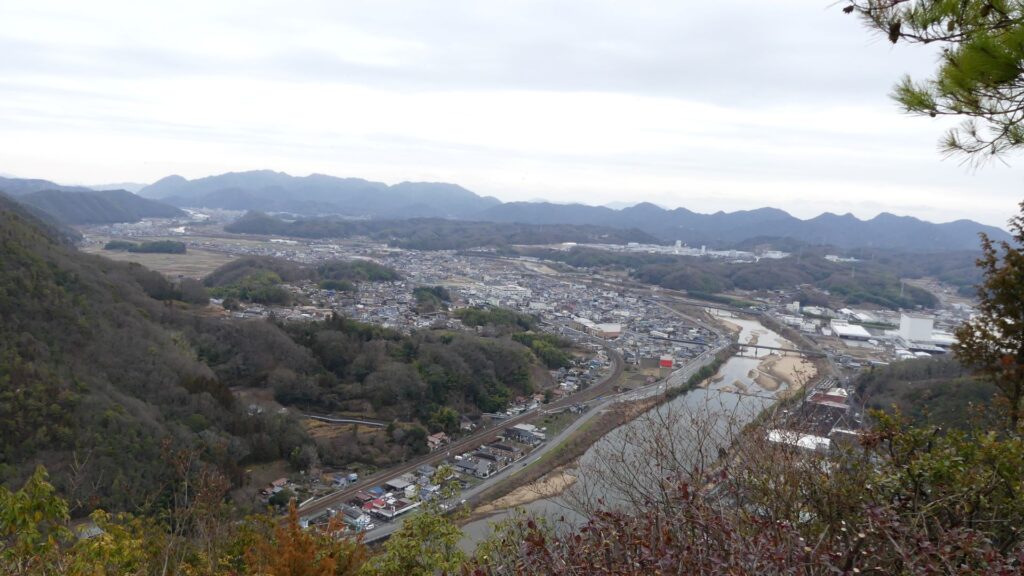
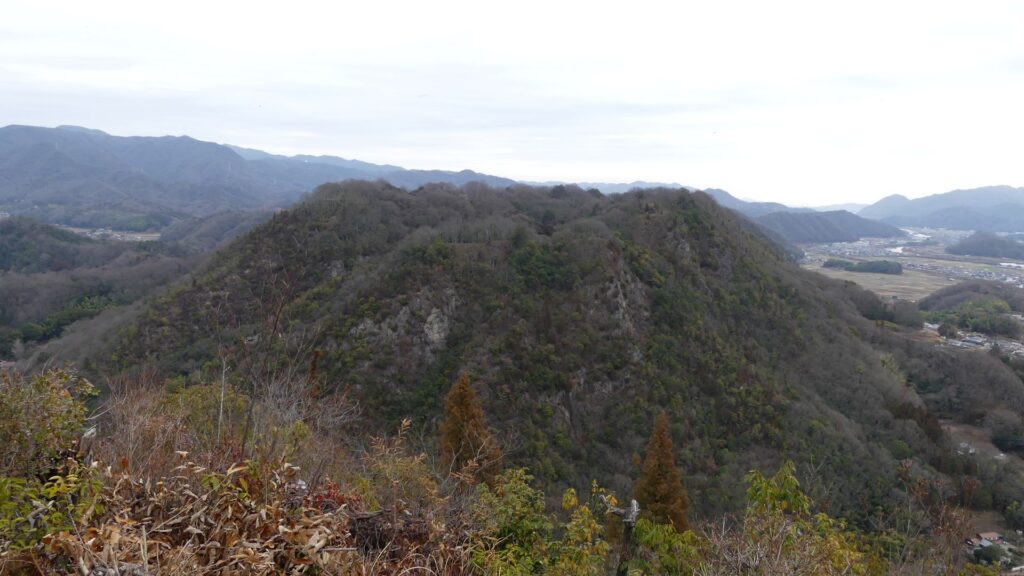
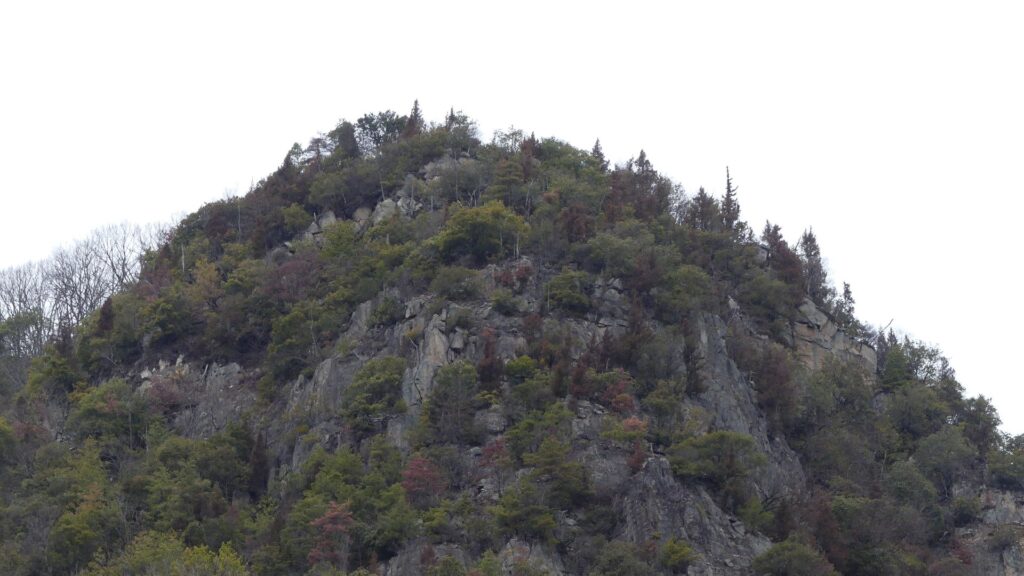
Tsume-no-maru (meaning the final enclosure) is next to the main enclosure to the southeast. It is also the top of the mountain, where you can enjoy great views of the surrounding area, such as Takayama Castle Ruins, Nuta River, and even Seto Inland Sea. It is also a more interesting place than only the top area. It is the rockiest and steepest area of this mountain. Furthermore, it has lots of stone buddha statues and monuments which mountain priests built. That’s why this site has become unique.

The map around the castle

The Tsume-no-maru (final) Enclosure
The top of NItakayama Mountain
A view of the Nuta River towards the Seto Inland Sea from the top
The ruins of Takayama Castle
The stone buddha statues around the top

Well Enclosure, Lifeline of Castle

Tsurii-no-dan (meaning the well enclosure) is next to the main enclosure to the north. You can go there from the back gate of the main enclosure by walking down another Masugata system. This Masugata is different. It is called the inter type which is highly improved than that of the main gate (the outer type). It also still has clearly remaining earthen walls which form its square shape.

The ruins of the back gate of the main enclosure
The Masugata system of the back gate, seen from its side

Tsurii-no-dan Enclosure is lower than others, like a valley, which still has six large well ruins. It was very important for the castle not only to be besieged for a long time, but also to be able to live in.

The Tsurii-no-dan (well) Enclosure
One of the six well ruins in the enclosure

Later History

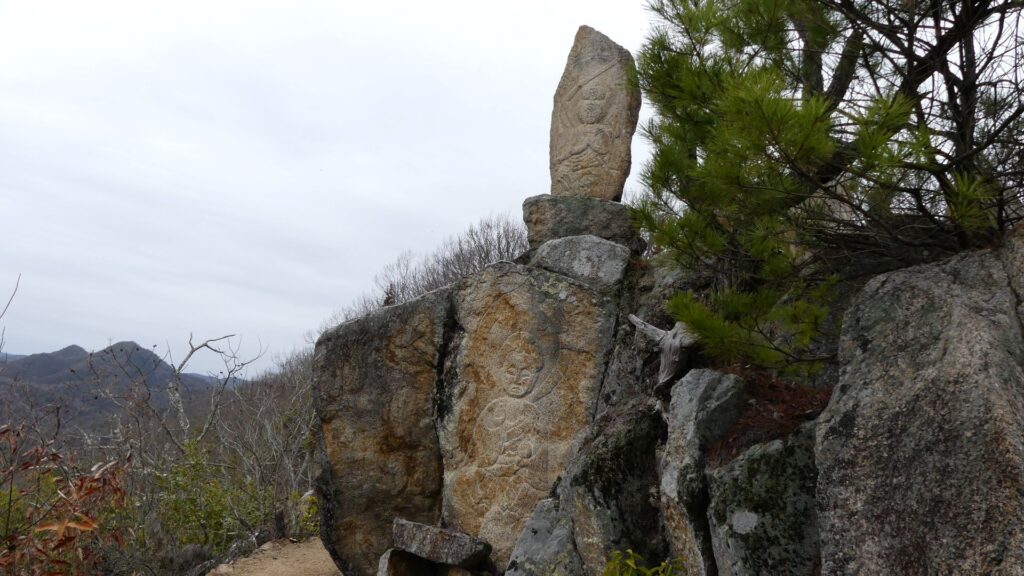
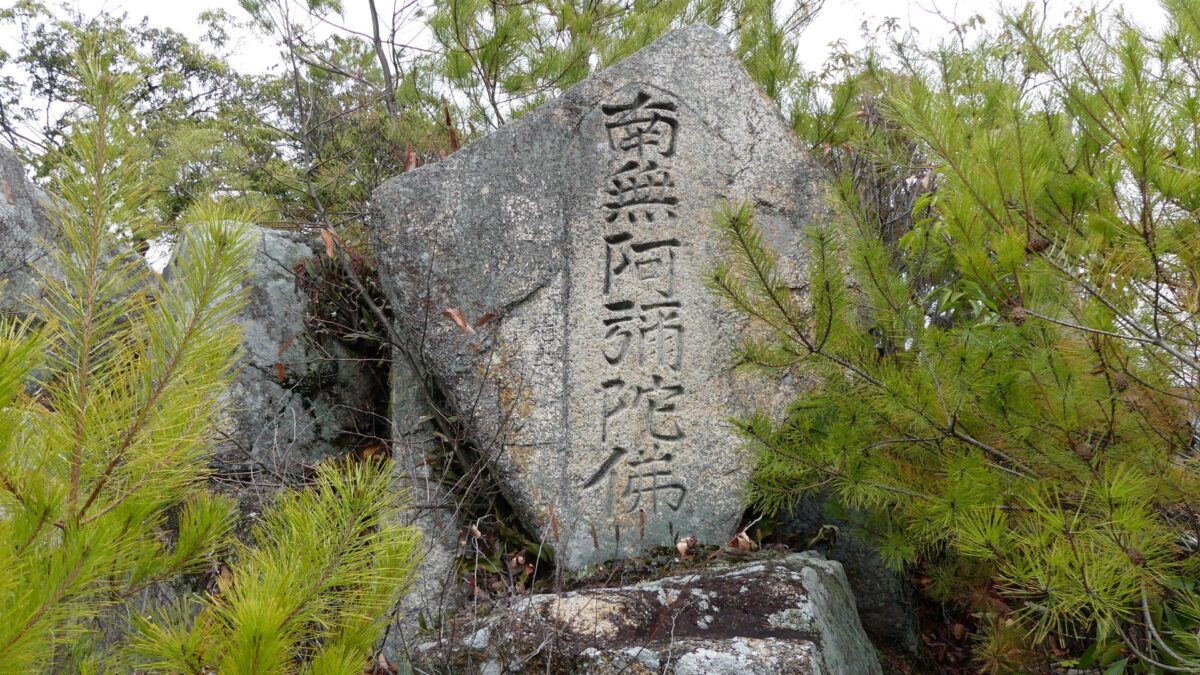
After Nitakayama Castle was abandoned, its ruins were used as a place for the practices of the mountain priests. That’s why you saw the stone buddha statues and monuments on the top they built. They also built chain fields on the steepest route to the top which experienced climbers still use today. However, general visitors shouldn’t use it. As for the castle ruins, they were designated as National Historic Sites with Mihara and Takayama Castles in 1957.

A monument on the top
The top area of Nitakayama Mountain, looking very steep

My Impression

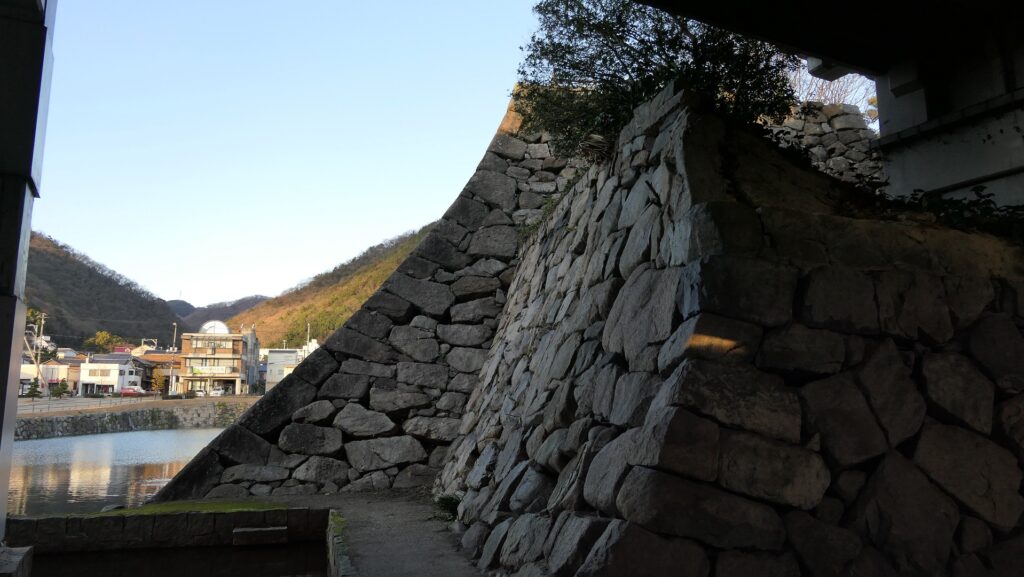
Mihara Castle was the final castle of Takakage Kobayakawa. However, I’m not quite sure what the castle looked like when he lived there because it was greatly improved by Fukushima and Asano Clans after Takakage died. Therefore, we can’t find how and where the huge stones from Nitakayama Castle were used in Mihara Castle. That means the ruins of Nitakayama Castle are valuable to see the legacies of Takakage’s period. As for myself, I would like to visit the ruins of Takayama Castle next to Nitakayama Castle someday.

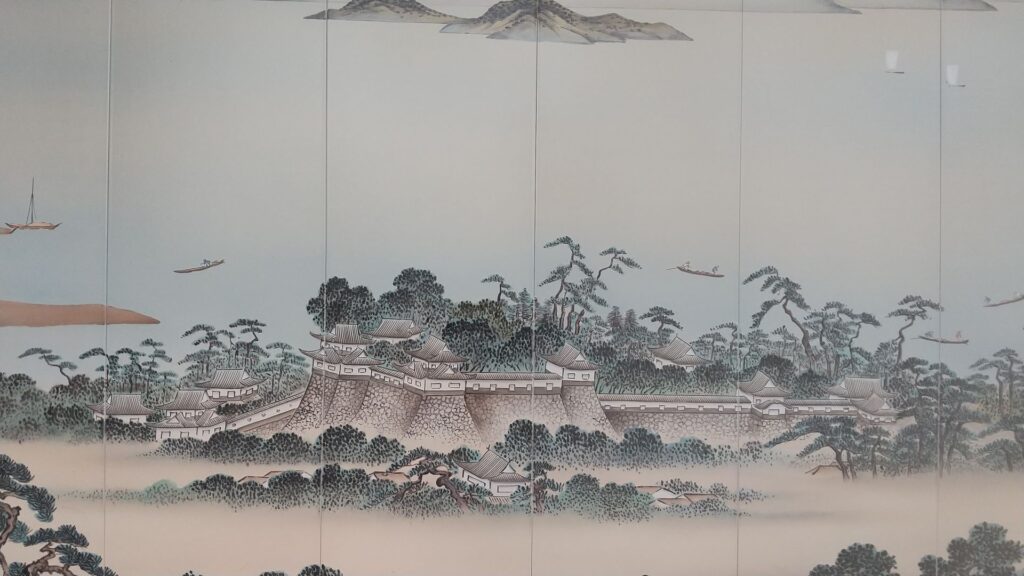
A picture of Mihara Castle, drawn on the wall of Mihara Station
The part of the Main Tower base of Mihara Castle, which was built by Takakage Kobayakawa

How to get There

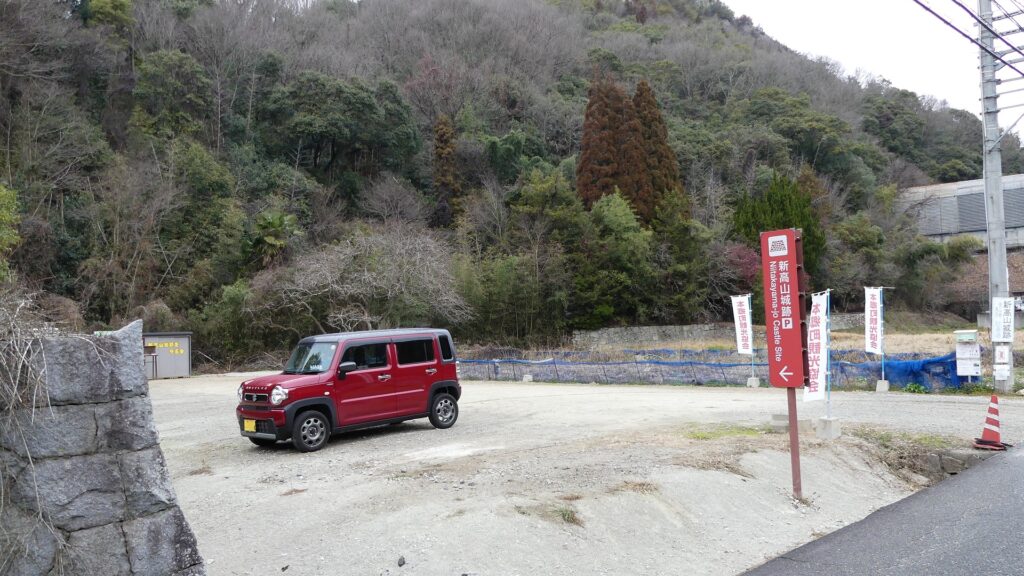
If you want to visit there by car, it is about a 4km drive away from Hongo IC on the Sanyo Expressway. There is a parking lot for visitors near the entrance of the hiking course.

The parking lot for visitors

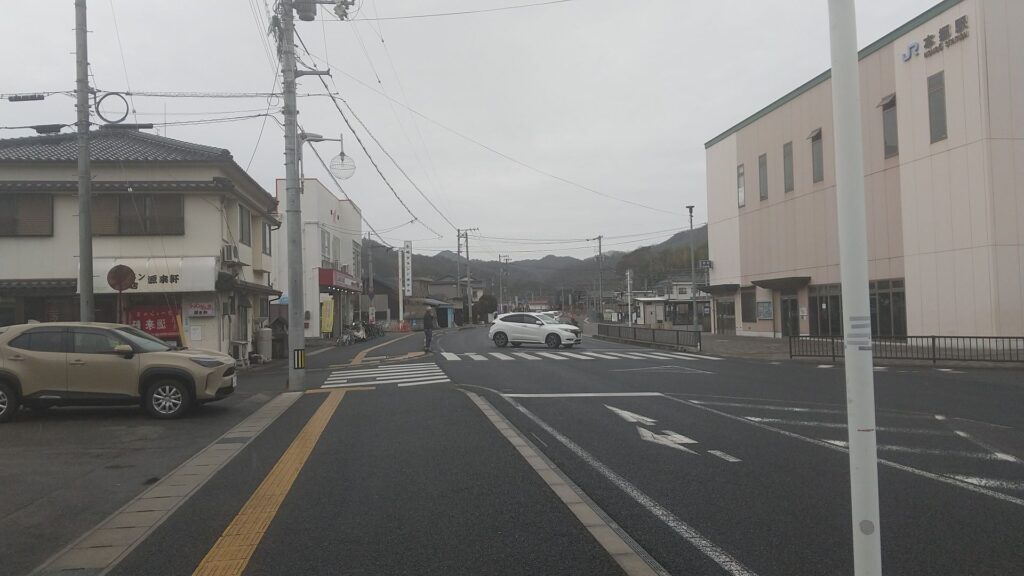
By public transportation, it takes about 25 minutes on foot from JR Hongo Station.
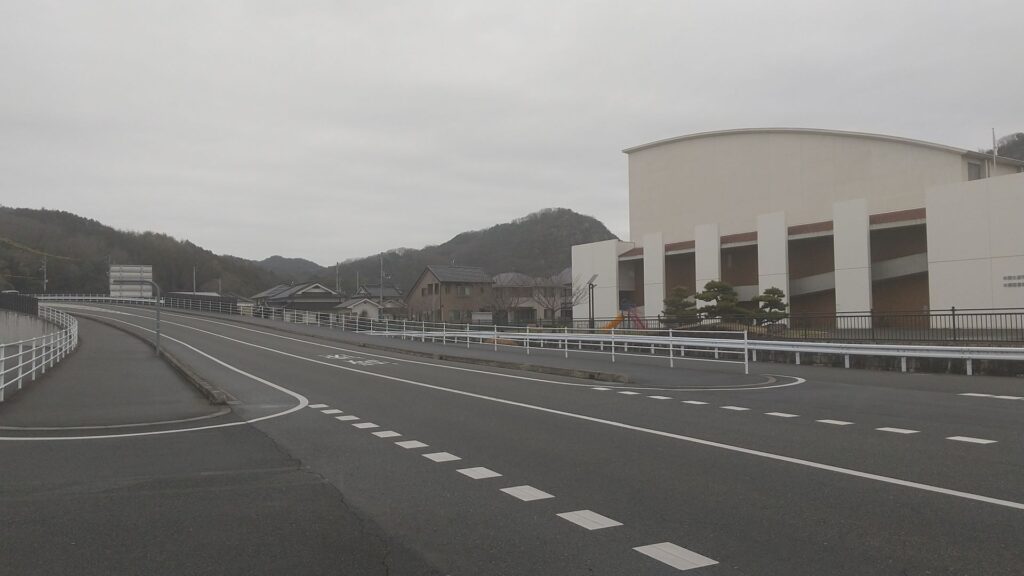
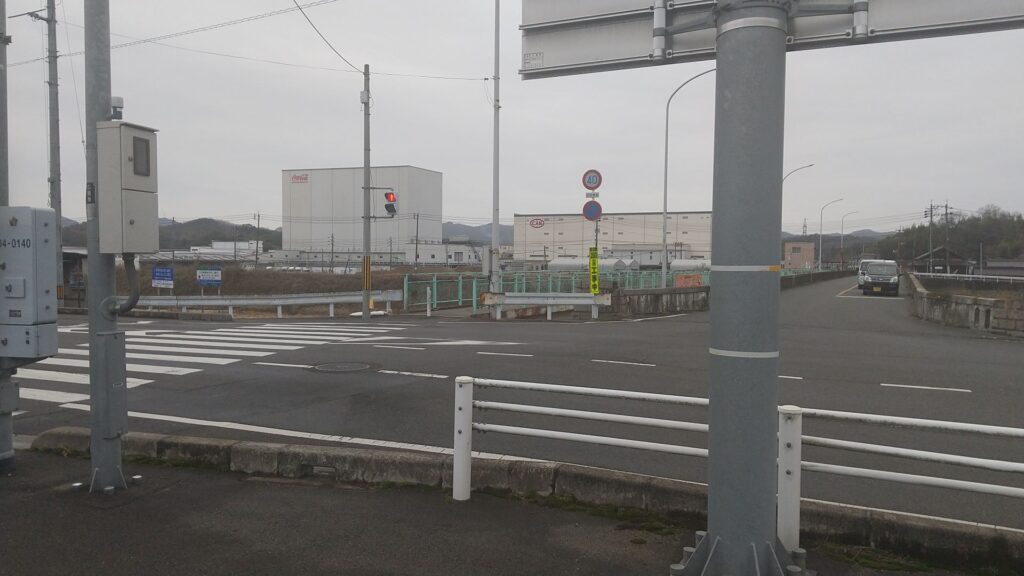
After you get out of the station, turn right and go along the street in front of the station. Then, turn left at the first intersection, and the street leads to a bridge over the Nuta River while it follows a winding road. It may be better for you to walk the sidewalk on the left because the next intersection has a crosswalk only on this side.

Go along the street in front of the station
Walk the sidewalk on the left after turning left
The crosswalk in fron t of the bridge

If you walk across it, you will go on the bridge seeing a good view of Nitakayama and Takayama Mountains on the right. After that, turn right, go across another crosswalk and go on a path on the bank beside the river towards the mountains. This path will split into two, but eventually they will meet in front of a shrine. You will eventually arrive at the entrance of the hiking course.

Nitakayama Mountain on the left and Takayama Mountain on the right, seen from the bridge
You can choose either path on the bank
Arriving at the starting point to the castle ruins

From Tokyo or Osaka to the station: get Sanyo Shinkansen bullet train and transfer to the Sanyo Line at Mihara Station.

That’s all. Thank you.
Back to “Nitakayama Castle Part1”
Back to “Nitakayama Castle Part2”

error: Content is protected !!