96.Obi Castle Part2

A perfect harmony of artifacts and nature

Features

Main Gate, Face of Castle

Today, many tourists visit the Obi Castle ruins and the former castle town. Because of the nature of the Shirasu plateau, the enclosures of the castle were naturally made independently. Many of them were turned into a shrine, schools, playgrounds, and residential areas. The remaining enclosures, which were the main portion of the castle, are open to visitors.

The aerial photo around the castle

Tanoue Hachiman Shrine, the former Hachiman Shrine
A playground which was around the Middle Castle
Obi Second Primary School was the enclosures which were collectively called the Second Enclosure

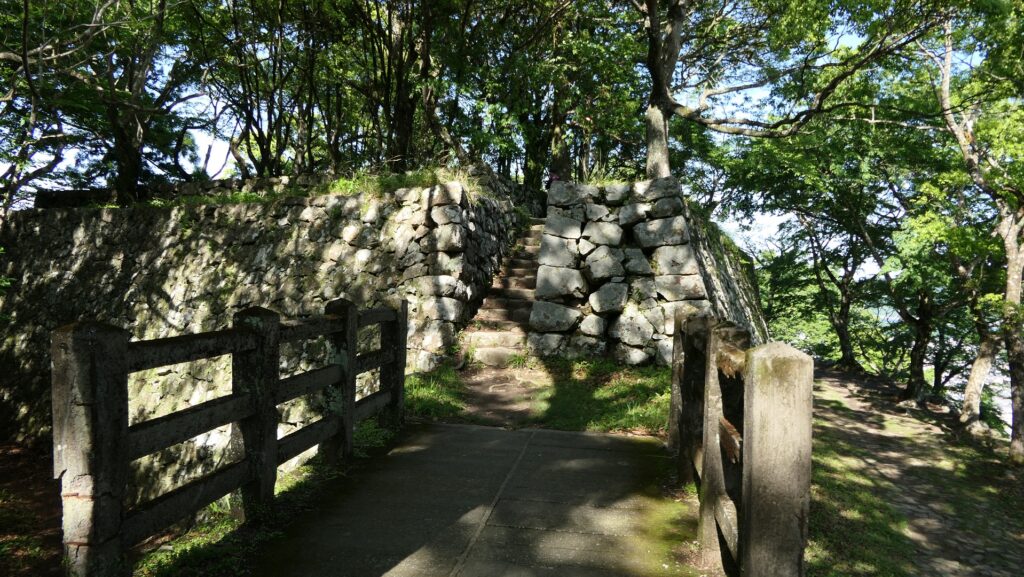
Visitors usually first walk on the Main Route to the restored Main Gate on the original stone walls, which is a popular image for the ruins. In fact, the details of the original gate were unclear, but people restored it using a traditional method and Obi Cedar wooden materials. That’s why the gate matches the original items as if it is also original. The inside of the gate is a square defensible space surrounded by great stone walls, called Masugata, which builds up the gate’s character.

Going on the Main Route
The restored Main Gate
The Masugata system inside the Main Gate
The Masugata system of the Main Gate seen from the top of the earthen walls of the Third Enclosure

Third Enclosure, protected by Earthen walls and Dry moats

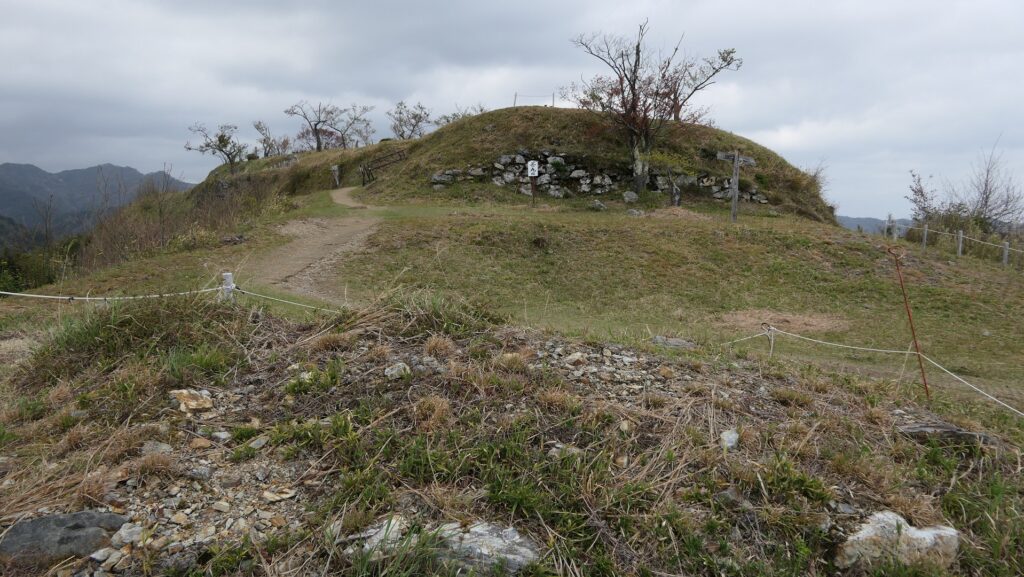
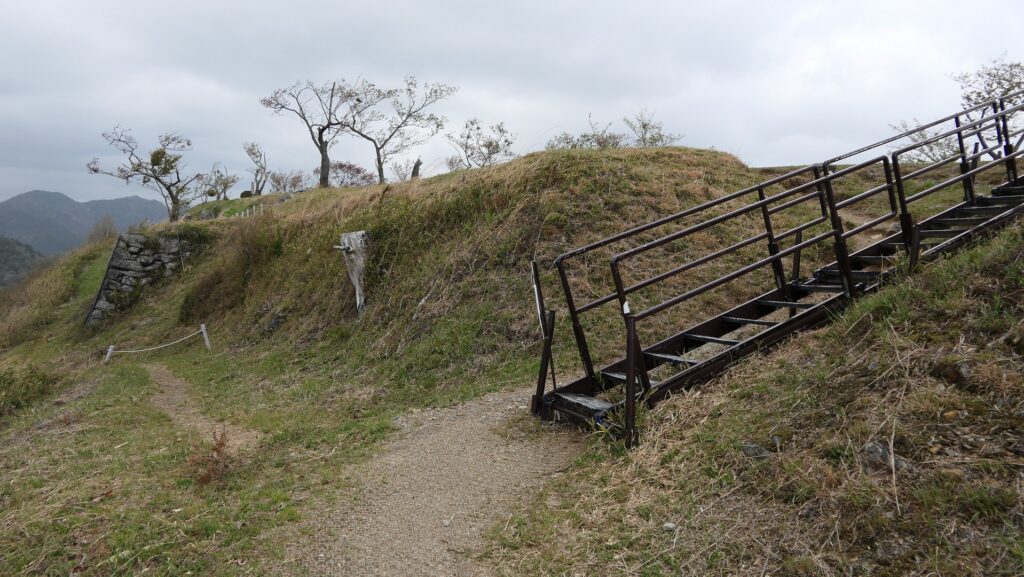
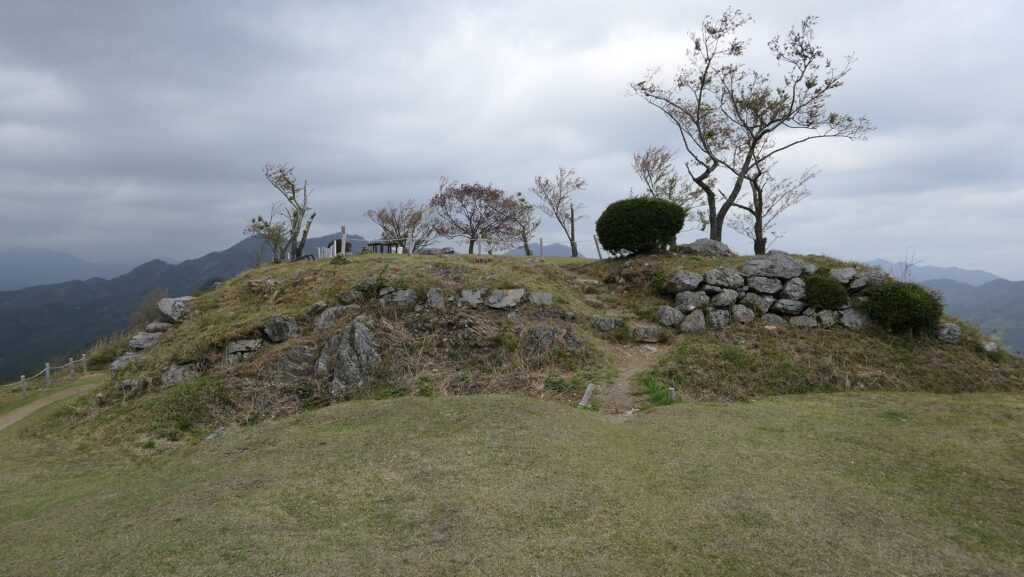
The Main Gate is the entrance of the very large third enclosure which is surrounded by earthen walls and dry moats except for the gate. If you enter the gate and go to the inside of the enclosure, you will see the 4m high earthen walls which are the older part of the castle. According to the signboard at the site, the walls were originally about 16m high, from the bottom of the dry moat in front of them.

Entering the Third Enclosure
The earthen walls of the Third Enclosure, seen from its inside
The dry moat of the Third Enclosure, seen from its outside (in front of the Main Gate)

Main Enclosure, surrounded by Stone walls

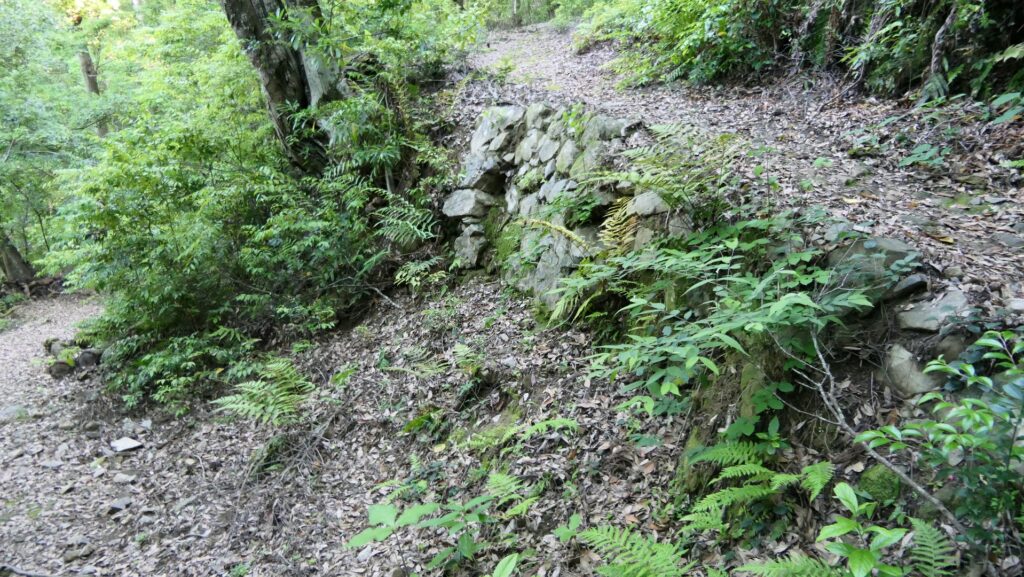
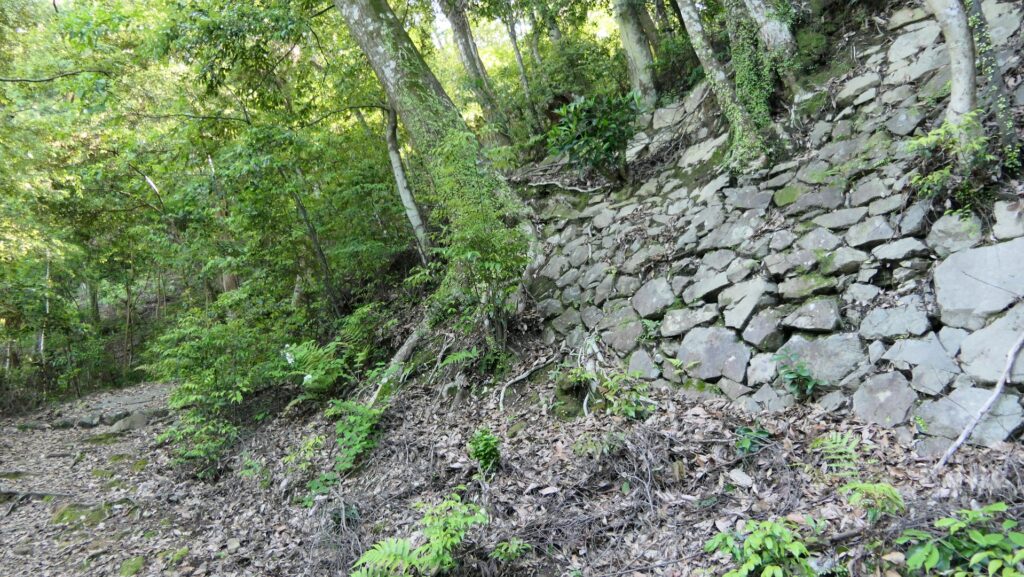
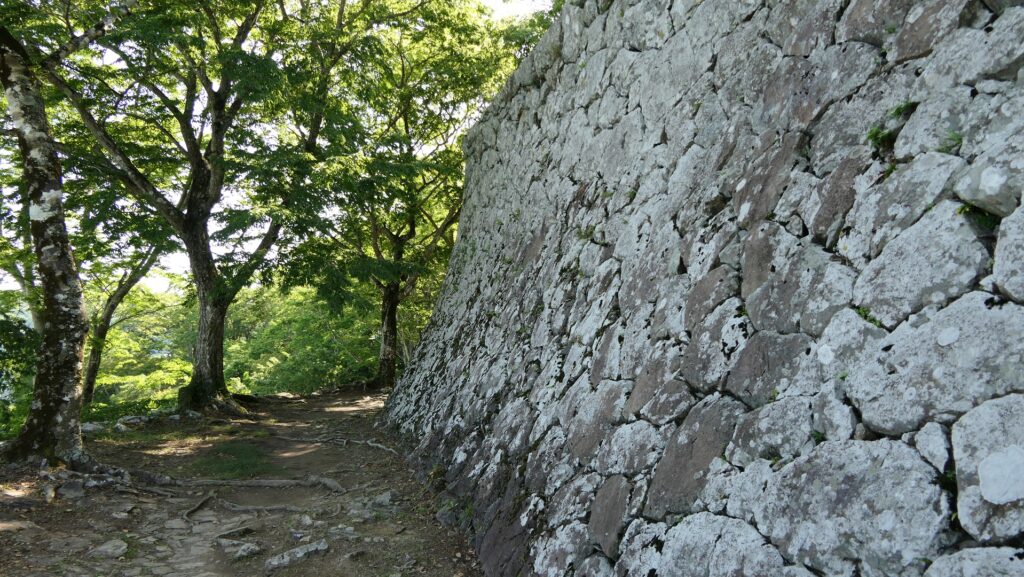
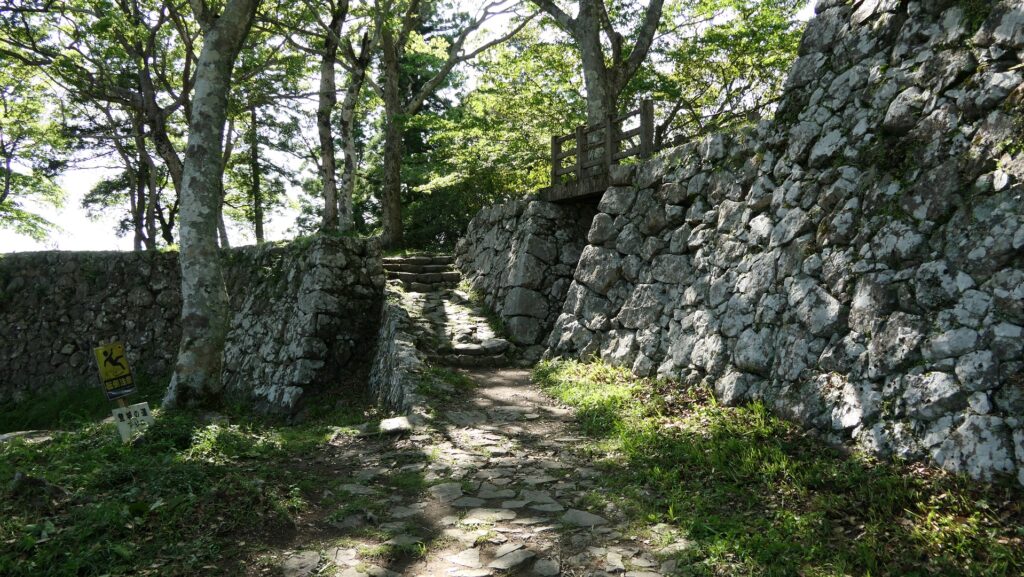
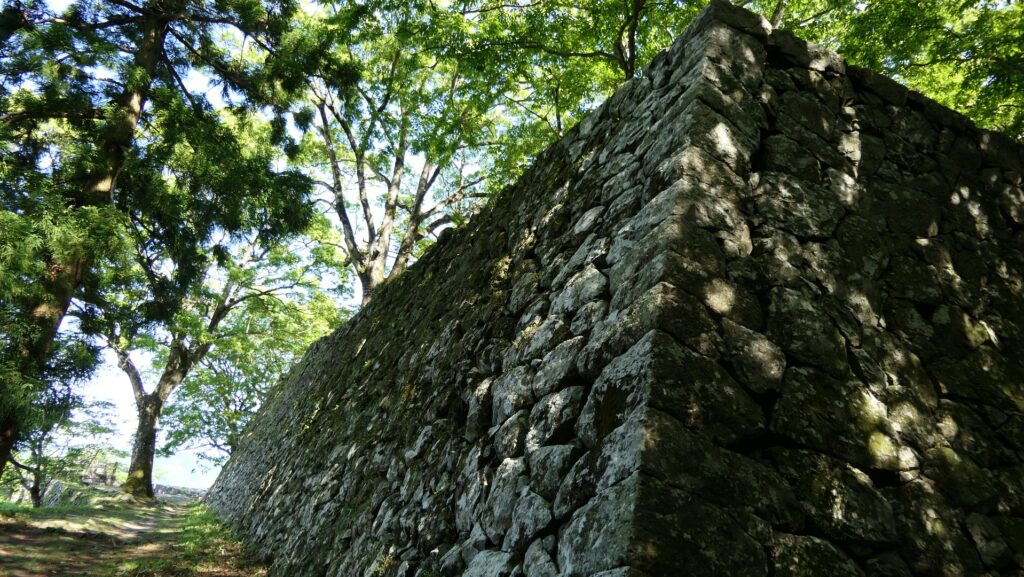
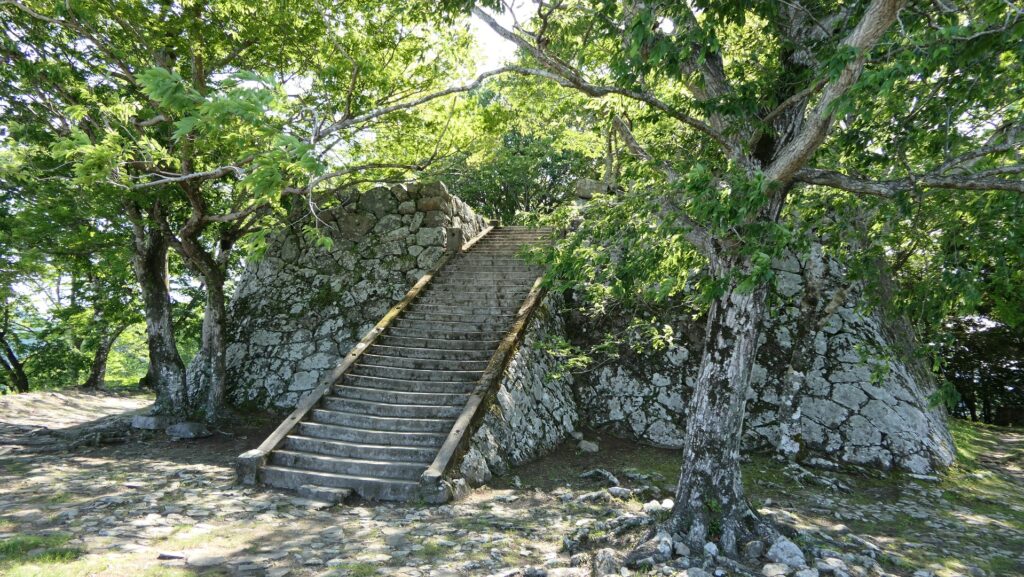
There are high and long mud walls on top of stone walls opposite the earthen walls, which surround the main enclosure. The enclosure also has long and wide stone steps and another Masugata system. Many tall Obi Cedar trees planted around make them look more majestic. Overall, you will understand that the castle was built by combining the older earthen walls and newer stone walls over time.

The stone walls surrounding the Main Enclosure
The stone steps to the Main Enclosure
The Obi Cedar trees around look majestic

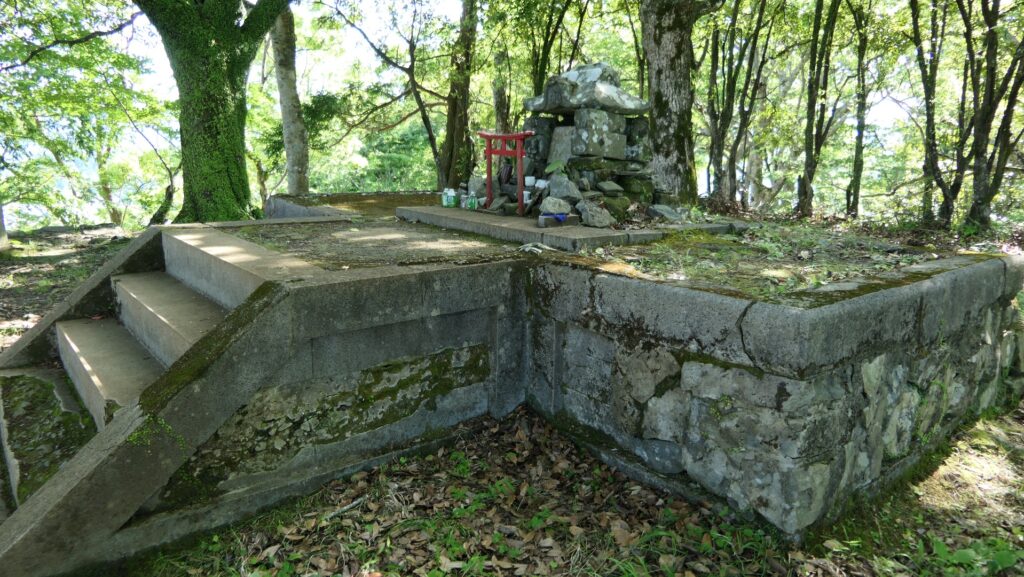
The Main Enclosure includes the Obi Castle Historical Museum where you can learn the history of the castle, and Obi Primary School, which visitors can not enter. The Matsuo-no-maru Enclosure is next to and little above the Main Enclosure, which has a rebuilt traditional hall. The hall was not original for the castle, but was built using designs of other remaining halls including a traditional Japanese steam bath.

The Obi Castle Historical Museum (licensed by Kthrk25 via Wikimedia Commons)

Former Main Enclosure, with wonderful Obi Cedar trees

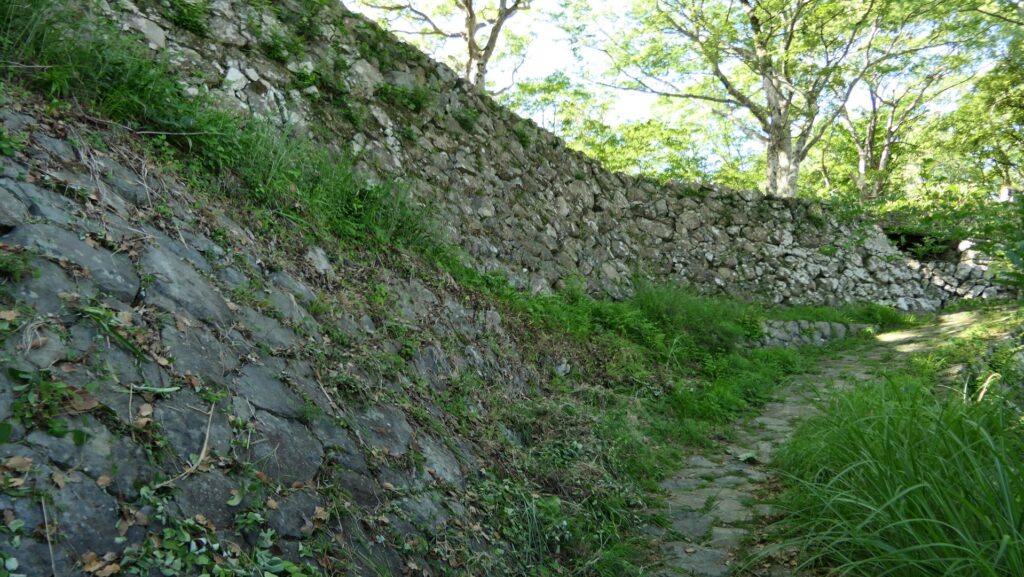
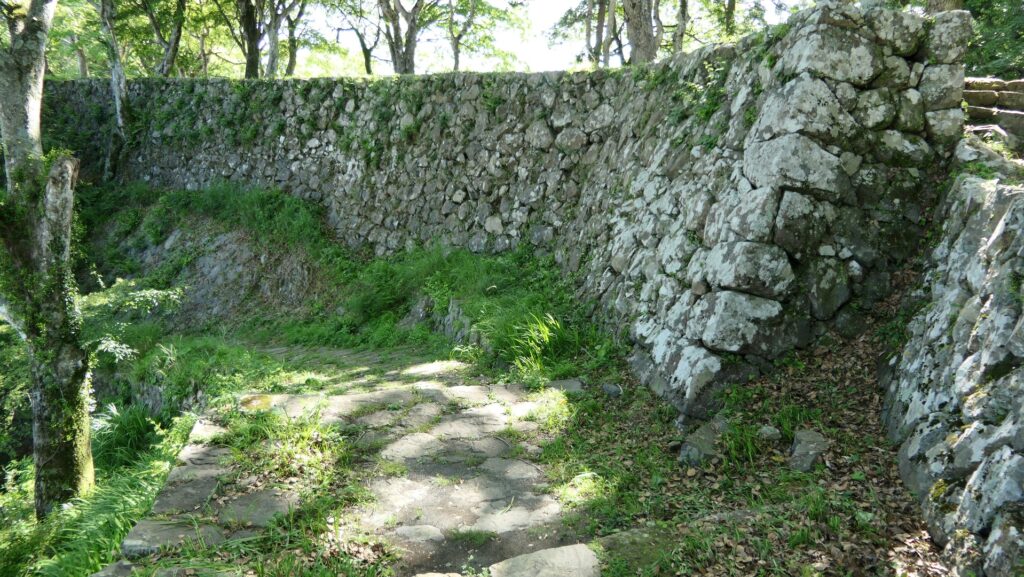
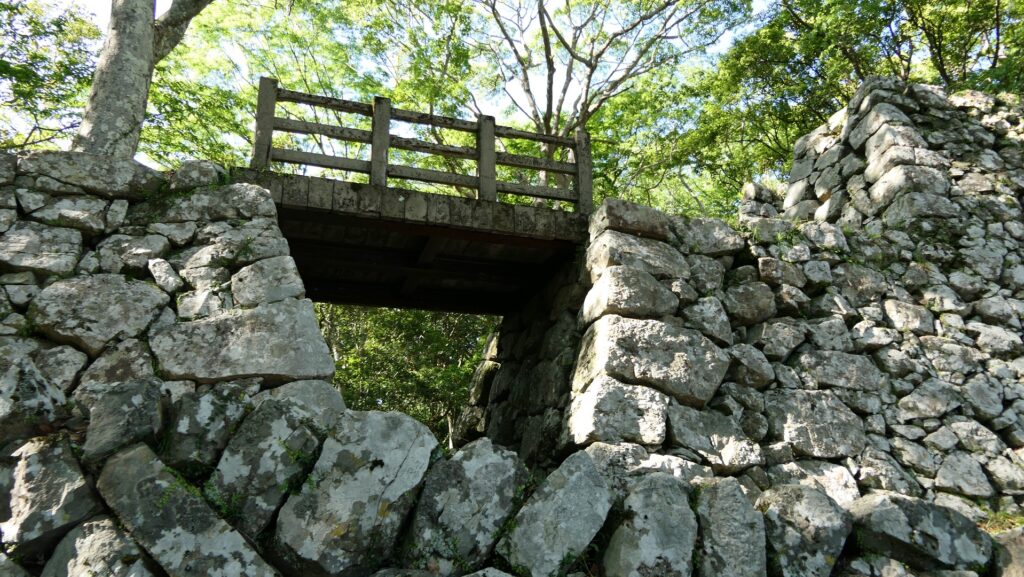
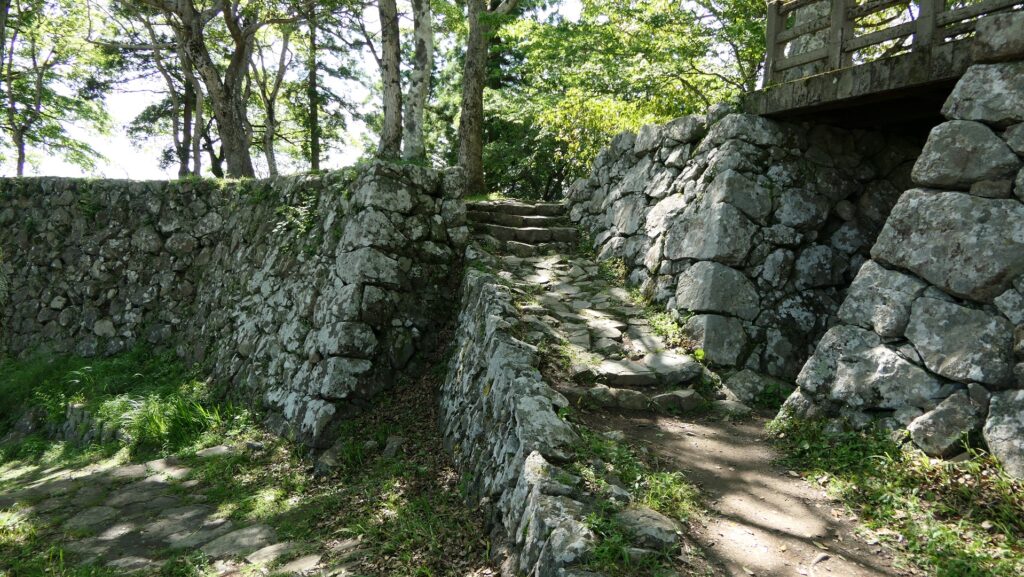
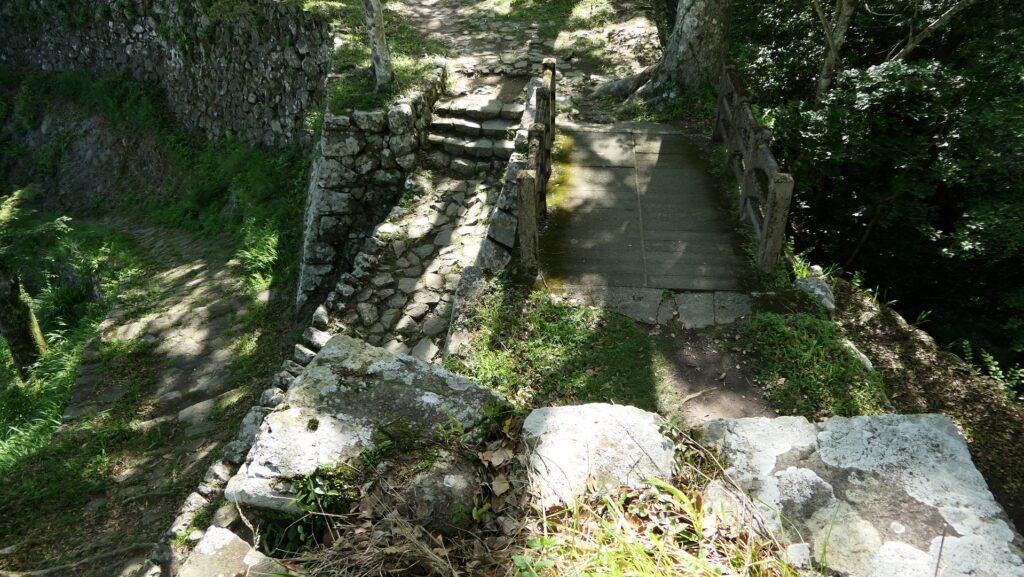
The former Main Enclosure is at the highest spot in the castle. You can walk up long stone steps and will see it is also surrounded by great stone walls and has another Masugata system. This enclosure had once been destroyed by the earthquakes in the early Edo Period, but the Obi Domain seem to have rebuilt this enclosure firmly. However, since then, the inside of it has been having no buildings as the Main Hall for the lord was moved from it to the new Main Enclosure.

Going to the former Main Enclousure
Entering the former Main Enclosure
The Masugata system of the former Main Enclosure

Instead, there are plenty of Obi Cedar trees growing on the ground with a moss-like carpet, which looks amazing! If they started to be planted when the enclosure was rebuilt, they may be nearly 350 year old.

The inside of the former Main Enclosure
The moss-like carpet
The Obi Cedar trees in the former Main Enclosure

The enclosure also has the restored back gate where you can go out from to visit other attractions of the castle.

The restored back gate
You can go out of the back gate to the Second Enclosure area

To be continued in “Obi Castle Part3”
Back to “Obi Castle Part1”

96.飫肥城 その2

自然と人工物が見事に調和

特徴、見どころ

城の顔、大手門

現在、飫肥城跡と旧城下町に多くの観光客が訪れています。シラス台地の性質から、城の曲輪群は自然と各々独立したような構成になっています。その多くは今は、神社、学校、グラウンド、住宅地になっています。かつての城の中心部分が、曲輪として現存していて、一般に公開されています。

城周辺の航空写真

田ノ上八幡神社となった八幡城
グラウンドとなった中の城周辺
飫肥中学校がある辺りの曲輪群が全体として二の丸と呼ばれていたようです

ビジターは通常、最初は大手道を、オリジナルの石垣の上にある復元された大手門の方に向かって歩いていきます。そしてここが、飫肥城跡のイメージとして一番よく使われる場所となっています。実は、オリジナルの大手門の詳細はわかっていないのですが、現在の門は飫肥杉を部材として伝統的工法により復元されました。よって、この門もまるでオリジナルであるかのように周りと調和しています。門の内側は、立派な石垣に囲まれた四角い防御のための空間になっていて、桝形と呼ばれます。この門の役割がよくわかります。

大手道を進んでいきます
復元された大手門
大手門の内側の桝形
三の丸土塁上から見た大手門桝形

土塁と空堀に守られた三の丸

この大手門は、とても大きい三の丸の入口になっています。三の丸は、門の箇所以外は土塁と空堀に囲まれています。門から三の丸の中に入っていくと、内側から4mの高さがある土塁が見えます。ここは城の中でも古い部分に当たります。現地の説明板によると、土塁はかつては外側にある空堀の底から約16mもの高さがあったそうです。

三の丸に入っていきます
内側から見た三の丸を囲む土塁
外側(大手門前)から見た三の丸を囲む空堀

石垣に囲まれている本丸

土塁の反対側には、高く長い石垣とその上の土塀がそびえており、本丸を囲んでいます。本丸の中に行くには、長く広い石段を歩いていき、ここにも桝形があります。その周辺には飫肥杉が生育していて、とても神秘的に見えます。まとめると飫肥城は、長い時を経て、古い時代の土塁と新しい時代の石垣が合わさって築かれていることがわかります。

本丸を囲む石垣
本丸へ向かう石段
神秘的に見える飫肥杉

本丸には、飫肥城歴史資料館があり、城の歴史を学ぶことができます。また、飫肥小学校もありますが、関係者以外の立ち入りはできません。松尾の丸は、本丸のとなりの少し高い位置にありますが、ここには御殿が再建されています。この通りの建物がここにあったわけではありませんが、他所の現存屋敷を参考にして建てられました。珍しい蒸し風呂もあります。

飫肥城歴史資料館  (licensed by Kthrk25 via Wikimedia Commons)

飫肥杉が素晴らしい旧本丸

旧本丸は、城では一番高地にあります。ここに行くにも長い坂を歩いていきますが、ここにも素晴らしい石垣や桝形があります。この曲輪は江戸時代初めに地震により一旦破壊されてしまいますが、飫肥藩は堅固に再建したようです。しかしそれ以来、城主の御殿は新しい本丸に移っていったので、その中には建物がありません。

旧本丸に向かいます
旧本丸に入っていきます
旧本丸の桝形

その代わりに、飫肥杉が一面に植えられていて、苔のカーペットのような地面からまっすぐ伸びています。まさに壮観です。仮にこれらの飫肥杉が、曲輪が再建されたときに植えられたとしたら、350年近く経っていることになります。

旧本丸の内部
苔のカーペット
旧本丸の飫肥杉

曲輪の背面の方には、復元された裏門もあり、ここから出て他の観光スポットに向かうこともできます。

復元された裏門
裏門からは、かつて二の丸と呼ばれた一帯に出ます

「飫肥城その3」に続きます。
「飫肥城その1」に戻ります。

118.Oshi Castle Part3

Other attractions around Oshi Castle

Features

Ishida Bank

I recommend visiting some historical spots near the castle regarding the Battle of Oshi Castle. One of them is Ishida Bank Ruins, about 4km away from Oshi Castle Ruins in the southeastern direction. The bank is the nearly 300m remaining one out of the 28km banks Mitsunari Ishida originally built when the battle happened.

The map around the Ishida Bank

The Ishida Bank Ruins
The monument of the bank, built at the end of the Edo Period

It goes along a river in the north and a road in the south, with some pine trees planted on it, which show it is an old road. The road was actually a byway of Nikko Road during the Edo Period and is said to have been on the major Nanasendo Road before the period.

The river in the north
The pine trees planted on the bank and the road in the south

The Horikiri-bashi Bridge over the river at the edge of the remaining bank is also said to be the place where the defenders of Oshi Castle cut and drained the water inside the bank against Mitsunari.

The Horikiri-bashi Bridge

Sakitama Ancient Burial Mounds

Another recommendation is to visit the Sakitama Ancient Burial Mounds which were built between the 5th and 7th Centuries, much earlier than Oshi Castle, but some of them are related to it. Maruhakayama-Kofun or the Round Burial Mountain was one of them and the largest round burial mound in Japan, which is 17m high and its diameter is 105m. When the Battle of Oshi Castle happened, Mitsunari put his stronghold on the mound and instructed the bank construction. You can see the top of the rebuilt three-level turret of Oshi Castle from the top of the mound, where could have been a good place for Mitsunari to see the situation of the inundation tactics. The approach to the mound is also said to have been another Ishida Bank Ruins.
The aerial photo around the Sakitama Ancient Burial Mounds

The Maruhakayama Ancient Burial Mound
The top area of the ancient burial mound
A view from the top of the direction of Oshi Castle
A view of the three-level turret, being zoomed in
The approach to the mound

In addition, Teppoyama-Kofun or the Gun Burial Mountain was involved in the history of the Oshi Domain at the end of the Edo Period. They cut one side of the mound to train their gunnery skill to prepare for their responsibility for protecting Shinagawa Batteries on Edo Bay.
The Teppoyama Ancient Burial Mound
The ground plan of the ancient burial mound, from the signboard at the site, the dark blue part was the training area

Later History

After the Meiji Restoration, Oshi Castle was abandoned and its water area was turned into a modern park with office buildings but being filled in. It could be needed for modernizing the city. The city was called Gyoda, named after the district which manufactured Japanese socks, Tabi and prospered.

An example of the Gyoda Tabi socks (licensed by katorisi via Wikimedia Commons)
The reproduced manufacturing site of Tabi, exhibited by the Gyoda City Local Museum
One of the remaining Tabi warehouses in the city

The park once had a baseball stadium, officials replaced it with Gyoda City Local Museum whose building looks like The Three-Level Turret the castle had. Some other buildings like a bell-tower, gates and walls were also restored around it, making them the city’s attractions.

The aerial photo around the Main Enclosure in the 1970’s

The current Main Enclosure
The entrance of Gyoda City Local Museum

My Impression

The result of the Battle of Oshi Castle has been said to be the only failure of Hideyoshi Toyotomi during the invasion to the Kanto Region to complete his unification of Japan in 1590, which was blamed to Mitsunari Ishida who was a foolish general. However, I think the reputation comes from being wise after the event that Mitsunari was defeated by Ieyasu Tokugawa in the Battle of Sekigahara in 1600. It is not fair. Mitsunari was the faithful executor of Hideyoshi’s order in the battle, being successful in surrounding the castle. If the defenders were not instructed by Nagachika Narita, but a magistrate from the Hojo Clan, they might have soon surrendered to Mitsunari. I think the Battle of Oshi Castle was an excellent match where Nagachika and Mitsunari took on each other.

The family crest of the Narita Clan, called Maru-ni-mitsuhiki or Three horizonal lines inside a Circle, exhibited by the Gyoda City Local Museum
The Ishida Bank Ruins seen from the Horikiri-bashi Bridge

How to get There

If you want to go there by car, it is about 30 minutes from Kazo IC or Hanyu IC on the Tohoku Expressway. there are a few parking lots around the castle ruins. It may be better to use a car if you also want to visit Ishida Bank Ruins or the Sakitama Ancient Burial Mounds as well.
By public transportation, it takes about 15 minutes on foot from Gyodashi Station on Tobu line to get to the castle ruins.
From Tokyo to Gyodashi Station: Take the Joetsu Shinkansen super express and transfer to Tobu line at Kumagaya Station.

The parking lot of Gyoda City Local Museum with the monument of the Main Enclosure

That’s all. Thank you.
Back to “Oshi Castle Part1”
Back to “Oshi Castle Part2”

error: Content is protected !!