111.向羽黒山城 その1

有力戦国大名となった葦名盛氏が次に行ったことは、家督を息子に譲り、隠居所として新しい城の建設を始めることでした。これが向羽黒山城となります。

立地と歴史

城の名前の由来

向羽黒山城(むかいはぐろやまじょう)は、現在の福島県の会津地域にあった城です。城や城跡ということに関しては、この地域は江戸時代に会津藩の本拠地であった若松城があることの方が余程知られています。しかし若松城は、以前は黒川城と呼ばれていて、葦名氏が所有していました。また葦名氏は、当時黒川城よりもっと大きい向羽黒山城をも有していました。向羽黒山城が築かれていた山は、もともと岩崎山と呼ばれていたため、城も最初は岩崎城と呼ばれていました。一方で、その山は向羽黒山とも呼ばれていて、羽黒山の向かいにある山という意味になります。これら2つの山は一列に並んでいるように見えるのでそういう名前になったのですが、やがて城の方も向羽黒山城と呼ばれるようになりました。

小田山城跡から見た若松城
小田山城跡から見た、左側が向羽黒山(岩崎山)、右側が羽黒山

葦名氏が会津地域に入植

葦名氏は元は、中世初期に鎌倉幕府の重臣であった三浦氏の支族の佐原氏の一族であり、相模国(現在の神奈川県)の三浦半島を根拠地としていました。鎌倉幕府を創業した源頼朝が1189年に東北地方を征伐した後、佐原氏はそのときの貢献により会津地方に領地を得ました。佐原氏の一部は会津に住み着き、苗字を変えて、猪苗代氏、北田氏、新宮氏といったように名乗りました。14世紀初頭に足利幕府が成立したとき、佐原氏の別の一族であった葦名氏は、会津地域を含む東北地方で大いに活躍し、自らのことを「会津管領」と称しました。その結果14世紀半ば頃に、葦名氏はその本拠地を三浦半島の葦名から会津に移し、新しく館を構え、小高木館(おたかきのたて)と呼ばれました。これが後の黒川城となります。

城の位置と葦名氏発祥の地

ところが、葦名氏は会津地域をそう簡単には統治できませんでした。ただ権威があるというだけでは、佐原氏出身の他の一族たちや地元領主たちが従わなかったからです。葦名氏は武威をもって彼らを従わせるか、そうでなければ武力を行使して倒すしかなかったのです。例えば、葦名氏は北田氏や新宮氏と戦ってこれらを滅亡させますが、彼らは皆同じ佐原一族でした。また一族の猪苗代氏とは戦いの末、猪苗代氏が葦名氏の重臣となることで決着しました。葦名氏はまた、伊達氏、二階堂氏、佐竹氏といった会津の外の有力大名たちが攻め込んでくるのも防ぐ必要がありました。葦名氏の当主は普段は平地である会津盆地の黒川城に住んでいました。また、会津盆地の脇、黒川城から約1.5km離れた小田山山上に小田山城を築き、緊急事態が起こったときのための詰めの城としました。このような平城と山城のコンビネーションは、戦国時代には日本のあちこちで見ることができます。小田山城は、葦名氏の墓地としても使われました。

黒川城周辺の起伏地図

小田山城跡(大手口)
葦名家寿山廟(墓地)跡

葦名盛氏が隠居所として向羽黒山城を築城

16世紀の中盤、葦名盛氏が当主であった頃、葦名氏の勢力は最高潮に達しました。盛氏の会津での統治は安定し、更には上杉謙信、武田信玄、伊達政宗といった他の地域の有力な戦国大名とも外交関係を結びました。これは、盛氏自身も有力戦国大名となったことを意味します。その次に彼が行ったことは、家督を息子に譲り、隠居所且つ小田山城の代替として、黒川城から約5km南のところに新しい城の建設を始めることでした。1861年のことで、これが向羽黒山城となります。しかし、この城は隠居所や建て替えにしては巨大すぎるもので、実際、盛氏は葦名氏の実権をまだ握っていて、城はまるで葦名氏の新しい本拠地のようでした。城の建設は8年間続き、1568年に完成しますが、結果東北地方では最大級の山城となりました。城は土造りで、当時の東日本では典型的なやり方でした。しかし、数えきれないほどの曲輪があり、深い空堀、厚い土塁、人工的な切岸など、自然の地形を加工した防御システムにより守られていました。

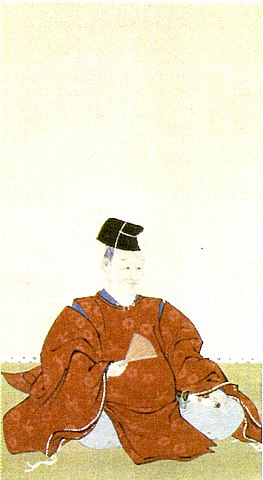
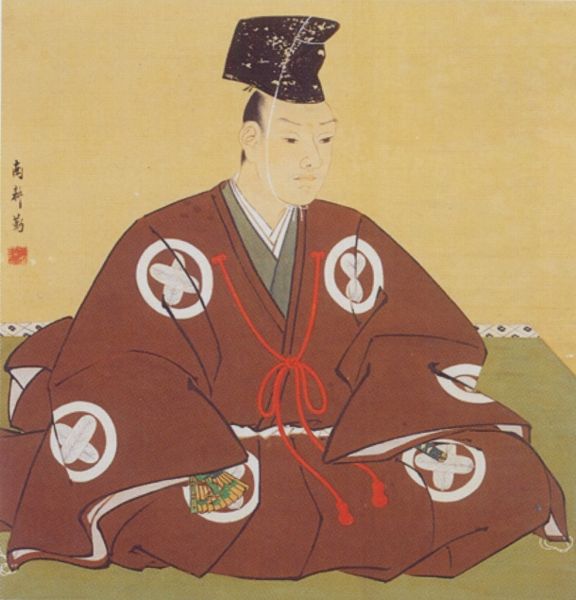
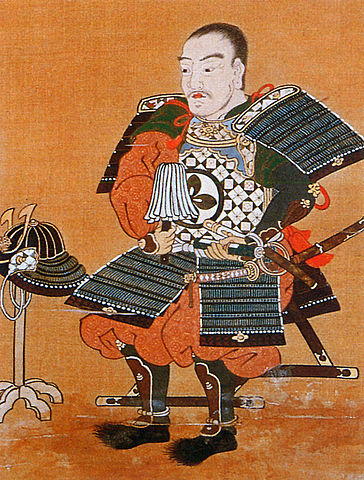
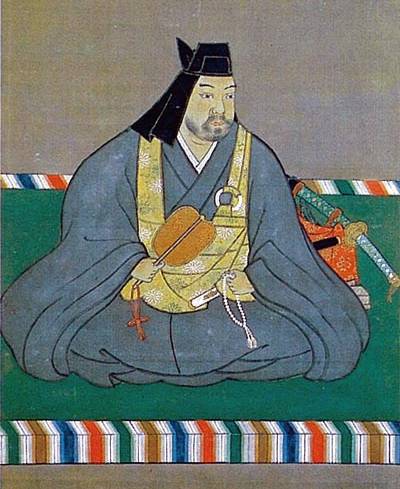
葦名盛氏肖像画、東京大学史料編纂所蔵 (licensed under Public Domain via Wikimedia Commons)
向羽黒山城の想像図、現地説明板より

有力大名に引き継がれ遂に廃城

1580年に盛氏が亡くなった後は、葦名氏の勢力は衰えます。後継者が皆若死にしてしまったからです。そのため一族関係者と重臣たちは領地を守るため、次の当主を外部の有力戦国大名から迎えることにしました。候補者は、佐竹氏と伊達氏から挙げられましたが、結果的には佐竹氏から迎えることとし、その跡継ぎは1587年に葦名義広と名付けられました。ところがこのことは葦名家中の分裂を招き、伊達氏を支持する勢力が派生しました。1589年、伊達政宗は葦名領への侵攻を開始しました。義広は撃退しようとしますが、親族の猪苗代氏を含む多くの重臣たちは伊達に付くか、義広の元を去っていきました。結局、正宗との摺上原の戦いに敗れた義広は、会津から佐竹の実家の方に落ち延びていきました。その結果、葦名氏の本拠地、黒川城は政宗により占拠され、葦名氏は滅亡したのです。

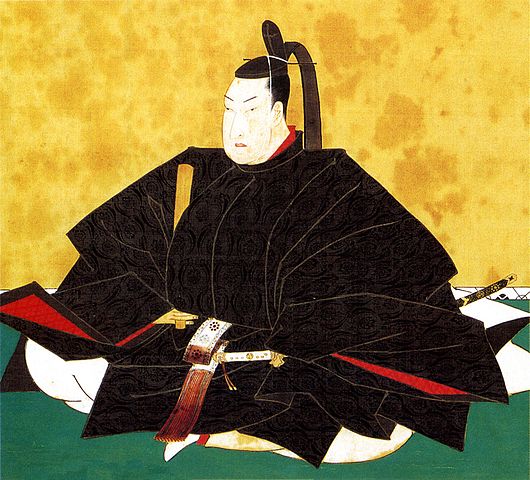
伊達政宗肖像画、仙台市博物館蔵 (licensed under Public Domain via Wikimedia Commons)

向羽黒山城は、黒川城(若松城に改名されます)と同じように、伊達政宗、蒲生氏郷、上杉景勝によって引き継がれます。この城はまだ、戦のような非常事態が起こったときの詰めの城として必要とされたからです。しかし、1600年に景勝が、徳川幕府の創始者、徳川家康との天下分け目の戦に敗れ米沢城に転封となった後、いつしか廃城となりました。

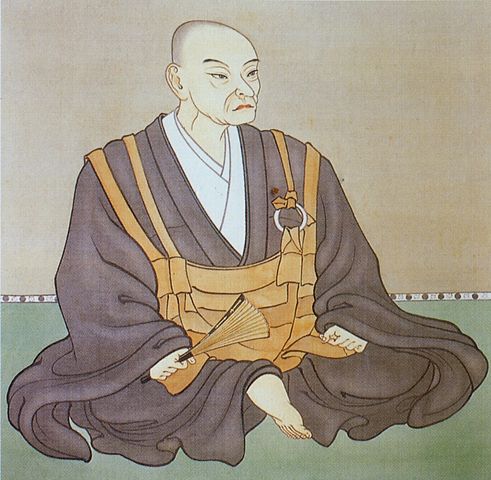
蒲生氏郷肖像画、会津若松市立会津図書館蔵 (licensed under Public Domain via Wikimedia Commons)
上杉景勝肖像画、上杉神社蔵、江戸時代 (licensed under Public Domain via Wikimedia Commons)
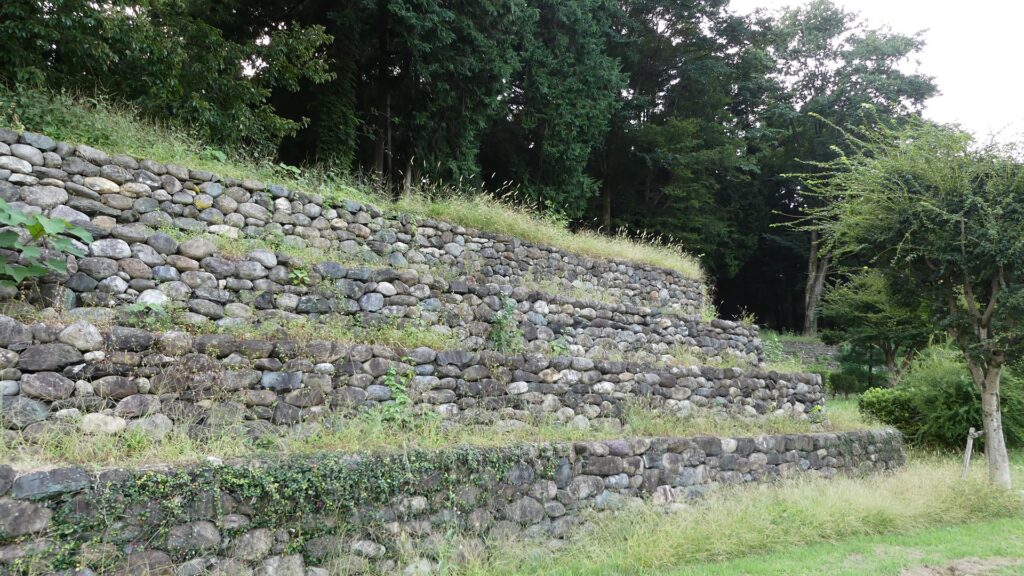
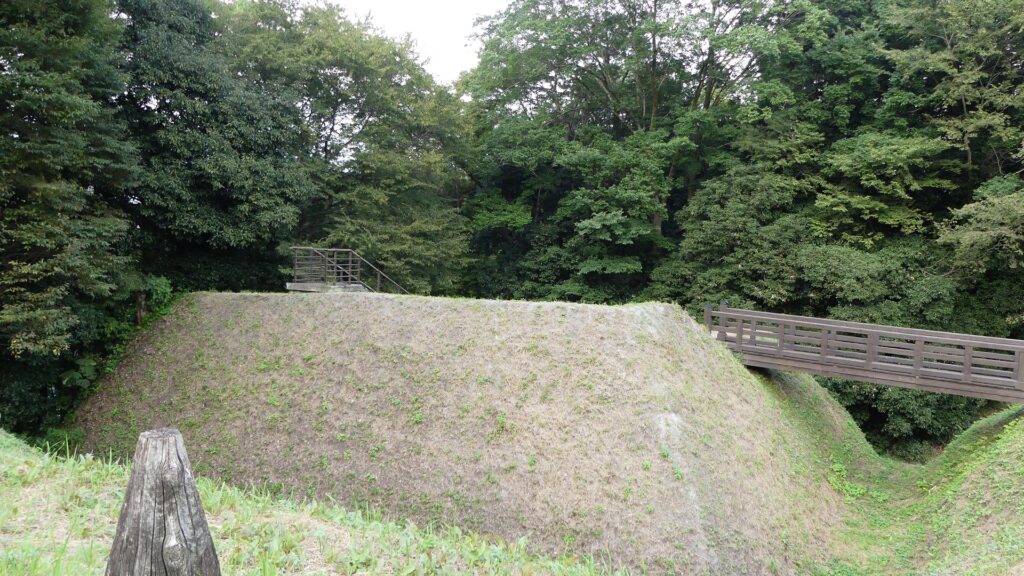
向羽黒山城跡

「向羽黒山城その2」に続きます。

56.Takeda Castle Part1

Masahiro Saimura, who completed Takeda Castle, only earned 22 thousand koku of rice, which meant he could not afford to build great stone walls at the castle. It is considered that the construction of castle was backed up by Hideyoshi.

Location and History

Famous for Castle in Sky

Takeda Castle was located on Torafusu-yama or the Sitting-Tiger Mountain (at 354m above the sea level) in Tajima Province which is now the northern part of Hyogo Prefecture. The ruins of Takeda Castle recently became very popular among not only history fans but also general tourists as a Castle in the Sky. The ruins don’t have any buildings but their great stone walls remain on the high mountain, which look like they are floating on a sea of clouds when there are certain weather conditions in the morning in autumn to winter. It is also called the Machu Picchu in Japan. The Castle in the Sky is an attraction in the present time and you need to go further away from the castle ruins to see it. However, the nickname also came from the castle’s history and location.

A photo of Takeda Castle in the Sky, from the signboard at the site

Yamana Clan first builds Castle

Tajima Province is not popular among the present generation because the province was small and finally merged to become Hyogo Prefecture. However, it was very important in the past because of its location. In many years of the Middle Ages, the Yamana Clan owned several provinces in the northern part of the Chugoku Region or also called the Sanin Area. Tajima Province was the eastern edge of Yamana’s territory and had borders with Harima and Tanba Provinces. That’s why the Yamana Clan first built Takeda Castle around the 15th Century as a base of offence and defense. At that time, building castles on a high mountain was popular for lords to protect themselves. These castles including Takeda Castle were all made of soil, at that time, they didn’t use stone walls.

The range of Tajima province and the location of the castle

The situation became more complex in the 16th Century during the Sengoku Period when many battles happened. The power of the Yamana Clan decreased while other lords outside Tajima Province wanted to get more territory. For example, in 1571, Suketoyo Yamana, the lord of the clan invaded Tanba Province, however, it was counterattacked and Takeda Castle was temporarily captured by Naomasa Ogino from Kuroi Castle of Tanba in 1575. Suketomo thought he would also ask for help from the strongest warlord, such as Nobunaga Oda and the Mori Clan depending on the situation to maintain his territory. However, when Nobunaga sent troops led by Hidenaga (Toyotomi) Hashiba who was the little brother of Hideyoshi Hashiba, the later ruler of Japan, to Tajima Province in 1577, Nobunaga gained control of Takeda Castle (it is uncertain if it was caused by a battle or a surrender). After Nobunaga died in 1582, when Hideyoshi became the ruler, he ordered Hidenaga to stay and improved Takeda Castle. It could be because Ikuno Silver Mine was there, which made the owner very rich, near the castle. It is thought that building the stone walls on the top started then. The improvement was followed by Masahiro Saimura, another retainer of Hideyoshi, when Hidenaga moved to Wakayama Castle in 1585.

The family crest of the Yamana Clan   (licensed by Houunji 1642 via Wikimedia Commons)
The illustration of Naomasa, from the signboard at the site of Kuroi Castle Ruins
The portrait of Hidenaga Toyotomi, owned by Shungakuin Temple (licensed under Public Domain via Wikimedia Commons)

Masahiro Saimaura completes Castle

Masahiro was originally called Hirohide Akamatsu, a local lord in Tatsuno Castle, Harima Province. He surrendered to Hideyoshi when Hideyoshi invaded Harima Province in 1577, however, Hideyoshi took away his castle so that he had to become Hideyoshi’s retainer. Masahiro worked hard for Hideyoshi to get his original territory back some day. As a result, Hideyoshi gave Masahiro a territory, not in Tatsuno, but with Takeda Castle. Masahiro’s territory only earned 22 thousand koku of rice, which meant he could not afford to build great stone walls at Takeda Castle. It is considered that the construction of castle was backed up by Hideyoshi. Masahiro continued to contribute to Hideyoshi, such as joining the invasion of Korea, ordered by Hideyoshi. It is said that some gate structures of Takeda Castle were reflected by those of Japanese Castles in Korea, built for the invasion.

The family crest of the Akamatsu Clan   (licensed by KfskzsuRPkwt via Wikimedia Commons)
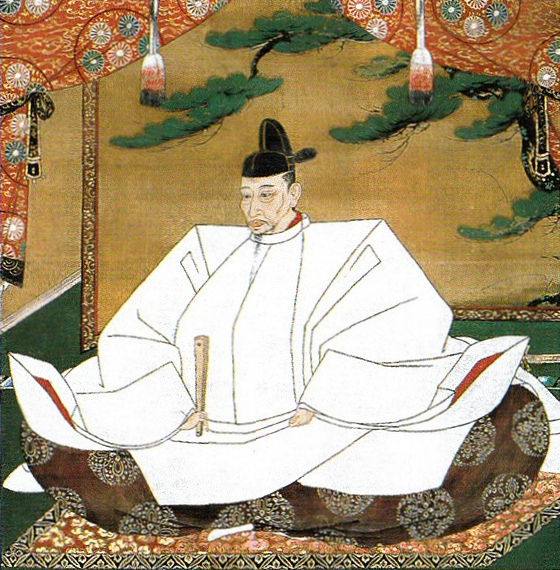
The Portrait of Hideyoshi Toyotomi, attributed to Mitsunobu Kano, owned by Kodaiji Temple (licensed under Public Domain via Wikimedia Commons)
The great stone walls of Takeda Castle on the mountain

Takeda Castle was built on the mountain with three ridges; long ones in the north and the south, and a short one in the southwest. The Main Enclosure was on the top and had the Main Tower, but its details are unknown. Each ridge had several enclosures including a large one which could accommodate soldiers and supplies. The edge of the ridges was open to the outside, but was also protected strictly by a defensive gate. They were all surrounded by great stone walls, piled using natural or roughly processed stones in a method called Nozura-zumi. A professional stone-piling guild was called in to do this. One of the advanced things of this castle’s layout was that it included bypass routes between the three ridges. The defenders could move from one to another smoothly so that they were able to respond to enemies’ attacks flexibly.

The aerial photo around the castle

The stone wall base for the Main Tower of Takeda Castle

Abrupt ending of Masahiro and Castle

Masahiro usually lived in his Main Hall at the foot while developing the castle town. He was also interested in Chinese studies and communicated with domestic Confucians and a high-class Korean official. It is said that he also built a shrine to Confucianism in the castle on the mountain. However, the lives of he and his castle suddenly ended. In the crucial battle between the East Squad led by Ieyasu Tokugawa and the West Squad led by Mitsunari Ishida which happened in 1600, Masahiro joined the West Squad. When Masahiro heard about Mitsunari being defeated by Ieyasu at Sekigahara field, he switched to support the East Squad. He burned the castle town around Tottori Castle where another lord supporting the West Squad lived, to show his loyalty to Ieyasu. However, Ieyasu’s decision was to force Masahiro to kill himself by performing Harakiri to put the responsibility of the burning on him. This was an incomprehensible conclusion, but some historians speculate that Ieyasu and his Tokugawa Shogunate also wanted to secure Ikuno Silver Mine by removing possible rebels like Masahiro.

The ruins of Tottori Castle
The ruins of Akamatsu Hachiman Shine at Tottori, where Masahiro was worshiped

To be continued in “Takeda Castle Part2”

56.竹田城 その1

竹田城を完成させた斎村政広の領地は2万2千石で、城の豪華な石垣を築き維持していくには少なすぎる石高でした。よって、この城の建設には豊臣秀吉のバックアップがあったものとされています。

立地と歴史

天空の城として有名に

竹田城は、現在の兵庫県北部にあたる但馬国の虎臥山(とらふすやま、標高354m)にあった城です。竹田城跡は最近、歴史ファンだけではなく一般の観光客の間でも、「天空の城」として大変な人気となっています。城跡には建物は何もありませんが、素晴らしい石垣が高い山の上に残っていて、秋から冬にかけての朝に気候条件が整えば、雲海の上に浮かんでいるように見えるのです。日本のマチュピチュなどとも称されています。天空の城は現代になって新たにできた観光地であり、城跡そのものからはずっと離れた場所に行って見学することになります。しかし、この呼称は城の歴史や立地から生まれたものとも言えるでしょう。

「天空の城」竹田城の写真、現地説明版より

山名氏が最初に築城

但馬国は現代の人々にはあまり馴染みがありません。この国は小さく、最終的には兵庫県に統合されてしまったからです。しかし、過去においてはその立地からとても重要視されていました。中世の多くの期間に渡って、山名氏が山陰地域とも呼ばれる中国地方北部のいくつもの国を領有していました。但馬国は山名氏の領国の東端にあり、播磨国と丹波国と国境を接していました。そのため、山名氏が攻守の要の基地として、15世紀頃に竹田城を最初に築いたのです。その当時は、領主たちが身を守るために高い山の上に城を築くことがよく行われていました。竹田城を含むこれらの城は、その時点ではすべて土造りで、石垣は築かれていませんでした。

但馬国の範囲と城の位置

多くの戦いが起きた戦国時代の16世紀には状況はもっと複雑化します。山名氏の力が衰える一方、但馬国外の他の領主たちはより多くの領土を欲したからです。例えば1571年には、山名氏の当主、山名祐豊(すけとよ)は丹波国に攻め込みますが、逆に反撃を受けてしまい、1575年には丹波国の黒井城主、荻野直正に一時竹田城を占領されてしまいました。祐豊は自身の領地を守るために、状況に応じて織田信長や毛利氏のような最強と思う戦国大名に助けを求めるつもりでした。ところが信長は1577年に、後に天下人となる羽柴秀吉の弟である羽柴(豊臣)秀長に軍勢を預け、但馬国に派遣したのです。これによって信長は竹田城を支配下に置きました(そのとき戦いが起こったのか、降伏によって開城したか不確かです)。1582年に信長が亡くなり、秀吉が天下人になると、弟の秀長に竹田城に留まり、改修するよう命じました。城の周辺に莫大な収益をもたらす生野銀山があったことが関係していたようです。山頂に石垣が築かれ始めたのは、この頃のことと考えられます。やがて1585年に秀長が和歌山城に移されると、城の改修は、秀吉の別の家臣である斎村政広に引き継がれます。

山名氏の家紋、五七桐に七葉根笹  (licensed by Houunji 1642 via Wikimedia Commons)
荻野(赤井)直正のイラストレーション、黒井城跡現地説明版より
豊臣秀長肖像画、春岳院蔵 (licensed under Public Domain via Wikimedia Commons)

斎村政広が城を完成

政広はもともと赤松広秀という名前で、播磨国の龍野城にいた地方領主でした。1577年に秀吉が播磨国に侵攻したとき、政広は秀吉に降伏したのですが、城を取り上げられ、秀吉の家臣とされました。政広は元の城を返してもらうため、秀吉の下で一生懸命働きました。その結果、秀吉は政広に領地を与えたのですが、龍野ではなく、竹田城がある地でした。政広の領地は2万2千石で、竹田城の豪華な石垣を築き維持していくのには、少なすぎる石高でした。よって、この城の建設には秀吉のバックアップがあったものとされています。政広は秀吉への貢献を続け、秀吉の命により朝鮮侵攻にも従軍しました。竹田城のいくつかの門の構造には、朝鮮で築かれた倭城の影響が表れていると言われています。

赤松氏の家紋、二つ引き両に右三つ巴  (licensed by KfskzsuRPkwt via Wikimedia Commons)
豊臣秀吉肖像画、加納光信筆、高台寺蔵 (licensed under Public Domain via Wikimedia Commons)
竹田城跡の山上の石垣

竹田城が築かれた山は3つの峰から成り立っていて、北方と南方の峰は長く、西方の峰は短くなっています。頂上部分には本丸が築かれ、天守もあったのですが、その詳細は分かっていません。それぞれの峰にはいくつも曲輪がありましたが、その内の大きな曲輪では兵士の駐屯や物資の備蓄ができるようになっていました。峰の端部分は外部との出入口となっていましたが、虎口によって厳重に守られていました。城は総石垣造りであり、野面積みと呼ばれる、自然石か粗く加工された石を使って積まれました。石積み専門の職人集団が招かれてこの仕事を行いました。この城の縄張りで進んでいる点の一つは、3つの峰の間をバイパスを使って移動できることです。守備兵は、ある峰から別の峰へとスムーズに動けることで、敵の攻撃に柔軟に対応することができたのです。

城周辺の航空写真

竹田城の天守台石垣

政広と竹田城のあっけない最期

政広は普段は山麓にある御殿に住んでいて、その間城下町も整備しました。彼は儒教にも関心があり、国内の儒学者たちや朝鮮の高官と交流を重ねました。山上の城にも儒学の聖堂を建てたとも言われています。ところが、政広と竹田城の時代は突然終わってしまいます。1600年に徳川家康率いる東軍と石田三成率いる西軍との間で天下分け目の戦いが起こりました。政広は西軍に属していたのですが、関ヶ原において三成が家康に敗れたと聞くと、東軍に鞍替えします。彼は、家康に対する忠誠を示すために、他の西軍に属した大名がいた鳥取城の城下町を焼き打ちしました。しかし家康の裁定は、焼き打ちの責任を取らせるということで、政広に切腹を命じるものでした。これは理解に苦しむ決定内容ですが、家康と彼の徳川幕府が生野銀山を確保するために、政広のような謀反を起こすかもしれない人物を排除しようとしたのだと、歴史家は解釈しています。

鳥取城跡
鳥取にある政広を祀った赤松八幡宮跡

「竹田城その2」に続きます。

error: Content is protected !!