155.Akagi Castle Part2

A mountain castle with a strategical defense system

Features

Well maintained Castle Ruins

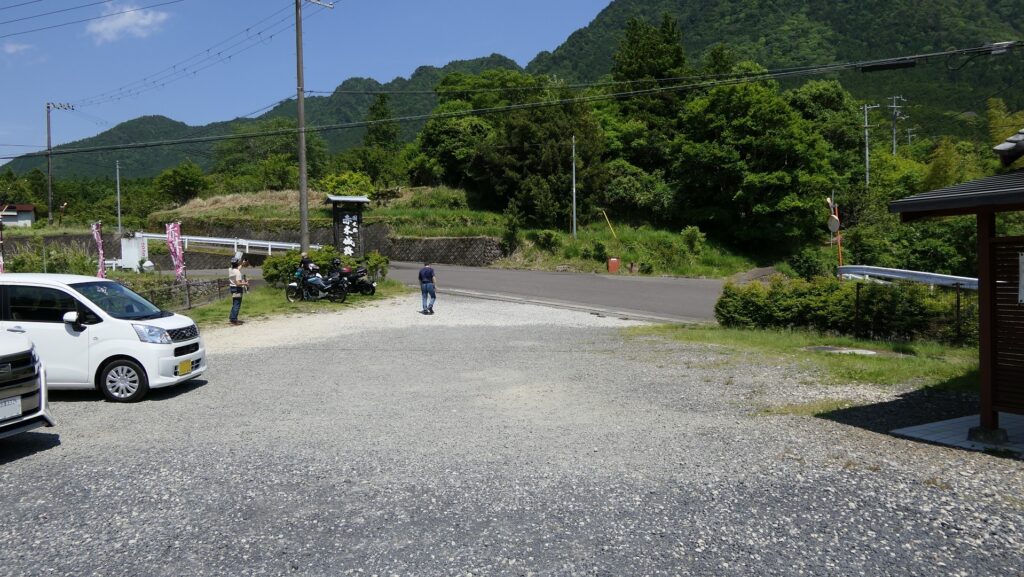
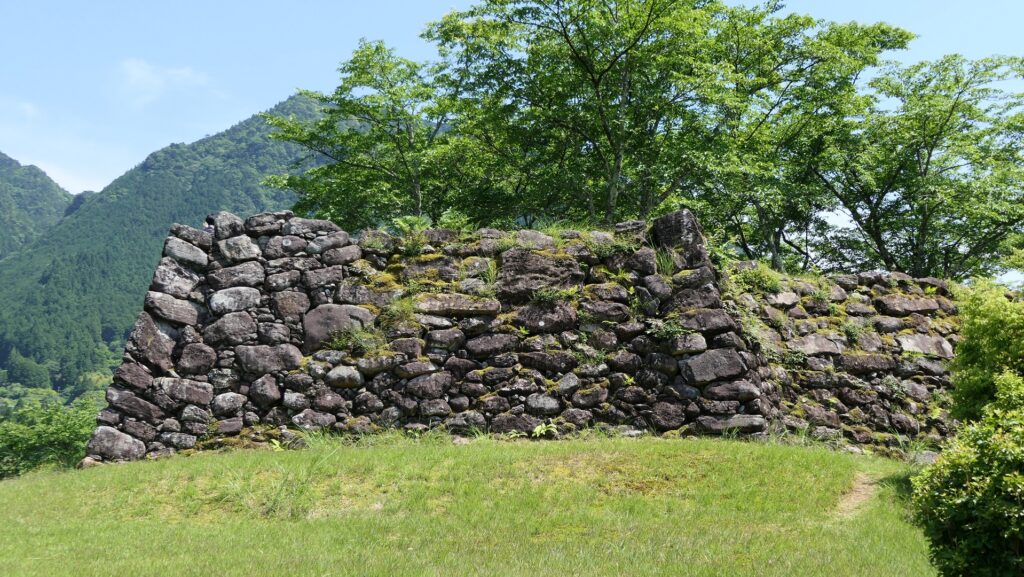
Today, the ruins of Akagi Castle have been developed and maintained as a historical site by Kumano City. The city is also known for its wooden materials such as Kumano Cedar. The area around the castle produced metals like gold, silver, bronze, and iron in the past. The castle could control the roads which were used to carry these materials. People who visit the ruins by car usually start their walk from the parking lot below the eastern ridge. The ruins don’t have any standing buildings but its stone walls remain in good condition.

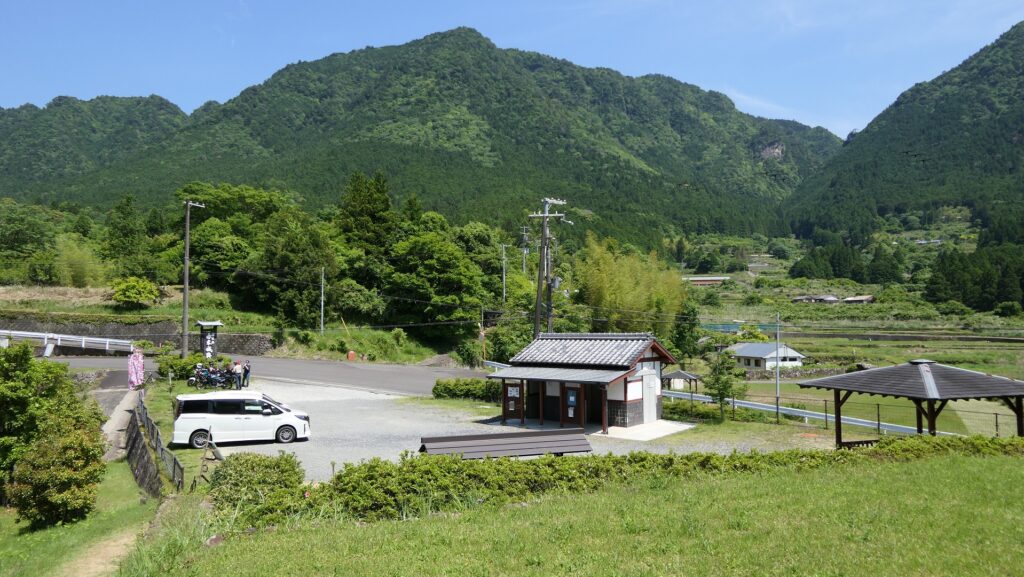
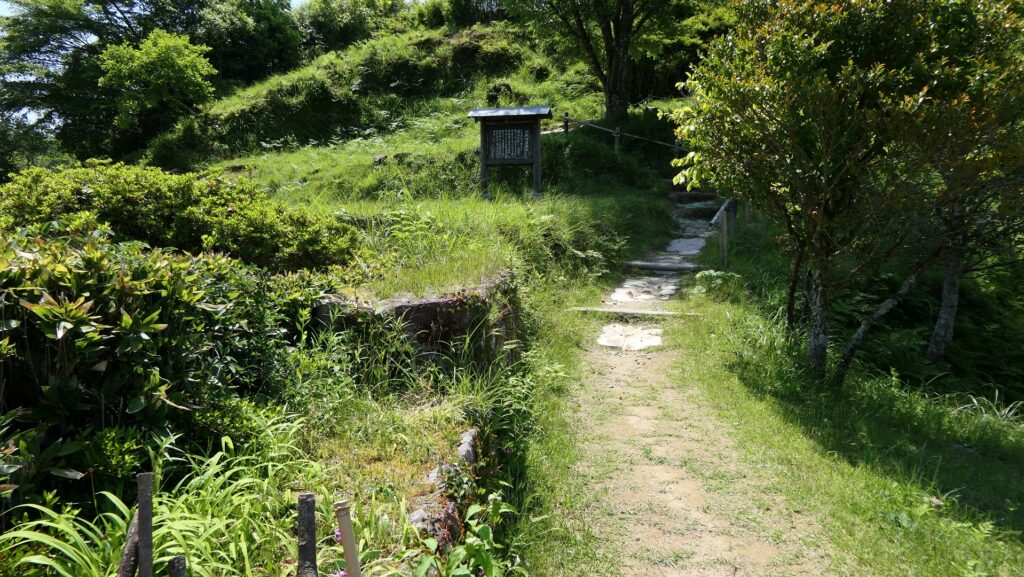
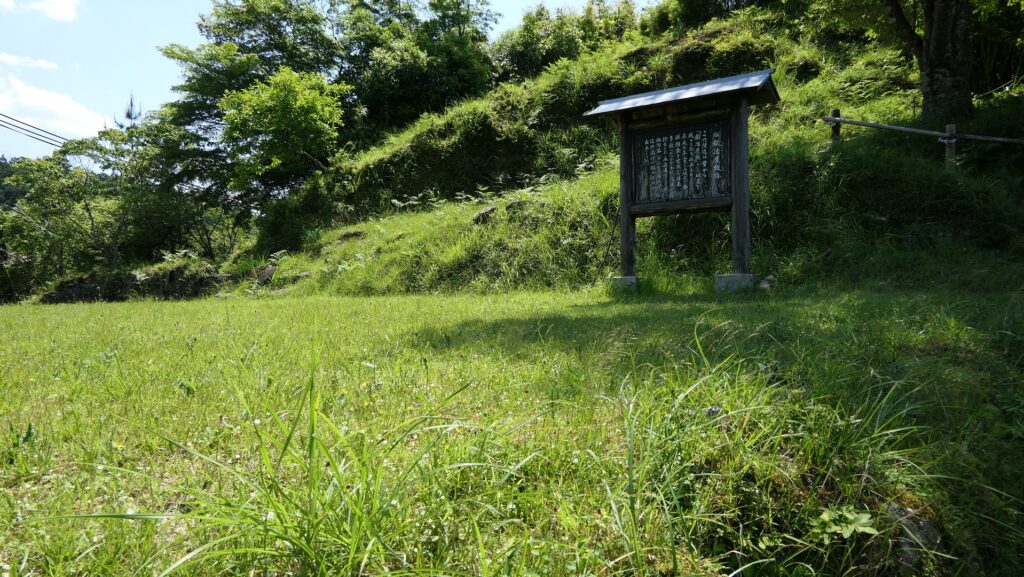
Around the parking lot below the eastern ridge
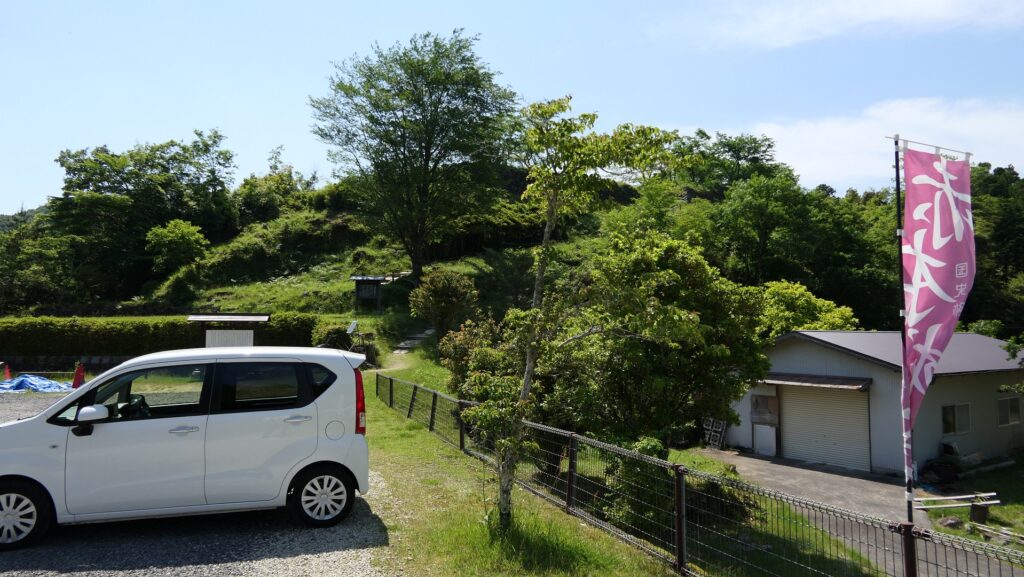
The starting point to the eastern ridge

Eastern ridge as Front of Castle

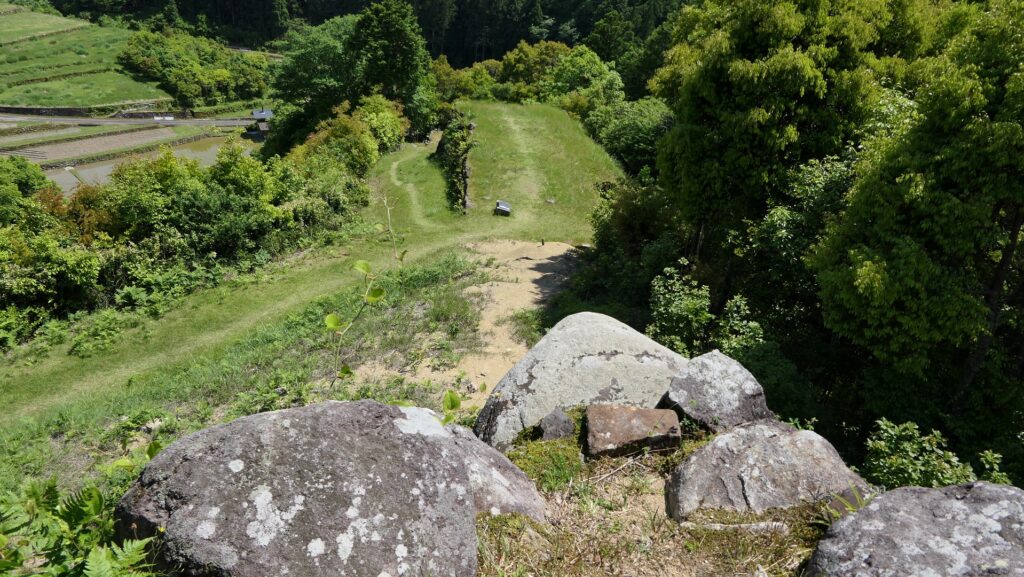
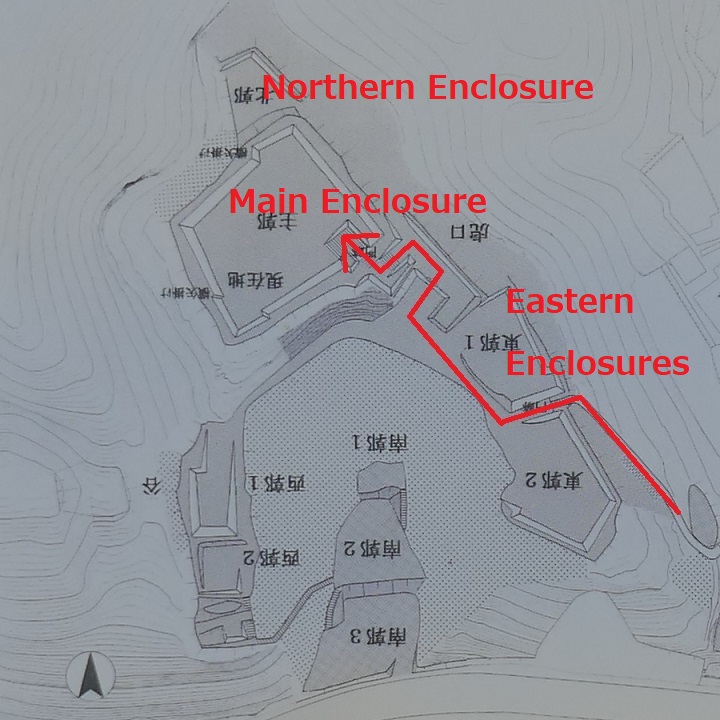
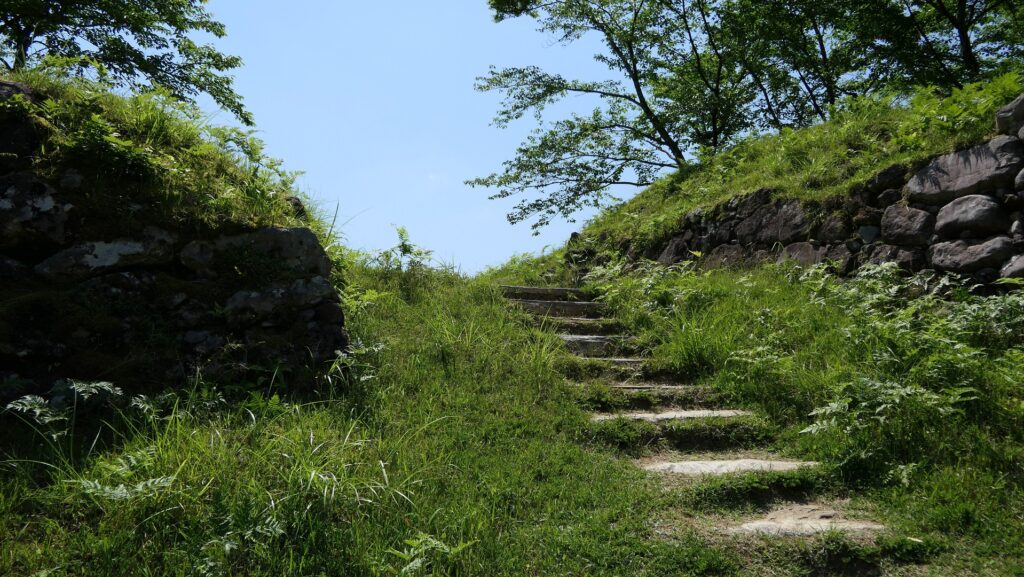
The ridge is thought to be the front of the castle because it had the most strategical defense system in the castle. You can even now see how it was protected. If you climb the path through the Metalsmith Residences Ruins, it turns left and gets steep between the two enclosures surrounded by stone walls on the ridge.

The route from the eastern ridge to the Main Enclosure (the red arrow), using the signboard at the site
The Metalsmith Residences Ruins
The path turns left

This is a defensive point where the first gate was built to protect the castle.

The ruins of the first gate
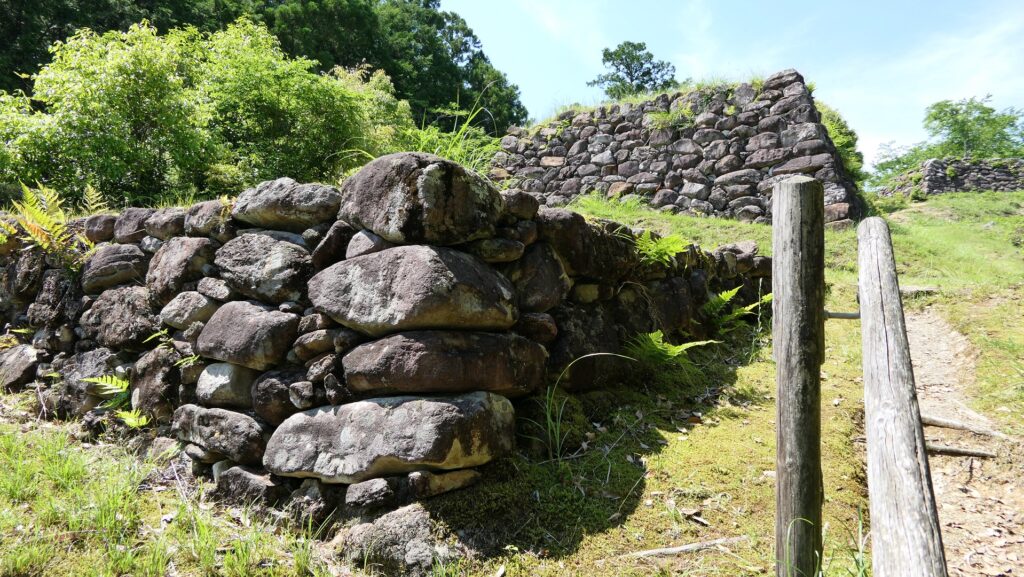
The stone walls of the Eastern Enclosures
The gate ruins seen from above the stone walls

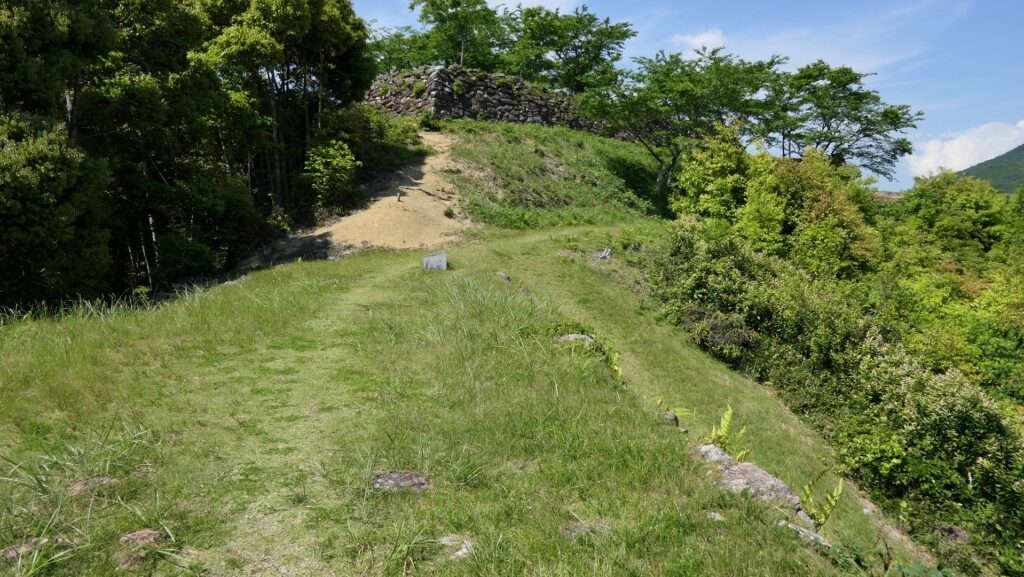
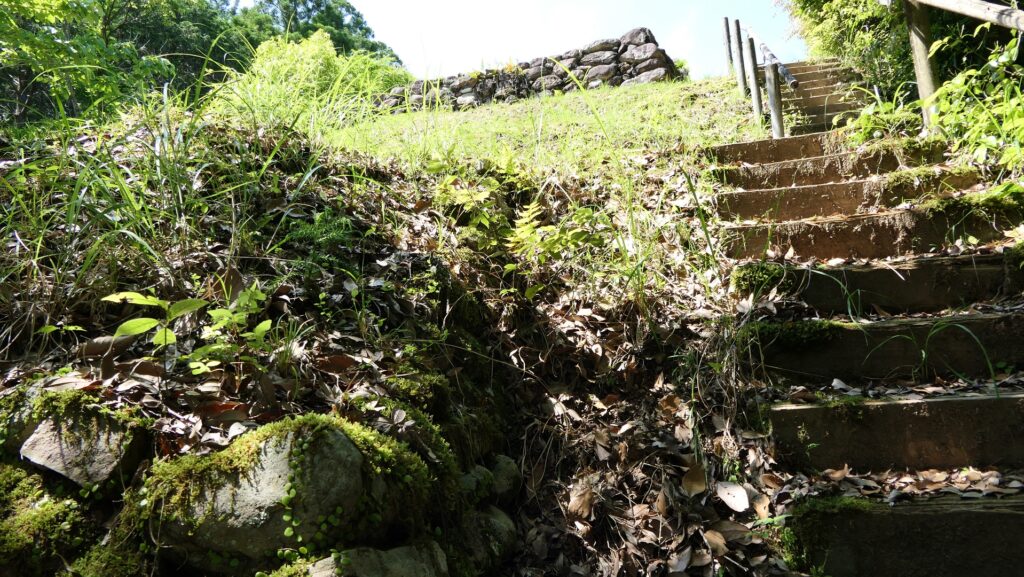
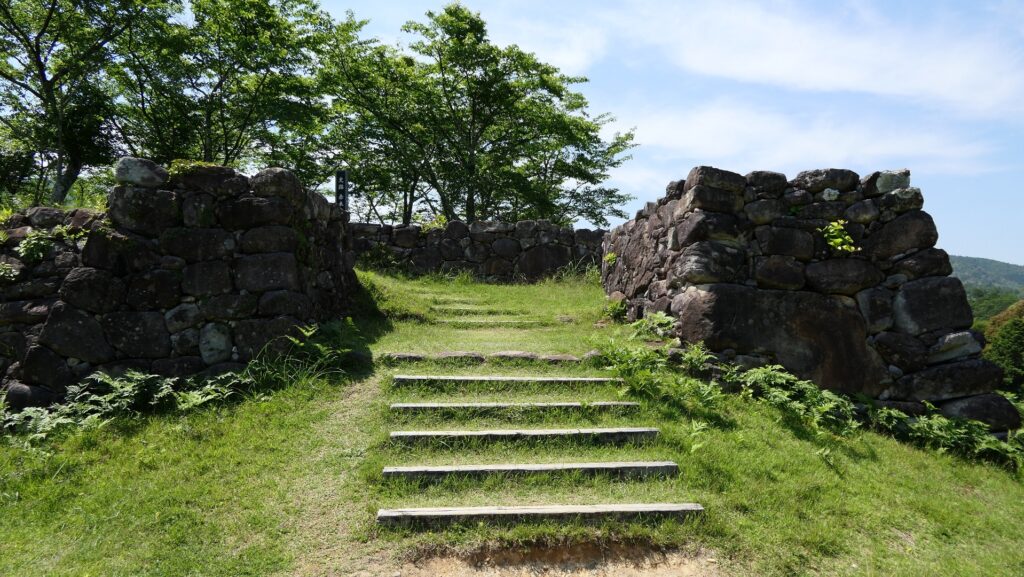
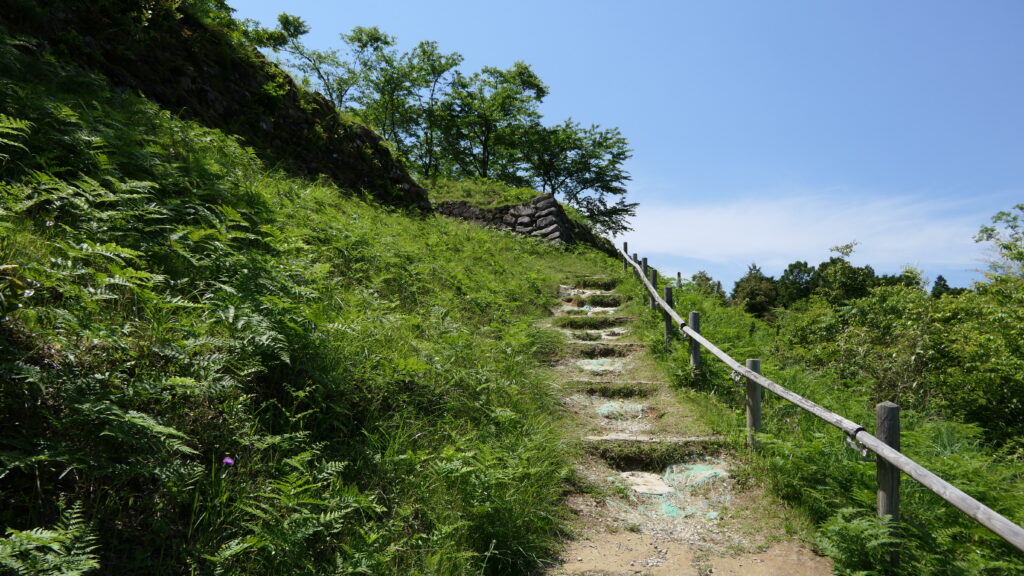
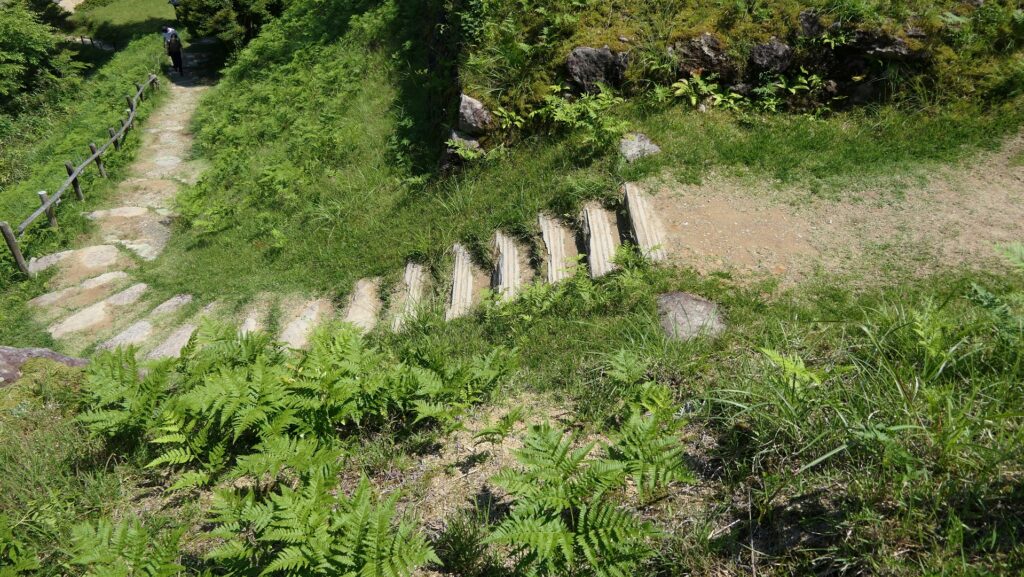
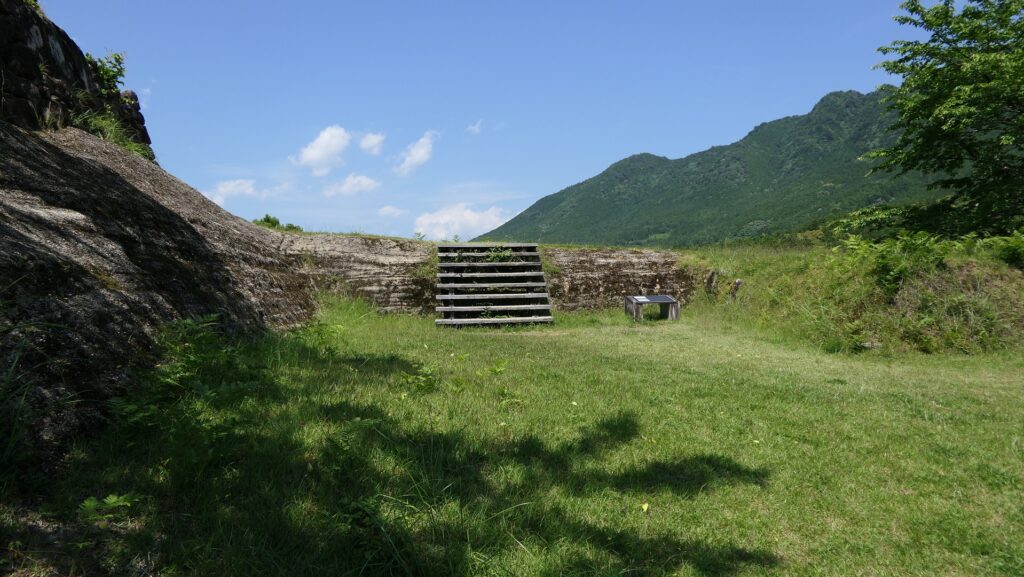
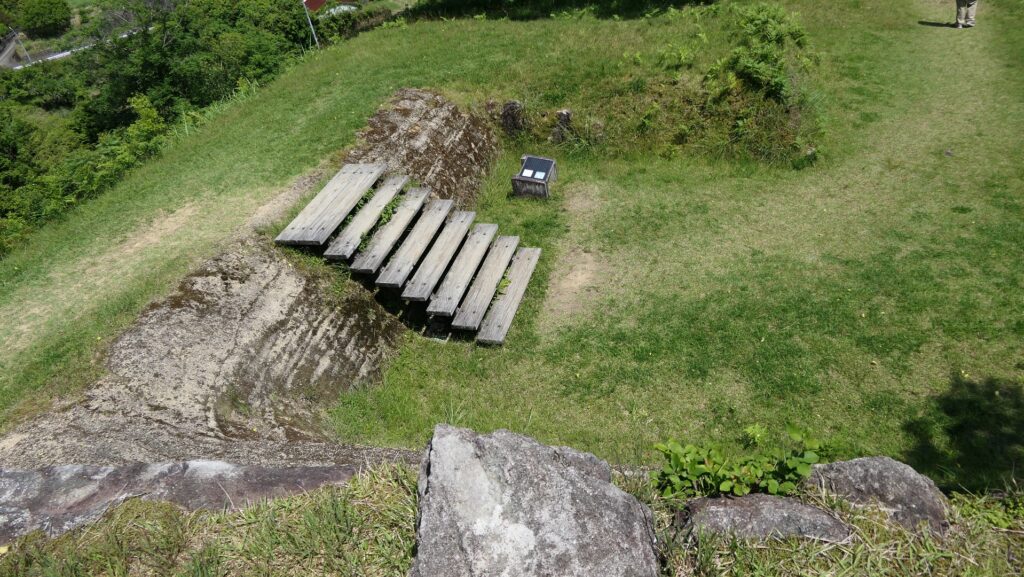
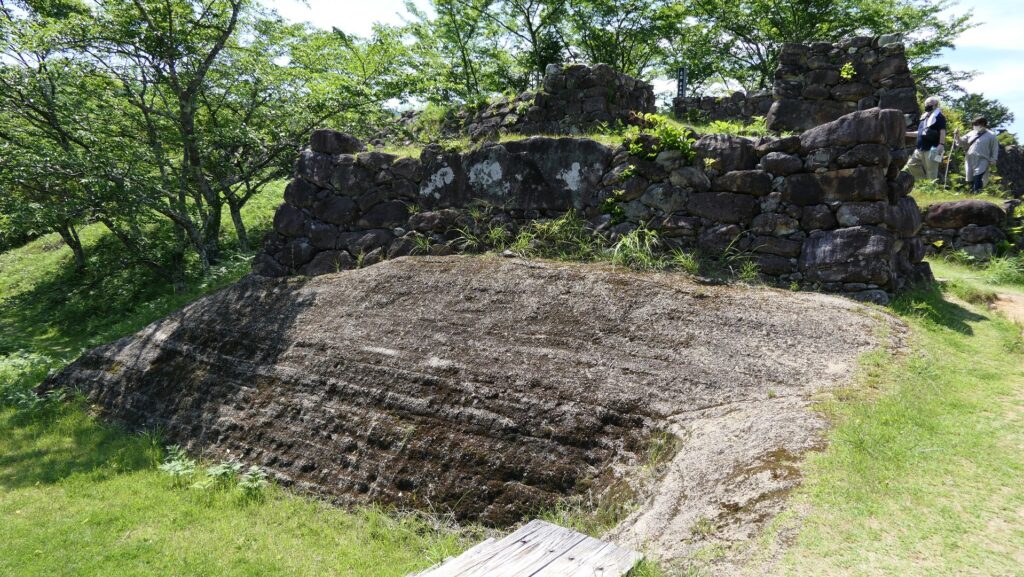
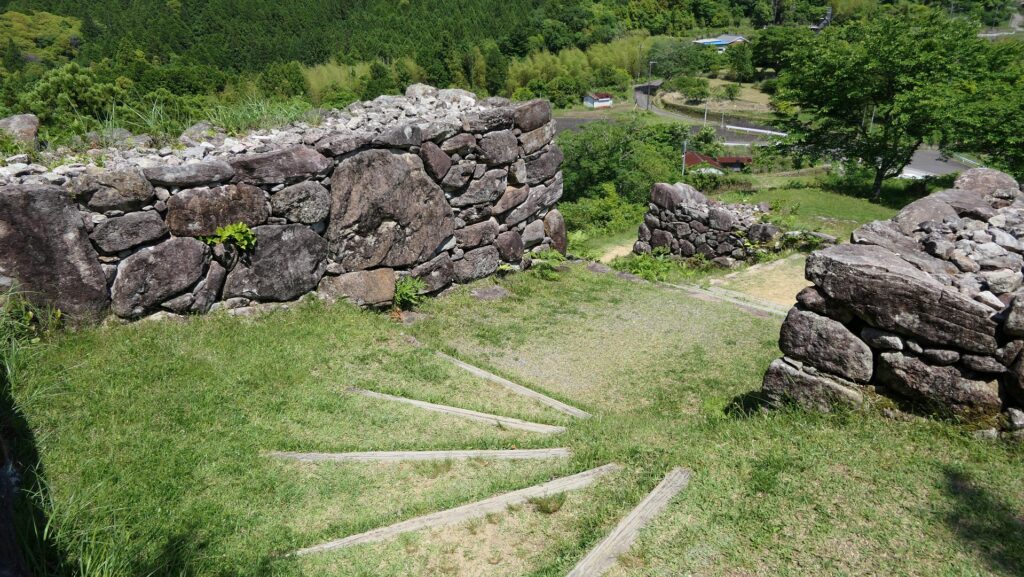
Then, the path turns right to climb the ridge, it turns right again to enter the entrance of the Main Enclosure on its stone walls. However, visitors had to use the ladder to enter it, whereas now you can enter it using the wooden steps added in recent times.

Climbing the ridge
The wooden steps towards the Main Enclosure
The wooden steps seen from above

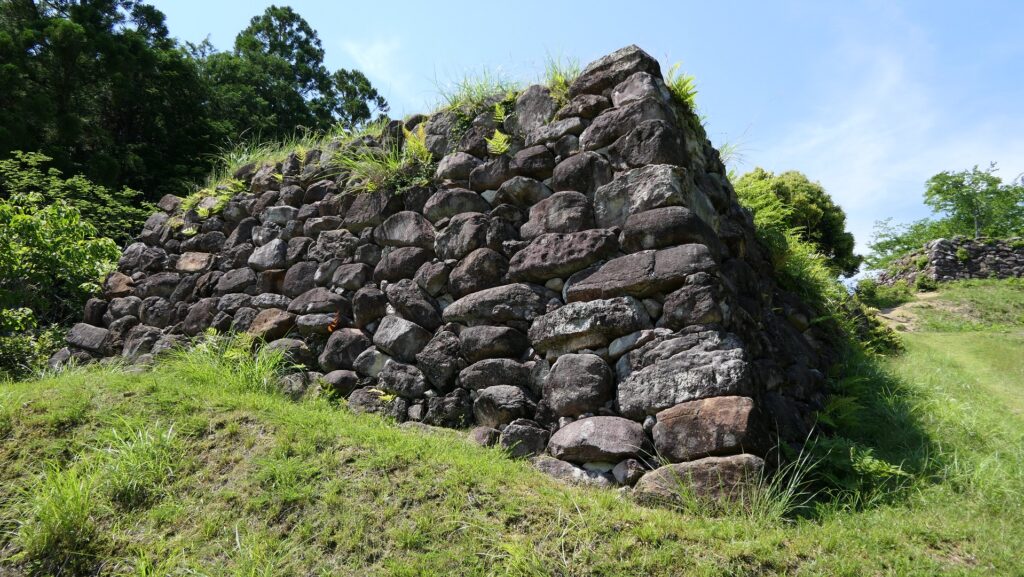
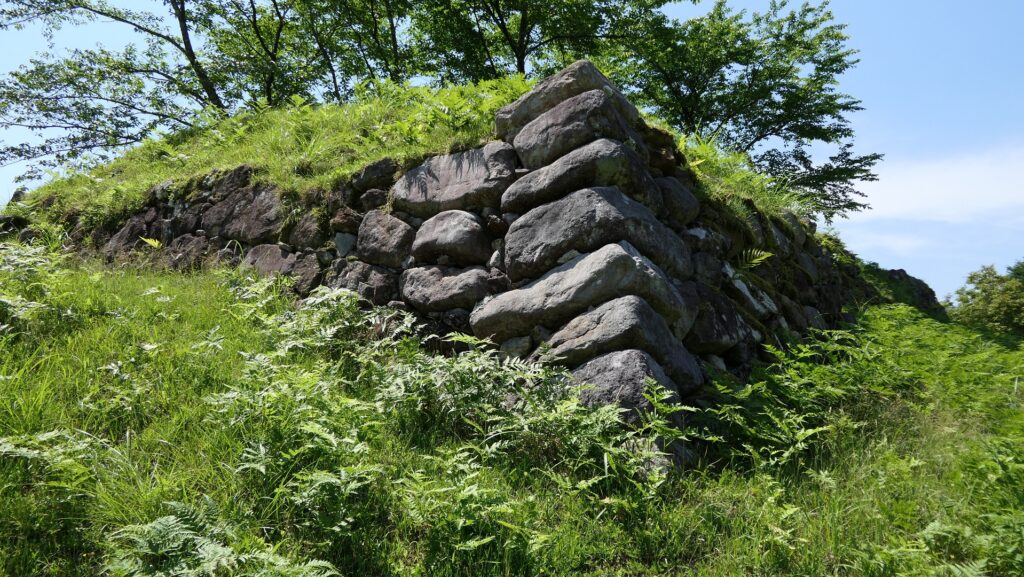
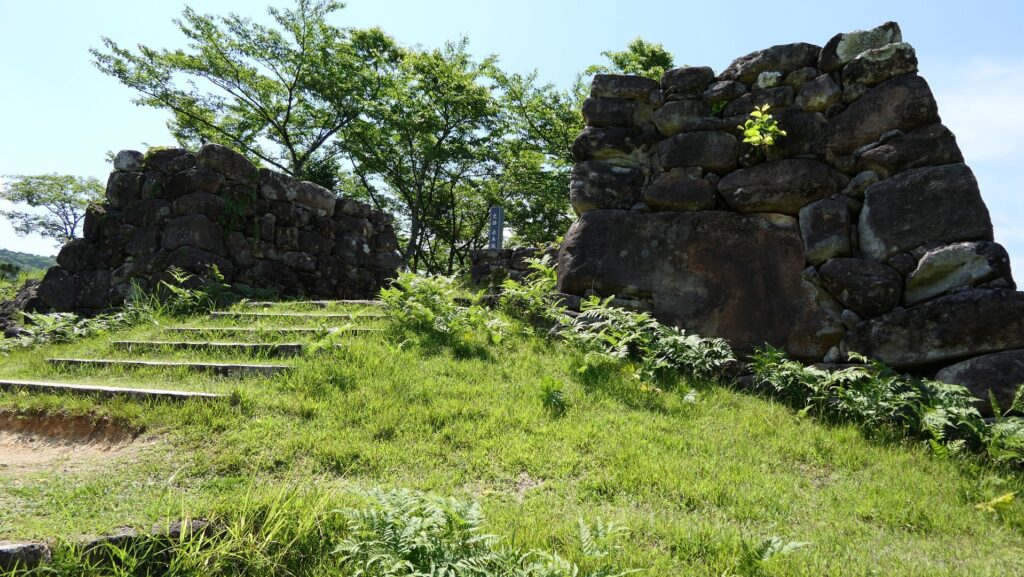
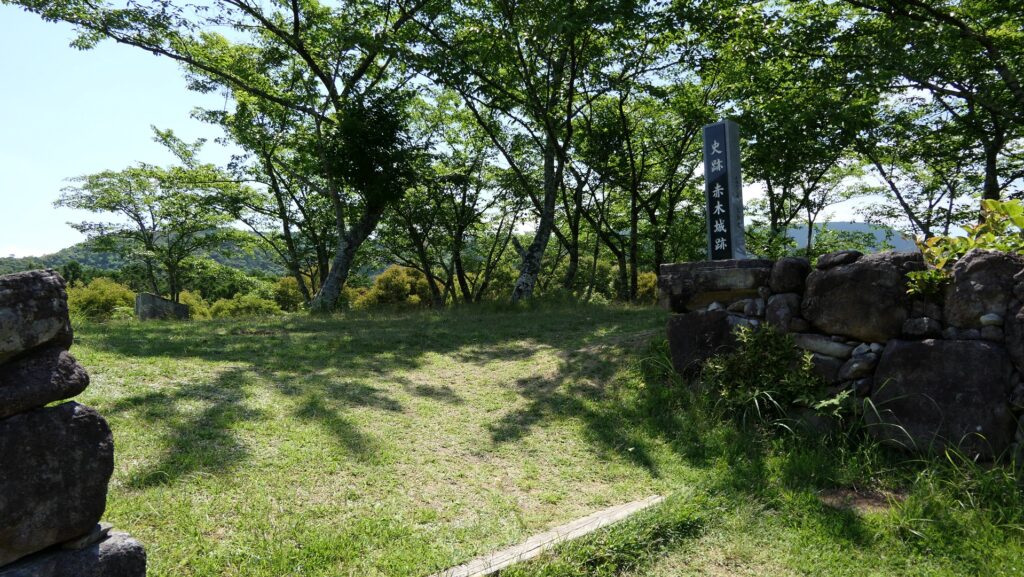
You will also need to turn three times to finally reach the square defensive gate of the enclosure, called Masugata. This uses the highest and greatest stone walls as the final gate of the castle.

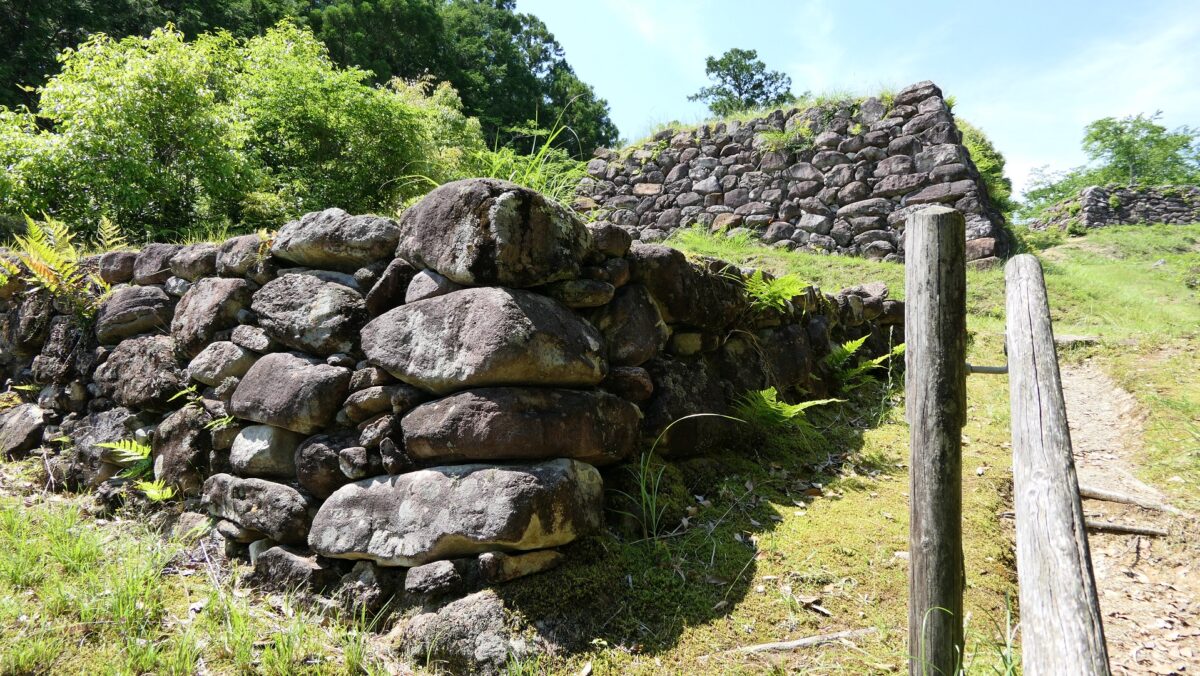
The stone walls in front of the Main Enclosure could be an obstruction
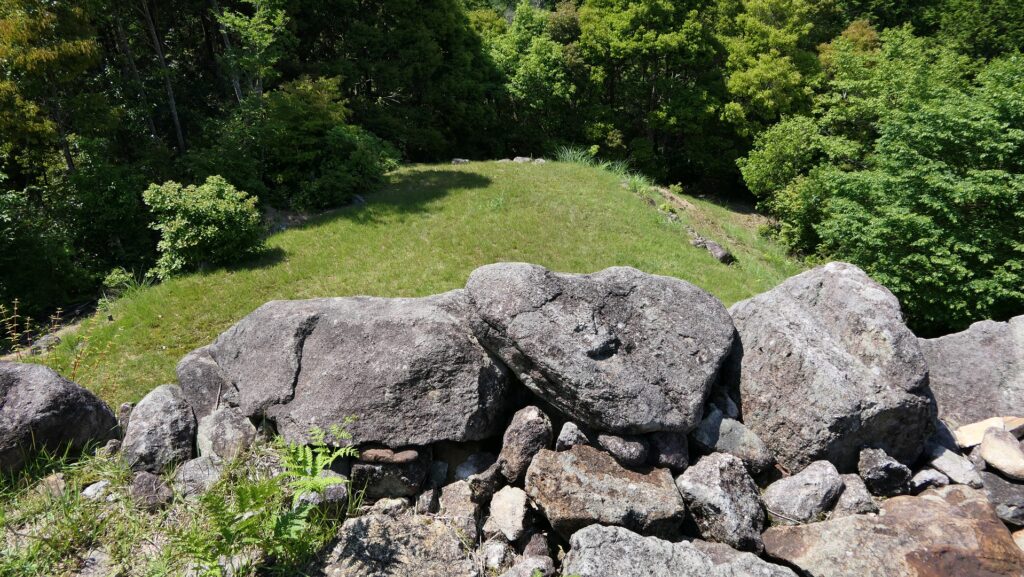
The stone walls of the Main Enclosure Entrance
The entrance seen from behinde

Elaborately built Stone Walls surround Main Enclosure

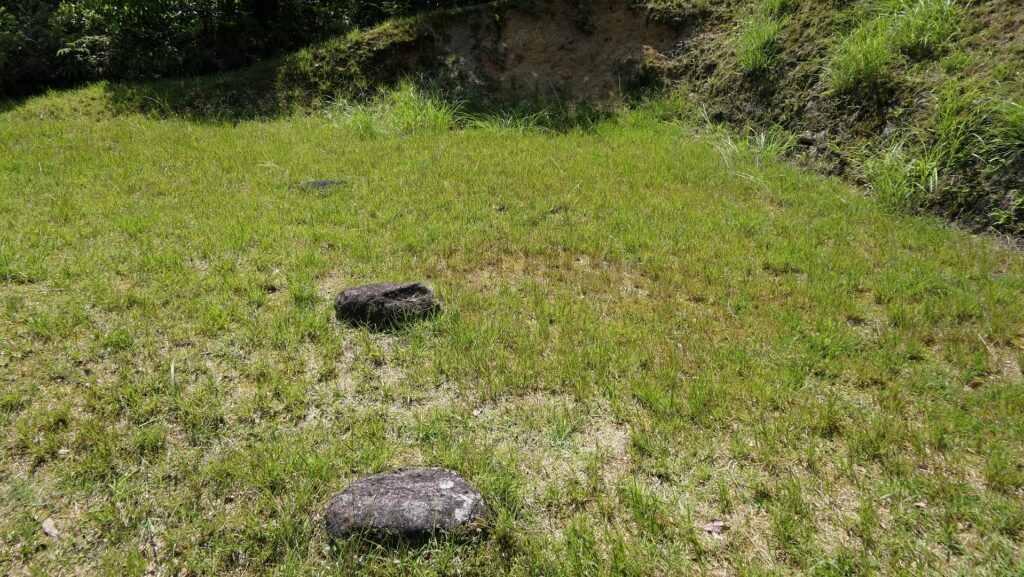
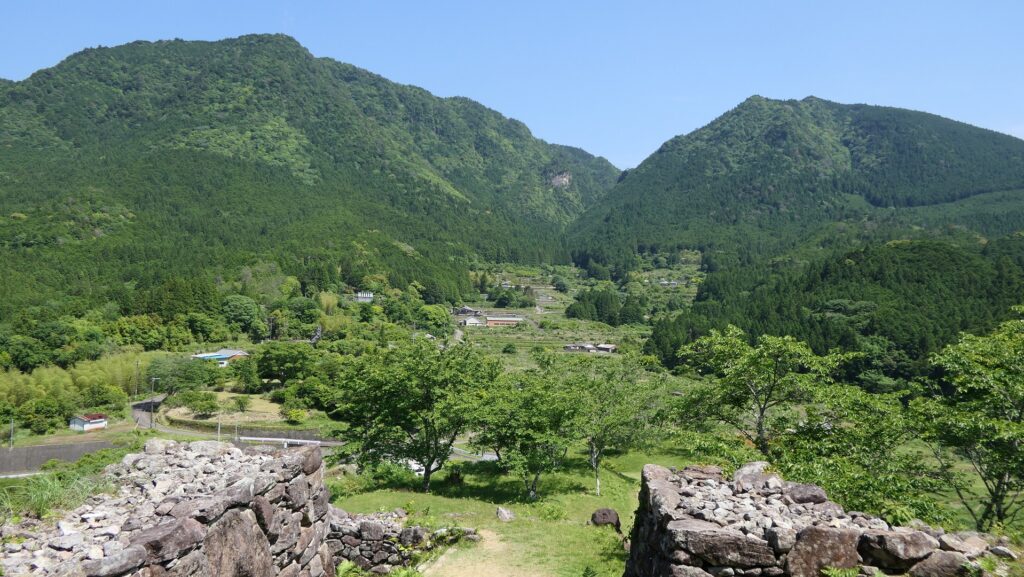
The inside of the Main Enclosure is only a square now, but it had the largest buildings in the castle based on the stone foundations found by the excavation. You can see a view of the surrounding settlements just as the castle lord used to do.

The inside of the Main Enclosure
A view from the Main Enclosure

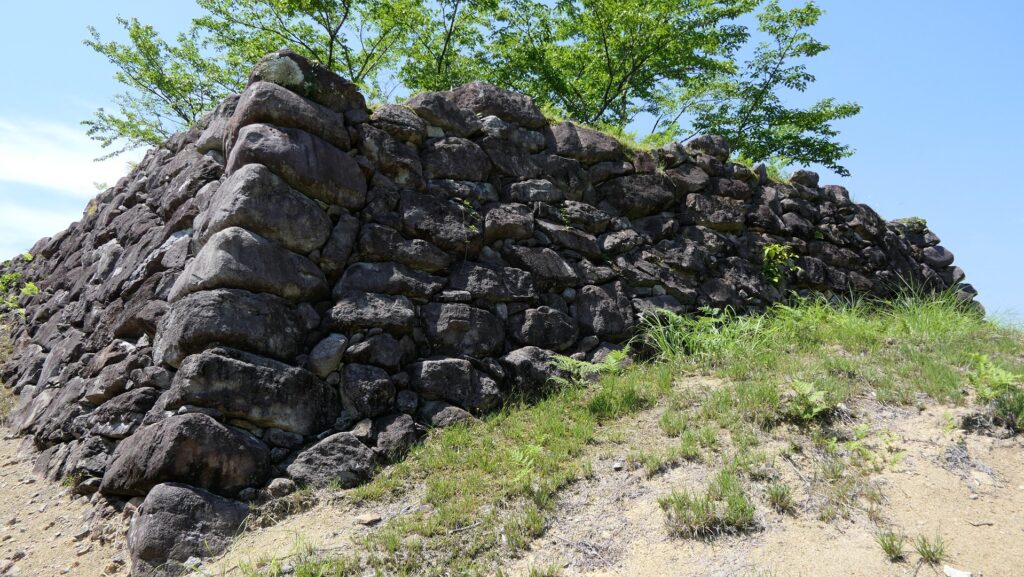
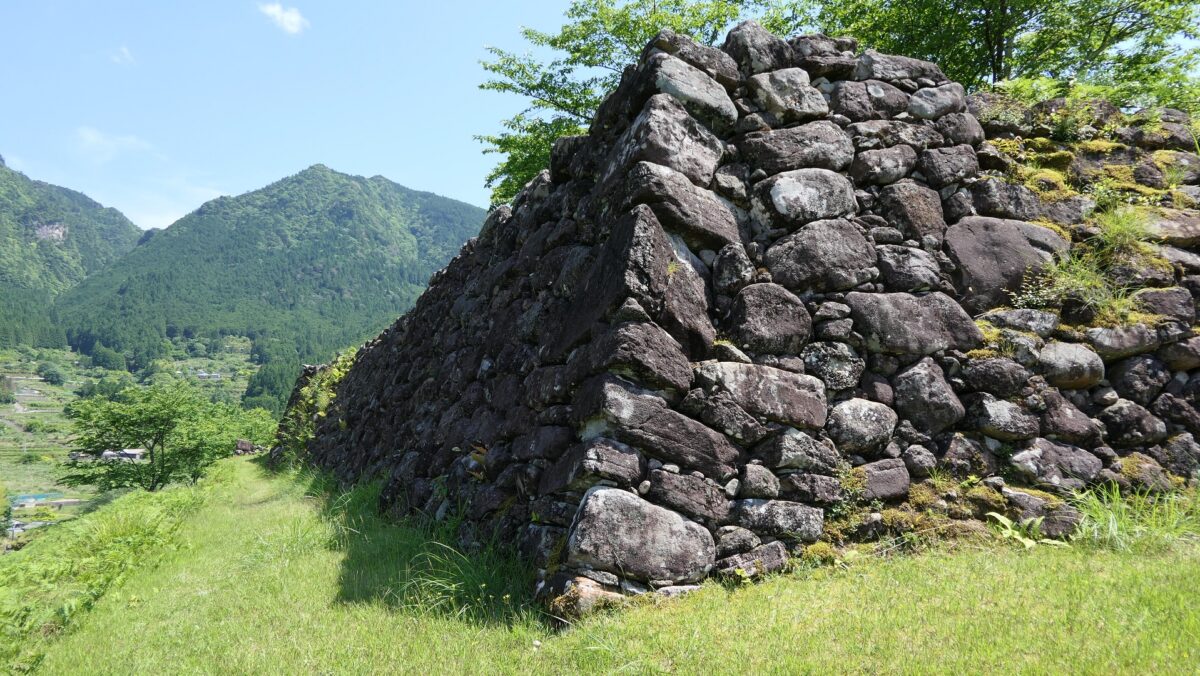
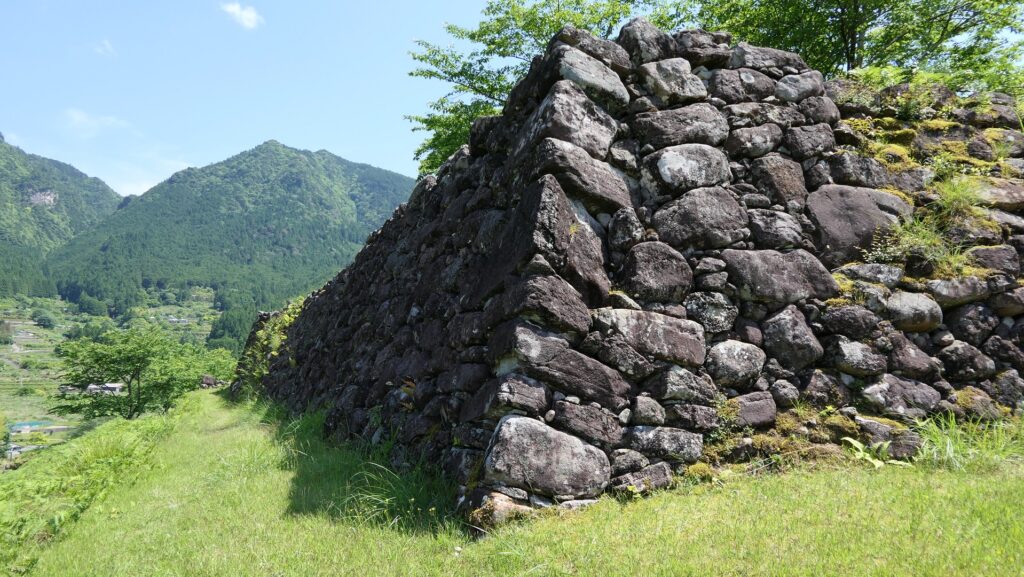
You can also walk around the outside of the enclosure. You will see how its stone walls were curved elaborately to allow the defenders to make a counter-attacks to the side.

The stone walls of the Main Enclosure
part of the stone walls was curved elaborately

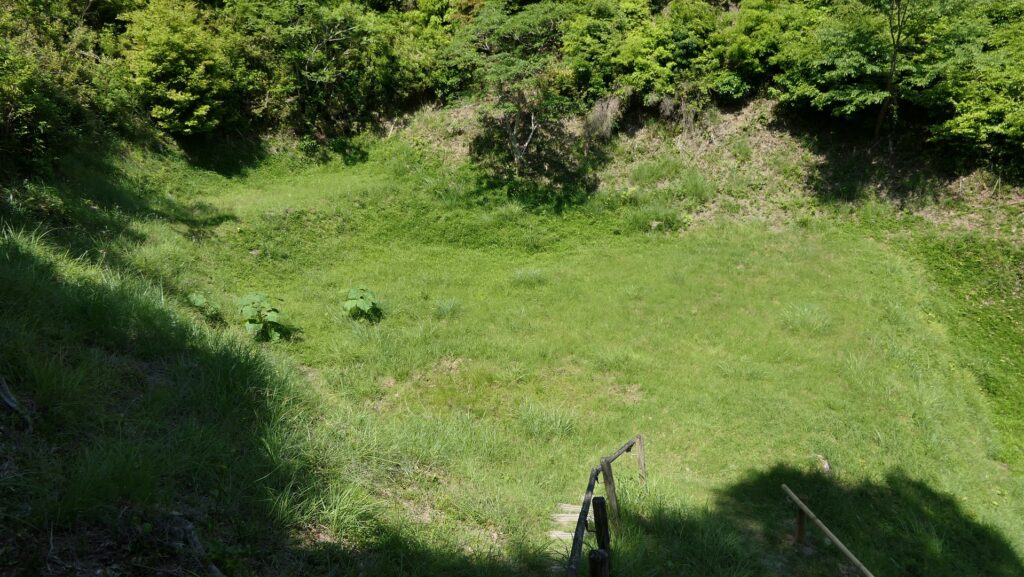
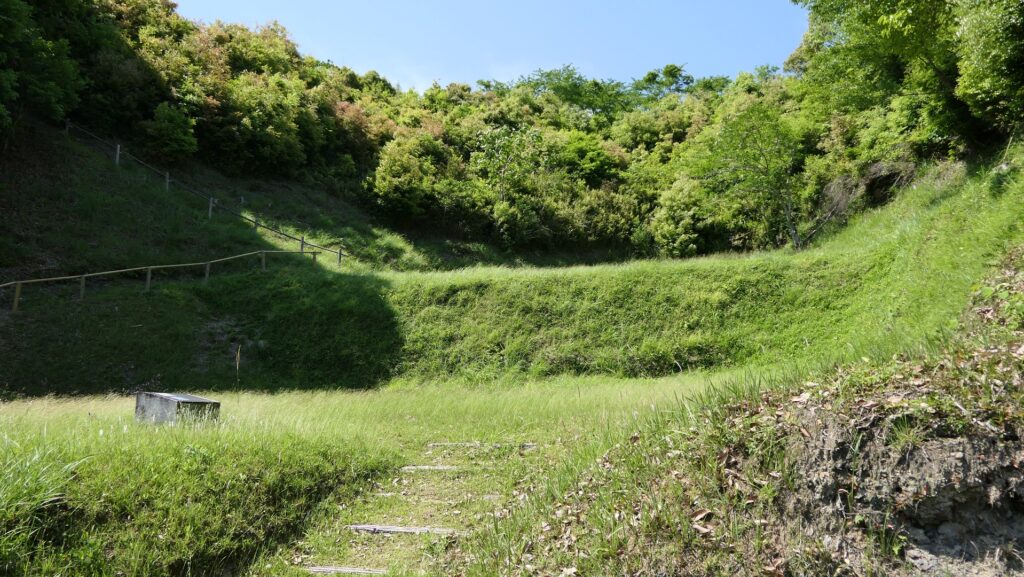
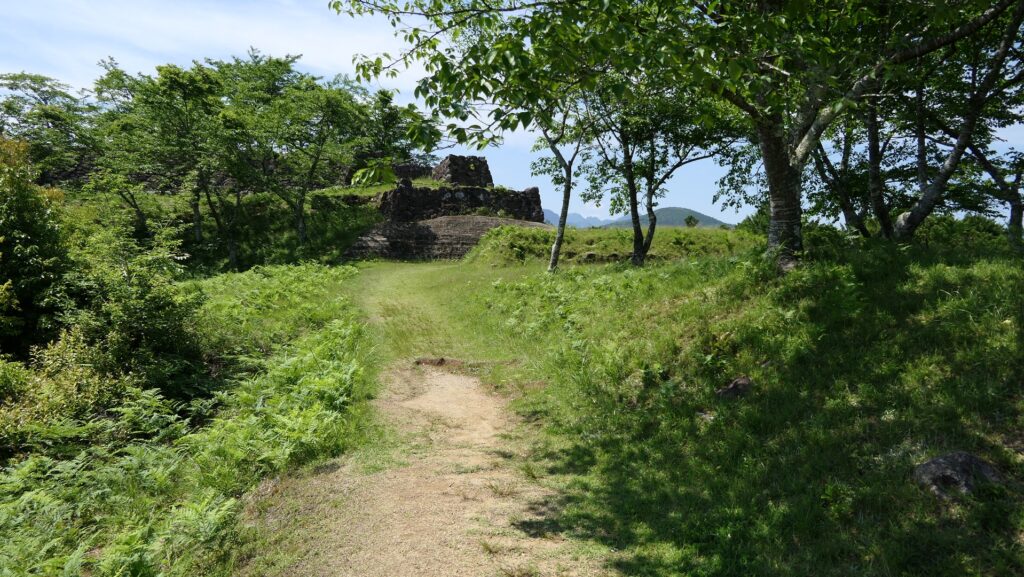
The single enclosure on the northern ridge, directly connected to the Main Enclosure, only partly used stone walls by because it was the back of the castle. However, it was protected by a ditch in front of it.

The Northern Enclosure seen from the Mian Enclosure

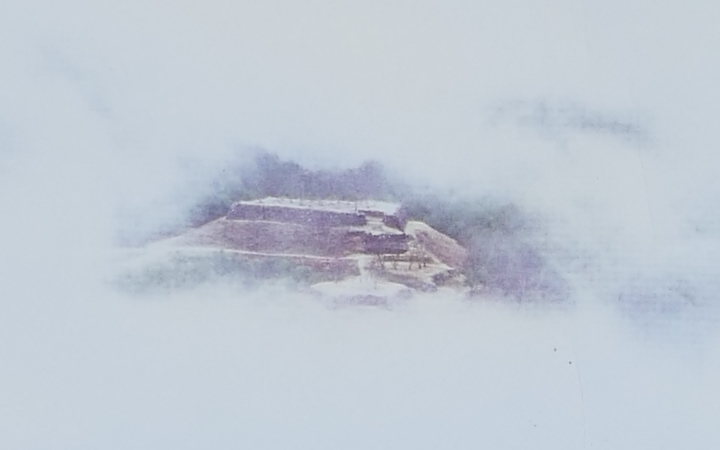
The aerial photo around the castle

To be continued in “Akagi Castle Part3”
Back to “Akagi Castle Part1”

155.赤木城 その2

戦略的な防御システムを持った山城

特徴、見どころ

よく整備されている城跡

現在、赤木城跡は熊野市によって史跡として維持整備されています。熊野市はまた、熊野杉のような木材の産地としても知られています。この城の周りの地域は、過去には金、銀、銅、鉄などの金属資源も算出していました。赤木城は、これらの産物を運ぶ街道(いわゆる熊野街道)をコントロールできる位置にありました。車で城跡を訪れるのであれば、通常は東の峰下にある駐車場に車を停めて、そこから歩いて行きます。城跡には建物は残ってはいませんが、石垣がよい状態で維持されています。

東峰下にある駐車場周辺
東峰への登り口

城の正面口、東峰

その東峰は城の正面であったと考えられています。この城の中では最も戦略的な防御システムを持っていたからです。今でも、この部分がどのように守られていたのかがわかります。峰を登り始めて鍛冶屋敷跡を過ぎると、峰の上にある石垣に囲まれた二つの曲輪(東郭)の中間点で、道は左に曲がり急になります。

東峰から本丸へのルート(赤矢印)、現地説明板を北を上にして使用
鍛冶屋敷跡
道は右に曲がります

この場所には1番目の門(1番目の虎口)が築かれていて、城を守るための重要なポイントでした。

一番目の門跡
東郭の石垣
門跡を石垣の上から見る

そこから道は右に曲がり、峰上を登っていきます。道は再度右に曲がり、石垣の上にある本丸に向かっていきます。しかし、過去にその石垣に上に登るには梯子を使っていました。現在のビジターは、城跡を整備したときに設置された木製の階段を使います(ここが2番目の虎口に相当)。

峰上を登ります
本丸に向かうための木製階段(過去には橋子が使われていました)
階段部分を上から見ています

その後、桝形と呼ばれる四角い防御空間になっている本丸虎口(3番目の虎口)に到達するには、あと3回曲がる必要があります。ここは城の最後の入口となるので、この城では最も高く最も豪華な石垣が使われています。

本丸前の石垣が障害物になっています
本丸虎口の石垣
本丸虎口を内側から見ています

巧みに築かれた石垣が囲む本丸

本丸の内部は、現在は広場となっています。しかし発掘により、礎石の上に城では最大の建物があったことがわかっています。そこからは、城跡の周りの集落をよく見渡すことができます。きっと昔の城主も同じような眺めを見ていたことでしょう。

本丸内部
本丸からの眺め

本丸の外側を歩いて回ることもできます。本丸を囲む石垣のラインが巧みに曲げられていて、城の守備兵が敵の側面に反撃できるようになっていたことがよく見て取れます。

本丸石垣
本丸石垣の屈曲部分

北の峰上にある単独の曲輪(北郭)が直接本丸につながっています。この曲輪には石垣が部分的にしかありません。こちらは城の裏面だったからでしょう。しかし、防御面では手前に堀切があり、しっかり守られています。

本丸から見た北郭

城周辺の航空写真

「赤木城その3」に続きます。
「赤木城その1」に戻ります。

154.Tamaru Castle Part3

Tamaru Castle shows Nobukatsu’s early way of life

Features

Going to Second Enclosure

The Second Enclosure, the south of the Main Enclosure, also has both stone walls and earthen walls. The earthen walls have the alternating entrance which is very old and thought to be used as the back gate

The map around the castle

The exit of the Main Enclosure to the Second Enclosure
Going to the Second Enclosure
The Main Enclosure on the right, the Second Enclosure on the left, which is partially made of soil.
The inside of the Second Enclosure
The stone walls surrounding the Second Enclosure
The Back Gate Rins at the Second Enclosure, which are surrounded by earthen walls

In addition, you can see the private rooms for the lord, called Okushoin, which had been located in the Third Enclosure, and restored near the town hall.

Later History

After the Meiji Restoration, Tamaru Caste was abandoned and all the buildings of the castle were sold or demolished. The ruins have been public owned since 1928 and designated as a Prefectural Historic Site of Mie since 1953. Tamaki Town is researching the ruins to be designated as a National Historic Site in the future.

Shiroyama-Inari Shrine in the Northern Enclosure

My Impression

Before Nobukatsu was fired by Hideyoshi, he owned Owari Province which was originally the Oda Clan’s home base as the lord of the clan. Historians say his rejection to leave the province was the cause for his loss. However, I speculate Hideyoshi would have taken the province away from Nobukatsu no matter what he said like Hideyoshi had done against the Hojo Clan in Odawara Castle. Hideyoshi wanted to provide more territories to his relatives.

The present Odawara Castle

After that, Nobukatsu became a monk, changing his way of life. I think he probably stopped being a warrior. In his last territory, Obata, he was not allowed to build a castle for the small territory, contrasted by the large Rakusanen Garden. Tamaru Castle and the garden shows the transition of Nobukatsu’s way of life symbolically.

The Rakusanen Garden
The stone walls of Main Enclosure seen from the Second Enclosure in Tamaru Castle
The grave of Nobukatsu Oda in Kanra Town, Gunma Prefecture

How to get There

If you want to visit the castle ruins by car, it is about 10 minutes away from Tamaki IC on the Ise Expressway. You can use the parking lot of Tamaki Town Hall.
By public transportation, it takes about 10 minutes on foot from JR Tamaru Station.
To get to Tamaru Station from Tokyo: Take the Tokaido Shinkansen super express, transfer to the Kansai Line at Nagoya Station and transfer to the Kisei Line at Kameyama Station.

Tamaki Town Hall

That’s all. Thank you.
Back to “Tamaru Castle Part1”
Back to “Tamaru Castle Part2”

error: Content is protected !!