75.萩城 その1

270年間に渡る長州藩の本拠地

立地と歴史

毛利輝元が関ヶ原敗戦後に築城

萩市は、古い町並みでよく知られています。近くの津和野町とセットでよくツアーが設定されています。萩市はまた、明治維新で活躍した志士たちを多く輩出した地域たということも歴史ファンの間では有名です。吉田松陰、高杉晋作、木戸孝允、そして日本の初代総理大臣となった伊藤博文などです。それは萩が、1604年の萩城築城以来、270年もの間長州藩の本拠地であったからなのです。

萩市の範囲と城の位置

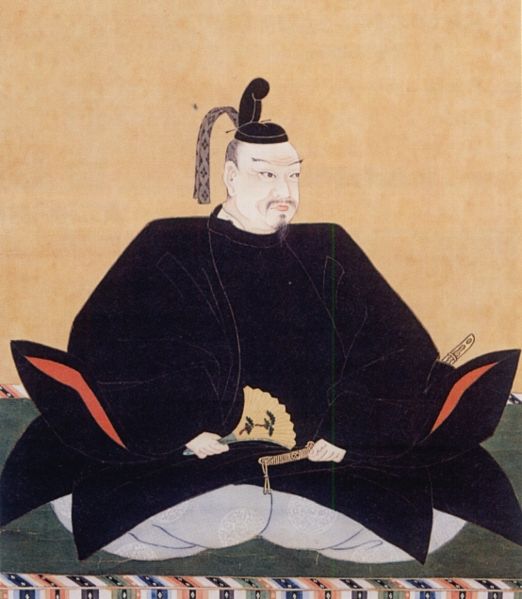
この城を築いた毛利輝元は、もともと広島城を居城として、中国地方のほとんど、石高120万石の領地を治める大大名でした。ところが、1600年の関ヶ原の戦いにおいて、徳川幕府の創始者となる徳川家康に敗れてしまいました。その結果、家康は輝元の領地を、現在の山口県にあたる長門国と周防国のわずか2ヶ国、37万石に削減しました。輝元は新しい本拠地を定める必要となり、その候補地として3ケ所が挙げられました。

毛利輝元肖像画、毛利博物館蔵 (licensed under Public Domain via Wikimedia Commons)
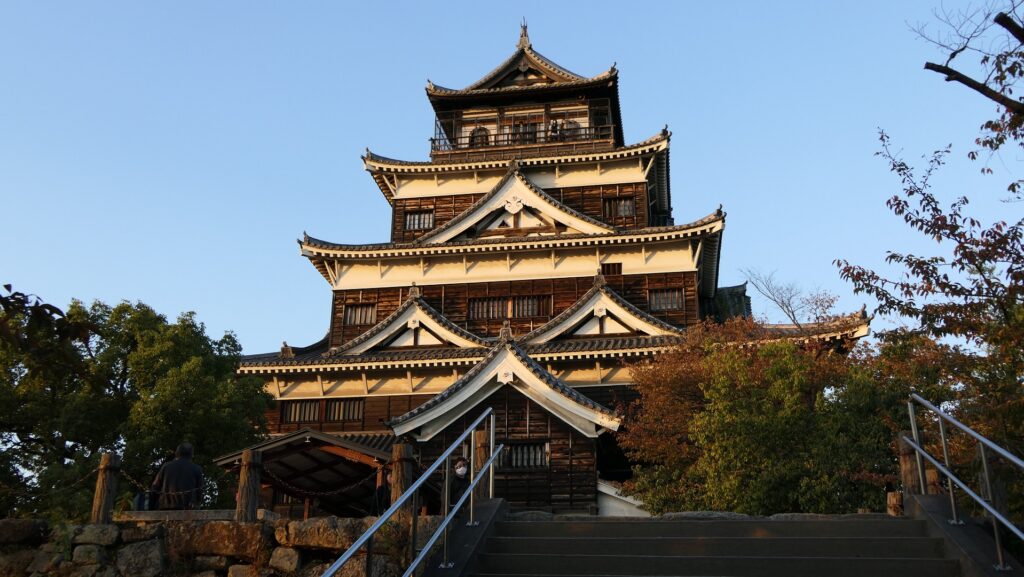
現在の広島城

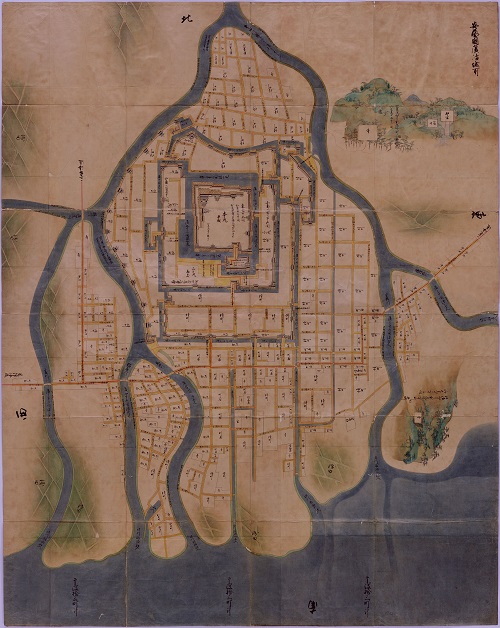
一つ目は瀬戸内海に臨んだ桑山、二つ目は日本海に面した萩、三つ目は前者の中間に位置し、現在の県庁所在地である山口でした。結果的には萩となりました。その理由としては、幕府が毛利氏が二度と幕府に反抗しないよう、奥まった場所に毛利氏を閉じ込めたためと言われてきました。しかし、最近歴史家の中には輝元が幕府との議論の末に、最も防御力が高い場所として積極的に萩を選んだのではないかと推測している人もいます。萩は、輝元の以前の本拠地であった広島城のごとく、デルタ地帯の上にあったのです。

長州藩(現山口県)の範囲と城の位置

安芸国広島城所絵図、江戸時代(出典:国立公文書館)

デルタ地帯に立地

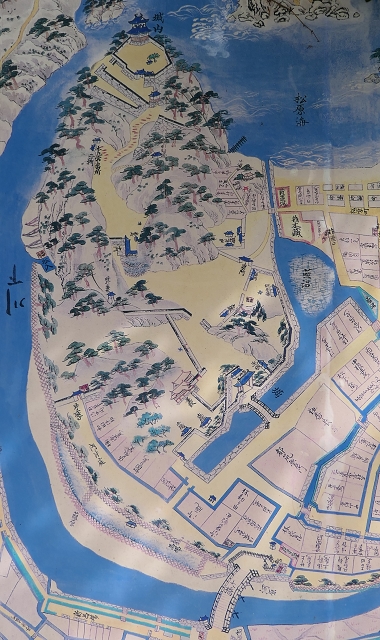
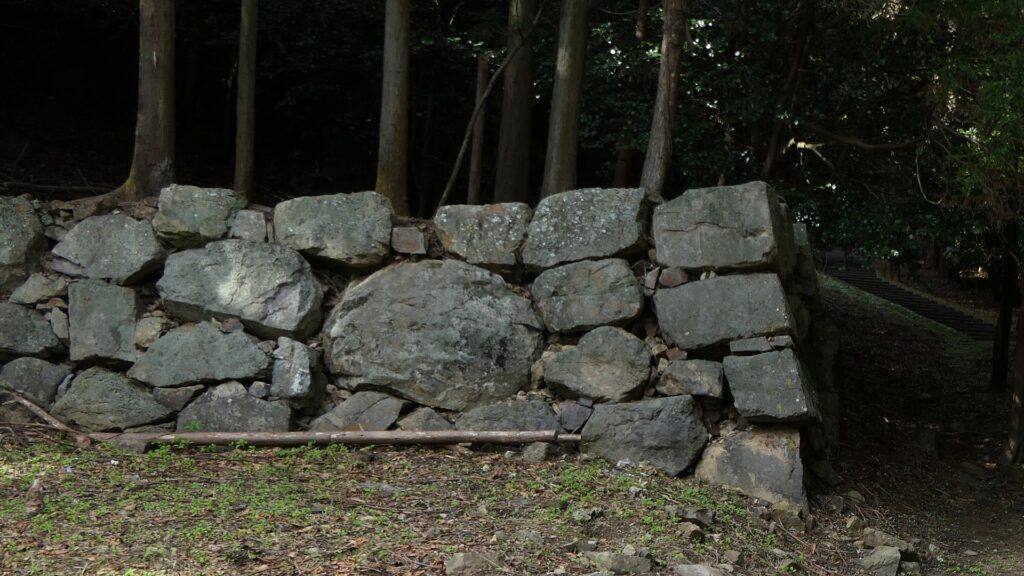
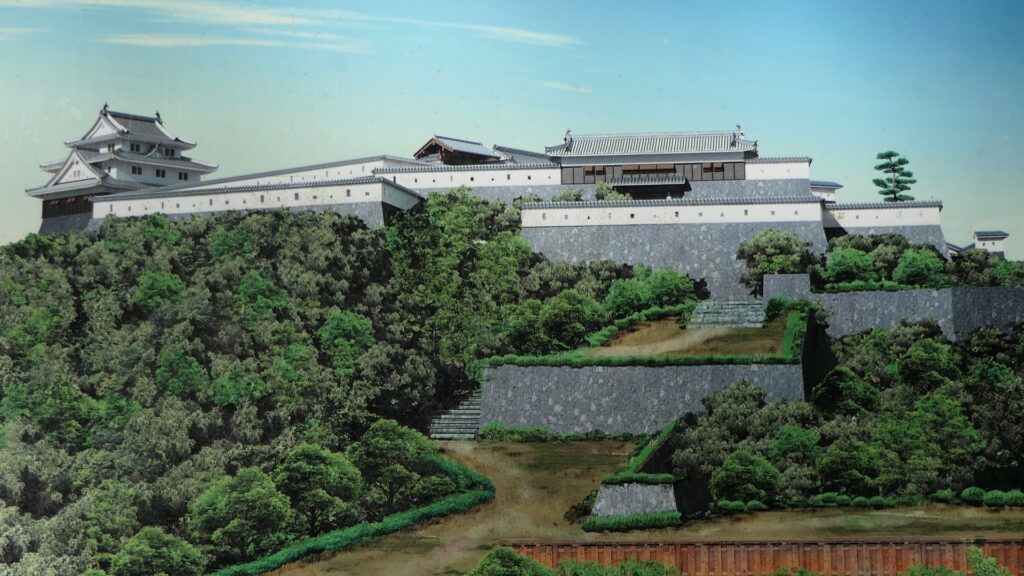
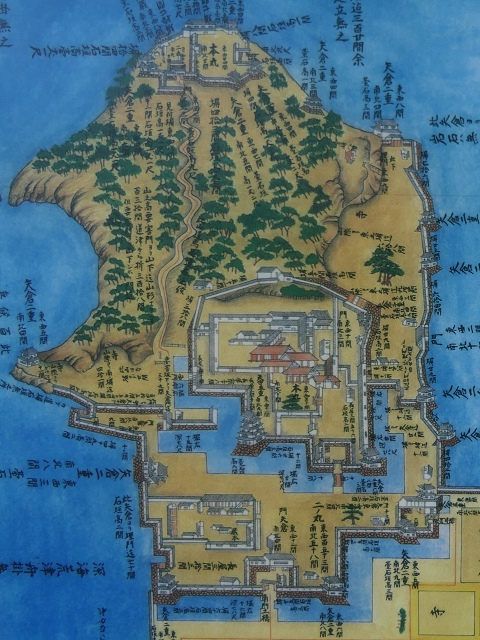
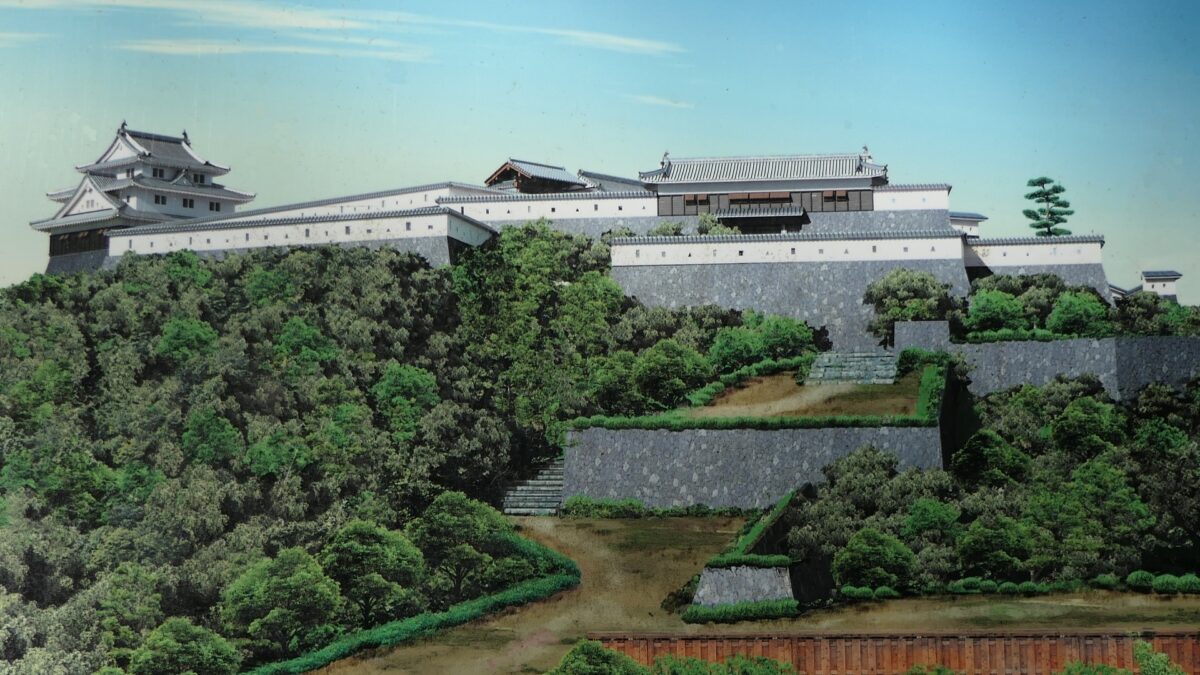
萩のデルタ地帯は、松本川と橋本川に挟まれていて、北側が海に面していました。そして、デルタの北側は砂丘となっていました。その上、最北端の部分には標高143mの指月(しづき)山が海沿いにあったのです。城の本丸は山の手前にあり、石垣と内堀に囲まれていました。本丸には城の中心として、5層の天守と藩主の御殿がありました。二の丸は本丸の南側にあり、中堀に囲まれていました。二の丸には2つの虎口があり、その石垣は海外部分までにまで及んでいました。三の丸は前述の曲輪群の更に南側にあって、重臣たちの屋敷地として使われていました。城下町とは外堀によって隔てられていました。指月山もまた、詰めの城として使われていました。輝元は、ここにも頂上に独自の本丸と二の丸を築いたのです。その内部には最初から建物はありませんでしたが、周りを櫓群と石垣によって囲まれていました。基本的にこの場所は戦のような緊急事態に備えたものでしたが、平時には物見台として使われていました。

萩市周辺の地図、今でもデルタ地帯上にあります

萩城下町絵図、1652年。現地説明板より
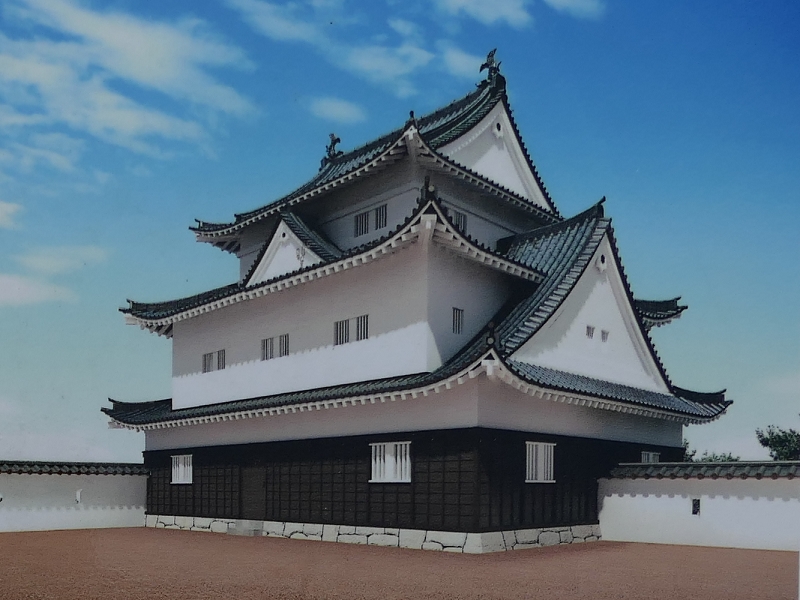
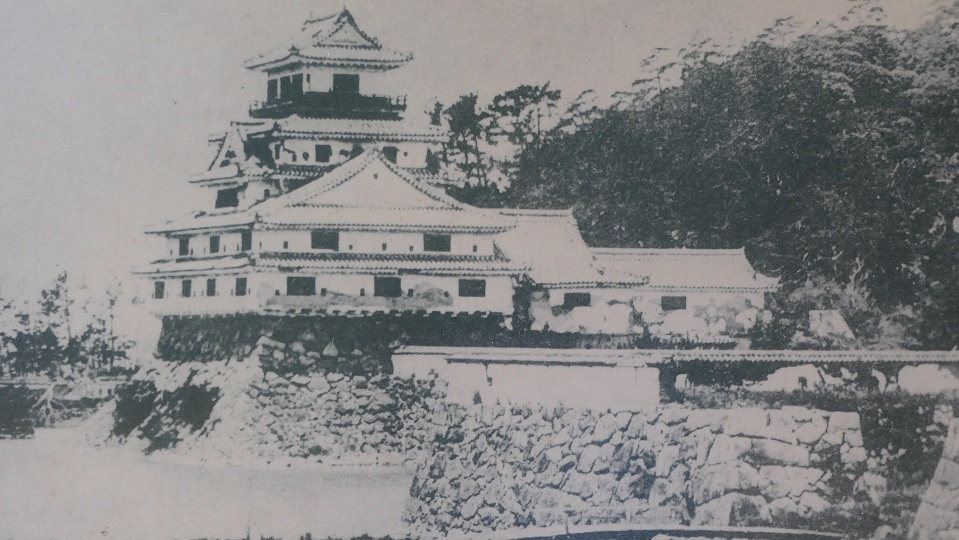
萩城天守の古写真、現地説明板より

城下町から明治維新の志士を輩出

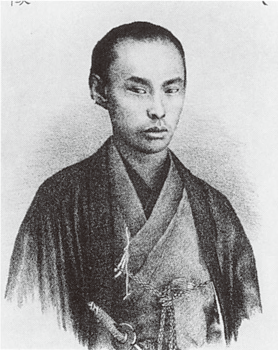
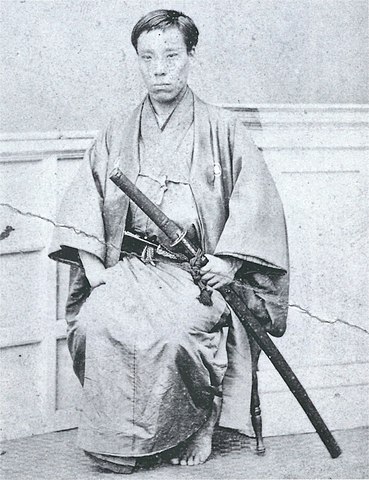
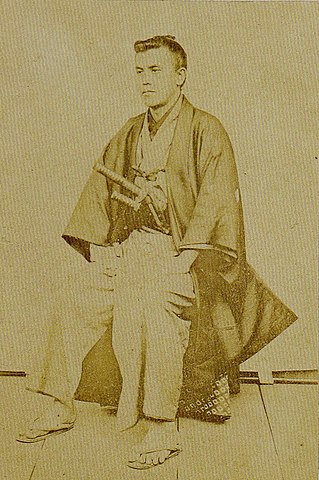
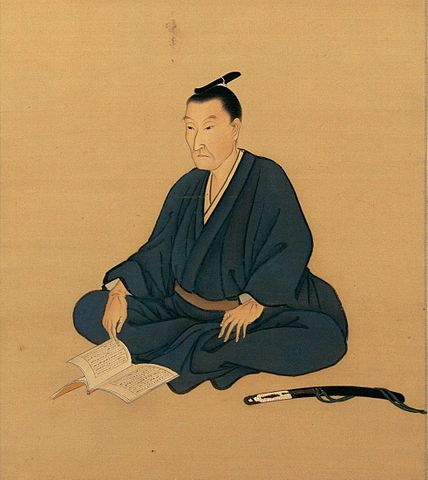
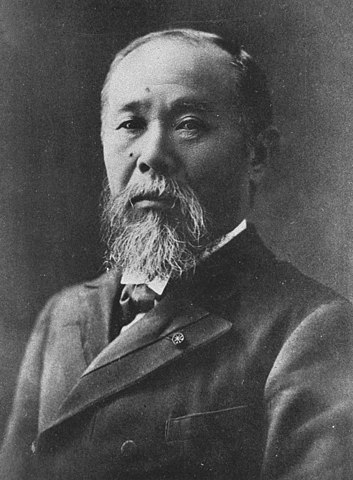
城下町については、この区域はデルタ地帯の北側の砂丘部分より低い位置にあったので、最初は湿地帯でした。萩の人たちは排水のために運河を掘り、これによって城下町の建設が可能となりました。実際、明治維新で活躍したヒーローたちはこの城下町出身です。興味深い話としては、高杉や木戸のような階級が高い武士は城に近い方に住み、松陰や伊藤のような階級が低い武士は城からずっと離れた所に住んでいました。当時の武士たちにとってこれは一般的なことでした。

萩市周辺の起伏地図、今でも旧城下町は低い位置にあります

4人の志士の誕生地または旧宅位置

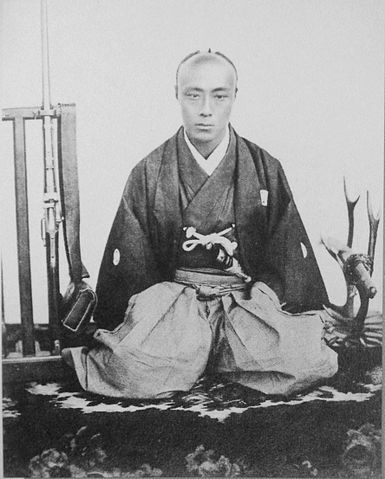
高杉晋作写真、1933年か1934年に出版 (licensed under Public Domain via Wikimedia Commons)
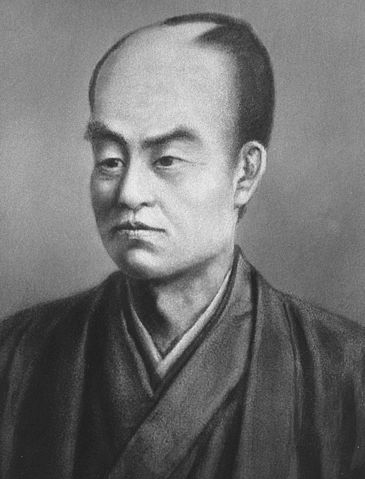
木戸孝允(桂小五郎時代)、1869年 (licensed under Public Domain via Wikimedia Commons)
吉田松陰肖像画、山口県文書館蔵 (licensed under Public Domain via Wikimedia Commons)
伊藤博文写真、1909年以前 (licensed under Public Domain via Wikimedia Commons)

本拠地が山口に移転

それからもう一つ興味深い儀式が、城の御殿で毎年行われていたと言われています。この儀式では、家老が藩主に対して「今年は幕府を討つべきか」と聞き、藩主が「いや、時期尚早だ」と答えたというのです。ところが、状況が変わり、将軍を倒すことが可能になる時代がやってきました。長州藩は、幕末に本当に幕府に反抗したのです。そして萩城をとりまく状況も変化しました。城が築かれた当時は、海沿いに城を築くことは防御に有効でした。しかし、軍艦から砲撃される可能性が出てきた幕末には、その立地は逆に危険となってしまったのです。また、長州藩は他藩との連携を欲していて、本拠地としては山口が適切と考えるようになりました。その結果、藩主と藩士たちは幕府の許可なしに、萩を離れ、山口城に移っていきました。萩城が正式に廃城となったのは1874年のことです。

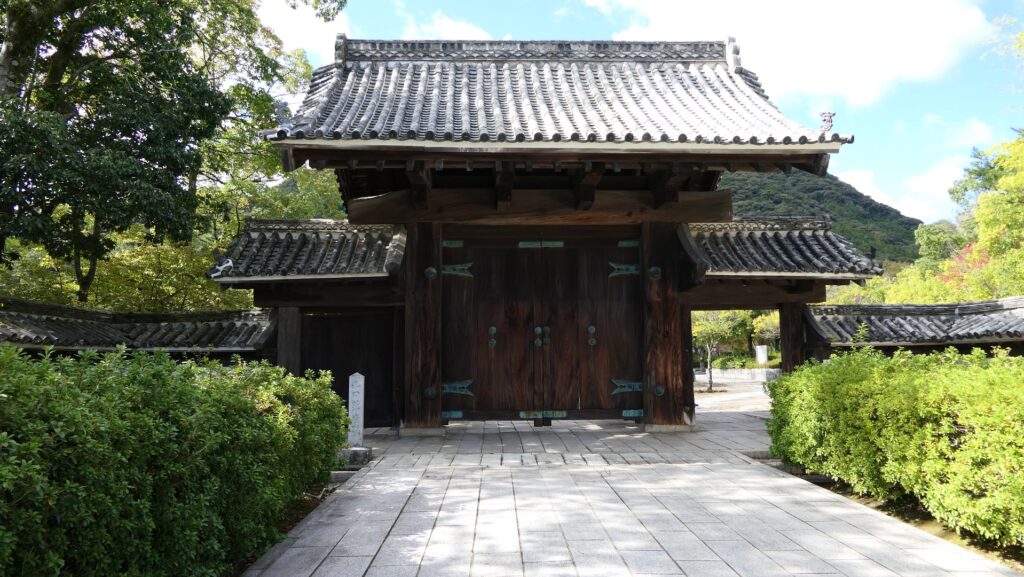
現存する山口城時代の山口藩庁正門

「萩城その2」に続きます。

174.大内氏館・高嶺城 その1

大内氏繁栄の地

立地と歴史

大内氏が山口に町と館を建設

大内氏館は、中世の西日本で強大な勢力を誇った大内氏の本拠地でした。高嶺(こうのみね)城は、大内氏がその最後の時期に築いた、館近くにあった山城です。大内氏はもともと、現在の山口県の一部である周防国国府の在庁官人の一族でしたが、14世紀に足利幕府を支持したことをきっかけに勢力を広げていきました。その結果大内氏は、現在の山口県にあたる周防と長門をコアとする西日本のいくつもの国の守護となりました。彼らと足利幕府の将軍とは複雑な関係にありました。例えば、14世紀後半の大内氏当主の大内義弘は、将軍の足利義満から6ヶ国の守護職を与えられていました。ところが、1399年の応永の乱において幕府と戦い、敗死してしまいます。将軍家は大内氏を頼りたい一方、強大になりすぎることも恐れていたのです。

周防国の範囲と城の位置

城周辺の起伏地図

足利義満肖像画、鹿苑寺蔵  (licensed under Public Domain via Wikimedia Commons)

大内氏館は最初は、義弘の父、弘世(ひろよ)が1560年に山口を本拠地とした後に築かれました。その当時、各国の守護は京都に頻繁に留まっており、本拠地に帰るときには京都の生活様式や文化を持ち込みました。大内氏館は、そういった風潮の典型例であり、一辺が200m近くある四角い曲輪を土塁と水堀あるいは空堀が囲んでいました。その内部には御殿だけはなく、池泉庭園や枯山水など少なくとも3つの庭園が存在していました。これらは京都の将軍の御所を模したスタイルでした。この館は大内氏の勢力が増すとともに拡張されていき、その北側には築山館(つきやまやかた)と呼ばれる別邸も建設されました。館の周りの山口の町も整備され、度々「西の京」と称されました。

将軍が住んでいた「花の御所」、「上杉本洛中洛外図屏風」より  (licensed under Public Domain via Wikimedia Commons)
「大内氏時代山口古図」部分、真ん中下の黄色い区画が大内氏館、その上が築山館、山口県文書館蔵

大内氏は、1399年の敗戦後であっても、代を重ねるごとに勢力を蓄えていきました。15世紀中頃の当主であった大内教弘(のりひろ)は、当時の国際貿易港であった博多がある筑前国を領地に加えました。そして、将軍の名代としてその港経由で明王朝との交易を始めました。築山館は、最初は彼の隠居所として築かれたのです。教弘の息子、政弘(まさひろ)は京都で応仁の乱(1467年から1477年)を西軍の主力として約10年間戦いました。彼はまた、大内氏は百済国の王子の子孫であると称することで、外交と貿易を円滑にし、その権威をも高めました。

大内氏館跡で発掘された輸入茶壷、山口市歴史民俗資料館にて展示
築山館跡全景、山口市歴史民俗資料館にて展示

有力戦国大名として将軍の後見役に

応仁の乱後の戦国時代には、大内氏は最有力の戦国大名の一つとなりました。一方で将軍の権威は衰え、有力戦国大名の助けがなければ存在できなりました。例えば、10代将軍の足利義稙(よしたね)は、細川氏により京都から追放されました。義稙は1500年に政弘の息子、義興(よしおき)が治めていた山口に逃れてきました。義興は、義稙を大内氏館の宴に招待しました。そのときの献立は中世最大の宴とも言われており、三十二献110品以上の料理が供されたとされています。義稙は午後2時から翌日午前4時までの14時間の宴を大内氏館で過ごしたのです。1508年、義興は義稙と大軍を率いて上洛を果たし、義稙を再び将軍職に就任させました。義稙は義興に報いるために、京都がある山城の守護職と朝廷の公卿にあたる官位(従三位)を与えました。

大内義興肖像画、山口県立山口博物館蔵  (licensed under Public Domain via Wikimedia Commons)
足利義稙肖像画、東京国立博物館蔵 (licensed under Public Domain via Wikimedia Commons)
大内氏館で出された献立のレプリカ

大内氏の勢力は、義興の息子、義隆(よしたか)が当主のときに最高潮に達しました。4ヶ国(長門、周防、筑前、豊前)を完全に支配し、3ヶ国(石見、安芸、備後)に対して同時に侵攻中でした。幕府の力が衰えていき京都が荒廃していくのとは対照的に、山口の町はますます繁栄しました。多くの貴族、高僧、知識人たちが京都から逃れ、山口は彼らを受け入れたのです。有名なイエズス会の宣教師、フランシスコ・サビエルも山口を2度訪れています。彼は、京都にいる天皇ではなく、義隆に貢物を献上し、日本でのキリスト教の布教を許されたのです。サビエルは、義隆の方を国王と認識したのでしょう。

大内義隆肖像画、龍福寺蔵 (licensed under Public Domain via Wikimedia Commons)
フランシスコ・ザビエル肖像画、神戸市立博物館蔵 (licensed under Public Domain via Wikimedia Commons)

高嶺城の築城と大内氏の滅亡

ところが、1543年に義隆に不幸が訪れます。出雲国の尼子氏の本拠地であった月山富田城の攻略に失敗したのです。また、大内氏の内部にも義隆が気付かないうちに、重臣や官僚たち、そして外部から大内氏を頼ってきた人たちの間で内部分裂が生じていました。1551年、重臣の一人、陶隆房(とうたかふさ)が義隆に対して反乱を起こしました。義隆は何とか大内氏館から逃れ、海上に逃れようとしたのですが失敗し、ついには自害に追い込まれました。

月山富田城跡

その後、状況は急激に変化しました。隆房(晴賢に改名)は、義隆の親族である義長(よしなが)を大内氏の当主に据えました。しかし、不幸にも1555年に安芸国吉田郡山城の城主、毛利元就との戦いに敗れ、自害して果てました。義長は毛利氏が彼の領土に侵攻してくることに備え、防衛のため、館の近くの山上に高嶺城を築きました。毛利氏は実際に1557年に山口に攻めてきて、義長は城に籠りました。しかし、城自体の防御性は高かったものの、援軍や兵糧がなくてはどうにもなりません。彼は他所に逃れましたが、反撃することもままならず、ついには義隆のごとく切腹せざるをえませんでした。これにより、大内氏は滅亡します。大内氏館は、それまでのいずれかの時期に焼亡しました。高嶺城は、徳川幕府が発した1615年の一国一城令による廃城のときまでは毛利氏が使用しました。

毛利元就肖像画、毛利博物館蔵 (licensed under Public Domain via Wikimedia Commons)
高嶺城の赤色立体模型、山口市歴史民俗資料館にて展示

「大内氏館・高嶺城その2」に続きます。

66.Tsuwano Castle Part1

A great castle on a steep mountain

Location and History

Yoshimi Clan builds Castle to prepare for Mongol Invasions

Tsuwano Town is located in an intermount basin of Shimane Prefecture, the Chugoku Region. It has an old town atmosphere, sometimes called a little Kyoto in Sanin Area (northern Chugoku Region). In addition, Tsuwano Castle Ruins which is on the mountain, beside the town makes it more impressive. In fact, the town originally came from its castle town.

The old town atmosphere of Tsuwano
Tsuwano Castle Ruins seen from the town area

The castle was first built in 1295 by the Yoshimi Clan, which was sent by the Kamakura Shogunate to protect the area from the possible Mongol Invasions. The invasions historically ended in 1281, but warriors in Japan still expected the Mongolian army might have attacked Japan again. That’s why the clan built the castle on a steep mountain which was just off the Japan Sea. The clan eventually lived in the castle as a local lord for over 300 years. In 1554 of the Sengoku Period, the castle experienced a 110 day siege against the Sue Clan, but did not fall before the truce. The castle was strong enough though it had been all made of soil using natural terrain. After that, the Yoshimi Clan finally followed the Mori Clan, the leader of the Chugoku Region. However, the Yoshimi Clan had to leave the castle with the Mori Clan’s lost of the Battle of Sekigahara in 1600.

A scene of the Mongol Invasions from “The picture scrolls of the Mongol invasion attempts against Japan” (licensed under Public Domain via Wikimedia Commons)

The location of the castle

Success and Declining of Naomori Sakazaki

Ieyasu Tokugawa won the battle and sent Naomori Sakazaki to the castle as the founder of the Tsuwano Domain. Naomori who came from the Ukita clan who was the enemy of Ieyasu decided to support Tokugawa because he had a tiff with his own clan. Thus he changed his family name. He modernized and more fortified the castle by building high stone walls, some turrets and the Main Tower in the main portion on the steep mountain. Some other lords at that time often built or renovated their castles on a plain land for the convenience of their government. The reason for Naomori’s decision was said to prepare for possible battles against the neighbor Mori Clan or there was no space for a new castle in the basin. He also developed the castle town, for example, by building waterways to prevent fire and growing carps in them to reduce mosquitos. He also brought paper mulberry trees to the area, which would later create a new industry known as Sekishu Japanese writing paper.

The portrait of Naomori Sakazaki, private owned (licensed under Public Domain via Wikimedia Commons)
Part of the illustration of Tsuwano Castle in Iwami Province, exhibited by the National Archives of Japan
The remaining stone walls on the mountain

On the other hand, Naomori was an impulsive and monomaniac person. For example, he pursued a relative for 8 years to avenge the death of a person and he didn’t stop until that person got punished. He even sued the Tomita Clan who accommodated that person in the Shogunate Court and was finally fired by the shogunate. However, in the end he brought his own misfortune. In 1615 when the summer campaign of siege of Osaka where the shogunate defeated Hideyori Toyotomi, Naomori joined the Tokugawa shogunate’s side. Hedeyori’s wife, Senhime, who was the shogun’s daughter, was rescued and brought to the shogun by Naomori himself. The next year, a very mysterious incident occurred. Naomori had planned to kidnap Senhime a night before her wedding to one of Tokugawa Shogunate’s senior vassals. The shogunate’s troops surrounded his house but he committed harakiri.

The portrait of Senhime, owned by Gugyoji Temple (licensed under Public Domain via Wikimedia Commons)
The portrait of Hidetada Tokugawa who was Senhime’s father, owned by Saifuku-ji Temple (licensed under Public Domain via Wikimedia Commons)

It is quite uncertain why he tried such a foolish action. Some say this was because the founder of the shogunate and Senhime’s grandfather, Ieyasu Tokugawa had promised to marry Senhime with the person who rescued her, but they didn’t do what they have initially promised. Another speculation is that Naomori was asked to find a husband for Senhime because he himself was much older than her. But nothing happened according to his wishes and so eventually he lost everything because of his egoistic tendencies.

The Portrait of Ieyasu Tokugawa, attributed to Tanyu Kano, owned by Osaka Castle Museum (licensed under Public Domain via Wikimedia Commons)

Kamei Clan follows Tsuwano Domain and Castle

The Tsuwano Domain was followed by the Kamei Clan, which governed the domain until the end of the Edo Period. Like many other domains, they built the Main Hall at the foot of the mountain for living and the government. They also kept the castle on the mountain, but it was actually very tough. In 1685, the Main Tower and some other turrets were burned down by a lightning fire. Unfortunately, the tower was not restored. The stone walls on the mountain sometimes collapsed due to earthquakes or natural cause because of the steep terrain. As a result, most of the stone walls were repaired or re-plied during the period, but some of them were left that way. In addition, the domain established the domain school called Yorokan to educate the retainers. Many pioneers to modernize Japan in the Meiji Rra came from this school such as Ogai Mori (a novelist) and Amane Nishi (a Philosopher).

The illustration of Tsuwano Castle (showing its state of the early Meiji Era), in 1874, from the signboard at the site
The interior of the restored domain school
The photo of Ogai Mori, in 1916 (licensed under Public Domain via Wikimedia Commons)
The photo of Amane Nishi, published in 1931 (licensed under Public Domain via Wikimedia Commons)

To be continued in “Tsuwano Castle Part2”

error: Content is protected !!