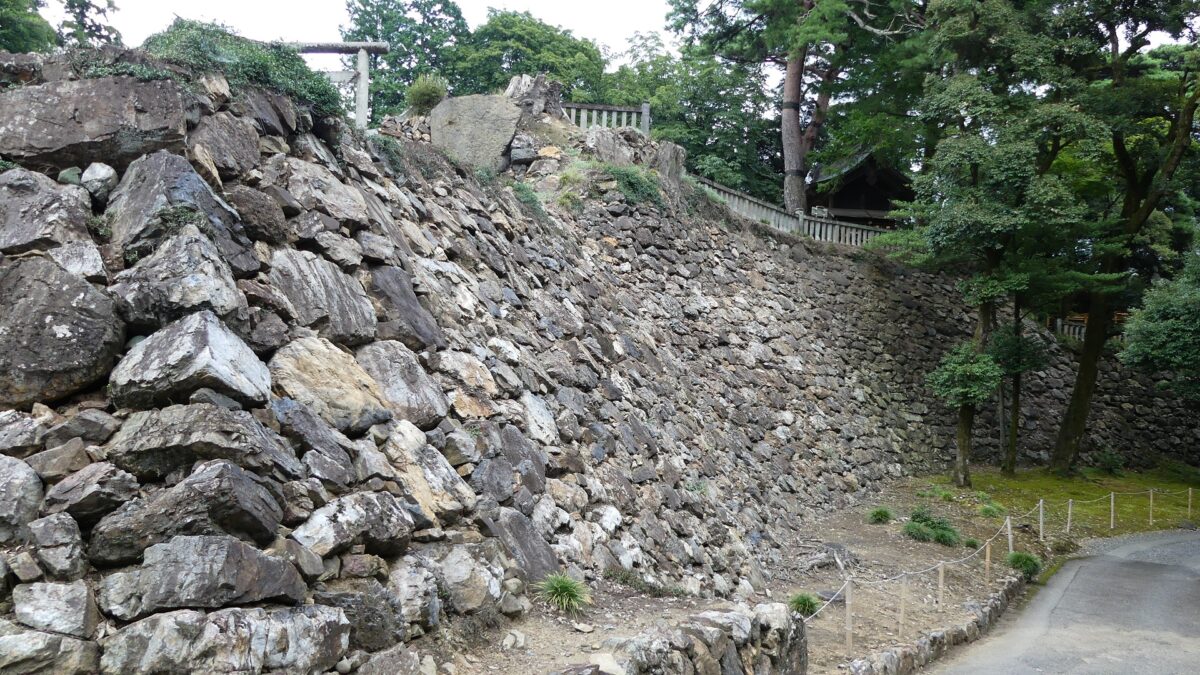
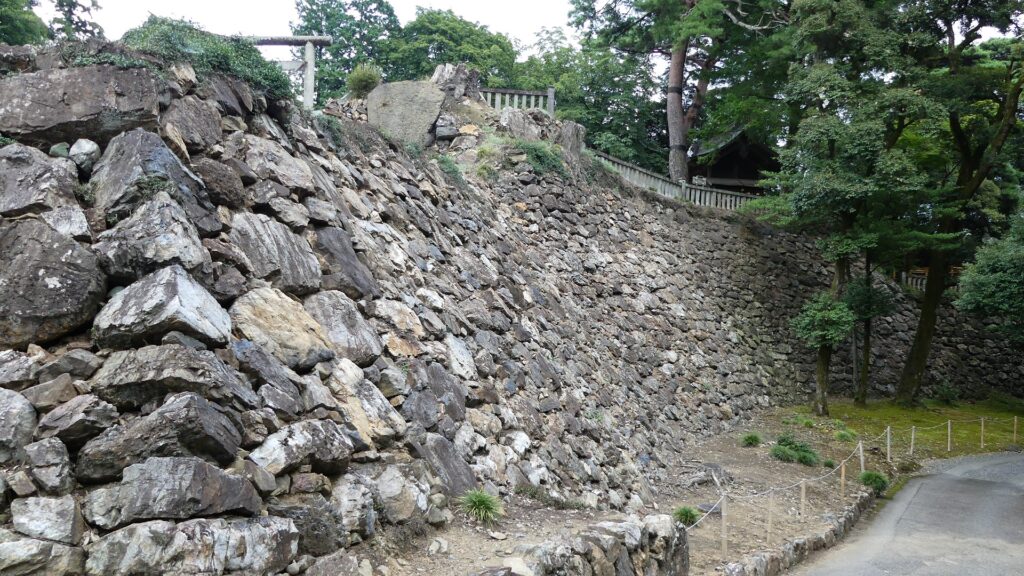
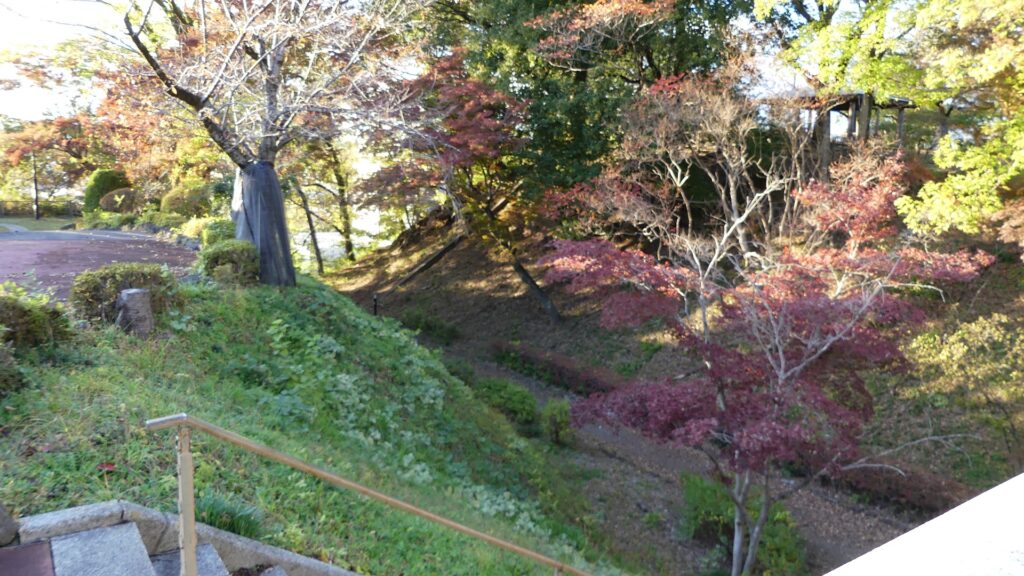
The last lord of the castle, Nobuyoshi Sano built high stone walls on the main portion of the castle, which was a rare case in the region. It must have been done with help from Hideyoshi Toyotomi because he and his retainers had built many similar stone walls in western Japan.
Location and History
Sano Clan builds Castle during Sengoku Period
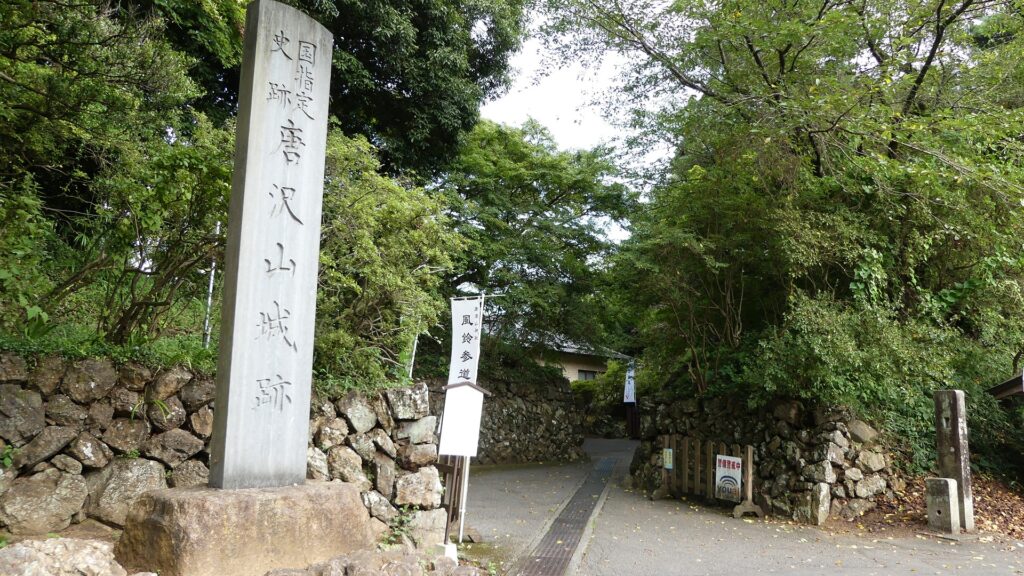
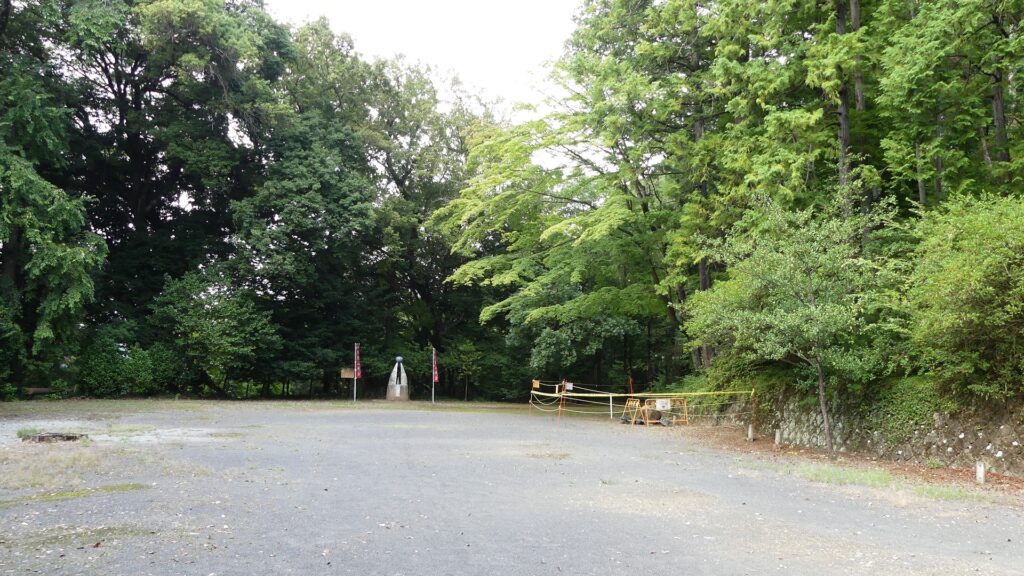
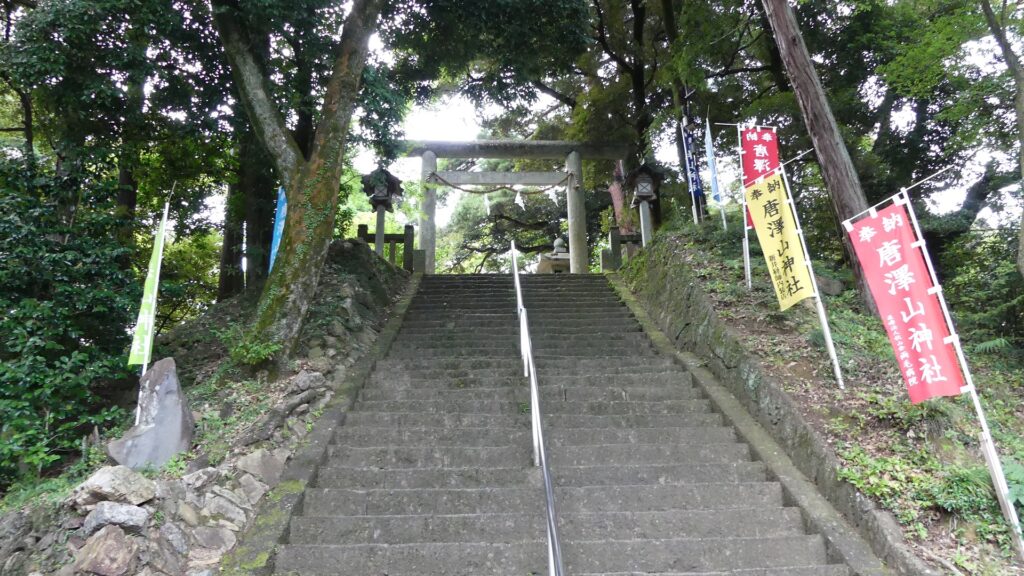
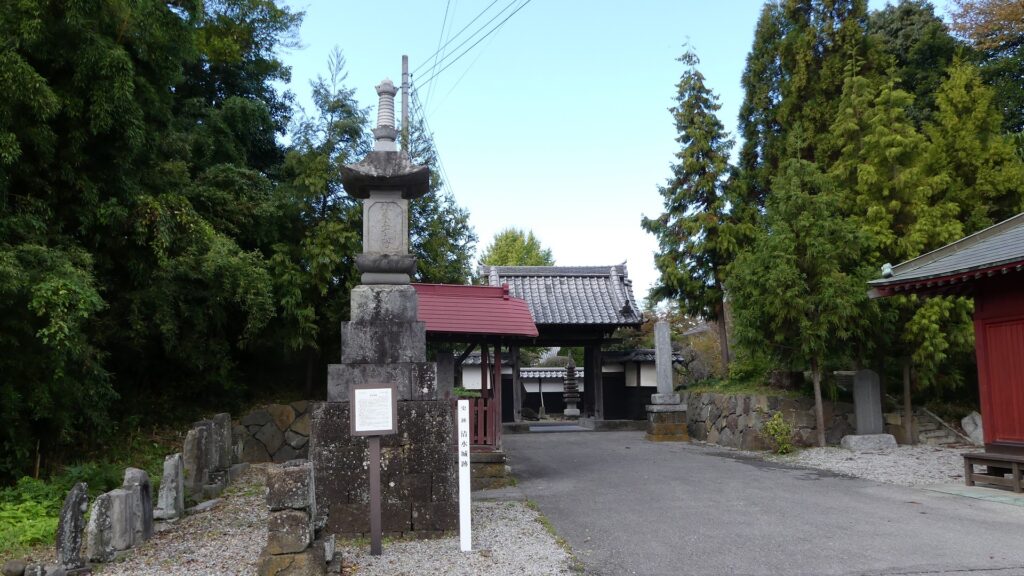
Karasawayama Castle was located in modern day Sano City, Tochigi Prefecture, which was a large mountain castle beside the northern edge of the Kanto Plain. Tradition says that a famous general, Hidesato Fujiwara built it in 972 during the Ancient times. However, historians think that it was created by the Sano Clan, who were descendants of Hidesato and governed the castle for a long time. According to the results of the research and studies, the clan first lived in a hall at the western foot of the mountain until the 15th Century. It was thought that the castle was built or developed by the clan on the mountain when many battles happened in the Kanto Region, during the Sengoku Period. Other popular mountain castles in the region like Kanayama and Minowa Castles were built at the same time to protect the owners under the severe conditions. The Sano Clan first used the mountain castle in the cases of emergency, but eventually lived in it to survive.
The range of Sano City and the location of the castle
The relief map around the castle
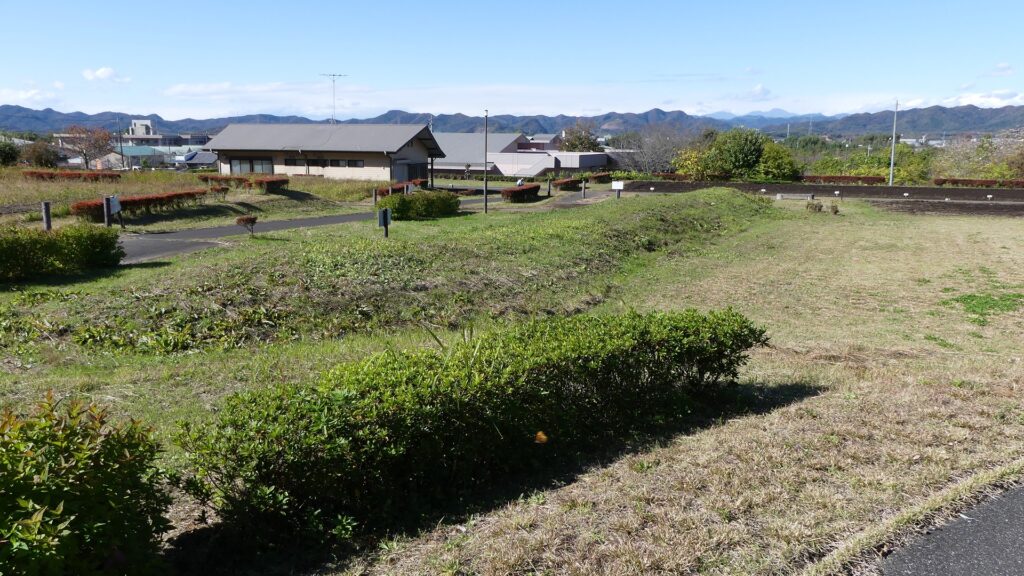
The ruins of the Sano Clan’s residence (current Koshoji Temple)The ruins of Karasawayama CastleThe ruins of Kanayama CastleThe ruins of Minowa Castle
Kenshin Uesugi devotes to capture Castle
On the other hand, great warlords, who wanted to rule over the region, thought they would need to get Karasawayama Castle because of its advantageous location. Kenshin Uesugi was one of them and was devoted to do it. There is a symbolic episode when he first invaded the Kanto Region around 1560. He visited Karasawayama Castle with few vassals, which was surrounded by his enemy, the Hojo Clan’s large troops, to persuade the lord of castle, Masatsuna Sano to support him until he succeeded. However, every time Kenshin returned to his home, Kasugayama Castle in Echigo Province, the Hojo Clan got its territory back and forced local lords to support it. Masatsuna was one of them and he had to switch allegiance.
The portrait of Kenshin Uesugi, owned by the Uesugi Shrine (licensed under Public Domain via Wikimedia Commons)The ruins of Kasugayama Castle
Kenshin, who is considered one of the strongest generals, got angry and attacked the castle, but was not able to capture it by force as it was really strong. Even when Masatsuna surrendered to Kenshin, they would do the same things after Kenshin went back. As a result, they fought with each other at least five times. Kenshin once banished Masatsuna from the castle and sent his relative and vassals to govern it. However, he finally returned the castle to Masatsuna for some reasons. He might have felt the difficulty of how to control this distant site.
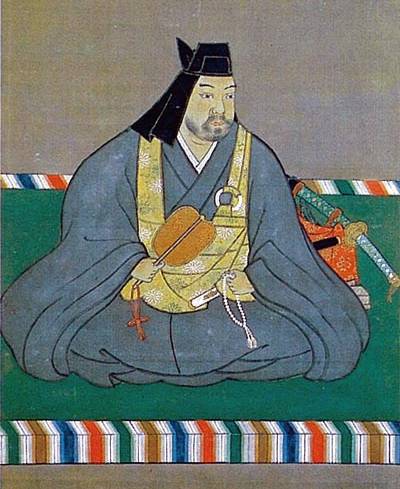
The portrait of Masatsuna Sano, owned by Daianji Temple (licensed under Public Domain via Wikimedia Commons)
High stone walls are built with help of Hideyoshi Toyotomi
The Kanto Region, including Karasawayama Castle, eventually belonged to the Hojo Clan during the 1570’s and 1580’s. It sent its relative, Ujitada Hojo to govern the castle like Kenshin had used to do. On the other hand, Masatsuna’s relative, Fusatsuna Sano ran away from the region to western Japan to serve Hideyoshi Toyotomi who was the ruler of Japan at that time. Fusatsuna led Hideyoshi to the region when they invaded it in 1590, which resulted in Fusatsuna getting the castle back as the lord. However, Hideyoshi seemed to also want to control the castle. He made the little brother of his close vassal, Nobutaka Tomita to be the successor of Fusatsuna, which would be called Nobuyoshi Sano, the last lord of the clan and the castle. This could be because his rival, Ieyasu Tokugawa was moved by him to the region. He wanted to have Ieyasu monitored by someone reliable.
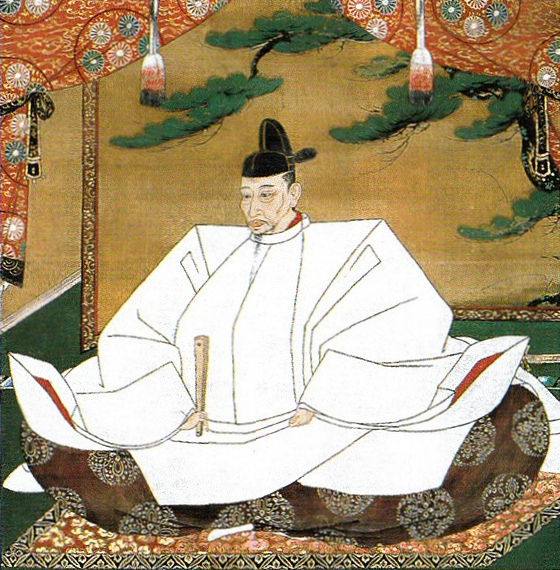
The Portrait of Hideyoshi Toyotomi, attributed to Mitsunobu Kano, owned by Kodaiji Temple (licensed under Public Domain via Wikimedia Commons)
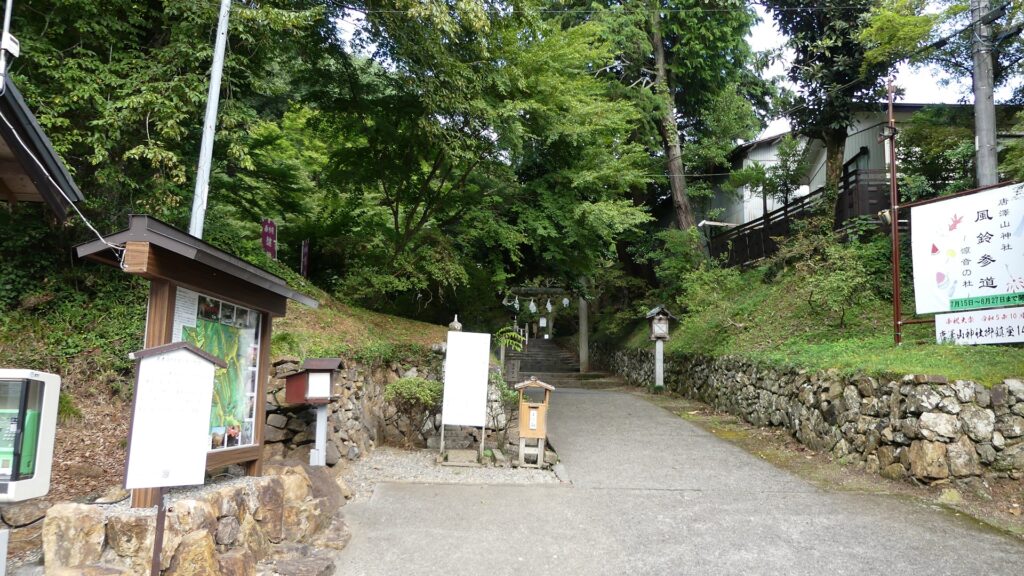
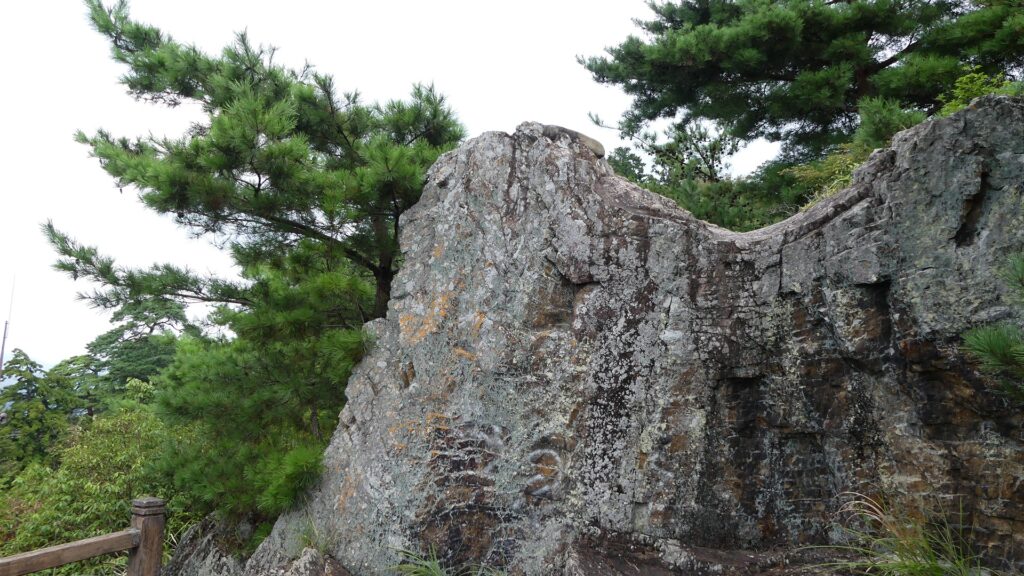
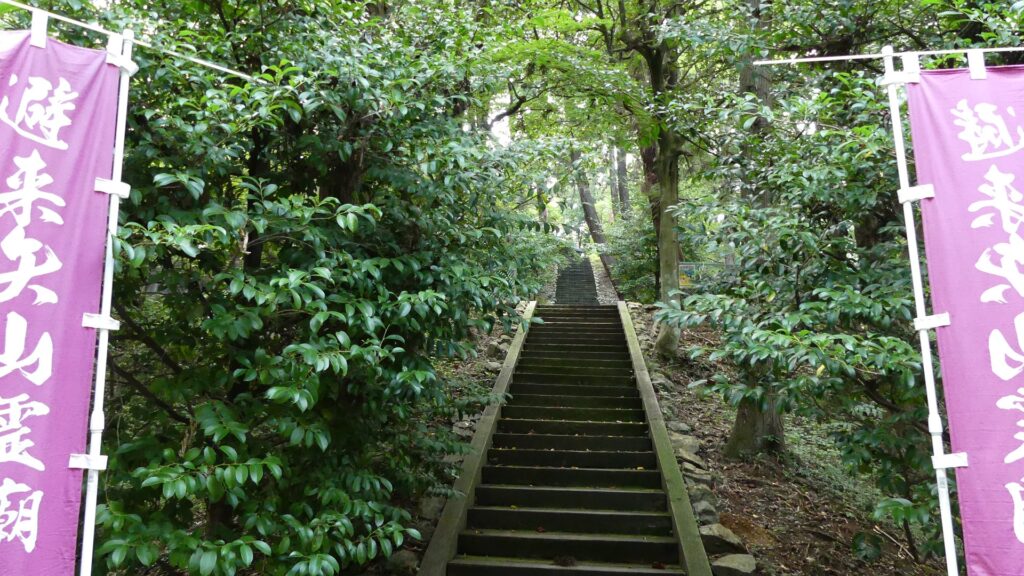
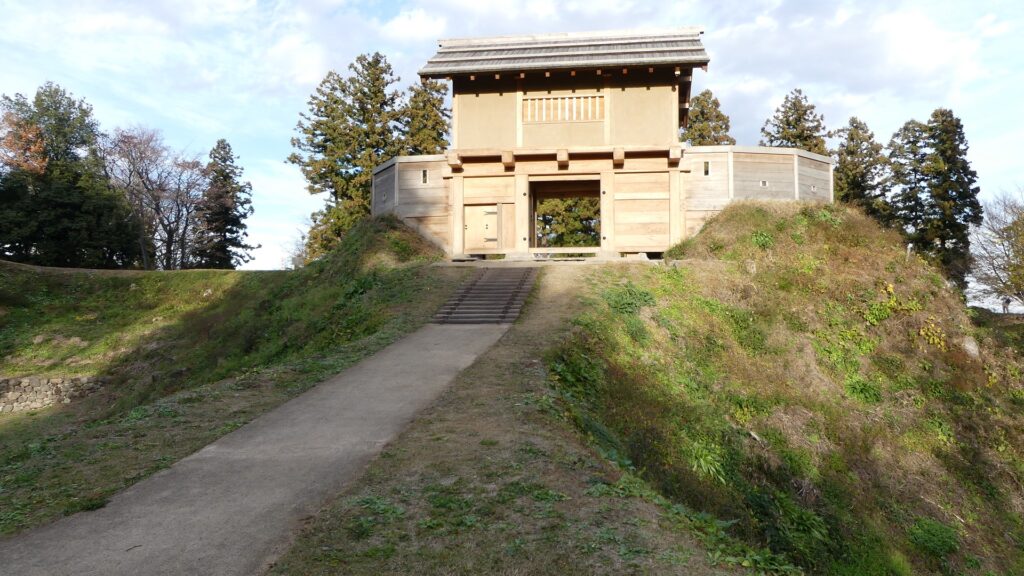
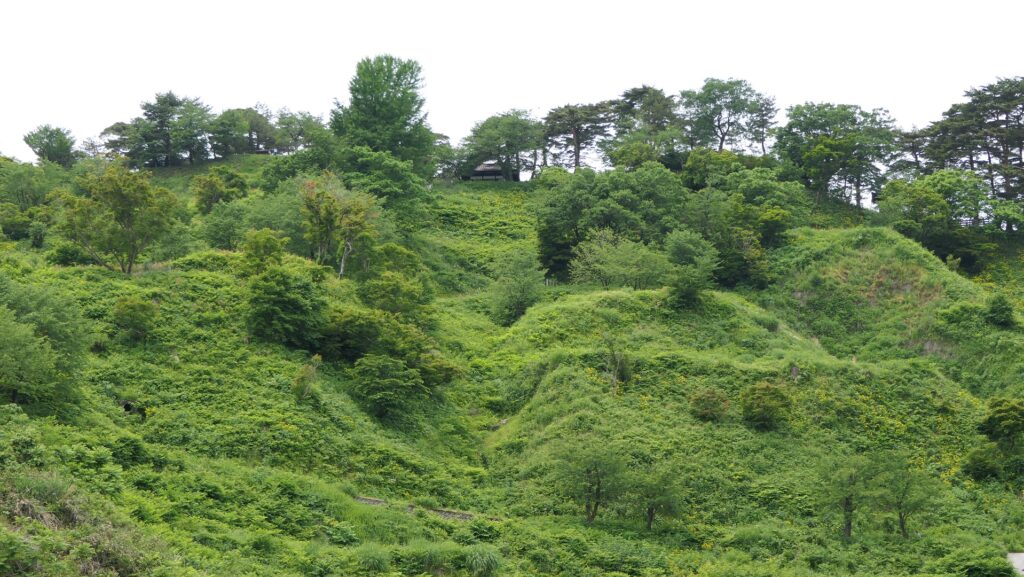
Karasawayama Castle was built on a large mountain which had several ridges. Lots of enclosures were also built on the top and the ridges which had turrets, lookouts, guard houses and shooting points to monitor and attack enemies. These ridges or enclosures were divided by deep ditches to prevent enemies from invading easily. There are two main routes in the south and west, which gathered at the meeting point in front of the Main Gate near the top, which were controlled by the castle’s soldiers. The foot area was used as the lords and senior vassals’ residences surrounded by thick and long earthen walls for defense. They had been developed and improved by the Sano, Uesugi, and Hojo Clans for a long time.
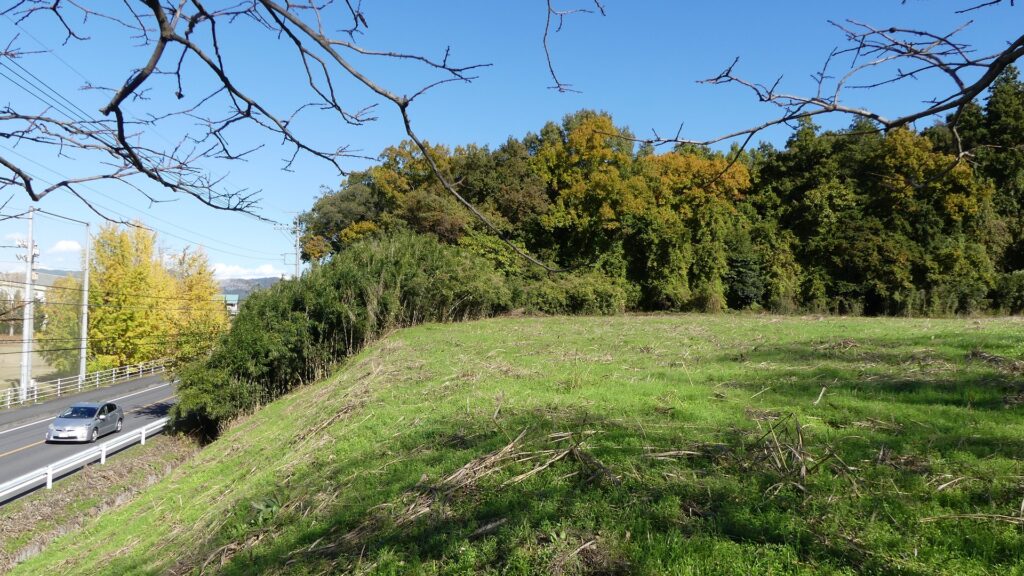
Karasawayama Mountain where the castle was builtThe remaining earthen walls at the foot of the mountainThe ruins of the residence of a sennior vassal at the foot of the mountain called Hayato-Yashiki
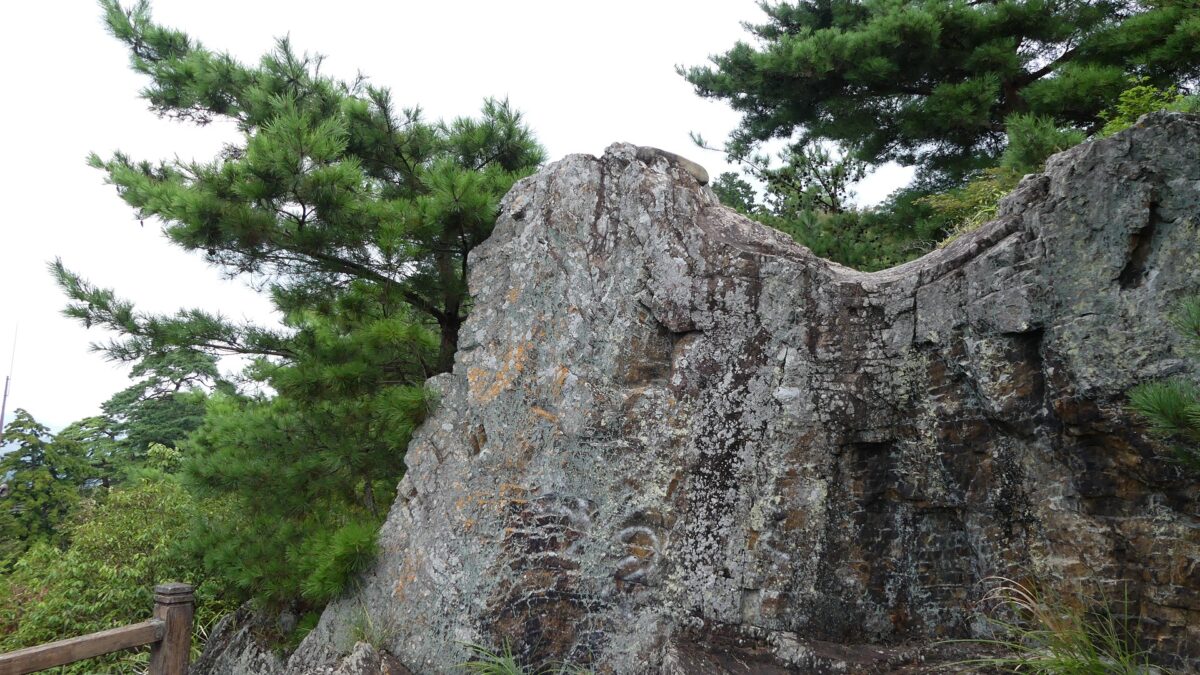
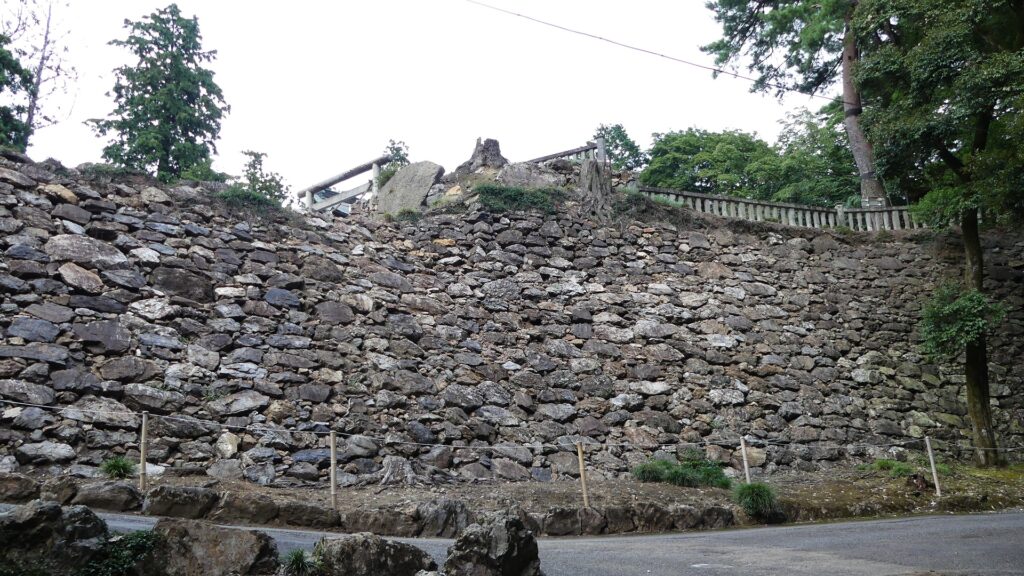
The castle’s foundations were basically made of soil, which was a common way of building castles in eastern Japan at that time. However, the last lord, Nobuyoshi built high stone walls on the main portion of the castle, which was a rare case in the region. It must have been done with help from Hideyoshi because he and his retainers had built many similar stone walls in western Japan. On the other hand, Ieyasu still didn’t have the techniques and guilds for building such high stone walls. That meant the stone walls of strong Karasawayama Castle must have been a big threat to Ieyasu.
The high stone walls of Karasawayama Castle
Life of Castle suddenly ends, ordered by Ieyasu Tokugawa
When Ieyasu got the power to be the ruler around 1600 after Hideyoshi died, Nobuyoshi somehow survived by supporting Ieyasu. However, the declinations of Karasawayama Castle and the Sano Clan suddenly occured. In 1602, Ieyasu ordered Nobuyoshi to move from Karasawayama to Sano Castle in a plain area nearby. It was said that the reason for it was that it could be rude for Nobuyoshi to look down on Ieyasu’s home, Edo Castle from the mountain castle. Nobuyoshi was finally fired by Ieyasu in 1614 due to being implicated for a crime of his brother, Nobutaka Tomita. Overall, Ieyasu seemed to want to remove possible rebels like Nobuyoshi with strong castles like Karasawayama.
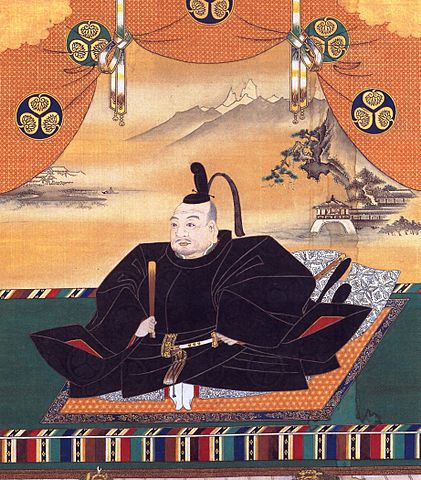
The Portrait of Ieyasu Tokugawa, attributed to Tanyu Kano, owned by Osaka Castle Museum (licensed under Public Domain via Wikimedia Commons)The ruins of Sano Castle