15.Ashikaga Clan Hall Part1

The hometown of the Ashikaga Clan

Location and History

Seiwa-Genji family develops and settles in Ashikaga Manor

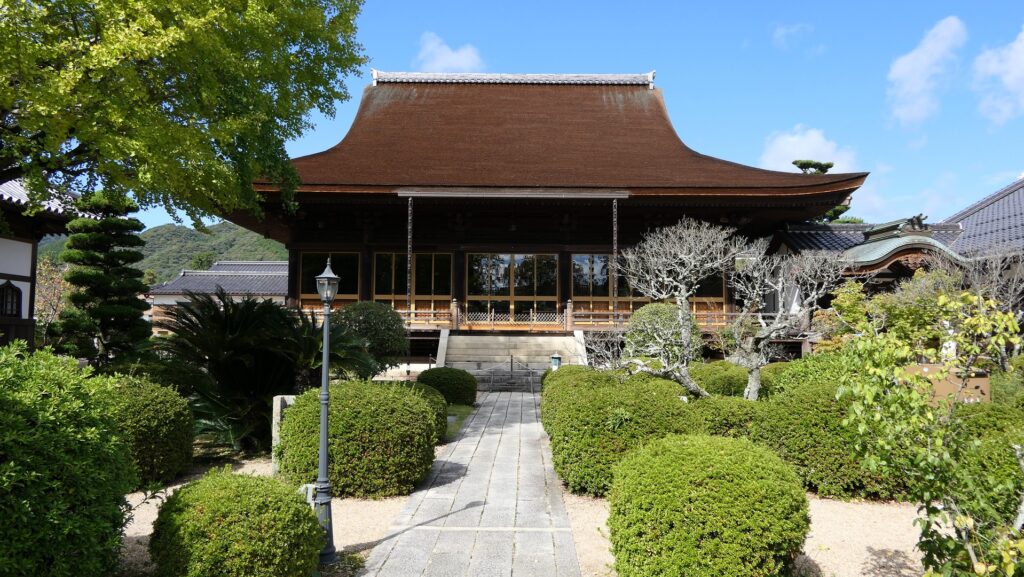
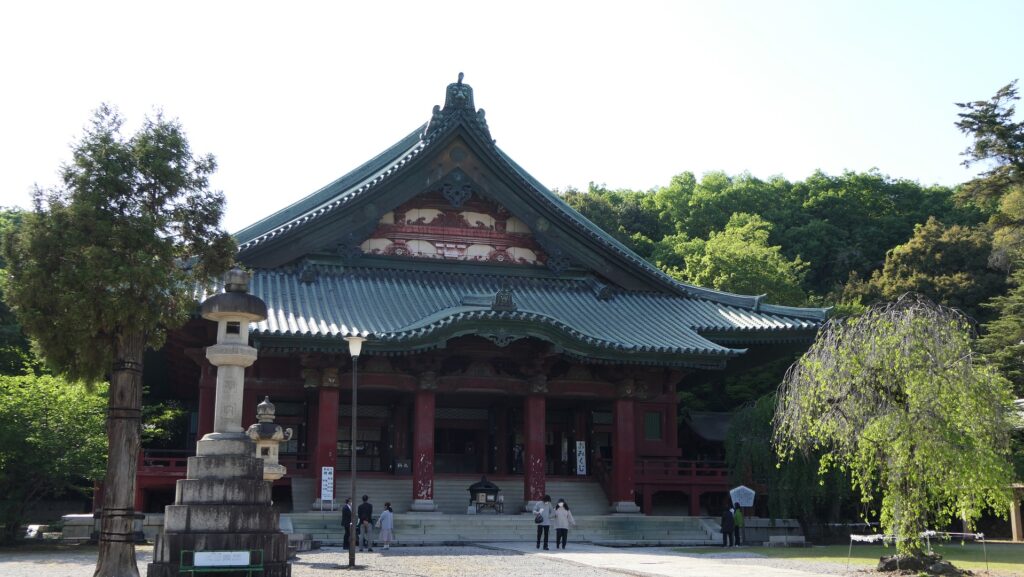
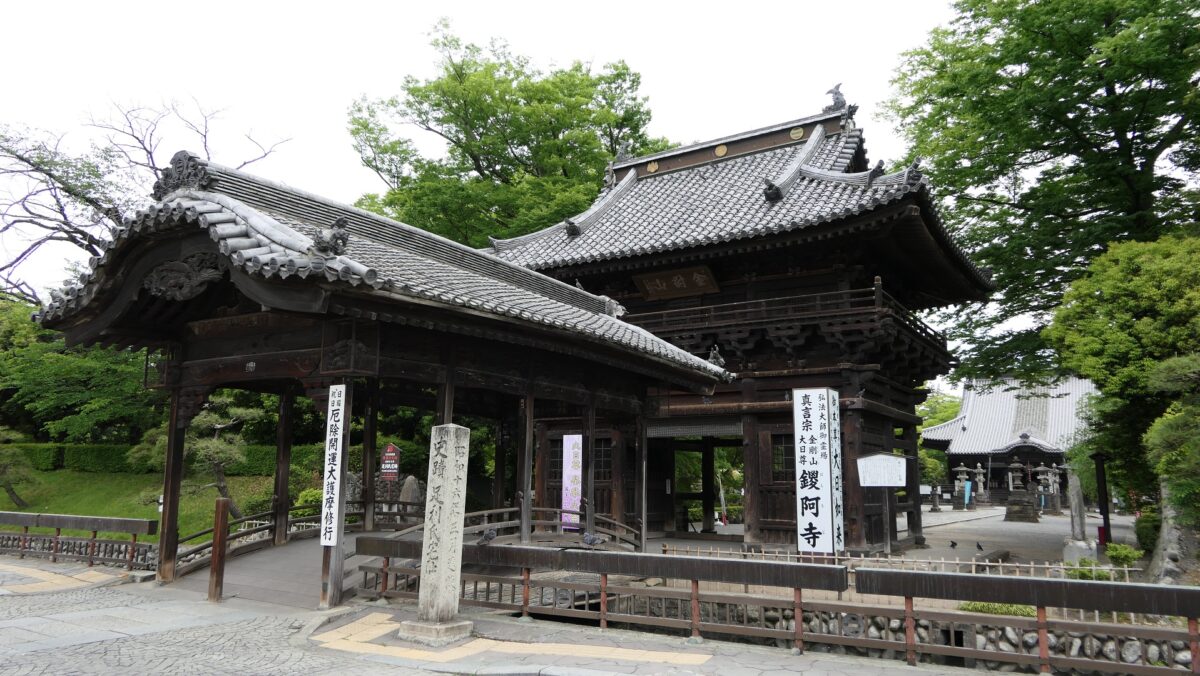
Ashikaga Clan Hall was located in modern day the center of Ashikaga City in Tochigi Prefecture. In fact, it has now become Bannaji Temple, a famous old one itself. It may not have looked like a typical castle that we usually imagine, but it was said that the ruins remain the first formation of a Japanese warrior’s hall with defense systems.
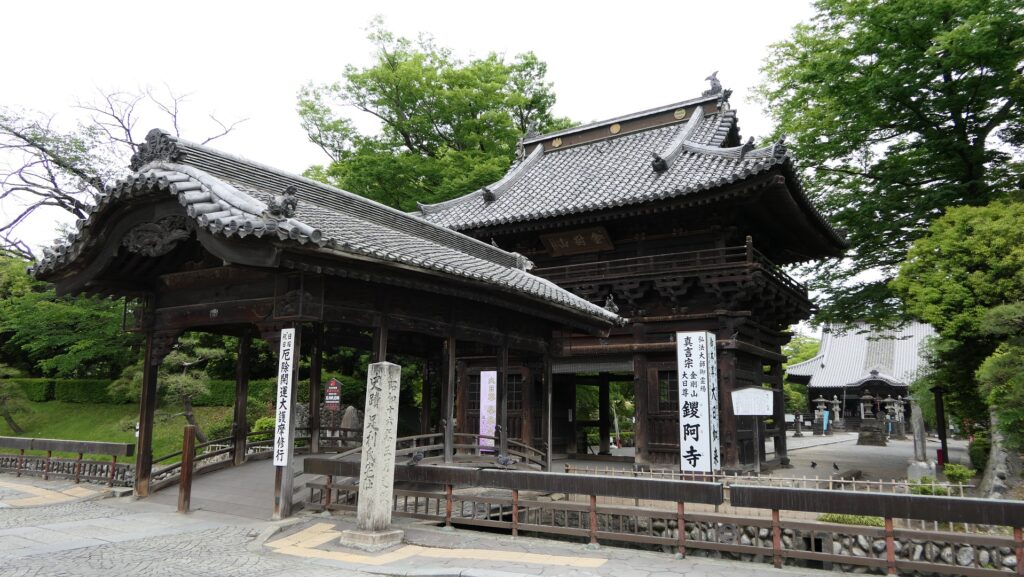
The tower gate of Bannaji Temle

The Ashikaga Clan is more popular as the shoguns of the Ashikaga Shogunate during the Muromachi Period in the 14th and 15th Centuries than as a local lord. As a matter of fact, the history of the clan started in the 12th Century at Ashikaga Manor (similar to the current Ashikaga City) in Shimotsuke Province (presently Tochigi Prefecture) they developed. Yoshikuni Minamoto, who was the ancestor of the clan and a member of the Seiwa-Genji family line, one of the descendants of the Imperial Family, first settled there.

The range of Ashikaga City and the location of the castleKabasaki-Hachimangu Shrine[/leaflet-marker

Before the Kamakura Shogunate was established, warriors needed to formally donate their developed land to high-class nobles as a manor to keep their own territories, otherwise, they were not guaranteed by any public institutions. That’s why Yoshikuni settled and developed their territory which would be called Ashikaga Manor by making great effort. Since then, they have called themselves the name of the land “Ashikaga” as their family name. Yoshikuni’s son, Yoshiyasu Ashikaga was said to be the founder of the clan and first built Ashikaga Clan Hall followed by his son, Yoshikane, the second generation of the clan.
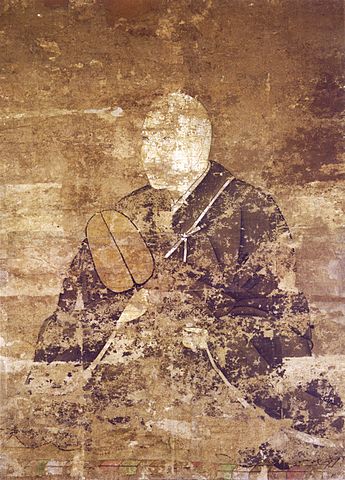
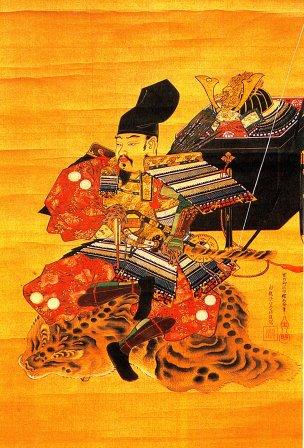
The portrait of Yoshikane Ashikaga, owned by Bannaji Temple (licensed under Public Domain via Wikimedia Commons)

Typical Residence of Early Samurai

The features of the hall include earthen walls and the outside water moats which surround the area. They form a square, so historians call such typical warriors’ halls “Hokan” or the Square Hall. One side of the square is around 200m long. This style of halls was used for a long time until the 17th Century during the Sengoku Period, such as Takeda Clan Hall and Ouchi Clan Hall. Lords and warriors usually lived in their halls which could provide relief in case of an emergency like a battle. Therefore, Ashikaga Clan Hall can be considered one of the earliest castles built by warriors in Japan.
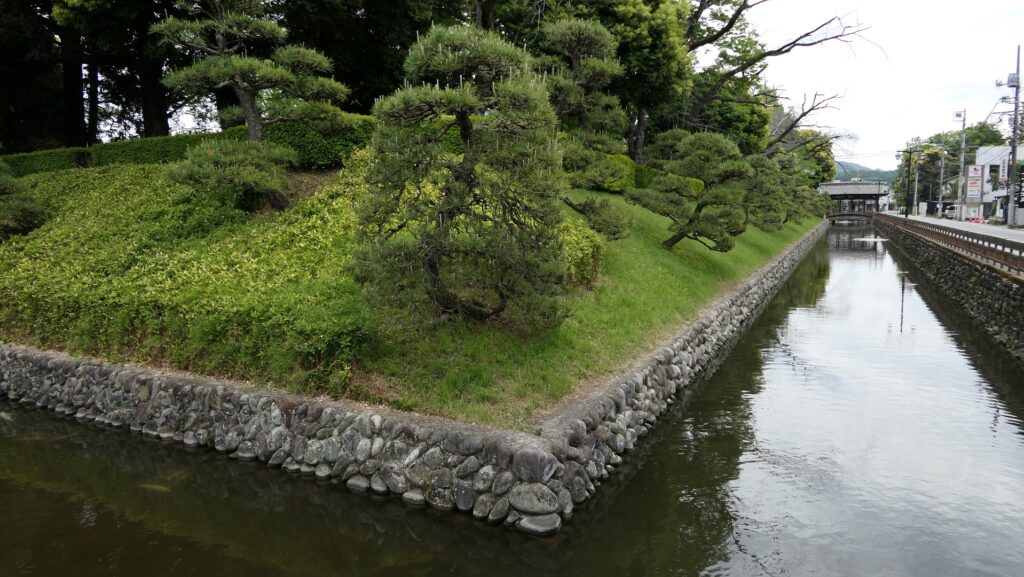
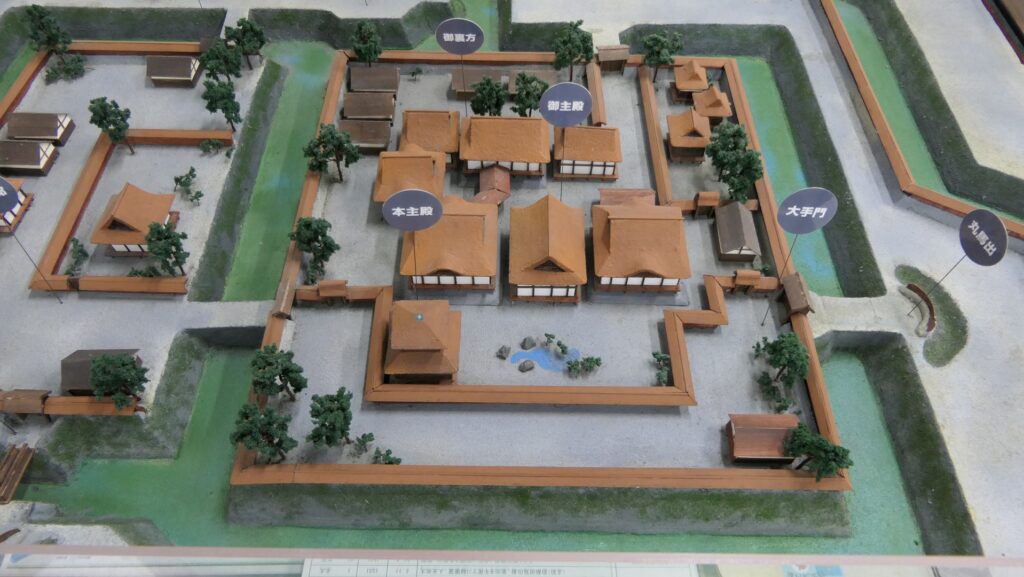
The remaining earthen walls and water moats of Ashikaga Clan Hall
The miniature model of Takeda Clan Hall, exhibited by Kofu Fujimura Memorial Museum
The ruins of Ouchi Clan Hall (the current Ryufukuji Temple)

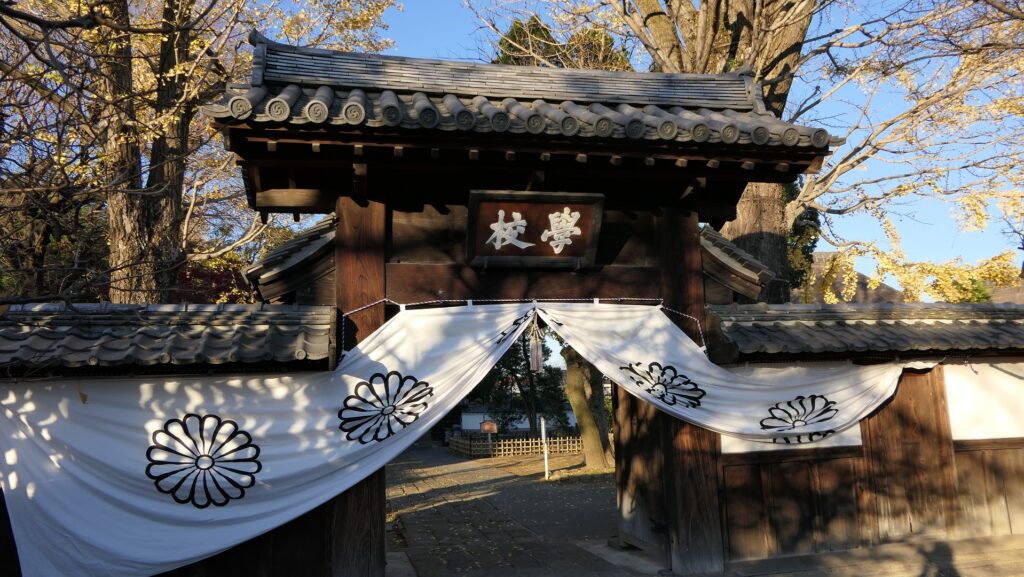
Yoshikane contributed the launch of the Kamakura Shogunate at the end of the 12th Century by Yoritomo Minamoto, the head of the Minamoto Clan and the first Shogun of the Samurai government in Japan, as a relative of Yoritomo. He was also a religious person who built a private building for worshiping Buddhist images, which would be the origin of Bannaji Temple. Furthermore, he established Kabasaki Temple for his retirement and was said to be one of the founders of the Ashikaga School which was one of the highest academies in the Middle Ages of Japan, which would have made Ashikaga a medieval cultural city.
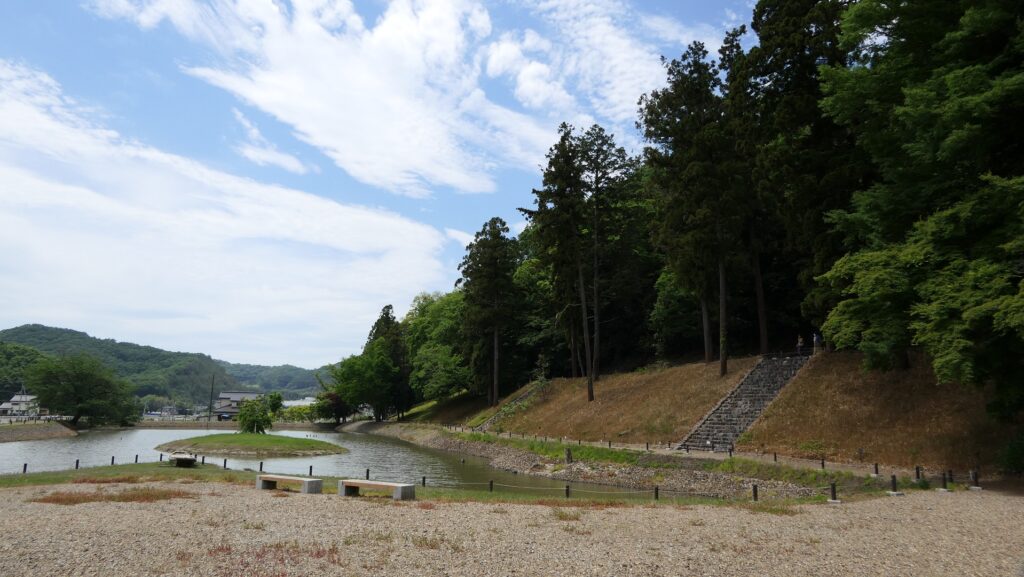
The ruins of Kabasaki Temple
The remaining Gakko-mon or the School Gate of Ashikaga School

Ashikaga Clan survives in Kamakura Period and becomes Shoguns in Muromachi Period

Yoshikane’s son, Yoshiuji became a senior vassal of the Kamakura Shogunate even though the shoguns of the Minamoto Clan died off and the Hojo Clan got the power as the regent. The Ashikaga Clan also got new territories such as in Mikawa Province (now part of modern day Aichi Prefecture). That’s why Yoshiuji usually lived in Kamakura, the capital of the shogunate, where his clan set the government office for controlling their territories. Even their original home base, Ashikaga Manor was governed by the administration office, not by the lord of the clan. Therefore, Yoshiuji turned his father’s hall in Ashikaga (Ashikaga Clan Hall) into Bannaji Temple in 1234 to pray for his father’s happiness in the next world and for his clan’s prosperity.
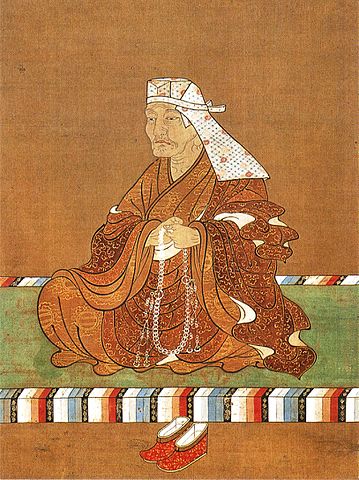
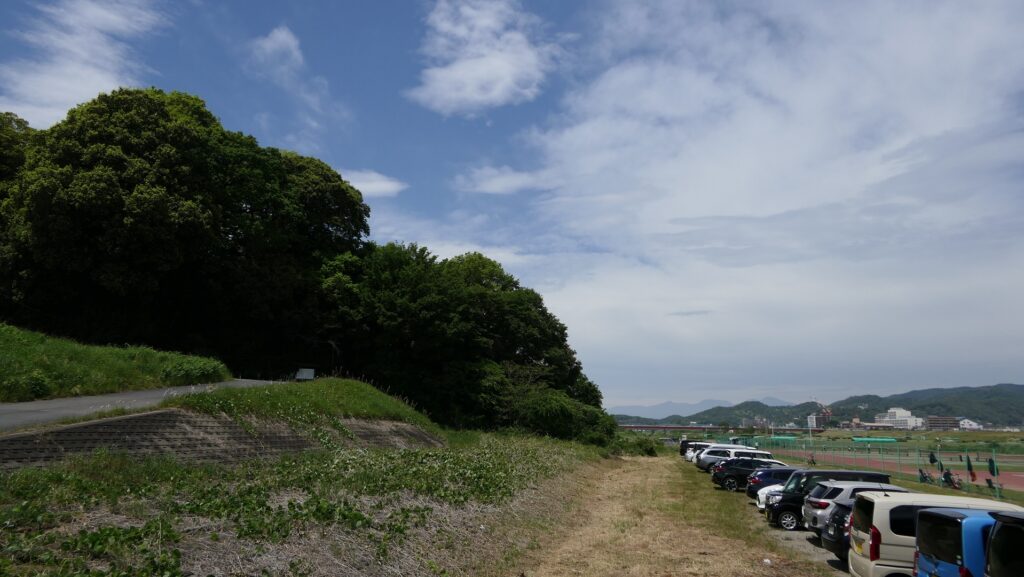
The portrait of Yoshiuji Ashikaga, owned by Bannaji Temple, drawn in the Edo Period (licensed under Public Domain via Wikimedia Commons)
Kannno Mountain (now called Iwai Mountain) where the administration office of Ashikaga Manor was built

The Ashikaga Clan survived all through the Kamakura Period while many other senior vassals of the shogunate were defeated by the Hojo Clan. Many of the Ashikaga’s lords came from the mothers that came from the Hojo Clan, that way, they could keep the second position in the shogunate. It was also said that many warriors wanted the Ashikaga Clan to change the country as a follower of the Minamoto Clan. Takauji Ashikaga, the lord of the 5th generations after Yoshiuji, was born from the mother who did not come from the Hojo Clan. These may be the reasons why he defeated the shogunate together with Emperor Godaigo and Yoshisada Nitta, another descendant of the Minamoto Clan.
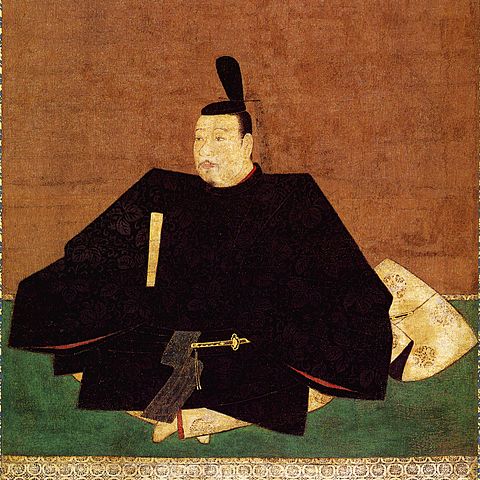
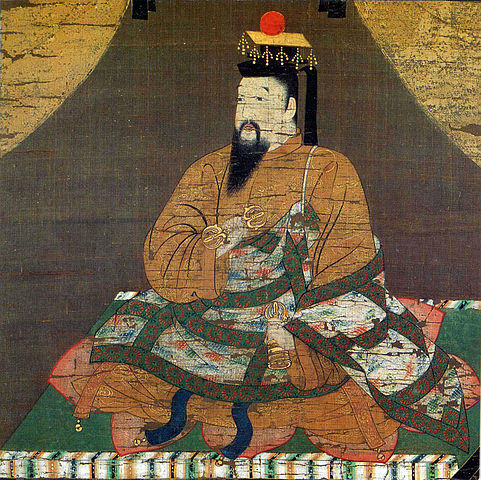
The portrait of Takauji Ashikaga, owned by Jodo-ji Temple (licensed under Public Domain via Wikimedia Commons)
The portrait of Emperor Godaigo, owned by Shojokoji Temple (licensed under Public Domain via Wikimedia Commons)
The portrait of Yoshisada Nitta, owned by Fujishima Shrine (licensed under Public Domain via Wikimedia Commons)

To be continued in “Ashikaga Clan Hall Part2”

15.足利氏館 その1

足利氏の本拠地

立地と歴史

源氏の一族が足利荘を開発し定住

足利氏館は、現在の栃木県足利市の中心部に位置していました。実は、その場所は現在では鑁阿寺(ばんなじ)という有名なお寺になっています。そのため、私たちが通常想像する典型的な城のようには見えないかもしれませんが、この館跡は防御機能を伴った日本の武士の館の、初期の形態を残しているとされています。

鑁阿寺楼門(山門)

足利氏は、地方領主としてより、14世紀から15世紀の室町時代の足利幕府の将軍家としての存在の方がずっと知られているでしょう。しかし事実として足利氏の歴史は、12世紀に下野国(現在の栃木県)で足利荘(ほぼ現在の足利市に相当)を開発したときから始まりました。皇室の子孫で清和源氏の足利義国が、最初にその場所に定住し、足利氏の祖先となりました。

足利市の範囲と城の位置

鎌倉幕府が設立される前は、武士たちは自身で開発した土地を維持するためには、形式的に荘園として高位の貴族に寄付する必要がありました。そうでなければ、公的機関から領地を保証されることは一切なかったのです。そのために義国は足利荘となる地に定住し、大変な労力を投じて開発を進めました。それ以来、この一族は自身の苗字として、その地の名前である足利を名乗ったのです。義国の息子、足利義康は足利氏の創始者であり、最初に足利氏館を築いたと言われています。そして、館はその息子で2代目の義兼に引き継がれました。

伝・足利義兼肖像画、鑁阿寺蔵 (licensed under Public Domain via Wikimedia Commons)

初期の武士の館の典型

館の特徴として挙げられるのは、そのエリアを囲む土塁とその外側の水堀でしょう。こられにより館の敷地は四角形に区切られ、歴史家はこのような典型的な武士の館を「方館(ほうかん)」と呼びならわしています。その四角形の一辺は約200mで、この館の形式は戦国時代の17世紀まで長い間踏襲されました。その類型として、武田氏館大内氏館などがあります。領主や武士たちは普段このような館に住み、戦のような緊急事態にも対処できるようにしていました。したがって、足利氏館は武士が建てた最も初期の日本の城の一つとみなされています。

足利氏館跡(現鑁阿寺)を囲む土塁と水堀
武田氏館の模型、甲府市藤村記念館にて展示
大内氏館跡(現・龍福寺)

義兼は12世紀末に。源氏の棟梁であり日本の武家政権で最初の将軍となった源頼朝による鎌倉幕府の設立に、頼朝の親族として貢献しました。義兼はまた信仰心が深く、館の中に持仏堂を建立し、仏画を掲げて祈りを捧げました。これが鑁阿寺の起源となります。更には、彼は隠居所として樺崎寺を建て、また足利学校の設立者の一人とも言われています。足利学校は、日本中世の最高学府の一つとなりました。これらにより、足利は中世における一大文化都市となったのです。

樺崎寺跡
現存する足利学校の「学校門」

足利氏は鎌倉時代を生き抜き室町将軍家に

その後源氏将軍の血筋が絶え、北条氏が執権として実権を握りましたが、義兼の息子、義氏は鎌倉幕府の重臣となりました。足利氏としても、現在の愛知県の一部にあたる三河国に新しい領地を獲得しました。そのため、義氏は普段は武家の都、鎌倉に住んでいました。そこには政所が設置され、領地全体をコントロールしていました。もとの本拠地であった足利荘でさえ、足利氏の当主ではなく当地に置かれた公文所の役人によって治められました。よって、義氏は足利の父親の館(足利氏館)を1234年に鑁阿寺とし、父親の冥福と氏族の繁栄を祈る場所としたのです。

足利義氏肖像画、江戸時代の作、鑁阿寺蔵 (licensed under Public Domain via Wikimedia Commons)
足利荘の公文所が置かれたとされる勧農山(現・岩井山)

鎌倉幕府の他の重臣たちが北条氏によって粛清される中、足利氏は鎌倉時代を生き延びました。多くの足利氏当主は、北条氏から輿入れした母親から生まれました。そのために足利氏は、幕府で第2の地位を維持できたものと思われます。その一方で、多くの武士たちが足利氏に対して、源氏の棟梁を継ぐ者として世の中を変えてほしいという期待を持っていました。義氏から5代後の当主、足利尊氏は北条氏出身でない母親から生まれました。そういったことが尊氏が、後醍醐天皇やもう一人の源氏の子孫である新田義貞とともに、鎌倉幕府を倒す要因の一部になったと考えられています。

足利尊氏肖像画、浄土寺蔵 (licensed under Public Domain via Wikimedia Commons)
後醍醐天皇肖像画、清浄光寺蔵 (licensed under Public Domain via Wikimedia Commons)
新田義貞肖像画、藤島神社蔵 (licensed under Public Domain via Wikimedia Commons)

「足利氏館その2」に続きます。

17.Kanayama Castle Part3

This castle might have become more popular.

Features

Living and Religious places in Castle

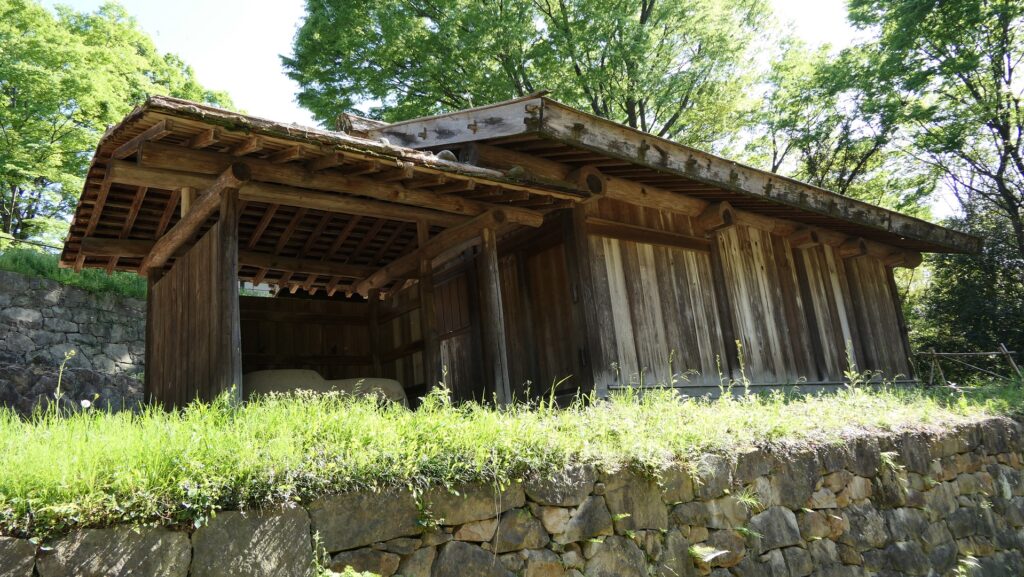
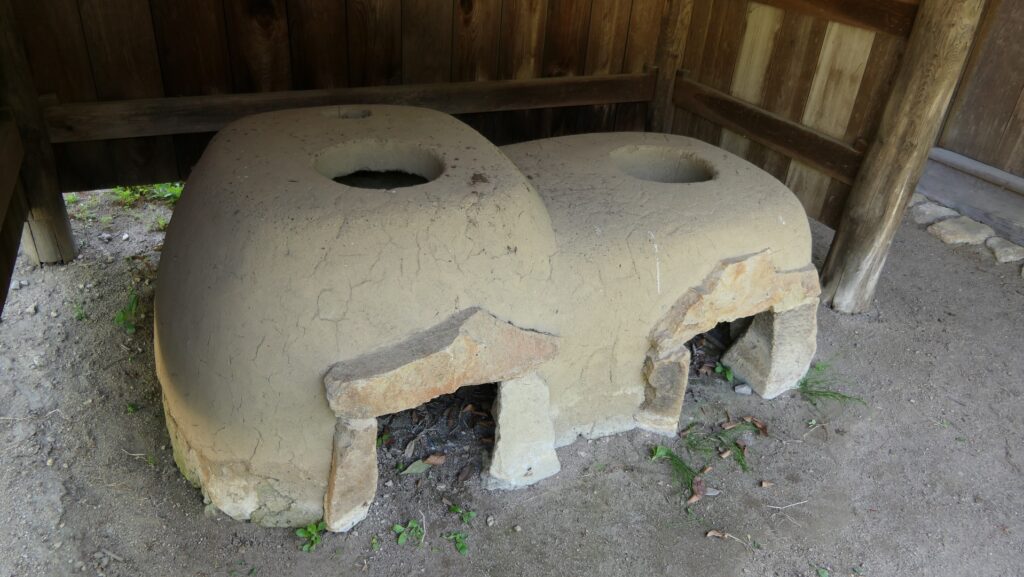
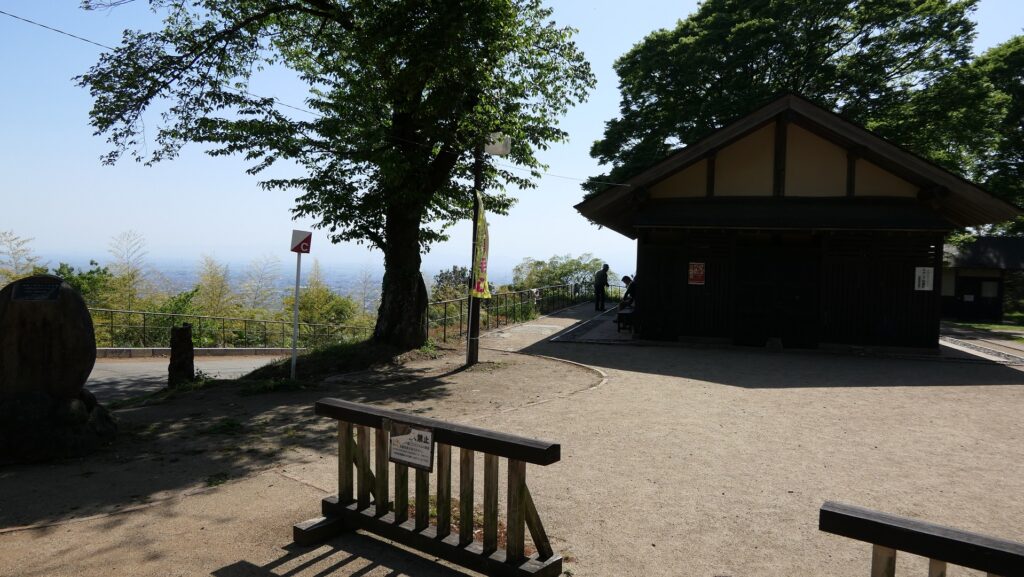
The enclosures on the upper tiers were used as another pivot point as well as a place for living. The team found traces of kitchen stoves and a well, which were restored with a hut on the Southern Upper Tier Enclosure at the same time as the stone walls. The Southern Enclosure on the top of the tiers is used as the rest house, which is another viewing spot.

The map of the main portion of the castle

The restored hut on the Southern Upper Tier Enclosure
The restored kitchen stoves in the hut
The Southern Enclosure and the rest house on it
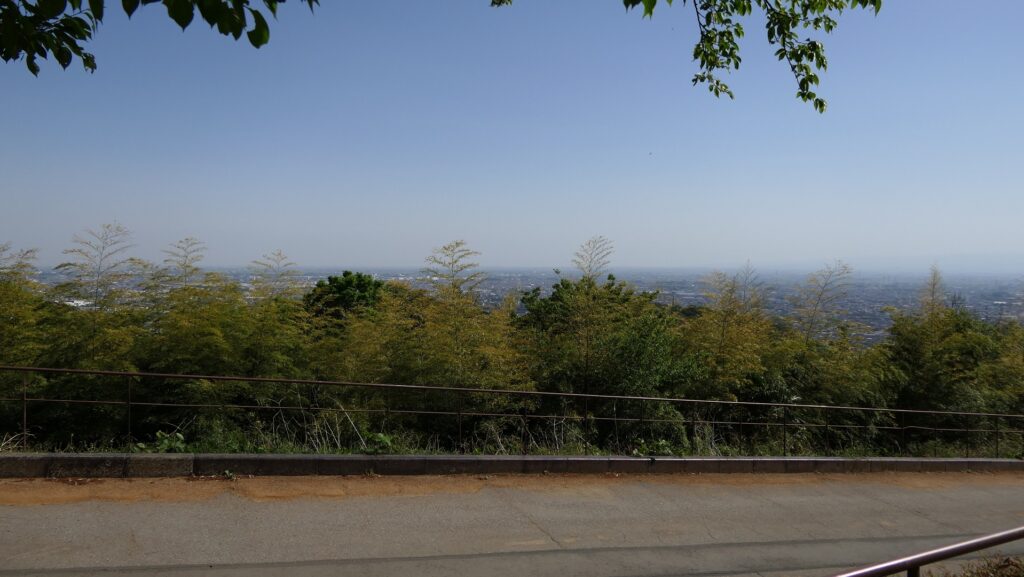
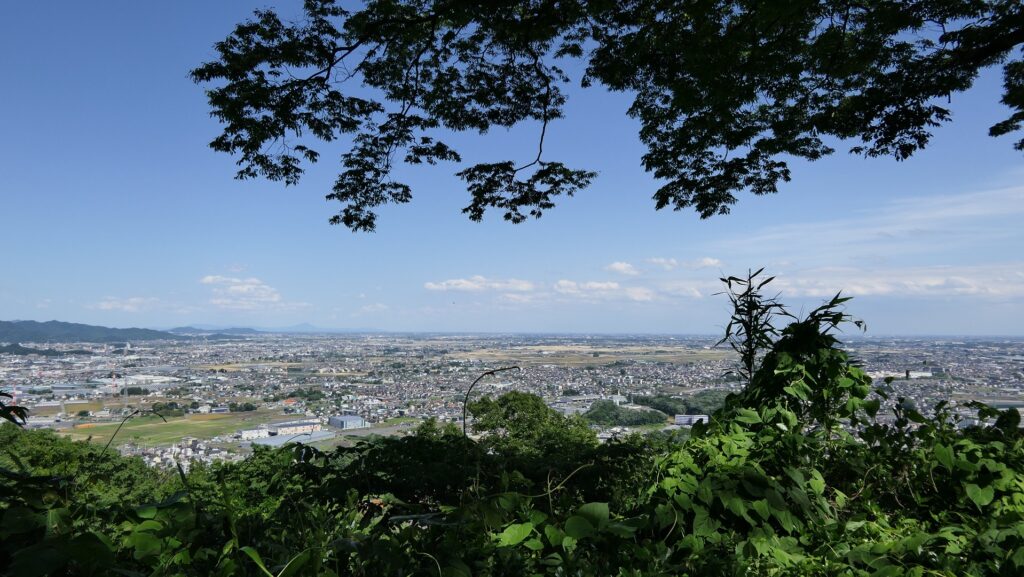
A view from the Southern Enclosure

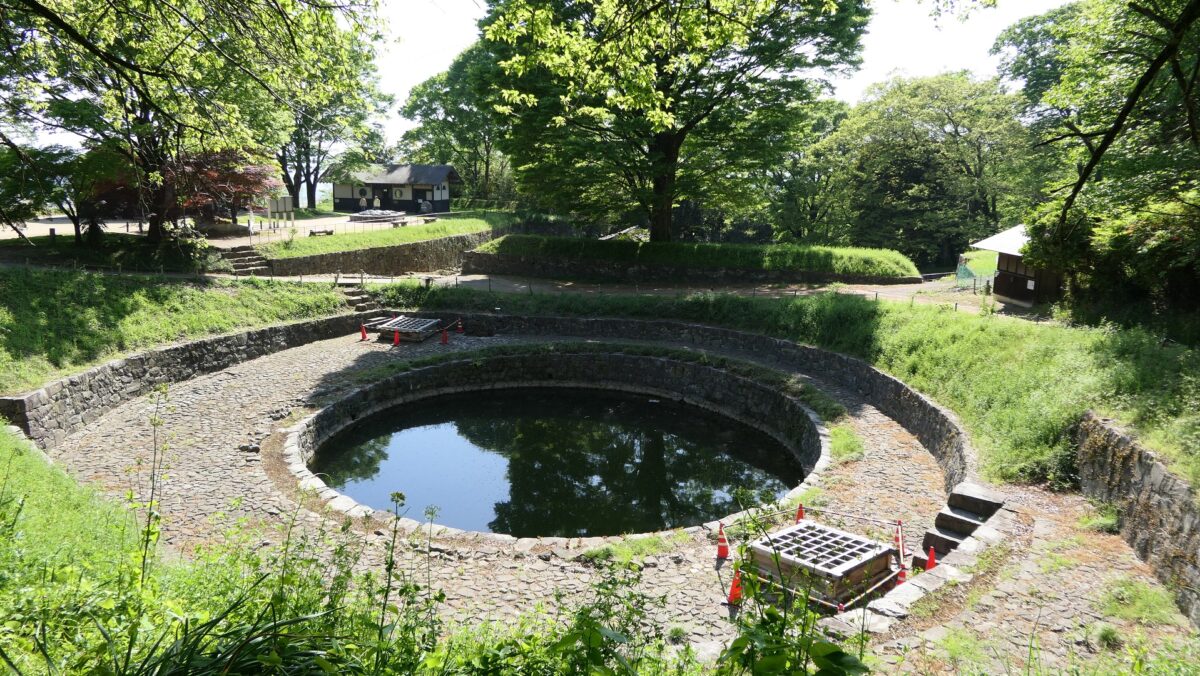
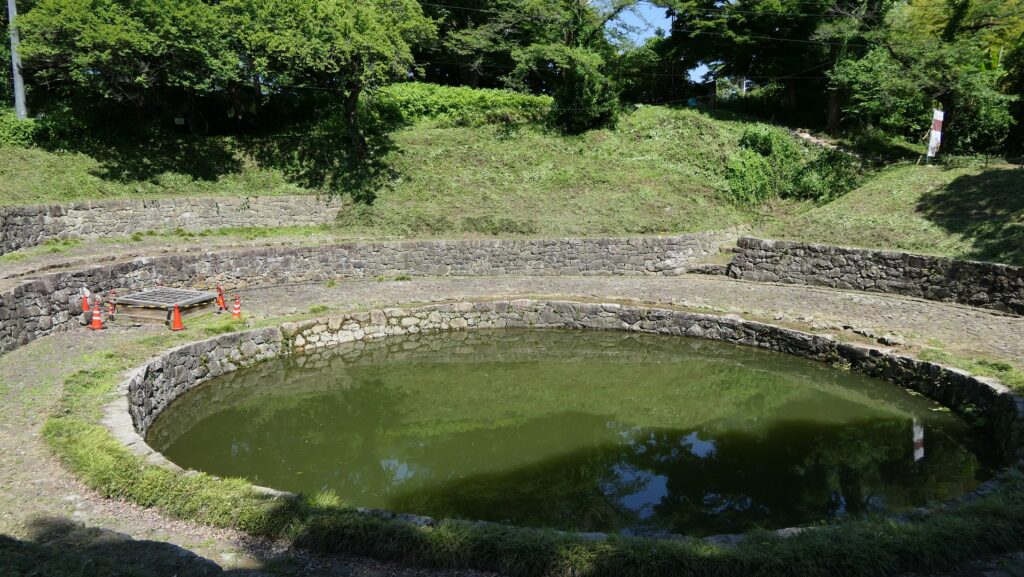
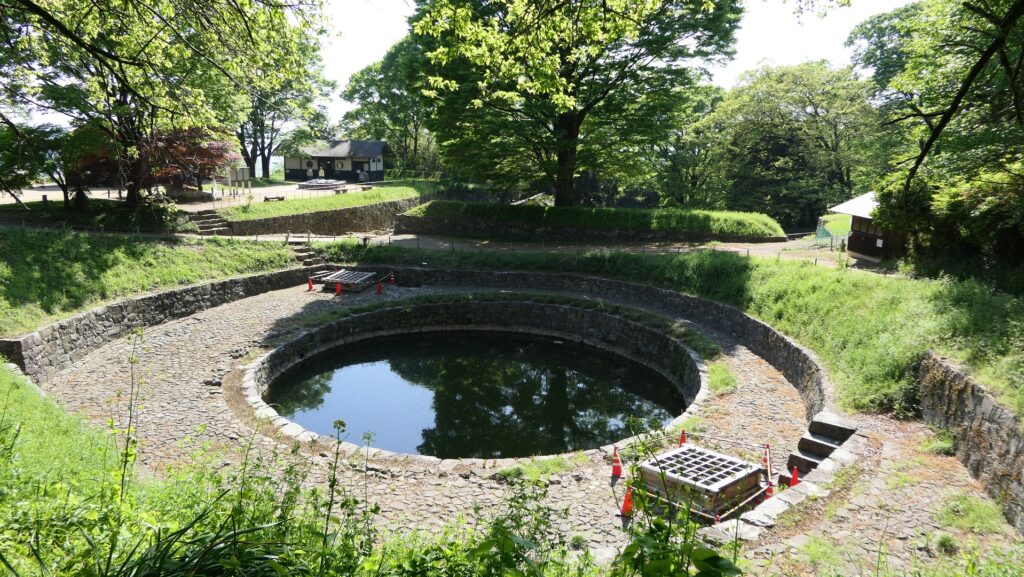
To reach the Main Enclosure on the top of the mountain, you will pass and see a larger pond being covered with stone mounds as well, called Hi-no-ike or the Sun Pond. This is actually not a reservoir but a well, which had been famous as a holy place since the Ancient Times before the castle was built. That’s why people in the castle used it for religious services.

The Sun Pond
The Sun Pond viewed from above

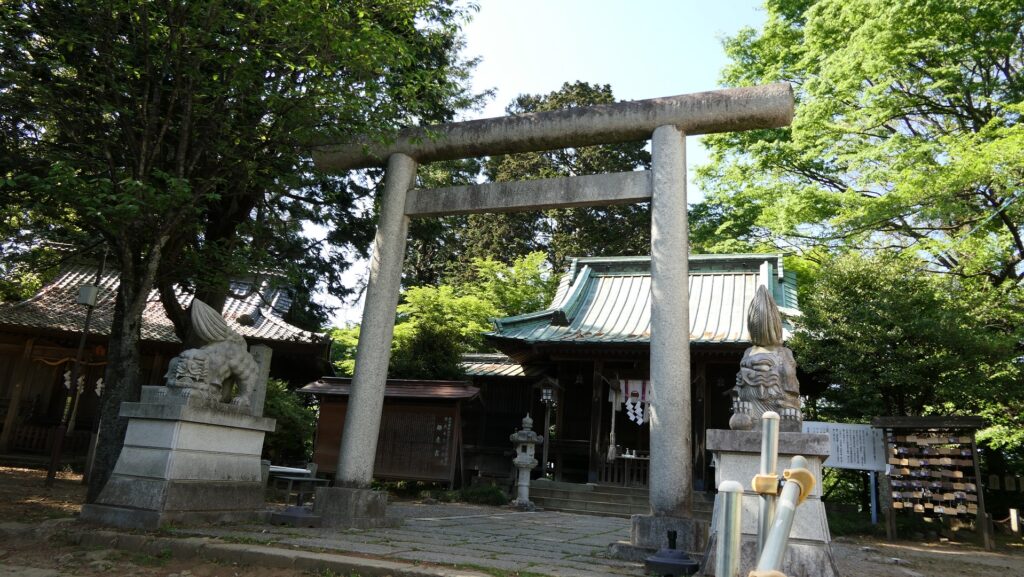
Main Enclosure is used as Shrine

Around the top of the mountain is the Main, Second, Third Enclosures, but you can not access the two of the latter because they are privately owned. You will eventually go to the Main Enclosure on the top, which is now used as Nitta Shrine. As for the castle ruins, you can walk around the enclosure, called Musha-bashiri or the Defense Passage, and see the partially remaining original stone walls which are also uncertain as to who first built them.

The Second Enclosure is not allowed to enter
Nitta Shrine in the Main Enclosure
A view from the Main Enclosure
The remaining stone walls behind the Main Enclosure
The Defense Passage around the Main Enclosure

Later History

After Kanayama Castle was abandoned, the Tokugawa Shogunate banned people from entering its mountain area to provide Matsutake mushroom to the shoguns during the Edo period. In fact, the Matsutake produced at the mountain was served to the Imperial Families until 1964.

A view of the Eastern hiking course, there are still Japanese red pines that could provide Matsutake mushroom, but they can’t produce it now because of aging

The shogunate also conserved the former area of the Nitta Manor by building religious facilities such as Serada Toshogu Shrine, Kinryuji and Daikoin Temples as they had declared the shoguns were a branch of the Nita Clan, which meant they were descendants of the Minamoto Clan. Even the shogunate needed the authority to govern the whole country. As for castle ruins, Kanayama Castle ruins were designated as a National Historic Site in 1934. Ota City has been excavating and developing them as a historical site since 1995.
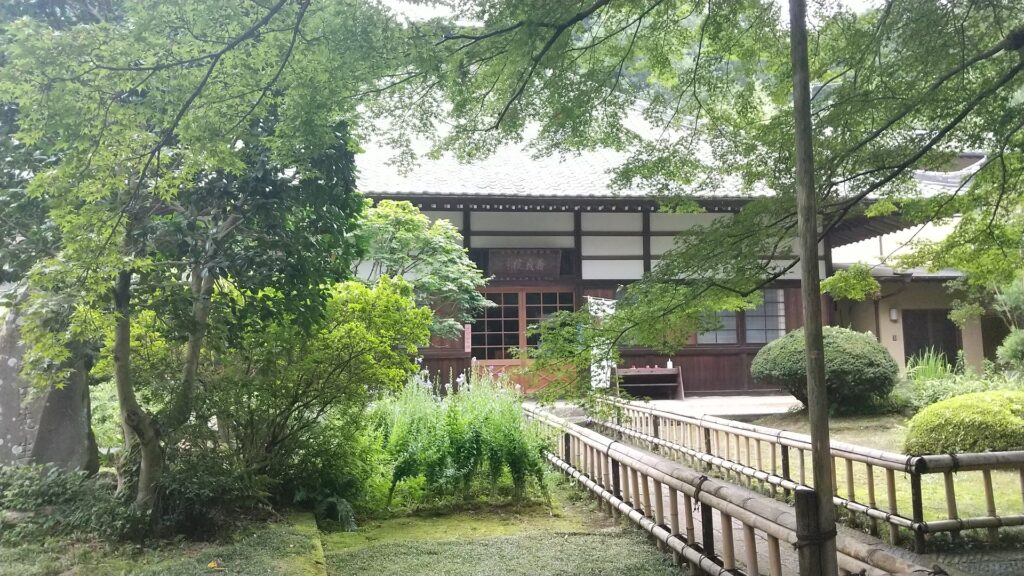
Serada Toshogu Shrine
Kinryuji Temple
Daikoin Temple

My Impression

When the Yura Clan was banished from Kanayama Castle, only the lord’s mother, Myoinni was against the idea of Hojo Clan keeping the castle. Even after she gave it up, she joined Maeda’s troops to attack the Hojo Clan in 1590 when she was already 77 years old. That caused the Yura Clan to survive while the Hojo Clan to decline in the end. I guess if she and the Yura Clan could still stay in the strong Kanayama Castle even with only a few defenders, there might have been a dramatic event at the castle when Hideyoshi invaded the Kanto Region like Nagachika Narita fought with Mitsunari Ishida at Oshi Castle.

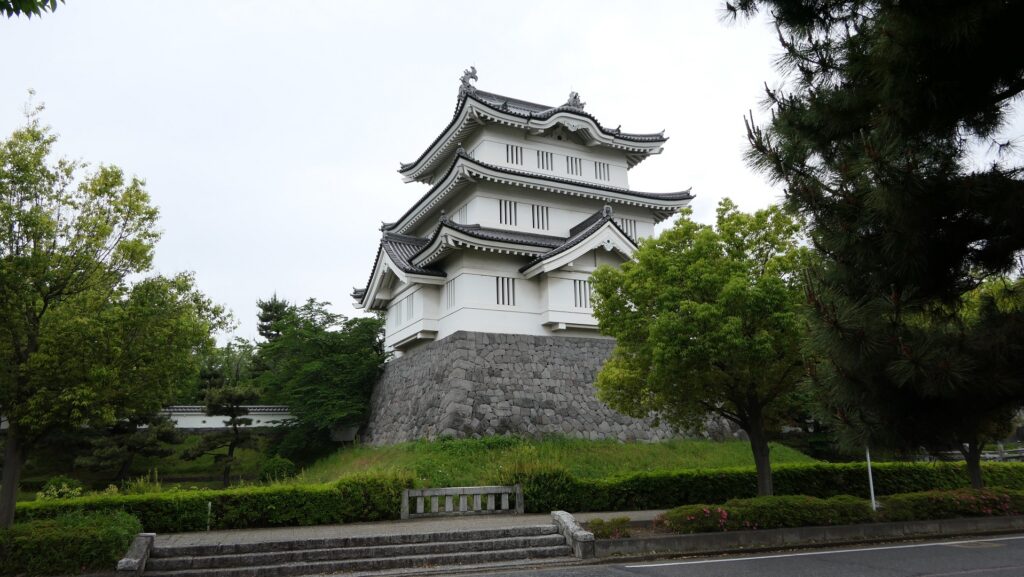
The ruins of Ushiku Castle  (licensed by Monado via Wikimedia Commons)
The ruins of Oshi Castle

How to get There

I recommend using a car when you visit the castle ruins because there are no buses that go directly to the ruins available. It is about a 10-minute drive away from Ota-Kiryu IC on the Kita-Kanto Expressway. There are several parking lots at the foot, halfway up, and at the top of the mountain.
If you want to use public transportation, it takes around 1 hour from Ota Station. It would be better to take a taxi from the station.
From Tokyo to Ota Station: Take the JR Ueno-Tokyo Line from Tokyo Station and transfer to the Ryomo limited express on the Tobu Isesaki Line at Kitasenju Station.

That’s all. Thank you.
Back to “Kanayama Castle Part1”
Back to “Kanayama Castle Part2”

error: Content is protected !!