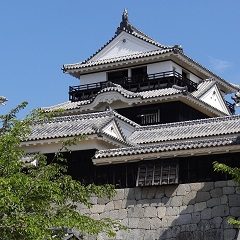
5.根城(Ne Castle)

根城は、地元の人たちと行政の多大な努力により再建された城です。
Ne Castle is a castle which has been rebuilt thanks to the great effort of the local people and officials.

復元された本丸主殿(The restored Honmaru Main Hall)

Location and History

この城は現在の青森県八戸市にありました。この地域は東北地方の北部としては開けた場所で、中世から商業で栄えてきました。
The castle was located in what is now Hachinohe City, Aomori pref. which has been the opening for the northern Tohoku region and has flourished through trading since the Middle Ages.

八戸市の位置(The position of Hachinohe City)licensed by Lincun via Wikipedia Commons

南北朝時代において南朝方により、南部師行が陸奥国にこの地域を統治するために派遣されてきました。彼は1334年に、以前の支配者であった北条氏の館があった糠部郡の丘の上に、初めて根城を築きました。
In the period of the Northern and Southern Courts, Moroyuki Nanbu was sent to Mutsu Province by the Southern Court to govern this area. He first built Ne Castle on a hill in Nukanobu district after the former ruler Hojo’s hall in 1334.
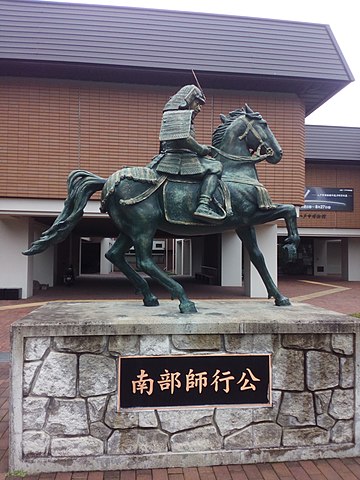
八戸博物館前の南部師行像(The statue of Moroyuki Nanbu in front of the Hachinohe Museum)licensed via Wikipedia Commons

この城には、主殿及び関連する建物が立つ本丸があり、柵と空堀により囲まれていました。「虎口」と呼ばれたその入り口は、橋によりつながれており、非常時には落とされました。主殿は、代替わりなどのときを含め16回建て替えられました。その間、城の領域は、「館」と呼ばれる7つの同様の曲輪により拡張されました。これは中世における典型的な城の作り方の一つでした。
The castle had the main enclosure “Honmaru” with the main palace and related buildings surrounded by fences and dry moats. The entrance called “Koguchi” was accessed by a bridge which would be destroyed in an emergency. The main hall was rebuilt even16 times ,for example, when inheritance. During that time, the castle area was expanded adding seven similar enclosures called “Date”. This is one of typical castle styles in the Middle Ages.

本丸入り口の橋(The entrance bridge of Honmaru)

南部氏は、250年以上に渡ってこの城に居続けましたが、戦国時代の終わりに三戸城にいた一族の南部信直が力を持ち、天下人の豊臣秀吉に南部の頭領であると認められました。秀吉は根城の破却を命じましたが、実際には虎口が壊され、堀が埋められた程度でした。その後主殿はしばらく使用されましたが、1627年にはついに廃城になりました。
The Nanbu clan had been staying at the castle for over 250 years, but at the end of the Warring States Period, Nobunao Nanbu, a relative in Sannohe Castle had great influence and was admitted to be the head of the Nanbu clan by the ruler Hideyoshi Toyotomi. Toyotomi ordered Ne Castle to be destroyed, however, it was not done as completely as just the Koguchi was removed and moats were filled. After that, the main hall was used for a while, but it was finally abandoned in 1627.
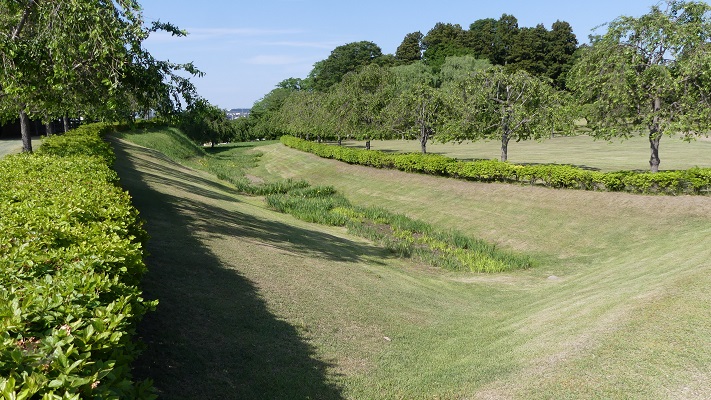
堀の跡(The ruins of a moat)

Features

現在、本丸部分はかつてのように復元されています。空堀の上の橋を渡り、虎口を通ってそこに入ります。本丸の内部は木柵により囲まれています。
Now, the Honmaru area is restored to show it was. You can go across the bridge on the dry moat and pass the Koguchi to enter the area. The inside is surrounded by a wood fence.
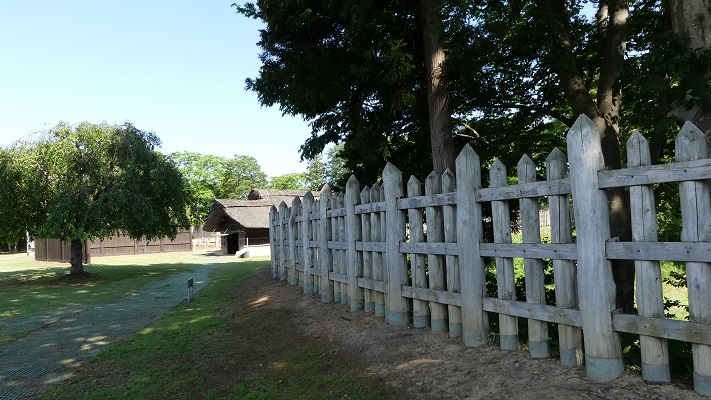
本丸の木柵(The wood fence around Honmaru)

また、復元された本殿に入ることもでき、中では新年の儀式の様子を再現した人形や、城の歴史の説明パネルを見学できます。
You can also see and enter the restored main palace where figures represent a new-year ceremony and panels of its history are shown.
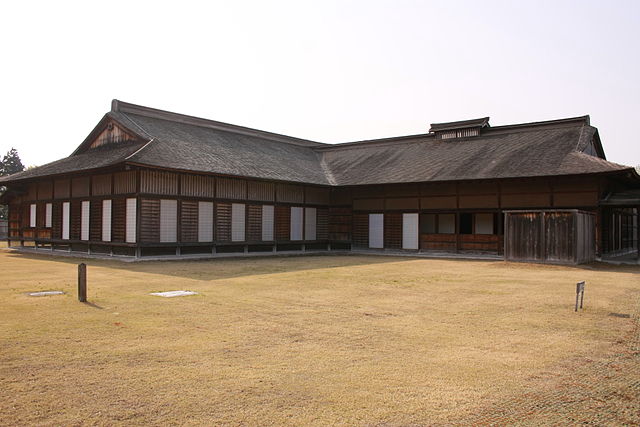
復元された本殿(The restored Main Palace)licensed by 小池隆 via Wikimedia Commons

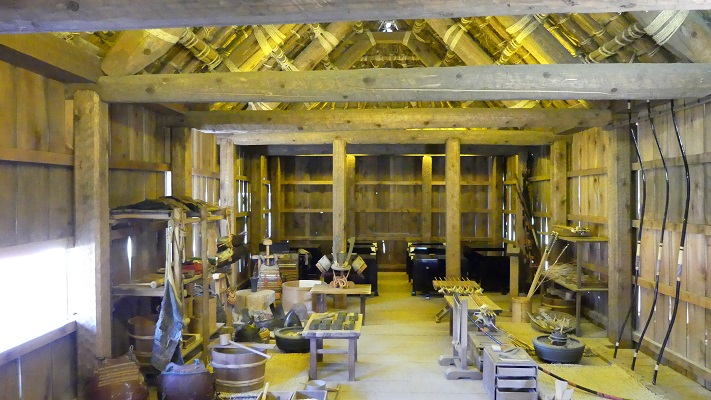
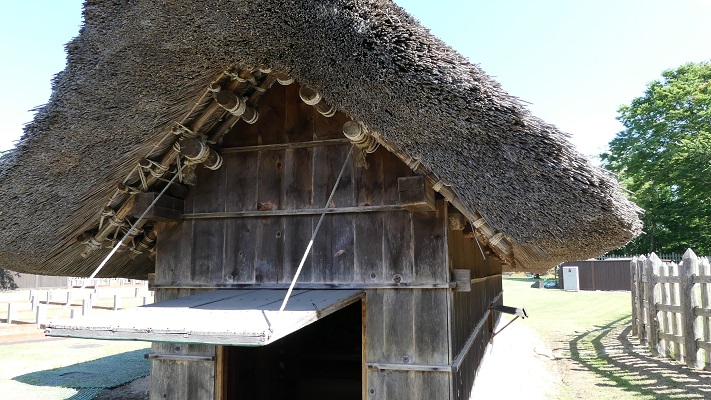
更に関連する建物として、馬小屋、工房、倉庫、鍛冶場などがあります。鎧や什器などがそっくりそのままに作られて置かれています。
There are also restored related buildings such as a stable, workshops, warehouses, and a forge. Many things like armor and utensils are placed inside exactly like the original ones.
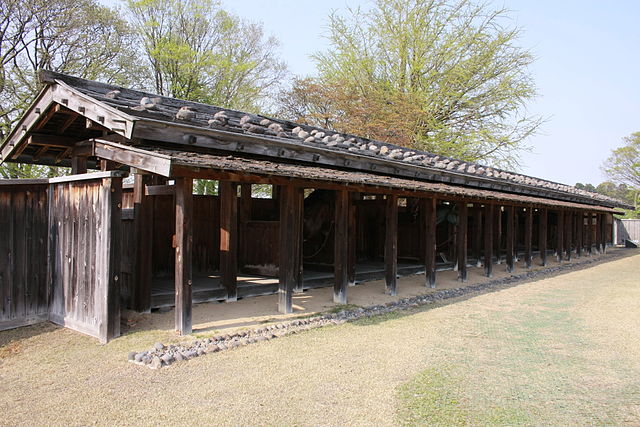
復元された馬小屋(The restored stable)licensed by 小池隆 via Wikimedia Commons
復元された工房(The restored workshop)
工房の内部(The inside of the workshop)

これらの文物を見ていると、中世の世界に入り込んだような気がしてきます。ここにあるものは、1592年に城が廃城となる直前の時代を想定して再現されています。
These items make you feel like you are in the world of the Middle Ages. They are recreated according to the same specifications as the period just before the destruction of the castle in 1592.
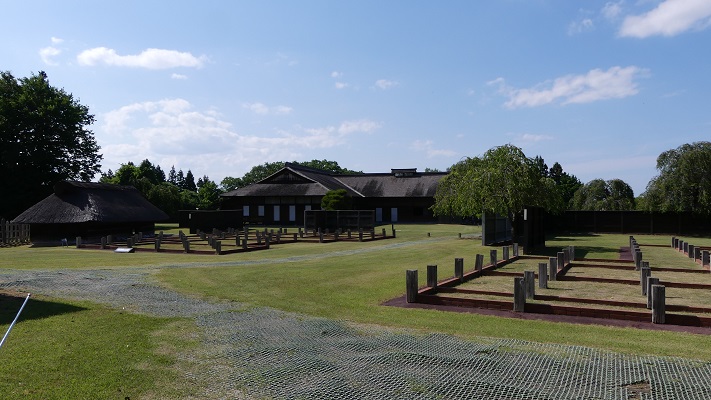
本丸内部全景(The whole view of Honmaru inside)

Later Life

廃城となった後、根城の辺りは畑か住居として使われたようです。ここは1941年という比較的早い時期に国の史跡に指定されました。第二次世界大戦後、行政側は遺跡が開発され完全に破壊されてしまうことを心配していました。そこで1972年から土地の公有化を進め、1978年に遺跡の環境整備計画を作成しました。そして1989年までに本丸が発掘され、その後どのように遺跡を展示するか考えるにあたり、平面展示ではなく、多くの人に理解してもらえるよう復元することにしました。
After being abandoned, the area of Ne Castle seemed to be used for farming and residences. It was designated as a national historic site, comparatively early in 1941. After World War II, officials were worried about the ruins being developed and completely destroyed. They started to make the land public in1972, make the plan for developing environment of the ruins in 1978, and excavated Honmaru area until 1989. After that, they also thought about how to show the ruins not a flat exhibit, but a restoration to make them understood by many people.

根城の航空写真、一部が住宅化している(The aeriel photo of Ne Castle, Part of it has become residential area)


しかしながら、いくつか問題がありました。最も困難だったのは、建物の詳細です。発掘して出てくるのはほとんどがおびただしい柱の穴でした。研究者は何とかそれを分類し、個々の建物のレイアウトを推定しました。次には、類似の地域や時代の事例から3次元で建物の復元設計を行いました。ついには、1994年にこの再建工事が完成し、「史跡根城の広場」として一般に公開されました。
However, there would be some problems.. The most difficult one was the unclear details of the buildings. The excavation mostly shows plenty of holes for pillars. Researchers somehow managed to sort them and estimate the layout of each building. Next, they tried to design three-dimensional restored buildings from examples in similar regions and periods. Finally, the reconstruction was completed and the site was open to the public in 1994 as “Nejo Castle Site”.
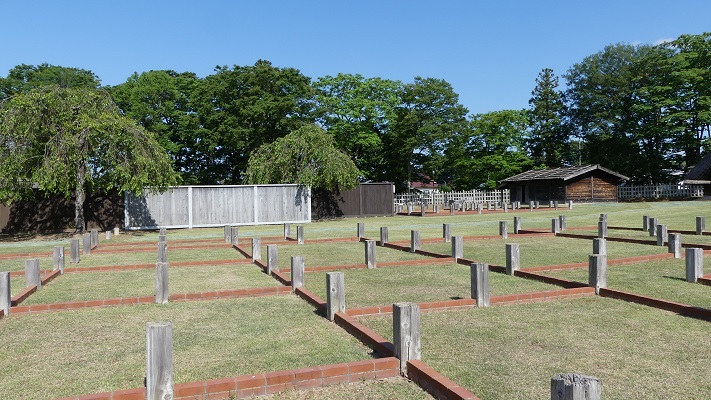
復元された建物の柱の位置(The restored positions of pillars of a building)

My Impression

八戸市の人たちや行政は、50年近くの長きに渡り根城史跡の整備を行ってきました。これは驚くべき成果であり、心から尊敬します。復元された建物や文物は、伝統的手法で作られており、その維持には特別な修繕や多額の予算が必要です。ここを訪れることもその維持に貢献します。もちろん根城は、訪れるに値しますし、是非中世の雰囲気を味わっていただきたいです。
People and officials in Hachinohe City have been developing the Ne Castle Site for nearly 50 years. This is a significant achievement. I really respect them. The restored buildings and objects are made in the traditional way. Keeping them for a long time requires specific maintenance and much funding. Visiting the site helps keep it as well. Of course Ne Castle is worth visiting to feel the atmosphere of the Middle Ages.
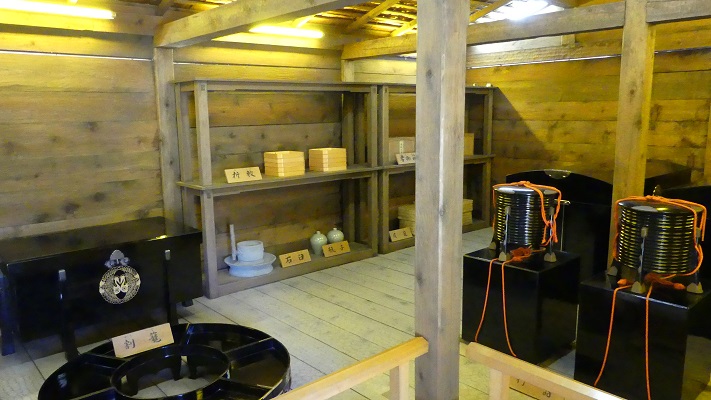
復元された倉庫の内部(The inside of a restored warehouse)

How to get There

車で行く場合:八戸自動車道八戸ICから約10分かかります。
八戸駅からバスで行く場合:バス1番乗り場から南部バスに乗り、根城バス停で降りてください。
東京から八戸駅まで:東北新幹線に乗ってください。
If you want to go there by car: It takes about 10 minutes from the Hachinohe IC on Hachinohe Expressway.
If you want to go there by bus from Hachinohe station: Take the Nanbu bus at the bus terminal plarfoem 1, and take off at the Ne-Jo bus stop.
From Tokyo to Hachinohe st.: Take the Tohoku Shinkansen super express.

Links and References

VISITはちのへ(VISIT HACHINOHE)
・「日本の遺跡19根城跡/佐々木浩一」同成社(Japanese Book)
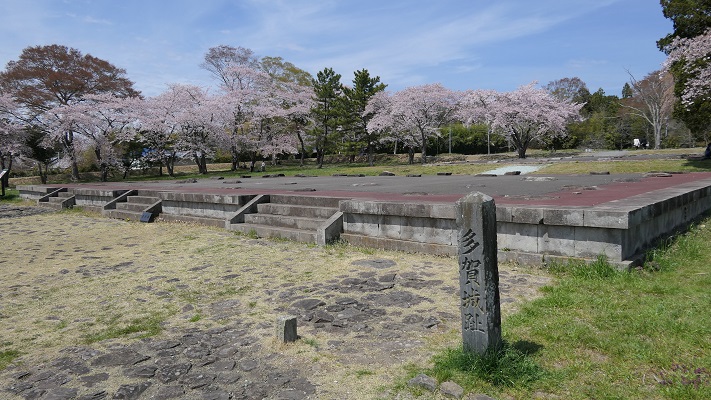
7.多賀城(Taga-Jo)

多賀城政庁跡(The ruins of Taga-Jo government district)

Location and History

多賀城は、「城柵」と呼ばれた政府の事業拠点の代表的なものです。城柵は、古代に朝廷が東北地方を支配するために設置されました。当時北東北には、「蝦夷」と呼ばれた朝廷に服さない人たちがもともと住んでいました。蝦夷は、朝廷の支配下にあった古代日本人とは違う言語を話し、その一部はまたアイヌ民族の先祖になったと言われています。
Taga-jo was one of the representatives of official defense sites called “Josaku” which were placed for the governance of Tohoku district by the central government in the Ancient Ages. Originally, people called “Emishi”, who were not subject to the government, lived in the north of Tohoku at that time. They spoke a different language from the ancient Japanese under the government, and part of them were also said to be ancestors of the Ainu tribe.

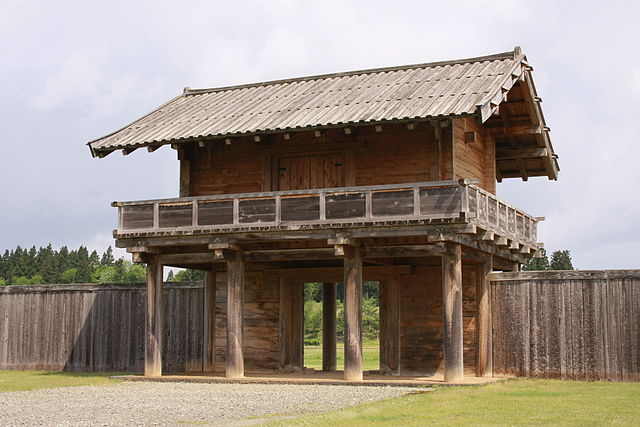
復元された他の城柵(払田柵)の門(The restored gate of another Josaku called Hottanosaku)licensed by 小池隆 via Wikimedeia Commons

朝廷は領域拡大を図るため、東北に領民を移住させたり、「蝦夷」の人たちをも臣民として定住させたりしました。しかし、蝦夷はしばしば朝廷に反乱を起こしました。城柵は、城としての機能だけでなく、政庁や居住としての機能をもった複合施設でした。多賀城は、主要な城柵の一つであり、朝廷と蝦夷との境界近くに設置されたのです。
The government aimed to spread its domain, so it tried to relocate people there, and to accommodate “Emishi” people as its subjects. However, Emishi often rebelled against the government. Josaku were complex sites not only for castles, but also for government districts and resident facilities. Taga-jo was the primary site among the other Josaku which was near the border between territories of the government and Emishi people.

多賀城と8世紀の主な城柵の位置(The map of Taga-Jo and other major Josaku in the 8 century)


724年の設立から9世紀くらいまでに、多賀城は3回作り直されました。その間、まず762年に大改修後、780年に蝦夷の襲撃を受け、869年には貞観地震の被害を受けました。その後、通常は国府として使われたのですが、必要なときには軍事拠点として活用されました。そして1337年に、南朝の陸奥将軍府が他の地に移転したとき、ついに多賀城の歴史は終わったのです。
From its creation in 724 to around the 9th century, Taga-jo was rebuilt three times. During that time, it was renovated in 762, suffered from the attack of Emishi in 780 and the 869 Sanriku Earthquake. After that, the site was usually used as a provincial capital, but sometimes used as a military base when necessary. When the General’s Outpost in Mutsu by the Southern Court at this site was moved to another in 1337, the history of Taga-jo ended at last.

政庁跡の後ろ側(The back side of the gevornment district ruins)

Features

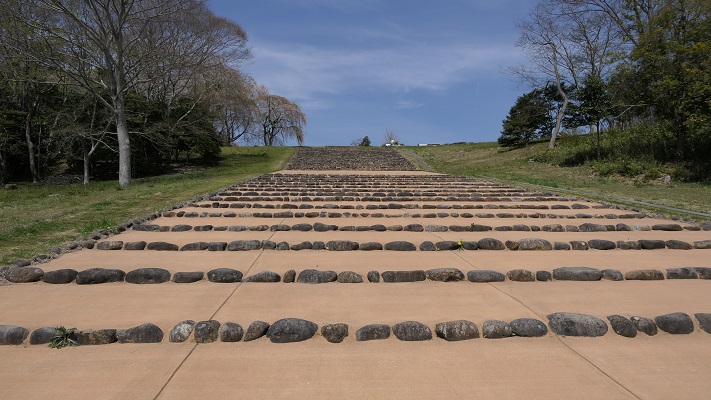
多賀城跡は、現在主に2つの部分からなります。一つは政庁跡であり、丘の上に施設の中心として存在していました。そこには建物や柱の基礎がアスファルトに覆われた形で残っています。
The ruins of Taga-jo now mainly consist of two parts. One of them is the ruin of the government district which was the center of the site on a hill. It has a lot of foundations of buildings and columns covered with asphalt.

建物や柱の基礎跡(The ruins of foundations of buildings and columns)

よって、過去にはその場所がどのような姿だったのか想像することができます。そして、そこから多賀城の外郭南門に通じる大きな道がつながっています。
So you can see and imagine how the site was in the past. There is a large road which goes down to the ruins of the south gate of the outer wall.

現地には政庁のミニチュア模型もあります。(There is also a miniature model at the site)
政庁前の大道(The large road in front of the government district)

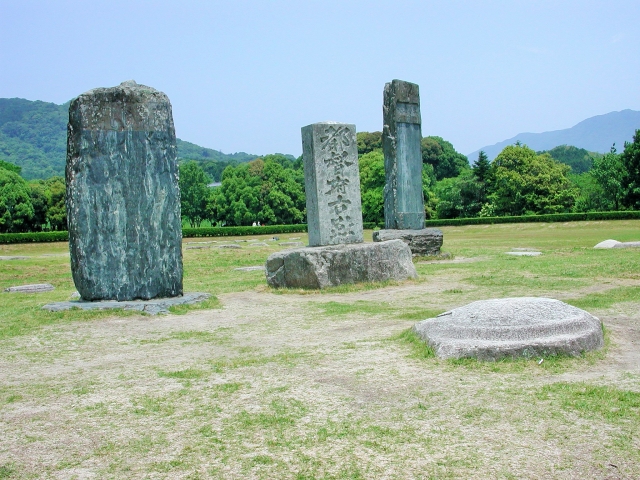
もう一つは多賀城碑で、多賀城の歴史の一端を語るものです。それは表面に文字が刻まれた石碑であり、762年の大改修が完成したのを記念して作られたと書かれています。
The other is the Taga-jo Monument which describes part of Taga-jo’s history. It is made of stone with letters engraved on it. It says that it was made due to the first renovation being completed in 762.

多賀城碑(The Taga-Jo Monument)licensed by Saigen Jiro via Wikimedia Commons

この碑は、江戸時代初期に南門跡周辺で発見され、その当時からその地で覆堂に収納されています。石碑は扉越しに見学することができます。また、近くにある東北歴史博物館では、そのレプリカも見ることができます。
It is found around the south gate ruins in the first Edo period, and contains a sheath house there from that time period. You can see the monument through the door of the house, and can also see the replica of it at the Tohoku History Museum nearby.

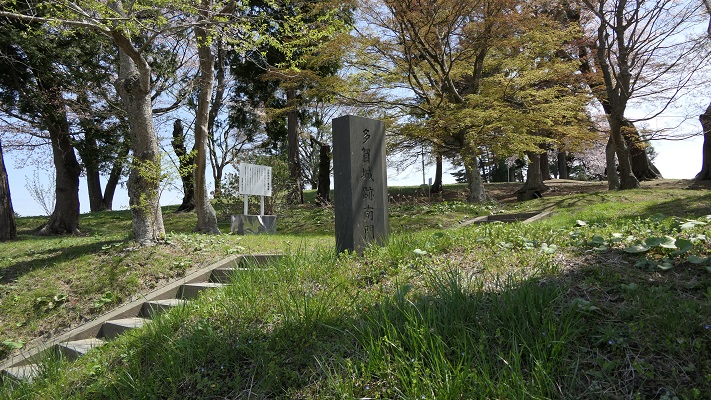
南門跡(The ruins of the south gate)
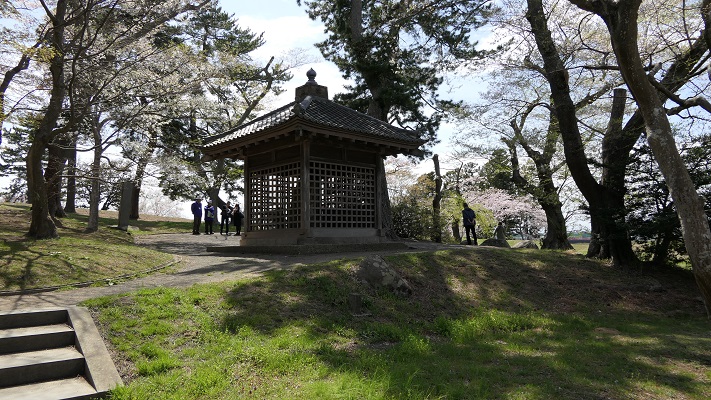
石碑が入っている覆堂(The sheath house including the monument)

Later Life

多賀城跡は、石碑により江戸時代から全国に知られていました。しかしながら、歴史家の中には、いくつかの疑念から石碑は偽物ではないかと言っている人もいます。それは遺跡にとっては重大問題であり、なぜならこの石碑はこの遺跡が「多賀城」と呼ばれるための唯一の確かな証拠とされているからです。
The Taga-jo ruins have been known around the whole country for the monument since the Edo period. However some historians say the monument might be a fake and have some questions. That was a big problem for the ruins, because the monument is supposed to be the only certain proof that can call the ruins “Taga-jo”.

多賀城碑碑文、安井息軒「読書余滴」より(The copy of Taga-Jo Monument from “Dokusho-Yoteki” by Sokuken Yasui)licensed under Public Domain via Wikimedia Commons

第二次世界大戦後、遺跡の主要な部分が発掘されました。その結果はおおむね石碑に書かれていることと一致しました。現在の定説ではこの石碑は本物とされています。発掘の成果をもって、遺跡は1966年に国の特別史跡に指定されました。
After World War II, the primary areas of the ruins were excavated. The results mostly match what is written on the monument, now the established theory says it is genuine. With the achievement of the excavation, the ruins were designated as a national special historic site in 1966.

My Impression

多賀城の政庁跡は、九州の大宰府政庁跡によく似ています。そのイメージは、私たちが普段想像するところの城とは異なりますが、多賀城は古代の城として様々な側面を持っていたのです。
今(2019年)から数年後に外郭南門が復元されるそうです。そのときにまた多賀城を訪れてみようと思います。
The ruins of the government district looks like that of Dazai-fu government district in Kyushu. It doesn’t look like our simplest understanding of what a castle is. But Taga-jo had many perspectives which was a style of ancient castles.
I have heard that the south gate of the outer wall will be restored several years from now (2019). I hope to visit Taga-jo again then.

九州の大宰府政庁跡(The ruins of Dazaifu government district in Kyushu)taken by エルドン from photo AC

How to get There

JR国府多賀城駅から歩いて10~15分程です。駅の近くに東北歴史博物館がありますので、是非一緒に訪れてみてください。
東京から国府多賀城駅まで:東北新幹線に乗って仙台駅まで行き、東北本線に乗り換えてください。
It takes about 10 to 15 minutes on foot from the JR Kokufu-Tagajo station. It is a good idea to visit the Tohoku History Museum just near the station as well.
From Tokyo to the station: Take the Tohoku Shinkansen super express to Sendai st., and transfer to the Tohoku Line.

Links and Refferences

多賀城市観光協会(Tagajo Tourism Organization)
・「蝦夷と城柵の時代」熊谷公男編、吉川弘文館(Japanese Book)

13.白河小峰城(Shirakawa-Komine Castle)

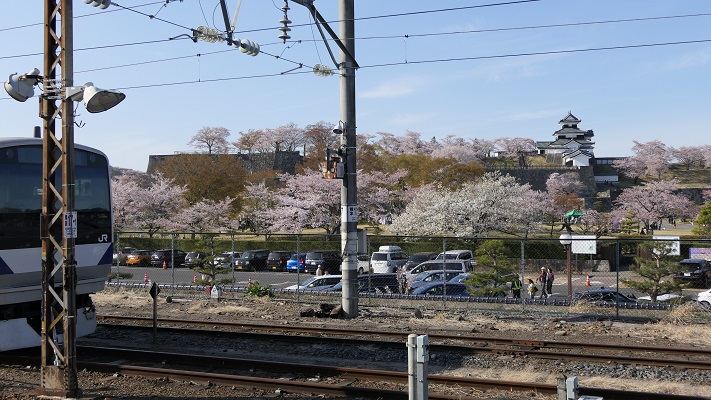
白河駅から見た白河小峰城(A view of Shirakawa-Komine Castle from Shirakawa Station)

Location and History

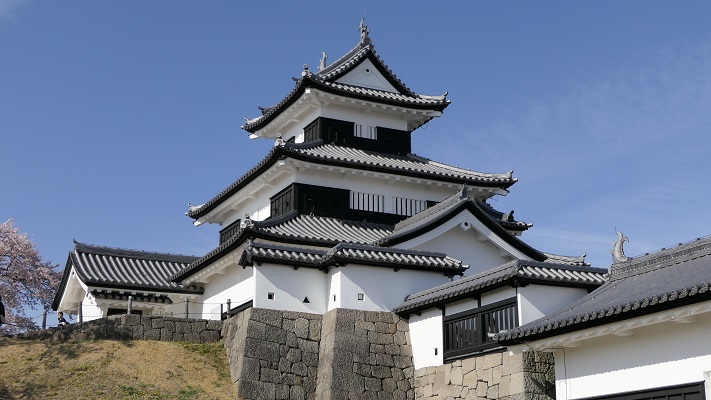
現在白河市となっている地域は、日本の東北地方の入り口でありました。古代にはこの地域には、現代においてもよく知られている白河の関がありました。中世にはこの地域にはいくつか城が築かれましたが、白河小峰城はそのうちの一つでした。江戸時代になって、丹羽氏がこの城を治め、御三階櫓と呼ばれた三層の櫓を含め城を完成させました。御三階櫓は14mの高さがあり、その大きさからは事実上の「天守」と言っていいものでした。
The area now called Shirakawa city was the entrance of the Tohoku district in Japan. In the Ancient Ages, the area had the Shirakawa Barrier which is very famous even now. In the Middle Ages, several castles were built in this area, one of them was the Shirakawa-Komine Castle. In the Edo Period, the Niwa clan took over and completed the castle including the three story turret called “Gosankai-Yagura”. Gosankai-Yagura was so large that it could actually be the castle keep “Tenshu” which was 14m tall.

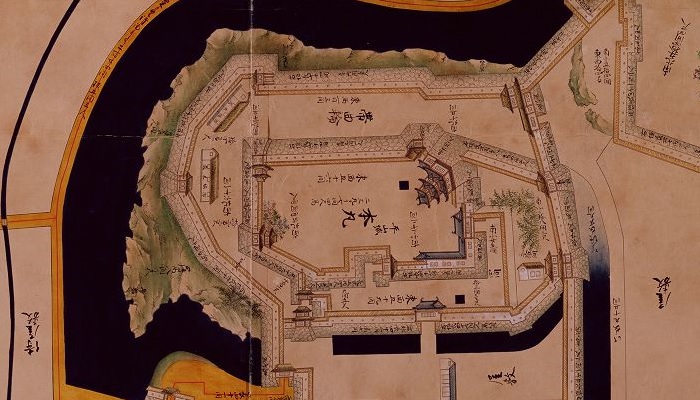
奥州白河城絵図部分、江戸時代(Part of the illustration of Shirakawa Castle in Oshu District in Edo Period)|出典:国立公文書館

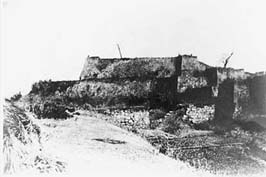
城主は丹羽氏から松平氏など他の大名に何度か変わりました。明治維新のとき、白河口の戦いがこの城の周辺で、新政府軍と旧幕府軍の間で起こりました。幕府軍は新式の装備を備えた政府軍に敗れ去りました。そしてこの城は破壊され、御三階櫓もまた焼け落ちたのです。
The lords of the castle changed from Niwa to others such as the Matsudaira clan. During the Meiji Restoration, the Battle of Shirakawaguchi took placed between the new Government Amy and the former Shogunate Amy around the castle. The Shogunate Amy was beaten by the Government Amy with modern equipment, and the castle was destroyed. Gosankai-yagura was also burned down.

破壊された白河小峰城(The destroyed Shirakawa-Komine Castle)licensed under Public Domain via Wikimedia Commons

Features

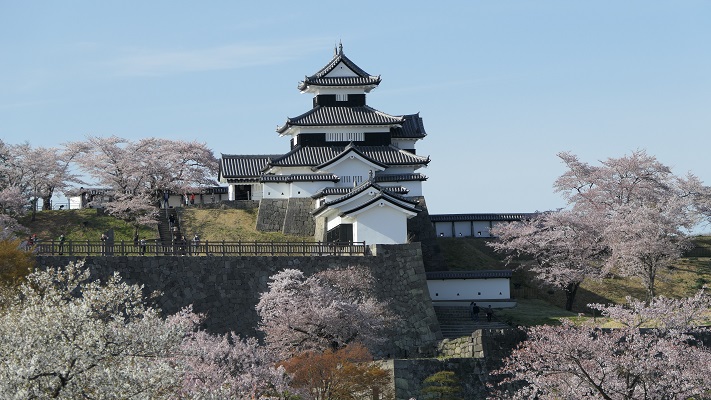
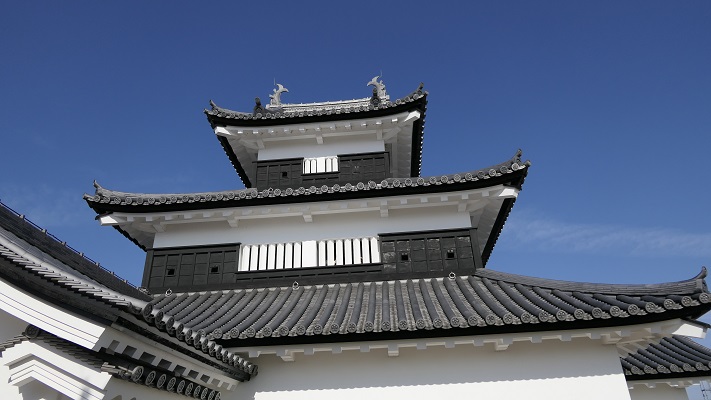
それでも今なお、元の御三階櫓と全く同じ木造建築を見ることができています。
We can still see the wooden building exactly the same as the original Gosankai-Yagura.

復元された御三階櫓(The restored Gsankai-Yagura)

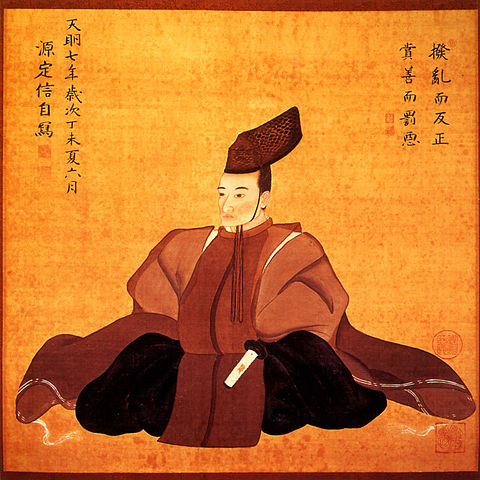
それは、一時期城主だった松平定信が詳細な図面を作成させ、それが幸運にも現代に残っているからです。それに加えて白河市が、元来の工法で櫓を再建することを決断したからです。
That’s because the once lord Sadanobu Matsudaira ordered to make drawings of the castle in details and they luckily still remain. In addition, officials decided to rebuild the building in the original way.

松平定信自画像(The self-portlait of Sadanobu Matsudaira)licensed under Public Domain via Wikimedea Commons

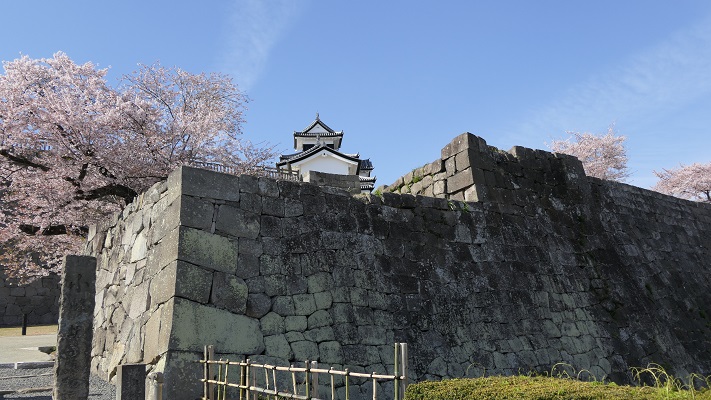
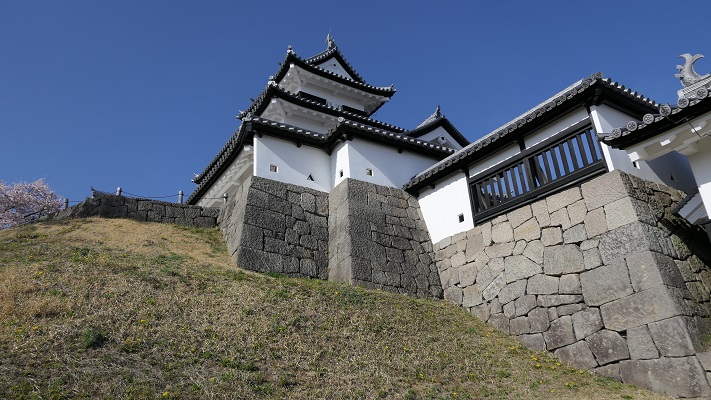
ビジターは中に入ることができます。中はどちらかというと狭く、暗く、階段は急です。それは元通りに作られ、そもそも戦いのための建物だったからなのですが。案内係の方が安全に見て回れるよう誘導してくれます。また、城の周りを囲む石垣も見ものです。この石垣は、2011年の東日本大震災でかなり崩れてしまったのですが、現時点では復旧しています。
Visitors can enter inside. The inside is rather narrow, dark and the stairs are steep as it is made in the old style and originally made for battles. Official instructors will guide you in order to look around safely. It is also recommended to see stone walls surrounding the castle. These walls partly collapsed due to the Great East Japan Earthquake in 2011. But they have already been restored now.

石垣とその向こうに見える御三階櫓(The stone walls with Gosankai-Yagura over there)

Later Life

明治時代、城跡は公園に転用され、そこには野球場が建設されました。しかし、昭和時代の後半になって、市民の多くの要望により白河市は城跡の整備方針を変更しました。城を往時の状態のまま復元できないか考え始めたのです。それは、大型の城郭建築物を再建する方法としては、現代日本において初めての試みでした。
In the Meiji Era, the ruins of the castle were turned into a park in which the baseball stadium was constructed. But in the late Showa Era, officials changed its policy of developing the ruins because of a lot of request from citizens. They were wondering if the castle would be restored to the original condition. That would be the first attempt in the way large castle buildings are rebuilt in present day Japan.

1970年代の城周辺の航空写真(The aerial photo of the area around the castle in 1970s)


しかし、そこには大きな法的制約がありました。日本の建築基準法は高さ13mを超える木造建築物に厳しい規制を課していました。この法に従えば、白河小峰城の櫓のような新築で大型の、且つ伝統的工法の木造建築物は作れないことになっているのです。そこで白河市は櫓の復元を続けるにあたって、それを建築物ではなく、法で認められる工作物として届け出ました。そして1991年に復元は完成したのです。
However, there was a big problem with the law. Japan’s Building Standard Act has very strict restrictions on wooden buildings which are over 13m tall. According to this law, new large old-style wooden buildings like the Shirakawa-Komine castle turret are not allowed to be built. So officials continued the restoration of the turret as not a building, but a structure that would be allowed by the law. It was completed in 1991.

復元された御三階櫓(The restored Gsankai-Yagura)

ところが新たな問題が発生しました。国の当局が、櫓は「建築物」ではないのだからビジターを櫓のほとんどの場所には入れてはいけないと言ってきたのです。最終的には1993年に建築基準法に歴史的建築物に対する例外規定が追加され、御三階櫓は全て公開されることになったのです。
But another problem occurred as the government made the most part of the turret inaccessible visitors, because it was not “a building”. At last, the law had the provisions to be exempt for historical buildings in 1993. The three story turret Gosankai-yagura was finally open to visitors.

御三階櫓を見上げる(Looking up Gosankai-Yagura)

My Impression

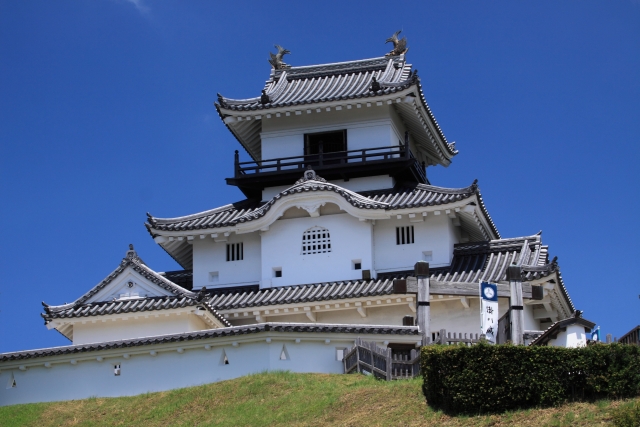
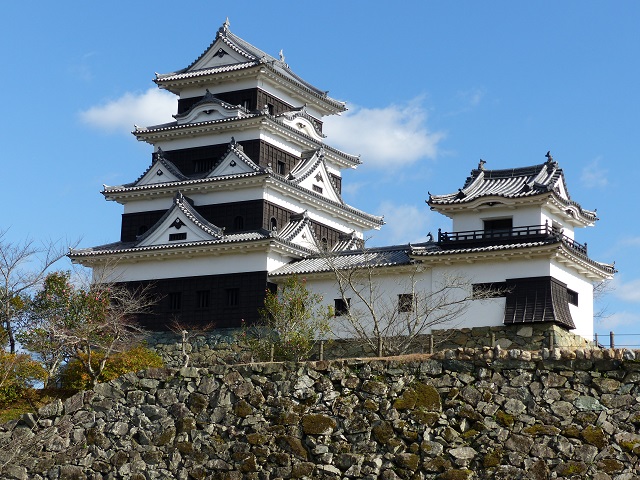
本当に白河市の職員、市民の方々の成果に対しては尊敬の念を抱きます。その真摯な努力は、日本の城郭維持の新しい方法への流れを導いたと言えます。白河小峰城のケースは、その後続く白石城、掛川城、大洲城などの「平成の木造復元ブーム」のさきがけとなったのです。
I really respect the achievement of the officials and people in Shirakawa City. Their great effort led to the movement towards new methods for maintaining castles in Japan. The case of Shirakawa-Komine Castle was the pioneer of “The boom of wooden restoration in the Heisei era” followed by other castles such as Shiroishi, Kakegawa, Ozu and so on.

復元された掛川城(The restored Kakegawa Castle)taken by Oshiro-man from photo AC
復元された大洲城(The restored Ozu Castle)

How to get There

白河小峰城は、JR白河駅からすぐ近くです。白河駅のプラットフォームからも御三階櫓の素晴らしい眺めを見ることができます。
東京から白河駅まで:東北新幹線で新白河駅まで行き、東北本線に乗り換え。次の駅が白河駅です。
The castle is very near the JR Shirakawa station. You can even see the nice view of Gosankai-yagura from the platform.
From Tokyo to the station: Get the Tohoku Shinkansen super express to the Shin-Shirakawa st., and transfer to the Tohoku Line. The destination will be the next station.

白河駅のプラットフォームからの眺め(A view from the platform of Shirakawa Station)

Links and References

小峰城跡【こみねじょうあと】 | 白河市公式ホームページ(City of Shirakawa)
埋木帖~城の復元と法令① 白河小峰城三重櫓(only Japanese)

error: Content is protected !!