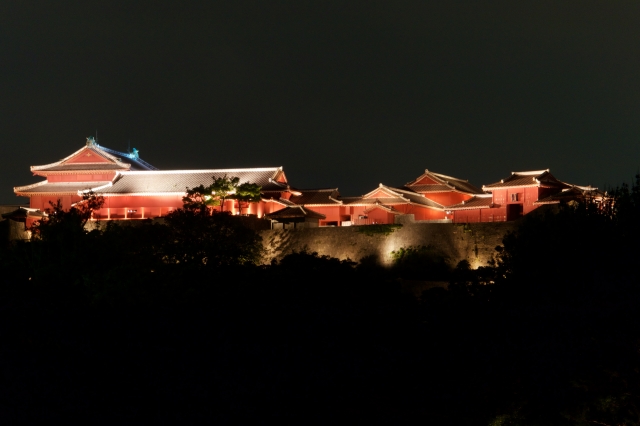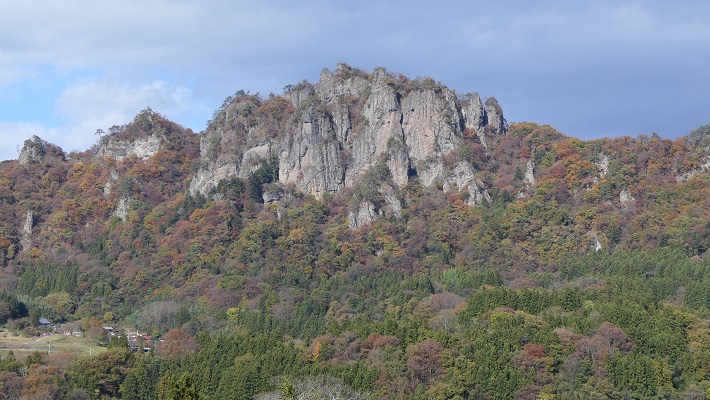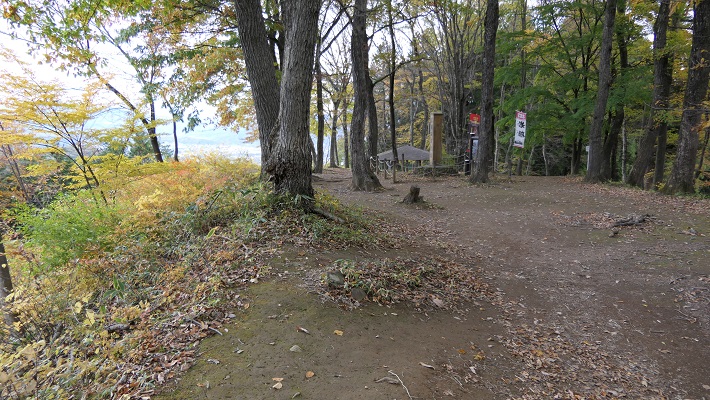
146.諏訪原城(Suwahara Castle)

諏訪原城は短命でしたが、その役割はすこぶる戦略的でした。
Suwahara Castle had a short life, but its role was very strategic.

諏訪原城の二の曲輪中馬出し(The Central Umadashi of Ninokuruwa for Suwahara Castle)

Location and History

戦国時代、武田氏と徳川氏は、現在の静岡県西部にあたる遠江国を巡って戦いました。徳川氏は遠江国を本拠にしていましたが、武田氏はその領国を、甲斐国(現在の山梨県)と駿河国(現在の静岡県中部)から遠江に広げようとしていました。遠江には、浜松、掛川、高天神などいくつもの重要な城がありました。
In the late Civil War Period, the Tekeda clan and Tokugawa clan battled each other over Totoumi province which is now the western part of Shizuoka prefecture. Tokugawa was based in this province, while Takeda aimed to spread their territory from Kai (now Yamanashi pref.) and Suruga (now the middle of Shizuoka pref.) provinces to Totoumi. There were several important castles in Totoumi such as Hamamatsu, Kakegawa, Takatenjin and so on.

遠江国周辺の重要な城(Important castles around Totoumi Province)


武田氏は、遠江国の奥深くに位置し難攻不落として知られていた高天神城を手に入れようとしました。それは難しい命題であり、そのため武田は橋頭堡を必要としました。その橋頭堡が諏訪原城だったのです。諏訪原城は1573年に旧東海道に沿った牧之原台地の端に築かれました。その甲斐あって1574年に高天神城の奪取に成功しました。
Takeda took aim at Takatenjin castle which was located deep in the province, and known as impregnable. It was a difficult mission, so Takeda needed to make a bridgehead. That was Suwahara Castle. Suwahara Castle was built on the edge of Makinohara plateau alongside the old Tokaido Road in 1573. Thanks to their effort, Takeda was successful in taking Takatenjin castle in 1574.

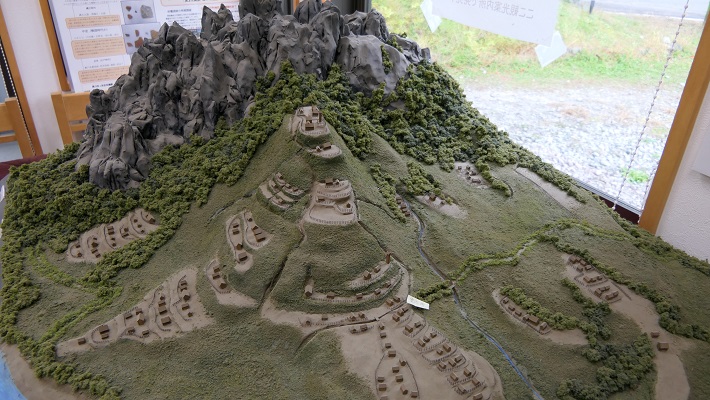
諏訪原城周辺の起伏地図(A relief map around Suwahara Castle)


武田は余勢をかって、遠江の西の三河国にあった長篠城を攻撃しました。ところが、1575年5月の長篠の戦いにおいて織田・徳川連合軍に惨敗してしまいました。それ以降、武田の勢いは急激に衰え、徳川が代わって反撃を始めたのです。
Taking advantage of their momentum, they attacked Nagashino Castle located in Mikawa province on the west of Totoumi. However, they were completely beaten by the ally of the Oda clan and Tokugawa in the Battle of Nagashino in May, 1575. After that, Takeda’s influence declined rapidly, and Tokugawa started to raid back instead.

長篠合戦図屏風部分、徳川美術館蔵(Part of “Battle of Nagashino”folding screens, owned by Tokugawa Art Museum)licensed under Public Domain via Wikimedia Commons

諏訪原城は、長篠の戦いのわずか3ヶ月後、1575年8月に徳川方に占領されてしまいました。この城は今度は、まだ武田が確保していた高天神城に対する徳川の橋頭堡になったのです。徳川の粘り強い攻撃は、ついに1581年に高天神城を落とすことに成功し、それは1582年の武田氏滅亡につながりました。徳川の勝利をもって諏訪原城の役目は終わりました。この城は1590年までに廃城となり、その生涯はわずか17年足らずでした。
Suwahara Castle was taken over by Tokugawa in August, 1575, just three months after the Nagashino battle. The castle was turned into Tokugawa’s bridgehead towards Takatenjin Castle that Takeda still held. Tokugawa’s persistent attacks finally made the castle fall in 1581 that would lead to the defeat of Takeda in 1582. With the victory of Tokugawa, the role of Suwahara Castle was finished. The castle was abandoned by 1590 meaning its lifespan was less than 17 years.

高天神城遠景(A distant view of Takatenjin Castle)

Features

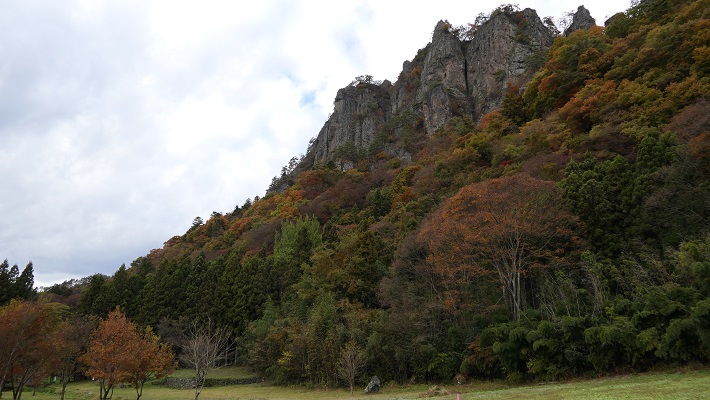
諏訪原城跡には土台しか残っていませんが、武田流築城法が表れていると言われています。その流儀には、背後に自然の要害を備え、三日月形の堀を持ち、丸い形の「馬出し」があるとされています。馬出しとは、防御のため出入口の前に設けられた関門のことです。これは防御のために使われるだけではなく、城の内部から外の敵に対して攻め出す目的でも使われました。
The ruins of Suwahara Castle remain only its foundation, but they are said to show Takeda’s method of building castles. It has a rear natural hazard, bow-shaped moats and round-shaped “Umadashi”. Umadashi refers to defensive gateway barriers in front of the entrance of castles. They were used not only for defense, but also for offence from inside the castle to enemies outside.

諏訪原城の「二の曲輪中馬出し」(”Ninokuruwa Central Umadashi” in Suwahara Castle)

二の丸中馬出しの航空写真(The aerial photo of Ninomaru Central Umadashi)


諏訪原城は、これらの条件に全て当てはまります。まず急崖が本曲輪の背後、北東の方向にあります。そして二の曲輪、三の曲輪といった他の曲輪が、南西すなわち高天神城の方向に向かって広がっています。また、三日月形の堀と馬出しの組み合わせがいくつもあります。
Suwahara Castle met all of the factors. A steep cliff was behind its main enclosure called Honmaru in the north east direction, and other enclosures such as Ninokuruwa and Sannokuruwa spread out in the south west direction, which headed towards Takatenjin Castle. The castle also had several sets of a bow-shaped moat and Umadashi.

城跡の地図、現地案内版に加筆(The map of the ruins, from a sign at the site adding information)
本曲輪背後の急崖(The steep cliff behind Honkuruwa)

特に、もっとも大きいものが二の曲輪の前で発掘され、復元されています(二の曲輪中馬出し)。ついでながら、最新の発掘の成果では、徳川はこの城を武田流の方法で改修したらしいのです。歴史家たちは、この結果に少し当惑しているようです。Especially, the largest one is excavated and restored in front of Ninokuruwa enclosure called “Ninokuruwa Central Umadashi”. In addition, the late excavation showed the castle was renovated by Tokugawa using Takeda’s method. Historians are still a bit puzzled by this.

馬出しと二の曲輪の間の深い溝(The deep ditch between Umadashi and Ninokuruwa)
二の曲輪から馬出しへの通路(The passage from Ninokuruwa to Umadashi)

Later Life

諏訪原城は廃城となった後、長い間放置されました。それがかえって木々や土に覆われ、保全されることになったのかもしれません。明治時代になって、この遺跡周辺の土地は旧徳川藩士によって茶畑として開拓されました。
Suwahara Castle was left as was for a long time after being abandoned. It might have been preserved covered with forests and soil. In the Meiji Era, the area around the ruins was developed into tea plantation by former Shogunate warriors.

牧之原台地の茶畑(A plantation on Makinohara plateau)

第二次世界大戦後、ある郷土史家が城跡を調査し、結果を公開しました。この後、城跡は1954年に県史跡に指定され、そして1975年には国の史跡に指定されました。
After World War II, a local historian investigated the ruins and published them. After this, the ruins were designated as a prefectural historic site in 1954, and then a national historic site in 1975.

二の丸中馬出しを違う角度から(Ninomaru Central Umadashi from a different angle)

My Impression

私が思うに、徳川が武田流を踏襲した理由は単に効率的だったからでしょう。戦国大名は、必要な時に迅速に城を築く必要がありました。敵の城を占領したとき、最も効率的な方法は、その城が使われていた通りに使うことです。改修が必要な時には、その城が作られた方法によるのが最善でしょう。同じように、必要がなくなったときには、そのまま放置すればよかったのではないでしょうか。
I think the reason for Tokugawa using Takeda’s method was just for efficiency. Warlords had to build castles as necessary and quickly as possible. When they captured an enemy’s castle, the most efficient way to use it is using it as it was. When they needed to renovate it, following the way it was created would be the best. Likewise, they could easily abandon it when they no longer needed it.

復元された二の曲輪北馬出しの門(The restored gate of Ninokuruwa North Umadashi)

How to get There

城跡に隣接する諏訪原城ビジターセンターに駐車場があります。また、もしJR金谷駅から来られる場合はちょっときついかもしれません。駅が城の崖下にあるからです。
The Suwahara Castle Visitor Center next to the ruins offers a parking lot.
Or if you try to get the ruins from JR Kanaya Station, it may be tough to get them, because the station is under the cliff.

崖下の金谷駅(Kanaya Station under the cliff)

でも、もし挑戦されるとしたら、最近復元された旧東海道の金谷坂石畳を歩くことができます。
But if you try to do it, you can walk through the Kanaya sloped stone pavement on the old Tokaido which was restored recently.

旧東海道金谷坂石畳(The Kanaya sloped stone pavement on the old Tokaido)

42.掛川城(Kakegawa Castle)

掛川城天守と二の丸御殿(The Tenshu and Ninomaru Mail Hall of Kakegawa Castle)

Location and History

掛川市は静岡県の中央に位置しています。日本の主要街道である東海道が古代よりこの地を通っています。掛川城は最初は戦国時代の初期に築かれ、すぐに戦国大名にとって重要な城となりました。それ以来、今川氏、武田氏、徳川氏といった戦国大名が、この城を手に入れ周りの地域を支配するために鎬を削りました。Kakegawa City is located in the middle of Shizuoka prefecture. Tokaido, one of the major routes in Japan passes through this city since the Ancient Ages. The Kakegawa Caste was first built in the Civil War Period, and quickly became an important site for warlords. Since then, warlords such as the Imagawa, Takeda, Tokugawa clans battled each other to get the castle and govern the area around it.

掛川城の位置(The location of Kakegawa Castle)


戦国時代末期になって、天下人の豊臣秀吉によって、山内一豊がこの城に移されてきました。一豊は、城の大改修を行い、天守を建築し、合わせて城下町も整備しました。最盛期には、この城は総延長で3450メートルもの水堀に囲まれていました。
At the end of the Civil War Period, Kazutoyo Yamanouchi was transferred to this castle by Hideyoshi Toyotomi, the ruler of the whole country. Yamanouchi renovated the castle including the build of the keep “Tenshu” and the castle town. At its highest point, the castle was surrounded by water moats of 3450m long in total.

遠州掛川城絵図部分、江戸時代(Part of the illustration of Kakegawa Castle in Enshu Province in Edo Period)|出典:国立公文書館

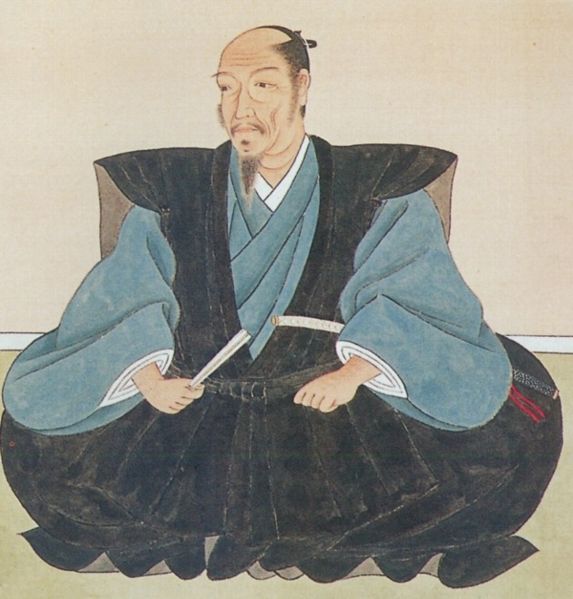
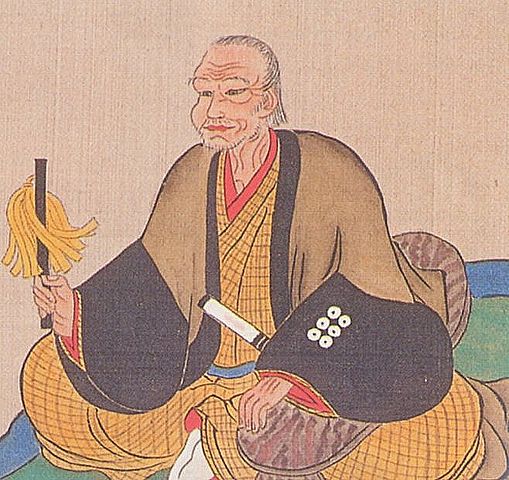
一豊はこの城に10年間居ましたが、今度は土佐国、今の高知県に移されました。彼は再び現在の高知市に高知城を築いたのですが、その天守は「御城築記」という古書によれば、掛川城に似せて作られたといいます。
He stayed at the castle for about 10 years, and was transferred again to Tosa Province, now Kochi prefecture. He also built Kochi castle in now Kochi City and its Tenshu was designed similar to Kakegawa’s design according to an old document called “Oshiro-Chikuki”.

山内一豊肖像画、土佐山内家宝物資料館蔵(The Portrait of Kazutoyo Yamanouchi, ownd by Tosa Yamauchi Family Treasury and Archives)licensed under Public Domain via Wikimedia Commons

その後、掛川城の城主は何回も変わったのですが、城主たちは江戸時代を通じて城を維持してきました。ところが、1854年に安政地震が発生し、天守を含む城のほとんどの建物が崩壊しました。掛川藩の藩士たちは、天守を再建せず、その代わりに藩庁として二の丸御殿を造営しました。
After that, though the lords of Kakegawa castle ware changed many times, they all kept the castle through the Edo Period. However, the Ansei Great Earthquakes happened in 1854, and most of the castle’s buildings collapsed including Tenshu. Warriors of the Kakegawa domain didn’t rebuilt Tenshu instead of building the Ninomaru main hall for their government office.

二の丸御殿全景(A whole view of Ninomaru Main Hall)licensed by shikabane taro via Wikimedia Commons

Features

現在では、二の丸御殿と天守の両方を見ることができます。二の丸御殿は、日本でわずか4つしか残っていない大名御殿の一つとなります(他には二条、高知、川越)。この御殿が完成した直後に明治維新を迎えてしまい、武士による統治の時代が終わってしまいました。そして御殿は、学校、役場、農協、更には消防署にまで転用されてきました。御殿が史跡として認知されたのは比較的最近で、1980年に重要文化財に指定されました。
Now we can see both of the Ninomaru main hall and the Tenshu. Ninomaru main hall is one of the only four remaining lords’ main halls in Japan. (The others are Nijo, Kochi and Kawagoe.) Immediately after the completion of the hall, the Meiji Restoration had come and the governance of warriors ended then. The hall was turned into a school, a city hall, an agricultural cooperative, and even a fire station. It is relatively recent that the hall was regarded as a historical site, and designated as an important cultural property in 1980.

現存する二の丸御殿と復元天守(The remaining Ninomaru Main Hall and restored Tenshu)

Later Life

一方でこの城は安政地震以来、天守のない状態が長く続きました。その代わりに1907年に日露戦争の戦死者を弔うために、天守台に観音菩薩像が設置されました。掛川市の行政と市民たちは、天守の再建を熱望してきましたが、予算不足のために実現できませんでした。しかし突然状況が変わりました。約30年前にある婦人がこの市に移住してきたのですが、市の方針である「生涯学習都市」に共感し、多額の寄付を申し出ました。これをきっかけに市は、天守をただ再建するだけではなく、それを伝統的な木造建築で復元することを決断しました。
On the other hand, the castle had no Tenshu for a long time since the Ansei Earthquakes. Instead the statue of Kannon Bodhisattva was placed on the ruin of Tenshu base in 1907 to pray for fallen soldiers of the Russo-Japanese War. The city officials and citizens longed to rebuild the Tenshu, but they couldn’t because of a lack of funds. The situation suddenly changed when a woman moved to the city about 30 years ago. She agreed with the city’s policy of “Lifelong Learning City”, and donated a large sum of money. This made the city officials decide to not only rebuild Tenshu but also restore it in traditional wooden style.

復元された掛川城天守(The restored Kakegawa Castle Tenshu)taken by Oshiro-man from photo AC

その復元にはいくつか問題がありました。一つには、天守を描いた絵図はいくつかあったのですが、詳細は不明だったことです。この問題を解決するために、設計者は掛川城と似ているであろう現存している高知城の設計を参考にしました。また、好条件だったのは、天守周辺の地区は史跡に指定されていなかったため、新しい天守を比較的に自由に設計することができました。建築基準に適合するため、石垣を作り直し、基礎構造の強化を行いました。反面、残っていた元の石垣は撤去されてしまいました。
There were some problems about it. One of them was that several drawing pictures of the Tenshu remain, but details are unclear. To solve the problem, the designers use the plan of the remaining Kochi castle Tenshu that should be similar to Kakegawa. In addition, the good news were that they were able to design the new Tenshu comparatively freely, because the area around Tenshu was not designated as a historical site. They were able to both build it to code and remake the stone walls to strengthen the general structure. Whereas, the ruin of original stone wall were removed unfortunately.

現存する高知城天守(The remaining Kochi Castle Tenshu)taken by 眠鯨 from photo AC

これは明治時代以来、最初の木造による天守復元の事例で、1994年に完成しました。この復元により、掛川市にすばらしいシンボルがもたらされ、毎年約10万人の観光客を呼び込んでいます。
This was the first case of the restoration for wooden Tenshu since the Meiji Era with the completion in 1994. The campaign was successful to have the great symbol of the city, and attract around 100,000 tourists into the city every year.

天守遠景(A distant view of Tenshu)

My Impression

1つの場所で天守と大名御殿の両方を見ることができるのは珍しく、その場所は掛川城と高知城のみです。掛川城の天守と二の丸御殿は1枚チケットを買えば両方入れます。天守はまだ新しいですが、大型木造建築の優れた技巧を見ることができます。
It is very rare to see both of a Tenshu and a lord’s main hall at one site. Only Kakegawa and Kochi castles can offer them. You can enter both of Kakegawa Castle’s Tenshu and Ninomaru main hall for one ticket. The Tenshu is still new, but you will see the great technique of a large wooden building.

天守近景(A close view of Tenshu)
天守の内部(An inside view of Tenshu)

二の丸御殿は古くて重要な遺産なのですが、リラックスした雰囲気があります。庭園に面していくつか畳の間がありますが、座れる所があります。多くの伝統的な日本家屋がそうであるように、この御殿にもとても心地いい自然の風通しがあります。特に、夏の間はとても涼しく心地よく感じます。
The Ninomaru mail hall is old and an important heritage, but it has a relaxed atmosphere. There are several tatami rooms facing its garden where you may partly be seated. The hall has a good natural ventilation like many other traditional Japanese buildings. In particular, you can feel cool and comfortable during the summer.

二の丸御殿内部(The inside of Ninomaru Main Hall)
二の丸御殿内部(The inside of Ninomaru Main Hall) posted by (C)晴耕雨読 @黄昏の番犬

How to get There

JR掛川駅から歩いて10分程です。
東京から掛川駅まで:東海道新幹線に乗れば、直接掛川駅に着きます。
It takes about 10 minutes on foot from the JR Kakegawa station.
From Tokyo to the station: Take the Tokaido Shinkansen super express direct to Kakegawa st.

Links and References

掛川城(Official Site, Only Japanese?)
埋木帖~城の復元と法令 ②掛川城天守(Only Japanese)
・掛川城物語、本田猪三郎著、静岡新聞社刊(Japanese book)

53.二条城(Nijo Castle)

Location and History

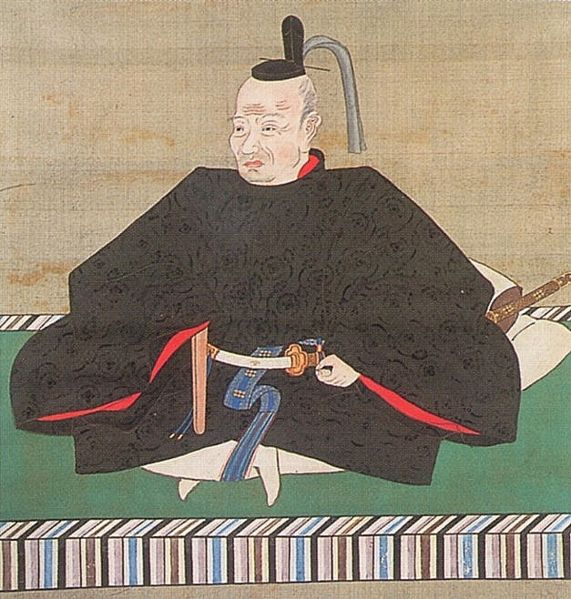
実のところ、「二条城」と呼ばれた城はいくつかあったのです。これらの城は全て京都の中心地「二条」に、権力者たちの宿所として、また防御の必要のため築かれました。そして徳川家康が1600年に天下を取った後、最後の二条城を作りました。
In fact, there were several castles which were called “Nijo Castle”. They were all built in the center of Kyoto called “Nijo” by authorities to be their lodgings and protect themselves. Ieyasu Tokugawa built the last Nijo Castle here after came to power in 1600.

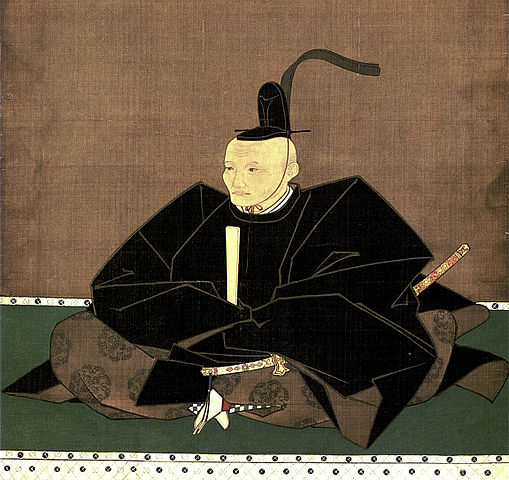
徳川家康肖像画、加納探幽筆、大阪城天守閣蔵(The Portrait of Ieyasu Tokugawa, attributed to Tanyu Kano, owned by Osaka Castle Museum)licensed under Public Domain via Wikimedia Commons

現在の二条城の敷地は2つの四角形を組み合わせた形をしています。東の方の四角形は少し大きくて、元からあった方です。西の部分は天皇がこの城に行幸する前に大改装を行ったときに後から付け加えられました。徳川氏は、この城を将軍就任や天皇行幸のときの饗応の場として使用したのです。
The present land of the castle is a shape combined from two squares. The east one was a little larger, and the original. The west part was added later when renovation was done before an emperor visited the castle. Tokugawa clan used the castle for receptions such as inaugurations of shoguns and imperial visits.

二条城付近の航空写真(A aerial photo around Nijo Castle)


この城には通算で2つの天守がありました。最初の天守は大和郡山城からここに移されてきましたが、改装のときに淀城にまた移されました。2代目の天守は、伏見城から移されてきました。残念なことに両方の天守とも18世紀に落雷により燃えてしまいました。その当時から天守を長い期間維持するのはとても難しかったのです。
The castle had two keeps “Tenshu” in total. The first Tenshu was moved from Yamato-Koriyama Castle to there, and then moved to Yodo Castle during the renovation. The second one was moved from Fushimi Castle to there. Unfortunately both of them were burned down by strikes of thunder in the 18th century. It has been very difficult to keep Tenshu for a long time from then on.

二条城の初代天守が描かれた洛中洛外図屏風、林原美術館蔵(The first Tenshu of Nijo Castle in the Rakuchu-Rakugai folding screens, owned by Hyashibara Museum of Art)licensed under Public Domain via Wikimedia Commons

そして200年以上の長きに渡って城は使われませんでした。幕府の統治が安定していて、将軍が京都に来る必要がなくなったからです。しかしながら、江戸時代末期になって状況が変わりました。長州や薩摩といった有力諸藩が朝廷の力を利用して幕府に反抗したからです。14代と15代の将軍は、京都に来てこの問題に対処するため、二条城を拠点としました。そしてついには、この城は「大政奉還」の舞台となったのです。
There was a long term of over 200 years when the castle was not used because the governance of the Shogunate had been stable and Shoguns didn’t need to come to Kyoto. However, the situation was changed at the end of the Edo Period. Major domains such as Choshu and Satsuma rebelled against the Shogunate using the imperial power. The 14th and 15th shoguns had to come to Kyoto to deal with the problem and stayed at Nijo castle. In the end, the castle was used as the stage for “the restoration of Imperial rule”.

「大政奉還」壁画、邨田丹陵筆、聖徳記念絵画館蔵(The mural of “the Restoration of Imperial rule” attributed to Tanryo Murata, ownd by Meiji Memorial Picture Gallery)licensed under Public Domain via Wikimedia Commons

Features

現在の二の丸御殿は、多くの歴史的イベントが行われた場所です。日本で4つしか残っていない大名御殿の一つです。御殿は6つの部分からなります。「遠侍」は最初の且つ最大の建物で、武士が待機するため等に使われました。際立って目立つ屋根の外観でよくわかると思います。
The present Ninomaru main hall is where many historical events were held. It is one of the four remaining lord halls in Japan. The hall is made up of six parts. “To-zamurai” is the first and largest part which was used for warriors to wait, and so on. It has an outstanding roof appearance you can see outside.

遠侍の外観(An appearance of To-Zamurai)taken by Wakanachi3 from Photo AC

5番目は「黒書院」で、将軍と親藩大名との会合に使われました。この場所で、最後の将軍徳川慶喜が1867年に「大政奉還」を表明しました。
The fifth part is “Kuroshoin” which was used for meetings among the shogun and relative lords. This is where the last shogun Yoshinobu Tokugawa declared “the restoration of Imperial rule” in 1867.

黒書院の外観(An appearance of Kuroshoin)

城らしい趣を求める向きには、入口の門周辺から城の外側を見てください。東大手門と東南隅櫓が、石垣と外水堀に沿って残っています。その辺りが絶好の撮影スポットになっています。
For a taste of something castle like, look outside the castle around the entrance. The East Main Entrance “Higashi-Otemon” and the Southeast Corner Turret “Tounan-Sumi-Yagura”remain alongside stonewalls and the outer water moat. They could be a good photo spot.

東大手門(Higashi-Otemon)
東南隅櫓、奥は東大手門(Tounan-Sumi-Yagura, the back is Higashi-Otemon)

そして、内水堀の内側の本丸を見てみて下さい。ここは緊急事態に対処するために作られました。天守台の石垣が本丸の南西の位置に残っています。2代目の天守がそこにありました。
And, look at the main enclosure “Honmaru” inside the inner water moat. This area was built for emergencies. The stone wall for the Tenshu base remains at the southwest corner of Honmaru. The second Tenshu was on it.

本丸と内堀(Honmaru and the inner moat)
天守台の石垣(The stone walls for the Tenshu base)

Later Life

この城の明治維新後は、他の主要な城に比べれば幸運だったかもしれません。この城は「二条離宮」として使われたのです。一例として、大正天皇の即位の饗宴がこの場所で行われました。
The castle might be lucky compared with other major castles after the Meiji Restoration. The castle was used as “Nijo Imperial Villa”. For example, the reception for enthrone of the Taisho Emperor was held at this site.

大正天皇即位饗宴の絵(The picture of the reception for enthrone of the Taisho Emperor)licensed by Ninijo via Wikimedia Commons

その間、旧桂宮邸が本丸に、今見る本丸御殿として移築されました。最終的には1940年から元離宮二条城として一般に開放されています。また、1994年からは世界遺産の一つにもなりました。
During that time, the former house of prince Katsura was moved to Honmaru as the Honmaru hall we can now see. Lastly, the castle has been open to visitors as the Imperial Gift Former Imperial Villa Nijo Castle since 1940. It also became a World Heritage Site since 1994.

本丸御殿、現在この建物は非公開(The Honmaru hall, now this building is not open to the public)taken by Wakanachi3 from Photo AC

My Impression

二の丸御殿の唐門は大変見ものです。とても豪華な門で、多くの観光客がいつも写真を撮っています。門の細かいところまで見ていただきたいです。
The Chinese style Gate “Kara-Mon” in front of the Ninomaru hall is a great object to see. It is very gorgeous and many tourists always take pictures. I would like you to look at the details of the gate.

二の丸御殿前の唐門(Kara-Mon in front of the Ninomaru hall)
唐門の飾り(The decorations of Kara-Mon)

京都は攻めるに易く、守るに難いと言われてきました。この城の本丸はそれ程大きくはありません。この城を創った人は、この都市では大きな城は役に立たないと思っていたのかもしれません。そのために、城の部分はコンパクトに作られ、少数の兵士で敵から守れるようにしたのではないでしょうか。
Kyoto has been said to be easy to attack, difficult to protect. The Honmaru of this castle is not so large. I think the founders of the castle might think a large castle is not always useful in this city. That’s why the castle part was made compact so that it would keep against an enemy for a while by a small number of soldiers.

How to get There

ここに行くには、電車かバスが便利でしょう。
京都市営地下鉄の東西線、二条城前駅のすぐ近くです。JR使う場合には、二条駅から歩いて20分近くかかります。または、バスの場合は京都駅から乗ってください。
It is useful to use train or bus to get there.
Nijojo-Mae station on the Tozai line of the Kyoto Municipal Subway is the nearest. When using JR line, it takes nearly 20 minutes on foot from Nijo station. Or take a bus from Kyoto station.

Links and References

世界遺産 元離宮二条城(World Heritage Site Nijo-jo Castle)
・二条城―京洛を統べる雅びの城、歴史群像名城シリーズ11(Japanese Book)

error: Content is protected !!