18.Hachigata Castle Part1

Hachigata Castle was located in modern day Yorii Town in the northern part of Saitama Prefecture. The castle was prominent both when the Sengoku Period of the Kanto Region started and ended.

Location and History

Hachigata Castle was located in modern day Yorii Town in the northern part of Saitama Prefecture. The castle was prominent both when the Sengoku Period of the Kanto Region started and ended.

Beginning of Sengoku Period in Kanto Region

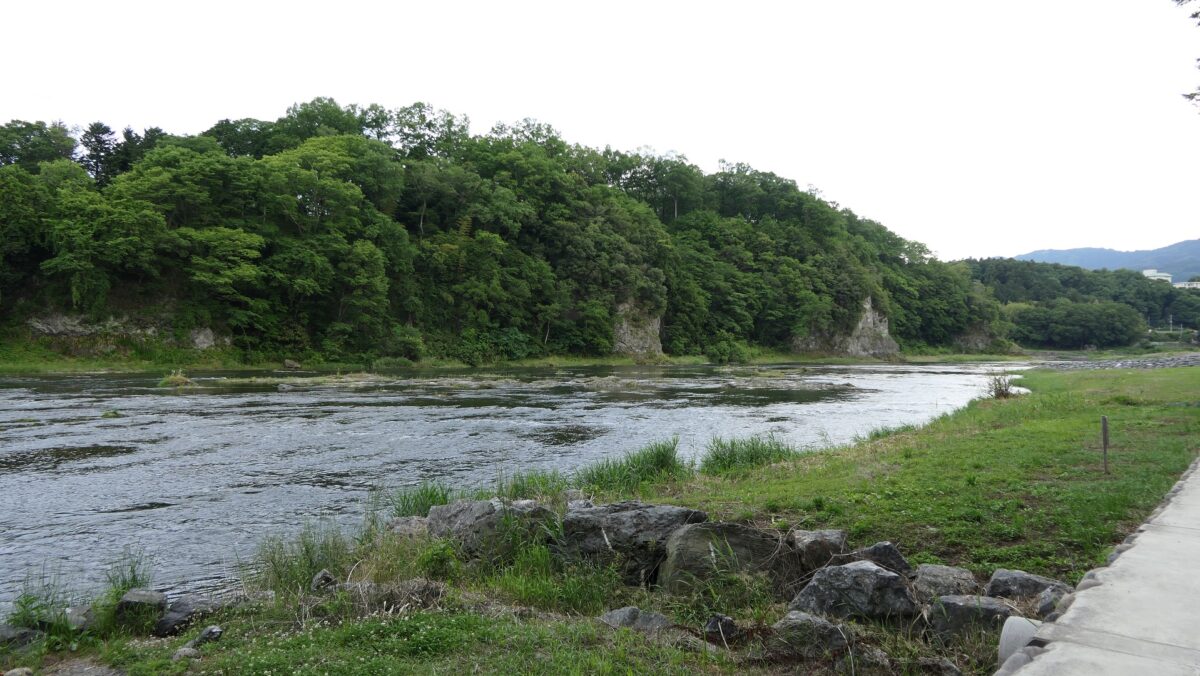
The location of the castle

The region ran into the unquiet Sengoku Period in 1455 when the Kyotoku War began. The Ashikaga Clan, the shogunate head for the Kanto Region and the Uesugi Clan, the shogunate deputy for the region opposed and confronted each other at the Tone River, the largest river in the region. The Uesugi Clan constructed Ikkako Encampment at the western riverside and used it for over 20 years. The clan actually consisted of two branch clans, the Yamanouchi and the Ogigayatsu Clans. Each branch clan also had a main retainer to control many warriors and matters from the Nagao Clan for the Yamanouchi and the Ota Clan for the Ogigayatsu. One of the main retainers, Kagenobu Nagao died in 1473 before his position was assigned by his boss, Akisada Yamanouchi to his little brother, Tadakage.
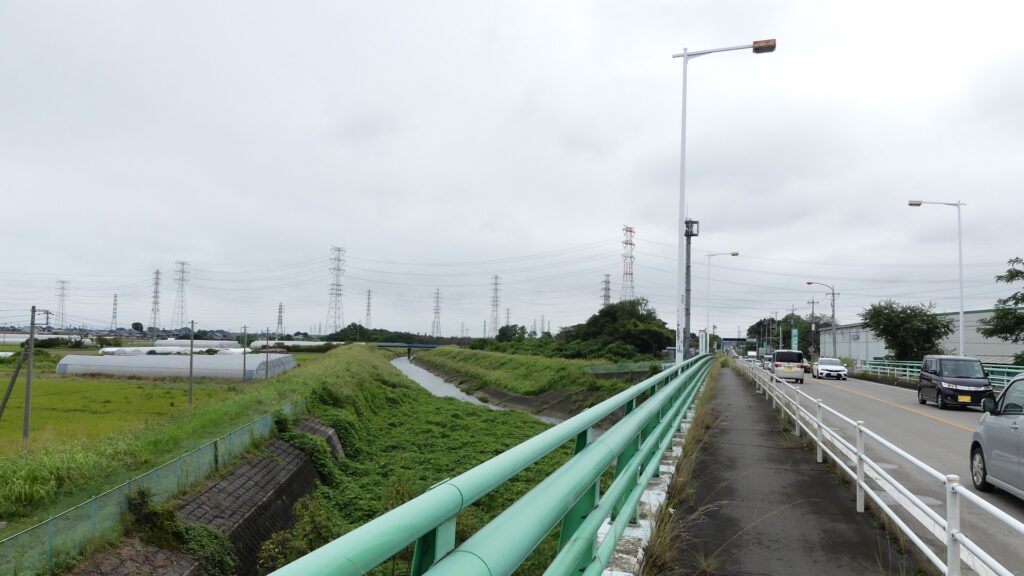
Around the ruins of Ikakko Encampment
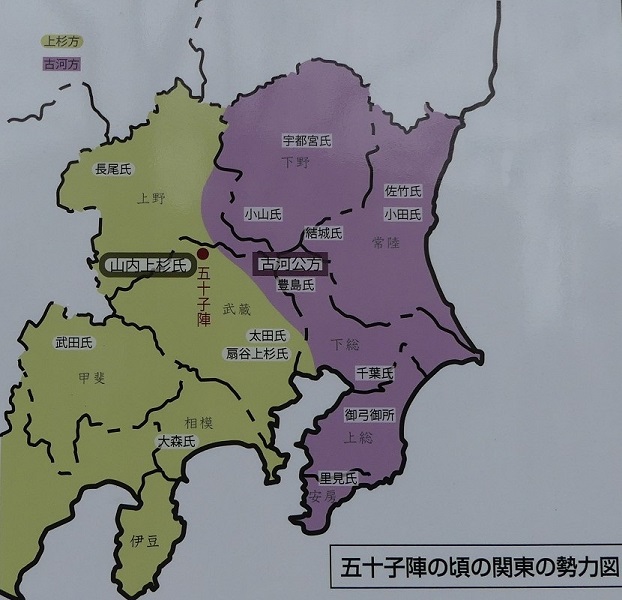
The yellow area was influenced by the Uesugi Clan and the purple area was influenced by the Ashikaga Clan at that time, from the signboard at the site

Kageharu Nagao builds Castle

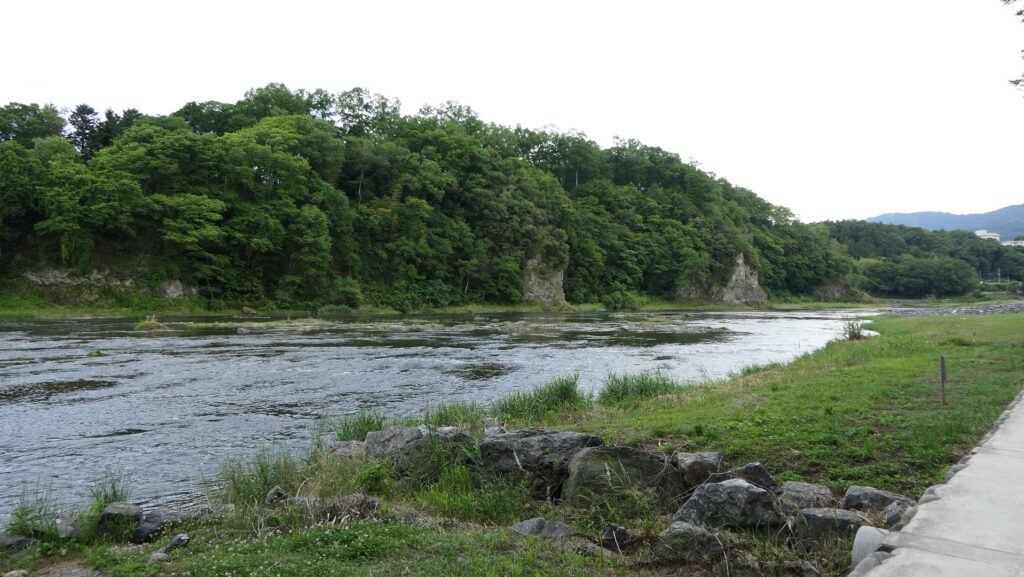
This was a reasonable decision, because Tadakage was considered as a senior and experienced person. However, Kagenobu’s son, Kageharu thought otherwise, as the position was inherited by his grandfather and father. Kageharu left the encampment, built Hachigata Castle in 1475, and started a rebellion in 1476. The castle was built on a high cliff at the meeting point of Arakawa River, another large river in the region, and Fukasawagawa River, a peninsula affording natural defense. Though the details of the first stage of the castle are unknown, it would have been easy for Kageharu to attack the Ikkako Encampment which had no guard on its southern side (which faced the castle). Many other retainers, who worried about their own positions in the new power hierarchy, supported Kageharu. The encampment finally collapsed in 1477.

The family crest of the Nagao Clan, called Kuyou-Tomoe (meaning the nine comma-shaped figures)

The relief map around the castle

The Arakawa River and the cliffs behind, where the castle was built
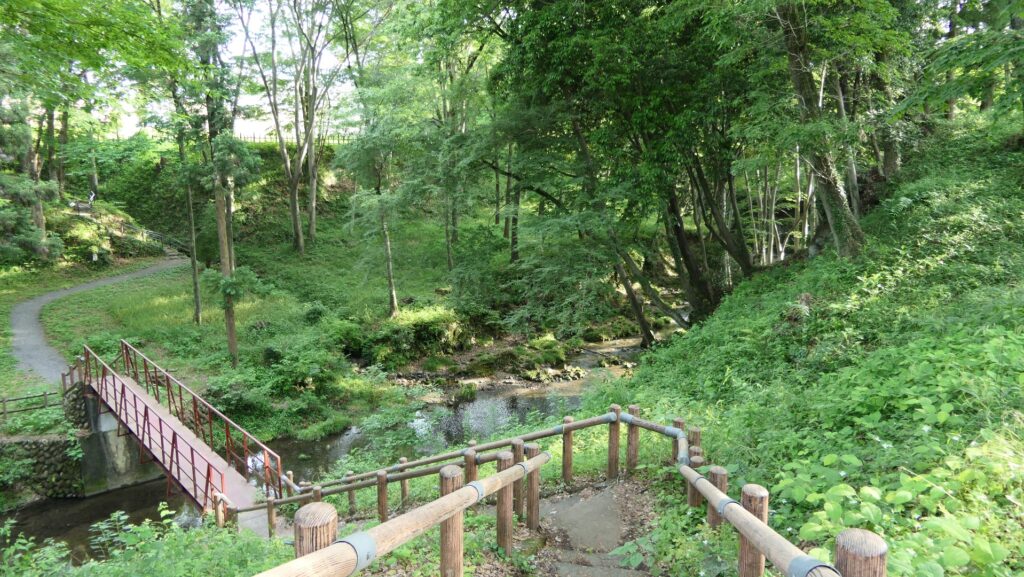
The Fukasawagawa River

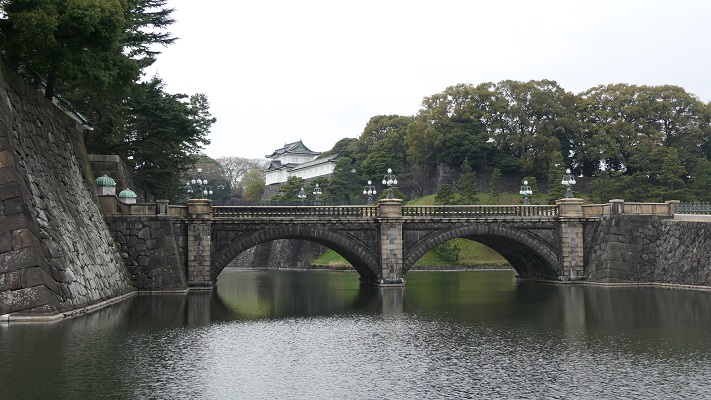
What Kageharu really wanted was unclear, but he tried to get many territories with his supporters and the Ashikaga Clan with whom Kageharu took sides. Kageharu was an excellent general. However, the other main retainer for the Ogigayatsu, Dokan Ota was superior to him. Dokan, who is known for building Edo Castle, which would become the center of the government during the Edo Period , and is now the Imperial Palace, was also a great strategist and politician. Dokan captured the Kageharu supporters’ castles, such as Kozukue Castle, one by one. He also made brokered a fragile peace with the Ashikaga Clan, which drove Kageharu back to his home base, Hachigata Castle. Dokan finally attacked and captured the castle in 1478, so Kageharu was forced to flee. Dokan became the greatest lord in the Kanto Region, however, he was killed in 1485 by his master, Sadamasa Ogigayatsu who feared his power. The region became unstable again and Kageharu continued to fight against his masters, the Yamanouchi, throughout his life as a soldier of fortune. He finally settled down under Sozui Ise, the founder of the Hojo Clan, until his death in 1514.
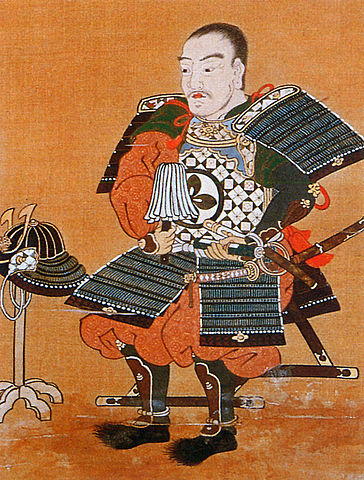
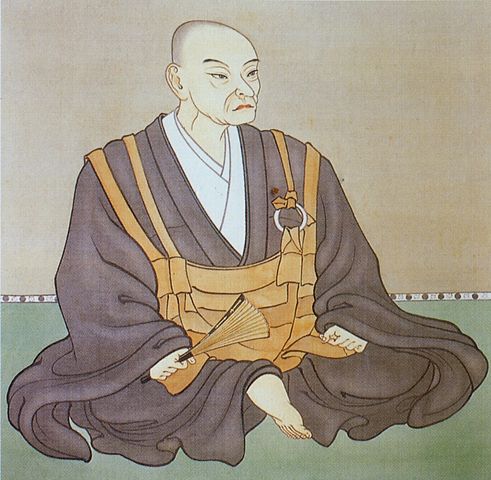
The portrait of Dokan Ota, owned by Daijiji Temple (licensed under Public Domain via Wikimedia Commons)
The ruins of Edo Castle (the current Imperial Palace)
The ruins of Kozukue Castle
The replica of the portrait of Soun Hojo, owned by Odawara Castle (licensed under Public Domain via Wikimedia Commons)

Castle becomes Hojo’s Branch

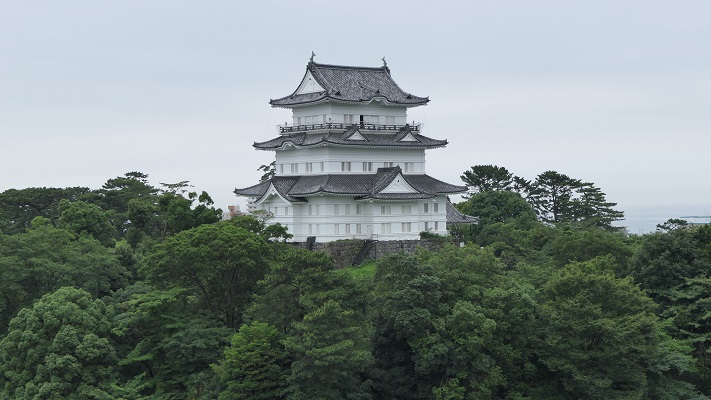
Hachigata Castle was occupied by the Yamanouchi for a while, but eventually abandoned. The power of the Uesugi Clans (Yamanouchi and Ogigayatsu) decreased while the Hojo Clan invaded the Kanto Region during the 16th Century. The Hojo Clan was based in Odawara Castle in Sagami Province (now Kanagawa Pref.) and they set several important branch castles where the Hojo’s relatives were sent to govern the region’s stability. Hachigata Castle was chosen as one of the castles as its location was at the northern edge of their territory. Ujikuni Hojo became the lord of the castle in 1568 and struggled to keep. For example, when the Hojo Clan allied with Kenshin Uesugi who was the successor of the Yamanouchi and one of the strongest warlords, Ujikuni was charged with negotiating with him. However, once the alliance was broken, Kenshin attacked Hachigata Castle, set fire to its castle town, and withdrew.

The family crest of the Hojo Clan, called Hojo-Uroko (meaning the squames of the Hojo)
Odawara Castle
The portrait of Kenshin Uesugi, owned by the Uesugi Shrine (licensed under Public Domain via Wikimedia Commons)

Ujikuni Hojo, Last Lord of Castle

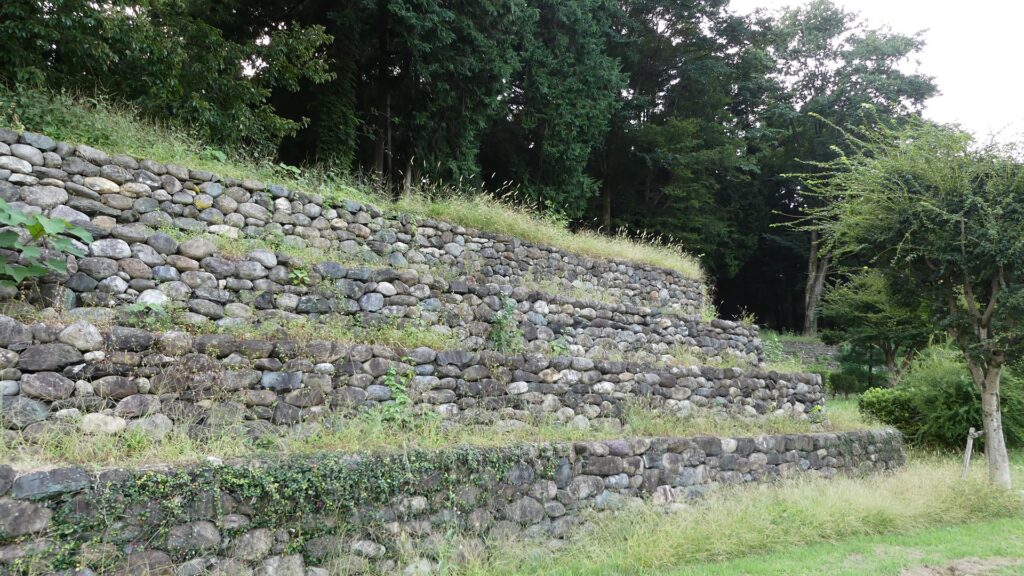
To survive under these severe conditions, Ujikuni greatly improved the castle. The castle’s defenses were naturally strong, having been built on a tall cliff, sandwiched by the two rivers to the north, the east, and the west. It also had many enclosures made of soil, mainly including the Main, Second and Third Enclosures in a line from north to south. Therefore, enemies would have to attack the Third Enclosure first from the south. To prevent attack, these enclosures were divided by deep dry moats and surrounded by high, thick earthen walls. Part of the walls were supported by stone mounds looking like stone walls. The entrances of the enclosures were protected by a set of gates and the Umadashi system. The Umadashi system refers to a connected smaller enclosure in front of the gate, connected by a narrow path to the larger enclosures. The position could be used to both protect the enclosure and attack from it.

The diorama of the castle at the site, viewed from the north
The restored stone mounds
The restored Umadashi system

The history of the castle suddenly ended in 1590 when the ruler, Hideyoshi Toyotomi invaded the Kanto Region as the Hojo’s territory to complete his unification of Japan. He went there with over 200,000 soldiers and about 35,000 of which, attacked Hachigata Castle in May, led by Toshiie Maeda. Ujikuni, along with about 3,000 defenders, was besieged for a month. The attackers didn’t assaulted the castle, directly, instead, it is said that they fired large guns from Kuruma-yama Mountain, about 1 km away from the Main Gate of the castle to the south. Ujiie finally surrendered and opened the castle in June, perhaps because there was no hope for reinforcements, or due to the damage from the guns. The castle passed to the Tokugawa Clan, who now ran the region instead of the Hojo Clan, however, it was eventually abandoned at the end of the Sengoku Period.
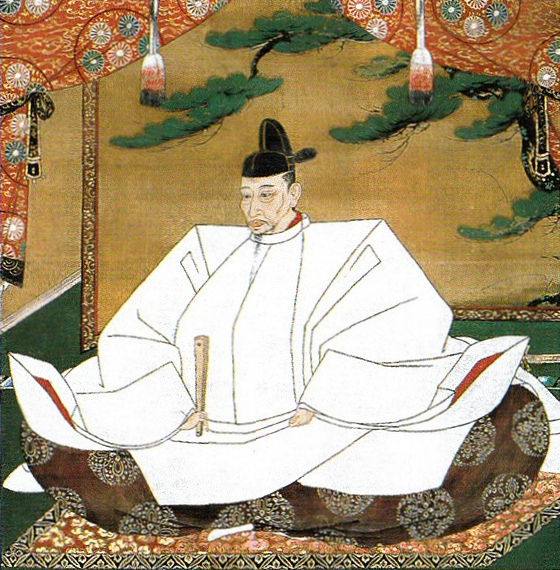
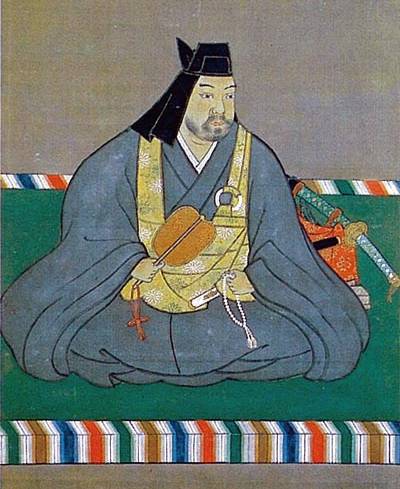
The Portrait of Hideyoshi Toyotomi, attributed to Mitsunobu Kano, owned by Kodaiji Temple (licensed under Public Domain via Wikimedia Commons)
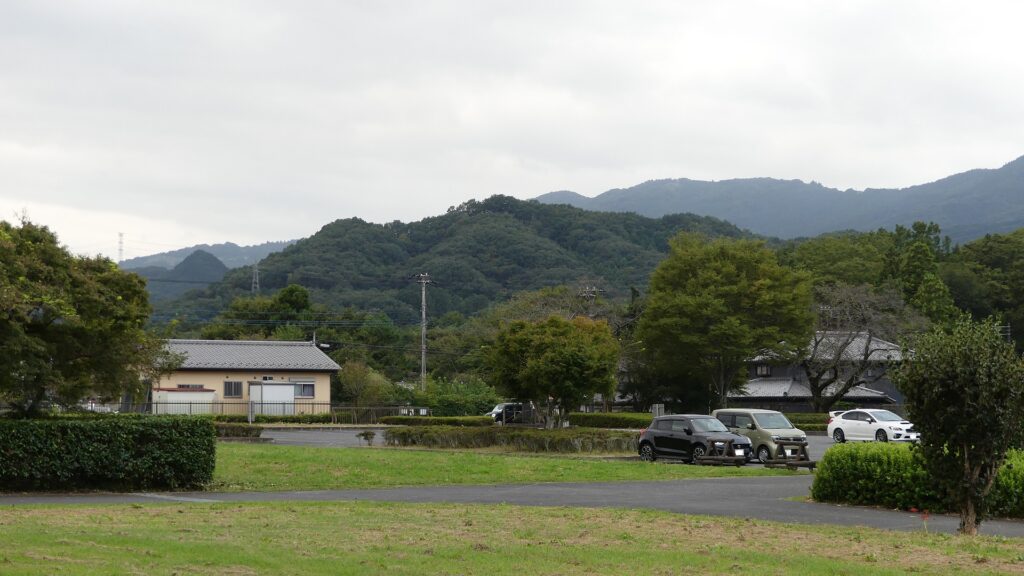
The Kuruma-yama Mountain seen from the Outer Enclosure
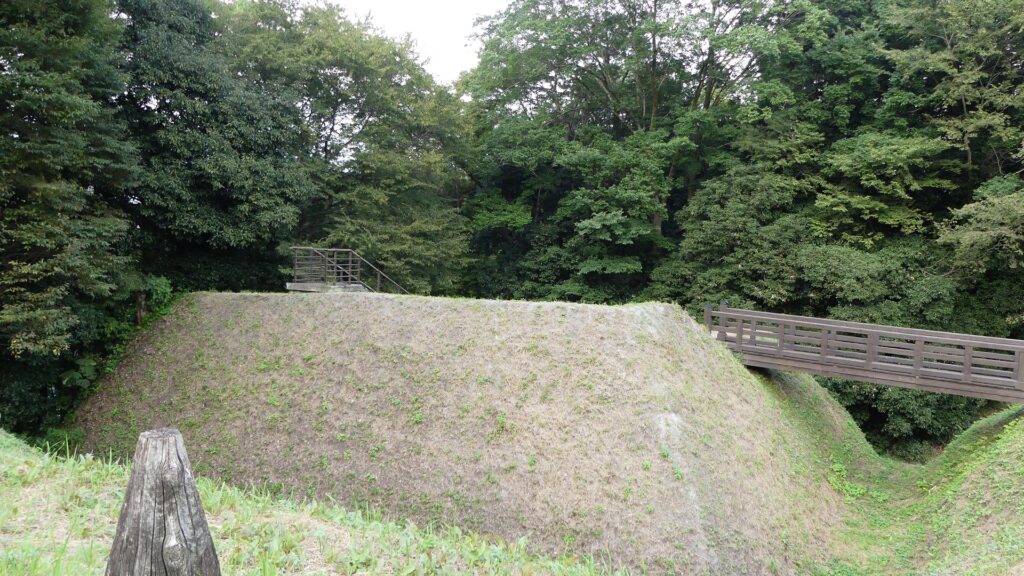
The ruins of Hachigata Castle

To be continued in “Hachigata Castle Part2”

18.鉢形城 その1

鉢形城は、現在の埼玉県北部、寄居町にあった城です。この城は、関東時代における戦国時代のちょうど始まりと終わりのときに表舞台に立ちました

立地と歴史

鉢形城は、現在の埼玉県北部、寄居町にあった城です。この城は、関東時代における戦国時代のちょうど始まりと終わりのときに表舞台に立ちました。

城の位置

関東地方の戦国時代の幕開け

関東地方は、1455に起こった享徳の乱によって動乱の戦国時代に突入しました。関東公方の足利氏と、関東管領の上杉氏が対立し、関東一の大河の利根川をはさんで対峙したのです。上杉氏は利根川西岸に五十子(いかっこ)陣を建設し、20年以上もそこに滞陣しました。上杉氏は実際には山内(やまのうち)上杉氏と扇谷(おうぎがやつ)上杉氏に分かれていました。それぞれに家宰がいて、配下の武士たちの処遇や懸案の処理を行っていました。山内家の家宰は長尾氏で、扇谷家の方は太田氏が務めていました。家宰の一人であった長尾景信(かげのぶ)が1473年に亡くなると、主君の山内顕定(あきさだ)は弟の忠景(ただかげ)に跡を継がせました。

五十子陣跡周辺
五十子陣があった頃の関東地方の勢力図、現地説明板より

戦国の風雲児、長尾景春が築城

この決定は妥当なものでした。忠景は一族の中でも年長で経験豊富な人物とみなされていたからです。ところが、景信の息子、景春(かげはる)はそうは考えませんでした。家宰の地位は、彼の祖父から父へと引き継がれていたからです。景春は五十子陣を離れ、1475年に鉢形城を築き、翌1476年には反乱を起こしました。鉢形城は、関東のもう一つの大河、荒川と、深沢川との合流地点にある高い崖の上に築かれました。その場所は半島のように突き出た自然の要害だったのです。初期の城の詳細はよくわかっていませんが、景春にとってそこから五十子陣を攻撃するのは容易だったはずです。陣の南側の城に面する方角には何の防御もなかったからです。新体制に不安を感じた多くの配下の武士たちが景春側につき、1477年についに陣は崩壊しました。

長尾氏の家紋、九曜巴 (licensed by WTCA via Wikimedia Commons)

城周辺の起伏地図

荒川と城があった崖地帯
深沢川

景春が実際に何を求めて事を起こしたのかは不明ですが、彼は味方とともに多くの領地を得ようとし、敵対していた足利氏とも講和しました。景春は優れた武将でしたが、扇谷家の家宰、太田道灌は更に上手でした。道灌は、江戸時代に政治の中心地となり、現在は皇居となっている江戸城を最初に築いたことで知られていますが、彼自身も優れた軍略家かつ政治家でした。彼は、小机城など景春方の城を一つ一つ落としていき、足利氏とも一時的な講和に持ち込むことに成功しました。そのため、景春は追い詰められ、本拠地の鉢形城に戻ることになります。1478年、道灌は城を攻め、ついには落城に追い込み、景春はそこから逃亡しました。道灌はこの活躍により関東で最強の武将となりましたが、1485年に主君である扇谷定正に殺されてしまいます。道灌の権勢を恐れた結果でした。関東地方は再び動乱状態となり、景春は傭兵隊長として主筋である山内家と生涯戦い続けました。最後には北条氏の創始者、伊勢宗瑞(北条早雲)の食客に落ち着き、1514年に亡くなりました。

太田道灌肖像画、大慈寺蔵 (licensed under Public Domain via Wikimedia Commons)
江戸城跡(現在の皇居)
小机城跡
北条早雲肖像画の複製、小田原城天守閣蔵 (licensed under Public Domain via Wikimedia Commons)

北条氏の支城となる

鉢形城はしばらくの間、山内家によって使われましたが、一旦は廃城となったようです。16世紀になると、山内・扇谷両家による上杉氏の勢力は衰え、代わりに北条氏が関東地方に侵攻してきます。北条氏は相模国(現在の神奈川県)の小田原城を本拠としていましたが、関東地方を統治するために重要な支城を定め、それぞれに親族を送り込みました。鉢形城は、北条の領地の北端に位置していたため、支城の一つに選ばれました。そして、北条氏邦が1568年に城主となりますが、その維持には苦労しました。例えば北条氏が、山内家の後継者で最強の戦国大名の一人とされた上杉謙信と講和を結ぶときは、氏邦は交渉役となりました。ところが、その講和が破綻すると、謙信は鉢形城を攻撃し、城下町に火をかけ、そして去っていったのです。

北条氏の家紋、北条鱗 (licensed by Mukai via Wikimedia Commons)
小田原城
上杉謙信肖像画、上杉神社蔵 (licensed under Public Domain via Wikimedia Commons)

最後の城主、北条氏邦

このような厳しい状況に対処するため、氏邦は城を大いに改修しました。この城は当初から自然の要害で、東西と北の三方を2本の川に挟まれた高い崖の上にありました。主な曲輪として本曲輪、二の曲輪、三の曲輪があり北から南に一直線に並んでいました。そのため、敵は南側の三の曲輪から攻める必要がありました。攻撃を防ぐため、曲輪群は深い空堀によって区切られ、高く分厚い土塁によって囲まれていました。土塁の一部は、まるで石垣のように見える石積みによって支えられていました。曲輪の入口は、門と馬出しのセットにより防御されていました。馬出しとは、門の前に接続された小さな曲輪で、背後の大きな曲輪とは細い通路によってつながっていました。防御と攻撃両方に使える陣地でした。

現地にある鉢形城のジオラマ、北方面から見ています
復元された石積み
復元された馬出し

1590年、天下人の豊臣秀吉がその統一事業を完成するため、北条の領土であった関東地方に攻め込んだとき、鉢形城は突然の最期を迎えました。秀吉は20万人以上の軍勢とともに関東地方に赴き、そのうちの約3万5千人が前田利家に率いられて5月に鉢形城を攻撃しました。氏邦と約3千人の守備兵は約1ヶ月間籠城しました。攻撃側は城を強引に攻めることはせず、代わりに城の大手門の南側、約1km離れた車山から大鉄砲により砲撃したと言われています。氏邦はついに6月に降伏し開城しました。援軍の見込みがなかったか、砲撃による損害が大きかったからでしょうか。城は、北条氏の代わりに関東地方に入った徳川氏に引き継がれますが、やがて戦国時代の終わりには廃城となりました。

豊臣秀吉肖像画、加納光信筆、高台寺蔵 (licensed under Public Domain via Wikimedia Commons)
城の外曲輪から見える車山
鉢形城跡

「鉢形城その2」に続きます。

14.Mito Castle Part3

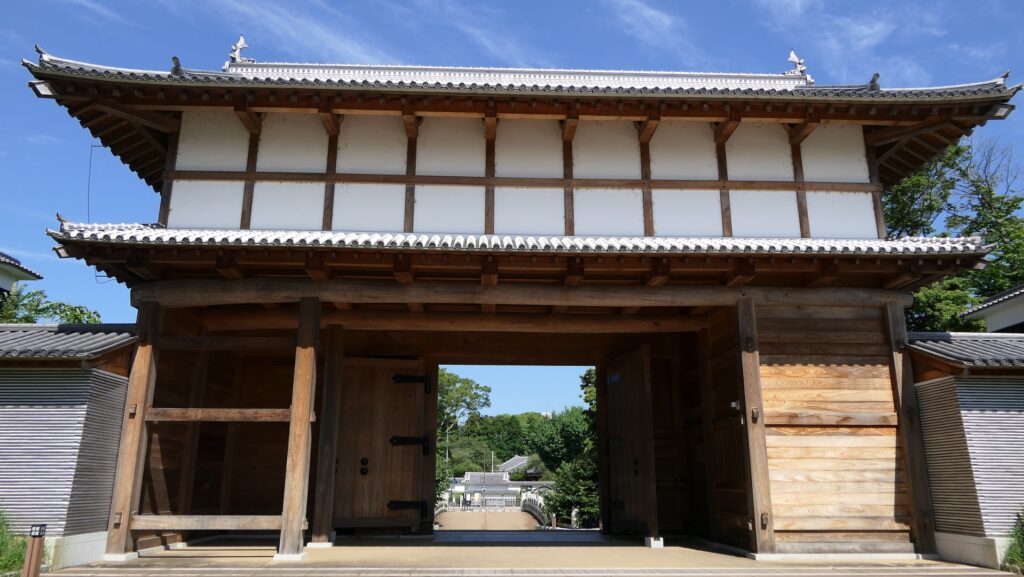
After seeing the restored Main Gate and Corner Turret, I would like the city to restore the Three-level Turret as the Main Tower of the castle as well.

Features

Only Remaining building in Castle

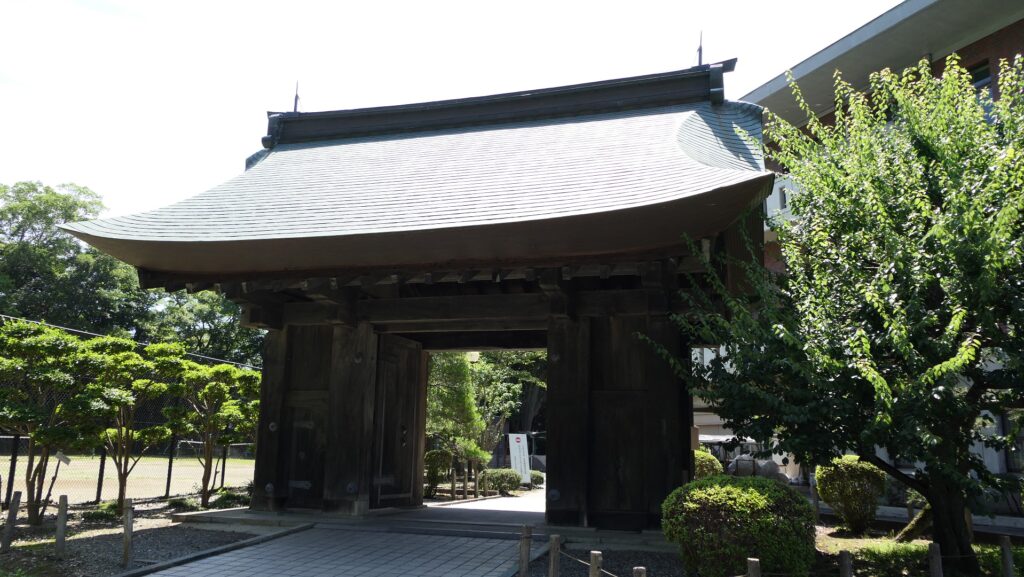
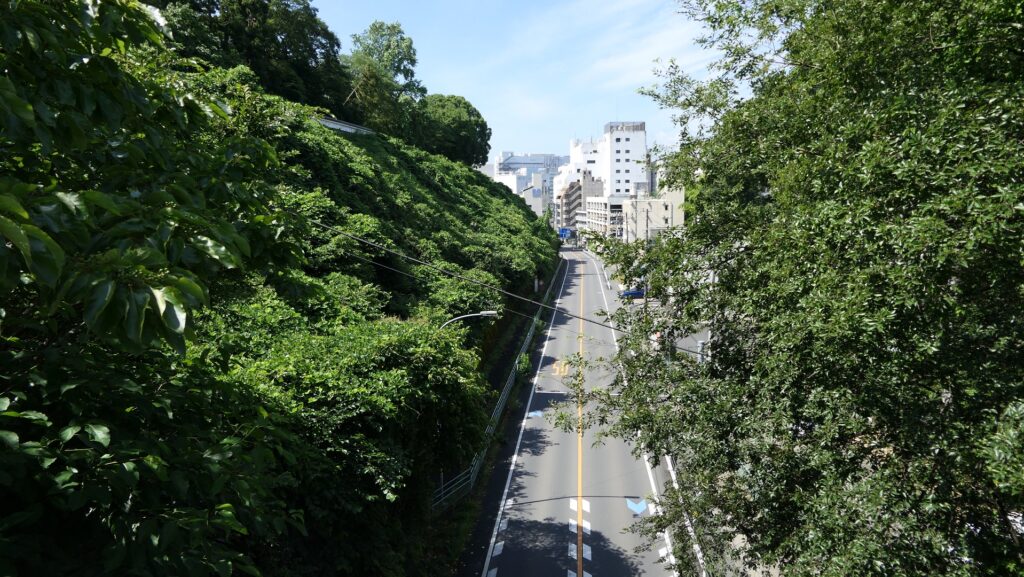
Back to the central street, you can go further to the Main Enclosure. You may be surprised to see, in front of the enclosure, another but much deeper (22m) dry moat. It is now used as a ground for the Suigun Railway Line. Of course, it is the castle’s original. The enclosure has the only remaining building of the castle, Yakui-mon Gate which was said the Satake Clan had built. If it’s true, the gate might have been used as their Main Gate. Please make sure you don’t enter the school to stay where you are allowed to see it on the designated area around after crossing the Honjo-bashi Bridge over the moat.

The map around the castle, the broken red line shows the Sugiyama Slope and the broken blue line shows the Sakumachi Route

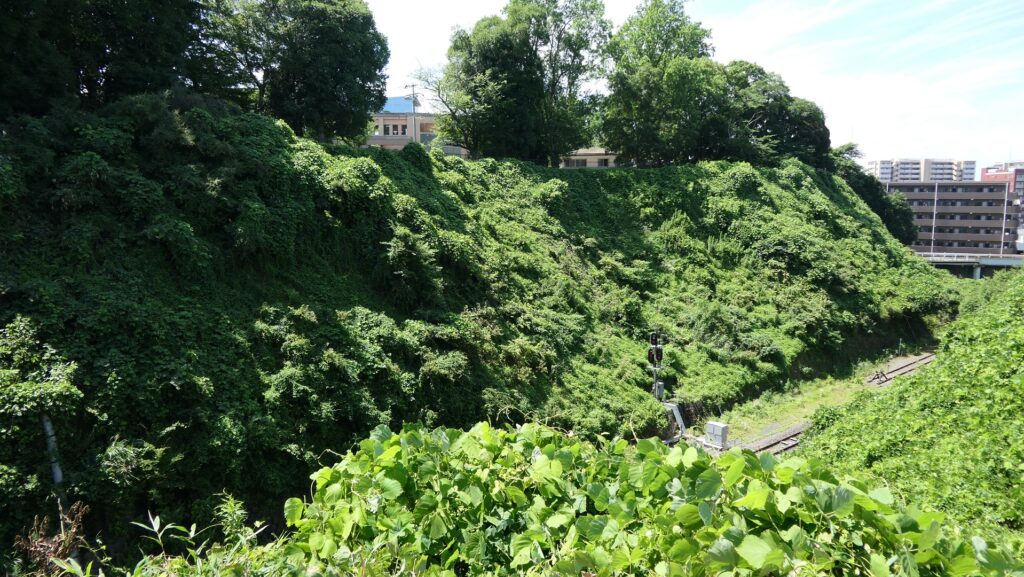
The large dry moat in front of the Main Enclosure
Its bottom has become a ground for the Suigun Railway Line
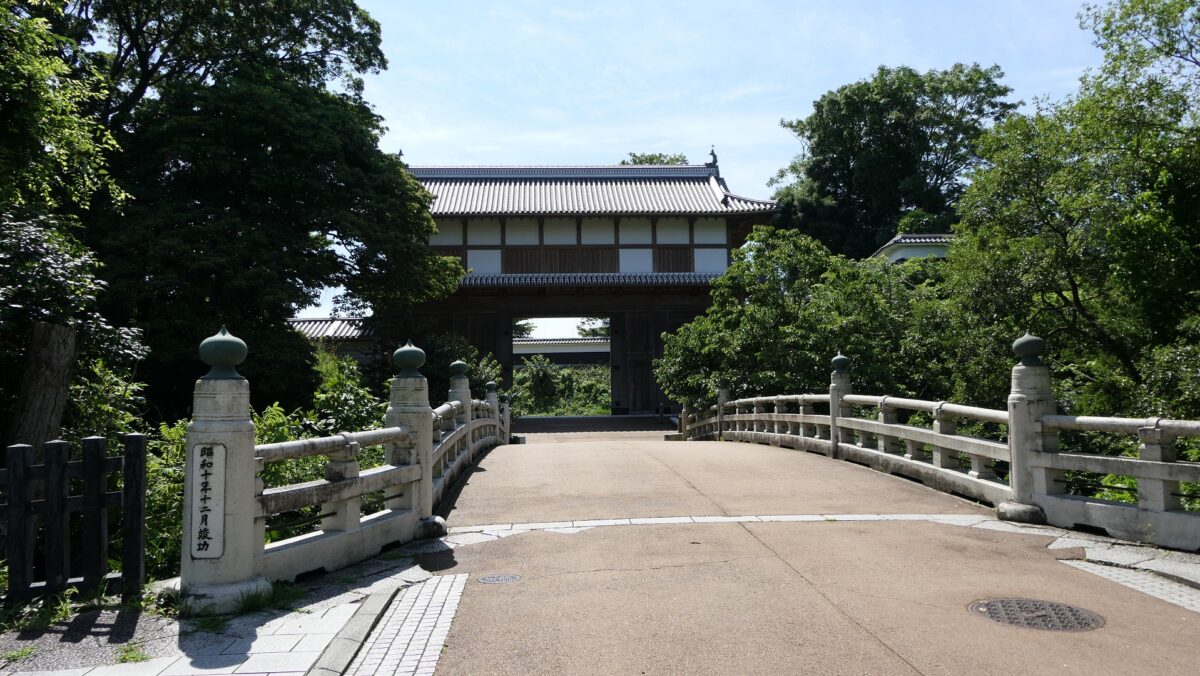
Going to the Main Enclosure over the bridge
The Yakui-mon Gate, the only remaining building of Mito Castle

Other Attractions in Second and Third Enclosures

There are two original back routes from the Second Enclosure, which we can still use, the Sugiyama-zaka Slope in the north and the Sakumachi Route in the south. Both routes have restored gates called Sugiyama-mon and Sakumachi-Sakashita-mon. If you walk down on the southern route to go back to Mito Station, you will see the large scale plateau on your right side, which is covered by concrete panels today. There was also the large Senba Lake on the left in the past, but it was reclaimed and reduced to the original western part around the Kairakuen Garden.

The restored Sugiyama-mon Gate
The restored Sakumachi-Sakashita-mon Gate
The southern side of the huge plateau

If you have time, you should consider visiting the large outer dry moat of the Third Enclosure, at the root of the plateau. It remains as it was and only the earthen walls go across the moat to the prefectural office which was the senior vassals’ residences. Overall, the castle was protected by the three huge moats.

The aerial photo of around the castle

The large outer dry moat of the Third Enclosure
The earthen bridge has become the entrance of the prefectural office

Later History

Even after the severe events in the early Meinji Era, the Three-level Turret in the Second Enclosure of Mito Castle, which was so great that it was once called “One of the 20 remaining main towers in Japan”, had still remained until World War II, but it was burned down by the Mito air raids in 1945. After World War II, the Kodokan area was designated as a Special National Historic Site in 1952. The other items, the earthen walls, dry moats, and Yakui-mon Gate has been designated as historic sites of Ibaraki Prefecture. Mito City has recently restored some castle buildings as we can see now.

The remaining earthen walls around the Yakui-mon Gate at the Main Enclosure
A inside view of the Main Gate

My Impression

After visiting the ruins of Mito Castle, I realized that strong castles don’t always need stone walls. This was proven not only by the past battles, but also by the two dry moats being used for the current transportation. In addition, seeing the restored Main Gate and Corner Turret, I would like the city to restore the Three-level Turret as the Main Tower of the castle as well. This is because the 8 Main Towers, which had been burned down mostly during World War II, were restored except for that of Mito Castle. However, there is no plan for it yet.

A view of the earthen walls and the dry moat in front of the Second Enclosure from the Main Bridge
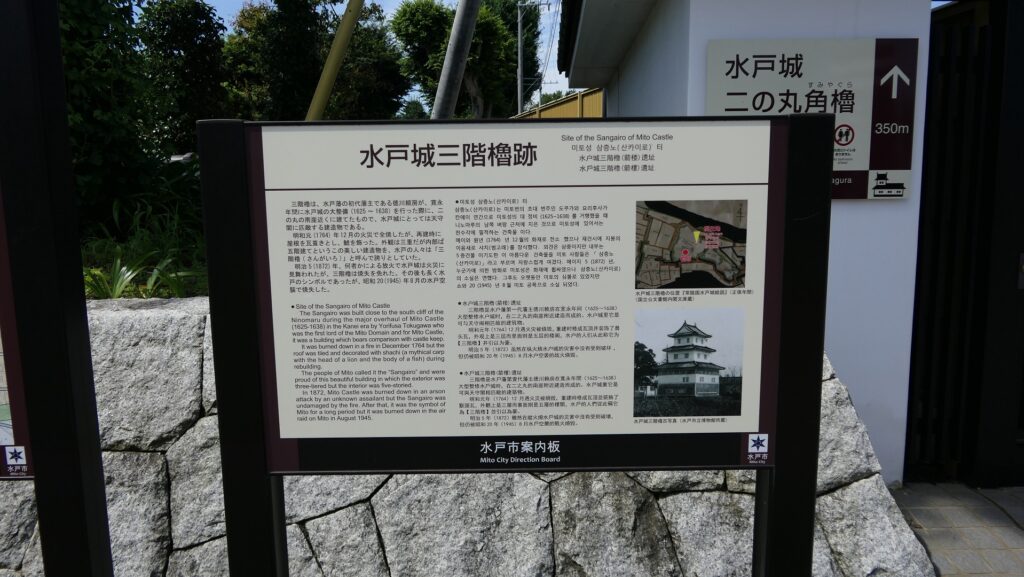
The explanation board of the Three-level Turret is at a different place from its original position

How to get There

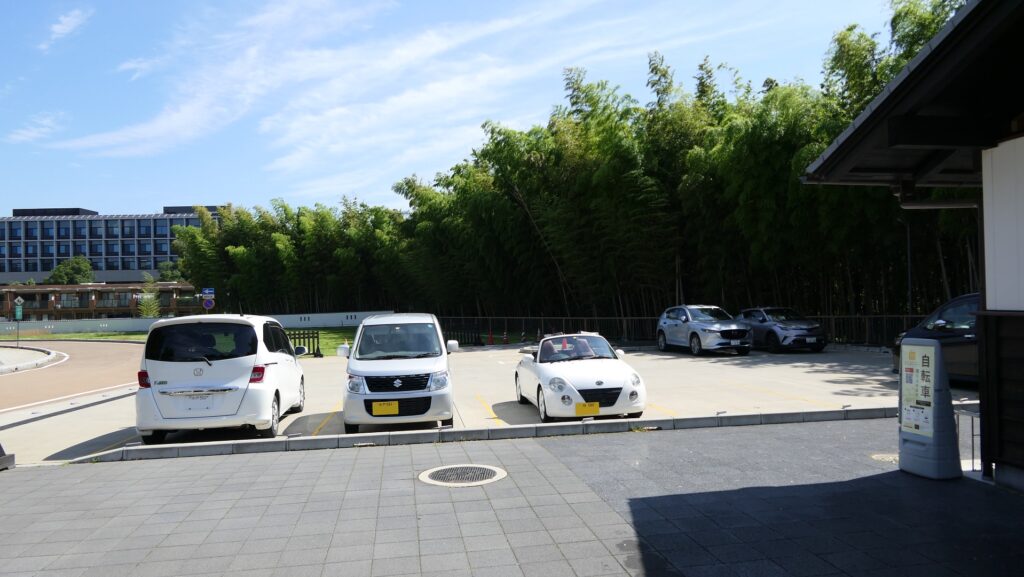
If you want to visit there by car, it is about a 15 minutes drive away from Minami-Mito IC on the Kitakando Expressway or a 30 minutes drive away from Mito IC on the Joban Expressway. There is a parking lot beside the Main Gate.
By public transportation, it takes about 10 minutes on foot to get there from JR Mito Station.
From Tokyo to Mito Station: Take the Hitachi limited express at Tokyo Station.

The parking lot beside the Main Gate

That’s all. Thank you.
Back to “Mito Castle Part1”
Back to “Mito Castle Part2”

error: Content is protected !!