166.宇陀松山城~Udamatsuyama Castle

杉林に囲まれた城跡
The castle ruins surrounded by a cedar forest

立地と歴史~Location and History

大和三城の一つ~One of Three Greatest Castles in Yamato Province

宇陀松山城は奈良県の北西部、宇陀市にありました。宇陀市は、林業と古い町並みで知られています。大阪市から車で約1時間ほどの場所です。宇陀松山城は最初は「城山」という473mの高さの山の上に、秋山氏によって築かれました。
Uda-Matsuyama Castle was located in Uda City in the north east part of Nana Prefecture. Uda City is known for its forest industry and old town. The city is approximately one hour by car from Osaka City. The Uda-Matsuyama Castle was first built on a 473m high mountain called “Shiroyama” by the Akiyama Clan.

城の位置~The location of the castle

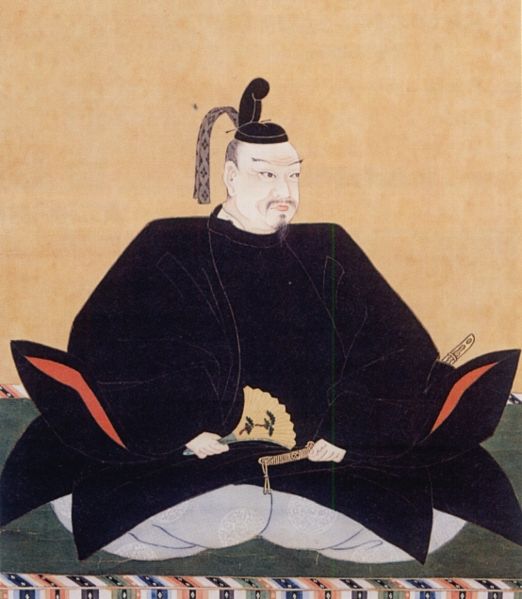
1585年、豊臣秀長が大和国(現在の奈良県)の統治を始めたとき、彼自身は大和郡山城を居城としていました。一方で、彼は家臣を、支城である高取城と宇陀松山城に派遣しました。その家臣のうち、主には多賀秀種が宇陀松山城を拡張しました。秀種は大和国の東部に領地を持っていて、東にある伊勢国との国境の防衛のため、城を用いていました。
In 1585, when Hidenaga Toyotomi started to govern Yamato Province (what is now Nana Prefecture), he lived in Yamato-Koriyama Castle, while he sent his retainers to Takatori and Uda Matsuyama Castles as his branch castles. Among the retainers was Hidetane Taga, who mainly developed the Uda Matsuyama Castle. Hidetane was granted the eastern part of the province with the intention to use the castle to prepare for the defense of the border between Yamato and Ise Province from the east.
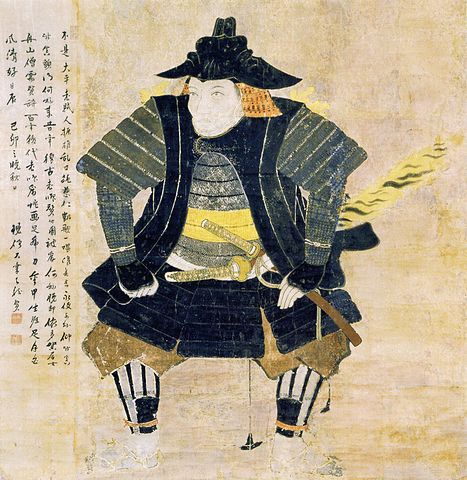
多賀秀種肖像画、石川県立歴史博物館蔵、The portrait of Hidetane Taga, owned by Ishikawa Prefectural History Museum (licensed under Public Domain via Wikimedia Commons)

多賀秀種が城を改修~Hidetane Taga improves Castle

秀種は、この城を近世的なスタイルに変えました。城はいくつかの部分に分けられていました。御殿があった「本丸」と天守があった「天守郭」が山頂にありました。天守は、郭の大きさからすると2階か3階建てだったと考えられています。郭周辺の土壌から発掘により多賀氏の家紋が入った瓦が発見されています。
Hidetane changed the castle to an early modern style. The castle was divided into several sections: the Main Enclosure or “Honmaru” with the Main Hall, and Tenshu Enclosure with the Main Tower or “Tenshu” on the top of the mountain. The Main Tower is thought to be two or three stories based on the scale of the enclosure. The roof tiles with Taga Clan’s family crest were found by the excavation of the land around the enclosure.

家紋が入った瓦~A rooftile with the clan’s family crest (宇陀市パンプレットより引用)

「二の丸」や「帯郭」などの他の郭は、城の中心を取り囲んでいました。城の主要部の基礎部分は全て石垣造りで、多くの櫓が立ち並んでいました。城の出入り口である「虎口」は、櫓門や屈曲した通路によって厳重に守られていました。
Other enclosures such as the Second Enclosure or “Ninomaru” and the Belt Enclosure or “Obi-kuruwa” surrounded the center of the castle. The foundation of this main portion was all made of stone walls where a lot of turrets stood. The entrances to the castle called “Koguchi” were guarded strictly by turret gates and zigzagged routes.
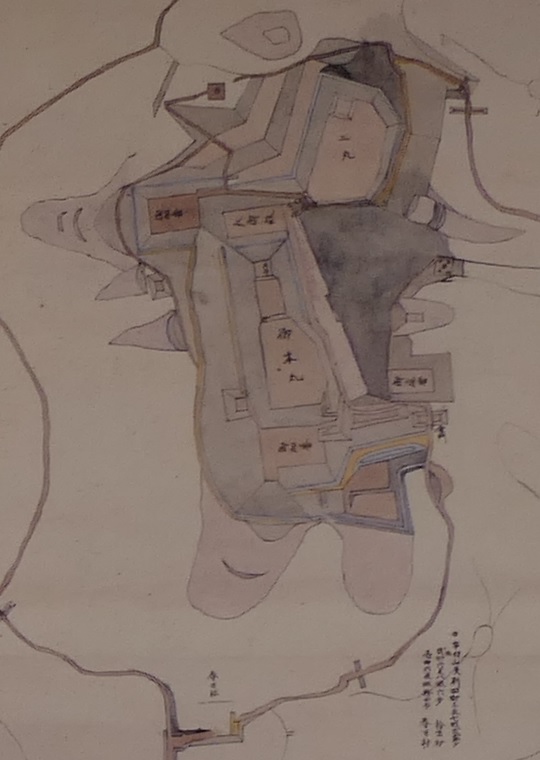
阿紀山城図、1593年 、「阿紀山城」は宇陀松山城の古名、現地案内板より~The illustration of Akiyama Castle, in 1593, “Akiyama Castle” is the old name of Udamatsuyama Castle, from the signboard at the site

城は破壊された~Castle is Destroyed

1600年、広島城を治めていた有名な福島正則の弟、福島高晴が、多賀秀種の代わりとして、徳川幕府により宇陀松山城に送られてきました。彼は城を改修するとともに、城下町を整備しました。ところが、1615年に彼は幕府により、幕府に反抗していた豊臣氏を支援した疑いから改易となってしまいます。
In 1600, Takaharu Fukushima, the little brother of the famous lord, Masanori Fukusima who governed Hiroshima Castle, was sent to Uda Matsuyama Castle instead of Hidetane Taga by the Tokugawa Shogunate. He also improved the castle and the castle town, however, in 1615, he was fired by the Shogunate due to suspicions about his support of the Toyotomi Clan who was against the Shogunate.
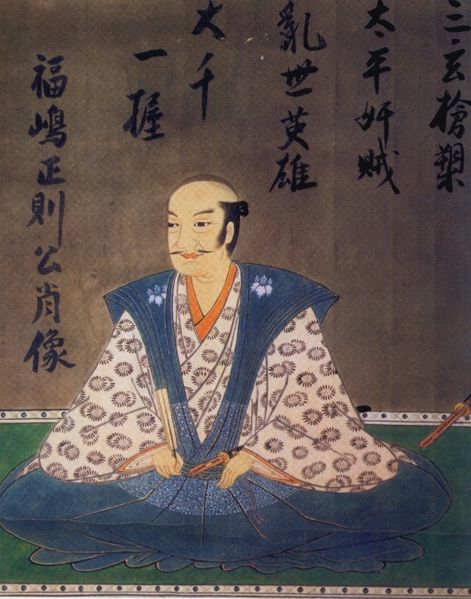
福島高晴の兄、福島正則肖像画、東京国立博物館蔵~The portrait of Masanori Fukushima, the big brother of Takaharu Fukushima, owned by the Tokyo National Museum (licensed under Public Domain via Wikimedia Commons)

その結果、城は完全に破壊されることになり、建物と石垣は撤去され、通路は埋められました。執行者の一人、小堀政一の手紙が残っていて、作業は進んでいるものの、作業者が足りないということが書かれています。
As a result, the castle was completely destroyed removing the buildings and stone walls and burying the routes. A letter written by one of the executors, Masakazu Kobori, remains and says that he was destroying the castle, but lacked enough workers.
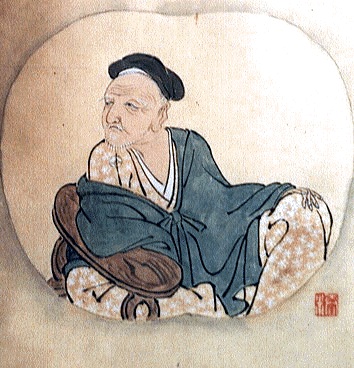
小堀政一肖像画、頼久寺蔵、The portrait of Masakazu Kobori, owned by Raikyu-ji Temple (licensed under Public Domain via Wikimedia Commons)

特徴~Features

杉林の中を進む~Going through Cedar Forest

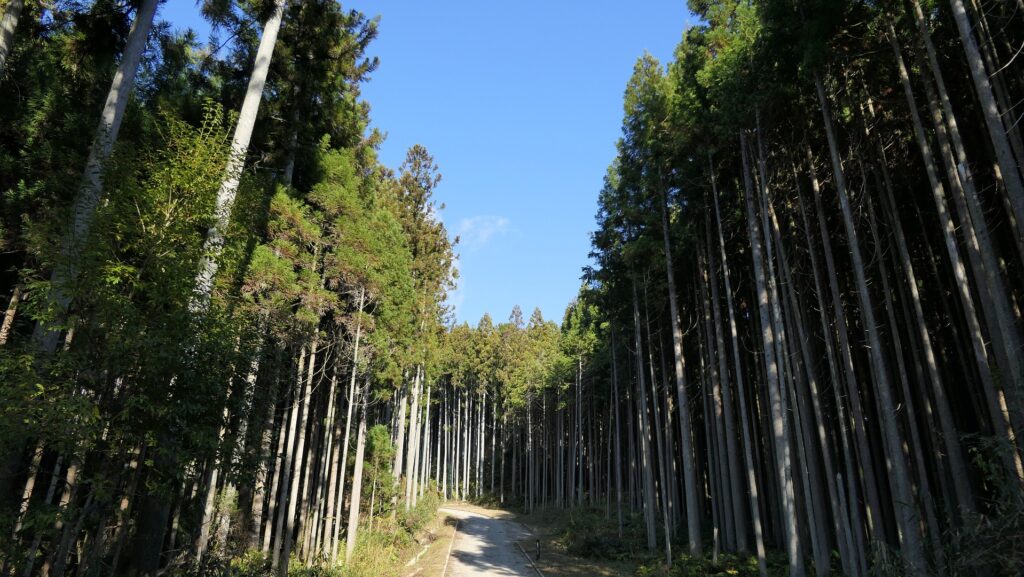
以前観光客は宇陀松山城跡へは、市街地にある城の正門であった春日門跡から行くことができました。ところが、2018年の豪雨災害により「大手道」が閉鎖されており、通ることができません(2021年4月現在)。代わりに、まちづくりセンター「千軒舎」の脇道を通って行くことができます。もしかすると、城跡に向かっているのか疑問に思うかもしれません。美しく、よく手入れが行き届いた杉林が見えてくるからです。
Previously, visitors could visit the ruins of Uda-Matsuyama Castle from the Kasuga Gate Ruins in the town area which was the front gate of the castle. However, visitors can no longer do so because the Main Route or “Ote-michi” to the castle is closed (as of January 2021) due to a storm disaster in 2018. Instead, visitors can go through the side road beside the Town Planning Center called “Sengensha”. You may not be sure you are going to the ruins of a castle, as you will see a beautiful, well-maintained cedar forest.
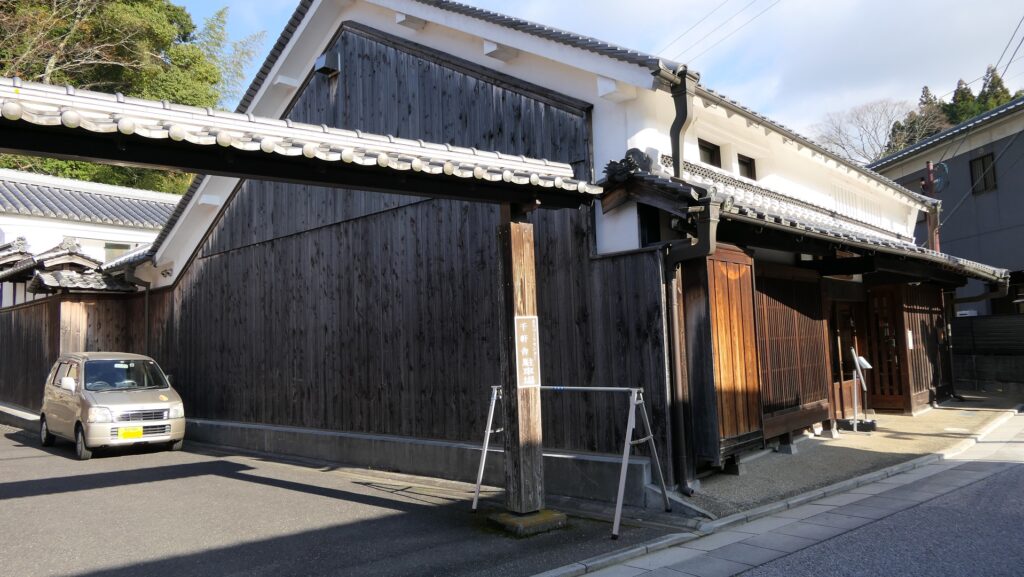
まちづくりセンター「千軒舎」~The Town Planning Center “Sengensha”
杉林に囲まれた通路~The route surrounded by the cedar forest

わずかに残る遺跡~Few remaining Ruins

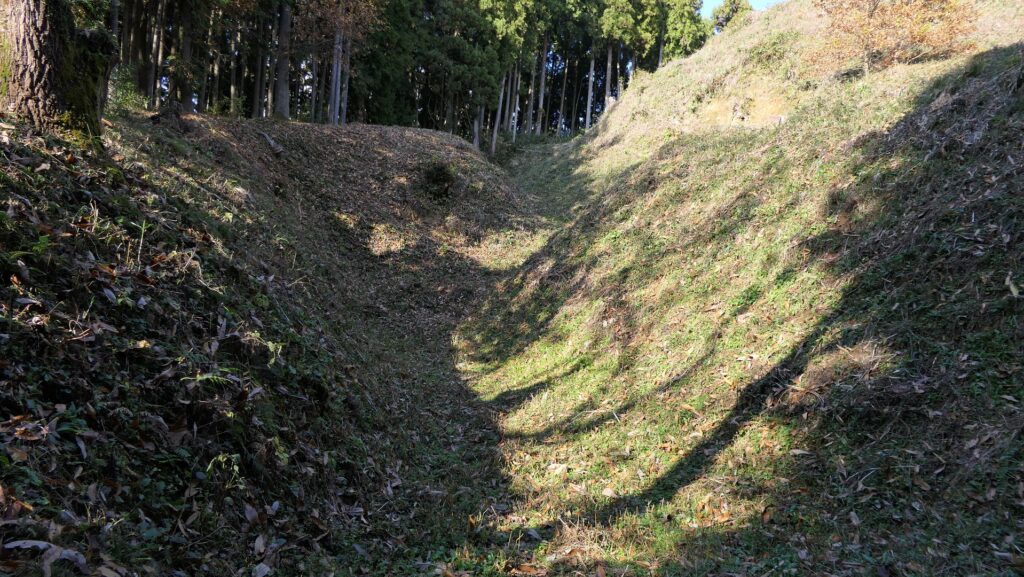
約10分間登っていくと、城跡の入口に着きます。そこから山道をあと数分を登らねばなりませんが、そうするうちに空堀と櫓門跡が見えてきます。この門は「雀門」と呼ばれ、「桝形」という四角い空間がありました。桝形は、典型的な防御構造で、その四角い空間は櫓や石垣に囲まれていました。敵は、強力な防御の下を屈曲した通路をくぐり抜けねばなりません。
After about a 10-minute climb, you will reach the entrance of the ruins. You have to climb another trail for a few minutes, then you will see the ruins of a dry moat and one of the turret gates. This gate was called “Suzume-mon” which had a square space called “Masugata”. Masugata refers to a typical defensive structure where the square space is surrounded by turrets and stone walls. Enemies have to survive through a zigzagged route under the strong defense.
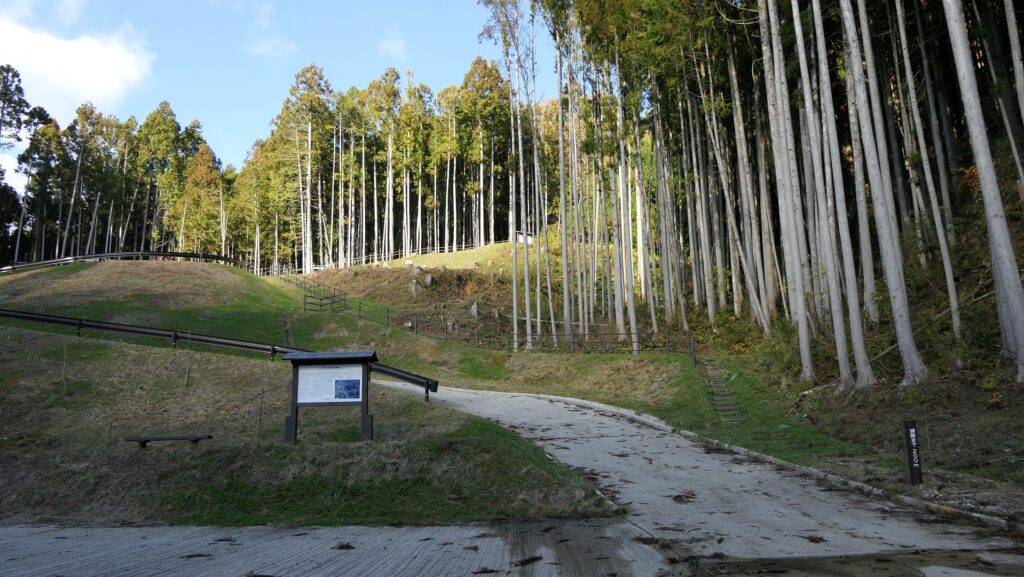
城跡の入口~The entrance of the castle ruins
山道を進みます~Going on the trail
空堀~The dry moat
雀門跡~The ruins of Suzume-mon Gate

城の中心部分~Center of Castle

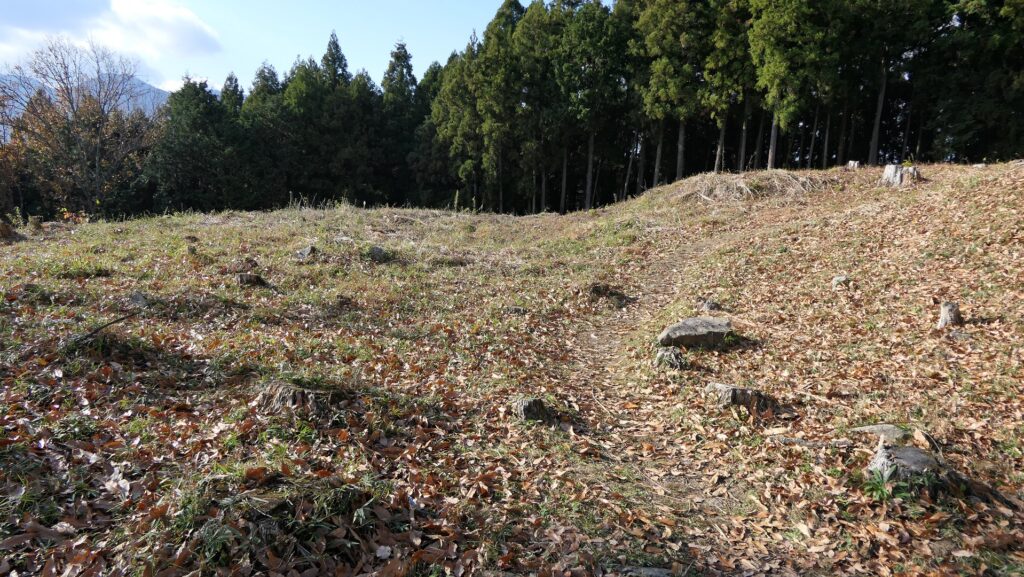
この城跡は、杉林によって隠されていて、少し変わった雰囲気があります。門を過ぎた後は、本丸に至るジグザグの道をまた進んでいきます。その道上にまた虎口郭門がありましたが、現在は何の痕跡もありません。本丸は、この城では最も広い郭です。ここには5つの棟を持つ御殿があり、また櫓や石垣に囲まれていました。
These ruins have a bit of a unique atmosphere, hidden from view by the cedar forest. After passing through the gate, you also have to go on another zigzagged route to reach the Main Enclosure. There was also the Entrance Enclosure Gate on the route, but there is no trace of it now. The Main Enclosure is the largest enclosure of the castle. It had the Main Hall with five houses and was also surrounded by turrets and stone walls.
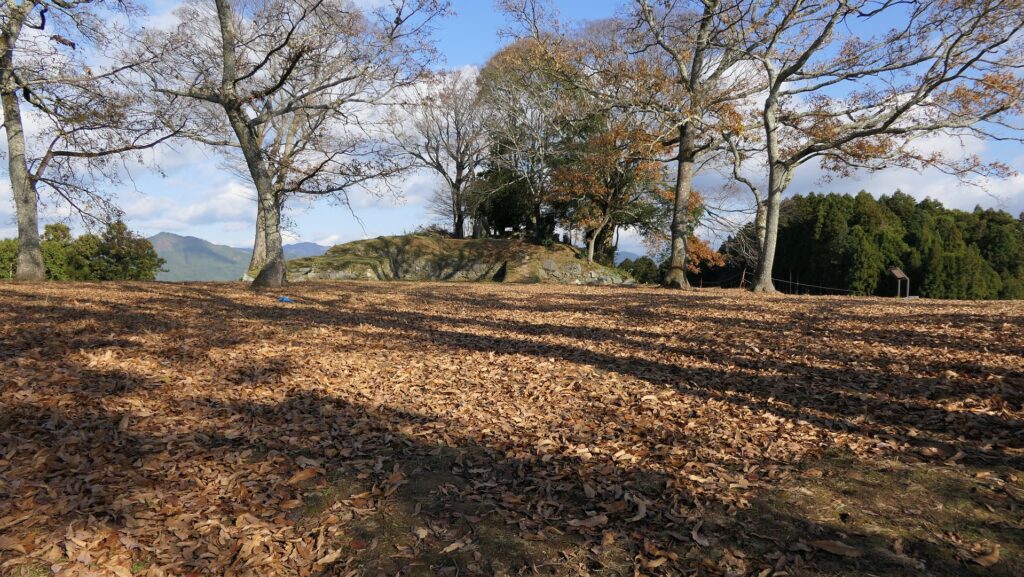
城周辺の航空写真~The aerial photo around the castle

虎口郭門があったと思われる場所~The place where the Entrance Enclosure Gate seemed to be there
本丸~The Main Enclosure

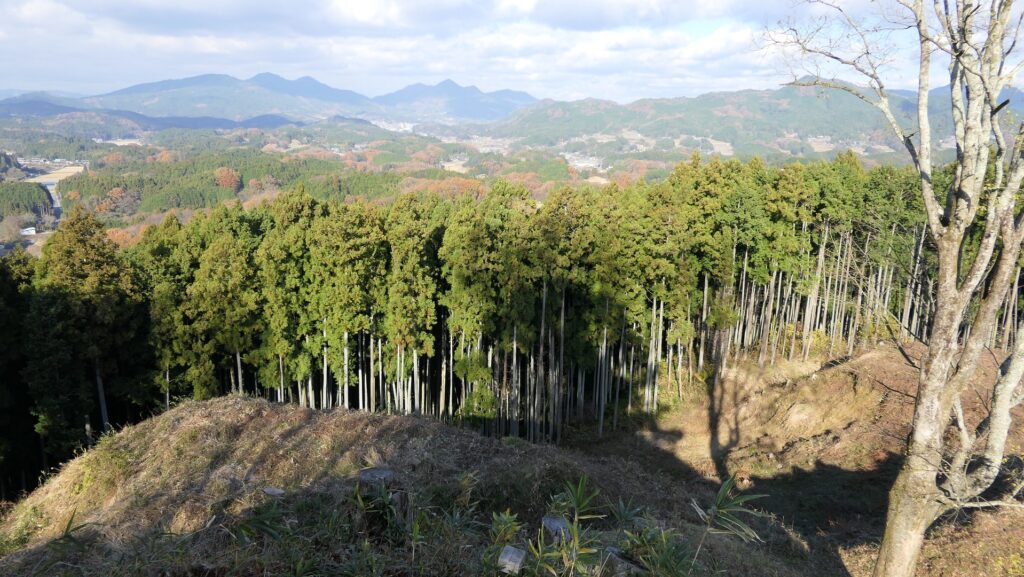
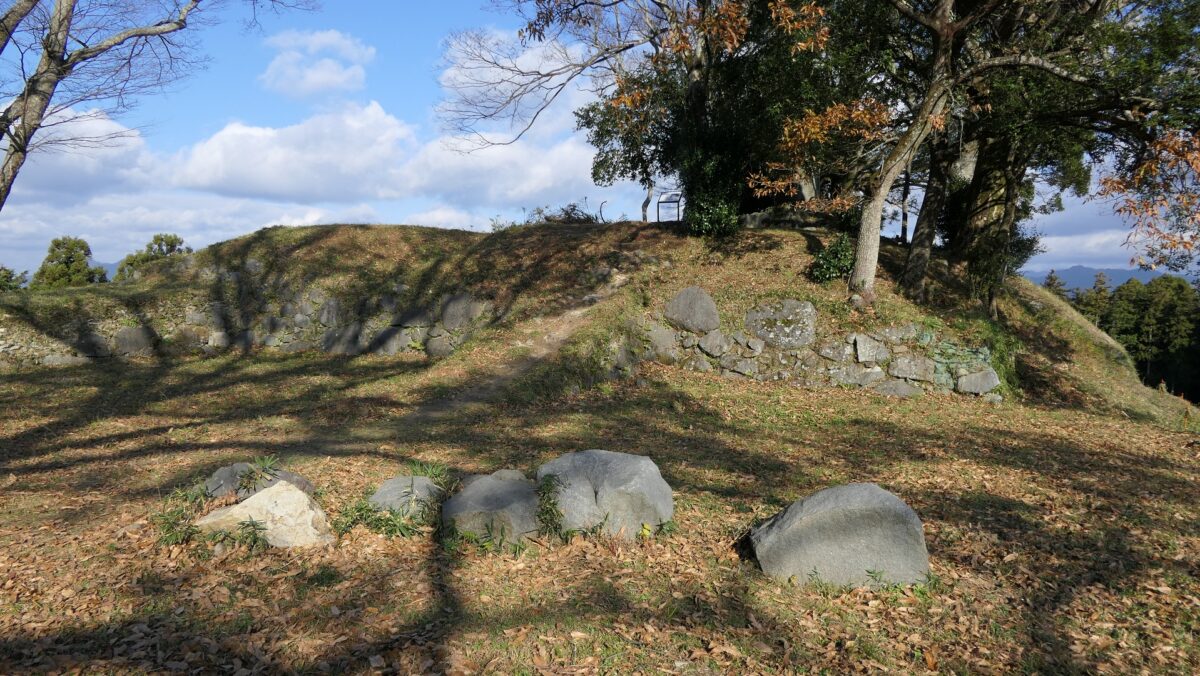
天守郭は、本丸の隣りにあります。ここは山の頂点であり、天守がかつて立っていた天守台石垣の一部分がまだ残っています。頂上からは、杉林に囲まれた他の郭や、遥か彼方の他の山々が見えます。
Tenshu Enclosure is next to the Main Enclosure. It is the highest spot of the mountain and parts of the base of the stone walls still remains where the Main Tower once was. You can now see other enclosures surrounded by the cedar forest and other mountains far away from the top.

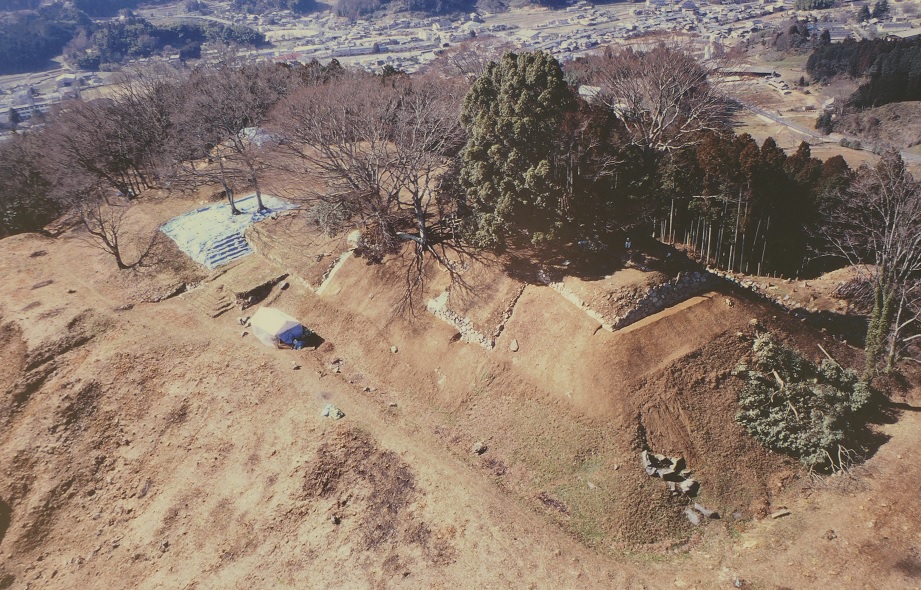
天守郭~Tenshu Enclosure
天守郭全景、現地案内板より~A whole view of Tenshu Enclosure, from the signboard at the site
山頂からの眺め~A view from the top

その後~Later History

宇陀松山城が破壊された後、織田氏がこの地域を治めましたが、城下町の辺りの館に住んでいました。また、春日門跡を修繕して館の門として使用しました。幕府は最終的には織田氏を他の所に移し、直接この地域を統治します。城下町は、商業の町として繁栄を続けました。
After the Uda-Matsuyama Castle was destroyed, the Oda Clan governed this area, but the clan lived in the hall around the castle town. They also repaired and used the Kasuga Gate Ruins as their hall’s gate. The Shogunate lastly governed the area after it transferred the Oda Clan to another place. The castle town continued to prosper as a commercial town.

春日門跡~The ruins of Kasuga-mon Gate (licensed by Saigen Jiro via Wikimedia Commons)

1995年、宇陀市は城跡の発掘と研究を始めました。その結果、城には山の上に石垣を使った豪華な建物があったことがわかったのです。発掘の成果により、城跡は2006年に国の史跡に指定されました。
Uda City started to excavate and study the ruins of the castle in 1995. It found out that the castle was built using stone walls and had luxurious buildings on the mountain. The ruins were designated as a National Historic Site in 2006 due to the achievement of the excavation.

私の感想~My Impression

発掘や研究の方法は年々進化しています。現在建物がなくても城の建物がどのようなものであったか推測できるのです。今回の訪問と宇陀松山城についての研究により、私は過去にこのような立派な城があったことに本当に驚きました。
The methods of excavation and study have been improving. They have made it possible to speculate what buildings in a castle looked like even if there are no buildings now. From my visit and research about the Uda-Matsuyma Castle, I was actually surprised to learn that there was such a great castle in the past
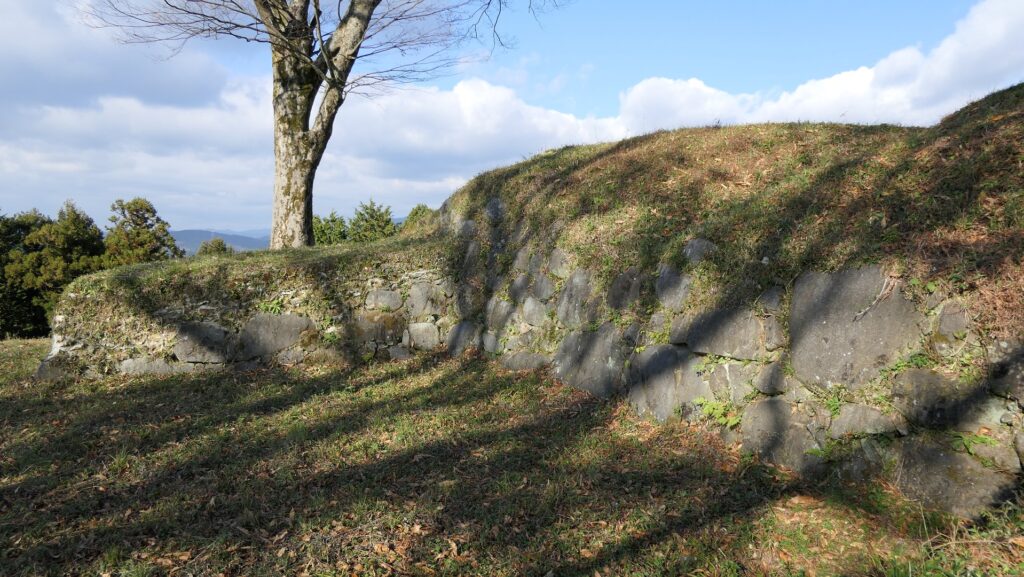
天守郭の石垣~The stone walls of Tenshu Enclosure

更には、ある城が残るかどうかは、ほんの小さなことで違ってきてしまうことも知りました。宇陀松山城の場合、高晴がもう少し長く持ちこたえていれば、城跡は高取城のように少なくとも石垣くらいはまともに残っていたと思うのです。
In addition, I also learned that whether something of a castle can remain or not is sometimes based on very small things. In the case of the Uda-Matsuyama Castle, if Takaharu survived a little longer, the ruins of the castle would include at least with decent stone walls like Takatori Castle.
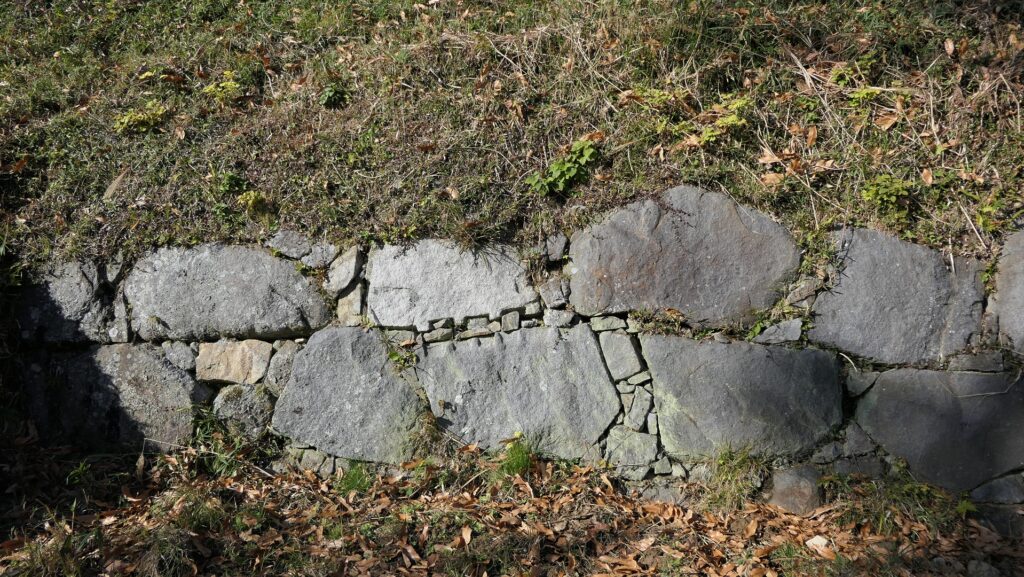
発掘された雀門跡周辺の石垣~The excavated stone walls around the ruins of Suzume-mon Gate

ここに行くには~How to get There

車で行かれる場合は、南阪奈道路の葛城ICから約40分かかります。まちづくりセンターに駐車場があります。
電車の場合は、近鉄大阪線の榛原駅から大宇陀行きのバスに乗って、終点で降りてください。
If you wish to visit there by car, it takes about 40 minutes from the Katsuragi IC on Minami-Hanna Road. There is a parking lot at the Town Planning Center.
When using the train, take the bus for Ouda from Haibara Station on Kintetsu Osaka Line, and get off at the last stop.

リンク、参考情報~Links and References

宇陀松山城跡、宇陀市(Uda City Official Website)
・鬼面百相、史跡宇陀松山城出土資料展パンフレット(Japanese Pamphlet)
・「日本の城改訂版第120号」デアゴスティーニジャパン(Japanese Book)
73.広島城~Hiroshima Castle

広島は平和都市ですが、城からできた都市でもあるのです。
Hiroshima is a city of peace, but also a city from the castle.

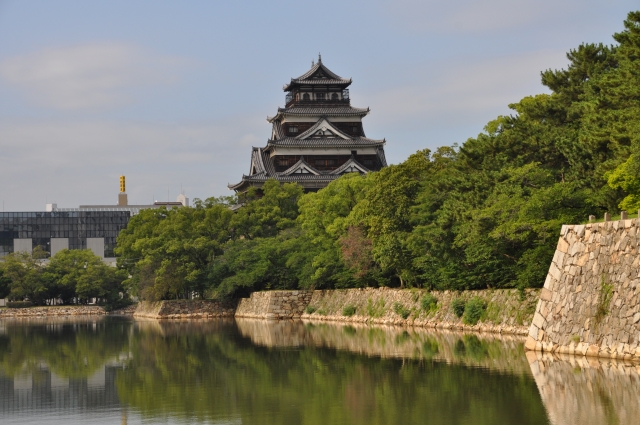
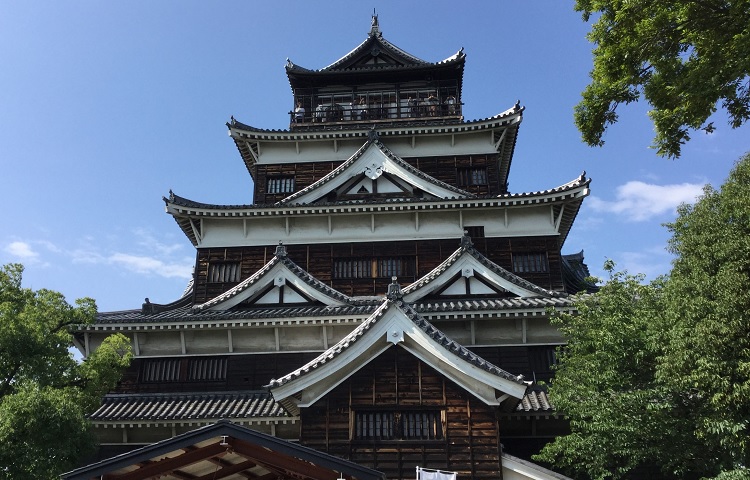
広島城の外観復元天守~The apparently restored Tenshu keep of Hiroshima Castle(licensed by Taisyo via Wikimedeia Commons)

立地と歴史~Location and History

広島は今、平和を希求する都市となっています。この都市は毛利氏により築かれた広島城から始まりました。毛利氏もともと吉田郡山城という広大な山城に住んでいましたが、その城は戦国時代において防御力に優れていました。しかし統治や通商には不向きだったのです。豊臣氏による天下統一の後、毛利輝元は当時の他の事例にならい、本拠地を他の地に移すことにしました。彼は1589年に太田川のデルタ地帯にある島の上に新しい城を築きはじめました。この城と城下町は南方の海の方角に向かって広がっていきました。
Hiroshima is now a city for promoting peace. The city comes from Hiroshima Castle built by the Mori clan. The clan originally lived in a large mountain castle called Yoshida-Koriyama which was specialized for defense in the Warring States Period. But it was not convenient for governance and business. After the unification of the whole country by the Toyotomi clan, Terumoto Mori decided to move his home base to another place by emulating other cases at that time. He started to build a new castle on an island on the delta of Otagawa River in 1589. The area of the castle and its town spread towards the sea in the south.

毛利輝元肖像画、毛利博物館蔵~The portrait of Terumoto Mori, owned by the Mori Museum(licensed under Public Domain via Wikimedia Commons)
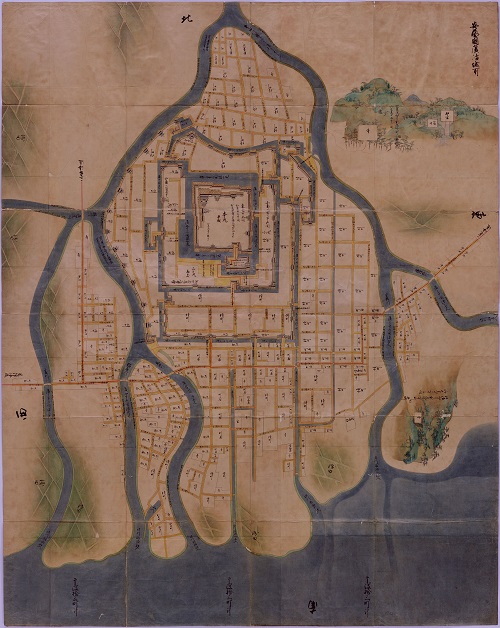
安芸国広島城所絵図、江戸時代~The illustration of Hiroshima Castle in Aki Province, in the Edo Period(出典:国立公文書館)

徳川幕府が設立されてから後に、福島氏が城を完成させたと言われています。城には5層の天守の他、88もの櫓がありました。主要な曲輪は水堀により区切られて、橋でのみつながっていました。また、他の川や堀によっても囲まれていました。代わりにこのような環境下では、洪水から被害を受けやすくなります。福島は洪水の度に城を補修せざるを得ませんでした。しかながら、頻繁な工事は幕府に福島が反乱を起こすのではないかと疑念を生じさせ、福島は1619年に改易となってしまいます。
After the Tokugawa Shogunate was established, it is said that the Fukushima clan completed the castle. It had a five layer Tenshu keep and 88 turrets. Primary enclosures were separated by water moats, connected by only bridges. They were also surrounded by many other rivers and moats. Instead, in such conditions, it could suffer from flooding. Fukushima had to repair the castle constantly after floods. However, frequent constructions made the Shogunate doubt Fukushima might be against the Shogunate. Fukushima was fired in 1619.

広島城の城主だった福島正則肖像画、東京国立博物館蔵~The portrait of Masanori Fukushima, the lord of Hiroshima Castle, owned by the Tokyo National Museum(licensed under Public Domain via Wikimedia Commons)

その後、浅野氏が広島を250年以上統治しました。浅野氏は城をほとんど同じ状態で維持しましたが、市街地や農地を埋め立てにより拡張しました。埋め立て地は、広島市の礎になっています。
After that, the Asano clan governed Hiroshima for 250 years. They had kept the castle almost the same as original. They continued to reclaim land for towns and fields. The reclaimed area is the foundation of Hiroshima City.

広島市周辺の現代の地図~The present map around Hiroshima City

特徴~Features

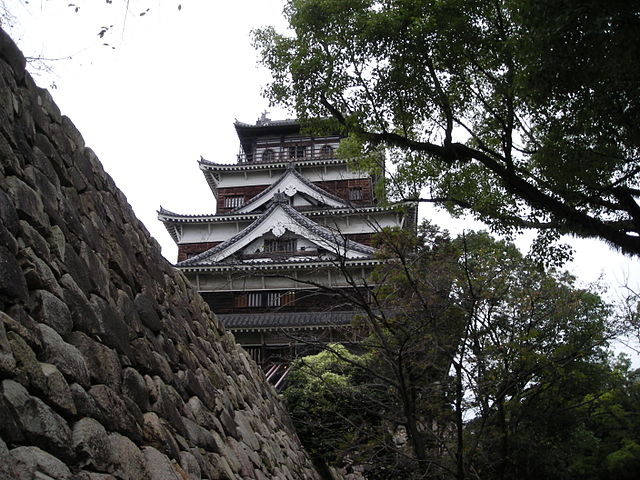
現在、主に本丸と二の丸の跡地が内堀に囲まれて残っています。そこには現存建物はありません。天守は本丸の北西隅に外観復元されています。その内部は歴史博物館として使われていて、広島市や広島城の歴史を学ぶことができます。二の丸は外部から本丸に向かう途中に、出丸のようになっていて、周りの内堀により独立しています。とても独特なスタイルです。
Now, ruins of mainly Honmaru and Ninomaru enclosures surrounded by the inner moat remain. No remaining buildings are there. The Tenshu has been apparently restored at the north-west corner of Honmaru. Its interior is used as a historical museum where you can learn about the history of the city and castle. Ninomaru is like a barbican on the way from outside to Honmaru, isolated by the inner moat around. It’s a very unique style.

城周辺の航空写真~The aerial photo around the castle

外観復元天守~The apparently restored Tenshu(taken by NR1000 from photoAC)

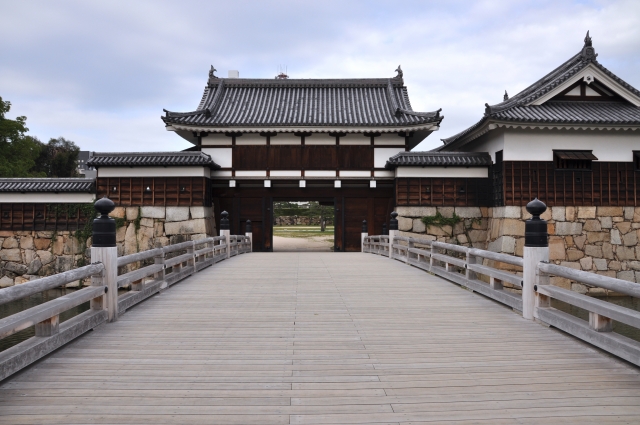
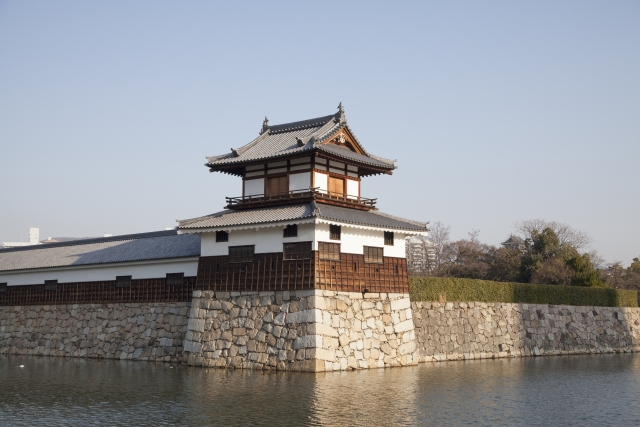
二の丸では、表御門や太鼓櫓といったいくつかの建物が最近になって元来の工法で復元されています。
Several buildings like the Front Gate and the Drum Turret were recently restored in the original way at Ninomaru.

復元された二の丸の表御門~The restored Front Gate at Ninomaru(taken by NR1000 from photoAC)
復元された二の丸の太鼓櫓~The restored Drum Turret at Ninomaru(taken by acworks from photoAC)

その後~Later Life

この城の近代の歴史はより過酷だったかもしれません。明治維新後、城跡は日本陸軍の広島鎮台の用地に転用されました。多くの城の建物は軍施設に置き換わりました。特に、1894年の日清戦争時には大本営が移ってきました。明治天皇が東京からここに来て、直接軍隊を指揮したのです。近くの宇品には大きな軍港もあり、広島は第二次世界大戦までは軍都として繁栄したのでした。
The modern history of the castle might be stormier. After the Meiji Restoration, the ruins of the castle were turned into the ground for Hiroshima Chindai of the Japanese Army. Many castle buildings were replaced with military facilities. In particular, the Imperial Headquarters was relocated there during the Sino-Japanese War in 1894. Emperor Meiji moved there from Tokyo to order his soldiers. There was a large navy port called Ujina nearby, and Hiroshima had been a military-based city until World War II.

右側が広島大本営の建物~The building of the Imperial Headquaters on the right(licensed under Public Domain via Wikimedia Commons)

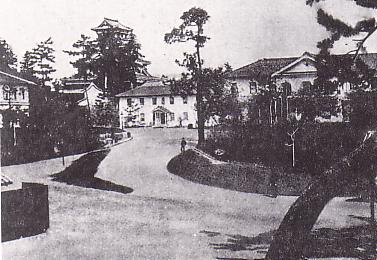
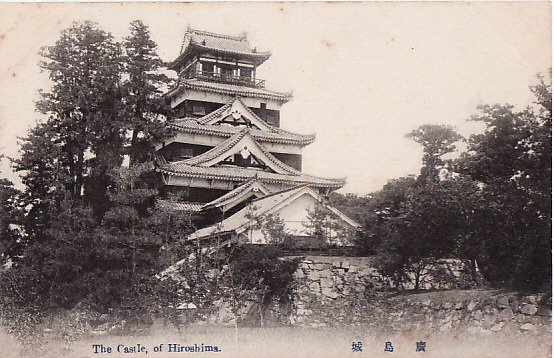
1945年8月、広島の人たちはなぜ大きな空襲がここにはないのか訝しんでいました。それは、広島が原子爆弾の標的の一つだったからでした。8月6日の朝、8時15分、原爆は非戦闘員、婦女子を含む約15万人もの人たちを殺し、市街地のすべての建物を破壊しました。現存していた広島城の天守は、原爆の爆風により一瞬のうちに倒壊し、それから燃え出しました。
In August 1945, people in Hiroshima were wondering why they didn’t suffer from large air raids. That was because the city was one of the targets of the atomic bombs. At 8:15 AM on August 6, the bomb killed around 150,000 people including non-combatants, women and children as well as all of the buildings in the city area. The remaining Tenshu keep of Hirosima Castle collapsed in an instant by the bomb blast before burning out.

第二次世界大戦まで現存した天守~The remaining Tenshu until World War II(licensed under Public Domain via Wikimedia Commons)

戦争直後の城周辺の航空写真~A aerial photo of around the castle just after the World War II

戦後になって、人々は焼土となった城跡をどう扱うべきか議論を行いました。1951年の広島国体の間のみ仮の天守が作られました。そのとき人々は広島の平和と復興のシンボルとして天守が必要だと気付いたのです。そのため、現在の天守が1958年に外観復元されました。
After the war, people discussed how they should treat the burned ruins of the castle. When the temporary Tenshu was built in 1951 just during a National Sports Festival in Hiroshima, they realized that they need to rebuild the Tenshu as a symbol of peace and restoration for the city. That’s why the present Tenshu was apparently restored in 1958.

復元された天守~The restored Tenshu

私の感想~My Impression

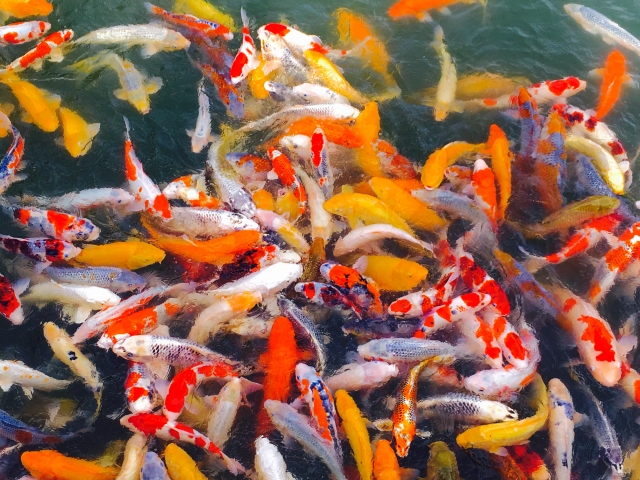
広島城は、城の存在意義が戦争から平和のためにと変わっていった典型例でしょう。日本のプロ野球球団、広島東洋カープの「カープ」という名前は、この城の愛称「鯉城」から来ています。この城が末永く平和と繁栄のシンボルであり続けるよう願ってやみません。
Hiroshima Castle is a typical example of a castle’s role being turned from war into peace. Hiroshima Toyo Carp is a Japanese pro baseball team. The name “Carp” comes from the castle’s nickname, the Carp Castle “Ri-Jo”. I hope that the castle will be a symbol of peace and prosperity now and forever.

広島城の堀にいる鯉~Carps in the water moat of Hiroshima Castle(taken by tomo3368 from photoAC)

ここに行くには~How to get There

広島駅から:徒歩で約25分かかります。市内電車の場合1・2・6番電車に乗り、紙屋町東停留所で降りてください。バスの場合は広島駅南口バスターミナルで7・8・9番乗り場から乗り、合同庁舎前バス停で降りてください。
車で行く場合:山陽自動車道の広島ICから約10分かかります。城の周りにいくつか駐車場があります。
From Hiroshima station: It takes about 25 minutes on foot. Or take the tram line 1, 2, or 6, and take off at the Kamiyacho-Higashi stop. Or take the bus line 7, 8, or 9 at Hiroshima Station south exit bus terminal, and take off at the Godochosha-Mae bus stop.
If you want to go there by car: It takes about 20 minutes from the Hiroshima IC on San-yo Expressway. There are several parking lots around the castle.

リンク、参考情報~Links and Rererences

広島城公式ホームページ~Hiroshima Castle
・広島城400年、中国新聞社編、第一法規(Japanese Book)
・決戦!広島城、松永弘高著、朝日新聞出版(Japanese Book)
・よみがえる日本の城7、学研(Japanese Book)

error: Content is protected !!