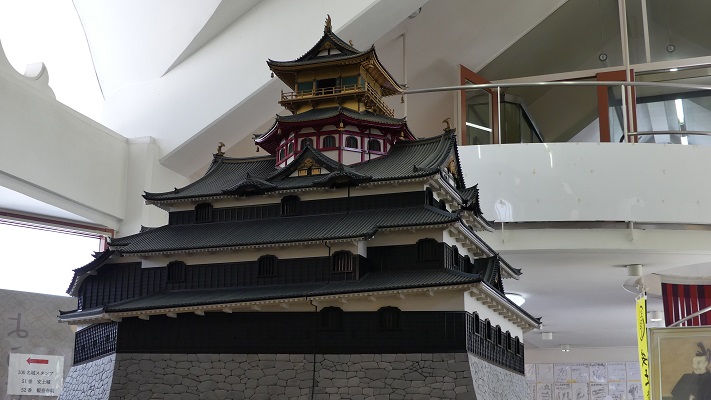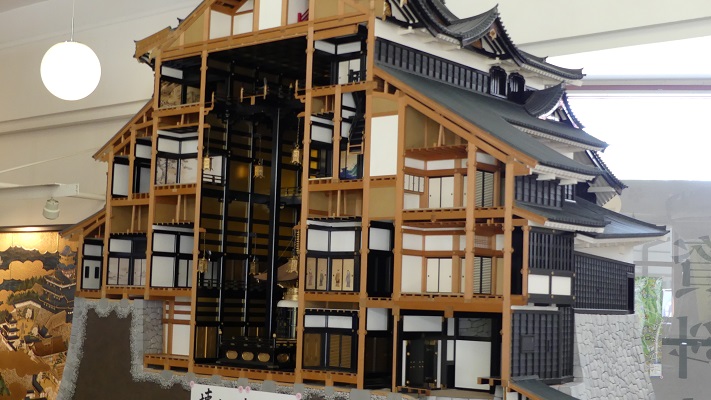
109.米沢城~Yonezawa Castle

改革は困窮から生まれました。
The innovation came from poverty.

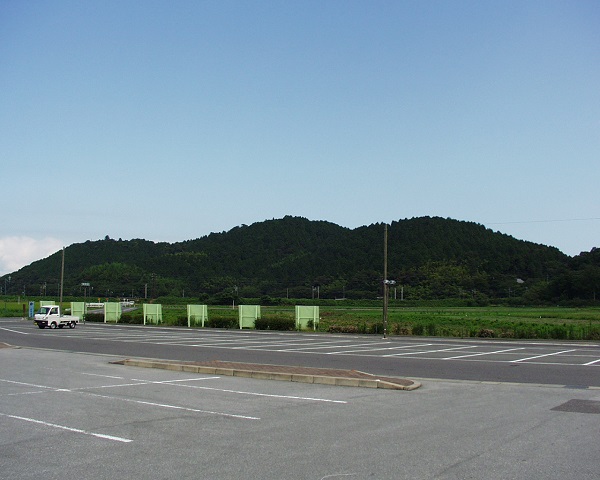
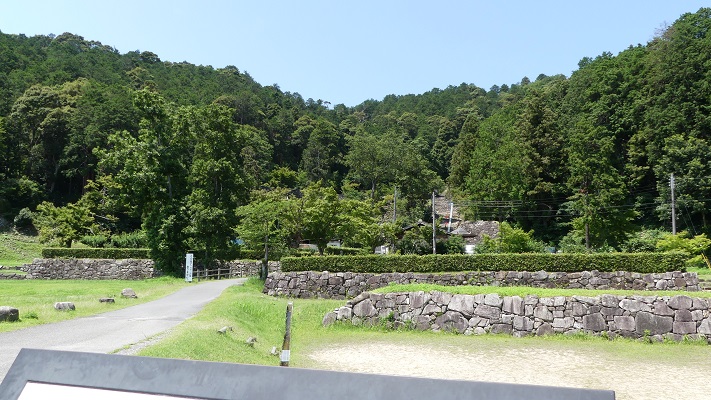
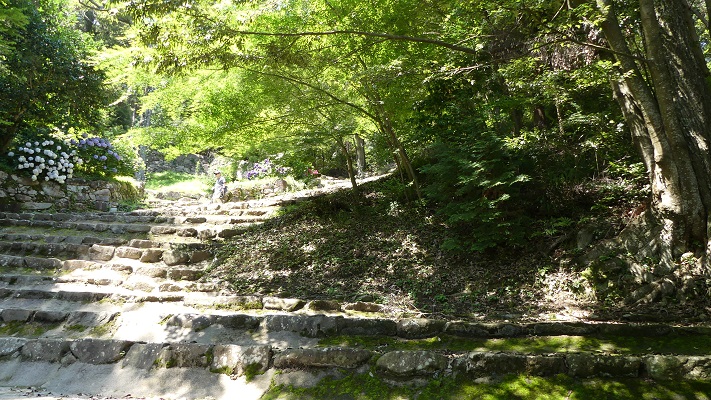
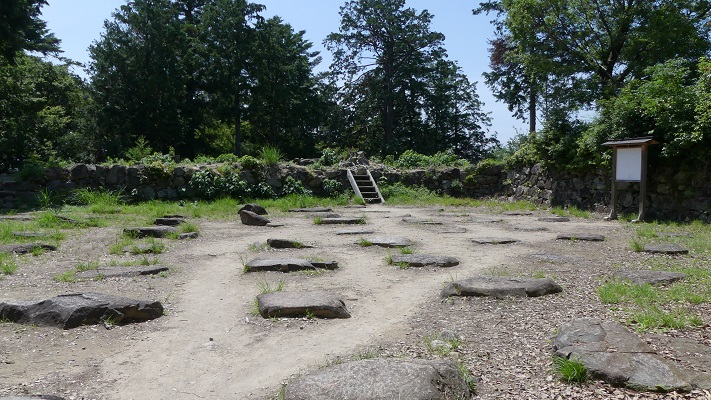
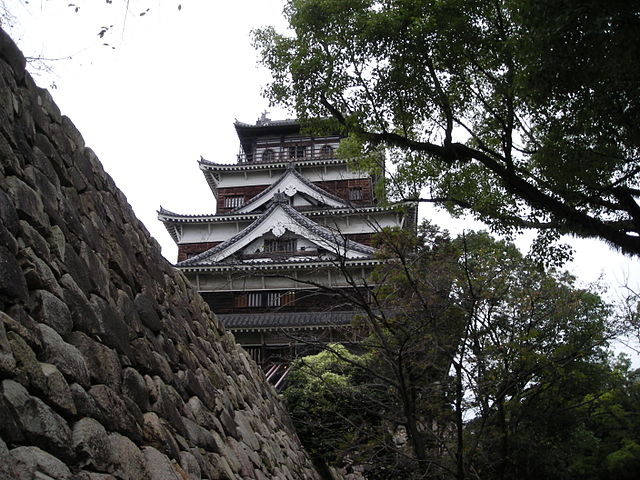
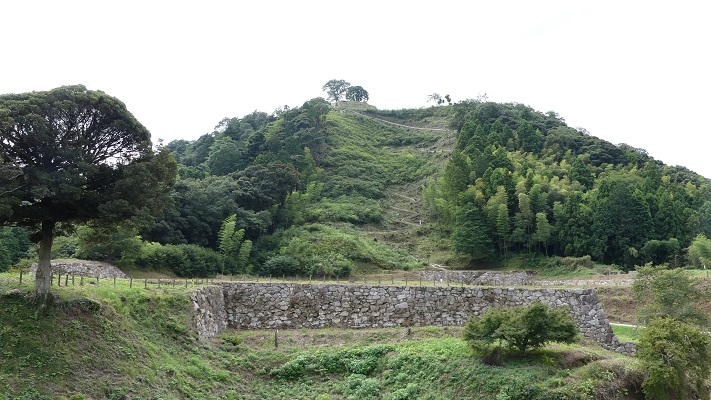
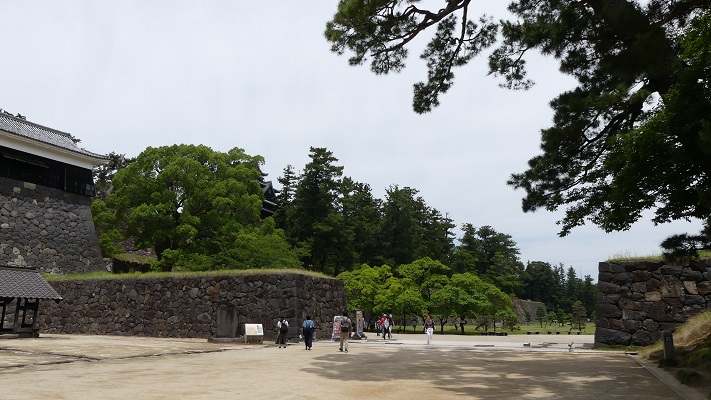
A view of Honmaru ruins〜本丸跡の風景

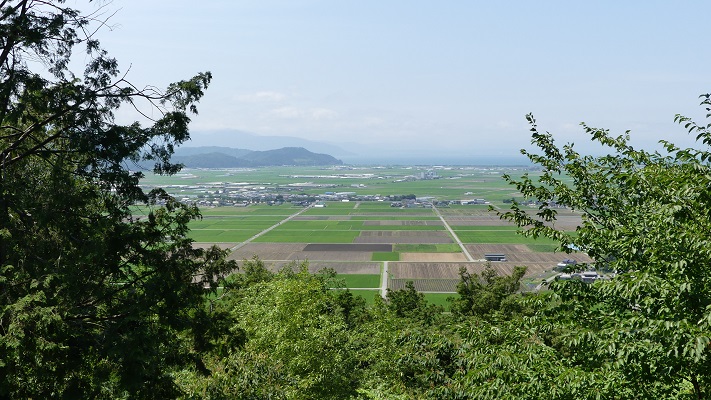
米沢城は、山形県南部の米沢盆地に位置していました。城は平地の上で三重の堀に囲まれていました。この城は最初は大江氏によって築かれたと言われていますが、戦国時代の伊達氏の居城として有名です。最終的には、この城は越後国(現在の新潟県)から移ってきた上杉氏の所有となりました。
Yonezawa Castle was located on the Yonezawa Basin in the southern part of Yamagata Pref. It was surrounded by water moats tripled on a plane area. It is said that the Ohe clan first built the castle, but it is famous for the Date clan’s home in the Warring States Period. Finally, the castle belonged to the Uesugi clan that transferred from Echigo Province (now Niigata Pref.).

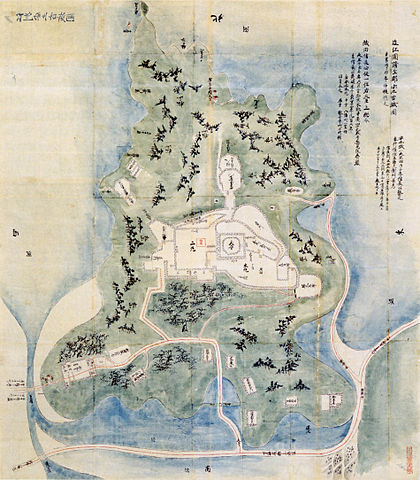
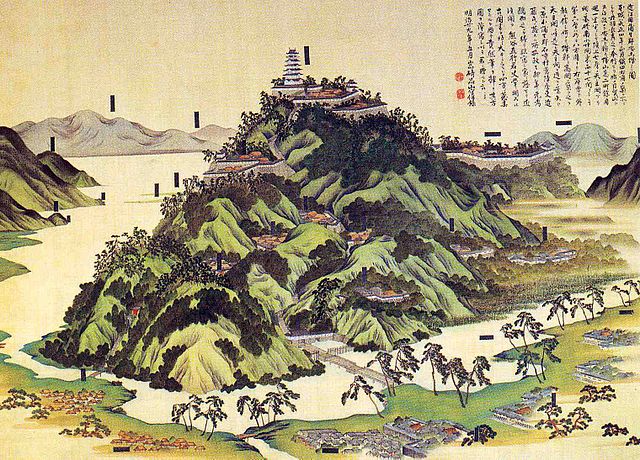
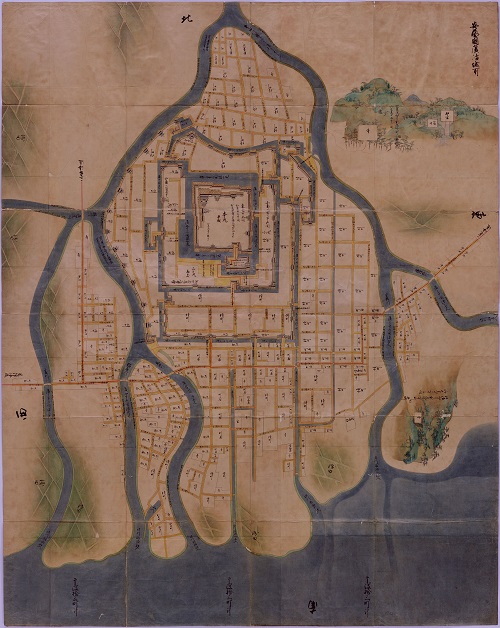
出羽国米沢城絵図部分、江戸時代~Part of the illustration of Yonezawa Castle in Dewa Province, in the Edo Period(出典:国立公文書館)

上杉氏は最初、豊臣氏の統治の下では120万石を領有していました。江戸時代になって、上杉氏の米沢藩の石高は15万石まで減少しました。徳川幕府により当初の8分の1まで減らされたのは、関ヶ原の戦いでの敗戦と、相続の不手際によるものでした。藩は困窮に陥りました。藩士の数を120万石の時のままにしていたからです。江戸中期までに藩士の俸禄は半分にカットされました。農民の数は減り続け、人々の間には浪費をし、怠ける風潮が蔓延しました。
Uesugi clan first earned a fief of 1.2 million koku of rice during the Toyotomi clan’s governance. In the Edo Period, the earning of Yonezawa Domain of the clan decreased to 0.15 million koku. One eighth of the first by the Tokugawa Shogunate was due to the defeat in the Battle of Sekigahara and the mismanagement of inheritance. They were reduced to poverty because they had kept the number of warriors to 1.2 million koku. By mid Edo Period, warriors’ salaries were cut in half. The population of farmers was decreasing, people became lazy just using money.

米沢藩の15万石の領地~Yonezawa Domain’s territory of 0.15 million koku of rice(licensed by BigBang19 via Wikimedia Commons)

1767年に上杉鷹山が米沢藩の10代目の藩主として登場しました。彼は藩の改革を開始しました。中国古代の伝説上の聖人を理想としながらも、様々な実用的な学問を基にした政策を推し進めたのです。彼自身は倹約しましたが、農業、工芸、繊維業といった産業を振興しました。彼はまた有名な学者を招き、女性を含む民衆の教育を進めました。一定の条件が整えば、子供や高齢者には褒賞金も支給されたのです。
Yozan Uesugi rose as the 10th lord of Yonezawa Domain in 1767. He started the innovation of the domain, pursuing the governance of ancient legendary Chinese saints, and promoted his policies based on mixed practical learning. He saved expense for himself, but increased industries in the domain such as agriculture, crafts and textile. He also let people including women educated by invited famous scholars. Children and elders were provided a bonus under certain regulation.

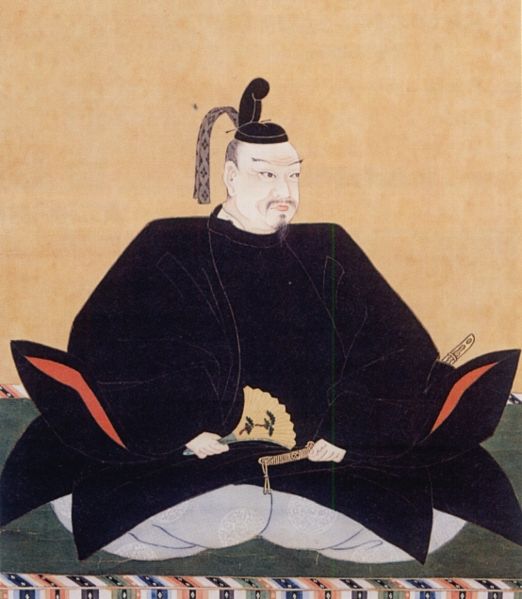
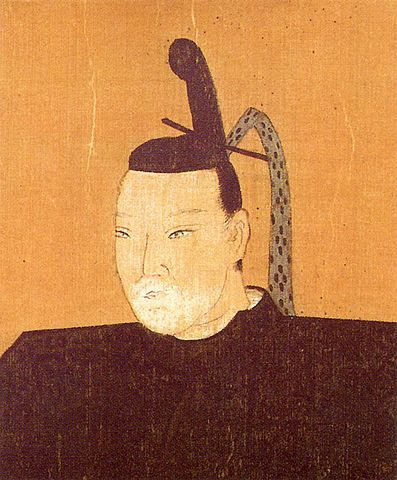
上杉鷹山肖像画、上杉神社蔵~The portrait of Yozan Uesugi, owned by Uesugi Shrine(licensed under Public Domain via Wikimedia Domain)

鷹山は、「富国安民」という、国が豊かになり、人々が安心して暮らせる状態の実現を目指しました。彼の統治は当時からよく知られていたのですが、明治時代の指導者たちでさえ米沢の産業の振興ぶりに驚いているほどです。例えば、帝人は米沢が発祥の繊維会社です。第35代アメリカ大統領のジョン・F・ケネディも鷹山を尊敬していたと言われています。ケネディの娘、キャロラインは米国大使として2014年に米沢市を訪問し、そのことを述べています。
Yozan aimed to reach the state of national wealth and people living in peace called “Fukoku-Anmin”. While his governance got well-known from that time, leaders in the Meiji Era were still surprised the rise in industry in Yonezawa. For example, Teijin is a textile company that comes from this city. It is said that even the 35th U.S. president John F. Kennedy respected Yozan. His daughter Caroline Kennedy, the U.S. ambassador to Japan, visited Yonezawa City in 2014 and mentioned that.

米国50セント硬貨に刻まれたケネディの横顔~Kenedy’s profile on a U.S. fifty cent peace(licensed under Public Domain via Wikimedia Commons)

特徴~Features

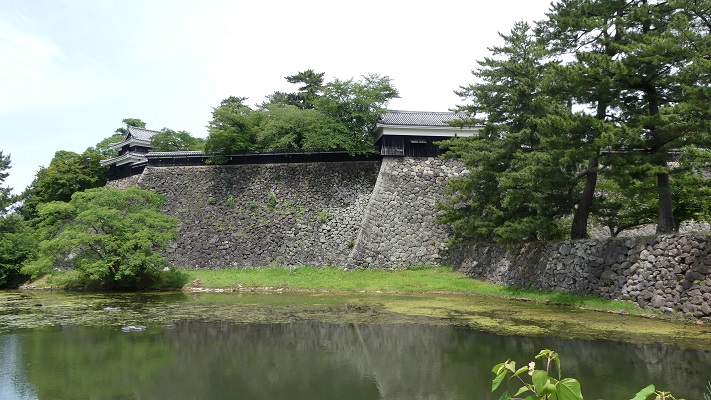
現在、本丸の跡地が上杉神社を含む松が岬公園として残っています。そこには城の建物はありませんし、堀には高い石垣もありませんので、地味な印象を受けるかもしれません。その替わりにこの地には多くの歴史的文化的遺産があります。
Now, the ruins of the main enclosure “Honmaru” remain as Matsugasaki Park including Uesugi Shrine. They may have a quiet impression because there is no buildings for castle and the moat don’t have high stone walls. Instead, the site has many historical and cultural properties.

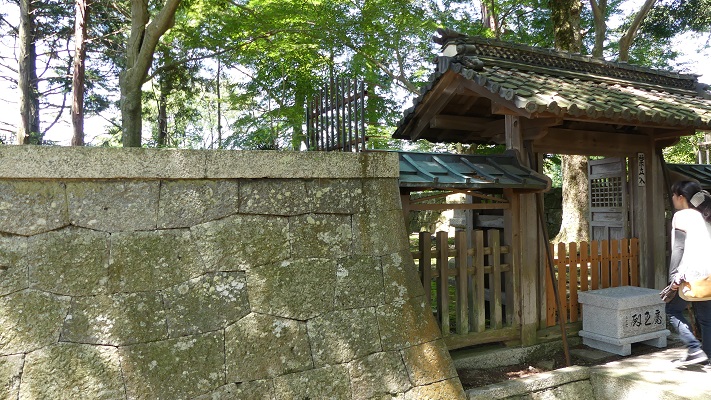
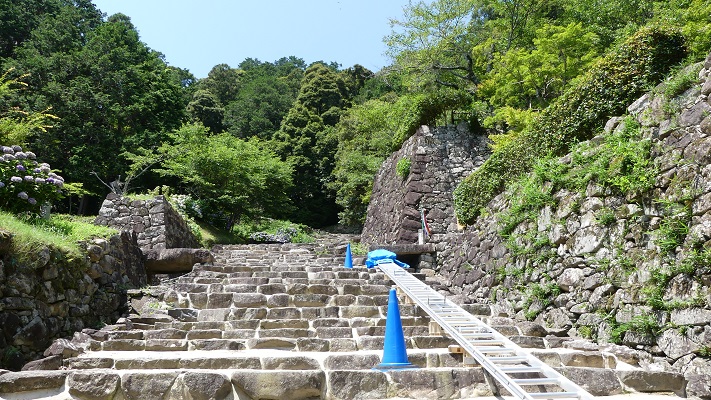
本丸跡入口~The entrance of Honmaru ruins

そのうちの一つは上杉氏の遺産です。米沢市上杉博物館では、洛中洛外図屏風(上杉本)を見ることができます。この屏風は有力な戦国大名織田信長から、上杉氏の始祖である上杉謙信に送られたものです。上杉神社の宝物館、稽照殿では謙信など上杉氏の実物の甲冑も見ることができます。
One of them is about Uesugi clan’s heritage. You can see the Folding Screens of Scenes in and around Kyoto (Uesugi Version) at Yonezawa City Uesugi Museum. They were sent to Kenshin Uesugi, the founder of the clan by a great warlord Nobunaga Oda. You can also see original armors of the clan such as Kenshin at Keishoden Museum of Uesugi shrine.

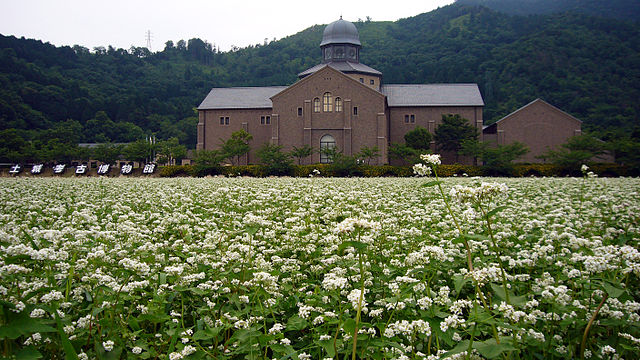
米沢市上杉博物館~Yonezawa City Uesugi Museum(licensed by contri via Wikimedia Commons)
「洛中洛外図屏風」左隻、米沢市上杉博物館蔵~The left wing of the Folding Screens of Scenes in and around Kyoto (Uesugi Version), owned by Yonezawa City Uesugi Museum(licensed under Public Domain via Wikimedia Commons)
左隻に描かれた足利将軍邸、右上の行列にいる貴人は上杉謙信と言われている~The palace of Ashikaga shogun on the left wing, it is said that the noble in the parade at the upper right corner is Kenshin Uesugi.

もう一つの見ものは上杉鷹山に関するものです。上杉博物館では彼の考えや治績について学ぶことができます。民衆を指導するための彼の自筆書簡を見ることもできます。そして、本丸には謙信を祀った祠堂の跡があります。ここは城の中で一番高く、最も重要な地点でした。鷹山は、飢饉のときここで人々の繁栄のために祈りを捧げたといいます。他には本丸の手前に鷹山が祭られている松が岬神社があります。そこには鷹山の銅像と、キャロライン訪問の記念碑があります。
Another attraction is about Yozan Uesugi. You can learn about his ideas and governance in the Uesugi Museum. His autograph letters that instructed people can also been seen there. There is the ruins of the ancestral hall for Kenshin in Honmaru, which was the highest ,most important spot in the castle. This is where Yozan pray for people’s prosperity during famines. There is also Matsugasaki Shrine in front of Honmaru, where Yozan is enshrined. You can see the statue of Yozan, and the monument of Caroline’s visit.

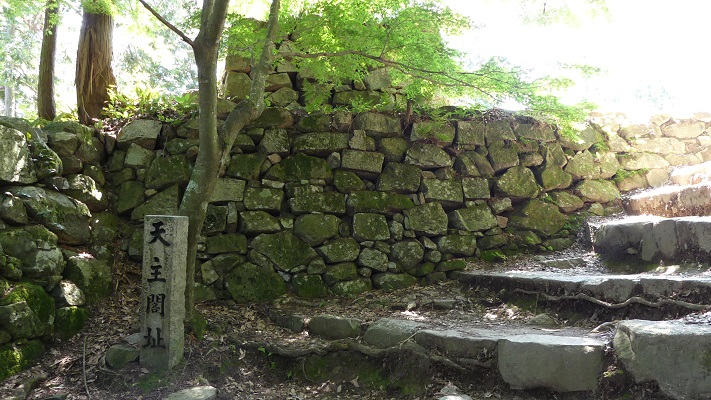
本丸の祠堂跡~The ruins of the ancestral hall at Honmaru
松が岬神社にある上杉鷹山銅像~The statue of Yozan Uesugi at Matsugasaki Shrine(taken by バカボン君 from photoAC)
キャロライン・ケネディ駐日米国大使訪問の記念碑~The monument of the visit of the U.S. ambassador to Japan, Caroline Kennedy

その後~Later Life

明治維新後、米沢城は1874年に松が岬公園となりました。城の建物は撤去され、代わりに公園内に上杉神社が設立されました。1919年の米沢大火により神社は焼けてしまい、現在の神社の社殿は1923年に再建されたものです。
After the Meiji Restoration, Yonezawa Castle was turned into Matsugasaki Park in 1874. The buildings of the castle were demolished and Uesugi Shrine was established in the park instead. The 1919 Yonezawa Great Fire burned down the shrine. The present shrine buildings were rebuilt in 1923.

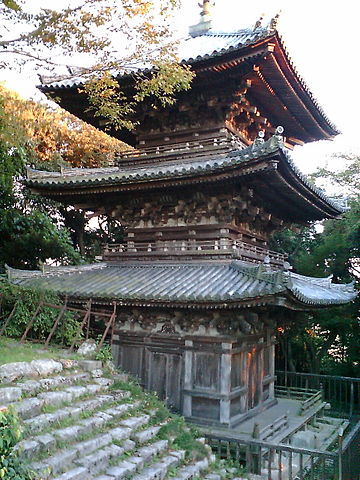
上杉神社社殿~Uesugi Shrine buildings

私の感想~My Impression

米沢城が地味な印象なのは、米沢藩の困窮からなのか、それともそれが方針だったのでしょうか。いずれにせよ、城がシンプルであるほど、上杉鷹山のメッセージが際立つような気がします。上杉神社にはもう一体の彼の銅像とともに、最も有名な格言を刻む石碑があります。「なせば成る」と。
the reason why the castle has a simple impression is because it comes from poverty or policy of Yonezawa Domain. Anyway, I think that the more simple the castle is, the clearer the message from Yozan Uesugi is. The monument of his most famous message is with his other statue in Uesugi Shrine. It’s “Naseba-Naru” which means “Where there is a will, there is a way.”

上杉神社にある上杉鷹山銅像と格言の石碑~The statue of Yozan Uesugi and the monument of his message

ここに行くには~How to get There

車で行く場合:東北中央自動車道米沢八幡原IC、米沢中央IC、または米沢北ICから10~15分かかります。城跡の周りにいくつか駐車場があります。
米沢駅からバスで行く場合:米沢駅西口バスターミナルから、米沢市街地循環バス(循環右回り)または山交バス(白布温泉行き)に乗り、上杉神社前バス停で降りてください。
東京から米沢駅まで:山形新幹線に乗ってください。
If you want to go there by car: It takes about 10 to 15 minutes from the Yonezawa-Hachimanpara IC, Yonezawa-Chuo IC or Yonezawa-Kita IC on Tohoku-Chuo Expressway. There are several parking lots around the ruins.
If you want to go there by bus from Yonezawa station: Take the Yonezawa citizen bus (city area circulation route-clockwise) or the Yamako bus bound for Shirabu-Onsen at the Yonezawa station west entrance bus terminal, and take off at the Uesugi-Jinja-Mae bus stop.
From Tokyo to Yonezawa st.: Take the Yamagata Shinkansen super express.

リンク、参考情報~Links and References

米沢観光ナビ~Yonezawa Sightseeing Navigation site
・「上杉鷹山と米沢 (人をあるく)/小関悠一郎著」吉川弘文館(Japanese Book)

21.江戸城その1~Edo Castle Part1

江戸城は間違いなく日本で最大の城です。なぜなら城が東京そのものになったからです。時々、外国からの旅行者の方は、どこに有名な城や城跡があるのかと尋ねられます。もし、そこが東京の中心地であるなら、もうそこは城の中かもしれません。
Edo Castke was definitely the largest castle in Japan, because it became Tokyo itself. Some foreign tourists ask that where famous Japanese castles and ruins are. They may be standing among castles if they are in the center of Tokyo.

皇居正門石橋と伏見櫓~The Imperial Palace Main Entrance Bridge and Fushimi Turret

立地と歴史~Location and History

東京を含む関東平野には、中世までは大きな湿地帯がありました。この理由から、はるか昔の東海道は西日本から伸びてきて、 海を越えて房総半島に至っていました。利根、渡良瀬、隅田といった大河が直接江戸湾に注いでいたのです
The Kanto Plain including Tokyo had large waterlogged area until the Middle Ages. For this reason, the Tokaido road went from eastern Japan to Boso peninsula over the sea hundreds years ago. Large rivers like Tone, Watarase, and Sumida directly flow into what is now Tokyo Bay.

古代の関東平野の海岸線~The coastline of Kanto Plain in ancient times(licensed by Llhoi2013 via Wikimedia Commons

江戸城は1457年に太田道灌によって最初に築かれました。彼には敵との境界線であった利根川の近くに城を築く必要があったのです。その後この城は、戦国時代の間関東地方の支配者であった北条氏の支城の1つであり続けました。しかし、地理的な制約から武士たちの都とするには不十分でした。
Edo Castle was first built by Dokan Ota in 1457. He needed to build the castle near the border with his enemy, Tone River. After that, the castle had been one of the branch castles of the Hojo clan who were the ruler of Kanto region during the Warring States Period. But the castle still didn’t deserve warrior’s capital because of its geographical features.

太田道灌肖像画、大慈寺蔵~The portrait of Dokan Ota, owned by Daijiji Temple(licensed under Public Domain via Wikimedia Commons)

豊臣秀吉は1590年に北条氏を滅ぼし、徳川家康に対し、北条氏に代わり関東地方に転封するよう命じました。秀吉はまた、家康の首府として江戸を指定したと言われています。秀吉は、彼による攻撃を3ヶ月間も耐えた北条氏の首府、小田原に家康が居座るのを恐れたからといいます。
Hideyoshi Toyotomi defeated Hojo clan in 1590, and ordered Ieyasu Tokugawa to move to Kanto region instead of Hojo. It is said that he also designated Edo as Ieyasu’s capital because he feared Ieyasu would settle at Hojo’s capital Odawara which could withstand Toyotomi’s attack for three months.

豊臣秀吉肖像画部分、加納光信筆、高台寺蔵~part of the Portrait of Hideyoshi Toyotomi, attributed to Mitsunobu Kano, owned by Kodaiji Temple(licensed under Public Domain via Wikimedia Commons)

家康は江戸に到着した直後から、江戸城への驚くべき大改造を開始しました。これは、日本人による湾岸地域での都市作りの初めての試みと言われています。
Immediately after Ieyasu arrived at Edo, he started an incredible renovation of Edo Castle. It is said that it was the first attempt for Japanese people to build a city on a waterfront area.

徳川家康肖像画、加納探幽筆、大阪城天守閣蔵~The Portrait of Ieyasu Tokugawa, attributed to Tanyu Kano, owned by Osaka Castle Museum(licensed under Public Domain via Wikimedia Commons)

初期の江戸城は、現在の山の手地域にありました。現在の下町地域は、海面下か湿地帯でした。そして、江戸前島と呼ばれた砂州がありました。また、陸地と砂州の間には日比谷入江が入り込んでいました。
The first Edo Castle was in the present uptown area. The present down town area was below the Sea or waterlogged. There was a sand bank called Edo-Maeto. There was also the Hibiya arm of the sea between the land and the bank.

赤い線は現在の地図に残された江戸前島と日比谷入江の痕跡~The red line shows the remaining trace of Edo-Maetou and Hibiya Arm of the Sea on the present map

徳川家臣団は、水上交通のために江戸前島を横切る運河を掘り、川の流路を付け替えたりしました。彼らはまた、このような湾岸都市であったため、上下水道の設備も整えなければなりませんでした。その結果、江戸は水の都となったのです。
Tokugawa team created a canal across Edo-Maeto and change the route of rivers for water transportation. They also had to build a system for water supply and sewerage on such a waterfront city. As a result, Edo became a city of waterways.

戦前の東京の航空写真、まだ水路がたくさん残っていました~A aerial photo of Tokyo before the World War II, a lot of wateways still remained.

家康が1600年に天下を取った後、彼は全国の諸大名に天下普請と呼ばれる城の拡張工事を命じました。日比谷入江は城の用地拡大と防衛上の必要のため、埋め立てられました。この大規模な工事により、天守を含む多くの建物が作られ、多くの堀が掘られ、石垣が高く積まれました。
After Ieyasu got the power in 1600, he ordered lords of the whole country to improve the castle called Tenka-Bushin. They reclaimed Hibiya arm of the sea to spread the ground for the castle as well as the need for defense. Many buildings including Tenshu keep were built, many moats were dug, and high stone walls were built by the large scale construction.

「江戸図屏風」左隻部分、17世紀、国立歴史民俗博物館蔵~Part of “View of Edo” left screen. pair of six-panel folding screens, in the 17th century, owned by National Museum of Japanese History(licensed under Public Domain via Wikimedia Commons)

大名たちは少なくとも6万個もの百人石と呼ばれた4トン石を、伊豆半島から海を越えて江戸まで運ばねばなりませんでした。1603年から1660年まで続いた天下普請は江戸を日本一の大城郭に仕立てたのです。
These lords had to carry at least 60,000 four ton stones called Hyakunin-Ishi from Izu Peninsula to Edo over the sea. Tenka-Bushin between 1603 and 1660 resulted in Edo Castle being the largest castle in Japan.

伊豆半島に残されている江戸築城石~A quarry stone for building Edo Castle left in Izu Peninsula(licensed by GuchuanYanyi via Wikimedia Commons)

江戸城は、内郭と外郭に分かれていました。内郭は内堀の内側で、城の中心部分で、主要な曲輪である本丸、二の丸、西の丸から構成されていました。その外周は8km近くありました。そこには天守、それぞれの曲輪に御殿があり、そして警備のために多くの櫓や門がありました。
Edo castle was divided into Naikaku and Gaikaku. Naikaku was the inside of the inner moat, and consisted of the center portion of the castle including main enclosures Honmaru, Ninomaru, and Nishinomaru. Its perimeter was nearly 8 km. It had the Tenshu keep, halls for each main enclosure, many turrets and gates for security.

今に残る内郭部分の航空写真~The aerial photo of the remaining Naikaku portion

外郭は、外堀に囲まれていた区域で、その外周は約16kmもありました。見附と呼ばれた大型の門と橋のセットが約50ヶ所、主要街道と堀との交差点に置かれ、民衆と交通を監視していました。
Gaikaku was the surrounding area by outer moat whose perimeter was about 16 km, even including the city area. About 50 sets of a large gate and bridge called Mitsuke were placed at the intersections of the moat and major roads to check people and transportation.

江戸古地図上での外郭範囲~The range of Gaikaku on the old Edo map(licensed by Tateita via Wikimedia Commons)

その完璧な構造にも関わらず、この城は敵からではなく、火災による被害を受けました。もっとも有名なのは1657年に発生した明暦大火です。この大火により、大半の江戸市域、江戸城、そして3代目の天守が焼け落ちました。大火の後、4代目天守の再建工事が開始されましたが、中止となりました。そのための天守台は今でも見ることができます。
Despite the perfect structure, the castle suffered not from enemies, but from fires. The most famous one was the great fire of Meireki in 1657. It burned out most of Edo City, Edo Castle, and the third Tenshu keep. After the fire, the rebuilding of a fourth Tenshu was launched, but canceled. We can now see the prepared Tenshu base for it.

4代目天守台~The base of the forth Tenshu keep(taken by 松波庄九郎 from photoAC)

将軍は本丸御殿に住み、統治を行いましたが、御殿も火災での焼失と再建を繰り返しました。幕末になってから、将軍は焼けた本丸御殿から通常は隠居した将軍が住む西の丸御殿に移らなければなりませんでした。予算がなかったからです。
Shogun lived and governed in Honmaru hall, but the hall was also burned down and restored several times. At the end of the Edo Period, Shogun had to move from the burned Honmaru hall to Nishinomaru hall where retired Shogun usually lived, because of the lack of money.

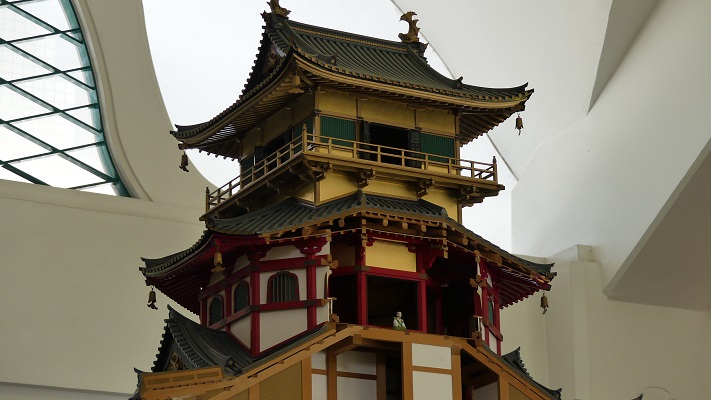
江戸東京博物館にある本丸と二ノ丸御殿の模型~The miniature model of Honmaru and Ninomaru halls at Edo-Tokyo Museum(licensed by Daderot via Wikimedeia Commons)

明治維新のとき、西日本の方で新政府と幕府の間で戦いが起こりました。結果として、西郷隆盛と勝海舟との会談が行なわれ、江戸城は新政府に平和裏に引き渡されました。
During the Meiji Restoration, a battle between the New Government and Shogunate was fought in eastern Japan. As a result, Edo Castle was handed over to New Government without war after the meeting between Takamori Saigo and Kaishu Katsu.

西郷・勝会談の記念碑~The monument of the meeting between Saigo and Katsu(licensed by 江戸村のとくぞう via Wikimedia Commons)

1869年、江戸は東京と名前を変え、日本の首都となりました。そして明治天皇が将軍と入れ替わりで、古都京都から東京の江戸城西の丸御殿に移りました。そのため、現在西の丸は皇居の一部となっています。
In 1869, Edo was renamed Tokyo which became the capital of Japan, before the Emperor Meiji move from old capital Kyoto to Nishinomaru hall of Edo Castle in Tokyo instead of Shogun. That’s why Nishinomaru is now part of the Imperial Palace.

明治天皇の東京到着を描いた錦絵~The picture that shows the arrival of Emperor Meiji to Tokyo(licensed under Public Domain via Wikimedia Commons)

「江戸城その2」に続きます。~To be continued in “Edo Castle Part2”

189.鞠智城~Kikuchi Castle

It was mysterious, but its achievement took root.
この城は不思議な存在でしたが、その成果は地域に根付きました。

外郭から見た復元された鼓楼~The view of the restored drum tower from the outline

立地と歴史~Location and History

鞠智城は西日本における古代山城の一つです。663年の朝鮮での白村江の戦いの後、朝廷によって築かれました。日本は百済国を助けようとしたのですが、唐と新羅の連合軍に敗れてしまったのです。天智天皇は連合軍の日本への侵攻を恐れ、山城の建設を命じ、それは百済からの難民の力を借りて行われました。そのため、これらの城は「朝鮮式山城」とも呼ばれています。
Kikuchi Castle was one of ancient mountain castles in western Japan. It was built by the Imperial Court after the Battle of Baekgang, Korea in 663. Japan tried to help Baekje, but was beaten by the ally of Tang and Silla. Emperor Tenchi was scared of invasion by the alley, so he ordered to build these castles with the help from the refugees from Baekje. That’s why these castles are also called “Korean style mountain castles”.

白村江の戦いの図~The map about the Battle of Baekgang(licensed by Samhanin via Wikimedia Commons)

鞠智城は、九州地方で記録されている5つの山城のうちの一つです。その他は、大野城、水城、基肄城、金田城です。これらの城は侵攻があった場合に想定される進路に沿って置かれました。しかしながら、鞠智城については少し変なのです。大野城が近くにある大宰府政庁からは60kmも離れていて、もう一つの想定攻撃路である有明湾からも30km離れていました。この城は補給基地であったとか、やはり有明での攻撃に備えたものだという人もいます。ある歴史家は、百済からの難民の収容施設だったのではないかと言っています。なぜならこの周辺地域は、百済との貿易や文化面で関わりがあったからです。事実、この遺跡の貯水池跡から百済観音像が発見されました。加えて、この場所は他の古代山城と比べて低い位置にあり、居住にも適していました。
Kikuchi Castle was one of the five recorded ones in Kyushu region. The others were Ono, Mizuki, Kii, and Kaneda. They had their locations on the way or alongside of expected routes for the invasion. However Kikuchi was a little strange. It was about 60 km away from the Dazaifu government, near Ono Castle, and nearly 30 km from Ariake Bay, another possible attack route. Some speculate it could have been a supply base or preparation for an attack on Ariake. A historian says that the castle could nave been an accommodation for refugees from Baekje, because the area around the castle had been related to Baekje’s in trading and culture. Indeed, a Baekje Buddha statue was excavated from the ruins of the water reservoir. In addition, this site is lower than other ancient mountains castles that made it livable for people.

九州地方の5つの記録された古代山城の位置~The location of five recorded ancient mountain castles in Kyushu region

その後侵攻の危機は去ったのですが、この城は10世紀まで約200年に渡って使われました。この城の歴史の後半においては、軍事拠点、政庁、それに倉庫として使われたようなのです。城の周辺地域は肥沃になり、貿易でも繁栄しました。城が廃城となって約300年後、菊池氏が日本の武士団の頭領となり、侵攻してきた蒙古軍と戦いました。
Despite the crisis of the invasion being resolved, the castle was used for about 200 years until the10th century. In the later stages of its life, it seemed to be an army base, government office, and storage. The area around the castle became fertile and prosperous with trading. About 300 years after the castle was abandoned, the Kikuchi clan fought with the Mongolian Invasion as the leader of Japanese warriors.

菊池武房、「蒙古襲来絵詞」より~Takefusa Kikuchi from “The picture scrolls of the Mongol invasion attempts against Japan”(licensed under Public Domain via Wikimedia Commons)

特徴~Features

近世の城が持つイメージとは違い、この城の主な構造物は、外周が3.5kmに及ぶ外郭部分です。そこには4つの門があり、その間には版築による土塁が続いていました。
Unlike the image of early modern age castles, the main structure of the castle is outlined with a perimeter about 3.5 km long. It had four gates and walls between them were made from rammed earth.

城周辺の地図~The normal map around the castle

外郭土塁の一部~Part of the earthen walls on the oitline

外郭沿いの歩道は現在トレッキングコースになっています。門跡を一つ一つたどっていくことで、城がどのくらいの大きさだったのかがわかります。
The path along the outline is now used for trekking. You can see the ruins of the gates one by one, and feel how large the castle was.

歩道は外郭の土塁に沿っています~The path goes alongside the earthen walls on the outline

駐車場から一番近いのは深迫門で、通用門として使われたとみられます。
The nearest one from the parking lot is Fukasako Gate which could have been used as the side entrance.

深迫門跡~The ruins of Fukasako Gate

次に現れるのは堀切門で、ここが正門だったようです。
The next comes Horikiri Gate which could have been the main entrance.

堀切門跡~The ruins of Horikiri Gate

池の尾門というもう一つの門跡まで見て回ることができます。
外郭の内側には、恐らく鼓楼として使われたであろう三層の塔があり、最近発掘の成果により復元されました。この塔は平面が八角形でした。これは百済から取り入れた様式であり、古代日本ではとても珍しいものです。
You can go ane see another ruins of gate called Ikenoo Gate.
Inside of the outline, the three-layer tower, probably used as the drum tower, has been restored recently with the success of excavation. This tower is octagonal which came from the Baekje style, making it very unique to ancient Japan.

復元された鼓楼~The restored drum tower

兵舎や倉庫といった別種の建物も復元されています。
Other types of buildings such as barracks and warehouses have also been restored.

復元された兵舎~The restored barrack(licensed by 小池隆 via Wikimedea Commons)
復元された倉庫~The restored warehouse(licensed by 小池隆 via Wikimedea Commons)

その後~Later Life

10世紀に廃城となった後、城跡は畠となりました。それもこの地域の繁栄を表しているのかもしれません。この地域が最初に遺跡として調査されたのは1937年のことでした。1967年から2010年に渡っては32回も発掘が行われました。それ以来、研究者はシンポジウムを開催し、この城についての議論を深めています。城跡は歴史公園「鞠智城」として整備されており、鼓楼などの建物が復元されています。
After being abandoned in the 10th century, the ruins of the castle were turned into a farm. That might have shown the prosperity of this area. This area was first researched as ruins in 1937. It was excavated 32times between 1967 and 2010. Since then, while researchers have held symposiums and debated issues with the castle, the ruins has been developed as a historical park called “Kikuchi Castle”. Several buildings such as the drum tower have been restored.

1970年代の城跡周辺の航空写真~The aeriel photo of the area around the castle ruins in the 1970s

最近の城跡周辺の航空写真~The recent aerial photo around the castle ruins

今でもまだ畠が少し残っています~Few farm still remains now

私の感想~My Impression

この城跡は西側に面しているため、晴れた日の夕方には美しい夕日を見ることができます。それは絶好の写真スポットでもあります。私としては、公園の中央にある復元建物を見るだけではなく、歩道に沿った門の跡も見て回っていただきたいです。もっとこの城のことが理解できるでしょう。できたら岡山県の鬼ノ城のように門の一つでも復元されたらと思います。そうすれば世界中から観光客を呼び寄せることも可能かもしれません。
As the ruins face the west direction, you can see the beautiful sunset on a sunny evening. It can also be a good photo spot. I recommend visiting the restored buildings at the center of the park as well as the ruins of the castle’s gate ruins along the sidewalk to know more about the castle. I hope a gate might someday be restored, like Ki-no-Jo in Okayama Prefecture. That way, the castle may attract many people from around the world.

復元された鬼ノ城の西門~The restored Western Gate of Ki-no-Jo

ここに行くには~How to get There

ここに行くには車がお勧めです。九州自動車道植木ICから約20分、熊本空港から約40分かかります。歴史公園に駐車場があります。
I recommend using a car to get there. It takes about 20 minutes from the Ueki IC on Kyushu Expressway, or about 40minutes from Kumamoto Airport. The park offers a parking lot.

リンク、参考情報~Links and References

歴史公園鞠智城・温故創生館(Only Japanese?)
・「古代山城「くくちのき(鞠智城)」九州王朝再興の夢舞台」松見正宣著、文芸社(Japanese Book)
・「古代山城 鞠智城を考える―2009年東京シンポジウムの記録」笹山晴生監修、山川出版社(Japanese Book)

error: Content is protected !!