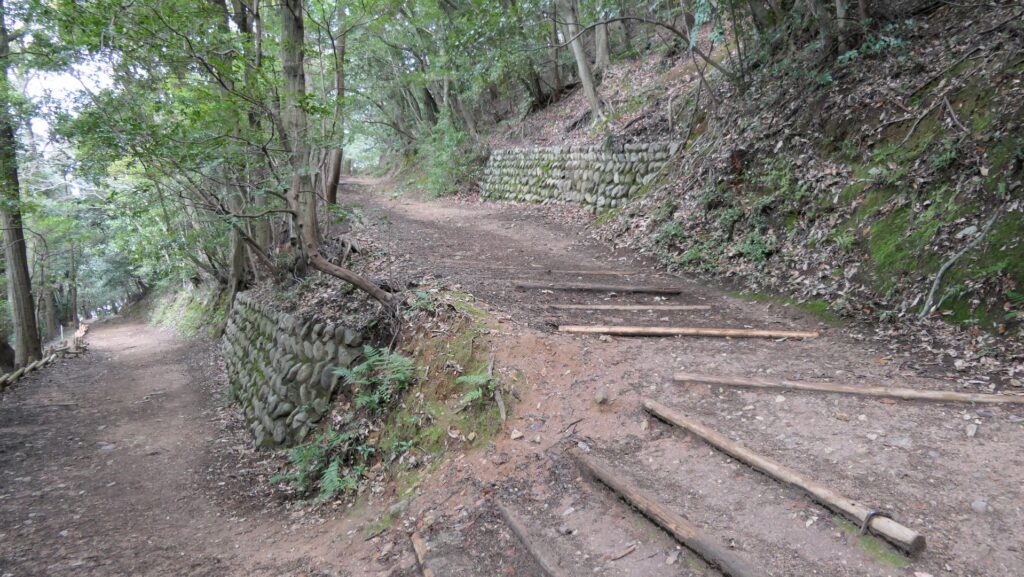
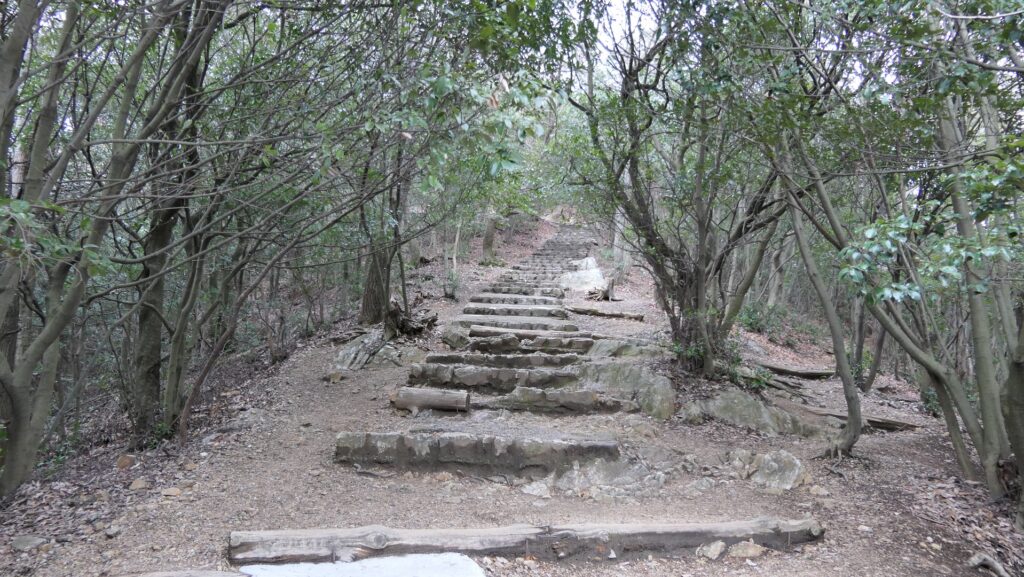
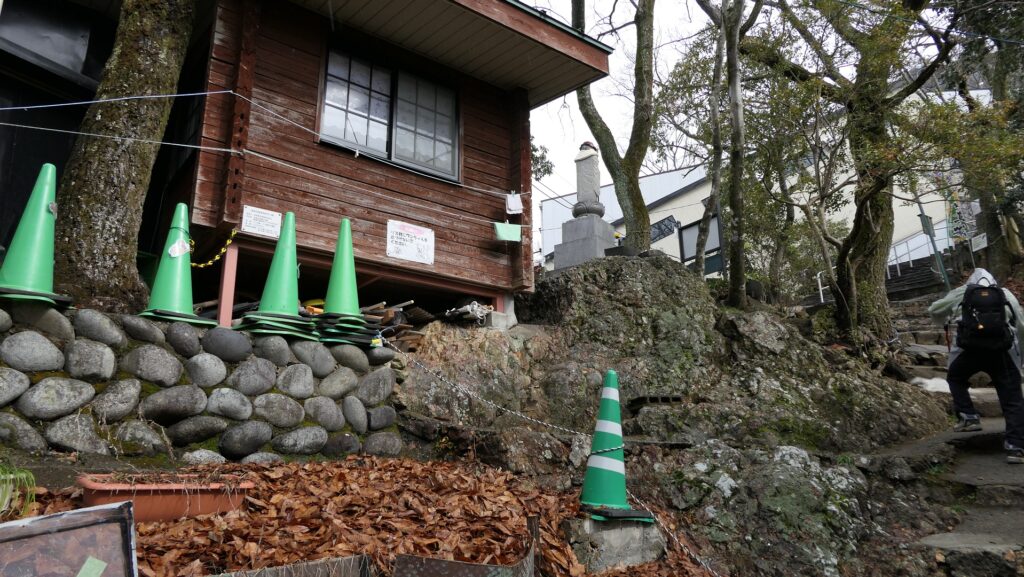
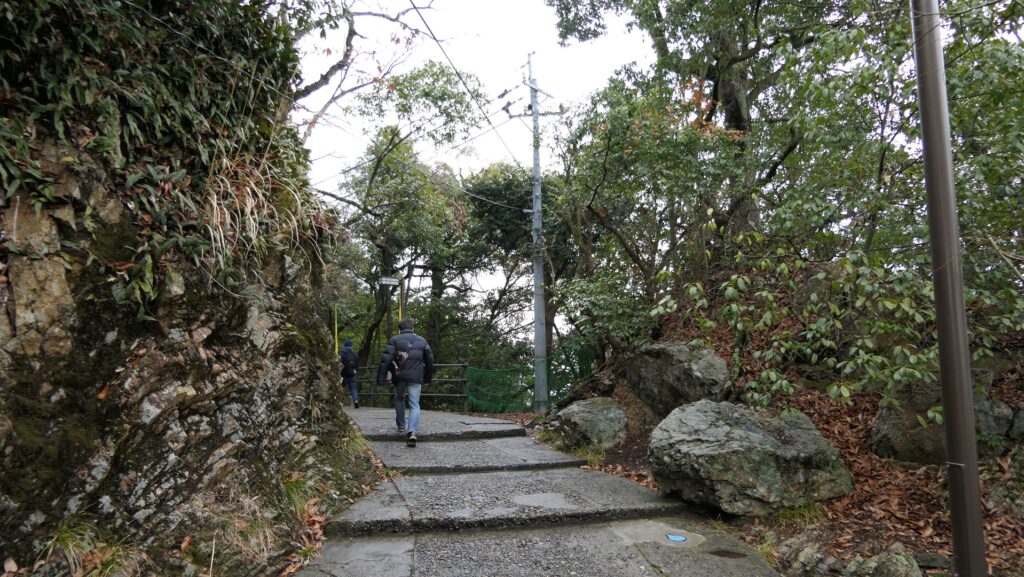
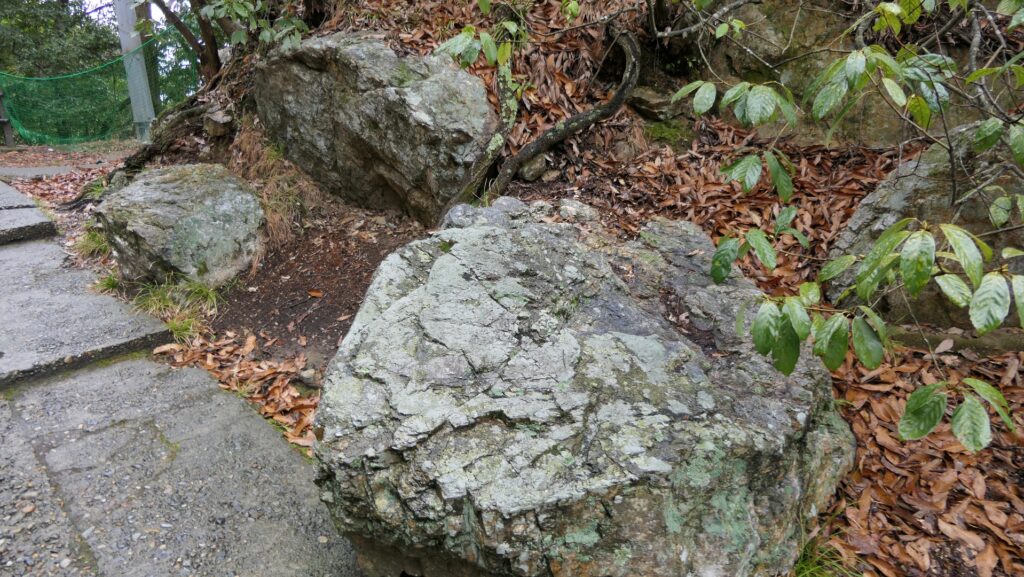
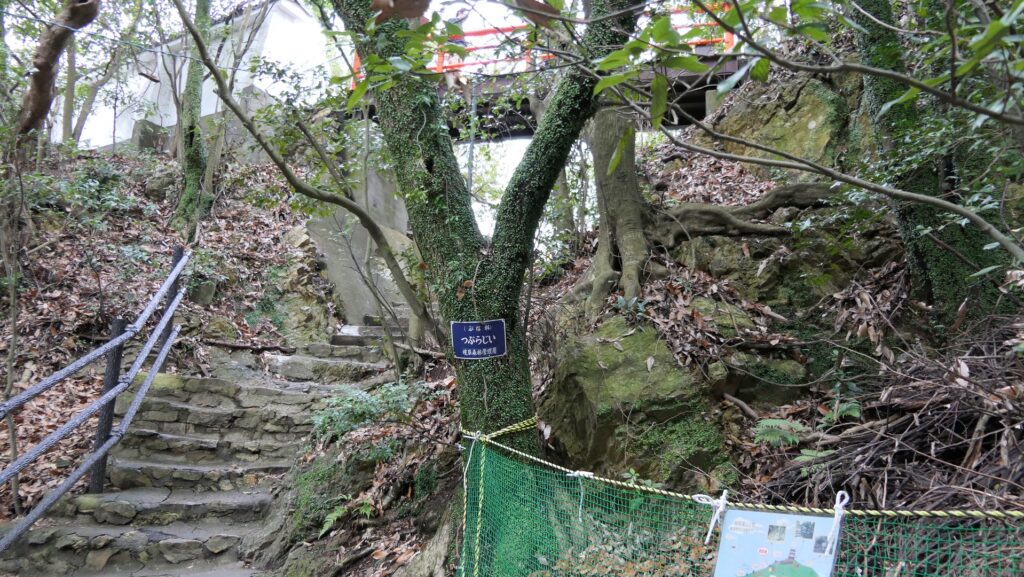
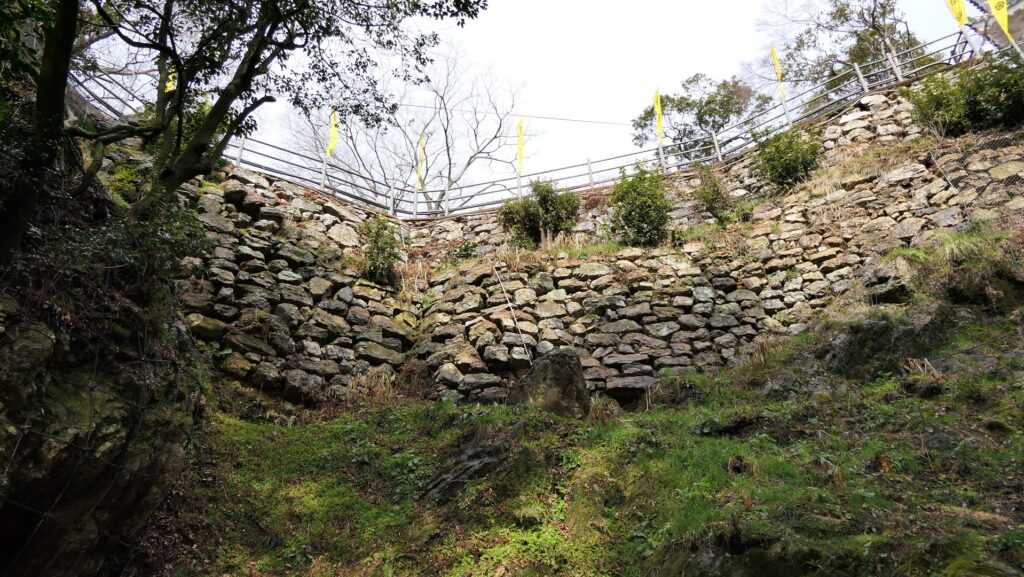
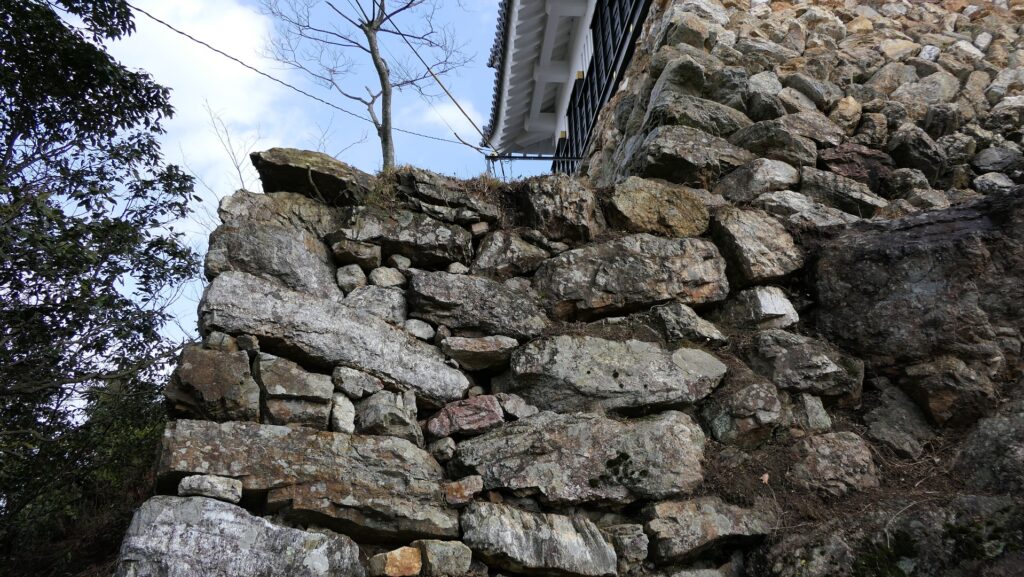
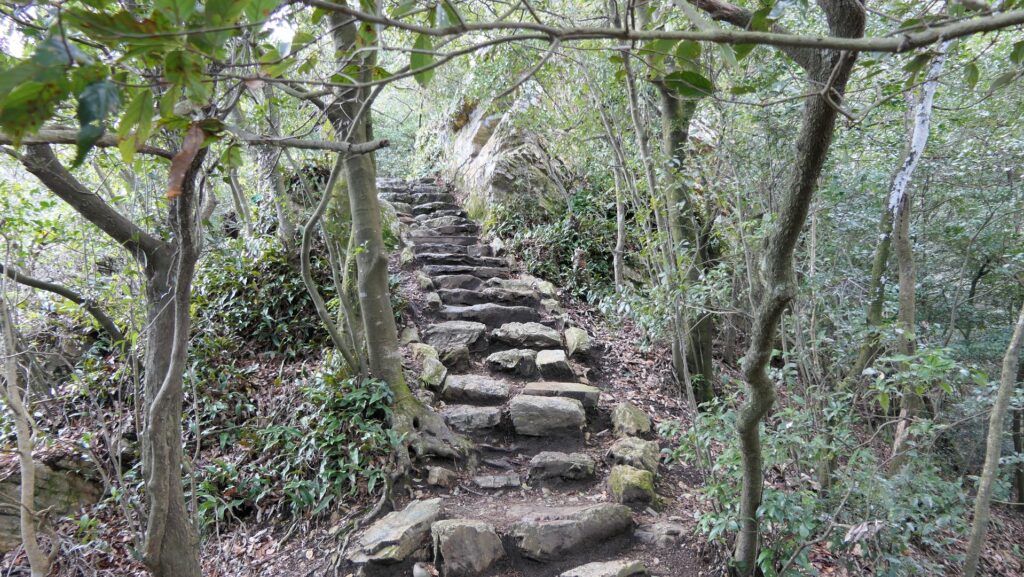
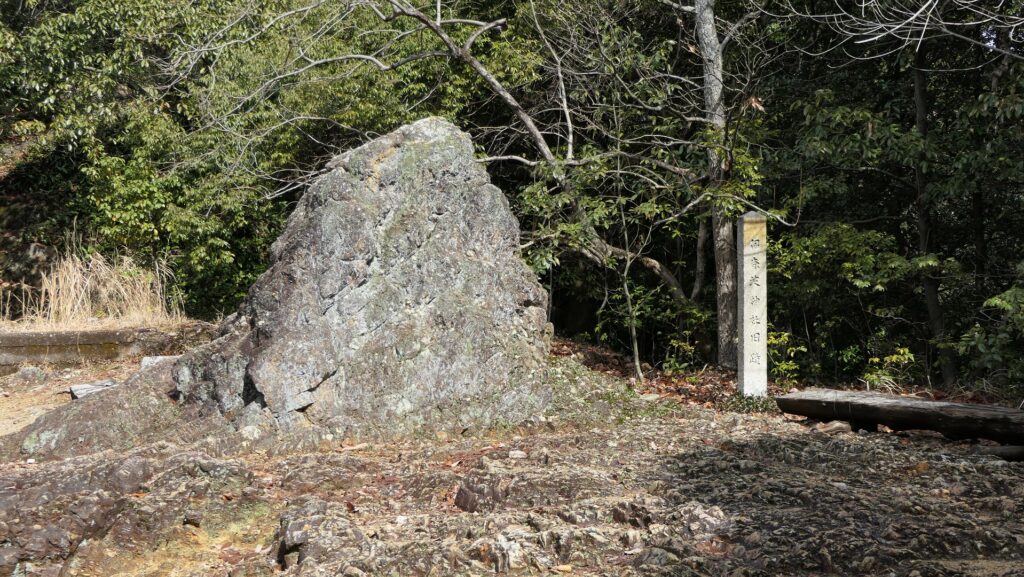
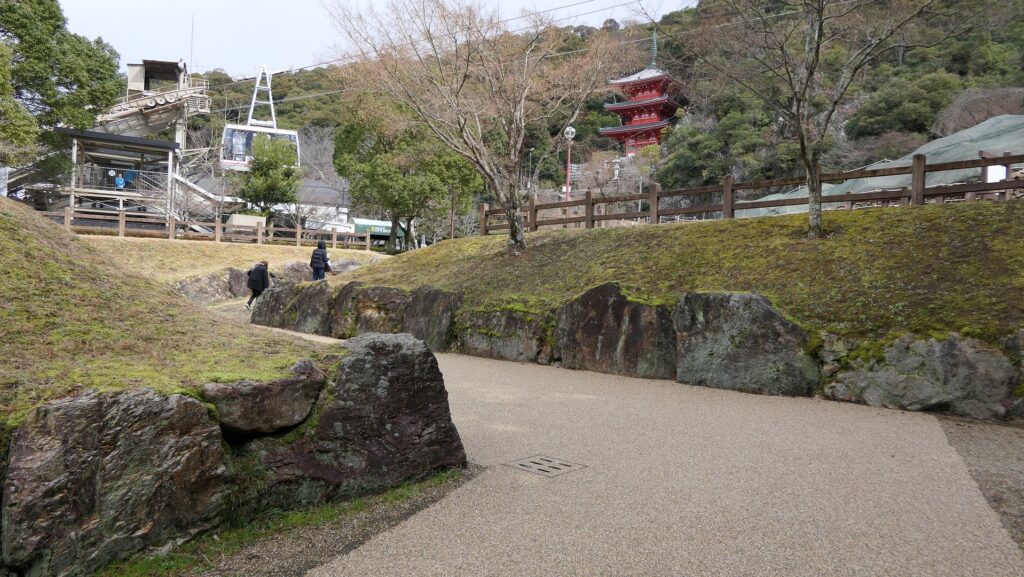
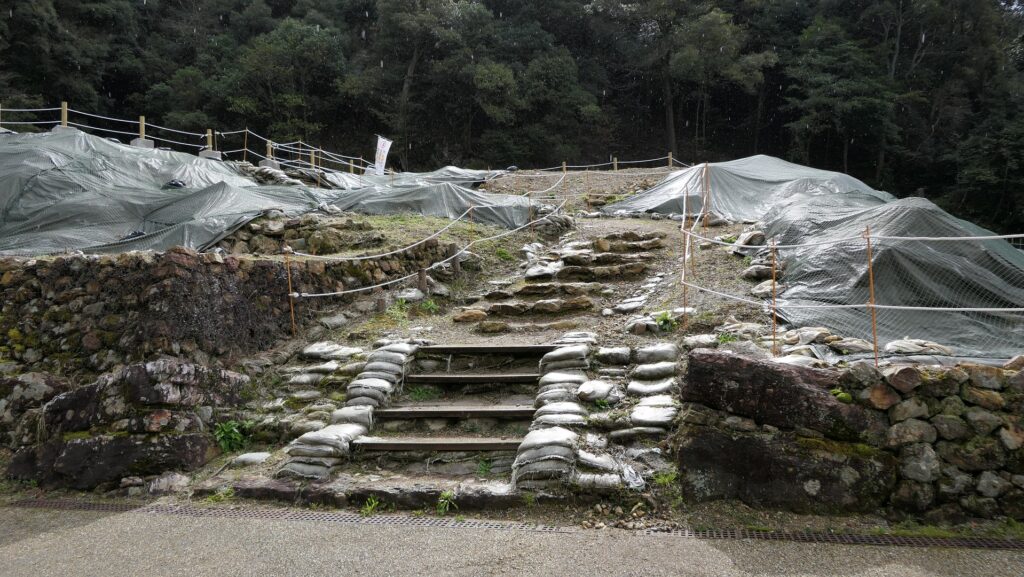
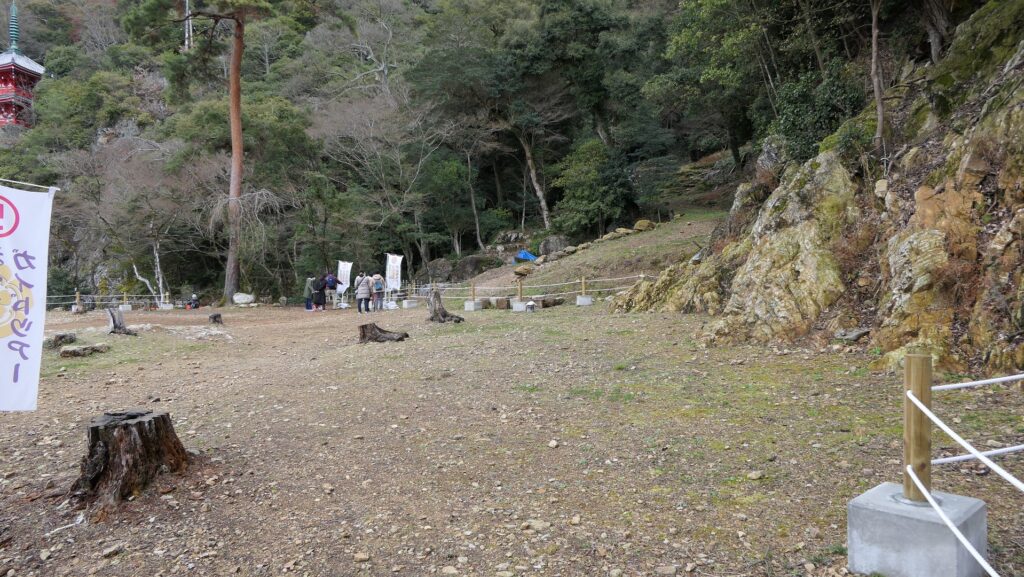
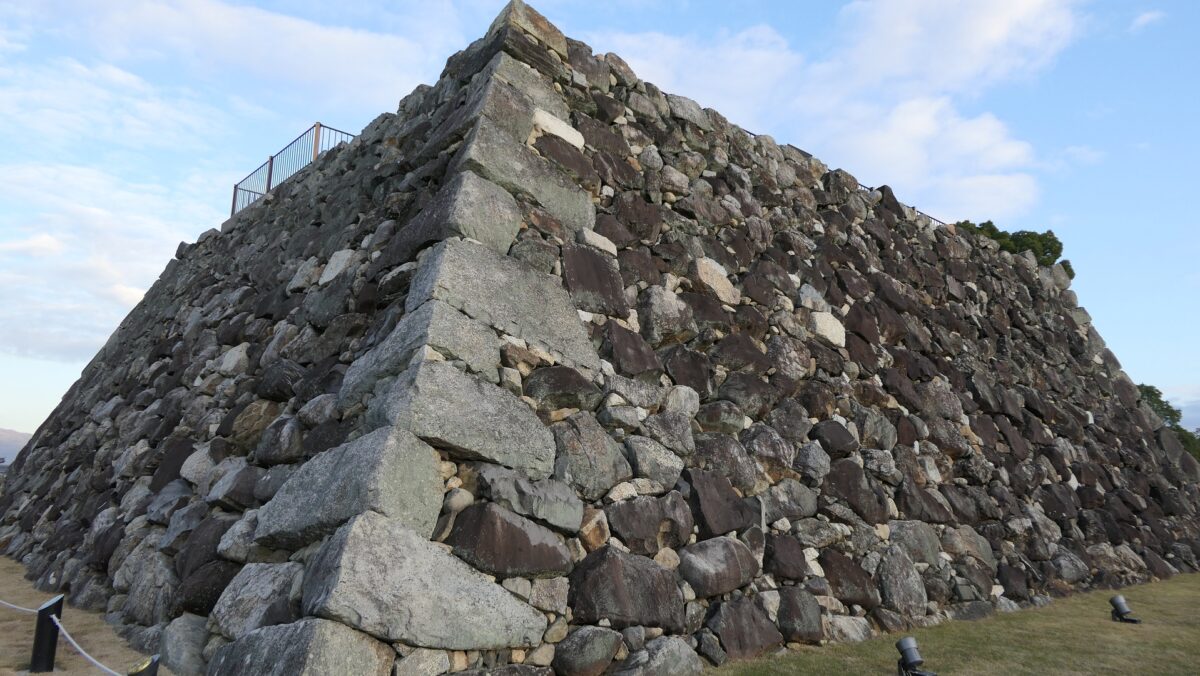
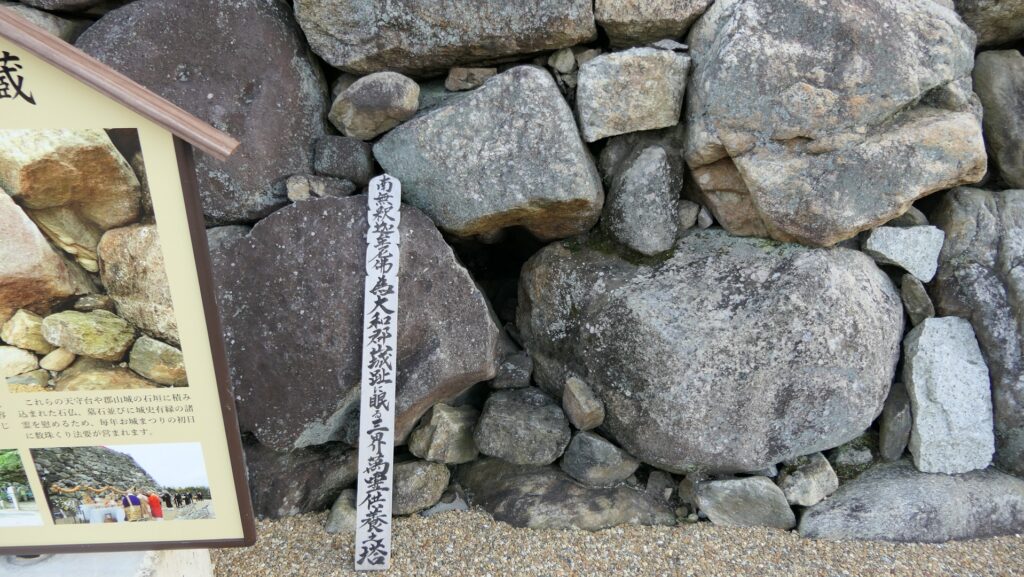
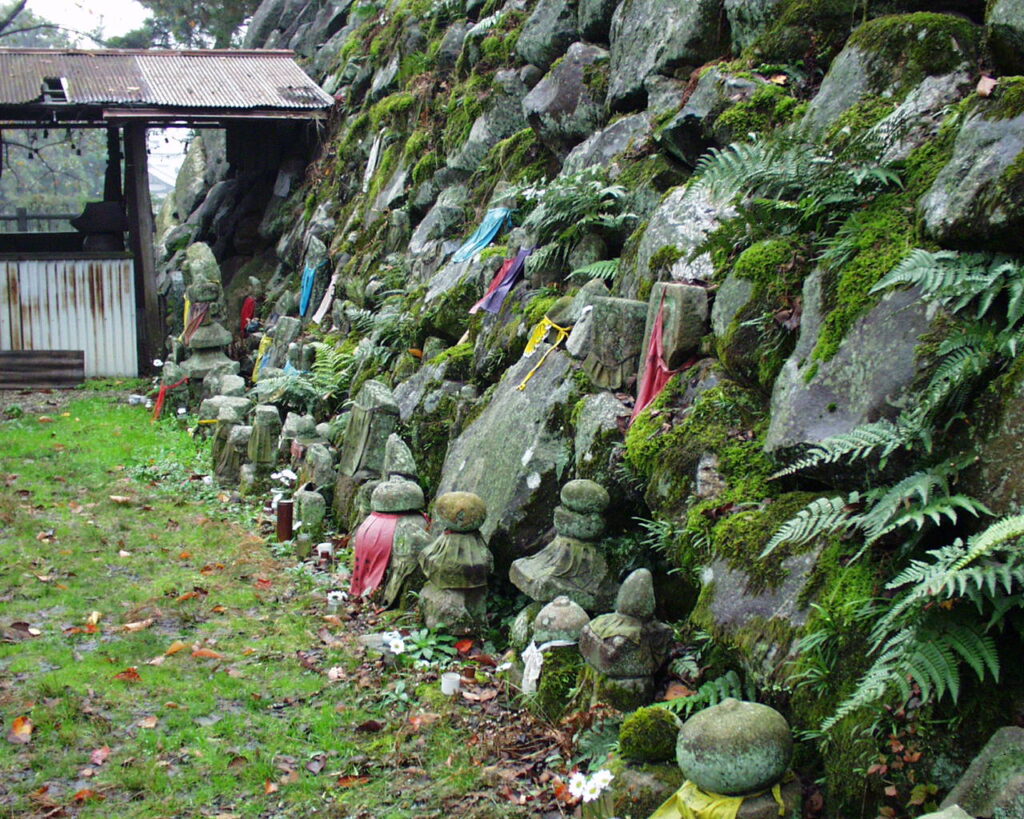
石垣には石仏が使われています。
Its stone walls use Stone Buddha Statues.
立地と歴史~Location and History
大和国随一の城~Foremost Castle in Yamato Province
大和郡山城は、奈良県の奈良盆地にありました。奈良は、古都としての歴史や多くの寺社があることで有名です。戦国時代、その寺社はまだ政治力、軍事力を持っていて、有力な戦国大名は存在しませんでした。加えて、奈良盆地は、大きな城を作るには不向きな場所でした。大和郡山城は、そのような小さな城の一つで、城主は何度も変わりました。 Yamato-Koriyama Castle was located in Nara Basin of Nara Prefecture. Nara is known for its history as the ancient capital and a lot of temples. In the Sengoku period (the period of warring states), the temples still had political and military power, so there were no great warlords. In addition, Nara Basin was not suitable for a large castle. Yamato-Koriyama Castle was at first one such smalll castle where its lords changed several times.
城の位置~The location of the castle
織田信長が天下統一を進め、彼が大和国(現在の奈良県)の大和郡山城以外の全ての城を破壊するよう命じたとき、状況が変わりました。この城だけなぜ残ったかというと、防御力の強さと立地の良さということかもしれません。城は西ノ京丘陵の端にあたり、京都と大坂の両方に近かったからです。 The situation changed when Nobunaga Oda ordered to destroy all the castles in Yamato Province (what is now Nara Prefecture) excluding Yamato-Koriyama Castle during his unification of Japan. The reason why only the castle remained may have been its defensive and convenient location, it was on the edge of Nishinokyo hill, and near to both Kyoto and Osaka.
城周辺の起伏地図~The relief map around the castle
豊臣秀長が城を拡張~Hidenaga Toyotomi develops castle
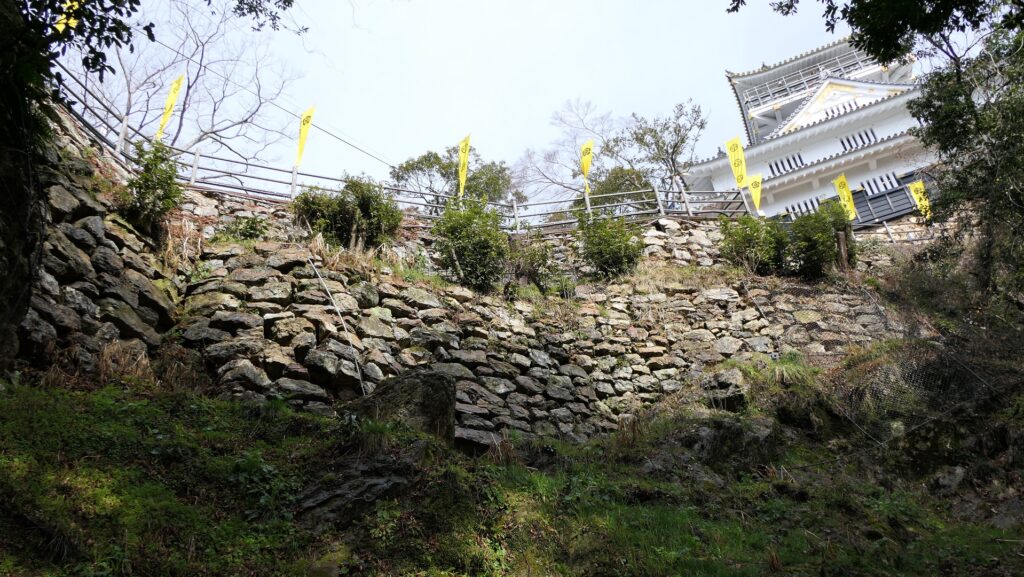
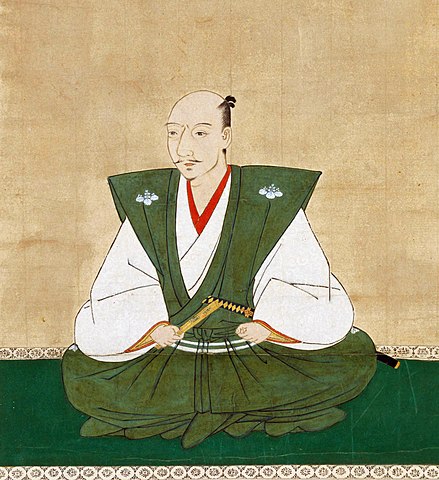
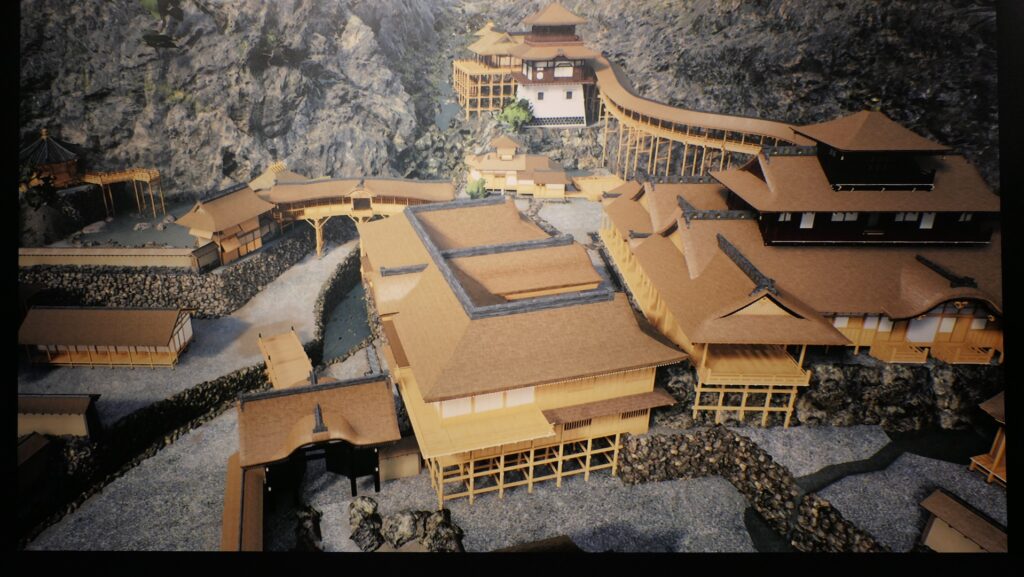
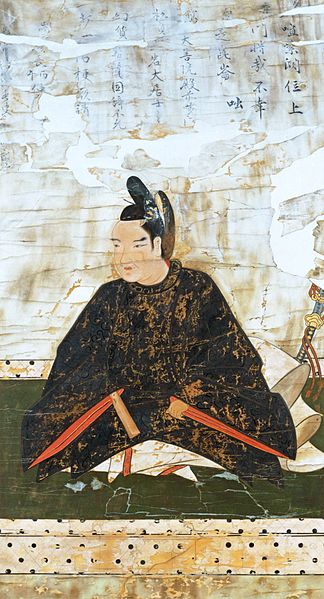
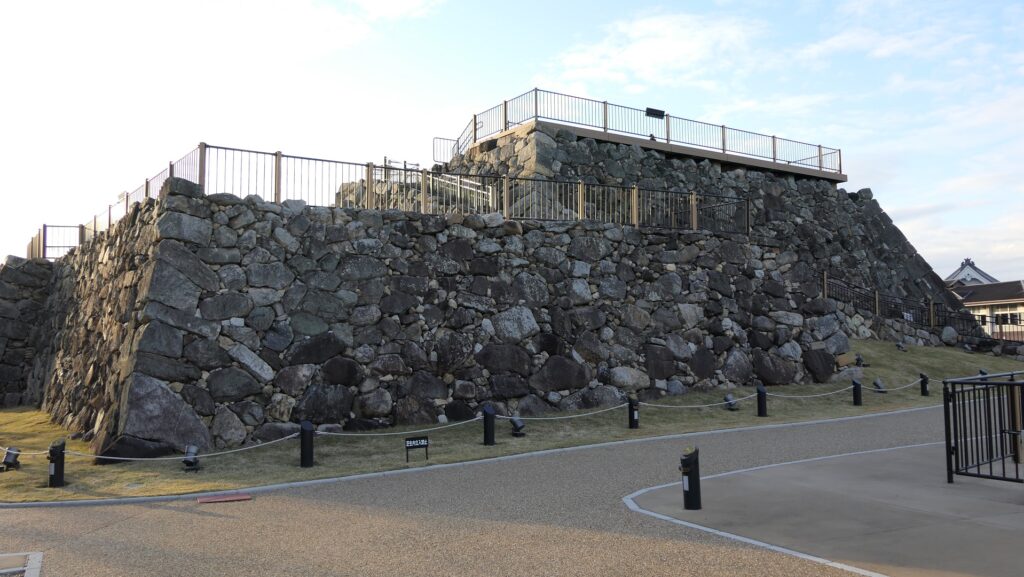
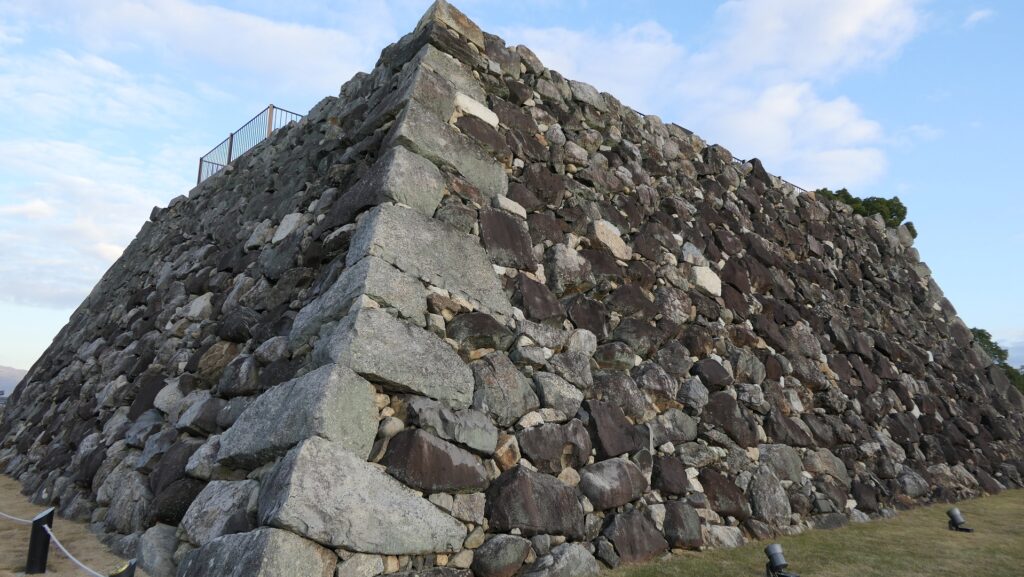
1585年、信長の後継者、豊臣秀吉の弟である豊臣秀長が大和郡山城を彼の本拠地としました。城は、主に現在本丸となっている場所で大急ぎで拡張されました。石垣は、普通の石だけでなく、墓石、古都の石材、そして石仏までも使って積まれました。周辺の地域から容易に石材を運んでこれなかったからです。その石垣の上に天守がありました。但し詳細は不明です。 After Hidenaga Toyotomi, the younger brother of Hideyoshi Toyotomi (Nobunaga’s successor) lived in Yamato-Koriyama Castle as his home base in 1585, the castle was developed rapidly in mainly where we now call Honmaru or the Main Enclosure. The stone walls were piled up, using not only normal stones, but also tombs, old capital`s materials and Stone Buddha Status because it was difficult to transport stones easily around the area. The Main Tower or “Tenshu” stood on the stone walls, but its details are uncertain.
豊臣秀長肖像画、春岳院蔵~The portrait of Hidenaga Toyotomi, owned by Shungakuin Temple (licensed under Public Domain via Wikimedia Commons)
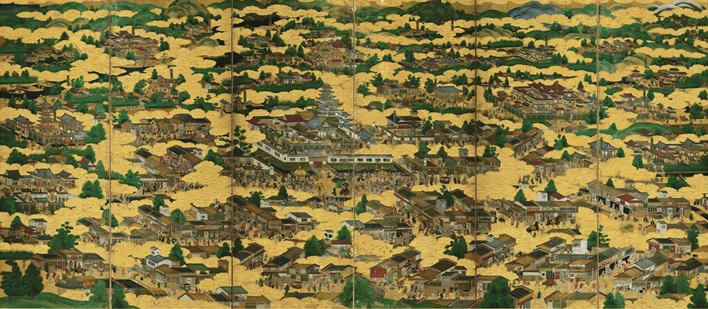
この城は二の丸や三の丸を加えて、次の次の城主、増田長盛のときに完成します。ところが長盛は、1600年の関ヶ原の戦いの敗戦により、徳川幕府にから改易されてしまいます。その結果、この城は一旦廃城となり、天守は1602年に二条城に移築されました。それ以外の建物も、他に移されます。 The castle was completed adding Ninomaru or the Second Enclosure and Sannomaru or the Third Enclosure until the period of the one after next lord of the castle, Nagamori Masuda. However, Nagamori was fired by the Tokugawa Shogunate due to the defeat in the Battle of Sekigahara in 1600. As a result, the castle was once abandoned, the Main Tower was moved to Nijo Castle in 1602, the other buildings were moved to another one.
二条城の大和郡山城から移された天守が描かれた洛中洛外図屏風、林原美術館蔵~The Main Tower of Nijo Castle, which was moved from Yamato-Koriyama Castle, in the Rakuchu-Rakugai folding screens, owned by Hyashibara Museum of Art (licensed under Public Domain via Wikimedia Commons)
城と町の繁栄~Prosperity of Castle and Town
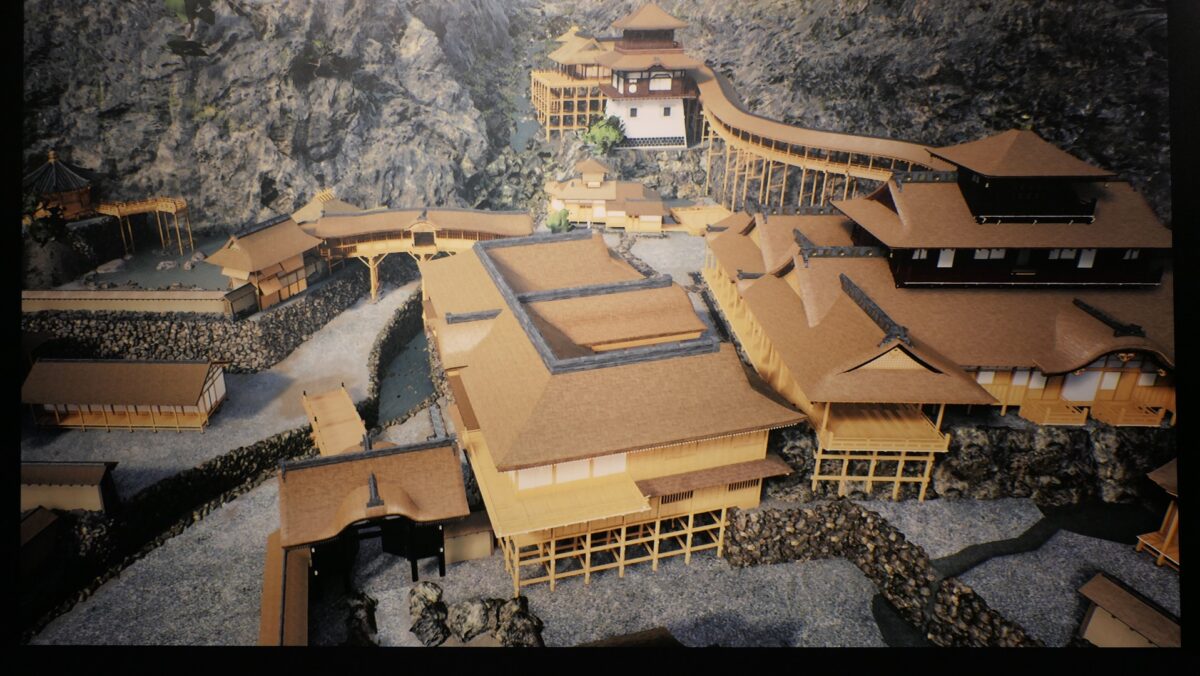
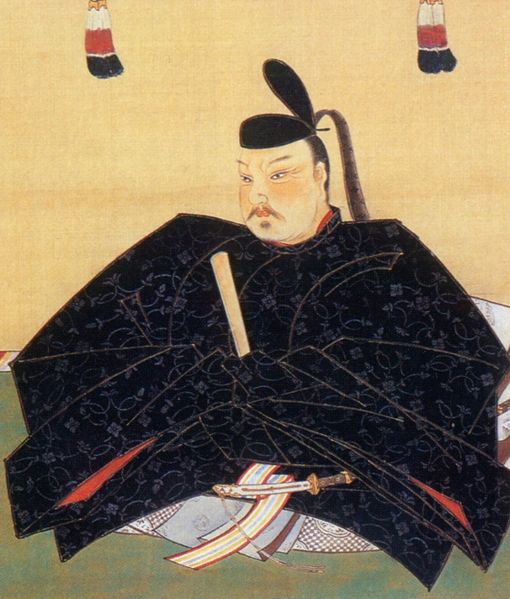
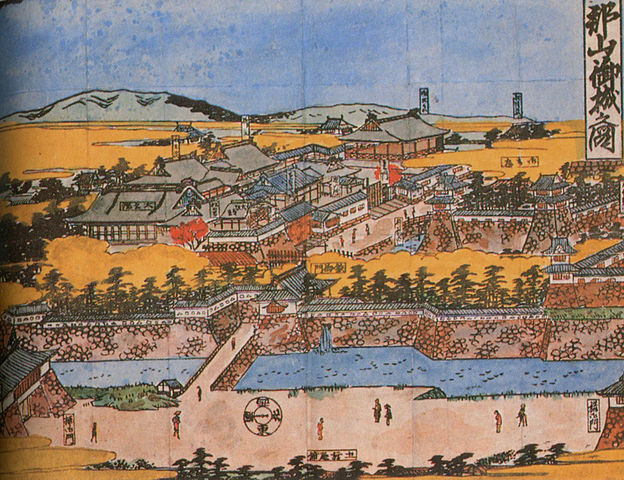
江戸時代の1615年、水野勝成がこの城を与えられ、その復興を開始しましたが、すぐの1618年に福山城に転封となってしまいました。その代わりに松平忠明が来て、二の丸に二の丸御殿を造営しました。それ以来、支配の拠点として二の丸が城の中心地となりました。 In 1615 of the Edo Period, Katsunari Mizuno was given charge of this castle and started to revive it, but he was soon transferred to Fukuyama Castle in 1618. Instead, Tadaaki Matsudaira came to this castle and built the Ninomaru Hall in the Second Enclosure. Since then, the enclosure became the center of the castle from where they governed.
郡山城旧観図、西ヶ谷文庫蔵、二の丸御殿が中心に描かれている~The former appearance illustration of Koriyama Castle, owned by Nishigaya Library, The Ninomaru Hall is drawn at the center (licensed under Public Domain via Wikimedia Commons)
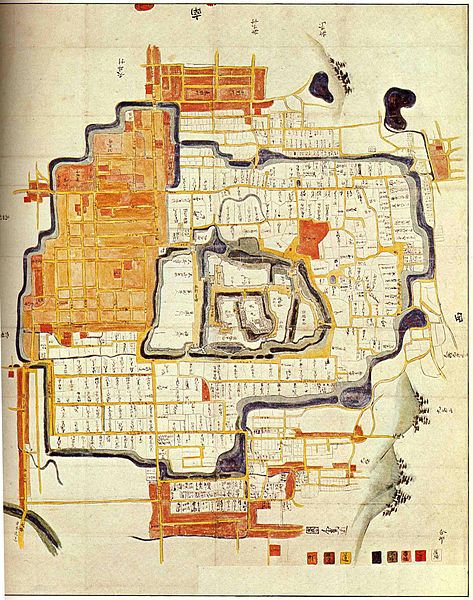
1724年、柳沢吉里が甲府城から移されてきました。彼は、今でも大和郡山が有名である金魚養殖など、産業の振興を促しました。柳沢氏は文化や武芸を奨励し、幕末までこの地域を治めました。 In 1724, Yoshisato Yanagisawa was transferred to this castle from Kofu Castle. He promoted people to develop industries such as farming goldfishes which Yamato-Koriyama City is still known for. The Yanagisawa Clan encouraged cultures and military arts and governed this area until the end of the Edo Period.
郡山城絵図、柳沢文庫蔵~The illustration of Koriyama Castle, owned by Yanagisawa Library (licensed under Public Domain via Wikimedia Commons)
特徴~Features
複雑な縄張り~Complex Layout
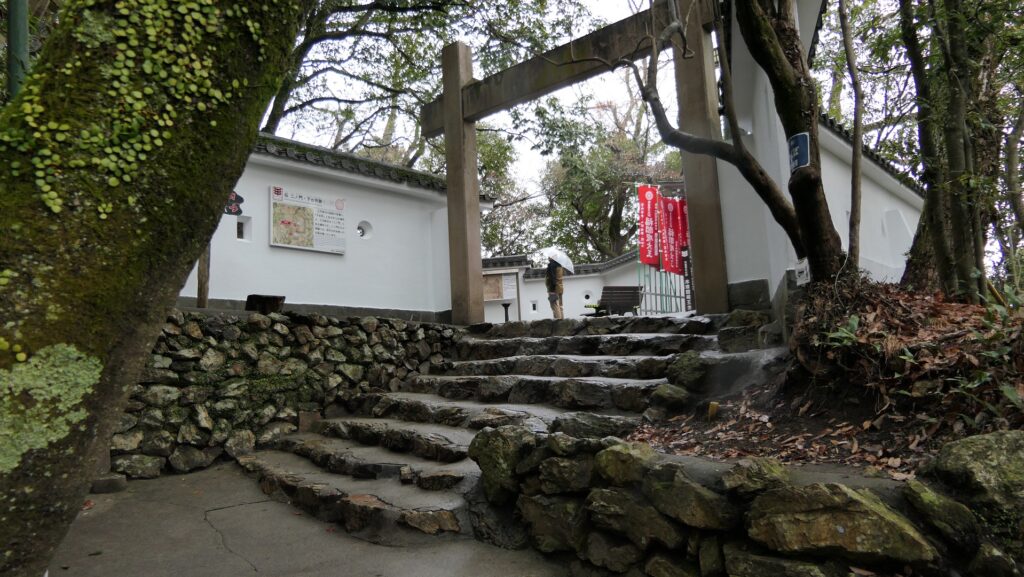
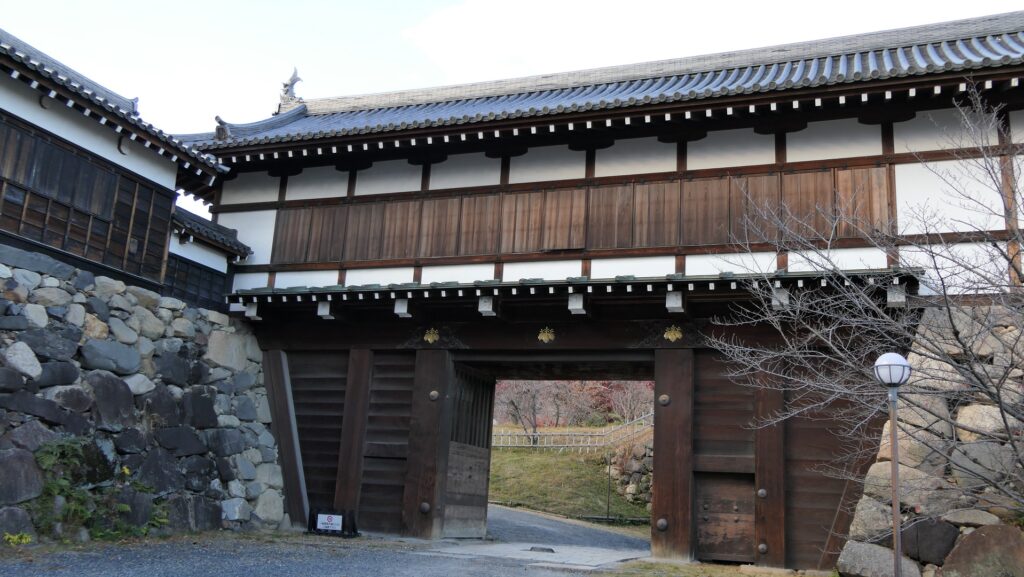
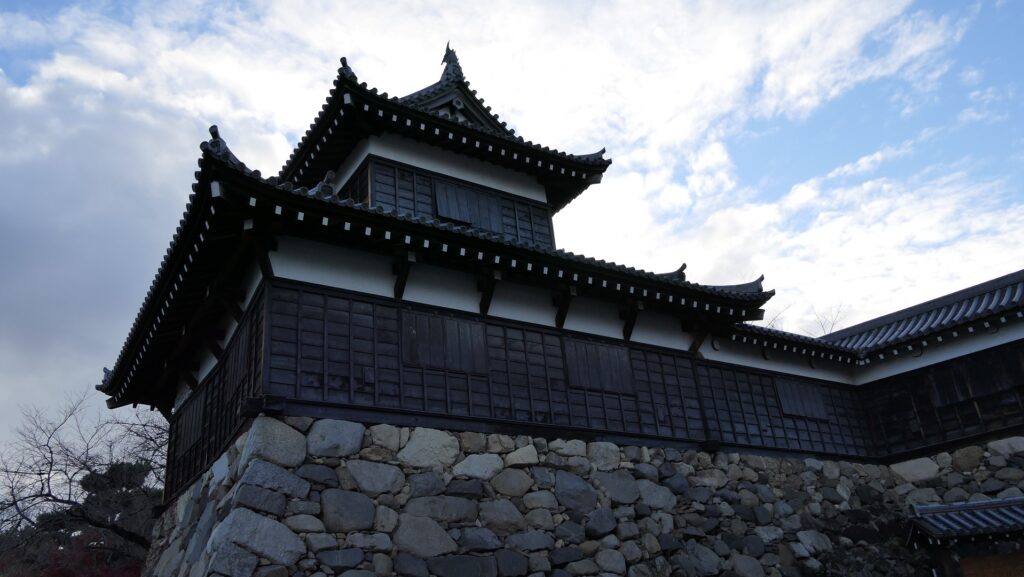
現在、本丸周辺の区域が大和郡山城跡として一般に公開されています。本丸は実際にはいくつかのもっと小さな曲輪に分かれています。観光客は通常細長い区域を通って城跡の入口に向かいます。この区域は陣甫曲輪と呼ばれ、空き地で兵の調練に使われました。城跡の入口は常盤曲輪にあり、「追手門」と追手向櫓が復元されています。追手門に入って、更に進むには左に曲がります。 Now, the area around the Main Enclosure is open to the public as the ruins of Yamato-Koriyama Castle. The Main Enclosure is actually divided into several much smaller enclosures. Visitors usually go to the entrance of the ruins passing through a long and narrow area. This area is called Jinpo Enclosure which was empty and used for training soldiers. The entrance of the ruins is in Tokiwa Enclosure where the Main Gate or “Ote-mon” and Ote-Mukai Turret have been restored. After entering the Main Gate, you have to turn left to go further.
城周辺の航空写真~The aerial photo around the castle
復元された追手門~The restored Main Gate復元された追手向櫓~The restored Ote-Mukai Turret
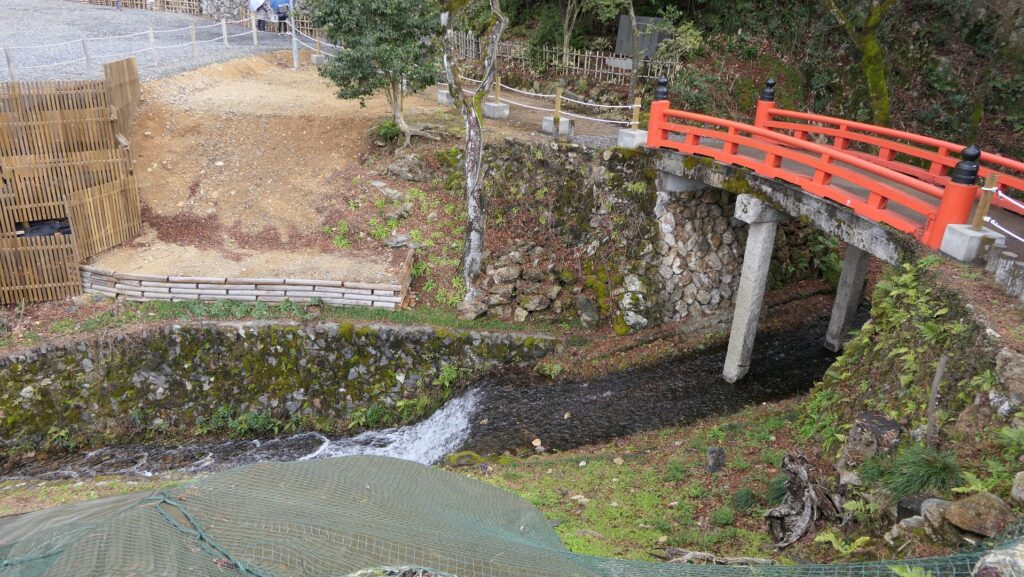
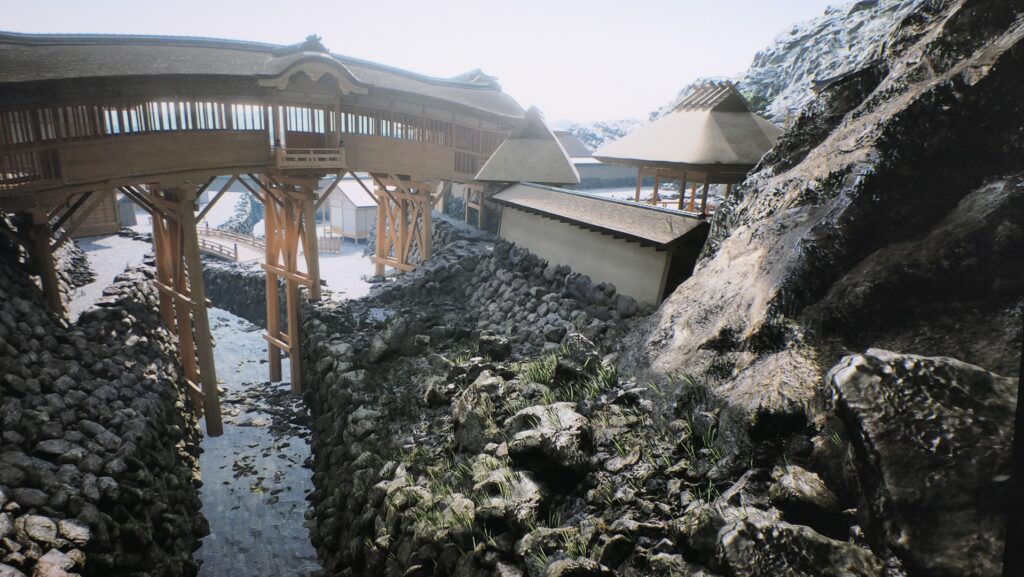
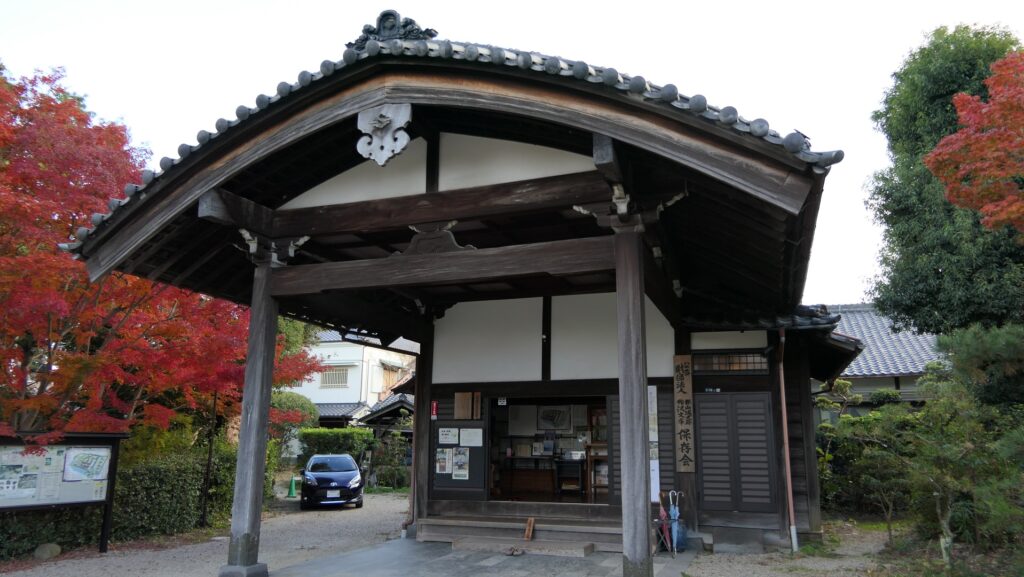
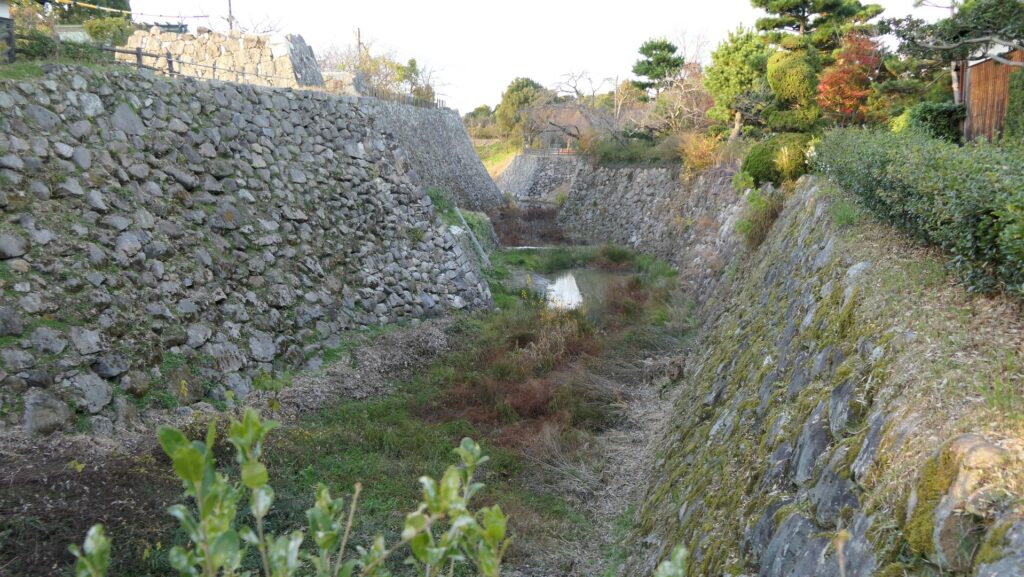
次の毘沙門曲輪には柳沢文庫があり、大和郡山城の歴史と柳沢氏の遺産が展示されています。この曲輪と天守曲輪(元々の本丸)周りの荒々しい石垣と、それらを隔てる空堀が見えます。天守曲輪に行くには、狭い土橋を渡らねばなりません。このような城の中心部への複雑な経路は、防御のためにちがいないと思います。「極楽橋」という正門にかかる橋があったのですが、つい最近の2021年3月に復元されました。 The next enclosure called Bishamon Enclosure has the Yanagisawa Library which exhibits the history of Yamato-Koriyama Castle and the Yanagisawa Clan`s legacies. You can see the wild stone walls around the enclosure and Tenshu Enclosure( the original Main Enclosure), and the dry moats between them. To reach Tenshu Enclosure, you have to go on a narrow earthen bridge again. I imagine that such complex routes to the center of the castle must have been for defense. There was the front gate bridge called “Gokuraku-bashi” bridge which was newly restored in March 2021.
柳沢文庫~The Yanagisawa Library石垣と空堀~The stone walls and dry moat復元前の極楽橋跡~The ruins of Gokuraku-bashi Bridge before the restoration
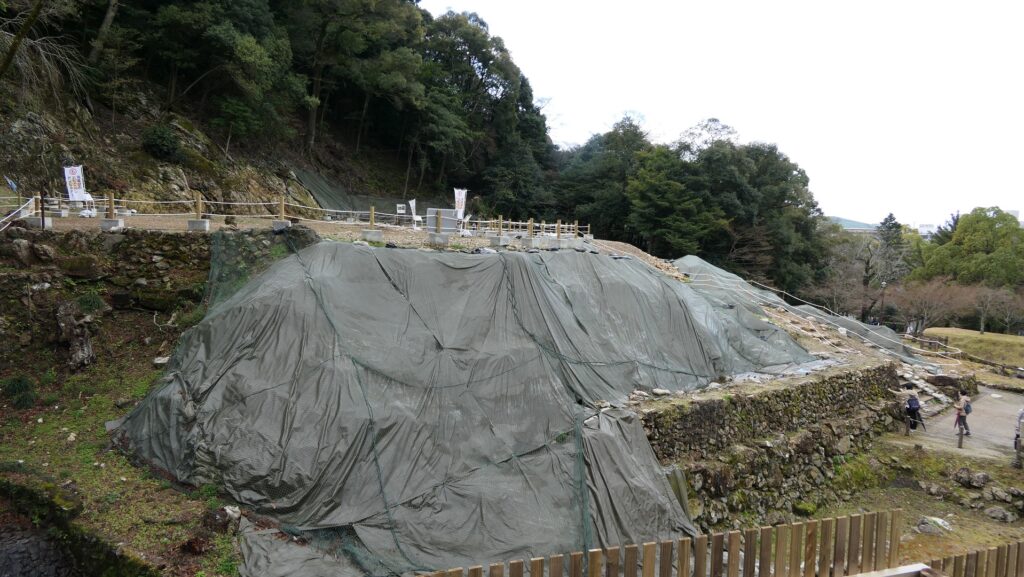
修復された天守台~Repaired Base for Main Tower
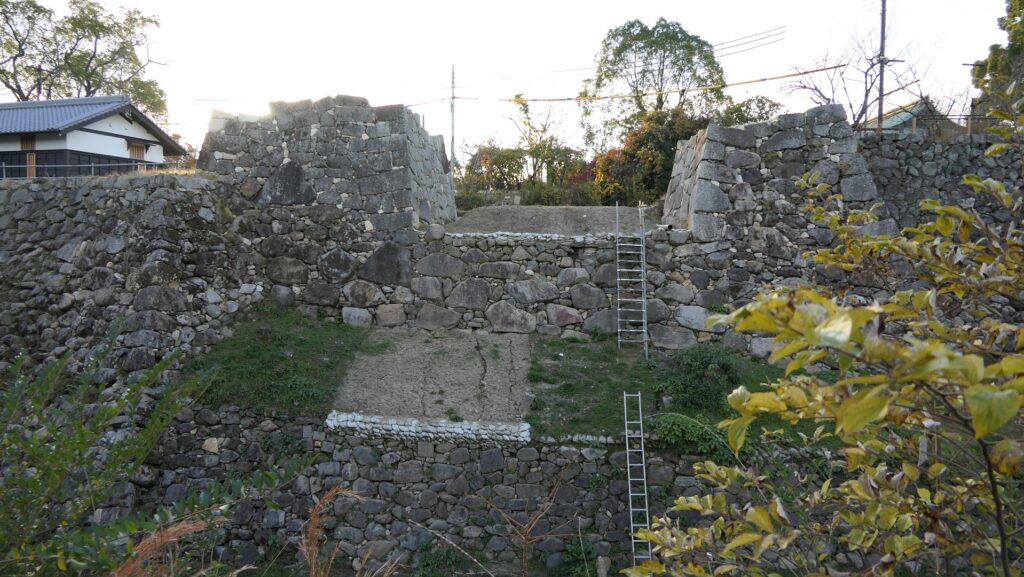
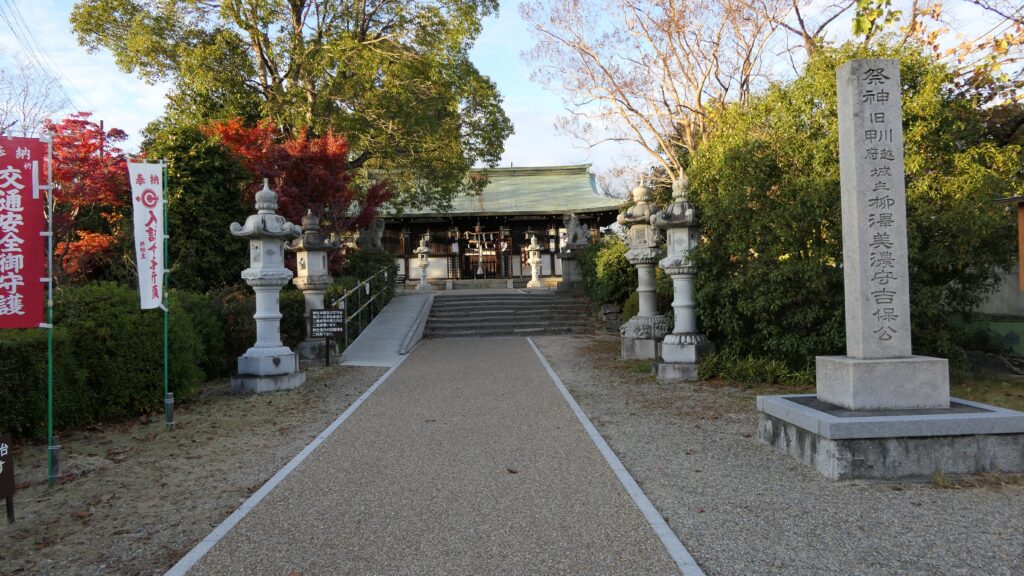
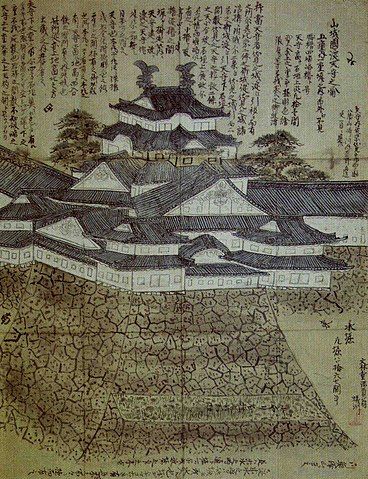
天守曲輪に入ると、柳沢氏の創始者、柳沢吉保(吉里の父)を祀る柳澤神社が最初に見えてきます。天守台は神社の背後に残っています。天守台の大きさから天守はそれほど大きくなかったと言われています。しかしがながら、最近の天守台発掘によれば、その基礎が淀城のものと一致したのです。大和郡山城の天守は、一旦二条城に移され、そして1624年、再び淀城に移されました。その天守は残念ながら1756年に落雷により焼失してしまいますが、絵図や図面によると二条城と淀城の天守は5階建てだったのです。大和郡山城の天守もまた5階建てだったのかもしれません。 After entering Tenshu Enclosure, you will first see Yanagisawa Shrine which worships the founder of the Yanagisawa Clan, Yoshiyasu Yanagisawa (Yoshisato`s father). The stone wall base for the Main Tower or Tenshu remains behind the shrine. The Main Tower was said to be not so large based on the scale of the base. However, the recent excavation of the base prove that its foundation matches that of Yodo Castle. The Main Tower of Yamato-Koriyama Castle was once moved to Nijo Castle, then moved again to Yodo Castle in 1624. Although the Main Tower was unfortunately burned down by lightning in 1756, the Main Tower at Nijo and Yodo had five layers according to a picture and drawing. Yamato-Koriyama Main Tower might also have had five layers.
柳澤神社~Yanagisawa Shrine天守台石垣~The stone wall base for the Main Tower山城国淀天守之図、京都市歴史資料館寄託~The illustration of the Main Tower of Yodo Castle in Yamashiro Province, deposited by Kyoto City Historical Museum (licensed under Public Domain via Wikimedia Commons)
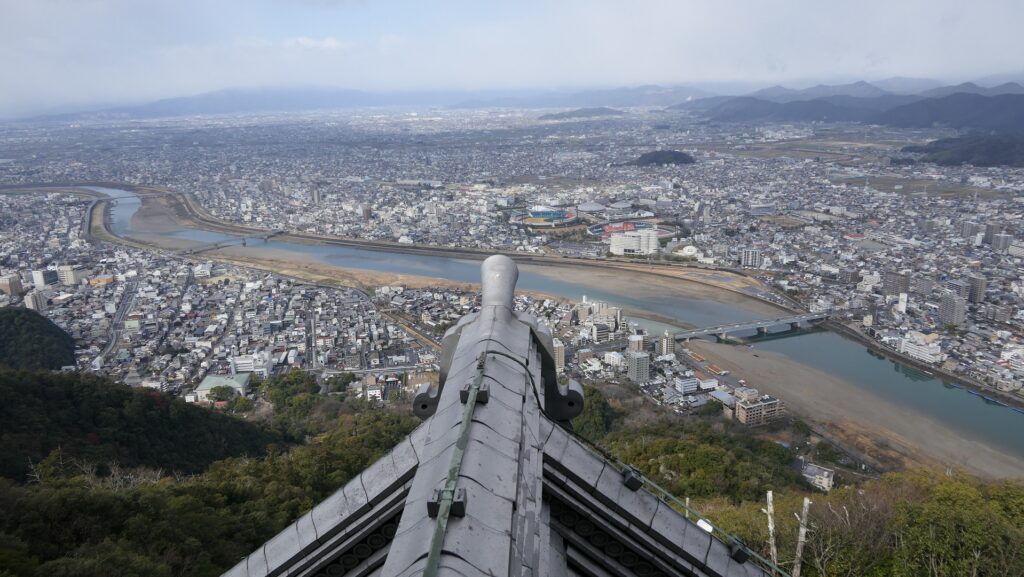
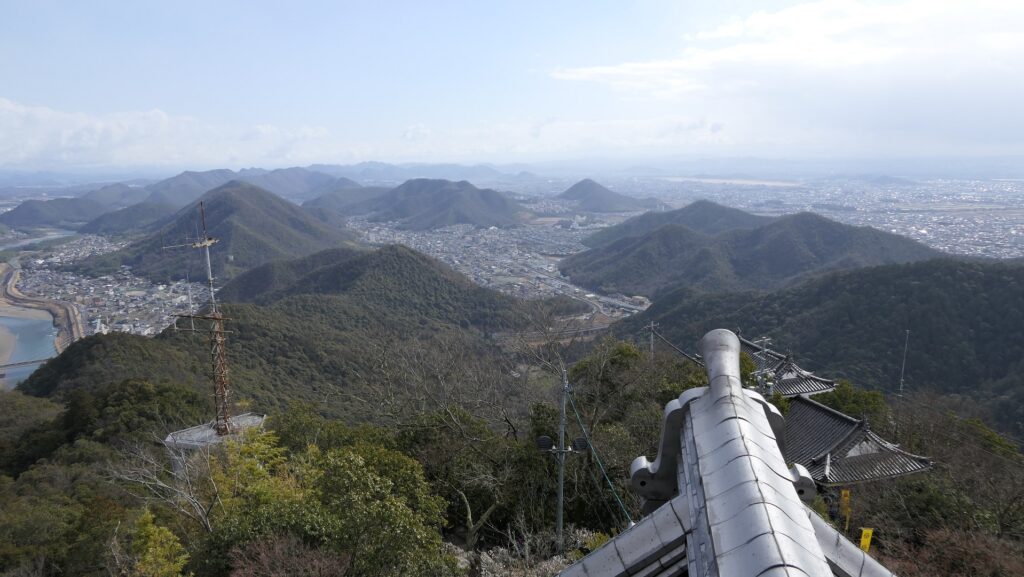
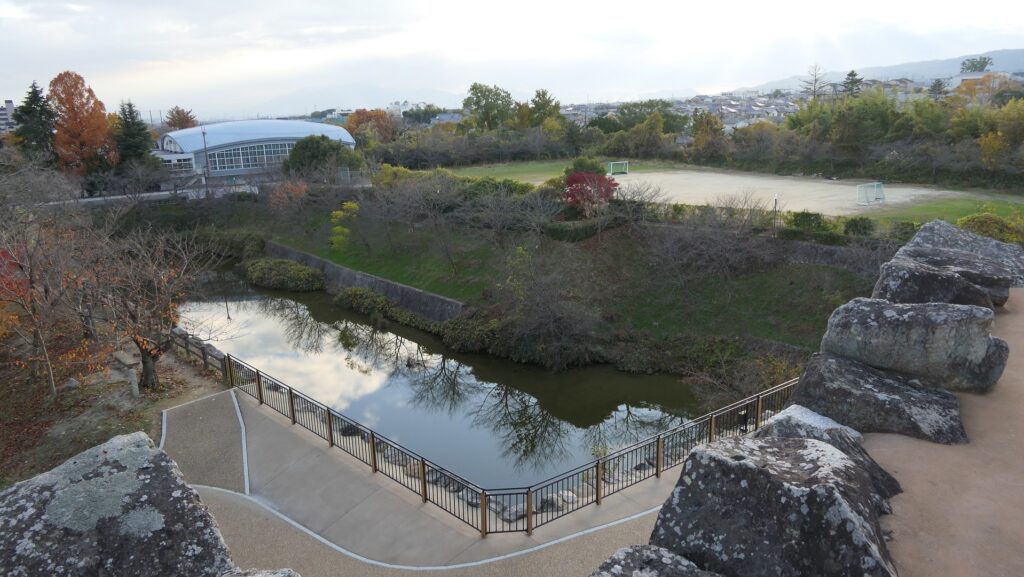
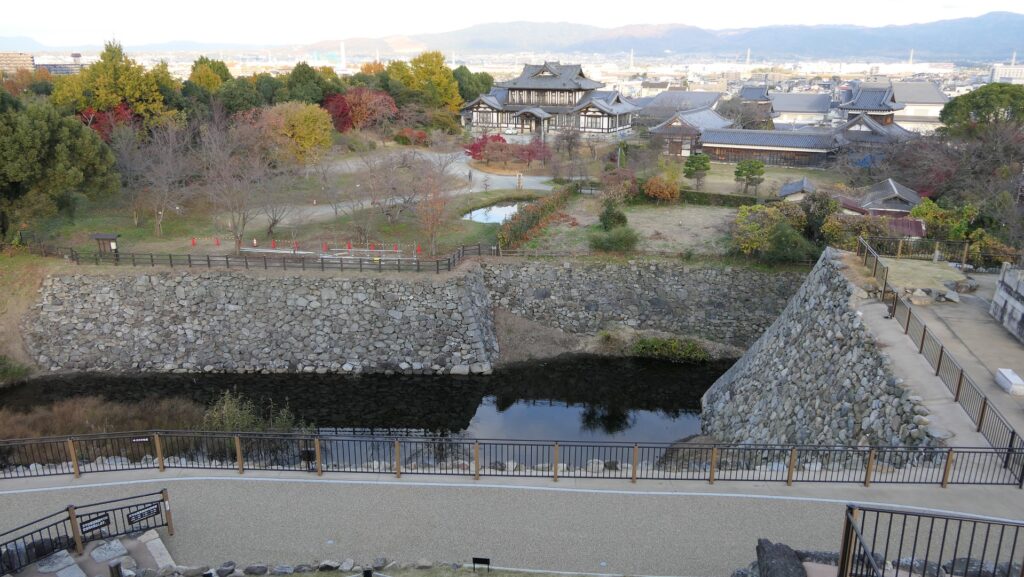
この天守台はまた、石垣を積みなおし、最近展望台として整備されました。その上からは城と町の全景を見渡すことができます。南と西の方角には、水堀に囲まれた二の丸の曲輪がいくつか見えます。現在では主に学校用地として使われています。東の方角には、三の丸であった城跡の入口越しに街並みが見えます。 The base was also improved recently as a lookout, piling its stone walls again. You can see the whole view of the castle and town from the top. There are several enclosures of The Second Enclosure surrounded by water moats, which are mainly used for school grounds on the south and west directions. On the east direction, you can also see the town area over the entrance of the ruins, which was the Third Enclosure.
積みなおされた天守台~The base for the Main Tower which was re-piled recently天守台上から見た南西方向の景色~A view of the southwest from the top天守台上から見た東方向の景色~A view of the east from the top
逆さ地蔵~Inverted Stone Buddha Statue
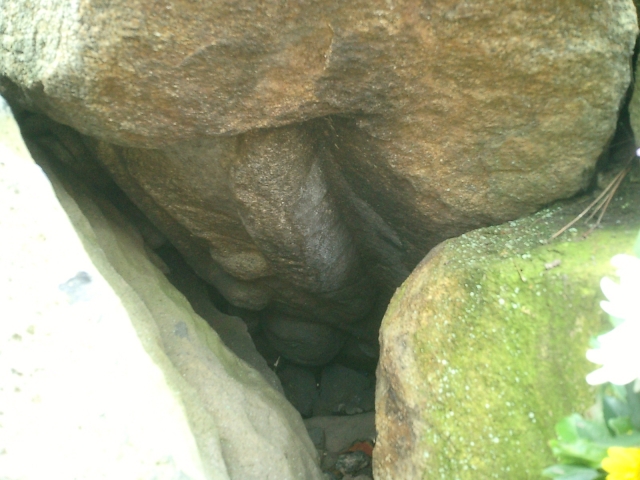
この城のもっとも大事な見どころの一つは、転用石です。代表的なものとしては「逆さ地蔵」があり、天守台の北側の石垣に使われています。 One of the most important topics for the castle is the diverted stones. You can see one of the representatives called the Inverted Stone Buddha Statue or “Sakasa-Jizo” which is used for the stone walls at the northern side of the base.
「逆さ地蔵」が使われている箇所~The part which the Inverted Stone Buddha Statue is used逆さ地蔵~The Inverted Stone Buddha Statue (taken by あけび from PhotoAC)
その後~Later History
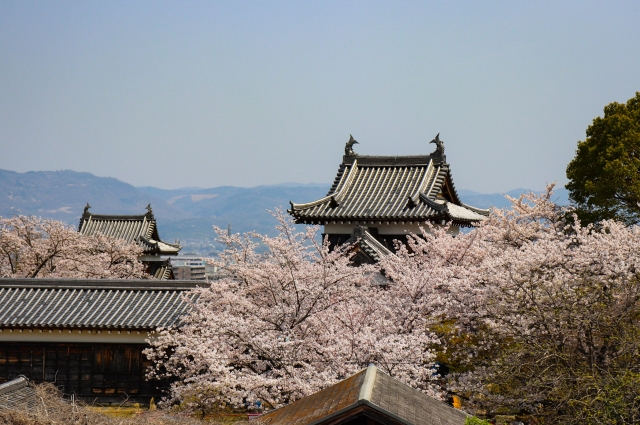
明治維新後、大和郡山城は再び廃城となりました。城の全ての建物は、1873年の競売により売られるか撤去されました。二の丸の地域は学校用地に転用され、三の丸は住居地になりました。本丸だけが柳澤神社と柳沢氏屋敷(現在の柳沢文庫)の敷地として生き残りました。第二次世界大戦後、本丸を中心とする地域が1961年に奈良県の指定史跡になりました。現在では桜の名所としても有名です。大和郡山市は、建物を復元したり、公園を拡張するなど城跡を史跡公園として整備しています。 After the Meiji Restoration, Yamato-Koriyama Castle was abandoned again. All the buildings of the castle were sold and demolished by the auction in 1873. The area of the Second Enclosure was turned into the school ground, and the Third Enclosure became the residential area. Only the Main Enclosure could survive as the ground for the Yanagizawa Shrine and the clan’s house (what is now the Yanagisawa Library). After World War II, the area of mainly the Main Enclosure became a Cultural Property designated by Nara Prefecture in 1961. The ruins are also famous for cherry blossoms now. Yamato-Koriyama City has been developing the ruins as a historical park, such as restoring some buildings and expanding the park area.
大和郡山城と桜~Yamato-Koriyama Castle with cherry blossoms (taken by ゼロワークス from PhotoAC)
私の感想~My Impression
観光客が奈良を訪れるときは、通常は寺、神社、古都の遺産に行くでしょう。でも大和郡山城にも行ってみてはいかがでしょうか。この辺りでは唯一残っている城跡なのです。しかしがながら、逆さ地蔵について一つだけ残念だったことがあります。私は2回訪れたのですが、最初のとき、逆さ地蔵を見てとても感動しました。それは、多くの他の仏像やお供え物があったからです。この光景は、日本の人々の素朴な信仰心をとてもよく表していました。ところが、2回目の訪問のときは、全部取り払われていたのです。恐らく、天守台石垣を展望台として改良したときに、片づけてしまったのでしょう。日本のすばらしい伝統の姿をここに戻していただくよう強く望みます。 When tourists visit Nara, they usually go to temples, shrines, and the old capital’s legacies. But how about visiting Yamato-Koriyama Castle as well? It is the only remaining castle ruins around the area. However, there is the only one thing I was disappointed about the Inverted Stone Buddha Statue. I visited twice there, and I was very moved by the Statue on my first visit. This was because there were a lot of other stone Buddha statues and offerings for praying in front of it. They clearly showed primitive religious thoughts of Japanese people. However, they were taken away from there on my second visit. I guess they were cleaned up when the stone wall base for the Main Tower was improved as a lookout. I strongly wish the officials bring the Japanese good tradition back there again.
私の最初の訪問時の逆さ地蔵周辺~The around the Inverted Stone Buddha Statue on my first visit
ここに行くには~How to get There
車で行く場合には、西名阪自動車道の郡山ICから約15分かかります。城跡に駐車場があります。 電車の場合はそれぞれ歩いて、近鉄郡山駅から約10分、JR関西線の郡山駅から約15分かかります。 If you want to go there by car, it takes about 15 minutes from the Koriyama IC on Nishi-Meihan Expressway. There is a parking lot in the ruins. When using train, it takes about 10 minutes from Kintetsu-Koriyama Station on Kintetsu-Kashihara Line or it takes about 15 minutes from JR Koriyama Station on Kansai Line on foot.
リンク、参考情報~Links and References
・柳沢文庫(Yanagisawa Library) ・郡山城跡公園基本計画改定案、大和郡山市(Yamato-Koriyama City Official Document) ・「よみがえる日本の城1」学研(Japanese Book) ・「日本の城改訂版第44号」デアゴスティーニジャパン(Japanese Book)