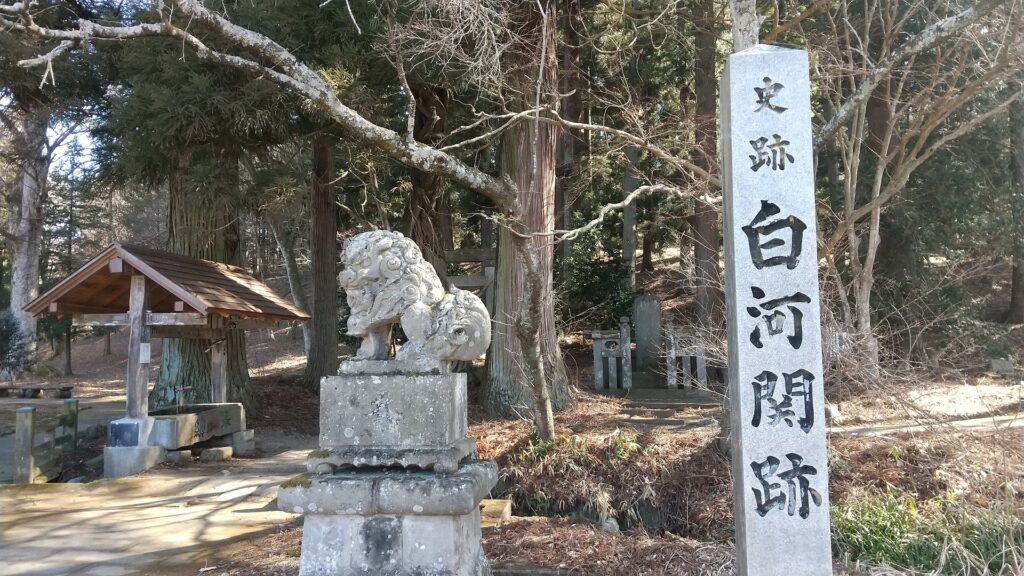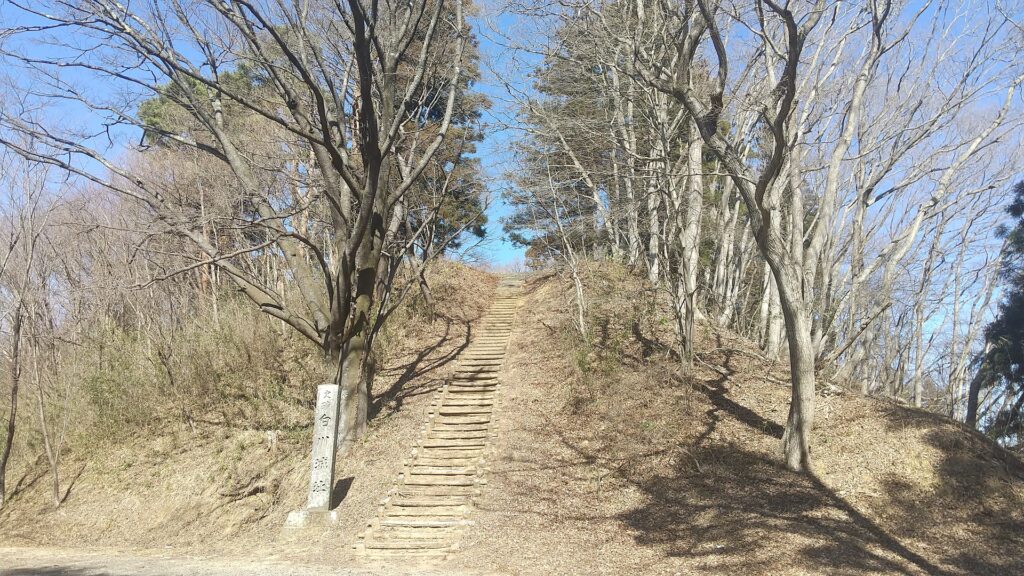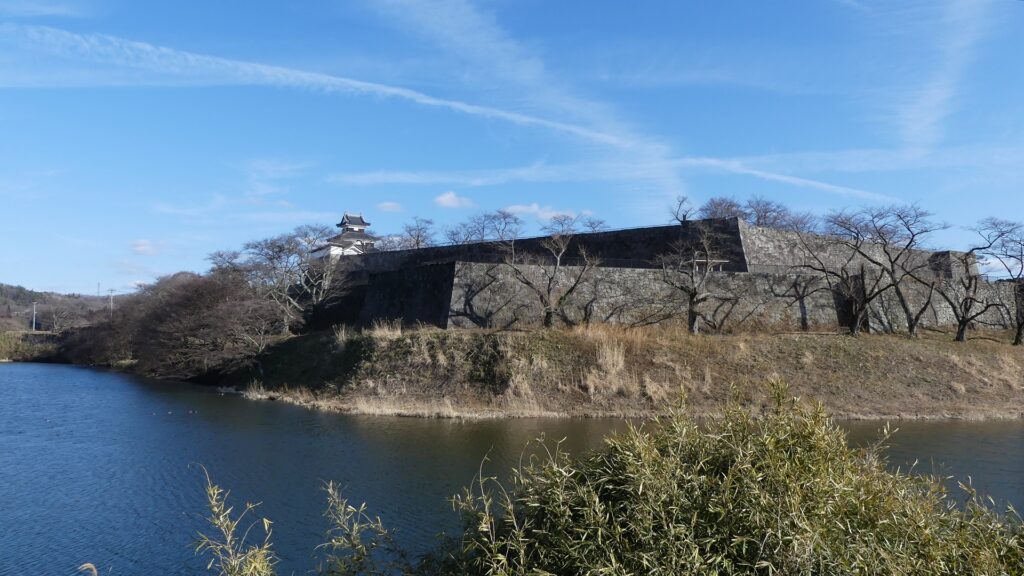
186.Kaneda Castle Patr1

Kaneda Castle was one of the ancient mountain castles in western Japan. They were built by the Imperial Court after the Battle of Baekgang, Korea in 663. Kaneda Castle was at the foremost line against possible invasions from the alliance of Tang and Silla. This was because it was located in Tsushima Island, only about 50km away from Korea.

Location and History

One of Ancient Maintain Castles

Kaneda Castle was one of the ancient mountain castles in western Japan. They were built by the Imperial Court after the Battle of Baekgang, Korea in 663. Japan tried to help Baekje, but was beaten by the Tang and Silla alliance. Emperor Tenchi was scared of invasions from the alliance, so he ordered these castles’ constructions. Kaneda Castle was at the foremost line against the alliance because it was located in Tsushima Island, only about 50km away from Korea.

The locations of the major ancient mountain castles

The map about the Battle of Baekgang (licensed by Samhanin via Wikimedia Commons)

These castles are also called Korean style mountain castles which were established in Korea and brought to Japan with the instructions from the refugees from Baekje. There had been many battles in ancient Korea (part of present day North and South Korea) due to invasions from China and the internal conflict with three countries, Baekje, Silla and Goguryeo. The style involves surrounding the whole mountain by stone walls or earthen walls, which was very different from that of Japanese castles that would be later established. If people in Korea at that time were attacked by enemies, they would escape to their mountain castle, wait for the enemies’ supply to run out and counterattack the enemies. This style was applied to Japan to immediately prepare for possible invasions from the alliance.

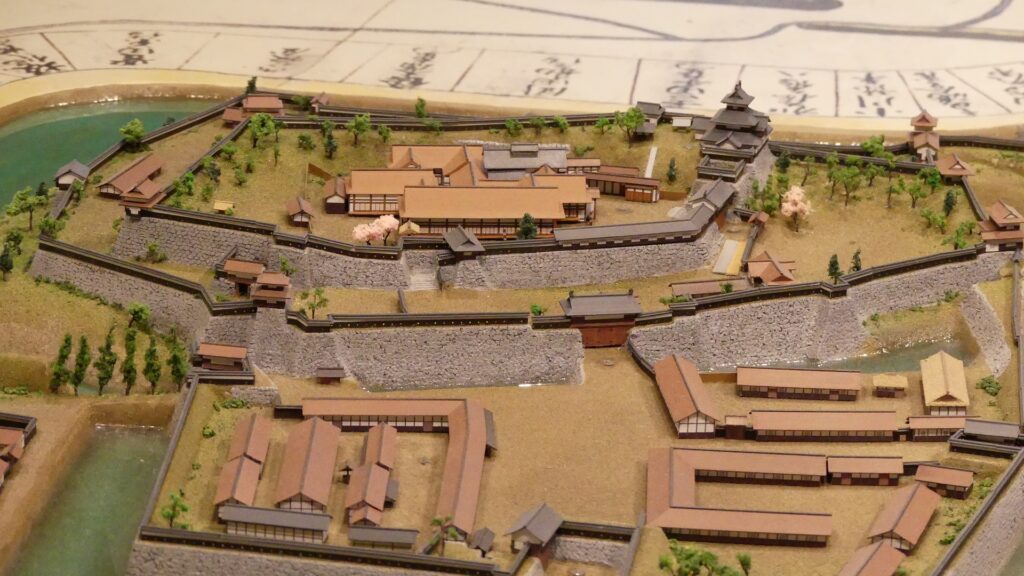
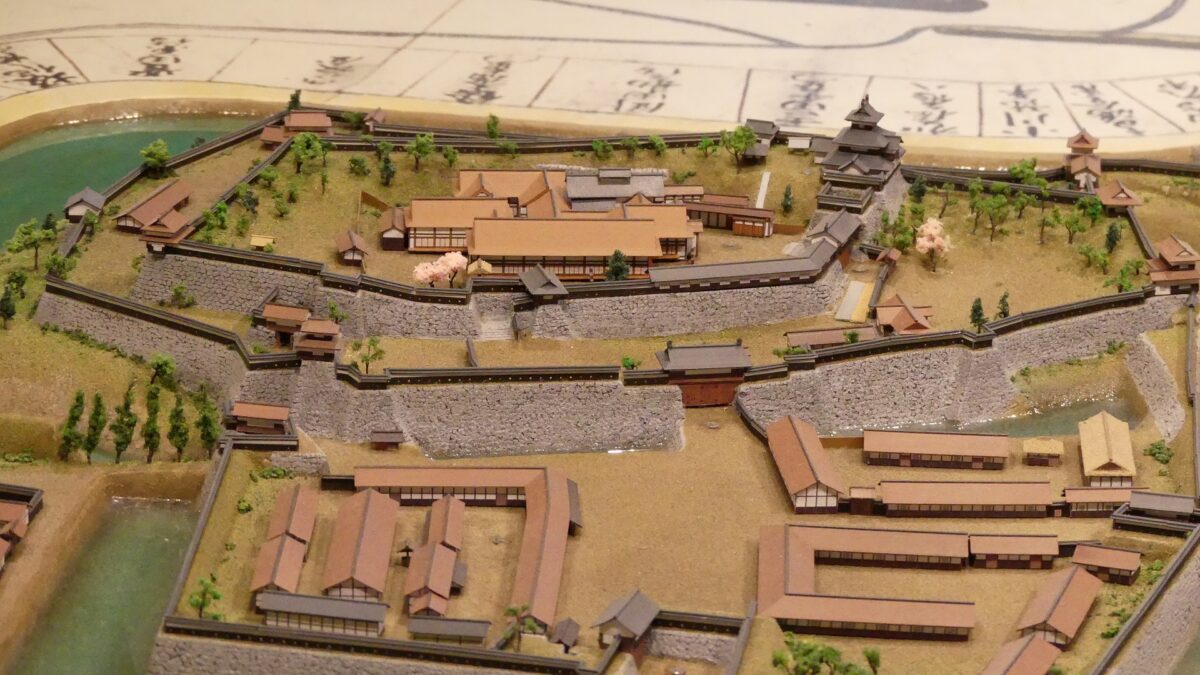
The diorama of Kaneda Castle Ruins, exhibited by the sightseeing information center Fureaidokoro Tsushima

Stone Walls mostly surround Mountain

The Imperial Court built Mizuki in 664 as the 1st ancient mountain castle. After that, it also built Ono and Kii Castles in 665, and then, Takayasu, Yashima and Kaneda Castles in 667, according to Nihon-shoki, the oldest official chronicles of Japan. It is thought that nearly 30 ancient mountain castles, including recorded and non-recorded ones, were built along the estimated routes of the invasions around the northern Kyushu Region and Seto Inland Sea. The Imperial Court also drafted soldiers from eastern Japan, who would be called Sakimori, and sent them to the northern Kyushu Region to protect and monitor this area. The fire-signal system was also developed in the region to rapidly inform the signs of what happened.

The ruins of Mizuki
The ruins of Ono Castle
The ruins of Kii Castle

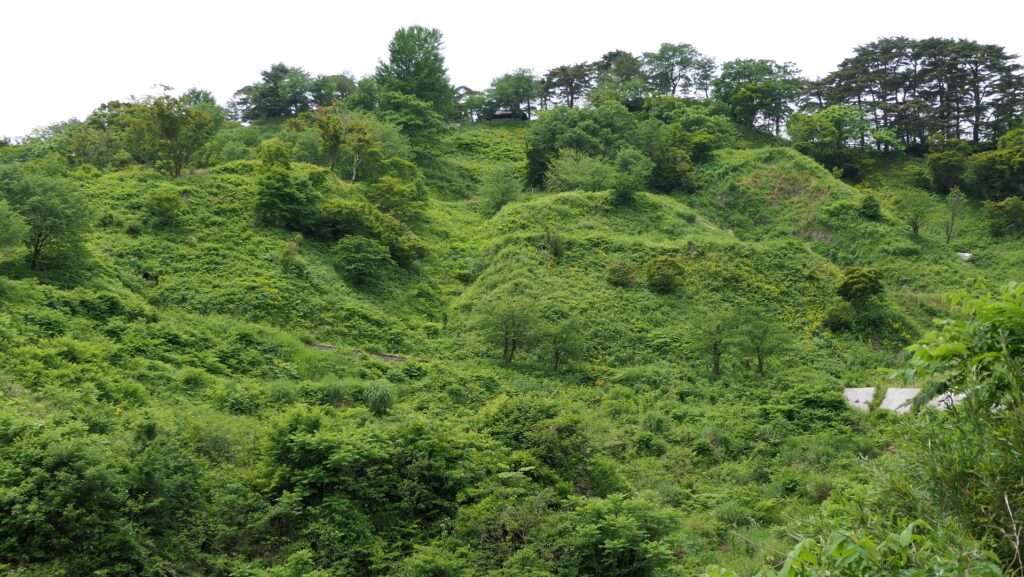
Kaneda Castle was built on Joyama Mountain facing Aso Bay in the central part of Tsushima Island. The castle was about 15km away to the north from the provincial capital of Tsushima, near the current Izuhara Port. This was probably because the usage of the castle would follow that of the mountain castles in Korea like a shelter. Its perimeter was about 2.2km, which was mostly covered with stone walls, in contrast to other ancient mountain castles like Ki-no-jo, mostly surrounded by earthen walls. The northern and western sides of the castle were along the steep ridges of the mountain, which were naturally very defensive. On the other hand, the southern side faced the valley which would be the entrance to the castle and the eastern side was beside the bay. That’s why several gates were built and the stone walls were higher on these sides. It is thought that there were no office buildings and no warehouses, but only buildings like barracks the Sakimori soldiers used inside the castle, according to the results of excavations.

The aerial photo around the castle

The Aso Bay
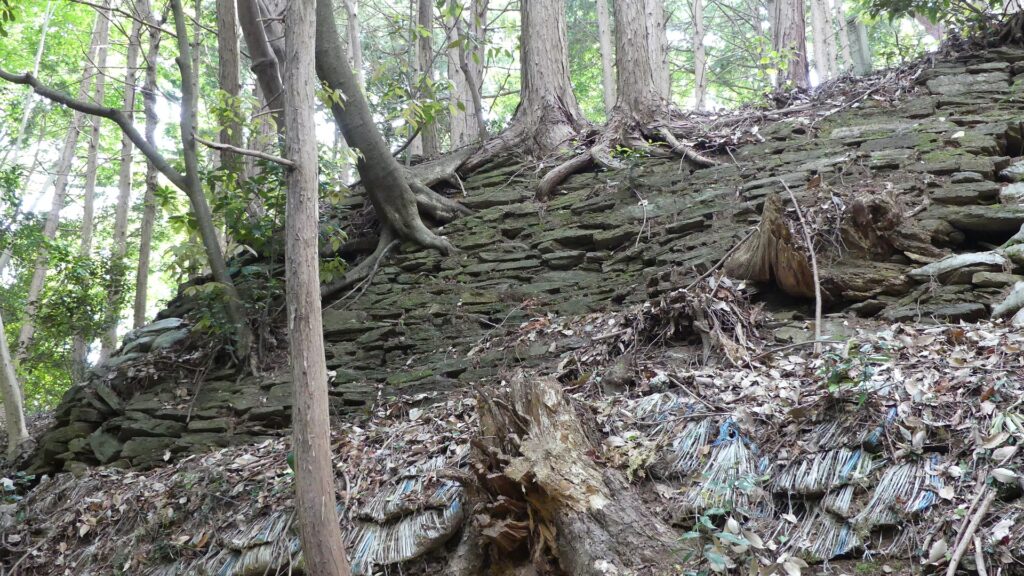
The stone walls of Kaneda Castle (the southeast stone fortress)
The earthen walls of Ki-no-jo

The relief map around the castle
Castle is shortly abandoned because of Stable Diplomatic Relations

Meanwhile, the diplomatic negotiations with foreign countries continued. For, example, Tang and Goguryeo started to fight with each other in 666. Both countries asked Japan for help. While Emperor Tenchi moved the capital from Asuka in Nara to Otsu, more interior than Asuka in 667 and made the first national census in 670 probably to prepare for the next war. The tension between Japan and Tang reached its peak after Tang defeated Goguryeo in 668. It is said that Tang actually planned to invade Japan then. However, the plan was canceled as Tang and Silla battled each other in 670. The battle resulted in Silla repelling Tang and the unification of Korea Peninsula in 676. The next emperor, Tenmu, also made friendly relations with Silla, which meant the serious threat to Japan had gone.

The ruins of the imperial palace of Otsu (licensed by Saigen Jiro via Wikimedia Commons)

As a result, there would be no need for maintaining all the ancient mountain castles. Many of them including Kaneda Castle were repaired or improved by the end of the 7th Century. However, it is thought that Kaneda Castle was abandoned at the beginning of the 8th Century. Manyoshu, the oldest anthology of Japan, which was first published in the late 8th Century, contains a Tanka poem created by a Sakimori soldier who was in charge of Tsushima Island. Interestingly, this Tanka was published nearly a century after the castle was active. The life of this great castle was only 30 to 40 years.

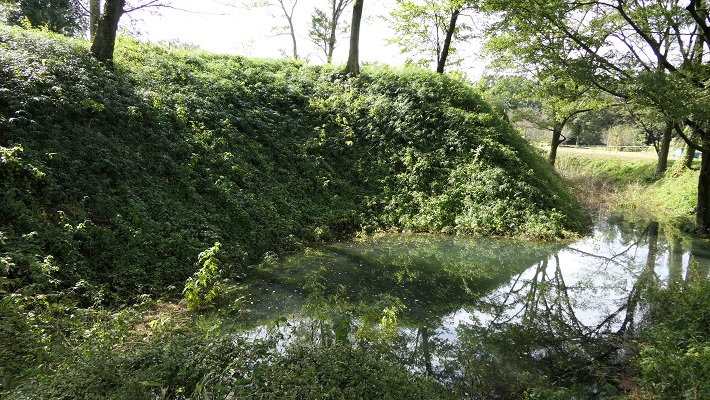
The ruins of Kaneda Castle (the first gate)

To be continued in “Kaneda Castle Part2”

186.金田城 その1

金田城は、西日本にあった古代山城のひとつでした。これらの城は、663年に朝鮮で起こった白村江の戦いの後、朝廷によって築かれました。金田城は唐・新羅連合軍の侵攻の恐れに対峙する最前線に当たりました。金田城ががあった対馬は朝鮮からわずか約50kmのところに位置していたからです。

古代山城(朝鮮式山城)の一つ

金田城は、西日本にあった古代山城のひとつでした。これらの城は、663年に朝鮮で起こった白村江の戦いの後、朝廷によって築かれました。日本は百済を助けようとしましたが、唐と新羅の連合軍に敗れました。天智天皇は、連合軍による日本侵攻を恐れ、城の建設を命じたのです。金田城は連合軍の侵攻に対峙する最前線に当たりました。金田城ががあった対馬は朝鮮からわずか約50kmのところに位置していたからです。

主要な古代山城の位置

白村江の戦いの図 、緑色部分が百済、青色部分が新羅 (licensed by Samhanin via Wikimedia Commons)

古代山城はまた、朝鮮式山城と呼ばれていて、これは朝鮮で確立し、百済からの亡命者の指導のもとに日本に導入された築城方式です。古代朝鮮(現在の北朝鮮と韓国に相当)では、中国からの侵攻と三国(百済、新羅、高句麗)による内乱が続いていて、多くの戦いが起こっていました。この築城方式は、石垣もしくは土塁により山の周りを囲ってしまうというやり方で、後に確立した日本式の城郭とは随分違っていました。当時の朝鮮の人たちは、敵軍に攻撃されると山城に逃げ込み、敵の補給が切れるのを待ってから、反撃に転じるという戦法を取っていました。この方式が、唐・新羅の連合軍による侵攻に迅速に備えるため、日本にも適用されたのです。

金田城跡のジオラマ、対馬観光情報館にて展示

山の全周を囲む石垣

朝廷は、最初の古代山城として、664年に水城を建設しました。その後、最古の公式の歴史書である「日本書紀」によると、大野城基肄(きい)城が665年に、高安城・屋島城・金田城が667年に築かれました。トータルでは、記録されているものもされていないものも含め、30近くもの古代山城が、想定された侵攻ルートである北九州から瀬戸内海に沿って築かれたと考えられています。また、朝廷は「防人(さきもり)」と呼ばれた兵士を東日本から徴発し、北九州地方に送って防衛と監視にあたらせました。それとともに、狼煙(のろし)によって情報伝達が迅速にできるようになっていました。

水城跡
大野城跡
基肄城跡

金田城は、対馬の中心部の浅茅(あそう)湾に面した城山(じょうやま)に築かれました。城は、現在の厳原(いずはら)港近くの対馬国府から北に約15km離れたところにありました。これは恐らく、城の使われ方が朝鮮の場合に準じて、避難所という位置づけだったからと思われます。その全周は約2.2kmで、大半が石垣によって囲まれていました。大半が土塁によって囲まれていた鬼ノ城(きのじょう)などの他の山城とは対照的です。金田城の北側と西側は、山の険しい峰に沿っていて、自然の要害となっていました。一方、南側は谷に向かって開いていて、城の入口であったようです。また、東側は湾に面していました。よってそれらの場所では、門や高石垣が築かれたりしていました。発掘の結果によると、城の内側には官庁や倉庫の建物はなく、防人が駐屯した兵舎のような建物があったと考えられています。

城周辺の航空写真

浅茅湾
金田城の石垣(東南角石塁)
鬼ノ城の土塁

城周辺の起伏地図

侵攻の脅威が遠のき短期間で廃城

城が築かれた一方で、外国との交渉が続けられていました。例えば、666年に唐と高句麗との戦いが始まりましたが、両方の国が日本に支援を求めてきました。天智天皇は667年に飛鳥からより内陸の大津に都を移しました。そして、恐らくは徴兵の準備のために670年に最初の戸籍(庚午年籍)を作成させました。668年に唐が高句麗を滅ぼした後は、日本と唐の緊張関係はピークに達しました。そのとき唐は実勢に、日本遠征計画を立てていたと言われています。しかし、670年に唐と新羅との戦いが始まったことで、その計画は中止になりました。そして新羅が唐を撃退し、676年に朝鮮統一を果たす結果となります。天智の跡をついだ天武天皇は新羅との友好関係構築に努め、日本への深刻な脅威は遠のきました。

大津宮跡 (licensed by Saigen Jiro via Wikimedia Commons)

その結果、古代山城を維持する必要がなくなりました。金田城を含む多くの古代山城は、7世紀の終わり頃までは修繕や拡張がなされていました。しかし、金田城については、8世紀初頭には廃城になったと考えられています。日本の最古の歌集である「万葉集」が8世紀終わり頃に編纂されましたが、そこには対馬で任務にあたっていた防人の短歌が収められています(巻14-3516:対馬の嶺は下雲あらなふ可牟の嶺にたなびく雲を見つつ偲はも)。しかし興味深いことに、この短歌が世に出たのは、城が廃城となってから1世紀近く経ってからということになります。金田城が現役であったのはわずか30~40年のことでした。

金田城跡(一の城戸)

「金田城その2」に続きます。

19.Kawagoe Castle Part1

Kawagoe Castle was located in modern day Kawagoe City of Saitama Prefecture at the central part of the Kanto Region. Its former castle town is known as the street with many Kura storehouses and named as a little Edo, which attracts many tourists. The castle and town were developed with a deep relationship with Edo City (the current Tokyo), the shogun’s capital.

Location and History

Kawagoe Castle was located in modern day Kawagoe City of Saitama Prefecture at the central part of the Kanto Region. The city is known as the street with many Kura storehouses and named as a little Edo, which attracts many tourists. In fact, the streets were mostly rebuilt after Kawagoe Great Fire in 1893 of the Meiji Era, not during the Edo Period. However, the city area originates from the castle town of Kawagoe Castle. In addition, the castle and town were developed with a deep relationship with Edo City (the current Tokyo), the shogun’s capital.

The range of Kawagoe City and the location of the castle

The Osawa Clan’s residence, the originator of the Kura storehouses, which survived the great fire and was followed by the others
Toki-no-kane (time bell tower) of Kawagoe

Dokan Ota builds Castle

The Kawagoe area is surrounded by curved Iruma River in three directions, the north, east and west. That’s why the city’s name may come from the place you need to go over (Goe) the river (Kawa). The first lord family of the area is said to be the Kawagoe Clan which lived in the western riverside of the Iruma River between the 12th and 14th Centuries. The clan’s residence was still not located in the later Kawagoe Castle. The castle was first built in 1457 by Dokan Ota who was a senior vassal of the Ogigayatsu Uesugi Clan. The clan had been fighting against the Ashikaga Clan since 1455, together with the relative Yamanouchi Uesugi Clan. They confronted at Tone River, the largest river in the Kanto Region. The Uesugi Clans took their positions at the western side of the river, that’s why they needed several new castles behind the river. Kawagoe Castle was one of the three major ones, followed by Edo and Iwatsuki Castles.

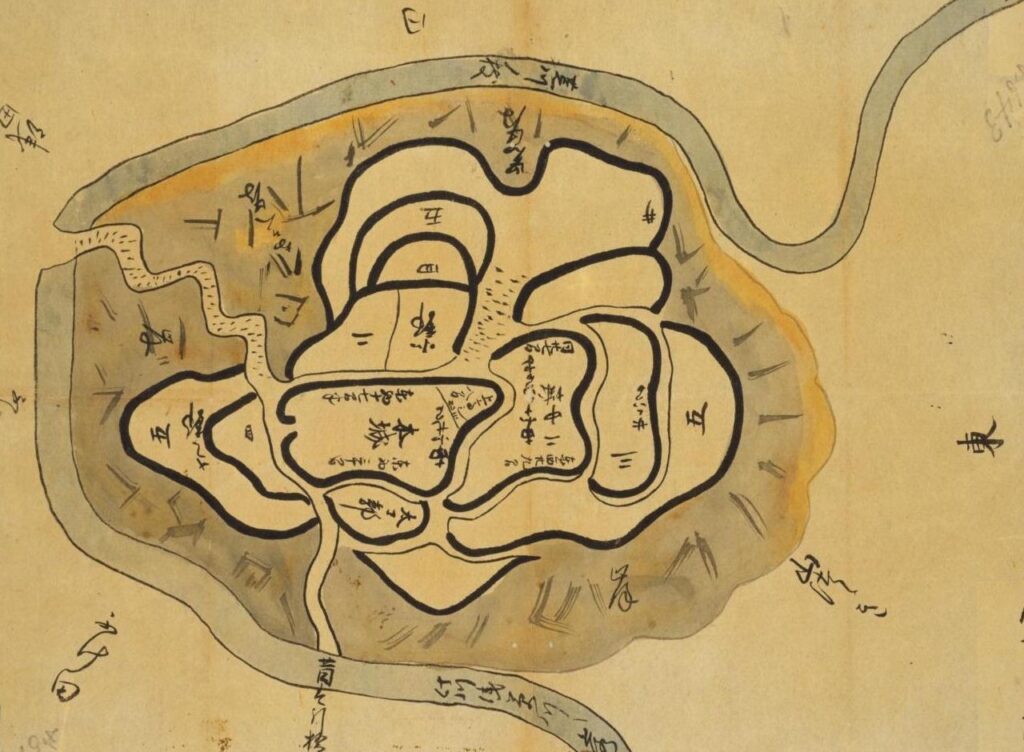
The map around the castle

The ruins of the Kawagoe Clan’s residence
The copy of the sitting statue of Dokan Ota, exhibited by Kawagoe City Museum
Part of “View of Edo” left screen. pair of six-panel folding screens, in the 17th century, owned by National Museum of Japanese History (licensed under Public Domain via Wikimedia Commons)

Stage of Night Battle of Kawagoe

Kawagoe Castle eventually became the home of the Ogikayatsu Uesugi Clan. When the clan had an internal conflict with the Yamanouchi Uesugi Clan during the beginning of the 16th Century, the castle became the frontline of the battle. This was because the Yamanouchi Uesugi Clan reused the former Kawagoe Clan’s residence as its encampment across the Iruma River. During their internal fighting, the Hojo Clan invaded the Kanto Region and finally captured Kawagoe Castle in 1537. Both Uesugi Clans noticed their crisis and made peace with each other to get the castle back. The clans’ large troops surrounded the castle which was owned by Tsunanari Hojo in October of 1545.

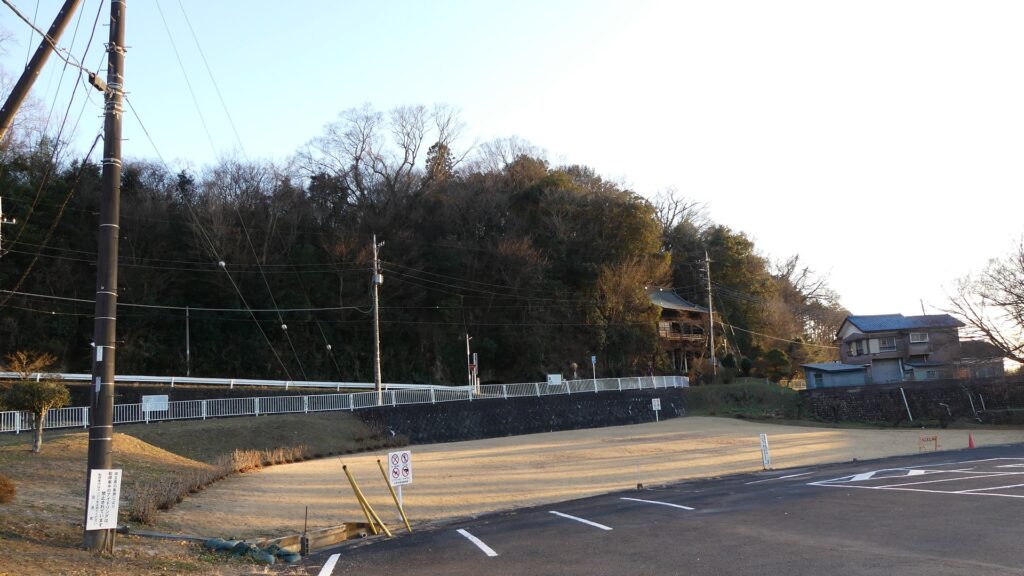
The ruins of the moats the Yamanouchi-Uesugi Clan built at the former Kawagoe Clan’s residence

The castle was still small at that time and located at the edge of Musashino Plateau with few enclosures made of soil. However, it was protected by natural waterlogged areas around the Iruma River in three directions, the north, south and east. It was thought that artificial ditches and moats were built in the other direction and around the castle. In April of 1546, Ujiyasu Hojo, the lord of the clan reinforced the castle. He announced that he and the castle would surrender to the Uesugi Clans, which threw them off their guard. On 20th of April, Ujiyasu started a night attack against the Uesugi Clans, which was called the Night Battle of Kawagoe. A severe battle happened at Tomyoji Temple, just about 800m away from the center of the castle. That resulted in the Hojo’s hegemony and the Uesugi’s destruction in the region.

The relief map around the castle, the slight elevation around Shingashi RIver is the Musashino Plateau

Isanuma Marsh, located in the east of the castle ruins, around the castle may have been like this in the past
The current Tomyoji Temple
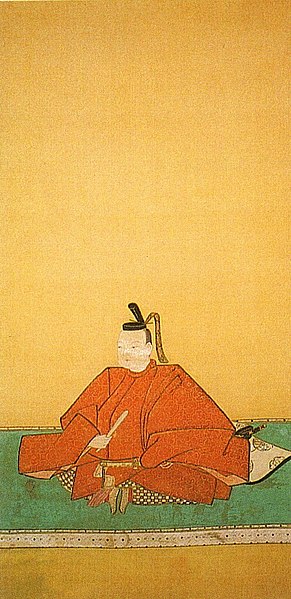
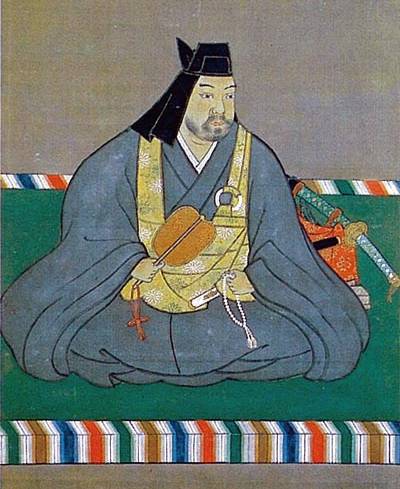
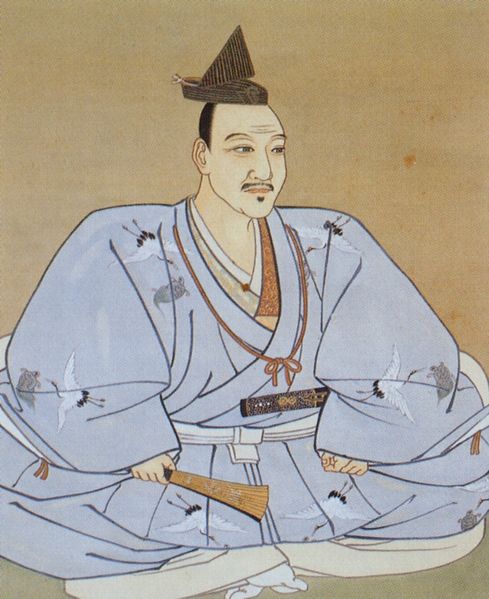
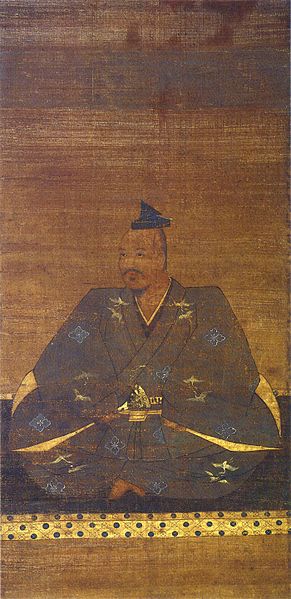
The portrait of Ujityasu Hojo, owned by Odawara Castle (licensed under Public Domain via Wikimedia Commons)

Place to Stay for Shoguns

The region was owned by the Tokugawa Clan at the end of the 16th Century and the Tokugawa Shogunate was established in 1603. Edo Castle became the shogun’s home, so Kawagoe Castle became an important defense for Edo Castle to the north. That’s why the Sakai Clan, which was trusted by the shoguns, became the lords of Kawagoe Castle. Oher than that, the 1st shogun (Ieyasu) and the 3rd shogun (Iemitsu) often stayed in Kawagoe Castle when they went hunting. There was an episode which indicated their relationship with Kawagoe as following. The Kitain Temple in Kawagoe was re-established by Priest Tenkai who was also trusted by the shoguns in 1599. However, it was burned down by a great fire in 1638. The shogun, Iemitsu ordered to immediately restore the temple, offering some Edo Castle’s buildings including his birth room and his foster mother, Lady Kasuga’s make-up room. They are remaining in the temple.

The main enclosure of Kawagoe Castle drawn in “View of Edo”, the buildings inside seem to have been the shogun’s loggings, exhibited by National Museum of Japanese Histories
The portrait of Iemitsu Tokugawa, owned by Kinzanji Temple (licensed under Public Domain via Wikimedia Commons)
Kitain Temple (its multi-treasure pagoda)
The buildings of the former Edo Castle Main Hall, remaining in the temple

Important Defense and Satellite City for Edo

The castle and the area around were followed by several other hereditary vassals of the shoguns as the Kawagoe Domain. Some of them became members of the shogun’s council of elders in the central government. One of them, Nobutsuna Matsudaira improved the castle. He doubled the castle’s range by building new enclosures, turrets and gates. However, the castle was still basically made of soil without the Main Tower, which looked like a group of halls. To prevent enemies from invading, complex routes were built with earthen walls, mud walls, and water moats, instead of high stone walls and turrets in other castles. The castle town was also developed with Kawagoe Road, Shingashi River as waterways, and agricultural land. As a result, the town prospered by providing their products, such as Somen noodles, silk goods, and Kawagoe sweet potatoes which is still popular, to Edo City which was already one of the largest cities in the world.

The miniature model of Kawagoe Castle after the improvement, the Kitain Temple is over there, exhibited by Kawagoe City Museum
Kawagoe sweet potatoes

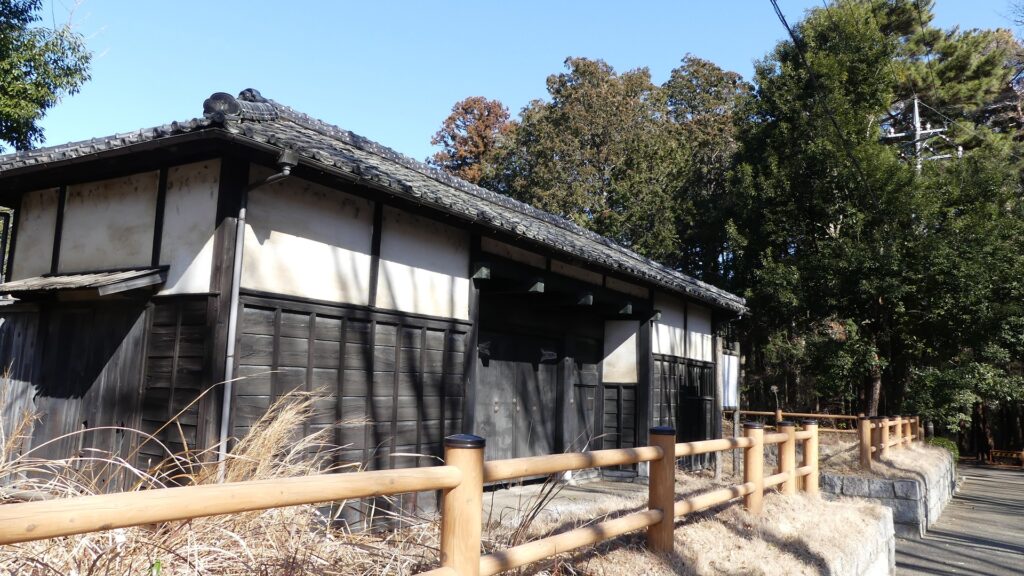
The center of the castle was the Main Hall in the second enclosure. While the main enclosure had been used as the loggings for the shoguns it was abandoned for sometime. After the Main Hall was burned down in 1846, the Kawagoe Domain decided to rebuild the hall in the main enclosure. Although the domain was facing huge financial problems due to being in charge of the coast guard of Edo Bay against possible invasions form the Western ships, the hall was completed in 1848 thanks to lots of additional taxes and donations from locals.

The second enclosure of Kawagoe Castle drawn in “View of Edo”, exhibited by National Museum of Japanese Histories
The remaininng Main Hall of Kawagoe Castle

To be continued in “Kawagoe Castle Part2”

error: Content is protected !!