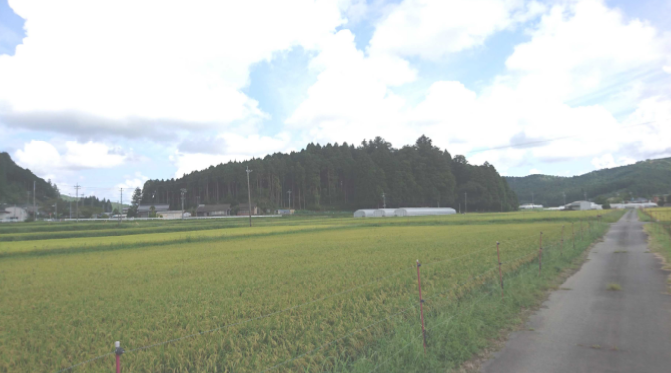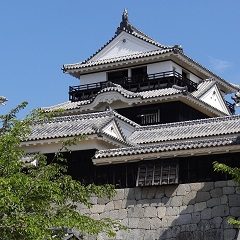
31.新発田城~Shibata Castle

「戦国自衛隊」がいるので、本丸の一部だけが公開されています。
Part of Honmaru is open because of “G.I.Samurai”.

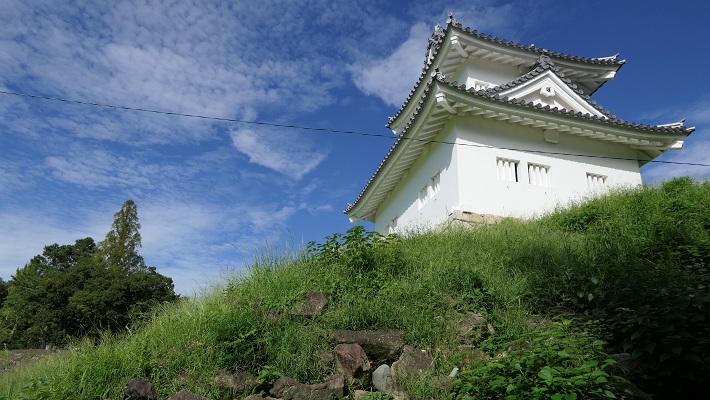
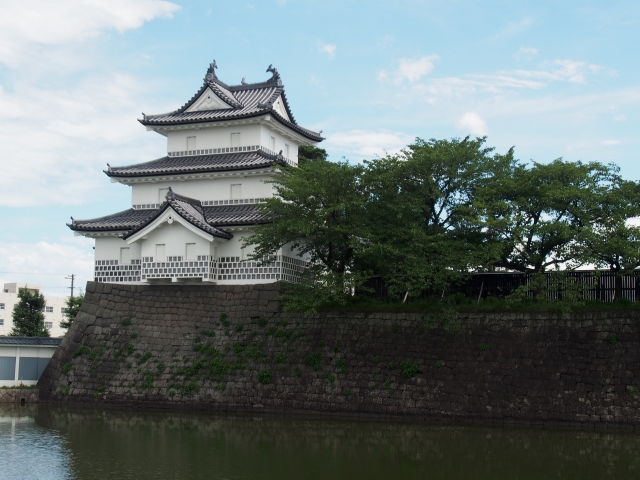
本丸に移された現存二の丸隅櫓~The remaining Ninomaru Sumi Turret which was moved to Honmaru

Location and History

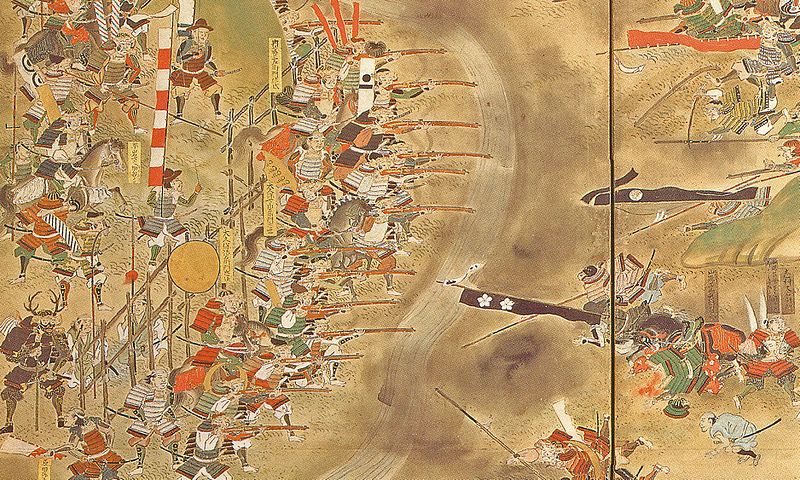
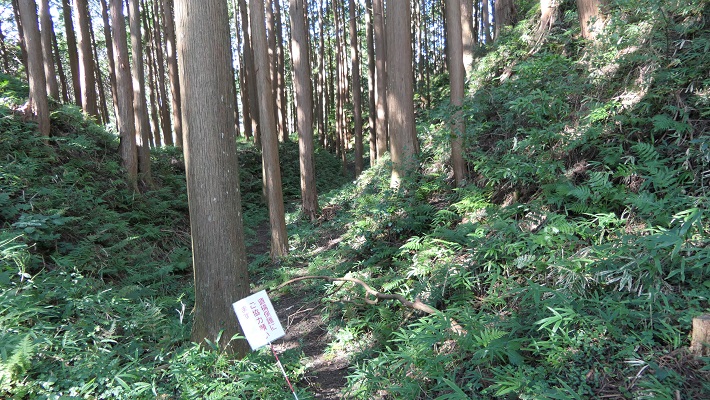
新発田城は、現在の新潟県北部、新発田市に属する平地にありました。中世に新発田氏が最初にこの城を築いたと言われています。戦国時代に織田信長が天下人となったとき、新発田重家は信長と協調し、主君である上杉景勝に対して反乱を起こそうとしました。彼はほとんど成功しかかったのですが、その前に信長は配下の明智光秀に殺されてしまいます。景勝は、今度は信長の後継者である豊臣秀吉と組んで重家を攻撃しました。重家は、ついには新発田城近くの浦城という山城で滅ぼされました。
Shibata Castle was located on a plain area which now belongs to Shibata City in the northern part of Niigata Pref. It is said that the Shibata clan first built the castle in the Middle Ages. When Nobunaga Oda became the ruler of Japan in the Warring States Period, Shigeie Shibata attempted to rebel against his master Kagekatsu Uesugi with Nobunaga. He was mostly successful, but Nobunaga was killed by his man, Mitsuhide Akechi before it happened. Kagekatsu assaulted Suigeie with Nobunaga’s successor Hideyoshi Toyotomi instead. Shigeie was finally beaten at a mountain castle called Ura Castle near Shibata Castle.

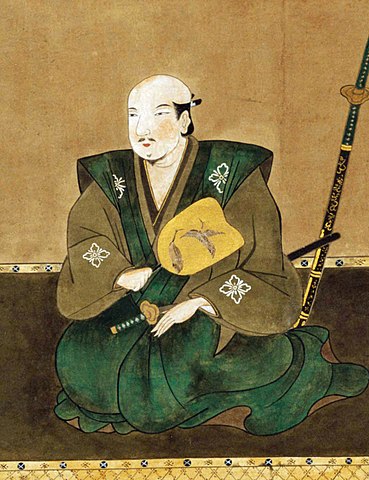
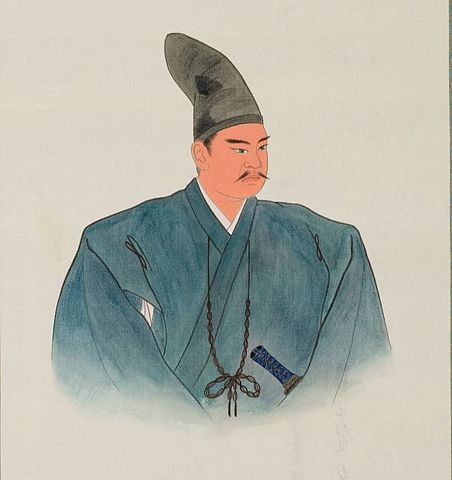
上杉景勝肖像画、上杉神社蔵、江戸時代~The portrait of Kagekatsu Uesugi, owned by Uesugi Shrine, in the Edo Period(licensed under Public Domain via Wikimedia Commons)

溝口秀勝がこの地域の領主として据えられました。彼は、本拠地として新発田城を大改修することにしました。改修後は、この城は三階櫓をシンボルとし、その他の櫓や大型の門を曲輪に築き、石垣や水堀に囲まれていました。以前の城がどうであったのかわからないほどです。
Hidekatsu Mizoguchi was placed as the lord of this area. He decided to renovate Shibata Castle as his home base. After the renovation, the castle had a three-layer turret for the symbol, several other turrets, and large gates on enclosures surrounded by stone walls and water moats. No one knew what it was really like.

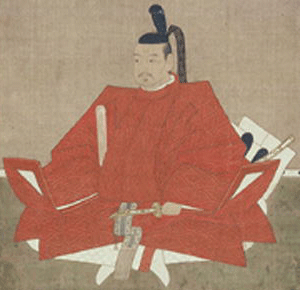
溝口秀勝肖像画、宝光寺蔵~The portrait of Hidekatsu Mizoguchi, owned by Hokoji Temple(licensed under Public Domain via Wikimedeia Commons)

また、城周辺の区域は湿地帯になっており、敵の攻撃を防ぐようになっていました。溝口氏は江戸自体を通じてこの城を統治しました。城は火災や地震などの災害の被害を受けましたが、そのたびに修復されました。
The area around the castle was also waterlogged which could prevent an enemy’s attack. The Mizoguchi clan governed the castle all through the Edo Period. The castle suffered from disasters like fires and earthquakes, but was restored each time.

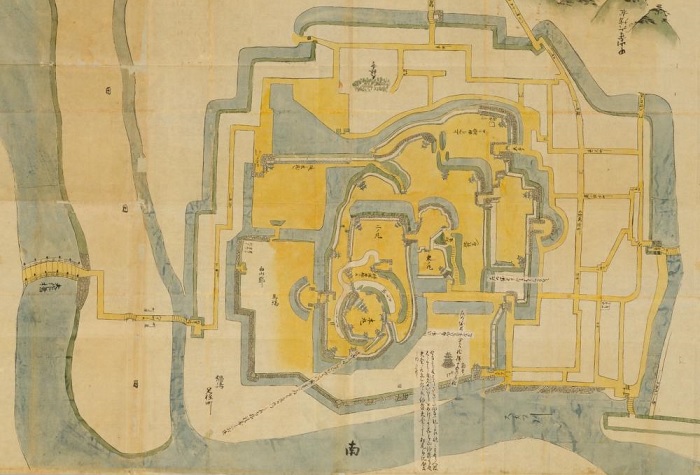
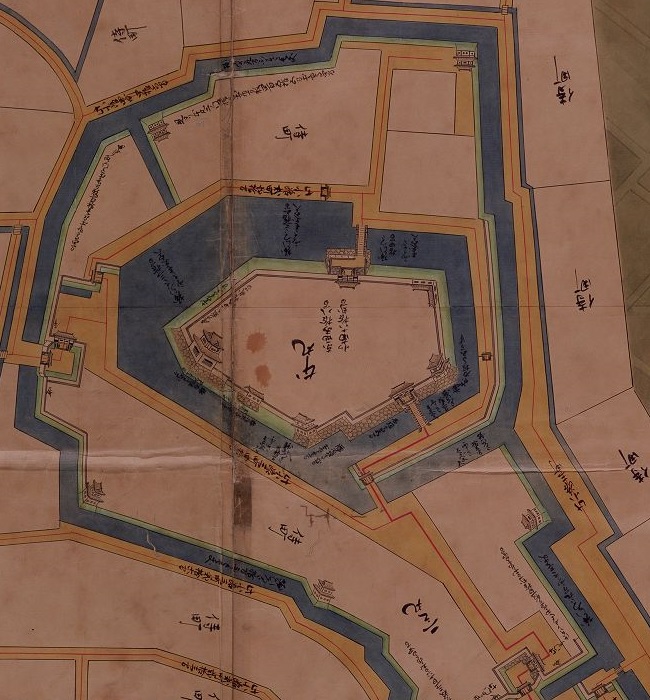
「越後国新発田之城絵図」部分、江戸時代~Part of “the illustration of Shibata Castle in Echigo Province, in the Edo Period(出典:国立公文書館)

特徴~Features

現在、本丸の一部分の区域が新発田城址公園として一般に公開されています。本丸表門と二の丸隅櫓が今に残っています。新潟県内では唯一現存する城郭建築となります。隅櫓は最近になって現在の場所に移されてきました。
Now, part of the Honmaru enclosure area is open to the public as Shibata Castle Ruins Park. The Honmaru Front Gate and the Ninomaru Sumi Turret remain. They are the only remaining castle buildings in Niigata Pref. Sumi Turret was moved from the Ninomaru enclosure to the present place recently.

現存する本丸表門~The remaining Honmaru Front Gate
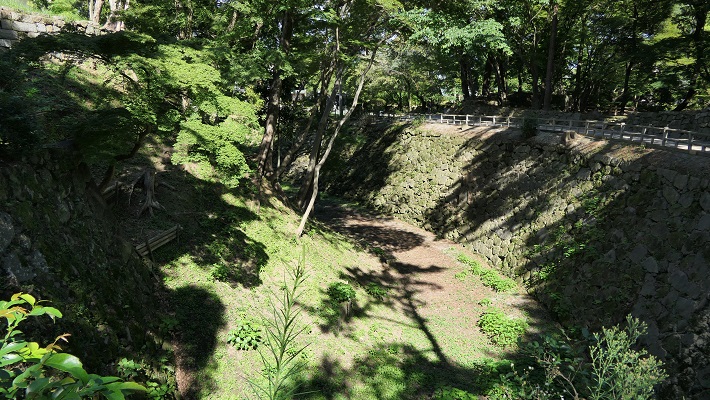
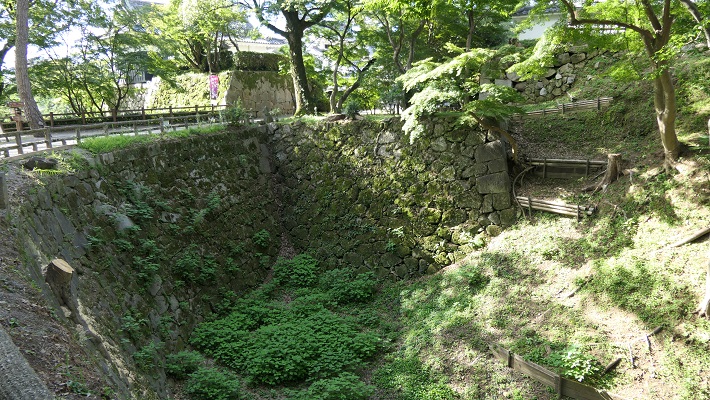
現存する二の丸隅櫓と水堀~The remaiing Ninomaru Sumi Turret and water moat(taken by ゆぅーちゃん from photoAC)

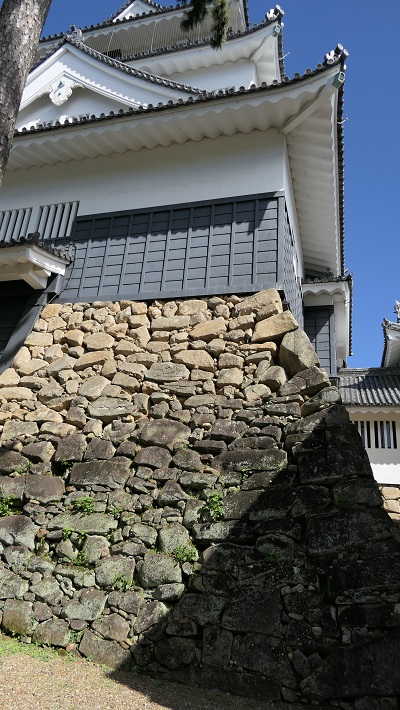
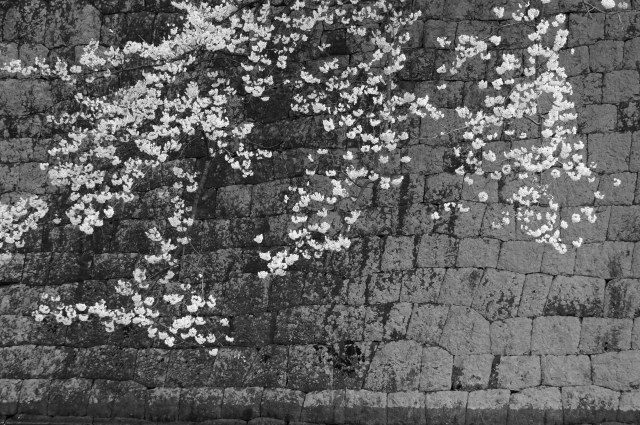
他の現存構築物の中では、本丸の南西側の石垣が精巧で且つ美しいとされています。この石垣は、1669年の寛文地震の後に再建されたもので、切込はぎと布積み(四角によく加工された石を水平に積んでいく)と呼ばれるその当時としては進んだ方法が使われています。
Among other remaining structures, the Honmaru southwest side stone walls are elaborate and beautiful as they were rebuilt after the 1669 Kanbun Earthquakes with an advanced way at that time called Kirikomihagi and Nunodumi (piling well processed square stones horizontally).

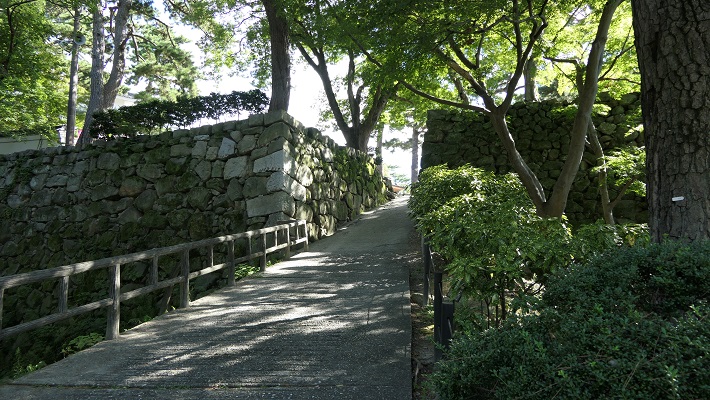
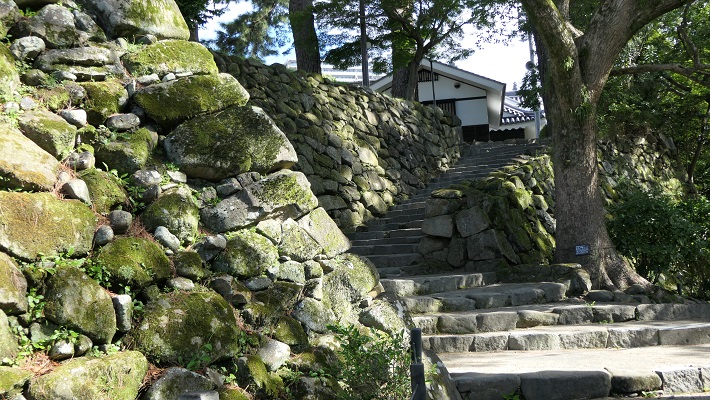
新発田城の石垣~The stone walls of Shibata Castle(taken by Kazuyako from photo AC)

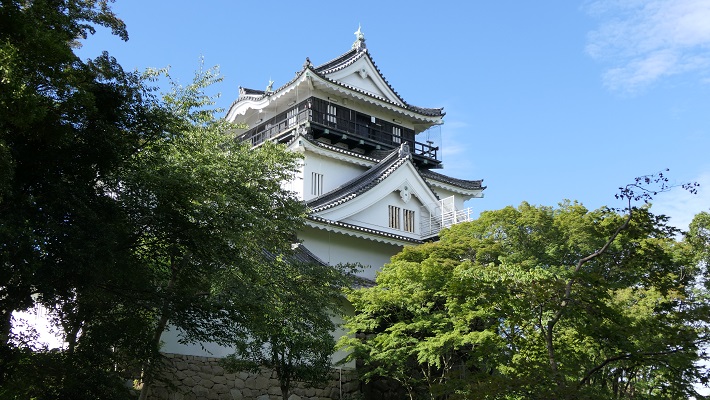
2つの櫓が現代になって復元されました。そのうちの一つは三階櫓で、最初建てられてときの工法で復元されました。
Two turrets were restored in the present days. One of them is the three-layer turret restored in the original way.

復元された三階櫓~The restored Three-Story Turret(taken by ゆぅーちゃん from photoAC)

しかし、残念なことに一般には公開されていません。なぜなら自衛隊の敷地内に建てられているからです。実際、城跡の敷地のほとんどの部分は自衛隊が使用しているのです。
But unfortunately, it is not open to visitors, because it is located within the Japanese Self Defense Force grounds. Actually, most of the ground of the castle ruins is used by the SDF.

城周辺の地図~The normal map around the castle

城周辺の航空写真~The aerial photo around the castle

その後~Later Life

明治維新後、多くの建物が撤去されました。新発田町は早くから日本陸軍に対して城跡を基地として使ってもらうよう要請してきました。この田舎の小さな町にとって、繁栄のための資源を維持する必要があったのです。軍施設は城跡において1871年から1945年まで運用され、町に雇用と警備体制を供給しました。1874年に木造で作られ、白壁兵舎と呼ばれる兵舎が今に残っています。その建設にあたっては、城の建物の廃材が再利用されていたことが最近判明しました。
After the Meiji restoration, many buildings were demolished. Shibata Town asked the Japanese Army to use the ruins as their base early. This local small town needed to keep their resources for prosperity. The Army ran the ruins between 1871 and 1945, and offered the town jobs and security. There is a remaining barrack called White Wall Barrack which was built in wooden style in 1874. It is recently found that the waste materials of the castle buildings were reused for the construction.

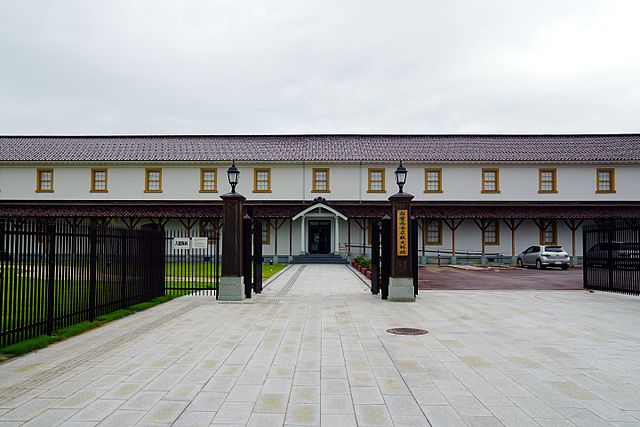
現存している白壁兵舎~The remaining White Wall Barrack(licensed by 663Highland via Wikimedia Commons)

第二次世界大戦後、城跡は一時学校に転用されました。ところが自衛隊が設立されたとき、町は再び城跡を使ってもらうよう申し入れたのです。自衛隊は1953年以来、この町に定着しています。このことは、地域と軍隊の結びつきを示す一例とされています。
After World War II, the ruins were once turned into a school. However, when the SDF was founded, the town asked them to use the ruins again. SDF has been settled in the town since 1953. The fact shows an example of the relationship between the town and the army.

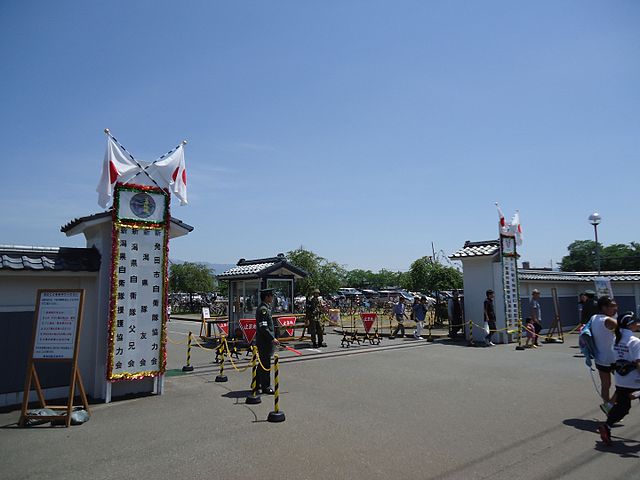
陸上自衛隊新発田駐屯地~Japan Ground Self-Defense Force Shibata Base(licensed by 96WAPC via Wikimedea Commons)

私の感想~My Impression

ここの城跡を見るのにいくらかの不便がある一方、多くの人たちが城と軍隊の対照を見て、日本映画の「戦国自衛隊」のようだと言います。この映画は、もし自衛隊が突然戦国時代の世界に放り出されたら何が起こるかという想像の物語です。この城跡のイメージがこの映画とマッチしているようです。
While there is some inconvenience to see the ruins, many people say that the contrast of the castle and the army looks like a Japanese movie “G.I.Samurai”. The movie is a story of the imagination about what would have happened if SDF were suddenly thrown in the world of Warring State Period. The image of the castle ruins area matches the movie for the people.

61式戦車、この戦車のレプリカが「戦国自衛隊」で登場しました~Type 61 tank, its replica was used in the movie “G.I.Samurai”(licensed under Public Domain via Wikimedeia Commons)

更には、現在の日本で軍隊が城跡の真ん中を今だ使っている例は稀と言えます。白壁兵舎は現在博物館として一般に公開されています。そこでは、新発田の軍隊の歴史とともに、どのように城の廃材が使われたのかがわかる展示があります。これらを見ると、新発田城のもう一つの歴史がずっと続いていると実感します。
In addition, it is very rare that an army still uses a center of castle ruins in present Japan. The White Wall Barrack is now open to visitors as a museum. It exhibits the history of the army in Shibata as well as the evidence about how the waste materials of the castle were used. They show that another history of Shibata Castle is continuing..

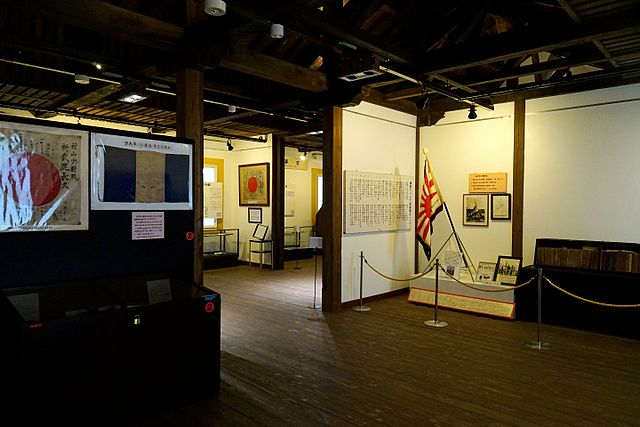
白壁兵舎の展示室~An exhibition room in White Wall Barrack(licensed by 663Highland via Wikimedia Commons)

ここに行くには~How to get There

JR新発田駅から歩いて30分近くかかります。
東京から新発田駅まで:
上越新幹線に乗り、新潟駅でJR白新線に乗り換えてください。
車で行く場合:日本海東北自動車道聖籠新発田ICから約10分です。城址公園に駐車場があります。
It takes nearly 30 minutes From JR Shibata station to get there on foot.
From Tokyo to Shibata st.:
Take the Joetsu Shinkansen superexpress to Nigata station, and transfer for JR Hakushin line.
If you want to go there by car: It takes about 10 minutes from the Seirou-Shibata IC on Nihonkai-Tohoku Expressway. The ruins offer a parking lot.

リンク、参考情報~Links and References

しばた観光ガイド~Shibata Tourism Guide
・「甲信越の名城を歩く 新潟編」吉川弘文館(Japanese Book)
・「列島中央の軍事拠点(地域のなかの軍隊)」吉川弘文館(Japanese Book)
・「戦国自衛隊」半村良著、角川文庫(The original story of the movie “G.I.Samurai”)

131.村上城~Murakami Castle

戦国時代のこの城の姿を伝える絵図が残っています。
A drawing shows the castle’s appearance in the Warring States.

本丸の出櫓跡の石垣~The stone walls of De-Yagura ruins at Honmaru

立地と歴史~Location and History

村上城は、「臥牛山」という牛が臥せている形をした山にありました。この場所は、新潟県の北部にある村上市に所属しています。この城がいつ最初に築かれたかははっきりしません。戦国時代には本荘氏がこの城を所有していて、当時は本荘城と呼ばれていました。
Murakami Castle was located on a mountain called “Gagyu-San” which means a mountain which looks like a cow laying down. The place belongs to Murakami City in the northern part of Niigata Pref. It is uncertain when castle was first built. In the Warring States Period, the Honjo clan owned the castle which was then called Honjo Castle.

臥牛山~Mt. Gagyu-San

本荘繁長は、越後国(現在の新潟県)の有力戦国大名の上杉謙信に従っていました。ある時彼は独立を志し、謙信に反逆しました。謙信は無敵の武将とされており、城を取り囲みました。しかしこの城も難攻不落であり、約1年間耐え忍びました。ついには双方和睦を結びました。繁長はその後は上杉氏に献身的に仕え、十五里ヶ原の戦いでは最上氏を打ち破りました。ところが天下人の豊臣秀吉から、命令に背いたかどにより改易となってしまいます。
Shigenaga Honjo was under the great warlord in Echigo Province (what was now Niigata Pref.), Kenshin Uesugi. He once tried to be independent and rebelled against Kenshin. Kenshin who is considered invincible, surrounded the castle, but the castle which was also impregnable, stood for about a year. They finally made peace with each other. After that, Shigenaga was devoted to Uesugi. He defeated the Mogami clan in the battle of Jugorigahara. However, he was fired by the ruler Hideyoshi Toyotomi due to breaking Hideyoshi’s order.

本庄繁長の浮世絵、歌川国芳作、江戸時代~The woodblock print of Shigenaga Honjo, attributed to Kuniyoshi Utagawa, the Edo Period(licensed under Public Domain via Wikimedeia Commons)

上杉氏は1598年に東北地方に移されるのですが、その移封の直前に領地の絵図面を作成し、新しい領地の方に持っていき、現在まで保管しています。そのうちの一つが越後国瀬波郡絵図です。村上城はこの絵図の中で「村上要害」(要害は砦といった意味)として描かれています。その絵図はこの城の戦国時代終わり頃の姿を伝えています。わが国の貴重な文物とされています。
Uesugi clan was transferred to the Tohoku region in 1598, but they created drawings of their territory just before the transfer, brought them to their new territory, and have kept them until now. One of them is called the drawing of Senami District in Echigo Province. Murakami Castle is in the drawing as “Murakami Yogai” (Yogai means stronghold). The drawing shows the appearance of the castle at the end of the Warring States Period. It is considered a very valuable material for the country.

「越後国瀬波郡絵図」に描かれた村上要害~Murakami Yogai from “the drawing of Senami District in Echigo Province”(村上市websiteより引用)

この絵図によれば、この城には天守はなく、石垣も白壁もなく、ただ柵に囲まれた土塁の曲輪の上に館があるだけです。それは、当時の東日本においては典型的な地方の城のスタイルでした。本荘氏の後は、村上、松平、そして内藤氏といった氏族がこの城を支配しました。この城は彼らの下で近代化されました。天守が山の頂に築かれ、多くの石垣も築かれ、城の範囲は山麓まで広がりました。江戸時代に描かれた「越後国村上城之絵図」を見るとそれがわかります。この城が中世と近世の間にどのように変わったのかがはっきりと見て取れます。
According to the drawing, the castle had no Tenshu, no stone walls and no plaster walls, just had halls on earthen enclosures surrounded by fences. That was a typical local castle style in eastern Japan at that time.
After Honjo clan, several clans like Murakami, Matsudaira, and Naito governed the castle. The castle was modernized under their governance. The Tenshu keep was built on the top of the mountain, a lot of stone walls were also built, and the range of the castle was spread to the foot of the mountain. “The illustration of Murakami Castle in Echigo Province” in the Edo Period shows them. We can clearly see how the castle had changed between the Middle and Modern Ages.

「越後国村上城之絵図」部分、江戸時代~Part of “The illustration of Murakami Castle in Echigo Province”,the Edo Period(出典:国立公文書館)

明治維新の間、村上藩の武士たちは新政府につくか旧幕府につくか逡巡していました。旧幕府側の支持者たちは城を退去し、東北地方の同志に合流すると決め、自ら城に放火してしまいました。
During the Meiji Restoration, warriors of the Murakami Domain were wondering if they should support the New Government or the former Shogunate. When the supporters of former Shogunate decided to withdraw the castle and join supporters in Tohoku region, they burn the castle by themselves.

村上市郷土資料館にある城の模型~The miniature model of the castle at Murakami History Museum

特徴~Features

それでは入口から城跡に向けて登ってみましょう。山道は「七曲り道」と呼ばれていて、曲がりくねった山道といった意味です。
Let’s climb up to the castle ruins from the entrance. The trail is called “Nanamagari-Michi” which means a winding trail.

山道の入り口~The entrance of the trail

道の傾斜が緩やかになっているので、登りやすくなっています。実は、この道の由来は戦国時代にさかのぼると言われています。
That makes it easier for visitors to climb because the trail becomes more gentle. In fact, this trail can be traced back to the Warring States Period.

七曲り道~The trail called Nanamagari-Michi

それは、先ほどの「越後国瀬波郡絵図」と「越後国村上城之絵図」両方に、恐らくは同じ場所であろう所に、似たような山道が描かれているからです。何か素晴らしく感じます。そうなってくると、敵が簡単に城を攻撃できてしまうのではないかとも感じます。歴史家によると、敵がこのような曲がりくねった道を登るときは、側面を防御側に見せてしまうため、かえって防御側に有利になるということです。
Becase you can see the similar trail at probably the same place in both of “the drawing of Senami Distinct” and “the illustration of Murakami Castle”. It’s amazing. You may ask that enemies might attack the castle easily. Some historian suggest that attackers will have their sides facing the defenders when climbing such a winding trail. It can be advantageous for the defenders.

「越後国瀬波郡絵図」の山道部分~The trail part of “the drawing of Senami District in Echigo Province”
越後国村上城之絵図」の山道部分~The trail part of the drawing of Senami Distinct”

約15分ほどで山の上にある三の丸四つ門跡に到着します。
It will take about 15 minutes to reach the ruins of “Yottsu” gate at “Sannomaru” enclosure on the mountain.

四つ門跡~The ruins of “Yottsu” gate

本丸の方に行くには、狭い二の丸を通らねばなりません。
You can head towards “Honmaru” enclosure passing through narrow “Ninomaru”.

二の丸の通り道~The route on Ninomaru

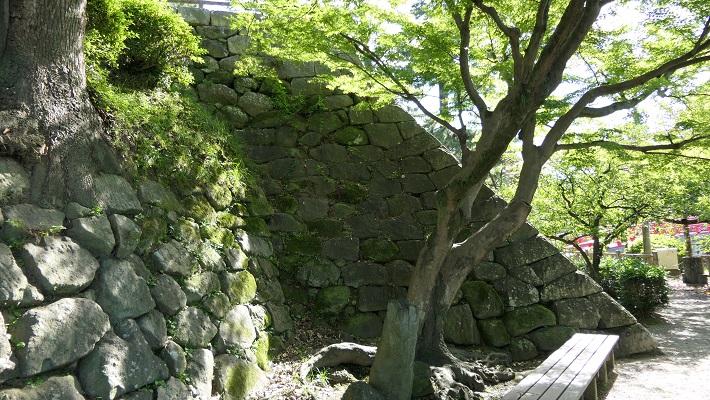
今に残る多くの石垣が見られます。全ての石垣は江戸時代に作られたものです。
A lot of remaining stone walls are there. They were all built in the Edo Period.

本丸の石垣~The stone walls at Honmaru

山の一部は現在発掘中です。戦国時代の遺跡が見つかるのではないかと言われています。
Part of the mountain is now under excavation. It is said that the ruins in the Warring States Period might be found.

本丸の発掘されている部分~The part of Honmaru being under excavation

そうするうちに、山の頂にある天守台に到着します。そこからは村上市全域が一望できます。
You will soon reach the Tenshu base at the top of the mountain, and can see the whole view of Murakami City.

本丸の入り口~The entrance of Honmaru
天守跡~The ruins of Tenshu
山上からの村上市の眺望~A view of Murakami City from the top

その後~Later Life

明治維新後、領主だった内藤氏は城の残りの建物と一部の石垣の売却を申し出て許されました。その後、藩士の子孫たちは城跡を維持してきました。1960年には県の史跡に指定され、1993年には国の史跡にもなりました。
After the Meiji restoration, the lord Naito applied for and was allowed to sell the rest of the buildings and part of the stone walls in the castle. After that, the descendants of the warriors has kept the ruins. They are designated as a Prefectural Historic Site in 1960. They also became a National Historic Site in 1993.

本丸の石垣~The stone walls at Honmaru

私の感想~My Impression

地元の人たちが「七曲り道」の山道を日頃の運動のために登ったり下ったりしているのを見ました。どうやら毎日頂上まで登って戻ってくるという感じでした。会ったときはお互いにあいさつをしていました。かつては戦いのために作られた古の道は、現在人々の健康やコミュニケーションのために使われているのです。素晴らしいことです。
I saw that local people were climbing up or down the trail “Nanamagari-Michi” for daily exercise. They seemed to reach the top and turn back everyday. They were also saying hello each other. the traditional trail, which was built for battle, is now used for people’s health and comminication. It’s amazing.

今は市民のための七曲り道~Nanamagari-Michi now for citizens

ここに行くには~How to get There

JR村上駅から歩いて30分近くかかります。
東京から村上駅まで:
上越新幹線に乗り、新潟駅でJR白新線に乗り換えてください。
車で行く場合:日本海東北自動車道村上瀬波温泉ICから10分以内、または村上駅から約5分。
城跡には駐車場はありますが、小さいのでよく満車になります。そのときは近くの村上市役所か村上郷土資料館に駐車してください。
It takes nearly 30 minutes From JR Murakami station to get there on foot.
From Tokyo to Murakami st.:
Take the Joetsu Shinkansen superexpress to Nigata station, and transfer for JR Hakushin line.
If you want to go there by car: It takes within 10 minutes from the Murakami-Senamionsen IC on Nihonkai-Tohoku Expressway, or about 5 minutes from Murakami station.
The ruins have a parking lot. But it’s small and can often be full. In that case, you can park at the Murakami City Hall or Murakami History Museum nearby.

リンク、参考情報~Links and References

鮭、酒、人情(なさけ)むらかみ~Murakami city tourism association
ビジュアル再現 村上城(Only Japanese)
・「甲信越の名城を歩く 新潟編」吉川弘文館(Japanese Book)

41.駿府城(Sunpu Castle)

駿府城は、徳川家康ゆかりの城としてその姿を取り戻しつつあります。
Sunpu Castle is returning to a castle associated with Ieyasu Tokugawa.

復元された駿府城東御門、背景は静岡県庁舎別館(The restored Higashi-Gomon of Sunpu Castle, the background is the Shizuoka Prefectural Government Office)

Location and History

徳川幕府の創始者である徳川家康は、昔は駿府といった現在の静岡市に3回住んでいました。最初は少年期に、今川氏の人質として過ごしました。2回目は壮年期に東海地方の戦国大名として、最後は熟年期に日本の支配者としてでした。今川氏の館が同じ場所にあったと言われており、そのため家康が人質としてそこに送られたのです。
Ieyasu Tokugawa, the founder of the Tokugawa Shogunate lived three times in Sunpu which is the old name of Shiuoka City. The first time was in his childhood when he lived there as a hostage under the Imagawa clan. The second one was in his middle age as a warlord in the Tokai region, and the last one was in his old age as the ruler of Japan. It is said that the hall of the Imagawa clan was there, that’s why Tokugawa was sent to the castle as a hostage.

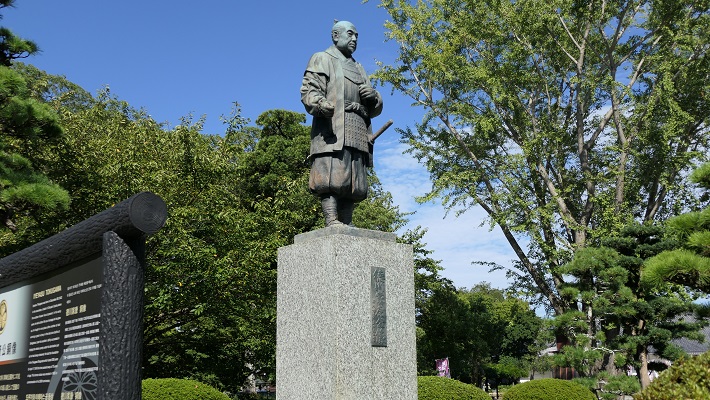
駿府城公園の徳川家康像(The statue of Ieyasu Tokugawa in Sunpu Castle Park)taken by 松波庄九郎 from photo AC

家康は、駿府が首府であった駿河国を手に入れた後、1589年に最初の天守とともに新しく駿府城を建設しました。しかし、ほどなく豊臣氏の命により関東地方に移されてしまいました。代わりに豊臣配下の中村一氏が駿府城に入り、家康の天守を別のものに置き替え、家康への対抗姿勢を示しました。
Tokugawa built a new Sunpu Castle with the first “Tenshu” keep in 1589 after he took over Suruga Province where Sunpu was the capital. But he was soon transferred to the Kanto region by the Toyotomi clan. Instead, the Kazuuji Nakamura under Toyoyomi came to the castle and replaced Tokugawa’s Tenshu with another one against Tokugawa.

中村一氏像、東京大学史料編纂所蔵(The portrait of Kazuuji Nakamura, owned by Tokyo University)licensed under Public Domain via Wikimedia Commons

最終的には家康は再び駿府に戻り、1607年に城の大改修を行います。最盛期には、駿府城は三重の堀に囲まれていました。三代目の天守は、日本で最大の天守台の上にありました。そして数多くの櫓や門が、西の豊臣氏との戦いに備えて築かれました。家康は、1615年に豊臣氏を滅ぼし、1616年にこの城で亡くなります。その後、幕府は長年にわたって駿府とこの城を支配しました。
Finally, Tokugawa returned to Sunpu again, and renovated the castle in 1607. At its peak, it was surrounded by triple moats. The third Tenshu keep had the largest stone base in Japan, and many turrets and gates prepared for fighting with Toyotomi clan in the west direction. Tokugawa died at this castle in 1616 after he had beaten Toyotomi clan in 1615. After that, the Shogunate directly governed Sunpu and the castle for many years.

駿州府中之城図家康公縄張、岡崎市立図書館蔵(The layout of Sunpu Castle by Ieyasu Tokugawa, owned by Okazaki City Library)licensed under Public Domain via Wikimedia Commons

不幸にして1635年に大火が起こり、城を焼いてしまいました。火事の後、「東御門」「巽櫓」「坤櫓」といった施設は再建されましたが、天守は再建されず、天守台だけが残りました。
Unfortunately there was a big fire in 1635 which burned the castle down. After the fire, facilities such as the East Gate “Higashi Gomon”, the South-East turret “Tatusmi Yagura” and the South-West turret “Hitsuji-Saru Yagura” were rebuilt, but Tenshu was not rebuilt, only its base remained.

現在復元された巽櫓(左)と東御門(右)、大火の後再建された建物を元にしている(The current restored Tatsumi-Yagura(left) and Higashi-Gomon(right), based on the buildings rebuilt after the fire)

江戸時代末期になって、駿府城は東西対立の中で再度重要な存在となりました。この城は新政府軍の本陣となり、ここから幕府との間で江戸城と将軍の扱いについて交渉が行われました。
At the end of the Edo Period, Sunpu Castle regained its importance in the East-West confrontation. The castle became the stronghold of the New Government Military which negotiated the treatment of Edo Castle and the Shogun with the Shogunate.

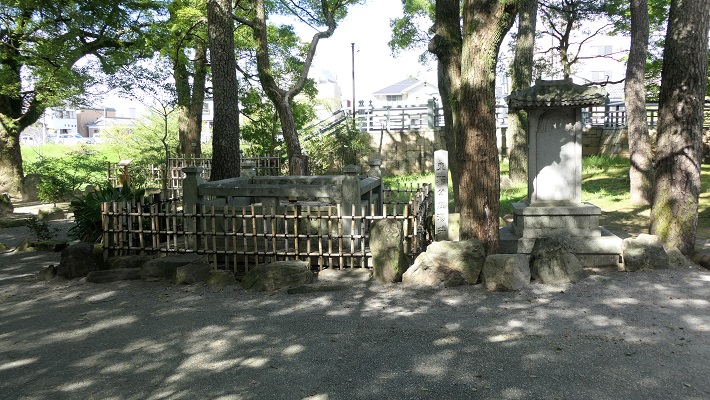
駿府城近くにある西郷隆盛・山岡鉄舟会見の地跡(The site of the meeting between Takamori Saigo and Tesshu Yamaoka near Sunpu Castle)licensed by Halowand via Wikimedeia Commons

Features

現在、静岡市当局はこの城跡を史跡として再生することに取り組んでいます。最近になって城跡の名前が、元の駿府公園から駿府城公園に変更されました。更には東御門、巽櫓、そして坤櫓が残っている詳細図面や発掘の成果から、オリジナルの木造建築により復元されました。
Now, Shizuoka City officials are trying to recreate the castle ruins as a historic site. They have renamed the ruins from the former name Sunpu Park to the Sunpu-Castle Park recently. They have also restored Higashi Gomon, Tatsumi Yagura and Hitsuji-Saru Yagura in the original wooden style based on their remaining detailed drawing and excavation.

復元された東御門と巽櫓(The restored Higashi-Gomon and Tatsumi-Yagura)
復元された坤櫓(The restored Hitsujisaru-Yagura)taken by アド・ミラー from photo AC

市は、どのように公園を再構成し、また天守を再建すべきか、歴史家や専門家に諮問しています。現時点の答申は、まず最初に天守台を復元すること、そしてしばらく様子を見るというものでした。それは、天守の詳細が不明であり、再建には莫大な予算が必要だからです。現在、天守台の再建に向けて行われている発掘現場を見ることができます。そこでは二代目の中村氏の天守と、三代目の徳川氏の天守の遺跡が混在しています。大変興味深いものです。
They are consulting with historians and specialists about how they should reorganize the park and rebuild the Tenshu keep. Their answer right now is that they should restore the base of Tenshu first, and wait for a while. That’s because the details of it are unclear, and rebuilding it requires a huge budget. You can now see the excavation site of Tenshu prepared for the rebuilding of the base. There are mixed stone ruins both from the second Nakamura and the third Tokugawa periods.
That’s fascinating.

天守の発掘現場(The excavation saite of Tehchu)
こちら側が徳川の石、向こう側が中村の石(The near side is Tokugawa’s stones, the other is Nakamura’s)

Later Life

明治維新後、城の全ての建物が撤去され、静岡市は城跡を公園として使いました。しかし、市は明治中期に至り、公園を軍用地として提供する決断をしました。そして陸軍歩兵第34連隊が1897年から1945年の間、基地として使用しました。結果として、残っていた天守台は完全に破壊され、多くの堀がその残土により埋められました。この一帯は、二重、三重目を囲む堀と石垣を除き、平地になってしまいました。
After the Meiji Restoration, all the buildings of the castle were demolished, and Shizuoka City used the ruins as a park. But the city decided to offer the park for the ground for a military base in mid Meiji. The 34th infantry regiment used the base between 1897 and 1945. As a result, the remaining Tenshu base was completely destroyed and many moats were filled with waste. The area became plain-looking without part of the second and third concentric moats and their stone walls

現在の駿府城の航空写真(An aerial photo of the present Sunpu Castle)


内堀もわずかですが復元されています。(A few inner moats are restored)

第二次世界大戦後、城跡は再び公園となり「駿府公園」と名付けられました。現在静岡市は市民との絆を深めるため、家康を新たなシンボルとして模索しているようです。
After the World War II, the ruins of the castle became a park again called “Sunpu Park”. The city seems to be looking for a new symbol of Tokugawa to strengthen ties with its citizens.

堀から発見された家康時代の鯱(The grampus in Ieyasu’s era which was discovered from a moat)

My Impression

市民や観光客のために歴史公園を増やしたい気持ちはわかります。当方としても元通りの城の建物を本当に見てみたいです。しかし、一体どこまでやればよいのでしょう。市のシンボルとして天守を再建することが本当に必要でしょうか。過ぎたるは及ばざるがごとし。答えは一つではないのですが、過去に起こった軍用地の一件の中に潜んでいるような気もします。
I can see why they want to increase the number of historical parks for citizens and tourists. I am really pleased to see the buildings of castles restored like the original ones. But, how far will they go with that? Is it really necessary to rebuild the Tenshu as the city symbol? More than enough is too much. Though there is not one answer, it might be an answer in the case of the military base in the past.

再建された巽櫓の内部(The inside of the restored Tatsumi-Yagura)

How to get There

JR静岡駅から歩いて約15分です。
東京から静岡駅まで:東海道新幹線に乗って、直接静岡駅に到着します。
It takes about 15 minutes on foot from the JR Shizuoka station.
From Tokyo to the station: Take the Tokaido Shinkansen super express direct to Shizuoka st.

Links and References

駿府城公園(Sunpu Castle Park)
・大御所徳川家康と駿府城公園、田中省三著(Japanese Book)

error: Content is protected !!