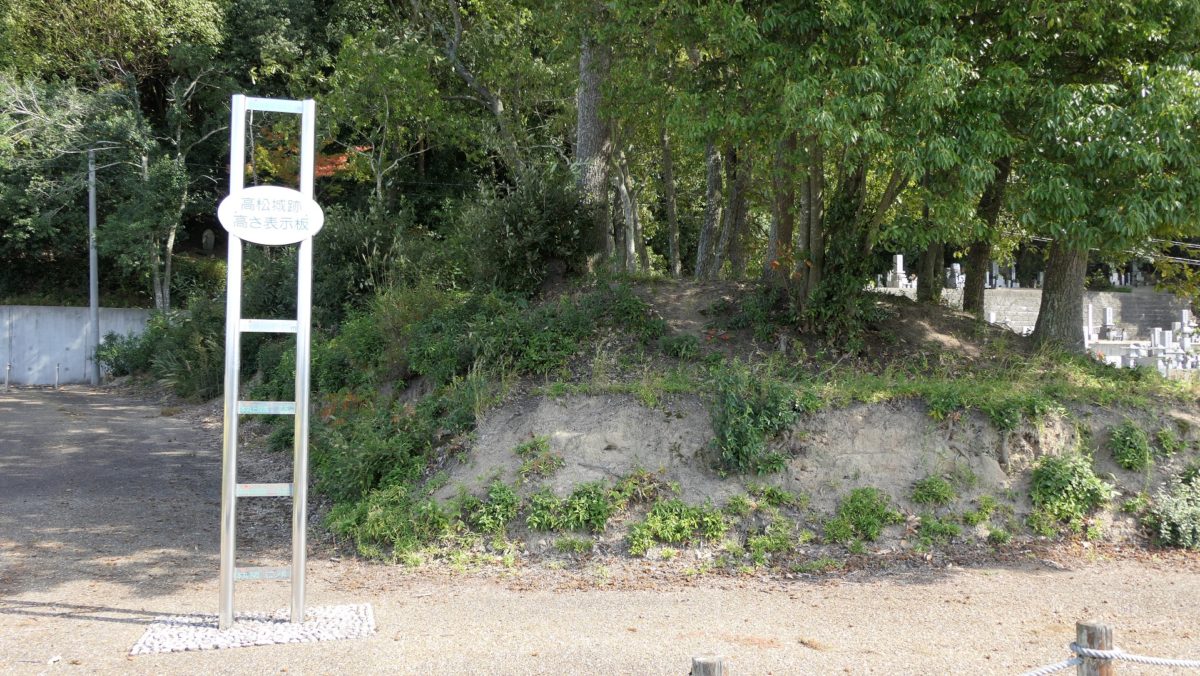
171.備中高松城~Bicchu-Takamatsu Castle

この場所は秀吉の天下統一の出発点となりました。
This place was the start point of Hideyoshi’s unification of Japan.

立地と歴史~Location and History

織田と毛利の最前線~Front line between Oda and Mori

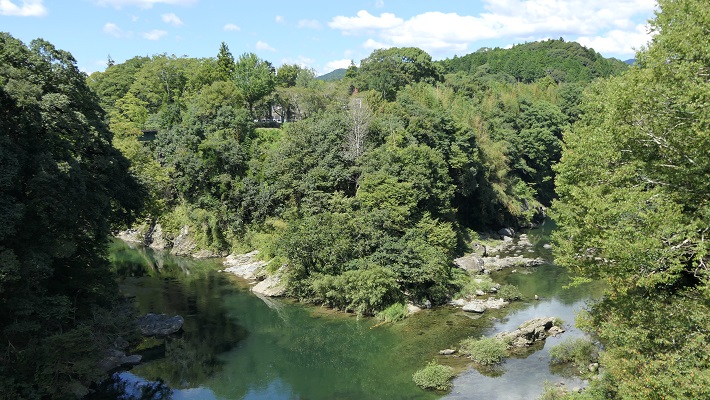
備中高松城は、備中国(現在の岡山県西部)と備前国(岡山県東部)の国境周辺にありました。この城の周辺地は、平坦で、沼地や足守川に囲まれていました。この城は典型的な「水城」で、最初は戦国時代に石川氏によって築かれました。
Bicchu-Takamatsu Castle was located around the boarder between Bicchu Province (the western part of now Okayama Pref.) and Bizen Province (eastern Okayama Pref.). The area around the castle is plain and was surrounded by marshes and the Ashimori-gawa River. The castle was a typical “water castle” and first built by the Ishikawa clan in the “Sengoku” or Warring States Period.

城の位置と備中国の範囲~The location of the castle and the range of Bicchu Province

1582年4月、織田信長は既に備前国を手に入れていましたが、毛利氏が保持していた備中国を攻めようとし、部下の羽柴秀吉(後の天下人豊臣秀吉)を派遣しました。
In April 1582, Nobunaga Oda who had already invaded Bizen Province aimed to invade Bicchu that the Mori clan had, sent his retainer Hideyoshi Hashiba (the later ruler Hideyoshi Toyonomi) there.
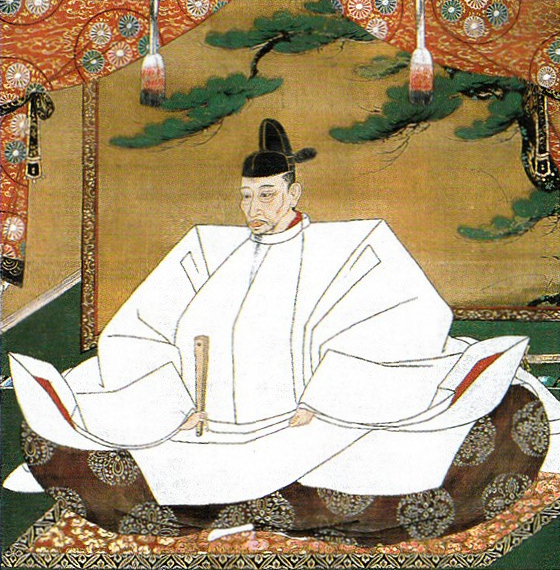
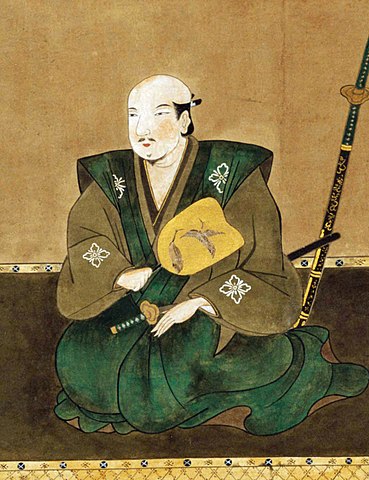
豊臣秀吉肖像画、加納光信筆、高台寺蔵~The Portrait of Hideyoshi Toyotomi, attributed to Mitsunobu Kano, ownd by Kodaiji Temple(licensed under Public Domain via Wikimedia Commons)

備中高松城の戦い~Battle of Bicchu-Takamatsu Castle

秀吉は当初は備中高松城を強攻しましたが、それは失敗しました。彼は攻め方を変え、長い堤防を築き、足守川の水を貯めて、城を水攻めにしました。その時、日本は梅雨の季節でした。城は完全に孤立してしまいます。この包囲戦は5月8日に始まり、約1か月続きます。一方で秀吉は、毛利の外交僧である安国寺恵瓊と講和の交渉をしますが、秀吉の講和条件は毛利にとって厳しすぎるものでした。
Hideyoshi at first attacked Bicchu-Takamatsu Castle, but failed. He changed his strategy to flood the castle by building long banks and damming the water from Ashimori-gawa River. It was just the rainy season in Japan at that time. The castle was completely isolated. The siege started on May 8th and lasted for about a month. Meanwhile Hideyoshi negotiated with Mori’s diplomatic priest, Ekei Ankokuji to make a peace treaty, but Hideyoshi’s conditions for the plan was too strict for Mori.
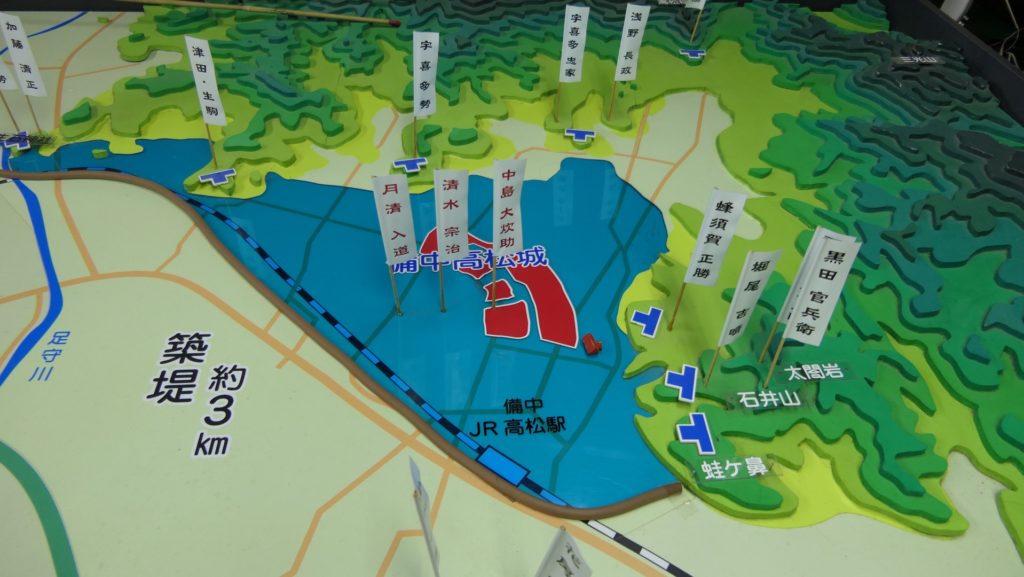
水攻めのジオラマ~The diorama of the flooding the castle(高松城址公園資料館)

秀吉は主君の信長に救援を要請し、交渉を成立させるか、決戦を行おうとしました。ところが、6月2日、信長は秀吉の援軍に向かうはずだった明智光秀に京都で殺されてしまいます。6月3日の夜、光秀から毛利への使者が偶然秀吉により捕らえられたと言われています。秀吉は主君の死を知り、当惑し嘆き悲しみますが、彼の軍師の黒田官兵衛が秀吉を励まし、天下を取る好機であると言ったといいます。秀吉はすぐに決心しました。彼は毛利との条件に妥協し、翌日には講和を結びました。毛利は事件のことを後日知りますが、時すでに遅しでした。秀吉は堤防を破り、周辺を水浸しにしたからです。
Hideyoshi asked his master, Nobunaga for help to finish the negotiation or have a showdown. However, on June 2nd, Nobunaga was killed in Kyoto by Mitsuhide Akechi who should be the reinforcement for Hideyoshi. It is said that the messenger from Mitsuhide to Mori was accidentally caught by Hideyoshi on the night of June 3rd. Hedeyoshi was upset and cried to hear about his master’s death, but his strategist, Kanbe Kuroda encouraged Hideyoshi and said this was the chance to take the power. Hideshori quickly made up his mind. He compromised his conditions with Mori, making the peace plan the next day. Mori knew about the incident after that, but they were too late, because Hideyoshi broke the banks to flood the area around.
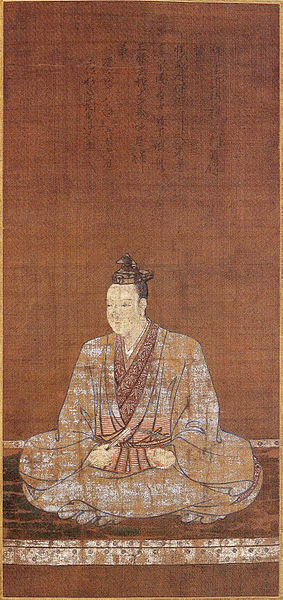
明智光秀肖像画、本徳寺蔵~The Portrait of Mitsuhide Akechi, ownd by Hontokuji Temple(licensed under Public Domain via Wikimedia Commons)

そして、彼と1万人以上の兵士は、備中高松城から80km離れた本拠地の姫路城に2、3日で帰還しました。彼は全ての財産を兵士に分け与えました。勇躍した兵士たちは6月13日に光秀を打ち破ります。光秀の天下はたった11日で終わりました。(山崎の戦い)
Then, he and his over 10,000 soldiers turned back to their base Himegi Castle, about 80km from Bicchu-Takamatsu Castle in two or three days. He gave all of his properties to his soldiers. The braved troops defeated Mitsuhide on June 13th. Mitsuhide’s glory was only 11 days. (Battle of Yamazaki)

秀吉の動き~Hideyoshi’s movement

何が真相か~What is the truth?

ある作家は、この話はあまりに出来すぎだと言います。秀吉と毛利との講和の成立があまりに早すぎるというのです。講和条件には城主の清水宗治の死が含まれていました。たった1日でこのような重要な決定がなされ、実行されるものなのでしょうか。その作家は秀吉は事件の発生を予測し、準備を進めたのではないかと推測しています。更には、毛利方の僧侶恵瓊もそれを知っており、秀吉と共謀したのではないかということです。彼らは事の成就を待っていたのです。
A writer says that story was too good to be true. He argued that it was too quickly to make the decision between Hideyoshi and Mori. The conditions included the death of the castle’s lord, Muneharu Shimizu. How could they decide and execute such important matters within one day? He speculates that Hideyoshi had predicted the incident would happen and had prepared for that. In addition, the Mori’s priest Ekei might have known and shared that with Hideyoshi. They were just waiting for the result.
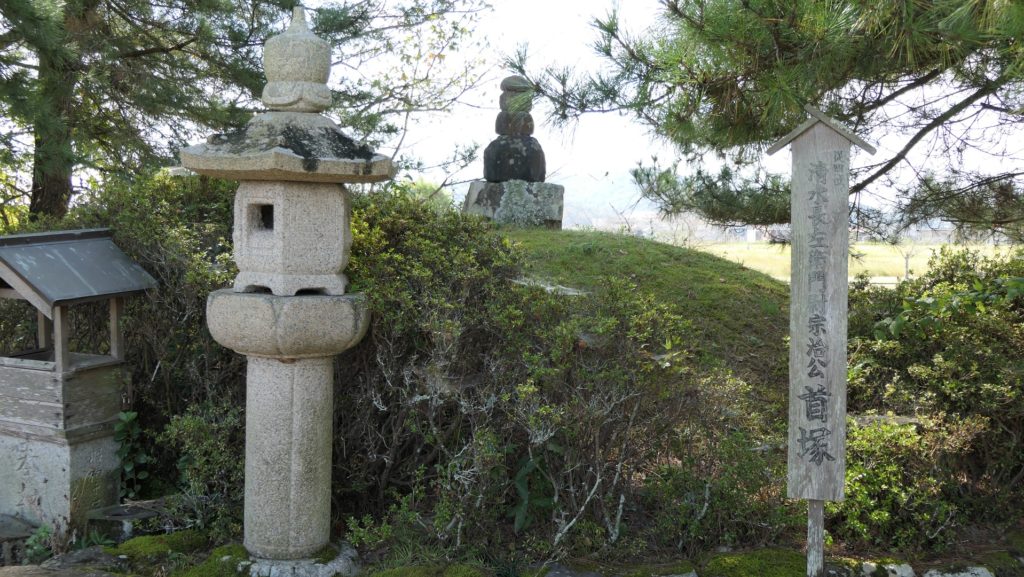
清水宗治の首塚~Muneharu’s grave

また、秀吉の早すぎる移動にも疑いがあります。この事自体は事実です。疑問点は、なぜ疲れ切った前近代の軍隊がこんな事ができたかです。姫路城での財物を含め、移動の準備も予め行っていたに違いないのです。この作家は秀吉は、光秀に信長を討つよう仕向けていたと考えています。
He also had doubts about Hideyoshi’s fastest movement. It is a fact. The question is why the tired pre-modern troops could do this. They must have also prepared for the movement as well as the properties in Himegi. The writer guessed Hideyoshi might lead Mitsuhide to attack Nobunaga.
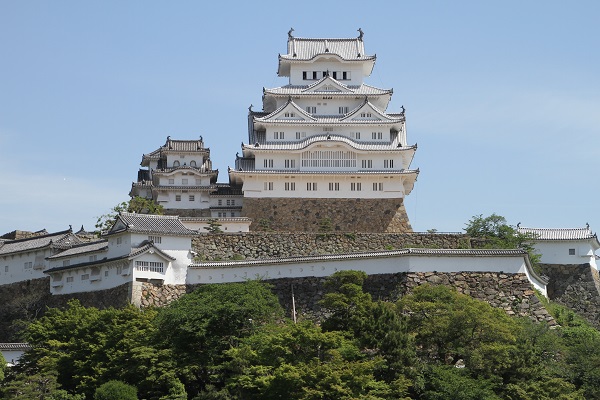
姫路城~Himeji Castle

特徴~Features

城跡~The ruins of the castle

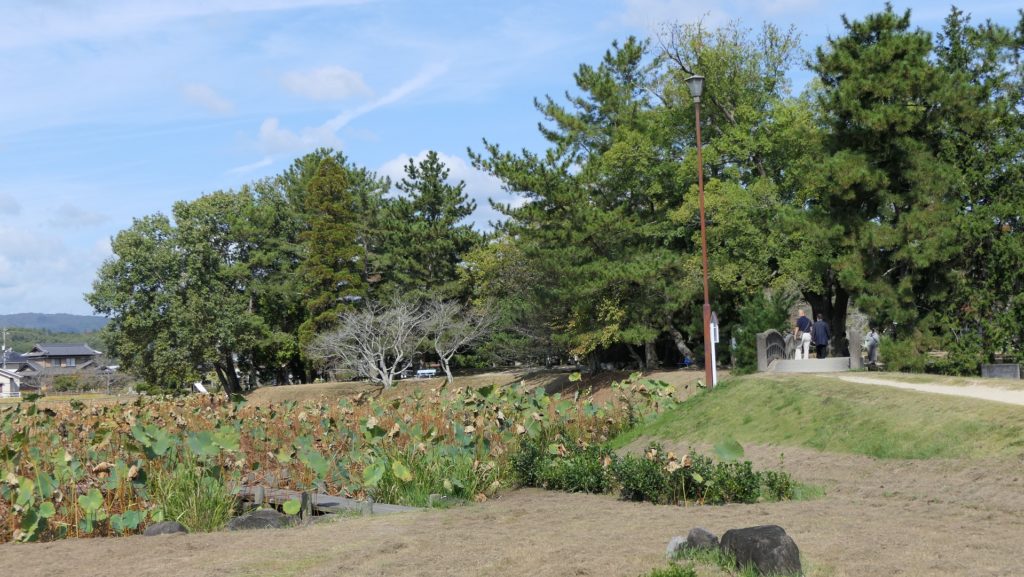
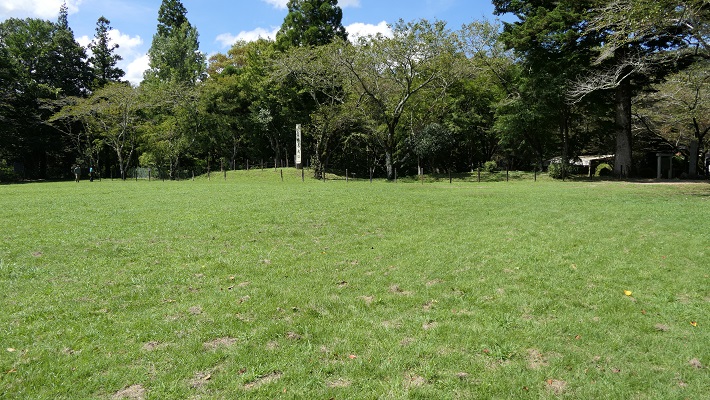
現在、備中高松城跡は、水上公園として一般に公開されています。実にのどかな雰囲気が漂っていて、資料館ではその歴史を深く学ぶことができます。本丸跡には、宗治の首塚などが残っています。
Now, the ruins of Bicchu-Takamatsu Castle is open to the public as a water park. It has a relaxed atmosphere, and a museum where we can lean more about its history. At the ruins of the Main Enclosure or Honmaru, Muneharu’s grave and so on remain.
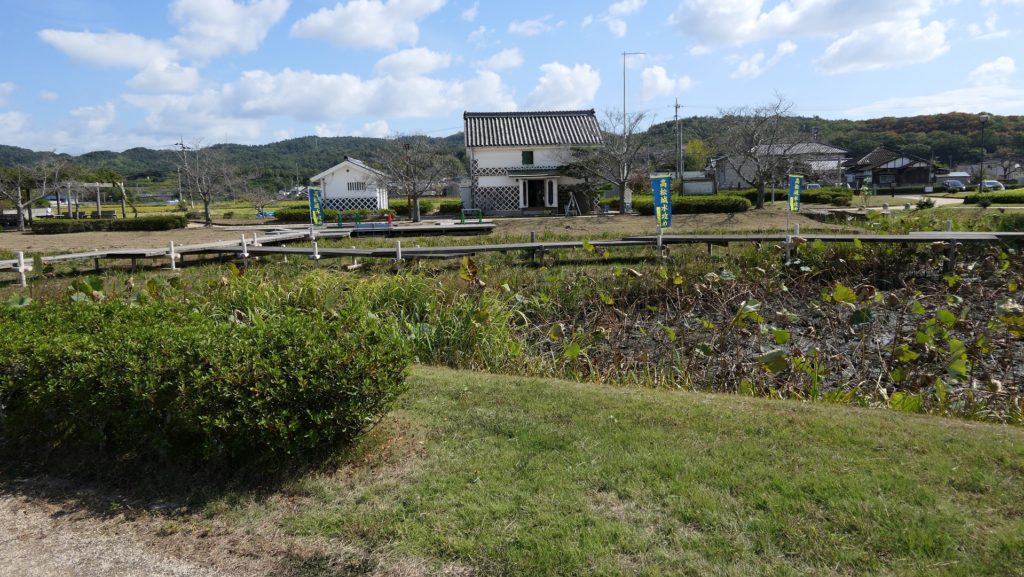
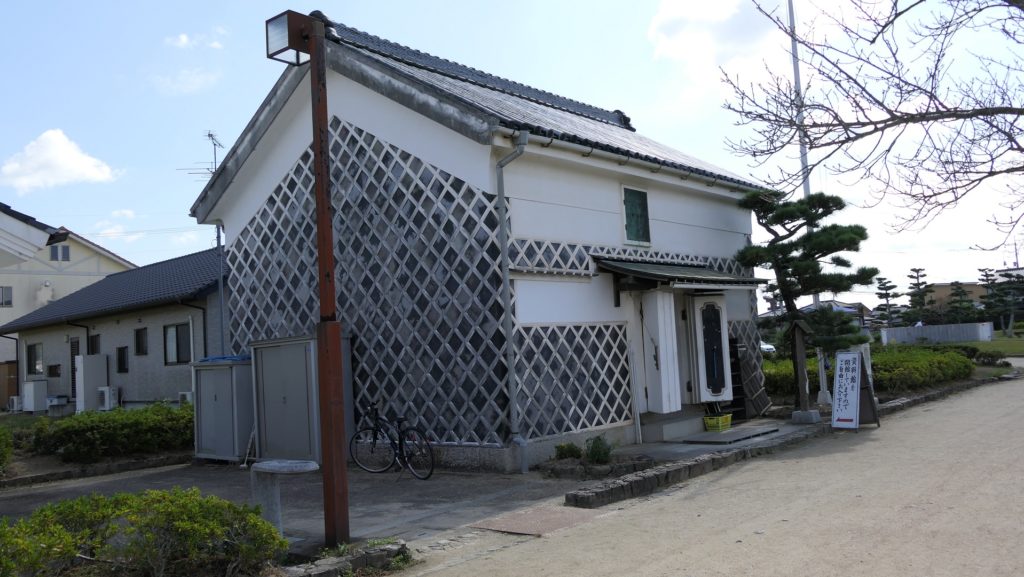
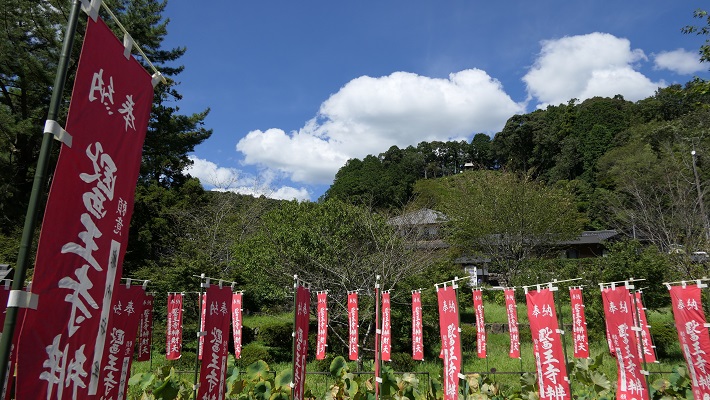
水上公園~The water park
高松城址公園資料館~Takamatsu Castle Ruins Park Museum
本丸跡~The ruins of the Main Enclosure

堤防跡~The ruins of the bank

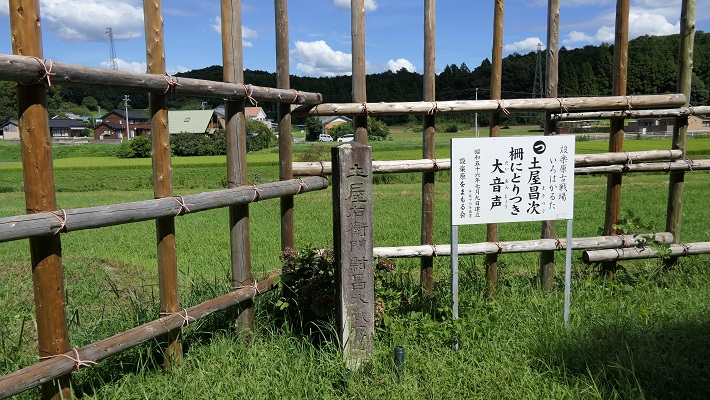
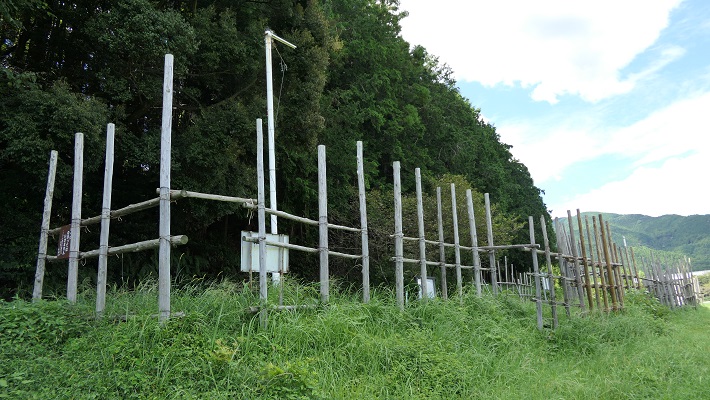
それから、「蛙が鼻」堤と呼ばれる秀吉が築いた堤防跡にも行ってみることをお勧めします。この堤防は約5mの高さと約3kmの長さでした。この堤跡は、堤防の端に当たっており、現在は当時より低くなってしまったように見えます。しかし、実際に見てみることで、堤防がどんなに巨大だったか想像することができるでしょう。
I also recommend you visiting the ruins of the banks Hideyoshi built called “Kawazugahana” bank. The banks had about 5m height and about 3km length. The ruins were just at the edge of the banks, and look lower than in the past, but you can imagine how large the banks were by seeing them.
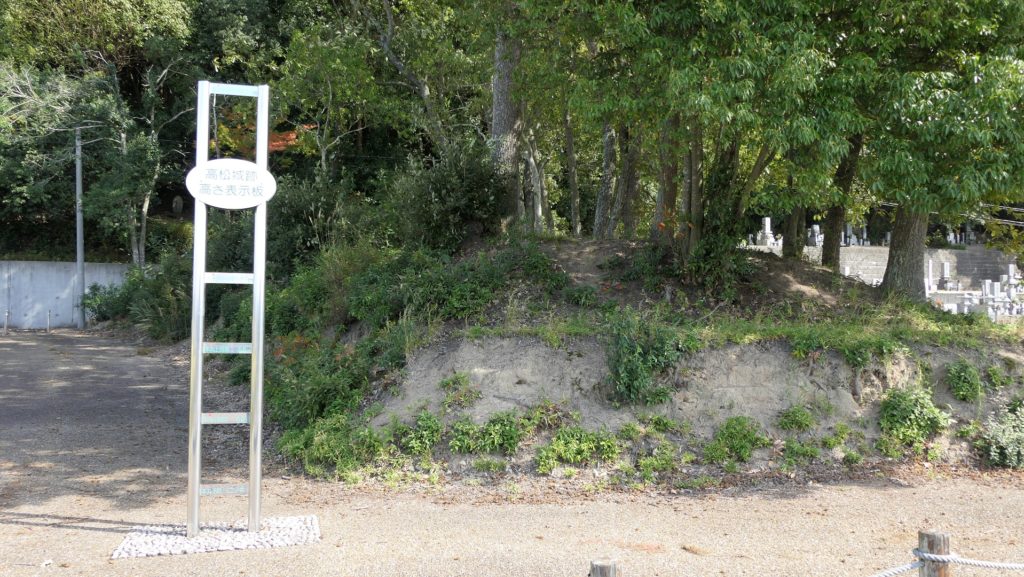
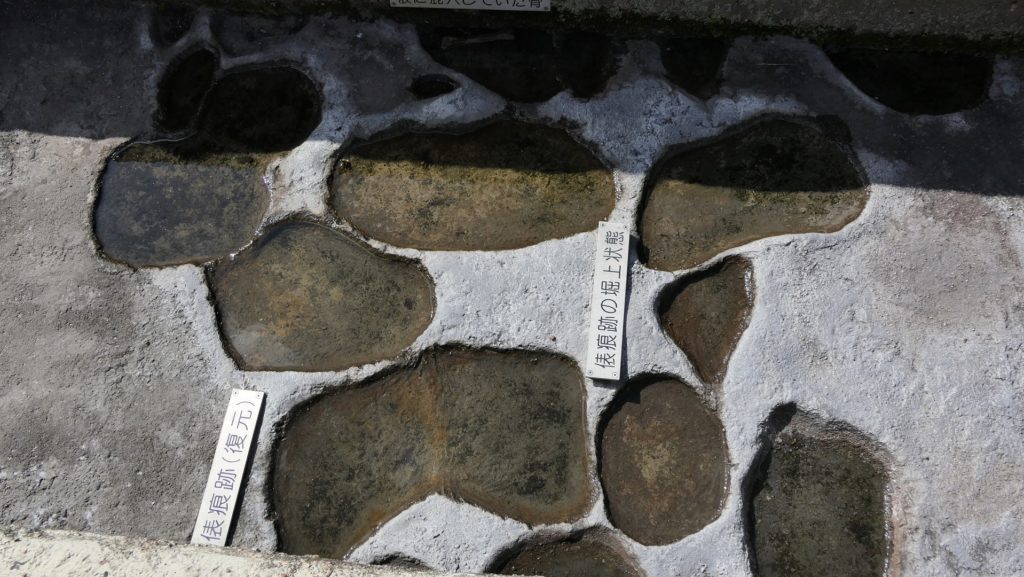
「蛙が鼻」堤~“Kawazugahana” bank
土俵を埋めた跡~The ruin of buried earth bags
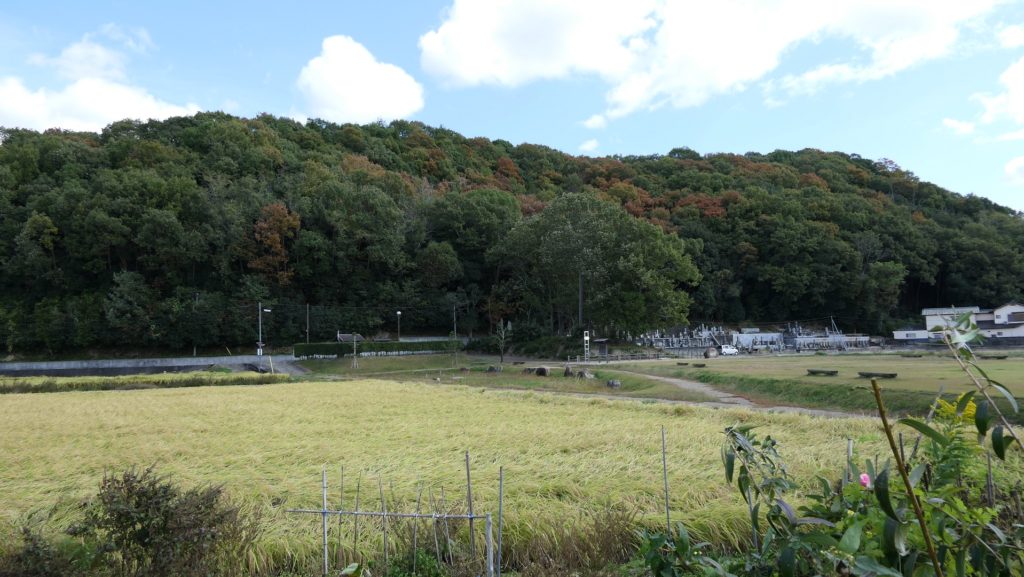
堤跡の遠景~A distant view of the ruins of the bank

その後~Later History

戦いの後、城は宇喜多氏の所有となりました。江戸時代には、城は廃城となってしまいますが、本丸跡地に将軍の旗本が住んでいました。城跡は、1929年に国の史跡に指定されます。1985年には城跡周辺の地域は、豪雨による水害に見舞われますが、城跡は沈まなかったそうです。現代になって、城の立地の確かさが証明されたわけです。
After the battle, the Ukita clan under Hideyoshi took over Bicchu-Takamatsu Castle. In the Edo Period, the castle was abandoned, and a Shogunal retainer lived at the ruins of Honmaru. The ruins were designated as a National Historic Site in 1929. In 1985, the area around the ruins suffered natural flood from harsh weather. However, the ruins never sunk. That prove the good location of the castle in present day.
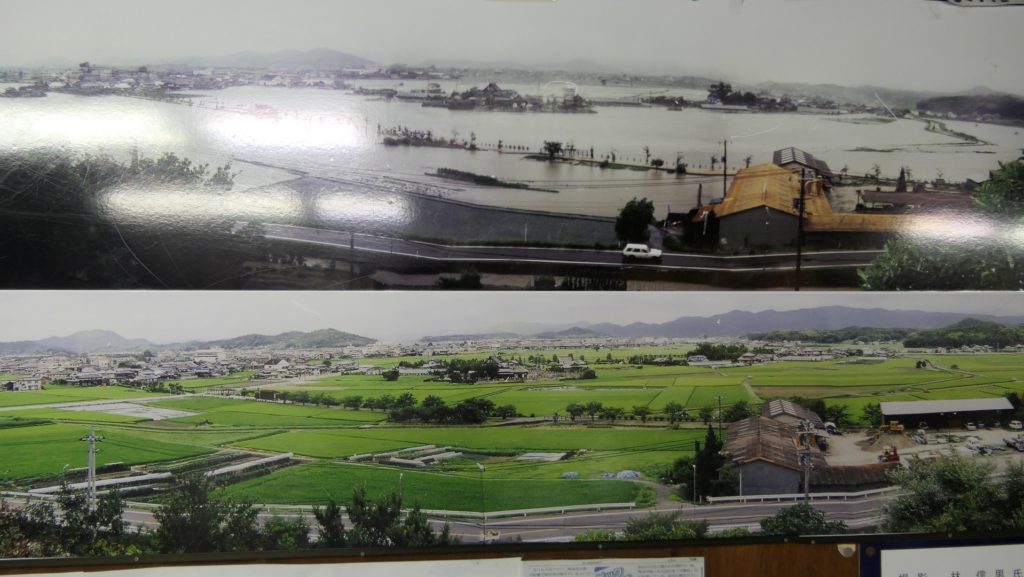
洪水時(上)と普段(下)の地域の写真~The photo of the area, the upper is when flooding, the lower is usual(高松城址公園資料館)

私の感想~My Impression

秀吉は、彼の主君、信長の身に何かが起こることを予測していたはずです。彼はそれを信長に告げずに、独立の準備を進めたのです。彼もまた戦国武将の一人でした。むしろ驚くのは、恐らくは一部は彼自身が作ったであろう劇的な物語を、ほとんどの日本人が定説として信じていることです。秀吉恐るべし。
I think Hideyoshi must have predicted something would happen to his master, Nobunaga. He didn’t inform that to Nobunaga to prepare for his independence. He was just one of warlords. I’m rather surprised that his dramatic story probably partially made by himself has been believed to be the theory by most of Japanese people. He is incredible!
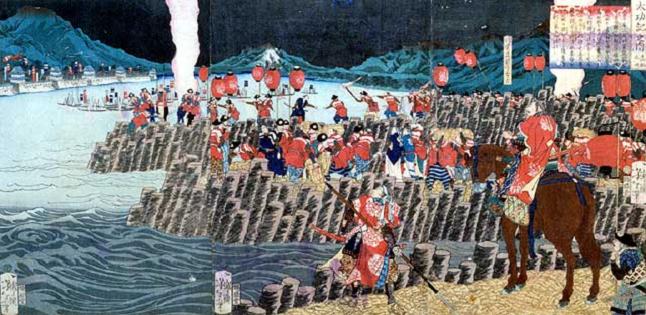
『高松城水攻築堤の図』、月岡芳年作、19世紀~”Water siege of Takamatsu castle”, attributed to Yoshitoshi Tsukioka, in the 19th century(licensed under Public Domain via Wikimedia Commons)

ここに行くには~How to get There

車で行く場合:山陽自動車道の岡山ICから約10分かかります。城址公園に駐車場があります。
電車で行く場合:JR備中高松駅から歩いて約10分です。
東京、名古屋または大阪から備中高松駅まで:新幹線で岡山駅まで行き、吉備線に乗り換えてください。
If you want to go there by car: It takes about 10 minutes from the Okayama IC on Sanyo Expressway. The park offers a parking lot.
If you want to go there by train: It takes about 10 minutes on foot from JR Bicchu-Takamatsu Station.
From Tokyo, Nagoya, or Osaka to Bicchu-Takamatsu Station: Take the Shinkansen super express and transfer to Kibi local line at Okayama Station.

リンク、参考情報~Links and References

備中高松城址、おかやま観光ネット(Okayama pref. Official Site)
・「秀吉はいつ知ったか/山田風太郎著」ちくま文庫(Japanese Book)
・「よみがえる日本の城5」学研(Japanese Book)
43.犬山城~Inuyama Castle

この城には、様々な魅力があります。
This castle attracts you in several perspectives.

立地と歴史~Location and History

犬山城は、その古風な天守や、眺望がよく知られています。でもこの城にはもっと知られるべき見どころがあるのです。
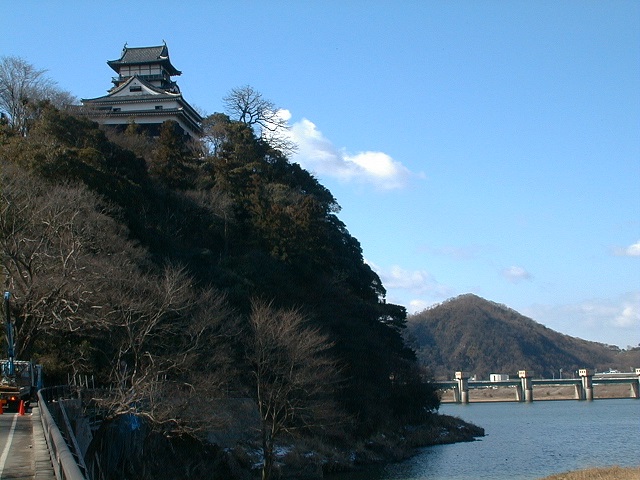
Inuyama Castle is known for its old Main Tower or “Tenshu” and their landscape. But the castle has more attractions you can find.

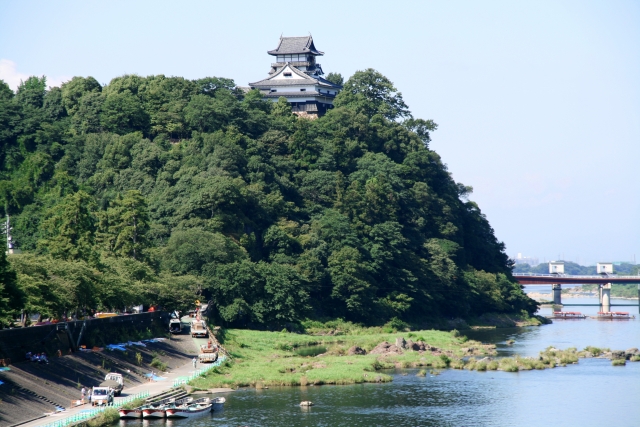
犬山城の遠景~A distant view of Inuyama Castle(taken by nagabutinana from photoAC)

国境に立地~It is located around the boder of provices

この城は最初は1537年に地方領主の織田信安により築かれたと言われています。木曽川の畔、40mの高さの丘の上にあります。この地点は尾張国(現在の愛知県の一部)の端に当たり、尾張国と美濃国(現在の岐阜県の一部)の国境のすぐ近くでした。また、水上交通の要所でもありました。
It is said that the castle was first built in 1537 by a local clan, Nobuyasu Oda. It was located at the top of a 40m height hill beside Kisogawa River. The spot was on the edge of Owari Province ( now part of Aichi Pref.), right next to the border between Owari and Mino Province ( now part of Gifu Pref.), and it was also important for water transportation.

城の位置と尾張国の範囲~The location of the castle and the range of Owari Province

有力戦国大名の標的に~Great warlords targets it

結果として、戦国時代には多くの有力な戦国大名がこの城を手に入れようとしました。最初は、織田信長が美濃攻略の足掛かりとしてこの城を得ました。次には、豊臣秀吉が1584年の徳川家康との小牧長久手の戦いのときに、この城に本陣を構えました。
As a result, many great warlords aimed to capture the castle in the Warring States or “Sengoku” Period. First, Nobunaga Oda got the castle as the foothold before he invaded Mino. Secondly, Hideyoshi Toyotomi used the castle as his stronghold when he fought with Ieyasu Tokugawa in the Battle of Komaki and Nagakute in 1584.

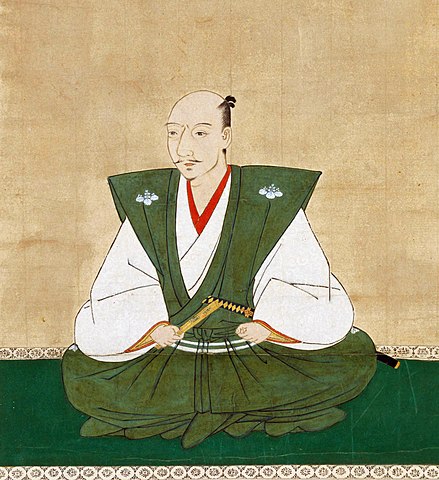
織田信長肖像画、狩野宗秀作、長興寺蔵、16世紀後半~The portrait of Nobunaga Oda, attributed to Soshu Kano, owned by Chokoji Temple, in the late 16th century(licensed under Public Domain via Wikimedia Commons)
豊臣秀吉肖像画、加納光信筆、高台寺蔵~The Portrait of Hideyoshi Toyotomi, attributed to Mitsunobu Kano, ownd by Kodaiji Temple(licensed under Public Domain via Wikimedia Commons)

成瀬氏が城と町を支配~Naruse clan governs the castle and town

最終的には、徳川幕府が確立すると、幕府は成瀬正成を徳川の親藩である尾張藩の付家老として、この城に据えました。成瀬氏は大名ではありませんでした。それでも、江戸時代の間中例外として、大名のように犬山城と城下の支配を許されたのです。
Lastly, after the Tokugawa Shogunate was established, it placed Masanari Naruse at the castle as the Attendant Chief Retainer for Tokugawa’s relative Owari Domain. The Naruse clan was not a lord. However, they were allowed to govern Inuyama Castle and the castle town like a lord all through Edo Period as an exception.

成瀬正成肖像画、白林寺所蔵、江戸時代~The portrait of Masanari Naruse, owned by Hakurinji Temple, in the Edo Period(licensed under Public Domain via Wikimedia Commons)
犬山城古図、犬山市城とまちミュージアム蔵、江戸時代~The Old Map of Inuyama Castle, owned by Inuyama Cultural Assets Museum, in the Edo Period(licensed under Public Domain via Wikimedia Commons)

特徴~Features

城周辺の地図~The map around the castle

三方は急崖~Steep cliffs in three directions

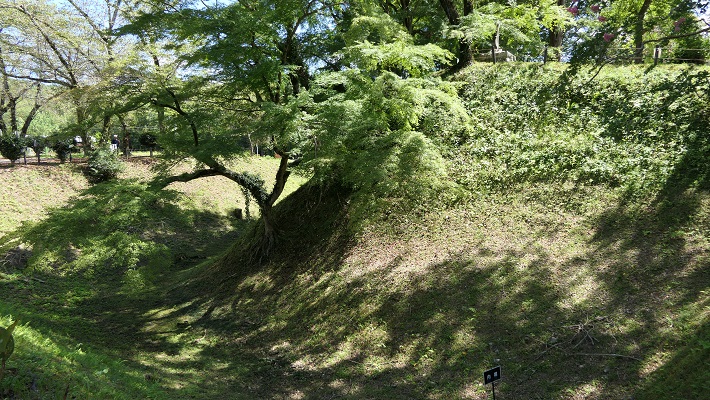
現在、天守だけが現存していますが、城がどんなだったかは今でも見て取ることができます。城は北の方角の背後に木曽川があり、自然の要害になっています。城がある丘は三方向(北、東、西)が急崖であり、このようなしつらえはよく「後ろ堅固」と呼ばれます。更には、この崖はより垂直になるよう削られていて、このことを「切岸」といいます。その上、この辺りは深い空堀に囲まれていました。
Now, only the Tenshu remains, but we can still see how the castle was. The castle has a natural hazard as Kisogawa River in the back of the north side. The hill of the castle also has steep cliffs in three directions ( north, east and west). Such a condition is often called “back secure” or “Ushiro-Kengo”. In addition, the cliffs are cut more vertically which is called “Kirigishi”. Moreover, the area was surrounded by a deep dry moat.

北側の急崖~The steep cliff in the north side

南方に大手道~Main Route in the south

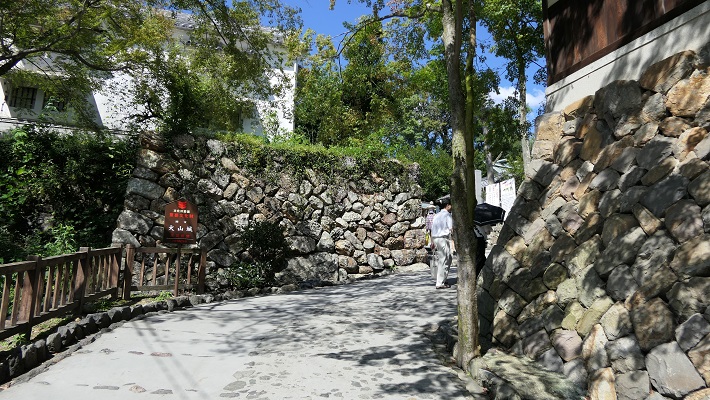
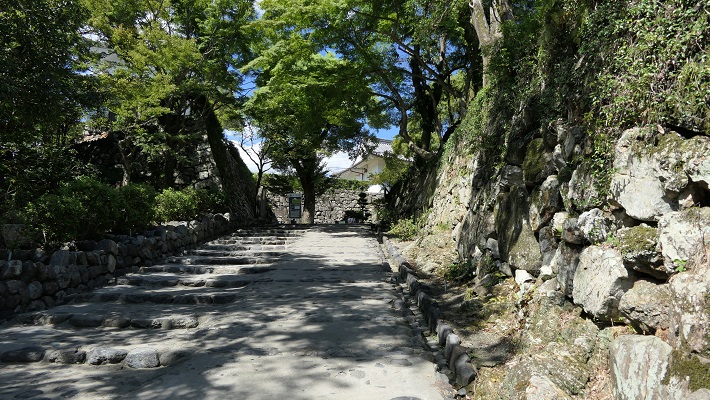
城は、南の方角に「大手道」と呼ばれる一本道でのみ開かれていました。今はその道に沿って簡単に城の中心と天守に行くことができますが、過去においては、5つの門によって厳重に守られていました。
The castle is open to only one route in the south called the Main Route or “Ote-michi”. It is easy to go to the center of the castle and Tenshu through the route now, but it was heavily guarded by five gates in the past.

大手道~The Main Route

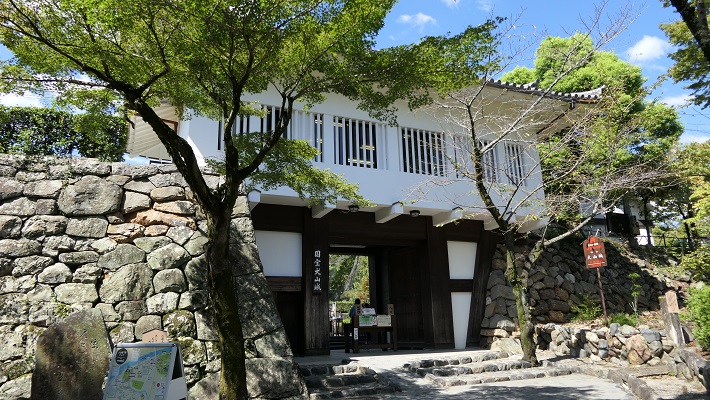
門の間にまっすぐな部分がありますが、ここもまた高い壁と櫓がある曲輪に挟まれていました。最後の門である「鉄門」は再建されています。
The straight part of the route between the gates was also sandwiched by enclosures with high walls and turrets. The last gate called “Kurogane-mon” has been reconstructed.

まっすぐな部分~The straight part
再建された鉄門~The rebuilt Kurogane-mon Gate

天守の謎~Tenshu is mysterious

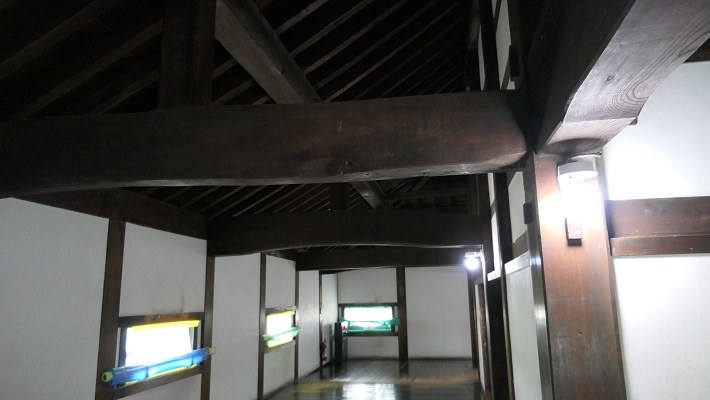
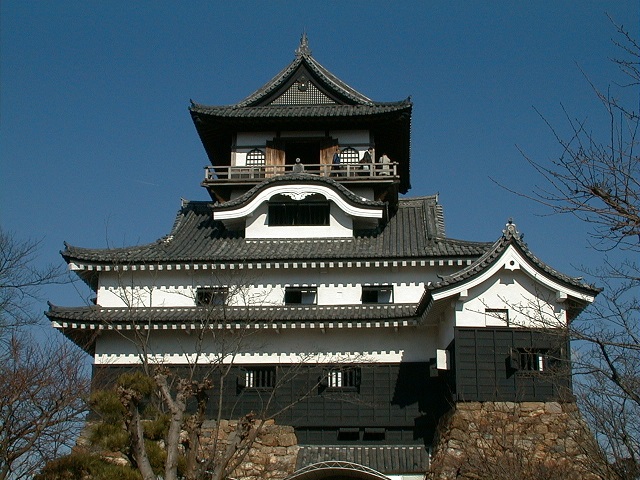
天守は国宝で、3層4階+地下2階となっています。初期の天守の形式である望楼型で、日本の現存天守では最古であるかもしれません。但し事はそう単純ではなくて、歴史家や建築家は天守は3段階で作られたと言っています。最初は2層の櫓として作られました。現存の1階と2階は古い工具と方法で作られています。
The Tenshu is a National Treasure. It has three layers and four levels with two extra basements. It shows the first Tenshu style called lookout tower type, and may be the oldest remaining Tenshu in Japan. But it is not that simple. Historians and architects say that Tenshu was built in three steps. The first step built a two story turret, as the remaining first and second floors are made with older tools and in practice.

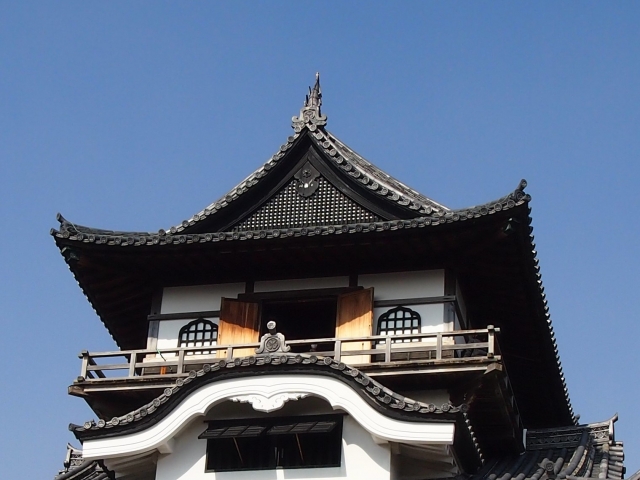
犬山城天守~The Tenshu of Inuyama Castle
2階の内部~The interior of the second floor

3階と4階は塔のように外を見渡す用途で、新しい工法を使い、2段階目に付け加えられました。最後の段階で成瀬氏が、天守に唐破風や高欄を付けたりして装飾したのです。問題は、いつ最初の建築がなされたかです。もしそれが城の創建と同じ時期であれば、間違いなく最古の天守と言えるでしょう。将来明らかになるかもしれません。
The third and forth floors were added to look outside like a tower, using newer methods in the second step. Lastly the Naruse clan decorated Tenshu by adding a Chinese style gable called “Kara-Hafu” and a veranda at the top floor in the last step. The question is when the first step was done. If it is the same age as the castle itself, it is definitely the oldest Tenshu. It may be proven in the future.

天守の上層部分~The upper layer of the Tenshu(taken by マッハGGG from photoAC)

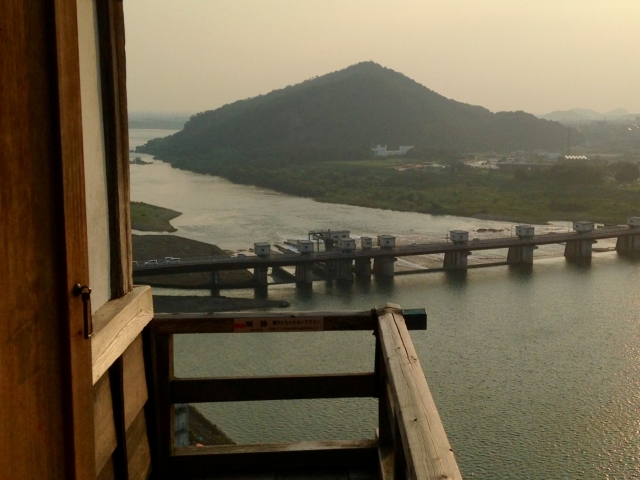
最上階が開放的なので、木曽川とその周辺の素晴らしい景色が眺めることができます。手摺を含む高欄は残っているそのままです。城主の大名と全く同じ体験ができるわけです。
You can see a great view of Kisogawa River and the area around from the open top floor. The veranda including its handrail is original. We can enjoy the exact same experience as the lords who owned the castle.

天守からの木曽川の眺め~A view of Kiso-gawa River from Tenshu
元来からの高欄の手摺~The original handrail of the veranda(taken by ACJOE from photoAC)

その後~Later History

明治維新後、犬山城は廃城となり、天守を除く全ての建物は撤去されました。1891年、濃尾地震により天守が半ば倒壊しました。その後、以前の領主だった成瀬氏が、彼ら自身で復旧することを条件に再び城を保有しました。犬山城は最近まで私有されていたのです。その間、天守は国宝に指定されました。2008年、犬山城白帝文庫という法人が設立され、将来への保存のため、城を保有することになりました。それ以来、調査研究が続けられています。
After the Meiji Restoration, Inuyama Castle was abandoned and all its buildings were demolished excluding the Tenshu. In 1891, the Tenshu collapsed partly due to the Nobi Earthquake. After that, the former lord, the Naruse clan owned the castle again on the condition that they would restore it. Inuyama Castle had been privately owned until recently. Meanwhile, it was designated as a National Treasure. Such a case was very rare. In 2008, a corporation called Inuyama-jo Hakutei-bunko was established and it has owned the castle to preserve it in the future. Since then, investigations and developments have been done.

2019年修繕中の天守~Tenshu under repairing in 2019

私の感想~My Impression

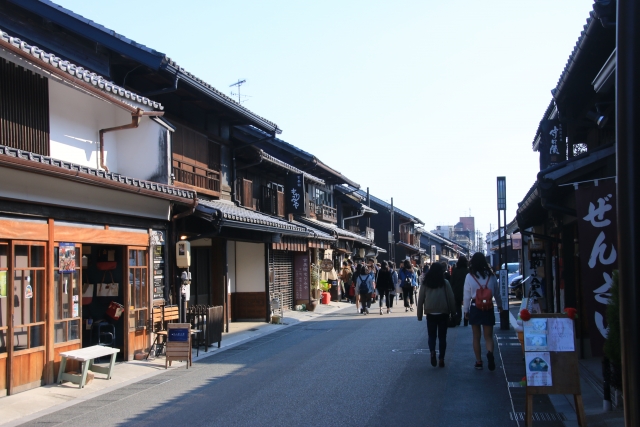
元々、犬山城は戦いのために築かれました。江戸時代には美しい眺望でも知られるようになりました。成瀬氏は城下町も発展させました。その雰囲気は今に残ります。城に行く途中で通って行けます。この城は今や重要な歴史遺産になりました。この城のいろんな側面を見ていただきたいと思います。
Originally, Inuyama Castle was built just for battle. It also became a beautiful landscape in the Edo Period. The Naruse clan developed the castle town, too. Its atmosphere remains even now. You can enjoy it on the way to the castle. The castle is now becoming more important for cultural heritage. I hope you will see many perspectives of the castle.

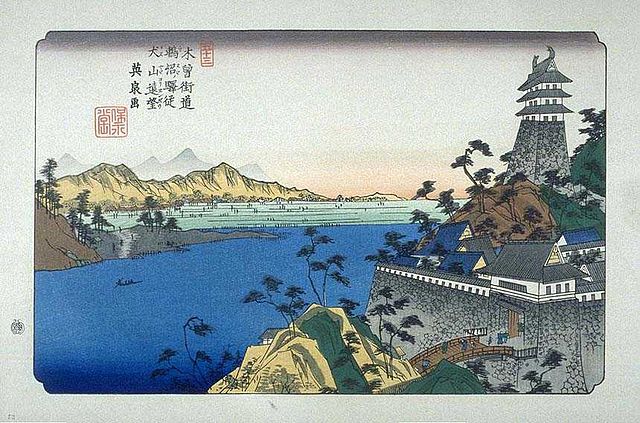
浮世絵に描かれた犬山城、「木曽街道鵜沼宿」渓斎英泉作、江戸時代~Inuyama Castle in a Ukiyoe painting, “Unuma on Kiso-kaido Road” attributed to Eisai Keisai in the Edo Period(licensed under Public Domain via Wikimedia Commons)
現在の城下町~The castle town now(taken by fuku41 from photoAC)

ここに行くには~How to get There

ここに行くには、電車をおすすめします。
犬山駅から:途中城下町を通って歩いて約20分です。
犬山遊園駅から:木曽川沿いを通って歩いて約15分です。
名古屋から両駅まで:名鉄名古屋駅から名鉄犬山線の快速特急に乗ってください。
車の場合は、東名高速道路の小牧ICから約12kmですが、城周辺の道路は混雑気味で、駐車場もあまりありません。
I recommend using the train to get there.
From Inuyama station: it takes about 20 minutes on foot, going through the castle town on the way.
From Inuyama-Yuen station: it takes about 15 minutes on foot, going along Kisogawa River.
From Nagoya to both stations: Take the rapid limited express on Meitetsu Inuyama line from Meitetsu Nagoya Station.
If you want to go there by car, it is about 12 km from the Komaki IC on the Tomei Expressway. But the roads around the castle tend to be crowded, and there are a few parking lots.

リンク、参考情報~Links and References

国宝犬山城Inuyama Castle, National Treasure
・「よみがえる日本の城3」学研(Japanese Book)
・「城の科学、萩原さちこ著」講談社ブルーバックス(Japanese Book)
46.長篠城~Nagashino Castle

この場所が日本の歴史を大きく動かしました。
This place had a large role in Japanese history.

立地と歴史~Location and History

勝頼、長篠城を狙う~Katsuyori tries to get the castle

長篠城は三河国(愛知県の東側に相当)の山側に位置しており、二つの川の合流地点にある崖の上に築かれました。城そのものよりも、1575年の長篠の戦いによって有名なのかもしれません。
Nagashino Castle was located in a mountain side of Mikawa Province (what is the eastern part of Aichi Pref.), on a cliff at the meeting point of two rivers. It may be more famous for the battle of Nagashino in 1575 than for itself.

城の位置と三河国の範囲~The location of the castle and the range of Mikawa Province

戦国時代の1574年、武田勝頼は遠江国にある高天神城を徳川家康より奪いました。武田は東方にある甲斐国(山梨県)と駿河国(静岡県の中部)を領しており、徳川は西方にある遠江国(静岡県西部)と三河国を有していました。勝頼は、高天神城の更に西方にある長篠城を手に入れようとします。家康にとっては脅威でした。そして盟友の織田信長に援軍を要請します。
In 1574, the “Sengoku” or Waring State Period, Katsuyori Takeda took Takatenjin Castle in Totoumi Province away from Ieyasu Tokugawa. Takeda owned Kai (Yamanashi Pref.) and Suruga (mid Shizuoka Pref.) Provinces in the east, and Tokugawa had Totoumi (west Shizuoka Perf) and Mikawa Provinces in the west. Katsuyori aimed to capture Nagashino Castle, further west than Takatenjin. That was a threat to Ieyasu. He asked his ally, Nobunaga Oda for help.

武田勝頼肖像画、高野山持明院蔵、16世紀後半~The Portrait of Katsuyori Takeda, ownd by Koyasan Jimyoin, in the late 16th century(licensed under Public Domain via Wikimedia Commons)

勝頼、決戦を挑む~Katsuyori wants a decisive battle

1575年5月、勝頼は医王寺にある丘に本陣を置き、武田騎馬隊を含む1万人以上の軍勢で長篠城を包囲しました。一方、城の守備兵は僅か5百名でした。信長と家康は3万人以上の兵を率いて城の西方約4キロにある設楽原に至り、現地に陣地を築き、鉄砲隊を配置しました。
In May 1575, Kstduyoti set his stronghold on a hill at Ioji Temple, and surrounded the Nagashino Castle with over 10,000 soldiers including the Takeda Cavalry. On the other hand, defenders in the castle were only 500 in number. Nobunaga and Ieyasu took more than 30,000 soldiers to Shitara-ga-Hara field, about 4km west from the castle, and built fortresses along the field and brought gun troops.

城周辺の地図~The map around the castle

城の運命はさておき、両方の陣営はこれは決着をつける場であると考えました。勝頼は本陣の丘を下り、信長の方に向かっていきました。しかしながら、それは信長の罠だったのです。
Beside the destiny of the castle, both sides thought it would be the chance to have a showdown. Katsuyori went down the hill and headed towards Nobunaga. However, he was going to be trapped by Nobunaga.

織田信長肖像画、狩野宗秀作、長興寺蔵、16世紀後半~The portrait of Nobunaga Oda, attributed to Soshu Kano, owned by Chokoji Temple, in the late 16th century(licensed under Public Domain via Wikimedeia Commons)

勝頼、信長に突撃~Katsuyori attacks Nobunaga

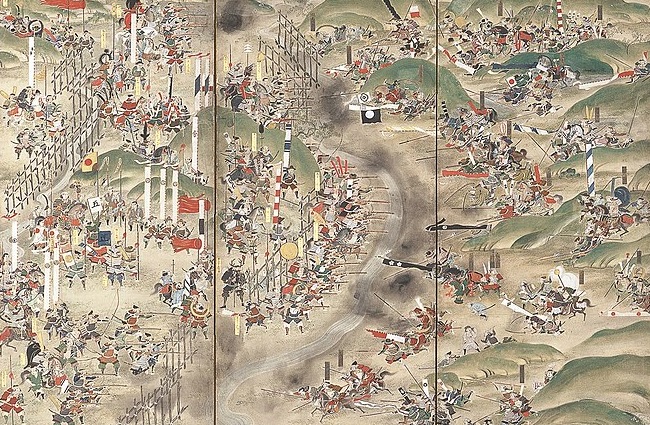
5月21日、信長は別働隊を勝頼の背後に送り出しました。勝頼は当惑し、すぐさま信長の陣地に突撃するしかなくなりました。設楽原は狭い上に真ん中に連吾川が流れており、周囲は湿地帯となっていました。武田騎馬隊は機動力と攻撃力で知られていましたが、このような状況では普段の力を発揮できません。武田は陣地に向かって一部隊ずつ攻撃せざるをえません。信長の陣地は、設楽原の西側の丘状の場所に築かれ、鉄砲隊の前には木柵が幾重にも設置されていました。まるで城のようだったのでしょう。武田は柵に阻まれ、鉄砲で撃たれ、各個撃破されていきました。
On May 21, Nobunaga sent his detached force to the back of Katsuyori. Katsuyori was confused and there was no other way than charging Nobunaga’s fortresses right away. Shitara-ga-Hara field is narrow with the Rengogawa River flowing at the center, and was waterlogged around. Takeda Cavalry was known for its mobile and strong power, but its power was less than usual under such conditions. Takeda had to attack from one troop to another against the fortresses. Nobunaga’s fortresses were constructed in a hilly area on the western side of the field, which installed several wooden fence layers in front of gun troops. They seemed to look like castles. Takeda was blocked by the fences, shot by the guns, and defeated one by one.

長篠合戦図屏風部分、徳川美術館蔵~Part of “Battle of Nagashino”folding screens, owned by Tokugawa Art Museum(licensed under Public Domain via Wikimedia Commons)

勝頼、完敗す~Katsuyori completely defeated

勝頼は攻略を諦め、撤退しました。そして信長は追撃を開始します。この戦いの間、武田の軍勢のうち約半数が失われたと言われています。武田の多くの重臣や指揮官も戦死しました。この戦いの結果は、信長の天下統一事業と、武田氏の滅亡への動きを加速しました。大きな歴史の節目となりました。
Katsuyori gave up and withdrew. Then Nobunaga started to chase them. It is said that about half of Takeda’s soldiers were lost during the battle. Many senior vassals and troop leaders of Takeda were also killed. The result of the battle would lead to the boost of Nobunaga’s unification of Japan and the destruction of the Takeda clan. It was a big turning point.

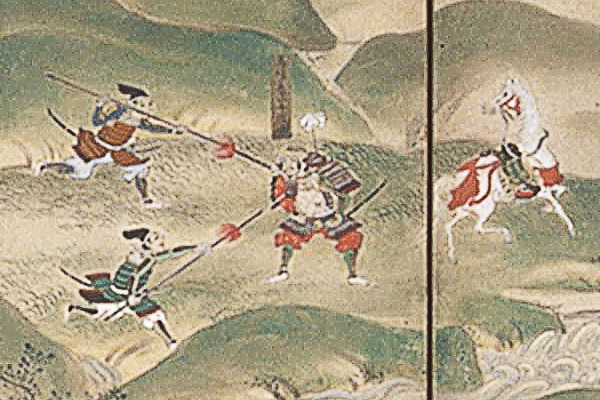
武田重臣、馬場信春の最期、長篠合戦屏風より~The last moment of Nobuharu Baba, a Takeda’s senior vassal, from “Battle of Nagashino”folding screens(licensed under Public Domain via Wikimedia Commons)

多くの歴史家は、この戦いの勝敗の要因は、戦術革命(鉄砲対騎馬隊)にあると言います。しかし、そんなに単純な話ではなく、信長は強力な武田軍に対処するため考え抜いたと指摘する人もいます。彼の決断は、自軍を防御することに徹しながらも、有利な条件下に武田を誘いこむことでした。実際彼は兵士に対し、武田が撤退するまでは陣地から出ないよう命令しました。彼はまた、戦略的にも完勝したのです。
Many historians have said that the result was caused by the tactics revolution (gun vs cavalry). However, it was not so simple. Others point out that Nobunaga considered how they should deal with strong Takeda. His decision was to be devoted to protecting themselves, but to invite Takeda there under advantage. He actually ordered his soldiers that they were no to go out of the fortresses until Takeda withdraw. He was completely successful by his strategy, too.

設楽原古戦場~Shitaragahara Battlefield

特徴~Features

長篠城だけではなく、関連遺跡も一緒に回ってみることをお勧めします。歴史への理解をより深めることができます。
I recommend you to visit not only Nagashino Castle but also relative ruins. That will help you to learn more about history.

城周辺の起伏地図~The relief map around the castle

長篠城跡~Nagashino Castle Ruins

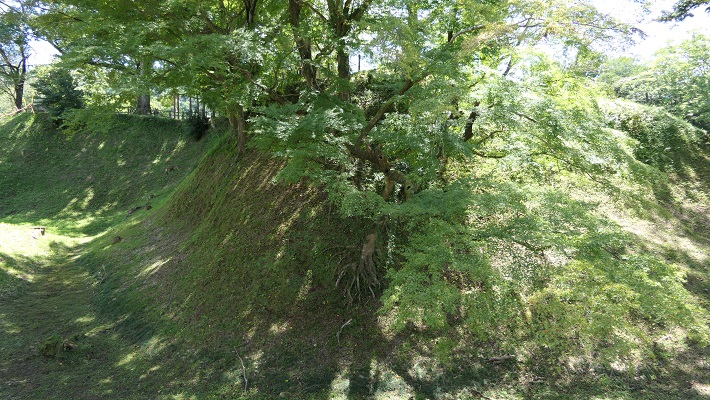
現在、崖の上の本丸が残っています。本丸は土塁で囲まれていて、外側とは空堀で隔てられています。過去にはもっと多くの曲輪が広がっていました。城跡は国の史跡に指定されています。
Now, the Main enclosure or “Honmaru” remains on the cliff. It is surrounded by earthen walls and divides from outside by a deep dry moat. More enclosures spread out in the past. The ruins have been designated as a National Historic Site.

本丸の土塁と空堀~The earthen walls and dry moat of Honmaru
本丸の内部~The inside of Honmaru

川を越えて城の反対側に行ってみると、崖の下の川の合流地点を見下ろす、素晴らしい景色です。城が自然の要害の上にあったこともわかると思います。
If you go to the opposite of the castle across the rivers, you can see a great view of the meeting point of the revers under the cliff. You can also realize that the castle was on a natural fortress.

川の合流地点~The meeting point of the rivers

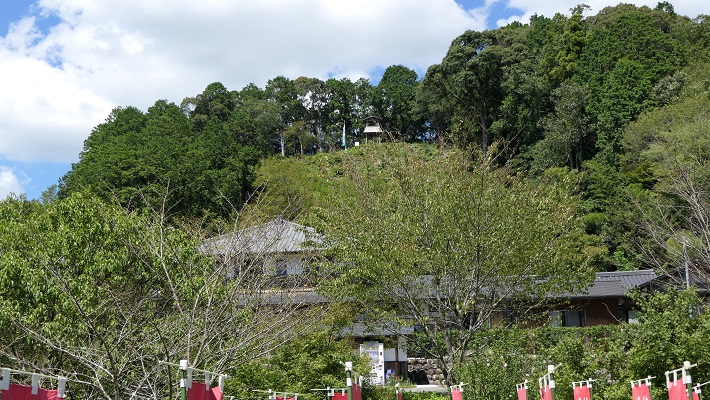
医王寺(勝頼の本陣跡)~Ioji Temple (The ruins of Katsuyori’s stronghold)

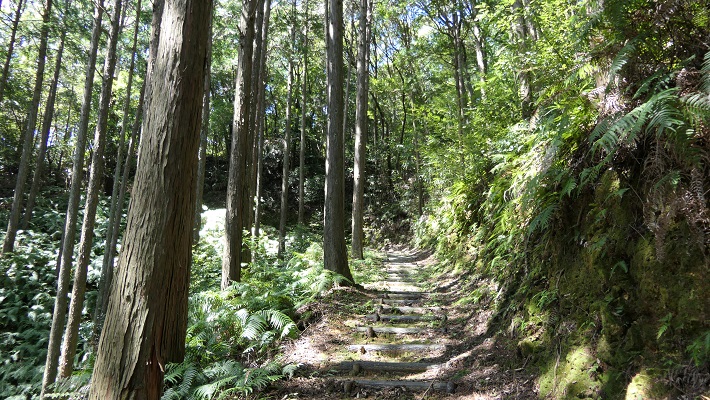
本陣は、この寺の裏山にありました。山道を通って簡単に登ることができます。
The stronghold was on the back hill of the temple. You can easily climb up to the top through the trail.

医王寺~Ioji Temple
頂上への山道~The trail to the top

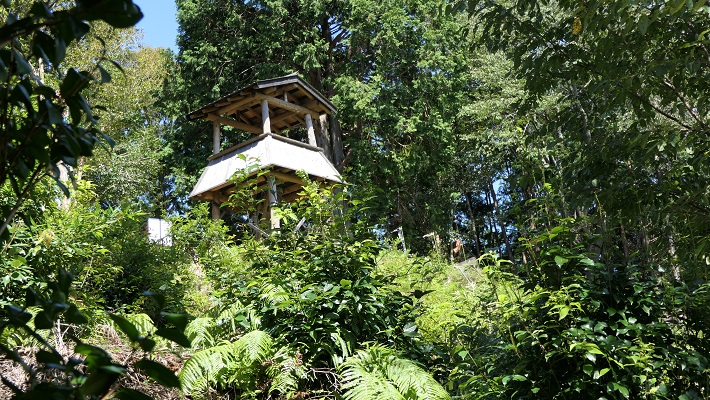
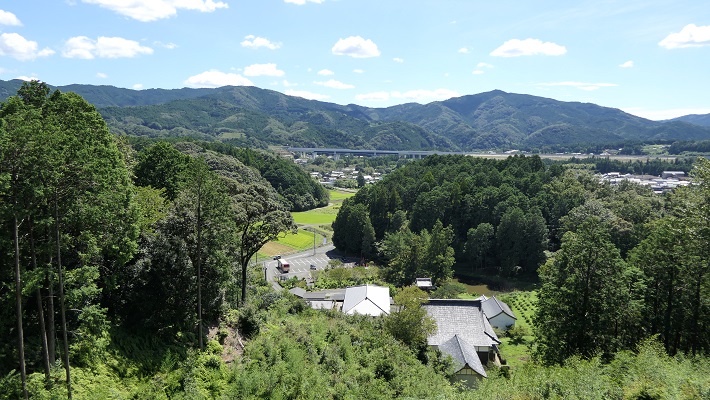
頂上には簡単な物見やぐらが復元されています。ここからは長篠城は見えるのですが、信長の陣地があった設楽原は見えません。十分な情報なしに勝頼がなぜ山を下り、信長の方に向かっていったのか考えてみるのも一興です。
There is a restored simple watch tower on the top. You can see Nagashino Castle from the tower, but can’t see Shitara-ga-Hara where Nobunaga’s fortresses were. It may be interesting to speculate why Katsuyori decided to go down the hill and head towards Nobunaga without enough information.

復元された物見やぐら~The restored watch tower
頂上からの眺め~A view from the top

設楽原古戦場~Shitara-ga-Hara Battlefield

この場所は現在は水田になっていますが、丘状の地形に囲まれた谷のようになっているのが今でもわかります。ここが更に湿地帯であったなら、騎馬隊は十分な能力を発揮できなかったでしょう。
This place has now become a rice field, but you can still see it is like a valley surrounded by hilly areas. If it was also waterlogged, troops with horses couldn’t fulfill their potential.

設楽原~Shitara-ga-Hara Field

設楽原の西側には木柵と空堀がいくらか復元されています。実際にはもっと縦横に広がっていたはずです。武田は明らかに不利な状況で織田・徳川連合軍と戦わざるをえなかったのです。それが信長の戦略眼だったのです。
There are some restored wooden fences and dry moats on the western side of the field. They must have been spread wider and deeper. Takeda clearly had to fight with the allied forces of Oda and Tokugawa under disadvantage. That was the idea of Nobunaga’s strategy.

復元された木柵~The retored wooden fences

その後~Later History

長篠城は、長篠の戦いのわずか1年後、1576年に廃城となりました。ここの城主が新しい城を作り、移っていったからです。その後は、江戸時代には城跡の地に旗本や庄屋の屋敷があったようです。城跡は最終的には1929年に国の史跡に指定されました。
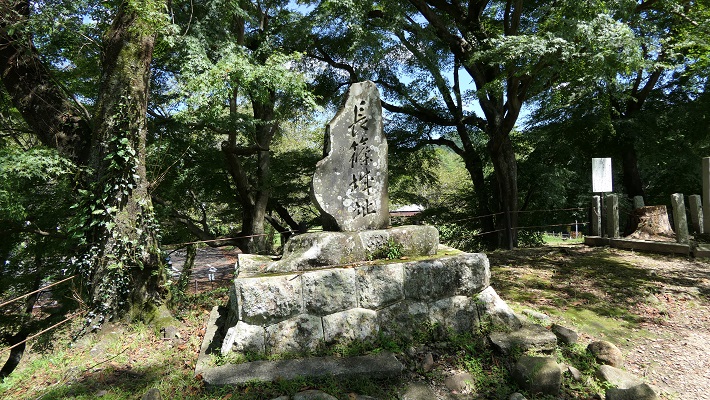
Nsgashino Castle was abandoned 1n 1576, just one year later the battle of Nagashino, because the lord of the castle built and moved to another castle. After that, a shogunal retainer and local administrator seemed to have their residences at the ruins of the castle in the Edo Period. The ruins were lastly designated as a National Historic Site in 1929.

城址の石碑~The monument of the ruins

私の感想~My Impression

長篠の戦いから得られる教訓は3つあると思います。
1.リーダーは普段は乾坤一擲の戦いは避けなければならない。
2.どうしても避けられないときは、十分な情報を基にした決断が必要である。
3.リーダーは常にいかに安全に撤退するかも考えておくべきである。
信長は、もし勝頼に敗れたとしてもどう撤退するか考えていたと思うのです。
I think we can learn three lessons from the battle of Nagashino.
1.Leaders must usually avoid playing for all or nothing.
2.If they can’t avoid it, informed decision will be essential, or withdraw immediately.
3.Leaders must always consider how to withdraw safely.
I believe that Nobunaga had considered how to withdraw if he was beaten by Katsuyori.

勝頼の本陣があった丘~The hill where Katsuyori’s stronghold was
長篠城の土塁~The earthen walls of Nagashino Castle

ここに行くには~How to get There

これまで述べた遺跡を回るには、車を使うのが便利です。みな新東名自動車道の新城ICの近くです。
長篠城だけでよければ、電車で行くこともできます。JR長篠城駅から徒歩10分くらいで現地に着きます。東京または名古屋からでしたら、東海道新幹線で豊橋まで行き、飯田線に乗り換えてください。
I recommend you using car to visit these ruins mentioned above. They are all near Shinshiro IC on Shin-Tomei Expressway.
If you want to visit only Nagashino Castle, it is also accessible by train. It takes about 10 minutes to get there on foot from JR Nagashino-Jo Station. From Tokyo or Nagoya, take the Tokaido Shinkansen super express to Toyohashi Station, then transfer for Iida local line.

リンク、参考情報~Links and References

史跡長篠城跡、新城市(Multilingual service is available)
新城市設楽原歴史資料館、新城市(Multilingual service is available)
・「長篠の戦い/藤本正行著」洋泉社(Japanese Book)
・「籠城/榎本秋著」宝島社(Japanese Book)
・「現代語訳 信長公記/太田牛一著、中川太古訳」新人物文庫(Japanese Book)

error: Content is protected !!