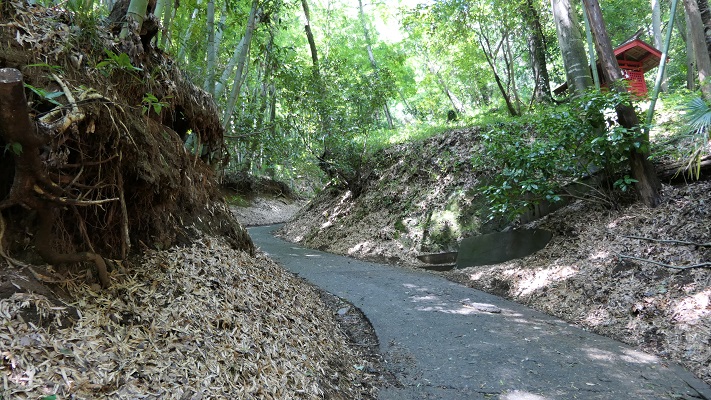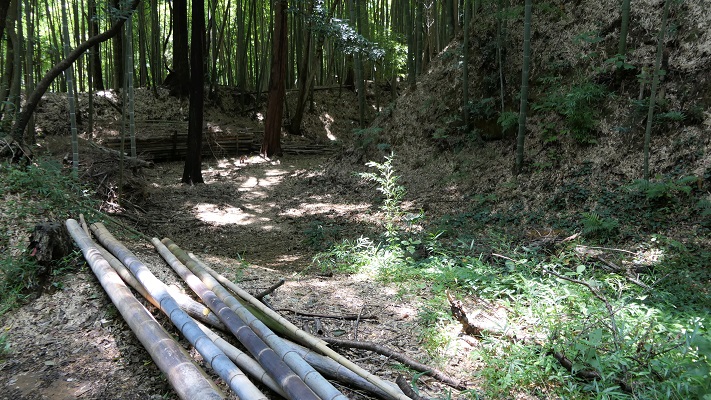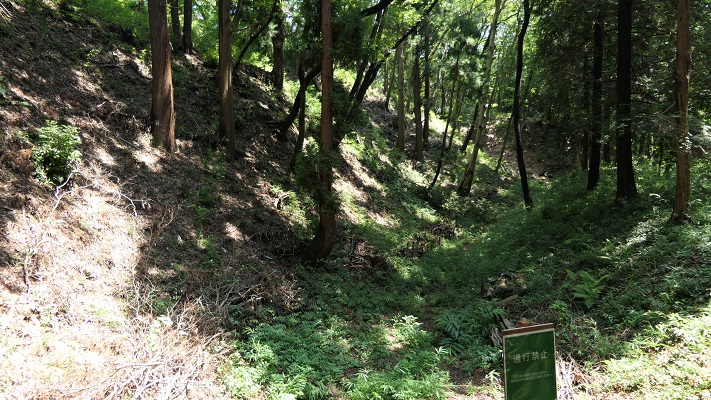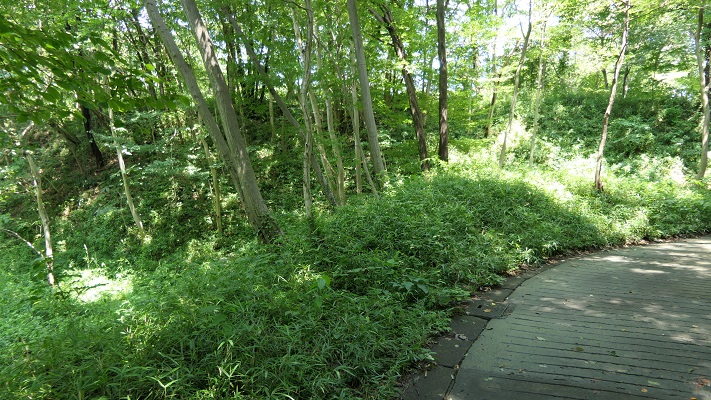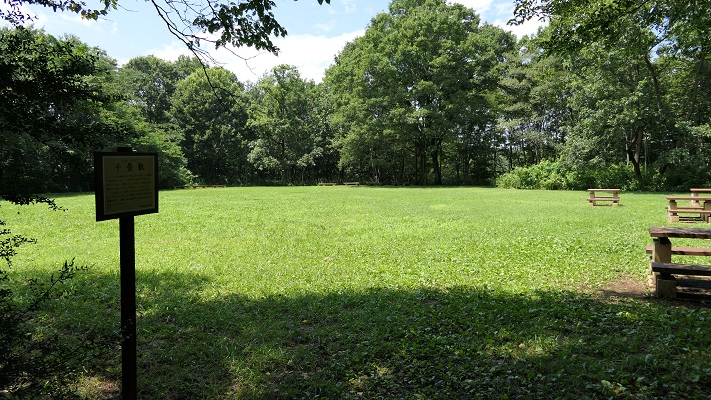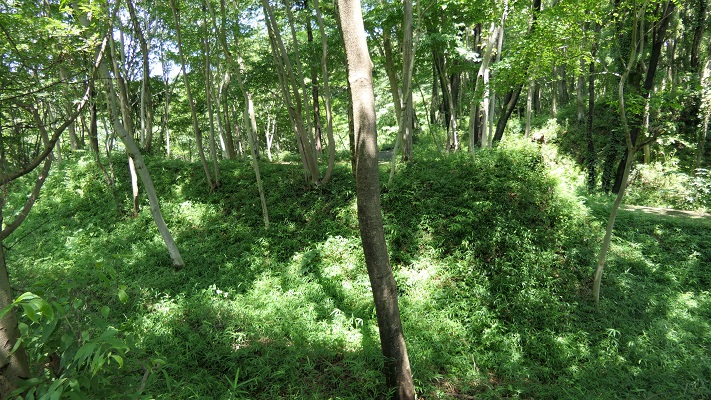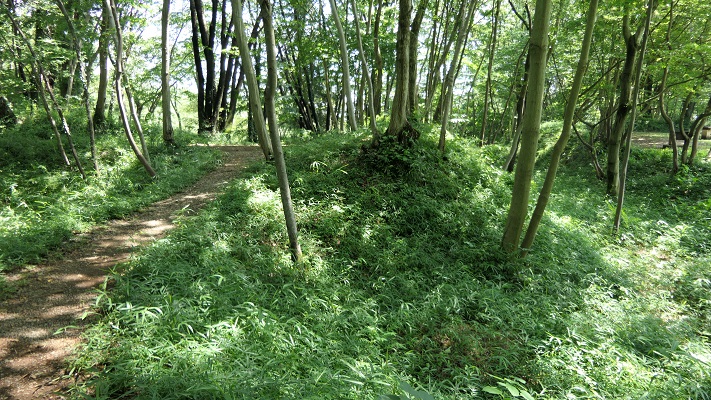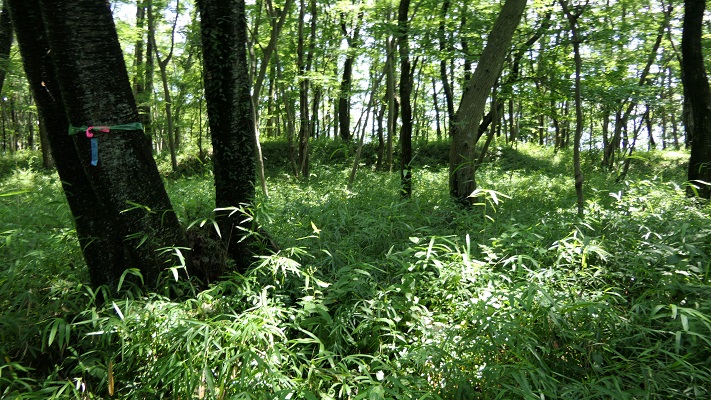
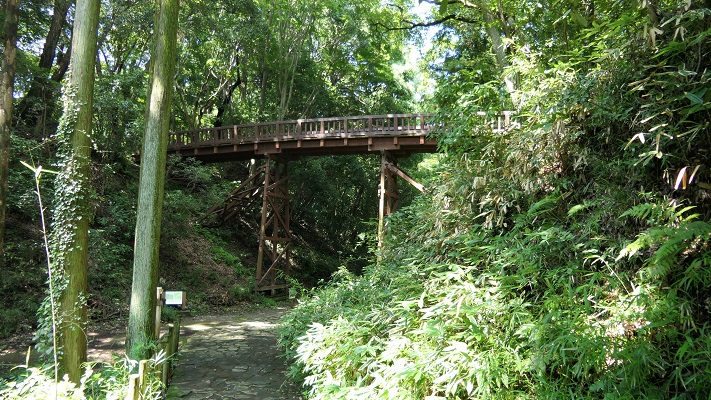
64.松江城~Matsue Castle

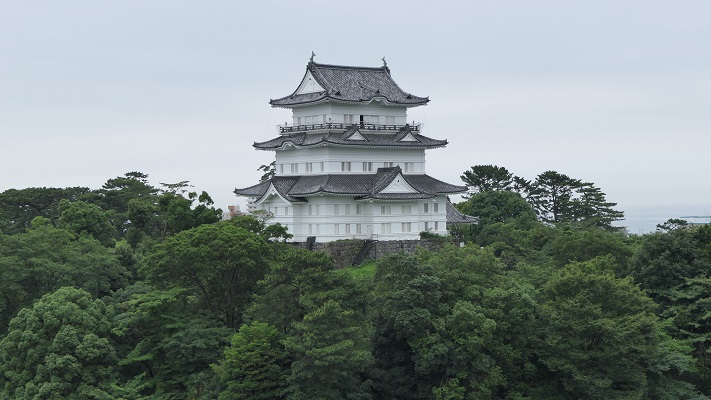
その武骨な天守は国宝となりました。
Its rough, strong Tenshu keep has become a National Treasure.

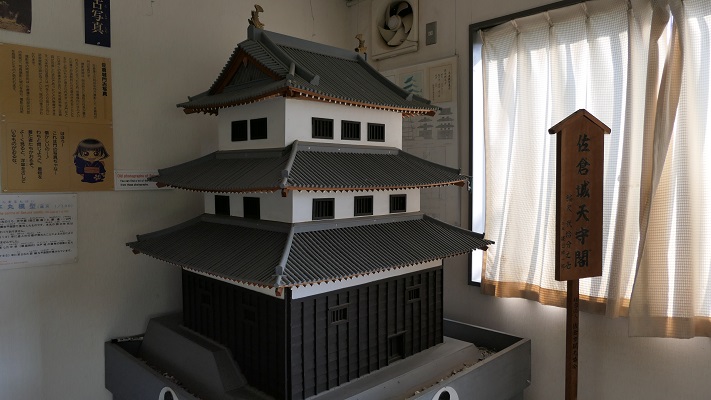
松江城天守~The Tenshu keep of Matsue Castle

立地と歴史~Location and History

島根県の松江市は、松江城の城下町を由来としています。城の歴史は江戸時代の初期に始まりました。1600年に堀尾忠氏が出雲・隠岐両国(現在の島根根県の一部)の領主として置かれました。
Matsue City in Shimane Prefecture comes from the castle town of Matsue Castle. The history of the castle started at the beginning of the Edo Period. Tadauji Horio was placed as the lord of Izumo and Oki Provinces (part of what is now Shimae Pref.) in 1600.

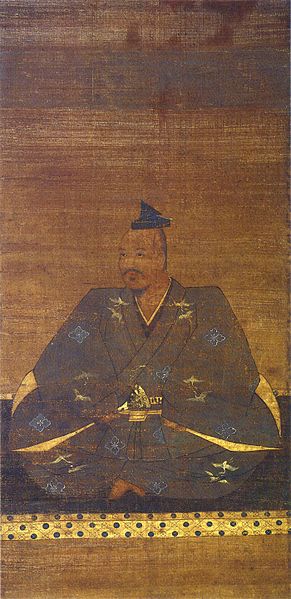
堀尾忠氏肖像画部分、妙心寺蔵~Part of the portrait of Tadauji Horio, owned by Myoshinji Temple(licensed under Public Domain via Wikipedia Commons)

忠氏は最初は当時最も防御に優れていた山城の一つ、月山富田城に住んでいたのですが、統治や交通の便はよくありませんでした。そこで、彼は本拠地を移すことを決め、父親の吉晴とともに新しい城の建設を開始しました。それが松江城だったのです。
Tadauji first lived in Gassan-Toda Castle which was one of the most protective mountain castles at that time, but it was not convenient for governance and transportation. Then he decided to move his home base and launched to build a new castle with his father, Yoshiharu. That was Matsue Castle.

月山富田城跡~The ruins of Gassan-Toda Castle

松江城は宍道湖の近く、太田川に沿った亀田山という小山の上にありました。城は南方は太田川に面しており、北方は山を削り堀を穿ち、防御を固めました。堀尾は城下に町を作り、それは川をまたいでいました。これにより民衆や産業を支配下に収めました。天守を含む城は、1611年に完成しました。
Matuse Castle was located on a hill called Kamedayama alongside Otagawa River, near Shinji Lake. The castle faced the river in the south, cut the mountain and dug a moat in the north making it very defensive. Horio created the castle town below the castle, across the river. They were able to get people and industries under control. The castle including Tenshu keep was completed by 1611.

城周辺の地図~The normal map around the castle

城周辺の起伏地図~The relief map around the castle

松江藩と呼ばれたこの地域の領主は京極に、最後は1638年に松平氏に代わりました。松平の統治は200年以上続きます。松江は文化面でも繁栄しました。一例を挙げると、7代目の藩主、松平不昧は有名な茶人でした。彼は茶事に使う名器を調べ上げ、情報を体系化したのです。江戸時代も後半になると、領主は平地の三の丸にある御殿に住んでいました。小高い本丸にある天守は、倉庫として使われていたようです。
The lords of the area called Matsue Domain were changed to Kyogoku, lastly Matsudaira clan by 1638. The governance of Matsudaira lasted for over 200 years. Matsue flourished in culture as well. For example, the seventh lord of the domain, Fumai Matsudaira was a famous master of tea ceremony. He researched noted items for tea ceremony and organized their information. In the late Edo Period, the lords lived in the hall in plain Sannomaru. The Tenshu keep on hilly Honnmaru seemed to be used for a warehouse.

松平不昧肖像画~The portrait of Fumai Matsudaira(licensed under Public Domain via Wikipedia Commons)
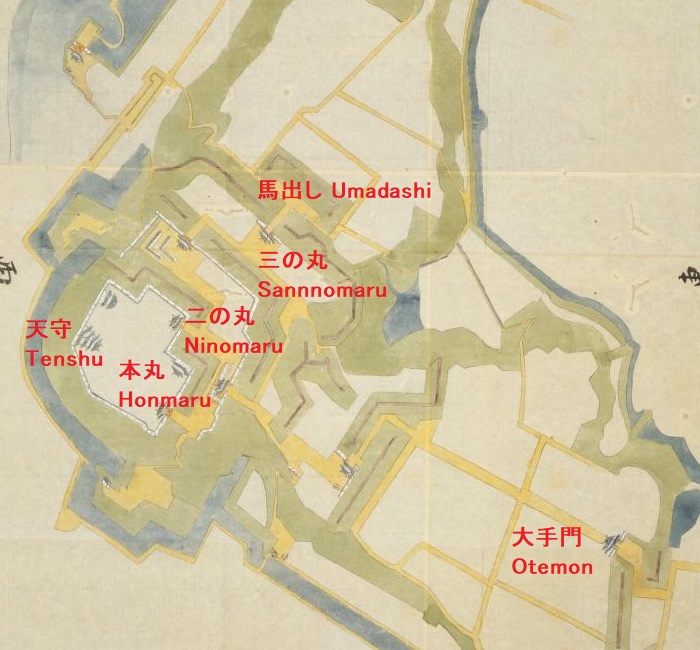
出雲国松江城絵図部分、江戸時代~Part of the illustration of Matsue Castle in Izumo Province, in the Edo Period(出典:国立公文書館)

特徴~Features

この城の特徴といえば、やはり天守でしょう。日本の現存12天守の一つです。また、2015年に5つ目の国宝天守にも指定されました。この指定は、この天守が1611年に築かれたと確認されたことによります。それまでは、天守がいつ作られたのかが不明確でした。
The main feature of this castle is the Tenshu. It is one of the 12 remaining Tenshu keeps in Japan. It was also designated as the fifth Tenshu for National Treasure in 2015. This is due to the Tenshu being confirmed built by 1611. It was uncertain if Tenshu was built before then.

天守~The Tenshu keep(taken by よねさん0912 from photoAC)

1611年1月の記載がある木製の祈祷札が松江神社で見つかりました。その形が天守の地下にある木柱に残された、それが設置された跡と一致したのです。祈祷札は1611年の城の落成式のときに使われたに違いありません。
A wooden talisman dated in January 1611 was found at Matsue Shrine. Its shape matches the installation trace left on the wooden column at the basement of Tenshu. The talisman should be used when the completion ceremony of the castle in 1611.

元の位置に収まった祈祷札のレプリカ~The reprica of the talisman on the original position(「松江観光ステーション」websiteより引用)

天守は、長く太い木のような高価な材料からではなく、様々な種類の木材を使って建設されています。それは恐らく堀尾が、城の建設ブームにより良い材料が集められなかったのか、それとも月山富田城の廃材を使ったからなのかもしれません。これらの資材は組み合わされて天守の重さを支え、また分散させています。更には「包板」と呼ばれる資材を長持ちさせる方法も見ることができます。それは、柱を板、鉄輪、かすがいで覆うやり方です。
The Tenshu was constructed using several types of wooden materials, not using valuable ones like a long thick wood. It could be because Horio were not able to collect good materials due to the boom of castles constructing, or they might use waste materials of Gassan-Toda Castle. These materials are combined to support and break up the weight of Tenshu. In addition, you can see the method to maintain the materials called “Tsutsumi-Ita” which is covering columns with lumbers, iron rings and clamps.

「包板」を用いて補修された柱~The columns that were maintained in the way “Tsutsumi-ita”

以上の発見により、松江城の建設方法が後の多くの他の城に引き継がれていたことがわかりました。これが高い評価を受け、松江城の国宝指定につながりました。いずれにせよ、天守の重厚な外観、実用的な内装、そして「牛蒡積み」と呼ばれる独特の天守台の石積みを純粋に見て楽しむのもよいでしょう。
That fact proves the method of building Matue Castle was followed by many other castles later. The high evaluation led to Matue Castle being a National Treasure. Anyway, you can purely enjoy seeing the profound appearance, the practical interior, and the base built using unique stone walls called “Gobo-Zumi” of the Tenshu.

「牛蒡積み」の石垣の上に乗った天守~The Tenshu keep on the stone walls built in the way “Gobo-Zumi”(taken by mahiroPhoto from photoAC)

その後~Later Life

明治維新後、天守以外の全ての建物は撤去され、売られていきました。地元の有志が何とか天守だけは買い戻すことができました。天守は1934年に最初は国の史跡に指定されました。第二次世界大戦後、城周辺の地区は公園として整備されました。国宝に向けた活動のほか、松江市は二の丸など城の建物の復元を進めています。将来的には本丸にあった大手門の復元を計画しています。松江城の全景が街に戻りつつあります。
After the Meiji Restoration, all the buildings except for Tenshu were demolished and sold. Local volunteers somehow manage to get Tenshu back. It was first designated as a National Historic Site in 1934. After World War II, the area around the castle has been developed as Matsue Shiroyama Park. In addition to the campaign for the National Treasure, Matue City has been restoring buildings of the castle like those in Ninomaru. They are planing to restore Main Entrance Gate at Honmaru in the future. The whole view of Matue Castle will be returning to the city.

復元された二の丸~The restored Ninomaru enclosure
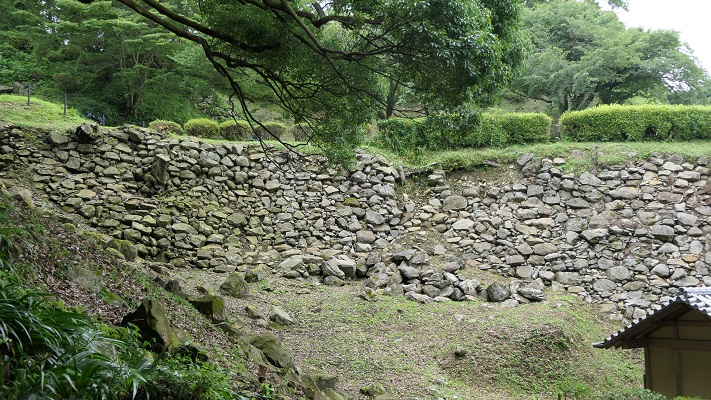
大手門跡~The ruins of Main Entrance Gate

私の感想~My Impression

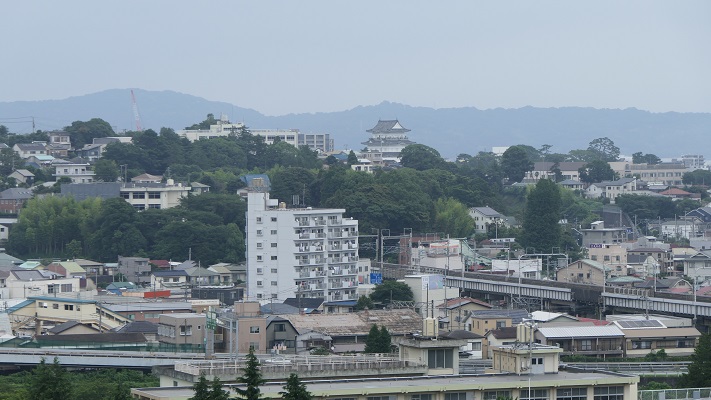
私は、武骨な松江城の天守が好きです。この天守には、姫路城のような城の美しさとは対照的な独特な雰囲気があります。松江城天守が国宝になったと聞いたときはとてもうれしかったです。ところが、姫路城と比べるとまだ人気がありません。それは天守の中にいつでも入れるということを意味します。松江の街もまた、くつろいだ雰囲気があります。是非訪れてみてはいかがでしょう。
I like the rough, strong Tenshu keep of Matsue Castle. It has a unique atmosphere in contrast to the beauty of castles like Himegi. It was a pleasure for me to hear that Matsue Castle Tenshu had become a National Treasure. However, it is still not popular compared with Himeji. That means you can usually enter the inside of Tenshu. Matue town also has a laid-back atmosphere. I recommend you to visit them.

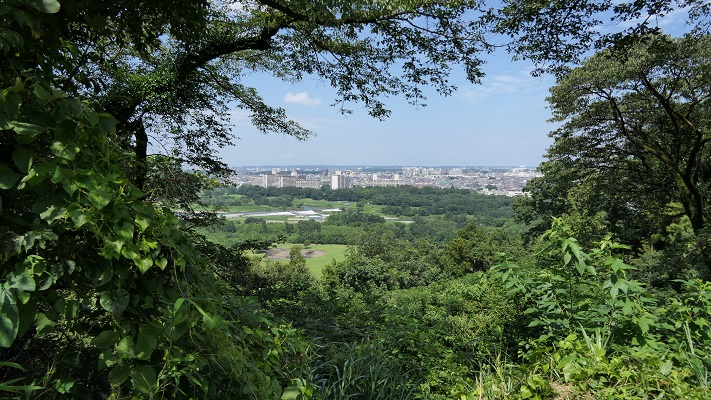
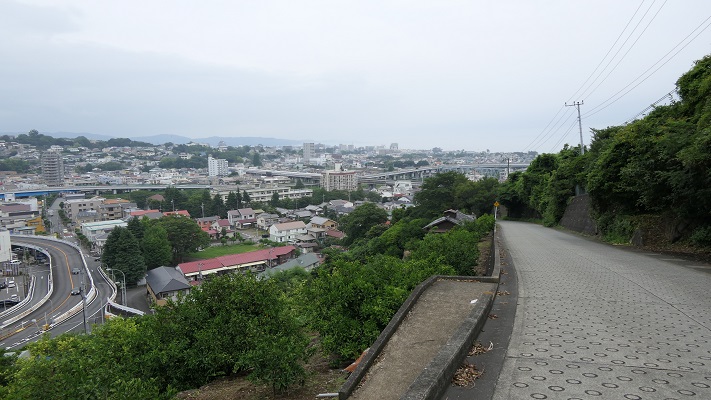
天守からの街の眺め~A city view fron the Tenshu
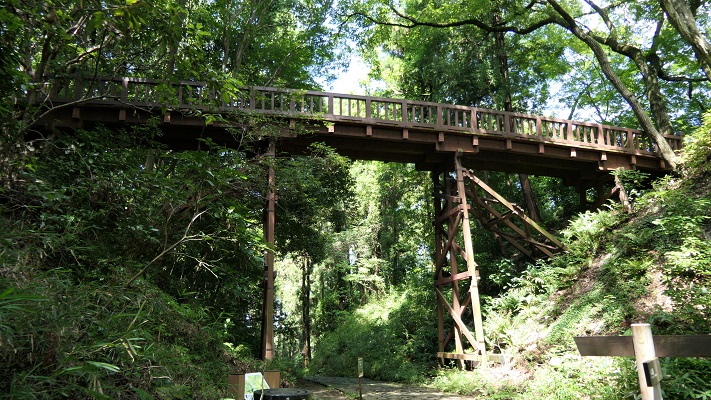
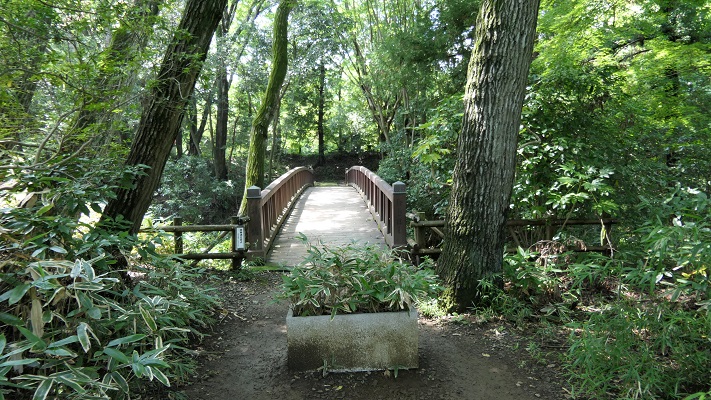
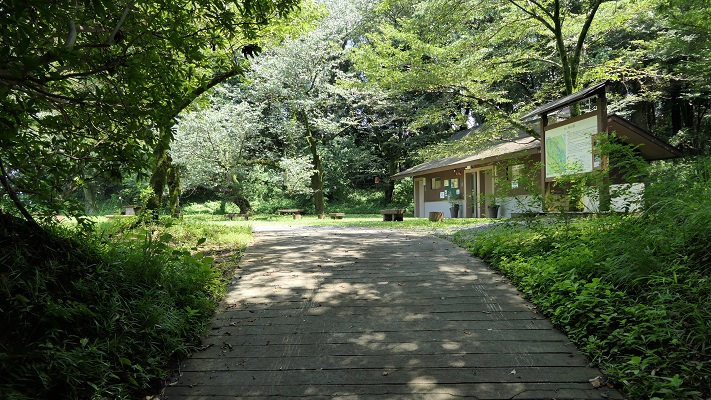
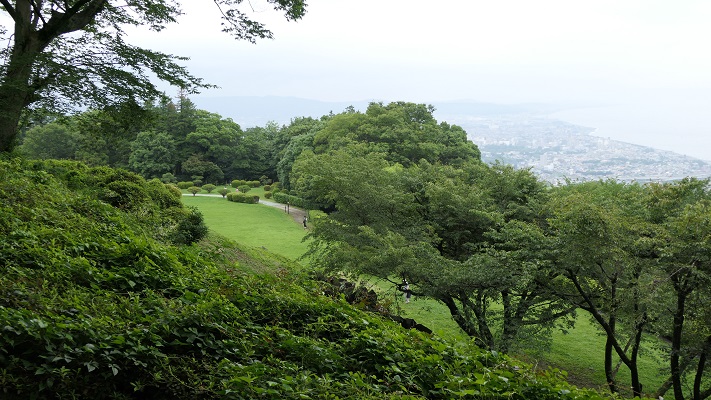
松江城山公園の入り口~The entrance of Matsue Shiroyama Park

ここに行くには~How to get There

車で行く場合:山陰自動車道の松江西ICから約10分かかります。公園の周りにいくつか駐車場があります。
JR松江駅からバスで行く場合:レイクラインバスに乗り、大手前バス停で降りてください。
If you want to go there by car: It takes about 10 minutes from the Matsue-Nishi IC on San-in Expressway. There are several parking lots around the park.
If you want to go there by bus from JR Matsue station: Take the Lake Line bus and take off at the Ote-Mae bus stop.

リンク、参考情報~Links and Rererences

松江観光ガイドVISIT MATUE
国宝松江城(Only Japanese)
松江観光ステーション(Only Japanese)
・城の科学、萩原さちこ著、講談社ブルーバックス(Japanese Book)
・よみがえる日本の城6、学研(Japanese Book)

21.江戸城その2~Edo Castle Part2

江戸は、水の都だったのです。
Edo was a city of waterways.

葛飾北斎「富嶽三十六景」より「江戸日本橋」、江戸時代~”Nihonbashi Bridge in Edo” from the series “Thirty-six Views of Mount Fuji” attributed to Hokusai Katsushika in the Edo Period(licensed under Public Domain via Wikimedia Commons)

特徴~Features

今となっては、ほとんどの人が東京が水の都とは思わないでしょう。ところが、実は江戸はそうだったのです。徳川氏が江戸に移ってきたとき、江戸城は現在の山の手区域にありました。現在の下町にあたる地域は海の下にあったか、湿地帯でした。そして江戸前島と呼ばれた砂州が存在していました。また、陸地と砂州の間には日比谷入江が入り込んでいました。徳川の家臣団は、江戸前島を横切る運河を掘り、水運の便のために川筋を変更したのです。
These days, most people don’t realize that Tokyo is a city of waterways. However, Edo actually was. When the Tokugawa clan moved into Edo, Edo Castle was in the present uptown area. The present down town area was below the sea or waterlogged. There was a sand bank called Edo-Maeto. There was also the Hibiya arm of the sea between the land and the bank. Tokugawa’s team created a canal across Edo-Maeto and change the route of rivers for water transportation.

東京中心部のカラー標高図にコメント付加、江戸前島と日比谷入江の痕跡がわかります~The color altitude map of central Tokyo, adding comments, you can see traces of Edo-Maeto and the Hibiya arm of the sea(出典:国土地理院)

日比谷入江から江戸前島の東側に川筋を変更して作られた運河が、日本橋川でした。そこには現在日本橋がかかっています。この橋は昔ながらの姿で知られており、多くの主要道路の出発地点でもあります。
A canal created for changing the route of the river from the Hibiya arm of the sea to east of Edo Maeto is Nihonbashi River, where Nihonbashi Bridge goes across. The bridge is known for a traditional view and the starting point of many major roads.

日本橋~Nihonbashi Bridge
1911年に完成直後の現存日本橋~The remaining Nihonbashi Bridge just after the complition in 1911(licensed under Public Domain via Wikimedia Commons)
日本橋にある日本国道路元標~The starting milestone of Japan at Nihonbashi Bridge(licensed by Aimaimyi via Wikimedia Commons)
歌川広重「東海道五十三次」より「日本橋」、江戸時代~”Nihonbashi Bridge” from the series “Fifty-three Stations of Tokaido” attributed to Hiroshige Utagawa in the Edo Period(licensed under Public Domain via Wikimedia Commons)

事実、この橋の下を流れる川は人工物で、それは400年以上前に作られたものなのです。この川からは、江戸前島の中心を通る外堀が分かれていました。
In fact, the river below the bridge is artificial and was created over 400 years ago. From the river, the outer moat separated out trough the center of Edo Maeto.

日本橋川~Nihonbashi River
戦前の有楽町付近の外堀~The outer moat near Yurakucho before World War II(licensed under Public Domain via Wikimedia Commons)

徳川は、城の敷地を広げるためと防衛上の必要から日比谷入江を埋め立てました。更に、江戸前島の周りの海も市街地の確保のため埋め立てたのです。一方で、海の一部分は埋め残して堀、川や運河としました。結果として、江戸は水路とともに広がっていきました。今だにその痕跡は現代の地図上に残っています。それらをいつくか巡ってみましょう。
Tokugawa reclaimed the Hibiya arm of the sea to expand the ground for the castle as well as the need for defense. They also filled the sea around Edo Maeto to create the city area. Meanwhile, they left part of the sea as moats, rivers and canals. As a result, Edo city was spread with waterways. There are still traces of them on the present map. Let’s see some examples.

江戸時代初期の江戸推定地図~The estimated map of Edo in the first Edo Period(国土交通省Websiteから引用)

赤い線は現在の地図に残された江戸前島と日比谷入江の痕跡、マーカーは以下の項目に関連しています~The red line shows the remaining trace of Edo-Maetou and Hibiya Arm of the Sea on the present map, markers are related with the following items

愛宕神社~Atago Shrine

ここは急坂に「出世」の階段があることで有名です。日比谷入江の入り口の近くにあたります。
It is famous for its steep steps of “success”. It was near the entrance of the Hibiya arms of the sea.

愛宕神社の鳥居~The Torii Gate of Atago Shrine
出世の階段、馬にのってこの階段を登り切った武士は出世できると言われていました~The Steps of Success, it was said that if a warrior riding a horse could get the top, he would be promoted

赤坂1丁目交差点~Akasaka-icchome intersection

ここは溜池から流れる川の河口でした。外堀の一部に転用されました。
This was the estuary of the river from Tameike. It was turned into a part of the outer moat.

赤坂1丁目交差点に向かいます~Going to Akasaka-icchome intersection
かつて外堀であった「外堀通り」~”Sotobori Street” which means outer moat street, former the outer moat
今に残る外堀の石垣~Remaining stone walls alomgside the outer moat

潮見坂~Shiomi slope

霞ヶ関官庁街の中にあります。ここは日比谷入江の西際だったようです。
It is among Kasumigaseki governmental ministries. It seems to be the west edge of the Hibiya arm.

潮見坂~Shiomi Slope

桜田門周辺~Aroud Sakurada-mon Gate

この門の近くに別の川の河口があったようです。内堀の一部として残っています。
This seems to be the estuary of another river near the gate. It remains a part of the inner moat.

桜田門~Sakurada-mon Gate
桜田濠と呼ばれる内堀の一部~A part of the inner moat called Sakurada-bori

皇居正門~The main entrance of Imperial Palace

宮殿は西の丸だった所にあります。正門前の内堀は元は海でした。
The palace is on what was Nishinomaru enclosure. The inner moat in front of it was originally the sea.

皇居正門と石橋~The main entrance of Imperial Palace and The Stone Bridge
西の丸は高い所にあります~Nishinomaru enclosure is in a high place

皇居外苑~The Outer Gardens of the Imperial Palace

ここは完全に海で、周りの内堀を残して埋め立てられました。
This was completely a sea, and filled without the inner moat around.

皇居外苑~The Outer Gardens of the Imperial Palace

坂下門~Sakashita-mon Gate

門の周辺の内堀は、もともと川や谷だった所を使っています。
The inner moat around the gate uses the original rivers and valleys.

坂下門~Sakashita-mon Gate
門周辺の内堀~The inner moat around the gate

大手門周辺~Around Ote-mon Gate

ここには日比谷入江に注ぐ平川の河口がありました。
This was the estuary of Hirakawa River emptied into the Hibiya arms of the sea.

大手門~Ote-mon Gate
大手門前の内堀~The inner moat in front of Ote-mon Gate

和田倉門~Wadakura-mon Gate

日比谷入江の一番奥の場所にあたります。和田倉とは海岸にある倉庫の意味です。
This was the inmost place of the Hibiya arm of the sea. Wadakura means warehouse st seashore.

和田倉門~Wadakura-mon Gate
ここが最奥だった地点か?~Was this the inmost spot?

日比谷公園~Hibiya Park

内堀の石垣跡が休憩所として活用されています。
The ruins of stone walls for the inner moat is used for a resting place.

日比谷公園の休憩所~The resting place of Hibiya Park
それは石垣の上にあります~It is on the stone walls

山手線の側面~The side of Yamanote line

レンガ造りの高架鉄道は元から陸地の所だから可能だったと言われています。
It is said that the elevated red brick railway could be available on the primary land.

山手線のレンガ作りの高架鉄道~The elevated red brick railway of Yamanote line

新橋跡~The ruins of Shinbashi bridge

この橋は汐留川にかかっていましたが、元は江戸前島の突端にあたります。
The bridge went across Shiodome-gawa River which was originally the edge of Edo Maeto.

現存する新橋の親柱~The remaining newel post of Shinbashi Bridge

銀座の裏通り~The back street of Ginza

江戸前島の東海岸を利用して作られた三十間堀川がここを流れていました。
Sanjukkenbori River went through it and it was built using the east coast of Edo Maeto.

銀座の裏通り、ここも海や川でした~The back street of Ginza, it was also the sea or river

首都高速都心環状線~The Tokyo Metropolitan Expressway Ring Route

ここは楓川と、ドックのような形の舟入堀がありました。この川は日本橋川につながっていました。
This was Kaedegawa River with several Funairi moats like docks. The river connected to Nihonbashi River.

首都高速都心環状線、元楓川~The Tokyo Metropolitan Expressway Ring Route, the former Kaedegawa River
かつては楓川を渡っていた橋、A bridge which went across Kaedegawa River in the past

その後~Later Life

明治維新後、城の多くの建物は撤去されましたが、多くの水路は残りました。人々がまだ使っていたからです。一例として、東京の魚市場は1923年の関東大震災まで日本橋川沿いにありました。地震の後になって築地に移転したのです。
After the Meiji Restoration, many buildings of the castle were demolished, but many waterways remained, because people still used them. For instance, the fish market in Tokyo was along Nihonbashi River until the Great Kanto Earthquakes in 1923. After that, the market moved to Tsukiji.

明治初期の東京中心地の地図、まだ多くの水路がありました~The map of central Tokyo in the early Meiji Era, there were still a lot of waterways
日本橋の魚市場~The Fish Market at Nihonbashi(licensed under Public Domain via Wikimedia Commons)

第二次世界大戦後、一部の外堀が焼けた建物の残骸により埋められました。今の外堀通りです。
After World War II, part the outer moat was filled by the debris of burned buildings. It has become Sotobori Street.

外堀通り~Sotobori Street

昭和の中期に車が普及し、1959年には、1964年の夏のオリンピックが東京で開催されることが決まりました。東京の交通インフラ、特に高速道路を整備するための時間はわずかしかありません。政府は高速道路の用地として残っていた水路を使わざるをえませんでした。買収する必要がないからです。東京のほとんど全ての水路が消え失せました。
In the mid Showa Era, motorization came and it was decided in 1959 that the 1964 summer Olympics in Tokyo would be held. There would be little time to develop the infrastructure for transportation in Tokyo, especially an expressway. The government had to use the remaining waterways as the land for the expressway. Because they didn’t need buy them. Almost all of the waterways in Tokyo died out.

京橋川上に建設中の高速道路、1960年~The expressway under construction above Kyobashigawa River in 1960(licensed under Public Domain via Wikimedia Commons)

日本橋と日本橋川は歴史的価値があるため、かろうじて残されました。そのため高速道路がその上を走っているのです。日本橋地域の人たちは、古き良き景観を取り戻すため政府に対し高速道路を地下に移すよう請願しています。
Nihonbashi Bridge and Nihonbashi River have survived due to their historical values. That’s why the expressway goes above them. Now, people in the Nihonbashi area urge the government to move the expressway underground to get its good old landscape back.

日本橋上の高速道路~The expressway above Nihonbashi Bridge

「江戸城その3」に続きます。~To be continued in “Edo Castle Part3”
「江戸城その1」に戻ります。~Back to “Edo Castle Part1”

65.月山富田城~Gassan-Toda Castle

この大きな山城は、過酷な籠城戦を戦い抜きました。
This large mountain castle fought severe sieges.

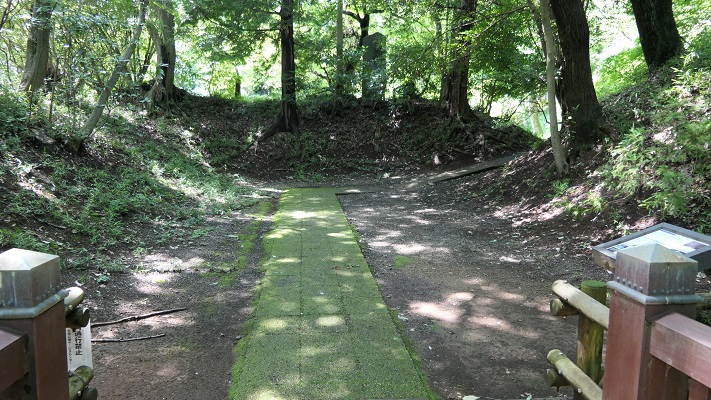
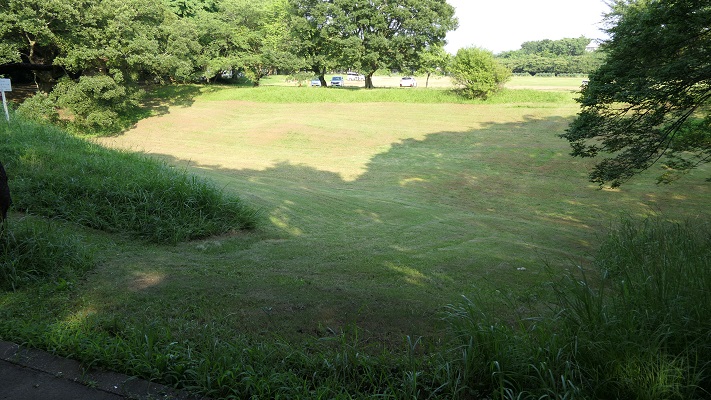
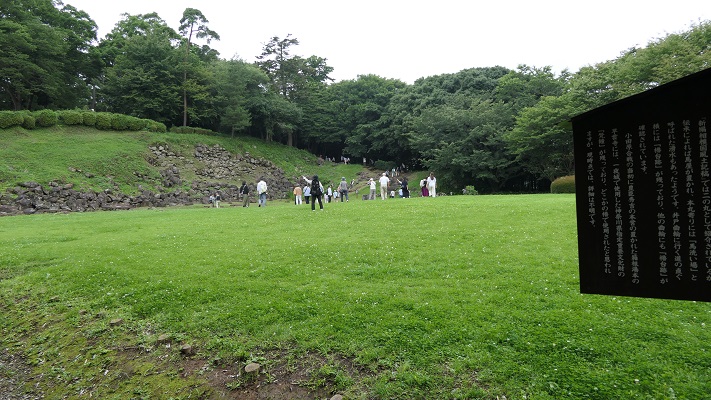
月山富田城の中心部~The center of Gassan-Toda Castle

立地と歴史~Location and History

山陰地方は現在、どちらかというと地味なイメージがあります。しかしながら、近代以前、この地方は人口面でも経済面でも繁栄していました。かつては沿岸航海が主要な交通手段でした。この地方の都市はこの経路に沿っていました。ここには石見銀山もあり、世界遺産になっています。戦国時代には、この鉱山からの銀は世界の3分の1のシェアがあったと言われています。山陰には鉄鉱山とその関連産業まであって、武器製造に生かされました。
San-in region now has a comparatively quiet image. However, before the Modern Ages, the region flourished in both population and economy. Sailing along the coast was a major way of transportation. The cities in the region were among the route. It also had Iwami Silver Mine, which has become a World Heritage Site. It is said that the silver from the mine was shared with one third of the world in the Warring States Period. San-in even had iron mines and relative industries which could produce weapons.

山陰地方の関連史跡の位置~The location of relative historic sites in San-in region

尼子氏はこの3つの重要資源を握っていて、有力な戦国大名となりました。月山富田城はもっと以前からあったのですが、尼子経久が15世紀後半にこの城を拡張しました。
The Amago clan had three important resources, then became great warlords. Though Gassan-Toda Castle was founded in earlier times, Tsunehisa Amago improved the castle in the late 15th century.

尼子経久肖像画、洞光寺蔵~The portrait of Tsunehisa Amago, owned by Doukouji Temple(licensed under Public Domain via Wikimedia Commons)

城は、靴のような形の月山の上に築かれました。そこには約500の曲輪があり、城下町の民衆を収容できるようになっていました。靴の形の甲の部分にあたる、城の中心である山中御殿に至るには3つのルートがありました。詰め城である本丸、二の丸、三の丸の各曲輪は、靴の形の頂点の部分にあり、御殿とは「七曲り」と呼ばれるたった一本の曲がりくねった山道でつながっていました。尼子は支城のネットワークも作り、本拠地の月山富田城を支えていました。
It was on Mt. Gassan, which looks like a shoe. It had about five hundred enclosures and could accommodate people in the castle town. There were three routes to reach Sanchu hall, the center of the castle, which was located on the upper part of the shoe shape. The last area of the castle, Honmaru, Ninomaru and Sannonaru enclosures were on the top part of the shoe shape, connected with the hall by only one zigzagged trail called “Nana-magari”. Amago made a network of branch castles as well to support the home base Gassan-Toda.

月山~Mt. Gassan(licensed by 安来市政策秘書課 via Wikimedia Commons)
月山富田城絵図(模写)、安来市立歴史資料館蔵~GassanーToda Castle old map (replica), owned by Yasugi City History Museum(licensed under Public Domain via Wikimedia Commons)

大内氏がこの城を1543年に攻撃しましたが、失敗し撤退しました。このことで大内氏の影響力が低下し、1551年の滅亡につながりました。大内氏の後継である毛利氏はより慎重に準備しました。毛利はあらかじめ尼子から石見銀山と支城を奪いました。毛利元就は、1565年に約3万の軍勢をもってこの城を攻撃しました。この攻撃は、尼子義久と約1万の守兵により再び退けられました。元就は戦術を変え、城を包囲し、多くの砦を築きました。この包囲戦は1年7ヶ月続きます。元就は尼子に内輪揉めを仕掛け、兵糧も尽きたため、義久はついに降伏しました。
The Ouchi clan attacked the castle in 1543, but failed and withdrew. It reduced their influence, and led to the destruction of the clan in 1551. The Mori clan following Ouchi, prepared more carefully. Mori took Iwami Mine and the branch castles away from Amago in advance. Motonari Mori with about 30,000 soldiers attacked the castle in 1565. This attack was repelled by Yoshihisa Amago with 10,000 defenders as well. Motonari changed his tactic, and surrounded the castle, building many fortresses. The siege lasted for one year and seven months. In the end, Yoshihisa surrendered after Motonari caused internal trouble in Amago, and supplies ran out.

毛利元就肖像画、毛利博物館蔵~The portrait of Motonari Mori, owned by Mori Museum(licensed under Public Domain via Wikimedia Commons)

尼子の遺臣である山中鹿之助は1569年に尼子の仇を討とうとしました。彼は6千の同志とともにこの城を攻撃しましたが、そのときにはたった300名の守兵しかいませんでした。ところが城は持ちこたえ、毛利からの援軍が到着したことで鹿之助は撤退せざるを得なくなります。
The surviving retainer of Amago, Shikanosuke Yamanaka tried to avenge his clan in 1569. He attacked the castle with 6,000 supporters, while just 300 defenders were in the castle. However, the castle withstood the attack. Shikanosuke had to give up when reinforcements for Mori arrived.

山中鹿之助肖像画部分、安来市立歴史資料館蔵~Part of the portrait of Shikanosuke Yamanaka, owned by Yasugi City History Museum(licensed under Public Domain via Wikimedia Commons)

徳川氏の統治となって、1600年に堀尾氏がこの城に移されてきました。彼らは本拠地を新しい城、松江城に移すことにしました。月山富田城は1611年に廃城となります。
During the Tokugawa clan’s governance, the Horio clan was transferred to the castle in 1600. They decided to move their base to a new one called Matsue Castle. Gassan-Toda castle was abandoned in 1611.

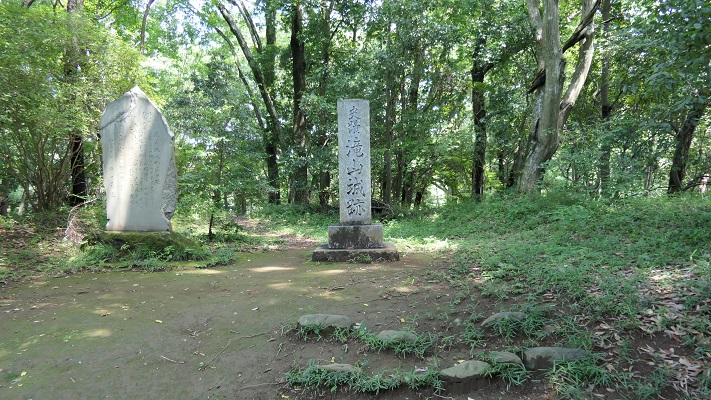
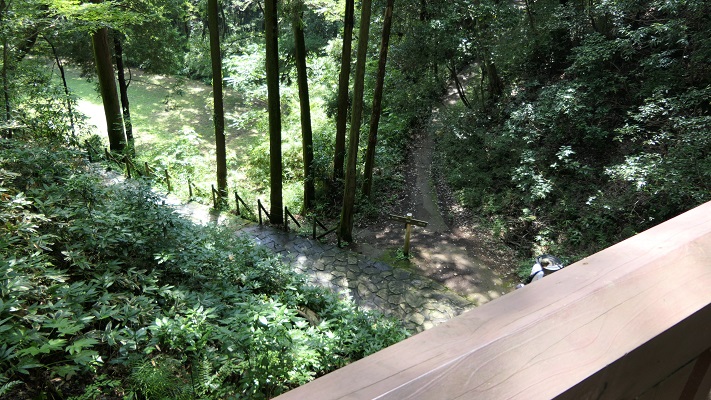
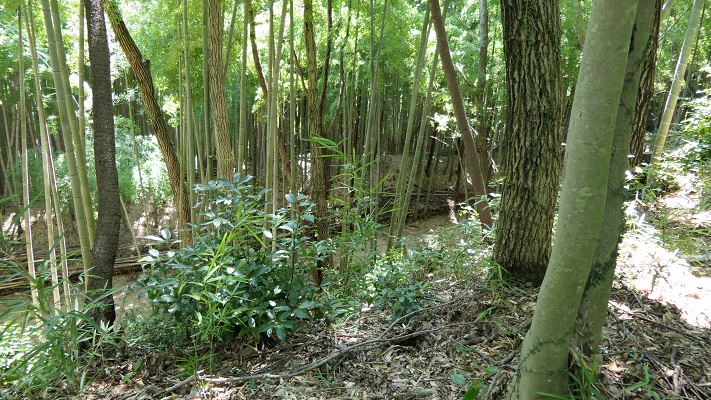
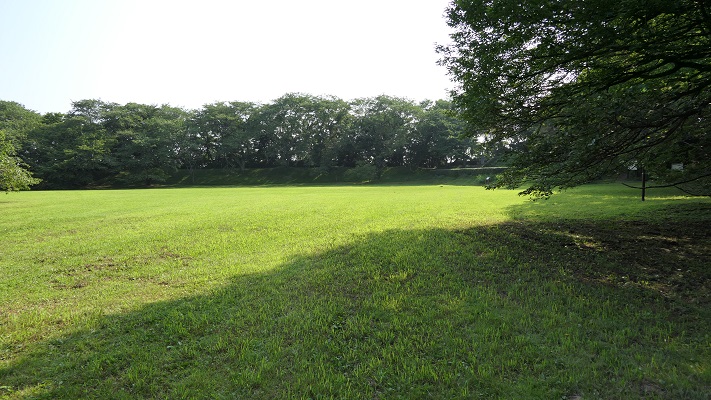
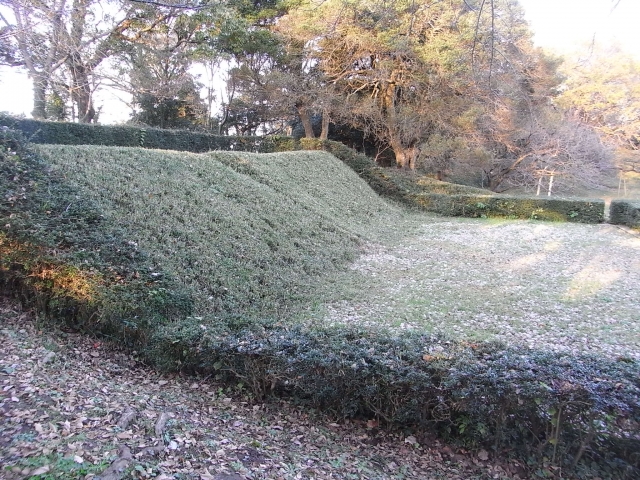
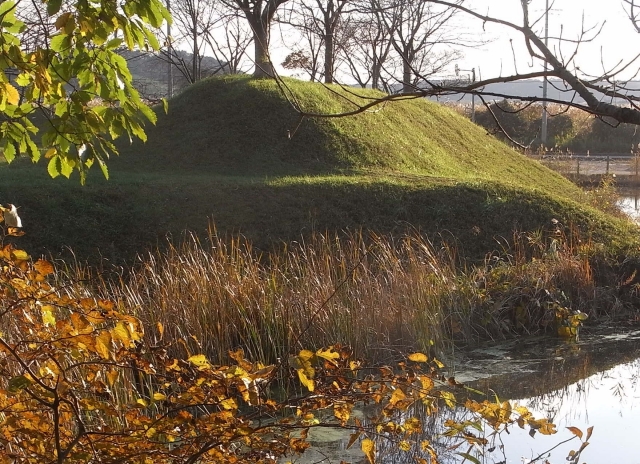
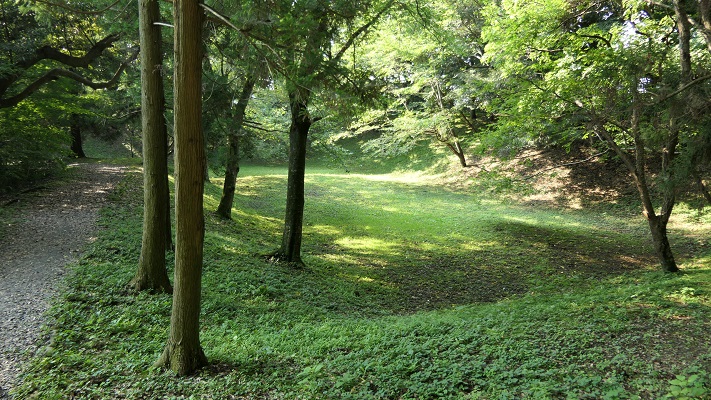
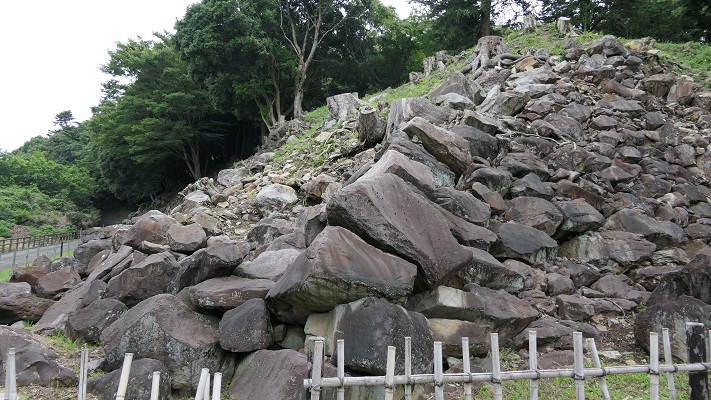
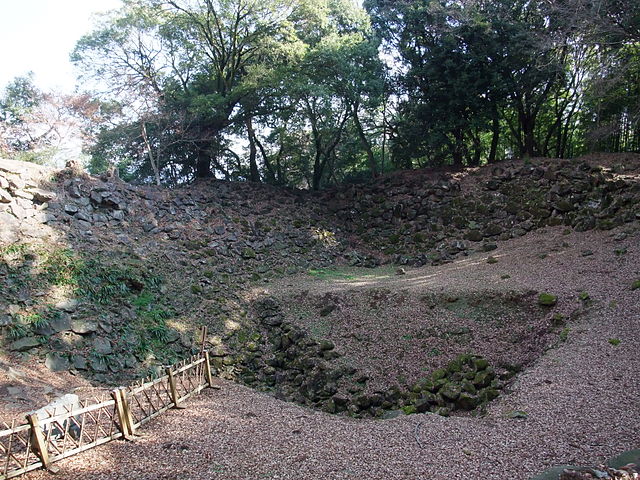
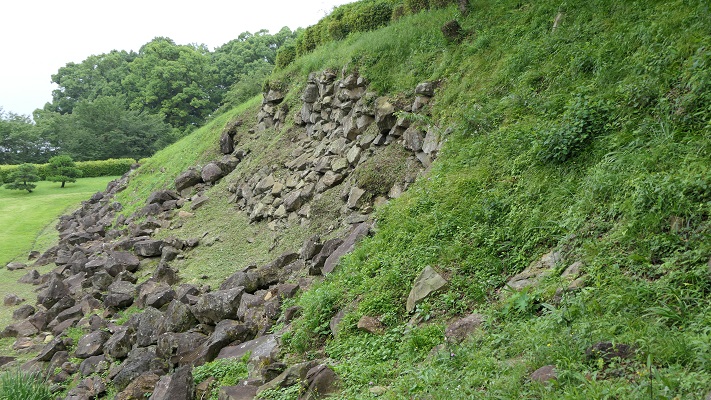
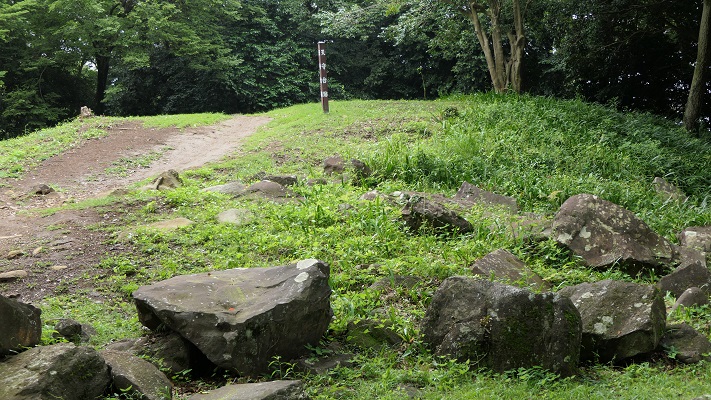
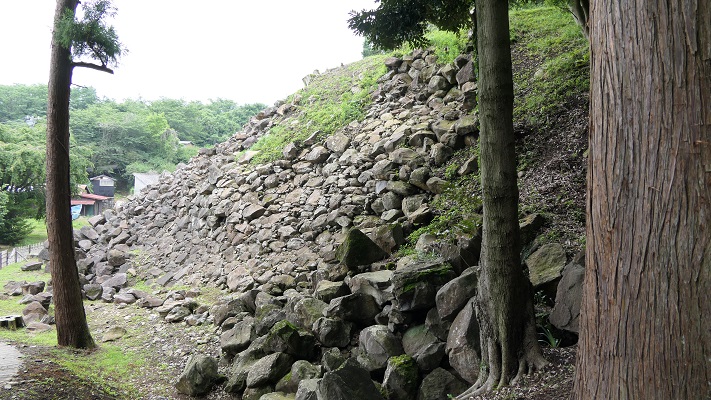
月山富田城の遺跡~The ruins of Gassan-Toda Castle

特徴~Features

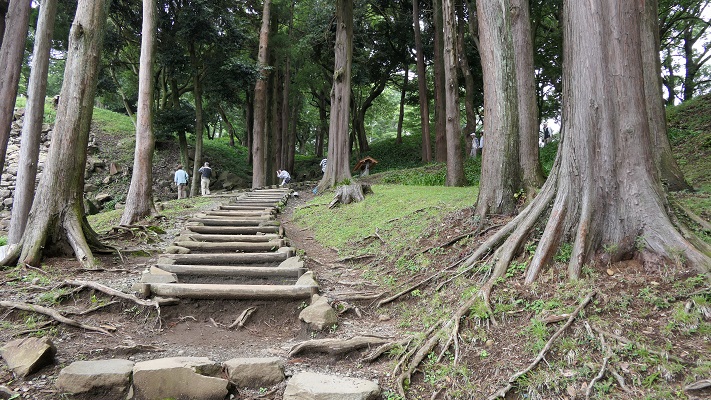
現在、観光客の人たちは通常、道の駅「広瀬・富田城」近くの、三つの登り口の一つ、菅谷口から登り始めます。山中御殿跡までたどり着くのに、いくつもの曲がりくねった道、曲輪、堀、そして関門を超えていかねばなりません。
Now, visitors usually start to climb up from Sugatani Route, one of three routes to the castle, near the roadside station “Hirose-Todajo”. You have to climb over several winding roads, enclosures, moats and gates to reach Sanchu hall ruins

城周辺の航空写真~The aerial photo around the castle

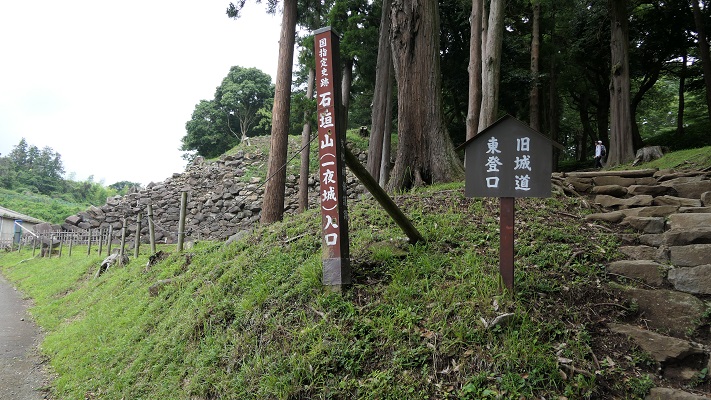
菅谷口~The entrance of Suganani Route
菅谷口を進みます~Going on Suganani Route
道の駅「広瀬・富田城」を見下ろします~Looking down the roadside station “Hirose-Todajo”

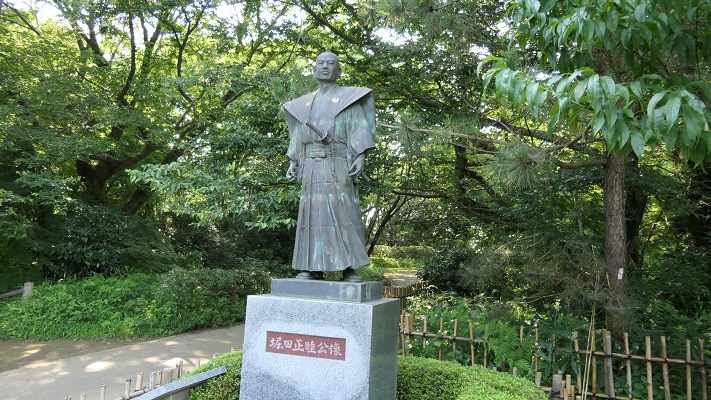
その途中には鹿之助の銅像もあります。
You can see the statue of Shikanosuke on the way.

山中鹿之助銅像~The statue of Shikanosuke Yamanaka

山中御殿の前には、花の壇曲輪の上に復元された木造建物があります。
There are also restored wooden buildings on Hananodan enclosure in front of Sanchu hall.

花の壇曲輪に向かいます~going to Hananodan enclosure
花の壇にある復元された木造建築物~The restored wooden buildings on Hananodan

城の主は通常は御殿の方に住んでいました。
The lords of the castle usually lived in the hall.

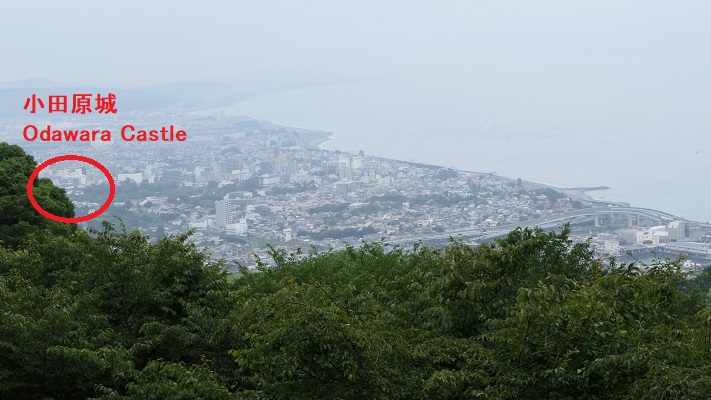
花の壇から見た城の中心部~The center of the castle from Hananodan
山中御殿跡~The ruins of Sanchu Hall

城で戦いが起こったときには、七曲りの山道を通って頂上の方に移動しました。尼子と毛利は、この山道を巡って戦ったと言われています。
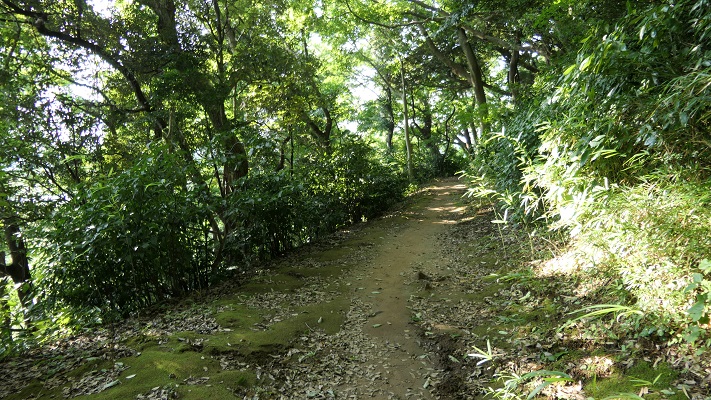
When a battle happened there, they moved to the top area through Nanamagari trail. It is said that Aamago and Mori fought each other along the trail.

七曲りの山道~Nanamagari trail

頂上の区域は、手前から奥に向かって三の丸、二の丸、本丸となっています。想像していたよりずっと広かったです。それで尼子は長い間持ちこたえられたのでしょう。
The top area includes Sannomaru, Ninomaru and Honmaru from the front to the back. The area is larger than I expected. That might make Amago keep the castle for a long time.

三の丸~Sannnomaru enclosure
手前が二の丸、奥が本丸~The front is Ninomaru, the back is Honmaru
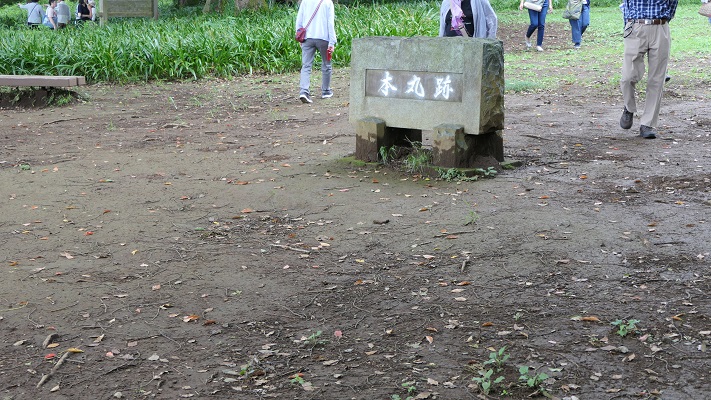
本丸~Honmaru enclosure
本丸から二の丸を見ています~Looking at Ninomaru from Honmaru

頂上からは海まで広がる地域一帯を見渡せます。尼子もまたここから自らの領地を見下ろしたことでしょう。
You can see a great view of the area below to the sea, from the top. Amago must have looked over this territory, too.

頂上からの眺め~A view from the top
城の前部と町を見下ろします~Looking over the front of the castle and the town

その後~Later Life

城跡は1934年に国の史跡に指定されました。また自治体も歴史公園として整備を行ったことで、気軽に訪れることができるうようになっています。
The castle ruins were designated as a National Historic Site in 1934. In more recent years, they were also developed as a historical park by officials. We can easily visit them.

七曲りの道も舗装されています~Even Nanamagari trail is paved

私の感想~My Impression

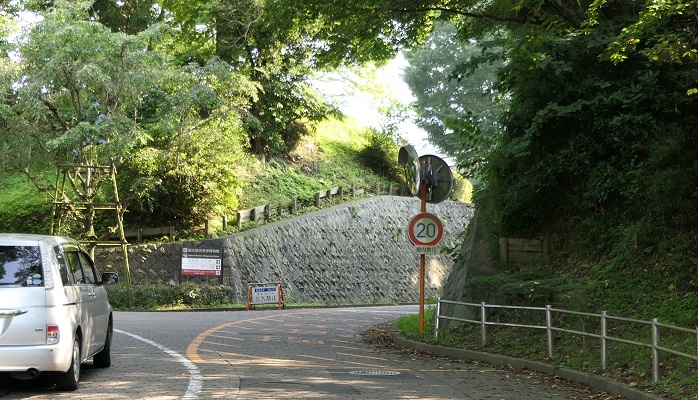
御籠り口と呼ばれるもう1つの城への登り口は車で通行可能です。今日では、山中御殿の近くにある駐車場まで車で行くことができます。でもお時間があれば、是非全部の行程を歩いて、城の大きさを実感していただきたいです。
Another route for the castle called Okomori Route is available for cars. Today, you can reach the parking lot near Sanchu hall by car. But, I recommend you to walk all the way on foot and feel how large the castle was, if you have time.

御籠り口~Okomori Route
山中御殿跡近くの駐車場~The parking lot near Sanchu Hall Ruins

ここに行くには~How to get There

ここに行くには車がお勧めです。山陰自動車道安来ICから約20分、JR安来駅から約20分かかります。安来駅には米子空港から米子駅経由の電車で1時間前後かかります。
I recommend using a car to get there. It takes about 20 minutes from the Yasugi IC on Sanin Expressway, or about 20 minutes from JR Yasugi Station. The station is around one hour from Yonago Airport by train via Yonago Station.

リンク、参考情報~Links and References

安来観光協会、月山富田城跡~Yasugi City Official Travel Guide
・「尼子氏の城郭と合戦」寺井毅著、戒光祥出版(Japanese Book)

error: Content is protected !!